Overview
The cytoskeleton is a dynamic, three-dimensional network of protein filaments that extends throughout the cytoplasm of eukaryotic cells, providing structural support, facilitating cellular movement, and enabling intracellular transport. Far from being a static scaffold, the cytoskeleton continuously assembles and disassembles in response to cellular signals, allowing cells to change shape, divide, migrate, and organize their internal components. Understanding cytoskeleton biology is fundamental to grasping how cells maintain their architecture, respond to mechanical forces, and execute complex processes such as mitosis, phagocytosis, and muscle contraction.
For the MCAT, the cytoskeleton represents a high-yield topic that bridges multiple disciplines within biology. Questions frequently test knowledge of the three major cytoskeletal components—microfilaments, intermediate filaments, and microtubules—along with their associated motor proteins and roles in cellular processes. The MCAT commonly integrates cytoskeletal concepts into passages about cell division, cell signaling, muscle physiology, and disease states such as cancer metastasis or genetic disorders affecting cytoskeletal proteins. A solid understanding of cytoskeletal structure and function enables students to tackle questions spanning cell biology, molecular biology, and even biochemistry.
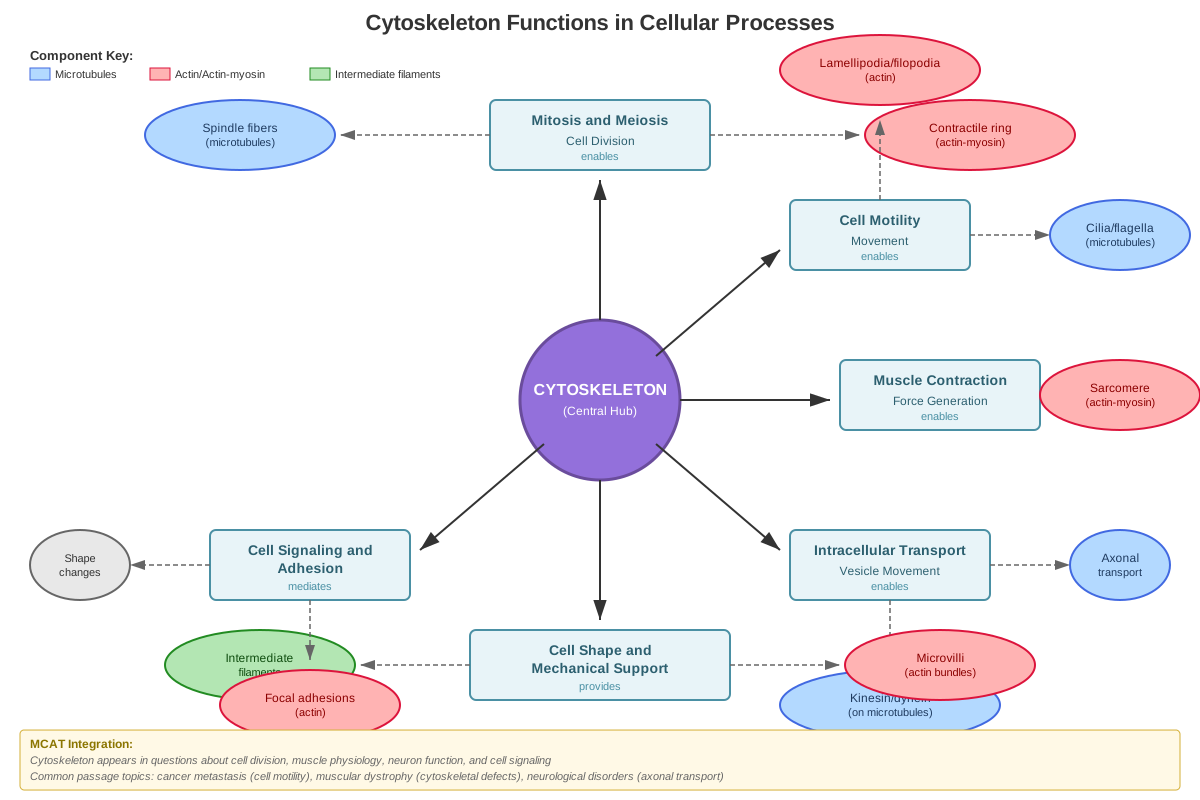
The cytoskeleton connects to numerous other biology concepts tested on the MCAT. It plays essential roles in mitosis and meiosis (spindle fiber formation), cell signaling (shape changes in response to signals), muscle contraction (actin-myosin interactions), cellular transport (motor protein-mediated movement), and cell adhesion (connection to extracellular matrix). Mastering the cytoskeleton provides a foundation for understanding how cells maintain organization, respond to their environment, and execute specialized functions—all critical themes throughout the MCAT biology curriculum.
Learning Objectives
- [ ] Define cytoskeleton using accurate biology terminology
- [ ] Explain why cytoskeleton matters for the MCAT
- [ ] Apply cytoskeleton concepts to exam-style questions
- [ ] Identify common mistakes related to cytoskeleton
- [ ] Connect cytoskeleton to related biology concepts
- [ ] Compare and contrast the three major types of cytoskeletal filaments in terms of structure, composition, and function
- [ ] Describe the mechanisms by which motor proteins utilize ATP to generate movement along cytoskeletal filaments
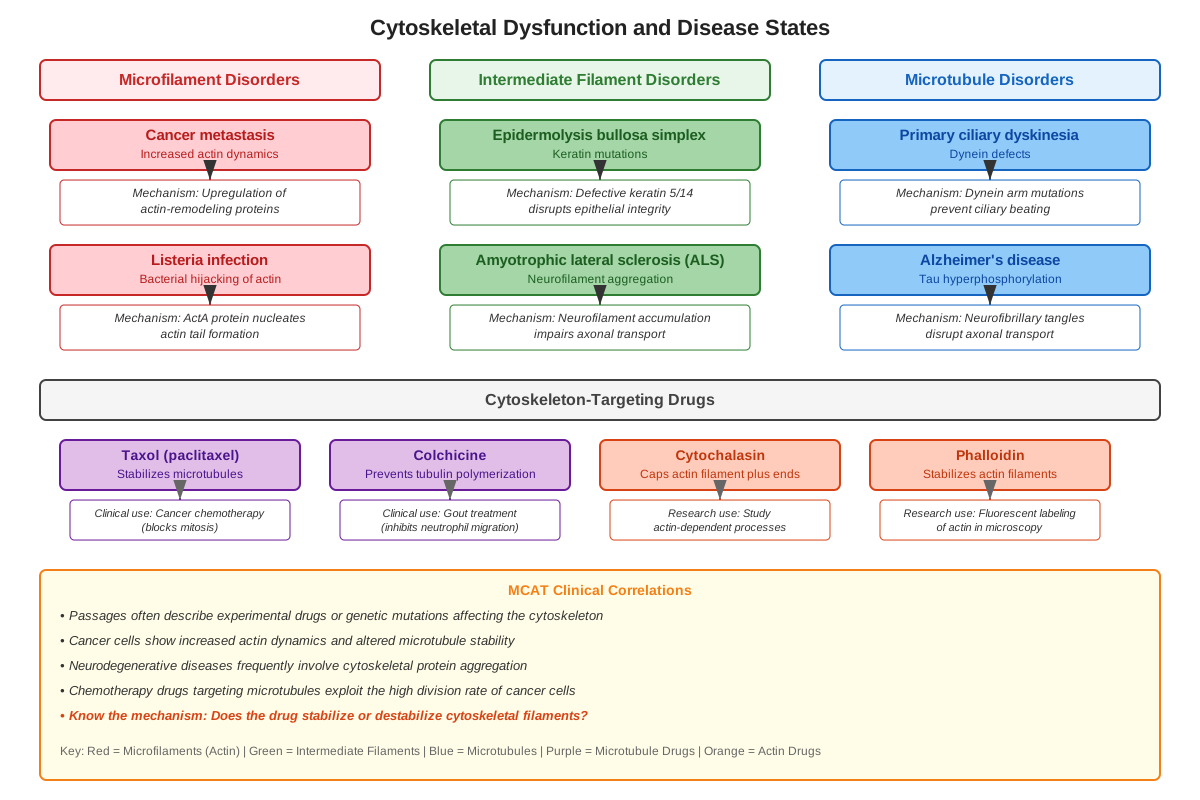
- [ ] Analyze how cytoskeletal dysfunction contributes to disease states and cellular pathology
Prerequisites
- Basic cell structure: Understanding of organelles, plasma membrane, and cytoplasm is necessary because the cytoskeleton exists within and interacts with these cellular components
- Protein structure: Knowledge of primary through quaternary structure enables comprehension of how cytoskeletal proteins polymerize and form functional filaments
- ATP and cellular energy: Familiarity with ATP hydrolysis is essential for understanding motor protein function and dynamic cytoskeletal assembly
- Cell membrane and transport: Understanding membrane structure helps explain how cytoskeletal elements anchor to membranes and facilitate vesicle transport
- Basic biochemistry: Knowledge of protein-protein interactions and polymerization reactions underlies cytoskeletal dynamics
Why This Topic Matters
The cytoskeleton appears in approximately 5-8% of MCAT biology questions, making it a medium-yield but consistently tested topic. Questions typically appear in two formats: discrete questions testing direct knowledge of cytoskeletal components and their functions, and passage-based questions integrating cytoskeletal concepts with experimental data about cell movement, division, or drug mechanisms. Understanding the cytoskeleton is clinically relevant because numerous diseases result from cytoskeletal defects, including certain cancers (uncontrolled cell division due to mitotic spindle dysfunction), muscular dystrophies (disrupted intermediate filaments), and ciliopathies (defective microtubule-based structures).
Real-world applications of cytoskeletal knowledge include understanding how chemotherapy drugs like taxol and vincristine target microtubules to prevent cancer cell division, how certain toxins like cytochalasin disrupt actin filaments, and how genetic mutations in cytoskeletal proteins cause hereditary diseases. The MCAT frequently presents experimental passages describing drugs or mutations that affect cytoskeletal function, requiring students to predict cellular consequences. Additionally, the cytoskeleton's role in immune cell migration, wound healing, and neuronal transport makes it relevant to understanding physiological processes tested across multiple MCAT sections.
Common MCAT passage themes include: experimental manipulation of cytoskeletal components using drugs or genetic techniques, analysis of cell migration or division defects, investigation of motor protein function, and examination of how cells respond to mechanical stress. Questions often require students to interpret microscopy images, analyze experimental results showing cytoskeletal disruption, or predict the effects of specific protein inhibitors on cellular processes.
Core Concepts
Definition and Overview of the Cytoskeleton
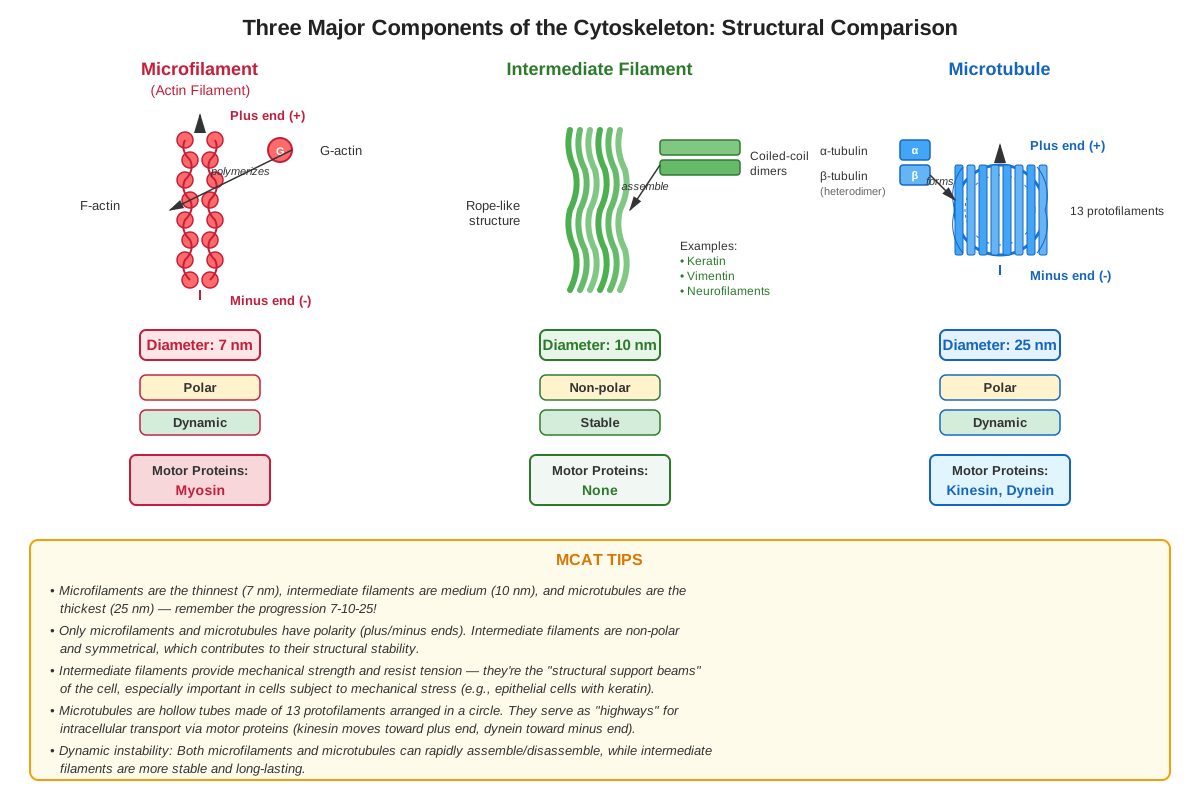
The cytoskeleton is an interconnected network of protein filaments and tubules that provides mechanical support, maintains cell shape, enables cellular movement, and organizes the cell's interior. Unlike the rigid skeleton of vertebrates, the cytoskeleton is highly dynamic, with constant assembly and disassembly of its components allowing rapid cellular responses to environmental changes. The cytoskeleton consists of three major types of protein filaments that differ in diameter, protein composition, and cellular functions: microfilaments (actin filaments), intermediate filaments, and microtubules.
Microfilaments (Actin Filaments)
Microfilaments, also called actin filaments, are the thinnest cytoskeletal elements with a diameter of approximately 7 nanometers. These filaments consist of polymerized actin monomers (globular actin or G-actin) that assemble into helical, two-stranded chains (filamentous actin or F-actin). Each actin filament has structural polarity, with a fast-growing plus end (barbed end) and a slower-growing minus end (pointed end). This polarity is crucial for directed cellular processes and motor protein movement.
Actin filaments perform numerous cellular functions. They form the cortical cytoskeleton just beneath the plasma membrane, providing mechanical support and determining cell shape. During cell movement, actin polymerization at the leading edge creates lamellipodia and filopodia—sheet-like and finger-like protrusions that extend the cell forward. Actin filaments also form the contractile ring during cytokinesis, pinching the cell in two during division. In muscle cells, actin filaments interact with myosin to generate contractile force. Additionally, actin filaments facilitate endocytosis and phagocytosis by forming a scaffold for membrane invagination.
The dynamic nature of actin filaments involves continuous polymerization at one end and depolymerization at the other, a process called treadmilling. This dynamic instability allows rapid reorganization of the actin cytoskeleton in response to cellular signals. Numerous actin-binding proteins regulate filament assembly, stability, and organization, including profilin (promotes polymerization), cofilin (promotes depolymerization), and proteins that cross-link or bundle actin filaments.
Intermediate Filaments
Intermediate filaments have a diameter of approximately 10 nanometers, intermediate between microfilaments and microtubules. Unlike actin filaments and microtubules, intermediate filaments are composed of various proteins depending on cell type, providing tissue-specific mechanical strength. Common intermediate filament proteins include keratins (in epithelial cells), vimentin (in connective tissue cells), desmin (in muscle cells), neurofilaments (in neurons), and nuclear lamins (forming the nuclear lamina).
The primary function of intermediate filaments is to provide mechanical stability and resistance to tension. They form a network throughout the cytoplasm and connect to cell-cell junctions (desmosomes) and cell-matrix junctions (hemidesmosomes), distributing mechanical stress across tissues. Nuclear lamins provide structural support to the nuclear envelope and organize chromatin. Unlike microfilaments and microtubules, intermediate filaments are more stable and less dynamic, reflecting their structural role.
Intermediate filaments lack polarity and do not serve as tracks for motor proteins. Their assembly involves the lateral association of protein dimers into tetramers, which then assemble into protofilaments that twist together to form the final rope-like structure. This assembly mechanism differs fundamentally from the head-to-tail polymerization of actin and tubulin subunits.
Microtubules
Microtubules are the largest cytoskeletal elements with a diameter of approximately 25 nanometers. They consist of hollow tubes formed by the polymerization of tubulin dimers. Each tubulin dimer contains one α-tubulin and one β-tubulin subunit. These dimers polymerize head-to-tail to form protofilaments, and typically 13 protofilaments associate laterally to create the hollow microtubule structure.
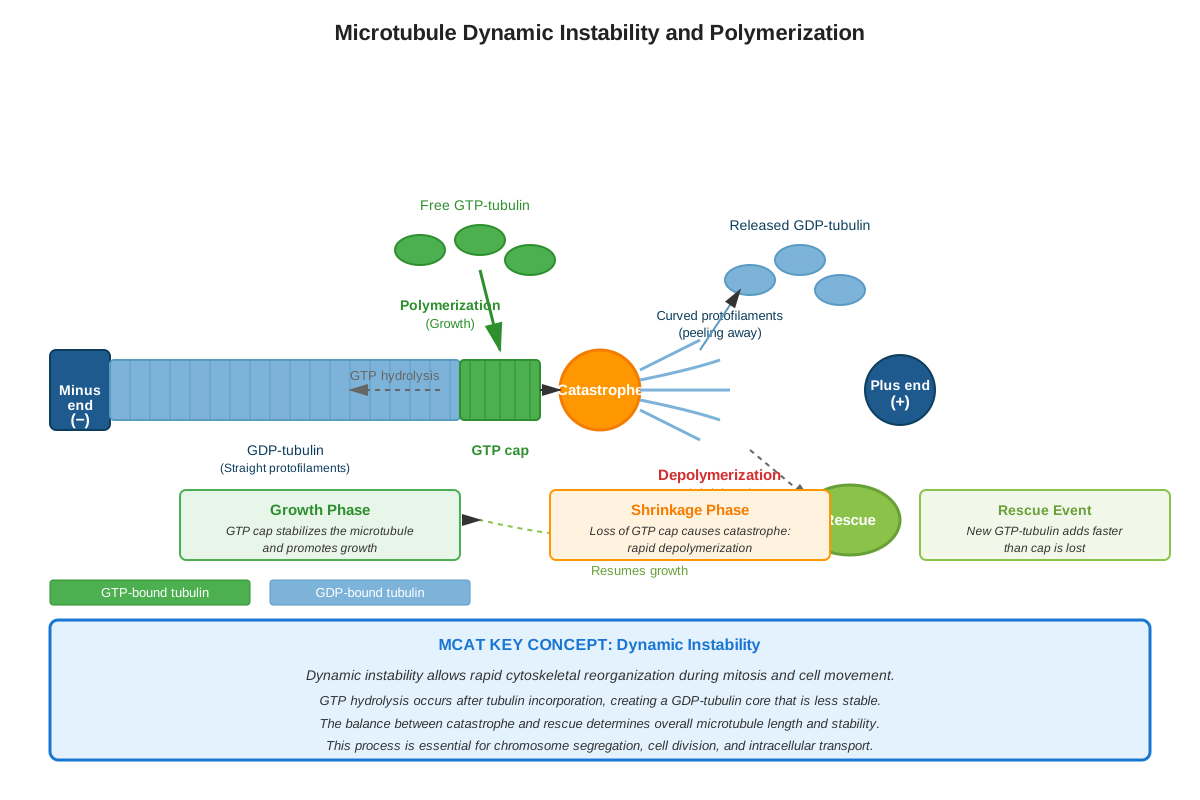
Like actin filaments, microtubules exhibit structural polarity. The minus end (with α-tubulin exposed) is typically anchored at the centrosome (also called the microtubule-organizing center or MTOC), while the plus end (with β-tubulin exposed) extends toward the cell periphery and undergoes rapid growth and shrinkage. This behavior, called dynamic instability, involves periods of growth (polymerization) alternating with rapid depolymerization (catastrophe). The addition of a GTP cap at the plus end stabilizes the microtubule, while GTP hydrolysis to GDP after incorporation makes the microtubule prone to depolymerization.
Microtubules serve multiple critical functions. They form the mitotic spindle during cell division, with spindle fibers (kinetochore microtubules) attaching to chromosomes and separating them to opposite poles. They provide tracks for long-distance intracellular transport, with motor proteins carrying vesicles, organelles, and other cargo along microtubules. Microtubules also form the core structure of cilia and flagella (called the axoneme), which consist of nine doublet microtubules surrounding a central pair (9+2 arrangement). In neurons, microtubules facilitate axonal transport of neurotransmitters and organelles over long distances.
Motor Proteins
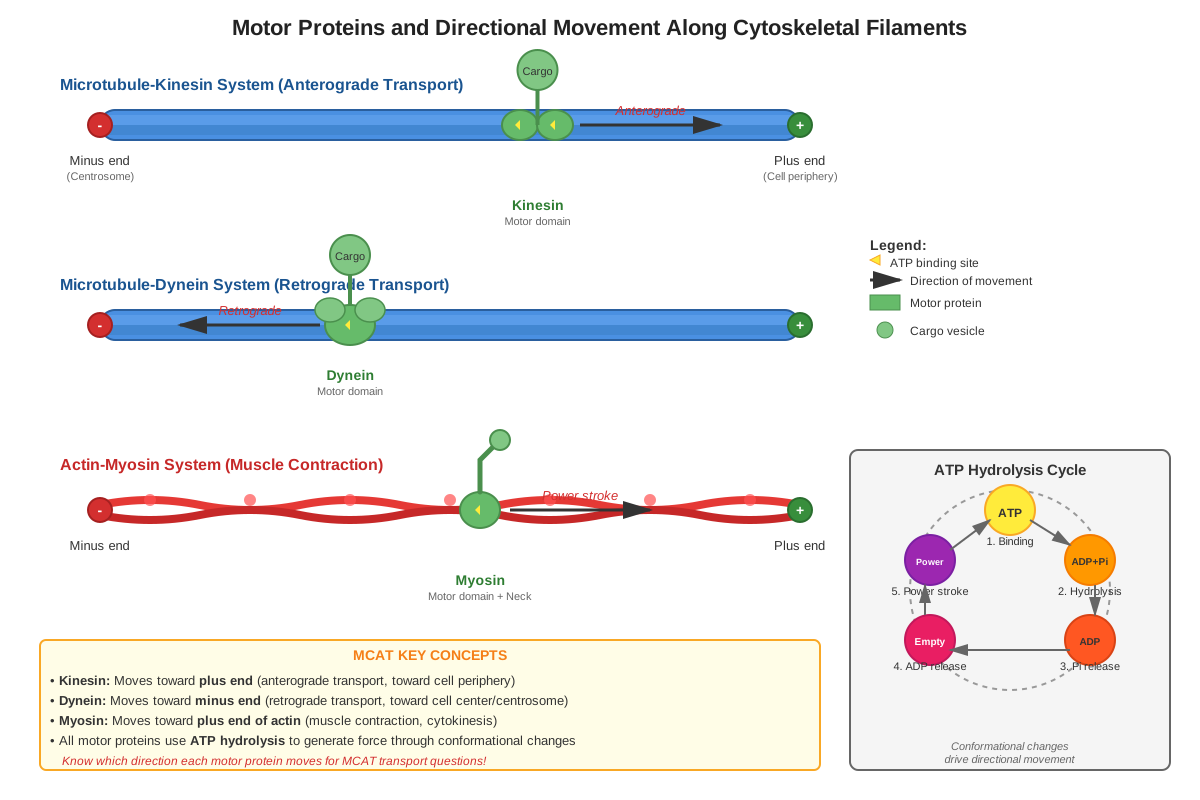
Motor proteins are specialized enzymes that convert chemical energy from ATP hydrolysis into mechanical work, generating movement along cytoskeletal filaments. The three major families of motor proteins are myosins (move along actin filaments), kinesins (move along microtubules toward the plus end), and dyneins (move along microtubules toward the minus end).
Myosins are a diverse family of motor proteins, with myosin II being the most well-characterized. In muscle cells, myosin II forms thick filaments that interact with actin thin filaments to generate contractile force through a cycle of ATP-dependent conformational changes. Non-muscle myosins participate in cytokinesis, cell migration, and vesicle transport. The myosin motor domain binds actin and hydrolyzes ATP, causing a conformational change (power stroke) that moves the myosin head along the actin filament.
Kinesins typically move cargo toward the plus end of microtubules (toward the cell periphery). They transport vesicles, organelles, and protein complexes from the cell body toward the plasma membrane. In neurons, kinesins carry synaptic vesicles and mitochondria from the cell body down the axon toward the synapse (anterograde transport). During mitosis, kinesins help separate chromosomes and position the mitotic spindle.
Dyneins move toward the minus end of microtubules (toward the centrosome or cell center). Cytoplasmic dynein transports cargo from the cell periphery toward the nucleus (retrograde transport in neurons). Axonemal dynein powers the beating of cilia and flagella by causing adjacent microtubule doublets to slide past each other, which bends the entire structure due to anchoring proteins.
Comparison Table of Cytoskeletal Components
| Feature | Microfilaments | Intermediate Filaments | Microtubules |
|---|---|---|---|
| Diameter | ~7 nm | ~10 nm | ~25 nm |
| Protein subunit | Actin (G-actin) | Various (keratins, vimentin, etc.) | α/β-tubulin dimers |
| Structure | Two-stranded helix | Rope-like, twisted strands | Hollow tube (13 protofilaments) |
| Polarity | Yes (plus/minus ends) | No | Yes (plus/minus ends) |
| Dynamic instability | Yes (treadmilling) | No (stable) | Yes (catastrophe/rescue) |
| Motor proteins | Myosins | None | Kinesins, dyneins |
| Primary functions | Cell shape, movement, cytokinesis, muscle contraction | Mechanical strength, tissue integrity | Intracellular transport, mitotic spindle, cilia/flagella |
| Nucleotide binding | ATP (actin-bound) | None | GTP (tubulin-bound) |
Cytoskeletal Dynamics and Regulation
The cytoskeleton's ability to rapidly reorganize depends on the dynamic assembly and disassembly of its filamentous components. For actin filaments and microtubules, this involves the continuous addition of subunits at one end and removal at the other, driven by nucleotide hydrolysis. Actin treadmilling occurs when ATP-actin monomers add to the plus end while ADP-actin monomers dissociate from the minus end, creating a net flux of subunits through the filament without changing its length.
Microtubule dynamic instability involves stochastic switching between growth and shrinkage phases. The GTP cap at the plus end stabilizes the microtubule; if polymerization slows and GTP hydrolysis catches up, the cap is lost, triggering rapid depolymerization (catastrophe). Rescue occurs when new GTP-tubulin subunits add to a shrinking microtubule, restoring the stabilizing cap. This dynamic behavior allows cells to rapidly reorganize their microtubule network during processes like mitosis.
Numerous regulatory proteins control cytoskeletal dynamics. Nucleation factors initiate filament formation (e.g., the Arp2/3 complex for actin, γ-tubulin ring complexes for microtubules). Capping proteins block addition or loss of subunits at filament ends. Severing proteins cut filaments into shorter pieces. Stabilizing proteins prevent depolymerization (e.g., tau protein stabilizes microtubules in neurons; mutations in tau contribute to Alzheimer's disease). Destabilizing proteins promote disassembly. These regulatory mechanisms allow cells to precisely control cytoskeletal organization in response to signals.
Concept Relationships
The three cytoskeletal components work together to maintain cell structure and enable cellular functions. Microfilaments provide the cortical support and generate forces for cell movement and division, while microtubules organize the cell interior and facilitate long-distance transport. Intermediate filaments provide mechanical reinforcement, particularly in cells experiencing mechanical stress. These systems are interconnected through cross-linking proteins that coordinate their activities.
The cytoskeleton connects to cell division through multiple mechanisms: microtubules form the mitotic spindle that segregates chromosomes → actin filaments form the contractile ring that divides the cytoplasm → intermediate filaments reorganize to accommodate cell shape changes. During cell migration, actin polymerization at the leading edge extends protrusions → focal adhesions anchor the cell → myosin contraction pulls the cell body forward → microtubules reorient to establish cell polarity → the rear of the cell retracts.
Motor proteins link the cytoskeleton to intracellular transport: kinesins and dyneins move along microtubules → cargo vesicles are transported between organelles and the plasma membrane → myosins move cargo along actin filaments for short-distance transport. This relationship is essential for neuronal function, where microtubule-based transport moves materials over long axonal distances.
The cytoskeleton connects to cell signaling through mechanotransduction: external forces applied to the cell → transmitted through cytoskeletal networks → trigger signaling cascades that alter gene expression. The cytoskeleton also anchors signaling proteins, organizing them into functional complexes. Additionally, cytoskeletal organization affects organelle positioning, which influences cellular metabolism and signaling.
Quick check — test yourself on Cytoskeleton so far.
Try Flashcards →High-Yield Facts
⭐ Microfilaments (actin filaments) are 7 nm in diameter, intermediate filaments are 10 nm, and microtubules are 25 nm—the largest cytoskeletal component.
⭐ Microtubules form the mitotic spindle during cell division, with kinetochore microtubules attaching to chromosomes at their centromeres.
⭐ Kinesins move toward the plus end of microtubules (toward cell periphery), while dyneins move toward the minus end (toward centrosome).
⭐ Actin filaments form the contractile ring during cytokinesis, pinching the cell in two through myosin-mediated contraction.
⭐ Cilia and flagella contain a 9+2 arrangement of microtubules (nine doublets surrounding two central singlets), with dynein motors powering their movement.
- Intermediate filaments are tissue-specific: keratins in epithelial cells, vimentin in connective tissue, desmin in muscle, neurofilaments in neurons, and lamins in the nuclear envelope.
- Actin filaments and microtubules exhibit polarity with distinct plus (fast-growing) and minus (slow-growing) ends, while intermediate filaments lack polarity.
- Taxol (paclitaxel) stabilizes microtubules and prevents their depolymerization, blocking mitosis and serving as a chemotherapy drug.
- Colchicine and vincristine destabilize microtubules by preventing tubulin polymerization, also used as chemotherapy agents.
- Cytochalasin disrupts actin filaments by capping the plus end and preventing polymerization.
- The centrosome serves as the microtubule-organizing center (MTOC), anchoring the minus ends of microtubules and organizing the mitotic spindle.
- Treadmilling in actin filaments involves ATP-actin addition at the plus end and ADP-actin removal at the minus end, creating directional movement without net length change.
- Dynamic instability of microtubules involves GTP hydrolysis; the GTP cap stabilizes the plus end, and its loss triggers catastrophic depolymerization.
- Myosin II in muscle cells uses ATP hydrolysis to generate the power stroke that slides actin filaments, producing muscle contraction.
- Mutations in intermediate filament proteins cause diseases such as epidermolysis bullosa (keratin mutations causing skin fragility) and certain forms of muscular dystrophy (desmin mutations).
Common Misconceptions
Misconception: The cytoskeleton is a static, permanent structure like a building's framework.
Correction: The cytoskeleton is highly dynamic, with continuous assembly and disassembly of actin filaments and microtubules. This dynamic nature allows rapid cellular responses, shape changes, and reorganization during processes like cell division and migration.
Misconception: All motor proteins move in the same direction along cytoskeletal filaments.
Correction: Motor protein directionality depends on the specific protein and filament type. Kinesins move toward the plus end of microtubules, dyneins move toward the minus end, and different myosin family members can move in different directions along actin filaments, though most move toward the plus end.
Misconception: Intermediate filaments serve the same functions as microfilaments and microtubules.
Correction: Intermediate filaments primarily provide mechanical strength and structural stability, particularly in cells experiencing mechanical stress. Unlike microfilaments and microtubules, they do not serve as tracks for motor proteins and are much more stable with less dynamic turnover.
Misconception: Microtubules only function during cell division.
Correction: While microtubules are essential for forming the mitotic spindle during cell division, they also function continuously in interphase cells for intracellular transport, organelle positioning, maintenance of cell shape, and formation of cilia and flagella. They are essential for normal cellular function at all stages of the cell cycle.
Misconception: The plus end and minus end of cytoskeletal filaments refer to electrical charge.
Correction: The plus and minus designations refer to the rate of subunit addition (polymerization), not electrical charge. The plus end is the fast-growing end where subunits add more rapidly, while the minus end is the slow-growing end. This polarity results from the asymmetric structure of the protein subunits.
Misconception: All cytoskeletal components are found in all cell types.
Correction: While actin filaments and microtubules are present in virtually all eukaryotic cells, the specific types of intermediate filaments vary by cell type. For example, neurons contain neurofilaments, epithelial cells contain keratins, and muscle cells contain desmin. This tissue-specific expression reflects specialized mechanical requirements.
Misconception: Drugs that disrupt the cytoskeleton kill cells immediately.
Correction: Cytoskeletal disruption affects specific cellular processes, with the most dramatic effects on rapidly dividing cells. Chemotherapy drugs targeting microtubules primarily kill cancer cells during mitosis when cells are most dependent on functional spindle fibers. Non-dividing cells may survive with disrupted cytoskeletons but lose specific functions like migration or transport.
Worked Examples
Example 1: Experimental Analysis of Cytoskeletal Disruption
Question: Researchers treat cultured cells with cytochalasin D and observe the following effects: cells become rounded, membrane ruffling ceases, and cytokinesis fails in dividing cells, resulting in binucleate cells. However, chromosome segregation during mitosis proceeds normally. Explain these observations based on cytoskeletal function.
Solution:
Step 1: Identify the drug's mechanism. Cytochalasin D disrupts actin filaments by capping the plus end and preventing polymerization. This means microfilament-dependent processes will be affected, but microtubule-dependent processes should remain intact.
Step 2: Analyze cell rounding. Normal cell shape depends on the cortical actin cytoskeleton beneath the plasma membrane. When actin filaments are disrupted, cells lose this structural support and assume a rounded shape due to membrane tension, similar to a deflated balloon becoming spherical.
Step 3: Explain loss of membrane ruffling. Membrane ruffles and lamellipodia form through actin polymerization at the leading edge of migrating cells. Without functional actin filaments, cells cannot extend these protrusions, eliminating membrane ruffling and preventing cell migration.
Step 4: Analyze cytokinesis failure. Cytokinesis requires formation of a contractile ring composed of actin filaments and myosin II at the cell equator. This ring contracts to pinch the cell in two. Without functional actin filaments, the contractile ring cannot form, preventing cytoplasmic division. The result is a single cell with two nuclei (binucleate).
Step 5: Explain normal chromosome segregation. Chromosome separation during mitosis depends on the mitotic spindle, which consists of microtubules, not actin filaments. Since cytochalasin D specifically disrupts actin and does not affect microtubules, spindle formation and chromosome segregation proceed normally. The problem arises only when the cell attempts to divide its cytoplasm.
Conclusion: These observations demonstrate the specific functions of actin filaments in maintaining cell shape, enabling cell migration, and executing cytokinesis, while confirming that microtubules independently handle chromosome segregation. This exemplifies how different cytoskeletal components have distinct, non-redundant functions.
Example 2: Motor Protein Transport in Neurons
Question: A mutation in a kinesin motor protein prevents it from binding ATP but does not affect its ability to bind microtubules or cargo vesicles. Predict the effects of this mutation on neuronal function, specifically regarding synaptic vesicle distribution and neurotransmitter release.
Solution:
Step 1: Identify normal kinesin function. Kinesins are motor proteins that move toward the plus end of microtubules, which in neurons extends from the cell body toward the axon terminal. Kinesins transport cargo including synaptic vesicles, mitochondria, and membrane proteins from the cell body (where they are synthesized) to the synapse.
Step 2: Analyze the mutation's effect on motor function. Motor proteins use ATP hydrolysis to generate conformational changes that produce movement along cytoskeletal filaments. Without ATP binding, the kinesin cannot undergo the power stroke necessary for movement. The protein can still bind to both microtubules and cargo but cannot transport the cargo along the microtubule.
Step 3: Predict effects on synaptic vesicle distribution. Synaptic vesicles are synthesized in the cell body and must be transported to the axon terminal for neurotransmitter release. With non-functional kinesin, anterograde transport (toward the synapse) is impaired. Synaptic vesicles will accumulate in the cell body and proximal axon rather than reaching the synapse.
Step 4: Predict effects on neurotransmitter release. As synaptic vesicles fail to reach the axon terminal, the pool of vesicles available for neurotransmitter release will be depleted. Initially, the neuron might function using existing vesicles at the synapse, but over time, neurotransmitter release will decrease dramatically, impairing synaptic transmission.
Step 5: Consider compensatory mechanisms. Neurons also express dynein motors that move toward the minus end (retrograde transport). However, dynein cannot compensate for kinesin loss because it moves in the opposite direction. The neuron might upregulate other kinesin family members if they are unaffected by the mutation, but if the mutation affects all kinesins, the neuron will experience severe transport deficits.
Conclusion: This mutation would cause progressive neuronal dysfunction due to failed anterograde transport, leading to synaptic vesicle depletion at terminals and impaired neurotransmission. This scenario illustrates the critical importance of motor protein-mediated transport in neurons and explains why mutations in motor proteins cause neurodegenerative diseases.
Exam Strategy
When approaching MCAT questions on the cytoskeleton, first identify which cytoskeletal component is involved by looking for key trigger words: "actin" or "microfilaments" for questions about cell movement, shape, or muscle contraction; "microtubules" for questions about cell division, intracellular transport, or cilia/flagella; "intermediate filaments" for questions about mechanical strength or tissue-specific structures. Many questions will describe experimental manipulations using drugs—remember that taxol and colchicine affect microtubules, while cytochalasin affects actin.
For motor protein questions, immediately determine directionality: kinesins move toward the plus end (periphery), dyneins move toward the minus end (center), and myosins move along actin. Questions often describe transport defects and ask you to identify which motor protein is affected. Use the cargo's destination to determine the required direction of movement, then select the appropriate motor protein.
Process-of-elimination strategies work well for cytoskeleton questions. If a question describes a cell division defect, eliminate answers involving intermediate filaments (they don't participate in mitosis). If a question describes failed muscle contraction, eliminate answers involving microtubules or intermediate filaments. If a question describes a cell that cannot migrate, focus on actin-related answers since cell migration depends primarily on actin polymerization and myosin contraction.
Watch for questions that test understanding of dynamic instability versus stability. If a passage describes rapid cytoskeletal reorganization, it's referring to actin or microtubules, not intermediate filaments. Conversely, if a question emphasizes mechanical strength or structural stability, intermediate filaments are likely involved.
Time allocation for cytoskeleton questions should be moderate—these questions typically require 60-90 seconds. Discrete questions testing direct knowledge (e.g., "Which motor protein moves toward the plus end of microtubules?") should take 30-45 seconds. Passage-based questions requiring analysis of experimental data may take 90-120 seconds. Don't spend excessive time trying to recall minor details; focus on the major structural and functional differences between the three cytoskeletal types and the directionality of motor proteins.
Memory Techniques
Mnemonic for cytoskeletal diameters (smallest to largest): "Seven Ten Twenty-five" = Skinny (microfilaments, 7 nm), Thick (intermediate filaments, 10 nm), Tubular (microtubules, 25 nm).
Mnemonic for motor protein directionality: "Kinesins Kick toward the Periphery (Plus end), Dyneins Drag toward the Center (minus end, toward Centrosome)."
Mnemonic for intermediate filament types: "Kevin's Very Determined Nature Lasts" = Keratins (epithelial), Vimentin (connective tissue), Desmin (muscle), Neurofilaments (neurons), Lamins (nuclear).
Visualization for actin in cell division: Picture a drawstring bag being pulled closed—this represents the actin contractile ring pinching the cell in two during cytokinesis. The drawstring is actin, and myosin provides the pulling force.
Visualization for microtubule dynamic instability: Imagine a tower of blocks with a protective cap on top. As long as the cap is present (GTP cap), the tower is stable and can grow. If the cap falls off (GTP hydrolysis catches up), the tower rapidly collapses (catastrophe). Adding new blocks with caps (GTP-tubulin) can rescue the tower.
Acronym for microtubule drug effects: "Taxol Traps, Colchicine Cuts" = Taxol stabilizes (traps) microtubules, Colchicine destabilizes (cuts apart) microtubules.
Memory aid for cilia structure: Hold up both hands with fingers spread (9 fingers visible) and imagine two pencils in the center = 9+2 arrangement of microtubules in cilia and flagella.
Summary
The cytoskeleton is a dynamic network of protein filaments that provides structural support, enables cellular movement, and facilitates intracellular transport in eukaryotic cells. The three major components—microfilaments (7 nm actin filaments), intermediate filaments (10 nm tissue-specific proteins), and microtubules (25 nm tubulin polymers)—each serve distinct functions. Microfilaments maintain cell shape, enable cell migration through polymerization-driven protrusion, and form the contractile ring during cytokinesis. Intermediate filaments provide mechanical strength and tissue integrity, with different proteins expressed in different cell types. Microtubules organize the cell interior, form the mitotic spindle for chromosome segregation, serve as tracks for motor protein-mediated transport, and constitute the core of cilia and flagella. Motor proteins—myosins on actin, kinesins and dyneins on microtubules—convert ATP energy into directional movement, enabling cargo transport and cellular motility. Understanding cytoskeletal dynamics, including actin treadmilling and microtubule dynamic instability, is essential for predicting cellular responses to drugs, mutations, and signals. For the MCAT, focus on distinguishing the three filament types, knowing motor protein directionality, understanding cytoskeletal roles in cell division and transport, and recognizing how drugs like taxol and cytochalasin disrupt specific components.
Key Takeaways
- The cytoskeleton consists of three distinct filament types: microfilaments (7 nm actin), intermediate filaments (10 nm, various proteins), and microtubules (25 nm tubulin), each with specialized functions
- Microfilaments drive cell movement, maintain cell shape, and form the contractile ring during cytokinesis through actin polymerization and myosin-mediated contraction
- Microtubules form the mitotic spindle for chromosome segregation, serve as tracks for kinesin and dynein motor proteins, and constitute the 9+2 structure of cilia and flagella
- Kinesins move toward the plus end of microtubules (toward cell periphery), while dyneins move toward the minus end (toward centrosome), enabling bidirectional intracellular transport
- Intermediate filaments provide mechanical strength and are tissue-specific (keratins in epithelium, vimentin in connective tissue, desmin in muscle, neurofilaments in neurons, lamins in nucleus)
- Cytoskeletal dynamics involve continuous assembly and disassembly: actin treadmilling and microtubule dynamic instability allow rapid cellular reorganization in response to signals
- Chemotherapy drugs target the cytoskeleton: taxol stabilizes microtubules, colchicine destabilizes microtubules, and cytochalasin disrupts actin filaments, all preventing cell division
Related Topics
- Cell Division (Mitosis and Meiosis): The cytoskeleton's role in forming the mitotic spindle and contractile ring is fundamental to understanding how cells divide; mastering cytoskeletal function enables deeper comprehension of cell cycle regulation and chromosome segregation
- Muscle Contraction: The actin-myosin interaction in the cytoskeleton provides the molecular basis for muscle contraction; understanding microfilament function is essential for studying muscle physiology
- Cell Signaling and Mechanotransduction: The cytoskeleton transmits mechanical forces and organizes signaling proteins; connecting cytoskeletal structure to signal transduction pathways reveals how cells sense and respond to their environment
- Intracellular Transport and Organelle Function: Motor protein movement along cytoskeletal tracks explains how vesicles, organelles, and proteins are distributed within cells; this connects to understanding secretory pathways, endocytosis, and neuronal function
- Cell Adhesion and Extracellular Matrix: The cytoskeleton anchors to cell junctions and the extracellular matrix through specialized proteins; understanding these connections is essential for studying tissue organization and cell migration
- Cancer Biology: Uncontrolled cell division in cancer involves dysregulated cytoskeletal function; chemotherapy drugs targeting the cytoskeleton demonstrate the clinical relevance of this topic
Practice CTA
Now that you've mastered the core concepts of the cytoskeleton, it's time to reinforce your understanding through active practice. Challenge yourself with MCAT-style practice questions that test your ability to apply cytoskeletal concepts to experimental scenarios, predict the effects of drugs and mutations, and analyze cellular processes. Use flashcards to drill the key facts, especially the structural and functional differences between the three filament types and the directionality of motor proteins. Remember, the cytoskeleton appears consistently on the MCAT, and your ability to quickly identify which component is involved in a given cellular process will save valuable time on test day. You've built a strong foundation—now solidify it through deliberate practice and watch your confidence soar!
Sign up free to keep reading
Create a free AnvayaPrep account to finish this MCAT guide on Cytoskeleton — plus flashcards and practice questions.