Overview
The extracellular matrix (ECM) represents a complex, dynamic network of macromolecules that exists outside cells in multicellular organisms. This intricate scaffold is far more than passive structural support—it actively regulates cellular behavior, tissue organization, and physiological processes essential to human health. The ECM consists primarily of proteins (such as collagen, elastin, and fibronectin) and polysaccharides (particularly glycosaminoglycans and proteoglycans) that are secreted by cells and assembled into an organized meshwork. Understanding the ECM is fundamental to Cell Biology because it mediates critical cell-matrix interactions that influence cell adhesion, migration, differentiation, and survival.
For the MCAT, the extracellular matrix appears frequently in passages related to connective tissue disorders, wound healing, cancer metastasis, and developmental biology. Questions often test students' understanding of ECM components, their structural properties, and how cells interact with the matrix through specialized receptors like integrins. The extracellular matrix MCAT content bridges multiple disciplines: it connects molecular biology (protein structure and synthesis), biochemistry (glycosaminoglycan chemistry), and physiology (tissue mechanics and cell signaling). This interdisciplinary nature makes ECM a high-yield topic that can appear in various contexts throughout the exam.
The ECM's relationship to other Biology concepts is extensive. It connects to protein synthesis and secretion pathways (rough ER and Golgi apparatus), cell adhesion molecules, signal transduction cascades, tissue types (especially connective tissue), and pathological processes including fibrosis, tumor invasion, and genetic disorders like Ehlers-Danlos syndrome and osteogenesis imperfecta. Mastering the extracellular matrix provides a foundation for understanding how cells organize into tissues and how tissue architecture influences organ function—concepts that appear repeatedly across MCAT biological sciences sections.
Learning Objectives
- [ ] Define extracellular matrix using accurate Biology terminology
- [ ] Explain why extracellular matrix matters for the MCAT
- [ ] Apply extracellular matrix concepts to exam-style questions
- [ ] Identify common mistakes related to extracellular matrix
- [ ] Connect extracellular matrix to related Biology concepts
- [ ] Describe the major protein and carbohydrate components of the ECM and their specific functions
- [ ] Explain the mechanism of cell-ECM interactions through integrin receptors and their downstream signaling effects
- [ ] Analyze how ECM composition varies across different tissue types and correlates with tissue function
- [ ] Predict the physiological consequences of ECM defects in genetic disorders
Prerequisites
- Protein structure (primary through quaternary): ECM proteins like collagen have unique structural features including triple helices that depend on understanding protein folding
- Carbohydrate chemistry: Glycosaminoglycans are complex polysaccharides whose chemical properties (charge, hydration) determine ECM physical characteristics
- Cell membrane structure: Understanding how transmembrane receptors like integrins span the lipid bilayer is essential for grasping cell-ECM communication
- Connective tissue basics: The ECM is the defining feature of connective tissue, so familiarity with tissue classification provides context
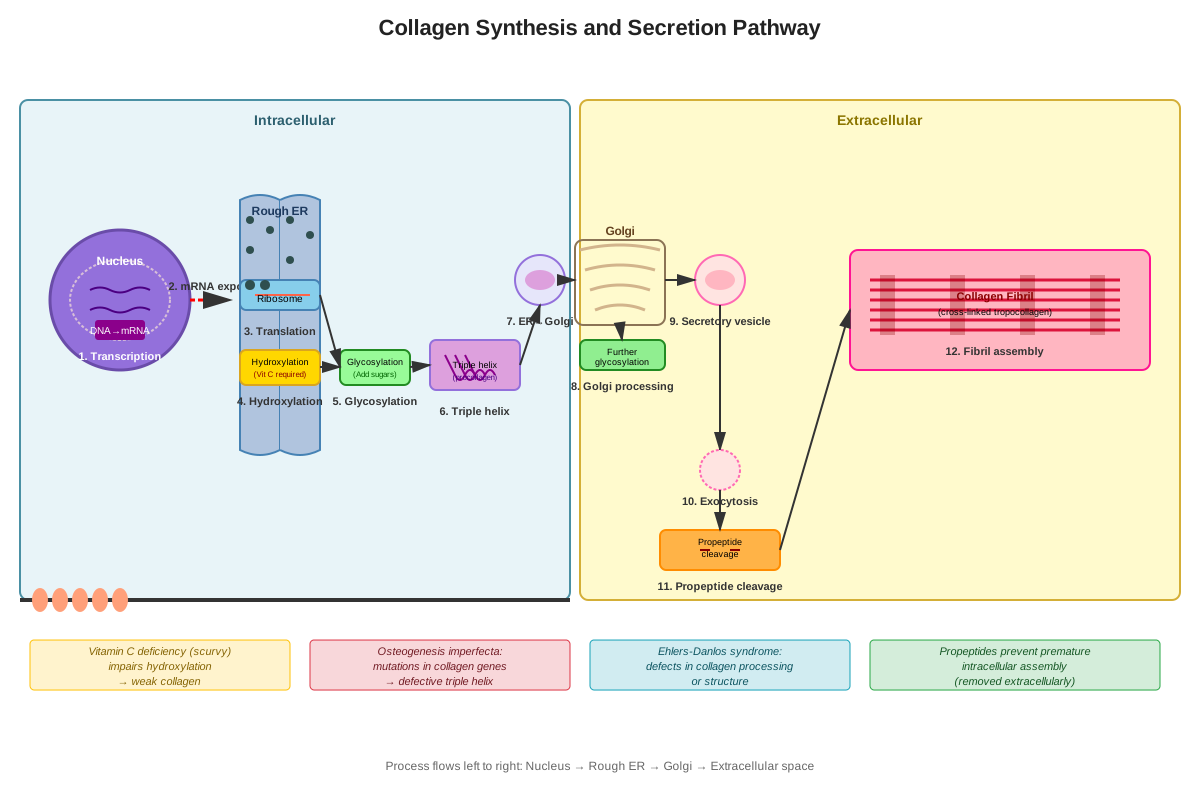
- Protein synthesis and secretion: ECM components are synthesized in the rough ER and modified in the Golgi before secretion via exocytosis
Why This Topic Matters
The extracellular matrix has profound clinical significance that makes it relevant for medical education and MCAT preparation. ECM abnormalities underlie numerous genetic disorders: osteogenesis imperfecta results from defective type I collagen synthesis, causing brittle bones; Ehlers-Danlos syndrome involves defects in collagen or collagen-processing enzymes, leading to hyperflexible joints and fragile tissues; Marfan syndrome stems from fibrillin-1 mutations affecting elastic fiber formation. Understanding ECM composition helps explain why these disorders present with their characteristic symptoms. Additionally, the ECM plays a critical role in cancer biology—tumor cells must degrade the basement membrane (a specialized ECM layer) to metastasize, making matrix metalloproteinases important therapeutic targets.
On the MCAT, ECM-related content appears in approximately 3-5% of biological sciences questions, with particular frequency in passages about connective tissue disorders, wound healing, tissue engineering, and developmental biology. Questions typically test three main areas: (1) structural knowledge of ECM components and their properties, (2) functional understanding of cell-ECM interactions and signaling, and (3) application to pathological scenarios. The topic appears most commonly in passage-based questions where students must interpret experimental data about ECM remodeling, analyze genetic mutations affecting ECM proteins, or predict how ECM changes influence cell behavior.
Common passage contexts include: research studies investigating how ECM stiffness affects stem cell differentiation; clinical vignettes describing patients with connective tissue disorders; experiments examining how cancer cells invade through basement membranes; and developmental biology passages exploring how ECM guides cell migration during embryogenesis. Discrete questions often focus on identifying ECM components in specific tissues (e.g., recognizing that cartilage is rich in type II collagen and aggrecan) or understanding integrin-mediated signaling pathways.
Core Concepts
Definition and Composition of the Extracellular Matrix
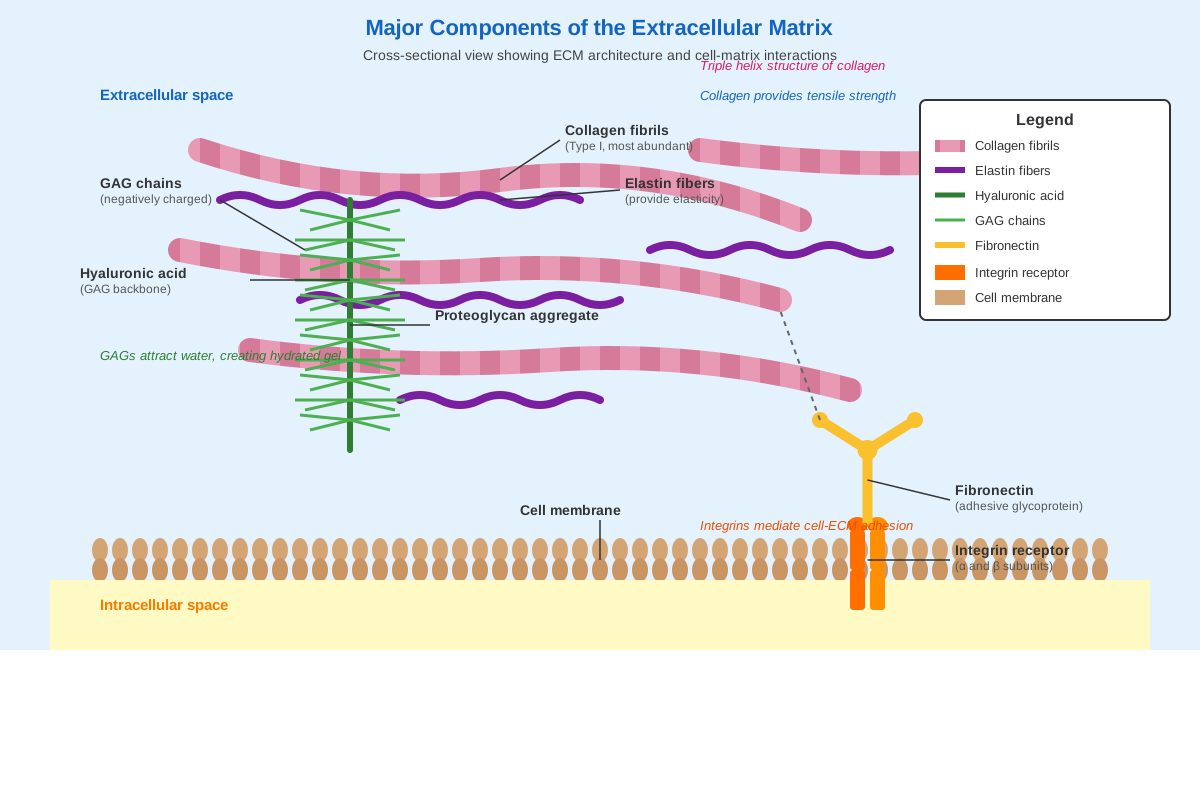
The extracellular matrix is a three-dimensional network of extracellular macromolecules and minerals that provides structural and biochemical support to surrounding cells. Unlike the intracellular cytoskeleton, the ECM exists entirely outside the plasma membrane and is secreted by cells within the tissue. The ECM consists of two major classes of macromolecules: (1) fibrous proteins including collagen, elastin, fibronectin, and laminin, and (2) polysaccharides in the form of glycosaminoglycans (GAGs) and proteoglycans. These components self-assemble into an organized network whose composition and architecture vary dramatically between tissue types, reflecting functional specialization.
The ECM is not a static structure but rather a dynamic entity that undergoes constant remodeling through synthesis and degradation. Cells continuously secrete new ECM components while simultaneously producing enzymes (particularly matrix metalloproteinases or MMPs) that degrade existing matrix. This balance between synthesis and degradation allows tissues to adapt to mechanical stress, repair damage, and remodel during development. The ECM also serves as a reservoir for growth factors and signaling molecules, which can be released during matrix remodeling to influence cell behavior.
Collagen: The Primary Structural Protein
Collagen represents the most abundant protein in the human body, constituting approximately 30% of total protein mass. At least 28 different collagen types exist, but type I collagen is most prevalent, providing tensile strength to skin, bone, tendons, and ligaments. The collagen molecule has a distinctive structure: three polypeptide chains (called α chains) wind around each other to form a triple helix. This structure requires glycine at every third position in the amino acid sequence because glycine's small size allows the tight packing necessary for the triple helix. The sequence Gly-X-Y repeats throughout collagen, where X is often proline and Y is often hydroxyproline.
Collagen synthesis involves extensive post-translational modifications. After translation in the rough ER, proline and lysine residues are hydroxylated by enzymes that require vitamin C as a cofactor—explaining why vitamin C deficiency causes scurvy, characterized by defective collagen and bleeding gums. Hydroxylysine residues are then glycosylated. Three α chains assemble into procollagen, which is secreted from the cell. In the extracellular space, peptidases cleave terminal propeptides, converting procollagen to tropocollagen. Tropocollagen molecules then self-assemble into collagen fibrils, which aggregate into larger collagen fibers. Covalent cross-links between lysine and hydroxylysine residues stabilize these fibers, providing mechanical strength.
| Collagen Type | Primary Location | Key Function |
|---|---|---|
| Type I | Bone, skin, tendons, ligaments, cornea | Tensile strength, most abundant |
| Type II | Cartilage, vitreous humor | Resists compression in cartilage |
| Type III | Blood vessels, skin, internal organs | Provides structural support in expandable organs |
| Type IV | Basement membranes | Forms sheet-like network for epithelial support |
| Type V | Hair, placenta, bone | Regulates fibril diameter |
Elastin and Elastic Fibers
Elastin provides tissues with the ability to stretch and recoil, complementing collagen's tensile strength with elastic properties. Elastin is particularly abundant in tissues that undergo repeated stretching, including arteries, lungs, and skin. The elastin protein is rich in hydrophobic amino acids (particularly glycine, valine, and proline) and contains little hydroxyproline, distinguishing it from collagen. Elastin molecules are secreted as tropoelastin and then cross-linked in the extracellular space by lysyl oxidase, forming an extensive network of elastic fibers.
The unique cross-links in elastin, called desmosine and isodesmosine, connect multiple tropoelastin molecules and create a rubber-like polymer. These cross-links form between lysine residues on different elastin molecules, creating a three-dimensional network that can stretch to several times its resting length and then return to its original configuration. Elastic fibers also contain fibrillin microfibrils that provide a scaffold for elastin deposition. Mutations in fibrillin-1 cause Marfan syndrome, resulting in weakened elastic fibers in the aorta (leading to aortic aneurysm risk), lens (causing lens dislocation), and other tissues.
Glycosaminoglycans and Proteoglycans
Glycosaminoglycans (GAGs) are long, unbranched polysaccharide chains composed of repeating disaccharide units. Most GAGs are highly negatively charged due to sulfate and carboxyl groups on their sugar residues. This negative charge attracts cations, which in turn attract water through osmosis, creating a hydrated gel that resists compressive forces. The major GAGs include hyaluronic acid (hyaluronan), chondroitin sulfate, dermatan sulfate, heparan sulfate, heparin, and keratan sulfate.
Proteoglycans consist of a core protein with one or more covalently attached GAG chains. These molecules can be enormous—aggrecan, the major proteoglycan in cartilage, has a core protein of about 250 kDa with up to 100 chondroitin sulfate chains attached, creating a molecule that can exceed 3000 kDa. Multiple aggrecan molecules bind non-covalently to a single hyaluronic acid chain, forming massive aggregates that give cartilage its ability to resist compression. The negative charges on GAG chains repel each other, causing the proteoglycan to occupy a large volume and trap water molecules. This creates a swelling pressure that enables cartilage to withstand the compressive forces in joints.
Adhesive Glycoproteins: Fibronectin and Laminin
Fibronectin is a large, multidomain glycoprotein that serves as a molecular bridge connecting cells to the ECM. Each fibronectin molecule contains binding sites for multiple ECM components (including collagen, heparin, and fibrin) as well as binding sites for cell-surface receptors (particularly integrins). Fibronectin exists in two forms: a soluble plasma form involved in blood clotting and wound healing, and an insoluble cellular form that is assembled into fibrils in the ECM. Fibronectin plays crucial roles in cell adhesion, migration, and wound healing. During embryonic development, fibronectin guides cell migration along specific pathways.
Laminin is the major adhesive glycoprotein in basement membranes, the specialized ECM layers that underlie epithelial tissues and surround muscle cells, fat cells, and Schwann cells. Laminin has a characteristic cross-shaped structure with three short arms and one long arm. It contains binding sites for type IV collagen, heparan sulfate proteoglycans (particularly perlecan), and cell-surface integrins. Laminin molecules self-assemble into networks that provide the organizational framework for basement membrane assembly. Different laminin isoforms exist in different tissues, contributing to tissue-specific basement membrane properties.
Cell-ECM Interactions: Integrins and Focal Adhesions
Cells interact with the ECM primarily through integrins, a family of transmembrane receptors that physically link the extracellular matrix to the intracellular cytoskeleton. Each integrin is a heterodimer composed of one α subunit and one β subunit. With 18 α subunits and 8 β subunits in humans, 24 different integrin combinations exist, each with distinct binding specificities for ECM ligands. Many integrins recognize the amino acid sequence RGD (arginine-glycine-aspartate) found in fibronectin, vitronectin, and other ECM proteins.
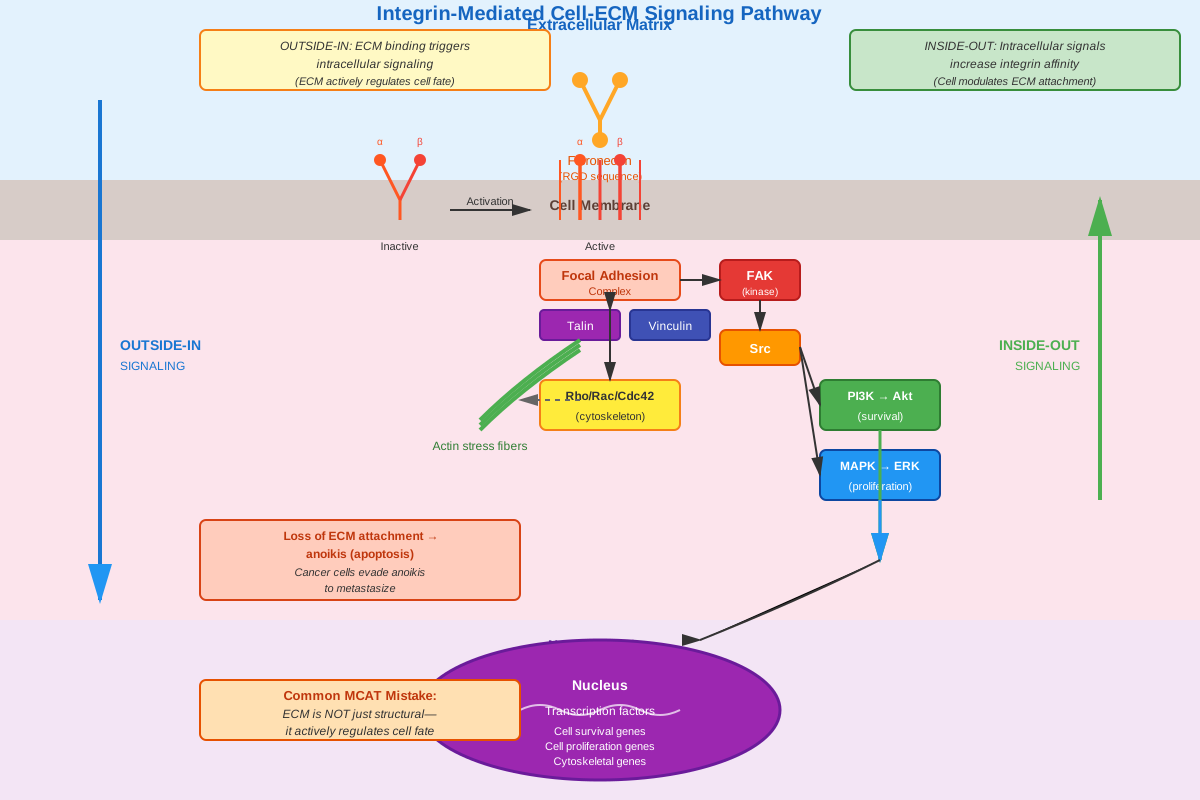
When integrins bind to ECM ligands, they cluster together and recruit intracellular proteins to form focal adhesions—large protein complexes that connect the ECM to actin filaments of the cytoskeleton. Key focal adhesion proteins include talin, vinculin, paxillin, and focal adhesion kinase (FAK). This physical connection allows mechanical forces to be transmitted bidirectionally: cells can pull on the ECM (generating traction for migration), and ECM mechanical properties can influence cell shape and behavior. Importantly, integrin engagement also triggers intracellular signaling cascades that affect cell survival, proliferation, and differentiation—a process called outside-in signaling.
Basement Membrane Structure and Function
The basement membrane (also called basal lamina) is a specialized, sheet-like ECM structure that separates epithelial tissues from underlying connective tissue and surrounds muscle cells, fat cells, and Schwann cells. Despite being only 50-100 nanometers thick, the basement membrane has a complex, layered organization. The layer closest to cells, the lamina lucida, contains laminin and entactin. The deeper lamina densa contains type IV collagen arranged in a network rather than fibrils. Proteoglycans, particularly perlecan (a heparan sulfate proteoglycan), fill spaces in the network.
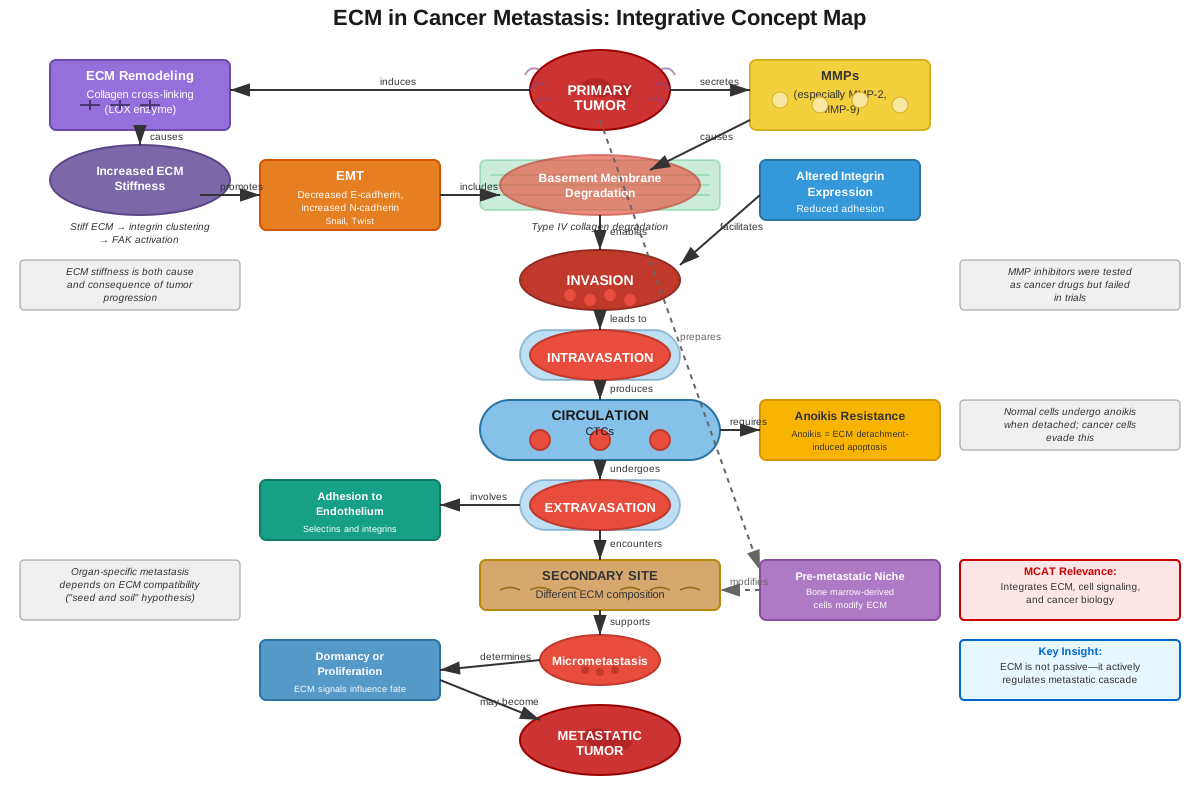
The basement membrane serves multiple critical functions: (1) it provides structural support for overlying epithelial cells, (2) it acts as a selective filter (particularly important in kidney glomeruli), (3) it regulates cell behavior by presenting specific adhesion molecules and sequestering growth factors, and (4) it serves as a barrier that cells must breach during development, wound healing, or cancer metastasis. Tumor cells secrete matrix metalloproteinases to degrade the basement membrane during invasion and metastasis, making this process a key step in cancer progression.
ECM Remodeling and Matrix Metalloproteinases
The ECM undergoes continuous remodeling through a balance of synthesis and degradation. Matrix metalloproteinases (MMPs) are a family of zinc-dependent endopeptidases that degrade ECM components. Over 20 different MMPs exist in humans, with different substrate specificities: collagenases (MMP-1, MMP-8, MMP-13) cleave fibrillar collagens; gelatinases (MMP-2, MMP-9) degrade denatured collagen (gelatin) and type IV collagen; stromelysins (MMP-3, MMP-10) have broad substrate specificity. MMPs are secreted as inactive proenzymes (zymogens) and activated in the extracellular space by proteolytic cleavage.
MMP activity is regulated at multiple levels: transcriptional control, proenzyme activation, and inhibition by tissue inhibitors of metalloproteinases (TIMPs). The balance between MMPs and TIMPs determines the rate of ECM degradation. Excessive MMP activity contributes to pathological conditions including arthritis (cartilage degradation), emphysema (lung tissue destruction), and cancer metastasis (basement membrane breakdown). Conversely, insufficient MMP activity or excessive TIMP activity can lead to fibrosis, characterized by excessive ECM accumulation in organs like the liver (cirrhosis) or lungs (pulmonary fibrosis).
Concept Relationships
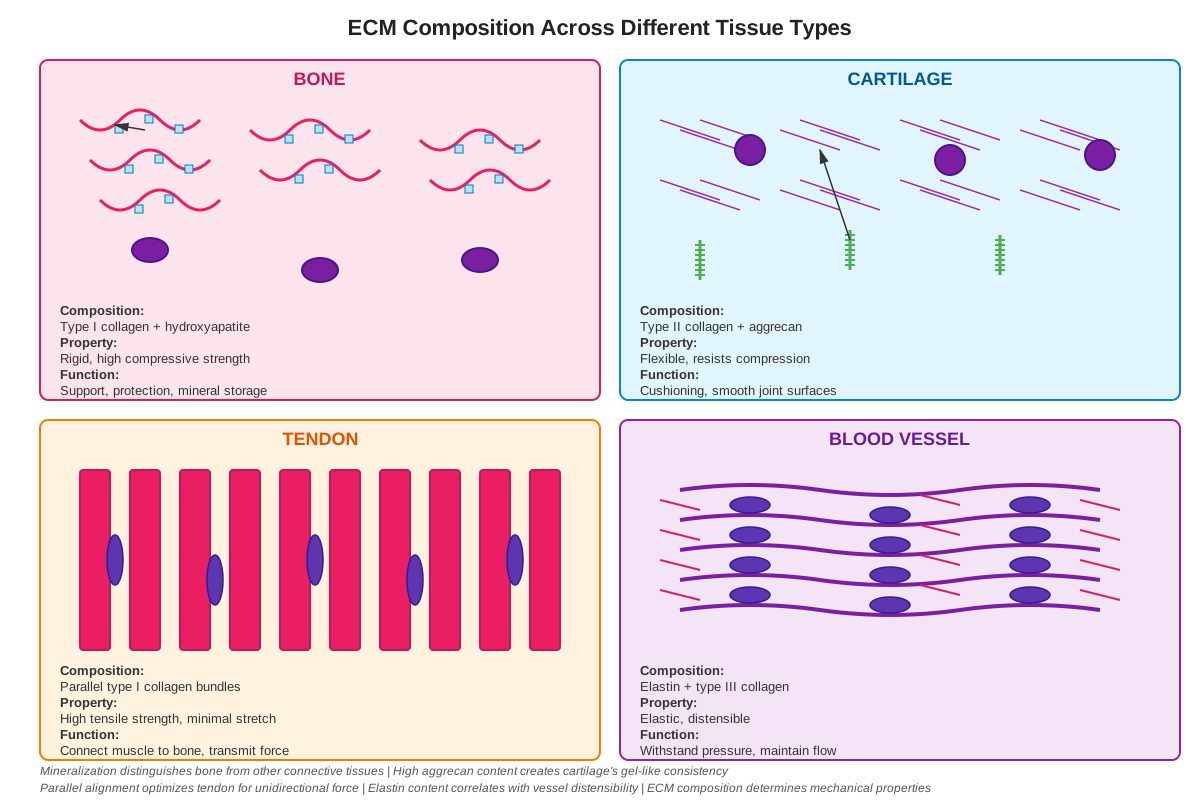
The extracellular matrix concepts form an interconnected network of structural and functional relationships. At the foundation, collagen and elastin provide the mechanical framework—collagen offering tensile strength while elastin provides elasticity. These fibrous proteins are embedded in a hydrated gel formed by glycosaminoglycans and proteoglycans, which resist compressive forces through their water-attracting negative charges. This relationship explains tissue mechanical properties: tendons (high collagen, low GAG) resist tension; cartilage (high proteoglycan, type II collagen) resists compression; arteries (collagen plus elastin) withstand pulsatile pressure while maintaining elasticity.
Adhesive glycoproteins (fibronectin and laminin) bridge the structural ECM to cells by binding both ECM components and cell-surface integrins. This creates the pathway: ECM structural proteins → adhesive glycoproteins → integrins → focal adhesions → cytoskeleton. Through this physical connection, ECM mechanical properties influence cell behavior (mechanotransduction), while cells can remodel the ECM by secreting matrix metalloproteinases. This bidirectional relationship means cells both respond to and modify their extracellular environment.
The basement membrane represents a specialized integration of ECM components: type IV collagen provides the structural network, laminin organizes the assembly, and perlecan (a proteoglycan) fills the spaces and binds growth factors. This structure connects to epithelial cell biology (providing the substrate for epithelial tissues), kidney physiology (forming the glomerular filtration barrier), and cancer biology (representing a barrier to metastasis).
ECM synthesis connects to multiple cellular processes: rough ER and Golgi function (protein synthesis and modification), vitamin C biochemistry (required for collagen hydroxylation), and secretory pathways (exocytosis of ECM components). ECM degradation connects to enzyme regulation (MMP activation and TIMP inhibition), wound healing (controlled remodeling), and pathology (excessive degradation in arthritis, insufficient degradation in fibrosis).
Quick check — test yourself on Extracellular matrix so far.
Try Flashcards →High-Yield Facts
⭐ Collagen requires glycine at every third position in its amino acid sequence because glycine's small size allows the tight packing necessary for the triple helix structure.
⭐ Vitamin C is required for collagen synthesis as a cofactor for prolyl and lysyl hydroxylase enzymes; deficiency causes scurvy with defective collagen and bleeding gums.
⭐ Type I collagen is most abundant in bone, skin, and tendons; Type II collagen predominates in cartilage; Type IV collagen forms the basement membrane network.
⭐ Integrins are the primary cell-surface receptors that mediate cell-ECM adhesion and connect the ECM to the intracellular actin cytoskeleton through focal adhesions.
⭐ Glycosaminoglycans are negatively charged polysaccharides that attract water, creating a hydrated gel that resists compressive forces, particularly important in cartilage.
- Fibronectin contains an RGD (arginine-glycine-aspartate) sequence that is recognized by many integrins and mediates cell adhesion.
- Elastin provides elastic recoil in tissues like arteries, lungs, and skin; mutations in fibrillin (which scaffolds elastin) cause Marfan syndrome.
- Osteogenesis imperfecta results from defective type I collagen synthesis, causing brittle bones and blue sclera.
- Matrix metalloproteinases (MMPs) degrade ECM components and are inhibited by TIMPs; the MMP/TIMP balance regulates ECM remodeling.
- Basement membranes contain type IV collagen, laminin, and perlecan; they separate epithelia from connective tissue and must be breached for cancer metastasis.
- Aggrecan is the major proteoglycan in cartilage, with numerous chondroitin sulfate chains that trap water and resist compression in joints.
- Ehlers-Danlos syndrome involves defects in collagen or collagen-processing enzymes, resulting in hyperflexible joints and fragile skin.
Common Misconceptions
Misconception: The extracellular matrix is just inert structural scaffolding that passively supports cells.
Correction: The ECM is a dynamic, bioactive environment that actively regulates cell behavior through mechanical signals (mechanotransduction), sequestered growth factors that can be released during remodeling, and specific adhesion molecules that trigger intracellular signaling cascades. ECM composition and stiffness influence cell differentiation, proliferation, and survival.
Misconception: All collagen is the same and serves identical functions throughout the body.
Correction: At least 28 different collagen types exist with distinct structures and functions. Type I collagen forms thick fibrils for tensile strength in bone and tendons; Type II collagen in cartilage resists compression; Type IV collagen forms sheet-like networks in basement membranes; Type III collagen provides support in expandable organs like blood vessels. Each type has unique tissue distribution and mechanical properties.
Misconception: Vitamin C deficiency affects collagen because vitamin C is incorporated into the collagen structure.
Correction: Vitamin C (ascorbic acid) is not incorporated into collagen itself but serves as a required cofactor for prolyl hydroxylase and lysyl hydroxylase enzymes that hydroxylate proline and lysine residues during collagen synthesis. Without adequate hydroxylation, collagen cannot form stable triple helices, resulting in defective collagen that causes scurvy symptoms.
Misconception: Proteoglycans and glycoproteins are the same thing.
Correction: These are distinct molecule types. Proteoglycans have a protein core with covalently attached glycosaminoglycan (GAG) chains—long, unbranched polysaccharides that constitute the majority of the molecule's mass. Glycoproteins have a protein backbone with shorter, branched oligosaccharide chains attached, where protein constitutes most of the mass. Aggrecan is a proteoglycan; fibronectin is a glycoprotein.
Misconception: Integrins only function in cell adhesion to the ECM.
Correction: While integrins do mediate cell-ECM adhesion, they also function as signaling receptors that trigger intracellular pathways affecting cell survival, proliferation, differentiation, and gene expression. Integrin engagement activates focal adhesion kinase (FAK) and other signaling molecules, demonstrating that integrins are bidirectional signaling receptors, not just adhesion molecules.
Misconception: The basement membrane and the basal lamina are different structures.
Correction: These terms are often used interchangeably in modern usage, though historically "basal lamina" referred to the electron microscopy-visible structure while "basement membrane" included the basal lamina plus the underlying reticular lamina. For MCAT purposes, these terms both refer to the specialized ECM layer containing type IV collagen and laminin that underlies epithelial tissues.
Misconception: Matrix metalloproteinases are always harmful and cause tissue destruction.
Correction: MMPs are essential for normal physiological processes including wound healing, tissue remodeling during development, angiogenesis, and bone remodeling. Problems arise when MMP activity is dysregulated—excessive activity contributes to arthritis and cancer metastasis, while insufficient activity leads to fibrosis. Normal tissue homeostasis requires balanced MMP activity regulated by TIMPs.
Worked Examples
Example 1: Genetic Disorder Analysis
Question: A 12-year-old patient presents with multiple bone fractures from minor trauma, blue-tinted sclera, and hearing loss. Genetic testing reveals a mutation affecting the COL1A1 gene. Explain the molecular basis for this patient's symptoms.
Solution:
Step 1: Identify the disorder
The clinical presentation—brittle bones (multiple fractures), blue sclera, and hearing loss—is characteristic of osteogenesis imperfecta (OI). The mutation in COL1A1, which encodes one of the α chains of type I collagen, confirms this diagnosis.
Step 2: Connect genotype to molecular defect
Type I collagen is the most abundant collagen in the body and the primary structural protein in bone, providing tensile strength. The collagen molecule consists of three polypeptide chains forming a triple helix. A mutation in COL1A1 can cause OI through two mechanisms: (1) reduced production of normal type I collagen (quantitative defect), or (2) production of structurally abnormal collagen that disrupts triple helix formation (qualitative defect, often more severe).
Step 3: Explain bone fragility
Bone matrix is approximately 90% type I collagen by volume. Defective or insufficient type I collagen compromises bone's tensile strength, making bones brittle and prone to fracture with minimal trauma. The mineral component (hydroxyapatite) provides compressive strength, but without adequate collagen framework, bones cannot withstand normal mechanical stresses.
Step 4: Explain blue sclera
The sclera (white of the eye) normally appears white due to dense type I collagen that obscures underlying pigmented choroid tissue. In OI, defective collagen makes the sclera thinner and more translucent, allowing the blue-pigmented choroid to show through, creating the characteristic blue tint.
Step 5: Explain hearing loss
The bones of the middle ear (ossicles) contain type I collagen. Defective collagen can lead to abnormal ossicle structure and function, causing conductive hearing loss. Additionally, abnormalities in the collagen of the inner ear structures can contribute to sensorineural hearing loss.
Key Concept: This example demonstrates how a single genetic defect affecting an ECM component (type I collagen) produces multiple phenotypic effects because that ECM component is used in multiple tissues. Understanding ECM composition in different tissues allows prediction of symptoms in genetic disorders.
Example 2: Experimental Interpretation
Question: Researchers are studying cancer cell invasion. They culture cancer cells on a layer of basement membrane extract and measure the cells' ability to invade through this layer. In one experiment, they add a chemical inhibitor of matrix metalloproteinases (MMPs). What result would you predict, and why?
Solution:
Step 1: Identify the biological process
Cancer metastasis requires tumor cells to invade through the basement membrane, a specialized ECM layer that normally separates epithelial tissues from underlying connective tissue. This basement membrane acts as a physical barrier to cell movement.
Step 2: Understand basement membrane composition
The basement membrane contains type IV collagen (forming a network structure), laminin (providing organization), and proteoglycans. This dense, organized structure must be degraded for cells to pass through.
Step 3: Identify the role of MMPs
Matrix metalloproteinases are enzymes that degrade ECM components. Specifically, MMP-2 and MMP-9 (gelatinases) can degrade type IV collagen found in basement membranes. Cancer cells secrete MMPs to break down the basement membrane, creating pathways for invasion.
Step 4: Predict the effect of MMP inhibition
If MMPs are inhibited, cancer cells cannot effectively degrade the basement membrane. The intact basement membrane will act as a physical barrier, preventing or significantly reducing cancer cell invasion through the layer.
Step 5: State the prediction
Prediction: Adding an MMP inhibitor will significantly decrease the number of cancer cells that successfully invade through the basement membrane layer compared to untreated controls. The basement membrane will remain more intact, blocking cell passage.
Step 6: Consider experimental controls
A well-designed experiment would include: (1) untreated cancer cells as a positive control for invasion, (2) non-invasive cells as a negative control, (3) dose-response testing of the MMP inhibitor, and (4) measurement of basement membrane integrity (e.g., by staining for type IV collagen) to confirm that reduced invasion correlates with reduced ECM degradation.
Key Concept: This example illustrates the functional relationship between ECM degradation and cell migration, a critical concept for understanding cancer metastasis, wound healing, and development. It also demonstrates how experimental manipulation of ECM-modifying enzymes can test hypotheses about cell-ECM interactions.
Exam Strategy
When approaching MCAT questions about the extracellular matrix, first identify the tissue or biological context mentioned in the question stem or passage. Different tissues have characteristic ECM compositions: bone and tendon are rich in type I collagen; cartilage contains type II collagen and aggrecan; basement membranes contain type IV collagen and laminin; arteries contain elastin. Recognizing these tissue-specific patterns allows you to predict ECM properties and anticipate question answers.
Trigger words and phrases to watch for:
- "Connective tissue disorder" → Think about collagen or elastin defects (osteogenesis imperfecta, Ehlers-Danlos, Marfan syndrome)
- "Vitamin C deficiency" or "scurvy" → Defective collagen hydroxylation
- "Basement membrane" → Type IV collagen, laminin, barrier function, cancer metastasis
- "Cartilage" → Type II collagen, aggrecan, compression resistance
- "Cell adhesion" or "cell migration" → Integrins, fibronectin, focal adhesions
- "Tissue remodeling" or "wound healing" → Matrix metalloproteinases, ECM turnover
- "Glycine substitution" → Collagen structural defect (glycine must be every third amino acid)
Process-of-elimination strategies:
When questions ask about ECM component functions, eliminate answers that confuse intracellular and extracellular structures. For example, if an answer choice mentions actin or microtubules in the context of ECM, it's likely incorrect—these are cytoskeletal components, not ECM components. Similarly, eliminate choices that place ECM components inside cells; ECM is by definition extracellular.
For questions about genetic disorders, use the "structure determines function" principle. If a mutation affects collagen, predict symptoms in tissues rich in that collagen type. If the mutation affects an enzyme (like lysyl hydroxylase), consider which ECM component requires that enzyme and predict downstream effects.
Time allocation advice:
ECM questions often appear in passage-based formats with experimental data or clinical vignettes. Spend 30-45 seconds identifying the key ECM components mentioned and their known functions before attempting questions. This upfront investment prevents re-reading the passage multiple times. For discrete questions, if you can immediately identify the tissue type and its characteristic ECM, you can often answer in 30 seconds or less.
Exam Tip: When a passage describes a genetic mutation affecting an ECM component, immediately ask yourself: "Which tissues use this component most heavily?" This predicts the clinical presentation and helps answer multiple questions efficiently.
Memory Techniques
Mnemonic for major collagen types and locations:
"I Built The Building"
- I = Type I collagen → Bone, skin, tendon (most abundant)
- Built = Type II collagen → Builds cartilage
- The = Type III collagen → Three layers of blood vessels
- Building = Type IV collagen → Basement membrane
Mnemonic for collagen synthesis sequence:
"Rough Guys Hate Secreting Collagen Fibers"
- Rough = Rough ER (translation)
- Guys = Glycosylation
- Hate = Hydroxylation (requires vitamin C)
- Secreting = Secretion as procollagen
- Collagen = Cleavage to tropocollagen
- Fibers = Fibril and fiber assembly
Visualization for glycosaminoglycan function:
Picture GAGs as tiny molecular sponges with negative charges (represented by minus signs) all over their surface. These negative charges repel each other (like trying to push two magnets together with the same poles facing), causing the molecule to spread out and occupy maximum space. The negative charges also attract positive ions (sodium), which attract water molecules, creating a swollen, hydrated gel—like a sponge soaking up water.
Acronym for integrin function:
SLAM
- Signaling (activate intracellular pathways)
- Linking (connect ECM to cytoskeleton)
- Adhesion (attach cells to ECM)
- Migration (enable cell movement)
Memory aid for basement membrane components:
Think of building a house's foundation (basement): you need a LAMP
- Laminin (organizes assembly)
- Agrin and other proteoglycans
- Membrane (it's a membrane structure)
- Perlecan (major proteoglycan)
- Plus type IV collagen (sounds like "four walls" of the foundation)
Summary
The extracellular matrix is a complex, dynamic network of proteins and polysaccharides that provides structural support and actively regulates cell behavior in multicellular organisms. The ECM's fibrous proteins—primarily collagen (providing tensile strength) and elastin (providing elasticity)—are embedded in a hydrated gel of glycosaminoglycans and proteoglycans that resist compression. Adhesive glycoproteins like fibronectin and laminin bridge ECM structural components to cell-surface integrin receptors, creating physical connections between the ECM and intracellular cytoskeleton while simultaneously triggering signaling cascades that influence cell survival, proliferation, and differentiation. The basement membrane represents a specialized ECM structure containing type IV collagen and laminin that underlies epithelia and serves as both a selective barrier and a signaling platform. ECM composition varies dramatically between tissues, reflecting functional specialization: bone and tendon are collagen-rich for tensile strength, cartilage contains aggrecan for compression resistance, and arteries contain elastin for elastic recoil. Matrix metalloproteinases continuously remodel the ECM by degrading its components, with the MMP/TIMP balance determining whether tissues undergo normal remodeling, excessive degradation (arthritis, metastasis), or excessive accumulation (fibrosis). Understanding ECM structure, composition, and cell-matrix interactions is essential for explaining connective tissue disorders, cancer metastasis, wound healing, and tissue mechanics on the MCAT.
Key Takeaways
- The extracellular matrix consists of fibrous proteins (collagen, elastin), glycosaminoglycans, proteoglycans, and adhesive glycoproteins that provide structural support and regulate cell behavior
- Collagen requires glycine at every third position for triple helix formation and needs vitamin C for hydroxylation; type I is most abundant (bone, skin), type II predominates in cartilage, and type IV forms basement membranes
- Glycosaminoglycans are negatively charged polysaccharides that attract water and resist compression; proteoglycans like aggrecan contain multiple GAG chains and are abundant in cartilage
- Integrins are transmembrane receptors that connect the ECM to the cytoskeleton through focal adhesions and trigger intracellular signaling pathways, enabling bidirectional communication between cells and their environment
- Matrix metalloproteinases degrade ECM components during normal remodeling, wound healing, and development; dysregulated MMP activity contributes to arthritis, cancer metastasis, and fibrosis
- ECM composition varies by tissue type and determines mechanical properties: collagen-rich tissues resist tension, elastin-rich tissues provide recoil, and proteoglycan-rich tissues resist compression
- Genetic defects in ECM components cause characteristic disorders: osteogenesis imperfecta (type I collagen), Ehlers-Danlos syndrome (collagen processing), and Marfan syndrome (fibrillin)
Related Topics
Connective Tissue Histology: Understanding the four types of connective tissue (loose, dense, cartilage, bone) and how ECM composition determines their distinct properties builds directly on ECM knowledge and is essential for interpreting histology-based MCAT passages.
Cell Adhesion Molecules: Beyond integrins, other adhesion molecules including cadherins (cell-cell adhesion) and selectins (leukocyte adhesion) work in concert with ECM interactions to organize tissues and enable cell migration.
Signal Transduction Pathways: Integrin engagement activates specific intracellular signaling cascades including FAK, Src, and MAPK pathways; understanding these connections explains how ECM influences cell behavior beyond mechanical support.
Cancer Biology: Tumor progression requires ECM remodeling for invasion and metastasis; understanding how cancer cells secrete MMPs, alter integrin expression, and breach basement membranes integrates ECM concepts with oncology.
Wound Healing: The inflammatory, proliferative, and remodeling phases of wound healing involve coordinated ECM synthesis, degradation, and reorganization, demonstrating ECM dynamics in a clinically relevant context.
Embryonic Development: Cell migration during gastrulation and neural crest migration depend on ECM guidance cues; understanding these processes shows how ECM patterns direct tissue organization during development.
Practice CTA
Now that you've mastered the core concepts of the extracellular matrix, it's time to reinforce your understanding through active practice. Test your knowledge with practice questions that simulate MCAT-style passages and discrete items, focusing on applying ECM concepts to experimental scenarios and clinical vignettes. Use flashcards to memorize high-yield facts like collagen types and their tissue distributions, ECM component functions, and genetic disorders affecting the matrix. Remember, the MCAT rewards not just memorization but the ability to apply foundational knowledge to novel situations—practice interpreting data about ECM remodeling, predicting consequences of ECM mutations, and connecting ECM structure to tissue function. Your investment in understanding the extracellular matrix will pay dividends across multiple biological sciences topics, from cell biology to physiology to pathology. Keep pushing forward—you're building the foundation for MCAT success!
Sign up free to keep reading
Create a free AnvayaPrep account to finish this MCAT guide on Extracellular matrix — plus flashcards and practice questions.