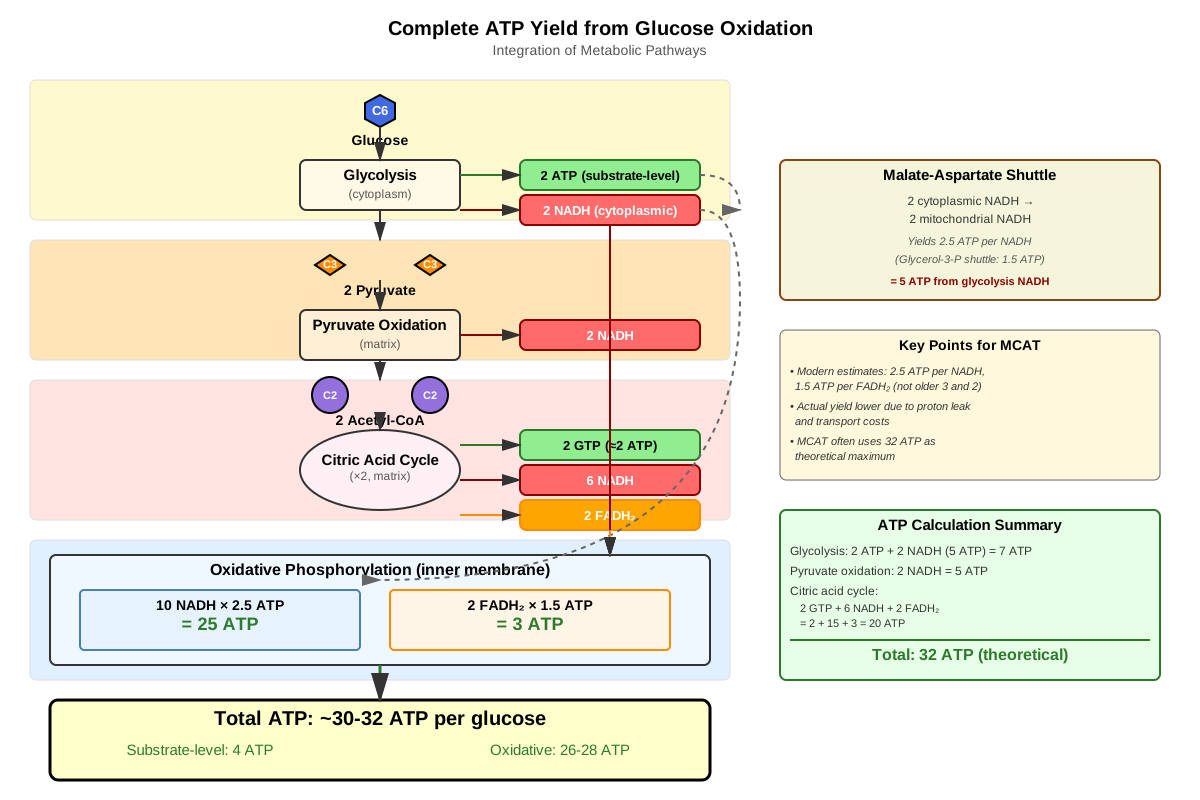
Overview
Oxidative phosphorylation represents the culminating stage of cellular respiration, where the vast majority of ATP synthesis occurs in aerobic organisms. This sophisticated biochemical process takes place in the inner mitochondrial membrane and couples the oxidation of electron carriers (NADH and FADH₂) with the phosphorylation of ADP to generate ATP. Through the coordinated action of the electron transport chain (ETC) and ATP synthase, oxidative phosphorylation harnesses the energy stored in reduced coenzymes to create a proton gradient that drives ATP production. Understanding this process is fundamental to grasping how cells extract usable energy from nutrients and maintain the energy currency required for virtually all biological processes.
For the MCAT, oxidative phosphorylation serves as a critical integration point within Biochemistry and Metabolism, connecting glycolysis, the citric acid cycle, and broader concepts of bioenergetics. The MCAT frequently tests students' ability to trace electron flow through the respiratory complexes, calculate ATP yields from various fuel molecules, predict the effects of inhibitors and uncouplers, and understand the chemiosmotic theory that explains how chemical energy transforms into mechanical work and ultimately into the high-energy phosphate bonds of ATP. Questions often appear in passage-based formats that require applying mechanistic understanding to experimental scenarios or clinical conditions affecting mitochondrial function.
The relationship between oxidative phosphorylation and other biochemical pathways extends throughout metabolism. The NADH and FADH₂ that fuel this process originate from glycolysis, the citric acid cycle, fatty acid oxidation, and amino acid catabolism. The ATP produced powers biosynthetic reactions, active transport, muscle contraction, and countless other energy-requiring processes. Additionally, the oxygen consumed during oxidative phosphorylation represents the final electron acceptor in aerobic respiration, linking this biochemical process to respiratory physiology and explaining why oxygen deprivation rapidly leads to cellular dysfunction and death.
Learning Objectives
- [ ] Define oxidative phosphorylation using accurate Biochemistry terminology
- [ ] Explain why oxidative phosphorylation matters for the MCAT
- [ ] Apply oxidative phosphorylation to exam-style questions
- [ ] Identify common mistakes related to oxidative phosphorylation
- [ ] Connect oxidative phosphorylation to related Biochemistry concepts
- [ ] Diagram the complete electron transport chain with all four complexes and their cofactors
- [ ] Calculate theoretical ATP yields from NADH and FADH₂ oxidation
- [ ] Predict the physiological effects of specific ETC inhibitors and uncoupling agents
- [ ] Explain the chemiosmotic theory and the role of the proton-motive force in ATP synthesis
Prerequisites
- Glycolysis: Understanding how glucose catabolism produces NADH and pyruvate is essential because these products feed into oxidative phosphorylation
- Citric Acid Cycle (Krebs Cycle): Knowledge of how acetyl-CoA oxidation generates NADH and FADH₂ is required since these are the primary substrates for the electron transport chain
- Redox reactions: Familiarity with oxidation-reduction chemistry is necessary to understand electron transfer through the respiratory complexes
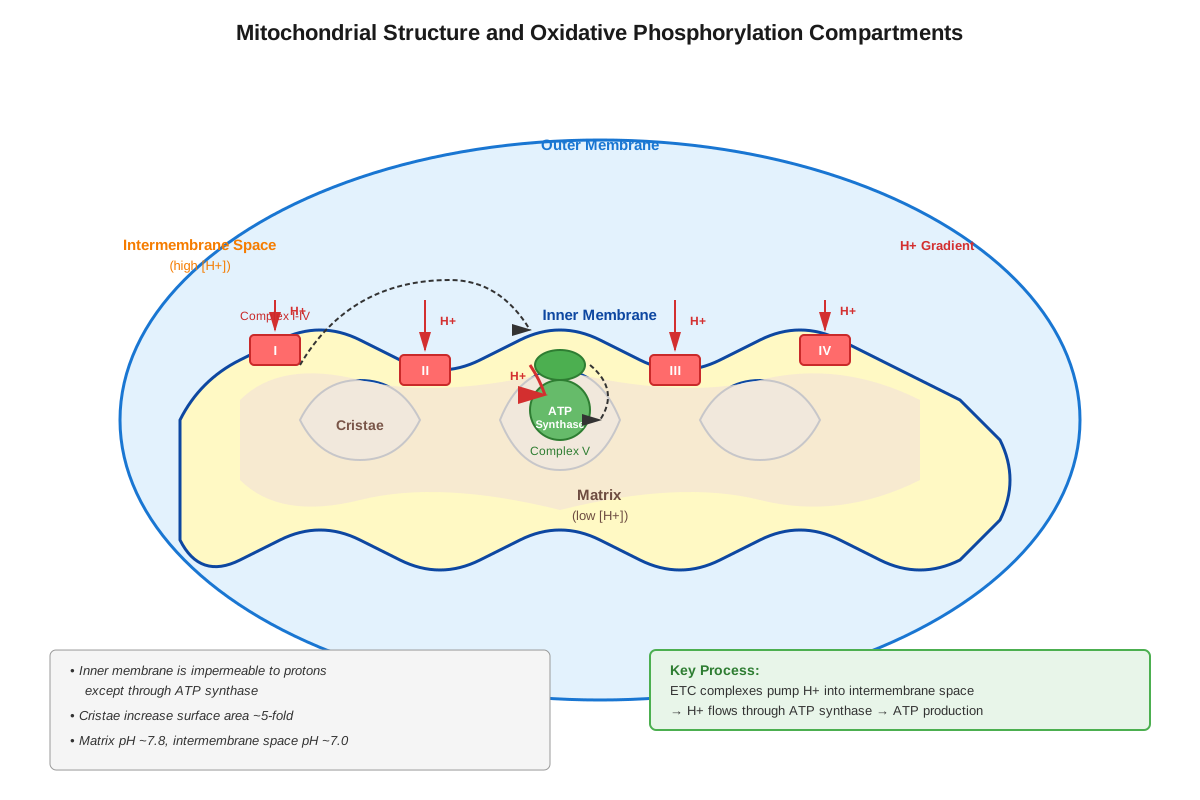
- Mitochondrial structure: Recognizing the compartmentalization of the mitochondrial matrix and intermembrane space is critical for understanding proton gradient formation
- Basic thermodynamics: Concepts of free energy, entropy, and coupled reactions underpin the energy transformations in oxidative phosphorylation
- Enzyme kinetics: Understanding how protein complexes catalyze reactions helps explain the function of ATP synthase and ETC complexes
Why This Topic Matters
Oxidative phosphorylation represents one of the most clinically significant biochemical processes in human physiology. Mitochondrial dysfunction underlies numerous diseases, including neurodegenerative disorders (Parkinson's disease, Alzheimer's disease), metabolic syndromes, and inherited mitochondrial myopathies. Tissues with high energy demands—such as cardiac muscle, skeletal muscle, and neurons—are particularly vulnerable to impairments in oxidative phosphorylation. Understanding this process explains why cyanide poisoning is rapidly fatal (it inhibits Complex IV), why carbon monoxide is toxic (it prevents oxygen from serving as the final electron acceptor), and why certain medications have mitochondrial toxicity as side effects.
From an MCAT perspective, oxidative phosphorylation appears with moderate to high frequency across multiple question formats. Approximately 8-12% of Biochemistry questions involve some aspect of cellular respiration, with oxidative phosphorylation representing a substantial portion. Questions typically fall into several categories: (1) mechanism-based questions requiring students to trace electron flow or explain the chemiosmotic gradient, (2) calculation problems asking for ATP yield from various metabolic fuels, (3) experimental passages describing the effects of inhibitors or genetic mutations on mitochondrial function, and (4) integration questions connecting oxidative phosphorylation to other metabolic pathways or physiological systems.
Common passage themes include research on mitochondrial diseases, studies using isolated mitochondria to test respiratory inhibitors, investigations of metabolic adaptations in cancer cells (Warburg effect), and experiments measuring oxygen consumption rates under various conditions. Discrete questions often test knowledge of specific inhibitors (rotenone, antimycin A, cyanide, oligomycin), uncouplers (2,4-dinitrophenol, thermogenin), and the stoichiometry of ATP production. The MCAT particularly favors questions that require applying conceptual understanding rather than simple memorization, such as predicting how a novel compound affecting proton permeability would impact ATP synthesis and oxygen consumption.
Core Concepts
Definition and Overview of Oxidative Phosphorylation
Oxidative phosphorylation is the metabolic pathway in which cells use enzymes to oxidize nutrients, thereby releasing chemical energy to produce adenosine triphosphate (ATP). This process occurs in the mitochondria and consists of two coupled components: the electron transport chain (ETC), which oxidizes NADH and FADH₂ while pumping protons across the inner mitochondrial membrane, and ATP synthase (Complex V), which uses the resulting electrochemical gradient to phosphorylate ADP. The term "oxidative" refers to the oxidation of electron carriers, while "phosphorylation" describes the addition of a phosphate group to ADP to form ATP.
The process is fundamentally different from substrate-level phosphorylation (which occurs in glycolysis and the citric acid cycle) because it does not directly couple a chemical reaction to ATP formation. Instead, oxidative phosphorylation uses an indirect mechanism: energy from electron transfer reactions creates a proton gradient, and this gradient's potential energy drives ATP synthesis. This elegant coupling of oxidation and phosphorylation through an electrochemical intermediate represents one of the most important discoveries in biochemistry, formalized in Peter Mitchell's chemiosmotic theory.
The Electron Transport Chain Architecture
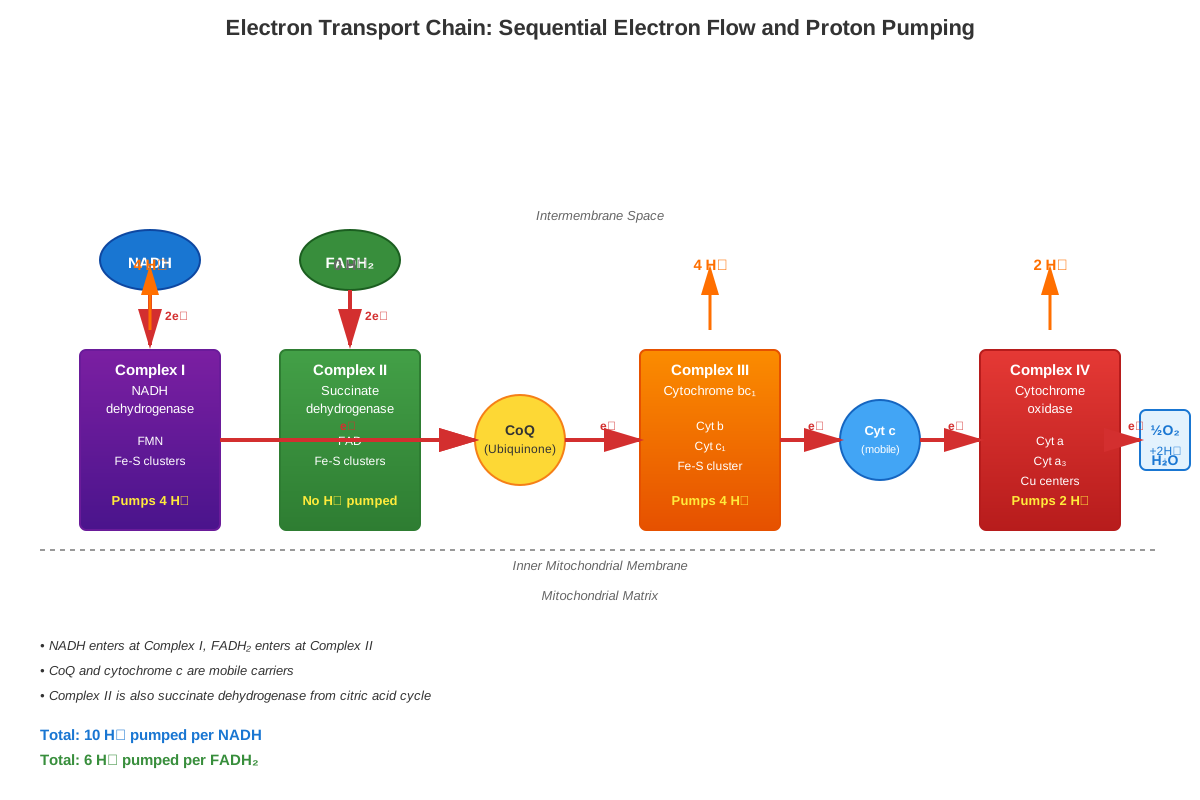
The electron transport chain consists of four large protein complexes (Complexes I-IV) embedded in the inner mitochondrial membrane, plus two mobile electron carriers (coenzyme Q and cytochrome c). Each complex contains multiple prosthetic groups—including iron-sulfur clusters, heme groups, and copper centers—that facilitate electron transfer through sequential redox reactions.
Complex I (NADH dehydrogenase or NADH-CoQ reductase) accepts electrons from NADH, oxidizing it to NAD⁺. This complex contains flavin mononucleotide (FMN) and multiple iron-sulfur clusters. As electrons pass through Complex I, the energy released pumps four protons from the mitochondrial matrix into the intermembrane space. The electrons are then transferred to coenzyme Q (ubiquinone), a lipid-soluble molecule that can diffuse freely within the inner membrane.
Complex II (succinate dehydrogenase) represents a unique component because it also functions as an enzyme in the citric acid cycle. This complex accepts electrons from FADH₂ (specifically, the FAD is covalently bound to the enzyme as part of succinate dehydrogenase). Unlike Complex I, Complex II does not pump protons; it simply transfers electrons to coenzyme Q. This explains why FADH₂ generates fewer ATP molecules than NADH—electrons from FADH₂ bypass the first proton-pumping site.
Complex III (cytochrome bc₁ complex or CoQ-cytochrome c reductase) accepts electrons from reduced coenzyme Q (ubiquinol) through a sophisticated mechanism called the Q cycle. This complex contains cytochromes b and c₁, along with an iron-sulfur protein. The Q cycle effectively doubles the proton-pumping efficiency: for every two electrons transferred, four protons are pumped into the intermembrane space. Electrons exit Complex III via cytochrome c, a small, water-soluble protein that shuttles electrons between Complexes III and IV.
Complex IV (cytochrome c oxidase) represents the terminal complex of the electron transport chain. It contains cytochromes a and a₃, along with copper centers. This complex catalyzes the reduction of molecular oxygen (O₂) to water, the final step in the electron transport process. For every four electrons transferred, Complex IV pumps four protons and consumes one O₂ molecule, producing two H₂O molecules. This reaction is irreversible and provides a major driving force for the entire electron transport process.
The Proton-Motive Force and Chemiosmotic Theory
The chemiosmotic theory, proposed by Peter Mitchell in 1961, explains how the electron transport chain couples to ATP synthesis. As electrons flow through Complexes I, III, and IV, protons are actively transported from the mitochondrial matrix (pH ~7.8) to the intermembrane space (pH ~7.0), creating both a concentration gradient (ΔpH) and an electrical gradient (ΔΨ, with the matrix negative relative to the intermembrane space). Together, these components constitute the proton-motive force (PMF) or electrochemical gradient.
The magnitude of the proton-motive force can be quantified using the equation:
PMF = ΔΨ - (2.303RT/F)ΔpHWhere R is the gas constant, T is temperature, F is Faraday's constant, and ΔpH is the pH difference across the membrane. In mammalian mitochondria, the PMF is approximately 220 mV, with the electrical component (ΔΨ) contributing about 160 mV and the chemical component (ΔpH) contributing about 60 mV.
This proton gradient represents stored potential energy, analogous to water behind a dam. The inner mitochondrial membrane is impermeable to protons except through specific channels, primarily ATP synthase. The tendency of protons to flow back into the matrix down their electrochemical gradient provides the energy to drive ATP synthesis.
ATP Synthase Structure and Mechanism
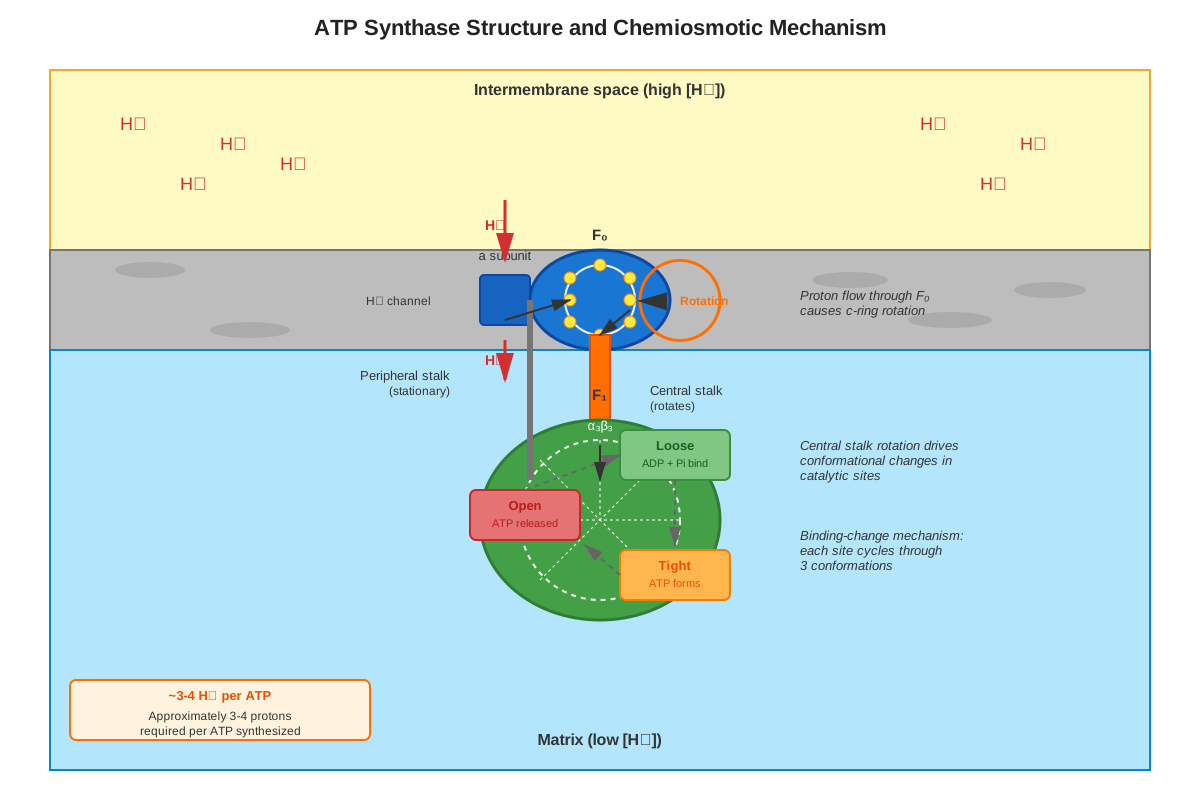
ATP synthase (Complex V) is a remarkable molecular machine consisting of two major components: F₀ and F₁. The F₀ component is embedded in the inner mitochondrial membrane and forms a proton channel. It consists of a ring of c subunits (typically 8-15 subunits, depending on species) along with a and b subunits. The F₁ component protrudes into the mitochondrial matrix and contains the catalytic sites for ATP synthesis. It consists of three α subunits, three β subunits (which contain the active sites), and a central γ subunit that acts as a rotating shaft.
The mechanism of ATP synthesis follows the binding change mechanism proposed by Paul Boyer. As protons flow through the F₀ channel down their electrochemical gradient, the ring of c subunits rotates. This rotation is transmitted to the γ subunit, which rotates within the α₃β₃ hexamer. The rotation causes conformational changes in the three β subunits, which cycle through three states: (1) open (O) - low affinity for substrates, (2) loose (L) - binds ADP and Pi, and (3) tight (T) - catalyzes ATP formation and binds ATP tightly. As the γ subunit rotates 120°, each β subunit transitions to the next state. When a β subunit returns to the open conformation, the newly synthesized ATP is released.
The stoichiometry of proton flow to ATP synthesis depends on the number of c subunits in the F₀ ring. In mammalian mitochondria, approximately 2.7-3 protons must flow through ATP synthase to synthesize one ATP molecule (accounting for the cost of transporting ATP out of the matrix and ADP and Pi into the matrix via the adenine nucleotide translocase and phosphate carrier).
ATP Yield Calculations
Calculating the theoretical ATP yield from oxidative phosphorylation requires understanding the stoichiometry of proton pumping and ATP synthesis. The traditional values taught for the MCAT are:
- NADH oxidation yields approximately 2.5 ATP (some sources round to 3 ATP)
- FADH₂ oxidation yields approximately 1.5 ATP (some sources round to 2 ATP)
These values reflect the following reasoning: NADH donates electrons at Complex I, leading to proton pumping at Complexes I (4 H⁺), III (4 H⁺), and IV (2 H⁺), for a total of 10 protons pumped per NADH. FADH₂ donates electrons at Complex II, bypassing Complex I, so only Complexes III and IV pump protons (6 H⁺ total per FADH₂). With approximately 4 protons required per ATP synthesized (including transport costs), NADH yields ~2.5 ATP and FADH₂ yields ~1.5 ATP.
For complete glucose oxidation:
- Glycolysis: 2 NADH (cytoplasmic) + 2 ATP (substrate-level)
- Pyruvate oxidation: 2 NADH
- Citric acid cycle: 6 NADH + 2 FADH₂ + 2 ATP (substrate-level)
Total: 10 NADH + 2 FADH₂ + 4 ATP (substrate-level)
The cytoplasmic NADH from glycolysis cannot directly enter mitochondria, so it must use shuttle systems (glycerol-3-phosphate shuttle or malate-aspartate shuttle). The malate-aspartate shuttle preserves the full reducing potential (yielding 2.5 ATP per NADH), while the glycerol-3-phosphate shuttle transfers electrons to FAD (yielding 1.5 ATP per cytoplasmic NADH).
Using the malate-aspartate shuttle:
- 10 NADH × 2.5 ATP = 25 ATP
- 2 FADH₂ × 1.5 ATP = 3 ATP
- 4 ATP (substrate-level) = 4 ATP
- Total: 32 ATP per glucose
Using the glycerol-3-phosphate shuttle:
- 8 mitochondrial NADH × 2.5 ATP = 20 ATP
- 2 cytoplasmic NADH × 1.5 ATP = 3 ATP
- 2 FADH₂ × 1.5 ATP = 3 ATP
- 4 ATP (substrate-level) = 4 ATP
- Total: 30 ATP per glucose
MCAT Exam Tip: The MCAT may use either 30-32 ATP or the older values of 36-38 ATP per glucose. Always check the passage or question stem for which values to use. The key is understanding the logic behind the calculations rather than memorizing a single number.
Inhibitors of Oxidative Phosphorylation
Understanding how various compounds inhibit oxidative phosphorylation is crucial for MCAT success. Inhibitors fall into several categories:
| Inhibitor | Target | Mechanism | Effect on O₂ Consumption | Effect on ATP |
|---|---|---|---|---|
| Rotenone | Complex I | Blocks electron transfer from Fe-S clusters to CoQ | Decreased | Decreased |
| Amytal | Complex I | Similar to rotenone | Decreased | Decreased |
| Antimycin A | Complex III | Blocks electron transfer from cytochrome b to CoQ | Decreased | Decreased |
| Cyanide (CN⁻) | Complex IV | Binds to Fe³⁺ in cytochrome a₃, preventing O₂ reduction | Stopped | Stopped |
| Carbon monoxide (CO) | Complex IV | Competes with O₂ for binding site | Decreased | Decreased |
| Oligomycin | ATP synthase | Blocks proton channel in F₀ | Decreased | Decreased |
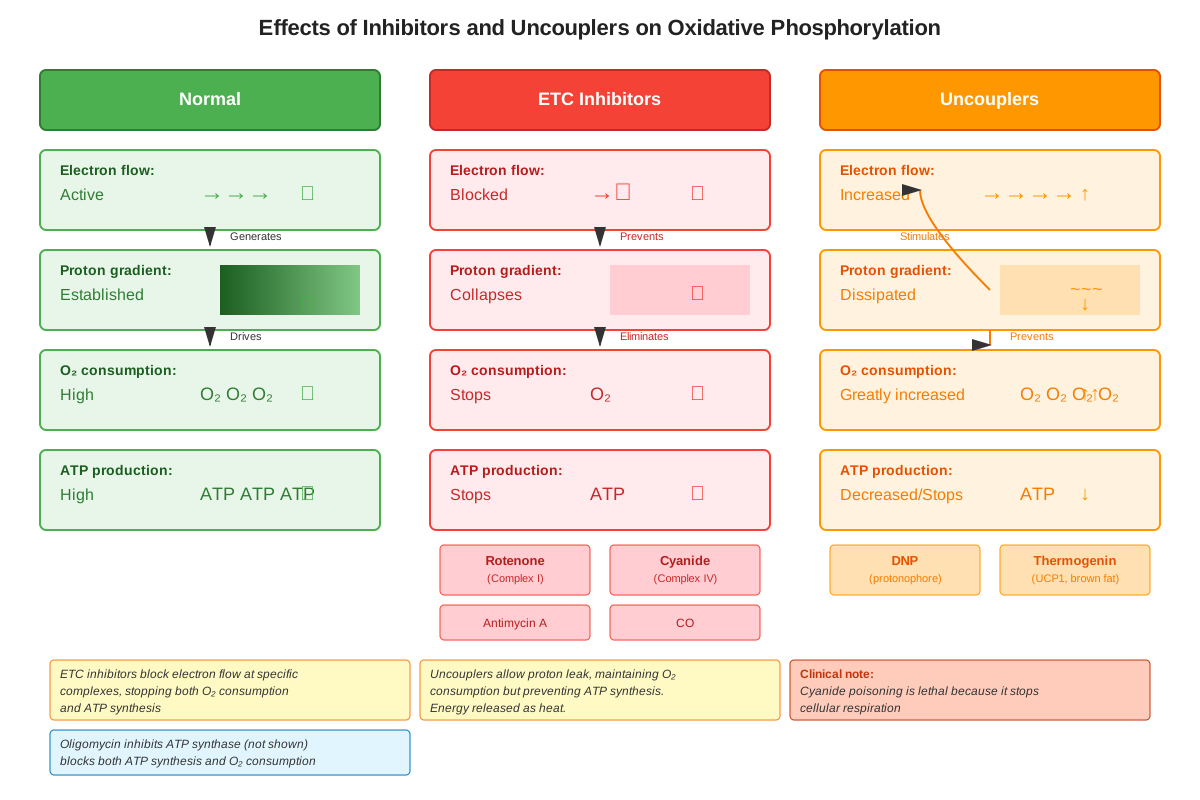
ETC inhibitors (rotenone, antimycin A, cyanide, CO) block electron flow at specific complexes. When electron transport stops, protons cannot be pumped, the gradient dissipates, and ATP synthesis ceases. Oxygen consumption also stops because electrons cannot reach the final acceptor. The cell must rely on anaerobic glycolysis, which is far less efficient.
ATP synthase inhibitors (oligomycin) block the proton channel, preventing ATP synthesis. Interestingly, this also inhibits oxygen consumption because the proton gradient builds up to its maximum level, creating "back pressure" that prevents further proton pumping and thus stops electron transport. This demonstrates the tight coupling between electron transport and ATP synthesis.
Uncoupling Agents
Uncouplers are compounds that dissipate the proton gradient without producing ATP, effectively "uncoupling" electron transport from phosphorylation. The classic example is 2,4-dinitrophenol (DNP), a lipophilic weak acid that can pick up protons in the intermembrane space, cross the membrane, and release them in the matrix. This creates a "proton leak" that bypasses ATP synthase.
When an uncoupler is present:
- Electron transport increases (oxygen consumption increases) because there is no back pressure from the proton gradient
- ATP synthesis decreases because protons bypass ATP synthase
- Heat production increases because the energy from electron transport is released as thermal energy rather than captured in ATP bonds
Physiological uncoupling occurs through thermogenin (UCP1), a protein found in brown adipose tissue. This tissue is abundant in newborns and hibernating mammals, where it generates heat through non-shivering thermogenesis. The protein creates a regulated proton leak that produces heat to maintain body temperature.
Clinical Connection: DNP was used as a weight-loss drug in the 1930s because it increases metabolic rate and energy expenditure. However, it was banned due to dangerous side effects, including fatal hyperthermia, because the dose-response curve is very steep and there is no antidote for overdose.
Regulation of Oxidative Phosphorylation
Oxidative phosphorylation is primarily regulated by substrate availability and energy demand, following the principle of respiratory control. The rate of oxidative phosphorylation depends on:
- ADP availability: ATP synthase requires ADP as a substrate. When ATP demand is high (e.g., during exercise), ADP levels rise, stimulating ATP synthesis and thus electron transport.
- NADH and FADH₂ availability: The supply of reduced electron carriers from upstream metabolic pathways (glycolysis, citric acid cycle, fatty acid oxidation) determines the rate of electron transport.
- Oxygen availability: As the final electron acceptor, oxygen concentration directly affects the rate of oxidative phosphorylation. Under hypoxic conditions, electron transport slows or stops.
- Proton-motive force: The magnitude of the electrochemical gradient affects both the rate of electron transport (back pressure) and ATP synthesis (driving force).
The respiratory control ratio (RCR) quantifies the coupling between electron transport and ATP synthesis:
RCR = Rate of O₂ consumption with ADP / Rate of O₂ consumption without ADPIn tightly coupled mitochondria, the RCR is typically 5-10, indicating that oxygen consumption is much faster when ADP is available. This demonstrates that ATP synthesis (which requires ADP) controls the rate of electron transport.
Reactive Oxygen Species and Mitochondrial Damage
A small percentage (1-2%) of electrons passing through the electron transport chain prematurely react with oxygen to form reactive oxygen species (ROS), particularly superoxide anion (O₂⁻). This primarily occurs at Complexes I and III when electron transport is slowed. Superoxide can be converted to hydrogen peroxide (H₂O₂) by superoxide dismutase, and hydrogen peroxide can form highly reactive hydroxyl radicals (•OH) through the Fenton reaction.
ROS can damage mitochondrial DNA, proteins, and lipids, contributing to aging and various diseases. Mitochondria contain antioxidant defense systems, including:
- Superoxide dismutase (SOD): Converts O₂⁻ to H₂O₂
- Catalase: Converts H₂O₂ to H₂O and O₂
- Glutathione peroxidase: Reduces H₂O₂ using glutathione as an electron donor
The balance between ROS production and antioxidant defense determines the level of oxidative stress in cells.
Quick check — test yourself on Oxidative phosphorylation so far.
Try Flashcards →Concept Relationships
The concepts within oxidative phosphorylation form an integrated system where each component depends on the others. The electron transport chain oxidizes NADH and FADH₂ → this oxidation releases energy → the energy pumps protons across the inner mitochondrial membrane → the proton gradient creates a proton-motive force → the proton-motive force drives ATP synthase → ATP synthase phosphorylates ADP to produce ATP → ATP consumption regenerates ADP → ADP availability stimulates ATP synthase → ATP synthase activity dissipates the proton gradient → gradient dissipation allows continued proton pumping → continued pumping requires continued electron transport → electron transport requires NADH/FADH₂ and oxygen.
This circular relationship demonstrates respiratory control: ATP demand (reflected in ADP availability) ultimately controls the rate of oxygen consumption and nutrient oxidation. When ATP is abundant and ADP is scarce, the entire system slows down. When energy demand is high, the system accelerates.
Connections to prerequisite and related topics include:
- Glycolysis → produces cytoplasmic NADH and pyruvate → pyruvate enters mitochondria → oxidative phosphorylation oxidizes NADH
- Citric acid cycle → produces mitochondrial NADH and FADH₂ → these directly feed into oxidative phosphorylation
- Fatty acid oxidation → produces FADH₂ and NADH → these fuel oxidative phosphorylation
- Amino acid catabolism → produces NADH and intermediates that enter the citric acid cycle → ultimately generates reducing equivalents for oxidative phosphorylation
- Gluconeogenesis and biosynthesis → require ATP → ATP demand stimulates oxidative phosphorylation
- Oxygen transport (respiratory physiology) → delivers O₂ to tissues → O₂ serves as final electron acceptor in oxidative phosphorylation
- Acid-base balance → affected by CO₂ production from the citric acid cycle and proton gradients in mitochondria
Understanding these connections allows students to integrate oxidative phosphorylation into the broader context of metabolism and physiology, which is exactly how the MCAT tests this material.
High-Yield Facts
⭐ Oxidative phosphorylation occurs in the inner mitochondrial membrane and consists of the electron transport chain (Complexes I-IV) and ATP synthase (Complex V).
⭐ NADH donates electrons at Complex I and yields approximately 2.5 ATP; FADH₂ donates electrons at Complex II and yields approximately 1.5 ATP.
⭐ The electron transport chain pumps protons from the mitochondrial matrix to the intermembrane space, creating an electrochemical gradient (proton-motive force).
⭐ ATP synthase uses the proton-motive force to drive ATP synthesis through a rotary mechanism; approximately 3-4 protons are required per ATP synthesized.
⭐ Oxygen serves as the final electron acceptor at Complex IV, where it is reduced to water; without oxygen, electron transport and ATP synthesis stop.
- Complex I (NADH dehydrogenase) and Complex III (cytochrome bc₁) are the primary sites of reactive oxygen species (ROS) production.
- The complete oxidation of one glucose molecule yields approximately 30-32 ATP (depending on the shuttle system used for cytoplasmic NADH).
- Inhibitors of the electron transport chain (rotenone, antimycin A, cyanide) decrease both oxygen consumption and ATP production.
- Uncouplers (DNP, thermogenin) increase oxygen consumption and heat production while decreasing ATP synthesis.
- Oligomycin inhibits ATP synthase and paradoxically decreases oxygen consumption because the proton gradient builds up and creates back pressure on the electron transport chain.
- The respiratory control ratio (RCR) measures the coupling between electron transport and ATP synthesis; high RCR indicates tight coupling.
- Brown adipose tissue uses thermogenin (UCP1) to uncouple oxidative phosphorylation for heat generation (non-shivering thermogenesis).
- The chemiosmotic theory, proposed by Peter Mitchell, explains how the electron transport chain couples to ATP synthesis through a proton gradient.
- Cytochrome c is a mobile electron carrier that shuttles electrons between Complex III and Complex IV in the intermembrane space.
- The malate-aspartate shuttle preserves the full ATP yield from cytoplasmic NADH (2.5 ATP), while the glycerol-3-phosphate shuttle reduces it to 1.5 ATP.
Common Misconceptions
Misconception: Oxidative phosphorylation directly couples electron transport to ATP synthesis through a chemical intermediate.
Correction: Oxidative phosphorylation uses an indirect coupling mechanism through an electrochemical gradient (proton-motive force). The electron transport chain and ATP synthase are physically and chemically separate; they are coupled only through the proton gradient across the inner mitochondrial membrane.
Misconception: All ATP in cells is produced by oxidative phosphorylation.
Correction: While oxidative phosphorylation produces the majority of ATP in aerobic conditions, substrate-level phosphorylation in glycolysis and the citric acid cycle also contributes ATP. Additionally, under anaerobic conditions or in cells lacking mitochondria (e.g., mature red blood cells), glycolysis is the sole source of ATP.
Misconception: FADH₂ produces less ATP than NADH because it contains less energy.
Correction: FADH₂ produces less ATP because it donates electrons at Complex II, which bypasses Complex I and thus misses one proton-pumping site. The energy content of the electrons is similar; the difference lies in where they enter the electron transport chain.
Misconception: Uncouplers stop oxidative phosphorylation completely.
Correction: Uncouplers dissociate electron transport from ATP synthesis but actually increase the rate of electron transport and oxygen consumption. They allow protons to bypass ATP synthase, so the energy is released as heat instead of being captured in ATP bonds. Electron transport continues (and even accelerates) because there is no back pressure from the proton gradient.
Misconception: Oligomycin inhibits the electron transport chain.
Correction: Oligomycin directly inhibits ATP synthase by blocking its proton channel. However, this indirectly inhibits electron transport because the proton gradient builds up to maximum levels, creating back pressure that prevents further proton pumping. This demonstrates the tight coupling between the two processes.
Misconception: The number of ATP molecules produced per glucose is a fixed, exact value.
Correction: The ATP yield from glucose oxidation is a theoretical maximum that varies based on several factors: which shuttle system transports cytoplasmic NADH into mitochondria, the exact stoichiometry of protons pumped per electron pair, the number of c subunits in ATP synthase, and the metabolic state of the cell. The MCAT typically uses 30-32 ATP, but older sources cite 36-38 ATP.
Misconception: Complex II pumps protons like the other complexes.
Correction: Complex II (succinate dehydrogenase) does not pump protons across the inner mitochondrial membrane. It only transfers electrons from FADH₂ to coenzyme Q. This is why FADH₂ generates fewer ATP molecules than NADH—it bypasses the first proton-pumping site (Complex I).
Misconception: The proton-motive force is purely a concentration gradient (ΔpH).
Correction: The proton-motive force consists of two components: a chemical gradient (ΔpH, approximately 0.5-1.0 pH units) and an electrical gradient (ΔΨ, approximately 160 mV, with the matrix negative). Both components contribute to the total electrochemical gradient that drives ATP synthesis, with the electrical component typically contributing more to the total PMF.
Worked Examples
Example 1: Predicting the Effects of an ETC Inhibitor
Question: A researcher adds rotenone to isolated, respiring mitochondria that are actively synthesizing ATP. Predict the effects on: (a) oxygen consumption, (b) ATP production, (c) the proton gradient, and (d) NADH levels. Explain your reasoning.
Solution:
Step 1: Identify what rotenone does
Rotenone is a Complex I inhibitor that blocks electron transfer from NADH to coenzyme Q. This prevents NADH from being oxidized by the electron transport chain.
Step 2: Trace the immediate effects
(a) Oxygen consumption will decrease dramatically or stop. Since electrons cannot flow from NADH through Complex I, they cannot reach Complex IV where oxygen is reduced to water. Without electron flow, oxygen consumption ceases. Note that any FADH₂ present could still donate electrons at Complex II, so there might be minimal oxygen consumption from that pathway until FADH₂ is depleted.
Step 3: Consider effects on ATP production
(b) ATP production will decrease dramatically. With electron transport blocked at Complex I, protons cannot be pumped by Complexes I, III, and IV. The existing proton gradient will quickly dissipate as ATP synthase continues to use it to make ATP. Once the gradient is depleted, ATP synthesis will stop. The cell will need to rely on substrate-level phosphorylation from glycolysis and the citric acid cycle, which produces far less ATP.
Step 4: Analyze the proton gradient
(c) The proton gradient will dissipate. Initially, the gradient exists from prior electron transport. However, with electron transport blocked, no new protons are being pumped into the intermembrane space. ATP synthase continues to allow protons to flow back into the matrix (until ADP is depleted), causing the gradient to collapse. Eventually, the pH and electrical potential across the membrane will equilibrate.
Step 5: Predict effects on NADH
(d) NADH levels will increase in the mitochondrial matrix. Since Complex I is blocked, NADH cannot be oxidized to NAD⁺. The citric acid cycle and other dehydrogenase reactions continue to produce NADH, but it cannot be consumed. The accumulation of NADH will eventually inhibit the citric acid cycle (through product inhibition of NAD⁺-dependent dehydrogenases), causing a backup of metabolic intermediates.
Key Concept Connection: This example demonstrates the tight coupling between electron transport, proton pumping, and ATP synthesis. It also shows how inhibiting one component of the system affects all other components—a common theme in MCAT passages about oxidative phosphorylation.
Example 2: Calculating ATP Yield from Fatty Acid Oxidation
Question: Palmitate (16:0) undergoes complete β-oxidation and subsequent oxidation of acetyl-CoA through the citric acid cycle. Calculate the total ATP yield, showing all steps. Assume the malate-aspartate shuttle is used and use the values of 2.5 ATP per NADH and 1.5 ATP per FADH₂.
Solution:
Step 1: Calculate products from β-oxidation
Palmitate (16 carbons) undergoes β-oxidation to produce acetyl-CoA units. Each cycle of β-oxidation removes 2 carbons as acetyl-CoA and produces 1 NADH and 1 FADH₂.
Number of cycles = (16 carbons / 2) - 1 = 7 cycles
Products from β-oxidation:
- 8 acetyl-CoA (the last cycle produces 2 acetyl-CoA)
- 7 NADH
- 7 FADH₂
Step 2: Calculate products from citric acid cycle
Each acetyl-CoA entering the citric acid cycle produces:
- 3 NADH
- 1 FADH₂
- 1 GTP (equivalent to ATP)
For 8 acetyl-CoA:
- 24 NADH (8 × 3)
- 8 FADH₂ (8 × 1)
- 8 ATP (8 × 1, substrate-level)
Step 3: Sum all reduced coenzymes
Total NADH: 7 (from β-oxidation) + 24 (from citric acid cycle) = 31 NADH
Total FADH₂: 7 (from β-oxidation) + 8 (from citric acid cycle) = 15 FADH₂
Total substrate-level ATP: 8 ATP
Step 4: Calculate ATP from oxidative phosphorylation
ATP from NADH: 31 × 2.5 = 77.5 ATP
ATP from FADH₂: 15 × 1.5 = 22.5 ATP
Substrate-level ATP: 8 ATP
Step 5: Account for activation cost
Fatty acid activation (converting palmitate to palmitoyl-CoA) requires 2 ATP equivalents (ATP → AMP + 2Pi, which costs 2 ATP to regenerate ATP from AMP).
Step 6: Calculate net ATP yield
Total ATP: 77.5 + 22.5 + 8 = 108 ATP
Minus activation cost: 108 - 2 = 106 ATP
Key Concept Connection: This problem integrates β-oxidation, the citric acid cycle, and oxidative phosphorylation. It demonstrates why fatty acids are such efficient energy storage molecules—palmitate yields 106 ATP compared to 30-32 ATP from glucose, and palmitate has a molecular weight only about 1.4 times that of glucose. The high ATP yield reflects the highly reduced state of fatty acids (many C-H bonds) compared to carbohydrates.
MCAT Strategy: For complex calculations, organize your work systematically by pathway (β-oxidation, citric acid cycle, oxidative phosphorylation) and keep track of each type of product separately. The MCAT may provide some values or ask for partial calculations rather than the complete answer.
Exam Strategy
When approaching MCAT questions on oxidative phosphorylation, employ these strategic approaches:
1. Identify the question type quickly
- Mechanism questions: Focus on the sequence of electron carriers and proton pumping
- Calculation questions: Organize by pathway and track NADH, FADH₂, and substrate-level ATP separately
- Inhibitor/uncoupler questions: Determine the direct effect first, then trace downstream consequences
- Experimental passage questions: Identify the independent variable (what's being manipulated) and predict effects on oxygen consumption, ATP production, and proton gradient
2. Watch for trigger words and phrases
- "Proton-motive force" or "electrochemical gradient" → think about the relationship between electron transport and ATP synthesis
- "Respiratory control" → consider how ADP availability affects oxygen consumption
- "Tightly coupled" → high respiratory control ratio, efficient ATP synthesis
- "Uncoupled" → increased oxygen consumption, decreased ATP synthesis, increased heat production
- "Anaerobic conditions" → oxidative phosphorylation stops, glycolysis becomes the sole ATP source
- "Mitochondrial membrane potential" → refers to the electrical component (ΔΨ) of the proton-motive force
3. Use process of elimination effectively
- Eliminate answers that confuse substrate-level phosphorylation with oxidative phosphorylation
- Eliminate answers that claim uncouplers stop oxygen consumption (they increase it)
- Eliminate answers that claim oligomycin directly inhibits the ETC (it inhibits ATP synthase)
- Eliminate answers that reverse the relationship between NADH and FADH₂ ATP yields
- Eliminate answers that place oxidative phosphorylation in the wrong cellular location (it's in the inner mitochondrial membrane, not the matrix or cytoplasm)
4. Draw quick diagrams when needed
For complex questions, sketch the inner mitochondrial membrane with the matrix below and intermembrane space above. Mark the locations of Complexes I-IV and ATP synthase. Draw arrows showing electron flow and proton pumping. This visual representation helps track the effects of inhibitors or experimental manipulations.
5. Time allocation
- Discrete questions on oxidative phosphorylation: 60-90 seconds
- Passage-based questions: 90-120 seconds per question after reading the passage
- Complex calculations: Allow up to 2 minutes, but if you're stuck, flag and move on
6. Common passage scenarios to recognize
- Isolated mitochondria experiments: Researchers add substrates (NADH, succinate), inhibitors, or uncouplers and measure oxygen consumption or ATP production
- Genetic mutations: A mutation affects one component of the ETC or ATP synthase; predict the consequences
- Disease states: Mitochondrial myopathies, neurodegenerative diseases, or metabolic disorders affecting oxidative phosphorylation
- Comparative biochemistry: Comparing oxidative phosphorylation in different organisms or tissues (e.g., brown adipose tissue vs. other tissues)
Memory Techniques
Mnemonic for Electron Transport Chain Complexes and Their Functions:
"Nancy's Silly Cat Caught A Mouse"
- NADH dehydrogenase (Complex I)
- Succinate dehydrogenase (Complex II)
- Cytochrome bc₁ (Complex III)
- Cytochrome c oxidase (Complex IV)
- ATP synthase (Complex V = Makes ATP)
Mnemonic for Proton-Pumping Complexes:
"I Think I'm Pumped" (Complexes I, III, and IV pump protons)
Complex II does NOT pump protons (it's the exception)
Mnemonic for ETC Inhibitors:
"Rot At Cyanide's Oligarchy"
- Rotenone → Complex I
- Antimycin A → Complex III (At = A3 = AIII)
- Cyanide → Complex IV
- Oligomycin → ATP synthase (Complex V)
Visualization for Chemiosmotic Theory:
Picture a hydroelectric dam: The electron transport chain is like pumps that move water uphill (pumping protons into the intermembrane space). The accumulated water behind the dam represents the proton gradient (potential energy). ATP synthase is like a turbine at the base of the dam—as water flows through it (protons flow back into the matrix), it spins and generates electricity (ATP). An uncoupler is like a hole in the dam—water flows through without turning the turbine, releasing energy as heat instead of electricity.
Acronym for ATP Yield Calculation Steps:
"GOAT"
- Glycolysis products
- Oxidation of pyruvate products
- Acetyl-CoA through citric acid cycle products
- Total ATP from oxidative phosphorylation
Memory aid for NADH vs. FADH₂ ATP yield:
NADH enters at Complex I (first) → more proton pumping → higher ATP yield (2.5)
FADH₂ enters at Complex II (second) → less proton pumping → lower ATP yield (1.5)
Rhyme for Oxygen's Role:
"Oxygen's the final acceptor, without it, you're a non-respector"
(Reminds you that O₂ is the terminal electron acceptor and without it, oxidative phosphorylation stops)
Summary
Oxidative phosphorylation represents the primary ATP-generating process in aerobic organisms, coupling the oxidation of NADH and FADH₂ to the phosphorylation of ADP through an electrochemical proton gradient. The process occurs in the inner mitochondrial membrane and consists of two integrated components: the electron transport chain (Complexes I-IV) and ATP synthase (Complex V). As electrons flow from NADH or FADH₂ through the respiratory complexes to the final acceptor oxygen, Complexes I, III, and IV pump protons from the matrix to the intermembrane space, creating a proton-motive force. This electrochemical gradient drives ATP synthase, which uses the energy of proton flow to catalyze ATP synthesis through a rotary mechanism. The tight coupling between electron transport and ATP synthesis is demonstrated by respiratory control, where ADP availability regulates oxygen consumption. Understanding the stoichiometry (NADH yields ~2.5 ATP, FADH₂ yields ~1.5 ATP), the effects of inhibitors and uncouplers, and the integration with other metabolic pathways is essential for MCAT success. This process connects all catabolic pathways (which generate reduced coenzymes) to all anabolic and energy-requiring processes (which consume ATP), making it central to cellular metabolism and bioenergetics.
Key Takeaways
- Oxidative phosphorylation couples electron transport through Complexes I-IV with ATP synthesis by Complex V, using a proton gradient as the energy intermediate (chemiosmotic theory)
- NADH yields approximately 2.5 ATP and FADH₂ yields approximately 1.5 ATP; the difference arises because FADH₂ bypasses Complex I, missing one proton-pumping site
- The proton-motive force consists of both a chemical gradient (ΔpH) and an electrical gradient (ΔΨ), with the matrix negative and more alkaline than the intermembrane space
- Inhibitors of the electron transport chain (rotenone, antimycin A, cyanide) decrease both oxygen consumption and ATP production, while uncouplers (DNP) increase oxygen consumption but decrease ATP synthesis
- Oxygen serves as the final electron acceptor at Complex IV; without oxygen, electron transport stops, the proton gradient dissipates, and cells must rely on anaerobic glycolysis
- Complete glucose oxidation yields approximately 30-32 ATP, with the exact value depending on the shuttle system used to transport cytoplasmic NADH into mitochondria
- Respiratory control demonstrates the tight coupling between ATP demand (reflected in ADP availability) and the rate of oxygen consumption and nutrient oxidation
Related Topics
Glycolysis: Understanding how glucose catabolism produces pyruvate and NADH provides the substrates that feed into oxidative phosphorylation. Mastering glycolysis is essential before fully grasping the integration of metabolic pathways.
Citric Acid Cycle: This pathway generates the majority of NADH and FADH₂ that fuel oxidative phosphorylation. The cycle also produces GTP and intermediates for biosynthesis, connecting catabolism to anabolism.
Fatty Acid Oxidation (β-oxidation): This process generates large amounts of NADH and FADH₂, making it a major contributor to oxidative phosphorylation in tissues like cardiac muscle. Understanding β-oxidation explains why fats are such efficient energy storage molecules.
Gluconeogenesis: This ATP-consuming process demonstrates how oxidative phosphorylation provides energy for biosynthetic pathways. The reciprocal regulation of glycolysis and gluconeogenesis connects to energy status.
Mitochondrial Diseases: Clinical conditions affecting oxidative phosphorylation illustrate the physiological importance of this process and provide context for MCAT passages on mitochondrial dysfunction.
Thermodynamics and Bioenergetics: Deeper understanding of free energy, entropy, and coupled reactions provides the theoretical foundation for how oxidative phosphorylation captures energy in ATP bonds.
Photosynthesis: The light reactions of photosynthesis use a similar mechanism (electron transport chain creating a proton gradient that drives ATP synthesis), demonstrating convergent evolution of this efficient energy-coupling strategy.
Practice CTA
Now that you've mastered the core concepts of oxidative phosphorylation, it's time to test your understanding with practice questions and flashcards. Focus on questions that require you to apply these concepts to novel scenarios—predicting the effects of inhibitors, calculating ATP yields from different substrates, and interpreting experimental data. The MCAT rewards deep conceptual understanding over simple memorization, so challenge yourself with complex, multi-step problems that integrate oxidative phosphorylation with other metabolic pathways. Remember, every practice question you work through strengthens your ability to think like a biochemist and prepares you for test day success. You've built a strong foundation—now apply it!
Sign up free to keep reading
Create a free AnvayaPrep account to finish this MCAT guide on Oxidative phosphorylation — plus flashcards and practice questions.