Overview
Gap junctions are specialized intercellular connections that form direct channels between the cytoplasm of adjacent cells, allowing for rapid communication and coordination of cellular activities. These structures are composed of protein assemblies called connexons (or hemichannels), which align between neighboring cells to create aqueous pores permitting the passage of ions, small metabolites, and signaling molecules up to approximately 1000 daltons. Gap junctions represent one of the three major types of cell junctions in animal tissues, alongside tight junctions and desmosomes, and play critical roles in maintaining tissue homeostasis, coordinating cellular responses, and enabling synchronized physiological functions.
For the MCAT, understanding gap junctions is essential because they appear frequently in passages related to cell biology, physiology, and tissue organization. Questions may test knowledge of their structure, function, regulation, or role in specific organ systems such as cardiac muscle (where they enable coordinated contraction) or neural tissue (where they facilitate electrical coupling). Gap junctions exemplify the principle that multicellular organisms require sophisticated mechanisms for intercellular communication, bridging concepts from molecular biology to organ system physiology.
Within the broader context of Biology, gap junctions connect to multiple high-yield topics including membrane structure, signal transduction, tissue organization, and electrophysiology. They demonstrate how protein structure determines function, how cells maintain selective permeability while still communicating, and how disruptions in cellular communication can lead to disease states. Mastering gap junctions provides a foundation for understanding coordinated tissue responses, electrical coupling in excitable tissues, and the molecular basis of cell-cell communication—all frequently tested concepts on the MCAT.
Learning Objectives
- [ ] Define gap junctions using accurate Biology terminology
- [ ] Explain why gap junctions matter for the MCAT
- [ ] Apply gap junctions to exam-style questions
- [ ] Identify common mistakes related to gap junctions
- [ ] Connect gap junctions to related Biology concepts
- [ ] Describe the molecular structure of connexons and how they form functional gap junction channels
- [ ] Compare and contrast gap junctions with other types of cell junctions in terms of structure and function
- [ ] Analyze the physiological consequences of gap junction dysfunction in specific tissue types
- [ ] Predict the types of molecules that can and cannot pass through gap junction channels based on size and charge
Prerequisites
- Plasma membrane structure: Gap junctions span two plasma membranes and require understanding of lipid bilayer organization and membrane proteins
- Protein structure and function: Connexin proteins must assemble into specific quaternary structures to form functional channels
- Cell signaling basics: Gap junctions facilitate one type of cell-cell communication that complements other signaling mechanisms
- Electrochemical gradients: Ion movement through gap junctions follows concentration and electrical gradients
- Tissue organization: Gap junctions function within the context of organized tissues where coordinated cellular activity is required
Why This Topic Matters
Gap junctions have profound clinical significance across multiple organ systems. In cardiac tissue, gap junctions enable the rapid spread of action potentials necessary for synchronized heart contraction; mutations in cardiac connexins can cause arrhythmias and sudden cardiac death. In the nervous system, electrical synapses formed by gap junctions allow faster signal transmission than chemical synapses and are critical for synchronizing neuronal activity. During development, gap junctions coordinate morphogenesis and cell differentiation. Connexin mutations are associated with over 30 human diseases, including hereditary deafness, cataracts, and skin disorders, making this topic clinically relevant.
On the MCAT, gap junctions appear in approximately 3-5% of Biology questions, particularly in passages involving tissue physiology, cardiac function, or cellular communication. Questions typically test understanding of their structure-function relationship, their role in coordinating cellular activities, or their distinction from other junction types. Gap junctions frequently appear in passages about cardiac muscle contraction, smooth muscle coordination, or neural synchronization, where students must recognize how these structures enable the described physiological phenomena.
Common MCAT question formats include: (1) identifying which molecules can pass through gap junctions based on size/properties, (2) predicting physiological consequences of gap junction dysfunction, (3) distinguishing gap junctions from tight junctions or desmosomes in passage-based scenarios, (4) explaining how gap junctions contribute to coordinated tissue responses, and (5) analyzing experimental data showing cell-cell coupling or dye transfer studies. Understanding gap junctions also supports answering questions about action potential propagation, metabolic coupling, and tissue-level coordination.
Core Concepts
Structure of Gap Junctions
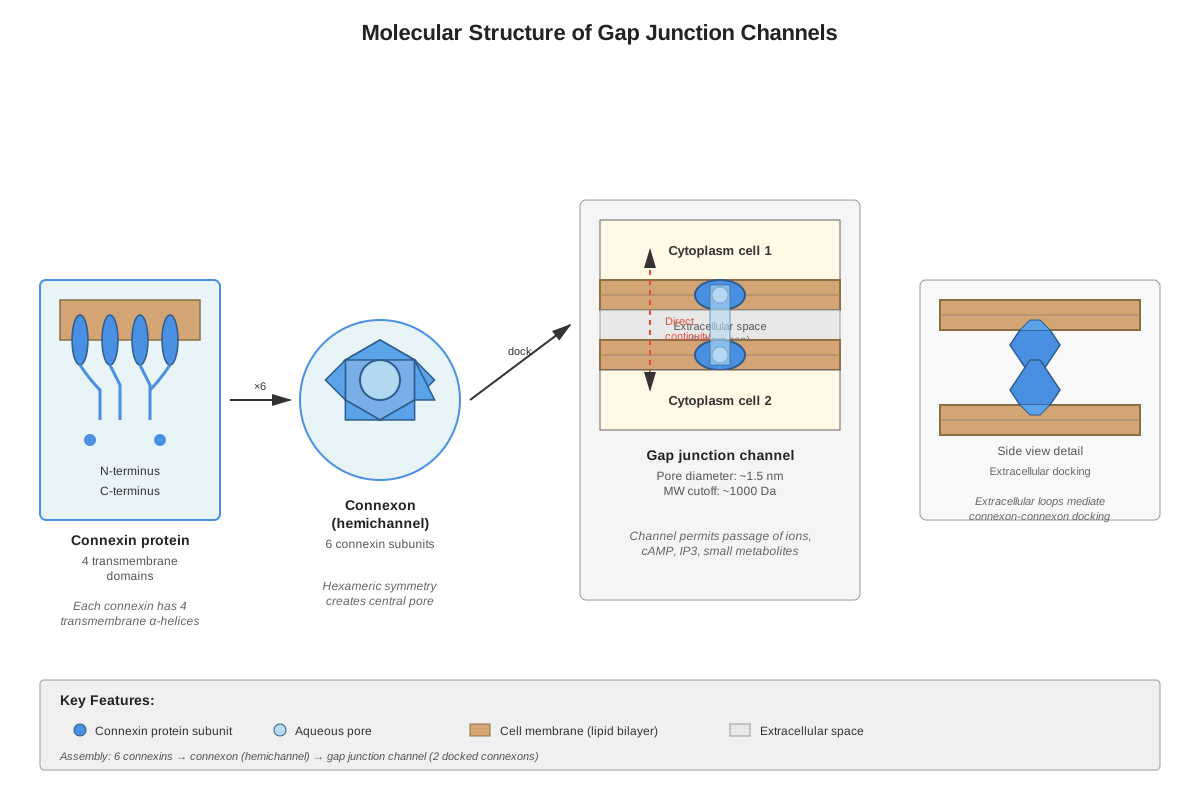
Gap junctions are composed of specialized transmembrane proteins called connexins. Each connexin protein has four transmembrane domains, two extracellular loops, and cytoplasmic N- and C-termini. Six connexin proteins oligomerize to form a connexon (also called a hemichannel), which spans one cell's plasma membrane. When connexons from two adjacent cells align and dock in the extracellular space, they create a continuous aqueous channel connecting the cytoplasm of both cells.
The gap between the two plasma membranes at a gap junction is approximately 2-4 nanometers, which is narrower than typical intercellular spaces but wider than tight junctions (hence the name "gap" junction). A single gap junction plaque typically contains dozens to thousands of individual channels clustered together, creating a specialized region of intercellular communication. The pore diameter of each channel is approximately 1.5-2.0 nanometers, which determines the size selectivity of molecules that can pass through.
There are 21 different connexin genes in humans (20 in mice), designated by their molecular weight (e.g., Cx43 is connexin-43, with a molecular weight of 43 kDa). Different connexins exhibit tissue-specific expression patterns: Cx43 predominates in cardiac muscle and many other tissues, Cx26 and Cx30 are critical in the inner ear, and Cx46 and Cx50 are essential for lens transparency. Connexons can be homomeric (composed of six identical connexins) or heteromeric (containing different connexin types), and gap junction channels can be homotypic (identical connexons on both sides) or heterotypic (different connexons from each cell), creating functional diversity.
Molecular Permeability and Selectivity
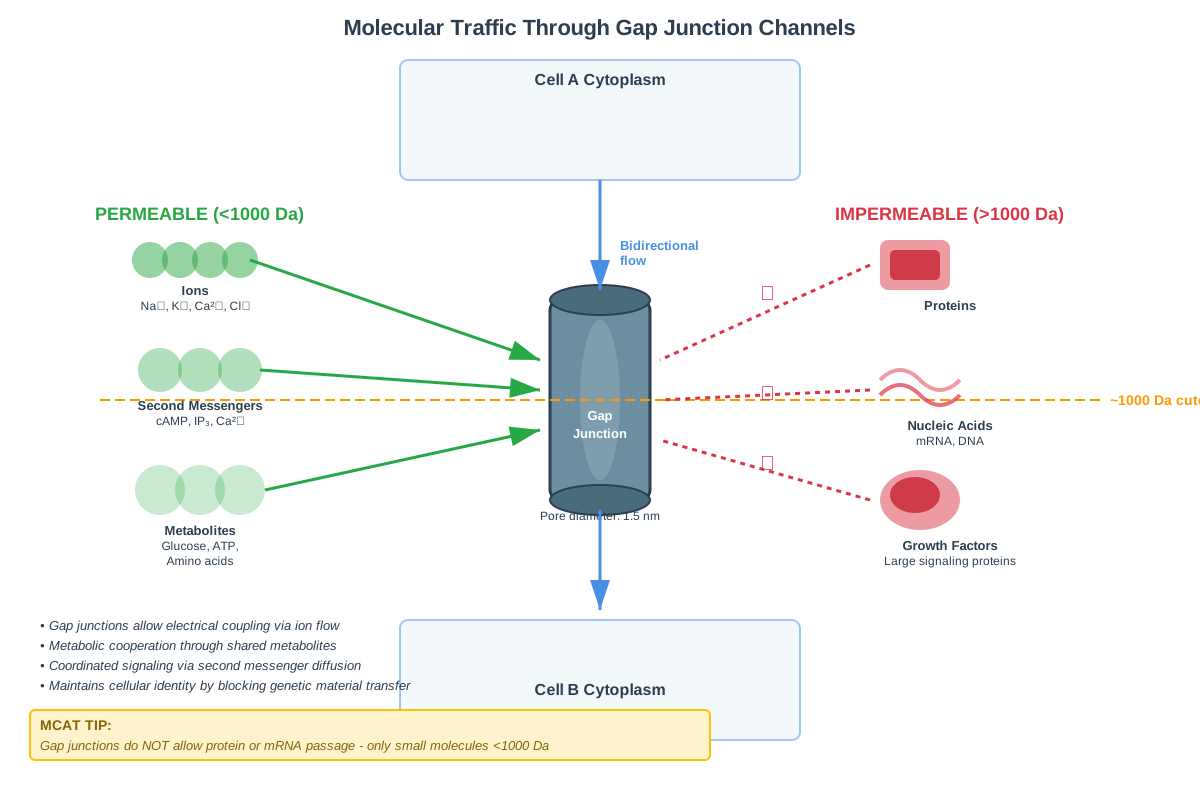
Gap junction channels permit passage of molecules up to approximately 1000 daltons in molecular weight, though the exact cutoff varies with connexin composition. This size restriction allows passage of ions (Na⁺, K⁺, Ca²⁺, Cl⁻), second messengers (cAMP, IP₃, Ca²⁺), small metabolites (glucose, amino acids, nucleotides), and small signaling molecules. However, large molecules such as proteins, nucleic acids, and most organelles cannot pass through gap junctions.
The selectivity of gap junction channels depends on several factors:
- Size exclusion: The pore diameter physically restricts molecules larger than ~1 kDa
- Charge selectivity: Different connexin compositions create channels with varying charge preferences, affecting ion selectivity
- Hydrophobicity: The channel lining influences passage of molecules based on their hydrophobic/hydrophilic properties
- Regulation: Channel gating can dynamically control permeability in response to cellular conditions
This selective permeability enables metabolic coupling (sharing of metabolites and nutrients), electrical coupling (direct ion flow for electrical synchronization), and chemical coupling (transmission of second messengers and signaling molecules) between connected cells. The ability to transmit electrical signals makes gap junctions particularly important in excitable tissues like cardiac and smooth muscle.
Physiological Functions by Tissue Type
| Tissue Type | Primary Connexins | Key Functions | Clinical Significance |
|---|---|---|---|
| Cardiac muscle | Cx43, Cx40, Cx45 | Rapid action potential propagation; synchronized contraction | Arrhythmias, sudden cardiac death |
| Smooth muscle | Cx43, Cx40 | Coordinated contraction; vascular tone regulation | Hypertension, vascular disorders |
| Neurons/Glia | Cx36, Cx43, Cx26 | Electrical synapses; metabolic support; synchronization | Seizures, neuropathies |
| Lens | Cx46, Cx50 | Nutrient distribution; maintenance of transparency | Cataracts |
| Inner ear | Cx26, Cx30 | K⁺ recycling; maintenance of endocochlear potential | Hereditary deafness |
| Liver | Cx32, Cx26 | Metabolic coordination; bile secretion | Liver dysfunction |
| Skin | Cx43, Cx26, Cx30 | Wound healing; epidermal homeostasis | Skin disorders, impaired healing |
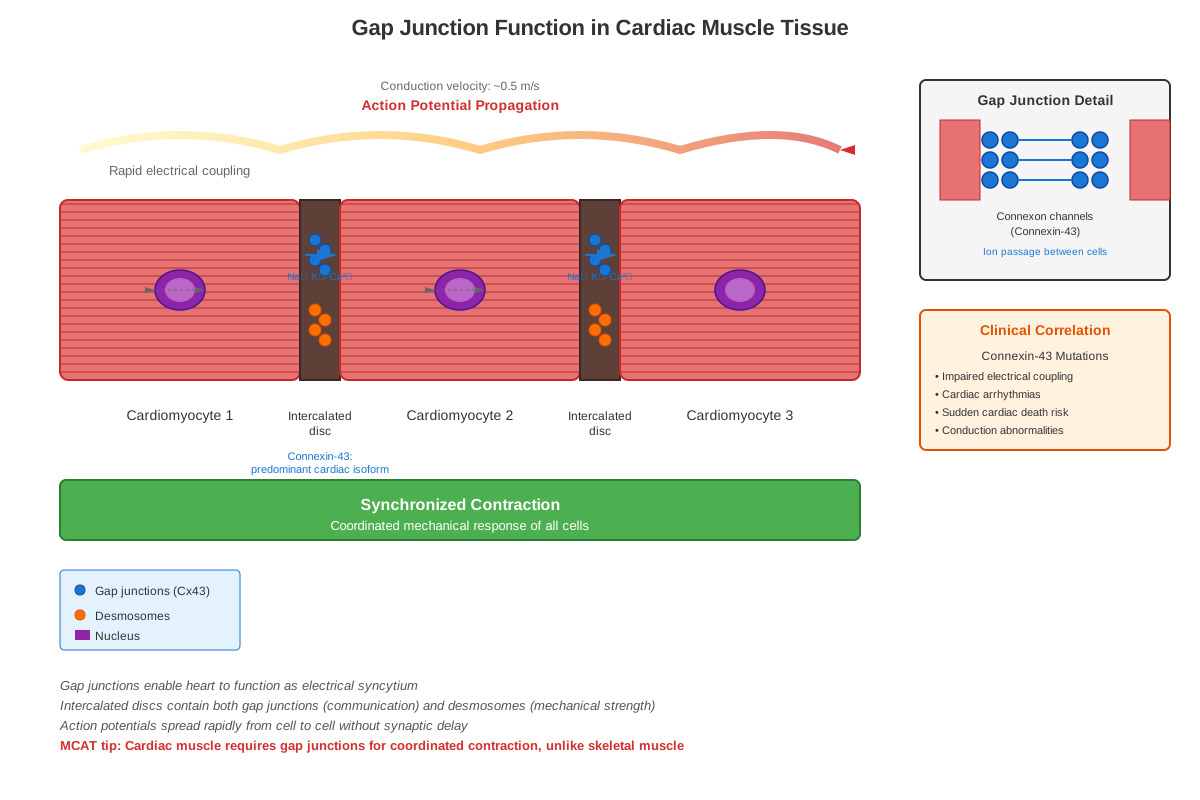
In cardiac muscle, gap junctions located at intercalated discs enable the heart to function as an electrical syncytium, where depolarization spreads rapidly from cell to cell, ensuring coordinated ventricular contraction. The high density of Cx43 channels allows action potentials to propagate at speeds sufficient for efficient pumping. Disruption of cardiac gap junctions can cause conduction abnormalities, arrhythmias, and heart failure.
In smooth muscle, gap junctions coordinate contraction of muscle cells in hollow organs (blood vessels, intestines, uterus), allowing them to function as a unit. This coordination is essential for peristalsis, vascular tone regulation, and uterine contractions during labor.
In the nervous system, gap junctions form electrical synapses that allow bidirectional, nearly instantaneous signal transmission without the delay associated with chemical synapses. These are important for synchronizing neuronal populations, generating rhythmic activities, and providing metabolic support from glia to neurons.
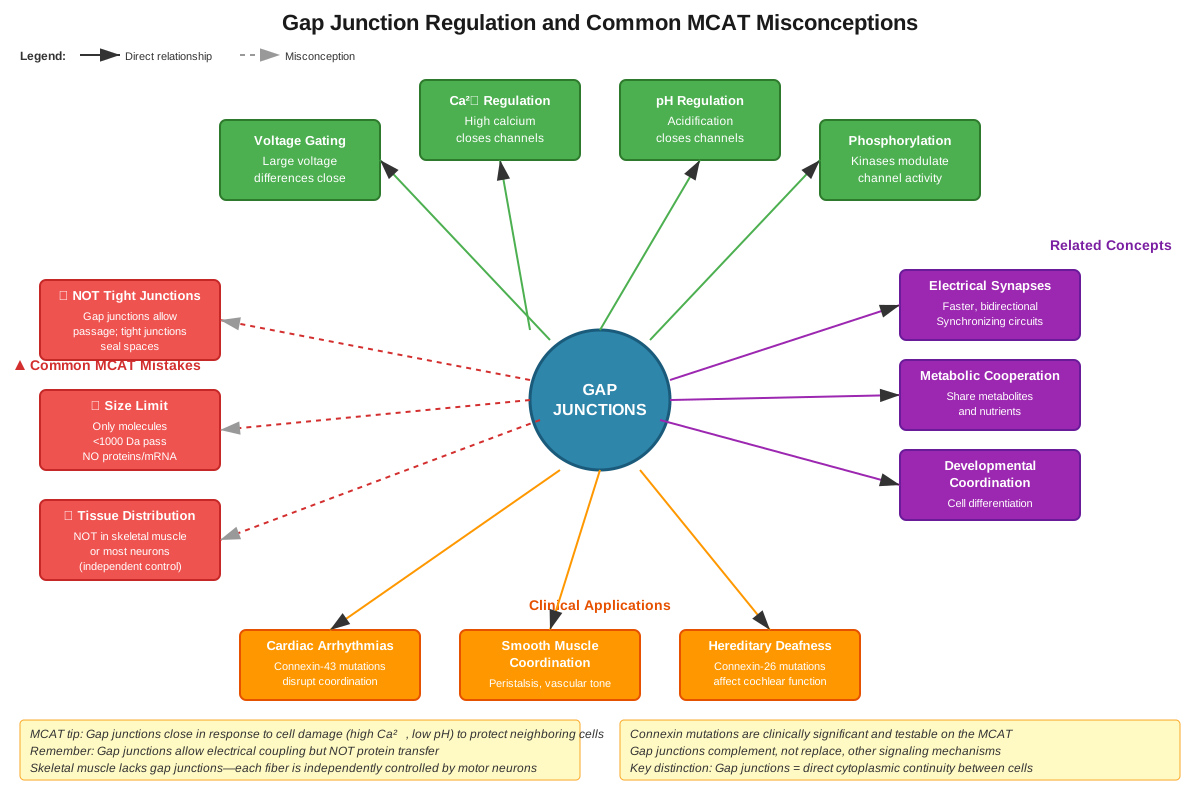
Regulation of Gap Junction Function
Gap junction channels are dynamically regulated through multiple mechanisms:
- Voltage gating: Large transjunctional voltages (voltage differences between connected cells) can close gap junction channels, preventing excessive current flow
- pH gating: Intracellular acidification causes channel closure, which can isolate damaged or dying cells from healthy neighbors
- Calcium gating: Elevated intracellular Ca²⁺ concentrations promote channel closure
- Phosphorylation: Protein kinases (PKA, PKC, MAPK) can phosphorylate connexins, modulating channel conductance and gating
- Trafficking and turnover: Connexins have remarkably short half-lives (1.5-5 hours), allowing rapid remodeling of gap junction plaques
The pH-dependent closure mechanism is particularly important for protecting healthy tissue. When a cell is damaged or dying, its intracellular pH typically drops. This acidification triggers gap junction closure, preventing the spread of toxic molecules or ions to neighboring cells—a form of cellular damage containment.
Gap Junctions vs. Other Cell Junctions
Understanding the distinctions between gap junctions and other junction types is essential for MCAT success:
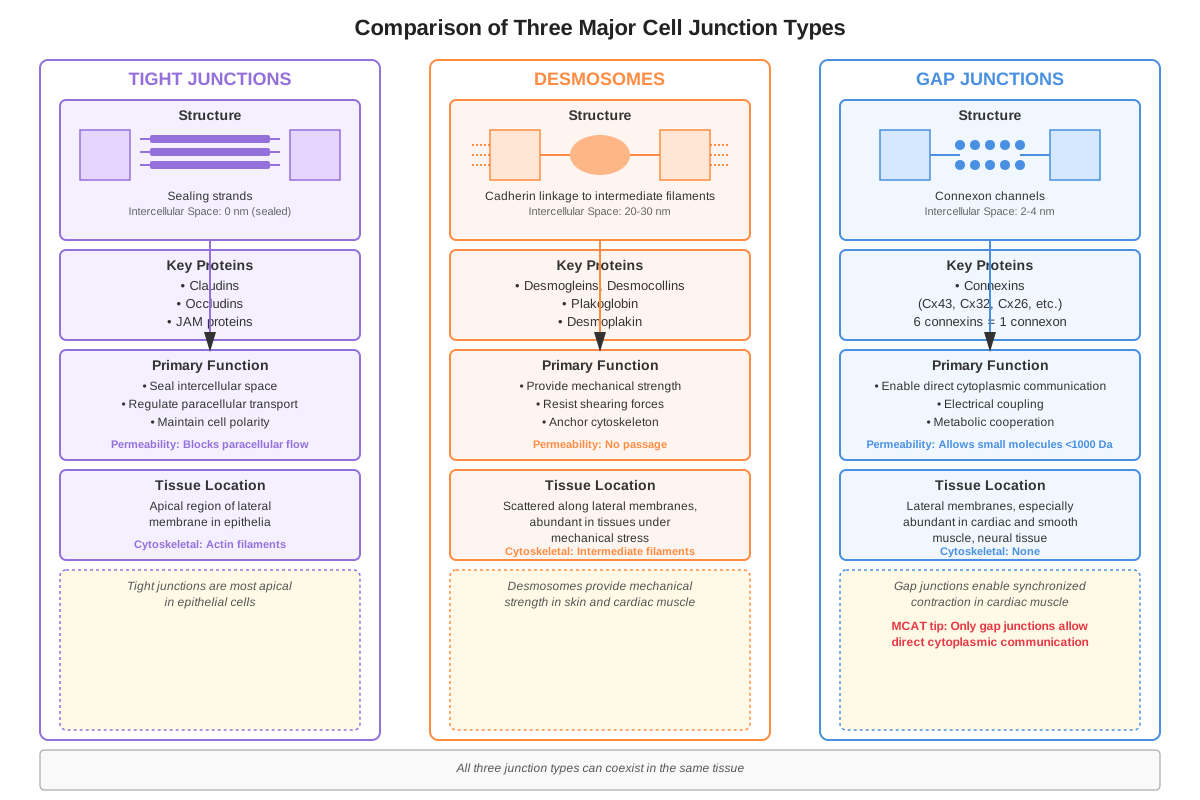
Gap junctions create cytoplasmic continuity for communication, allowing passage of small molecules and ions. They provide electrical and metabolic coupling but do not contribute significantly to mechanical strength or barrier function.
Tight junctions (occluding junctions) seal adjacent epithelial cells together, creating a barrier that prevents passage of molecules between cells (paracellular pathway). They maintain cell polarity by preventing mixing of apical and basolateral membrane proteins and are critical for barrier tissues like intestinal epithelium and blood-brain barrier.
Desmosomes (anchoring junctions) provide mechanical strength by linking the cytoskeletons of adjacent cells through cadherin proteins. They are abundant in tissues subject to mechanical stress, such as skin and cardiac muscle, but do not allow molecular passage between cells.
Adherens junctions also provide mechanical attachment through cadherins but are more dynamic than desmosomes and play roles in cell signaling and tissue morphogenesis.
A key MCAT distinction: gap junctions are the only junction type that allows direct cytoplasmic communication between cells. Tight junctions prevent extracellular passage, desmosomes provide strength, but only gap junctions enable direct cell-to-cell molecular exchange.
Concept Relationships
The structure of connexins (four transmembrane domains, specific extracellular loops) → determines their ability to oligomerize into connexons → which must dock with connexons from adjacent cells to form functional gap junction channels → whose pore size and properties determine molecular selectivity → enabling specific physiological functions like electrical coupling in cardiac muscle or metabolic coupling in liver tissue.
Gap junctions connect to prerequisite knowledge of membrane structure because connexins are integral membrane proteins that must properly insert into lipid bilayers. Understanding protein structure is essential because connexon formation requires precise quaternary structure assembly. The concept links to electrochemical gradients because ion movement through gap junctions follows concentration and electrical gradients, and to cell signaling because gap junctions represent one mechanism of direct cell-cell communication alongside paracrine, endocrine, and synaptic signaling.
Gap junctions relate forward to tissue physiology (how coordinated cellular activities produce organ-level functions), cardiac physiology (action potential propagation through the heart), smooth muscle function (coordinated contractions), and developmental biology (how cells coordinate during morphogenesis). They also connect to pathophysiology when considering diseases caused by connexin mutations or gap junction dysfunction.
The relationship between gap junctions and other junction types illustrates the principle that different cellular structures serve complementary functions: tight junctions create barriers, desmosomes provide strength, and gap junctions enable communication—together forming the complete junction complex in many epithelial and muscle tissues.
Quick check — test yourself on Gap junctions so far.
Try Flashcards →High-Yield Facts
⭐ Gap junctions allow passage of molecules up to approximately 1000 daltons, including ions, second messengers (cAMP, IP₃, Ca²⁺), and small metabolites, but NOT proteins or nucleic acids
⭐ Six connexin proteins assemble to form one connexon (hemichannel); two connexons from adjacent cells dock to create one functional gap junction channel
⭐ Gap junctions enable electrical coupling in cardiac muscle, allowing rapid action potential propagation and synchronized contraction throughout the heart
⭐ Intracellular acidification (low pH) causes gap junction closure, serving as a protective mechanism to isolate damaged cells from healthy neighbors
⭐ Gap junctions are the ONLY cell junction type that allows direct cytoplasmic communication between cells; tight junctions create barriers, desmosomes provide mechanical strength
- Connexin-43 (Cx43) is the most abundant and widely distributed connexin in the human body, found in cardiac muscle, smooth muscle, and many other tissues
- Gap junctions in cardiac muscle are concentrated at intercalated discs, the specialized regions where cardiac myocytes connect end-to-end
- Mutations in connexin genes cause over 30 human diseases, including hereditary deafness (Cx26, Cx30), cataracts (Cx46, Cx50), and cardiac arrhythmias (Cx43, Cx40)
- Gap junction channels can be regulated by voltage, pH, calcium concentration, and phosphorylation, allowing dynamic control of intercellular communication
- Connexins have very short half-lives (1.5-5 hours), among the shortest of any membrane protein, allowing rapid remodeling of gap junction plaques
- Electrical synapses formed by neuronal gap junctions (primarily Cx36) allow faster, bidirectional signal transmission compared to chemical synapses
- Gap junctions enable metabolic cooperation, where cells can share nutrients and metabolites, supporting cells with limited access to blood supply (like lens cells)
Common Misconceptions
Misconception: Gap junctions create a permanent, unchangeable connection between cells.
Correction: Gap junctions are highly dynamic structures that can open and close in response to voltage, pH, calcium, and phosphorylation. Connexins also have rapid turnover (1.5-5 hour half-life), allowing quick remodeling of junctional communication.
Misconception: All molecules smaller than 1000 daltons can freely pass through gap junctions.
Correction: While size is the primary determinant, charge and hydrophobicity also affect permeability. Different connexin compositions create channels with varying selectivity. Additionally, channel gating can restrict passage even when channels are present.
Misconception: Gap junctions and tight junctions serve the same function.
Correction: These junctions have opposite functions. Gap junctions create cytoplasmic continuity, allowing molecular passage between cells. Tight junctions seal the space between cells, preventing paracellular passage and maintaining barrier function. Gap junctions enable communication; tight junctions prevent it.
Misconception: Gap junctions are only important in cardiac muscle.
Correction: While cardiac gap junctions are frequently emphasized, they are critical in many tissues including smooth muscle (coordinated contraction), liver (metabolic coordination), nervous system (electrical synapses), lens (nutrient distribution), inner ear (ion homeostasis), and skin (wound healing).
Misconception: Connexons function independently as open channels in the plasma membrane.
Correction: Unopposed connexons (hemichannels) are normally closed in healthy cells. They only form functional channels when docked with connexons from an adjacent cell. Aberrant opening of hemichannels can be pathological, allowing uncontrolled leakage of cellular contents.
Misconception: Gap junctions allow passage of action potentials directly from one cell to another.
Correction: Action potentials themselves don't pass through gap junctions. Rather, the ionic currents (movement of ions like Na⁺ and K⁺) flow through gap junctions, and these currents can depolarize the adjacent cell to threshold, triggering a new action potential. The gap junction enables electrical coupling through ion flow, not direct transmission of the action potential wave.
Worked Examples
Example 1: Cardiac Muscle Coordination
Question: A researcher studies cardiac myocytes in culture and observes that when one cell is electrically stimulated, neighboring cells also depolarize and contract. When the researcher adds a drug that specifically blocks gap junctions, stimulation of one cell no longer affects its neighbors. Explain the mechanism underlying these observations and predict what would happen if this drug were administered to an intact heart.
Solution:
Step 1: Identify the relevant structure and function. Cardiac myocytes are connected by gap junctions (primarily Cx43) located at intercalated discs. These gap junctions allow direct passage of ions between adjacent cells.
Step 2: Explain the normal observation. When one cardiac myocyte is stimulated and depolarizes, voltage-gated Na⁺ channels open, causing Na⁺ influx and action potential generation. The resulting ionic currents (primarily Na⁺ and K⁺) can flow through gap junction channels into neighboring cells. This ion flow depolarizes the adjacent cells to threshold, triggering action potentials in those cells, which then contract. This demonstrates electrical coupling through gap junctions.
Step 3: Explain the drug effect. The gap junction blocker prevents ion flow between cells, eliminating electrical coupling. Now each cell is electrically isolated, so depolarization of one cell cannot spread to its neighbors. Only the directly stimulated cell depolarizes and contracts.
Step 4: Predict the effect on an intact heart. If gap junctions were blocked throughout the heart, electrical coupling would be lost. The heart could no longer function as an electrical syncytium. Action potentials from the SA node could not propagate through the atria and ventricles. This would cause severe conduction abnormalities, uncoordinated contraction, and likely cardiac arrest. The heart requires gap junction-mediated electrical coupling for synchronized contraction and effective pumping.
Connection to learning objectives: This example demonstrates understanding of gap junction function (electrical coupling), application to a physiological system (cardiac muscle), and ability to predict consequences of gap junction dysfunction.
Example 2: Molecular Selectivity
Question: A cell biologist injects fluorescent dye molecules of different sizes into a cell that is connected to neighboring cells via gap junctions. The results are:
- Dye A (molecular weight 500 Da): spreads to neighboring cells within minutes
- Dye B (molecular weight 1500 Da): remains only in the injected cell
- Dye C (molecular weight 800 Da, highly charged): spreads slowly to neighboring cells
- Dye D (molecular weight 3000 Da): remains only in the injected cell
Explain these results based on gap junction properties and predict what would happen if the experiment were repeated after treating the cells with a solution that lowers intracellular pH.
Solution:
Step 1: Apply the size selectivity principle. Gap junctions allow passage of molecules up to approximately 1000 daltons.
Dye A (500 Da) is well below this cutoff, so it readily passes through gap junction channels to neighboring cells—this explains the rapid spread.
Dye B (1500 Da) and Dye D (3000 Da) exceed the size limit, so they cannot pass through gap junction pores and remain confined to the injected cell.
Step 2: Consider additional selectivity factors. Dye C (800 Da) is below the size cutoff but spreads slowly rather than rapidly. This suggests that charge affects permeability. While the dye can physically fit through the pore, its high charge may interact with charged residues lining the channel, slowing its passage. Different connexin compositions create channels with varying charge selectivity.
Step 3: Predict the pH effect. Lowering intracellular pH (acidification) triggers gap junction closure through pH-dependent gating. This is a protective mechanism that isolates damaged cells (which typically become acidic) from healthy neighbors.
After pH reduction, even Dye A (which normally spreads readily) would remain confined to the injected cell because the gap junction channels would be closed. None of the dyes would spread to neighboring cells regardless of their size or charge properties.
Connection to learning objectives: This example demonstrates understanding of molecular selectivity (size and charge), gap junction regulation (pH gating), and ability to apply these principles to interpret experimental data—a common MCAT question format.
Exam Strategy
When approaching gap junction questions on the MCAT, first identify whether the question is asking about structure, function, regulation, or comparison with other junction types. Look for trigger words that indicate the topic:
Trigger phrases for gap junctions:
- "Direct cell-to-cell communication"
- "Electrical coupling" or "electrical syncytium"
- "Coordinated contraction" (especially in cardiac or smooth muscle)
- "Connexin" or "connexon"
- "Passage of small molecules between cells"
- "Intercalated discs" (cardiac muscle context)
- "Metabolic coupling"
Trigger phrases for OTHER junctions (to distinguish):
- "Barrier function" or "prevent paracellular passage" → tight junctions
- "Mechanical strength" or "resist shearing forces" → desmosomes
- "Cadherin proteins" → desmosomes or adherens junctions
- "Occluding junction" → tight junctions
Process-of-elimination strategy: When a question asks which junction type serves a particular function:
- If the function involves communication or passage of molecules between cells → gap junctions
- If the function involves creating a barrier or preventing passage → tight junctions
- If the function involves mechanical strength or structural support → desmosomes
- If multiple junction types are present, consider that they often work together (e.g., cardiac intercalated discs have gap junctions for electrical coupling AND desmosomes for mechanical strength)
For passage-based questions: When a passage describes a physiological phenomenon involving coordinated cellular activity (synchronized contraction, spread of electrical signals, metabolic cooperation), immediately consider whether gap junctions might be involved. Look for experimental manipulations that block cell-cell communication—these often target gap junctions.
Time allocation: Gap junction questions are typically straightforward if you know the core concepts. Spend 60-90 seconds on discrete questions, 90-120 seconds on passage-based questions. Don't overthink—if the question involves direct cell-to-cell communication or electrical coupling, gap junctions are almost certainly the answer.
Common question formats:
- Identifying which molecules can pass through gap junctions (apply the ~1000 Da rule)
- Predicting effects of gap junction dysfunction in specific tissues (think about what coordination would be lost)
- Distinguishing gap junctions from other junction types (focus on function: communication vs. barrier vs. strength)
- Explaining experimental results involving dye transfer or electrical coupling (apply selectivity and regulation principles)
Memory Techniques
Mnemonic for gap junction function: "GEMS"
- Gap junctions
- Electrical coupling
- Metabolic coupling
- Small molecules (up to ~1000 Da)
Mnemonic for connexon structure: "Six Connexins Connect"
- Reminds you that SIX connexin proteins form one connexon, and connexons from two cells CONNECT to form a channel
Mnemonic for gap junction regulation: "VIP-Ca" (Very Important Person - Calcium)
- Voltage
- Intracellular pH (acidification closes channels)
- Phosphorylation
- Calcium
Visualization strategy: Picture gap junctions as "molecular tunnels" connecting the cytoplasm of adjacent cells, like underground passages between buildings. These tunnels have size-restricted doors that only allow small items (ions, small molecules) to pass through, while large items (proteins, organelles) cannot fit. The doors can close when danger is detected (low pH from damaged cells).
Comparison table memory aid: Create a mental table with three columns:
- Gap junctions = Communication (talking between cells)
- Tight junctions = Barrier (blocking passage)
- Desmosomes = Strength (holding cells together)
Cardiac context anchor: When you think "gap junctions," immediately associate them with the heart. Picture the heart beating in synchronized rhythm—this requires gap junctions for electrical coupling. This strong association will help you recall gap junction function under exam pressure.
Summary
Gap junctions are specialized intercellular channels composed of connexin proteins that enable direct cytoplasmic communication between adjacent cells. Six connexins oligomerize to form a connexon (hemichannel), and two connexons from neighboring cells dock to create a functional channel. These channels permit passage of ions, second messengers, and small metabolites up to approximately 1000 daltons, enabling electrical coupling, metabolic coupling, and chemical coupling between cells. Gap junctions are critical for coordinated tissue functions, particularly in cardiac muscle (synchronized contraction), smooth muscle (coordinated contraction), and nervous system (electrical synapses). They are dynamically regulated by voltage, pH, calcium, and phosphorylation, with pH-dependent closure serving as a protective mechanism to isolate damaged cells. Unlike tight junctions (which create barriers) or desmosomes (which provide mechanical strength), gap junctions uniquely enable direct cell-to-cell communication. Understanding gap junction structure, molecular selectivity, tissue-specific functions, and regulation is essential for MCAT success, as these concepts appear frequently in questions about tissue physiology, cardiac function, and cellular communication.
Key Takeaways
- Gap junctions are the only cell junction type that allows direct cytoplasmic communication between cells through channels formed by connexin proteins
- Six connexins form one connexon; two connexons (one from each cell) dock to create one functional gap junction channel
- Gap junctions permit passage of molecules up to ~1000 Da (ions, cAMP, IP₃, Ca²⁺, small metabolites) but exclude large molecules like proteins and nucleic acids
- Electrical coupling through gap junctions enables synchronized contraction in cardiac and smooth muscle by allowing ion flow between cells
- Gap junction channels close in response to low pH (acidification), high calcium, and large voltage differences, providing dynamic regulation and cellular protection
- Connexin mutations cause numerous human diseases including hereditary deafness, cataracts, and cardiac arrhythmias
- Distinguish gap junctions (communication) from tight junctions (barrier) and desmosomes (mechanical strength) based on their distinct functions
Related Topics
Tight Junctions: Understanding how tight junctions create epithelial barriers complements knowledge of gap junctions and completes the picture of how cells interact at junctional complexes. Mastering gap junctions provides the foundation for comparing junction types.
Cardiac Muscle Physiology: Gap junctions at intercalated discs are essential for understanding how the heart functions as an electrical syncytium. This topic builds directly on gap junction knowledge to explain coordinated cardiac contraction.
Action Potential Propagation: Understanding how electrical signals spread through tissues requires knowledge of gap junction-mediated electrical coupling, particularly in cardiac and smooth muscle.
Cell Signaling Mechanisms: Gap junctions represent one mode of cell-cell communication alongside endocrine, paracrine, autocrine, and synaptic signaling. Comparing these mechanisms provides comprehensive understanding of cellular communication.
Membrane Transport: Gap junctions exemplify facilitated diffusion of small molecules between cells, connecting to broader concepts of membrane permeability and selective transport.
Developmental Biology: Gap junctions coordinate cellular activities during embryonic development, tissue morphogenesis, and wound healing, extending your understanding to developmental contexts.
Practice CTA
Now that you've mastered the core concepts of gap junctions, it's time to reinforce your learning through active practice. Challenge yourself with MCAT-style practice questions that test your ability to apply these concepts in passage-based and discrete question formats. Use flashcards to drill high-yield facts, especially the distinctions between junction types and the molecular selectivity rules. Remember: understanding gap junctions not only helps you answer direct questions about cell junctions but also supports your comprehension of cardiac physiology, tissue coordination, and cellular communication—concepts that appear throughout the MCAT Biology section. Your investment in mastering this topic will pay dividends across multiple question types. You've got this!
Sign up free to keep reading
Create a free AnvayaPrep account to finish this MCAT guide on Gap junctions — plus flashcards and practice questions.