Overview
Tight junctions are specialized intercellular connections that form continuous seals between adjacent epithelial cells, creating a barrier that regulates the passage of molecules through the space between cells. These structures represent one of the most critical components of epithelial tissue architecture and function, serving as gatekeepers that control paracellular transport—the movement of substances between cells rather than through them. In the context of Cell Biology and the MCAT, understanding tight junctions is essential because they illustrate fundamental principles of cellular organization, tissue function, and physiological regulation that appear across multiple organ systems.
The significance of tight junctions extends far beyond simple structural support. These protein complexes actively maintain cell polarity by preventing the lateral diffusion of membrane proteins between the apical and basolateral domains of epithelial cells, effectively creating distinct functional regions within a single cell. This compartmentalization is crucial for directional transport processes, such as nutrient absorption in the intestine or selective reabsorption in the kidney nephron. For MCAT Biology preparation, tight junctions frequently appear in passages discussing epithelial barriers, drug delivery mechanisms, disease pathology (particularly conditions involving barrier dysfunction), and experimental designs testing permeability.
Understanding tight junctions provides a foundation for comprehending how multicellular organisms maintain distinct internal compartments, regulate homeostasis, and protect against pathogens. This topic connects directly to membrane transport, cell signaling, tissue organization, and organ system physiology—all high-yield areas for the MCAT. The molecular composition and regulatory mechanisms of tight junctions also exemplify protein-protein interactions and signal transduction pathways, making this topic a nexus for integrating multiple biological concepts that the exam tests repeatedly.
Learning Objectives
- [ ] Define tight junctions using accurate Biology terminology
- [ ] Explain why tight junctions matters for the MCAT
- [ ] Apply tight junctions to exam-style questions
- [ ] Identify common mistakes related to tight junctions
- [ ] Connect tight junctions to related Biology concepts
- [ ] Describe the molecular composition and structure of tight junction complexes
- [ ] Differentiate between the barrier function and fence function of tight junctions
- [ ] Analyze how tight junction dysfunction contributes to disease pathology
- [ ] Predict the physiological consequences of altered tight junction permeability in specific tissues
Prerequisites
- Cell membrane structure and composition: Understanding phospholipid bilayers and membrane proteins is essential because tight junctions are formed by transmembrane proteins that span the lipid bilayer
- Epithelial tissue organization: Knowledge of epithelial cell polarity (apical vs. basolateral surfaces) is necessary to understand how tight junctions maintain functional compartmentalization
- Protein structure and interactions: Familiarity with protein domains and protein-protein interactions helps explain how tight junction proteins assemble into functional complexes
- Basic transport mechanisms: Understanding passive and active transport provides context for why regulating paracellular pathways is physiologically important
- Cell adhesion concepts: General knowledge of how cells connect to each other establishes the framework for understanding specialized junctions
Why This Topic Matters
Clinical and Real-World Significance
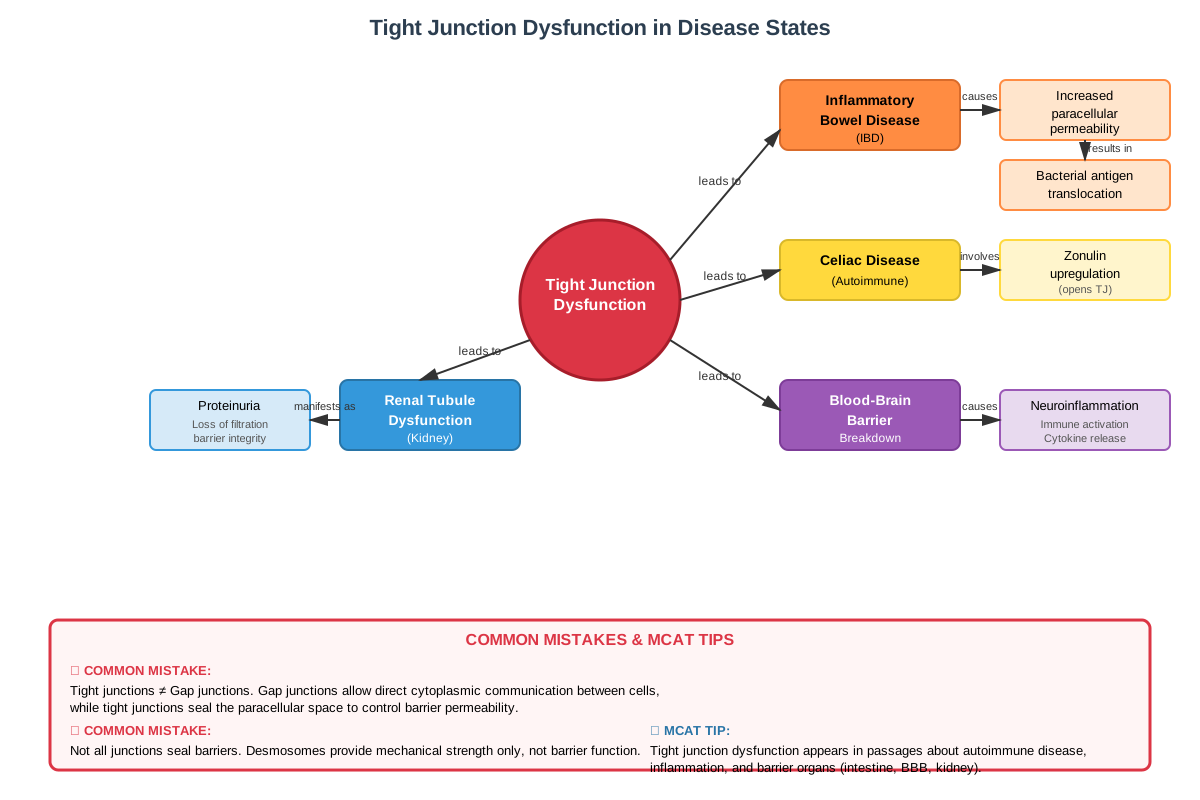
Tight junction dysfunction underlies numerous pathological conditions that affect human health. In inflammatory bowel disease, compromised intestinal tight junctions allow bacterial toxins and antigens to cross the epithelial barrier, triggering immune responses and perpetuating inflammation. The blood-brain barrier, which depends critically on tight junctions between endothelial cells, protects neural tissue from circulating toxins and pathogens; its disruption contributes to neurological diseases including multiple sclerosis and Alzheimer's disease. Cancer cells often downregulate tight junction proteins to facilitate metastasis, making these structures potential therapeutic targets. Understanding tight junctions also informs drug delivery strategies, as pharmaceutical researchers design compounds that can either cross or temporarily disrupt these barriers to improve medication efficacy.
MCAT Exam Relevance
Tight junctions appear in approximately 3-5% of MCAT passages, particularly in the Biological and Biochemical Foundations of Living Systems section. Questions typically test understanding of barrier function, the relationship between structure and function, and the physiological consequences of junction disruption. Common question formats include:
- Passage-based questions describing experimental manipulations of tight junction proteins and asking students to predict outcomes
- Discrete questions testing knowledge of where tight junctions are found and their specific functions
- Data interpretation questions presenting permeability measurements and requiring analysis of tight junction integrity
- Application questions connecting tight junction dysfunction to disease mechanisms
The topic frequently appears in passages about the digestive system, renal physiology, the blood-brain barrier, and epithelial transport. Because tight junctions integrate concepts from cell biology, physiology, and pathology, they serve as excellent material for testing higher-order thinking skills that the MCAT emphasizes.
Core Concepts
Definition and Basic Structure
Tight junctions (also called zonula occludens) are multiprotein junctional complexes that create nearly impermeable barriers between adjacent epithelial or endothelial cells. Unlike other cell junctions that provide mechanical strength or communication channels, tight junctions primarily regulate permeability and maintain cell polarity. Structurally, they appear as continuous belts encircling cells near their apical surface, forming the most apical component of the junctional complex (positioned above adherens junctions and desmosomes).
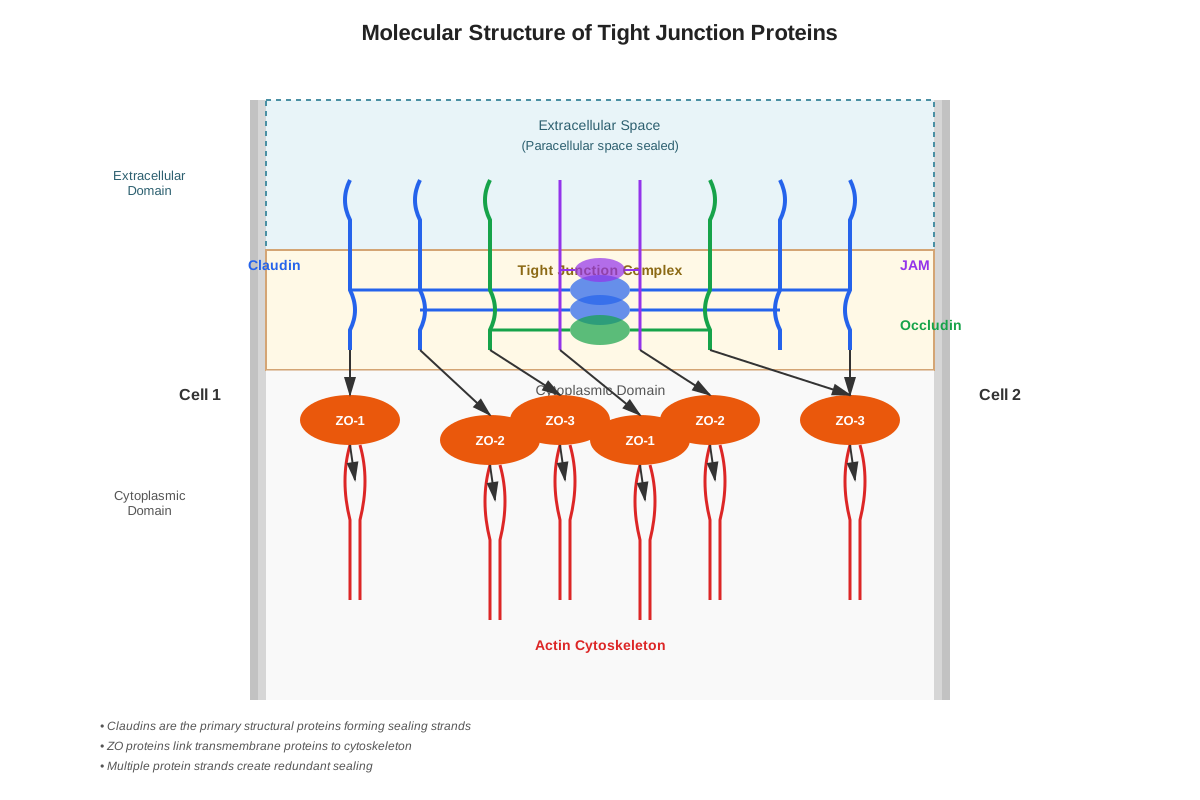
At the molecular level, tight junctions consist of transmembrane proteins that extend from one cell and interact directly with corresponding proteins on the adjacent cell, effectively sealing the intercellular space. The major transmembrane proteins include claudins, occludin, and junctional adhesion molecules (JAMs). These proteins are anchored to the cytoskeleton through scaffolding proteins called zonula occludens proteins (ZO-1, ZO-2, ZO-3), which link the junction to actin filaments and enable dynamic regulation of junction assembly and permeability.
Molecular Components
The molecular architecture of tight junctions involves several protein families working in concert:
Claudins represent the primary structural and functional components, with at least 24 different family members in humans. These four-pass transmembrane proteins determine the selective permeability characteristics of tight junctions. Different claudin combinations create junctions with varying properties—some claudins form barriers to ions and small molecules, while others create selective pores that allow specific ions to pass. For example, claudin-2 forms cation-selective channels, whereas claudin-4 creates a barrier to cations.
Occludin was the first identified tight junction transmembrane protein and contributes to barrier regulation, though its precise function remains partially understood. This four-pass transmembrane protein appears to modulate tight junction stability and may play roles in signaling rather than forming the primary barrier.
Junctional adhesion molecules (JAMs) belong to the immunoglobulin superfamily and contribute to junction assembly and cell polarity. These single-pass transmembrane proteins also participate in leukocyte migration across epithelial barriers during immune responses.
Scaffolding proteins (ZO-1, ZO-2, ZO-3) contain multiple protein-binding domains that connect transmembrane proteins to the actin cytoskeleton and recruit signaling molecules. These proteins are essential for organizing the junction and transducing mechanical and chemical signals.
The Two Primary Functions
Tight junctions serve two distinct but equally important functions:
1. Barrier Function (Gate Function)
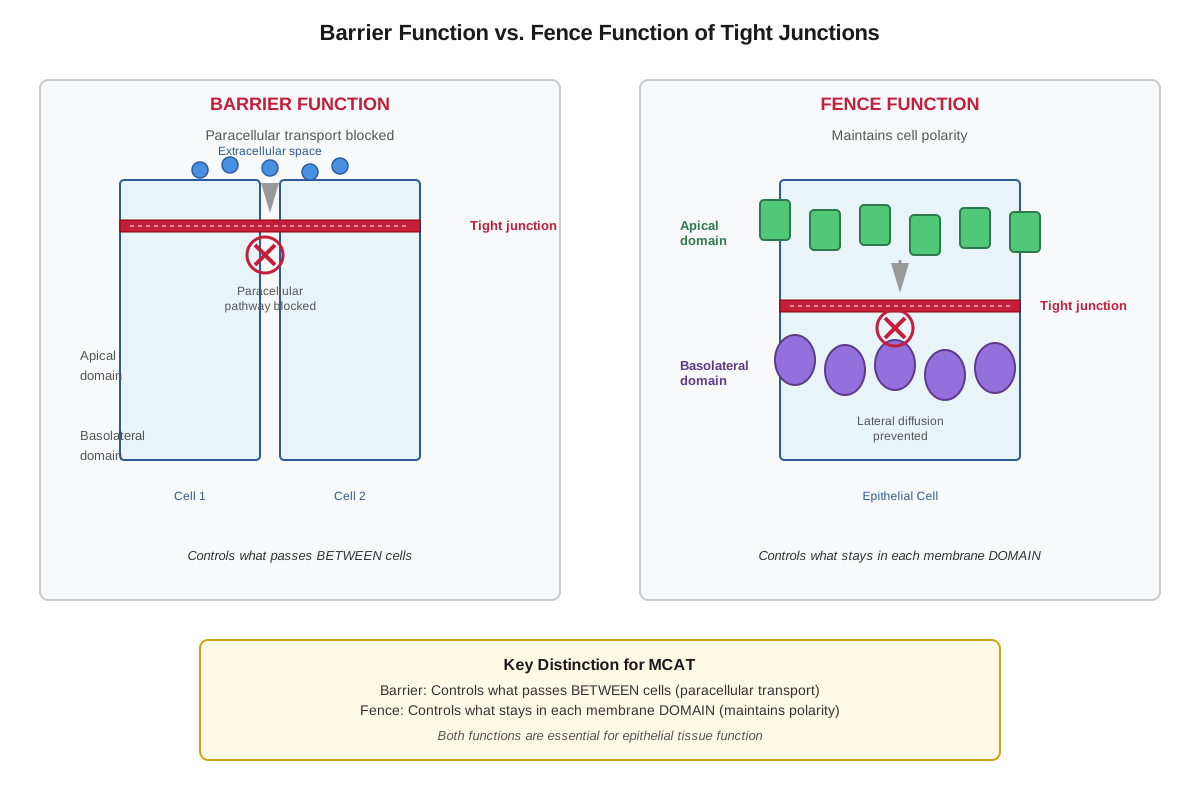
The barrier function controls paracellular permeability—the movement of molecules through the space between cells. Tight junctions create a selective barrier that restricts the passage of ions, solutes, and water through the paracellular pathway. This selectivity varies dramatically between tissues based on physiological requirements:
- High-resistance epithelia (blood-brain barrier, urinary bladder): Extremely tight junctions with minimal paracellular permeability
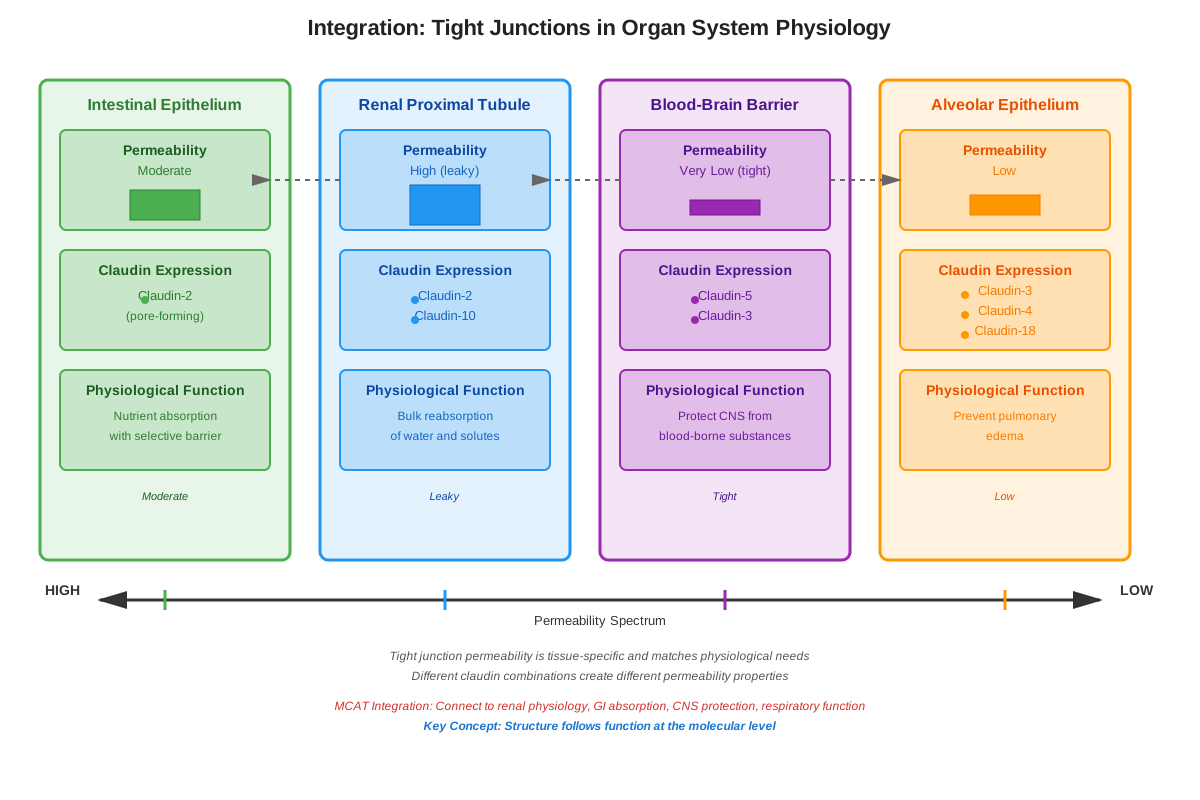
- Intermediate-resistance epithelia (intestinal epithelium, renal proximal tubule): Moderately permeable junctions allowing selective ion and water movement
- Low-resistance epithelia (renal collecting duct in certain states): More permeable junctions facilitating greater paracellular transport
The barrier function is dynamic and regulated by various factors including calcium concentration, inflammatory cytokines, and intracellular signaling pathways. This regulation allows tissues to adjust permeability in response to physiological demands.
2. Fence Function
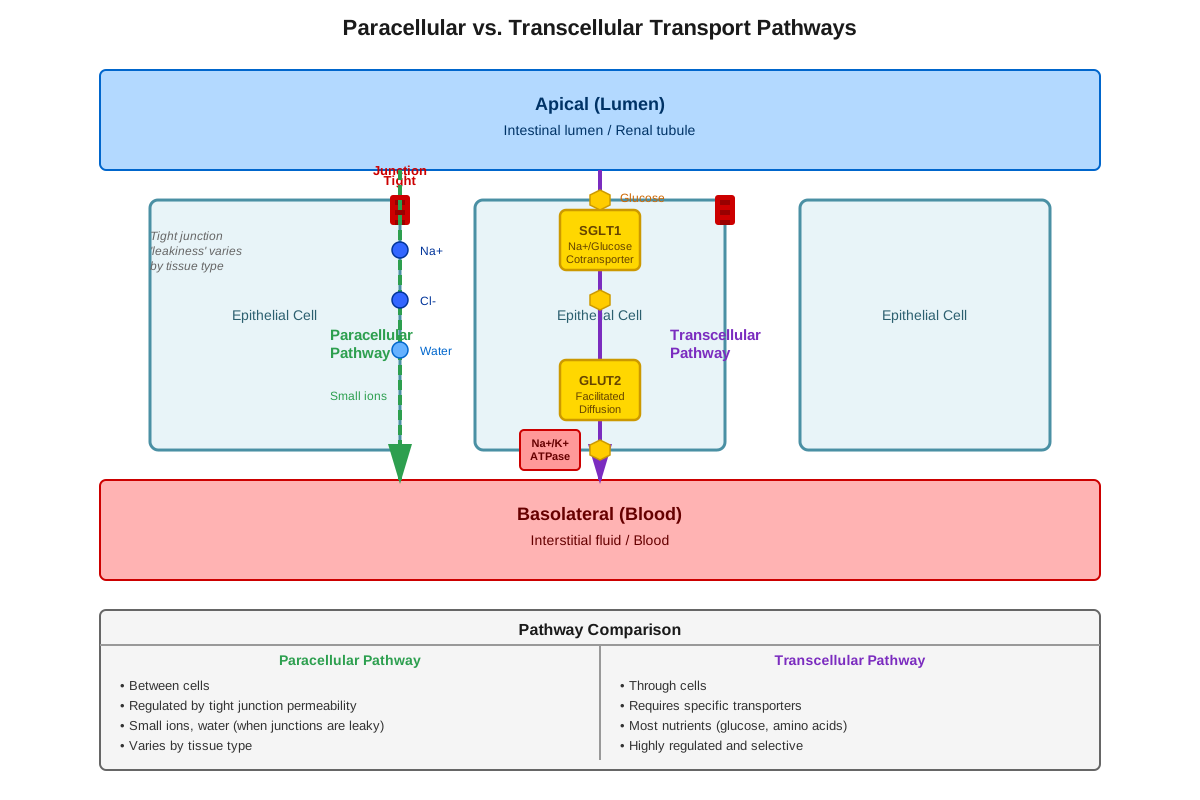
The fence function maintains cell polarity by preventing the lateral diffusion of lipids and proteins between the apical and basolateral membrane domains. This creates distinct compositional and functional regions within a single cell membrane. Without this fence, membrane proteins would freely mix, eliminating the directional transport capabilities essential for epithelial function. For example, in intestinal epithelial cells, glucose transporters must remain segregated—SGLT1 on the apical surface for uptake from the intestinal lumen, and GLUT2 on the basolateral surface for release into the bloodstream. The fence function ensures this spatial organization persists.
Tissue Distribution and Specialized Functions
| Tissue/Organ | Tight Junction Characteristics | Physiological Role |
|---|---|---|
| Blood-brain barrier | Extremely tight; minimal paracellular permeability | Protects brain from blood-borne toxins and pathogens |
| Intestinal epithelium | Moderately tight; regulated permeability | Controls nutrient absorption while preventing pathogen entry |
| Renal tubules | Variable tightness along nephron segments | Enables selective reabsorption and concentration of urine |
| Urinary bladder | Very tight; high electrical resistance | Prevents urine components from leaking into tissues |
| Alveolar epithelium | Moderately tight | Maintains air-blood barrier while allowing gas exchange |
| Skin epidermis | Tight in upper layers | Creates waterproof barrier protecting against dehydration |
Regulation and Dynamics
Tight junctions are not static structures but undergo continuous remodeling in response to physiological signals. Several mechanisms regulate junction assembly, maintenance, and permeability:
Calcium-dependent regulation: Extracellular calcium is essential for tight junction formation and maintenance. Calcium depletion causes rapid junction disassembly, which is why EDTA (a calcium chelator) is used experimentally to disrupt epithelial barriers.
Phosphorylation: Protein kinases and phosphatases modulate tight junction proteins, affecting their interactions and barrier properties. For example, protein kinase C activation can increase permeability, while certain phosphatases enhance barrier function.
Inflammatory mediators: Cytokines such as TNF-α and interferon-γ can disrupt tight junctions, increasing permeability during inflammation. This mechanism contributes to inflammatory diseases but also facilitates immune cell migration to sites of infection.
Rho GTPases: These molecular switches regulate actin cytoskeleton organization, which directly affects tight junction assembly and stability. RhoA activation typically strengthens junctions, while Rac1 and Cdc42 have more complex, context-dependent effects.
Measurement and Assessment
Understanding how tight junction integrity is measured helps interpret experimental data in MCAT passages:
Transepithelial electrical resistance (TEER): Measures the electrical resistance across an epithelial layer; higher resistance indicates tighter junctions with less ion permeability.
Tracer flux studies: Monitor the passage of labeled molecules (often fluorescent dextrans of various sizes) across epithelial monolayers to assess size-selective permeability.
Immunofluorescence microscopy: Visualizes tight junction protein localization; continuous staining at cell-cell contacts indicates intact junctions, while discontinuous or cytoplasmic staining suggests disruption.
Concept Relationships
Tight junctions integrate multiple biological concepts into a coherent functional unit. At the molecular level, the protein-protein interactions between claudins, occludins, and scaffolding proteins exemplify how quaternary protein structure creates functional complexes. These interactions depend on proper protein folding and post-translational modifications, particularly phosphorylation, which regulates junction assembly and permeability.
The relationship between tight junctions and cell polarity is bidirectional: tight junctions maintain polarity through their fence function, while polarity proteins (Par complex, Crumbs complex) regulate tight junction formation and positioning. This creates a positive feedback loop essential for epithelial tissue organization.
Tight junctions directly impact membrane transport by determining whether substances cross epithelia via the transcellular route (through cells) or the paracellular route (between cells). In tissues with very tight junctions, virtually all transport must occur transcellularly through specific transporters, giving cells complete control over what crosses the barrier. In tissues with leakier junctions, significant paracellular transport occurs, reducing the energy expenditure required for transcellular transport but sacrificing some selectivity.
The connection to tissue organization extends beyond simple barrier formation. Tight junctions contribute to epithelial morphogenesis during development, helping establish the distinct apical and basolateral surfaces that define epithelial architecture. They also participate in cell signaling, as junction proteins interact with transcription factors and signaling molecules, linking cell-cell contact to gene expression.
In physiology, tight junctions enable organ-specific functions: intestinal nutrient absorption requires selective permeability, renal concentration of urine depends on variable junction tightness along the nephron, and blood-brain barrier protection relies on extremely tight junctions. Understanding these relationships allows prediction of how junction dysfunction affects organ system performance.
Relationship map: Protein synthesis → Protein folding → Transmembrane protein insertion → Protein-protein interactions → Junction assembly → Barrier formation → Regulated permeability → Tissue-specific physiological functions → Homeostasis maintenance
High-Yield Facts
⭐ Tight junctions are the most apical component of the junctional complex, positioned above adherens junctions and desmosomes in epithelial cells.
⭐ Claudins are the primary determinants of tight junction permeability, with different claudin combinations creating junctions with varying selective properties.
⭐ Tight junctions serve two distinct functions: barrier function (controlling paracellular permeability) and fence function (maintaining membrane protein polarity).
⭐ The blood-brain barrier depends on extremely tight junctions between endothelial cells, protecting the central nervous system from blood-borne substances.
⭐ Calcium is essential for tight junction integrity; calcium depletion causes rapid junction disassembly and increased permeability.
- Tight junctions create selective barriers that vary in tightness depending on tissue-specific physiological requirements.
- ZO proteins (ZO-1, ZO-2, ZO-3) are scaffolding proteins that link transmembrane junction proteins to the actin cytoskeleton.
- Inflammatory cytokines such as TNF-α can disrupt tight junctions, increasing epithelial permeability during disease states.
- Transepithelial electrical resistance (TEER) provides a quantitative measure of tight junction integrity, with higher values indicating tighter barriers.
- Tight junction dysfunction contributes to numerous diseases including inflammatory bowel disease, celiac disease, and certain neurological disorders.
- The fence function prevents lateral diffusion of membrane proteins, maintaining distinct apical and basolateral membrane domains essential for directional transport.
- Different segments of the renal nephron have varying tight junction permeability, enabling the kidney to concentrate urine effectively.
Quick check — test yourself on Tight junctions so far.
Try Flashcards →Common Misconceptions
Misconception: Tight junctions completely prevent all paracellular transport.
Correction: Tight junctions create selective barriers with varying permeability depending on tissue type and physiological state. Some tight junctions (like those in the proximal tubule) allow significant paracellular water and ion movement, while others (blood-brain barrier) are nearly impermeable. The degree of "tightness" is tissue-specific and regulated.
Misconception: Tight junctions are the same as gap junctions.
Correction: These are completely different structures with distinct functions. Tight junctions seal the space between cells and regulate paracellular permeability, while gap junctions create channels that allow direct cytoplasmic communication between adjacent cells, permitting passage of small molecules and ions from one cell's interior to another's.
Misconception: Tight junctions only provide structural support to hold cells together.
Correction: While tight junctions do contribute to tissue integrity, their primary functions are regulating paracellular permeability (barrier function) and maintaining cell polarity (fence function). Mechanical strength is primarily provided by adherens junctions and desmosomes, not tight junctions.
Misconception: All epithelial tight junctions have the same permeability characteristics.
Correction: Tight junction permeability varies dramatically between tissues based on physiological requirements. The blood-brain barrier has extremely tight junctions with minimal permeability, intestinal epithelium has moderately permeable junctions, and some renal segments have relatively leaky junctions. This variation reflects different claudin compositions and tissue-specific regulatory mechanisms.
Misconception: Once formed, tight junctions remain static and unchanging.
Correction: Tight junctions are highly dynamic structures that undergo continuous remodeling in response to physiological signals, including calcium levels, phosphorylation states, inflammatory mediators, and mechanical forces. This dynamic regulation allows tissues to adjust permeability based on changing physiological demands.
Misconception: Tight junctions exist only in epithelial tissues.
Correction: While most abundant in epithelial tissues, tight junctions also occur in endothelial cells (particularly in the blood-brain barrier and blood-testis barrier) and in certain other cell types. The term "epithelial" is often used broadly in this context, but the junctions are not exclusive to true epithelial tissues.
Worked Examples
Example 1: Intestinal Barrier Dysfunction
Clinical Vignette: Researchers are studying celiac disease, an autoimmune condition triggered by gluten consumption. They measure intestinal permeability in patients with active disease versus healthy controls by administering lactulose and mannitol orally and measuring their urinary excretion. Celiac patients show increased lactulose excretion (a large molecule that normally cannot cross the intestinal barrier) while mannitol excretion (a small molecule) remains relatively normal. Immunofluorescence staining of intestinal biopsies reveals discontinuous claudin-1 staining at cell-cell junctions in celiac patients compared to continuous staining in controls.
Question: Based on these findings, what is the most likely mechanism of increased intestinal permeability in celiac disease?
Analysis:
- Identify the key observations: Increased permeability to large molecules (lactulose) but not small molecules (mannitol), and disrupted tight junction protein localization.
- Connect to tight junction function: Tight junctions normally prevent paracellular passage of large molecules. The selective increase in large molecule permeability suggests tight junction disruption rather than increased transcellular transport.
- Interpret the immunofluorescence data: Discontinuous claudin staining indicates that tight junction proteins are not properly localized at cell-cell contacts, suggesting junction disassembly or dysfunction.
- Consider the mechanism: In celiac disease, inflammatory cytokines released during the immune response to gluten disrupt tight junction assembly and increase paracellular permeability. This allows larger molecules (antigens, toxins) to cross the epithelial barrier, perpetuating inflammation.
Answer: The increased intestinal permeability results from inflammatory cytokine-mediated disruption of tight junctions, causing disassembly of claudin-containing junctional complexes and increased paracellular permeability to large molecules. This demonstrates how tight junction dysfunction contributes to disease pathology by compromising the barrier function of the intestinal epithelium.
Learning objective connection: This example applies tight junction concepts to interpret experimental data and connect junction dysfunction to disease mechanisms, demonstrating both barrier function and the dynamic regulation of tight junctions.
Example 2: Drug Delivery Across the Blood-Brain Barrier
Experimental Scenario: Pharmaceutical researchers are developing a drug to treat a brain tumor, but the compound cannot cross the blood-brain barrier due to the extremely tight junctions between endothelial cells. They consider two strategies: (1) chemically modifying the drug to increase its lipophilicity so it can cross cell membranes transcellularly, or (2) co-administering a compound that temporarily disrupts tight junctions to allow paracellular drug passage.
Question: Compare these strategies in terms of selectivity and potential side effects, considering tight junction structure and function.
Analysis:
Strategy 1 (Transcellular approach):
- Increasing lipophilicity allows the drug to cross the phospholipid bilayer directly, bypassing tight junctions entirely
- This approach maintains tight junction integrity and the barrier function of the blood-brain barrier
- Selectivity depends on the drug's ability to target tumor cells specifically once in the brain
- Fewer systemic side effects related to barrier disruption, but may affect other organs if the drug crosses other cell membranes
Strategy 2 (Paracellular approach):
- Disrupting tight junctions temporarily increases paracellular permeability
- This approach compromises the blood-brain barrier's protective function, potentially allowing entry of blood-borne toxins, pathogens, and other substances
- Less selective because many substances could cross the disrupted barrier, not just the therapeutic drug
- Significant safety concerns: loss of blood-brain barrier integrity could cause cerebral edema, allow neurotoxin entry, or permit immune cell infiltration
- The disruption would need to be reversible and localized to minimize damage
Consideration of tight junction biology:
- Tight junctions in the blood-brain barrier contain specific claudin combinations (particularly claudin-5) that create extremely low permeability
- The fence function maintains endothelial cell polarity, which is essential for active efflux pumps that remove unwanted substances from the brain
- Disrupting tight junctions would affect both barrier and fence functions, potentially compromising multiple protective mechanisms
Answer: Strategy 1 (transcellular) is generally safer because it preserves tight junction integrity and the blood-brain barrier's protective functions. Strategy 2 (paracellular) poses significant risks because disrupting tight junctions compromises the barrier that protects the brain from harmful substances. However, if Strategy 2 could be implemented with precise spatial and temporal control (disrupting junctions only at the tumor site for a brief period), it might be viable. This example illustrates why understanding tight junction function is crucial for drug delivery design and why the blood-brain barrier presents such a significant challenge for treating neurological diseases.
Learning objective connection: This example requires applying knowledge of tight junction structure and function to evaluate practical applications, demonstrating understanding of both barrier and fence functions, tissue-specific tight junction properties, and the consequences of junction disruption.
Exam Strategy
Approaching MCAT Questions on Tight Junctions
When encountering tight junction questions on the MCAT, follow this systematic approach:
1. Identify the tissue or organ system: The first step is determining where the tight junctions are located, as this immediately tells you about their expected permeability characteristics. Blood-brain barrier questions will focus on extremely tight junctions, while intestinal or renal questions may involve more permeable junctions.
2. Determine which function is being tested: Decide whether the question addresses barrier function (paracellular permeability) or fence function (membrane polarity maintenance). Barrier function questions typically involve permeability measurements, tracer studies, or disease states affecting barrier integrity. Fence function questions focus on membrane protein localization and directional transport.
3. Look for regulation and dynamics: Many MCAT questions test understanding that tight junctions are dynamic, not static. Watch for experimental manipulations involving calcium depletion, inflammatory cytokines, or phosphorylation that would affect junction integrity.
Trigger Words and Phrases
Recognize these key terms that signal tight junction involvement:
- "Paracellular transport/permeability": Directly indicates tight junction barrier function
- "Epithelial/endothelial barrier": Suggests tight junctions are the relevant structure
- "Cell polarity" or "apical vs. basolateral": May indicate fence function
- "Transepithelial electrical resistance (TEER)": A measurement of tight junction integrity
- "Blood-brain barrier": Almost always involves tight junction concepts
- "Selective permeability between cells": Describes barrier function
- "Calcium chelation" or "EDTA treatment": Experimental manipulation that disrupts tight junctions
Process of Elimination Tips
When evaluating answer choices:
Eliminate options that confuse junction types: If an answer choice describes direct cytoplasmic communication between cells, it's describing gap junctions, not tight junctions—eliminate it.
Eliminate options suggesting complete impermeability: Tight junctions create selective barriers, not absolute barriers (except in extreme cases like the blood-brain barrier). Answers suggesting "no molecules can pass" are usually too extreme.
Eliminate options that ignore tissue-specific variation: If an answer applies the same tight junction properties to all tissues without acknowledging variation, it's likely incorrect.
Favor answers that acknowledge dynamic regulation: The MCAT often tests understanding that biological structures are regulated and responsive, not static. Answers incorporating regulation, signaling, or dynamic changes are often correct.
Time Allocation
For discrete questions on tight junctions, allocate 60-90 seconds. These typically test straightforward recall of structure, function, or location.
For passage-based questions, spend 2-3 minutes analyzing relevant data (permeability measurements, immunofluorescence images, TEER values) before attempting questions. Understanding the experimental setup is crucial for answering multiple questions efficiently.
If a question requires integrating tight junction concepts with other topics (membrane transport, cell signaling, disease mechanisms), allocate up to 90 seconds to work through the logical connections systematically.
Memory Techniques
Mnemonics
"COPS Guard the Border" - Remember the major tight junction proteins:
- Claudins (primary structural components)
- Occludin (regulatory component)
- Peripheral proteins/scaffolding (ZO proteins)
- Signaling molecules (JAMs and associated factors)
"BAF" - Remember the two main functions:
- Barrier function (controls paracellular permeability)
- Fence function (maintains membrane polarity)
- (The "A" is silent, just like in "BAF" - helps you remember it's pronounced like "baff")
"Tight is Right at the Top" - Remember that tight junctions are the most apical component of the junctional complex, positioned above adherens junctions and desmosomes.
Visualization Strategies
The Zipper Analogy: Visualize tight junctions as molecular zippers that seal the space between cells. Just as a zipper's teeth interlock to close an opening, claudin proteins from adjacent cells interact to seal the paracellular space. This zipper can be partially "unzipped" (increased permeability) or fully "zipped" (tight barrier) depending on physiological needs.
The Fence and Gate Metaphor: Picture a property with both a fence (preventing movement along the boundary) and a gate (controlling movement across the boundary). The fence function prevents membrane proteins from moving laterally between apical and basolateral domains (like a fence preventing movement along a property line). The barrier function controls what passes between cells (like a gate controlling entry). This dual metaphor helps distinguish the two primary functions.
The Tissue Spectrum: Visualize a spectrum from "leaky" to "tight":
- Leaky end: Renal proximal tubule, choroid plexus (significant paracellular transport)
- Middle: Intestinal epithelium (moderate selectivity)
- Tight end: Blood-brain barrier, urinary bladder (minimal paracellular permeability)
Position different tissues along this spectrum to remember their relative permeability characteristics.
Acronyms
"ZO-ACT" - Remember that ZO proteins link tight junctions to the cytoskeleton:
- ZO proteins
- ACTin filaments
"CLAUDIN = CONTROL" - Both have 7 letters, helping you remember that claudins control the selective permeability characteristics of tight junctions.
Summary
Tight junctions are specialized protein complexes that form continuous seals between adjacent epithelial and endothelial cells, serving two critical functions: barrier function (regulating paracellular permeability) and fence function (maintaining cell polarity). Composed primarily of claudins, along with occludin, JAMs, and scaffolding proteins like ZO-1, these junctions create selective barriers whose permeability varies dramatically between tissues based on physiological requirements. The blood-brain barrier exemplifies extremely tight junctions with minimal permeability, while intestinal and renal epithelia have moderately permeable junctions that allow selective paracellular transport. Tight junctions are dynamic structures regulated by calcium, phosphorylation, inflammatory mediators, and cytoskeletal interactions, allowing tissues to adjust permeability in response to physiological demands. Dysfunction of tight junctions contributes to numerous diseases including inflammatory bowel disease, celiac disease, and neurological disorders, making them clinically significant and relevant for MCAT passages. Understanding tight junctions requires integrating concepts from protein biochemistry, cell biology, membrane transport, and organ system physiology, making this topic an excellent test of higher-order thinking skills that the MCAT emphasizes.
Key Takeaways
- Tight junctions are the most apical junctional component, creating selective seals between cells through transmembrane proteins (primarily claudins) that regulate paracellular permeability
- The two primary functions—barrier function (controlling what passes between cells) and fence function (maintaining membrane protein polarity)—are equally important for epithelial tissue function
- Tight junction permeability varies dramatically between tissues: extremely tight in the blood-brain barrier, moderately permeable in intestinal epithelium, and variable in renal tubules based on physiological needs
- Claudins are the key determinants of selective permeability, with different claudin combinations creating junctions with distinct properties
- Tight junctions are dynamic structures regulated by calcium, phosphorylation, inflammatory signals, and cytoskeletal interactions, not static barriers
- Dysfunction of tight junctions contributes to numerous diseases and represents a significant challenge for drug delivery across protective barriers
- Understanding tight junctions requires integrating multiple biological concepts including protein interactions, membrane transport, cell polarity, and tissue-specific physiology
Related Topics
Adherens Junctions and Desmosomes: These mechanical junctions work together with tight junctions to maintain epithelial tissue integrity. Understanding how different junction types cooperate provides a complete picture of cell-cell adhesion. Mastering tight junctions enables better comprehension of how the junctional complex functions as an integrated unit.
Gap Junctions: While structurally and functionally distinct from tight junctions, gap junctions often appear in comparative questions on the MCAT. Understanding the differences between junctions that seal spaces (tight junctions) versus those that create communication channels (gap junctions) is essential.
Membrane Transport Mechanisms: Tight junctions directly impact whether substances cross epithelia via transcellular or paracellular routes. Mastering tight junction concepts enhances understanding of how tissues control selective absorption and secretion.
Epithelial Tissue Organization and Polarity: Tight junctions are integral to establishing and maintaining epithelial architecture. This topic expands on how cells organize into functional tissues with distinct apical and basolateral domains.
Blood-Brain Barrier Physiology: This specialized barrier depends critically on tight junctions and appears frequently in MCAT passages about neurological function, drug delivery, and disease. Understanding tight junctions is prerequisite knowledge for this clinically important topic.
Inflammatory Processes and Cytokine Signaling: Many inflammatory mediators regulate tight junction permeability, connecting cell biology to immunology and pathology. This relationship appears in passages about inflammatory diseases and immune responses.
Practice CTA
Now that you've mastered the core concepts of tight junctions, it's time to reinforce your understanding through active practice. Attempt the practice questions and flashcards associated with this topic to test your ability to apply these concepts in exam-style scenarios. Focus particularly on distinguishing between barrier and fence functions, predicting the consequences of tight junction dysfunction in different tissues, and interpreting experimental data about junction integrity. Remember that the MCAT rewards not just memorization but the ability to apply concepts to novel situations—practice questions will develop this critical skill. Your understanding of tight junctions provides a foundation for multiple high-yield topics, so solidifying this knowledge now will pay dividends throughout your MCAT preparation. You've got this!
Sign up free to keep reading
Create a free AnvayaPrep account to finish this MCAT guide on Tight junctions — plus flashcards and practice questions.