Overview
G protein-coupled receptors (GPCRs) represent the largest and most diverse family of cell surface receptors in the human body, mediating cellular responses to an enormous variety of extracellular signals including hormones, neurotransmitters, sensory stimuli, and local mediators. GPCR signaling is a fundamental mechanism of cell biology that allows cells to detect and respond to their environment through a sophisticated cascade of molecular events. These receptors share a characteristic seven-transmembrane domain structure and function by coupling to intracellular G proteins that amplify and transduce signals to downstream effector molecules.
For the MCAT, understanding GPCR signaling is essential because it integrates multiple biological disciplines tested on the exam. Questions may appear in passages discussing endocrine physiology, neurotransmission, sensory perception (vision, olfaction), pharmacology, or cellular communication. The GPCR signaling MCAT content requires students to understand not just the molecular mechanism, but also how signal amplification occurs, how specificity is achieved despite using common signaling molecules, and how these pathways can be therapeutically targeted. Approximately 30-40% of all pharmaceutical drugs target GPCRs, making this topic clinically relevant and frequently tested.
Within the broader context of Biology, GPCR signaling connects to numerous other topics including enzyme kinetics (G proteins are GTPases), membrane structure (receptor topology), metabolism (regulation via second messengers), gene expression (through transcription factor activation), and homeostasis (hormone action). Mastering this topic provides a foundation for understanding how cells integrate multiple signals, how amplification cascades work, and how specificity emerges from seemingly similar signaling components—all high-yield concepts for the MCAT.
Learning Objectives
- [ ] Define GPCR signaling using accurate Biology terminology
- [ ] Explain why GPCR signaling matters for the MCAT
- [ ] Apply GPCR signaling to exam-style questions
- [ ] Identify common mistakes related to GPCR signaling
- [ ] Connect GPCR signaling to related Biology concepts
- [ ] Diagram the complete GPCR signaling cascade from ligand binding through cellular response
- [ ] Compare and contrast different G protein subtypes and their downstream effects
- [ ] Predict the cellular consequences of mutations or pharmacological interventions in GPCR pathways
- [ ] Calculate signal amplification factors in GPCR cascades
Prerequisites
- Protein structure and function: GPCRs are integral membrane proteins whose structure determines their function and ligand specificity
- Cell membrane composition: Understanding lipid bilayers is essential for comprehending how seven-transmembrane receptors are oriented and function
- Enzyme kinetics: G proteins function as molecular switches through GTP hydrolysis, requiring understanding of enzyme mechanisms
- ATP and energy metabolism: Many downstream effects involve ATP-dependent processes and energy-requiring cellular responses
- Basic signal transduction concepts: Familiarity with ligands, receptors, and the general concept of cellular communication
- Second messenger systems: General understanding that small molecules can amplify signals within cells
Why This Topic Matters
Clinical and Real-World Significance
GPCR signaling pathways are implicated in virtually every physiological system and are central to understanding human health and disease. Approximately 35% of FDA-approved drugs target GPCRs, including beta-blockers for hypertension (blocking β-adrenergic receptors), antihistamines for allergies (blocking histamine receptors), opioids for pain management (activating opioid receptors), and antipsychotics (blocking dopamine receptors). Diseases ranging from asthma to heart failure, from depression to diabetes, involve dysregulated GPCR signaling. Understanding these pathways is essential for medical practice and drug development.
MCAT Exam Statistics
GPCR signaling appears in approximately 15-20% of MCAT Biology/Biochemistry sections, either as discrete questions or integrated into passages. Questions typically test:
- Mechanism-based reasoning: Predicting downstream effects of receptor activation or inhibition
- Experimental interpretation: Analyzing data from studies manipulating GPCR pathways
- Pharmacology applications: Understanding how drugs that target GPCRs produce their effects
- Comparative biology: Distinguishing GPCR signaling from other receptor types (receptor tyrosine kinases, ion channels)
Common Exam Contexts
MCAT passages frequently present GPCR signaling in these contexts:
- Hormone action (epinephrine, glucagon, vasopressin)
- Neurotransmission (acetylcholine muscarinic receptors, dopamine, serotonin)
- Sensory systems (rhodopsin in vision, olfactory receptors)
- Pharmacological studies testing novel receptor agonists or antagonists
- Disease mechanisms involving receptor mutations or altered signaling
- Experimental manipulations using toxins (cholera toxin, pertussis toxin) that affect G proteins
Core Concepts
Structure of GPCRs
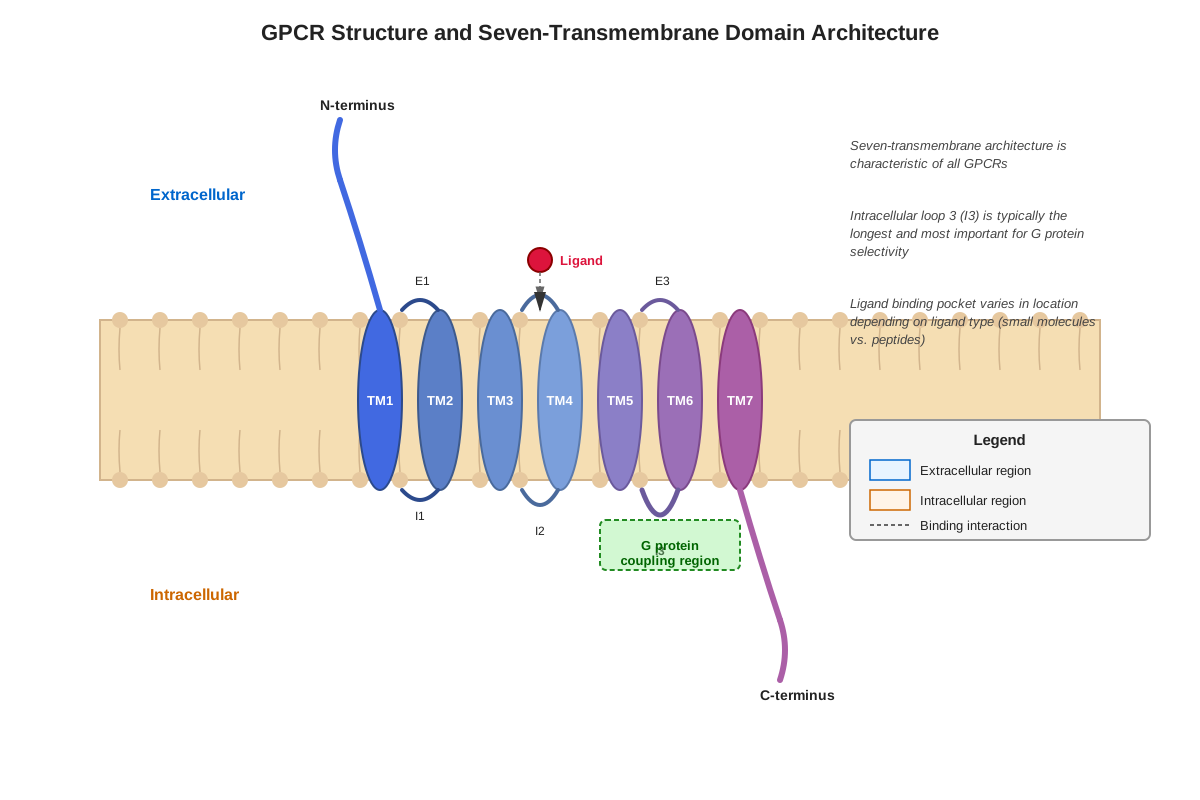
G protein-coupled receptors are characterized by their distinctive seven-transmembrane domain structure, also called serpentine receptors or 7TM receptors. Each GPCR consists of a single polypeptide chain that weaves back and forth across the plasma membrane seven times, creating seven α-helical transmembrane segments. The N-terminus extends into the extracellular space, while the C-terminus resides in the cytoplasm. Three extracellular loops alternate with three intracellular loops connecting the transmembrane helices.
The ligand-binding site varies by receptor type but typically involves residues from multiple transmembrane domains forming a binding pocket. Small molecule ligands (epinephrine, serotonin) usually bind within the transmembrane region, while larger peptide hormones (glucagon, vasopressin) bind to extracellular loops and the N-terminus. The intracellular loops, particularly the third intracellular loop and the C-terminal tail, interact with G proteins and determine coupling specificity.
G Protein Structure and Function
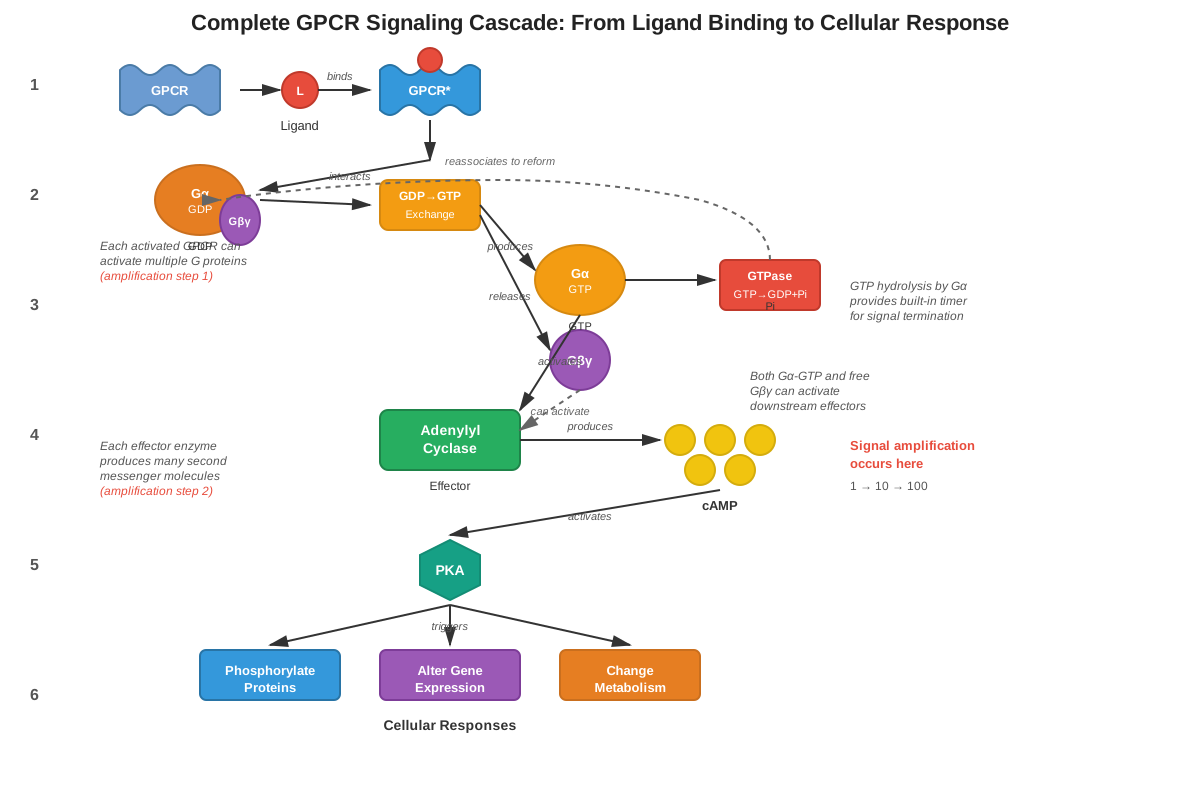
G proteins (guanine nucleotide-binding proteins) are heterotrimeric proteins composed of three subunits: Gα, Gβ, and Gγ. The Gβ and Gγ subunits function as an inseparable dimer (Gβγ), while the Gα subunit possesses intrinsic GTPase activity. In the inactive state, Gα binds GDP and associates with Gβγ, forming an inactive heterotrimer attached to the inner leaflet of the plasma membrane through lipid modifications.
The molecular switch mechanism operates as follows:
- Inactive state: Gα-GDP is bound to Gβγ, and the heterotrimer is associated with an inactive GPCR
- Activation: Ligand binding induces a conformational change in the GPCR, which acts as a guanine nucleotide exchange factor (GEF) for the G protein
- GDP-GTP exchange: The activated receptor promotes GDP release from Gα and GTP binding
- Dissociation: Gα-GTP dissociates from Gβγ; both can now activate downstream effectors
- Termination: The intrinsic GTPase activity of Gα hydrolyzes GTP to GDP, returning Gα to its inactive state
- Reassociation: Gα-GDP reassociates with Gβγ, reforming the inactive heterotrimer
G Protein Subtypes and Their Effects
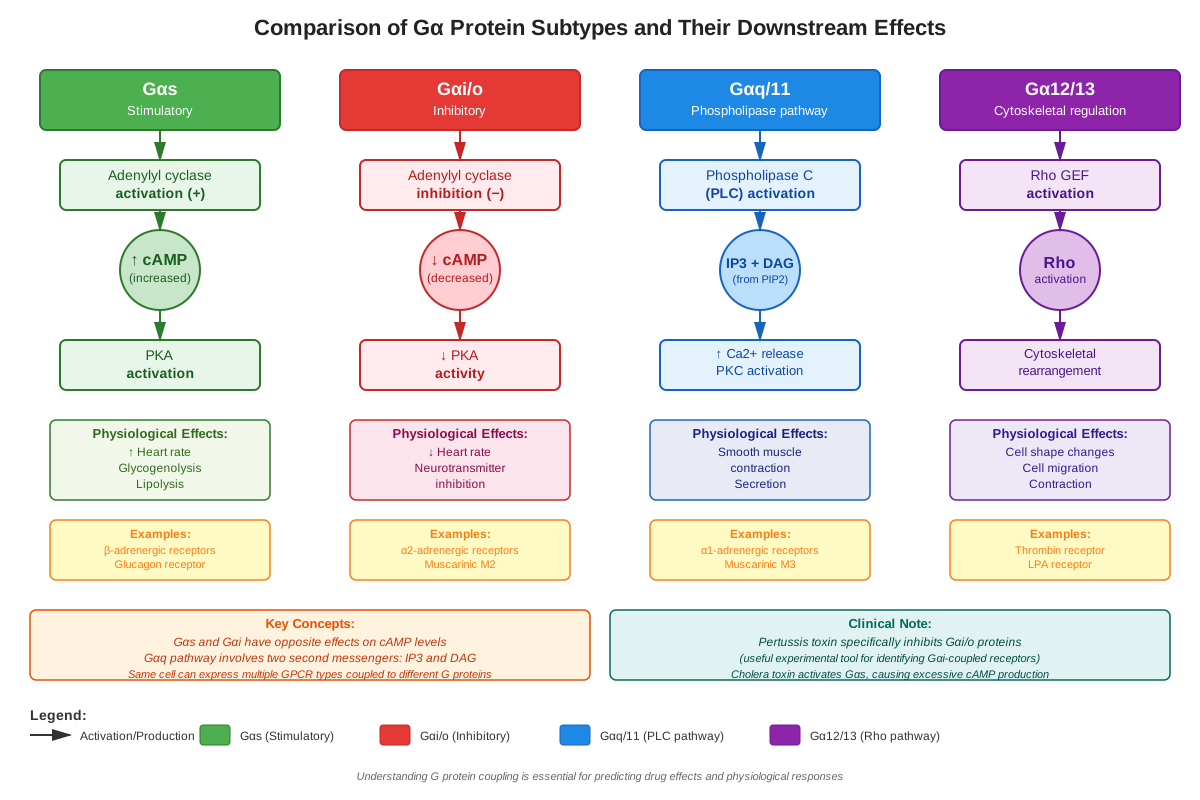
Different Gα subunit subtypes couple to distinct downstream effector molecules, creating pathway specificity:
| G Protein Type | Primary Effector | Effect on Effector | Second Messenger | Physiological Examples |
|---|---|---|---|---|
| Gs (stimulatory) | Adenylyl cyclase | Activation | ↑ cAMP | β-adrenergic receptors (epinephrine), glucagon receptors |
| Gi (inhibitory) | Adenylyl cyclase | Inhibition | ↓ cAMP | α2-adrenergic receptors, muscarinic M2 receptors |
| Gq | Phospholipase C (PLC) | Activation | ↑ IP₃ and DAG | α1-adrenergic receptors, muscarinic M1/M3 receptors |
| G12/13 | Rho GEFs | Activation | Rho activation | Thrombin receptors (cytoskeletal changes) |
The cAMP Pathway (Gs and Gi)
The cyclic AMP (cAMP) pathway is one of the most important GPCR signaling cascades. When a Gs-coupled receptor is activated:
- Activated Gαs-GTP binds to and activates adenylyl cyclase, a membrane-bound enzyme
- Adenylyl cyclase catalyzes the conversion of ATP to cyclic AMP (cAMP), a second messenger
- cAMP binds to protein kinase A (PKA), causing dissociation of regulatory subunits from catalytic subunits
- Active PKA catalytic subunits phosphorylate numerous target proteins on serine and threonine residues
- PKA substrates include metabolic enzymes, ion channels, and transcription factors like CREB (cAMP response element-binding protein)
- Phosphorylated CREB enters the nucleus and activates transcription of genes containing cAMP response elements
The signal is terminated by phosphodiesterases (PDEs), which hydrolyze cAMP to 5'-AMP, and by protein phosphatases, which remove phosphate groups from PKA substrates.
Gi-coupled receptors produce opposite effects by inhibiting adenylyl cyclase, thereby decreasing cAMP levels. This allows for fine-tuned regulation—cells can integrate signals from multiple receptors to achieve precise control of cAMP concentrations.
The Phospholipase C Pathway (Gq)
Gq-coupled receptors activate a distinct pathway involving phospholipase C-β (PLC-β):
- Activated Gαq-GTP binds to and activates PLC-β at the plasma membrane
- PLC-β cleaves the membrane phospholipid phosphatidylinositol 4,5-bisphosphate (PIP₂) into two second messengers:
- Inositol 1,4,5-trisphosphate (IP₃): water-soluble, diffuses into cytoplasm
- Diacylglycerol (DAG): lipid-soluble, remains in membrane
- IP₃ binds to IP₃ receptors on the endoplasmic reticulum, causing calcium channel opening
- Ca²⁺ is released from ER stores into the cytoplasm, raising intracellular calcium concentration
- DAG and Ca²⁺ together activate protein kinase C (PKC)
- PKC phosphorylates target proteins, altering their activity
- Ca²⁺ also binds to calmodulin, forming Ca²⁺-calmodulin complexes that activate other enzymes like calmodulin-dependent kinases (CaM kinases)
This pathway is particularly important in smooth muscle contraction, neurotransmitter release, and cell proliferation.
Signal Amplification
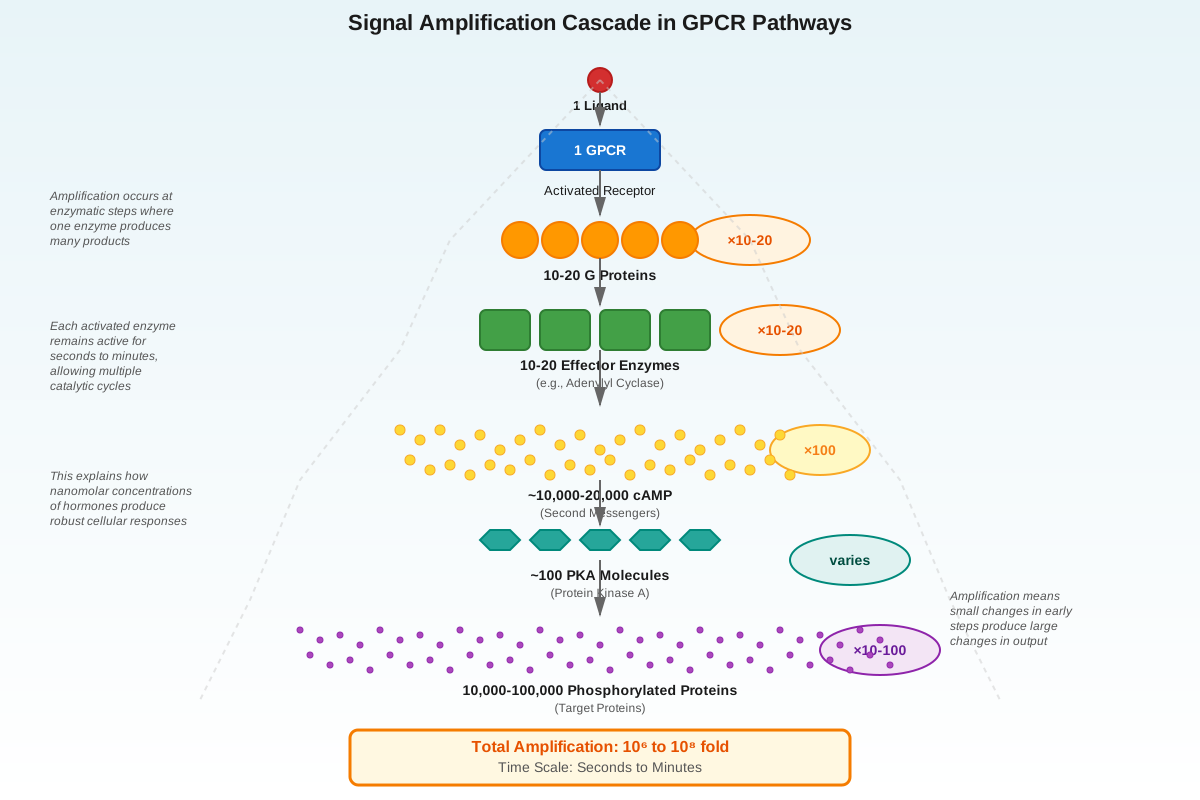
A critical feature of GPCR signaling is signal amplification—a single ligand-receptor binding event can produce thousands of second messenger molecules. The amplification occurs at multiple steps:
- Receptor level: One activated GPCR can activate multiple G protein heterotrimers before the ligand dissociates
- G protein level: Each activated Gα subunit can activate multiple effector enzyme molecules during its GTP-bound lifetime
- Effector level: Each adenylyl cyclase or PLC molecule can generate hundreds of second messenger molecules per second
- Kinase level: Each PKA or PKC molecule can phosphorylate many substrate proteins
This cascade amplification means that a few hormone molecules in the bloodstream can trigger massive cellular responses, enabling sensitive detection of extracellular signals.
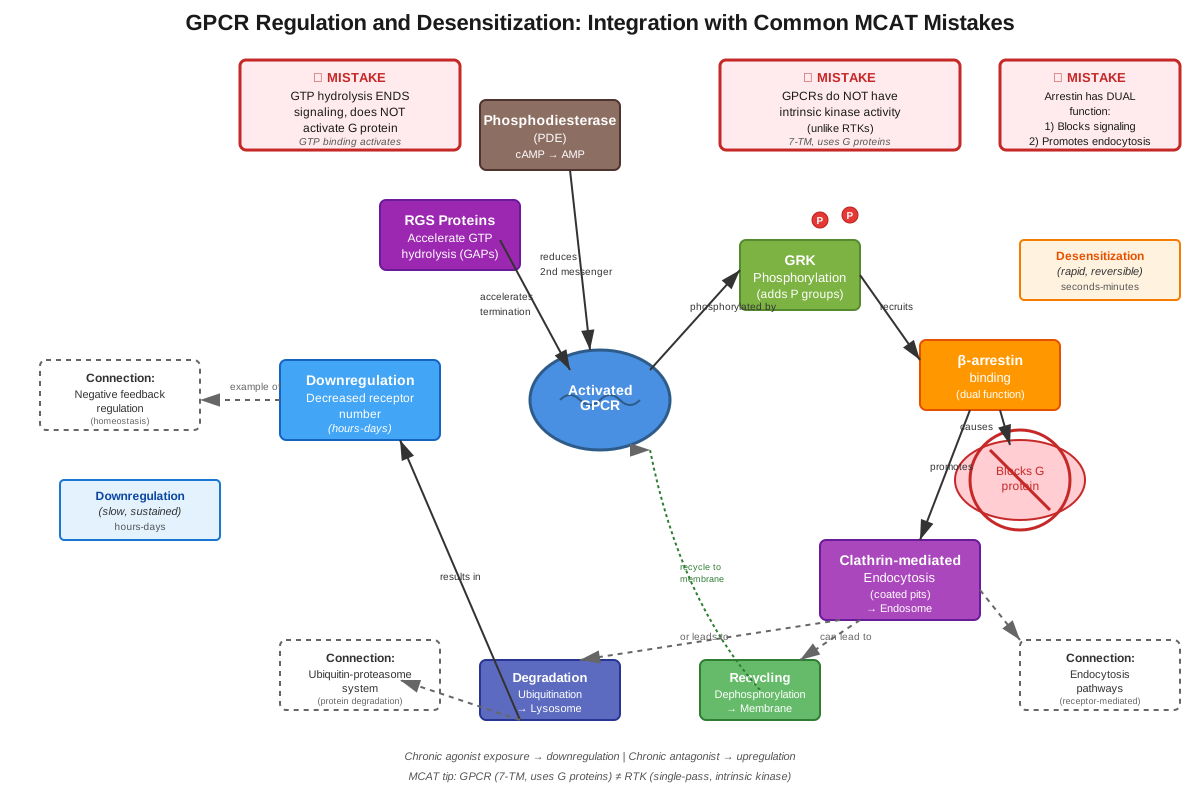
Receptor Regulation and Desensitization
Cells must prevent overstimulation and adapt to sustained signals through receptor desensitization mechanisms:
Homologous desensitization (receptor-specific):
- G protein-coupled receptor kinases (GRKs) phosphorylate the activated receptor
- β-arrestin proteins bind to phosphorylated receptors, sterically blocking G protein coupling
- β-arrestin also recruits clathrin and adaptor proteins, promoting receptor internalization via endocytosis
- Internalized receptors may be recycled to the membrane or targeted for degradation in lysosomes
Heterologous desensitization (affects multiple receptor types):
- PKA or PKC (activated by other pathways) can phosphorylate GPCRs, reducing their responsiveness
- This allows cross-talk between different signaling pathways
Pharmacological Modulation
Understanding GPCR pharmacology is high-yield for the MCAT:
- Agonists: Molecules that bind and activate receptors (e.g., epinephrine at β-adrenergic receptors)
- Antagonists: Molecules that bind but do not activate receptors, blocking agonist binding (e.g., propranolol, a β-blocker)
- Partial agonists: Produce submaximal activation even at full receptor occupancy
- Inverse agonists: Reduce constitutive (basal) receptor activity below baseline
- Allosteric modulators: Bind to sites distinct from the ligand-binding site, modulating receptor activity
Toxins provide experimental tools:
- Cholera toxin: ADP-ribosylates Gαs, preventing GTP hydrolysis, causing persistent activation (continuous cAMP production)
- Pertussis toxin: ADP-ribosylates Gαi, preventing receptor coupling, blocking inhibitory signals
Concept Relationships
The concepts within GPCR signaling form an integrated cascade: Ligand binding → GPCR conformational change → G protein activation (GDP-GTP exchange) → G protein dissociation → Effector enzyme activation → Second messenger production → Protein kinase activation → Substrate phosphorylation → Cellular response. Each step depends on the previous one, creating a linear pathway with multiple amplification points.
GPCR signaling connects to prerequisite topics through multiple relationships. The seven-transmembrane structure requires understanding of membrane biology and protein topology. G protein function as molecular switches depends on enzyme kinetics and GTP hydrolysis. Signal amplification relates to enzyme catalysis and the concept that enzymes can process many substrate molecules. Second messengers like cAMP and Ca²⁺ connect to broader concepts of cellular regulation and homeostasis.
Related topics that build on GPCR signaling include:
- Receptor tyrosine kinases (RTKs): Alternative receptor class with different structure and mechanism but similar goals of signal transduction
- Ion channel receptors: Direct signal transduction without second messengers
- Hormone physiology: Many hormones (epinephrine, glucagon, vasopressin) signal through GPCRs
- Neurotransmission: Many neurotransmitter receptors are GPCRs (muscarinic, adrenergic, dopaminergic)
- Sensory systems: Vision (rhodopsin), smell (olfactory receptors), and taste involve GPCRs
- Pharmacology: Drug mechanisms of action frequently involve GPCR modulation
High-Yield Facts
⭐ GPCRs have seven transmembrane domains and couple to heterotrimeric G proteins composed of Gα, Gβ, and Gγ subunits
⭐ Gαs activates adenylyl cyclase, increasing cAMP, which activates protein kinase A (PKA)
⭐ Gαi inhibits adenylyl cyclase, decreasing cAMP levels, producing effects opposite to Gs
⭐ Gαq activates phospholipase C (PLC), which cleaves PIP₂ into IP₃ and DAG; IP₃ releases Ca²⁺ from the ER
⭐ Signal amplification occurs at multiple cascade steps: one receptor activates multiple G proteins, each G protein activates multiple effector enzymes, each effector produces many second messengers
- G proteins act as molecular switches, active when bound to GTP and inactive when bound to GDP
- The intrinsic GTPase activity of Gα subunits provides a built-in timer for signal termination
- β-arrestin binding to phosphorylated GPCRs causes receptor desensitization and internalization
- Cholera toxin prevents GTP hydrolysis by Gαs, causing persistent cAMP elevation (relevant in cholera-induced diarrhea)
- Pertussis toxin prevents Gαi from coupling to receptors, blocking inhibitory signals
- PKA phosphorylates CREB, which activates gene transcription, linking short-term signals to long-term cellular changes
- Protein kinase C (PKC) requires both DAG and Ca²⁺ for full activation
- Phosphodiesterases (PDEs) terminate cAMP signaling by hydrolyzing cAMP to AMP; PDE inhibitors (like caffeine) prolong cAMP effects
- Calmodulin is a Ca²⁺-binding protein that mediates many calcium-dependent cellular responses
- Different cell types express different GPCR subtypes and G proteins, creating tissue-specific responses to the same ligand
Quick check — test yourself on GPCR signaling so far.
Try Flashcards →Common Misconceptions
Misconception: G proteins are the same as GTP.
Correction: G proteins are proteins that bind guanine nucleotides (GTP or GDP). GTP is the nucleotide that activates G proteins. The "G" in G protein stands for "guanine nucleotide-binding," not GTP itself.
Misconception: The Gα subunit is the only active component after G protein activation.
Correction: Both Gα-GTP and the Gβγ dimer can activate downstream effectors. While Gα effects are more commonly emphasized, Gβγ can also regulate ion channels, activate certain kinases, and modulate other signaling molecules.
Misconception: All GPCRs increase cAMP levels.
Correction: Different GPCRs couple to different G protein subtypes. Gs-coupled receptors increase cAMP, but Gi-coupled receptors decrease cAMP, and Gq-coupled receptors don't directly affect cAMP at all—they activate the PLC pathway instead.
Misconception: Signal amplification means the signal gets stronger at each step.
Correction: Signal amplification means that each component in the cascade activates multiple copies of the next component, increasing the number of molecules affected. The signal doesn't necessarily get "stronger" but reaches more target molecules, allowing a small initial stimulus to produce a large cellular response.
Misconception: Once activated, GPCRs remain active indefinitely.
Correction: Multiple mechanisms terminate GPCR signaling: ligand dissociation, GTP hydrolysis by Gα, receptor phosphorylation by GRKs, β-arrestin binding, receptor internalization, second messenger degradation (by PDEs and phosphatases), and substrate dephosphorylation. These ensure signals are transient and controllable.
Misconception: IP₃ and DAG are produced from different sources.
Correction: Both IP₃ and DAG are produced simultaneously from the same substrate molecule, PIP₂, when it is cleaved by phospholipase C. They are complementary second messengers from a single enzymatic reaction.
Misconception: Receptor desensitization is a malfunction or disease state.
Correction: Desensitization is a normal regulatory mechanism that prevents overstimulation and allows cells to adapt to sustained signals. It's essential for proper cellular function, though excessive desensitization can contribute to drug tolerance.
Worked Examples
Example 1: Epinephrine Signaling in Cardiac Muscle
Question: Epinephrine binds to β₁-adrenergic receptors on cardiac muscle cells, increasing heart rate and contractility. Describe the complete signaling cascade and explain how a single epinephrine molecule can produce such a large cellular response.
Solution:
Step 1 - Receptor activation: Epinephrine binds to the β₁-adrenergic receptor, a GPCR with seven transmembrane domains. This binding induces a conformational change in the receptor.
Step 2 - G protein activation: The activated receptor acts as a guanine nucleotide exchange factor (GEF) for Gs proteins. The receptor promotes GDP release from Gαs and GTP binding. This is the first point of amplification—one receptor can activate multiple Gs proteins before epinephrine dissociates.
Step 3 - Effector activation: Gαs-GTP dissociates from Gβγ and binds to adenylyl cyclase, activating this membrane-bound enzyme. This is the second amplification point—each Gαs can activate multiple adenylyl cyclase molecules during its GTP-bound lifetime (typically several seconds).
Step 4 - Second messenger production: Activated adenylyl cyclase catalyzes the conversion of ATP to cyclic AMP (cAMP). This is the third amplification point—each adenylyl cyclase molecule can produce hundreds of cAMP molecules per second.
Step 5 - Protein kinase activation: cAMP binds to the regulatory subunits of protein kinase A (PKA), causing them to dissociate from the catalytic subunits. Four cAMP molecules bind per PKA tetramer, releasing two active catalytic subunits. This is the fourth amplification point—each catalytic subunit can phosphorylate many substrate proteins.
Step 6 - Substrate phosphorylation: In cardiac muscle, PKA phosphorylates several key targets:
- L-type calcium channels (increasing Ca²⁺ influx)
- Phospholamban (relieving its inhibition of SERCA pumps, increasing Ca²⁺ reuptake into SR)
- Troponin I (decreasing myofilament Ca²⁺ sensitivity, allowing faster relaxation)
- Ryanodine receptors (increasing Ca²⁺-induced Ca²⁺ release)
Step 7 - Cellular response: The net effect is increased intracellular Ca²⁺ cycling, leading to stronger contractions (positive inotropy) and faster heart rate (positive chronotropy).
Amplification calculation: If one receptor activates 10 G proteins, each G protein activates 10 adenylyl cyclases, each adenylyl cyclase produces 100 cAMP molecules per second for 10 seconds, and each PKA phosphorylates 10 substrates, the amplification factor is: 10 × 10 × 100 × 10 × 10 = 1,000,000. One epinephrine molecule can lead to phosphorylation of one million substrate molecules.
This example demonstrates Learning Objectives: defining GPCR signaling, applying concepts to physiological scenarios, and understanding signal amplification.
Example 2: Experimental Analysis with Toxins
Question: Researchers studying smooth muscle contraction treat cells with either cholera toxin or pertussis toxin before adding various agonists. Predict the effects on cAMP levels and muscle contraction for the following conditions:
A) Cholera toxin + epinephrine (β-adrenergic agonist, Gs-coupled)
B) Pertussis toxin + acetylcholine (M2 muscarinic agonist, Gi-coupled)
C) Neither toxin + angiotensin II (Gq-coupled receptor)
Solution:
Condition A - Cholera toxin + epinephrine:
Cholera toxin ADP-ribosylates Gαs, preventing its intrinsic GTPase activity. This means once Gαs binds GTP, it cannot hydrolyze it back to GDP and remains constitutively active.
When epinephrine binds to β-adrenergic receptors (Gs-coupled), it activates Gαs normally. However, because cholera toxin has inactivated the GTPase, Gαs-GTP remains active indefinitely, continuously activating adenylyl cyclase.
Predicted result: Massively elevated cAMP levels that persist long after epinephrine is removed. In smooth muscle, elevated cAMP typically causes relaxation (via PKA-mediated phosphorylation of myosin light chain kinase, reducing its activity). The muscle would remain relaxed.
Condition B - Pertussis toxin + acetylcholine:
Pertussis toxin ADP-ribosylates Gαi, preventing it from coupling to activated receptors. The Gi protein cannot be activated by receptors.
When acetylcholine binds to M2 muscarinic receptors (Gi-coupled), it normally would activate Gαi, which would inhibit adenylyl cyclase and decrease cAMP. However, pertussis toxin prevents this coupling.
Predicted result: No decrease in cAMP levels despite acetylcholine binding. The inhibitory signal is blocked. If there's any basal adenylyl cyclase activity or other Gs-coupled receptors active, cAMP levels might actually be higher than normal because the inhibitory pathway is non-functional. Smooth muscle contraction would be reduced or absent.
Condition C - Neither toxin + angiotensin II:
Angiotensin II receptors couple to Gq, which activates phospholipase C (PLC). PLC cleaves PIP₂ into IP₃ and DAG. IP₃ releases Ca²⁺ from the sarcoplasmic reticulum, and DAG (along with Ca²⁺) activates PKC.
Predicted result: This pathway doesn't directly involve cAMP, so cAMP levels would be unchanged (or might decrease slightly due to PKC-mediated feedback). However, the elevated intracellular Ca²⁺ would activate calmodulin, which activates myosin light chain kinase (MLCK), leading to strong smooth muscle contraction. This pathway is independent of the cAMP system.
Key insight: This example illustrates that different GPCRs use different G proteins and pathways, and that experimental tools (toxins) can dissect these pathways. It also shows that not all GPCR signaling involves cAMP.
This example addresses Learning Objectives: applying GPCR signaling to experimental scenarios, distinguishing between different G protein pathways, and predicting outcomes of pathway manipulations.
Exam Strategy
Question Recognition
MCAT questions on GPCR signaling often include these trigger words and phrases:
- "Seven-transmembrane receptor"
- "G protein-coupled"
- "Second messenger"
- "Adenylyl cyclase" or "phospholipase C"
- "cAMP," "IP₃," "DAG," or "calcium signaling"
- Specific hormones: epinephrine, glucagon, vasopressin, angiotensin II
- Specific receptors: adrenergic, muscarinic, dopaminergic
- "Signal amplification" or "cascade"
- Toxins: cholera toxin, pertussis toxin
- Drugs: β-blockers, agonists, antagonists
Approach Strategy
- Identify the receptor type: Determine if the question involves a GPCR (vs. RTK or ion channel). Look for seven-transmembrane structure or mention of G proteins.
- Determine G protein subtype: This is crucial for predicting downstream effects:
- Gs → ↑ cAMP → PKA activation
- Gi → ↓ cAMP → reduced PKA activity
- Gq → ↑ IP₃ and DAG → ↑ Ca²⁺ and PKC activation
- Trace the cascade: Follow the signal from receptor through G protein, effector enzyme, second messenger, protein kinase, to cellular response. MCAT questions often ask about intermediate steps.
- Consider amplification: If asked about signal strength or sensitivity, remember that amplification occurs at multiple steps. Even small changes in receptor activation can produce large cellular responses.
- Think about regulation: Questions about sustained stimulation, drug tolerance, or adaptation often involve desensitization mechanisms (GRKs, β-arrestin, receptor internalization).
Process of Elimination Tips
- If a question asks about cAMP changes, eliminate answers involving only the Gq pathway (which doesn't directly affect cAMP)
- If IP₃ or calcium release is mentioned, focus on Gq-coupled receptors, not Gs or Gi
- For questions about signal termination, look for answers involving GTPase activity, phosphodiesterases, or receptor desensitization—not just ligand removal
- When comparing GPCR to RTK signaling, remember: GPCRs use heterotrimeric G proteins and second messengers; RTKs have intrinsic kinase activity and directly phosphorylate substrates
- If a question involves smooth muscle contraction, Gq pathway (Ca²⁺ release) is usually the answer, not cAMP pathways
Time Allocation
For discrete GPCR questions (30-60 seconds):
- Quickly identify the receptor and G protein type (10 seconds)
- Trace the pathway to the relevant step (15 seconds)
- Eliminate wrong answers (10 seconds)
- Confirm and select (5 seconds)
For passage-based questions (60-90 seconds):
- Skim passage for experimental setup and receptor type (20 seconds)
- Read question carefully (10 seconds)
- Locate relevant passage information (20 seconds)
- Apply GPCR signaling knowledge to interpret data (30 seconds)
- Select answer (10 seconds)
Exam Tip: If you're unsure about a specific receptor, focus on the G protein type mentioned or the second messenger involved. You can often deduce the correct answer from downstream components even without knowing the specific receptor.
Memory Techniques
Mnemonic for G Protein Effects
"Gs = Go Stimulate, Gi = Go Inhibit, Gq = Go sQueeze"
- Gs = Stimulates adenylyl cyclase → increases cAMP
- Gi = Inhibits adenylyl cyclase → decreases cAMP
- Gq = Activates PLC → increases Ca²⁺ → causes muscle contraction (squeeze)
Mnemonic for Gq Pathway Products
"PIP₂ makes I Dine And Get Calcium"
- PIP₂ is cleaved by PLC
- I = IP₃ (inositol trisphosphate)
- DAG = Diacylglycerol
- Calcium = IP₃ releases Ca²⁺ from ER
Visualization Strategy for Signal Amplification
Picture a pyramid or cascade waterfall:
- Top: 1 ligand molecule (small drop)
- Second level: 10 activated receptors (small stream)
- Third level: 100 activated G proteins (larger stream)
- Fourth level: 1,000 second messengers (river)
- Bottom: 10,000 phosphorylated proteins (waterfall)
Each level multiplies the signal, creating massive amplification from a tiny initial stimulus.
Acronym for GPCR Structure
"Seven Sisters Cross Membranes"
- Reminds you that GPCRs have seven transmembrane domains
- The "sisters" can represent the seven α-helices that are structurally similar
Memory Aid for Toxin Effects
"Cholera Continues, Pertussis Prevents"
- Cholera toxin causes Gαs to Continue signaling (can't hydrolyze GTP)
- Pertussis toxin Prevents Gαi from coupling to receptors
Sequence Memory for GPCR Activation
"Ligand Binds, Receptor Changes, GDP Goes, GTP Grabs, G-protein Splits, Effector Engages"
This gives you the sequence: Ligand binding → Conformational change → GDP release → GTP binding → G protein dissociation → Effector activation
Summary
GPCR signaling represents a fundamental mechanism by which cells detect and respond to extracellular signals through a highly conserved and amplified cascade. GPCRs share a characteristic seven-transmembrane domain structure and couple to heterotrimeric G proteins composed of Gα, Gβ, and Gγ subunits. Upon ligand binding, the activated receptor promotes GDP-GTP exchange on Gα, causing dissociation of Gα-GTP from Gβγ. Different Gα subtypes (Gs, Gi, Gq) activate distinct downstream pathways: Gs stimulates adenylyl cyclase to increase cAMP and activate PKA; Gi inhibits adenylyl cyclase to decrease cAMP; and Gq activates phospholipase C to produce IP₃ and DAG, leading to calcium release and PKC activation. Signal amplification occurs at multiple cascade steps, allowing sensitive detection of extracellular signals. Regulation through receptor desensitization, GTP hydrolysis, and second messenger degradation ensures appropriate signal termination. For the MCAT, students must understand the complete signaling cascade, distinguish between different G protein pathways, predict cellular responses to receptor activation or inhibition, and apply this knowledge to experimental and clinical scenarios involving hormones, neurotransmitters, and pharmacological agents.
Key Takeaways
- GPCRs are seven-transmembrane receptors that couple to heterotrimeric G proteins (Gα, Gβ, Gγ) to transduce extracellular signals into intracellular responses
- Three major G protein subtypes have distinct effects: Gs increases cAMP (activates PKA), Gi decreases cAMP, and Gq increases IP₃/DAG (releases Ca²⁺, activates PKC)
- Signal amplification occurs at multiple cascade steps (receptor → G protein → effector → second messenger → kinase), allowing one ligand molecule to affect thousands of target proteins
- G proteins function as molecular switches, active when bound to GTP and inactive when bound to GDP; intrinsic GTPase activity provides signal termination
- Second messengers (cAMP, IP₃, DAG, Ca²⁺) diffuse rapidly through cells to activate protein kinases that phosphorylate target proteins, producing cellular responses
- Receptor desensitization through GRK phosphorylation and β-arrestin binding prevents overstimulation and allows adaptation to sustained signals
- Understanding G protein subtype and downstream pathway is essential for predicting cellular responses to hormones, neurotransmitters, and drugs that target GPCRs
Related Topics
Receptor Tyrosine Kinases (RTKs): Alternative receptor class that, unlike GPCRs, has intrinsic kinase activity and directly phosphorylates substrates. Understanding GPCRs provides a foundation for comparing different receptor mechanisms and recognizing when each is used.
Enzyme-Linked Receptors: Broader category including RTKs and other receptors with associated enzymatic activity. Mastering GPCR signaling helps distinguish between receptors that use intermediary proteins (G proteins) versus those with direct enzymatic function.
Ion Channel Receptors: Ligand-gated ion channels provide the fastest signal transduction (milliseconds vs. seconds for GPCRs). Comparing these mechanisms highlights trade-offs between speed and amplification.
Endocrine Physiology: Many hormones (epinephrine, glucagon, vasopressin, ACTH, TSH) signal through GPCRs. Understanding GPCR mechanisms is essential for comprehending hormone action throughout the body.
Neurotransmission: Many neurotransmitter receptors are GPCRs (muscarinic acetylcholine, adrenergic, dopaminergic, serotonergic). This topic builds on GPCR signaling to explain synaptic modulation and drug effects on the nervous system.
Sensory Systems: Vision (rhodopsin), olfaction (olfactory receptors), and taste (sweet, umami, bitter receptors) all involve specialized GPCRs. These systems demonstrate how GPCR mechanisms are adapted for sensory transduction.
Pharmacology: Approximately 35% of drugs target GPCRs. Understanding GPCR signaling mechanisms is essential for comprehending drug action, including agonists, antagonists, and allosteric modulators.
Practice CTA
Now that you've mastered the core concepts of GPCR signaling, it's time to reinforce your understanding through active practice. Test yourself with MCAT-style practice questions that challenge you to apply these concepts in experimental and clinical contexts. Use flashcards to memorize the key distinctions between G protein subtypes, second messengers, and downstream effects. Focus especially on tracing complete signaling cascades and predicting outcomes of pathway manipulations—these skills are exactly what the MCAT tests. Remember, understanding GPCR signaling opens doors to comprehending hormone action, neurotransmission, sensory systems, and pharmacology. You're building a foundation that will serve you throughout your medical education and career. Keep pushing forward—mastery comes through deliberate practice!
Sign up free to keep reading
Create a free AnvayaPrep account to finish this MCAT guide on GPCR signaling — plus flashcards and practice questions.