Overview
Receptor tyrosine kinases (RTKs) represent one of the most clinically significant and frequently tested classes of cell surface receptors in Cell Biology. These transmembrane proteins serve as molecular switches that convert extracellular signals—such as growth factors, hormones, and cytokines—into intracellular biochemical cascades that regulate cell proliferation, differentiation, metabolism, and survival. Understanding RTKs is essential for mastering signal transduction pathways, a cornerstone of both Biology and biochemistry content on the MCAT.
The importance of Receptor tyrosine kinases for the MCAT extends beyond memorizing their structure. These receptors exemplify fundamental principles of cellular communication, enzyme regulation, and disease pathogenesis. Mutations or dysregulation of RTKs are implicated in numerous cancers, making them prime targets for therapeutic intervention and frequent subjects of MCAT passages that integrate biological concepts with clinical scenarios. Questions may test your understanding of their activation mechanism, downstream signaling cascades, or the consequences of aberrant RTK activity.
Within the broader landscape of Biology concepts, RTKs connect signal transduction to gene expression, cell cycle regulation, and metabolic control. They bridge topics ranging from protein structure and enzyme kinetics to cancer biology and pharmacology. Mastering RTKs provides a framework for understanding how cells respond to their environment and how disruptions in these pathways lead to disease—concepts that appear repeatedly across MCAT sections, particularly in Biological and Biochemical Foundations of Living Systems.
Learning Objectives
- [ ] Define Receptor tyrosine kinases using accurate Biology terminology
- [ ] Explain why Receptor tyrosine kinases matters for the MCAT
- [ ] Apply Receptor tyrosine kinases to exam-style questions
- [ ] Identify common mistakes related to Receptor tyrosine kinases
- [ ] Connect Receptor tyrosine kinases to related Biology concepts
- [ ] Describe the step-by-step mechanism of RTK activation and signal propagation
- [ ] Compare and contrast RTKs with other receptor classes (G-protein coupled receptors, ion channels)
- [ ] Analyze how RTK mutations contribute to cancer development and therapeutic targeting
Prerequisites
- Protein structure and function: RTKs are transmembrane proteins whose conformational changes drive signaling; understanding domains and tertiary structure is essential
- Enzyme kinetics and phosphorylation: RTKs function as enzymes that catalyze phosphorylation reactions; familiarity with kinase activity and ATP utilization is required
- Cell membrane structure: RTKs span the plasma membrane; knowledge of membrane topology and transmembrane domains aids comprehension
- Signal transduction basics: RTKs are one component of broader signaling networks; understanding ligand-receptor interactions provides context
- Amino acid chemistry: Tyrosine residues serve as phosphorylation targets; recognizing amino acid side chains and their modifications is necessary
Why This Topic Matters
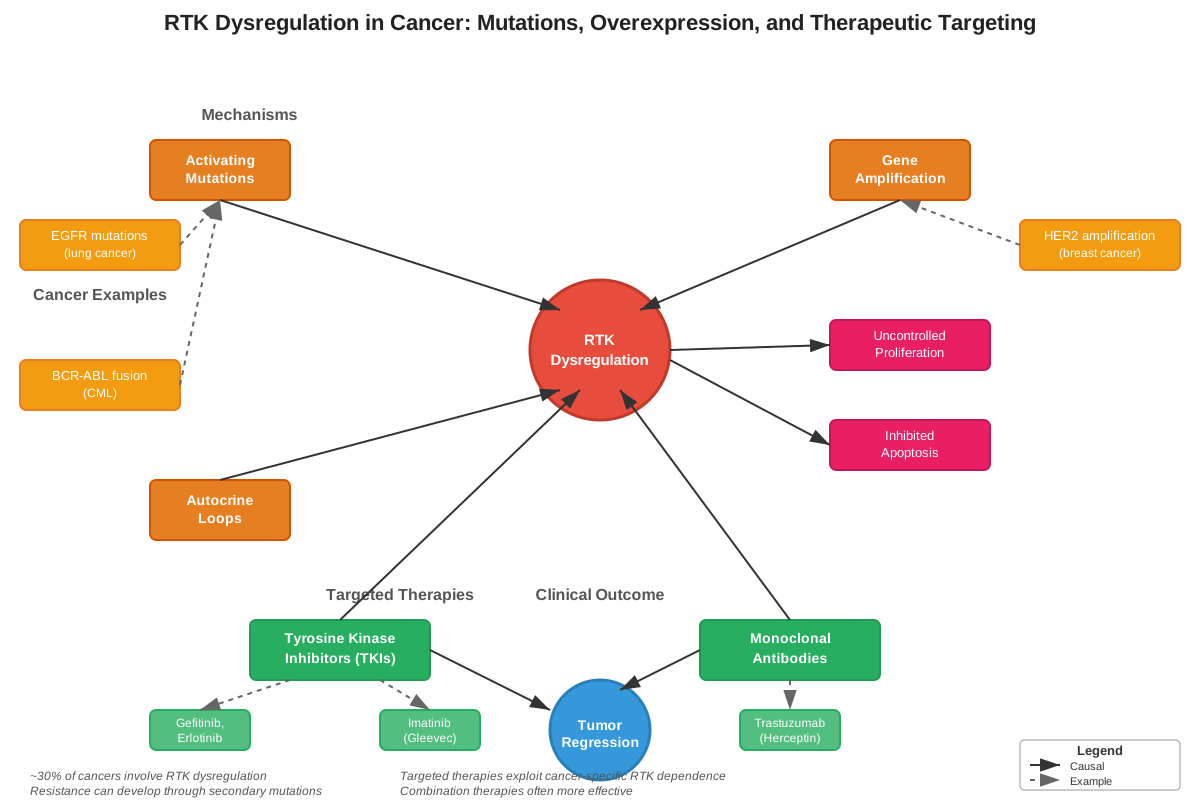
Receptor tyrosine kinases hold profound clinical significance as they regulate fundamental cellular processes including growth, differentiation, and survival. Dysregulation of RTK signaling is implicated in approximately 30% of all human cancers, including breast cancer (HER2/ERBB2), lung cancer (EGFR), and chronic myelogenous leukemia (BCR-ABL fusion protein). Targeted therapies such as imatinib (Gleevec), trastuzumab (Herceptin), and gefitinib specifically inhibit aberrant RTK activity, representing major advances in precision medicine. Understanding RTKs provides insight into both disease mechanisms and therapeutic strategies.
On the MCAT, RTK-related content appears with moderate to high frequency, particularly in passages integrating biochemistry, cell biology, and experimental design. Approximately 2-4 questions per exam may directly or indirectly test RTK knowledge. Common question formats include:
- Experimental passages describing novel growth factors or RTK inhibitors
- Data interpretation questions analyzing phosphorylation patterns or downstream signaling
- Discrete questions testing mechanism of RTK activation
- Clinical vignettes connecting RTK mutations to cancer phenotypes
MCAT passages frequently present RTKs in contexts requiring integration of multiple concepts: enzyme kinetics (Km, Vmax of kinase activity), protein-protein interactions (SH2 domains binding phosphotyrosine), and cellular outcomes (proliferation, apoptosis). The exam tests not just memorization but the ability to apply RTK principles to novel scenarios, making deep conceptual understanding essential.
Core Concepts
Structure of Receptor Tyrosine Kinases
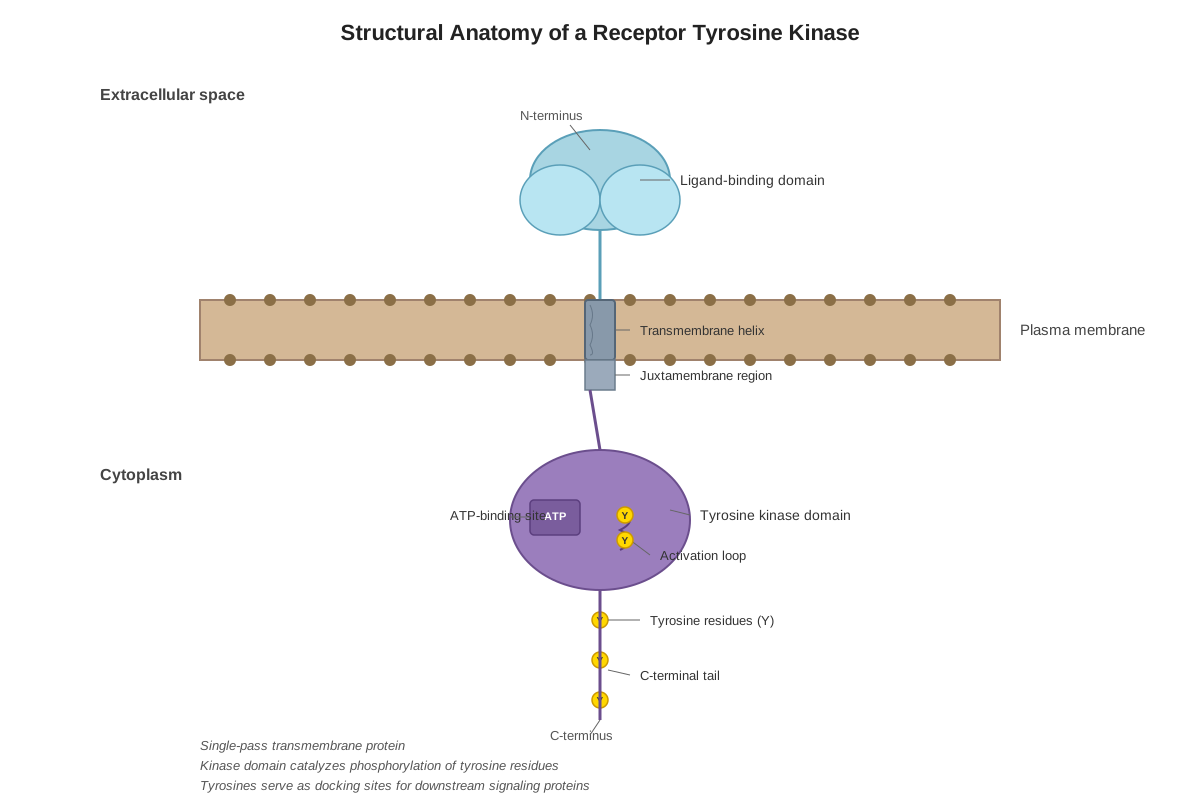
Receptor tyrosine kinases are single-pass transmembrane proteins characterized by three distinct structural domains. The extracellular domain contains the ligand-binding region, which varies considerably among RTK families and determines ligand specificity. This domain typically features immunoglobulin-like folds, cysteine-rich regions, or fibronectin type III repeats that create a binding pocket for specific growth factors or hormones.
The transmembrane domain consists of a single α-helix spanning the lipid bilayer, anchoring the receptor in the plasma membrane. While seemingly simple, this domain plays a crucial role in receptor dimerization and conformational changes during activation.
The intracellular domain contains the tyrosine kinase catalytic region and multiple tyrosine residues that serve as phosphorylation sites. The kinase domain exhibits the characteristic bilobed structure of protein kinases, with an ATP-binding pocket and substrate-binding groove. Additional tyrosine residues outside the catalytic domain function as docking sites for downstream signaling proteins once phosphorylated.
Mechanism of RTK Activation
RTK activation follows a highly conserved mechanism that exemplifies allosteric regulation and enzyme activation:
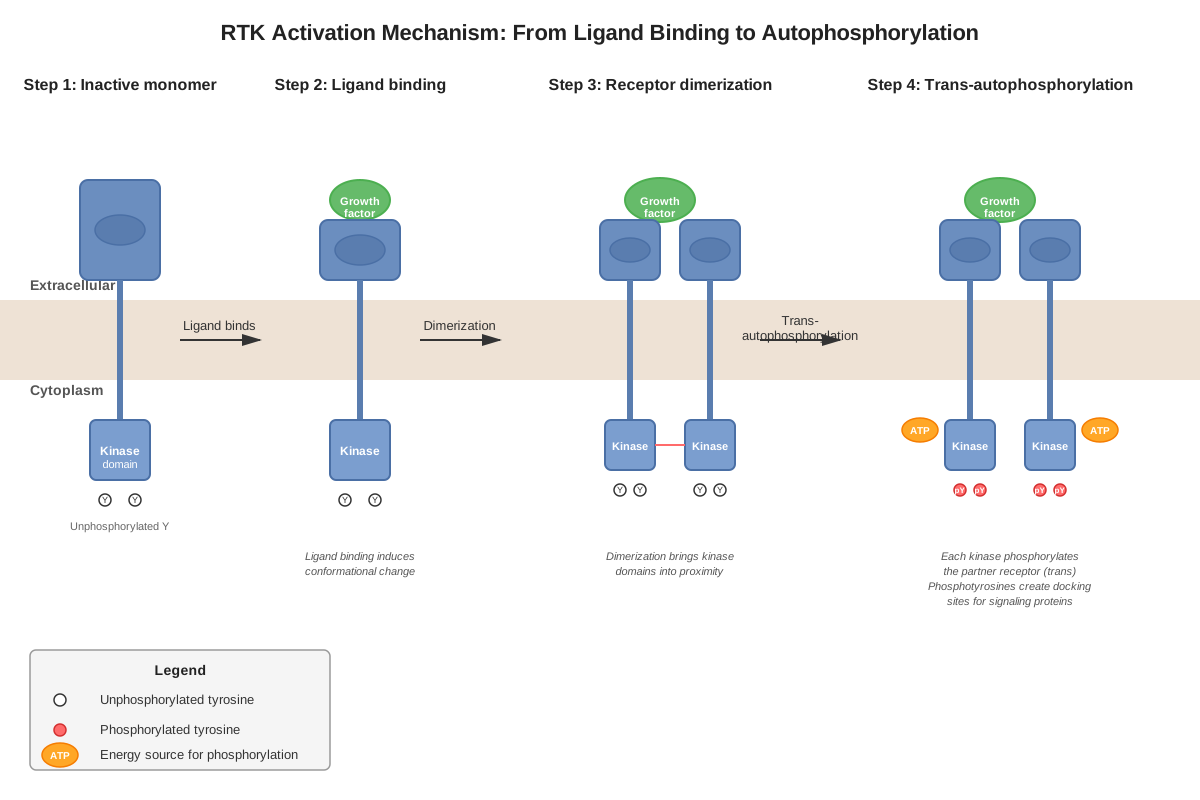
- Ligand binding: A growth factor or hormone binds to the extracellular domain of the RTK. Most RTK ligands are dimeric or promote receptor dimerization through bivalent binding.
- Receptor dimerization: Ligand binding induces conformational changes that bring two receptor monomers into close proximity, forming a dimer. Some RTKs exist as pre-formed dimers that undergo conformational rearrangement upon ligand binding.
- Trans-autophosphorylation: Dimerization positions the intracellular kinase domains in proximity, allowing each kinase to phosphorylate tyrosine residues on the adjacent receptor. This trans-autophosphorylation occurs in two waves: first, phosphorylation of tyrosines within the activation loop of the kinase domain stabilizes the active conformation and increases catalytic activity; second, phosphorylation of tyrosines outside the kinase domain creates docking sites for downstream signaling proteins.
- Recruitment of signaling proteins: Phosphorylated tyrosine residues serve as binding sites for proteins containing SH2 (Src homology 2) domains or PTB (phosphotyrosine-binding) domains. These modular protein domains specifically recognize phosphotyrosine residues in particular sequence contexts, ensuring signaling specificity.
- Signal propagation: Recruited proteins initiate multiple downstream signaling cascades, including the RAS-MAPK pathway, PI3K-AKT pathway, and JAK-STAT pathway.
Major RTK Families
The human genome encodes approximately 58 RTKs, classified into 20 families based on structural features and ligand specificity:
| RTK Family | Representative Member | Primary Ligand | Key Functions |
|---|---|---|---|
| EGFR family | EGFR (HER1), HER2 | EGF, TGF-α | Cell proliferation, survival |
| Insulin receptor family | Insulin receptor, IGF-1R | Insulin, IGF-1 | Glucose metabolism, growth |
| PDGF receptor family | PDGFR, VEGFR | PDGF, VEGF | Angiogenesis, wound healing |
| FGF receptor family | FGFR1-4 | FGF | Development, angiogenesis |
| Trk family | TrkA, TrkB, TrkC | NGF, BDNF, NT-3 | Neuronal survival, differentiation |
Downstream Signaling Pathways
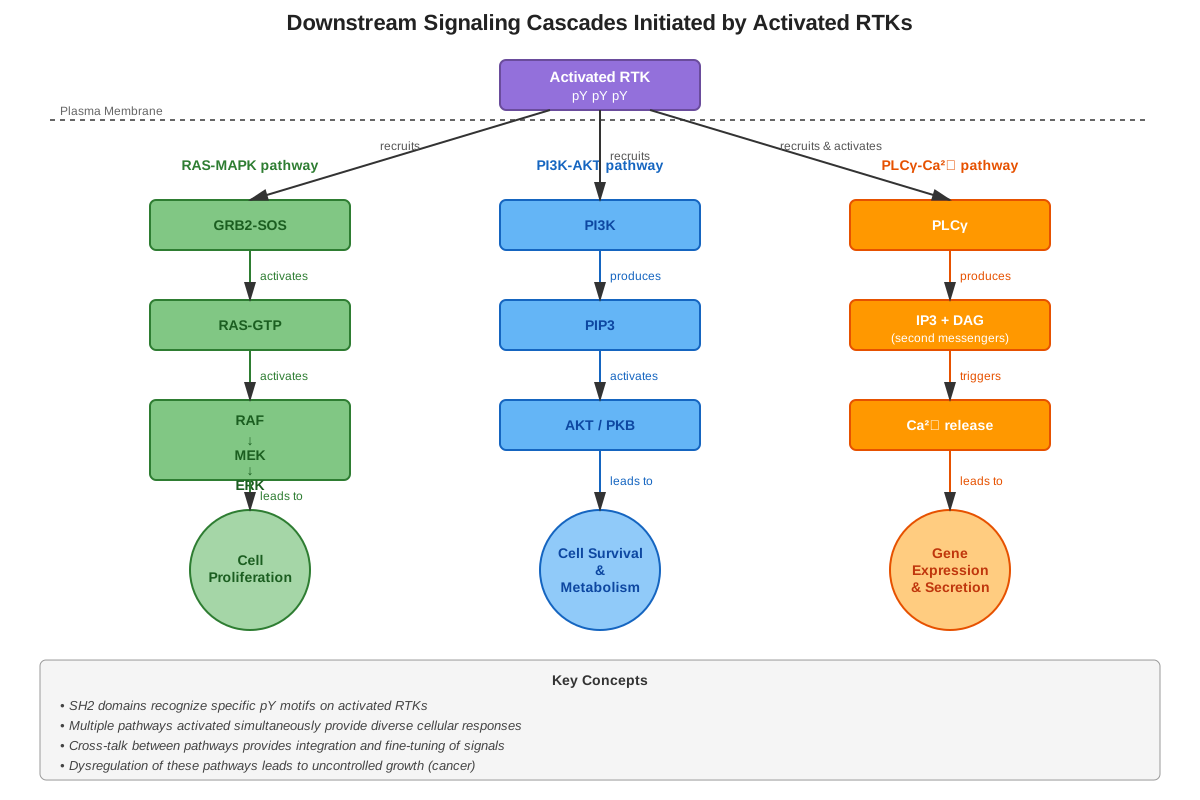
RAS-MAPK Pathway: The adaptor protein GRB2 binds phosphorylated RTKs via its SH2 domain and recruits SOS, a guanine nucleotide exchange factor (GEF). SOS activates RAS by promoting GDP-to-GTP exchange. Active RAS-GTP recruits and activates RAF (a MAP kinase kinase kinase), initiating a phosphorylation cascade: RAF → MEK → ERK. Activated ERK translocates to the nucleus and phosphorylates transcription factors, promoting expression of genes involved in cell proliferation and differentiation.
PI3K-AKT Pathway: Phosphatidylinositol 3-kinase (PI3K) binds phosphorylated RTKs and phosphorylates membrane phospholipid PIP2 to generate PIP3. PIP3 recruits AKT (protein kinase B) to the membrane, where it is phosphorylated and activated by PDK1. Active AKT promotes cell survival by phosphorylating and inactivating pro-apoptotic proteins like BAD and by activating mTOR, which stimulates protein synthesis and cell growth.
PLCγ Pathway: Phospholipase C gamma (PLCγ) binds phosphorylated RTKs and cleaves PIP2 into IP3 and DAG. IP3 triggers calcium release from the endoplasmic reticulum, while DAG activates protein kinase C (PKC), leading to diverse cellular responses including gene transcription and metabolic changes.
Regulation and Termination of RTK Signaling
RTK signaling must be tightly regulated to prevent excessive cellular responses. Several mechanisms ensure signal termination:
Receptor internalization: Activated RTKs are ubiquitinated by E3 ubiquitin ligases and internalized via clathrin-mediated endocytosis. Internalized receptors may be either recycled to the membrane or targeted to lysosomes for degradation.
Protein phosphatases: Protein tyrosine phosphatases (PTPs) remove phosphate groups from tyrosine residues, reversing RTK activation and terminating signaling. Examples include PTP1B and SHP2.
Negative feedback loops: Downstream signaling components often activate negative regulators. For example, ERK activation induces expression of phosphatases and proteins that inhibit upstream signaling components.
GTPase-activating proteins (GAPs): These proteins accelerate GTP hydrolysis by RAS, converting active RAS-GTP to inactive RAS-GDP and terminating MAPK pathway activation.
RTKs in Disease and Therapeutics
Aberrant RTK signaling drives oncogenesis through several mechanisms:
Overexpression: Amplification of RTK genes leads to excessive receptor expression. HER2 overexpression occurs in 20-30% of breast cancers, resulting in constitutive signaling even without ligand.
Activating mutations: Point mutations can lock RTKs in active conformations. EGFR mutations in non-small cell lung cancer and KIT mutations in gastrointestinal stromal tumors exemplify this mechanism.
Autocrine signaling loops: Cancer cells may produce both the RTK and its ligand, creating self-sustaining activation.
Chromosomal translocations: The BCR-ABL fusion protein in chronic myelogenous leukemia creates a constitutively active tyrosine kinase.
Therapeutic strategies targeting RTKs include:
- Monoclonal antibodies that block ligand binding (trastuzumab, cetuximab)
- Small molecule tyrosine kinase inhibitors that compete with ATP binding (imatinib, gefitinib, erlotinib)
- Antibody-drug conjugates that deliver cytotoxic agents specifically to RTK-expressing cells
Concept Relationships
The activation of Receptor tyrosine kinases initiates a hierarchical signaling cascade where receptor dimerization → trans-autophosphorylation → recruitment of adaptor proteins → activation of downstream pathways → transcriptional changes → cellular responses. This linear progression branches into parallel pathways (RAS-MAPK, PI3K-AKT, PLCγ) that converge on common cellular outcomes.
RTKs connect to prerequisite knowledge of protein structure through their modular domain architecture and conformational changes during activation. Understanding enzyme kinetics illuminates how phosphorylation increases catalytic activity and how ATP serves as the phosphate donor. Cell membrane structure explains how transmembrane domains anchor receptors and how membrane lipids (PIP2, PIP3) participate in signaling.
RTKs link forward to numerous advanced topics: cell cycle regulation (RTK signaling promotes cyclin expression and CDK activation), apoptosis (AKT inhibits pro-apoptotic proteins), cancer biology (oncogenes and tumor suppressors), and pharmacology (targeted cancer therapeutics). The RAS-MAPK pathway connects RTKs to gene expression and transcription factors. The PI3K-AKT pathway links RTKs to metabolism and mTOR signaling. Understanding RTKs provides a foundation for comprehending how extracellular signals ultimately alter cellular behavior through coordinated biochemical networks.
Quick check — test yourself on Receptor tyrosine kinases so far.
Try Flashcards →High-Yield Facts
⭐ Receptor tyrosine kinases are activated by ligand-induced dimerization, which brings two kinase domains into proximity for trans-autophosphorylation
⭐ Trans-autophosphorylation occurs on tyrosine residues and creates docking sites for proteins containing SH2 or PTB domains
⭐ The RAS-MAPK pathway (RAF→MEK→ERK) is a major downstream cascade of RTKs that promotes cell proliferation and differentiation
⭐ The PI3K-AKT pathway activated by RTKs promotes cell survival by inhibiting apoptosis and activating mTOR
⭐ RTK signaling is terminated by receptor internalization, protein phosphatases, and negative feedback mechanisms
- SH2 domains specifically recognize and bind phosphorylated tyrosine residues in specific sequence contexts
- Approximately 58 RTKs exist in humans, classified into 20 families based on structure and ligand specificity
- Overexpression, activating mutations, and chromosomal translocations of RTKs are common mechanisms of oncogenesis
- Monoclonal antibodies (trastuzumab) and small molecule inhibitors (imatinib) represent two major therapeutic approaches targeting RTKs
- GRB2 is a key adaptor protein that links activated RTKs to the RAS-MAPK pathway through recruitment of SOS
- PLCγ activation by RTKs generates IP3 (calcium release) and DAG (PKC activation) as second messengers
- Protein tyrosine phosphatases (PTPs) reverse RTK phosphorylation and serve as negative regulators of signaling
Common Misconceptions
Misconception: RTKs have intrinsic kinase activity even in the absence of ligand binding.
Correction: RTKs are typically inactive monomers in the absence of ligand. Ligand binding induces dimerization, which is required for trans-autophosphorylation and kinase activation. The kinase domain requires conformational changes triggered by dimerization to achieve full catalytic activity.
Misconception: RTKs phosphorylate serine and threonine residues.
Correction: RTKs specifically phosphorylate tyrosine residues, not serine or threonine. This specificity distinguishes them from serine/threonine kinases. The "tyrosine kinase" designation refers to their substrate specificity, and phosphotyrosine residues serve as unique recognition sites for SH2 and PTB domain-containing proteins.
Misconception: All RTK ligands are identical and can activate any RTK.
Correction: RTK ligands exhibit high specificity for particular receptor families. EGF binds EGFR but not insulin receptor; insulin binds insulin receptor but not PDGFR. This specificity arises from complementary structural features between ligand and receptor extracellular domains, ensuring appropriate cellular responses to specific signals.
Misconception: Autophosphorylation means the kinase domain phosphorylates itself (in cis).
Correction: RTK autophosphorylation is actually trans-autophosphorylation, where one receptor in a dimer phosphorylates tyrosine residues on the adjacent receptor. This requires dimerization and explains why ligand-induced dimerization is essential for activation.
Misconception: Once activated, RTK signaling continues indefinitely until ligand is removed.
Correction: Multiple mechanisms actively terminate RTK signaling even in the continued presence of ligand, including receptor internalization and degradation, dephosphorylation by protein phosphatases, and negative feedback loops. These mechanisms prevent excessive signaling and allow cells to respond dynamically to changing conditions.
Misconception: The RAS-MAPK and PI3K-AKT pathways function independently without crosstalk.
Correction: Extensive crosstalk exists between RTK-activated pathways. For example, ERK can phosphorylate and modulate components of the PI3K-AKT pathway, and AKT can influence MAPK signaling. This integration allows for coordinated cellular responses and provides multiple points for signal modulation.
Worked Examples
Example 1: Analyzing an RTK Mutation in Cancer
Clinical Vignette: A patient with non-small cell lung cancer has a tumor expressing a mutant EGFR with a deletion in the extracellular domain. Western blot analysis shows constitutive phosphorylation of EGFR tyrosine residues even in the absence of EGF ligand. The patient is treated with gefitinib, an ATP-competitive tyrosine kinase inhibitor, and shows tumor regression.
Question: Explain the molecular basis for constitutive EGFR activation and why gefitinib is effective.
Solution:
Step 1 - Identify the normal activation mechanism: Wild-type EGFR requires EGF binding to the extracellular domain to induce receptor dimerization. Dimerization brings kinase domains into proximity for trans-autophosphorylation.
Step 2 - Analyze the mutation: The deletion in the extracellular domain likely disrupts normal conformational constraints that keep monomeric EGFR inactive. This mutation may promote spontaneous dimerization or stabilize the active conformation without requiring ligand binding.
Step 3 - Explain constitutive phosphorylation: Without the need for ligand, mutant EGFR dimers undergo trans-autophosphorylation continuously, creating persistent docking sites for downstream signaling proteins. This leads to uncontrolled activation of RAS-MAPK and PI3K-AKT pathways, driving proliferation and survival.
Step 4 - Explain gefitinib mechanism: Gefitinib competes with ATP for binding to the kinase domain active site. By preventing ATP binding, gefitinib blocks the phosphotransfer reaction, eliminating tyrosine phosphorylation even though the receptors remain dimerized. This terminates downstream signaling and inhibits tumor growth.
Step 5 - Connect to learning objectives: This example demonstrates how RTK structure determines function (extracellular domain regulates activation), how mutations cause disease (constitutive activation drives cancer), and how understanding mechanism guides therapy (ATP-competitive inhibitors block kinase activity).
Example 2: Interpreting an RTK Signaling Experiment
Experimental Setup: Researchers treat cultured cells with PDGF and measure phosphorylation of various proteins over time using phospho-specific antibodies. They observe:
- PDGFR phosphorylation peaks at 5 minutes
- AKT phosphorylation peaks at 10 minutes
- ERK phosphorylation peaks at 15 minutes
- Addition of a PI3K inhibitor blocks AKT phosphorylation but not ERK phosphorylation
Question: Construct a signaling pathway model consistent with these observations and explain the temporal sequence.
Solution:
Step 1 - Identify the initiating event: PDGF binding to PDGFR causes receptor dimerization and trans-autophosphorylation, explaining why PDGFR phosphorylation occurs first (5 minutes). This represents the upstream activation event.
Step 2 - Analyze AKT activation: AKT phosphorylation at 10 minutes indicates it is downstream of PDGFR. The PI3K inhibitor blocking AKT phosphorylation confirms that PDGFR activates PI3K, which generates PIP3, which recruits and activates AKT. The pathway is: PDGFR → PI3K → PIP3 → AKT.
Step 3 - Analyze ERK activation: ERK phosphorylation at 15 minutes suggests it is further downstream than AKT. The PI3K inhibitor not affecting ERK phosphorylation indicates ERK activation occurs through a parallel pathway independent of PI3K. The pathway is: PDGFR → GRB2/SOS → RAS → RAF → MEK → ERK.
Step 4 - Explain temporal sequence: The progressive delay in phosphorylation (PDGFR at 5 min, AKT at 10 min, ERK at 15 min) reflects the time required for sequential phosphorylation events and protein-protein interactions. ERK is furthest downstream, requiring activation of multiple kinases (RAF, MEK) before its phosphorylation.
Step 5 - Construct the model:
PDGF → PDGFR dimerization → PDGFR phosphorylation (5 min)
                           ↓
                    ┌──────┴──────┐
                    ↓             ↓
                  PI3K         GRB2/SOS
                    ↓             ↓
                  PIP3          RAS
                    ↓             ↓
                  AKT (10 min)  RAF→MEK→ERK (15 min)
Connection to concepts: This example demonstrates how RTK activation initiates parallel signaling cascades with distinct kinetics, how experimental inhibitors dissect pathway components, and how phosphorylation cascades create temporal signal propagation.
Exam Strategy
When approaching MCAT questions on Receptor tyrosine kinases, begin by identifying the question type: mechanism-based (how does RTK activation occur?), consequence-based (what happens when RTKs are activated?), or pathology-based (what occurs when RTKs malfunction?).
Trigger words and phrases that signal RTK content include:
- "Growth factor," "EGF," "PDGF," "insulin," "VEGF" (common RTK ligands)
- "Tyrosine phosphorylation," "autophosphorylation," "kinase activity"
- "Receptor dimerization," "trans-phosphorylation"
- "SH2 domain," "phosphotyrosine binding"
- "RAS-MAPK pathway," "PI3K-AKT pathway"
- "Targeted therapy," "kinase inhibitor," "trastuzumab," "imatinib"
Process-of-elimination strategies:
- Eliminate answers suggesting RTKs phosphorylate serine/threonine (they specifically target tyrosine)
- Eliminate answers suggesting RTKs are active as monomers (dimerization is required)
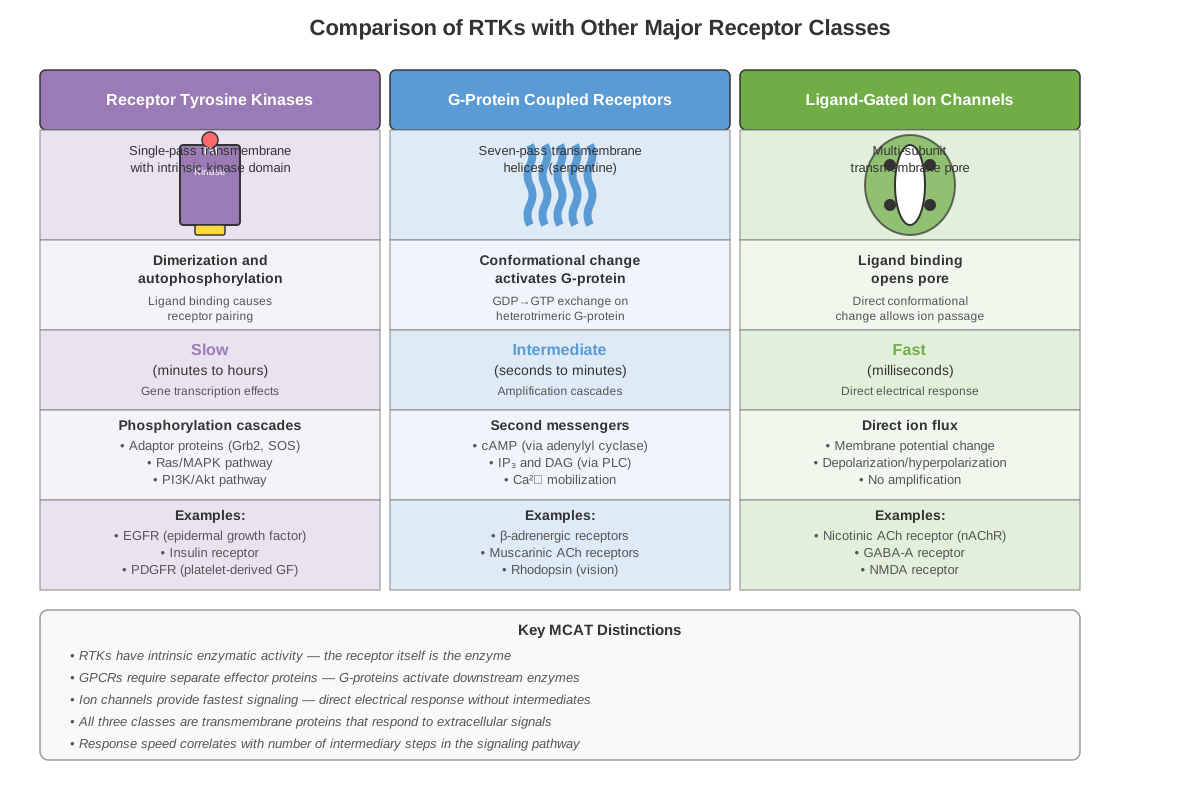
- Eliminate answers confusing RTKs with GPCRs (RTKs have intrinsic kinase activity; GPCRs use heterotrimeric G proteins)
- Eliminate answers suggesting RTK activation requires GTP (RTKs use ATP; downstream RAS uses GTP)
Time allocation: For discrete RTK questions, spend 60-90 seconds identifying the specific concept being tested and eliminating clearly incorrect answers. For passage-based questions, allocate 2-3 minutes to understand the experimental setup or clinical scenario, then 60-90 seconds per question. If a question requires integrating RTK knowledge with passage data, invest time understanding the data before attempting elimination.
Approach for experimental passages: Identify (1) which RTK or pathway component is being studied, (2) what manipulation was performed (inhibitor, mutation, ligand addition), (3) what was measured (phosphorylation, cell proliferation, gene expression), and (4) what the results show. Map the experimental design onto your mental model of RTK signaling to predict outcomes before reading answer choices.
Exam Tip: If a question asks about the "first step" or "initial event" in RTK signaling, the answer is almost always ligand binding or receptor dimerization, not downstream events like gene transcription or cell proliferation.
Memory Techniques
Mnemonic for RTK activation sequence - "LDTRS":
- Ligand binding
- Dimerization
- Trans-autophosphorylation
- Recruitment of signaling proteins
- Signal propagation
Mnemonic for major RTK downstream pathways - "RAMP":
- RAS-MAPK pathway (proliferation)
- AKT pathway (survival)
- MTOR pathway (growth)
- PLCγ pathway (calcium signaling)
Visualization strategy for trans-autophosphorylation: Picture two kinase domains as hands reaching across to phosphorylate the opposite receptor. This "reaching across" image reinforces that autophosphorylation is trans (between receptors) rather than cis (within one receptor).
Acronym for RTK termination mechanisms - "PING":
- Phosphatases (remove phosphate groups)
- Internalization (endocytosis and degradation)
- Negative feedback (downstream inhibition)
- GAPs (inactivate RAS)
Memory aid for SH2 domains: "SH2 domains are Specific Hunters of p2hosphotyrosine" - emphasizes their specific recognition of phosphorylated tyrosine residues.
Summary
Receptor tyrosine kinases are transmembrane proteins that transduce extracellular signals into intracellular responses through ligand-induced dimerization and trans-autophosphorylation of tyrosine residues. Upon ligand binding, RTKs undergo conformational changes that bring two receptor monomers together, enabling each kinase domain to phosphorylate tyrosines on the adjacent receptor. These phosphotyrosines serve as docking sites for SH2 and PTB domain-containing proteins, initiating multiple downstream signaling cascades including RAS-MAPK (proliferation), PI3K-AKT (survival), and PLCγ (calcium signaling) pathways. RTK signaling is tightly regulated through receptor internalization, protein phosphatases, and negative feedback mechanisms. Dysregulation of RTKs through overexpression, activating mutations, or chromosomal translocations drives oncogenesis in numerous cancers, making them prime therapeutic targets. Understanding RTK structure, activation mechanism, downstream pathways, and clinical significance is essential for MCAT success, as these concepts integrate cell biology, biochemistry, and disease pathology.
Key Takeaways
- Receptor tyrosine kinases are activated by ligand-induced dimerization, which enables trans-autophosphorylation of tyrosine residues on the adjacent receptor in the dimer
- Phosphorylated tyrosines create docking sites for SH2 and PTB domain-containing proteins, initiating downstream signaling cascades
- Major RTK-activated pathways include RAS-MAPK (proliferation/differentiation), PI3K-AKT (survival/growth), and PLCγ (calcium signaling)
- RTK signaling is terminated by receptor internalization, protein tyrosine phosphatases, negative feedback loops, and GAPs that inactivate RAS
- Aberrant RTK signaling through overexpression, activating mutations, or chromosomal translocations is a common mechanism of oncogenesis
- Therapeutic strategies targeting RTKs include monoclonal antibodies (block ligand binding) and small molecule kinase inhibitors (compete with ATP)
- Understanding RTK mechanisms requires integrating protein structure, enzyme kinetics, signal transduction, and disease pathology
Related Topics
G-Protein Coupled Receptors (GPCRs): Another major class of cell surface receptors that use heterotrimeric G proteins rather than intrinsic kinase activity for signal transduction. Comparing RTKs and GPCRs highlights different mechanisms for converting extracellular signals into cellular responses.
Cell Cycle Regulation: RTK signaling promotes cell cycle progression by inducing cyclin expression and activating cyclin-dependent kinases. Understanding RTKs enables comprehension of how growth factors drive cell division.
Apoptosis: The PI3K-AKT pathway activated by RTKs inhibits apoptosis by phosphorylating pro-apoptotic proteins. Mastering RTKs provides context for understanding survival signaling.
Cancer Biology: Oncogenes (mutated RTKs, RAS) and tumor suppressors (PTEN, which opposes PI3K) are central to understanding malignant transformation. RTK knowledge is foundational for cancer biology.
Pharmacology of Targeted Cancer Therapy: Drugs like imatinib, trastuzumab, and gefitinib specifically target RTKs. Understanding RTK mechanisms explains how these therapeutics work and why resistance develops.
mTOR Signaling: The mammalian target of rapamycin integrates signals from RTKs (via AKT) with nutrient availability to regulate protein synthesis and cell growth, connecting RTKs to metabolic control.
Practice CTA
Now that you have mastered the core concepts of Receptor tyrosine kinases, challenge yourself with practice questions and flashcards to reinforce your understanding. Focus on applying these concepts to novel scenarios, as the MCAT tests your ability to reason through unfamiliar situations using fundamental principles. Pay particular attention to experimental passages involving RTK inhibitors or mutations, as these frequently appear on the exam. Remember that understanding RTKs provides a framework for numerous related topics in cell biology, biochemistry, and pathology. Your investment in mastering this topic will pay dividends across multiple MCAT content areas. Stay focused, practice actively, and trust in your growing expertise!
Sign up free to keep reading
Create a free AnvayaPrep account to finish this MCAT guide on Receptor tyrosine kinases — plus flashcards and practice questions.