Overview
Peroxisomes are small, membrane-bound organelles found in virtually all eukaryotic cells that play critical roles in lipid metabolism and cellular detoxification. These spherical structures, typically 0.1–1.0 micrometers in diameter, contain more than 50 different enzymes that catalyze oxidative reactions, particularly those involving hydrogen peroxide (H₂O₂). Unlike mitochondria and chloroplasts, peroxisomes are not derived from endosymbiotic bacteria but instead form through growth and division of pre-existing peroxisomes or through de novo synthesis from the endoplasmic reticulum. Their name derives from their role in both producing and breaking down hydrogen peroxide, a potentially toxic reactive oxygen species.
For the MCAT, understanding peroxisomes is essential because they represent a key component of cellular compartmentalization and metabolic integration. Questions frequently test students' ability to distinguish peroxisomes from other organelles, particularly mitochondria, since both are involved in oxidative metabolism. The Biology section of the MCAT emphasizes how cells organize biochemical processes spatially, and peroxisomes exemplify this principle by sequestering potentially harmful oxidative reactions away from other cellular components. Additionally, peroxisomal disorders provide clinically relevant examples that appear in passage-based questions.
Within the broader context of Cell Biology, peroxisomes connect to multiple high-yield topics including fatty acid metabolism, cellular respiration, organelle biogenesis, and protein trafficking. They interact functionally with mitochondria in fatty acid oxidation, with the endoplasmic reticulum in lipid synthesis, and with the cytoplasm in various detoxification pathways. Understanding peroxisomes strengthens comprehension of how eukaryotic cells achieve metabolic efficiency through compartmentalization, a fundamental principle tested throughout the MCAT Biology curriculum.
Learning Objectives
- [ ] Define Peroxisomes using accurate Biology terminology
- [ ] Explain why Peroxisomes matters for the MCAT
- [ ] Apply Peroxisomes to exam-style questions
- [ ] Identify common mistakes related to Peroxisomes
- [ ] Connect Peroxisomes to related Biology concepts
- [ ] Compare and contrast peroxisomal functions with mitochondrial functions
- [ ] Describe the mechanism of peroxisome biogenesis and protein import
- [ ] Analyze the clinical consequences of peroxisomal dysfunction
- [ ] Predict the metabolic effects of peroxisomal enzyme deficiencies
Prerequisites
- Basic cell structure and organelle functions: Understanding membrane-bound organelles provides context for peroxisome structure and the principle of cellular compartmentalization
- Enzyme kinetics and catalysis: Necessary to comprehend how peroxisomal enzymes catalyze oxidative reactions and the significance of catalase activity
- Fatty acid structure and nomenclature: Required to understand beta-oxidation pathways and the distinction between peroxisomal and mitochondrial fatty acid metabolism
- Reactive oxygen species (ROS): Essential background for understanding hydrogen peroxide production and detoxification mechanisms
- Protein synthesis and targeting: Foundational knowledge for understanding how peroxisomal proteins are imported from the cytoplasm
Why This Topic Matters
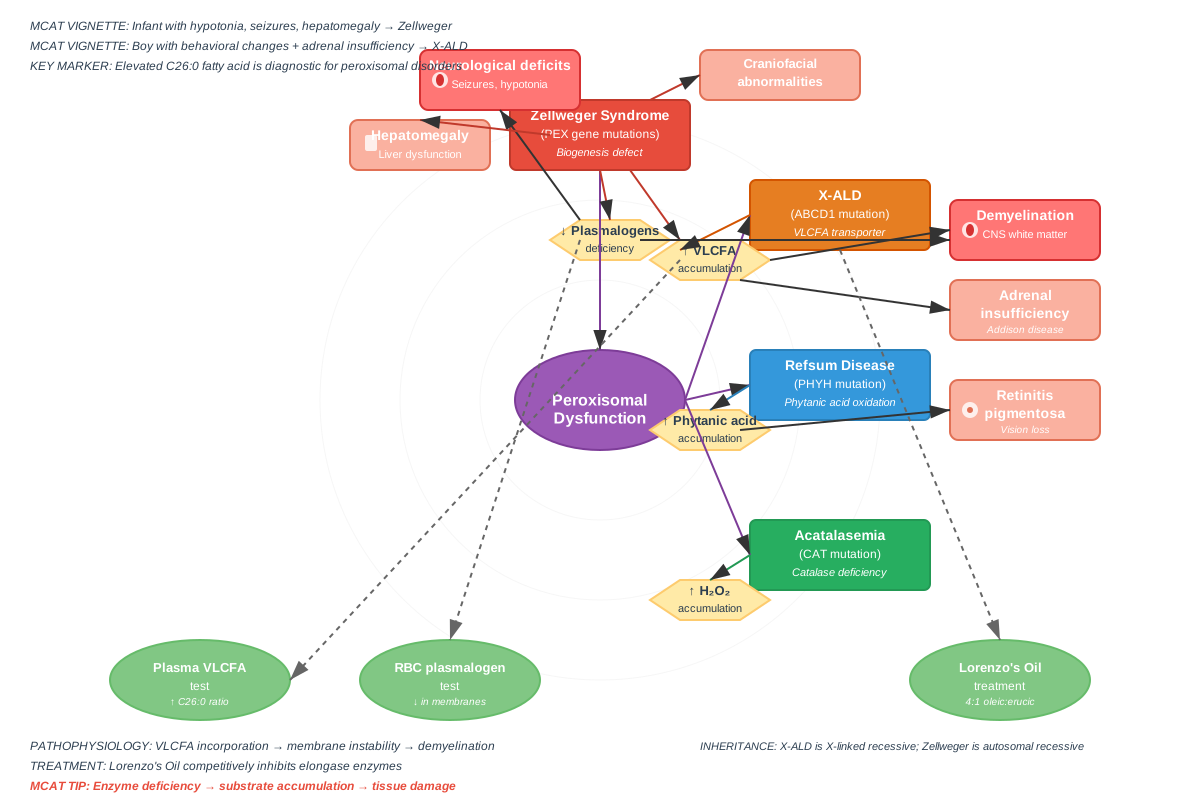
Clinical Significance: Peroxisomal disorders, though rare, provide powerful examples of how organellar dysfunction affects human health. Zellweger syndrome, the most severe peroxisomal biogenesis disorder, results in profound neurological impairment, liver dysfunction, and early death due to the absence of functional peroxisomes. X-linked adrenoleukodystrophy (X-ALD), caused by defective very-long-chain fatty acid oxidation in peroxisomes, leads to progressive demyelination and was featured in the film "Lorenzo's Oil." These disorders illustrate the critical importance of peroxisomal metabolism, particularly in the nervous system where specialized lipids are essential for myelin formation.
Exam Statistics: Peroxisomes appear in approximately 3-5% of MCAT Biology questions, typically within passages discussing cellular metabolism, organelle function, or genetic disorders. Questions most commonly test: (1) distinguishing peroxisomal from mitochondrial beta-oxidation, (2) understanding catalase function and hydrogen peroxide metabolism, (3) recognizing peroxisomal disorders and their biochemical basis, and (4) comparing peroxisome biogenesis to other organelles. The topic frequently appears in medium-difficulty discrete questions and in passages that integrate multiple metabolic pathways.
Common Exam Contexts: Peroxisomes appear in MCAT passages describing: metabolic diseases with neurological symptoms, comparative studies of fatty acid oxidation in different organelles, experiments investigating organelle biogenesis and protein targeting, cellular responses to oxidative stress, and evolutionary comparisons between prokaryotic and eukaryotic metabolism. Passages may present experimental data showing enzyme localization, metabolite accumulation in disease states, or the effects of peroxisomal dysfunction on other metabolic pathways.
Core Concepts
Structure and Basic Characteristics
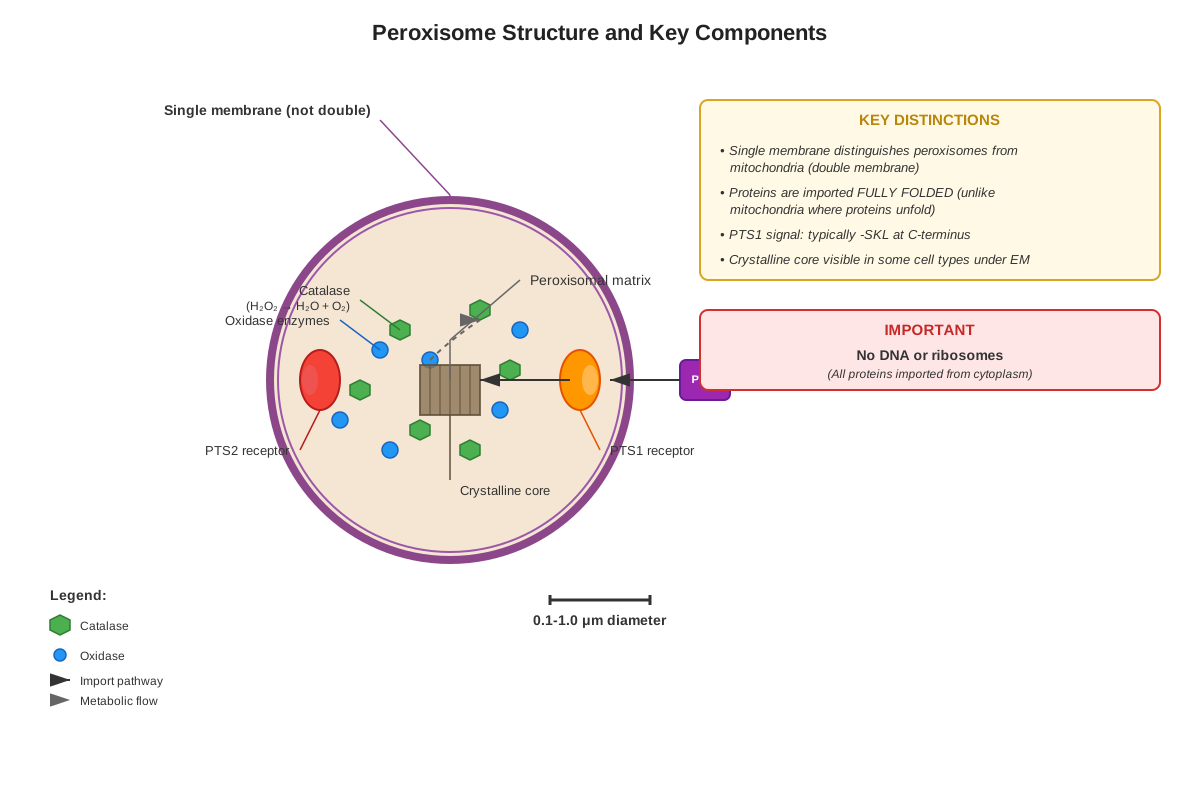
Peroxisomes are single-membrane-bound organelles present in nearly all eukaryotic cells, with particularly high abundance in liver and kidney cells where detoxification is critical. The peroxisomal membrane, composed of a lipid bilayer with embedded membrane proteins called peroxins (PEX proteins), encloses a granular matrix containing more than 50 different enzymes. Unlike mitochondria, peroxisomes lack DNA and ribosomes, meaning all peroxisomal proteins must be imported from the cytoplasm after synthesis on free ribosomes.
The defining biochemical feature of peroxisomes is their involvement in reactions that produce hydrogen peroxide (H₂O₂) as a byproduct. The organelle's name reflects this characteristic: "peroxide" refers to H₂O₂, and "soma" means body. Peroxisomes contain high concentrations of catalase, an enzyme that rapidly decomposes hydrogen peroxide into water and oxygen (2 H₂O₂ → 2 H₂O + O₂), preventing oxidative damage to cellular components. This protective mechanism is essential because hydrogen peroxide can generate highly reactive hydroxyl radicals through Fenton reactions.
Major Metabolic Functions
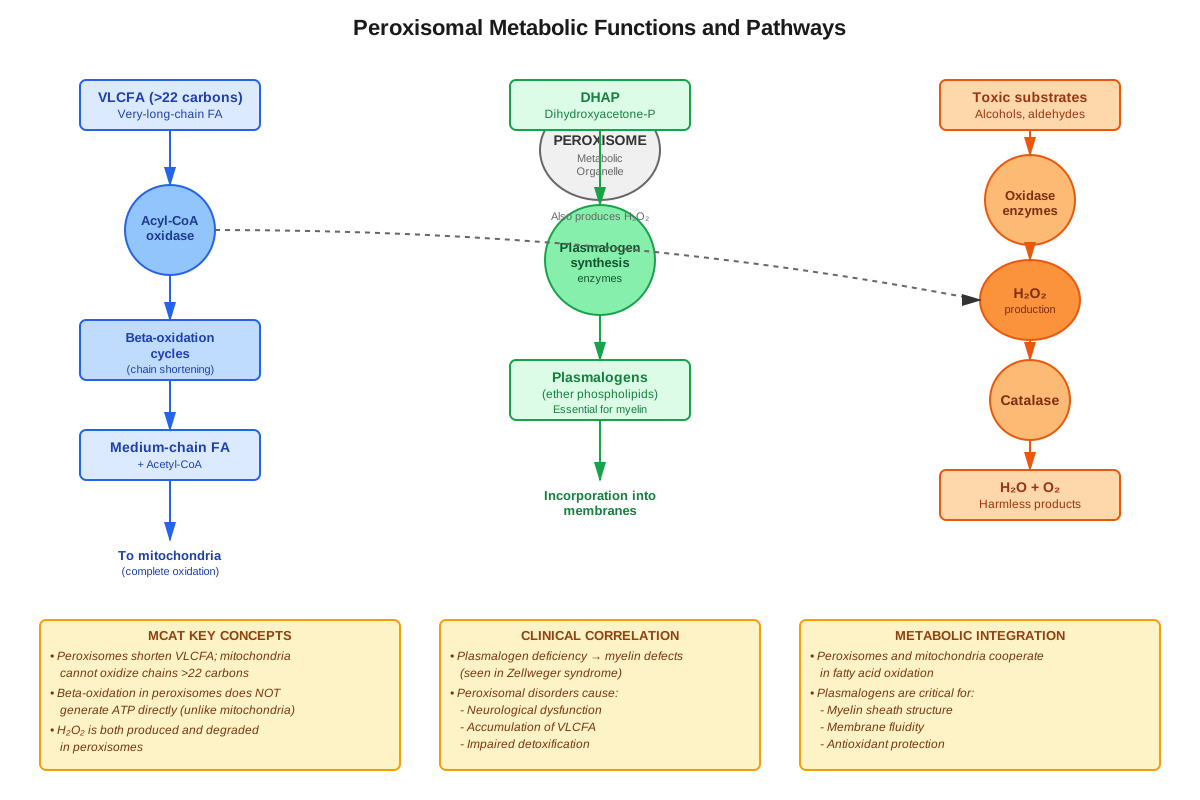
Beta-oxidation of very-long-chain fatty acids (VLCFAs): Peroxisomes perform beta-oxidation on fatty acids with more than 22 carbons, which cannot be processed efficiently by mitochondria. This peroxisomal beta-oxidation differs from mitochondrial beta-oxidation in several key ways: it uses FAD-dependent acyl-CoA oxidases (rather than FAD-dependent acyl-CoA dehydrogenases), produces H₂O₂ (rather than FADH₂), and continues until fatty acids are shortened to medium-chain length (8-10 carbons), at which point they are transferred to mitochondria for complete oxidation.
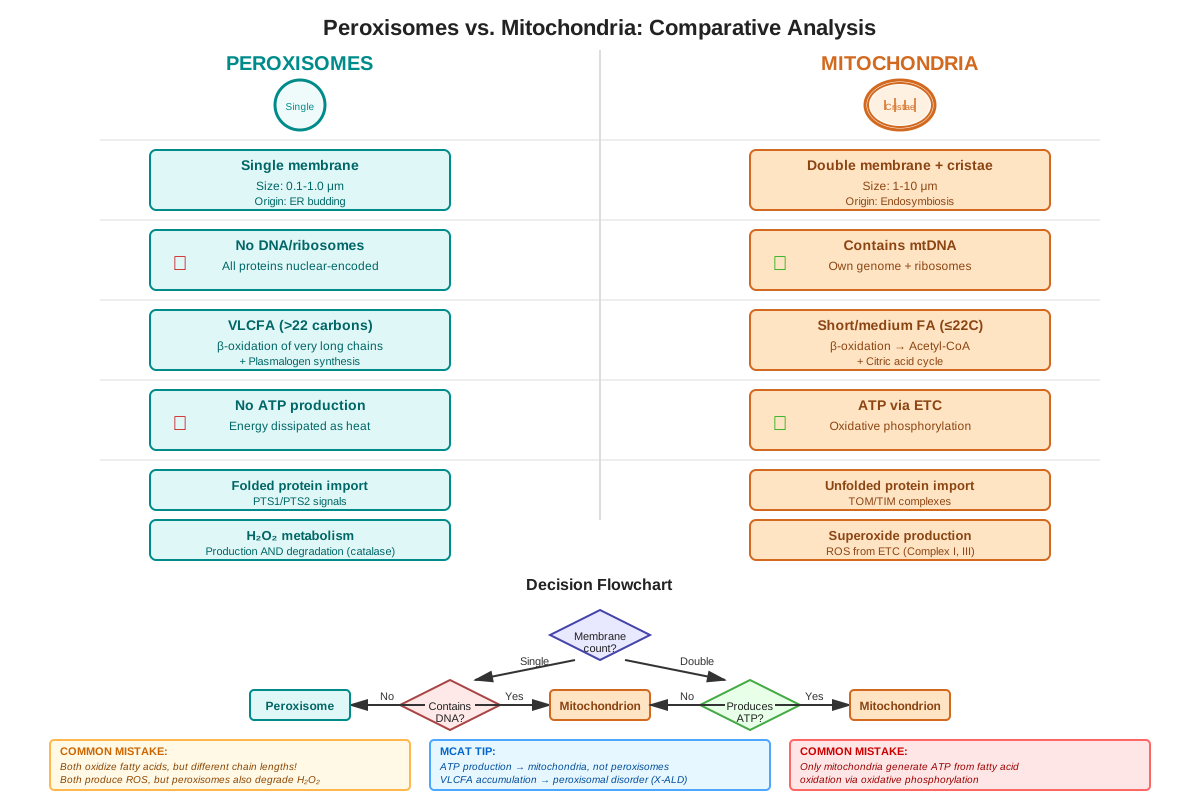
| Feature | Peroxisomal Beta-Oxidation | Mitochondrial Beta-Oxidation |
|---|---|---|
| Substrate | Very-long-chain fatty acids (>C22) | Short to long-chain fatty acids (C4-C22) |
| First enzyme | Acyl-CoA oxidase | Acyl-CoA dehydrogenase |
| Electron acceptor | O₂ (produces H₂O₂) | FAD (produces FADH₂) |
| Energy production | No ATP generated | ATP generated via electron transport |
| Product | Medium-chain fatty acids | Acetyl-CoA (complete oxidation) |
| Location | Peroxisomal matrix | Mitochondrial matrix |
Plasmalogen synthesis: Peroxisomes are essential for synthesizing plasmalogens, specialized ether phospholipids that constitute up to 20% of the phospholipid mass in myelin sheaths. The initial steps of plasmalogen synthesis occur exclusively in peroxisomes, explaining why peroxisomal disorders often present with severe neurological symptoms due to defective myelination.
Alpha-oxidation of branched-chain fatty acids: Peroxisomes perform alpha-oxidation of phytanic acid, a branched-chain fatty acid obtained from dietary sources (particularly dairy products and ruminant meat). This process removes one carbon at a time from the alpha position, converting phytanic acid to pristanic acid, which can then undergo beta-oxidation. Defects in this pathway cause Refsum disease, characterized by accumulation of phytanic acid and resulting in retinitis pigmentosa, peripheral neuropathy, and cerebellar ataxia.
Detoxification reactions: Peroxisomes contain enzymes that detoxify various harmful substances, including alcohol (via alcohol oxidases), reactive nitrogen species, and certain drugs. In liver and kidney cells, peroxisomes work alongside the endoplasmic reticulum's cytochrome P450 system to metabolize xenobiotics.
Hydrogen Peroxide Metabolism
The production and degradation of hydrogen peroxide represents a central theme in peroxisomal biochemistry. Multiple peroxisomal oxidases generate H₂O₂ by transferring electrons directly to molecular oxygen:
RH₂ + O₂ → R + H₂O₂These oxidases include acyl-CoA oxidase (in fatty acid oxidation), D-amino acid oxidase (which degrades D-amino acids), and urate oxidase (which converts uric acid to allantoin in most mammals, though not humans). The hydrogen peroxide produced must be rapidly detoxified to prevent cellular damage.
Catalase, one of the most abundant enzymes in peroxisomes, performs this detoxification through two types of reactions:
- Catalatic activity (predominant): 2 H₂O₂ → 2 H₂O + O₂
- Peroxidatic activity: H₂O₂ + RH₂ → R + 2 H₂O
Catalase has one of the highest turnover numbers of any enzyme (approximately 40 million molecules of H₂O₂ per second), reflecting the critical importance of rapid hydrogen peroxide detoxification.
Peroxisome Biogenesis and Protein Import
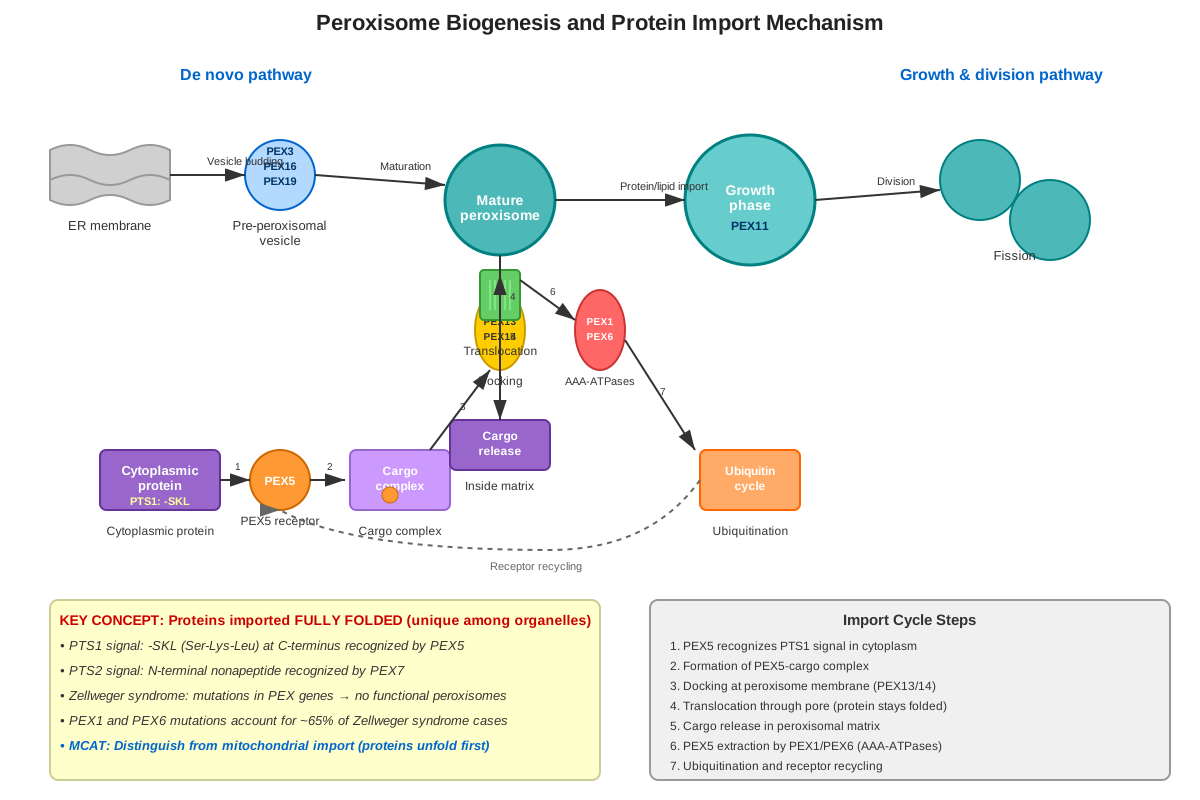
Peroxisomes form through two mechanisms: growth and division of pre-existing peroxisomes, and de novo synthesis from specialized regions of the endoplasmic reticulum. This dual origin distinguishes peroxisomes from mitochondria and chloroplasts, which form exclusively through division of pre-existing organelles.
Protein import into peroxisomes occurs post-translationally and involves peroxisomal targeting signals (PTS):
- PTS1: A C-terminal tripeptide sequence (typically Ser-Lys-Leu or SKL) recognized by the cytosolic receptor PEX5
- PTS2: An N-terminal nonapeptide sequence recognized by the cytosolic receptor PEX7
The import mechanism is unusual because proteins can be imported in a fully folded state, unlike mitochondrial import which requires unfolding. The PTS receptors bind cargo proteins in the cytoplasm, dock at the peroxisomal membrane via interactions with membrane-bound peroxins, and release the cargo into the peroxisomal matrix. The receptors are then recycled back to the cytoplasm.
Mutations in genes encoding peroxins (PEX genes) cause peroxisomal biogenesis disorders, a spectrum of conditions including Zellweger syndrome, neonatal adrenoleukodystrophy, and infantile Refsum disease. These disorders result in "ghost" peroxisomes—empty membrane structures lacking matrix enzymes—leading to accumulation of VLCFAs, deficiency of plasmalogens, and impaired bile acid synthesis.
Metabolic Integration with Other Organelles
Peroxisomes do not function in isolation but are metabolically integrated with other organelles:
Peroxisome-Mitochondria cooperation: The products of peroxisomal beta-oxidation (medium-chain fatty acids and acetyl-CoA) are transferred to mitochondria for complete oxidation and ATP production. This division of labor allows cells to efficiently process the full spectrum of fatty acid chain lengths.
Peroxisome-ER interaction: Peroxisomes receive membrane lipids from the endoplasmic reticulum and may bud directly from specialized ER domains. The initial steps of ether lipid synthesis occur in peroxisomes, while later steps occur in the ER, requiring metabolite shuttling between organelles.
Peroxisome-Cytoplasm exchange: Peroxisomes import cofactors (NAD⁺, CoA, ATP) from the cytoplasm and export products of their metabolic reactions. This exchange requires specific membrane transporters, including ATP-binding cassette (ABC) transporters such as ABCD1, mutations in which cause X-linked adrenoleukodystrophy.
Concept Relationships
The core concepts of peroxisomal biology are interconnected through the central theme of compartmentalized oxidative metabolism. Peroxisome structure (single membrane, catalase-rich matrix) → enables → hydrogen peroxide metabolism (production by oxidases, degradation by catalase) → which supports → specialized metabolic functions (VLCFA oxidation, plasmalogen synthesis, phytanic acid oxidation) → that require → metabolic integration with mitochondria and ER → all dependent on → protein import machinery (PTS signals, peroxins) → dysfunction of which causes → peroxisomal disorders (Zellweger syndrome, X-ALD).
Connections to prerequisite knowledge include: enzyme kinetics → explains catalase's extraordinary turnover rate; fatty acid structure → determines whether beta-oxidation occurs in peroxisomes or mitochondria; ROS biology → contextualizes the importance of hydrogen peroxide detoxification; protein targeting → provides framework for understanding PTS-mediated import.
Connections to related topics: peroxisomal beta-oxidation connects to mitochondrial metabolism and the citric acid cycle; plasmalogen synthesis connects to membrane structure and nervous system function; peroxisomal disorders connect to medical genetics and inborn errors of metabolism; peroxisome biogenesis connects to organelle evolution and endomembrane system function.
High-Yield Facts
⭐ Peroxisomes contain catalase, which converts hydrogen peroxide (H₂O₂) to water and oxygen, protecting cells from oxidative damage
⭐ Peroxisomal beta-oxidation processes very-long-chain fatty acids (>C22) and produces H₂O₂, while mitochondrial beta-oxidation processes shorter fatty acids and produces FADH₂
⭐ All peroxisomal proteins are encoded by nuclear DNA, synthesized on free ribosomes, and imported post-translationally via PTS1 (C-terminal SKL) or PTS2 (N-terminal) signals
⭐ Zellweger syndrome results from defective peroxisome biogenesis due to mutations in PEX genes, causing accumulation of VLCFAs and plasmalogen deficiency
⭐ Peroxisomes perform the initial steps of plasmalogen synthesis, which is essential for myelin formation in the nervous system
- Peroxisomes are single-membrane-bound organelles lacking DNA and ribosomes, distinguishing them from mitochondria and chloroplasts
- X-linked adrenoleukodystrophy (X-ALD) results from mutations in ABCD1, causing defective VLCFA transport into peroxisomes and progressive demyelination
- Peroxisomal acyl-CoA oxidase uses O₂ as an electron acceptor, directly producing H₂O₂ rather than reducing FAD
- Alpha-oxidation of phytanic acid occurs exclusively in peroxisomes; defects cause Refsum disease with accumulation of phytanic acid
- Peroxisomes can form through both division of pre-existing peroxisomes and de novo synthesis from the endoplasmic reticulum
- The peroxisomal import mechanism allows fully folded proteins to enter the matrix, unlike mitochondrial import which requires unfolding
- Peroxisomes are particularly abundant in liver and kidney cells where detoxification functions are most critical
Quick check — test yourself on Peroxisomes so far.
Try Flashcards →Common Misconceptions
Misconception: Peroxisomes and mitochondria perform identical beta-oxidation reactions.
Correction: While both organelles perform beta-oxidation, they differ fundamentally in substrate specificity (peroxisomes: VLCFAs >C22; mitochondria: shorter chains), electron acceptors (peroxisomes: O₂ producing H₂O₂; mitochondria: FAD producing FADH₂), and completeness of oxidation (peroxisomes: partial, to medium-chain products; mitochondria: complete, to acetyl-CoA). Peroxisomal beta-oxidation does not generate ATP directly.
Misconception: Hydrogen peroxide production in peroxisomes is harmful and represents a metabolic error.
Correction: Hydrogen peroxide production is an intentional consequence of peroxisomal oxidase reactions and serves important functions when properly controlled. Peroxisomes contain high concentrations of catalase specifically to manage H₂O₂ safely. The peroxidatic activity of catalase can use H₂O₂ to oxidize various substrates, contributing to detoxification. Problems arise only when peroxisomal function is impaired or catalase is deficient.
Misconception: Peroxisomes are derived from ancient endosymbiotic bacteria like mitochondria.
Correction: Unlike mitochondria and chloroplasts, peroxisomes are not of endosymbiotic origin. They lack DNA, ribosomes, and the double membrane characteristic of endosymbiotic organelles. Peroxisomes form through growth and division of pre-existing peroxisomes or through budding from the endoplasmic reticulum, and all their proteins are encoded by nuclear genes.
Misconception: The PTS1 signal (SKL) must be cleaved off after protein import into peroxisomes.
Correction: Unlike mitochondrial targeting sequences, peroxisomal targeting signals (both PTS1 and PTS2) are generally not cleaved after import. The signals remain part of the mature protein within the peroxisomal matrix. This reflects the different import mechanisms: peroxisomal proteins can be imported in a fully folded state, so the targeting signal doesn't interfere with protein function.
Misconception: Peroxisomal disorders primarily affect the liver since peroxisomes are most abundant there.
Correction: While peroxisomes are abundant in liver and kidney, peroxisomal disorders most severely affect the nervous system. This occurs because the brain requires plasmalogens for myelin synthesis and is particularly vulnerable to VLCFA accumulation. Zellweger syndrome and X-ALD present primarily with neurological symptoms (developmental delay, seizures, demyelination) despite peroxisomes being present throughout the body.
Misconception: Catalase is unique to peroxisomes.
Correction: While catalase is highly concentrated in peroxisomes and is often used as a peroxisomal marker enzyme, it is not exclusive to this organelle. Small amounts of catalase are found in the cytoplasm and other cellular compartments. However, the peroxisomal concentration is so high that catalase activity is a reliable indicator of peroxisomal presence in cell fractionation experiments.
Worked Examples
Example 1: Distinguishing Peroxisomal from Mitochondrial Metabolism
Question: A researcher isolates two organellar fractions from liver cells and measures their ability to oxidize different fatty acids. Fraction A efficiently oxidizes palmitic acid (C16) and produces FADH₂, while Fraction B efficiently oxidizes lignoceric acid (C24) and produces H₂O₂. When the researcher adds malonate (a competitive inhibitor of succinate dehydrogenase) to both fractions, only Fraction A shows decreased fatty acid oxidation. Identify each fraction and explain the biochemical basis for these observations.
Solution:
Step 1: Analyze the substrate specificity. Fraction A oxidizes palmitic acid (C16), a long-chain fatty acid, while Fraction B oxidizes lignoceric acid (C24), a very-long-chain fatty acid. This suggests Fraction A contains mitochondria (which process C4-C22 fatty acids) and Fraction B contains peroxisomes (which process VLCFAs >C22).
Step 2: Examine the products. Fraction A produces FADH₂, consistent with mitochondrial beta-oxidation where acyl-CoA dehydrogenase reduces FAD. Fraction B produces H₂O₂, consistent with peroxisomal beta-oxidation where acyl-CoA oxidase transfers electrons directly to O₂.
Step 3: Interpret the malonate effect. Malonate inhibits succinate dehydrogenase, a citric acid cycle enzyme in mitochondria. This would decrease mitochondrial fatty acid oxidation by blocking the citric acid cycle and causing acetyl-CoA accumulation, which feedback-inhibits beta-oxidation. Peroxisomes lack citric acid cycle enzymes, so malonate wouldn't affect Fraction B.
Conclusion: Fraction A is the mitochondrial fraction, and Fraction B is the peroxisomal fraction. The key distinguishing features are substrate chain length, electron acceptor (FAD vs. O₂), product (FADH₂ vs. H₂O₂), and sensitivity to citric acid cycle inhibition.
Connection to learning objectives: This example applies peroxisomal knowledge to experimental data interpretation, a common MCAT question format, and demonstrates the critical differences between peroxisomal and mitochondrial metabolism.
Example 2: Clinical Vignette Analysis
Question: A 6-month-old infant presents with severe hypotonia, seizures, and hepatomegaly. Physical examination reveals craniofacial abnormalities and the infant has not achieved normal developmental milestones. Laboratory studies show elevated very-long-chain fatty acids in plasma and decreased plasmalogen levels in red blood cell membranes. Liver biopsy reveals cells with empty peroxisomal membrane "ghosts" lacking matrix enzymes. Genetic testing identifies a mutation in the PEX1 gene. What is the most likely diagnosis, and explain the biochemical basis for each clinical finding?
Solution:
Step 1: Identify the diagnosis. The combination of elevated VLCFAs, decreased plasmalogens, empty peroxisomal membranes, and PEX gene mutation indicates Zellweger syndrome, a peroxisomal biogenesis disorder. PEX1 encodes a peroxin required for importing matrix proteins into peroxisomes.
Step 2: Explain elevated VLCFAs. Without functional peroxisomes, very-long-chain fatty acids cannot undergo beta-oxidation. VLCFAs accumulate in plasma and tissues, particularly in the brain where they disrupt myelin structure and membrane function, contributing to neurological symptoms.
Step 3: Explain decreased plasmalogens. The initial steps of plasmalogen synthesis occur exclusively in peroxisomes. Without functional peroxisomal matrix enzymes, plasmalogen synthesis is blocked. Since plasmalogens constitute ~20% of myelin phospholipids, their deficiency impairs myelination, causing hypotonia, developmental delay, and seizures.
Step 4: Explain hepatomegaly. Peroxisomes are essential for bile acid synthesis from cholesterol. Defective peroxisome function leads to accumulation of bile acid intermediates and cholesterol in hepatocytes, causing liver enlargement and dysfunction.
Step 5: Connect to protein import. The PEX1 mutation prevents proper import of matrix proteins bearing PTS1 and PTS2 signals. Peroxisomal membrane forms normally (creating "ghost" peroxisomes), but the membrane lacks functional matrix enzymes, resulting in a complete loss of peroxisomal metabolic functions.
Prognosis note: Zellweger syndrome is the most severe peroxisomal biogenesis disorder, and affected infants typically do not survive beyond the first year of life due to the critical importance of peroxisomal functions in development.
Connection to learning objectives: This example demonstrates how understanding peroxisomal biochemistry enables analysis of clinical presentations, connects molecular defects to phenotypes, and illustrates why peroxisomal disorders appear in MCAT passages.
Exam Strategy
Approaching Peroxisome Questions: When encountering peroxisome-related questions, first determine whether the question is testing (1) structural/organizational knowledge, (2) metabolic function, (3) comparison with other organelles, or (4) disease mechanisms. Most MCAT questions fall into categories 2 and 3.
Trigger Words and Phrases:
- "Very-long-chain fatty acids" or "VLCFAs" → think peroxisomal beta-oxidation
- "Hydrogen peroxide" or "H₂O₂" → think peroxisomal oxidases and catalase
- "Plasmalogens" or "ether lipids" → think peroxisomal synthesis
- "Phytanic acid" → think peroxisomal alpha-oxidation
- "SKL sequence" or "PTS1" → think peroxisomal protein import
- "Zellweger syndrome" or "X-ALD" → think peroxisomal disorders
- "Catalase activity" → think peroxisomal marker enzyme
Process of Elimination Tips:
- If a question asks about ATP production from fatty acid oxidation, eliminate peroxisomes (they don't directly generate ATP)
- If a question mentions DNA or ribosomes in the context of an organelle performing beta-oxidation, eliminate peroxisomes (they lack both)
- If a question describes beta-oxidation of a C16 fatty acid, favor mitochondria over peroxisomes (though both can process it, mitochondria are more efficient for this length)
- If a question asks about complete oxidation of fatty acids to CO₂, eliminate peroxisomes (they perform partial oxidation only)
Time Allocation: Peroxisome questions are typically medium difficulty. Allocate 60-90 seconds for discrete questions and read passage-based questions carefully to identify whether the passage is primarily about peroxisomes or mentions them as part of a broader metabolic context. Don't overthink comparisons with mitochondria—focus on the key distinguishing features (substrate length, H₂O₂ production, no ATP generation).
Exam Tip: When comparing organelles, create a quick mental table of distinguishing features. For peroxisomes vs. mitochondria: membrane (single vs. double), DNA (absent vs. present), substrate (VLCFAs vs. shorter FAs), product (H₂O₂ vs. FADH₂), ATP (no vs. yes).
Memory Techniques
Mnemonic for Major Peroxisomal Functions - "PLAB"
- Plasmalogens (synthesis)
- Long-chain fatty acids (very-long-chain beta-oxidation)
- Alpha-oxidation (phytanic acid)
- Breakdown of H₂O₂ (catalase)
Mnemonic for PTS1 Signal - "Send Kargo Locally"
- Represents the Ser-Lys-Leu (SKL) C-terminal sequence
- "Send" = Serine, "Kargo" = Lysine (K), "Locally" = Leucine
Visualization Strategy for Peroxisome vs. Mitochondria:
Picture peroxisomes as "pre-processors" that handle the "extra-long" fatty acids that are too big for mitochondria to handle efficiently. They chop these down to "medium" size, then pass them to mitochondria (the "power plants") for complete processing. Peroxisomes produce "peroxide" (H₂O₂) as a byproduct—remember "peroxide" is in the name—while mitochondria produce "power" (ATP).
Acronym for Peroxisomal Disorders - "ZAR"
- Zellweger syndrome (most severe, peroxisome biogenesis defect)
- Adrenoleukodystrophy (X-linked, VLCFA transport defect)
- Refsum disease (phytanic acid accumulation)
Memory Hook for Catalase Function:
"Catalase is a CAT that has 2 LIVES" → 2 H₂O₂ → 2 H₂O + O₂ (the equation for catalase's main reaction). The "2 lives" represents the two molecules of H₂O₂ that are converted.
Summary
Peroxisomes are single-membrane-bound organelles essential for lipid metabolism and cellular detoxification, characterized by their production and degradation of hydrogen peroxide. These organelles perform beta-oxidation of very-long-chain fatty acids (>C22 carbons), producing H₂O₂ rather than FADH₂, and shorten VLCFAs to medium-chain products that are transferred to mitochondria for complete oxidation. Peroxisomes are also critical for plasmalogen synthesis (essential for myelin), alpha-oxidation of branched-chain fatty acids like phytanic acid, and various detoxification reactions. All peroxisomal proteins are nuclear-encoded, synthesized on free ribosomes, and imported post-translationally via PTS1 (C-terminal SKL) or PTS2 (N-terminal) targeting signals recognized by peroxin receptors. The high concentration of catalase in peroxisomes rapidly converts H₂O₂ to water and oxygen, preventing oxidative damage. Peroxisomal disorders, including Zellweger syndrome (biogenesis defect) and X-linked adrenoleukodystrophy (VLCFA transport defect), cause severe neurological symptoms due to impaired myelination and VLCFA accumulation, illustrating the critical importance of peroxisomal function in human health.
Key Takeaways
- Peroxisomes are single-membrane organelles that perform beta-oxidation of very-long-chain fatty acids (>C22), producing H₂O₂ rather than FADH₂, distinguishing them from mitochondrial beta-oxidation
- Catalase, highly concentrated in peroxisomes, rapidly converts hydrogen peroxide to water and oxygen, protecting cells from oxidative damage
- All peroxisomal proteins are imported post-translationally via PTS1 (C-terminal SKL) or PTS2 (N-terminal) signals; peroxisomes lack DNA and ribosomes
- Peroxisomes synthesize plasmalogens (essential for myelin) and perform alpha-oxidation of phytanic acid, explaining why peroxisomal disorders primarily affect the nervous system
- Zellweger syndrome results from defective peroxisome biogenesis (PEX gene mutations), while X-linked adrenoleukodystrophy results from defective VLCFA transport (ABCD1 mutations)
- Peroxisomes metabolically cooperate with mitochondria (receiving shortened fatty acids) and the ER (exchanging lipid synthesis intermediates)
- For the MCAT, focus on distinguishing peroxisomal from mitochondrial metabolism, understanding catalase function, and recognizing peroxisomal disorder presentations
Related Topics
Mitochondrial Beta-Oxidation: Understanding the complete pathway of mitochondrial fatty acid oxidation provides essential context for appreciating how peroxisomes and mitochondria cooperate in lipid metabolism. Mastering peroxisomes enables deeper comprehension of how cells process the full spectrum of fatty acid chain lengths.
Lipid Metabolism and Membrane Structure: Peroxisomal plasmalogen synthesis connects to broader topics in membrane lipid composition, particularly in specialized tissues like nervous system myelin. Understanding peroxisomes strengthens knowledge of how different organelles contribute to membrane diversity.
Reactive Oxygen Species and Oxidative Stress: The peroxisomal production and detoxification of H₂O₂ relates to broader cellular mechanisms for managing oxidative stress, including superoxide dismutase, glutathione peroxidase, and antioxidant systems.
Protein Trafficking and Organelle Biogenesis: The unique features of peroxisomal protein import (post-translational, folded proteins, non-cleaved signals) provide comparative context for understanding mitochondrial, ER, and nuclear protein targeting mechanisms.
Medical Genetics and Inborn Errors of Metabolism: Peroxisomal disorders exemplify how single-gene defects in organellar function produce complex, multi-system phenotypes, connecting molecular biology to clinical medicine.
Practice CTA
Now that you've mastered the core concepts of peroxisomal structure and function, test your understanding with practice questions and flashcards. Focus on questions that require you to distinguish peroxisomes from mitochondria, interpret experimental data about organellar metabolism, and analyze clinical vignettes involving peroxisomal disorders. The more you practice applying these concepts to MCAT-style questions, the more confident you'll become in recognizing peroxisome-related content on test day. Remember: understanding the "why" behind peroxisomal functions—particularly their role in processing substrates too large or too toxic for other organelles—will help you reason through even unfamiliar questions. You've got this!
Sign up free to keep reading
Create a free AnvayaPrep account to finish this MCAT guide on Peroxisomes — plus flashcards and practice questions.