Overview
The rough endoplasmic reticulum (RER) represents one of the most critical organelles in eukaryotic cells, serving as the primary site for protein synthesis and modification of proteins destined for secretion, membrane insertion, or localization to specific organelles. This membranous network derives its "rough" appearance from the ribosomes studded along its cytoplasmic surface, distinguishing it from its smooth counterpart. Understanding the rough endoplasmic reticulum is fundamental to mastering Cell Biology concepts tested on the MCAT, as it connects protein synthesis, post-translational modifications, quality control mechanisms, and cellular trafficking pathways.
For the MCAT, the rough endoplasmic reticulum appears frequently in passages involving protein synthesis, cellular secretion, signal sequences, and disease states affecting protein folding. Questions may integrate this organelle with topics ranging from molecular biology (translation, gene expression) to biochemistry (protein structure, enzyme function) to physiology (hormone secretion, antibody production). The RER exemplifies how structure determines function at the cellular level—a recurring theme throughout Biology tested on standardized examinations.
Mastery of rough endoplasmic reticulum Biology enables students to understand broader concepts including the endomembrane system, vesicular transport, protein targeting mechanisms, and cellular responses to stress. This organelle serves as a gateway concept connecting cytoplasmic protein synthesis to the complex world of membrane-bound compartments, making it essential for comprehending how cells organize their biochemical activities spatially and temporally. The RER's role in producing secreted proteins links directly to immunology (antibody production), endocrinology (hormone synthesis), and pathology (protein misfolding diseases), making it clinically relevant and high-yield for exam preparation.
Learning Objectives
- [ ] Define rough endoplasmic reticulum using accurate Biology terminology
- [ ] Explain why rough endoplasmic reticulum matters for the MCAT
- [ ] Apply rough endoplasmic reticulum concepts to exam-style questions
- [ ] Identify common mistakes related to rough endoplasmic reticulum
- [ ] Connect rough endoplasmic reticulum to related Biology concepts
- [ ] Describe the signal recognition particle (SRP) pathway and co-translational translocation mechanism
- [ ] Explain the post-translational modifications that occur in the RER lumen
- [ ] Compare and contrast rough and smooth endoplasmic reticulum structure and function
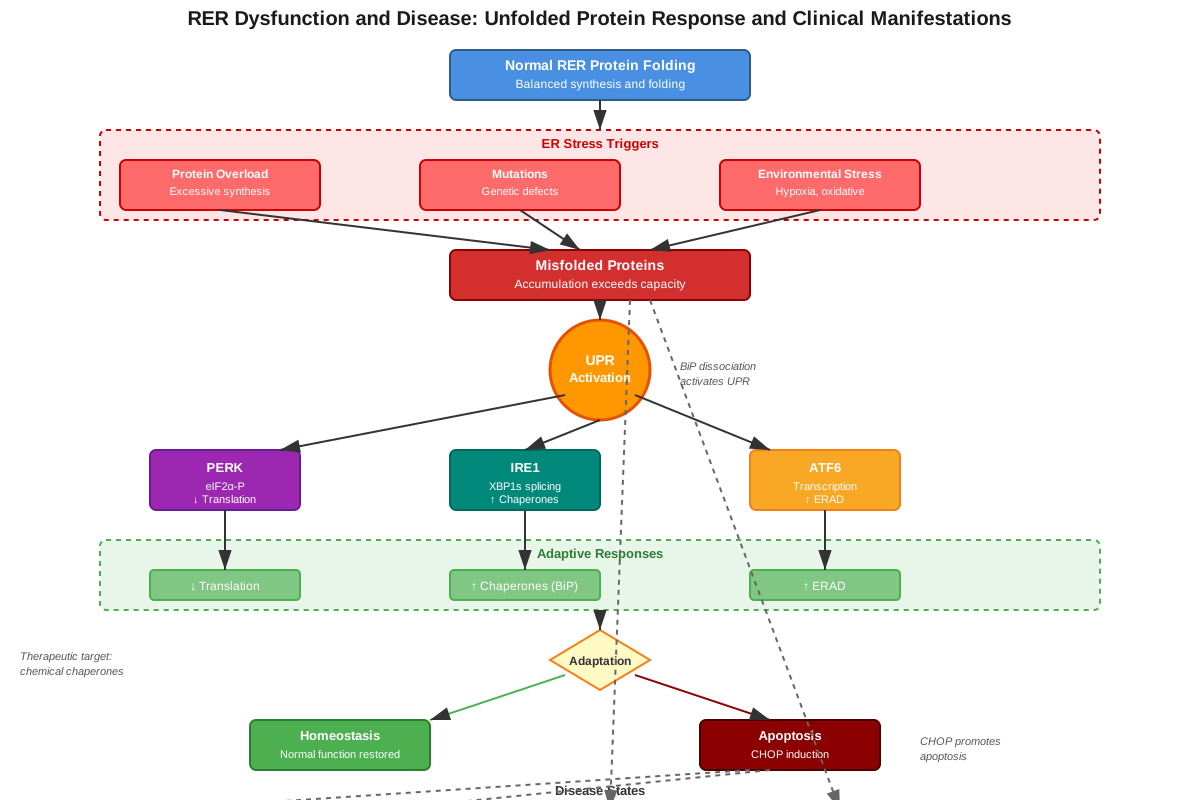
- [ ] Analyze how RER dysfunction contributes to disease states
Prerequisites
- Ribosome structure and function: The RER's defining feature is ribosome attachment; understanding ribosomal subunits (60S and 40S in eukaryotes) and their role in translation is essential for comprehending RER function
- Translation process: Knowledge of mRNA reading, tRNA function, and peptide bond formation provides the foundation for understanding how proteins enter the RER during synthesis
- Protein structure: Familiarity with primary, secondary, tertiary, and quaternary structure enables understanding of post-translational modifications and protein folding in the RER
- Cell membrane structure: Understanding phospholipid bilayers and membrane proteins is necessary to grasp how the RER membrane functions and how proteins integrate into membranes
- Eukaryotic cell organization: Basic knowledge of organelles and the endomembrane system provides context for the RER's position within cellular architecture
Why This Topic Matters
The rough endoplasmic reticulum holds significant clinical and physiological relevance that extends far beyond basic cell biology. Plasma cells, which produce antibodies, contain extensive RER networks to support massive immunoglobulin synthesis—a concept frequently tested in immunology passages. Pancreatic beta cells rely heavily on RER for insulin production, connecting this organelle to endocrinology and diabetes pathophysiology. Hepatocytes utilize RER for synthesizing plasma proteins including clotting factors and albumin, making RER function critical for understanding liver disease and coagulation disorders.
On the MCAT, rough endoplasmic reticulum concepts appear in approximately 3-5% of Biology questions, with particular emphasis in passages involving protein synthesis, cellular secretion, and signal transduction. Questions typically present as discrete items testing signal sequence recognition or as passage-based questions integrating RER function with experimental data about protein trafficking or disease states. The MCAT frequently tests the RER in contexts requiring students to trace a protein's journey from gene to final destination, making this organelle a lynchpin for understanding cellular protein logistics.
Common exam presentations include: (1) experimental passages showing effects of signal sequence mutations on protein localization, (2) clinical vignettes describing diseases caused by RER dysfunction (such as certain forms of osteogenesis imperfecta involving collagen misfolding), (3) biochemistry passages requiring students to predict where specific proteins will be synthesized based on their ultimate destination, and (4) cell biology passages comparing protein synthesis rates in cells with varying RER abundance. Understanding the RER enables students to eliminate incorrect answer choices by recognizing that cytoplasmic proteins lack signal sequences and that RER-synthesized proteins undergo glycosylation—facts that frequently distinguish correct from incorrect options.
Core Concepts
Structure and Defining Characteristics
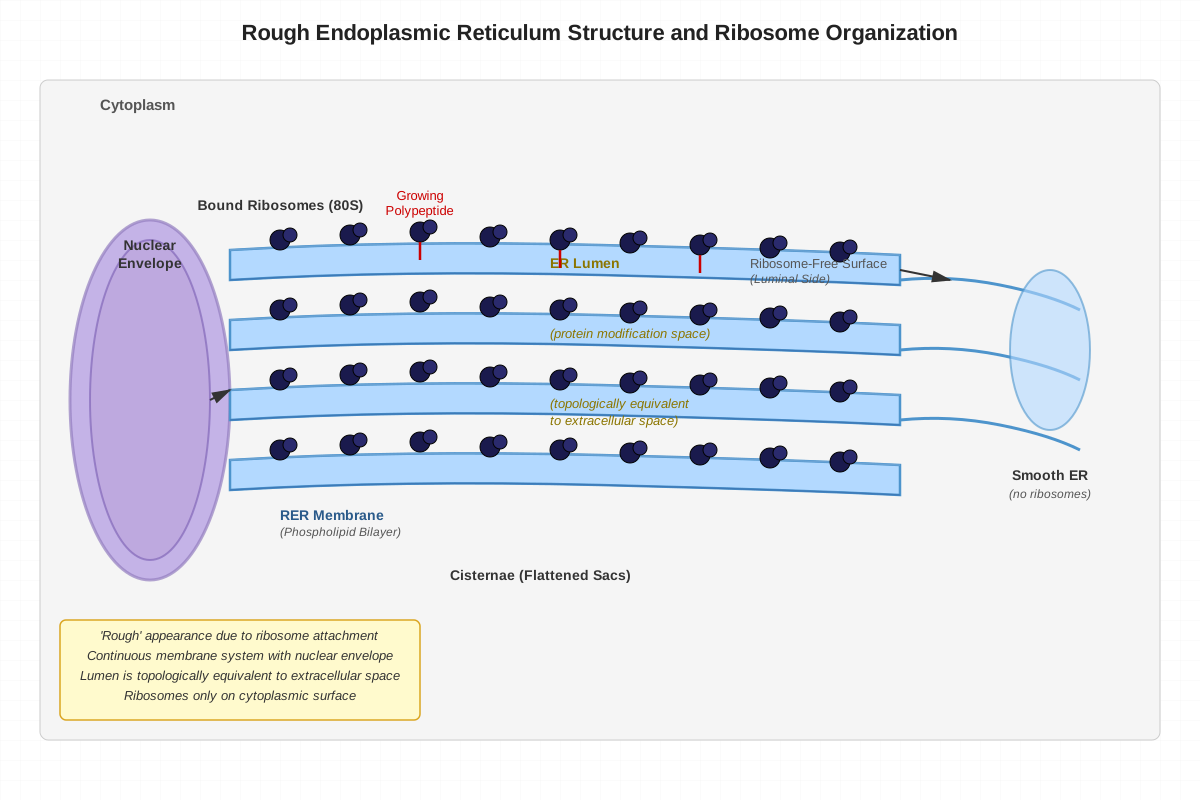
The rough endoplasmic reticulum consists of flattened, membrane-bound sacs called cisternae that form an interconnected network throughout the cytoplasm. The defining structural feature is the presence of ribosomes bound to the cytoplasmic face of the ER membrane, giving it a "studded" or rough appearance under electron microscopy. These ribosomes are identical to free cytoplasmic ribosomes (both are 80S ribosomes in eukaryotes, composed of 60S and 40S subunits) but become associated with the ER membrane through specific targeting mechanisms.
The RER membrane itself is a phospholipid bilayer continuous with the outer nuclear membrane, forming part of the endomembrane system. This continuity allows direct communication between the nuclear envelope and the ER, facilitating the immediate access of newly transcribed mRNA to the protein synthesis machinery. The membrane contains specialized proteins including translocons (protein-conducting channels), signal peptidase enzymes, and various chaperone proteins that assist in protein folding.
The lumen (interior space) of the RER, also called the ER lumen or cisternal space, provides a distinct biochemical environment from the cytoplasm. This compartment maintains a higher calcium concentration than the cytoplasm and contains an oxidizing environment that promotes disulfide bond formation—critical for proper protein folding. The lumen houses numerous molecular chaperones (such as BiP/GRP78 and calnexin) and protein disulfide isomerases that facilitate correct protein folding and quality control.
Signal Recognition and Co-translational Translocation
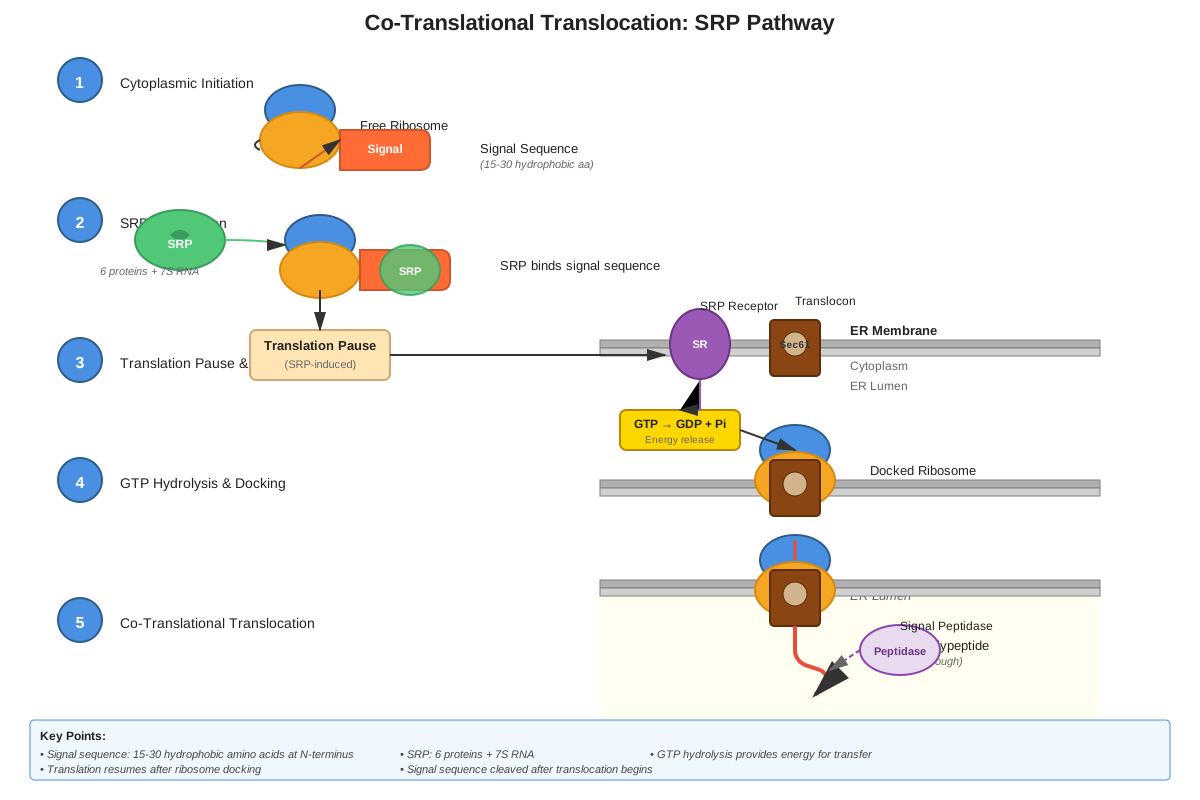
The process by which proteins destined for the RER are directed there represents a fundamental mechanism in cellular biology. Proteins synthesized on the RER contain an N-terminal signal sequence—typically 15-30 hydrophobic amino acids located at or near the protein's amino terminus. This sequence emerges from the ribosome early during translation and serves as a molecular "zip code" directing the ribosome-mRNA-nascent protein complex to the RER membrane.
The signal recognition particle (SRP) is a cytoplasmic ribonucleoprotein complex that recognizes and binds to the signal sequence as it emerges from the ribosome. Upon binding, the SRP causes translational pause—temporarily halting protein synthesis to prevent complete synthesis in the cytoplasm. The SRP then guides the entire complex (ribosome, mRNA, and nascent protein) to the RER membrane by binding to the SRP receptor (also called the docking protein) located on the ER membrane.
Once docked, the ribosome binds directly to a translocon (also called the Sec61 complex)—a protein channel that spans the RER membrane. The SRP and SRP receptor dissociate (both are GTP-binding proteins, and GTP hydrolysis drives this dissociation), translation resumes, and the growing polypeptide chain is threaded through the translocon into the ER lumen. This process is called co-translational translocation because protein synthesis and membrane translocation occur simultaneously. The signal sequence is typically cleaved by signal peptidase once the protein enters the lumen, though some signal sequences remain as signal anchor sequences for membrane proteins.
Post-translational Modifications in the RER
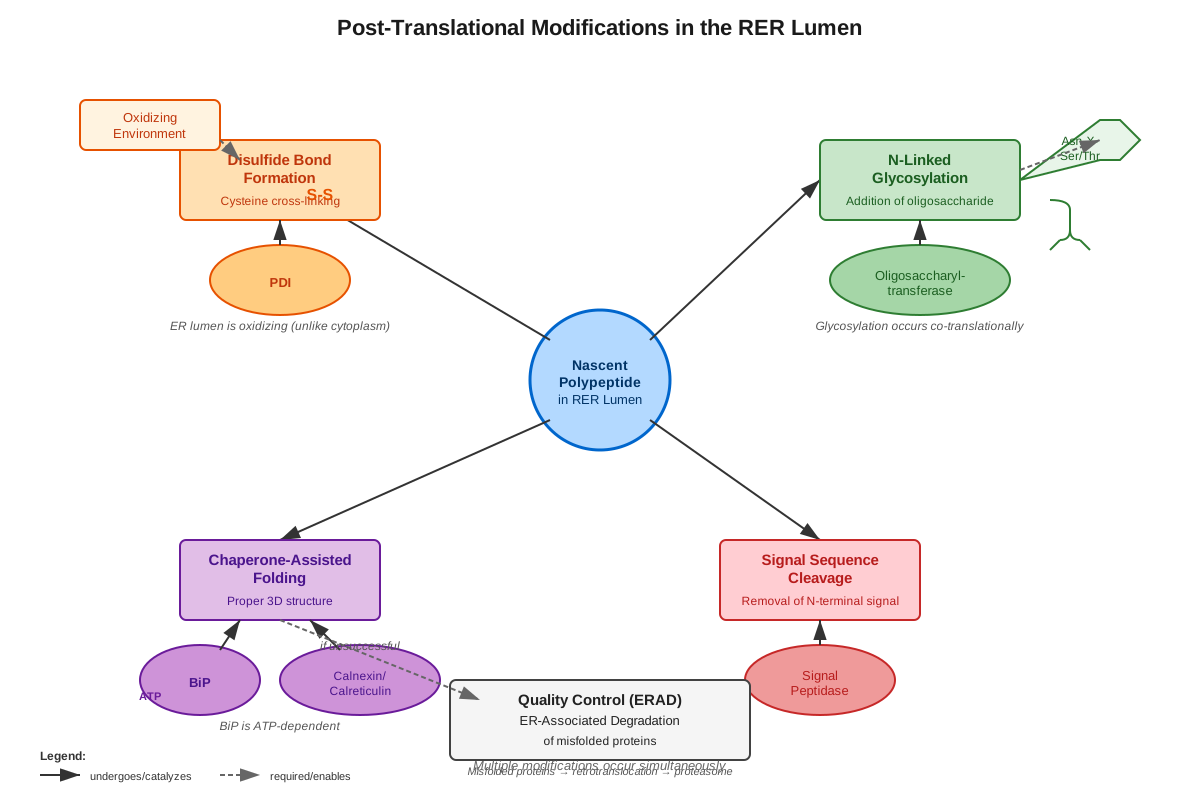
The RER lumen serves as the site for several critical post-translational modifications that are essential for proper protein function. The most prominent modification is N-linked glycosylation, the addition of carbohydrate groups to asparagine residues in the consensus sequence Asn-X-Ser/Thr (where X is any amino acid except proline). A preformed oligosaccharide containing 14 sugar residues (2 N-acetylglucosamine, 9 mannose, and 3 glucose) is transferred en bloc from dolichol phosphate (a lipid carrier in the ER membrane) to the asparagine residue by the enzyme oligosaccharyltransferase.
Disulfide bond formation represents another crucial modification occurring in the RER. The oxidizing environment of the ER lumen (in contrast to the reducing environment of the cytoplasm) allows cysteine residues to form disulfide bridges. Protein disulfide isomerase (PDI) catalyzes both the formation and rearrangement of these bonds, ensuring correct pairing of cysteine residues. Disulfide bonds stabilize protein structure and are particularly important for secreted proteins that must maintain their structure in the extracellular environment.
Protein folding itself is facilitated by numerous molecular chaperones in the RER lumen. BiP (Binding immunoglobulin Protein, also known as GRP78) is an Hsp70-family chaperone that binds to hydrophobic regions of unfolded proteins, preventing aggregation and assisting proper folding. Calnexin and calreticulin are lectin chaperones that bind to glycoproteins and assist in their folding, serving dual roles in folding assistance and quality control. These chaperones recognize improperly folded proteins and retain them in the ER until correct folding is achieved.
Quality Control and the Unfolded Protein Response
The RER maintains stringent quality control mechanisms to ensure only properly folded proteins proceed to their destinations. Misfolded proteins are retained in the ER through interactions with chaperones and are eventually targeted for degradation through ER-associated degradation (ERAD). In ERAD, misfolded proteins are retro-translocated back across the ER membrane into the cytoplasm, where they are ubiquitinated and degraded by the proteasome.
When the burden of unfolded or misfolded proteins exceeds the ER's folding capacity—a condition called ER stress—cells activate the unfolded protein response (UPR). This adaptive response involves three main signaling pathways initiated by ER membrane proteins (IRE1, PERK, and ATF6) that sense accumulated unfolded proteins. The UPR increases expression of ER chaperones, enhances ERAD capacity, reduces overall protein synthesis (to decrease the load on the ER), and expands ER membrane capacity. If ER stress cannot be resolved, the UPR can trigger apoptosis, making this system critical for cellular homeostasis.
Types of Proteins Synthesized on the RER
Understanding which proteins are synthesized on the RER versus free cytoplasmic ribosomes is essential for MCAT success. The RER synthesizes proteins destined for:
- Secretion from the cell: Hormones (insulin, growth hormone), digestive enzymes (pancreatic proteases), antibodies, and extracellular matrix proteins (collagen, fibronectin)
- Insertion into cellular membranes: Plasma membrane proteins (receptors, channels, transporters) and proteins for other organelle membranes
- Residence in organelles of the endomembrane system: Proteins for the ER itself, Golgi apparatus, lysosomes, and endosomes
In contrast, proteins synthesized on free ribosomes (not associated with ER) include cytoplasmic proteins, nuclear proteins, mitochondrial proteins, and peroxisomal proteins. These proteins lack ER signal sequences and are synthesized completely in the cytoplasm before being targeted to their destinations through post-translational mechanisms.
Comparison with Smooth Endoplasmic Reticulum
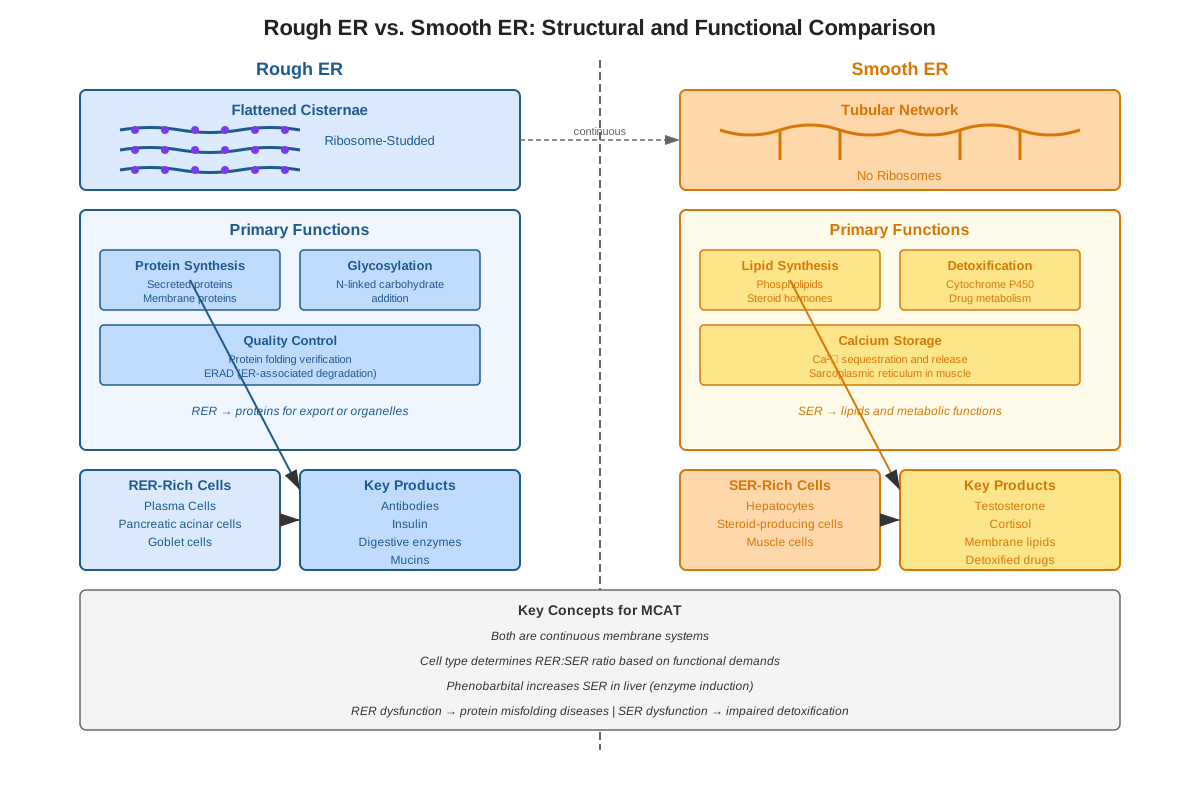
| Feature | Rough ER | Smooth ER |
|---|---|---|
| Ribosome presence | Ribosomes attached to cytoplasmic surface | No ribosomes |
| Primary function | Protein synthesis and modification | Lipid synthesis, calcium storage, detoxification |
| Appearance | Flattened cisternae, studded appearance | Tubular network, smooth appearance |
| Abundant in | Plasma cells, pancreatic cells, hepatocytes (for protein synthesis) | Liver cells (detoxification), muscle cells (calcium storage), steroid-producing cells |
| Products | Secreted proteins, membrane proteins, lysosomal enzymes | Phospholipids, steroids, fatty acids |
| Continuity | Continuous with nuclear envelope and smooth ER | Continuous with rough ER |
Both rough and smooth ER are part of a continuous membrane system, and the distinction is functional rather than representing completely separate organelles. Cells can adjust the ratio of rough to smooth ER based on their functional demands—for example, plasma cells have extensive RER for antibody production, while steroid-producing cells have abundant smooth ER.
Concept Relationships
The rough endoplasmic reticulum serves as a central hub connecting multiple cellular processes. The relationship begins with gene expression: DNA transcription in the nucleus produces mRNA that exits through nuclear pores and associates with ribosomes. When the encoded protein contains a signal sequence, the SRP pathway connects cytoplasmic translation to the RER, demonstrating how gene expression directly determines protein localization.
Within the RER, protein synthesis (translation) connects to post-translational modifications (glycosylation, disulfide bond formation, signal sequence cleavage), which in turn connect to protein folding assisted by chaperones. Proper folding connects to quality control mechanisms, which determine whether proteins proceed to the Golgi apparatus via vesicular transport or undergo ERAD and proteasomal degradation. This creates a decision tree: Translation → RER entry → Modification → Folding → Quality control → (Golgi pathway OR degradation pathway).
The RER connects to the broader endomembrane system: RER → Golgi apparatus → secretory vesicles/lysosomes/plasma membrane. This represents the secretory pathway, where proteins move through successive compartments, undergoing additional modifications at each stage. The RER also connects to calcium signaling, as the ER lumen serves as the cell's primary calcium store, with calcium release triggering various cellular responses.
Relationship map: Gene (nucleus) → mRNA (cytoplasm) → Ribosome + Signal sequence → SRP recognition → RER targeting → Co-translational translocation → Post-translational modifications → Protein folding (chaperone-assisted) → Quality control → Vesicular transport to Golgi → Final destination (secretion/membrane/lysosome)
High-Yield Facts
- ⭐ The rough endoplasmic reticulum synthesizes proteins destined for secretion, membrane insertion, or localization to the endomembrane system (ER, Golgi, lysosomes, endosomes)
- ⭐ The signal recognition particle (SRP) recognizes N-terminal signal sequences and directs ribosome-mRNA complexes to the ER membrane, causing translational pause until docking occurs
- ⭐ Co-translational translocation means protein synthesis and membrane translocation occur simultaneously through the translocon channel
- ⭐ N-linked glycosylation occurs in the RER at asparagine residues in the consensus sequence Asn-X-Ser/Thr
- ⭐ The RER lumen has an oxidizing environment that promotes disulfide bond formation, catalyzed by protein disulfide isomerase
- Ribosomes on the RER are identical to free cytoplasmic ribosomes (80S in eukaryotes); their location, not their structure, differs
- Signal peptidase cleaves the signal sequence after the protein enters the ER lumen (though some signal sequences remain as membrane anchors)
- BiP (GRP78) is a major ER chaperone that binds unfolded proteins and is upregulated during the unfolded protein response
- Cells with high secretory activity (plasma cells, pancreatic acinar cells, hepatocytes) have extensive RER networks
- The RER is continuous with the nuclear envelope's outer membrane, allowing direct access to newly synthesized mRNA
- Misfolded proteins in the RER are retained by chaperones and eventually degraded through ER-associated degradation (ERAD)
- The unfolded protein response (UPR) is activated during ER stress and increases chaperone expression while decreasing overall protein synthesis
- Proteins synthesized on free ribosomes (cytoplasmic, nuclear, mitochondrial, peroxisomal proteins) lack ER signal sequences
- Calnexin and calreticulin are lectin chaperones that bind glycoproteins and assist in quality control
Quick check — test yourself on Rough endoplasmic reticulum so far.
Try Flashcards →Common Misconceptions
Misconception: All proteins are synthesized on the rough endoplasmic reticulum.
Correction: Only proteins with ER signal sequences are synthesized on the RER. Cytoplasmic proteins, nuclear proteins (despite being imported to the nucleus), mitochondrial proteins, and peroxisomal proteins are synthesized on free ribosomes in the cytoplasm. The presence or absence of a signal sequence determines the location of synthesis.
Misconception: Ribosomes are permanently attached to the rough ER membrane.
Correction: Ribosomes associate with the ER membrane dynamically through the translocon during active translation of proteins with signal sequences. After protein synthesis completes and the protein is released, ribosomes dissociate from the membrane and return to the cytoplasmic pool. The same ribosome can function as a "free" ribosome for one protein and an "ER-bound" ribosome for another.
Misconception: The signal sequence remains part of the mature protein.
Correction: In most cases, signal peptidase cleaves the N-terminal signal sequence after the protein enters the ER lumen, and the signal sequence is degraded. However, some proteins retain their signal sequences as signal anchor sequences that serve to anchor the protein in the membrane, particularly for transmembrane proteins with their N-terminus in the lumen.
Misconception: Glycosylation in the RER is the final form of glycosylation for proteins.
Correction: N-linked glycosylation begins in the RER with the addition of a 14-sugar oligosaccharide, but this is subsequently modified. In the RER, glucose residues are trimmed as part of the calnexin/calreticulin quality control cycle. Further extensive modifications occur in the Golgi apparatus, where sugars are removed and added to create the final glycosylation pattern. The RER performs initial glycosylation, while the Golgi performs glycan remodeling.
Misconception: The rough and smooth ER are completely separate organelles.
Correction: The rough and smooth ER are continuous parts of a single membrane system. The distinction is functional—regions with attached ribosomes appear rough, while regions without ribosomes appear smooth. Cells can dynamically adjust the proportion of rough to smooth ER based on functional demands, and membrane can flow between these regions.
Misconception: All membrane proteins are synthesized on the RER.
Correction: While most plasma membrane proteins and proteins of the endomembrane system are synthesized on the RER, mitochondrial membrane proteins and peroxisomal membrane proteins are synthesized on free ribosomes and inserted post-translationally. The key distinction is whether the protein's final destination is part of the endomembrane system (RER synthesis) or not (free ribosome synthesis).
Misconception: The ER lumen and cytoplasm have the same chemical environment.
Correction: The ER lumen is topologically equivalent to the extracellular space and has a distinct chemical environment. It maintains an oxidizing environment (promoting disulfide bonds) versus the reducing cytoplasm, higher calcium concentration (100-fold higher than cytoplasm), different pH, and contains a unique set of chaperones and enzymes not found in the cytoplasm.
Worked Examples
Example 1: Tracing Insulin Synthesis
Question: Insulin is a peptide hormone secreted by pancreatic beta cells. Describe the complete pathway of insulin synthesis from gene to secretion, identifying all organelles involved and key modifications that occur.
Solution:
Step 1 - Transcription and Translation Initiation: The insulin gene in the nucleus is transcribed to produce insulin mRNA. This mRNA exits the nucleus through nuclear pores and enters the cytoplasm, where it associates with a ribosome. Translation begins, and the first amino acids synthesized include an N-terminal signal sequence (since insulin is a secreted protein).
Step 2 - SRP Recognition and ER Targeting: As the signal sequence emerges from the ribosome, the signal recognition particle (SRP) recognizes and binds to it. The SRP causes translational pause and directs the ribosome-mRNA-nascent insulin complex to the rough endoplasmic reticulum membrane by binding to the SRP receptor.
Step 3 - Co-translational Translocation: The ribosome docks at a translocon in the RER membrane. The SRP and SRP receptor dissociate (using GTP hydrolysis), and translation resumes. The growing insulin polypeptide (initially called preproinsulin) is threaded through the translocon into the RER lumen as synthesis continues. Signal peptidase cleaves the signal sequence, producing proinsulin.
Step 4 - RER Modifications: In the RER lumen, proinsulin undergoes proper folding assisted by chaperones like BiP. Three critical disulfide bonds form between cysteine residues, catalyzed by protein disulfide isomerase. These disulfide bonds are essential for insulin's structure and function. Quality control mechanisms ensure proper folding before the protein can proceed.
Step 5 - Golgi Processing: Proinsulin is packaged into transport vesicles that bud from the RER and fuse with the Golgi apparatus. In the Golgi, proinsulin is cleaved by specific proteases to remove the C-peptide, producing mature insulin consisting of A and B chains connected by disulfide bonds.
Step 6 - Secretion: Mature insulin is packaged into secretory vesicles that bud from the trans-Golgi network. These vesicles remain in the cytoplasm until the beta cell receives an appropriate signal (elevated blood glucose). Upon stimulation, the secretory vesicles fuse with the plasma membrane, releasing insulin into the bloodstream via exocytosis.
Key Concept Connection: This example demonstrates why pancreatic beta cells have extensive rough ER—they must produce large quantities of insulin continuously. It also illustrates the complete secretory pathway and shows how multiple post-translational modifications (signal sequence cleavage, disulfide bond formation, proteolytic processing) are necessary to produce a functional secreted protein.
Example 2: Experimental Analysis of Protein Targeting
Question: Researchers create three versions of a normally cytoplasmic protein by genetic engineering:
- Version A: Normal protein (no signal sequence)
- Version B: Protein with an ER signal sequence added to its N-terminus
- Version C: Protein with an ER signal sequence added to its C-terminus
Predict the cellular localization of each version and explain your reasoning.
Solution:
Version A Analysis: The normal cytoplasmic protein lacks an ER signal sequence. Translation will occur on free ribosomes in the cytoplasm, and the protein will remain in the cytoplasm after synthesis is complete. The SRP will not recognize this protein because no signal sequence emerges from the ribosome during translation. Predicted localization: Cytoplasm
Version B Analysis: Adding an ER signal sequence to the N-terminus means this sequence will emerge from the ribosome early during translation (signal sequences are typically 15-30 amino acids, so they appear after translating ~45-90 nucleotides). The SRP will recognize this signal sequence, bind to it, pause translation, and direct the ribosome to the RER membrane. Co-translational translocation will occur, threading the protein into the ER lumen. Signal peptidase will likely cleave the signal sequence. The protein will then follow the secretory pathway (RER → Golgi → secretory vesicles → secretion or other destinations). Predicted localization: ER lumen/secretory pathway (possibly secreted from the cell)
Version C Analysis: With the signal sequence at the C-terminus, translation will proceed normally on free ribosomes in the cytoplasm. The signal sequence will only emerge from the ribosome at the very end of translation, after the entire rest of the protein has been synthesized. By this point, the protein is essentially complete and has likely begun folding in the cytoplasm. The SRP mechanism requires recognition of the signal sequence while translation is ongoing and the ribosome is still available for ER targeting. A C-terminal signal sequence cannot function in the co-translational translocation mechanism. Predicted localization: Cytoplasm (the signal sequence is non-functional in this position)
Key Concept Connection: This example illustrates the critical importance of signal sequence position. The co-translational translocation mechanism requires that the signal sequence emerge early during translation, allowing SRP recognition before the protein is complete. This explains why ER signal sequences are almost always N-terminal. This concept frequently appears on the MCAT in questions about protein targeting mutations or experimental manipulations of protein localization.
Additional Insight: This experimental design also demonstrates that protein localization is determined by signal sequences, not by the protein's intrinsic properties. The same protein can be redirected to different cellular locations by adding or removing targeting signals—a principle used in biotechnology and tested on the MCAT.
Exam Strategy
When approaching MCAT questions about the rough endoplasmic reticulum, first identify the protein's final destination. This immediately tells you where it will be synthesized: if the protein is secreted, membrane-bound (in plasma membrane or endomembrane system), or destined for ER/Golgi/lysosomes, it must be synthesized on the RER. If it's cytoplasmic, nuclear, mitochondrial, or peroxisomal, it's synthesized on free ribosomes. This single decision point eliminates approximately half of answer choices in protein targeting questions.
Trigger words that indicate RER involvement include: "secreted," "extracellular," "plasma membrane receptor," "glycoprotein," "antibody," "hormone" (peptide hormones, not steroid hormones), "lysosomal enzyme," "signal sequence," "signal peptide," and "co-translational." When you see these terms, immediately think RER synthesis. Conversely, trigger words indicating free ribosome synthesis include: "cytoplasmic," "nuclear" (despite nuclear localization, synthesis occurs in cytoplasm), "mitochondrial," "peroxisomal," and "post-translational import."
For passage-based questions, pay attention to experimental manipulations of signal sequences. Common scenarios include: (1) mutations that disrupt signal sequences (predict cytoplasmic localization of normally secreted proteins), (2) addition of signal sequences to normally cytoplasmic proteins (predict secretion or membrane insertion), (3) drugs that inhibit SRP function (predict accumulation of secretory proteins in cytoplasm), and (4) treatments causing ER stress (predict activation of unfolded protein response). These experimental setups test whether you understand the mechanism, not just memorized facts.
Time allocation: Discrete questions about RER typically require 30-45 seconds—just enough time to identify the protein's destination and select the answer. Passage-based questions may require 60-90 seconds to integrate experimental data with RER concepts. Don't overthink these questions; the MCAT tests fundamental principles, not obscure exceptions.
Process of elimination strategy: When uncertain, eliminate answers that violate basic principles: (1) Eliminate any answer suggesting cytoplasmic proteins are made on RER, (2) Eliminate answers suggesting secreted proteins are made on free ribosomes, (3) Eliminate answers that place glycosylation in the cytoplasm (N-linked glycosylation occurs in ER/Golgi), (4) Eliminate answers suggesting signal sequences are at the C-terminus for ER targeting. These violations of fundamental principles are common distractors.
Exam Tip: If a question asks about a protein you've never heard of, don't panic. Focus on the clues provided: Is it described as secreted? Does it have a signal sequence? Is it glycosylated? These functional clues tell you everything you need to know about its synthesis location, regardless of the protein's specific identity.
Memory Techniques
Mnemonic for RER-synthesized proteins - "SMELL":
- Secreted proteins (hormones, antibodies, digestive enzymes)
- Membrane proteins (of plasma membrane and endomembrane system)
- Endomembrane system residents (ER, Golgi proteins)
- Lysosomal enzymes
- Lumen-destined proteins
Mnemonic for SRP pathway steps - "REPEAT":
- Recognition (SRP recognizes signal sequence)
- Engagement (SRP binds to signal sequence)
- Pause (translation pauses)
- ER targeting (complex moves to ER membrane)
- Attachment (SRP binds SRP receptor, ribosome binds translocon)
- Translocation (protein threads through translocon into lumen)
Visualization strategy: Picture the RER as a "protein factory assembly line" where proteins enter as raw materials (nascent polypeptides), undergo quality control and modifications (folding, glycosylation, disulfide bonds), and exit as finished products packaged for shipping (vesicles to Golgi). This factory metaphor helps remember that the RER is not just a synthesis site but a processing and quality control center.
Acronym for ER stress response - "UPR": Unfolded Protein Response. Remember that when proteins are "UP" (unfolded), the cell responds by: (1) Upregulating chaperones, (2) Pausing general translation, (3) Retro-translocating misfolded proteins for degradation.
Memory aid for oxidizing vs. reducing environments: "ER is AIR" - The ER lumen is like air (oxidizing), promoting disulfide bonds (think of metal rusting in air). The cytoplasm is like a protective reducing environment that prevents oxidation. This helps remember why disulfide bonds form in the ER but not in the cytoplasm.
Conceptual anchor: Remember that the ER lumen is topologically equivalent to the extracellular space. Both are "outside" the cytoplasm, separated by a membrane. This explains why the ER lumen has a similar oxidizing environment to the extracellular space and why proteins destined for secretion are modified in the ER—they're already in an environment chemically similar to where they'll end up.
Summary
The rough endoplasmic reticulum represents a critical organelle in eukaryotic cells, serving as the synthesis and modification site for secreted proteins, membrane proteins, and proteins destined for the endomembrane system. Its defining feature—ribosomes attached to the cytoplasmic membrane surface—enables co-translational translocation, where protein synthesis and membrane translocation occur simultaneously. The signal recognition particle recognizes N-terminal signal sequences on nascent proteins and directs ribosome-mRNA complexes to the RER membrane, where proteins are threaded through translocons into the ER lumen. Within this lumen, proteins undergo essential post-translational modifications including N-linked glycosylation, disulfide bond formation, and chaperone-assisted folding. Quality control mechanisms ensure only properly folded proteins proceed through the secretory pathway, while misfolded proteins undergo ER-associated degradation. The RER connects directly to the Golgi apparatus via vesicular transport, forming the first step in the secretory pathway. Understanding RER function is essential for MCAT success, as it integrates concepts from molecular biology, biochemistry, and cell biology while providing the foundation for understanding protein trafficking, cellular secretion, and disease states involving protein misfolding.
Key Takeaways
- The rough endoplasmic reticulum synthesizes proteins destined for secretion, membrane insertion, or localization to the endomembrane system, distinguished from free ribosomes that synthesize cytoplasmic, nuclear, mitochondrial, and peroxisomal proteins
- The signal recognition particle (SRP) pathway directs proteins with N-terminal signal sequences to the RER through co-translational translocation, where synthesis and membrane translocation occur simultaneously
- Post-translational modifications in the RER include N-linked glycosylation at Asn-X-Ser/Thr sequences, disulfide bond formation in the oxidizing lumen environment, and signal sequence cleavage by signal peptidase
- Molecular chaperones (BiP, calnexin, calreticulin) assist protein folding and quality control, retaining misfolded proteins until proper folding occurs or targeting them for ER-associated degradation
- The RER is continuous with the nuclear envelope and smooth ER, forming part of the endomembrane system that connects to the Golgi apparatus and ultimately to secretory vesicles, lysosomes, and the plasma membrane
- ER stress triggers the unfolded protein response (UPR), which increases chaperone expression, reduces overall protein synthesis, and can trigger apoptosis if stress cannot be resolved
- Cells with high secretory activity (plasma cells, pancreatic cells, hepatocytes) contain extensive RER networks, reflecting the direct relationship between organelle abundance and cellular function
Related Topics
Golgi Apparatus: After proteins are synthesized and modified in the RER, they are transported to the Golgi for further processing, sorting, and packaging. Understanding the RER provides the foundation for comprehending how proteins move through the secretory pathway and undergo additional glycosylation modifications.
Protein Synthesis and Translation: The RER's function depends entirely on the translation process. Mastering translation mechanics, including ribosome structure, tRNA function, and the genetic code, enables deeper understanding of how co-translational translocation integrates with protein synthesis.
Protein Structure and Folding: The post-translational modifications and quality control mechanisms in the RER directly relate to protein structure. Understanding primary, secondary, tertiary, and quaternary structure explains why proper folding is essential and how disulfide bonds and glycosylation affect protein stability.
Vesicular Transport and the Endomembrane System: The RER is the starting point for the secretory pathway. Learning about COPII vesicles, vesicle budding and fusion, and the overall organization of the endomembrane system builds directly on RER knowledge.
Cell Signaling and Receptor Biology: Many cell surface receptors are synthesized on the RER. Understanding receptor synthesis, modification, and trafficking connects RER function to signal transduction pathways and cellular communication.
Immunology and Antibody Production: Plasma cells contain extensive RER for antibody synthesis. This connection makes RER knowledge essential for understanding adaptive immunity and B cell function.
Practice CTA
Now that you've mastered the rough endoplasmic reticulum, test your understanding with practice questions and flashcards. Focus on questions that require you to trace proteins through the secretory pathway, predict the effects of signal sequence mutations, and analyze experimental data about protein localization. The more you practice applying these concepts to MCAT-style questions, the more automatic your recognition of RER-related content will become. Remember: understanding the mechanism—not just memorizing facts—is what distinguishes high-scoring students. You've built a strong foundation; now reinforce it through active practice and application. Your ability to quickly identify protein destinations and understand the RER's role in cellular function will serve you well not only on discrete questions but also in complex passage-based scenarios. Keep pushing forward—mastery comes through deliberate practice!
Sign up free to keep reading
Create a free AnvayaPrep account to finish this MCAT guide on Rough endoplasmic reticulum — plus flashcards and practice questions.