Overview
The Golgi apparatus is a central organelle in eukaryotic cells that serves as the cell's "post office," modifying, sorting, and packaging proteins and lipids for delivery to their final destinations. This membrane-bound structure consists of flattened, stacked pouches called cisternae that work in concert with the endoplasmic reticulum (ER) to ensure proper protein processing and cellular organization. Understanding the Golgi apparatus is fundamental to Cell Biology and represents a critical component of the secretory pathway that MCAT test-makers frequently assess.
For the MCAT, the Golgi apparatus appears regularly in questions testing cellular organization, protein trafficking, and membrane dynamics. The Golgi apparatus Biology concepts integrate with broader themes including signal sequences, vesicular transport, and cellular compartmentalization—all high-yield topics for the exam. Questions may present experimental scenarios involving secretory proteins, glycosylation defects, or vesicle trafficking disorders, requiring students to apply their understanding of Golgi structure and function to novel contexts.
The Golgi apparatus MCAT content connects to numerous other Biology topics including the rough endoplasmic reticulum (RER), lysosomes, plasma membrane composition, and exocytosis. Mastery of this organelle enables deeper understanding of how cells maintain organization, respond to signals, and interact with their environment—concepts that appear across multiple MCAT passages in both the Biological and Biochemical Foundations section and the Psychological, Social, and Biological Foundations of Behavior section.
Learning Objectives
- [ ] Define Golgi apparatus using accurate Biology terminology
- [ ] Explain why Golgi apparatus matters for the MCAT
- [ ] Apply Golgi apparatus to exam-style questions
- [ ] Identify common mistakes related to Golgi apparatus
- [ ] Connect Golgi apparatus to related Biology concepts
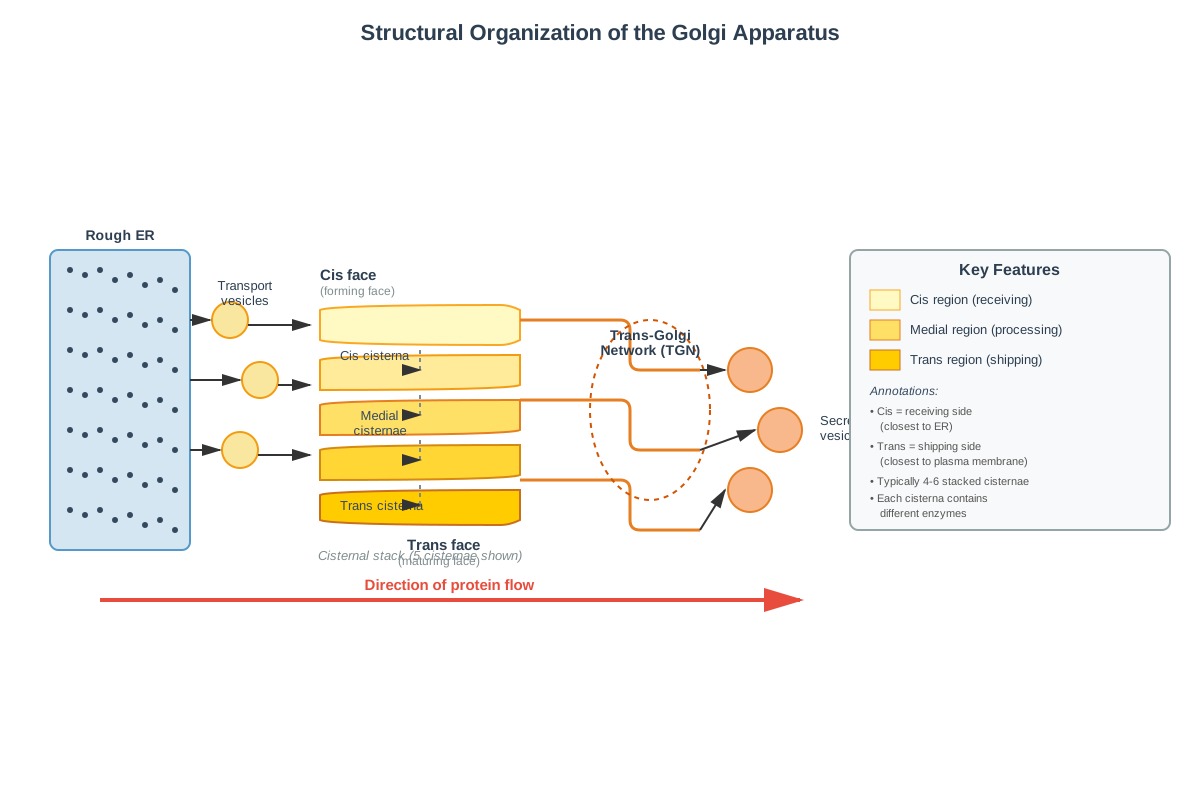
- [ ] Describe the structural organization of the Golgi apparatus including cis, medial, and trans regions
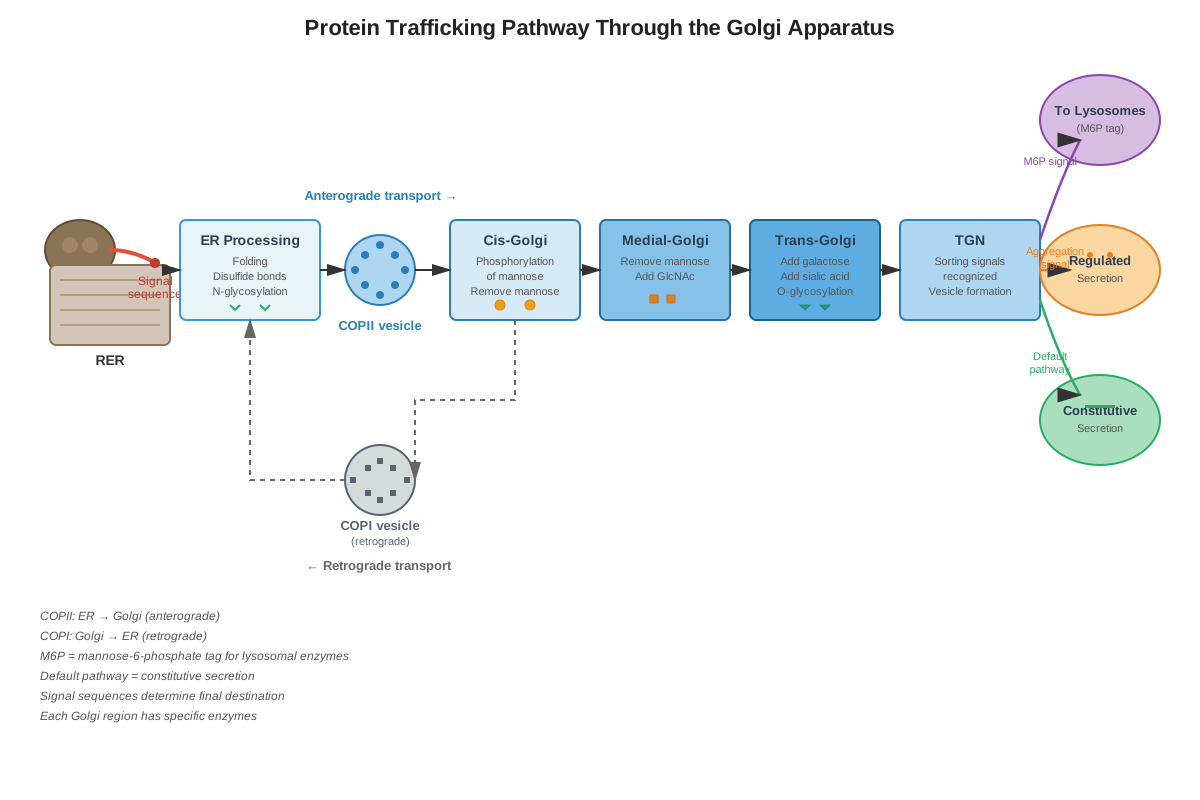
- [ ] Trace the pathway of a protein from the ER through the Golgi to its final destination
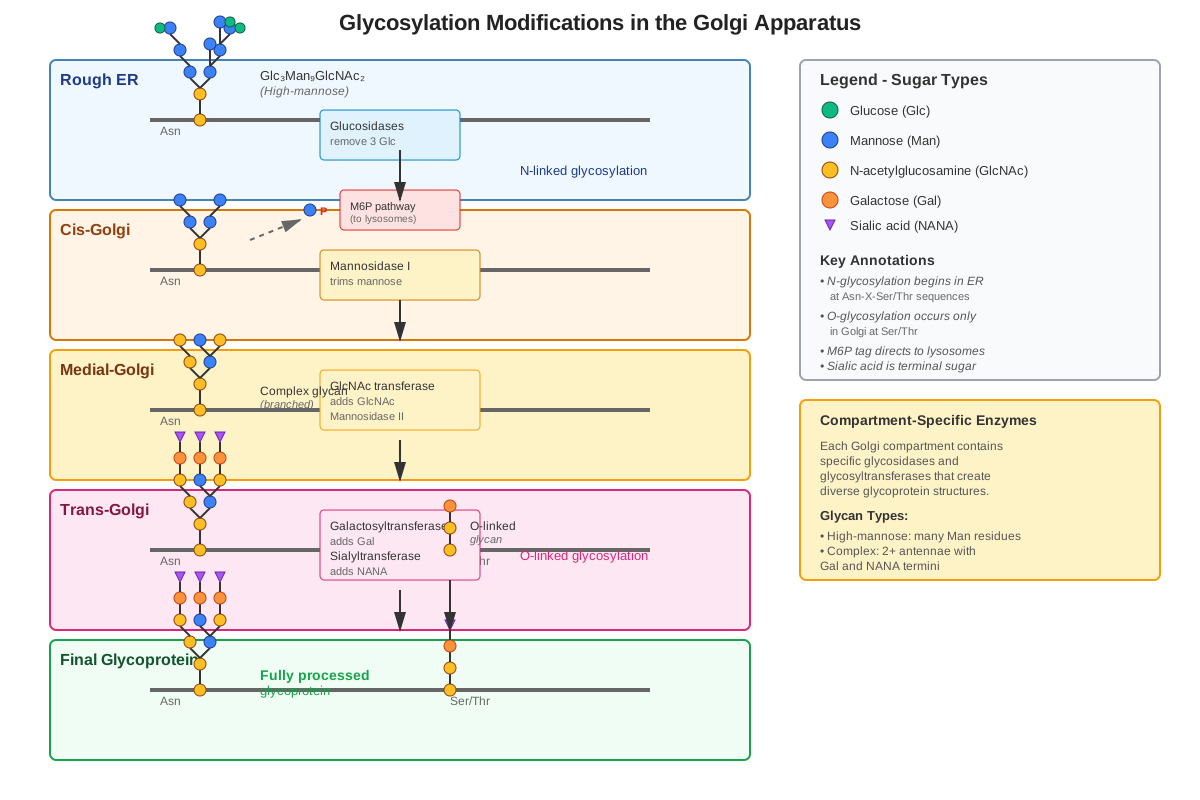
- [ ] Explain the major modifications that occur within the Golgi apparatus, particularly glycosylation
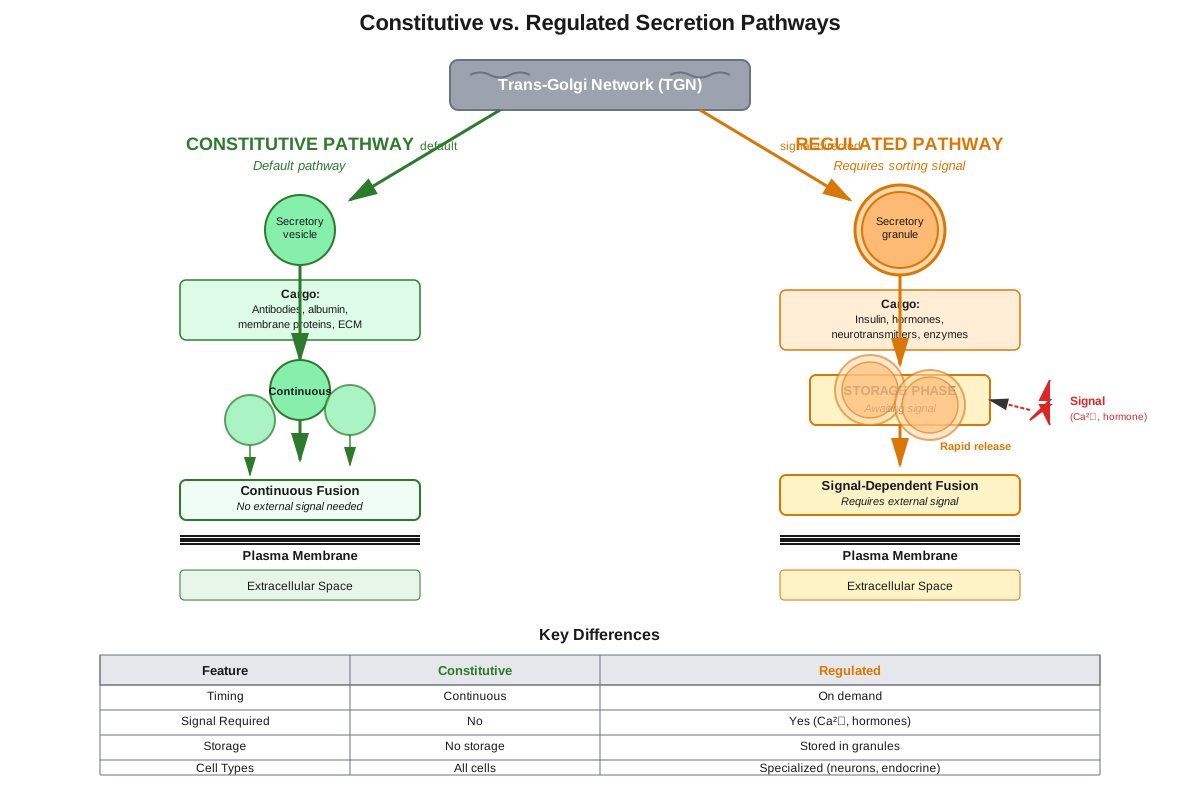
- [ ] Distinguish between constitutive and regulated secretion pathways
Prerequisites
- Endoplasmic Reticulum (ER) structure and function: The Golgi receives proteins from the ER, making understanding of ER processing essential for comprehending the sequential nature of protein modification
- Protein structure and post-translational modifications: Knowledge of amino acid side chains and protein folding enables understanding of how the Golgi modifies proteins
- Membrane structure and vesicle formation: The Golgi functions through vesicular transport, requiring familiarity with lipid bilayers and membrane budding
- Signal sequences and protein targeting: Understanding how proteins are directed to specific cellular locations is fundamental to Golgi sorting mechanisms
- Basic cellular organization: Familiarity with organelles and their general functions provides context for the Golgi's role in the secretory pathway
Why This Topic Matters
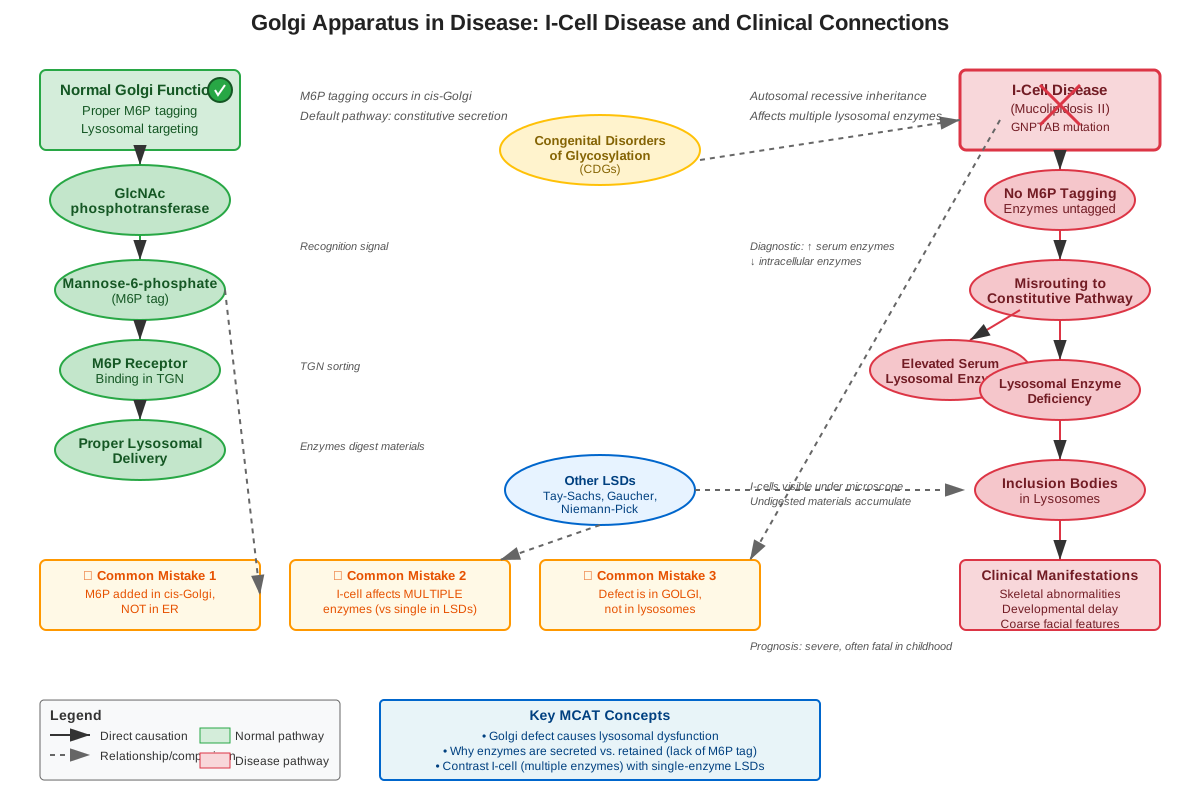
The Golgi apparatus has profound clinical significance, as defects in Golgi function lead to serious diseases. I-cell disease (mucolipidosis II) results from failure to properly tag lysosomal enzymes with mannose-6-phosphate in the Golgi, causing enzymes to be secreted rather than delivered to lysosomes. This leads to accumulation of undigested materials and severe developmental abnormalities. Congenital disorders of glycosylation (CDGs) affect Golgi-mediated glycosylation and cause multisystem disorders affecting the nervous system, liver, and other organs. Understanding Golgi function is also crucial for comprehending how viruses hijack cellular machinery—many viruses assemble in or near the Golgi before being released from cells.
On the MCAT, Golgi-related questions appear in approximately 3-5% of Biology passages, typically integrated with broader cellular biology or biochemistry themes. Questions commonly test the directionality of protein flow (ER → Golgi → destination), the types of modifications occurring in different Golgi regions, and the consequences of disrupting Golgi function. The exam frequently presents experimental scenarios where researchers track fluorescently labeled proteins through the secretory pathway or use drugs like brefeldin A that disrupt Golgi structure.
Common MCAT passage contexts include: (1) experimental tracking of secretory proteins using pulse-chase labeling, (2) genetic mutations affecting glycosylation or vesicle trafficking, (3) comparison of secretory versus cytoplasmic proteins, (4) hormonal regulation of secretion in endocrine cells, and (5) viral assembly and budding processes. Discrete questions often test structural features, the sequence of compartments in the secretory pathway, or the functional consequences of Golgi modifications.
Core Concepts
Structure and Organization
The Golgi apparatus consists of a series of flattened, membrane-bound sacs called cisternae (singular: cisterna) that are stacked like pancakes. A typical mammalian cell contains 40-100 stacks of cisternae, with each stack containing 4-8 individual cisternae. The entire structure exhibits distinct polarity with three functionally distinct regions: the cis face (entry side), the medial region (middle processing area), and the trans face (exit side).
The cis-Golgi network (CGN) serves as the receiving department, accepting vesicles from the ER. These vesicles, called COPII vesicles, bud from ER exit sites and fuse with the cis face. The cis face is located nearest to the nucleus and ER. The medial-Golgi contains the middle cisternae where extensive protein and lipid modifications occur. The trans-Golgi network (TGN) functions as the shipping department, sorting proteins and lipids into vesicles destined for different cellular locations—lysosomes, secretory vesicles, or the plasma membrane.
Each region contains distinct enzymes that catalyze specific modifications. This compartmentalization ensures that modifications occur in the proper sequence, much like an assembly line. The Golgi maintains its organization through a balance of anterograde (forward) and retrograde (backward) vesicle transport.
Protein Trafficking Through the Golgi
Proteins enter the Golgi apparatus after being synthesized on ribosomes and processed in the ER. The journey begins when properly folded proteins in the ER lumen are concentrated into ER exit sites and packaged into COPII-coated vesicles. These vesicles shed their coats and fuse with the cis-Golgi network.
Two models explain how proteins move through the Golgi:
- Vesicular transport model: Proteins remain in cisternae while small vesicles shuttle Golgi-resident enzymes backward (retrograde transport using COPI vesicles)
- Cisternal maturation model: Entire cisternae move forward, maturing from cis to medial to trans, while retrograde vesicles return Golgi enzymes to earlier compartments
Current evidence supports cisternal maturation as the primary mechanism, particularly for large cargo that cannot fit into small transport vesicles. Both anterograde and retrograde transport are essential for maintaining Golgi organization and function.
Post-Translational Modifications
The Golgi apparatus performs several critical modifications to proteins and lipids:
Glycosylation represents the most important Golgi modification. The process begins in the ER with N-linked glycosylation (addition of oligosaccharides to asparagine residues). In the Golgi, these oligosaccharides are extensively modified:
- Cis-Golgi: Removal of specific mannose residues by mannosidases
- Medial-Golgi: Addition of N-acetylglucosamine (GlcNAc) residues by GlcNAc transferases
- Trans-Golgi: Addition of galactose and sialic acid residues, creating complex oligosaccharides
O-linked glycosylation (addition of sugars to serine or threonine residues) occurs exclusively in the Golgi, primarily in the medial and trans regions. This modification is particularly important for mucins and other secreted glycoproteins.
Phosphorylation of mannose residues to create mannose-6-phosphate (M6P) tags occurs in the cis-Golgi. This modification serves as a crucial sorting signal directing enzymes to lysosomes. The M6P receptor in the TGN recognizes these tags and packages the enzymes into vesicles destined for lysosomes.
Sulfation of tyrosine residues and carbohydrates occurs in the trans-Golgi and is important for protein-protein interactions and signaling.
Proteolytic cleavage converts inactive proproteins into active forms. For example, proinsulin is cleaved in the Golgi to produce mature insulin and C-peptide.
Sorting and Vesicle Formation
The trans-Golgi network functions as the major sorting station, directing proteins to three main destinations:
| Destination | Signal | Vesicle Type | Example Proteins |
|---|---|---|---|
| Lysosomes | Mannose-6-phosphate | Clathrin-coated | Acid hydrolases |
| Regulated secretion | Aggregation in acidic pH | Secretory granules | Insulin, digestive enzymes |
| Constitutive secretion | Default pathway | Various | Plasma membrane proteins, ECM proteins |
| Plasma membrane | Specific signals | Various | Membrane receptors, channels |
Constitutive secretion occurs continuously without external signals. Proteins following this pathway are packaged into vesicles that constantly fuse with the plasma membrane, delivering membrane proteins and secreted proteins to the cell surface.
Regulated secretion occurs only in specialized cells (neurons, endocrine cells, exocrine cells) in response to specific signals. Proteins are concentrated into secretory granules that remain in the cytoplasm until a signal (such as calcium influx) triggers exocytosis. This mechanism allows rapid, controlled release of hormones, neurotransmitters, and digestive enzymes.
Clathrin-coated vesicles form at the TGN to transport lysosomal enzymes. The coat protein clathrin forms a lattice structure that helps deform the membrane into a vesicle. Adaptor proteins (AP complexes) link clathrin to the membrane and recognize specific cargo through sorting signals.
Golgi-Associated Proteins and Regulation
Several protein families maintain Golgi structure and function:
SNAREs (Soluble NSF Attachment Protein Receptors) mediate vesicle fusion. Each vesicle carries v-SNAREs that recognize complementary t-SNAREs on target membranes, ensuring vesicles fuse with the correct compartment. This specificity prevents mis-sorting of proteins.
Rab GTPases regulate vesicle trafficking by recruiting tethering factors and motor proteins. Different Rab proteins mark different compartments, providing another layer of specificity to vesicle targeting.
Golgins are long, coiled-coil proteins that extend from Golgi membranes and help capture incoming vesicles. They also maintain Golgi structure and positioning within the cell.
KDEL receptors retrieve ER-resident proteins that escape to the Golgi. Proteins with the KDEL sequence (Lys-Asp-Glu-Leu) at their C-terminus bind these receptors in the Golgi and are returned to the ER via COPI vesicles.
Concept Relationships
The Golgi apparatus functions as the central hub connecting multiple cellular processes. The relationship begins with protein synthesis on ribosomes → translocation into the ER → ER quality control and folding → COPII vesicle formation → Golgi processing → sorting at the TGN → delivery to final destinations.
Within the Golgi itself, concepts connect sequentially: cis-Golgi receives proteins → medial-Golgi performs core modifications → trans-Golgi completes modifications → TGN sorts proteins → vesicles deliver cargo. Each modification depends on previous steps, creating a mandatory sequence that ensures proper protein maturation.
The Golgi connects to lysosomes through M6P tagging, to secretion through both constitutive and regulated pathways, and to plasma membrane composition through delivery of membrane proteins and lipids. Understanding the Golgi requires integrating knowledge of membrane dynamics (vesicle budding and fusion), protein structure (how modifications affect function), and cell signaling (how regulated secretion responds to signals).
The concept of signal sequences connects throughout: ER signal sequences direct proteins into the secretory pathway, KDEL sequences retrieve ER proteins, M6P tags direct proteins to lysosomes, and other signals direct proteins to secretory granules. This unified system of molecular "zip codes" ensures cellular organization.
High-Yield Facts
⭐ The Golgi apparatus consists of flattened cisternae organized into cis (receiving), medial (processing), and trans (shipping) regions with distinct enzymatic compositions
⭐ Proteins move from the ER to the cis-Golgi via COPII vesicles and progress through the Golgi stack, undergoing sequential modifications
⭐ Mannose-6-phosphate (M6P) tags added in the cis-Golgi direct lysosomal enzymes to lysosomes; failure of this tagging causes I-cell disease
⭐ N-linked glycosylation begins in the ER and is extensively modified in the Golgi, while O-linked glycosylation occurs exclusively in the Golgi
⭐ The trans-Golgi network (TGN) sorts proteins into three main pathways: lysosomal (via M6P), regulated secretion (signal-dependent), and constitutive secretion (default pathway)
- COPI vesicles mediate retrograde transport from the Golgi back to the ER, retrieving escaped ER-resident proteins marked with KDEL sequences
- Clathrin-coated vesicles form at the TGN to transport cargo to lysosomes and endosomes
- Regulated secretion occurs only in specialized cells and requires external signals (like calcium) to trigger exocytosis of secretory granules
- The Golgi modifies both proteins and lipids, including synthesis of sphingomyelin and complex glycolipids
- Brefeldin A is a drug that disrupts Golgi structure by preventing COPI vesicle formation, causing the Golgi to collapse into the ER
Quick check — test yourself on Golgi apparatus so far.
Try Flashcards →Common Misconceptions
Misconception: The Golgi apparatus synthesizes proteins that pass through it.
Correction: The Golgi modifies, processes, and sorts proteins but does not synthesize them. All proteins in the Golgi were synthesized on ribosomes and entered through the ER. The Golgi adds chemical groups, cleaves proteins, and packages them but does not create new polypeptide chains.
Misconception: All proteins in a cell pass through the Golgi apparatus.
Correction: Only proteins destined for secretion, lysosomes, or the plasma membrane pass through the Golgi. Cytoplasmic proteins, nuclear proteins, mitochondrial proteins, and peroxisomal proteins are synthesized on free ribosomes and never enter the ER-Golgi system. The presence of an ER signal sequence determines whether a protein enters the secretory pathway.
Misconception: The cis and trans faces of the Golgi are functionally identical.
Correction: The cis and trans faces have completely different functions and enzyme compositions. The cis face receives vesicles from the ER and performs early modifications like mannose trimming. The trans face completes modifications, adds terminal sugars like sialic acid, and sorts proteins to their destinations. This polarity is essential for sequential processing.
Misconception: Glycosylation is purely decorative and doesn't affect protein function.
Correction: Glycosylation profoundly affects protein folding, stability, trafficking, and function. Carbohydrate groups protect proteins from degradation, mediate cell-cell recognition, affect protein solubility, and serve as sorting signals. Blood type antigens, for example, are carbohydrate structures on glycoproteins. Defects in glycosylation cause severe diseases affecting multiple organ systems.
Misconception: Vesicles move randomly between compartments and somehow find their targets by chance.
Correction: Vesicle trafficking is highly specific and regulated by multiple mechanisms including Rab GTPases, SNARE proteins, and tethering factors. Each vesicle carries specific v-SNAREs that only pair with complementary t-SNAREs on the correct target membrane. This molecular recognition system ensures accurate delivery and prevents mis-sorting.
Misconception: The Golgi apparatus is a single, unified structure in all cells.
Correction: Golgi organization varies among cell types and organisms. Mammalian cells typically have multiple Golgi stacks near the nucleus, while plant cells have hundreds of dispersed Golgi bodies called dictyosomes. Some cells with high secretory activity (like plasma cells producing antibodies) have extensively developed Golgi apparatus, while cells with minimal secretion have smaller Golgi structures.
Worked Examples
Example 1: Tracking a Secreted Protein
Question: Researchers use pulse-chase labeling to track a secreted protein through a pancreatic acinar cell. They add radioactive amino acids for 3 minutes (pulse), then wash them out and add non-radioactive amino acids (chase). At different time points, they determine where the radioactive protein is located. At 10 minutes, most radioactivity is in the ER; at 30 minutes, in the Golgi; at 60 minutes, in secretory granules; at 90 minutes, the protein has been secreted. If the researchers add brefeldin A (which prevents COPI vesicle formation) at the 15-minute mark, where would the radioactive protein accumulate?
Solution:
Step 1: Understand what brefeldin A does. This drug prevents COPI vesicle formation, which is required for retrograde transport from the Golgi to the ER. Without retrograde transport, the Golgi cannot maintain its structure and collapses into the ER.
Step 2: Determine where the protein is at 15 minutes. Based on the timeline, at 15 minutes the protein has left the ER and is beginning to enter the Golgi (since it's mostly in the Golgi by 30 minutes).
Step 3: Predict the effect of brefeldin A. When COPI vesicles cannot form, the Golgi structure disintegrates and merges with the ER. The protein that has entered the Golgi will end up in this mixed ER-Golgi compartment.
Step 4: Consider whether the protein can still be secreted. Even though the Golgi structure is disrupted, the protein can still undergo some modifications and eventually be secreted, though the process is slower and less efficient. The protein would accumulate in the ER-Golgi hybrid compartment.
Answer: The radioactive protein would accumulate in a mixed ER-Golgi compartment because brefeldin A causes the Golgi to collapse into the ER. The protein would not efficiently progress to secretory granules, and secretion would be significantly delayed or blocked.
Connection to learning objectives: This example applies Golgi apparatus knowledge to an experimental scenario (learning objective 3), demonstrates understanding of vesicle trafficking mechanisms, and shows how disrupting Golgi function affects protein secretion.
Example 2: I-Cell Disease Mechanism
Question: A patient presents with coarse facial features, skeletal abnormalities, and developmental delays. Biochemical analysis reveals that the patient's fibroblasts have very low levels of lysosomal enzymes inside lysosomes, but high levels of these same enzymes in the culture medium (secreted from cells). Genetic testing reveals a mutation in the gene encoding GlcNAc-phosphotransferase. Explain the molecular basis of this disease and why lysosomal enzymes are being secreted instead of delivered to lysosomes.
Solution:
Step 1: Identify the normal function of GlcNAc-phosphotransferase. This enzyme catalyzes the first step in creating the mannose-6-phosphate (M6P) tag in the cis-Golgi. It adds GlcNAc-phosphate to mannose residues on lysosomal enzymes.
Step 2: Trace the normal pathway. Normally: lysosomal enzymes are synthesized → enter ER → move to cis-Golgi → receive M6P tag → M6P receptors in TGN recognize the tag → enzymes are packaged into clathrin-coated vesicles → delivered to lysosomes.
Step 3: Determine what happens when GlcNAc-phosphotransferase is defective. Without functional enzyme, lysosomal enzymes cannot receive M6P tags. They pass through the Golgi without being marked for lysosomal delivery.
Step 4: Explain why enzymes are secreted. Without M6P tags, lysosomal enzymes are not recognized by M6P receptors in the TGN. They therefore enter the default pathway, which is constitutive secretion. They are packaged into secretory vesicles and released from the cell.
Step 5: Connect to clinical presentation. Without lysosomal enzymes, lysosomes cannot degrade macromolecules. Undigested materials accumulate in lysosomes (creating "inclusion cells" or I-cells), causing cellular dysfunction and the observed clinical features.
Answer: The mutation in GlcNAc-phosphotransferase prevents addition of mannose-6-phosphate tags to lysosomal enzymes in the Golgi. Without M6P tags, these enzymes are not recognized by M6P receptors in the trans-Golgi network and cannot be sorted into vesicles destined for lysosomes. Instead, they follow the default constitutive secretion pathway and are released from the cell. This causes I-cell disease (mucolipidosis II), characterized by lysosomes filled with undigested material and the clinical features observed in this patient.
Connection to learning objectives: This example demonstrates understanding of Golgi sorting mechanisms (learning objective 7), applies knowledge to a clinical scenario (learning objective 3), and connects Golgi function to disease states, showing why this topic matters for the MCAT (learning objective 2).
Exam Strategy
When approaching MCAT questions about the Golgi apparatus, first identify whether the question tests structure, function, or trafficking mechanisms. Structure questions often ask about the organization of cis, medial, and trans regions or the relationship between the Golgi and other organelles. Function questions focus on modifications (especially glycosylation) and sorting. Trafficking questions test understanding of vesicle formation, SNARE proteins, and the sequence of compartments.
Trigger words to watch for include:
- "Secreted protein" or "secretory pathway" → think ER → Golgi → secretion
- "Lysosomal enzyme" → think mannose-6-phosphate tagging in the Golgi
- "Glycosylation" or "carbohydrate modification" → think Golgi processing
- "Vesicle transport" → think COPII (ER to Golgi), COPI (retrograde), or clathrin (TGN to lysosomes)
- "Signal sequence" → think protein targeting and sorting
- "Constitutive vs. regulated secretion" → think TGN sorting mechanisms
For process-of-elimination, remember these key principles:
- Eliminate answers suggesting the Golgi synthesizes proteins (it only modifies them)
- Eliminate answers that reverse the direction of flow (it's always ER → Golgi → destination, not backward)
- Eliminate answers that place N-linked glycosylation exclusively in the Golgi (it begins in the ER)
- Eliminate answers suggesting all proteins pass through the Golgi (only secretory pathway proteins do)
Time allocation: Most Golgi questions can be answered in 60-90 seconds. If a question requires more time, it likely involves a complex experimental scenario. In these cases, quickly sketch the pathway (ER → cis → medial → trans → TGN → destination) and mark where the experimental manipulation occurs. This visual approach often clarifies the answer.
For passage-based questions, immediately identify what aspect of Golgi function is being tested. If the passage describes tracking proteins through compartments, focus on the sequence and timing. If it describes a mutation or drug treatment, focus on what specific function is disrupted and predict the downstream consequences.
Memory Techniques
Mnemonic for Golgi regions and their functions:
"Cats Must Travel" = Cis (receives), Medial (modifies), Trans (transmits/ships)
Mnemonic for vesicle types:
"COPs IInvestigate Forward, COPs Investigate Backward"
- COPII = Forward (anterograde) from ER to Golgi
- COPI = Backward (retrograde) from Golgi to ER
Visualization strategy for protein trafficking:
Picture the Golgi as a factory assembly line with three stations:
- Receiving dock (cis) - packages arrive from the ER warehouse
- Assembly line (medial) - workers add components and modify products
- Shipping department (trans/TGN) - products are sorted and sent to different addresses
Acronym for major Golgi modifications:
"GPS" = Glycosylation, Phosphorylation (of mannose), Sulfation
Memory aid for M6P tagging:
"Mark 6 Packages for Lysosomes" - Mannose-6-Phosphate marks proteins for Lysosomal delivery
Visualization for I-cell disease:
Picture a post office (Golgi) that lost its ability to write addresses (M6P tags). All mail (lysosomal enzymes) gets sent to the wrong place (secreted) instead of the correct destination (lysosomes), causing packages to pile up at home (inclusions in cells).
Summary
The Golgi apparatus is a membrane-bound organelle consisting of stacked cisternae organized into cis, medial, and trans regions, each with distinct enzymatic functions. It receives proteins from the ER via COPII vesicles, modifies them through glycosylation and other post-translational modifications, and sorts them at the trans-Golgi network to appropriate destinations including lysosomes, secretory vesicles, and the plasma membrane. The Golgi maintains its organization through balanced anterograde and retrograde vesicle transport mediated by coat proteins and SNARE proteins. Critical modifications include completing N-linked glycosylation, performing O-linked glycosylation, adding mannose-6-phosphate tags to lysosomal enzymes, and proteolytic processing of proproteins. Understanding the Golgi requires integrating knowledge of protein trafficking, membrane dynamics, and cellular organization—all high-yield topics for the MCAT that appear in both discrete questions and experimental passages.
Key Takeaways
- The Golgi apparatus has three functionally distinct regions (cis, medial, trans) that sequentially modify proteins as they progress through the organelle
- Mannose-6-phosphate tagging in the cis-Golgi is essential for directing lysosomal enzymes to lysosomes; defects cause I-cell disease
- The trans-Golgi network sorts proteins into three main pathways: lysosomal delivery, regulated secretion, and constitutive secretion (default)
- COPII vesicles move proteins forward from ER to Golgi, while COPI vesicles retrieve proteins backward from Golgi to ER
- Glycosylation is the major Golgi modification, affecting protein folding, stability, and function; N-linked glycosylation begins in the ER and is modified in the Golgi, while O-linked glycosylation occurs exclusively in the Golgi
- SNARE proteins ensure vesicle specificity by mediating fusion only between vesicles and their correct target membranes
- Only proteins with ER signal sequences enter the secretory pathway and pass through the Golgi; cytoplasmic and nuclear proteins bypass this system entirely
Related Topics
Endoplasmic Reticulum: Understanding ER structure and function is essential because the ER performs initial protein folding and quality control before proteins enter the Golgi. The ER-Golgi relationship represents the first steps of the secretory pathway.
Lysosomes: The Golgi's role in tagging and sorting lysosomal enzymes makes understanding lysosomes crucial. Lysosomal storage diseases often result from defects in Golgi sorting mechanisms.
Exocytosis and Endocytosis: These processes represent the final steps of secretion and the reverse pathway. Understanding how secretory vesicles fuse with the plasma membrane completes the picture of protein trafficking.
Signal Transduction: Regulated secretion responds to cellular signals, particularly calcium influx. Understanding how external signals trigger secretion connects Golgi function to broader cell signaling pathways.
Membrane Dynamics: Vesicle budding, fusion, and membrane composition are fundamental to Golgi function. Deeper study of membrane biology enhances understanding of all trafficking processes.
Practice CTA
Now that you've mastered the core concepts of the Golgi apparatus, it's time to test your understanding with practice questions and flashcards. Focus on questions that integrate Golgi function with experimental scenarios, as these mirror the MCAT's emphasis on data interpretation and application. Pay special attention to questions involving protein trafficking pathways, glycosylation defects, and sorting mechanisms—these represent the highest-yield testable concepts. Remember, understanding the Golgi apparatus provides a foundation for comprehending cellular organization and protein trafficking that extends far beyond this single organelle. Your investment in mastering this topic will pay dividends across multiple MCAT passages and questions!
Sign up free to keep reading
Create a free AnvayaPrep account to finish this MCAT guide on Golgi apparatus — plus flashcards and practice questions.