Overview
Stem cells represent one of the most fascinating and clinically relevant topics in Cell Biology, bridging fundamental developmental biology with cutting-edge regenerative medicine. These unique cells possess two defining characteristics that distinguish them from all other cell types: the ability to self-renew through cell division and the capacity to differentiate into specialized cell types. Understanding stem cells requires integrating knowledge of cell signaling, gene expression, tissue organization, and developmental processes—all high-yield areas for the MCAT.
For the MCAT, stem cells appear regularly in both passage-based and discrete questions within the Biological and Biochemical Foundations of Living Systems section. Questions may test your understanding of stem cell properties, differentiation pathways, experimental applications, or ethical considerations surrounding stem cell research. The topic frequently appears in passages discussing developmental biology, cancer biology (since cancer cells share some stem cell properties), tissue regeneration, and experimental techniques in molecular biology. Mastery of this topic demonstrates your ability to connect cellular mechanisms to organismal development and disease processes.
The study of stem cells Biology connects directly to numerous other MCAT topics including cell cycle regulation, gene expression control, signal transduction pathways, embryonic development, tissue structure and function, and even bioethics. Understanding how stem cells maintain their undifferentiated state, respond to environmental signals, and commit to specific lineages provides insight into normal development, tissue homeostasis, and disease pathogenesis. This topic exemplifies the integrative nature of biology tested on the MCAT, requiring students to synthesize information across multiple biological scales from molecular mechanisms to organismal development.
Learning Objectives
- [ ] Define stem cells using accurate Biology terminology, including the concepts of self-renewal and potency
- [ ] Explain why stem cells matters for the MCAT, including typical question formats and passage contexts
- [ ] Apply stem cells concepts to exam-style questions involving experimental design and data interpretation
- [ ] Identify common mistakes related to stem cells, particularly regarding potency classifications and differentiation
- [ ] Connect stem cells to related Biology concepts including development, gene regulation, and tissue organization
- [ ] Distinguish between different types of stem cells based on their potency and origin
- [ ] Analyze the molecular mechanisms that maintain stem cell identity and regulate differentiation
- [ ] Evaluate experimental approaches used to study stem cells and their therapeutic applications
Prerequisites
- Cell structure and organelles: Understanding cellular components is essential because stem cells maintain specific intracellular environments that preserve their undifferentiated state
- Cell cycle and mitosis: Stem cells must undergo controlled cell division for self-renewal, making cell cycle knowledge foundational
- Gene expression and regulation: Differentiation involves selective activation and repression of genes, requiring understanding of transcriptional control
- Cell signaling pathways: External signals trigger differentiation through signal transduction cascades
- Basic embryology: Stem cells play critical roles in embryonic development, and understanding developmental stages contextualizes stem cell function
- Tissue types and organization: Knowing the four basic tissue types helps understand what stem cells can differentiate into
Why This Topic Matters
Clinical and Real-World Significance: Stem cells represent the frontier of regenerative medicine, offering potential treatments for conditions ranging from spinal cord injuries to Parkinson's disease, diabetes, and heart disease. Bone marrow transplants—one of the most established stem cell therapies—have saved countless lives by treating leukemia and other blood disorders. The ability to generate patient-specific stem cells through induced pluripotent stem cell (iPSC) technology has revolutionized personalized medicine and drug testing. Understanding stem cells also illuminates cancer biology, as many tumors contain cancer stem cells that drive tumor growth and resistance to therapy.
Exam Statistics and Frequency: Stem cells appear in approximately 5-8% of MCAT biology questions, making them a medium-yield topic that students cannot afford to ignore. Questions typically appear in one of three formats: (1) passage-based questions describing stem cell experiments or therapeutic applications, (2) discrete questions testing classification and properties of different stem cell types, or (3) questions integrating stem cells with developmental biology or cancer biology. The AAMC has shown particular interest in questions that test scientific reasoning about stem cell research, including experimental design, data interpretation, and ethical considerations.
Common Exam Contexts: Stem cells frequently appear in MCAT passages describing: experimental techniques for isolating or culturing stem cells; studies investigating factors that maintain pluripotency or trigger differentiation; comparisons between embryonic and adult stem cells; therapeutic applications and clinical trials; cancer stem cell research; and induced pluripotent stem cell generation. Questions often require students to interpret experimental results, predict outcomes of manipulations, or evaluate the validity of conclusions. The topic also appears in questions about developmental biology, tissue regeneration, and the ethical implications of biomedical research.
Core Concepts
Definition and Fundamental Properties
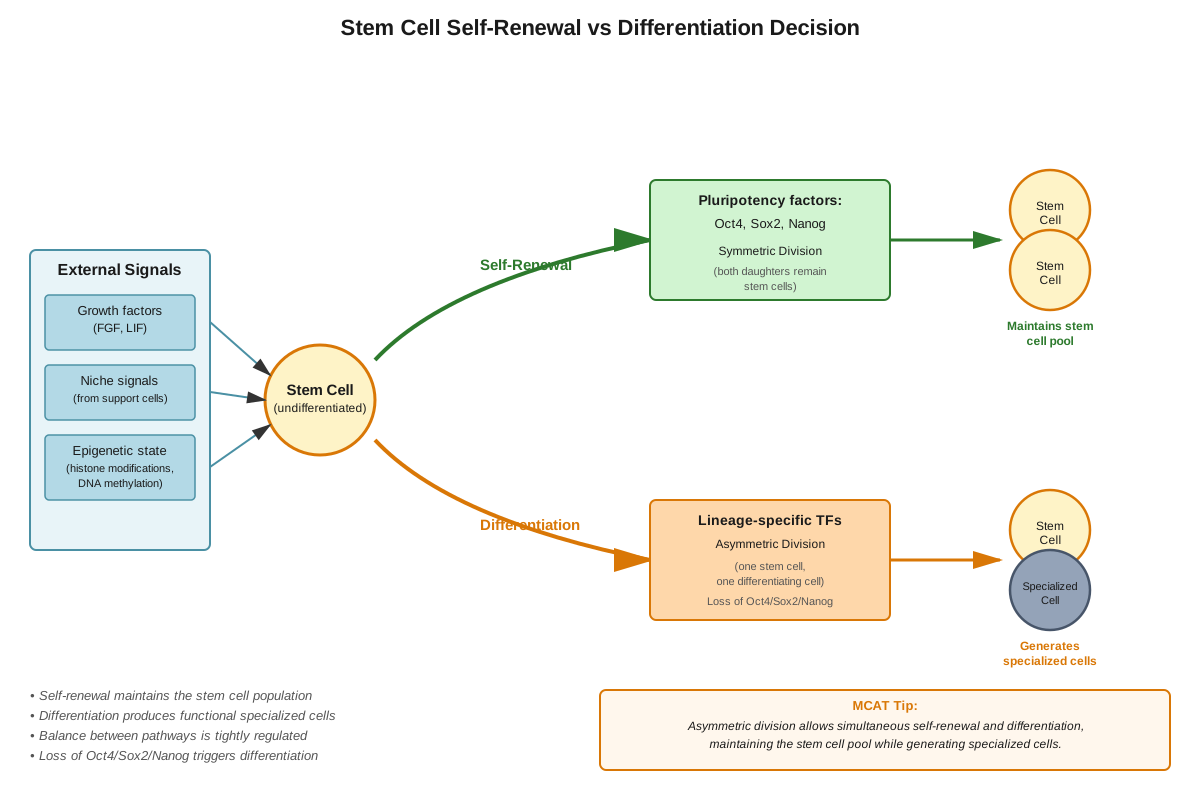
Stem cells are undifferentiated cells characterized by two essential properties that distinguish them from all other cell types in the body. First, they possess the capacity for self-renewal, meaning they can divide and produce more stem cells with identical properties, maintaining a stable population over time. This occurs through either symmetric division (producing two identical stem cells) or asymmetric division (producing one stem cell and one cell that will differentiate). Second, stem cells exhibit potency—the ability to differentiate into one or more specialized cell types with distinct structures and functions.
The balance between self-renewal and differentiation is tightly regulated by intrinsic factors (transcription factors, epigenetic modifications) and extrinsic factors (signaling molecules from the surrounding microenvironment or niche). This regulation ensures that stem cells maintain tissue homeostasis throughout an organism's lifetime while responding appropriately to injury or developmental signals.
Classification by Potency
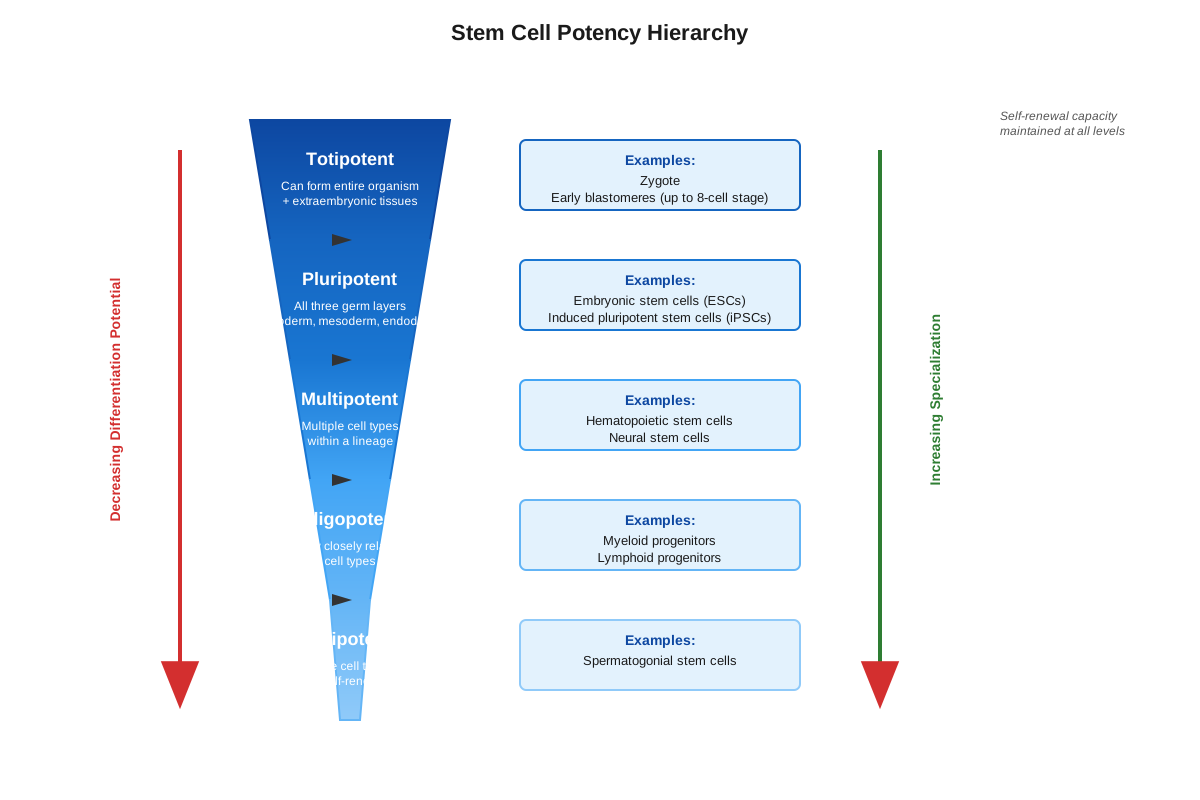
Stem cells are classified based on their differentiation potential or potency, which describes the range of cell types they can produce:
| Potency Level | Definition | Examples | Developmental Stage |
|---|---|---|---|
| Totipotent | Can form all cell types including embryonic and extraembryonic tissues | Zygote, cells from first few divisions (up to 8-cell stage) | 0-3 days post-fertilization |
| Pluripotent | Can form all three germ layers (ectoderm, mesoderm, endoderm) but not extraembryonic tissues | Embryonic stem cells (ESCs), induced pluripotent stem cells (iPSCs) | Inner cell mass of blastocyst (~5-7 days) |
| Multipotent | Can form multiple cell types within a particular lineage or tissue | Hematopoietic stem cells, neural stem cells, mesenchymal stem cells | Fetal and adult tissues |
| Oligopotent | Can form a few closely related cell types | Lymphoid or myeloid stem cells | Adult tissues |
| Unipotent | Can form only one cell type but retain self-renewal capacity | Spermatogonial stem cells | Adult tissues |
Understanding this hierarchy is crucial for the MCAT because questions often test whether students can correctly classify stem cells or predict their differentiation capabilities based on experimental descriptions.
Embryonic Stem Cells (ESCs)
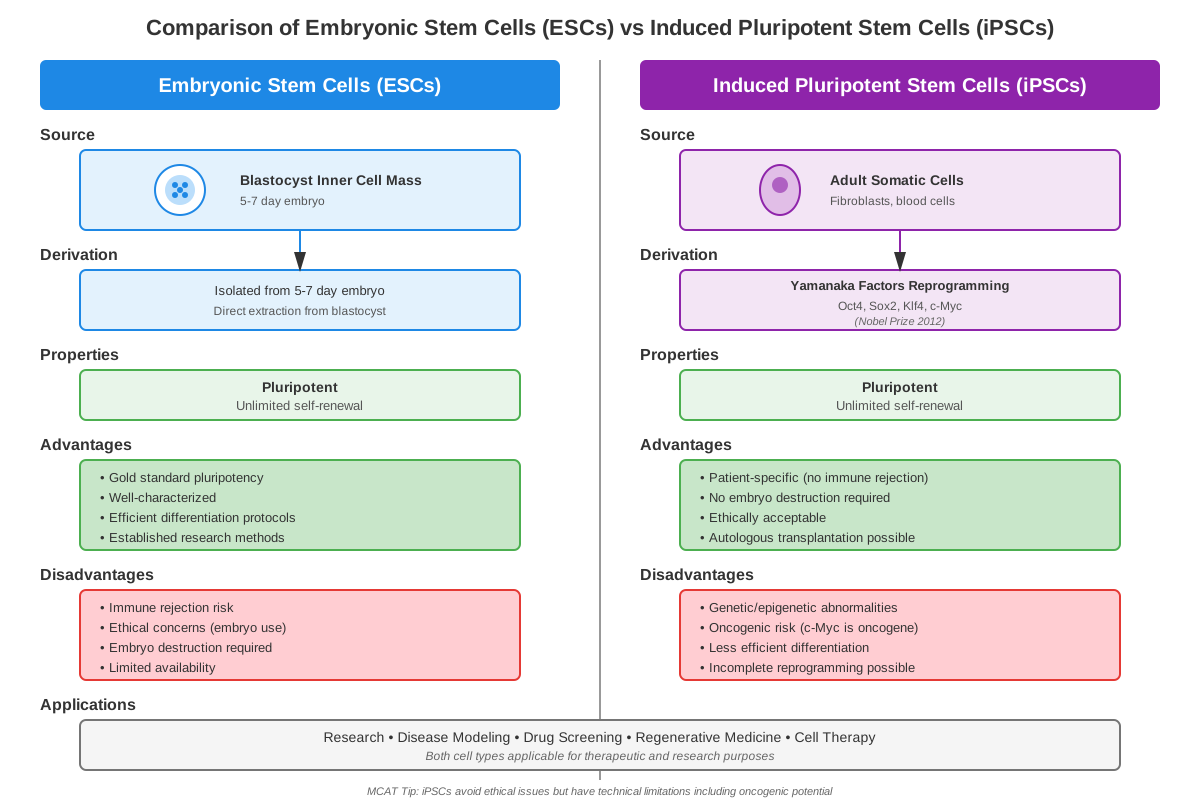
Embryonic stem cells are derived from the inner cell mass of the blastocyst, the early-stage embryo approximately 5-7 days after fertilization. These cells are pluripotent, capable of differentiating into any cell type derived from the three primary germ layers: ectoderm (nervous system, skin), mesoderm (muscle, bone, blood), and endoderm (digestive organs, lungs). ESCs can be maintained indefinitely in culture under specific conditions that preserve their undifferentiated state.
Key transcription factors maintain ESC pluripotency, including Oct4, Sox2, and Nanog. These proteins form a regulatory network that activates genes associated with self-renewal while repressing genes that promote differentiation. When ESCs are removed from their supportive culture conditions or exposed to specific differentiation signals, they begin expressing lineage-specific genes and lose their pluripotent characteristics.
ESCs have tremendous research and therapeutic potential but raise ethical concerns because their derivation requires destruction of human embryos. This ethical dimension occasionally appears in MCAT passages testing critical reasoning about research ethics and societal implications of scientific advances.
Adult (Somatic) Stem Cells
Adult stem cells, also called somatic stem cells, reside in specific tissues throughout the body and maintain tissue homeostasis by replacing cells lost to normal turnover, injury, or disease. Unlike ESCs, adult stem cells are typically multipotent or oligopotent, with more restricted differentiation potential limited to cell types within their tissue of origin or closely related lineages.
Important examples include:
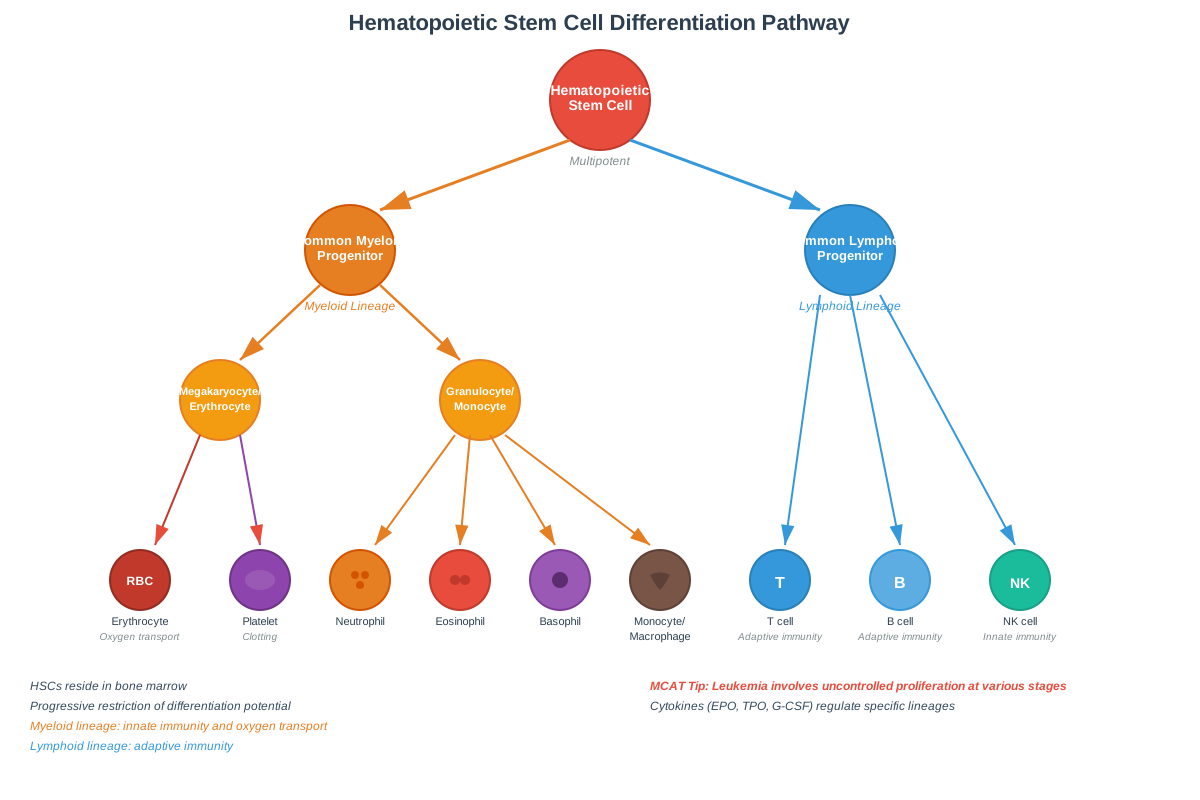
- Hematopoietic stem cells (HSCs): Located in bone marrow, these cells generate all blood cell types including red blood cells, white blood cells, and platelets. HSCs are the basis for bone marrow transplantation.
- Neural stem cells: Found in specific brain regions (subventricular zone, hippocampus), these cells can produce neurons, astrocytes, and oligodendrocytes.
- Mesenchymal stem cells (MSCs): Present in bone marrow, adipose tissue, and other connective tissues, MSCs can differentiate into osteoblasts, chondrocytes, and adipocytes.
- Intestinal stem cells: Located in intestinal crypts, these rapidly dividing cells continuously regenerate the intestinal epithelium.
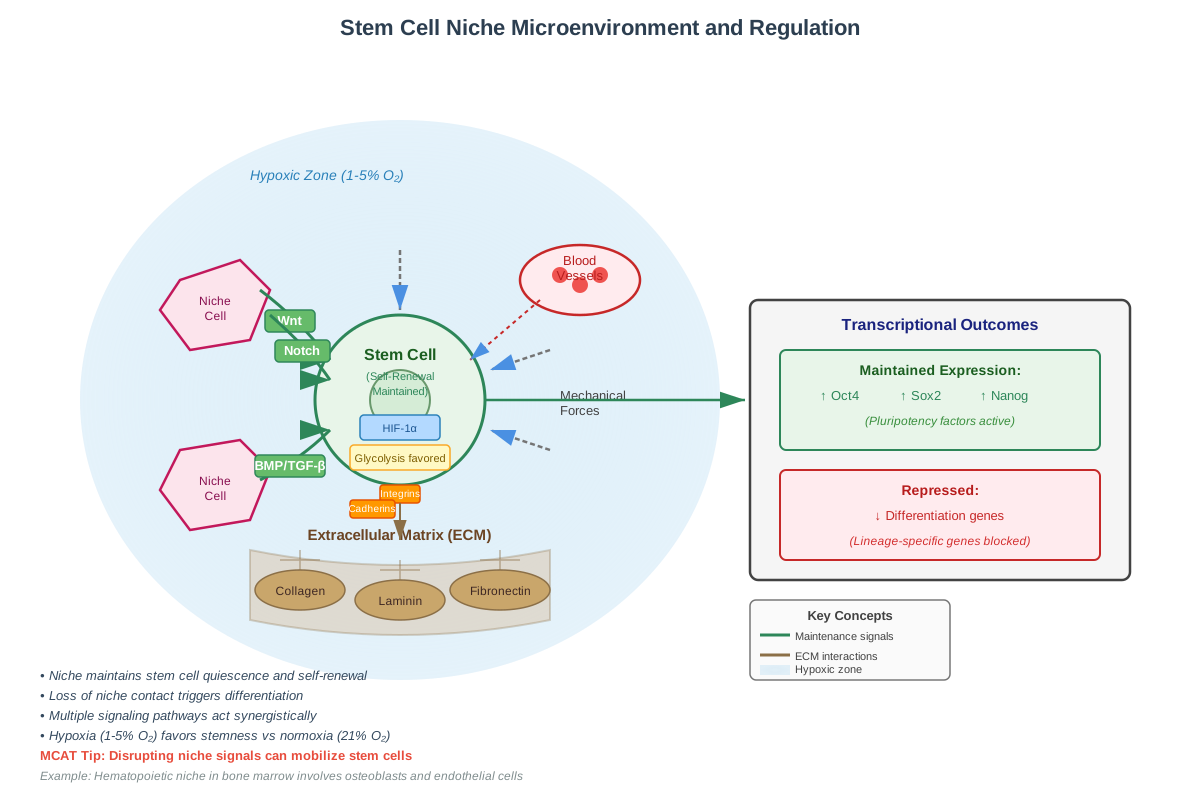
Adult stem cells reside in specialized microenvironments called stem cell niches that provide signals maintaining their undifferentiated state. The niche includes supporting cells, extracellular matrix components, and signaling molecules that regulate stem cell behavior. Disruption of niche signals can lead to inappropriate differentiation or loss of stem cell function.
Induced Pluripotent Stem Cells (iPSCs)
A revolutionary breakthrough in stem cells Biology came with the discovery that differentiated adult cells could be reprogrammed to a pluripotent state, creating induced pluripotent stem cells (iPSCs). In 2006, Shinya Yamanaka demonstrated that introducing four transcription factors—Oct4, Sox2, Klf4, and c-Myc (collectively called Yamanaka factors)—into adult fibroblasts could reprogram them into pluripotent cells with properties nearly identical to ESCs.
iPSCs offer several advantages over ESCs:
- They avoid ethical concerns associated with embryo destruction
- They can be generated from a patient's own cells, eliminating immune rejection in potential therapies
- They enable disease modeling by creating patient-specific cell lines carrying disease-causing mutations
- They provide unlimited material for drug screening and toxicity testing
However, iPSCs also present challenges, including incomplete reprogramming, genetic and epigenetic abnormalities, and potential tumor formation due to the oncogenic nature of some reprogramming factors (particularly c-Myc). The MCAT may test understanding of both the advantages and limitations of iPSC technology.
Mechanisms of Differentiation
Differentiation is the process by which stem cells become specialized cell types with distinct morphologies and functions. This process involves progressive restriction of developmental potential through coordinated changes in gene expression, driven by both intrinsic genetic programs and extrinsic environmental signals.
Key mechanisms include:
- Transcriptional regulation: Lineage-specific transcription factors activate genes characteristic of particular cell types while repressing genes associated with alternative fates or the undifferentiated state.
- Epigenetic modifications: DNA methylation and histone modifications create stable, heritable changes in chromatin structure that lock in cell-type-specific gene expression patterns without altering DNA sequence.
- Signal transduction: External signals (growth factors, morphogens, cell-cell contacts) activate intracellular pathways that ultimately influence transcription factor activity and gene expression.
- Asymmetric cell division: Unequal distribution of cellular components during division can create daughter cells with different developmental fates.
Differentiation typically proceeds through intermediate progenitor stages, with cells becoming progressively more specialized and losing developmental plasticity. For example, hematopoietic stem cells first differentiate into either myeloid or lymphoid progenitors, which then give rise to increasingly specialized blood cell types.
Stem Cell Niche
The stem cell niche is the specialized microenvironment that houses stem cells and regulates their behavior through physical and chemical signals. The niche concept is crucial for understanding how stem cells maintain their properties in vivo and why they often lose these properties when removed from their natural environment.
Components of the niche include:
- Supporting cells: Specialized cells that provide direct contact and paracrine signals
- Extracellular matrix: Structural proteins that provide physical support and biochemical cues
- Signaling molecules: Growth factors, cytokines, and other factors that regulate stem cell fate
- Physical factors: Oxygen tension, mechanical forces, and spatial organization
The niche maintains stem cells in a quiescent or slowly cycling state, protecting them from exhaustion while allowing activation when tissue needs arise. Disruption of niche function contributes to aging, tissue degeneration, and cancer development.
Concept Relationships
The concepts within stem cell biology form an interconnected network centered on the balance between self-renewal and differentiation. Potency (differentiation potential) decreases as development proceeds: totipotent zygote → pluripotent ESCs → multipotent adult stem cells → differentiated cells. This progression reflects increasing epigenetic restrictions on gene expression, creating a developmental hierarchy.
Self-renewal and differentiation represent opposing cell fates regulated by overlapping molecular mechanisms. Transcription factors like Oct4, Sox2, and Nanog maintain pluripotency by activating self-renewal genes and repressing differentiation genes, while lineage-specific transcription factors do the opposite. The stem cell niche provides extrinsic signals that tip this balance toward self-renewal, while removal from the niche or exposure to differentiation signals shifts the balance toward specialization.
iPSC technology demonstrates that differentiation is not irreversible—forced expression of pluripotency factors can reverse epigenetic modifications and restore developmental potential. This connects to broader concepts of gene regulation and epigenetics, showing that cell identity depends on gene expression patterns rather than changes to DNA sequence.
Stem cells connect to prerequisite topics through multiple pathways: cell cycle regulation controls self-renewal divisions; signal transduction mediates responses to niche signals; gene expression determines cell identity; and embryonic development provides the context for understanding stem cell origins and functions. Understanding stem cells also illuminates cancer biology, as tumors often contain cancer stem cells that share properties with normal stem cells, including self-renewal capacity and resistance to therapy.
The relationship map: Totipotency → Pluripotency → Multipotency → Differentiation, with iPSCs providing a reverse pathway from Differentiation → Pluripotency. Throughout this progression, the Stem Cell Niche → regulates → Self-renewal vs. Differentiation balance through → Signal Transduction → affecting → Gene Expression → determining → Cell Fate.
Quick check — test yourself on Stem cells so far.
Try Flashcards →High-Yield Facts
⭐ Stem cells are defined by two essential properties: self-renewal (ability to produce more stem cells) and potency (ability to differentiate into specialized cell types).
⭐ Totipotent cells can form all embryonic and extraembryonic tissues; pluripotent cells can form all three germ layers but not extraembryonic tissues; multipotent cells can form multiple cell types within a lineage.
⭐ Embryonic stem cells (ESCs) are derived from the inner cell mass of the blastocyst and are pluripotent.
⭐ Adult stem cells are typically multipotent or oligopotent and reside in specific tissue niches where they maintain tissue homeostasis.
⭐ Induced pluripotent stem cells (iPSCs) are created by introducing four transcription factors (Oct4, Sox2, Klf4, c-Myc) into differentiated cells, reprogramming them to a pluripotent state.
- Hematopoietic stem cells (HSCs) in bone marrow give rise to all blood cell types and are used in bone marrow transplants.
- The stem cell niche is the specialized microenvironment that maintains stem cells through supporting cells, extracellular matrix, and signaling molecules.
- Key pluripotency transcription factors (Oct4, Sox2, Nanog) form a regulatory network that maintains the undifferentiated state of ESCs and iPSCs.
- Differentiation involves progressive restriction of developmental potential through changes in gene expression driven by transcriptional regulation and epigenetic modifications.
- Asymmetric cell division allows stem cells to produce one daughter cell that remains a stem cell and one that differentiates, maintaining the stem cell pool while generating specialized cells.
- Neural stem cells persist in specific adult brain regions (subventricular zone and hippocampus) and can generate neurons, astrocytes, and oligodendrocytes.
- Cancer stem cells share properties with normal stem cells, including self-renewal capacity, and may drive tumor growth and treatment resistance.
Common Misconceptions
Misconception: All stem cells are pluripotent and can become any cell type in the body.
Correction: Only embryonic stem cells and induced pluripotent stem cells are pluripotent. Most adult stem cells are multipotent or oligopotent, with more restricted differentiation potential limited to cell types within their tissue lineage. For example, hematopoietic stem cells can only produce blood cells, not neurons or muscle cells.
Misconception: Stem cells are only found in embryos.
Correction: While embryonic stem cells exist only during early development, adult (somatic) stem cells persist throughout life in many tissues including bone marrow, brain, intestines, skin, and muscle. These adult stem cells maintain tissue homeostasis by replacing cells lost to normal turnover or injury.
Misconception: Differentiation is irreversible, and specialized cells cannot return to a stem cell state.
Correction: The discovery of induced pluripotent stem cells (iPSCs) demonstrated that differentiated cells can be reprogrammed to a pluripotent state by introducing specific transcription factors. This shows that differentiation involves changes in gene expression and epigenetic modifications rather than permanent alterations to DNA sequence.
Misconception: The terms "totipotent" and "pluripotent" are interchangeable.
Correction: These terms describe different levels of potency. Totipotent cells (zygote and early blastomeres) can form all embryonic tissues AND extraembryonic tissues (placenta, umbilical cord). Pluripotent cells (ESCs, iPSCs) can form all three germ layers and any cell type in the body but cannot form extraembryonic tissues. This distinction is frequently tested on the MCAT.
Misconception: Stem cells divide continuously and rapidly.
Correction: Many stem cells, particularly adult stem cells in their niches, are actually quiescent or divide slowly. This protects them from accumulating DNA damage and prevents premature exhaustion of the stem cell pool. Stem cells activate and increase division rates in response to tissue needs or injury signals.
Misconception: All cells in the inner cell mass of a blastocyst are embryonic stem cells.
Correction: The inner cell mass contains pluripotent cells, but embryonic stem cells (ESCs) are specifically the cells derived from the inner cell mass and cultured under conditions that maintain their pluripotency. ESCs are an in vitro construct used for research, not cells that exist naturally in the developing embryo for extended periods.
Worked Examples
Example 1: Experimental Design and Stem Cell Classification
Question: Researchers isolate cells from the bone marrow of adult mice and culture them under specific conditions. When exposed to different growth factors, these cells can differentiate into osteoblasts (bone cells), chondrocytes (cartilage cells), and adipocytes (fat cells), but they cannot form neurons or blood cells. Based on this information, how should these cells be classified?
Solution:
Step 1: Identify the key properties described.
- The cells are isolated from adult tissue (bone marrow)
- They can self-renew in culture (implied by successful culture)
- They can differentiate into multiple cell types (osteoblasts, chondrocytes, adipocytes)
- They cannot form cell types outside their lineage (neurons, blood cells)
Step 2: Recall the definitions of different potency levels.
- Totipotent: can form all embryonic and extraembryonic tissues
- Pluripotent: can form all three germ layers
- Multipotent: can form multiple cell types within a lineage
- Oligopotent: can form a few related cell types
- Unipotent: can form only one cell type
Step 3: Analyze the differentiation pattern.
The cells can form osteoblasts, chondrocytes, and adipocytes—all of which are mesenchymal lineage cells derived from mesoderm. They cannot form neurons (ectoderm-derived) or blood cells (also mesoderm but different lineage).
Step 4: Apply the classification.
These cells are multipotent adult stem cells, specifically mesenchymal stem cells (MSCs). They can form multiple cell types but only within the mesenchymal lineage, not across all three germ layers.
Key Concept Connection: This example tests understanding of potency classifications and the restricted differentiation potential of adult stem cells compared to pluripotent cells. It also illustrates how experimental observations (which cell types can and cannot be formed) allow classification of stem cell types—a common MCAT question format.
Example 2: iPSC Generation and Application
Question: A research team wants to study a genetic disease affecting heart muscle cells (cardiomyocytes) in a patient. They obtain skin fibroblasts from the patient and introduce genes encoding Oct4, Sox2, Klf4, and c-Myc using viral vectors. After several weeks, they identify colonies of cells with ESC-like morphology that express pluripotency markers. They then expose these cells to specific growth factors and culture conditions that promote cardiac differentiation.
(A) What type of cells did the researchers create from the fibroblasts?
(B) What advantage does this approach offer over using embryonic stem cells?
(C) What is one potential safety concern with this approach for therapeutic applications?
Solution:
(A) The researchers created induced pluripotent stem cells (iPSCs) from the patient's fibroblasts. The introduction of the four transcription factors (Oct4, Sox2, Klf4, c-Myc)—known as Yamanaka factors—reprogrammed the differentiated fibroblasts back to a pluripotent state, as evidenced by ESC-like morphology and expression of pluripotency markers.
(B) This approach offers several advantages:
- Patient-specific cells: The iPSCs carry the patient's genetic background, including the disease-causing mutation, allowing researchers to study the disease mechanism in the patient's own cellular context
- No immune rejection: If used therapeutically, cells derived from the patient's own iPSCs would not be rejected by the immune system
- No ethical concerns: Unlike ESCs, iPSCs don't require destruction of embryos
- Disease modeling: The differentiated cardiomyocytes will carry the genetic defect, enabling study of how the mutation affects heart cell function
(C) A major safety concern is tumor formation. The reprogramming factors, particularly c-Myc, are oncogenes that can promote uncontrolled cell growth. Additionally, incomplete reprogramming or genetic abnormalities acquired during the process could lead to cells with tumorigenic potential. If any undifferentiated iPSCs remain in a therapeutic cell population, they could form teratomas (tumors containing multiple tissue types) when transplanted into patients.
Key Concept Connection: This example integrates multiple stem cell concepts: iPSC generation technology, pluripotency, differentiation into specific lineages, advantages of iPSCs over ESCs, and safety considerations. It represents the type of passage-based question common on the MCAT that requires applying stem cell knowledge to evaluate experimental approaches and therapeutic applications.
Exam Strategy
Approaching MCAT Stem Cell Questions:
- Identify the stem cell type first: Determine whether the question involves embryonic, adult, or induced pluripotent stem cells, as this immediately constrains the possible answers regarding potency and differentiation potential.
- Watch for potency classification triggers: Words like "all tissues," "three germ layers," "within a lineage," or "single cell type" signal questions about totipotent, pluripotent, multipotent, or unipotent classification. Create a mental checklist: Can it form extraembryonic tissues? (totipotent) All three germ layers? (pluripotent) Multiple related cell types? (multipotent)
- Distinguish properties from applications: Questions may ask about fundamental properties (self-renewal, potency) or practical applications (therapy, disease modeling). Don't confuse what stem cells CAN do biologically with what they're USED for clinically.
- Process of elimination for potency questions: If a question asks about potency level, eliminate answers systematically:
- If it can't form all three germ layers → eliminate "pluripotent"
- If it's from adult tissue and forms multiple cell types → likely "multipotent"
- If it's from early embryo and forms everything → consider "totipotent" vs. "pluripotent" based on extraembryonic tissue formation
- Recognize experimental design questions: Passages often describe stem cell experiments. Focus on: What cells were used? What factors were added? What outcomes were measured? What controls were included? These questions test scientific reasoning more than memorization.
- Time allocation: Discrete stem cell questions should take 60-90 seconds. Passage-based questions may require 90-120 seconds, with time to reference the passage for experimental details. Don't get bogged down in passage details irrelevant to the specific question.
- Red flag phrases:
- "Can become any cell in the body" → check if this means pluripotent (true for ESCs/iPSCs) or totipotent (only zygote)
- "Adult stem cells" → expect multipotent, not pluripotent
- "Reprogramming factors" → think iPSCs and Yamanaka factors
- "Stem cell niche" → consider microenvironment and regulation of self-renewal
- Connect to other topics: Stem cell questions often integrate other concepts. Be ready to apply knowledge of cell signaling (how differentiation is triggered), gene regulation (how cell identity is maintained), or development (when different stem cell types exist).
Memory Techniques
Potency Hierarchy Mnemonic: "To Play Music, One Unites"
- Totipotent (everything including extraembryonic)
- Pluripotent (all three germ layers)
- Multipotent (multiple cell types in a lineage)
- Oligopotent (few related cell types)
- Unipotent (one cell type)
Yamanaka Factors Mnemonic: "Oh So Kind, My cells"
- Oct4
- Sox2
- Klf4
- Myc (c-Myc)
ESC vs. Adult Stem Cell Comparison: Use the acronym "EPA"
- Embryonic: Pluripotent, from blastocyst, All three germ layers
- Adult: Multipotent, in tissue niches, Limited lineages
(EPA = Embryonic Pluripotent All; AML = Adult Multipotent Limited)
Stem Cell Properties: "Stem cells SPREAD"
- Self-renewal
- Potency (differentiation potential)
- Reside in niches (adult stem cells)
- Express specific markers (Oct4, Sox2, Nanog for pluripotent)
- Asymmetric division
- Differentiation capacity
Visualization Strategy: Picture a tree to represent stem cell hierarchy:
- Trunk = totipotent zygote (can become entire tree)
- Major branches = pluripotent cells (can become any branch type)
- Smaller branches = multipotent cells (limited to certain branch types)
- Twigs = oligopotent cells (very limited options)
- Leaves = differentiated cells (final form, no more branching)
This visual helps remember that potency decreases as you move from trunk to leaves, and that differentiation is a progressive restriction of options.
Summary
Stem cells are defined by two fundamental properties: self-renewal and potency (differentiation potential). They are classified hierarchically from totipotent (can form all embryonic and extraembryonic tissues) to pluripotent (can form all three germ layers) to multipotent (can form multiple cell types within a lineage) to oligopotent and unipotent. Embryonic stem cells, derived from the blastocyst inner cell mass, are pluripotent and maintained by transcription factors including Oct4, Sox2, and Nanog. Adult stem cells reside in tissue niches throughout the body, are typically multipotent, and maintain tissue homeostasis. Induced pluripotent stem cells represent a revolutionary technology that reprograms differentiated cells back to pluripotency using four transcription factors. Differentiation involves progressive restriction of developmental potential through coordinated changes in gene expression driven by transcriptional regulation, epigenetic modifications, and signal transduction. The stem cell niche provides the microenvironment that maintains stem cells through supporting cells, extracellular matrix, and signaling molecules. For the MCAT, students must understand stem cell classification, distinguish between different stem cell types, recognize experimental applications, and connect stem cell biology to broader concepts in development, gene regulation, and tissue organization.
Key Takeaways
- Stem cells possess two defining characteristics: self-renewal (producing more stem cells) and potency (ability to differentiate into specialized cell types)
- The potency hierarchy progresses from totipotent → pluripotent → multipotent → oligopotent → unipotent, with decreasing differentiation potential at each level
- Embryonic stem cells (ESCs) are pluripotent cells from the blastocyst inner cell mass; adult stem cells are typically multipotent cells in tissue niches; induced pluripotent stem cells (iPSCs) are created by reprogramming differentiated cells with four transcription factors
- Key pluripotency factors (Oct4, Sox2, Nanog) maintain the undifferentiated state, while lineage-specific transcription factors drive differentiation
- The stem cell niche is the specialized microenvironment that regulates stem cell behavior through supporting cells, extracellular matrix, and signaling molecules
- Differentiation involves progressive restriction of developmental potential through changes in gene expression, driven by transcriptional regulation and epigenetic modifications
- iPSC technology demonstrates that differentiation is reversible and offers advantages including patient-specific cells, no immune rejection, and no ethical concerns about embryo destruction
Related Topics
Embryonic Development and Germ Layers: Understanding the three germ layers (ectoderm, mesoderm, endoderm) and their derivatives is essential for comprehending pluripotency and predicting what cell types stem cells can form. Mastering stem cells provides the foundation for understanding how a single totipotent zygote generates all tissues during development.
Gene Regulation and Epigenetics: Stem cell identity and differentiation depend on precise control of gene expression through transcription factors, DNA methylation, and histone modifications. Understanding these regulatory mechanisms explains how cells with identical DNA can have vastly different properties.
Cell Signaling Pathways: External signals from the stem cell niche and differentiation cues operate through signal transduction cascades including Wnt, Notch, and TGF-β pathways. These pathways connect extracellular signals to changes in gene expression that determine cell fate.
Cancer Biology: Cancer stem cells share properties with normal stem cells, including self-renewal capacity and resistance to therapy. Understanding normal stem cell regulation illuminates how dysregulation contributes to cancer development and treatment resistance.
Tissue Structure and Function: Adult stem cells maintain specific tissues throughout life. Understanding tissue organization and the cell types within each tissue helps predict what stem cells can produce and where they reside.
Regenerative Medicine and Bioethics: Stem cell applications in therapy and research raise important ethical questions about embryo use, genetic modification, and equitable access to treatments—topics that may appear in MCAT passages testing critical reasoning.
Practice CTA
Now that you've mastered the core concepts of stem cell biology, it's time to reinforce your understanding through active practice. Challenge yourself with MCAT-style practice questions that test your ability to classify stem cells, analyze experimental designs, and apply stem cell concepts to clinical scenarios. Use flashcards to drill the potency hierarchy, key transcription factors, and distinguishing features of different stem cell types. Remember, understanding stem cells demonstrates your ability to integrate knowledge across multiple biological scales—from molecular mechanisms to tissue organization to organismal development. This integrative thinking is exactly what the MCAT rewards. You've built a strong foundation; now solidify it through deliberate practice and application!
Sign up free to keep reading
Create a free AnvayaPrep account to finish this MCAT guide on Stem cells — plus flashcards and practice questions.