Overview
Bacterial genetics is a cornerstone topic in Microbiology and represents a critical area of study for the MCAT. This field examines how bacteria store, replicate, express, and transfer genetic information—processes that differ fundamentally from eukaryotic genetics in ways that have profound implications for medicine, evolution, and biotechnology. Understanding bacterial genetics requires mastery of molecular mechanisms including DNA replication, gene regulation, mutation, and the unique horizontal gene transfer processes that allow bacteria to rapidly acquire new traits such as antibiotic resistance. The MCAT frequently tests bacterial genetics through passages involving antibiotic resistance mechanisms, genetic engineering applications, and evolutionary scenarios that demonstrate how bacterial populations adapt to environmental pressures.
The importance of bacterial genetics for Biology extends beyond memorizing facts about plasmids and transformation. This topic integrates molecular biology principles with evolutionary concepts and clinical applications, making it a high-yield area for interdisciplinary MCAT questions. Students must understand not only the mechanisms by which bacteria exchange genetic material but also the selective pressures that drive these processes and their consequences for human health. Questions may present experimental scenarios involving bacterial transformation, ask students to predict outcomes of conjugation events, or require interpretation of data showing the spread of resistance genes through bacterial populations.
Bacterial genetics connects intimately with other MCAT topics including molecular biology (DNA replication, transcription, translation), cell biology (prokaryotic cell structure), evolution (natural selection, genetic variation), and biochemistry (enzyme function, metabolic pathways). The topic also bridges to immunology (how bacteria evade immune responses through genetic variation) and pharmacology (mechanisms of antibiotic action and resistance). Mastering bacterial genetics provides the foundation for understanding how microorganisms cause disease, how they can be manipulated for biotechnology applications, and how evolutionary principles operate at the molecular level—all themes that appear regularly on the MCAT.
Learning Objectives
- [ ] Define bacterial genetics using accurate Biology terminology
- [ ] Explain why bacterial genetics matters for the MCAT
- [ ] Apply bacterial genetics to exam-style questions
- [ ] Identify common mistakes related to bacterial genetics
- [ ] Connect bacterial genetics to related Biology concepts
- [ ] Compare and contrast the three major mechanisms of horizontal gene transfer in bacteria
- [ ] Analyze experimental scenarios to predict outcomes of bacterial genetic exchange
- [ ] Evaluate the role of bacterial genetics in antibiotic resistance development and spread
- [ ] Integrate knowledge of bacterial genetics with evolutionary principles to explain adaptation
Prerequisites
- Basic molecular biology: Understanding DNA structure, replication, transcription, and translation is essential because bacterial genetics builds upon these fundamental processes
- Prokaryotic cell structure: Knowledge of bacterial cell components (cell wall, plasma membrane, nucleoid, plasmids) is necessary to understand where genetic material resides and how it moves between cells
- Basic genetics principles: Familiarity with genotype, phenotype, mutations, and inheritance patterns provides the framework for understanding bacterial genetic variation
- Enzyme function: Understanding how enzymes catalyze reactions is crucial for comprehending restriction enzymes, ligases, and other proteins involved in genetic exchange
- Evolution and natural selection: Basic evolutionary concepts are needed to understand how bacterial populations change over time in response to selective pressures
Why This Topic Matters
Bacterial genetics has profound clinical significance that makes it a favorite topic for MCAT test writers. The global crisis of antibiotic resistance—one of the most pressing public health challenges—is fundamentally a problem of bacterial genetics. Bacteria acquire resistance genes through horizontal gene transfer mechanisms, allowing resistance to spread rapidly through populations and even across species boundaries. Understanding these mechanisms is essential for future physicians who will prescribe antibiotics and manage resistant infections. Additionally, bacterial genetics underlies biotechnology applications including the production of insulin, growth hormone, and other therapeutic proteins through genetically engineered bacteria.
On the MCAT, bacterial genetics appears with moderate frequency, typically in 2-4 questions per exam. Questions may appear in both passage-based and discrete formats, often integrated with experimental design, data interpretation, or evolutionary reasoning. The Biological and Biochemical Foundations of Living Systems section most commonly features this content, though it can also appear in passages discussing research methods or public health scenarios. Bacterial genetics questions tend to test conceptual understanding rather than pure memorization—students must apply principles to novel situations rather than simply recall definitions.
Common MCAT passage contexts include: experimental studies of bacterial transformation or conjugation with data tables showing gene transfer frequencies; clinical scenarios describing the spread of antibiotic resistance in hospital settings; biotechnology applications requiring students to predict outcomes of genetic engineering procedures; and evolutionary passages examining how bacterial populations adapt to environmental stresses. Discrete questions often test the distinguishing features of transformation, transduction, and conjugation, or ask students to identify which mechanism would be affected by specific experimental manipulations.
Core Concepts
Bacterial Chromosome Structure and Organization
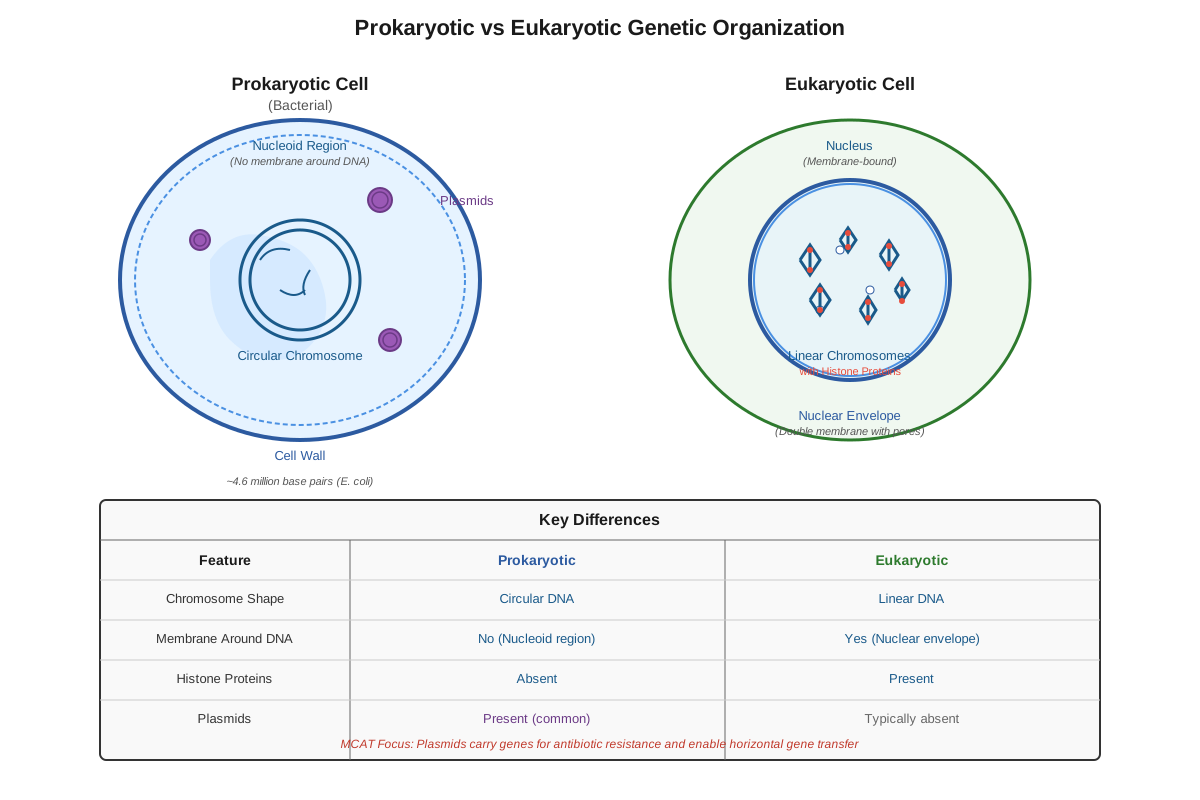
The bacterial chromosome consists of a single, circular, double-stranded DNA molecule located in the nucleoid region of the cell. Unlike eukaryotic chromosomes, bacterial DNA is not enclosed within a membrane-bound nucleus and is not associated with histone proteins (though histone-like proteins do help organize the DNA). The typical bacterial chromosome contains 1-10 million base pairs encoding several thousand genes. This compact organization means bacterial genes lack introns and are often organized into operons—clusters of functionally related genes transcribed together as a single mRNA molecule.
Plasmids are additional genetic elements found in many bacteria—small, circular, double-stranded DNA molecules that replicate independently of the chromosomal DNA. Plasmids typically range from 1,000 to 200,000 base pairs and carry genes that, while not essential for basic survival, provide selective advantages under certain conditions. Common plasmid-encoded traits include antibiotic resistance, toxin production, and metabolic capabilities for utilizing unusual nutrients. The F (fertility) plasmid is particularly important for bacterial genetics because it carries genes enabling conjugation. Plasmids can exist in multiple copies per cell and can be transferred between bacteria, making them crucial vectors for horizontal gene transfer.
Bacterial DNA Replication
Bacterial DNA replication follows the same basic principles as eukaryotic replication but with important differences. Replication begins at a single origin of replication (oriC) on the circular chromosome and proceeds bidirectionally around the circle. The process is semiconservative, meaning each daughter DNA molecule contains one original strand and one newly synthesized strand. Key enzymes include DNA helicase (unwinds the double helix), primase (synthesizes RNA primers), DNA polymerase III (main replicative enzyme), DNA polymerase I (removes primers and fills gaps), and DNA ligase (seals nicks in the sugar-phosphate backbone).
Because bacterial chromosomes are circular, replication does not face the "end-replication problem" that affects linear eukaryotic chromosomes—there are no telomeres to maintain. Bacterial replication is extremely rapid, with the entire chromosome replicated in approximately 40 minutes under optimal conditions. However, bacteria can initiate new rounds of replication before previous rounds complete, allowing generation times shorter than the time required for complete chromosome replication.
Mutations in Bacteria
Mutations are permanent changes in DNA sequence that provide the raw material for bacterial evolution. Point mutations involve single nucleotide changes and include silent mutations (no amino acid change), missense mutations (different amino acid), and nonsense mutations (premature stop codon). Frameshift mutations result from insertions or deletions not divisible by three, shifting the reading frame and typically producing nonfunctional proteins. Bacteria also experience larger-scale mutations including deletions, duplications, inversions, and insertions of mobile genetic elements.
Bacterial mutation rates are relatively low (approximately 10⁻⁶ to 10⁻⁹ per base pair per generation) but the enormous population sizes and rapid generation times mean that mutations arise frequently in bacterial populations. Some bacteria possess mutator phenotypes with defective DNA repair systems, leading to elevated mutation rates. While most mutations are neutral or deleterious, beneficial mutations can spread rapidly through populations via natural selection—particularly when bacteria face environmental stresses like antibiotic exposure.
Transformation
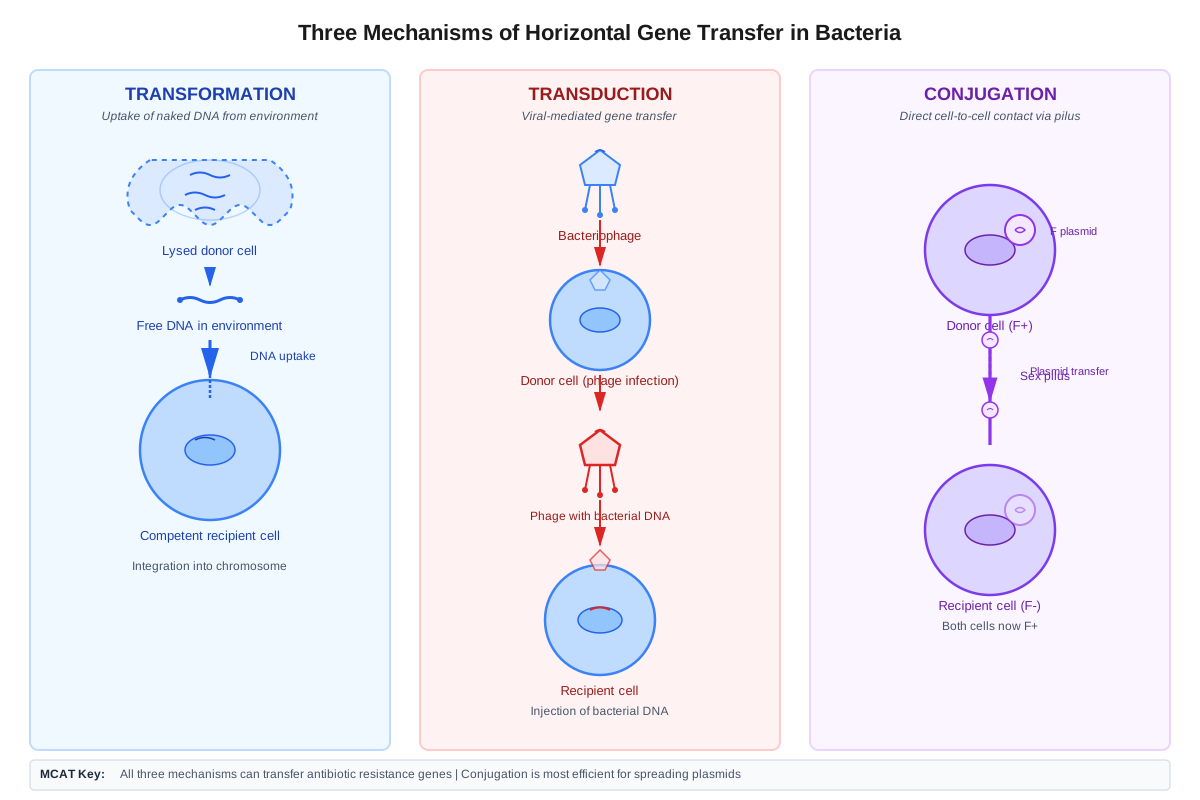
Transformation is the uptake of naked DNA from the environment by bacterial cells. This process was first discovered by Frederick Griffith in 1928 through experiments with Streptococcus pneumoniae, demonstrating that a "transforming principle" (later identified as DNA) could convert non-virulent bacteria into virulent forms. Not all bacteria are naturally competent (able to take up DNA), but competence can be induced artificially in the laboratory through chemical treatment or electroporation.
The transformation process involves several steps: (1) DNA binding to the cell surface through specific receptor proteins, (2) uptake of DNA across the cell membrane (often with degradation of one strand), (3) integration of the foreign DNA into the chromosome through homologous recombination, and (4) expression of the newly acquired genes. Transformation is relatively inefficient compared to other gene transfer mechanisms, but it plays important roles in natural bacterial populations and is widely used in biotechnology for introducing recombinant DNA into bacteria.
Transduction
Transduction is the transfer of bacterial DNA from one cell to another via a bacteriophage (bacterial virus). This process occurs when phage particles accidentally package bacterial DNA instead of, or in addition to, viral DNA during the viral replication cycle. Two types of transduction exist: generalized transduction and specialized transduction.
Generalized transduction can transfer any bacterial gene and occurs during the lytic cycle of virulent phages. When the phage DNA is replicated and packaged into new viral particles, the phage packaging machinery occasionally mistakes fragments of degraded bacterial chromosomal DNA for phage DNA, creating transducing particles that contain only bacterial DNA. When these particles infect new bacterial cells, they inject bacterial DNA rather than phage DNA, and this DNA can integrate into the recipient chromosome through homologous recombination.
Specialized transduction transfers only specific bacterial genes located near the site of prophage integration and occurs with temperate phages that can undergo lysogeny. When a prophage excises imprecisely from the bacterial chromosome, it may take adjacent bacterial genes with it while leaving behind some phage genes. The resulting defective phage particles carry both phage and bacterial DNA. Specialized transduction is restricted to genes near the prophage integration site, making it more limited than generalized transduction but potentially more efficient for transferring those specific genes.
Conjugation
Conjugation is the transfer of genetic material between bacterial cells through direct cell-to-cell contact via a pilus. This process requires a donor cell (typically designated F⁺, containing the F plasmid) and a recipient cell (F⁻, lacking the F plasmid). Conjugation is the most efficient mechanism of horizontal gene transfer and can transfer large amounts of DNA, including entire plasmids or chromosomal segments.
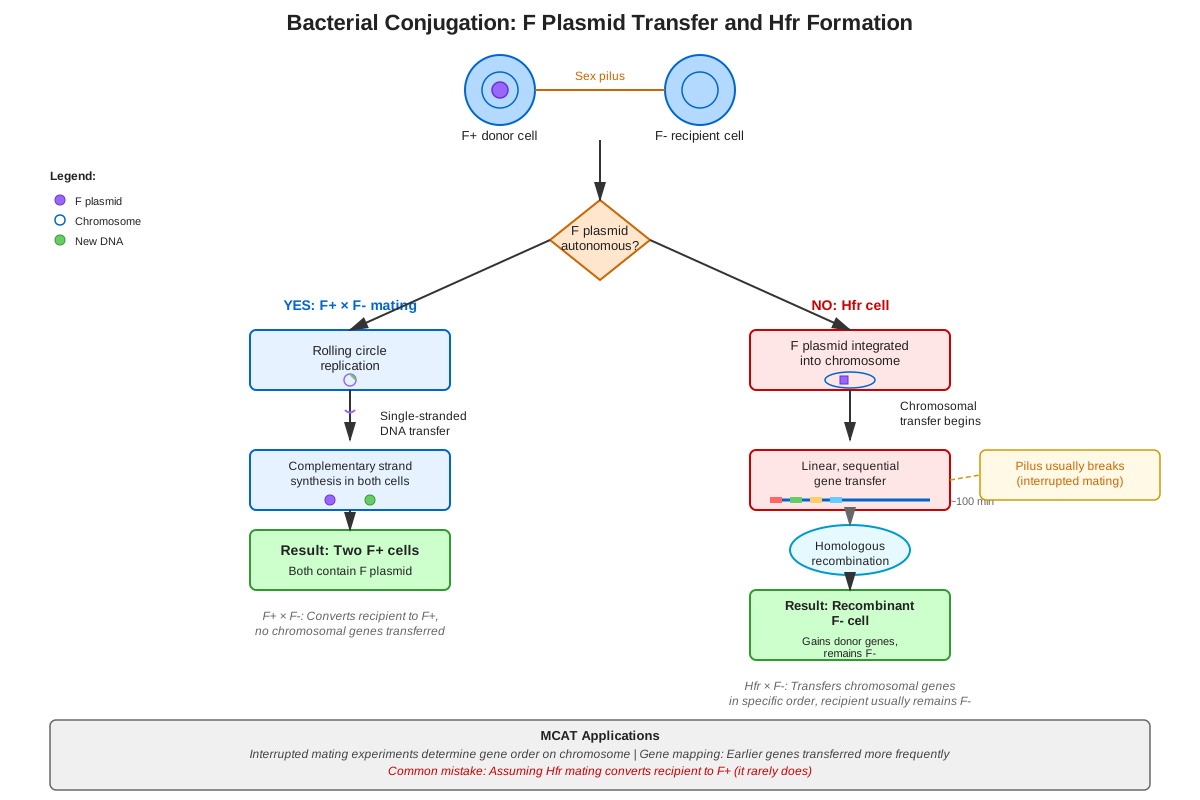
The F plasmid encodes approximately 25 genes required for conjugation, including genes for pilus synthesis and DNA transfer machinery. The process begins when the pilus of an F⁺ cell contacts an F⁻ cell and retracts, bringing the cells into close contact. A conjugation bridge forms, and the F plasmid undergoes rolling circle replication—one strand is nicked at the origin of transfer (oriT), and the 5' end is transferred to the recipient cell while the complementary strand is synthesized in the donor. Simultaneously, the recipient cell synthesizes the complementary strand of the incoming DNA, resulting in both cells possessing complete F plasmids (both become F⁺).
Hfr (High frequency recombination) strains arise when the F plasmid integrates into the bacterial chromosome. During conjugation, Hfr cells transfer chromosomal DNA beginning at the integration site, with genes transferred in a linear, time-dependent sequence. The conjugation bridge typically breaks before complete chromosome transfer, so recipient cells usually receive only a portion of the donor chromosome. Transferred chromosomal DNA can integrate into the recipient chromosome through homologous recombination, creating recombinant bacteria with new gene combinations.
Transposable Elements
Transposable elements (transposons) are DNA sequences that can move from one location to another within a genome or between DNA molecules. Insertion sequences (IS elements) are the simplest transposons, containing only genes for transposition (transposase enzyme) flanked by inverted repeat sequences. Composite transposons contain additional genes (often antibiotic resistance genes) flanked by IS elements. Transposons move via "cut-and-paste" or "copy-and-paste" mechanisms, and their insertion can disrupt genes, alter gene expression, or facilitate chromosomal rearrangements.
Transposable elements play crucial roles in bacterial evolution by facilitating gene rearrangements and spreading antibiotic resistance genes. Many resistance genes are located on transposons within plasmids, allowing them to move between plasmids and chromosomes and to spread rapidly through bacterial populations via horizontal gene transfer.
Gene Regulation in Bacteria
Bacterial gene regulation occurs primarily at the transcriptional level through operons—clusters of genes with related functions controlled by a single promoter. The lac operon and trp operon are classic examples. The lac operon is inducible, activated when lactose is present and glucose is absent. The repressor protein normally blocks transcription by binding to the operator sequence; lactose (or allolactose) binds the repressor, causing it to release from the operator and allowing transcription. The trp operon is repressible, normally active but shut down when tryptophan is abundant. Tryptophan acts as a corepressor, binding to the repressor protein and enabling it to bind the operator and block transcription.
Catabolite repression (glucose effect) ensures that bacteria preferentially use glucose over other sugars. When glucose is present, cAMP levels are low, preventing the CAP-cAMP complex from binding near the promoter and activating transcription of operons for alternative sugar metabolism. This regulatory mechanism integrates information about multiple nutrients to optimize bacterial metabolism.
Antibiotic Resistance Mechanisms
Bacteria employ multiple mechanisms to resist antibiotics, and the genes encoding these mechanisms spread rapidly through populations via horizontal gene transfer. Enzymatic inactivation involves producing enzymes that chemically modify or destroy antibiotics (e.g., β-lactamases that hydrolyze penicillin). Target modification changes the antibiotic's binding site, reducing drug effectiveness (e.g., mutations in ribosomal RNA that prevent tetracycline binding). Efflux pumps actively transport antibiotics out of cells, reducing intracellular drug concentrations. Reduced permeability involves changes to cell membrane or wall that decrease antibiotic entry.
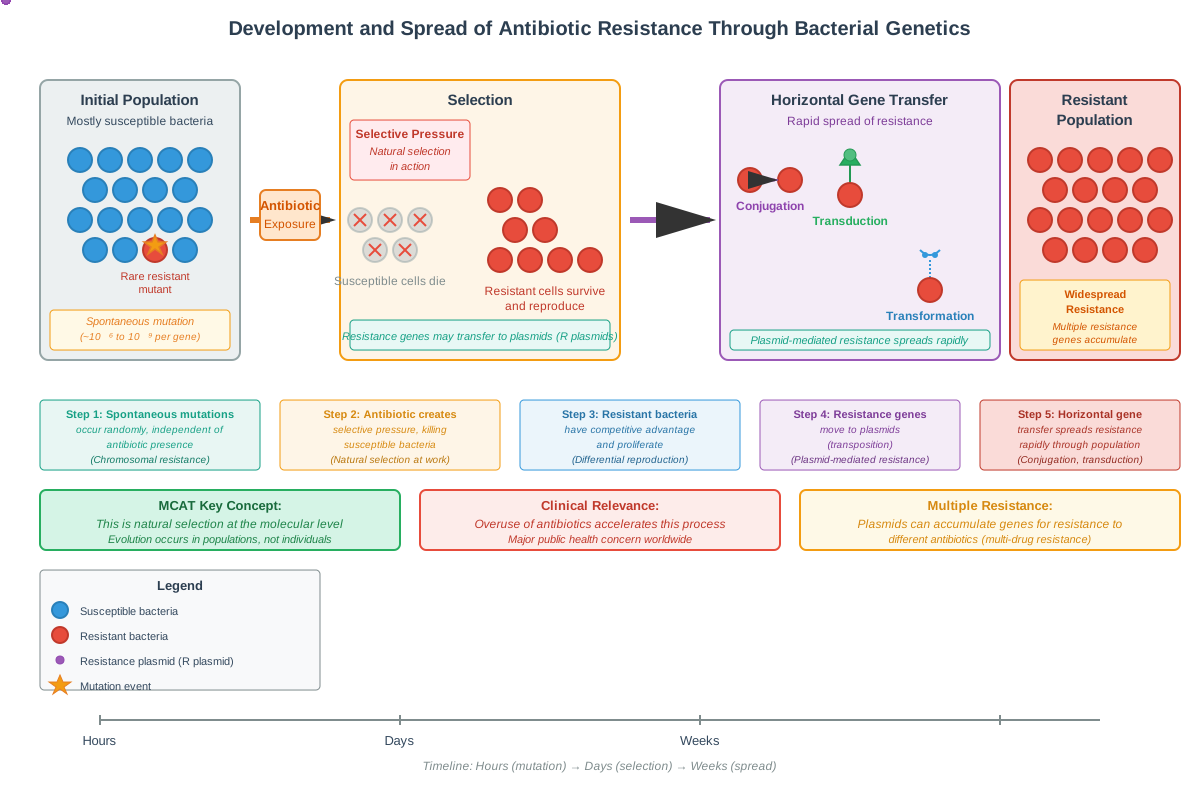
The spread of antibiotic resistance represents evolution in action. When bacteria are exposed to antibiotics, susceptible cells die while resistant cells survive and reproduce—a clear example of natural selection. Resistance genes often reside on plasmids or transposons, facilitating their rapid spread through conjugation, transduction, or transformation. Multiple drug resistance arises when bacteria acquire several resistance genes, creating "superbugs" resistant to many antibiotics.
Concept Relationships
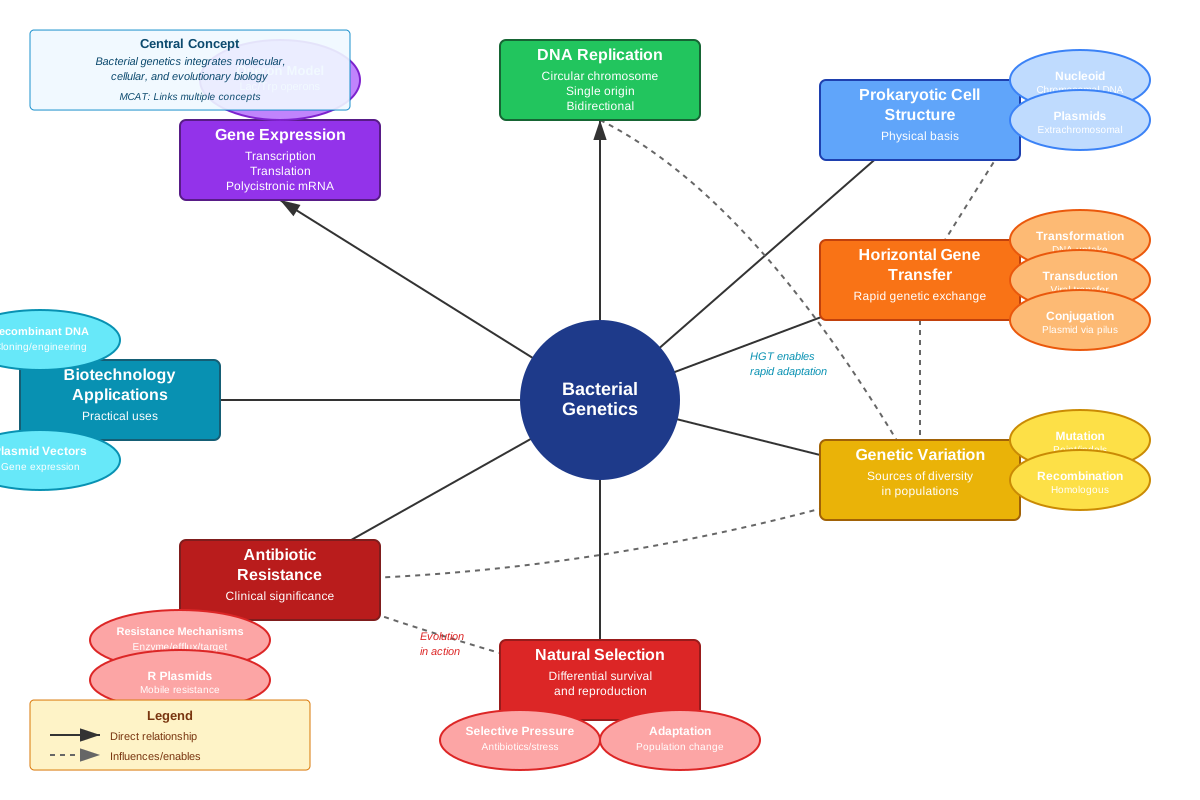
The concepts within bacterial genetics form an interconnected network centered on genetic variation and its transmission. The bacterial chromosome and plasmids provide the physical substrate for genetic information storage, while DNA replication ensures faithful transmission to daughter cells during binary fission (vertical gene transfer). Mutations introduce new genetic variants into populations, creating the raw material for evolution. However, what makes bacterial genetics unique is horizontal gene transfer—transformation, transduction, and conjugation allow genetic information to move between cells and even between species, dramatically accelerating bacterial evolution.
These horizontal gene transfer mechanisms connect directly to antibiotic resistance, the most clinically significant application of bacterial genetics. Resistance genes arise through mutation or are acquired from other bacteria via transformation (uptake of DNA from dead cells), transduction (phage-mediated transfer), or conjugation (plasmid transfer). Transposable elements facilitate resistance gene movement between chromosomes and plasmids, while gene regulation mechanisms (operons) control when resistance genes are expressed. The entire system operates under selective pressure from antibiotics, with natural selection favoring resistant variants.
The relationship map flows as follows: Bacterial chromosome/plasmids → DNA replication → Vertical transmission to daughter cells. Simultaneously: Mutations → Genetic variation → Natural selection → Evolution. Overlaying this: Transformation/Transduction/Conjugation → Horizontal gene transfer → Rapid spread of traits (especially antibiotic resistance) → Population-level changes. Transposable elements facilitate movement between: Chromosome ↔ Plasmid ↔ Other DNA molecules. Gene regulation (operons) controls: When genes are expressed → Metabolic efficiency and environmental response.
These bacterial genetics concepts connect to prerequisite knowledge of molecular biology (DNA structure, replication, transcription, translation provide the mechanistic foundation), cell biology (prokaryotic cell structure determines where genetic elements reside and how they move), and evolution (natural selection explains why certain genetic variants spread). The topic also links forward to immunology (antigenic variation through genetic mechanisms), pharmacology (antibiotic mechanisms and resistance), and biotechnology (genetic engineering uses transformation and plasmids).
Quick check — test yourself on Bacterial genetics so far.
Try Flashcards →High-Yield Facts
⭐ Transformation involves uptake of naked DNA from the environment and requires competent cells; it was first demonstrated by Griffith's experiments with S. pneumoniae
⭐ Conjugation requires direct cell-to-cell contact via a pilus and is the most efficient horizontal gene transfer mechanism; F⁺ cells donate F plasmids to F⁻ cells
⭐ Transduction uses bacteriophages as vectors; generalized transduction can transfer any gene while specialized transduction transfers only genes near prophage integration sites
⭐ Hfr strains have F plasmid integrated into the chromosome and transfer chromosomal DNA in a linear, time-dependent manner during conjugation
⭐ Plasmids are small, circular, extrachromosomal DNA molecules that replicate independently and often carry antibiotic resistance genes
- Bacterial chromosomes are circular, double-stranded DNA molecules located in the nucleoid region without a membrane-bound nucleus
- Operons are clusters of functionally related genes transcribed together; the lac operon is inducible while the trp operon is repressible
- Transposable elements can move between DNA molecules and facilitate the spread of antibiotic resistance genes
- Bacterial DNA replication begins at a single origin (oriC) and proceeds bidirectionally around the circular chromosome
- Homologous recombination is required for integration of foreign DNA into the bacterial chromosome during transformation and transduction
- Rolling circle replication occurs during conjugation, allowing one DNA strand to be transferred while both cells synthesize complementary strands
- Antibiotic resistance spreads rapidly through bacterial populations via horizontal gene transfer combined with natural selection
- Generalized transduction occurs during lytic phage cycles when bacterial DNA is accidentally packaged into phage particles
- The F plasmid encodes genes for pilus formation and conjugation machinery, enabling DNA transfer between cells
- Frameshift mutations from insertions or deletions not divisible by three typically produce nonfunctional proteins by shifting the reading frame
Common Misconceptions
Misconception: Transformation, transduction, and conjugation are all equally efficient mechanisms of gene transfer.
Correction: Conjugation is the most efficient mechanism because it involves direct cell-to-cell contact and can transfer large DNA segments including entire plasmids. Transformation is relatively inefficient and requires competent cells. Transduction efficiency depends on phage infection rates and is limited by the amount of DNA that can fit in a phage head.
Misconception: All bacteria can undergo transformation naturally.
Correction: Only naturally competent bacteria can take up DNA from the environment without artificial treatment. Many bacteria require chemical treatment (calcium chloride) or electroporation to become competent in laboratory settings. Natural competence is a regulated physiological state that occurs under specific conditions in certain bacterial species.
Misconception: During conjugation, the donor cell loses its F plasmid when transferring it to the recipient.
Correction: During F plasmid transfer, rolling circle replication ensures that the donor cell retains a complete copy of the F plasmid while simultaneously transferring a copy to the recipient. Both cells end up with complete F plasmids, converting the recipient from F⁻ to F⁺.
Misconception: Transduction can only transfer genes from one bacterial species to another closely related species.
Correction: While transduction is most efficient between closely related bacteria that share phage susceptibility, phages with broad host ranges can mediate gene transfer between more distantly related species. However, successful integration and expression of transferred genes is more likely when bacteria are closely related due to DNA sequence similarity required for homologous recombination.
Misconception: Antibiotic resistance always arises through new mutations during antibiotic exposure.
Correction: While mutations can create new resistance alleles, most antibiotic resistance in clinical settings results from horizontal gene transfer of existing resistance genes. Bacteria acquire resistance genes from other bacteria via transformation, transduction, or conjugation. The antibiotic provides selective pressure favoring resistant bacteria but doesn't directly cause the resistance mutations.
Misconception: Hfr strains transfer their entire chromosome to recipient cells during conjugation.
Correction: The conjugation bridge typically breaks before complete chromosome transfer, which would take approximately 100 minutes. Recipient cells usually receive only a portion of the donor chromosome, with genes closer to the origin of transfer more likely to be transferred. Complete chromosome transfer is rare in natural settings.
Misconception: Plasmids are essential for bacterial survival.
Correction: Plasmids carry genes that provide selective advantages under certain conditions (antibiotic resistance, toxin production, specialized metabolism) but are not required for basic bacterial survival and reproduction. Bacteria can lose plasmids without dying, though they may lose competitive advantages in specific environments.
Worked Examples
Example 1: Distinguishing Gene Transfer Mechanisms
Question: A researcher observes that bacterial strain A acquires a gene for tetracycline resistance from strain B. The researcher performs several experiments:
- Experiment 1: Strains A and B are grown in the same culture flask but separated by a filter with pores too small for bacteria to pass through. No gene transfer occurs.
- Experiment 2: Strain B is killed, lysed, and the DNA is added to a culture of strain A. Some strain A cells acquire resistance.
- Experiment 3: Strain A is grown with bacteriophages that previously infected strain B. Some strain A cells acquire resistance.
Which gene transfer mechanism(s) are demonstrated in these experiments?
Solution:
Experiment 1 Analysis: The filter prevents cell-to-cell contact but allows passage of small molecules and viruses. The lack of gene transfer rules out transformation (which would occur if DNA were released into the medium) and transduction (phages could pass through). This result suggests conjugation requires direct cell contact.
Experiment 2 Analysis: Adding DNA from lysed cells that results in gene transfer demonstrates transformation. Strain A cells are taking up naked DNA from the environment. This confirms that strain A is naturally competent or has been made competent through experimental treatment.
Experiment 3 Analysis: Gene transfer via bacteriophages that previously infected strain B demonstrates transduction. The phages picked up bacterial DNA (including the tetracycline resistance gene) during infection of strain B and transferred it to strain A during subsequent infection.
Conclusion: The experiments demonstrate that strain A can acquire the resistance gene through both transformation (Experiment 2) and transduction (Experiment 3). Experiment 1 suggests that conjugation might also be possible but requires direct cell contact. The complete answer is that transformation and transduction are definitively demonstrated, while conjugation is ruled out under the conditions of Experiment 1 but might occur if cells were in direct contact.
Key Reasoning: This problem requires understanding the distinguishing features of each gene transfer mechanism. Transformation requires naked DNA and competent cells. Transduction requires bacteriophages as vectors. Conjugation requires direct cell-to-cell contact via pili. Experimental design that manipulates these requirements can distinguish between mechanisms.
Example 2: Hfr Mapping and Gene Order
Question: An Hfr strain transfers genes in the following order during interrupted mating experiments: A (5 min) → B (10 min) → C (15 min) → D (25 min) → E (35 min), where the times indicate when each gene first appears in recipient cells.
(a) If conjugation is interrupted at 20 minutes, which genes will be present in recipient cells?
(b) A researcher wants to map a new gene X and finds it appears in recipients at 12 minutes. Where is gene X located relative to genes A-E?
(c) If the Hfr strain has the F plasmid integrated between genes E and A, what would be the last gene transferred during conjugation?
Solution:
(a) Genes present after 20-minute interruption:
Genes are transferred sequentially, and the times indicate when transfer begins. By 20 minutes, genes A (started at 5 min), B (started at 10 min), and C (started at 15 min) will have been completely transferred. Gene D started transferring at 25 minutes, so it will not be present. Gene E also will not be present.
Answer: Genes A, B, and C will be present in recipient cells.
(b) Location of gene X:
Gene X appears at 12 minutes, which is after gene B (10 min) but before gene C (15 min). This places gene X between genes B and C in the chromosomal sequence.
Answer: Gene X is located between genes B and C. The gene order is: A → B → X → C → D → E
(c) Last gene transferred:
During Hfr conjugation, transfer begins at the origin of transfer (where F plasmid is integrated) and proceeds sequentially around the circular chromosome. If F is integrated between E and A, transfer begins with gene A (closest to the integration site on one side) and proceeds through B, C, D, and E. The last gene transferred would be the one immediately on the other side of the integration site.
Answer: Gene E would be the last gene transferred, as it is farthest from the origin of transfer in the direction of transfer.
Key Reasoning: Hfr mapping relies on understanding that: (1) genes are transferred linearly in a time-dependent manner, (2) the order and timing of gene transfer reflects chromosomal gene order, (3) the F plasmid integration site determines where transfer begins, and (4) the conjugation bridge usually breaks before complete transfer. This technique was historically used to map bacterial chromosomes before DNA sequencing became available.
Exam Strategy
When approaching MCAT questions on bacterial genetics, first identify which gene transfer mechanism is involved by looking for key trigger words. "Direct contact," "pilus," or "F plasmid" indicate conjugation. "Naked DNA," "competent cells," or "uptake from environment" suggest transformation. "Bacteriophage," "viral vector," or "phage" point to transduction. Many questions will describe an experimental scenario without naming the mechanism, requiring you to deduce it from the described conditions.
For questions involving experimental design or data interpretation, systematically consider what each gene transfer mechanism requires and what would disrupt it. Conjugation requires cell contact (disrupted by physical separation or mutations affecting pilus formation). Transformation requires competent cells and naked DNA (disrupted by DNase treatment or loss of competence). Transduction requires functional phages (disrupted by mutations affecting phage infection or DNA packaging). Questions often ask what would happen if a specific component were removed or mutated.
Process-of-elimination strategies are particularly effective for bacterial genetics questions. If a question asks about gene transfer between bacteria separated by a filter, immediately eliminate conjugation. If DNase (which degrades DNA) is added to the medium and gene transfer still occurs, eliminate transformation. If the question mentions antibiotic resistance spreading through a population, favor answers involving horizontal gene transfer over spontaneous mutation, as horizontal transfer is much more efficient.
Time allocation for bacterial genetics questions should account for the need to carefully read experimental descriptions. Passage-based questions typically require 1.5-2 minutes per question because you must integrate information from the passage with your content knowledge. Discrete questions can usually be answered in 1 minute or less if you have solid understanding of the distinguishing features of transformation, transduction, and conjugation. Don't get bogged down trying to remember every detail—focus on the core mechanisms and their requirements.
Watch for questions that integrate bacterial genetics with evolution or antibiotic resistance. These interdisciplinary questions are high-yield and test whether you understand the broader implications of genetic mechanisms. When you see antibiotic resistance mentioned, immediately think about horizontal gene transfer as the primary mechanism of spread, natural selection as the driving force, and plasmids/transposons as the genetic elements involved. Questions may ask you to predict how resistance would spread under different conditions or to interpret data showing resistance patterns in bacterial populations.
Memory Techniques
Mnemonic for gene transfer mechanisms - "Can't Touch This":
- Conjugation requires Contact (direct cell-to-cell contact via pilus)
- Transformation requires Taking up DNA (naked DNA from environment)
- Transduction requires Transport by phage (bacteriophage vector)
Mnemonic for F plasmid states - "Friendly Helpers Favor":
- F⁺ cells have F plasmid (donors)
- F⁻ cells lack F plasmid (recipients)
- Hfr strains have F integrated into chromosome (high frequency recombination)
Visualization for conjugation: Picture conjugation as bacteria "holding hands" through a pilus bridge, with DNA being copied and passed like a rope being pulled through a tube. The donor keeps its copy (rolling circle replication) while the recipient gets a new copy—both end up with the plasmid.
Visualization for transduction: Imagine bacteriophages as "sloppy movers" that accidentally pack bacterial DNA instead of their own genetic material into moving boxes (phage heads). When they deliver to a new address (new bacterial cell), they accidentally deliver the wrong DNA.
Acronym for antibiotic resistance mechanisms - "TEMP":
- Target modification (change the drug's binding site)
- Efflux pumps (pump drug out of cell)
- Metabolic bypass (use alternative pathway)
- Permeability reduction (prevent drug entry)
Memory aid for operon regulation: "Lac is Lazy" (inducible—only works when lactose is present to induce it). "Trp is Thrifty" (repressible—shuts down when tryptophan is present to save resources).
Summary
Bacterial genetics encompasses the mechanisms by which bacteria store, replicate, express, and transfer genetic information, with particular emphasis on horizontal gene transfer processes that distinguish prokaryotic from eukaryotic genetics. The three major horizontal gene transfer mechanisms—transformation (uptake of naked DNA), transduction (phage-mediated transfer), and conjugation (direct cell-to-cell transfer via pilus)—allow bacteria to rapidly acquire new genetic traits including antibiotic resistance. Bacterial chromosomes are circular DNA molecules located in the nucleoid, while plasmids are smaller, extrachromosomal genetic elements that replicate independently and often carry genes for antibiotic resistance or other selective advantages. Gene regulation occurs primarily through operons, with the lac operon (inducible) and trp operon (repressible) serving as classic examples. Mutations provide genetic variation, but horizontal gene transfer accelerates bacterial evolution far beyond what mutation alone could achieve. Understanding these mechanisms is essential for comprehending antibiotic resistance development and spread, biotechnology applications, and bacterial evolution—all high-yield topics for the MCAT that integrate molecular biology, genetics, evolution, and clinical medicine.
Key Takeaways
- Horizontal gene transfer (transformation, transduction, conjugation) allows bacteria to acquire new genes from other cells, dramatically accelerating evolution compared to mutation alone
- Conjugation requires direct cell-to-cell contact via pilus and is the most efficient gene transfer mechanism; F⁺ cells donate plasmids to F⁻ cells, while Hfr strains transfer chromosomal DNA
- Transformation involves uptake of naked DNA from the environment and requires competent cells; transduction uses bacteriophages as vectors and can be generalized or specialized
- Plasmids are small, circular, extrachromosomal DNA molecules that replicate independently and commonly carry antibiotic resistance genes that spread through populations via horizontal gene transfer
- Antibiotic resistance spreads rapidly through bacterial populations because resistance genes on plasmids or transposons can be transferred horizontally, and antibiotics provide strong selective pressure favoring resistant variants
- Operons coordinate expression of functionally related genes; inducible operons (like lac) activate in response to substrate presence, while repressible operons (like trp) shut down when end product is abundant
- Understanding bacterial genetics requires integrating molecular mechanisms with evolutionary principles—natural selection acts on genetic variation created by mutation and horizontal gene transfer to drive bacterial adaptation
Related Topics
- Viral genetics and replication: Understanding bacteriophage life cycles (lytic vs. lysogenic) deepens comprehension of transduction mechanisms and provides foundation for studying animal viruses
- Eukaryotic gene regulation: Comparing bacterial operons to eukaryotic transcriptional control (enhancers, transcription factors, chromatin remodeling) highlights fundamental differences between prokaryotic and eukaryotic gene expression
- Molecular cloning and genetic engineering: Bacterial genetics principles underlie recombinant DNA technology, including the use of plasmids as vectors, restriction enzymes, and transformation for introducing foreign genes
- Microbial evolution and population genetics: Bacterial genetics provides concrete examples of evolutionary principles including natural selection, genetic drift, and horizontal gene transfer as evolutionary mechanisms
- Immunology and host-pathogen interactions: Bacterial genetic variation through mutation and gene transfer enables immune evasion through antigenic variation and affects vaccine development strategies
- Pharmacology and antibiotic mechanisms: Understanding how antibiotics work and how resistance develops requires integration of bacterial genetics with drug mechanisms and clinical applications
Practice CTA
Now that you've mastered the core concepts of bacterial genetics, it's time to reinforce your understanding through active practice. Work through the practice questions to apply these concepts to MCAT-style scenarios, and use the flashcards to solidify your memory of key terms and mechanisms. Remember that bacterial genetics questions often integrate multiple concepts—transformation mechanisms with experimental design, conjugation with gene mapping, or antibiotic resistance with evolutionary principles. The more you practice applying these concepts to novel situations, the more confident you'll become in tackling any bacterial genetics question the MCAT presents. Your understanding of these mechanisms will serve you not only on test day but throughout your medical career as you encounter antibiotic resistance and other clinical applications of bacterial genetics. Keep pushing forward—you're building the foundation for success!
Sign up free to keep reading
Create a free AnvayaPrep account to finish this MCAT guide on Bacterial genetics — plus flashcards and practice questions.