Overview
Cloning represents a fundamental set of techniques in Molecular Biology and Genetics that enables researchers to create genetically identical copies of DNA sequences, cells, or entire organisms. For the MCAT, understanding cloning is essential because it bridges theoretical genetics with practical laboratory applications and biotechnology. The MCAT frequently tests cloning concepts within experimental passages, requiring students to interpret research methodologies, predict experimental outcomes, and understand how scientists manipulate genetic material to study gene function, produce therapeutic proteins, and advance medical research.
Cloning encompasses multiple levels of biological organization, from molecular cloning of DNA fragments to reproductive cloning of whole organisms. Each type serves distinct purposes in research and medicine. Molecular cloning allows scientists to amplify specific genes, study protein function, and produce recombinant proteins like insulin. Reproductive cloning creates genetically identical organisms, while therapeutic cloning generates stem cells for potential medical treatments. The MCAT emphasizes molecular cloning techniques because they appear frequently in experimental passages describing gene manipulation, protein expression studies, and genetic engineering approaches.
The relationship between cloning and other Biology concepts is extensive and interconnected. Cloning relies on fundamental principles of DNA replication, gene expression, and cellular reproduction. It connects directly to recombinant DNA technology, genetic engineering, PCR amplification, and stem cell biology. Understanding cloning provides the foundation for interpreting modern biotechnology applications, pharmaceutical production, and experimental design questions that appear regularly on the MCAT. Mastery of this topic enables students to confidently approach passages involving genetic manipulation, vector systems, and gene expression studies.
Learning Objectives
- [ ] Define Cloning using accurate Biology terminology
- [ ] Explain why Cloning matters for the MCAT
- [ ] Apply Cloning to exam-style questions
- [ ] Identify common mistakes related to Cloning
- [ ] Connect Cloning to related Biology concepts
- [ ] Distinguish between molecular cloning, reproductive cloning, and therapeutic cloning
- [ ] Describe the complete process of molecular cloning including vector selection, restriction enzyme use, and transformation
- [ ] Analyze experimental passages involving cloning techniques to identify methodology strengths and limitations
Prerequisites
- DNA structure and replication: Understanding double helix structure, complementary base pairing, and semiconservative replication is essential for comprehending how cloned DNA is copied and maintained
- Gene expression (transcription and translation): Knowledge of how DNA codes for proteins enables understanding of why scientists clone specific genes and how cloned genes produce desired proteins
- Bacterial cell structure: Familiarity with bacterial anatomy, particularly plasmids, is necessary because bacteria serve as the primary host organisms for molecular cloning
- Restriction enzymes: Basic understanding of how these enzymes recognize and cut specific DNA sequences forms the foundation for recombinant DNA technology
- Cell division (mitosis and meiosis): Comprehension of cellular reproduction mechanisms helps explain how cloned cells maintain genetic identity
Why This Topic Matters
Clinical and Real-World Significance: Cloning technology has revolutionized medicine and biotechnology. Molecular cloning enables production of life-saving medications including insulin, growth hormone, clotting factors, and monoclonal antibodies. Gene therapy approaches rely on cloning techniques to deliver therapeutic genes to patients with genetic disorders. Agricultural applications include creating disease-resistant crops and improving food production. Forensic science uses cloning-related techniques for DNA fingerprinting and criminal investigations. Understanding cloning helps students appreciate how laboratory techniques translate into practical medical applications.
Exam Statistics: Cloning appears in approximately 3-5% of MCAT Biology questions, typically within experimental passages rather than discrete questions. The MCAT tests cloning concepts through passages describing research methodologies, requiring students to interpret experimental design, identify appropriate controls, predict outcomes, and troubleshoot technical problems. Questions often integrate cloning with other topics like gene expression, protein purification, or genetic mutations.
Common Exam Contexts: The MCAT presents cloning in several characteristic formats. Research passages may describe scientists cloning a gene to study its function, requiring students to identify appropriate vectors, restriction enzymes, or selection methods. Other passages present troubleshooting scenarios where cloning experiments fail, asking students to identify the problem. Clinical vignettes may describe production of recombinant therapeutic proteins. Comparative passages might contrast different cloning approaches or discuss ethical implications of reproductive versus therapeutic cloning. Students must recognize cloning methodology within complex experimental descriptions and apply their knowledge to novel situations.
Core Concepts
Definition and Types of Cloning
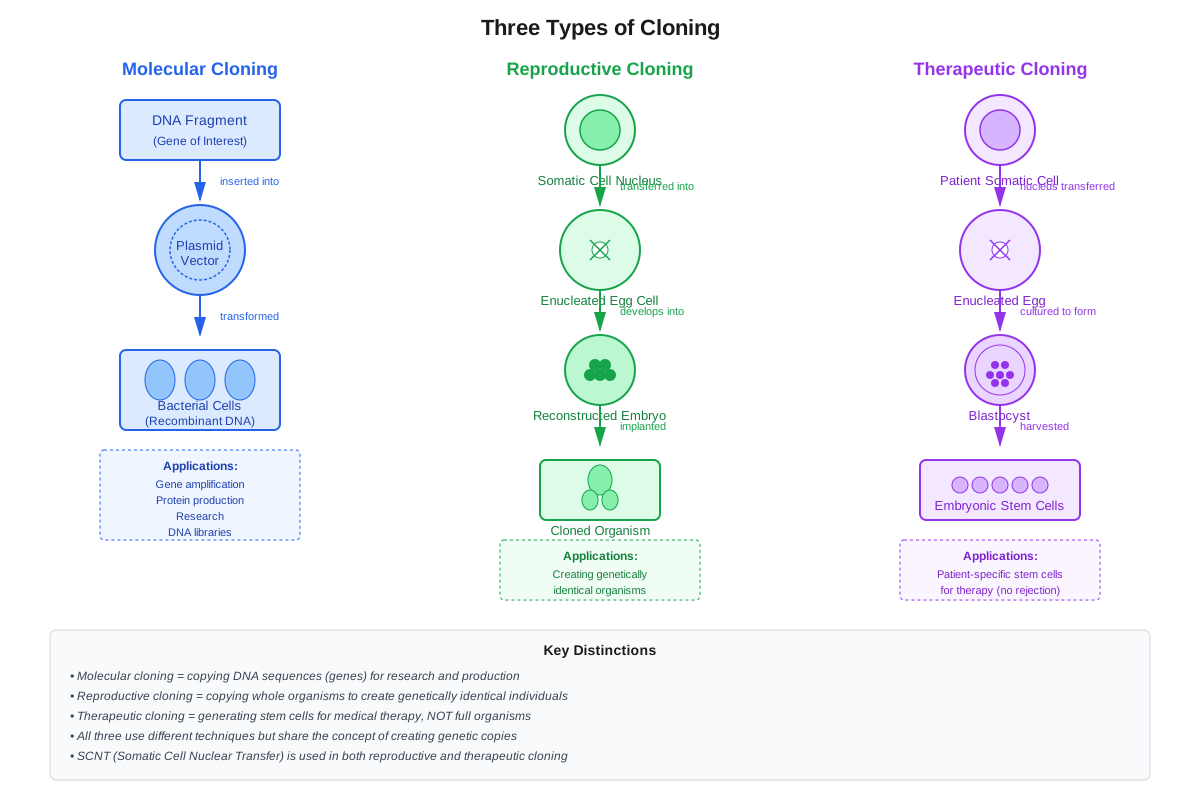
Cloning refers to the process of creating genetically identical copies of biological material, ranging from DNA molecules to entire organisms. The term encompasses three major categories, each with distinct methodologies and applications.
Molecular cloning (also called gene cloning or DNA cloning) involves creating multiple identical copies of a specific DNA sequence. This technique allows researchers to amplify genes of interest, study their function, and produce proteins in large quantities. Molecular cloning forms the foundation of recombinant DNA technology and appears most frequently on the MCAT.
Reproductive cloning creates genetically identical organisms through somatic cell nuclear transfer (SCNT). This process involves removing the nucleus from an egg cell and replacing it with the nucleus from a somatic cell of the organism to be cloned. The resulting embryo develops into an organism genetically identical to the nuclear donor. The most famous example is Dolly the sheep, cloned in 1996.
Therapeutic cloning (also called research cloning) uses SCNT to create embryonic stem cells for medical research and potential treatments. Unlike reproductive cloning, the embryo is not implanted for development but instead used to harvest stem cells that could theoretically treat diseases or replace damaged tissues.
Molecular Cloning Process
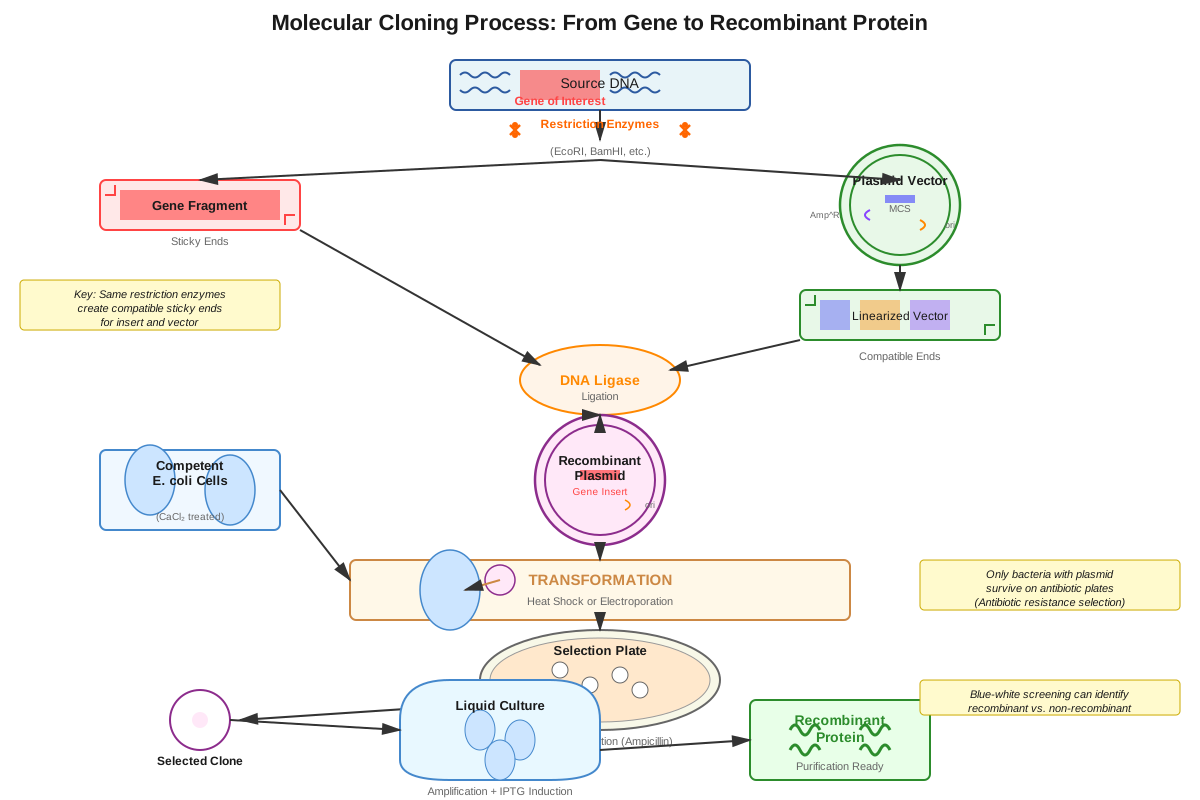
The molecular cloning process follows a systematic sequence of steps, each critical for successful gene amplification:
- Gene isolation: Scientists identify and isolate the DNA sequence of interest from the source organism's genome using restriction enzymes or PCR amplification
- Vector preparation: A cloning vector (typically a plasmid) is selected and prepared by cutting it with the same restriction enzymes
- Ligation: The isolated gene is inserted into the vector using DNA ligase enzyme, creating recombinant DNA
- Transformation: The recombinant vector is introduced into host cells (usually bacteria like E. coli)
- Selection: Transformed cells are identified using antibiotic resistance or other selectable markers
- Screening: Colonies containing the correct recombinant DNA are verified through various techniques
- Amplification: Selected clones are grown in culture, producing millions of copies of the desired gene
Cloning Vectors
Cloning vectors are DNA molecules that carry foreign DNA into host cells and enable its replication. The choice of vector depends on the size of the DNA insert and the experimental purpose.
| Vector Type | Insert Size | Key Features | Common Applications |
|---|---|---|---|
| Plasmids | Up to 10 kb | Circular DNA, antibiotic resistance genes, multiple cloning sites | Gene cloning, protein expression |
| Bacteriophages | Up to 25 kb | Viral DNA, efficient infection mechanism | Library construction, larger inserts |
| Cosmids | 30-45 kb | Plasmid + phage features | Genomic libraries |
| BACs (Bacterial Artificial Chromosomes) | 100-300 kb | Based on F plasmid | Genome sequencing projects |
| YACs (Yeast Artificial Chromosomes) | 100-1000 kb | Contain centromere and telomeres | Very large DNA fragments |
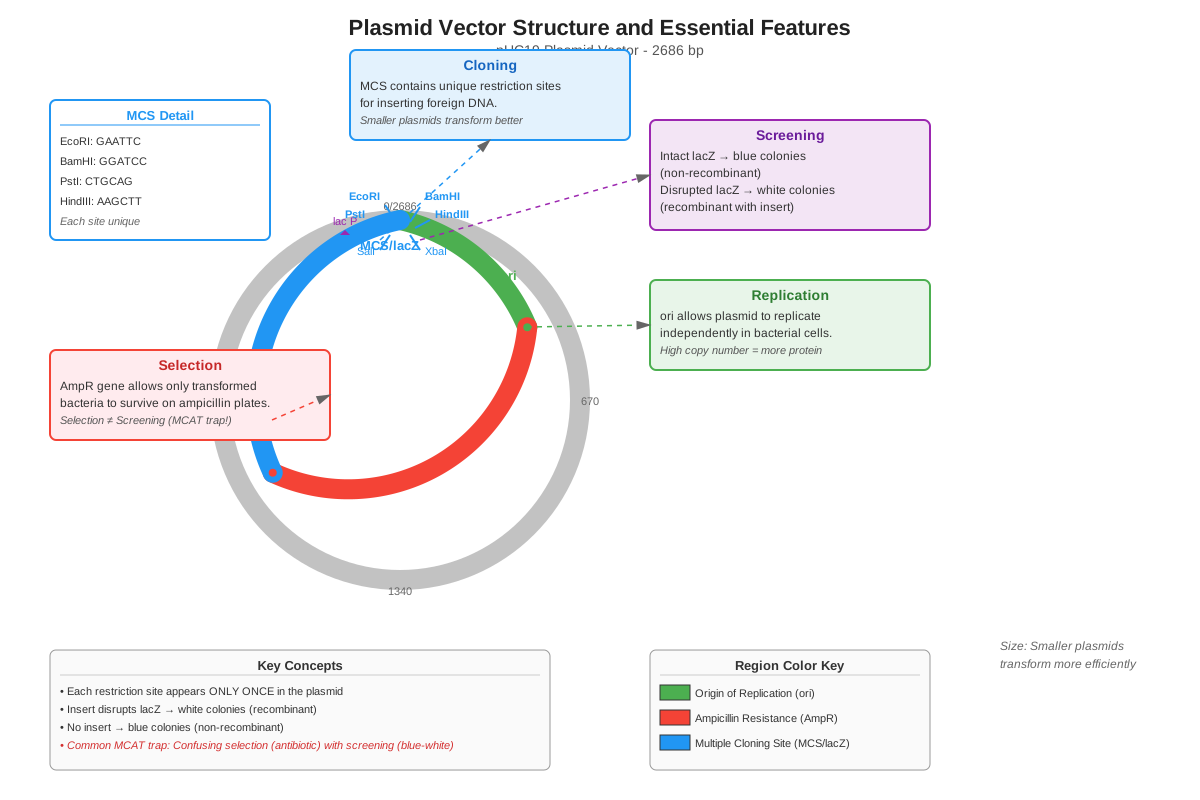
Plasmids serve as the most common cloning vectors for MCAT purposes. These small, circular DNA molecules exist naturally in bacteria and replicate independently of the chromosomal DNA. Essential plasmid features include:
- Origin of replication (ori): Enables autonomous replication within host cells
- Multiple cloning site (MCS): Contains recognition sequences for various restriction enzymes, allowing insertion of foreign DNA
- Selectable marker: Usually an antibiotic resistance gene that allows identification of transformed cells
- Promoter sequences: Enable expression of cloned genes in host cells
Restriction Enzymes and DNA Ligation
Restriction endonucleases (restriction enzymes) are bacterial enzymes that recognize specific DNA sequences (typically 4-8 base pairs) and cleave both DNA strands. These molecular scissors enable precise cutting of DNA at predetermined locations. Restriction enzymes create two types of cuts:
Blunt ends: Enzymes cut straight across both DNA strands, creating flush ends with no overhanging nucleotides. Blunt-end ligation is less efficient because there's no complementary base pairing to hold DNA fragments together before ligation.
Sticky ends (cohesive ends): Enzymes make staggered cuts, leaving single-stranded overhangs. These overhangs contain complementary sequences that can base-pair with other DNA fragments cut by the same enzyme, making ligation more efficient. Most cloning procedures use sticky-end ligation because the complementary overhangs increase ligation efficiency.
DNA ligase catalyzes formation of phosphodiester bonds between adjacent nucleotides, sealing the sugar-phosphate backbone. In cloning, DNA ligase joins the insert DNA to the vector DNA, creating a continuous circular recombinant molecule. The enzyme requires ATP (in most organisms) or NAD+ (in bacteria) as a cofactor.
Transformation and Selection
Transformation is the process by which bacteria take up foreign DNA from their environment. Natural transformation occurs in some bacterial species, but laboratory transformation typically requires artificial methods:
- Heat shock: Brief exposure to elevated temperature (42°C) followed by ice creates temporary pores in the bacterial cell membrane
- Electroporation: Electric pulses create transient pores allowing DNA entry
- Chemical treatment: Calcium chloride treatment makes cells "competent" (able to take up DNA)
Only a small percentage of bacterial cells successfully take up and maintain the recombinant plasmid, making selection crucial. Antibiotic selection exploits resistance genes on the cloning vector. When transformed bacteria are grown on media containing the antibiotic, only cells harboring the plasmid survive. Non-transformed cells lack the resistance gene and die.
Blue-white screening provides an additional selection layer. This technique uses the lacZ gene (encoding β-galactosidase) located within the multiple cloning site. When foreign DNA inserts into the MCS, it disrupts the lacZ gene. On media containing X-gal (a β-galactosidase substrate), colonies with intact lacZ appear blue (no insert), while colonies with disrupted lacZ appear white (successful insertion). This visual screening quickly identifies recombinant clones.
Expression Cloning
Expression cloning goes beyond simply copying DNA—it enables production of the protein encoded by the cloned gene. Expression vectors contain additional elements:
- Strong promoter: Drives high levels of transcription (e.g., T7 promoter, lac promoter)
- Ribosome binding site: Ensures efficient translation in bacterial hosts
- Termination sequences: Signal transcription and translation endpoints
- Purification tags: Sequences encoding peptide tags (His-tag, FLAG-tag) that facilitate protein purification
Expression systems allow production of recombinant proteins for research, therapeutic use, or industrial applications. Insulin, growth hormone, and many other pharmaceuticals are produced through expression cloning in bacterial, yeast, or mammalian cell systems.
Reproductive Cloning via SCNT
Somatic cell nuclear transfer creates cloned organisms through these steps:
- An egg cell (oocyte) is obtained and its nucleus removed (enucleation)
- A somatic cell nucleus from the organism to be cloned is isolated
- The somatic nucleus is transferred into the enucleated egg
- The reconstructed egg is stimulated (electrically or chemically) to begin dividing
- The developing embryo is implanted into a surrogate mother
- The offspring is genetically identical to the somatic cell donor
This process has extremely low success rates (1-3%) due to incomplete epigenetic reprogramming. The somatic cell nucleus must be "reprogrammed" to an embryonic state, reactivating genes silenced during differentiation. Incomplete reprogramming leads to developmental abnormalities and health problems in cloned animals.
Concept Relationships
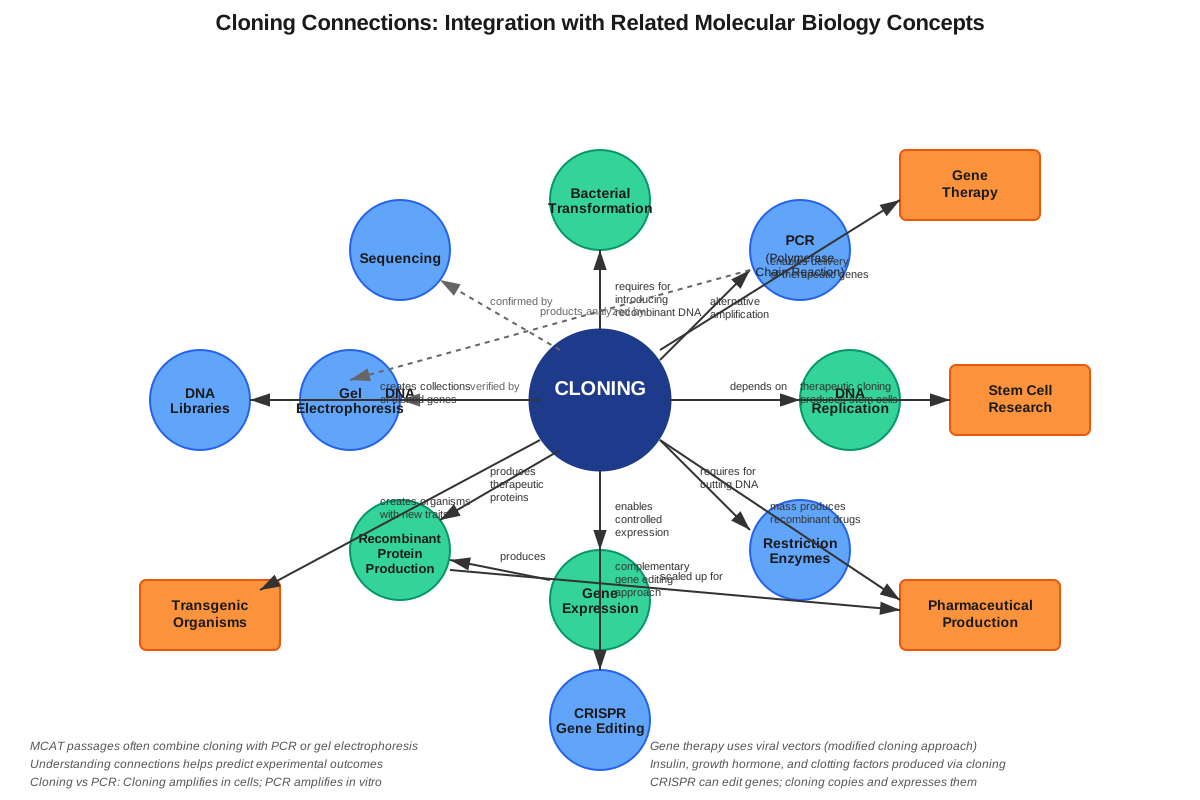
The concepts within cloning form an interconnected network of techniques and principles. Molecular cloning serves as the foundation, with restriction enzymes enabling precise DNA cutting and DNA ligase joining fragments to create recombinant DNA. This recombinant DNA is packaged into cloning vectors (typically plasmids), which are introduced into host cells through transformation. Selection methods (antibiotic resistance and blue-white screening) identify successfully transformed cells, which then undergo amplification to produce millions of gene copies. When protein production is desired, expression cloning builds upon basic molecular cloning by adding regulatory elements that drive transcription and translation.
The relationship to prerequisite topics is direct and essential. DNA structure determines how restriction enzymes recognize specific sequences and how complementary sticky ends base-pair during ligation. DNA replication mechanisms explain how plasmids replicate autonomously within bacterial cells, amplifying the cloned gene. Gene expression principles underlie expression cloning, as cloned genes must be transcribed and translated to produce proteins. Bacterial cell biology provides the context for understanding transformation, plasmid maintenance, and antibiotic selection.
Cloning connects forward to numerous advanced topics. PCR (polymerase chain reaction) serves as an alternative DNA amplification method that complements cloning. Genetic engineering applies cloning techniques to modify organisms. Recombinant DNA technology encompasses the broader applications of cloning in biotechnology. Stem cell biology relates to therapeutic cloning approaches. Gene therapy uses cloning methods to deliver therapeutic genes. Understanding these relationships helps students recognize cloning concepts within complex MCAT passages that integrate multiple topics.
The conceptual flow follows this pattern: DNA isolation → Restriction enzyme digestion → Vector preparation → Ligation → Transformation → Selection → Screening → Amplification → Expression (if desired) → Protein purification (for expression cloning). Each step depends on the previous one, and failure at any point prevents successful cloning.
High-Yield Facts
⭐ Molecular cloning creates multiple identical copies of a specific DNA sequence by inserting it into a vector that replicates within host cells
⭐ Restriction enzymes recognize specific palindromic DNA sequences and create either blunt ends or sticky ends; sticky ends ligate more efficiently due to complementary base pairing
⭐ Plasmids must contain an origin of replication (ori), multiple cloning site (MCS), and selectable marker (typically antibiotic resistance) to function as cloning vectors
⭐ DNA ligase catalyzes phosphodiester bond formation between adjacent nucleotides, joining insert DNA to vector DNA to create recombinant molecules
⭐ Antibiotic selection identifies transformed bacteria because only cells containing the resistance gene-bearing plasmid survive on antibiotic-containing media
- Blue-white screening uses disruption of the lacZ gene within the MCS to visually distinguish colonies with inserts (white) from those without (blue)
- Expression vectors contain promoters, ribosome binding sites, and termination sequences that enable transcription and translation of cloned genes
- Somatic cell nuclear transfer (SCNT) creates cloned organisms by transferring a somatic cell nucleus into an enucleated egg cell
- Therapeutic cloning uses SCNT to generate embryonic stem cells for research and potential medical treatments, not to create organisms
- Restriction enzymes that create compatible sticky ends can ligate DNA fragments from different sources, enabling creation of recombinant DNA molecules
- The low success rate of reproductive cloning (1-3%) results from incomplete epigenetic reprogramming of the somatic cell nucleus
- Competent cells are bacterial cells treated (chemically or physically) to increase their ability to take up foreign DNA during transformation
- BACs and YACs accommodate larger DNA inserts than plasmids, making them suitable for cloning large genomic fragments
- Expression cloning in bacteria produces proteins that may lack post-translational modifications present in eukaryotic systems
- Multiple cloning sites contain recognition sequences for several different restriction enzymes, providing flexibility in cloning strategy
Quick check — test yourself on Cloning so far.
Try Flashcards →Common Misconceptions
Misconception: Cloning always refers to creating identical organisms like Dolly the sheep.
Correction: Cloning encompasses multiple techniques at different biological levels. Molecular cloning (copying DNA sequences) is far more common in research and medicine than reproductive cloning of organisms. The MCAT primarily tests molecular cloning concepts.
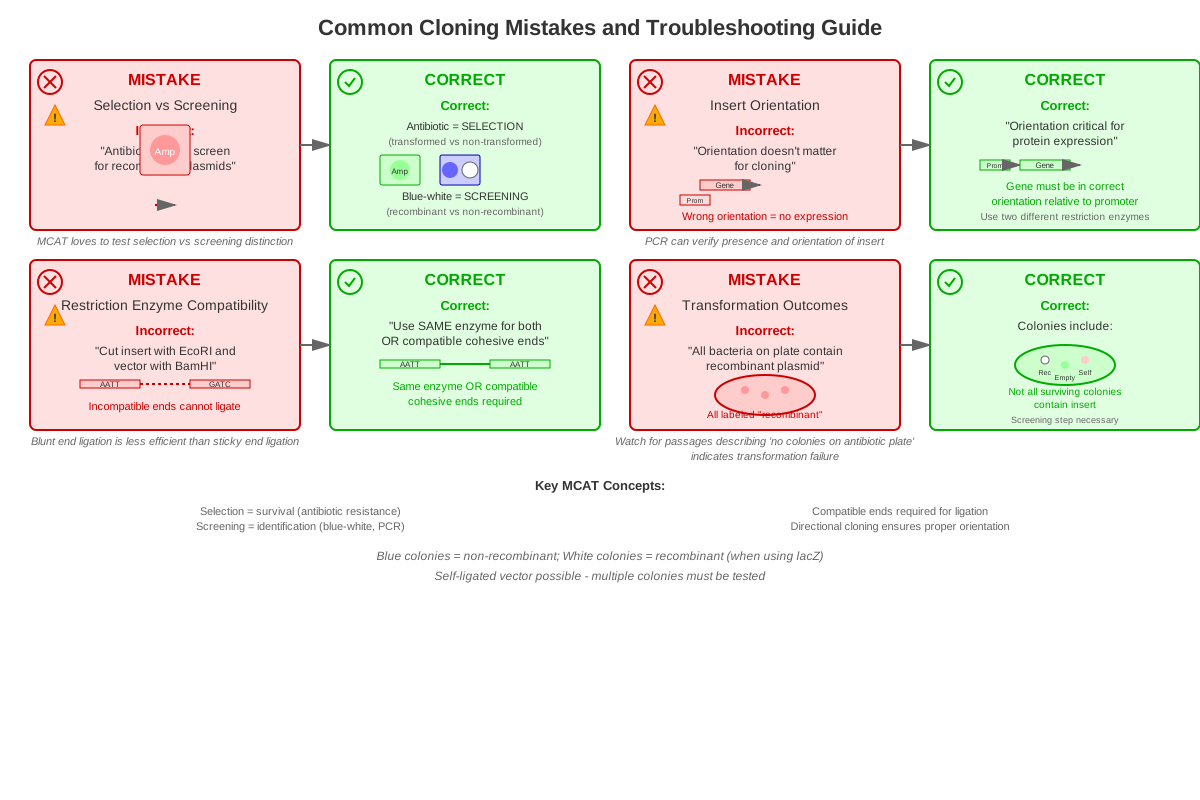
Misconception: All bacteria that survive antibiotic selection contain the desired recombinant DNA with the correct insert.
Correction: Antibiotic selection only confirms that cells contain the plasmid; it doesn't verify correct insert presence or orientation. The plasmid could have re-ligated without an insert, or the insert could be in the wrong orientation. Additional screening (blue-white screening, restriction mapping, or sequencing) is necessary to confirm successful cloning.
Misconception: Restriction enzymes cut DNA randomly at any location.
Correction: Restriction enzymes recognize specific palindromic sequences (typically 4-8 base pairs) and cut only at those precise locations. This sequence specificity enables predictable, reproducible DNA manipulation. Different restriction enzymes recognize different sequences, allowing scientists to choose enzymes that cut at desired locations.
Misconception: DNA ligase can join any two DNA fragments together regardless of their end structure.
Correction: While DNA ligase can join both blunt and sticky ends, the efficiency differs dramatically. Sticky-end ligation is much more efficient because complementary overhangs hold fragments together through base pairing before ligation. Blunt-end ligation requires higher enzyme concentrations and longer incubation times because fragments have no complementary sequences to stabilize their association.
Misconception: Cloned genes automatically produce proteins in host cells.
Correction: Simply inserting a gene into a vector doesn't guarantee protein production. Expression requires appropriate regulatory elements (promoter, ribosome binding site, termination sequences) positioned correctly relative to the coding sequence. Standard cloning vectors may lack these elements, requiring use of specialized expression vectors for protein production.
Misconception: Transformation efficiency is 100%, meaning all bacteria exposed to plasmid DNA will take it up.
Correction: Transformation is inherently inefficient, with typically less than 1% of treated bacteria successfully taking up plasmid DNA. This low efficiency necessitates selection methods (antibiotic resistance) to identify the small population of successfully transformed cells among the vast majority of non-transformed cells.
Misconception: Reproductive cloning creates offspring with identical phenotypes to the donor organism.
Correction: While cloned organisms have identical nuclear DNA to the donor, phenotypic differences arise from several factors: mitochondrial DNA comes from the egg donor (not the nuclear donor), epigenetic modifications may differ, environmental factors influence development, and incomplete nuclear reprogramming causes developmental abnormalities. Clones are genetically similar but not phenotypically identical.
Worked Examples
Example 1: Molecular Cloning Experimental Design
Scenario: A researcher wants to clone a 2.5 kb human insulin gene into a bacterial expression vector to produce recombinant insulin. The insulin gene has EcoRI restriction sites at both ends. The plasmid vector pET-28a contains a single EcoRI site within its multiple cloning site, an ampicillin resistance gene, and the lacZ gene for blue-white screening. Describe the complete cloning procedure and how the researcher will identify successful clones.
Solution:
Step 1 - Gene and Vector Preparation: The researcher digests both the insulin gene and the pET-28a plasmid with EcoRI restriction enzyme. This creates compatible sticky ends on both molecules. EcoRI recognizes the palindromic sequence 5'-GAATTC-3' and makes staggered cuts, leaving 5' overhangs (5'-AATT-3'). The plasmid is linearized at its single EcoRI site within the MCS, which disrupts the lacZ gene.
Step 2 - Ligation: The digested insulin gene and linearized plasmid are mixed with DNA ligase and ATP. The complementary sticky ends base-pair, and ligase catalyzes phosphodiester bond formation, creating circular recombinant plasmids. Some plasmids may re-ligate without inserts (self-ligation), which is why screening is necessary.
Step 3 - Transformation: The ligation mixture is added to competent E. coli cells (made competent through calcium chloride treatment). Heat shock (42°C for 30-90 seconds, then ice) creates temporary membrane pores allowing plasmid entry. Most bacteria don't take up plasmids, making selection essential.
Step 4 - Antibiotic Selection: Transformed bacteria are plated on agar containing ampicillin and X-gal. Only bacteria containing the plasmid (with its ampicillin resistance gene) survive. Non-transformed bacteria die, eliminating the vast majority of cells.
Step 5 - Blue-White Screening: Among surviving colonies, those appearing white contain recombinant plasmids with the insulin insert (which disrupted lacZ), while blue colonies contain re-ligated plasmids without inserts (intact lacZ produces β-galactosidase, which cleaves X-gal to produce blue color). The researcher selects white colonies for further analysis.
Step 6 - Verification: Selected white colonies are grown in liquid culture, plasmid DNA is isolated, and restriction digestion with EcoRI is performed. Successful clones release a 2.5 kb insulin gene fragment upon digestion. DNA sequencing confirms the correct insulin sequence and proper orientation.
Step 7 - Expression: Verified clones are induced to express insulin protein by adding IPTG (which activates the lac promoter in pET vectors). Bacteria produce recombinant insulin, which is purified using the His-tag present in pET-28a.
Key Concepts Applied: This example integrates restriction enzyme specificity, sticky-end ligation, transformation, antibiotic selection, blue-white screening, and expression cloning—all high-yield MCAT topics.
Example 2: Troubleshooting a Failed Cloning Experiment
Scenario: A student attempts to clone a 3 kb gene into a plasmid vector. After transformation and plating on ampicillin-containing agar with X-gal, all surviving colonies appear blue. No white colonies are observed. The student used EcoRI to digest both the gene and vector. What are three possible explanations for this result, and how could each be tested?
Solution:
Possible Explanation 1 - Incomplete Vector Digestion: If the plasmid wasn't completely digested by EcoRI, some circular plasmids remain intact without being linearized. These intact plasmids transform bacteria efficiently but contain no insert because they were never cut open. The intact lacZ gene produces β-galactosidase, resulting in blue colonies.
Testing: Run the digested vector on an agarose gel before ligation. Uncut circular plasmid migrates differently than linearized plasmid. If both forms appear, digestion was incomplete. Solution: Use more enzyme, extend digestion time, or add fresh enzyme.
Possible Explanation 2 - Vector Self-Ligation: Even with complete digestion, linearized vectors can re-ligate to themselves without incorporating the insert. The compatible EcoRI sticky ends on the vector can base-pair and ligate, reforming circular plasmids with intact lacZ genes.
Testing: Treat digested vector with alkaline phosphatase before ligation. This enzyme removes 5' phosphate groups from vector ends, preventing self-ligation (ligase requires a 5' phosphate and 3' hydroxyl). The insert DNA retains its 5' phosphates, allowing ligation only between vector and insert. Compare ligation efficiency with and without phosphatase treatment.
Possible Explanation 3 - Insert DNA Degradation or Absence: If the insert DNA was degraded by nucleases or wasn't successfully added to the ligation reaction, only vector DNA is present. Vectors self-ligate, producing blue colonies.
Testing: Run the digested insert on an agarose gel to confirm its presence and correct size (3 kb band should be visible). Check insert concentration using spectrophotometry. Ensure proper insert:vector molar ratio (typically 3:1 to 5:1 insert:vector) in the ligation reaction.
Additional Consideration - Ligation Failure: Even with proper insert and vector preparation, ligation might fail due to inactive ligase enzyme, incorrect buffer conditions, or insufficient incubation time. Including positive controls (known successful ligation) and negative controls (vector alone, no ligase) helps identify ligation problems.
Key Concepts Applied: This troubleshooting example requires understanding of restriction digestion completeness, self-ligation mechanisms, blue-white screening principles, and experimental controls—all critical for MCAT experimental design questions.
Exam Strategy
Approaching Cloning Questions: MCAT cloning questions typically appear within research passages describing experimental procedures. Begin by identifying the cloning type (molecular, reproductive, or therapeutic) and the experimental goal. Map out the logical sequence of steps the researchers must follow, noting any deviations from standard protocols. Pay attention to selection and screening methods, as questions often ask how researchers identify successful clones.
Trigger Words and Phrases: Watch for these terms that signal cloning concepts:
- "Recombinant DNA" or "recombinant protein" → molecular cloning and expression
- "Restriction enzyme," "restriction endonuclease," or specific enzyme names (EcoRI, BamHI) → DNA cutting and ligation
- "Transformation" or "competent cells" → introducing DNA into bacteria
- "Selection" or "antibiotic resistance" → identifying transformed cells
- "Expression vector" or "protein production" → expression cloning
- "Nuclear transfer" or "SCNT" → reproductive or therapeutic cloning
- "Plasmid," "vector," or "construct" → cloning vehicle
- "Insert" or "foreign DNA" → the gene being cloned
Process-of-Elimination Tips:
- Eliminate answers suggesting restriction enzymes cut randomly (they're sequence-specific)
- Reject options implying all bacteria take up plasmids (transformation is inefficient, requiring selection)
- Eliminate choices stating antibiotic selection confirms insert presence (it only confirms plasmid presence)
- Reject answers suggesting cloning automatically produces proteins (expression requires specific regulatory elements)
- Eliminate options confusing molecular cloning with reproductive cloning
Time Allocation: Cloning passages typically require 8-10 minutes total. Spend 3-4 minutes reading and annotating the passage, identifying the cloning strategy and experimental steps. Allocate 1-1.5 minutes per question. If a question asks about experimental design or troubleshooting, quickly sketch the cloning workflow to visualize the process. For questions about selection or screening, eliminate answers that don't account for both transformed and non-transformed cells.
Common Question Types:
- Methodology identification: "Which technique did the researchers use to...?"
- Prediction: "If the restriction enzyme failed to cut the vector, what result would occur?"
- Troubleshooting: "The experiment produced no white colonies. What is the most likely explanation?"
- Experimental design: "To verify successful cloning, the researchers should..."
- Application: "This cloning approach could be used to..."
Strategic Approach: For experimental passages, create a mental flowchart of the cloning procedure as you read. Note each step and its purpose. When questions ask about modifications or problems, refer back to your mental map to identify which step is affected. Remember that MCAT cloning questions test understanding of principles and experimental logic, not memorization of specific protocols.
Memory Techniques
Mnemonic for Molecular Cloning Steps - "I Very Like To See Successful Amplification":
- Isolate gene of interest
- Vector preparation (cut with restriction enzyme)
- Ligate insert and vector
- Transform into host cells
- Select transformed cells (antibiotic)
- Screen for correct clones (blue-white)
- Amplify successful clones
Mnemonic for Essential Plasmid Components - "OMS":
- Origin of replication (ori) - enables replication
- Multiple cloning site (MCS) - insertion point
- Selectable marker - identifies transformed cells
Visualization Strategy for Sticky vs. Blunt Ends: Picture sticky ends as puzzle pieces with interlocking tabs (complementary overhangs) that fit together easily. Visualize blunt ends as flat puzzle pieces with no tabs—they can connect but slide apart easily without the interlocking mechanism. This mental image helps remember why sticky-end ligation is more efficient.
Acronym for Blue-White Screening - "BWIN":
- Blue = No insert (intact lacZ)
- White = Insert present (lacZ disrupted)
- Insert disrupts the gene
- No β-galactosidase activity in white colonies
Memory Aid for Restriction Enzyme Properties: Remember "PALS" - Restriction enzymes recognize Palindromic sequences, are Acquired from bacteria, create Ligatable ends, and are Sequence-specific. This captures their key characteristics.
Conceptual Anchor for SCNT: Think "SCNT = Swap Cell Nucleus Transfer" - you're swapping the egg nucleus for a somatic cell nucleus. This simple rephrasing makes the acronym more memorable and descriptive.
Summary
Cloning represents a cornerstone of molecular biology, encompassing techniques that create genetically identical copies of DNA, cells, or organisms. For the MCAT, molecular cloning is most critical, involving systematic steps: isolating a gene of interest, cutting it with restriction enzymes, inserting it into a vector (typically a plasmid), ligating the DNA fragments, transforming host bacteria, selecting transformed cells via antibiotic resistance, and screening for successful clones using blue-white screening. Essential vector components include an origin of replication, multiple cloning site, and selectable marker. Restriction enzymes create either sticky ends (more efficient for ligation due to complementary overhangs) or blunt ends. Expression cloning extends basic molecular cloning by incorporating regulatory elements that enable protein production. Reproductive cloning uses somatic cell nuclear transfer to create genetically identical organisms, while therapeutic cloning generates embryonic stem cells. Understanding cloning requires integrating knowledge of DNA structure, replication, gene expression, and bacterial biology. MCAT questions typically present cloning within experimental passages, testing students' ability to interpret methodology, predict outcomes, troubleshoot problems, and understand selection mechanisms. Mastery of cloning concepts enables confident approach to biotechnology, genetic engineering, and recombinant DNA technology questions.
Key Takeaways
- Molecular cloning creates multiple copies of specific DNA sequences by inserting them into self-replicating vectors (usually plasmids) that propagate within bacterial host cells
- The cloning process follows a systematic sequence: gene isolation → restriction digestion → ligation → transformation → selection → screening → amplification
- Restriction enzymes recognize specific palindromic sequences and create either sticky ends (complementary overhangs, more efficient) or blunt ends (flush cuts, less efficient)
- Successful cloning requires three essential plasmid components: origin of replication (enables replication), multiple cloning site (insertion point), and selectable marker (identifies transformed cells)
- Antibiotic selection identifies cells containing plasmids, while blue-white screening distinguishes recombinant plasmids (white colonies, disrupted lacZ) from self-ligated plasmids (blue colonies, intact lacZ)
- Expression cloning produces proteins by incorporating promoters, ribosome binding sites, and termination sequences that drive transcription and translation of cloned genes
- MCAT cloning questions appear primarily in experimental passages, requiring interpretation of methodology, prediction of outcomes, and troubleshooting of technical problems
Related Topics
Polymerase Chain Reaction (PCR): An alternative DNA amplification method that uses thermal cycling and DNA polymerase to exponentially copy specific sequences without requiring vectors or host cells. Understanding cloning provides context for appreciating PCR's advantages (speed, specificity) and limitations (shorter products, no protein expression).
Recombinant DNA Technology: The broader field encompassing cloning and other genetic manipulation techniques. Mastering cloning fundamentals enables understanding of genetic engineering applications in medicine, agriculture, and research.
Gene Therapy: Medical applications that use cloning techniques to deliver therapeutic genes to patients with genetic disorders. Cloning knowledge explains how therapeutic genes are prepared, packaged into vectors, and delivered to target cells.
Stem Cell Biology: Connects to therapeutic cloning concepts, as SCNT can generate embryonic stem cells. Understanding cloning mechanisms helps explain stem cell derivation and potential applications.
Protein Expression and Purification: Expression cloning produces recombinant proteins that must be purified for research or therapeutic use. Cloning knowledge provides the foundation for understanding how proteins are produced in heterologous systems.
Genetic Engineering and GMOs: Agricultural and industrial applications of cloning techniques to modify organisms. Understanding molecular cloning explains how scientists create transgenic organisms with desired traits.
Practice CTA
Now that you've mastered the fundamental concepts of cloning, it's time to solidify your understanding through active practice. Attempt the practice questions and flashcards associated with this topic to reinforce key concepts, identify any remaining knowledge gaps, and build the pattern recognition skills essential for MCAT success. Remember, understanding cloning opens doors to comprehending broader biotechnology applications that appear frequently on the exam. Each practice question you complete strengthens your ability to quickly identify cloning concepts within complex experimental passages and apply your knowledge under time pressure. Your investment in mastering this topic will pay dividends across multiple MCAT Biology questions. Start practicing now to transform your understanding into exam-ready confidence!
Sign up free to keep reading
Create a free AnvayaPrep account to finish this MCAT guide on Cloning — plus flashcards and practice questions.