Overview
Bacterial structure is a foundational topic in Microbiology that appears consistently across MCAT Biology sections, particularly in passages involving infectious disease, antibiotic mechanisms, and cellular biology comparisons. Understanding the architecture of bacterial cells is essential because it forms the basis for distinguishing prokaryotic from eukaryotic organisms—a comparison that frequently appears in both discrete questions and passage-based items. The MCAT tests not only your ability to identify bacterial components but also to predict how structural features relate to function, pathogenicity, and therapeutic targeting.
Mastery of bacterial structure enables students to answer questions spanning multiple disciplines within the MCAT framework. For instance, questions may integrate bacterial cell wall composition with antibiotic mechanisms (biochemistry), bacterial motility with physics principles (physical sciences), or bacterial infection pathways with immune responses (biological sciences). The topic serves as a bridge between pure cellular biology and applied medical scenarios, making it particularly high-yield for passage-based questions that present clinical vignettes or experimental designs.
From a broader Biology perspective, bacterial structure exemplifies how form follows function at the cellular level. The unique features of prokaryotic cells—including their cell envelope, genetic organization, and specialized appendages—demonstrate evolutionary adaptations that have enabled bacteria to thrive in virtually every environment on Earth. This topic connects directly to concepts in cell biology, genetics, evolution, and biochemistry, making it an integrative subject that reinforces understanding across multiple MCAT content areas.
Learning Objectives
- [ ] Define bacterial structure using accurate Biology terminology
- [ ] Explain why bacterial structure matters for the MCAT
- [ ] Apply bacterial structure to exam-style questions
- [ ] Identify common mistakes related to bacterial structure
- [ ] Connect bacterial structure to related Biology concepts
- [ ] Compare and contrast Gram-positive and Gram-negative bacterial cell envelopes
- [ ] Predict the functional consequences of specific bacterial structural features
- [ ] Analyze how bacterial structural components serve as antibiotic targets
Prerequisites
- Basic cell biology: Understanding of cellular organization is necessary to appreciate the differences between prokaryotic and eukaryotic cells
- Membrane structure: Knowledge of phospholipid bilayers and membrane proteins provides context for bacterial membrane organization
- Protein synthesis fundamentals: Familiarity with ribosomes and translation helps when studying bacterial ribosomes (70S vs 80S)
- DNA structure: Basic understanding of nucleic acids is required to comprehend bacterial chromosome organization
- Chemical bonding: Knowledge of peptide bonds and glycosidic linkages is essential for understanding peptidoglycan structure
Why This Topic Matters
Clinical and Real-World Significance
Bacterial structure directly impacts human health and disease. The bacterial cell wall serves as the primary target for many antibiotics, including penicillins, cephalosporins, and vancomycin. Understanding structural differences between bacterial species explains why certain antibiotics work against specific pathogens but not others. For example, Gram-negative bacteria possess an outer membrane that provides resistance to many antibiotics that effectively target Gram-positive species. This structural knowledge is fundamental to rational antibiotic selection in clinical practice.
MCAT Exam Statistics
Bacterial structure appears in approximately 3-5% of MCAT Biology questions, with higher representation in passages involving infectious disease, microbiology experiments, or antibiotic mechanisms. Questions typically test structural-functional relationships rather than pure memorization. Common question formats include:
- Discrete questions asking students to identify which bacterial structure performs a specific function
- Passage-based questions requiring interpretation of experimental data involving bacterial mutants lacking specific structures
- Questions integrating bacterial structure with antibiotic mechanisms or immune system interactions
Common Exam Appearances
This topic frequently appears in passages describing:
- Antibiotic resistance mechanisms and how structural modifications protect bacteria
- Bacterial pathogenesis experiments examining the role of pili, flagella, or capsules in infection
- Comparative studies between prokaryotic and eukaryotic cellular processes
- Gram staining procedures and their biochemical basis
- Genetic engineering experiments using bacterial plasmids
Core Concepts
Prokaryotic vs. Eukaryotic Organization
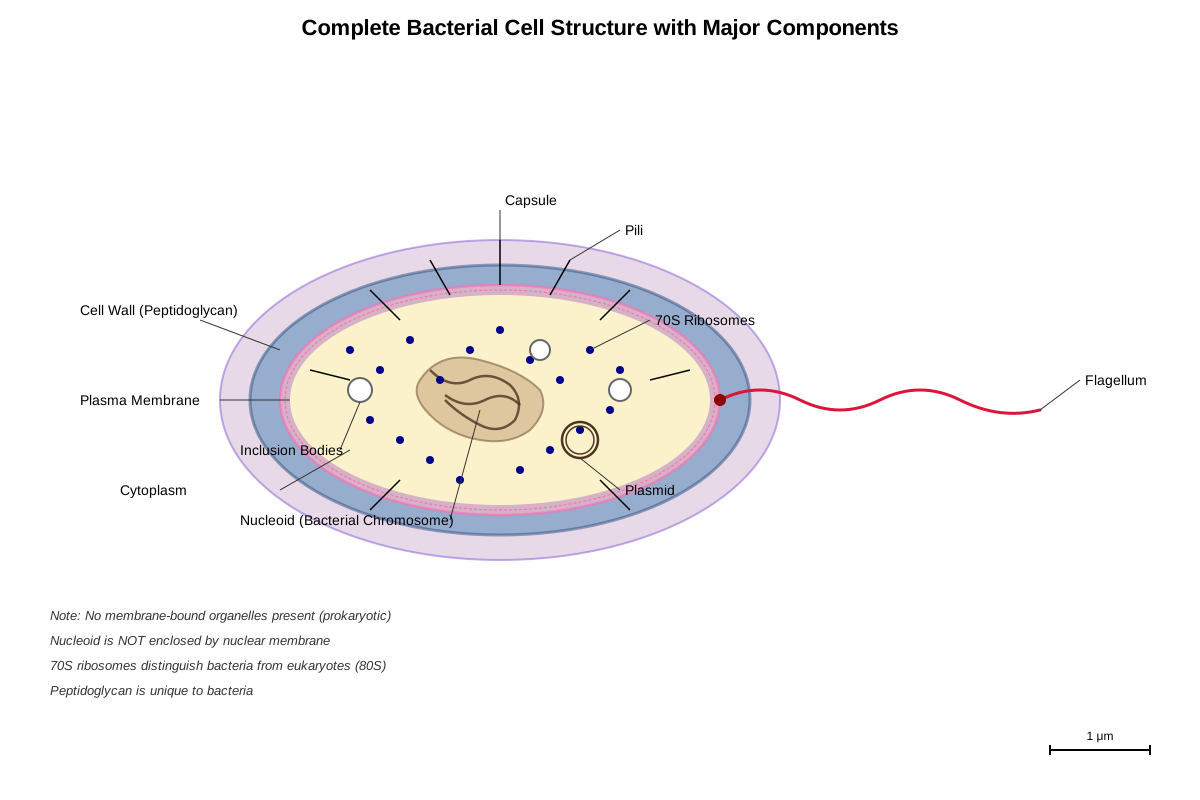
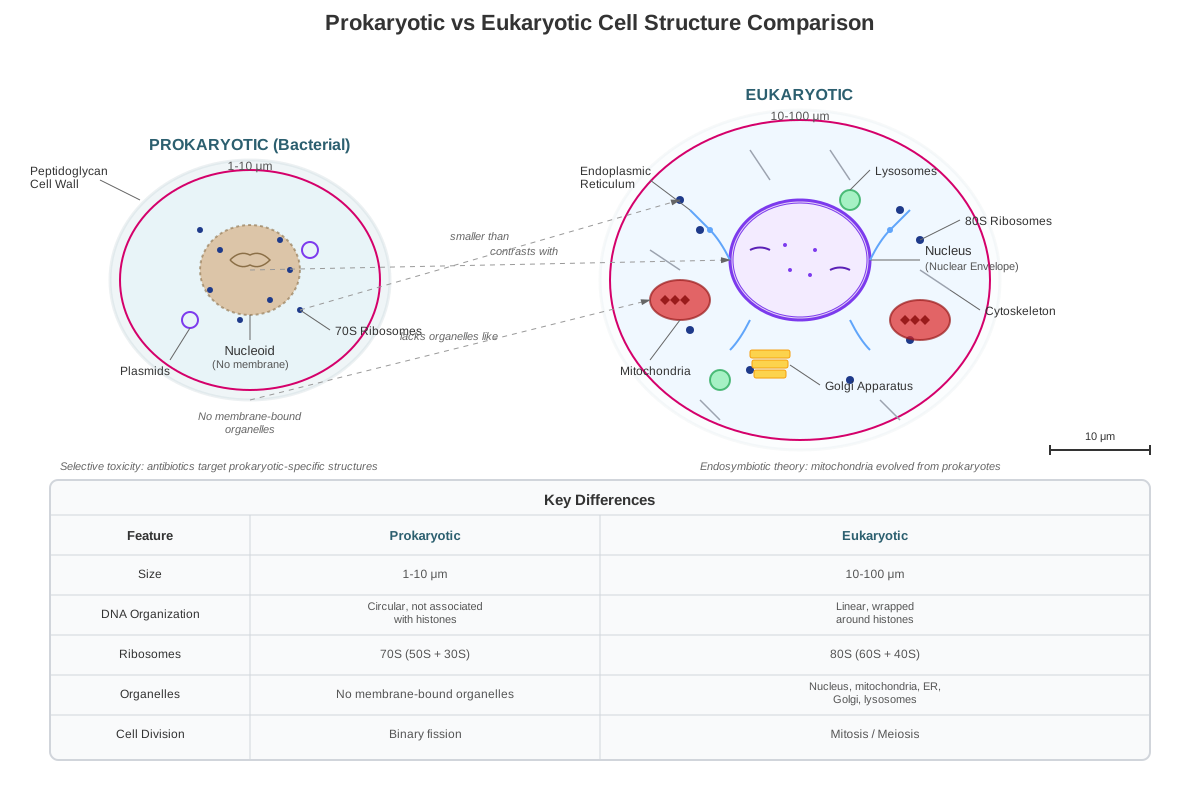
Prokaryotic cells, which include all bacteria, differ fundamentally from eukaryotic cells in their structural organization. Bacteria lack membrane-bound organelles, including a nucleus, mitochondria, endoplasmic reticulum, and Golgi apparatus. The bacterial chromosome exists as a single, circular DNA molecule located in the nucleoid region, which is not enclosed by a membrane. This organization contrasts sharply with eukaryotic cells, where linear chromosomes are housed within a membrane-bound nucleus. Understanding this distinction is critical for MCAT questions that compare cellular processes between prokaryotes and eukaryotes.
The Bacterial Cell Envelope
The cell envelope comprises all layers surrounding the bacterial cytoplasm and represents the most structurally complex and clinically relevant aspect of bacterial architecture. The envelope typically consists of three components: the plasma membrane, the cell wall, and (in some species) an outer membrane.
Plasma Membrane
The bacterial plasma membrane (also called the cytoplasmic membrane) is a phospholipid bilayer similar in basic structure to eukaryotic membranes but lacking sterols like cholesterol in most species. This membrane serves as the primary permeability barrier, housing transport proteins, electron transport chain components, and enzymes for cell wall synthesis. The absence of cholesterol makes bacterial membranes more fluid and represents a key structural difference from eukaryotic membranes.
Cell Wall and Peptidoglycan
The cell wall provides structural support and prevents osmotic lysis. The primary component is peptidoglycan (also called murein), a unique polymer consisting of alternating N-acetylglucosamine (NAG) and N-acetylmuramic acid (NAM) sugars cross-linked by short peptide chains. The peptide chains typically contain unusual D-amino acids (rather than the L-amino acids found in proteins), and cross-linking occurs through peptide bridges that vary among species. This cross-linked structure creates a mesh-like macromolecule that encases the entire cell.
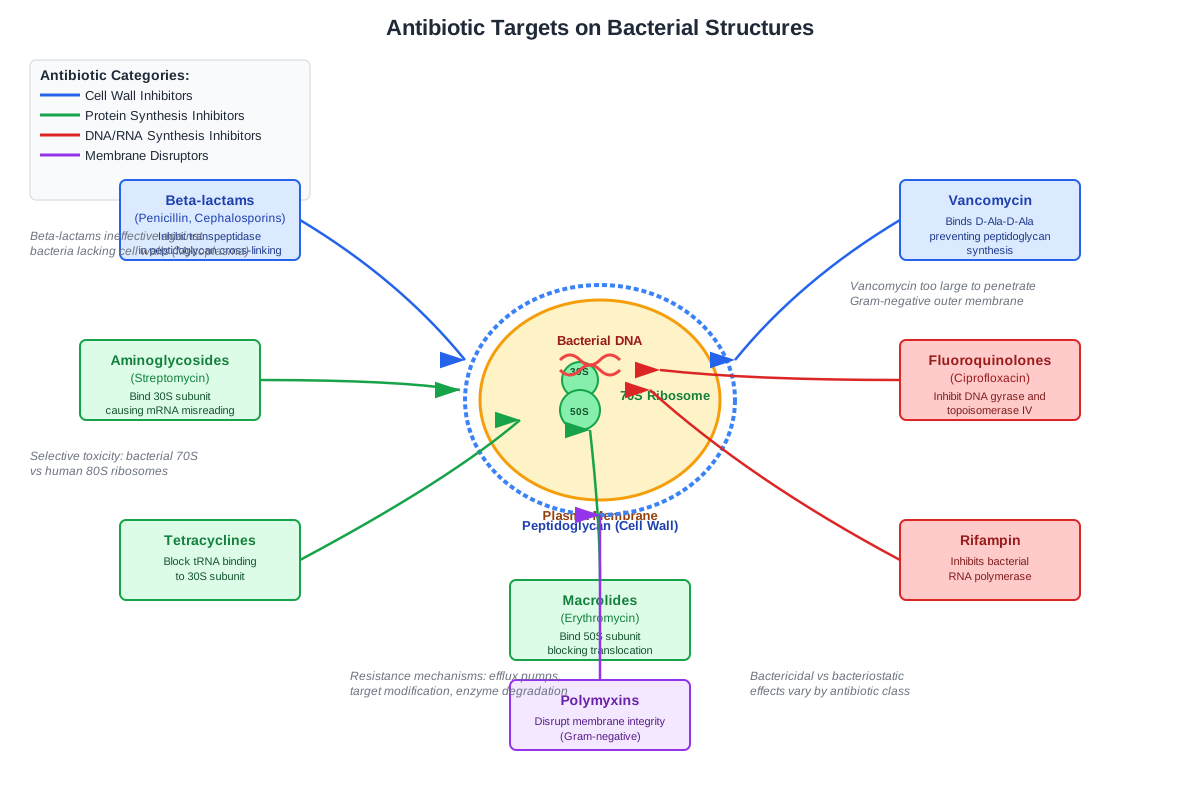
Peptidoglycan synthesis is the target of β-lactam antibiotics (penicillins, cephalosporins) which inhibit transpeptidase enzymes responsible for cross-linking. The enzyme lysozyme, found in human tears and saliva, degrades peptidoglycan by cleaving the glycosidic bonds between NAG and NAM, providing innate immune defense against bacteria.
Gram-Positive vs. Gram-Negative Bacteria
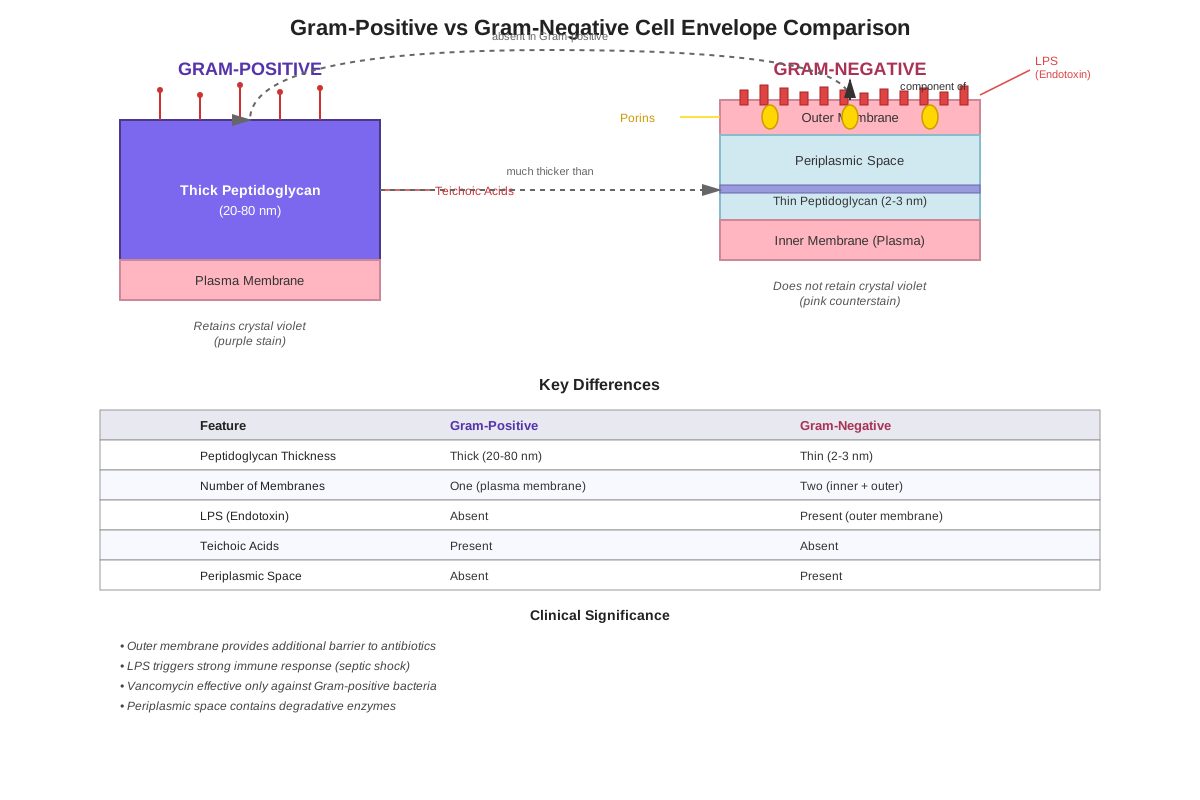
The Gram stain is a differential staining technique that categorizes bacteria based on cell envelope structure. This classification has profound implications for antibiotic susceptibility, pathogenicity, and immune recognition.
| Feature | Gram-Positive | Gram-Negative |
|---|---|---|
| Peptidoglycan layer | Thick (20-80 nm) | Thin (2-3 nm) |
| Outer membrane | Absent | Present |
| Teichoic acids | Present | Absent |
| Lipopolysaccharide (LPS) | Absent | Present |
| Periplasmic space | Minimal | Prominent |
| Gram stain result | Purple/blue | Pink/red |
| Antibiotic susceptibility | More susceptible to penicillin | More resistant due to outer membrane |
Gram-positive bacteria possess a thick peptidoglycan layer (comprising up to 90% of the cell wall) and contain teichoic acids—polymers of glycerol or ribitol phosphate that extend through and beyond the peptidoglycan layer. Teichoic acids contribute to cell wall rigidity, regulate cell division, and can trigger immune responses. The thick peptidoglycan layer retains the crystal violet-iodine complex during Gram staining, resulting in purple coloration.
Gram-negative bacteria have a thin peptidoglycan layer sandwiched between the plasma membrane and an outer membrane. The space between these membranes is called the periplasm or periplasmic space, which contains enzymes (including β-lactamases that confer antibiotic resistance) and binding proteins for nutrient transport. The outer membrane contains lipopolysaccharide (LPS) in its outer leaflet—a molecule consisting of lipid A (embedded in the membrane), a core polysaccharide, and an O-antigen (extending outward). LPS is a potent endotoxin that triggers strong immune responses, potentially leading to septic shock. The outer membrane acts as a permeability barrier, making Gram-negative bacteria inherently more resistant to many antibiotics, detergents, and immune factors.
Bacterial Appendages
Flagella
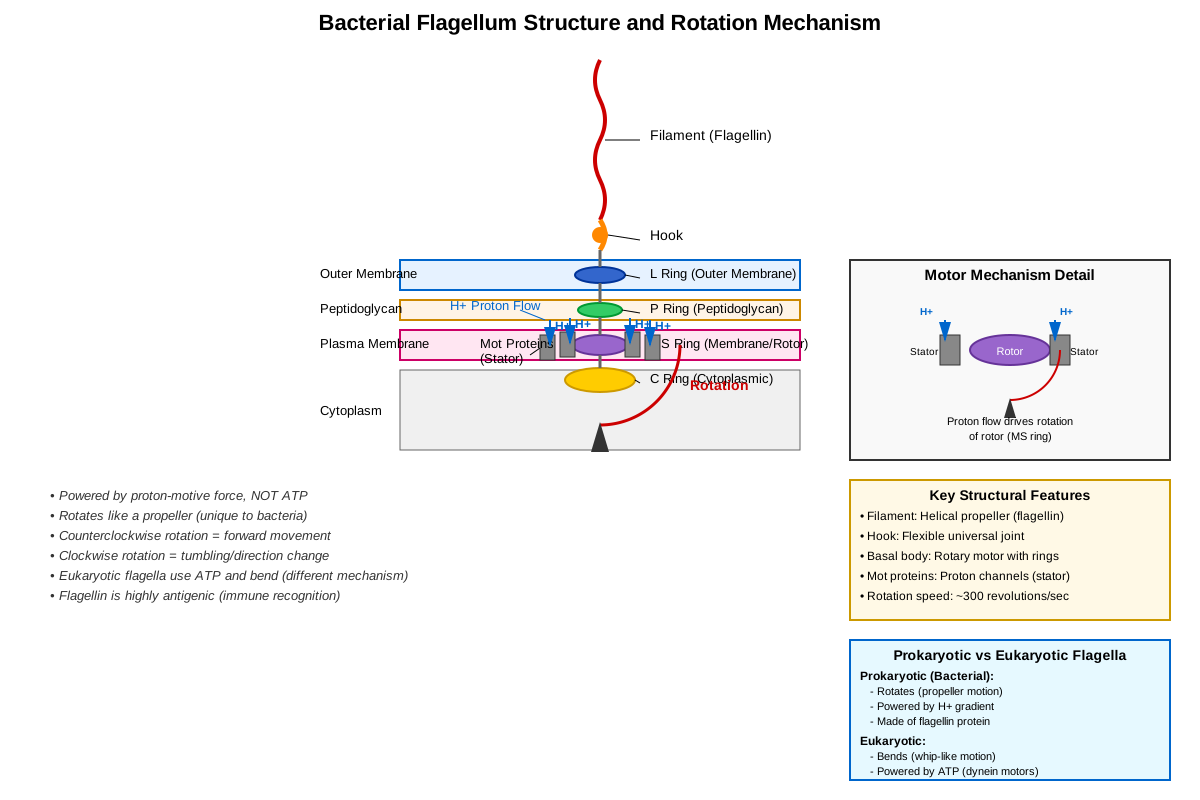
Flagella (singular: flagellum) are long, whip-like structures used for motility. Bacterial flagella differ completely from eukaryotic flagella in structure and mechanism. The bacterial flagellum consists of three parts:
- Filament: A hollow helical structure composed of flagellin protein subunits
- Hook: A flexible coupling connecting the filament to the basal body
- Basal body: A complex motor embedded in the cell envelope that rotates the flagellum
The flagellar motor is powered by proton-motive force (or sodium-motive force in some species) rather than ATP directly. Rotation can occur clockwise or counterclockwise, enabling bacteria to swim toward attractants (chemotaxis) or away from repellents. Flagellar arrangement varies: monotrichous (single flagellum), lophotrichous (tuft at one end), amphitrichous (flagella at both ends), or peritrichous (flagella distributed over entire surface).
Pili and Fimbriae
Pili (singular: pilus) and fimbriae are hair-like protein appendages shorter and more numerous than flagella. Fimbriae are involved in adhesion to surfaces and host tissues, playing crucial roles in colonization and pathogenesis. For example, uropathogenic E. coli use type 1 fimbriae to adhere to bladder epithelium.
Sex pili (or conjugative pili) are specialized structures encoded by plasmids that facilitate horizontal gene transfer through conjugation. During conjugation, the sex pilus extends from a donor cell to a recipient cell, enabling transfer of plasmid DNA. This mechanism is a major contributor to antibiotic resistance spread among bacterial populations.
Capsule and Glycocalyx
Many bacteria produce an outer layer of polysaccharides or proteins called a capsule (if well-organized and firmly attached) or slime layer (if loosely attached). Collectively, these structures are termed the glycocalyx. Capsules serve multiple functions:
- Antiphagocytic: Capsules inhibit phagocytosis by immune cells, making encapsulated bacteria more virulent (e.g., Streptococcus pneumoniae)
- Adhesion: Facilitate attachment to surfaces and biofilm formation
- Protection: Shield bacteria from desiccation and antimicrobial agents
- Nutrient storage: Can serve as carbon and energy reserves
The presence or absence of a capsule can dramatically affect bacterial pathogenicity. For instance, encapsulated strains of S. pneumoniae cause invasive disease, while non-encapsulated mutants are avirulent.
Bacterial Chromosome and Plasmids
The bacterial chromosome is a single, circular, double-stranded DNA molecule located in the nucleoid region. Unlike eukaryotic DNA, bacterial DNA is not associated with histones (though it is associated with nucleoid-associated proteins) and is not enclosed in a membrane. The circular chromosome is supercoiled to fit within the cell, with supercoiling maintained by enzymes like DNA gyrase (a type II topoisomerase and target of fluoroquinolone antibiotics).
Plasmids are small, circular, extrachromosomal DNA molecules that replicate independently of the chromosome. Plasmids often carry genes for antibiotic resistance, virulence factors, or metabolic capabilities. They can be transferred between bacteria through conjugation, transformation, or transduction, facilitating rapid adaptation and evolution.
Ribosomes
Bacterial ribosomes are 70S ribosomes, composed of 50S and 30S subunits (where S refers to Svedberg units, a measure of sedimentation rate). This contrasts with eukaryotic 80S ribosomes (60S and 40S subunits). The structural differences between prokaryotic and eukaryotic ribosomes are exploited by antibiotics like aminoglycosides (target 30S subunit), macrolides (target 50S subunit), and tetracyclines (target 30S subunit), which selectively inhibit bacterial protein synthesis without affecting human ribosomes.
Endospores
Some Gram-positive bacteria (notably Bacillus and Clostridium species) can form endospores—highly resistant, dormant structures that enable survival under extreme conditions. Endospores contain a copy of the bacterial chromosome, minimal cytoplasm, and specialized protective layers including a thick peptidoglycan cortex and a protein coat. Endospores are resistant to heat, radiation, desiccation, and chemical disinfectants. When conditions become favorable, endospores germinate to produce vegetative cells. Medically important spore-formers include Clostridium tetani (tetanus), Clostridium botulinum (botulism), and Bacillus anthracis (anthrax).
Concept Relationships
The structural components of bacteria form an integrated system where each element supports and interacts with others. The plasma membrane serves as the foundation upon which the cell wall is built, with peptidoglycan synthesis occurring at the membrane surface. In Gram-negative bacteria, the outer membrane provides an additional protective layer, creating the periplasmic space that houses enzymes and binding proteins essential for nutrient acquisition and antibiotic resistance.
Flagella and pili are anchored in the cell envelope, with flagellar basal bodies spanning multiple membrane layers (especially complex in Gram-negative bacteria where they must traverse both membranes). The capsule surrounds the entire cell envelope, providing the outermost interface with the environment and immune system.
The bacterial chromosome → directs synthesis of → ribosomes and structural proteins → which assemble into → cell envelope components and appendages → enabling → survival, motility, and pathogenesis
Plasmids → carry genes for → antibiotic resistance enzymes → which may be secreted into → periplasmic space → protecting the cell from antibiotics
This topic connects to prerequisite knowledge of membrane structure (understanding the plasma membrane), protein synthesis (ribosome function), and DNA structure (chromosome organization). It extends to related topics including antibiotic mechanisms (targeting cell wall synthesis, protein synthesis), bacterial genetics (plasmid transfer, horizontal gene transfer), immunology (recognition of LPS, capsule as virulence factor), and microbial pathogenesis (role of pili, flagella, capsule in infection).
Quick check — test yourself on Bacterial structure so far.
Try Flashcards →High-Yield Facts
- ⭐ Peptidoglycan is unique to bacteria and consists of NAG-NAM sugars cross-linked by peptide chains containing D-amino acids
- ⭐ Gram-positive bacteria have thick peptidoglycan layers and stain purple; Gram-negative bacteria have thin peptidoglycan plus an outer membrane and stain pink
- ⭐ Lipopolysaccharide (LPS) is found only in Gram-negative outer membranes and acts as an endotoxin triggering immune responses
- ⭐ Bacterial ribosomes (70S) differ from eukaryotic ribosomes (80S), making them selective antibiotic targets
- ⭐ β-lactam antibiotics (penicillins, cephalosporins) inhibit peptidoglycan cross-linking by targeting transpeptidase enzymes
- Bacterial flagella rotate using proton-motive force, unlike eukaryotic flagella which use ATP-powered dynein motors
- The periplasmic space in Gram-negative bacteria contains β-lactamases that degrade penicillin-type antibiotics
- Capsules inhibit phagocytosis, making encapsulated bacteria more virulent than non-encapsulated strains
- Plasmids can be transferred between bacteria via conjugation through sex pili, spreading antibiotic resistance
- Endospores formed by Bacillus and Clostridium species are resistant to heat, radiation, and chemical disinfectants
- Bacterial chromosomes are circular, supercoiled, and located in the nucleoid (not membrane-bound)
- Teichoic acids are found only in Gram-positive cell walls and contribute to rigidity and immune recognition
- Lysozyme cleaves peptidoglycan bonds between NAG and NAM, providing innate immune defense
- The outer membrane of Gram-negative bacteria contains porins that allow selective passage of small molecules
Common Misconceptions
Misconception: All bacteria have the same basic cell wall structure.
Correction: Bacteria are divided into Gram-positive and Gram-negative categories with fundamentally different cell envelope architectures. Gram-positive bacteria have thick peptidoglycan layers without an outer membrane, while Gram-negative bacteria have thin peptidoglycan sandwiched between two membranes. Additionally, some bacteria (like Mycobacterium) have unique cell walls with high lipid content, and Mycoplasma species lack cell walls entirely.
Misconception: Bacterial flagella and eukaryotic flagella are similar structures that evolved from a common ancestor.
Correction: Bacterial and eukaryotic flagella are completely different structures that arose through convergent evolution. Bacterial flagella are helical protein filaments rotated by a motor powered by proton-motive force, while eukaryotic flagella are composed of microtubules (9+2 arrangement) that bend using ATP-powered dynein motors. They share only the name and general function (motility).
Misconception: The Gram stain color directly indicates antibiotic susceptibility.
Correction: While Gram stain results correlate with certain structural features that affect antibiotic susceptibility, the relationship is not absolute. Gram-negative bacteria are generally more resistant to penicillin due to their outer membrane barrier, but many other factors (including specific resistance genes, efflux pumps, and enzyme production) determine actual susceptibility. The Gram stain reveals structural differences, not a direct measure of antibiotic effectiveness.
Misconception: Bacterial capsules are made of peptidoglycan like the cell wall.
Correction: Capsules are typically composed of polysaccharides (occasionally proteins) that are chemically distinct from peptidoglycan. The capsule surrounds the cell wall as an additional outer layer. Peptidoglycan provides structural support, while capsules primarily serve protective and adhesive functions.
Misconception: Plasmids are essential for bacterial survival.
Correction: Plasmids are extrachromosomal genetic elements that are not essential for basic bacterial survival under normal conditions. The bacterial chromosome contains all genes necessary for fundamental cellular processes. Plasmids typically carry "accessory" genes that provide advantages under specific conditions (antibiotic resistance, virulence factors, specialized metabolic capabilities). Bacteria can lose plasmids and remain viable, though they may lose the advantageous traits.
Misconception: All bacteria can form endospores when stressed.
Correction: Endospore formation is limited to certain Gram-positive bacteria, primarily Bacillus and Clostridium species. Most bacteria cannot form endospores and instead respond to stress through other mechanisms (entering stationary phase, forming biofilms, or dying). Endospore formation is a complex developmental process requiring specialized genes not present in most bacterial species.
Worked Examples
Example 1: Antibiotic Mechanism Question
Question: A researcher is studying a novel antibiotic that prevents bacterial cell wall synthesis by inhibiting the enzyme that cross-links peptidoglycan strands. The antibiotic is tested against four bacterial species. Against which of the following would the antibiotic most likely be LEAST effective?
A) Staphylococcus aureus (Gram-positive coccus)
B) Streptococcus pneumoniae (Gram-positive coccus with capsule)
C) Pseudomonas aeruginosa (Gram-negative rod with outer membrane)
D) Bacillus anthracis (Gram-positive rod, spore-former)
Reasoning Process:
- Identify the mechanism: The antibiotic inhibits peptidoglycan cross-linking, similar to β-lactam antibiotics like penicillin.
- Consider structural barriers: Gram-negative bacteria have an outer membrane that acts as a permeability barrier, reducing antibiotic penetration. This outer membrane contains LPS and has limited porins, making it difficult for large or hydrophobic molecules to pass through.
- Evaluate each option:
- Option A: Gram-positive bacteria have thick, exposed peptidoglycan layers without an outer membrane barrier—highly susceptible
- Option B: Despite having a capsule, the capsule doesn't prevent antibiotic penetration to the cell wall; still Gram-positive—susceptible
- Option C: Gram-negative with outer membrane barrier—reduced penetration
- Option D: Gram-positive with exposed peptidoglycan; endospores are dormant and not actively synthesizing cell walls, but vegetative cells would be susceptible
- Apply knowledge: The outer membrane of Gram-negative bacteria is the primary structural feature that reduces antibiotic effectiveness by limiting drug access to the peptidoglycan layer.
Answer: C) Pseudomonas aeruginosa
Key Takeaway: When evaluating antibiotic effectiveness, consider both the drug's mechanism and structural barriers that might prevent the drug from reaching its target. The Gram-negative outer membrane is a critical barrier for many antibiotics targeting cell wall synthesis.
Example 2: Experimental Design Analysis
Question: Researchers create a mutant strain of E. coli that lacks the ability to produce type 1 fimbriae. When comparing the mutant strain to wild-type E. coli in a urinary tract infection model using mice, which result would most likely be observed?
A) The mutant strain would be more virulent because it could evade immune detection
B) The mutant strain would be less virulent because it cannot adhere to bladder epithelium
C) The mutant strain would show increased antibiotic resistance
D) The mutant strain would be unable to replicate its DNA
Reasoning Process:
- Identify the structure and function: Type 1 fimbriae are adhesive appendages that allow bacteria to attach to host tissues. In uropathogenic E. coli, these structures are critical for colonizing the urinary tract by binding to epithelial cells.
- Predict the consequence of loss: Without fimbriae, bacteria cannot effectively adhere to bladder epithelium. Non-adherent bacteria would be washed away by urine flow before establishing infection.
- Evaluate each option:
- Option A: Loss of adhesion structures would not enhance immune evasion; if anything, it would reduce the ability to establish infection
- Option B: This directly follows from fimbriae function—loss of adhesion would reduce colonization and virulence
- Option C: Fimbriae are not involved in antibiotic resistance mechanisms
- Option D: Fimbriae are surface structures unrelated to DNA replication
- Connect to pathogenesis: Bacterial virulence often depends on adhesion as the first step in infection. Structures like fimbriae, pili, and capsules that facilitate attachment or immune evasion are key virulence factors.
Answer: B) The mutant strain would be less virulent because it cannot adhere to bladder epithelium
Key Takeaway: Bacterial appendages like fimbriae and pili are not just structural features—they are functional virulence factors. Questions may present mutant strains lacking specific structures and ask you to predict phenotypic consequences based on structure-function relationships.
Exam Strategy
Approaching Bacterial Structure Questions
When encountering MCAT questions on bacterial structure, follow this systematic approach:
- Identify the bacterial type first: Determine whether the question involves Gram-positive or Gram-negative bacteria, as this fundamentally affects structure and antibiotic susceptibility.
- Map structure to function: The MCAT rarely tests pure memorization. Instead, questions require you to connect structural features to their functional consequences (e.g., outer membrane → antibiotic barrier; capsule → antiphagocytic).
- Consider the clinical or experimental context: Passage-based questions often present scenarios involving infection, antibiotic treatment, or bacterial genetics. Use structural knowledge to predict outcomes.
Trigger Words and Phrases
Watch for these key terms that signal specific concepts:
- "Cell wall synthesis" or "peptidoglycan cross-linking" → Think β-lactam antibiotics, transpeptidase
- "Gram stain" or "crystal violet retention" → Distinguish Gram-positive (thick peptidoglycan) from Gram-negative (outer membrane)
- "Endotoxin" → Lipopolysaccharide (LPS) in Gram-negative outer membrane
- "Adhesion" or "colonization" → Fimbriae, pili, or capsule
- "Motility" or "chemotaxis" → Flagella
- "Horizontal gene transfer" or "conjugation" → Plasmids, sex pili
- "Antibiotic resistance" → Consider outer membrane barrier, β-lactamases in periplasm, or plasmid-encoded resistance genes
- "Phagocytosis resistance" → Capsule
Process-of-Elimination Tips
- Eliminate options that confuse prokaryotic and eukaryotic features: If an answer choice attributes membrane-bound organelles, histones, or 80S ribosomes to bacteria, eliminate it immediately.
- Watch for absolute statements: Answers using "all bacteria" or "never" are often incorrect due to bacterial diversity (e.g., not all bacteria have flagella; Mycoplasma lacks cell walls).
- Consider structural barriers: When questions involve antibiotic effectiveness, options suggesting Gram-negative bacteria are more susceptible than Gram-positive to cell wall-targeting antibiotics are typically incorrect.
Time Allocation
Bacterial structure questions are typically straightforward if you know the content. Allocate:
- Discrete questions: 30-45 seconds—these usually test direct knowledge
- Passage-based questions: 60-90 seconds—require integrating passage information with structural knowledge
Don't overthink these questions. If you've mastered the core concepts, the correct answer usually becomes apparent quickly.
Memory Techniques
Mnemonics
Gram-Positive vs. Gram-Negative - "Positive = Purple = Peptidoglycan (thick)"
- Gram-Positive: Purple stain, thick Peptidoglycan layer
LPS Components - "Lipid Core O-antigen"
- Lipid A (endotoxin), Core polysaccharide, O-antigen
Flagellar Arrangement - "Monkeys Love All Peanuts"
- Monotrichous (single), Lophotrichous (tuft), Amphitrichous (both ends), Peritrichous (all around)
Ribosome Sizes - "Prokaryotes are 70 years old; Eukaryotes are 80 years old"
- Prokaryotic ribosomes: 70S
- Eukaryotic ribosomes: 80S
Endospore Formers - "Bad Clostridium Bugs"
- Bacillus and Clostridium form endospores
Visualization Strategies
The Envelope Layers: Visualize Gram-negative bacteria as a "sandwich" with the thin peptidoglycan layer as the filling between two membrane "slices." The outer membrane has LPS "spikes" pointing outward. Gram-positive bacteria are like a "thick crust" with just one membrane and a massive peptidoglycan layer.
Flagellar Motor: Picture a bacterial flagellum as a boat propeller embedded in the cell envelope, with protons flowing through the motor like water turning a waterwheel, causing rotation.
Capsule Function: Imagine the capsule as a "slime shield" that makes bacteria slippery to immune cells trying to grab them—like trying to catch a greased pig.
Acronyms
NAG-NAM for peptidoglycan components:
- N-AcetylGlucosamine
- N-AcetylMuramic Acid
Summary
Bacterial structure represents a fundamental topic in MCAT Biology that integrates cellular organization, biochemistry, and clinical medicine. Bacteria are prokaryotic cells lacking membrane-bound organelles, with genetic material organized in a nucleoid region rather than a nucleus. The cell envelope—comprising the plasma membrane, peptidoglycan cell wall, and (in Gram-negative species) an outer membrane—defines bacterial architecture and serves as the primary target for many antibiotics. Gram-positive bacteria possess thick peptidoglycan layers and stain purple, while Gram-negative bacteria have thin peptidoglycan sandwiched between two membranes, with the outer membrane containing lipopolysaccharide (LPS) endotoxin. Bacterial appendages including flagella (motility), pili and fimbriae (adhesion and conjugation), and capsules (protection from phagocytosis) serve as critical virulence factors. Bacterial ribosomes (70S) differ structurally from eukaryotic ribosomes (80S), enabling selective antibiotic targeting. Understanding these structural features and their functional consequences allows prediction of antibiotic mechanisms, bacterial pathogenesis, and experimental outcomes—skills directly tested on the MCAT.
Key Takeaways
- Peptidoglycan is the unique bacterial cell wall polymer composed of NAG-NAM sugars cross-linked by peptides, serving as the target for β-lactam antibiotics
- Gram-positive bacteria have thick peptidoglycan and stain purple; Gram-negative bacteria have thin peptidoglycan plus an outer membrane containing LPS and stain pink
- The outer membrane of Gram-negative bacteria acts as a permeability barrier, conferring resistance to many antibiotics and containing LPS endotoxin
- Bacterial ribosomes (70S) differ from eukaryotic ribosomes (80S), making them selective antibiotic targets without affecting human protein synthesis
- Bacterial appendages—flagella (motility), pili/fimbriae (adhesion), and capsules (antiphagocytic)—are key virulence factors that enable colonization and immune evasion
- Plasmids carry accessory genes (often antibiotic resistance) and can be transferred between bacteria via conjugation, facilitating rapid adaptation
- Structure-function relationships are central to MCAT questions: predict functional consequences based on structural features or identify structures based on described functions
Related Topics
Antibiotic Mechanisms: Understanding bacterial structure is prerequisite to learning how antibiotics work. Cell wall synthesis inhibitors (β-lactams, vancomycin), protein synthesis inhibitors (aminoglycosides, tetracyclines, macrolides), and DNA synthesis inhibitors (fluoroquinolones) all target specific bacterial structures or processes.
Bacterial Genetics: Bacterial chromosome organization, plasmids, and horizontal gene transfer mechanisms (transformation, transduction, conjugation) build directly on structural knowledge, particularly regarding plasmids and sex pili.
Microbial Pathogenesis: The role of bacterial structures in virulence—including capsules, fimbriae, flagella, and LPS—connects structural knowledge to disease mechanisms and immune responses.
Immunology: The innate and adaptive immune responses to bacteria depend on recognition of structural components like LPS, peptidoglycan, and capsular polysaccharides. Understanding bacterial structure enables comprehension of pattern recognition receptors and antibody targets.
Prokaryotic vs. Eukaryotic Cell Biology: Bacterial structure serves as the foundation for comparing prokaryotic and eukaryotic cellular organization, a common MCAT theme that appears across multiple question types.
Practice CTA
Now that you've mastered the core concepts of bacterial structure, it's time to reinforce your learning through active practice. Attempt the practice questions and flashcards associated with this topic to test your ability to apply these concepts in exam-style scenarios. Focus particularly on questions requiring you to predict functional consequences of structural features or to identify structures based on experimental observations. Remember, the MCAT rewards understanding of relationships and mechanisms, not just memorization of facts. Each practice question you work through strengthens your ability to think critically about bacterial biology and builds confidence for test day. You've got this!
Sign up free to keep reading
Create a free AnvayaPrep account to finish this MCAT guide on Bacterial structure — plus flashcards and practice questions.