Overview
Prions represent one of the most unusual and fascinating infectious agents in Biology, challenging the traditional understanding of what constitutes a pathogen. Unlike bacteria, viruses, fungi, or parasites—all of which contain nucleic acids (DNA or RNA)—prions are misfolded proteins that can induce normal proteins to adopt their aberrant conformation. This protein-only infectious agent causes a group of fatal neurodegenerative diseases known as transmissible spongiform encephalopathies (TSEs), including Creutzfeldt-Jakob disease in humans, bovine spongiform encephalopathy (mad cow disease) in cattle, and scrapie in sheep.
For the MCAT, understanding prions is essential because they represent a critical exception to the central dogma of molecular biology and challenge students to think beyond conventional pathogen models. Questions involving prions test comprehension of protein structure, particularly the distinction between primary, secondary, tertiary, and quaternary structure, as well as the concept that function follows form in biochemistry. Prion diseases also illustrate important principles of neurobiology, protein folding, and the limitations of the immune system in recognizing self-proteins.
Within the broader context of Microbiology and Biology, prions connect to multiple high-yield topics including protein structure and function, neurodegenerative diseases, the immune response to pathogens, and sterilization techniques. The study of prions reinforces the principle that biological information can be transmitted through conformational changes rather than exclusively through nucleic acid sequences, making this topic a conceptual bridge between biochemistry, cell biology, and infectious disease.
Learning Objectives
- [ ] Define prions using accurate Biology terminology, including their molecular composition and mechanism of action
- [ ] Explain why prions matter for the MCAT, particularly in the context of protein structure and infectious disease
- [ ] Apply knowledge of prions to exam-style questions involving protein folding, disease transmission, and sterilization
- [ ] Identify common mistakes related to prions, especially confusion with viruses and misunderstanding of their replication mechanism
- [ ] Connect prions to related Biology concepts including protein structure, neurodegenerative diseases, and the immune system
- [ ] Compare and contrast prions with conventional pathogens (bacteria, viruses, fungi, parasites) based on structure and replication
- [ ] Analyze why prions are resistant to standard sterilization and decontamination procedures
- [ ] Evaluate the implications of prion diseases for public health and food safety
Prerequisites
- Protein structure (primary, secondary, tertiary, quaternary): Essential for understanding how prions differ from normal proteins only in their three-dimensional conformation
- Central dogma of molecular biology (DNA → RNA → protein): Necessary to appreciate how prions represent an exception to traditional information flow
- Basic immunology concepts: Required to understand why the immune system fails to mount an effective response against prions
- Neuron structure and function: Helpful for comprehending the neurological manifestations of prion diseases
- Enzyme kinetics and catalysis: Relevant for understanding the autocatalytic nature of prion conversion
Why This Topic Matters
Clinical and Real-World Significance
Prion diseases, though rare, are invariably fatal and have no effective treatment or cure. The emergence of variant Creutzfeldt-Jakob disease (vCJD) in humans linked to consumption of beef from cattle with bovine spongiform encephalopathy demonstrated that prions could cross species barriers, creating significant public health concerns. The long incubation periods (sometimes decades) and the resistance of prions to conventional sterilization methods pose unique challenges for healthcare settings, particularly in surgical procedures involving neural tissue. Understanding prions is crucial for medical professionals to implement appropriate infection control measures and recognize the clinical presentation of these devastating diseases.
MCAT Exam Statistics and Question Types
Prions appear on the MCAT with medium frequency, typically in passages or discrete questions within the Biological and Biochemical Foundations of Living Systems section. Questions often test:
- Protein structure and folding (most common): Distinguishing between normal and misfolded prion proteins
- Comparison with other pathogens: Identifying unique characteristics that differentiate prions from viruses and bacteria
- Experimental design: Analyzing studies investigating prion transmission or sterilization efficacy
- Disease mechanisms: Understanding how protein misfolding leads to neurodegeneration
Common Exam Contexts
On the MCAT, prions typically appear in:
- Biochemistry passages discussing protein folding diseases or chaperone proteins
- Microbiology passages comparing different classes of infectious agents
- Neuroscience passages exploring neurodegenerative diseases
- Experimental passages presenting novel research on protein conformational changes
- Discrete questions testing knowledge of pathogen characteristics or sterilization methods
Core Concepts
Definition and Molecular Composition
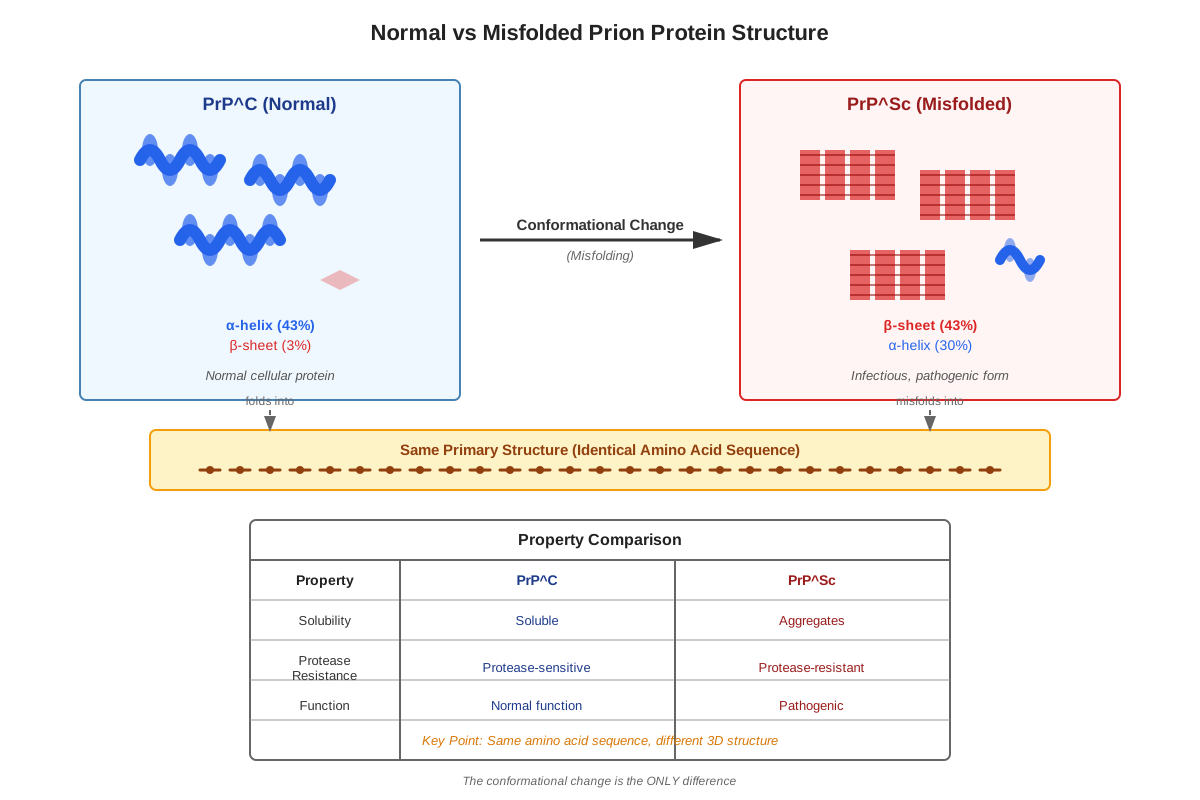
A prion (proteinaceous infectious particle) is an infectious agent composed entirely of protein, specifically a misfolded form of a normal cellular protein. The term was coined by Stanley Prusiner, who received the Nobel Prize in 1997 for his discovery. The normal cellular prion protein is designated PrP^C (C for cellular), while the disease-causing misfolded form is designated PrP^Sc (Sc for scrapie, the prion disease of sheep).
Both PrP^C and PrP^Sc have identical primary structures—the same amino acid sequence encoded by the same gene (PRNP in humans). The critical difference lies in their secondary and tertiary structures. PrP^C is predominantly α-helical (approximately 42% α-helix and 3% β-sheet), while PrP^Sc contains significantly more β-sheet structure (approximately 30% α-helix and 43% β-sheet). This conformational change makes PrP^Sc resistant to proteases, insoluble in detergents, and prone to aggregation.
The Prion Conversion Mechanism
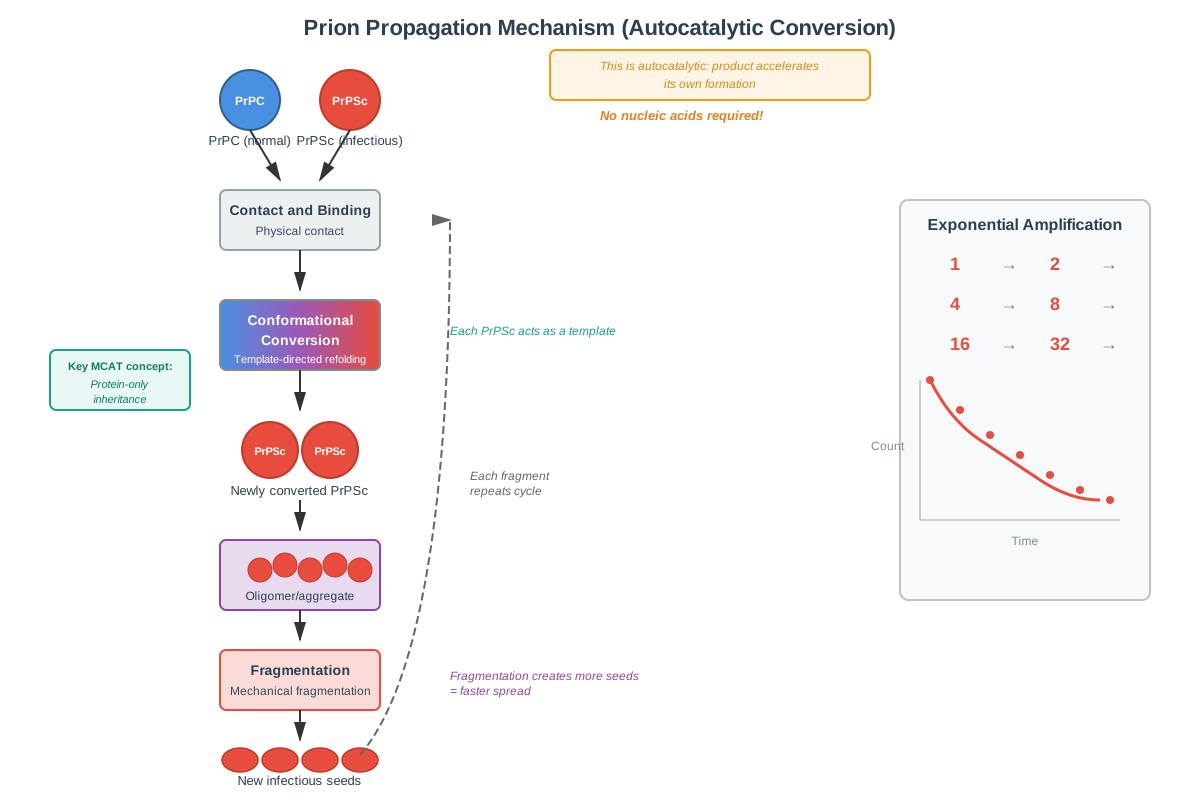
The pathogenic mechanism of prions involves a template-directed refolding process. When PrP^Sc encounters PrP^C, it induces the normal protein to convert into the misfolded conformation. This process is autocatalytic—each newly converted PrP^Sc molecule can convert additional PrP^C molecules, leading to exponential accumulation of the abnormal protein. The conversion mechanism can be summarized:
- PrP^Sc binds to PrP^C
- PrP^Sc acts as a template, inducing conformational change in PrP^C
- The newly converted PrP^Sc can now convert additional PrP^C molecules
- Misfolded proteins aggregate into oligomers and fibrils
- Aggregates accumulate in neural tissue, causing cellular dysfunction and death
This mechanism explains why prions can be infectious despite containing no genetic material—the information for replication is encoded in the three-dimensional structure of the protein itself, not in a nucleic acid sequence.
Prion Diseases (Transmissible Spongiform Encephalopathies)
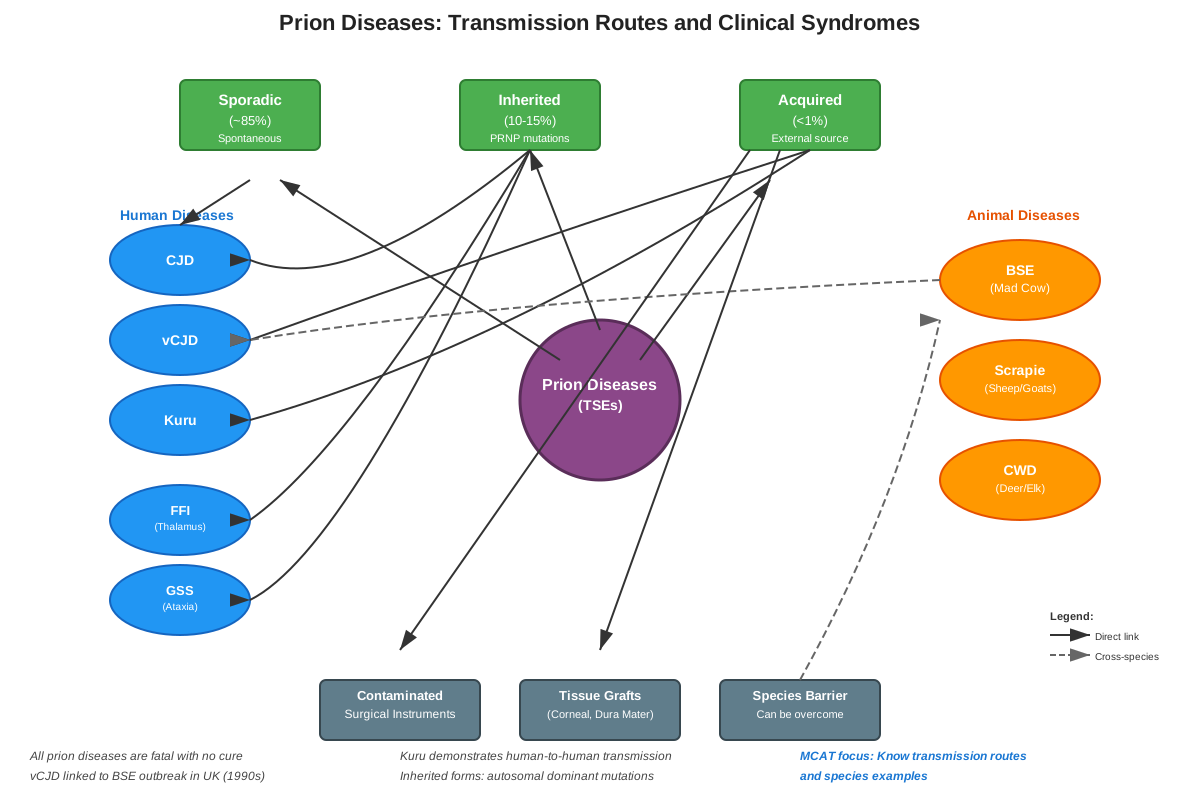
Prion diseases are collectively called transmissible spongiform encephalopathies (TSEs) because they can be transmitted and they cause characteristic sponge-like holes in brain tissue. Major prion diseases include:
| Disease | Host | Transmission Route |
|---|---|---|
| Creutzfeldt-Jakob Disease (CJD) | Humans | Sporadic (85%), inherited (10-15%), iatrogenic (<1%) |
| Variant CJD (vCJD) | Humans | Consumption of BSE-contaminated beef |
| Kuru | Humans | Ritualistic cannibalism (historical) |
| Fatal Familial Insomnia (FFI) | Humans | Inherited mutation |
| Gerstmann-Sträussler-Scheinker (GSS) | Humans | Inherited mutation |
| Bovine Spongiform Encephalopathy (BSE) | Cattle | Contaminated feed containing neural tissue |
| Scrapie | Sheep, goats | Horizontal transmission, environmental persistence |
| Chronic Wasting Disease (CWD) | Deer, elk, moose | Environmental transmission |
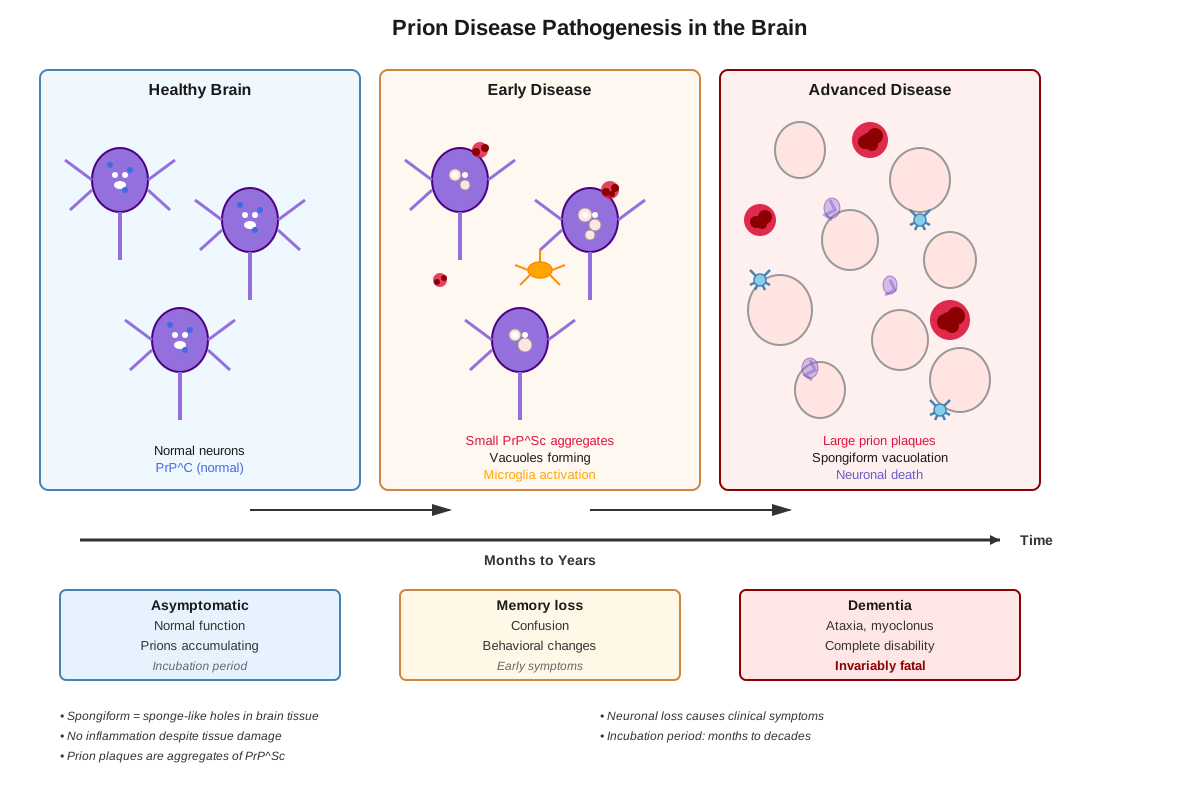
All prion diseases share common features: long incubation periods (months to decades), progressive neurodegeneration, spongiform changes in brain tissue, accumulation of PrP^Sc, and invariably fatal outcomes.
Resistance to Conventional Sterilization
One of the most clinically significant properties of prions is their extraordinary resistance to standard sterilization and decontamination procedures. Unlike bacteria, viruses, and fungi, prions are not inactivated by:
- Heat: Standard autoclaving (121°C for 15-20 minutes) is insufficient
- Radiation: UV and ionizing radiation that damage nucleic acids have no effect
- Chemical disinfectants: Formaldehyde, alcohol, and most common disinfectants are ineffective
- Proteases: PrP^Sc is partially resistant to protease digestion
This resistance stems from the lack of nucleic acids (no target for radiation or nucleases) and the extremely stable β-sheet-rich structure of PrP^Sc. Effective prion decontamination requires:
- Prolonged autoclaving at higher temperatures (134°C for 18 minutes or 132°C for 60 minutes)
- Treatment with concentrated sodium hydroxide (1-2 M NaOH)
- Treatment with sodium hypochlorite (bleach) at high concentrations
- Incineration at very high temperatures
Immune Evasion
Prions evade the immune system through a unique mechanism: they are essentially self-proteins. Because PrP^C is a normal cellular protein expressed in many tissues (especially the nervous system), the immune system recognizes both PrP^C and PrP^Sc as "self" and does not mount an immune response. The conformational difference between PrP^C and PrP^Sc does not create new epitopes that would trigger antibody production or T-cell activation. This explains why:
- There is no inflammatory response in prion diseases
- No antibodies against prions are produced
- No vaccine can be developed using traditional approaches
- Prion diseases progress without immune-mediated symptoms (no fever, no elevated white blood cell count)
Comparison with Other Pathogens
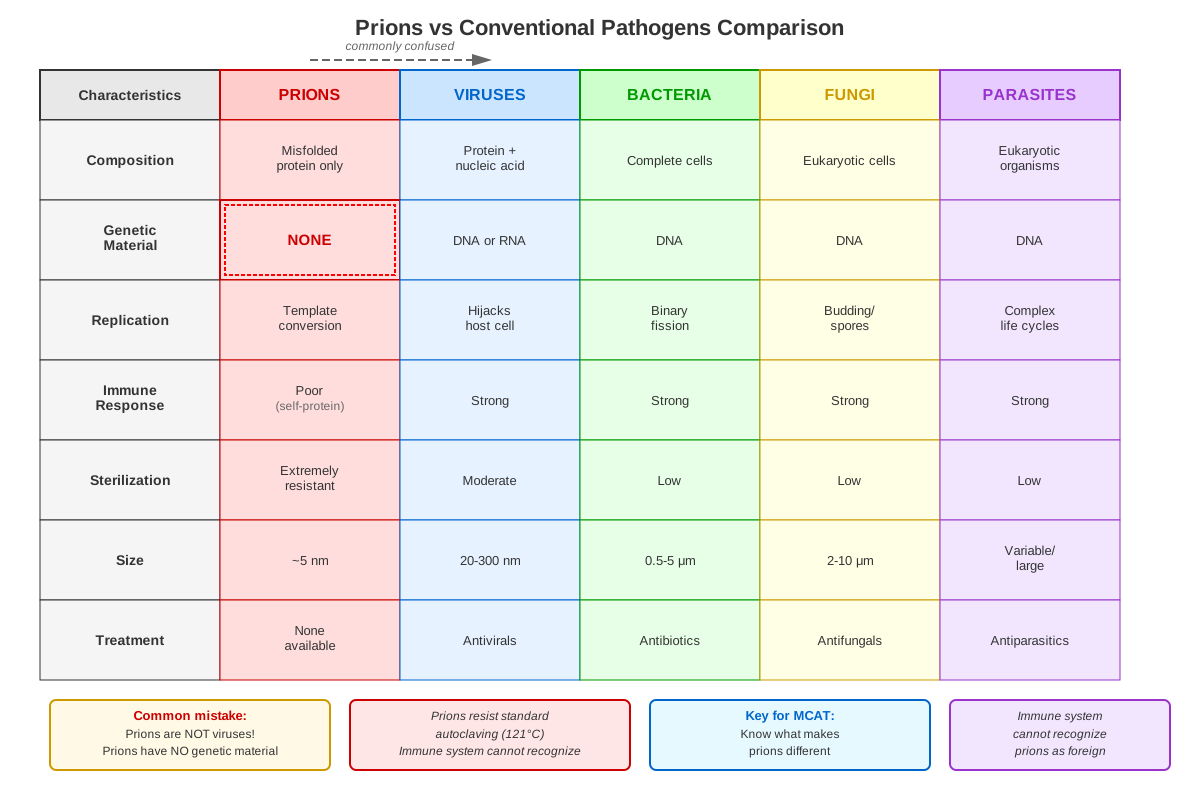
Understanding how prions differ from conventional pathogens is high-yield for the MCAT:
| Feature | Prions | Viruses | Bacteria |
|---|---|---|---|
| Composition | Protein only | Protein + nucleic acid | Complete cells with DNA/RNA |
| Genetic material | None | DNA or RNA | DNA (and sometimes plasmids) |
| Replication | Template-directed protein misfolding | Requires host cell machinery | Binary fission |
| Immune response | None (recognized as self) | Strong (antibodies, T-cells) | Strong (inflammation, antibodies) |
| Antibiotic/antiviral susceptibility | Not applicable | Antivirals may work | Antibiotics effective |
| Sterilization | Extremely resistant | Moderate resistance | Relatively susceptible |
| Size | ~2-3 nm (protein) | 20-300 nm | 0.5-5 μm |
Concept Relationships
The study of prions integrates multiple biological concepts in a unique way. Protein structure forms the foundation—understanding that proteins with identical primary structure can have different tertiary structures and therefore different functions is essential. This connects to thermodynamics and protein folding, where the misfolded prion represents a kinetically trapped, high-energy state that is nevertheless stable due to its aggregation properties.
The autocatalytic conversion mechanism of prions relates to enzyme kinetics, though prions are not true enzymes (they don't have a substrate that is chemically modified and released). Instead, they act as conformational templates, which connects to concepts of molecular recognition and protein-protein interactions.
Prion diseases illustrate principles of neurobiology, particularly the vulnerability of neurons to protein aggregation and the consequences of neuronal loss. This connects to other neurodegenerative diseases like Alzheimer's disease (amyloid-β plaques) and Parkinson's disease (α-synuclein aggregates), which share the common theme of protein misfolding and aggregation, though these are not infectious.
The relationship map can be visualized as:
Protein primary structure → Protein folding → Tertiary structure determines function → Misfolding creates PrP^Sc → Template-directed conversion → Autocatalytic amplification → Protein aggregation → Neuronal dysfunction → Spongiform encephalopathy → Fatal neurodegeneration
Additionally: Lack of nucleic acids → Resistance to standard sterilization → Clinical infection control challenges
And: Self-protein nature → Immune tolerance → No inflammatory response → No vaccine development
High-Yield Facts
⭐ Prions are composed entirely of protein with no nucleic acid (DNA or RNA)
⭐ PrP^C and PrP^Sc have identical amino acid sequences but different three-dimensional conformations
⭐ PrP^Sc has more β-sheet structure than PrP^C, making it protease-resistant and prone to aggregation
⭐ Prions replicate through template-directed conversion of normal PrP^C into misfolded PrP^Sc
⭐ Prions are resistant to standard sterilization methods including autoclaving, UV radiation, and most chemical disinfectants
- All prion diseases are fatal with no effective treatment or cure
- Prions do not elicit an immune response because they are recognized as self-proteins
- Transmissible spongiform encephalopathies cause characteristic sponge-like holes in brain tissue
- Variant CJD in humans was linked to consumption of BSE-contaminated beef, demonstrating cross-species transmission
- Prion diseases have extremely long incubation periods, sometimes lasting decades
- The PRNP gene encodes the normal prion protein (PrP^C), and mutations can cause inherited prion diseases
- Kuru, a human prion disease, was transmitted through ritualistic cannibalism and provided early evidence of human prion transmission
Quick check — test yourself on Prions so far.
Try Flashcards →Common Misconceptions
Misconception: Prions are a type of virus or contain viral genetic material.
Correction: Prions are fundamentally different from viruses. They contain no nucleic acids whatsoever—no DNA or RNA. They are purely protein-based infectious agents, while all viruses contain either DNA or RNA surrounded by a protein coat.
Misconception: Prions can be killed or destroyed by standard sterilization techniques like regular autoclaving.
Correction: Prions are extraordinarily resistant to conventional sterilization. Standard autoclaving (121°C for 15-20 minutes) does not inactivate prions. Effective decontamination requires prolonged autoclaving at higher temperatures (134°C for 18+ minutes), treatment with strong bases like sodium hydroxide, or incineration.
Misconception: The body produces antibodies against prions, but they are ineffective at clearing the infection.
Correction: The immune system does not produce antibodies against prions at all. Because PrP^Sc is simply a misfolded version of the normal self-protein PrP^C, the immune system recognizes it as "self" and does not mount an immune response. This is why there is no inflammation in prion diseases.
Misconception: Prions have a different amino acid sequence than normal prion proteins.
Correction: PrP^C (normal) and PrP^Sc (disease-causing) have identical primary structures—the exact same amino acid sequence. The difference is purely conformational, involving changes in secondary and tertiary structure (more β-sheet in PrP^Sc), not changes in the amino acid sequence.
Misconception: Prions replicate by dividing like bacteria or by hijacking cellular machinery to produce copies like viruses.
Correction: Prions replicate through a unique mechanism called template-directed refolding. The misfolded PrP^Sc acts as a template that induces normal PrP^C proteins to adopt the misfolded conformation. This is an autocatalytic process that doesn't require nucleic acids or cellular machinery for protein synthesis—the host cell has already made the PrP^C proteins.
Misconception: All prion diseases are transmitted through infection from external sources.
Correction: Prion diseases can arise through three mechanisms: sporadic (spontaneous misfolding, ~85% of CJD cases), inherited (mutations in the PRNP gene that make PrP^C more likely to misfold, 10-15% of cases), and acquired/transmitted (through contaminated tissue, surgical instruments, or food, <5% of cases). Most cases are actually sporadic, not transmitted.
Worked Examples
Example 1: Experimental Design Question
Question: Researchers are investigating whether a novel neurodegenerative disease is caused by a prion. They isolate the suspected infectious agent from diseased brain tissue and perform the following experiments:
Experiment 1: Treat the agent with DNase and RNase (enzymes that degrade DNA and RNA), then inject into healthy mice. Result: Mice develop disease.
Experiment 2: Treat the agent with protease K (enzyme that degrades proteins), then inject into healthy mice. Result: Mice remain healthy.
Experiment 3: Expose the agent to UV radiation (which damages nucleic acids), then inject into healthy mice. Result: Mice develop disease.
Based on these results, is the agent likely to be a prion? Explain your reasoning.
Solution:
Step 1: Analyze what each experiment tests.
- Experiment 1 tests whether nucleic acids are required for infectivity
- Experiment 2 tests whether proteins are required for infectivity
- Experiment 3 provides additional evidence about nucleic acid involvement
Step 2: Interpret Experiment 1 results.
Treatment with DNase and RNase destroys DNA and RNA. If the agent still causes disease after this treatment, it does not require intact nucleic acids to be infectious. This is consistent with a prion (which has no nucleic acids) but inconsistent with viruses (which require nucleic acids).
Step 3: Interpret Experiment 2 results.
Treatment with protease K degrades proteins. If the agent loses infectivity after protease treatment, proteins are essential for its infectious nature. This is consistent with a prion (which is entirely protein) and rules out naked nucleic acids as the infectious agent.
Step 4: Interpret Experiment 3 results.
UV radiation damages nucleic acids but does not affect proteins. If the agent remains infectious after UV exposure, this provides additional evidence that nucleic acids are not required. This supports the prion hypothesis.
Step 5: Synthesize the evidence.
All three experiments support the conclusion that the agent is a prion:
- It does not require nucleic acids (Experiments 1 and 3)
- It requires protein (Experiment 2)
- It is resistant to UV radiation (Experiment 3)
Answer: Yes, the agent is likely a prion. The experimental evidence shows it is infectious without nucleic acids, requires protein for infectivity, and is resistant to UV radiation—all characteristic properties of prions.
Connection to Learning Objectives: This example demonstrates how to apply knowledge of prion properties to analyze experimental data, a common MCAT question format.
Example 2: Clinical Vignette Analysis
Question: A 58-year-old woman presents with progressive dementia, myoclonus (muscle jerks), and ataxia (loss of coordination) over the past 6 months. MRI shows brain atrophy, and EEG shows characteristic periodic sharp wave complexes. Cerebrospinal fluid analysis reveals elevated 14-3-3 protein. The patient has no family history of neurological disease and no history of neurosurgery or tissue transplantation. Laboratory tests show no signs of infection (normal white blood cell count, no fever, no elevated inflammatory markers).
A) What is the most likely diagnosis?
B) Why is there no inflammatory response despite this being an infectious disease?
C) If a brain biopsy were performed, what would you expect to see microscopically?
D) What precautions should be taken when handling surgical instruments used in this patient's care?
Solution:
Part A: The clinical presentation is most consistent with sporadic Creutzfeldt-Jakob Disease (sCJD), a prion disease.
Reasoning: The triad of rapidly progressive dementia, myoclonus, and ataxia is classic for CJD. The elevated 14-3-3 protein in CSF is a biomarker for CJD (released from dying neurons). The absence of family history makes inherited prion disease less likely, and the absence of neurosurgery/transplantation makes iatrogenic transmission unlikely, pointing to sporadic CJD.
Part B: There is no inflammatory response because prions are misfolded versions of a normal self-protein (PrP^C → PrP^Sc).
Reasoning: The immune system recognizes both PrP^C and PrP^Sc as "self" because they have identical amino acid sequences. The conformational difference does not create new epitopes that would be recognized as foreign. Therefore, no antibodies are produced, no T-cells are activated, and no inflammatory response occurs. This explains the normal white blood cell count and absence of fever despite progressive neurodegeneration.
Part C: Microscopic examination would reveal spongiform changes (vacuoles creating a sponge-like appearance), neuronal loss, astrocytic gliosis (proliferation of astrocytes), and accumulation of PrP^Sc (detectable with special staining).
Reasoning: These are the pathological hallmarks of transmissible spongiform encephalopathies. The vacuoles result from neuronal dysfunction and death caused by PrP^Sc accumulation and aggregation.
Part D: Surgical instruments must be decontaminated using special prion-inactivation protocols: prolonged autoclaving at 134°C for at least 18 minutes, or treatment with 1-2 M sodium hydroxide, or incineration.
Reasoning: Prions are extraordinarily resistant to standard sterilization. Regular autoclaving (121°C for 15-20 minutes) is insufficient. Because prions lack nucleic acids, UV radiation and formaldehyde (which work on conventional pathogens) are ineffective. The stable β-sheet structure of PrP^Sc requires extreme conditions for denaturation.
Connection to Learning Objectives: This example integrates clinical presentation, molecular mechanisms, pathology, and infection control, demonstrating how prion knowledge applies to medical scenarios commonly tested on the MCAT.
Exam Strategy
Approaching MCAT Questions on Prions
When encountering prion-related questions on the MCAT, follow this systematic approach:
1. Identify the question type:
- Protein structure comparison (PrP^C vs. PrP^Sc)
- Pathogen classification (prion vs. virus vs. bacteria)
- Mechanism of replication/transmission
- Sterilization/decontamination
- Immune response (or lack thereof)
2. Activate relevant knowledge:
- Immediately recall: "Prions = protein only, no nucleic acids"
- Remember: "Same primary structure, different tertiary structure"
- Think: "Template-directed conversion, autocatalytic"
3. Watch for trigger words and phrases:
- "Proteinaceous infectious particle" → prion
- "Transmissible spongiform encephalopathy" → prion disease
- "Resistant to standard sterilization" → likely prion
- "No immune response despite infection" → prion
- "Identical amino acid sequence, different conformation" → PrP^C vs. PrP^Sc
- "Mad cow disease" or "Creutzfeldt-Jakob disease" → prion disease
4. Process of elimination strategies:
- If a question asks what makes an agent infectious and the answer choices include "nucleic acids," eliminate this for prions
- If asked about immune response to prions, eliminate choices mentioning antibody production or inflammation
- If asked about effective sterilization, eliminate standard autoclaving or UV radiation
- If comparing pathogens, eliminate any choice that attributes viral or bacterial properties to prions
5. Common question formats:
- Experimental passages: Often present data about protein folding, transmission studies, or sterilization efficacy. Focus on what the data reveal about the nature of the infectious agent.
- Comparison tables: May ask you to identify which pathogen has specific properties. Remember prions' unique characteristics.
- Mechanism questions: May describe a disease process and ask you to identify the causative agent or explain the mechanism.
Time Allocation
Prion questions are typically straightforward if you know the core concepts. Allocate:
- Discrete questions: 30-45 seconds (quick recall of facts)
- Passage-based questions: 60-90 seconds per question (time to analyze data/scenarios)
Don't overthink prion questions—they usually test whether you understand the fundamental differences between prions and other pathogens.
Memory Techniques
Acronym: PRION Properties
Protein only (no nucleic acids)
Resistant to standard sterilization
Immune system doesn't respond (self-protein)
Only difference is conformation (same amino acid sequence)
Neurodegenerative diseases (always fatal)
Mnemonic: "BETA Sheets Make Bad Prions"
Remember that PrP^Sc has more BETA sheet structure than PrP^C:
- Bad conformation
- Extra β-sheets
- Template for conversion
- Aggregation prone
Visualization Strategy: The Domino Effect
Visualize prion conversion as a domino effect:
- One misfolded protein (PrP^Sc) = one fallen domino
- It knocks over adjacent normal proteins (PrP^C) = dominos falling in sequence
- Each newly fallen domino can knock over more = autocatalytic amplification
- Eventually, you have a pile of fallen dominos = protein aggregates causing disease
This mental image helps remember the template-directed, autocatalytic nature of prion replication.
Mnemonic for Sterilization: "Prions Need Extreme Heat"
Standard autoclaving = 121°C = NOT enough
Prion decontamination = 134°C = YES, effective
Remember: "Prions need 134 degrees—think 1-3-4 like counting up from standard sterilization"
Memory Aid for Disease Names
CJD = Crazy Jerky Dementia (describes the symptoms: dementia, myoclonus/jerky movements, and the rapid "crazy" progression)
BSE = Bovine Spongiform Encephalopathy = Beef Spongey brain Encephalopathy (mad cow disease)
Summary
Prions are unique infectious agents composed entirely of misfolded protein (PrP^Sc) with no nucleic acids, challenging traditional concepts of pathogens and information transfer in biology. The disease-causing prion protein has the same amino acid sequence as the normal cellular prion protein (PrP^C) but differs in three-dimensional conformation, containing more β-sheet structure that makes it protease-resistant and aggregation-prone. Prions replicate through template-directed conversion, where PrP^Sc induces normal PrP^C to adopt the misfolded conformation in an autocatalytic process. This mechanism causes transmissible spongiform encephalopathies—invariably fatal neurodegenerative diseases characterized by spongiform brain changes, neuronal loss, and accumulation of misfolded protein. Because prions are essentially self-proteins, they evade immune recognition, producing no inflammatory response or antibody production. Their lack of nucleic acids makes them extraordinarily resistant to standard sterilization methods including autoclaving, UV radiation, and most chemical disinfectants, requiring extreme conditions for inactivation. For the MCAT, understanding prions requires integrating concepts of protein structure, molecular biology, neuroscience, and infectious disease, with emphasis on how they differ fundamentally from conventional pathogens.
Key Takeaways
- Prions are protein-only infectious agents with no DNA or RNA, composed of misfolded PrP^Sc that converts normal PrP^C through template-directed refolding
- PrP^C and PrP^Sc have identical primary structures but different tertiary structures; PrP^Sc contains more β-sheet structure, making it protease-resistant and prone to aggregation
- Prion replication is autocatalytic: each PrP^Sc molecule can convert multiple PrP^C molecules, leading to exponential accumulation of misfolded protein
- Prions evade the immune system because they are recognized as self-proteins, resulting in no antibody production or inflammatory response despite causing fatal disease
- Prions are extraordinarily resistant to standard sterilization, requiring prolonged high-temperature autoclaving (134°C), strong bases, or incineration for effective decontamination
- All prion diseases are fatal transmissible spongiform encephalopathies with long incubation periods, progressive neurodegeneration, and characteristic spongiform brain pathology
- For the MCAT, focus on comparing prions to other pathogens and understanding how their unique properties (no nucleic acids, conformational replication, immune evasion, sterilization resistance) distinguish them from viruses and bacteria
Related Topics
Protein Folding and Chaperones: Understanding how proteins normally fold and the role of chaperone proteins in preventing misfolding provides context for how prion conversion represents a failure of normal protein quality control mechanisms.
Other Neurodegenerative Diseases: Alzheimer's disease (amyloid-β), Parkinson's disease (α-synuclein), and Huntington's disease all involve protein aggregation, though they are not infectious. Comparing these conditions to prion diseases reinforces the concept that protein misfolding is a common mechanism of neurodegeneration.
Protein Structure and Function: Deep understanding of primary, secondary, tertiary, and quaternary structure is essential for comprehending how identical amino acid sequences can produce proteins with different functions based on conformation.
Sterilization and Disinfection Methods: Broader knowledge of how different sterilization techniques work (heat, radiation, chemical agents) and their mechanisms of action helps explain why prions are uniquely resistant.
Immune System and Self-Tolerance: Understanding how the immune system distinguishes self from non-self explains why prions evade immune detection and why autoimmune diseases occur when this system fails.
Mastering prions provides a foundation for understanding exceptions to biological rules and prepares students for complex MCAT questions that test conceptual understanding rather than simple memorization.
Practice CTA
Now that you've mastered the core concepts of prions, it's time to solidify your understanding through active practice. Challenge yourself with MCAT-style practice questions that test your ability to apply these concepts in novel contexts—particularly experimental design questions and clinical vignettes. Use flashcards to drill the high-yield facts, especially the comparisons between prions and other pathogens, and the unique properties that make prions resistant to sterilization. Remember, the MCAT rewards deep conceptual understanding, not just memorization. By practicing with realistic questions, you'll develop the pattern recognition and analytical skills needed to excel on test day. You've got this—prions represent a fascinating exception to biological rules, and mastering them demonstrates the kind of sophisticated thinking that leads to top MCAT scores!
Sign up free to keep reading
Create a free AnvayaPrep account to finish this MCAT guide on Prions — plus flashcards and practice questions.