Overview
Retroviruses represent a unique and clinically significant class of viruses that have revolutionized our understanding of molecular biology and continue to pose major public health challenges. These RNA viruses possess the remarkable ability to reverse the central dogma of molecular biology by converting their RNA genome into DNA through the enzyme reverse transcriptase, then integrating this DNA into the host cell's chromosome. This integration makes retroviral infections particularly persistent and difficult to eliminate. The most clinically relevant retrovirus is Human Immunodeficiency Virus (HIV), which causes AIDS and has infected millions worldwide, making retroviruses a high-yield topic for both the Biological and Biochemical Foundations of Living Systems section and the Psychological, Social, and Biological Foundations of Behavior section of the MCAT.
Understanding Retroviruses Biology is essential for MCAT success because questions frequently test the unique replication cycle, the mechanism of reverse transcription, and the clinical implications of retroviral infection. The MCAT commonly presents retroviruses in the context of experimental passages describing antiviral drug mechanisms, viral evolution, or immune system evasion strategies. Students must grasp not only the molecular details of retroviral replication but also how these viruses interact with host cells, evade immune surveillance, and develop drug resistance—concepts that bridge virology, immunology, cell biology, and biochemistry.
The study of retroviruses connects to broader Microbiology principles including viral structure and classification, host-pathogen interactions, and the molecular basis of infectious disease. Additionally, retroviruses serve as powerful tools in biotechnology and gene therapy, making them relevant to understanding modern molecular biology techniques. Mastery of this topic requires integrating knowledge of nucleic acid structure, enzyme function, cellular signaling, and immune system function—all core competencies tested on the MCAT.
Learning Objectives
- [ ] Define Retroviruses using accurate Biology terminology
- [ ] Explain why Retroviruses matters for the MCAT
- [ ] Apply Retroviruses to exam-style questions
- [ ] Identify common mistakes related to Retroviruses
- [ ] Connect Retroviruses to related Biology concepts
- [ ] Describe the complete retroviral replication cycle including all major steps
- [ ] Explain the structure and function of reverse transcriptase and integrase enzymes
- [ ] Analyze how antiretroviral drugs target specific steps in the retroviral life cycle
- [ ] Compare and contrast retroviruses with other viral classes based on genome type and replication strategy
Prerequisites
- Viral structure and classification: Understanding basic viral components (capsid, envelope, genome types) provides the foundation for recognizing what makes retroviruses unique among viruses
- Central dogma of molecular biology: Knowledge of DNA→RNA→Protein flow is essential to appreciate how retroviruses reverse this process through reverse transcription
- DNA and RNA structure: Familiarity with nucleic acid chemistry enables understanding of reverse transcriptase mechanism and viral genome integration
- Transcription and translation: Understanding normal gene expression is necessary to comprehend how integrated proviral DNA is expressed
- Basic immunology: Knowledge of CD4+ T cells and immune function is critical for understanding HIV pathogenesis and clinical significance
- Enzyme kinetics and inhibition: Understanding competitive and non-competitive inhibition helps explain antiretroviral drug mechanisms
Why This Topic Matters
Retroviruses have profound clinical significance, with HIV/AIDS representing one of the most important infectious diseases globally. Understanding retroviral biology is essential for comprehending modern antiviral therapy, vaccine development challenges, and the ongoing public health response to HIV. Beyond HIV, retroviruses include Human T-lymphotropic virus (HTLV), which causes certain leukemias, and endogenous retroviruses that comprise approximately 8% of the human genome—remnants of ancient infections that now play roles in normal physiology, including placental development.
On the MCAT, Retroviruses MCAT questions appear with moderate frequency, typically 1-3 questions per exam. These questions most commonly appear in passage-based formats within the Biological and Biochemical Foundations section, often embedded in experimental scenarios testing drug mechanisms, viral evolution, or molecular biology techniques. Discrete questions may test basic retroviral structure or replication steps. The MCAT particularly favors questions that require students to apply knowledge of reverse transcriptase, integrate understanding of viral life cycles with immune system function, or analyze data from antiviral drug studies.
Common exam presentations include: passages describing novel antiretroviral compounds with data showing their effects on viral replication; experimental scenarios using retroviruses as gene therapy vectors; questions about viral mutation rates and drug resistance; and clinical vignettes requiring students to connect CD4+ T cell counts with disease progression. The interdisciplinary nature of retrovirus questions—spanning molecular biology, immunology, and pharmacology—makes this topic particularly valuable for demonstrating integrated scientific reasoning, a key MCAT competency.
Core Concepts
Definition and Classification of Retroviruses
Retroviruses are enveloped RNA viruses belonging to the family Retroviridae that possess a unique replication strategy: they use the enzyme reverse transcriptase to synthesize DNA from their RNA genome, which then integrates into the host cell's chromosomal DNA. This defining characteristic—reversing the normal flow of genetic information from DNA to RNA—gives retroviruses their name. The integrated viral DNA, called a provirus, becomes a permanent part of the host genome and is replicated along with host DNA during cell division, ensuring viral persistence.
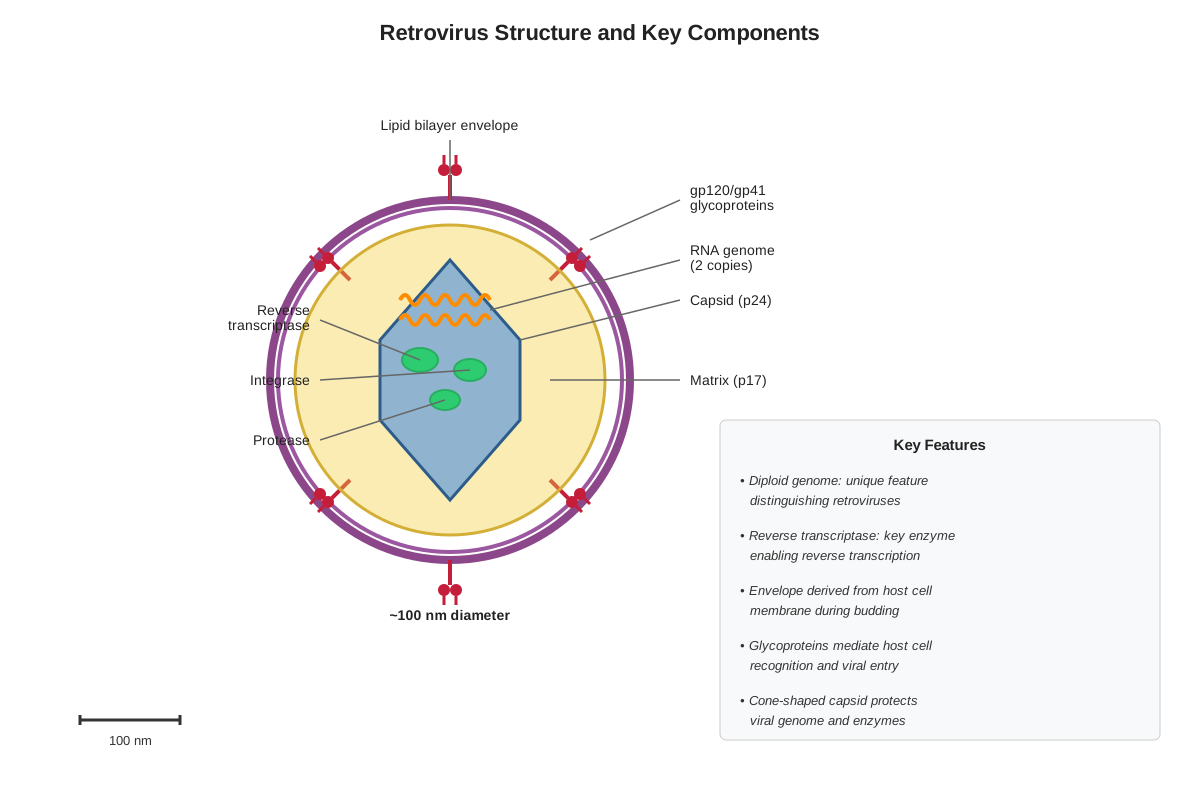
Retroviruses are classified as positive-sense, single-stranded RNA viruses with a diploid genome (two identical RNA molecules). They possess an outer lipid envelope derived from the host cell membrane studded with viral glycoproteins, and an inner protein capsid containing the viral genome, reverse transcriptase, integrase, and protease enzymes. The most clinically significant retroviruses include HIV-1 and HIV-2 (causing AIDS), HTLV-1 and HTLV-2 (associated with leukemia and neurological disease), and various animal retroviruses used in research.
Retroviral Structure
The structural organization of retroviruses follows a consistent pattern essential for understanding their function:
Envelope components:
- Lipid bilayer derived from host cell membrane during budding
- Envelope glycoproteins (e.g., gp120 and gp41 in HIV) that mediate receptor binding and membrane fusion
- Host cell proteins incorporated during viral assembly
Core components:
- Capsid (protein shell) containing viral genome and enzymes
- Two copies of positive-sense single-stranded RNA genome (diploid)
- Reverse transcriptase enzyme with both RNA-dependent DNA polymerase and RNase H activities
- Integrase enzyme for proviral DNA integration
- Protease enzyme for processing viral polyproteins
- tRNA primer molecules bound to the viral RNA
The Retroviral Replication Cycle
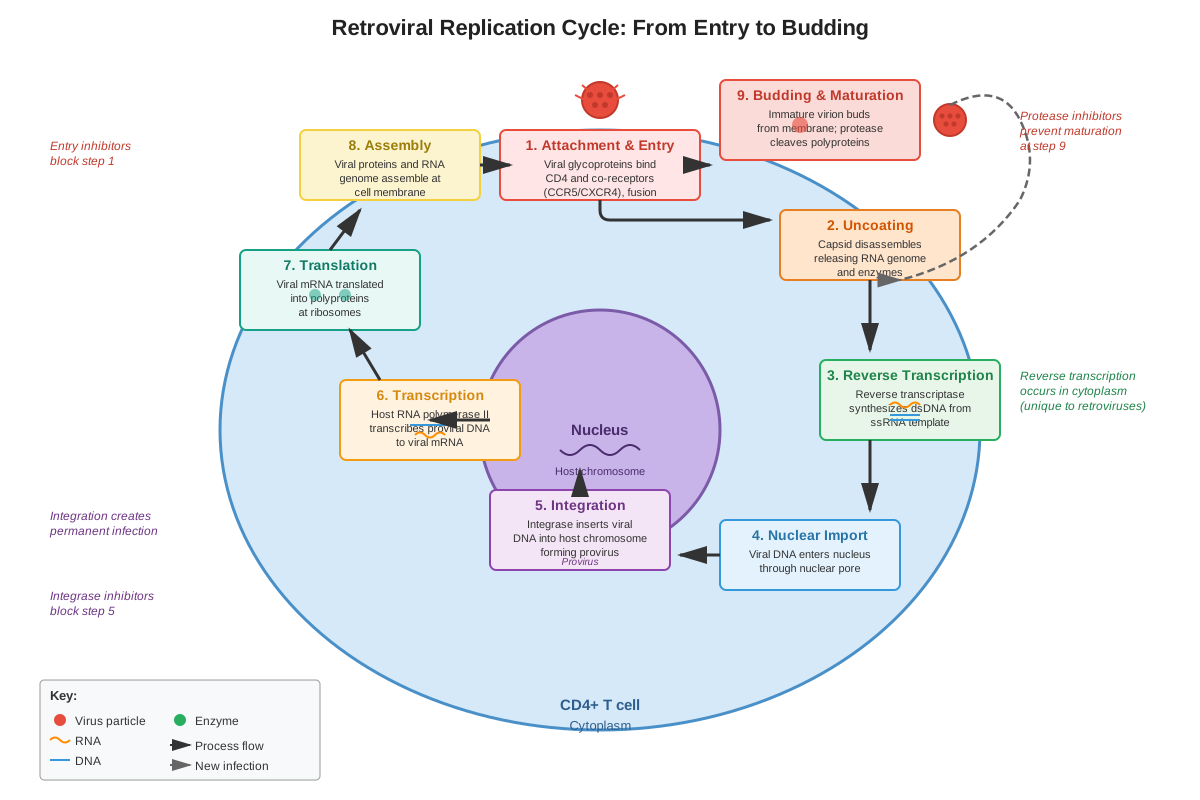
The retroviral life cycle represents one of the most complex viral replication strategies and proceeds through distinct, sequential steps:
- Attachment and Entry: Viral envelope glycoproteins bind to specific host cell surface receptors. For HIV, the gp120 protein binds to CD4 receptors on T helper cells, macrophages, and dendritic cells, along with a co-receptor (CCR5 or CXCR4). This binding triggers conformational changes in gp41 that facilitate membrane fusion, releasing the viral core into the cytoplasm.
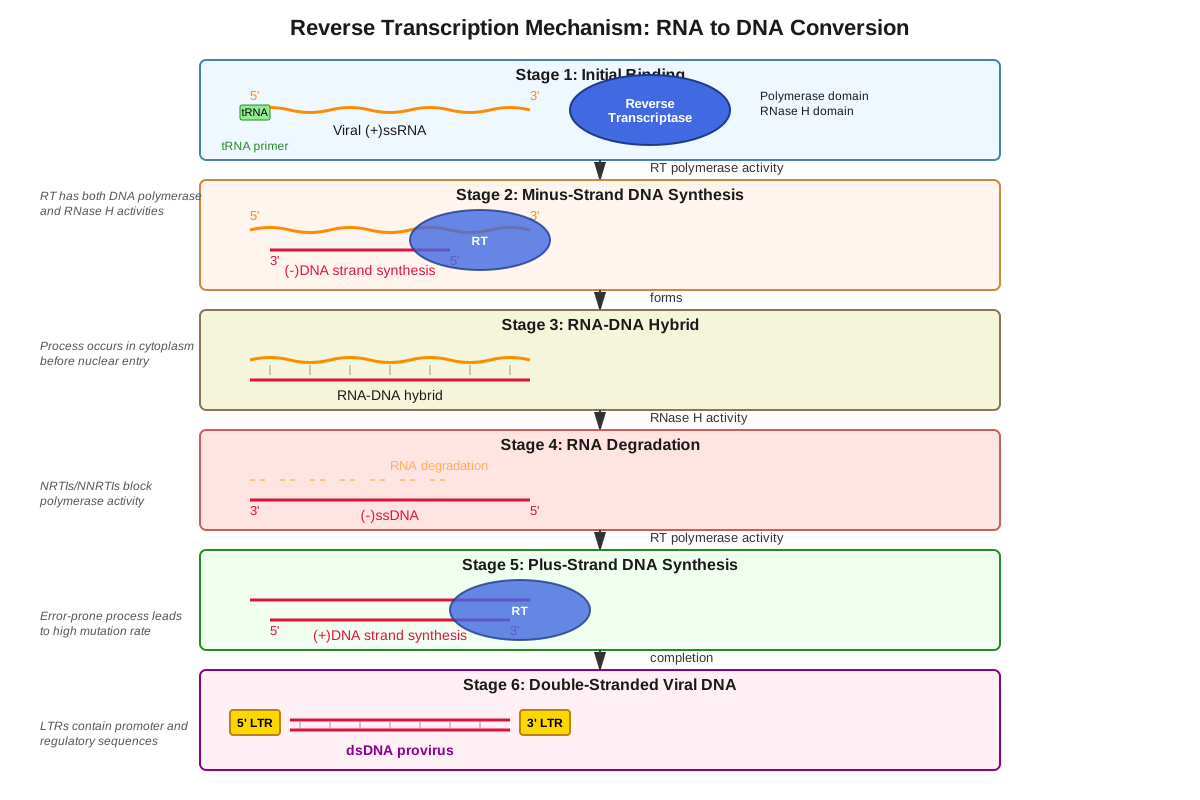
- Reverse Transcription: Once in the cytoplasm, reverse transcriptase synthesizes double-stranded DNA from the viral RNA genome. This process occurs in several stages:
- A host tRNA primer binds to the primer binding site on viral RNA
- Reverse transcriptase synthesizes the first DNA strand (minus strand) complementary to viral RNA
- RNase H activity degrades the original RNA template
- The second DNA strand (plus strand) is synthesized, creating double-stranded DNA
- This process is error-prone (no proofreading activity), leading to high mutation rates
- Integration: The viral DNA, now called a pre-integration complex, enters the nucleus. The integrase enzyme catalyzes insertion of viral DNA into the host chromosome, creating the provirus. Integration is essentially random but favors actively transcribed regions of the genome. Once integrated, the provirus is permanent and indistinguishable from host genes.
- Transcription: Host cell RNA polymerase II transcribes the integrated proviral DNA into viral RNA molecules. Some transcripts serve as genomic RNA for new virions, while others are translated into viral proteins. Transcription is regulated by viral promoter elements in the long terminal repeats (LTRs) flanking the proviral DNA.
- Translation and Protein Processing: Viral mRNA is translated by host ribosomes into polyproteins. The viral protease cleaves these polyproteins into functional enzymes (reverse transcriptase, integrase, protease) and structural proteins (capsid, matrix, envelope proteins).
- Assembly: Viral proteins and genomic RNA assemble at the cell membrane. Two copies of genomic RNA are packaged along with reverse transcriptase, integrase, and protease into the forming virion.
- Budding and Maturation: Immature virions bud from the cell membrane, acquiring their lipid envelope. During or shortly after budding, the viral protease cleaves structural polyproteins, causing morphological changes that produce mature, infectious virions.
Reverse Transcriptase: Structure and Function
Reverse transcriptase is the signature enzyme of retroviruses and a major target for antiviral therapy. This multifunctional enzyme possesses three distinct catalytic activities:
- RNA-dependent DNA polymerase activity: Synthesizes DNA using RNA as a template, violating the normal directionality of genetic information flow
- DNA-dependent DNA polymerase activity: Synthesizes the second DNA strand using the first DNA strand as template
- RNase H activity: Degrades the RNA strand in RNA-DNA hybrids, removing the original RNA template after DNA synthesis
The enzyme lacks 3' to 5' exonuclease activity (proofreading capability), resulting in an error rate of approximately 1 mistake per 10,000 nucleotides—roughly 1000 times higher than human DNA polymerase. This high error rate drives rapid viral evolution, enabling drug resistance and immune evasion but also producing many non-viable viral particles.
Clinical Significance: HIV and AIDS
HIV (Human Immunodeficiency Virus) exemplifies retroviral pathogenesis and clinical impact. HIV primarily infects CD4+ T helper cells, progressively depleting this critical immune cell population. As CD4+ counts decline (normal: 500-1500 cells/μL), patients become increasingly susceptible to opportunistic infections and certain cancers. AIDS (Acquired Immunodeficiency Syndrome) is diagnosed when CD4+ counts fall below 200 cells/μL or when specific opportunistic infections occur.
The progression from HIV infection to AIDS typically occurs over 8-10 years without treatment, proceeding through distinct phases:
- Acute infection: High viral load, flu-like symptoms, rapid CD4+ decline
- Clinical latency: Viral replication continues but symptoms are minimal; can last years
- AIDS: Severe immunodeficiency with opportunistic infections
Antiretroviral Therapy
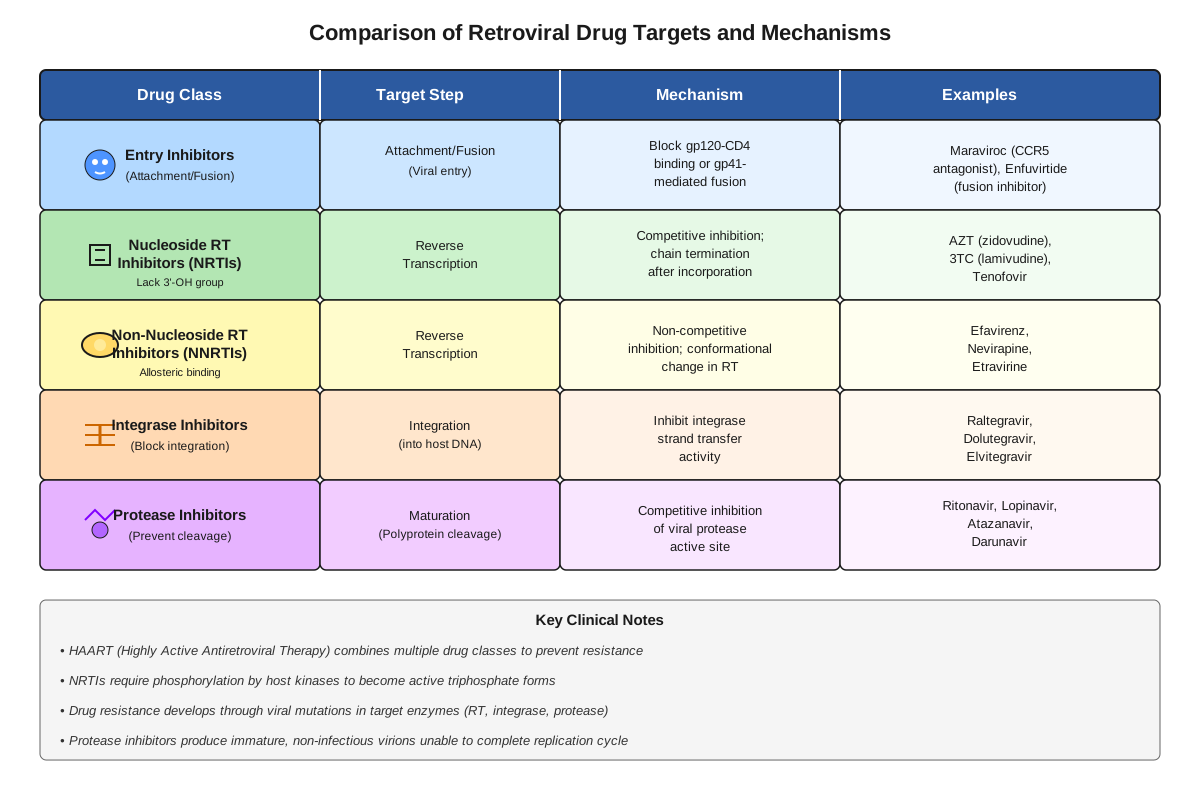
Understanding antiretroviral drugs requires knowledge of specific steps in the retroviral life cycle that can be targeted:
| Drug Class | Target | Mechanism | Examples |
|---|---|---|---|
| Nucleoside Reverse Transcriptase Inhibitors (NRTIs) | Reverse transcriptase | Competitive inhibitors; lack 3'-OH group, causing chain termination | AZT (zidovudine), 3TC (lamivudine) |
| Non-Nucleoside Reverse Transcriptase Inhibitors (NNRTIs) | Reverse transcriptase | Non-competitive inhibitors; bind allosteric site | Efavirenz, nevirapine |
| Protease Inhibitors (PIs) | Viral protease | Prevent polyprotein cleavage, producing non-infectious virions | Ritonavir, saquinavir |
| Integrase Inhibitors | Integrase | Block proviral DNA integration into host genome | Raltegravir, dolutegravir |
| Entry Inhibitors | Envelope proteins or host receptors | Prevent viral attachment or fusion | Maraviroc (CCR5 antagonist), enfuvirtide (fusion inhibitor) |
Modern HIV treatment uses Highly Active Antiretroviral Therapy (HAART), combining three or more drugs from different classes to suppress viral replication and prevent resistance development.
Viral Mutation and Drug Resistance
The high mutation rate of reverse transcriptase has profound clinical implications. HIV can develop resistance to antiretroviral drugs through point mutations that alter drug binding sites while preserving enzyme function. This is why combination therapy is essential—the probability of simultaneous mutations conferring resistance to multiple drugs is extremely low. The mutation rate also explains why HIV vaccine development has been challenging: the virus evolves rapidly, producing variants that escape antibody recognition.
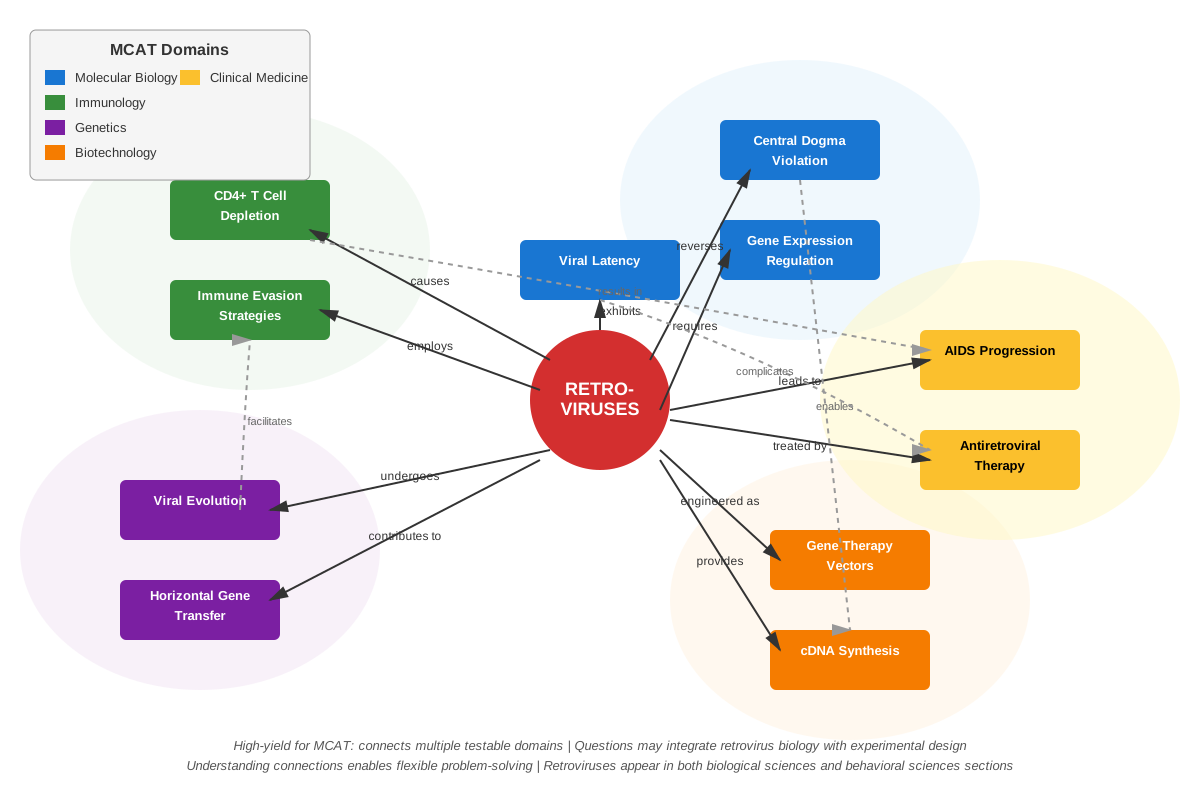
Concept Relationships
The core concepts of retroviral biology form an interconnected network centered on the unique reverse transcription process. Reverse transcriptase serves as the central hub, connecting viral entry to proviral integration. The enzyme's lack of proofreading activity → leads to → high mutation rates → which drive → drug resistance and immune evasion → necessitating → combination antiretroviral therapy.
The retroviral replication cycle demonstrates clear sequential dependencies: Attachment and entry → enables → reverse transcription → produces → double-stranded DNA → which undergoes → integration → creating → provirus → which is → transcribed by host machinery → producing → viral RNA and proteins → that undergo → assembly and budding → generating → new infectious virions.
Connections to prerequisite knowledge include: the central dogma provides the conceptual framework that retroviruses violate; enzyme kinetics explains how NRTIs and NNRTIs differ in their inhibition mechanisms; immunology knowledge is essential for understanding HIV pathogenesis and CD4+ T cell depletion; and molecular biology techniques using retroviruses as vectors apply the same integration mechanism that makes these viruses pathogenic.
The relationship between viral structure and function is particularly important: envelope glycoproteins determine → host cell tropism (which cells can be infected) → affecting → disease manifestation. For HIV, CD4 and co-receptor binding → restricts infection to → immune cells → causing → immunodeficiency.
Understanding antiretroviral therapy requires integrating knowledge of: the replication cycle (identifying targetable steps) → enzyme mechanisms (understanding how drugs work) → viral mutation (explaining resistance) → pharmacology (combination therapy rationale). This integration exemplifies the interdisciplinary reasoning the MCAT assesses.
Quick check — test yourself on Retroviruses so far.
Try Flashcards →High-Yield Facts
⭐ Retroviruses are RNA viruses that use reverse transcriptase to synthesize DNA from their RNA genome, which then integrates into the host chromosome as a provirus
⭐ Reverse transcriptase lacks 3' to 5' exonuclease (proofreading) activity, resulting in high mutation rates (~1 error per 10,000 nucleotides)
⭐ HIV primarily infects CD4+ T helper cells, progressively depleting this population and causing immunodeficiency
⭐ The retroviral genome is diploid (two copies of single-stranded, positive-sense RNA)
⭐ Nucleoside reverse transcriptase inhibitors (NRTIs) are competitive inhibitors that lack a 3'-OH group and cause DNA chain termination
- Retroviruses are enveloped viruses that acquire their lipid bilayer from the host cell membrane during budding
- The integrated provirus is permanent and replicated along with host DNA during cell division
- Non-nucleoside reverse transcriptase inhibitors (NNRTIs) are non-competitive inhibitors that bind an allosteric site on reverse transcriptase
- Protease inhibitors prevent cleavage of viral polyproteins, producing immature, non-infectious virions
- HIV uses CD4 as its primary receptor and either CCR5 or CXCR4 as co-receptors for cell entry
- AIDS is diagnosed when CD4+ T cell count falls below 200 cells/μL or when specific opportunistic infections occur
- Highly Active Antiretroviral Therapy (HAART) uses three or more drugs from different classes to prevent resistance
- Integrase inhibitors prevent insertion of viral DNA into the host chromosome, blocking provirus formation
- The long terminal repeats (LTRs) flanking proviral DNA contain promoter and enhancer elements that regulate viral gene expression
- Retroviruses can be used as gene therapy vectors because they efficiently integrate genetic material into host chromosomes
Common Misconceptions
Misconception: Retroviruses convert DNA to RNA, reversing the normal process.
Correction: Retroviruses convert RNA to DNA (not DNA to RNA), which is the reverse of normal transcription (DNA to RNA). The term "retro" refers to going backward from RNA to DNA, not from DNA to RNA.
Misconception: Reverse transcriptase is the only enzyme retroviruses need for replication.
Correction: Retroviruses require multiple enzymes including reverse transcriptase (for DNA synthesis), integrase (for chromosomal integration), and protease (for polyprotein processing). Each enzyme is essential for producing infectious virions and represents a distinct drug target.
Misconception: All NRTIs work the same way as NNRTIs since both target reverse transcriptase.
Correction: NRTIs are competitive inhibitors that mimic nucleosides and cause chain termination, while NNRTIs are non-competitive inhibitors that bind an allosteric site and change enzyme conformation. This mechanistic difference explains why viruses resistant to one class may remain sensitive to the other.
Misconception: Once integrated, the provirus remains dormant and doesn't affect the cell.
Correction: Integrated proviruses are actively transcribed by host cell machinery, producing viral RNA and proteins. The provirus uses host RNA polymerase II and cellular transcription factors, making it metabolically active rather than dormant. Some cells may have latent proviruses with minimal transcription, but these can reactivate.
Misconception: HIV kills CD4+ T cells immediately upon infection.
Correction: HIV-infected CD4+ T cells can survive for extended periods while producing new virions. Cell death occurs through multiple mechanisms including viral cytopathic effects, immune-mediated destruction, and apoptosis, but is not immediate. This delayed killing allows viral replication and transmission before cell death.
Misconception: The high mutation rate of HIV means every viral particle is different.
Correction: While HIV has a high mutation rate, most mutations are either silent (no amino acid change) or deleterious (producing non-functional viruses). Only a small fraction of mutations are viable and provide selective advantages like drug resistance. The mutation rate is high compared to DNA viruses but doesn't mean every virion is unique.
Misconception: Antiretroviral drugs cure HIV infection by eliminating the virus.
Correction: Current antiretroviral drugs suppress viral replication but cannot eliminate integrated proviruses from the host genome. Treatment reduces viral load to undetectable levels and prevents disease progression, but the virus persists in latently infected cells. Stopping treatment typically results in viral rebound.
Worked Examples
Example 1: Analyzing an Antiretroviral Drug Mechanism
Question: A novel antiretroviral compound is tested against HIV. Researchers find that the drug has no effect on viral attachment or entry, but prevents the formation of double-stranded viral DNA. When the drug is added along with excess natural nucleotides, its effectiveness is reduced. Which of the following best describes this drug's mechanism of action?
A) Non-competitive inhibitor of reverse transcriptase
B) Competitive inhibitor of reverse transcriptase
C) Protease inhibitor
D) Integrase inhibitor
Solution:
Step 1: Identify what the drug affects. The drug prevents formation of double-stranded viral DNA but doesn't affect attachment or entry. This indicates the drug targets reverse transcription, the step where viral RNA is converted to DNA.
Step 2: Determine the type of inhibition. The key phrase is "when the drug is added along with excess natural nucleotides, its effectiveness is reduced." This describes competitive inhibition—the natural substrate (nucleotides) competes with the drug for the enzyme's active site. Adding more substrate reduces drug effectiveness.
Step 3: Eliminate incorrect answers.
- Option A is incorrect because non-competitive inhibitors bind allosteric sites and their effectiveness is NOT reduced by excess substrate
- Option C is incorrect because protease acts after DNA formation, cleaving polyproteins
- Option D is incorrect because integrase acts after double-stranded DNA is formed, catalyzing chromosomal integration
Step 4: Confirm the answer. The drug is a competitive inhibitor of reverse transcriptase, functioning like an NRTI (nucleoside reverse transcriptase inhibitor). These drugs mimic natural nucleotides, compete for the active site, and prevent DNA synthesis.
Answer: B
Connection to learning objectives: This example demonstrates application of retroviral biology to exam-style questions, requiring integration of enzyme inhibition mechanisms with knowledge of the retroviral replication cycle.
Example 2: Interpreting Viral Load and CD4+ Count Data
Question: A patient with HIV infection has been on antiretroviral therapy for 6 months. Laboratory results show:
- Viral load: 50 copies/mL (decreased from 100,000 copies/mL at diagnosis)
- CD4+ T cell count: 350 cells/μL (increased from 250 cells/μL at diagnosis)
The patient stops taking medication. Three months later:
- Viral load: 75,000 copies/mL
- CD4+ T cell count: 280 cells/μL
Which of the following best explains these observations?
A) The virus was completely eliminated but the patient was re-infected
B) Latent proviruses in long-lived cells reactivated and produced new virions
C) CD4+ T cells developed resistance to HIV infection
D) The antiretroviral drugs caused permanent changes to viral reverse transcriptase
Solution:
Step 1: Analyze the initial treatment response. The dramatic decrease in viral load (100,000 → 50 copies/mL) and increase in CD4+ count (250 → 350 cells/μL) indicate effective viral suppression. The drugs successfully blocked viral replication, allowing immune recovery.
Step 2: Understand what happens when treatment stops. After stopping medication, viral load rebounds dramatically (50 → 75,000 copies/mL) and CD4+ count declines (350 → 280 cells/μL). This indicates viral replication resumed.
Step 3: Consider the provirus concept. Retroviruses integrate into the host genome as proviruses. Even when antiretroviral drugs suppress active replication, integrated proviruses remain in long-lived cells (memory T cells, macrophages). These latent proviruses are not affected by drugs that target active replication steps.
Step 4: Evaluate each option:
- Option A is incorrect because re-infection is unlikely in this timeframe, and the rapid rebound suggests reactivation of existing virus
- Option C is incorrect because CD4+ count decreased, indicating continued susceptibility
- Option D is incorrect because drug effects are not permanent; they only work while present
- Option B correctly explains that latent proviruses reactivated when drug pressure was removed
Answer: B
Connection to learning objectives: This example connects retroviral biology to clinical scenarios, demonstrating why integrated proviruses make retroviral infections incurable with current therapies and explaining the necessity of lifelong treatment.
Exam Strategy
When approaching Retroviruses MCAT questions, employ these strategic approaches:
Identify the replication step being tested: MCAT questions often focus on specific stages of the retroviral life cycle. Trigger words include:
- "Attachment" or "binding" → entry mechanisms, receptor interactions
- "DNA synthesis" or "RNA template" → reverse transcription
- "Integration" or "chromosomal insertion" → integrase function
- "Polyprotein cleavage" → protease function
- "Budding" or "envelope acquisition" → viral assembly and release
Recognize drug mechanism questions: When passages describe antiretroviral compounds, immediately categorize by mechanism:
- Competitive inhibition + nucleotide analogs → NRTIs
- Non-competitive inhibition + reverse transcriptase → NNRTIs
- Polyprotein processing defects → protease inhibitors
- Integration blockade → integrase inhibitors
- Entry prevention → fusion or receptor inhibitors
Apply the central dogma framework: Many retrovirus questions test whether students understand how retroviruses violate normal information flow. Remember: RNA → DNA (reverse transcription) → RNA (transcription) → Protein (translation). Questions may present this in confusing ways to test conceptual understanding.
Use process of elimination for mutation questions: When questions address viral evolution or drug resistance:
- Eliminate answers suggesting retroviruses have low mutation rates
- Eliminate answers claiming proofreading activity exists
- Favor answers connecting high mutation rates to lack of 3' to 5' exonuclease activity
- Remember that mutation rates explain both drug resistance and vaccine development challenges
Time allocation: Spend 60-90 seconds on discrete retrovirus questions, as they typically test straightforward factual knowledge. For passage-based questions, allocate 1.5-2 minutes per question, as these require integrating passage information with background knowledge. If a question asks about experimental data showing drug effects, quickly identify which replication step is affected before analyzing the data.
Watch for interdisciplinary connections: Retroviruses frequently appear in questions bridging multiple topics:
- Immunology: CD4+ T cell function, immune deficiency
- Biochemistry: enzyme mechanisms, nucleotide structure
- Genetics: gene expression, mutation
- Pharmacology: drug mechanisms, combination therapy
Recognizing these connections helps activate relevant knowledge and improves answer accuracy.
Memory Techniques
Mnemonic for retroviral replication cycle (in order):
"A Really Interesting Transformation Always Brings Maturity"
- Attachment and entry
- Reverse transcription
- Integration
- Transcription
- Assembly
- Budding
- Maturation
Mnemonic for reverse transcriptase activities:
"RRR" - RNA-dependent DNA polymerase, RNase H, (DNA-dependent DNA polymerase uses Reverse transcriptase)
Remember: Reverse transcriptase has THREE activities but NO proofreading
Visualization for NRTIs vs NNRTIs:
- NRTIs: Picture a fake puzzle piece (nucleoside analog) trying to fit where a real piece (natural nucleotide) should go—competitive inhibition at the active site
- NNRTIs: Picture someone grabbing the puzzle box from the side and shaking it—non-competitive inhibition at an allosteric site, distorting the enzyme
Acronym for major antiretroviral drug classes:
"PRINT"
- Protease inhibitors
- Reverse transcriptase inhibitors (NRTIs and NNRTIs)
- Integrase inhibitors
- No proofreading (reminder about mutation rate)
- Treatment requires combination therapy
Memory aid for HIV progression:
"CD4 counts DOWN, opportunistic infections UP"
- Normal: >500 cells/μL
- Moderate immunodeficiency: 200-500 cells/μL
- AIDS diagnosis: <200 cells/μL
Remember: As CD4+ counts decline, infection risk increases
Conceptual anchor for provirus permanence:
Think of integrated proviral DNA as a tattoo on the host genome—it's permanent, can't be removed by current drugs, and gets copied every time the cell divides. This explains why HIV can't be cured and why treatment must be lifelong.
Summary
Retroviruses represent a unique class of RNA viruses that reverse the central dogma by converting their RNA genome into DNA through reverse transcriptase, then permanently integrating this DNA into the host chromosome as a provirus. The retroviral replication cycle proceeds through seven distinct steps: attachment and entry, reverse transcription, integration, transcription, translation and protein processing, assembly, and budding with maturation. Reverse transcriptase, the signature retroviral enzyme, possesses RNA-dependent DNA polymerase, DNA-dependent DNA polymerase, and RNase H activities but critically lacks proofreading capability, resulting in high mutation rates that drive drug resistance and immune evasion. HIV, the most clinically significant retrovirus, primarily infects CD4+ T helper cells, progressively depleting this population and causing AIDS when counts fall below 200 cells/μL. Antiretroviral therapy targets specific replication steps using five major drug classes: NRTIs (competitive reverse transcriptase inhibitors causing chain termination), NNRTIs (non-competitive reverse transcriptase inhibitors), protease inhibitors (preventing polyprotein cleavage), integrase inhibitors (blocking chromosomal integration), and entry inhibitors (preventing attachment or fusion). Combination therapy is essential because the high viral mutation rate would rapidly produce resistance to single drugs. Understanding retroviruses requires integrating molecular biology, immunology, and pharmacology—making this topic valuable for demonstrating the interdisciplinary reasoning the MCAT assesses.
Key Takeaways
- Retroviruses use reverse transcriptase to synthesize DNA from RNA, then integrate this DNA permanently into the host chromosome as a provirus
- Reverse transcriptase lacks proofreading activity, causing high mutation rates (~1 error per 10,000 nucleotides) that enable drug resistance and immune evasion
- The retroviral replication cycle follows seven sequential steps, each representing a potential drug target: attachment/entry, reverse transcription, integration, transcription, translation/processing, assembly, and budding/maturation
- HIV pathogenesis centers on progressive CD4+ T cell depletion, with AIDS diagnosed when counts fall below 200 cells/μL or opportunistic infections occur
- Antiretroviral drugs target specific replication steps with distinct mechanisms: NRTIs (competitive inhibition/chain termination), NNRTIs (non-competitive inhibition), protease inhibitors (prevent polyprotein cleavage), integrase inhibitors (block integration), and entry inhibitors (prevent attachment/fusion)
- Combination antiretroviral therapy (HAART) is essential because it prevents resistance development by requiring simultaneous mutations in multiple viral targets
- Integrated proviruses cannot be eliminated by current drugs, making retroviral infections incurable and requiring lifelong treatment to suppress viral replication
Related Topics
Viral Classification and Structure: Understanding the broader context of viral diversity, including DNA vs RNA viruses, enveloped vs non-enveloped viruses, and genome organization helps position retroviruses within the larger framework of virology. Mastering retroviruses provides a foundation for comparing replication strategies across viral families.
Immunology and HIV Pathogenesis: Deep exploration of how HIV evades immune surveillance, the role of CD4+ T cells in adaptive immunity, and the cascade of immunodeficiency that leads to opportunistic infections builds on retroviral biology. This connection is particularly high-yield for MCAT passages integrating virology with immunology.
Molecular Biology Techniques: Retroviruses serve as powerful tools in research and gene therapy. Understanding how scientists exploit retroviral integration for gene delivery, use reverse transcriptase in RT-PCR, and develop retroviral vectors connects basic retroviral biology to experimental methodology frequently tested on the MCAT.
Enzyme Kinetics and Inhibition: Detailed study of competitive vs non-competitive inhibition, Michaelis-Menten kinetics, and drug-enzyme interactions provides the biochemical foundation for understanding antiretroviral drug mechanisms. This topic frequently appears alongside retrovirus questions in MCAT passages.
Viral Evolution and Drug Resistance: Exploring the molecular basis of viral evolution, selection pressure from antiretroviral drugs, and the emergence of resistant strains extends retroviral biology into evolutionary biology—another interdisciplinary connection the MCAT favors.
Practice CTA
Now that you've mastered the core concepts of retroviruses, it's time to solidify your understanding through active practice. Challenge yourself with MCAT-style practice questions that test your ability to apply retroviral biology to experimental scenarios, clinical vignettes, and data interpretation. Use flashcards to reinforce high-yield facts, especially the retroviral replication cycle steps, drug mechanisms, and the unique properties of reverse transcriptase. Remember: understanding retroviruses demonstrates your ability to integrate molecular biology, immunology, and pharmacology—exactly the kind of interdisciplinary reasoning that distinguishes top MCAT performers. Your investment in mastering this topic will pay dividends not only on test day but also in your future medical career, where understanding viral pathogenesis and antiretroviral therapy remains clinically essential. You've got this!
Sign up free to keep reading
Create a free AnvayaPrep account to finish this MCAT guide on Retroviruses — plus flashcards and practice questions.