Overview
Viral structure represents a foundational concept in Microbiology and Biology that appears consistently across MCAT examinations. Understanding the architecture of viruses is essential because it directly relates to viral classification, pathogenesis, immune system interactions, and therapeutic interventions. Unlike cellular organisms, viruses exist at the boundary between living and non-living matter, possessing unique structural features that enable them to hijack host cellular machinery for replication. The viral structure MCAT questions typically focus on distinguishing viral components, understanding how structural elements facilitate infection, and recognizing the relationship between structure and function.
Viruses are obligate intracellular parasites composed of genetic material surrounded by a protective protein coat, and sometimes an additional lipid envelope. This minimalist design reflects their parasitic lifestyle—they carry only the essential components needed to recognize, enter, and commandeer host cells. The structural simplicity of viruses belies their biological impact; these microscopic entities cause diseases ranging from the common cold to AIDS, influenza, and COVID-19. For the MCAT, understanding viral structure provides the foundation for comprehending viral replication cycles, host-pathogen interactions, and the mechanisms underlying antiviral therapies and vaccines.
The study of viral structure Biology connects to broader themes in molecular biology, cell biology, immunology, and biochemistry. Viral structural components interact with host cell receptors (cell biology), trigger immune responses (immunology), and serve as targets for drug development (biochemistry and pharmacology). This topic integrates seamlessly with discussions of protein structure, lipid bilayers, nucleic acid chemistry, and cellular membrane dynamics—all high-yield areas for MCAT preparation.
Learning Objectives
- [ ] Define viral structure using accurate Biology terminology
- [ ] Explain why viral structure matters for the MCAT
- [ ] Apply viral structure to exam-style questions
- [ ] Identify common mistakes related to viral structure
- [ ] Connect viral structure to related Biology concepts
- [ ] Compare and contrast enveloped versus non-enveloped viruses and predict their relative environmental stability
- [ ] Diagram the structural organization of a complete virion and label all major components
- [ ] Predict how specific structural features influence viral tropism and host range
Prerequisites
- Basic cell structure: Understanding cellular membranes, organelles, and the distinction between prokaryotic and eukaryotic cells provides context for how viruses differ from cellular life and interact with host cells
- Nucleic acid structure: Knowledge of DNA and RNA structure (single-stranded vs. double-stranded, sense vs. antisense) is essential because viral genomes exhibit diverse nucleic acid configurations
- Protein structure: Familiarity with primary through quaternary protein structure helps explain capsid assembly and envelope glycoprotein function
- Lipid bilayer composition: Understanding phospholipid membranes is necessary to comprehend viral envelopes and membrane fusion mechanisms
Why This Topic Matters
Clinical and Real-World Significance
Viral structure directly determines how viruses cause disease and how medicine combats them. The presence or absence of an envelope affects viral transmission routes—enveloped viruses typically require direct contact or respiratory droplets because they're fragile outside the body, while non-enveloped viruses can survive on surfaces and in the gastrointestinal tract. Antiviral drugs and vaccines target specific structural components: neuraminidase inhibitors (like Tamiflu) target envelope proteins of influenza, while capsid-targeting drugs prevent viral uncoating. Understanding viral structure explains why hand sanitizers effectively inactivate enveloped viruses like SARS-CoV-2 by disrupting their lipid membranes, but are less effective against non-enveloped viruses like norovirus.
MCAT Exam Statistics
Viral structure appears in approximately 3-5% of MCAT Biology/Biochemistry section questions, with medium frequency across both discrete questions and passage-based items. Questions typically appear in formats testing:
- Structural identification: Diagrams requiring labeling of capsid, envelope, or genome components
- Structure-function relationships: Predicting viral behavior based on structural features
- Comparative analysis: Distinguishing characteristics between virus types
- Experimental interpretation: Analyzing data from viral infection studies or drug mechanism experiments
Common Exam Contexts
MCAT passages frequently embed viral structure within broader contexts such as vaccine development research, antiviral drug mechanisms, viral evolution studies, or epidemiological investigations. Questions may present electron micrographs requiring structural interpretation, experimental data showing differential susceptibility to detergents (testing envelope knowledge), or clinical scenarios requiring prediction of transmission routes based on structural stability.
Core Concepts
Basic Viral Architecture
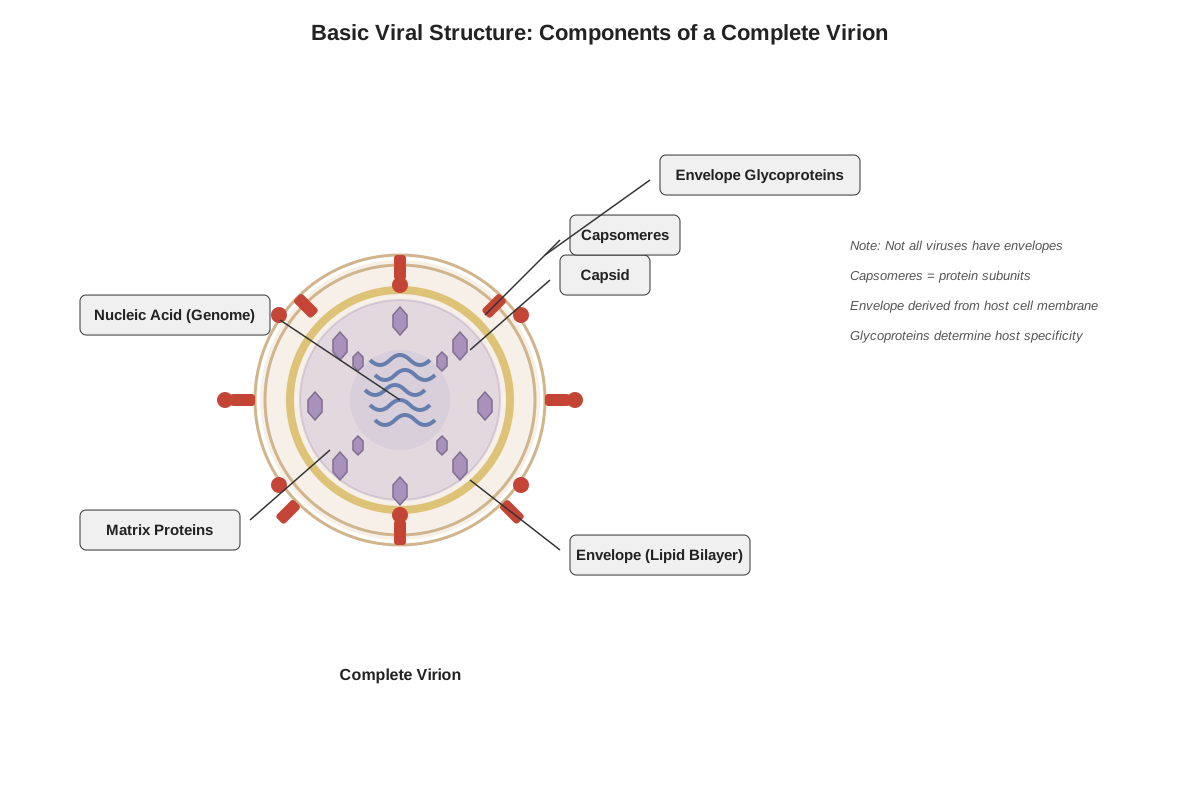
A complete viral particle, called a virion, consists of two or three fundamental components. At minimum, all viruses contain genetic material (the viral genome) and a capsid (protein coat protecting the genome). Many viruses also possess an envelope (lipid membrane derived from the host cell). This basic organization reflects the viral strategy: carry minimal genetic information encoding structural proteins and replication enzymes, then exploit host cellular machinery for everything else.
The viral genome can be DNA or RNA, single-stranded or double-stranded, linear or circular, and may consist of one molecule or multiple segments. This genomic diversity exceeds that found in cellular life, where DNA serves as the universal genetic material. The genome size ranges from approximately 3,000 nucleotides (small RNA viruses) to over 1 million base pairs (large DNA viruses like poxviruses). The genome encodes structural proteins forming the virion and non-structural proteins needed for replication.
The Capsid: Protein Armor
The capsid is a protein shell assembled from multiple copies of one or more types of protein subunits called capsomeres. This repetitive structure allows viruses to encode small genomes—rather than specifying hundreds of different proteins, the virus encodes a few capsid proteins that self-assemble into geometric structures through non-covalent interactions. Capsid functions include:
- Protection: Shields genetic material from nucleases, pH extremes, and physical damage
- Recognition: Contains or displays structures that bind host cell receptors
- Genome delivery: Facilitates genome injection or release into host cells
- Antigenic determinants: Presents epitopes recognized by the immune system
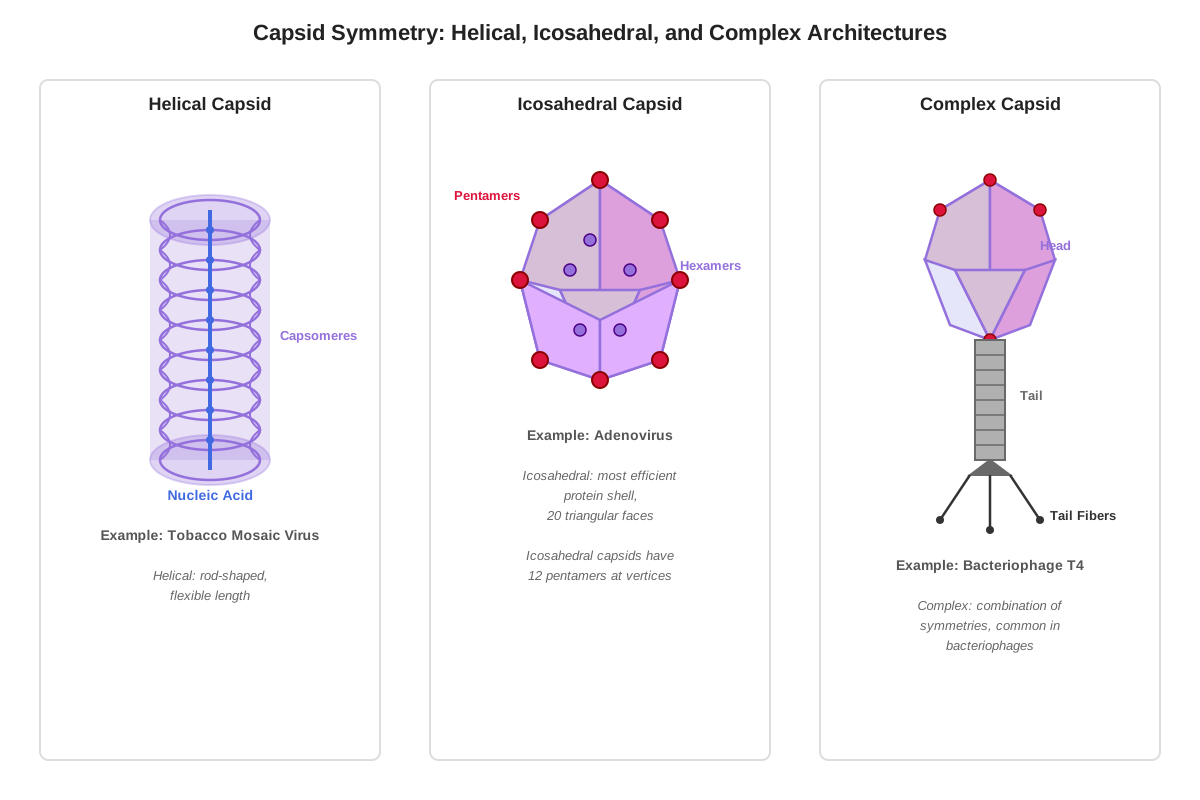
Capsids exhibit characteristic geometric symmetry. Helical symmetry produces rod-shaped or filamentous viruses where capsomeres arrange in a helix around the nucleic acid (example: tobacco mosaic virus, influenza nucleocapsid). Icosahedral symmetry creates roughly spherical viruses with 20 triangular faces, 12 vertices, and 30 edges—this geometry maximizes internal volume while minimizing the number of capsomere types needed (examples: poliovirus, adenovirus, papillomavirus). Some large viruses exhibit complex symmetry combining features or having additional structures (example: bacteriophages with icosahedral heads and helical tails).
The Viral Envelope
Enveloped viruses acquire a lipid bilayer membrane as they exit host cells through budding. This envelope derives from host cell membranes (plasma membrane, endoplasmic reticulum, Golgi apparatus, or nuclear envelope) but contains virus-encoded glycoproteins embedded within it. These viral glycoproteins, often called spikes or peplomers, project from the envelope surface and serve critical functions:
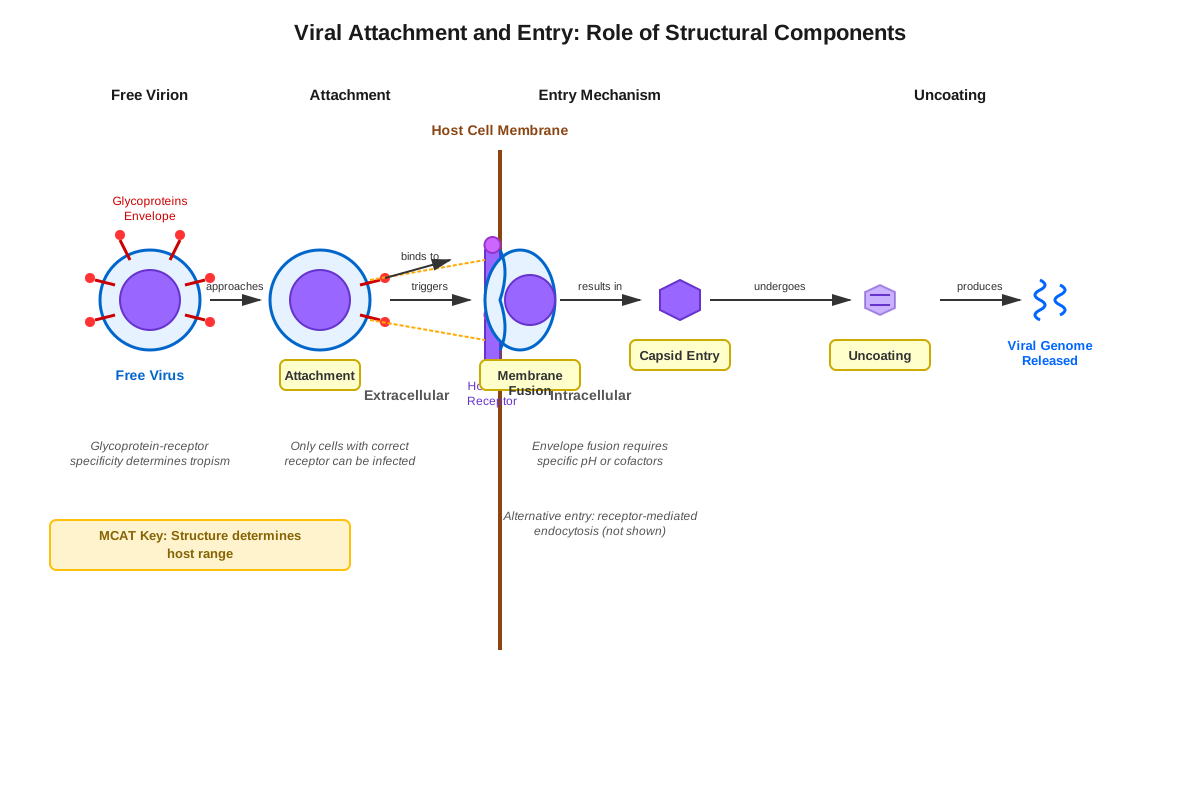
- Attachment: Bind specific receptors on target cells (e.g., HIV gp120 binds CD4)
- Membrane fusion: Facilitate envelope-host membrane fusion for viral entry
- Immune evasion: Undergo antigenic variation to escape antibody recognition
- Enzymatic activity: Some possess enzymatic functions (e.g., influenza neuraminidase cleaves sialic acid)
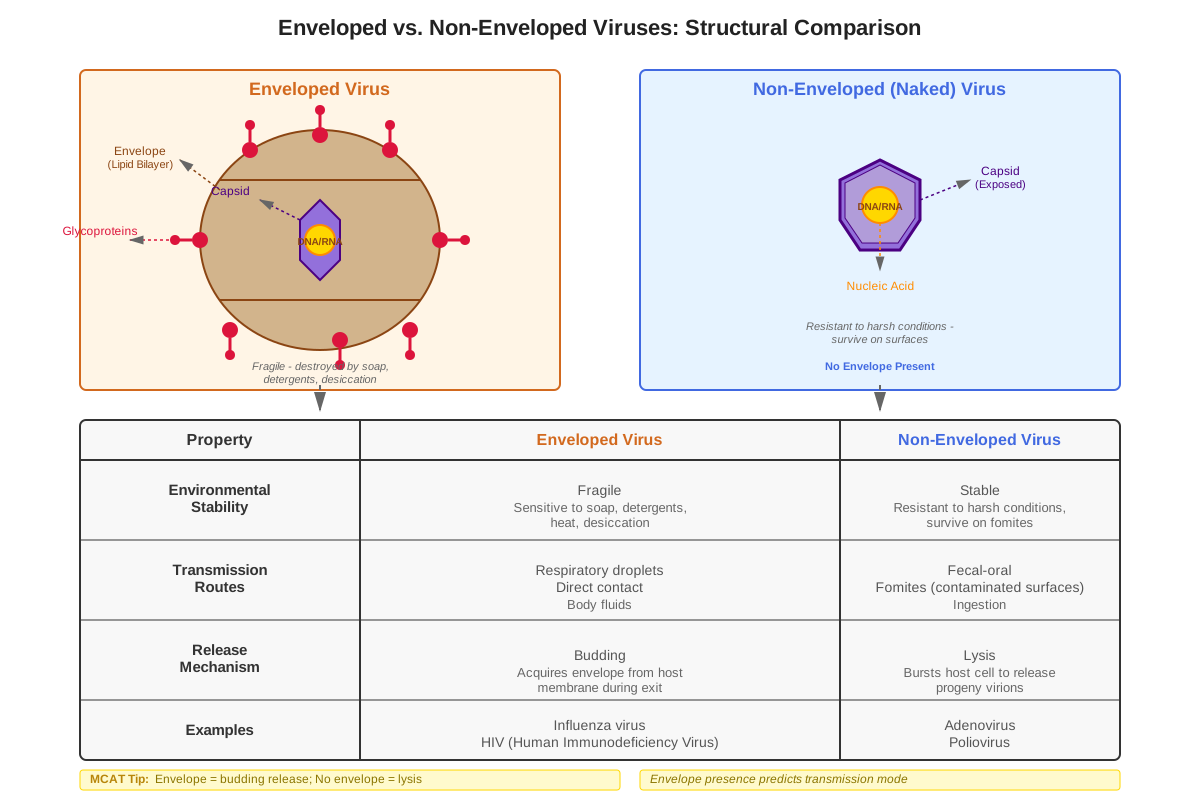
The envelope composition reflects its host cell origin—it contains host phospholipids, cholesterol, and sometimes host proteins, though viral glycoproteins predominate. This host-derived component has important implications: enveloped viruses are generally more fragile in the environment because lipid bilayers are disrupted by detergents, desiccation, heat, and pH extremes. Consequently, enveloped viruses typically require direct transmission (respiratory droplets, blood, sexual contact) rather than surviving on fomites.
| Feature | Enveloped Viruses | Non-enveloped Viruses |
|---|---|---|
| Outer layer | Lipid bilayer with glycoproteins | Protein capsid only |
| Environmental stability | Fragile; sensitive to detergents, drying | Stable; resistant to harsh conditions |
| Release mechanism | Budding (may not kill cell immediately) | Lysis (typically kills cell) |
| Transmission routes | Direct contact, droplets, body fluids | Fecal-oral, fomites, respiratory |
| Examples | Influenza, HIV, herpes, coronavirus | Poliovirus, adenovirus, papillomavirus |
| Disinfection | Easily inactivated by soap, alcohol | Require stronger disinfectants |
Nucleocapsid and Matrix Proteins
The nucleocapsid refers to the capsid together with the enclosed nucleic acid. In some viruses, the genome associates tightly with nucleoproteins forming a ribonucleoprotein complex. Many enveloped viruses possess matrix proteins (or M proteins) located between the nucleocapsid and envelope. These matrix proteins:
- Provide structural support linking the envelope to the nucleocapsid
- Coordinate virion assembly and budding
- Regulate viral genome packaging
- May possess enzymatic activities
For example, influenza virus contains M1 matrix protein forming a shell beneath the envelope, while M2 protein functions as an ion channel facilitating viral uncoating (targeted by the antiviral drug amantadine).
Viral Enzymes and Accessory Proteins
Some viruses package enzymes within the virion, essential for initiating infection. Reverse transcriptase in retroviruses (HIV) synthesizes DNA from the RNA genome. RNA-dependent RNA polymerase (replicase) in negative-sense RNA viruses transcribes the genome into mRNA since host cells lack this enzyme. Bacteriophages may carry lysozyme to degrade bacterial cell walls. These packaged enzymes represent adaptations to specific replication strategies and host cell limitations.
Viral Symmetry and Size
Viral dimensions range from approximately 20 nanometers (small RNA viruses like poliovirus) to 400 nanometers (large DNA viruses like poxviruses), with most falling between 50-200 nm. This places viruses below the resolution of light microscopy, requiring electron microscopy for visualization. The geometric constraints of capsid assembly favor specific symmetries that optimize stability while minimizing genetic coding requirements. The icosahedral structure, in particular, represents an elegant solution—it's the most efficient way to enclose space using identical subunits.
Concept Relationships
Viral structure concepts interconnect hierarchically and functionally. The genome type (DNA vs. RNA, single vs. double-stranded) determines which enzymes must be packaged in the virion—RNA viruses need RNA polymerases absent from host cells. The capsid symmetry influences virion shape and size, which affects stability and transmission routes. The presence or absence of an envelope profoundly impacts environmental stability, which determines viable transmission mechanisms and disinfection requirements.
These structural features connect to downstream topics: viral structure determines tropism (which cells can be infected based on receptor-glycoprotein interactions), influences immune recognition (capsid and envelope proteins serve as antigens), and affects replication strategy (enveloped viruses can bud continuously while non-enveloped viruses accumulate and cause lysis). Understanding structure provides the foundation for comprehending the viral replication cycle, host immune responses, and antiviral therapeutic strategies.
The relationship map flows: Genome type → Required enzymes → Virion contents; Capsid proteins → Symmetry → Overall shape; Envelope presence → Stability → Transmission mode → Epidemiology; Surface proteins → Receptor binding → Tropism → Pathogenesis.
Quick check — test yourself on Viral structure so far.
Try Flashcards →High-Yield Facts
⭐ All viruses contain nucleic acid (genome) and a protein capsid; only some viruses have an envelope
⭐ Enveloped viruses are fragile and sensitive to detergents, soap, and desiccation; non-enveloped viruses are environmentally stable
⭐ The capsid is composed of repeating protein subunits called capsomeres that self-assemble
⭐ Viral envelopes are derived from host cell membranes but contain virus-encoded glycoproteins
⭐ Icosahedral and helical symmetry are the two major capsid geometric arrangements
- Viruses range from approximately 20-400 nanometers in diameter, requiring electron microscopy for visualization
- The complete viral particle is called a virion; the capsid plus enclosed genome is the nucleocapsid
- Matrix proteins in enveloped viruses link the envelope to the nucleocapsid and coordinate assembly
- Some viruses package enzymes (reverse transcriptase, RNA polymerase, lysozyme) necessary for initiating infection
- Viral glycoproteins (spikes/peplomers) mediate attachment to host cells and membrane fusion during entry
- Non-enveloped viruses typically exit cells by lysis, while enveloped viruses exit by budding
- Bacteriophages often exhibit complex symmetry with icosahedral heads and helical tails
Common Misconceptions
Misconception: All viruses have the same basic structure with DNA inside a protein coat.
Correction: Viral genomes can be DNA or RNA, single or double-stranded, and viruses may or may not have an envelope. Structural diversity among viruses is extensive, reflecting diverse replication strategies and host adaptations.
Misconception: The viral envelope is produced by the virus itself.
Correction: The envelope is derived from host cell membranes (plasma membrane, ER, Golgi, or nuclear envelope) during viral budding. However, the glycoproteins embedded in this envelope are virus-encoded and inserted into host membranes before budding occurs.
Misconception: Larger viruses are always more dangerous or cause more severe disease.
Correction: Viral pathogenicity depends on multiple factors including tropism, immune evasion mechanisms, and replication rate—not size. Small viruses like poliovirus can cause severe disease, while some large viruses cause mild infections.
Misconception: Non-enveloped viruses cannot infect via respiratory routes.
Correction: Many non-enveloped viruses spread through respiratory transmission (adenovirus, rhinovirus). The distinction is that non-enveloped viruses can also survive on surfaces and withstand harsher environmental conditions, enabling additional transmission routes like fecal-oral spread.
Misconception: The capsid and envelope serve the same protective function, so having both is redundant.
Correction: The capsid and envelope serve distinct functions. The capsid provides structural organization, protects the genome, and (in non-enveloped viruses) mediates cell entry. The envelope facilitates membrane fusion during entry, provides additional antigenic variation, and affects environmental stability. In enveloped viruses, both structures contribute different advantages.
Misconception: All viral proteins are structural components of the virion.
Correction: Viruses encode both structural proteins (found in the virion: capsid proteins, envelope glycoproteins, matrix proteins) and non-structural proteins (not incorporated into virions but essential for replication: polymerases, proteases, regulatory proteins). Non-structural proteins are produced only after infection.
Worked Examples
Example 1: Predicting Transmission and Disinfection
Question: A novel virus is isolated from patients with gastroenteritis. Electron microscopy reveals an icosahedral capsid approximately 30 nm in diameter with no visible envelope. The virus remains infectious after treatment with detergent and survives for weeks on contaminated surfaces. Based on this structural information, predict the most likely transmission route and explain which disinfection methods would be most effective.
Solution:
Step 1: Identify key structural features
- Icosahedral capsid (protein coat with geometric symmetry)
- No envelope (non-enveloped virus)
- Small size (30 nm)
- Survives detergent treatment
- Remains viable on surfaces for extended periods
Step 2: Connect structure to stability
Non-enveloped viruses lack the fragile lipid bilayer, making them resistant to:
- Detergents and soap (which disrupt lipid membranes)
- Desiccation (drying out)
- pH extremes
- Environmental persistence
Step 3: Predict transmission route
Given the gastroenteritis symptoms and environmental stability, the most likely transmission route is fecal-oral. The virus can:
- Survive passage through the acidic stomach (no envelope to be disrupted)
- Persist on contaminated surfaces (doorknobs, food preparation areas)
- Remain infectious in water or food
- Withstand hand washing with soap alone (though mechanical removal still helps)
Step 4: Recommend disinfection methods
Effective disinfection requires:
- Strong oxidizing agents: Bleach (sodium hypochlorite) at appropriate concentrations
- UV irradiation: Damages nucleic acids
- Heat: Autoclaving or boiling
- Mechanical removal: Thorough hand washing with soap and water (physical removal, not chemical inactivation)
Ineffective methods:
- Alcohol-based hand sanitizers (work best on enveloped viruses)
- Mild detergents alone
- Simple drying
Connection to learning objectives: This example demonstrates applying viral structure knowledge to predict real-world behavior, connecting structural features (envelope absence) to functional properties (environmental stability and transmission routes).
Example 2: Analyzing Experimental Data
Question: Researchers are characterizing a newly discovered virus. They perform the following experiments:
| Treatment | Viral Infectivity Remaining |
|---|---|
| No treatment (control) | 100% |
| Protease enzyme | 0% |
| RNase enzyme | 100% |
| DNase enzyme | 0% |
| Detergent | 15% |
What can you conclude about the viral structure?
Solution:
Step 1: Analyze protease results
Protease treatment eliminates infectivity (0% remaining), indicating that protein components are essential for infection. This is expected since all viruses require capsid proteins for structure and often envelope glycoproteins for cell entry.
Step 2: Analyze nuclease results
- RNase treatment: 100% infectivity remains → genome is not RNA (or RNA is protected)
- DNase treatment: 0% infectivity remains → genome is DNA and accessible to enzyme
The DNase sensitivity indicates the virus has a DNA genome that becomes exposed during the experimental conditions (perhaps the protease treatment disrupted the capsid, allowing DNase access).
Step 3: Analyze detergent results
Detergent treatment reduces infectivity to 15% but doesn't eliminate it completely. This suggests the virus is enveloped (detergent disrupts lipid bilayers), but some virions may be protected or the detergent concentration/exposure time was insufficient for complete inactivation. If the virus were non-enveloped, detergent would have minimal effect.
Step 4: Synthesize conclusions
The virus is:
- Enveloped (detergent sensitivity)
- DNA genome (DNase sensitive, RNase resistant)
- Protein-dependent for infectivity (protease sensitive)
This profile matches viruses like herpesviruses (enveloped DNA viruses).
Connection to learning objectives: This example requires applying knowledge of viral structural components to interpret experimental data, identifying which treatments affect which structures, and synthesizing information to characterize an unknown virus—a common MCAT passage format.
Exam Strategy
Approaching MCAT Viral Structure Questions
Step 1: Identify the question type
- Structural identification (diagram labeling)
- Structure-function prediction (given structure, predict behavior)
- Comparative analysis (distinguish virus types)
- Experimental interpretation (analyze data about viral properties)
Step 2: Extract key structural information
Look for trigger words indicating:
- Envelope status: "lipid bilayer," "budding," "membrane-derived," "glycoproteins," "detergent-sensitive"
- Genome type: "DNA," "RNA," "single-stranded," "double-stranded," "reverse transcriptase"
- Capsid features: "icosahedral," "helical," "capsomeres," "protein coat"
- Size: Measurements in nanometers, "electron microscopy required"
Step 3: Apply structure-function relationships
Use this decision tree:
- Envelope present? → Fragile, direct transmission, detergent-sensitive
- Envelope absent? → Stable, multiple transmission routes, detergent-resistant
- DNA genome? → May use host DNA polymerase
- RNA genome? → Needs RNA-dependent RNA polymerase (often packaged)
Step 4: Eliminate wrong answers
Common elimination strategies:
- Eliminate options confusing enveloped/non-enveloped properties
- Eliminate options suggesting viruses perform cellular functions (metabolism, protein synthesis without host)
- Eliminate options contradicting the structure-stability relationship
- Eliminate options misidentifying genome types based on enzyme requirements
Time Allocation
For discrete questions: 60-90 seconds
- 15 seconds: Read and identify question type
- 30 seconds: Recall relevant structural features
- 15-30 seconds: Apply logic and eliminate wrong answers
For passage-based questions: 90-120 seconds per question after passage reading
- Passage reading already completed (6-8 minutes for entire passage)
- 30 seconds: Locate relevant passage information
- 45-60 seconds: Integrate passage data with content knowledge
- 15-30 seconds: Eliminate and select answer
Exam Tip: When diagrams are provided, immediately identify whether an envelope is present (look for a membrane layer outside the capsid). This single feature determines multiple properties and eliminates half the answer choices in many questions.
Memory Techniques
Mnemonic for Viral Components
"Every Virus Carries Genetic Material Properly"
- Envelope (sometimes)
- Viral enzymes (sometimes)
- Capsid (always)
- Genome (always)
- Matrix proteins (in some enveloped viruses)
- Proteins (capsomeres and glycoproteins)
Enveloped vs. Non-enveloped Mnemonic
"ENVELOPED viruses are FRAGILE"
- Exit by budding
- Need direct transmission
- Vulnerable to detergents
- Easily inactivated
- Lipid bilayer present
- Obtained from host membranes
- Possess glycoprotein spikes
- Environmentally unstable
- Desiccation sensitive
"NAKED viruses are TOUGH"
- No envelope
- Acid resistant
- Keep infectivity on surfaces
- Environmentally stable
- Detergent resistant
Visualization Strategy
Picture a virus as a "molecular spacecraft":
- Capsid = spacecraft hull (protective shell)
- Genome = mission instructions (DNA/RNA)
- Envelope = optional heat shield (some missions have it, some don't)
- Glycoproteins = docking mechanisms (attach to space station/host cell)
- Enzymes = onboard tools (needed when landing site lacks equipment)
This metaphor helps remember that structure serves function: protection during transit, recognition of target, and delivery of genetic instructions.
Symmetry Memory Aid
Icosahedral: Think "ice" → crystalline, geometric, efficient packing (like ice crystals)
Helical: Think "helix" → spiral staircase, rod-shaped (like DNA helix structure)
Summary
Viral structure represents a fundamental concept in microbiology essential for MCAT success. All viruses consist of genetic material (DNA or RNA genome) enclosed within a protein capsid composed of repeating capsomere subunits. Many viruses additionally possess a lipid envelope derived from host cell membranes but studded with virus-encoded glycoproteins. The presence or absence of an envelope profoundly affects viral stability, transmission routes, and susceptibility to disinfectants—enveloped viruses are fragile and require direct transmission, while non-enveloped viruses withstand harsh environmental conditions and spread via multiple routes. Capsids exhibit geometric symmetry (icosahedral or helical) that optimizes structural efficiency. Some viruses package essential enzymes within virions to initiate infection in host cells lacking necessary machinery. Understanding these structural features enables prediction of viral behavior, interpretation of experimental data, and comprehension of antiviral strategies—all high-yield applications for MCAT questions.
Key Takeaways
- All viruses minimally contain a genome (DNA or RNA) and a capsid (protein coat); envelopes are present only in some viruses
- Enveloped viruses are environmentally fragile and sensitive to detergents; non-enveloped viruses are stable and resistant to harsh conditions
- Capsids are built from repeating protein subunits (capsomeres) arranged in icosahedral or helical symmetry
- Viral envelopes derive from host membranes but contain virus-encoded glycoproteins that mediate attachment and entry
- Structure determines function: envelope presence predicts transmission routes, stability, and disinfection requirements
- Some viruses package enzymes (reverse transcriptase, RNA polymerase) essential for initiating replication in host cells
- Viruses range from 20-400 nm, requiring electron microscopy for visualization, and represent obligate intracellular parasites with minimal structural complexity
Related Topics
Viral Replication Cycles: Understanding viral structure provides the foundation for comprehending how viruses attach, enter, replicate, assemble, and exit host cells. The lytic and lysogenic cycles, along with unique retroviral replication, build directly on structural knowledge.
Host-Pathogen Interactions: Viral surface structures (capsid proteins and envelope glycoproteins) determine which cells can be infected (tropism) by binding specific host receptors, connecting structure to pathogenesis.
Immune System Responses: Viral structural components serve as antigens recognized by antibodies and T cells. Understanding structure explains how the immune system detects and eliminates viral infections and how vaccines generate protective immunity.
Antiviral Therapeutics: Many antiviral drugs target structural components (neuraminidase inhibitors, fusion inhibitors, capsid assembly inhibitors) or enzymes packaged in virions (reverse transcriptase inhibitors, protease inhibitors).
Bacterial Structure: Comparing viral and bacterial structure highlights fundamental differences between viruses (acellular, obligate parasites) and prokaryotes (cellular, independent metabolism), reinforcing classification concepts.
Practice CTA
Now that you've mastered the structural foundation of virology, test your understanding with practice questions and flashcards. Focus on applying structural knowledge to predict viral behavior, interpret experimental data, and distinguish between virus types. Remember, viral structure questions often appear embedded in passages about disease outbreaks, vaccine development, or antiviral research—practice integrating this foundational knowledge with clinical and experimental contexts. Your solid grasp of viral architecture will serve as the springboard for mastering viral replication, pathogenesis, and immunology. Keep building on this foundation, and you'll confidently tackle any viral biology question the MCAT presents!
Sign up free to keep reading
Create a free AnvayaPrep account to finish this MCAT guide on Viral structure — plus flashcards and practice questions.