Overview
Viruses represent a unique category of biological entities that occupy a fascinating gray area between living and non-living matter. Unlike bacteria, fungi, and other microorganisms, viruses lack the cellular machinery necessary for independent metabolism and reproduction, making them obligate intracellular parasites that must hijack host cell machinery to replicate. Understanding viruses Biology is essential for the MCAT because viral structure, replication cycles, and host interactions integrate multiple biological disciplines including molecular biology, genetics, cell biology, and immunology.
For the MCAT, viruses appear frequently in both passage-based and discrete questions within the Biological and Biochemical Foundations of Living Systems section. Questions may test structural components of viral particles, mechanisms of viral entry and replication, differences between lytic and lysogenic cycles, or the host immune response to viral infection. The interdisciplinary nature of virology makes it an ideal topic for complex passages that require integration of multiple biological concepts.
Viruses MCAT content connects directly to broader themes in microbiology and biology, including genetic regulation, protein synthesis, membrane dynamics, and immune system function. Mastery of viral biology provides the foundation for understanding pathogenesis, vaccine development, gene therapy vectors, and evolutionary biology—all topics that may appear in MCAT passages. The ability to analyze viral replication strategies and predict outcomes of viral-host interactions demonstrates the higher-order thinking skills that distinguish top MCAT performers.
Learning Objectives
- [ ] Define viruses using accurate Biology terminology
- [ ] Explain why viruses matter for the MCAT
- [ ] Apply viruses concepts to exam-style questions
- [ ] Identify common mistakes related to viruses
- [ ] Connect viruses to related Biology concepts
- [ ] Compare and contrast lytic and lysogenic viral replication cycles
- [ ] Analyze the structural components of viruses and their functional significance
- [ ] Predict viral tropism based on receptor-ligand interactions
- [ ] Evaluate the mechanisms by which viruses evade host immune responses
Prerequisites
- Cell structure and organelles: Understanding cellular components is essential because viruses must utilize host cell machinery for replication
- Central dogma (DNA → RNA → Protein): Viral replication strategies manipulate or reverse normal information flow in cells
- Protein structure and function: Viral capsids and envelope proteins demonstrate structure-function relationships
- Membrane structure and transport: Viral entry and exit mechanisms depend on membrane fusion and endocytosis
- Basic immunology: The host immune response to viral infection provides context for viral pathogenesis
- Molecular biology techniques: Understanding PCR, restriction enzymes, and cloning helps interpret experimental passages involving viruses
Why This Topic Matters
Clinical and Real-World Significance
Viruses cause some of humanity's most significant infectious diseases, from the common cold and influenza to HIV/AIDS, hepatitis, and COVID-19. Understanding viral biology is fundamental to developing antiviral therapies, vaccines, and public health strategies. Viruses also serve as powerful tools in biotechnology and medicine—as gene therapy vectors, oncolytic cancer treatments, and research tools for studying cellular processes. The COVID-19 pandemic has highlighted how viral biology directly impacts global health, economics, and society.
MCAT Exam Statistics
Viruses appear in approximately 3-5% of Biological and Biochemical Foundations questions, with moderate to high difficulty. Questions typically appear in two formats: (1) passage-based questions describing experimental studies of viral replication, viral vectors, or antiviral drugs, and (2) discrete questions testing fundamental knowledge of viral structure and replication cycles. The interdisciplinary nature of virology means virus-related content may also appear in questions primarily focused on immunology, genetics, or molecular biology.
Common Exam Appearances
MCAT passages frequently present viruses in the following contexts:
- Experimental manipulation of viral genomes to study gene function
- Development and mechanism of action of antiviral drugs
- Viral vectors for gene therapy or vaccine development
- Comparative studies of different viral replication strategies
- Host immune responses and viral immune evasion mechanisms
- Epidemiological data requiring interpretation of viral transmission patterns
Core Concepts
Definition and Characteristics of Viruses
Viruses are acellular infectious agents consisting of genetic material (DNA or RNA) enclosed in a protein coat called a capsid, and sometimes surrounded by a lipid envelope. Viruses are obligate intracellular parasites, meaning they cannot replicate independently and must infect host cells to reproduce. This dependency raises philosophical questions about whether viruses are "alive"—they lack metabolism, cannot maintain homeostasis, and do not grow or respond to stimuli independently.
Key characteristics that define viruses include:
- Extremely small size (typically 20-300 nanometers)
- Simple structure with minimal components
- Contain only one type of nucleic acid (either DNA or RNA, never both)
- Lack ribosomes and other cellular machinery
- Reproduce only inside living cells
- Can crystallize outside host cells, behaving like inert chemicals
Viral Structure
The basic structural unit of a virus is the virion, which consists of the viral genome packaged within a protective protein shell. Understanding viral architecture is essential for predicting how viruses interact with host cells and how antiviral drugs might target specific structures.
Capsid
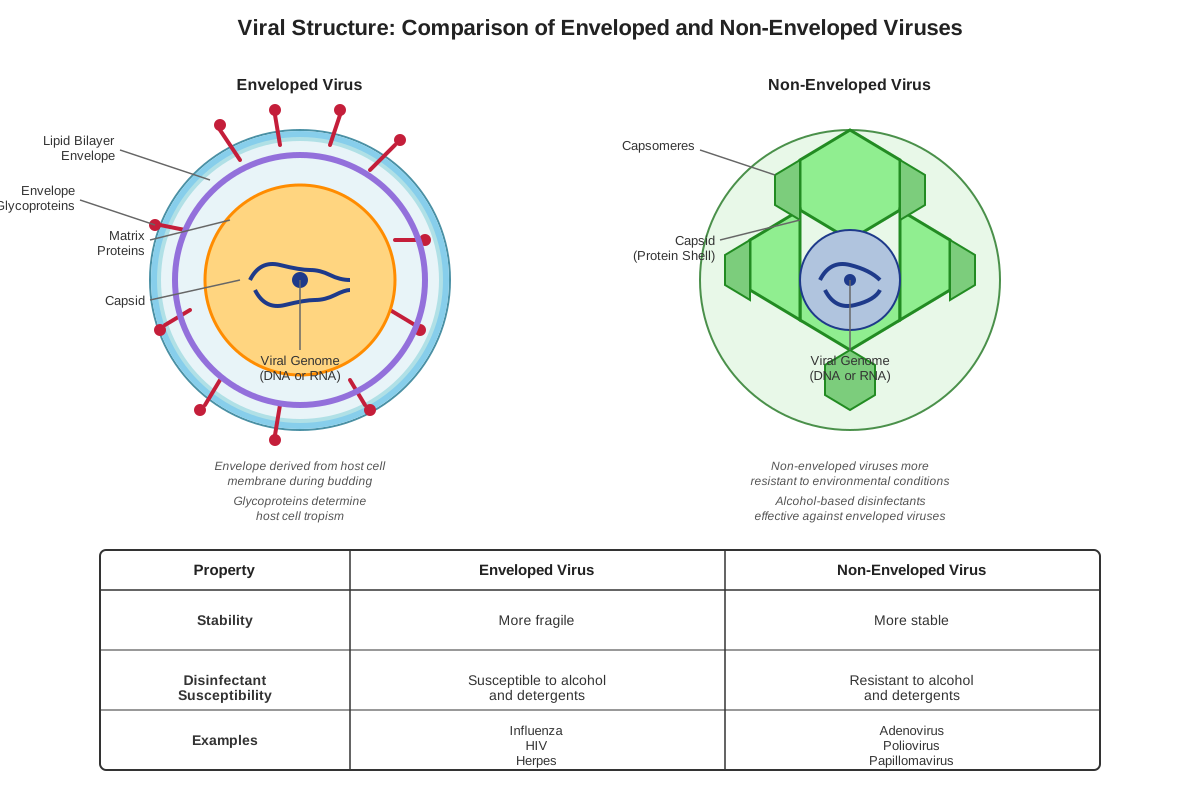
The capsid is a protein shell composed of multiple copies of one or a few types of protein subunits called capsomeres. Capsids serve multiple functions:
- Protect viral genetic material from degradation
- Facilitate attachment to host cells
- Deliver genetic material into host cells
- Determine viral shape and symmetry
Capsids exhibit three main structural patterns:
- Helical symmetry: Capsomeres arrange in a helix around the nucleic acid (e.g., tobacco mosaic virus, influenza)
- Icosahedral symmetry: Capsomeres form a 20-sided geometric structure (e.g., poliovirus, adenovirus)
- Complex symmetry: Combination of structures or unique architecture (e.g., bacteriophages, poxviruses)
Envelope
Many animal viruses possess a lipid envelope derived from host cell membranes (plasma membrane, nuclear envelope, or endoplasmic reticulum). The envelope contains:
- Viral glycoproteins (spikes) that project from the surface and mediate attachment and fusion
- Host-derived lipids and sometimes host proteins
- Matrix proteins that connect the envelope to the capsid
Enveloped viruses (e.g., influenza, HIV, herpes) are generally more fragile than non-enveloped (naked) viruses because the lipid envelope is sensitive to heat, desiccation, and detergents. This has practical implications: enveloped viruses typically require respiratory droplets or direct contact for transmission, while naked viruses can survive longer in the environment and may be transmitted via fecal-oral routes.
Viral Genomes
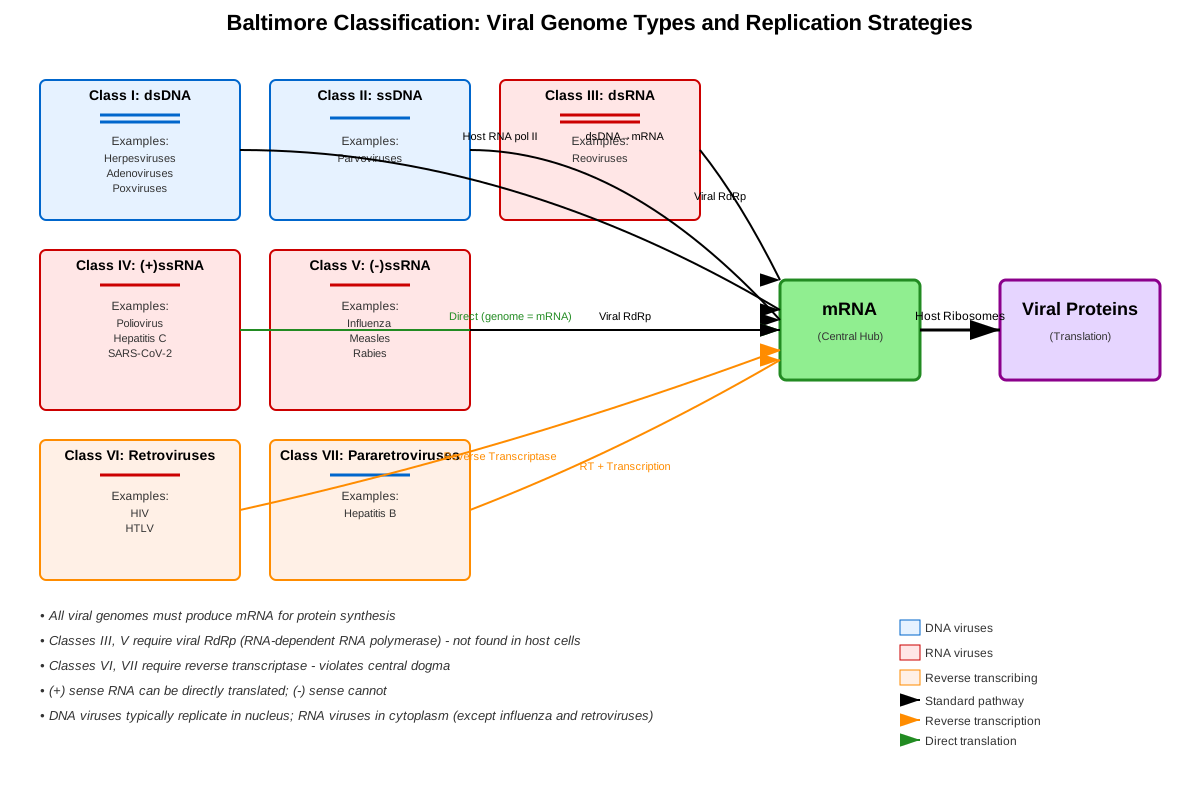
Viral genetic diversity exceeds that of cellular organisms. The Baltimore classification system categorizes viruses into seven groups based on genome type and replication strategy:
| Class | Genome Type | Example | Replication Strategy |
|---|---|---|---|
| I | Double-stranded DNA (dsDNA) | Herpesvirus, Adenovirus | Uses host DNA polymerase |
| II | Single-stranded DNA (ssDNA) | Parvovirus | Synthesizes complementary strand first |
| III | Double-stranded RNA (dsRNA) | Rotavirus | Uses viral RNA-dependent RNA polymerase |
| IV | Positive-sense ssRNA (+ssRNA) | Poliovirus, Hepatitis C | RNA serves directly as mRNA |
| V | Negative-sense ssRNA (-ssRNA) | Influenza, Measles | Must synthesize complementary +RNA first |
| VI | ssRNA with DNA intermediate | HIV (Retrovirus) | Uses reverse transcriptase |
| VII | dsDNA with RNA intermediate | Hepatitis B | Uses reverse transcriptase |
Positive-sense RNA (+RNA) can be directly translated by host ribosomes, functioning as mRNA. Negative-sense RNA (-RNA) is complementary to mRNA and must first be transcribed into +RNA by viral enzymes before translation can occur.
Viral Replication Cycles
All viruses follow a general replication cycle with distinct stages, though specific mechanisms vary by virus type.
General Viral Replication Steps
- Attachment (Adsorption): Viral surface proteins bind to specific receptors on the host cell surface. This interaction determines viral tropism—the range of host cells a virus can infect. For example, HIV targets CD4+ T cells because the virus binds to CD4 receptors and CCR5/CXCR4 co-receptors.
- Penetration (Entry): The virus or its genetic material enters the host cell through:
- Direct fusion: Envelope fuses with plasma membrane (enveloped viruses)
- Receptor-mediated endocytosis: Cell engulfs virus in vesicle
- Injection: Bacteriophages inject DNA while capsid remains outside
- Uncoating: Viral capsid is removed, releasing genetic material into the cytoplasm or nucleus. This step may involve host enzymes or viral proteins.
- Replication and Synthesis: Viral genome is replicated and viral proteins are synthesized using host machinery. DNA viruses typically replicate in the nucleus; RNA viruses usually replicate in the cytoplasm (except influenza and retroviruses).
- Assembly: Newly synthesized viral components are assembled into complete virions. This may occur spontaneously (self-assembly) or require viral or host proteins.
- Release: New virions exit the host cell by:
- Lysis: Cell ruptures, releasing virions and killing the cell (naked viruses)
- Budding: Virions acquire envelope by budding through membrane, often without immediately killing the cell (enveloped viruses)
Lytic vs. Lysogenic Cycles in Bacteriophages
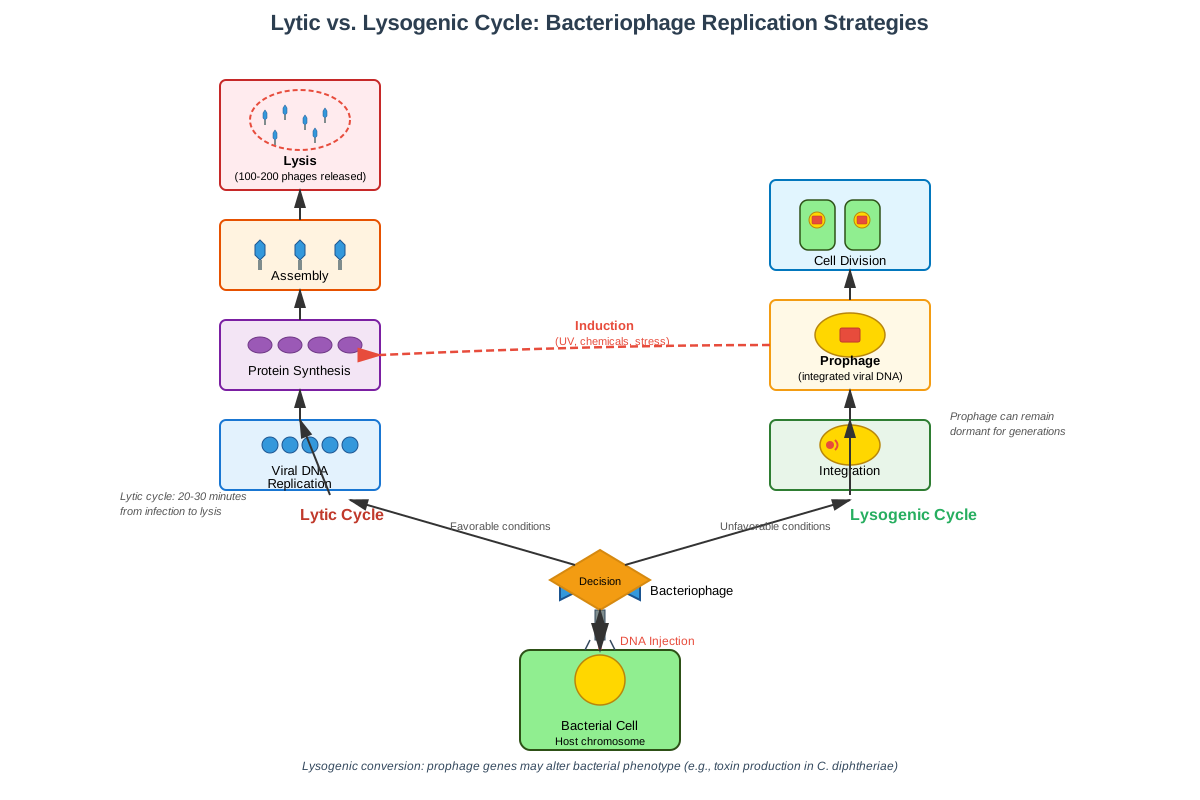
Bacteriophages (phages) are viruses that infect bacteria and provide clear examples of two distinct replication strategies:
Lytic Cycle:
- Phage immediately reproduces after infection
- Viral genes are expressed, producing viral components
- Host cell machinery is redirected to viral replication
- Cell lyses, releasing 50-200 new phages
- Host cell dies
- Example: T4 bacteriophage
Lysogenic Cycle:
- Phage genome integrates into host chromosome as a prophage
- Prophage replicates along with host DNA during cell division
- Viral genes are mostly silent (repressed)
- Can be induced to enter lytic cycle by stress (UV light, chemicals)
- Allows viral genome to persist without killing host
- Example: Lambda (λ) bacteriophage
MCAT Exam Tip: Questions may describe experimental conditions that induce prophage to enter the lytic cycle. Recognize that stress conditions (UV radiation, DNA damage) trigger this switch.
Retroviral Replication
Retroviruses like HIV use a unique replication strategy involving reverse transcriptase, an enzyme that synthesizes DNA from an RNA template—reversing the normal flow of genetic information.
Retroviral replication steps:
- Virus binds to specific receptors and fuses with cell membrane
- Viral RNA and reverse transcriptase enter cytoplasm
- Reverse transcriptase synthesizes complementary DNA (cDNA) from viral RNA
- RNA template is degraded; second DNA strand is synthesized, forming dsDNA
- Viral DNA enters nucleus and integrates into host chromosome as a provirus
- Provirus is transcribed by host RNA polymerase II
- Viral mRNA is translated; new viral RNA genomes are produced
- Virions assemble and bud from cell membrane
The integration of viral DNA into the host genome makes retroviruses particularly difficult to eliminate and explains why HIV infection is currently incurable—the provirus remains dormant in infected cells even when active viral replication is suppressed by antiretroviral drugs.
Viral Tropism and Host Range
Viral tropism refers to the specificity of a virus for particular host species, tissues, or cell types. Tropism is primarily determined by:
- Receptor availability: Host cells must express appropriate surface receptors
- Intracellular factors: Cells must have necessary transcription factors, enzymes, and machinery
- Physical barriers: Anatomical structures may prevent viral access to susceptible cells
For example, influenza virus binds to sialic acid receptors on respiratory epithelial cells, explaining its respiratory tropism. Rabies virus binds to nicotinic acetylcholine receptors on neurons, accounting for its neurotropism.
Understanding tropism helps predict:
- Disease symptoms and pathology
- Transmission routes
- Potential for cross-species infection (zoonosis)
- Targets for antiviral intervention
Viral Pathogenesis and Immune Evasion
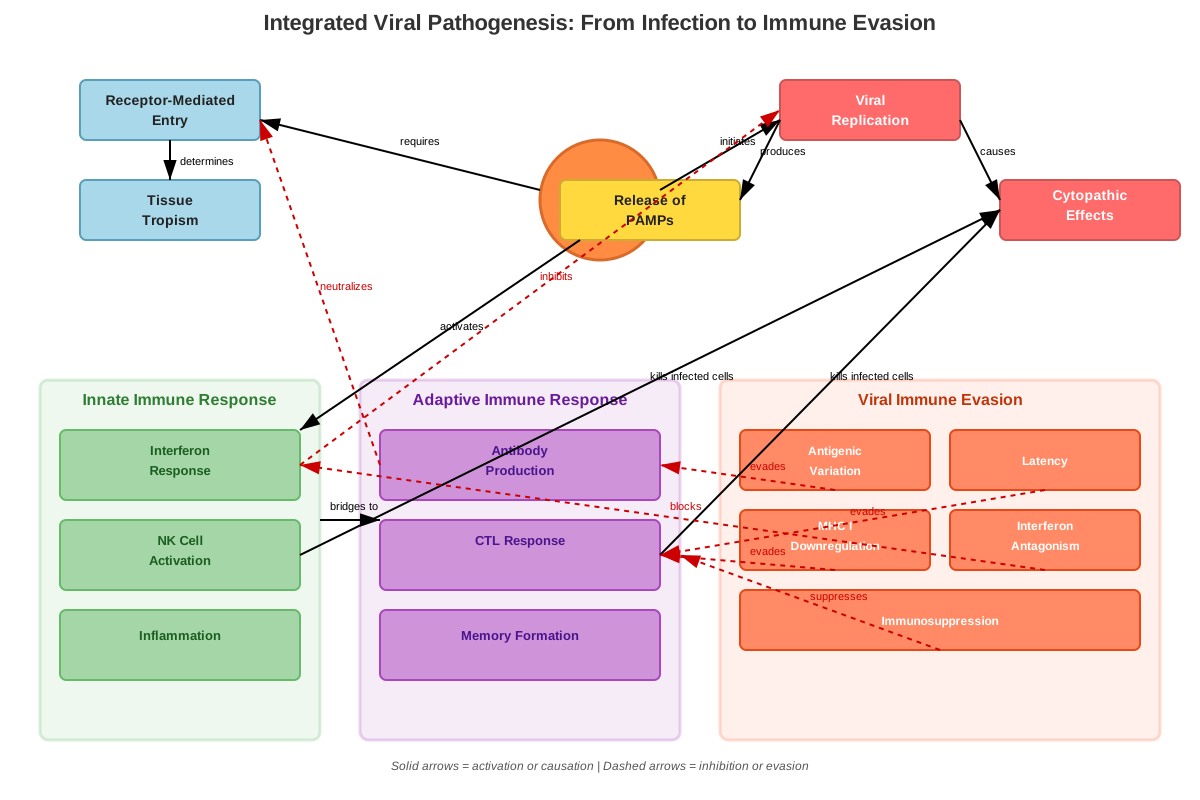
Viruses have evolved numerous strategies to evade host immune responses:
- Antigenic variation: Changing surface proteins to avoid antibody recognition (influenza, HIV)
- Latency: Remaining dormant to avoid immune detection (herpes viruses)
- Inhibition of interferon signaling: Blocking antiviral cytokine responses
- Downregulation of MHC molecules: Preventing presentation of viral antigens to T cells
- Production of decoy proteins: Secreting proteins that bind antibodies or cytokines
These mechanisms are clinically significant because they explain why some viral infections are chronic or recurrent and why vaccine development is challenging for certain viruses.
Concept Relationships
The core concepts of viral biology form an interconnected network that builds from structure to function to pathogenesis:
Viral Structure → Determines → Replication Strategy: The type of genome (DNA vs. RNA, single vs. double-stranded) dictates which enzymes are needed and where replication occurs. For example, DNA viruses typically use host DNA polymerase in the nucleus, while RNA viruses must encode their own RNA-dependent RNA polymerase and replicate in the cytoplasm.
Envelope Presence → Influences → Transmission and Stability: Enveloped viruses are fragile and require close contact or respiratory droplet transmission, while naked viruses are environmentally stable and can spread via fecal-oral routes or fomites.
Receptor-Ligand Interactions → Define → Tropism → Determines → Disease Manifestations: The specific receptors a virus binds determine which cells can be infected, which in turn determines the symptoms and pathology of infection.
Replication Cycle Type → Affects → Disease Course: Lytic replication causes acute disease with rapid cell death, while lysogenic/latent infections can persist for years with periodic reactivation.
Immune Evasion Mechanisms → Enable → Chronic Infection: Viruses that successfully evade immune responses establish persistent infections, requiring the host immune system to maintain constant surveillance.
These concepts connect to prerequisite knowledge:
- Cell biology: Viral entry mechanisms utilize endocytosis and membrane fusion
- Molecular biology: Viral replication demonstrates central dogma principles and exceptions
- Genetics: Viral integration and mutation illustrate genetic variation mechanisms
- Immunology: Viral infection triggers innate and adaptive immune responses
Quick check — test yourself on Viruses so far.
Try Flashcards →High-Yield Facts
⭐ Viruses are obligate intracellular parasites that cannot replicate independently and lack cellular machinery including ribosomes.
⭐ Viruses contain either DNA or RNA (never both), which can be single-stranded or double-stranded.
⭐ Positive-sense RNA (+RNA) can be directly translated as mRNA; negative-sense RNA (-RNA) must first be transcribed into +RNA.
⭐ Retroviruses use reverse transcriptase to synthesize DNA from RNA, integrating into the host genome as a provirus.
⭐ Enveloped viruses are more fragile than naked viruses and are sensitive to heat, desiccation, and detergents.
- The capsid is composed of protein subunits called capsomeres and protects viral genetic material.
- Viral tropism is determined primarily by the presence of specific receptors on host cell surfaces.
- Bacteriophages can undergo lytic cycles (immediate replication and cell lysis) or lysogenic cycles (integration as prophage).
- DNA viruses typically replicate in the nucleus using host DNA polymerase; RNA viruses usually replicate in the cytoplasm.
- Influenza virus exhibits antigenic drift (point mutations) and antigenic shift (reassortment of genome segments), enabling immune evasion.
- Viral release occurs by lysis (rupturing the cell) or budding (acquiring envelope from host membrane).
- Prions are infectious proteins, not viruses, and cause diseases like Creutzfeldt-Jakob disease without containing nucleic acid.
Common Misconceptions
Misconception: Viruses are living organisms.
Correction: Viruses are not considered living because they lack metabolism, cannot maintain homeostasis independently, do not grow, and cannot reproduce without a host cell. They are best described as obligate intracellular parasites or infectious agents that exist at the boundary between living and non-living matter.
Misconception: All viruses have DNA genomes like cellular organisms.
Correction: Viruses exhibit remarkable genetic diversity. Many viruses have RNA genomes (influenza, HIV, poliovirus), and some even use RNA as their genetic material with a DNA intermediate (retroviruses) or DNA with an RNA intermediate (hepatitis B). This diversity is unique to viruses.
Misconception: Antibiotics can treat viral infections.
Correction: Antibiotics target bacterial structures and processes (cell walls, ribosomes, metabolic pathways) that viruses lack. Antiviral drugs must target virus-specific enzymes (like reverse transcriptase or viral proteases) or viral entry/release mechanisms. This is why bacterial infections and viral infections require different treatments.
Misconception: Enveloped and non-enveloped viruses release from cells the same way.
Correction: Non-enveloped (naked) viruses typically exit by lysing the host cell, causing cell death and releasing many virions simultaneously. Enveloped viruses usually exit by budding through cellular membranes, acquiring their envelope in the process, which may not immediately kill the host cell and allows for continuous viral production.
Misconception: The lysogenic cycle is less dangerous than the lytic cycle.
Correction: While lysogenic viruses don't immediately kill the host cell, they can integrate into the genome and potentially disrupt genes or cause mutations. Additionally, prophages can carry genes that increase bacterial virulence (lysogenic conversion), and they can be induced to enter the lytic cycle under stress conditions, causing sudden cell death.
Misconception: Positive-sense and negative-sense RNA are just different names for the same thing.
Correction: These terms describe fundamentally different RNA molecules with opposite sequences. Positive-sense RNA has the same sequence as mRNA and can be directly translated by ribosomes. Negative-sense RNA is complementary to mRNA and must first be transcribed into positive-sense RNA by viral RNA polymerase before translation can occur. This difference significantly affects viral replication strategy.
Worked Examples
Example 1: Analyzing Viral Replication Strategy
Question: A researcher isolates a novel virus from a patient with respiratory illness. The virus has a lipid envelope with glycoprotein spikes, and its genome consists of eight segments of negative-sense single-stranded RNA. The virus replicates in the nucleus of infected cells. Based on this information, which of the following best describes the first step in viral protein synthesis after the virus enters the cell?
A) The viral RNA is directly translated by cytoplasmic ribosomes
B) The viral RNA is transcribed into positive-sense RNA by viral RNA polymerase
C) The viral RNA is reverse transcribed into DNA
D) The viral RNA serves as a template for host DNA polymerase
Analysis:
Step 1: Identify key information
- Negative-sense ssRNA genome
- Segmented genome (8 segments)
- Replicates in nucleus
- Has envelope with glycoproteins
Step 2: Recall that negative-sense RNA cannot be directly translated
- Negative-sense RNA is complementary to mRNA
- Must be transcribed into positive-sense RNA first
- This eliminates option A
Step 3: Consider the enzyme required
- RNA → RNA transcription requires RNA-dependent RNA polymerase
- This enzyme is not present in host cells
- Virus must carry this enzyme in the virion
- This supports option B
Step 4: Eliminate incorrect options
- Option C describes retroviruses, which have positive-sense RNA and use reverse transcriptase
- Option D is incorrect because DNA polymerase cannot use RNA as a template (except in retroviruses with reverse transcriptase)
Answer: B - The viral RNA must first be transcribed into positive-sense RNA by viral RNA polymerase before translation can occur.
Connection to Learning Objectives: This question requires understanding viral genome types, the difference between positive and negative-sense RNA, and the sequence of events in viral replication—all core concepts for MCAT virology questions.
MCAT Strategy: The description matches influenza virus. Recognizing that negative-sense RNA viruses must carry their own polymerase is a high-yield concept that appears frequently on the MCAT.
Example 2: Predicting Viral Tropism
Question: Researchers develop a modified virus for gene therapy by replacing the natural envelope glycoproteins with glycoproteins that specifically bind to receptors found only on liver hepatocytes. The modified virus successfully delivers therapeutic genes to liver cells but does not infect other cell types. Which of the following best explains this observation?
A) The viral capsid determines which cells can be infected
B) Hepatocytes are the only cells with the necessary transcription factors for viral replication
C) Receptor-ligand interactions between viral glycoproteins and host cell receptors determine viral tropism
D) The viral genome can only replicate in liver cells
Analysis:
Step 1: Identify what was changed
- Natural envelope glycoproteins were replaced
- New glycoproteins bind specifically to hepatocyte receptors
- Result: virus now only infects liver cells
Step 2: Understand viral tropism determinants
- Primary determinant: presence of appropriate receptors on host cells
- Viral attachment proteins (glycoproteins) must bind to host receptors
- This is the first step in infection—without binding, no entry occurs
Step 3: Evaluate each option
- Option A: Capsid is inside the envelope and not the primary attachment structure
- Option B: While transcription factors matter, the question states the modification was to glycoproteins, and the immediate effect is on which cells can be infected
- Option C: Directly explains the observation—changing glycoproteins changed receptor specificity
- Option D: The genome wasn't modified, only the envelope proteins
Answer: C - The modification of envelope glycoproteins changed receptor specificity, restricting viral tropism to cells expressing the corresponding receptor.
Connection to Learning Objectives: This question tests understanding of viral structure-function relationships, tropism determinants, and the ability to analyze experimental manipulations—all essential MCAT skills.
Real-world Application: This scenario describes actual gene therapy vector engineering, where viral tropism is modified to target specific tissues while avoiding off-target effects.
Exam Strategy
Approaching MCAT Virus Questions
Step 1: Identify the viral characteristics mentioned
- Genome type (DNA vs. RNA, single vs. double-stranded, positive vs. negative sense)
- Structural features (enveloped vs. naked, capsid symmetry)
- Replication location (nucleus vs. cytoplasm)
- Host type (bacteria, animal, plant)
Step 2: Map characteristics to replication strategy
- DNA viruses → usually nucleus, use host polymerase
- RNA viruses → usually cytoplasm, need viral polymerase
- Retroviruses → reverse transcriptase, integration
- Negative-sense RNA → must carry polymerase in virion
Step 3: Consider the question type
- Structure-function: How does a component enable infection?
- Mechanism: What are the steps in replication?
- Experimental: How would a manipulation affect viral function?
- Clinical: How does viral biology relate to disease or treatment?
Trigger Words and Phrases
Watch for these terms that signal specific concepts:
- "Obligate intracellular parasite" → viruses, cannot replicate independently
- "Reverse transcriptase" → retroviruses, RNA → DNA
- "Prophage" or "provirus" → integrated viral genome, lysogenic/latent infection
- "Positive-sense" or "negative-sense" → RNA virus classification, translation capability
- "Tropism" → receptor-ligand interactions, host range
- "Budding" → enveloped virus release, acquires membrane
- "Lysis" → naked virus release, cell death
- "Capsomeres" → capsid protein subunits
- "Segmented genome" → potential for reassortment (influenza)
Process of Elimination Tips
When comparing viral types:
- Eliminate options that confuse DNA and RNA virus characteristics
- Remember: most DNA viruses replicate in nucleus, most RNA viruses in cytoplasm
- Exception: influenza (RNA virus) replicates in nucleus
When analyzing replication steps:
- Eliminate options that skip necessary steps (e.g., negative-sense RNA directly translated)
- Remember the sequence: attachment → entry → uncoating → replication → assembly → release
When evaluating antiviral strategies:
- Eliminate options that target bacterial structures (cell walls, 70S ribosomes)
- Focus on virus-specific enzymes or unique replication steps
Time Allocation
For discrete questions (1-2 minutes):
- Quickly identify viral type from description
- Apply one key concept
- Eliminate obviously wrong answers
For passage-based questions (1.5-2 minutes per question):
- Skim passage for viral characteristics and experimental setup
- Refer back to passage for specific details
- Integrate passage information with foundational knowledge
Memory Techniques
Mnemonics
Baltimore Classification (DNA/RNA types):
"Double Decker Sandwiches Deserve Real Respect Regularly"
- DD = dsDNA (Class I)
- S = ssDNA (Class II)
- D = dsRNA (Class III)
- R = +ssRNA (Class IV)
- R = -ssRNA (Class V)
- R = Retroviruses (Class VI)
- (Class VII = Hepatitis B, special case)
Lytic Cycle Steps:
"All People Understand Real Amazing Results"
- Attachment
- Penetration
- Uncoating
- Replication
- Assembly
- Release
Positive vs. Negative Sense RNA:
"Positive = Proceeds to Protein" (can be directly translated)
"Negative = Needs traNscriptioN" (must be transcribed first)
Visualization Strategies
Enveloped vs. Naked Viruses:
Visualize enveloped viruses as "wearing a coat" (lipid envelope) that makes them fragile—like wearing a nice coat that can't get wet. Naked viruses are "tough" and can survive harsh conditions, like someone without a coat who's adapted to cold weather.
Retroviral Replication:
Picture the information flow as a "U-turn": RNA → DNA (reverse transcriptase makes the turn) → RNA (back to normal direction). The DNA "parks" in the chromosome (integration) before continuing the journey.
Lytic vs. Lysogenic:
- Lytic = "Lights out" (cell dies, lyses)
- Lysogenic = "Lying low" (virus hides in genome)
Acronyms
VIRION components:
- Viral genome
- Integral proteins (if enveloped)
- Receptor-binding proteins
- Internal enzymes (some viruses)
- Outer capsid
- Nucleocapsid (genome + capsid)
Summary
Viruses are obligate intracellular parasites consisting of genetic material (DNA or RNA) enclosed in a protein capsid, sometimes surrounded by a lipid envelope. Unlike cellular organisms, viruses lack metabolic machinery and must hijack host cell resources to replicate. Viral genomes exhibit remarkable diversity, including dsDNA, ssDNA, dsRNA, +ssRNA, -ssRNA, and retroviruses that use reverse transcriptase to synthesize DNA from RNA. The viral replication cycle includes attachment (determined by receptor-ligand interactions), penetration, uncoating, replication and synthesis, assembly, and release (by lysis or budding). Bacteriophages can undergo lytic cycles (immediate replication and cell death) or lysogenic cycles (integration as prophage). Viral tropism—the specificity for particular host cells—is primarily determined by receptor availability and intracellular factors. Understanding viral structure, genome types, replication strategies, and host interactions is essential for MCAT success because these concepts integrate molecular biology, genetics, cell biology, and immunology. Mastery of viral biology enables analysis of pathogenesis, antiviral drug mechanisms, vaccine development, and biotechnology applications that frequently appear in MCAT passages.
Key Takeaways
- Viruses are acellular obligate intracellular parasites containing either DNA or RNA (never both) and lacking independent metabolic capability
- Viral genome type determines replication strategy: DNA viruses typically use host machinery in the nucleus; RNA viruses usually encode their own polymerases and replicate in the cytoplasm
- Positive-sense RNA can be directly translated; negative-sense RNA must first be transcribed into positive-sense RNA by viral RNA polymerase
- Retroviruses use reverse transcriptase to synthesize DNA from RNA, integrating into the host genome as a provirus
- Enveloped viruses are fragile and typically released by budding; naked viruses are environmentally stable and released by lysis
- Viral tropism is determined by receptor-ligand interactions between viral attachment proteins and host cell surface receptors
- Bacteriophages demonstrate two replication strategies: lytic (immediate replication and cell death) and lysogenic (integration and dormancy)
Related Topics
Immunology and Viral Defense: Understanding how the innate and adaptive immune systems recognize and respond to viral infections, including interferon signaling, cytotoxic T cell responses, and antibody production. Mastering viral biology provides the foundation for understanding immune evasion strategies and vaccine mechanisms.
Molecular Biology Techniques: Viruses serve as tools in molecular biology (viral vectors for cloning, gene therapy) and as subjects of study (PCR for viral detection, restriction enzyme analysis). Understanding viral biology enhances interpretation of experimental passages.
Bacterial Genetics and Horizontal Gene Transfer: Bacteriophages facilitate transduction, transferring bacterial genes between cells. This connects viral biology to bacterial evolution and antibiotic resistance.
Cancer Biology: Some viruses (oncogenic viruses like HPV, hepatitis B) can cause cancer by integrating into host genomes and disrupting cell cycle regulation. Understanding viral integration mechanisms enables analysis of viral oncogenesis.
Pharmacology and Antiviral Drugs: Antiviral drug mechanisms target virus-specific processes like reverse transcriptase, viral proteases, or neuraminidase. Mastering viral replication cycles is essential for understanding drug mechanisms and resistance.
Practice CTA
Now that you've mastered the core concepts of viral biology, it's time to reinforce your understanding through active practice. Challenge yourself with MCAT-style practice questions that test your ability to apply these concepts in novel contexts—just like you'll encounter on test day. Use flashcards to drill high-yield facts, especially the differences between viral types and replication strategies. Remember, understanding viruses isn't just about memorizing structures; it's about developing the analytical skills to predict viral behavior, interpret experimental data, and connect viral biology to broader biological principles. Every practice question you work through strengthens the neural pathways that will help you quickly and accurately answer MCAT questions. You've built a strong foundation—now build the confidence to use it under exam conditions. Keep pushing forward!
Sign up free to keep reading
Create a free AnvayaPrep account to finish this MCAT guide on Viruses — plus flashcards and practice questions.