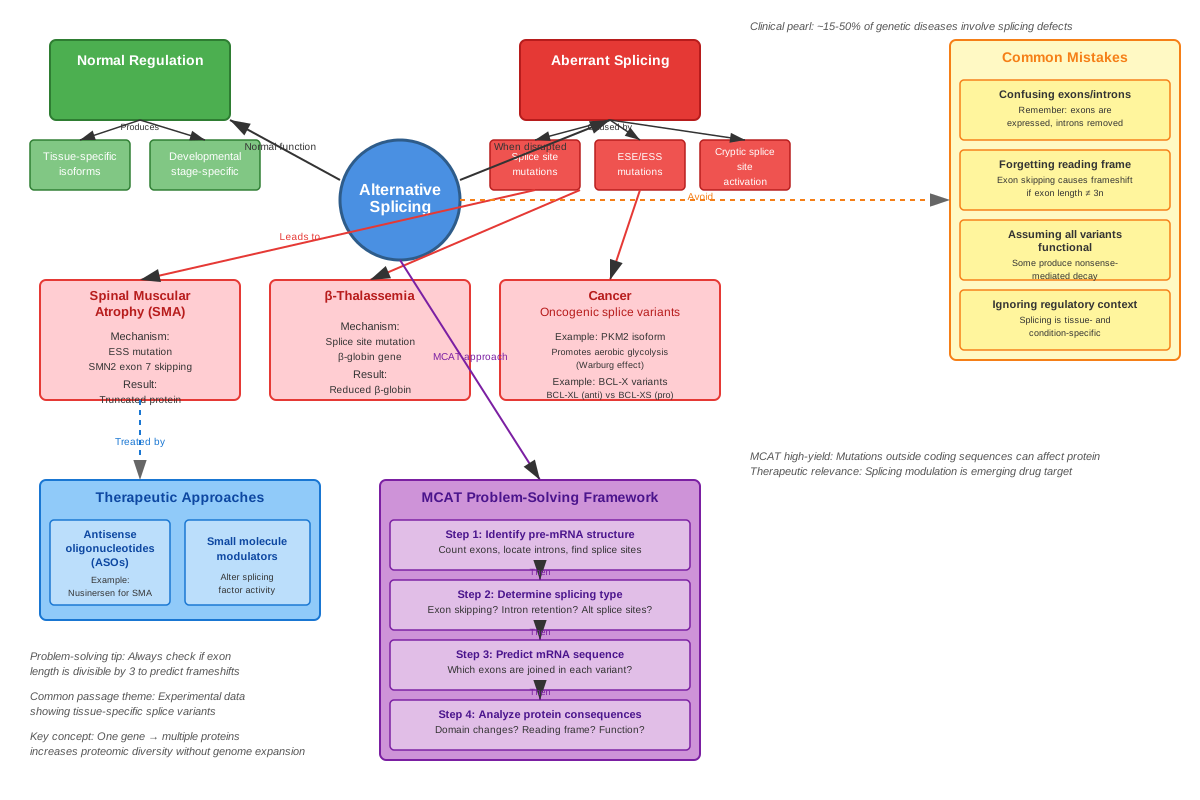
Overview
Alternative splicing is a fundamental post-transcriptional mechanism that allows a single gene to produce multiple distinct protein isoforms by selectively including or excluding different combinations of exons during mRNA processing. This elegant molecular process dramatically expands the coding capacity of the genome—humans possess approximately 20,000-25,000 genes, yet produce over 100,000 different proteins, largely due to alternative splicing. In the context of Molecular Biology and Genetics, alternative splicing represents a critical regulatory checkpoint that bridges gene structure with protein diversity, enabling cells to fine-tune gene expression in response to developmental signals, tissue-specific requirements, and environmental conditions.
For the MCAT, understanding alternative splicing is essential because it integrates multiple high-yield concepts including gene expression regulation, RNA processing, protein diversity, and evolutionary biology. The MCAT frequently tests alternative splicing through passage-based questions that require students to analyze experimental data, interpret diagrams of splice variants, or predict functional consequences of splicing mutations. Questions may present scenarios involving tissue-specific protein isoforms, disease-causing splice site mutations, or evolutionary advantages of increased proteomic complexity without genome expansion.
Alternative splicing Biology connects intimately with transcription, translation, and gene regulation—forming a comprehensive understanding of the central dogma's complexity. This topic bridges molecular mechanisms with broader biological principles, including cellular differentiation, evolutionary adaptation, and disease pathogenesis. Mastery of alternative splicing enables students to tackle complex MCAT passages that integrate genetics, cell biology, and even biochemistry, making it a high-yield investment of study time.
Learning Objectives
- [ ] Define alternative splicing using accurate Biology terminology
- [ ] Explain why alternative splicing matters for the MCAT
- [ ] Apply alternative splicing to exam-style questions
- [ ] Identify common mistakes related to alternative splicing
- [ ] Connect alternative splicing to related Biology concepts
- [ ] Distinguish between different types of alternative splicing mechanisms (exon skipping, intron retention, alternative 5' and 3' splice sites, mutually exclusive exons)
- [ ] Predict the functional consequences of alternative splicing on protein structure and function
- [ ] Analyze experimental data or diagrams to determine which splice variants are produced under specific conditions
Prerequisites
- Pre-mRNA structure: Understanding of exons, introns, 5' and 3' splice sites is essential because alternative splicing operates on these structural elements
- Basic splicing mechanism: Knowledge of the spliceosome, snRNPs, and constitutive splicing provides the foundation for understanding how alternative splicing modifies this default process
- Gene expression overview: Familiarity with transcription and translation helps contextualize alternative splicing as a regulatory mechanism between DNA and protein
- Protein structure: Understanding how amino acid sequences determine protein structure and function is necessary to appreciate the consequences of producing different protein isoforms
- Central dogma: Comprehension of DNA → RNA → protein flow establishes where alternative splicing fits in the information transfer process
Why This Topic Matters
Alternative splicing has profound clinical significance, as mutations affecting splice sites or splicing regulatory elements account for approximately 15-50% of human genetic diseases. Conditions such as spinal muscular atrophy, certain forms of muscular dystrophy, and various cancers result from aberrant splicing. The pharmaceutical industry increasingly targets splicing mechanisms for therapeutic intervention, with FDA-approved splice-modulating drugs now available for specific genetic disorders. Understanding alternative splicing also illuminates how cells achieve functional specialization—for example, how neurons produce different neurotransmitter receptor variants than muscle cells despite sharing identical genomic DNA.
On the MCAT, alternative splicing appears with moderate-to-high frequency, particularly in Biology passages within the Biological and Biochemical Foundations section. Exam statistics indicate that 2-4 questions per exam directly or indirectly test alternative splicing concepts. Questions typically fall into several categories: (1) interpretation of experimental results showing different protein isoforms in different tissues, (2) analysis of diagrams depicting exon-intron structures and resulting mRNA variants, (3) prediction of functional consequences when specific exons are included or excluded, and (4) evolutionary or regulatory significance of alternative splicing.
Common MCAT passage presentations include: research studies comparing protein isoforms across tissues or developmental stages; genetic analyses of disease-causing mutations in splice sites; evolutionary comparisons of gene structure and protein diversity across species; and molecular biology experiments using techniques like RT-PCR, Western blotting, or RNA sequencing to detect splice variants. Recognizing these passage types and understanding the underlying alternative splicing mechanisms enables efficient question navigation and accurate answer selection.
Core Concepts
Definition and Mechanism of Alternative Splicing
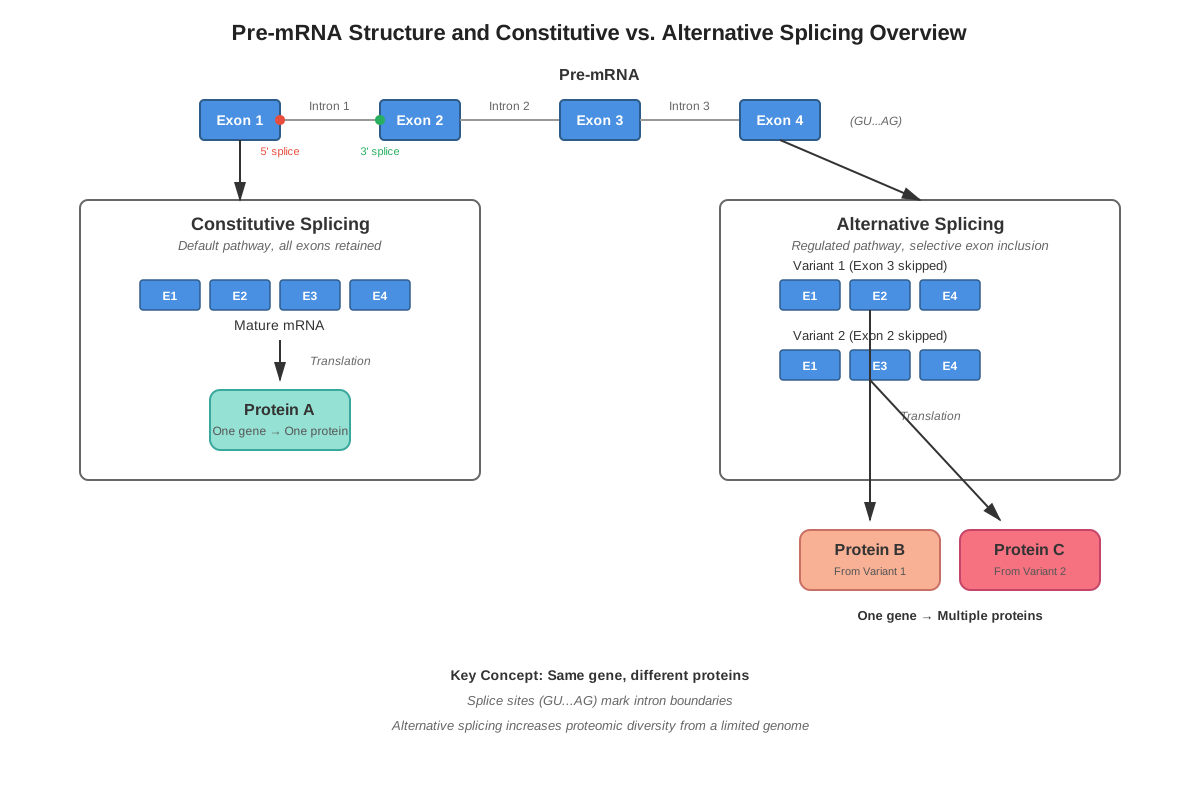
Alternative splicing is the regulated process by which different combinations of exons from a single pre-mRNA transcript are joined together, producing multiple distinct mRNA molecules and consequently different protein isoforms from one gene. This process occurs during RNA processing in the nucleus, after transcription but before translation. While constitutive splicing removes all introns and joins all exons in their linear order (producing a single mRNA), alternative splicing selectively includes or excludes specific exons or portions of exons, creating transcript diversity.
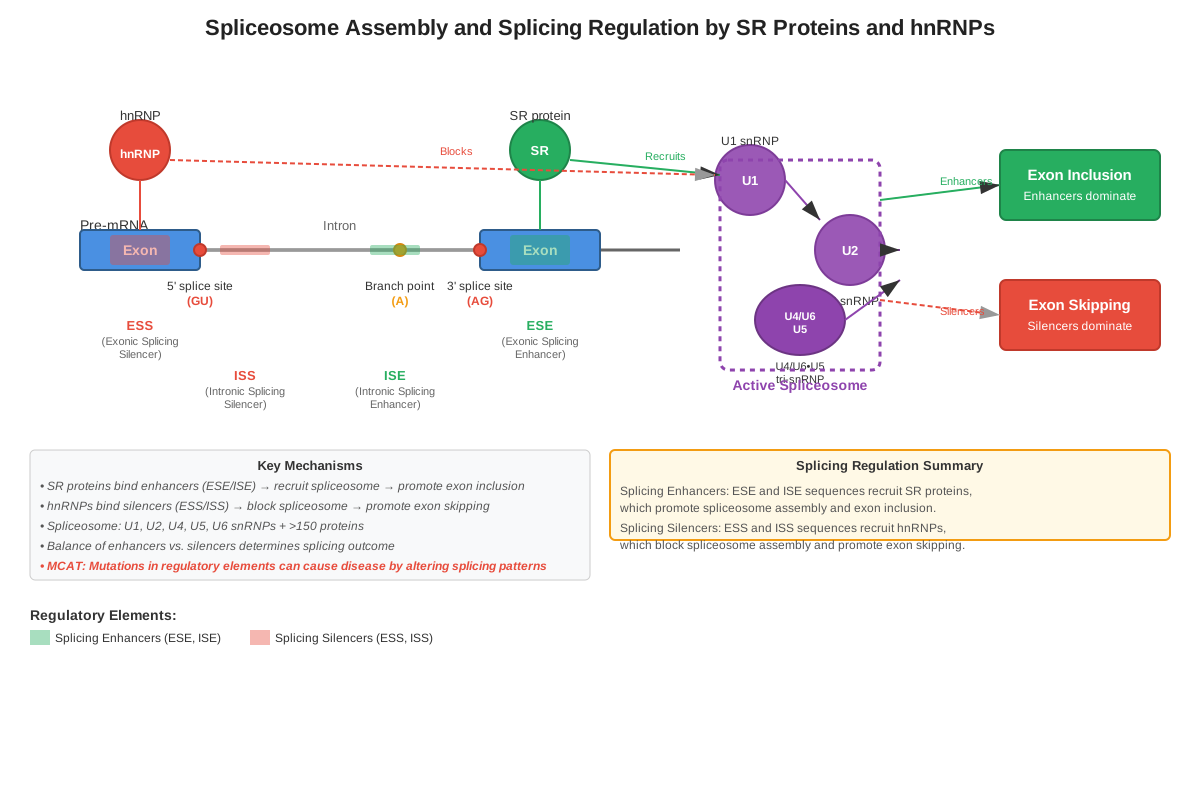
The molecular machinery executing alternative splicing includes the spliceosome—a large ribonucleoprotein complex composed of five small nuclear RNAs (snRNAs: U1, U2, U4, U5, U6) and associated proteins. The spliceosome recognizes conserved sequences at exon-intron boundaries: the 5' splice site (donor site, typically GU), the 3' splice site (acceptor site, typically AG), and the branch point (an adenine residue upstream of the 3' splice site). Alternative splicing regulation involves splicing enhancers and silencers—cis-acting RNA sequences that recruit trans-acting protein factors called SR proteins (serine/arginine-rich proteins) and hnRNPs (heterogeneous nuclear ribonucleoproteins) that promote or inhibit spliceosome assembly at specific sites.
Types of Alternative Splicing
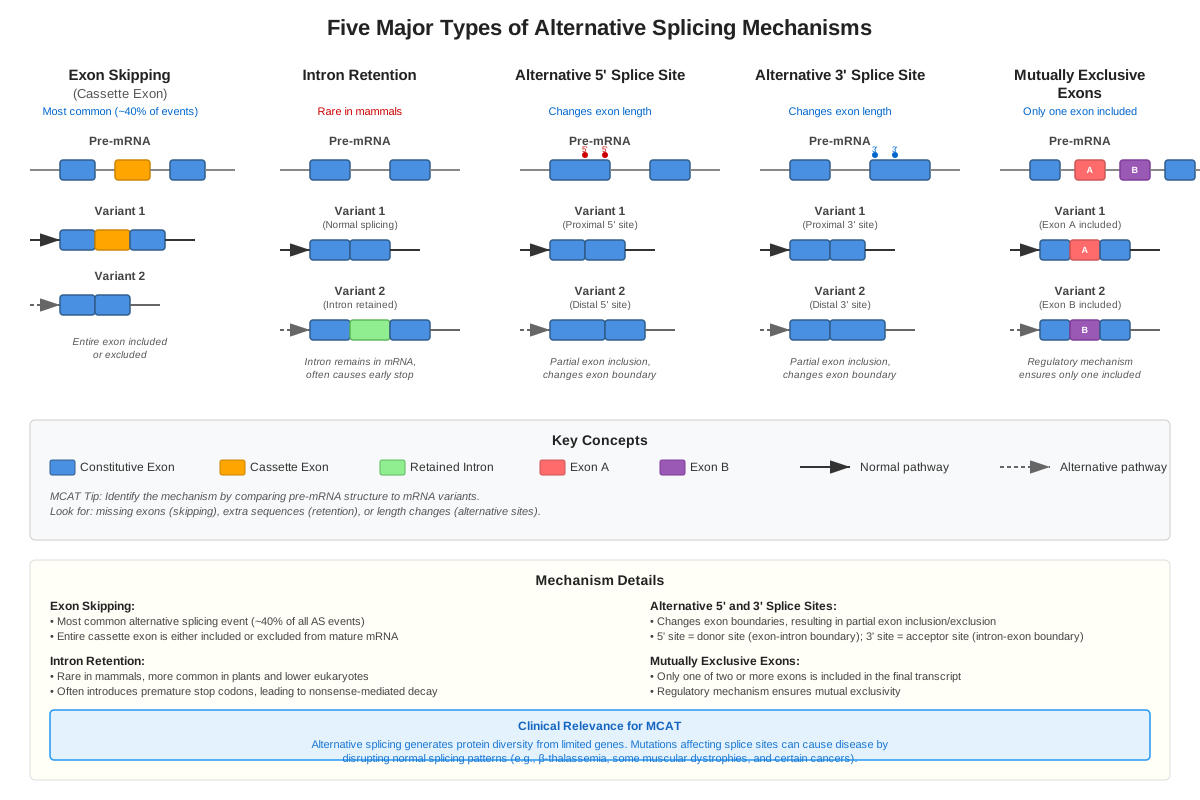
| Splicing Type | Mechanism | Result |
|---|---|---|
| Exon skipping (cassette exon) | An exon is either included or excluded from the mature mRNA | Most common type; creates isoforms with or without specific protein domains |
| Intron retention | An intron remains in the mature mRNA instead of being removed | Often introduces premature stop codons; common in plants, less so in mammals |
| Alternative 5' splice site | Different donor sites are used within the same exon | Produces proteins with shortened or lengthened regions |
| Alternative 3' splice site | Different acceptor sites are used within the same exon | Alters the length of the encoded protein segment |
| Mutually exclusive exons | Only one exon from a set is included in the mature mRNA | Ensures specific functional domains are present in different isoforms |
Exon skipping represents the predominant alternative splicing mechanism in mammals, accounting for approximately 40% of all alternative splicing events. In this process, the spliceosome can either recognize and include a particular exon (exon inclusion) or bypass it entirely, splicing the flanking exons directly together (exon exclusion). The resulting protein isoforms may differ substantially in function—one variant might contain a critical regulatory domain while another lacks it entirely.
Intron retention, though less common in mammals, can serve regulatory functions by introducing premature termination codons that trigger nonsense-mediated decay (NMD), effectively downregulating gene expression. This mechanism provides an additional layer of post-transcriptional control beyond simple protein isoform generation.
Regulation of Alternative Splicing
Alternative splicing regulation occurs through the interplay of cis-acting elements (RNA sequences) and trans-acting factors (proteins). Exonic splicing enhancers (ESEs) and intronic splicing enhancers (ISEs) recruit SR proteins that promote spliceosome assembly and exon inclusion. Conversely, exonic splicing silencers (ESSs) and intronic splicing silencers (ISSs) recruit hnRNPs that inhibit splicing at nearby sites, promoting exon skipping.
The regulation is highly context-dependent and tissue-specific. Different cell types express distinct repertoires of splicing regulatory proteins, enabling the same pre-mRNA to be processed differently in neurons versus hepatocytes versus muscle cells. Developmental stage, hormonal signals, and cellular stress can all modulate splicing factor expression or activity, providing dynamic control over protein isoform production.
Functional Consequences and Biological Significance
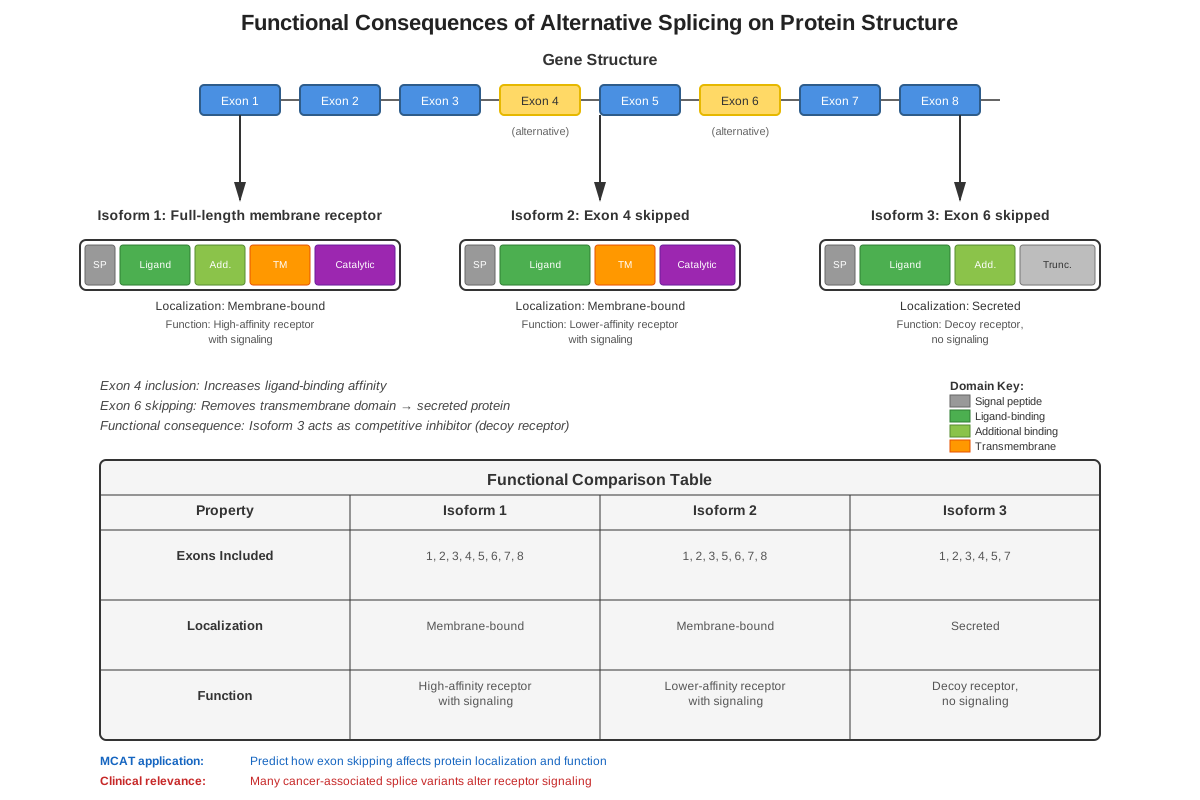
Alternative splicing generates protein isoforms with distinct properties that may differ in:
- Enzymatic activity: Inclusion or exclusion of catalytic domains
- Subcellular localization: Presence or absence of targeting signals (nuclear localization signals, membrane anchors)
- Protein-protein interactions: Variation in binding domains
- Regulatory properties: Differences in phosphorylation sites or regulatory domains
- Structural stability: Altered folding or stability characteristics
This mechanism provides several evolutionary and functional advantages. First, it dramatically increases proteomic diversity without requiring proportional genome expansion—a more efficient use of genetic information. Second, it enables tissue-specific and developmental stage-specific protein function from a single gene locus. Third, it allows rapid adaptation to environmental changes through regulated splicing rather than requiring new gene transcription. Fourth, it facilitates evolutionary innovation by allowing experimentation with protein variants while maintaining the original functional form.
Alternative Splicing in Disease
Mutations affecting alternative splicing contribute significantly to human disease through several mechanisms:
- Splice site mutations: Changes to conserved GU or AG sequences prevent proper intron removal
- Creation of cryptic splice sites: Mutations that create new, aberrant splice sites that compete with normal sites
- Disruption of regulatory elements: Mutations in ESEs, ESSs, ISEs, or ISSs alter splicing patterns
- Altered splicing factor expression: Changes in SR protein or hnRNP levels affect global splicing patterns
For example, spinal muscular atrophy (SMA) results from mutations in the SMN1 gene, often affecting a splicing enhancer that normally promotes inclusion of exon 7. Without this exon, the resulting truncated protein is nonfunctional, leading to motor neuron degeneration.
Concept Relationships
Alternative splicing sits at the intersection of multiple molecular biology concepts, creating a web of interconnected ideas essential for MCAT mastery. The process begins with transcription producing pre-mRNA, which then undergoes RNA processing including 5' capping, 3' polyadenylation, and splicing. Alternative splicing modifies the default constitutive splicing pathway, representing a critical gene expression regulation mechanism that operates post-transcriptionally.
The relationship flows as follows:
Gene structure (exons + introns) → Transcription → Pre-mRNA → Alternative splicing (regulated by splicing factors and cis-elements) → Multiple mRNA variants → Translation → Protein isoforms with distinct functions → Cellular phenotype and tissue specialization
Alternative splicing connects bidirectionally with evolution: increased splicing complexity correlates with organismal complexity (invertebrates show less alternative splicing than vertebrates), and alternative splicing provides raw material for evolutionary innovation without genome duplication. The concept also links to protein structure and function—understanding how amino acid sequence determines protein properties is essential for predicting consequences of including or excluding specific exons.
Furthermore, alternative splicing relates to signal transduction and cellular regulation: signaling pathways can modulate splicing factor activity through phosphorylation or other post-translational modifications, creating feedback loops between cellular state and protein isoform production. This connects to development and differentiation, where progressive changes in splicing patterns contribute to cell fate determination.
Finally, alternative splicing intersects with molecular genetics and disease mechanisms: understanding inheritance patterns, mutation effects, and genotype-phenotype relationships requires appreciating how splicing mutations manifest as disease phenotypes.
High-Yield Facts
⭐ Alternative splicing allows a single gene to produce multiple protein isoforms by selectively including or excluding exons during RNA processing
⭐ Exon skipping (cassette exon) is the most common type of alternative splicing in mammals, accounting for ~40% of alternative splicing events
⭐ SR proteins bind to splicing enhancers and promote exon inclusion, while hnRNPs bind to splicing silencers and promote exon skipping
⭐ Alternative splicing increases proteomic diversity without expanding genome size—humans have ~20,000-25,000 genes but produce >100,000 proteins
⭐ Tissue-specific alternative splicing enables different cell types to produce distinct protein isoforms from the same gene, contributing to cellular specialization
- The spliceosome recognizes conserved sequences: 5' splice site (GU), 3' splice site (AG), and branch point (A)
- Intron retention can introduce premature stop codons, triggering nonsense-mediated decay and downregulating gene expression
- Mutations affecting splice sites or splicing regulatory elements account for 15-50% of human genetic diseases
- Alternative 5' and 3' splice sites produce proteins with shortened or lengthened segments by using different donor or acceptor sites
- Mutually exclusive exons ensure only one exon from a set is included, creating functionally distinct isoforms
- Developmental stage, hormonal signals, and cellular stress can modulate alternative splicing patterns
- Cryptic splice sites are aberrant sequences that can be activated by mutations, disrupting normal splicing patterns
Quick check — test yourself on Alternative splicing so far.
Try Flashcards →Common Misconceptions
Misconception: Alternative splicing occurs during transcription as RNA polymerase synthesizes the pre-mRNA.
Correction: Alternative splicing occurs after transcription is complete, during RNA processing in the nucleus. The pre-mRNA must be fully transcribed before the spliceosome can access and process splice sites, though co-transcriptional splicing (splicing while transcription is still ongoing) can occur for some genes.
Misconception: All genes undergo alternative splicing to produce multiple protein variants.
Correction: Not all genes are alternatively spliced. Many genes undergo only constitutive splicing, producing a single mRNA and protein product. Alternative splicing is common (affecting ~95% of human multi-exon genes to some degree), but the extent and functional significance vary widely among genes.
Misconception: Introns are always completely removed during splicing, and exons are always retained.
Correction: In intron retention (a type of alternative splicing), introns can remain in the mature mRNA. Additionally, portions of exons can be excluded through alternative 5' or 3' splice site usage. The distinction between "intron" and "exon" can be context-dependent based on which splice sites are used.
Misconception: Alternative splicing always produces functional proteins with different activities.
Correction: Some alternative splicing events produce mRNAs with premature stop codons that trigger nonsense-mediated decay, effectively regulating gene expression levels rather than producing functional protein variants. Not all splice variants result in stable, functional proteins.
Misconception: The same protein isoforms are produced from a gene in all tissues and developmental stages.
Correction: Alternative splicing is highly regulated in a tissue-specific and developmental stage-specific manner. The same gene can produce different predominant isoforms in different tissues (e.g., brain vs. muscle) or at different developmental stages (embryonic vs. adult) due to differential expression of splicing regulatory factors.
Worked Examples
Example 1: Analyzing a Splice Variant Diagram
Question: A researcher studies gene X, which contains 5 exons. In liver cells, all 5 exons are included in the mature mRNA. In muscle cells, exon 3 is skipped. Exon 3 encodes a phosphorylation site that inhibits the protein's enzymatic activity. Which statement best describes the functional consequence?
Step 1 - Identify the splicing pattern:
- Liver: Exons 1-2-3-4-5 (all exons included)
- Muscle: Exons 1-2-4-5 (exon 3 skipped)
- This is exon skipping, the most common alternative splicing type
Step 2 - Determine the functional domain affected:
- Exon 3 encodes an inhibitory phosphorylation site
- Liver isoform: Contains the inhibitory site (can be phosphorylated to reduce activity)
- Muscle isoform: Lacks the inhibitory site (cannot be inhibited by this mechanism)
Step 3 - Predict functional consequences:
- The muscle isoform lacks the inhibitory phosphorylation site
- This means the muscle isoform would have higher basal enzymatic activity or be less susceptible to negative regulation via phosphorylation
- This represents tissue-specific regulation of enzyme activity through alternative splicing
Step 4 - Connect to biological context:
- Muscle cells may require constitutively active enzyme
- Liver cells may need more dynamic regulation (ability to turn enzyme off via phosphorylation)
- This demonstrates how alternative splicing enables tissue-specific protein function
Answer: The muscle isoform would exhibit higher or less-regulated enzymatic activity because it lacks the inhibitory phosphorylation site present in the liver isoform.
Learning objective addressed: Apply alternative splicing to exam-style questions; Predict functional consequences of alternative splicing
Example 2: Interpreting Experimental Results
Question: Researchers use RT-PCR with primers flanking exons 2-4 of gene Y to analyze mRNA from different tissues. They observe:
- Brain: Two bands (500 bp and 350 bp)
- Kidney: One band (500 bp)
- Exon 3 is 150 bp long
What alternative splicing pattern explains these results?
Step 1 - Analyze the experimental design:
- RT-PCR amplifies mRNA sequences (after splicing)
- Primers flank exons 2-4, so amplicon includes exons 2, 3, and 4 (if all present)
- Different band sizes indicate different mRNA variants
Step 2 - Interpret band sizes:
- 500 bp band: Larger product, likely includes all three exons (2-3-4)
- 350 bp band: Smaller product, 150 bp shorter than 500 bp band
- The difference (500 - 350 = 150 bp) equals the size of exon 3
Step 3 - Determine splicing pattern:
- 500 bp band = exons 2-3-4 included (exon 3 inclusion)
- 350 bp band = exons 2-4 only (exon 3 skipped)
- This is exon skipping of exon 3
Step 4 - Interpret tissue-specific pattern:
- Brain: Both bands present → produces both isoforms (with and without exon 3)
- Kidney: Only 500 bp band → produces only the isoform with exon 3 included
- This demonstrates tissue-specific alternative splicing
Step 5 - Consider biological significance:
- Brain requires both protein isoforms (perhaps for different neuronal functions)
- Kidney requires only the isoform containing exon 3
- This reflects tissue-specific regulation of splicing factors (SR proteins/hnRNPs)
Answer: Gene Y undergoes tissue-specific exon skipping of exon 3. Brain tissue produces both isoforms (exon 3 included and excluded), while kidney tissue produces only the isoform with exon 3 included.
Learning objective addressed: Apply alternative splicing to exam-style questions; Distinguish between different types of alternative splicing mechanisms
Exam Strategy
When approaching alternative splicing MCAT questions, employ a systematic strategy that maximizes accuracy and efficiency:
Trigger words to recognize: Watch for phrases like "protein isoforms," "tissue-specific expression," "splice variants," "exon inclusion/exclusion," "multiple proteins from one gene," "RNA processing," and "spliceosome." These signal that alternative splicing concepts are being tested. Passages describing different protein forms in different tissues or developmental stages almost certainly involve alternative splicing.
Diagram interpretation approach: MCAT questions frequently present exon-intron diagrams with different splice patterns. Use this systematic approach:
- Identify all exons and introns in the pre-mRNA
- Trace which exons are included in each mature mRNA variant
- Determine the type of alternative splicing (exon skipping, intron retention, etc.)
- Consider functional consequences based on what domains/sequences are affected
- Match the pattern to the biological context (tissue type, developmental stage, disease state)
Process of elimination tips:
- Eliminate answers confusing transcription with RNA processing (alternative splicing occurs post-transcriptionally)
- Eliminate answers suggesting alternative splicing changes DNA sequence (it doesn't—same gene, different mRNA processing)
- Eliminate answers claiming all splice variants are equally abundant in all tissues (tissue-specificity is key)
- Eliminate answers suggesting alternative splicing requires multiple genes (one gene produces multiple isoforms)
Quantitative reasoning: When questions provide band sizes from gel electrophoresis or RT-PCR, calculate size differences to determine which exons are included or excluded. The difference in band sizes often equals the size of the alternatively spliced exon.
Time allocation: Alternative splicing questions typically require 60-90 seconds. Spend 30-40 seconds analyzing any diagrams or experimental data, then 20-30 seconds evaluating answer choices. Don't get bogged down in complex passage details unrelated to the specific question—focus on the splicing pattern and its consequences.
Common question types:
- Mechanism questions: "Which process explains how one gene produces multiple proteins?" → Alternative splicing
- Prediction questions: "If exon 4 is skipped, what functional consequence would occur?" → Analyze what exon 4 encodes
- Experimental interpretation: "What do these gel bands indicate about mRNA processing?" → Compare sizes to determine splice variants
- Regulation questions: "How do different tissues produce different protein isoforms from gene X?" → Tissue-specific splicing factors
Exam Tip: If a passage describes multiple protein forms with different molecular weights from the same gene locus, alternative splicing is almost certainly involved. Quickly identify which exons differ between variants to predict functional consequences.
Memory Techniques
Mnemonic for types of alternative splicing - "SEIMA":
- Skipping (exon skipping/cassette exon) - most common
- Exclusive (mutually exclusive exons)
- Intron retention
- Multiple 5' sites (alternative 5' splice sites)
- Acceptor alternatives (alternative 3' splice sites)
Mnemonic for splicing regulatory elements - "EISE":
- Exonic Splicing Enhancers (ESEs) - promote inclusion
- Intronic Splicing Enhancers (ISEs) - promote inclusion
- Exonic Splicing Silencers (ESSs) - promote skipping
- Intronic Splicing Silencers (ISSs) - promote skipping
Visualization strategy: Picture a pre-mRNA as a string of beads (exons) connected by string (introns). Alternative splicing is like choosing different combinations of beads to make different necklaces—same starting materials, different final products. The spliceosome acts as scissors that can cut at different points to create various combinations.
Acronym for splicing factors - "SR Helps, hnRNP Hinders":
- SR proteins (Serine/Arginine-rich) bind enhancers → Help exon inclusion
- hnRNPs (heterogeneous nuclear RNPs) bind silencers → Hinder exon inclusion (promote skipping)
Conceptual anchor: Remember "One gene, many proteins" as the core principle. Whenever you see questions about protein diversity, tissue-specific isoforms, or increased proteomic complexity without genome expansion, think alternative splicing.
Splice site sequence memory: "GUess where it starts, AGree where it ends"
- 5' splice site (donor): GU (guanine-uracil)
- 3' splice site (acceptor): AG (adenine-guanine)
Summary
Alternative splicing is a post-transcriptional regulatory mechanism that enables a single gene to produce multiple distinct mRNA molecules and protein isoforms by selectively including or excluding exons during RNA processing. This process dramatically expands proteomic diversity without requiring proportional genome expansion, allowing humans to produce over 100,000 proteins from approximately 20,000-25,000 genes. The five main types of alternative splicing—exon skipping, intron retention, alternative 5' splice sites, alternative 3' splice sites, and mutually exclusive exons—are regulated by splicing enhancers and silencers that recruit SR proteins and hnRNPs to promote or inhibit spliceosome assembly. Tissue-specific and developmental stage-specific expression of these regulatory factors enables the same gene to produce different predominant isoforms in different cellular contexts, contributing to cellular specialization and functional diversity. For the MCAT, students must understand the mechanisms, types, and functional consequences of alternative splicing, be able to interpret experimental data and diagrams showing splice variants, and recognize how splicing mutations contribute to human disease.
Key Takeaways
- Alternative splicing produces multiple protein isoforms from a single gene by selectively including or excluding exons during RNA processing, dramatically increasing proteomic diversity
- Exon skipping is the most common alternative splicing type in mammals, while other types include intron retention, alternative 5'/3' splice sites, and mutually exclusive exons
- SR proteins promote exon inclusion by binding to splicing enhancers, while hnRNPs promote exon skipping by binding to splicing silencers
- Tissue-specific and developmental stage-specific alternative splicing enables cellular specialization by producing functionally distinct protein isoforms in different contexts
- Alternative splicing connects to multiple MCAT topics including gene expression regulation, protein structure-function relationships, evolution, and disease mechanisms
- MCAT questions frequently test alternative splicing through diagram interpretation, experimental data analysis, and prediction of functional consequences
- Mutations affecting splice sites or regulatory elements account for 15-50% of human genetic diseases, making alternative splicing clinically significant
Related Topics
RNA Processing and Post-Transcriptional Modifications: Alternative splicing is one component of comprehensive RNA processing that also includes 5' capping and 3' polyadenylation. Mastering alternative splicing provides foundation for understanding the complete journey from pre-mRNA to mature mRNA.
Gene Expression Regulation: Alternative splicing represents one level of gene expression control. Understanding this mechanism enables deeper comprehension of how cells regulate protein production through transcriptional, post-transcriptional, translational, and post-translational mechanisms.
Protein Structure and Function: The functional consequences of alternative splicing depend on understanding how amino acid sequence determines protein properties. This connection reinforces the relationship between molecular biology and biochemistry.
Evolutionary Biology: Alternative splicing's role in generating proteomic complexity without genome expansion has evolutionary implications. This topic connects molecular mechanisms to broader evolutionary principles tested on the MCAT.
Molecular Genetics and Disease: Understanding how splicing mutations cause disease requires integrating alternative splicing knowledge with inheritance patterns, mutation types, and genotype-phenotype relationships—all high-yield MCAT topics.
Practice CTA
Now that you've mastered the core concepts of alternative splicing, it's time to reinforce your understanding through active practice. Attempt the practice questions and flashcards associated with this topic to solidify your knowledge and identify any remaining gaps. Remember, the MCAT rewards not just knowledge but the ability to apply concepts to novel scenarios—practice questions provide essential training for this skill. Alternative splicing appears frequently on the exam, making your investment in practice highly worthwhile. You've built a strong foundation; now strengthen it through application. Your future MCAT success depends on transforming passive reading into active problem-solving. Start practicing now!
Sign up free to keep reading
Create a free AnvayaPrep account to finish this MCAT guide on Alternative splicing — plus flashcards and practice questions.