Overview
Recombinant DNA technology represents one of the most transformative developments in modern molecular biology and biochemistry, enabling scientists to manipulate genetic material with unprecedented precision. This suite of techniques allows researchers to isolate specific DNA sequences from one organism and insert them into another, creating novel genetic combinations that do not occur naturally. The technology encompasses a broad array of methods including restriction enzyme digestion, DNA ligation, cloning vectors, transformation, and screening procedures—all of which work together to produce organisms with desired genetic characteristics. For the MCAT, understanding recombinant DNA technology is not merely an academic exercise; it forms the foundation for comprehending modern medical advances including insulin production, gene therapy, diagnostic testing, and personalized medicine.
The MCAT extensively tests Recombinant DNA technology within the Biochemistry section, particularly under the Nucleic Acids and Biotechnology unit. Questions frequently appear as passage-based items that describe experimental procedures, requiring students to interpret results, predict outcomes, or troubleshoot methodological problems. The exam assumes students can integrate knowledge of DNA structure, enzyme function, bacterial genetics, and molecular techniques to solve complex problems. This topic bridges fundamental biochemistry concepts with practical applications, making it a high-yield area that appears in approximately 3-5 questions per exam administration.
Understanding recombinant DNA technology requires synthesizing multiple biochemical principles: the structure and properties of nucleic acids, the specificity of enzyme-substrate interactions, the central dogma of molecular biology, and bacterial transformation mechanisms. This topic directly connects to gene expression, protein synthesis, and molecular diagnostics—all frequently tested MCAT concepts. Mastery of this material enables students to approach experimental design questions with confidence and demonstrates the type of scientific reasoning that medical schools value in prospective students.
Learning Objectives
- [ ] Define Recombinant DNA technology using accurate Biochemistry terminology
- [ ] Explain why Recombinant DNA technology matters for the MCAT
- [ ] Apply Recombinant DNA technology to exam-style questions
- [ ] Identify common mistakes related to Recombinant DNA technology
- [ ] Connect Recombinant DNA technology to related Biochemistry concepts
- [ ] Describe the mechanism of action and recognition sequences for restriction endonucleases
- [ ] Compare and contrast different cloning vectors and their appropriate applications
- [ ] Analyze experimental protocols to identify the purpose of each step in a recombinant DNA procedure
- [ ] Predict the outcomes of restriction digests and ligation reactions based on enzyme properties
Prerequisites
- DNA structure and properties: Understanding double helix structure, complementary base pairing, and antiparallel orientation is essential for predicting how DNA fragments will anneal and ligate
- Enzyme kinetics and specificity: Restriction enzymes and DNA ligases follow specific recognition patterns and catalytic mechanisms that determine their utility in cloning
- Bacterial cell structure: Knowledge of plasmids, bacterial transformation, and antibiotic resistance mechanisms is necessary for understanding selection strategies
- Central dogma: Transcription and translation concepts underpin the expression of recombinant genes in host organisms
- Basic molecular biology techniques: Familiarity with gel electrophoresis and DNA visualization helps interpret experimental results
Why This Topic Matters
Recombinant DNA technology has revolutionized medicine and biotechnology, making it clinically relevant and frequently tested on the MCAT. Human insulin (Humulin) was the first recombinant DNA product approved for clinical use in 1982, replacing animal-derived insulin and eliminating allergic reactions in diabetic patients. Today, recombinant technology produces vaccines (hepatitis B), clotting factors (Factor VIII for hemophilia), growth hormones, monoclonal antibodies for cancer therapy, and diagnostic tests for infectious diseases. Understanding these applications demonstrates the real-world impact of biochemical principles and helps students connect basic science to clinical practice.
From an exam perspective, Recombinant DNA technology MCAT questions appear with high frequency in both the Chemical and Physical Foundations of Biological Systems and Biological and Biochemical Foundations of Living Systems sections. Statistical analysis of recent MCAT administrations indicates that 2-3% of all biochemistry questions directly test recombinant DNA concepts, with an additional 3-4% incorporating these techniques within experimental passages. Questions typically present novel experimental scenarios requiring students to apply foundational knowledge rather than simply recall facts. Common question formats include: interpreting restriction maps, predicting gel electrophoresis results, identifying appropriate cloning strategies, troubleshooting failed experiments, and analyzing gene expression data from recombinant organisms.
Passages frequently describe research studies using recombinant techniques to investigate protein function, disease mechanisms, or therapeutic interventions. Students must quickly identify the purpose of each experimental step, recognize control groups, and interpret results in the context of the research question. The ability to analyze these passages efficiently separates high-scoring students from average performers, making this topic essential for competitive MCAT performance.
Core Concepts
Restriction Endonucleases: Molecular Scissors
Restriction endonucleases (restriction enzymes) are bacterial proteins that recognize specific DNA sequences and catalyze phosphodiester bond cleavage at defined positions. These enzymes evolved as bacterial defense mechanisms against viral DNA, functioning as a primitive immune system. Type II restriction enzymes are most commonly used in Recombinant DNA technology Biochemistry because they cut DNA at specific recognition sites without requiring ATP or additional cofactors.
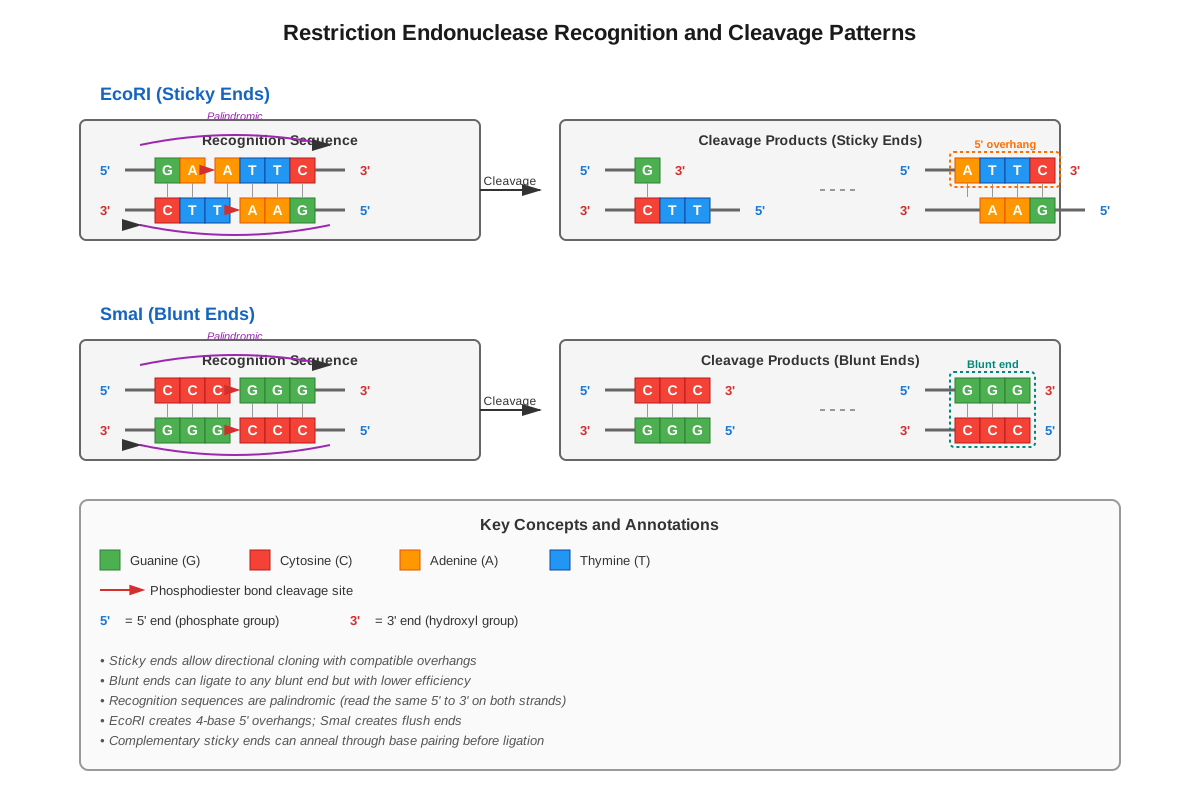
Each restriction enzyme recognizes a specific palindromic sequence—a DNA sequence that reads the same on both strands when read in the 5' to 3' direction. For example, EcoRI recognizes 5'-GAATTC-3' and cuts between G and A on both strands. The palindromic nature ensures that the enzyme recognizes the same sequence regardless of which strand it initially encounters. Recognition sequences typically range from 4 to 8 base pairs, with longer sequences occurring less frequently in random DNA (a 6-base recognition site appears approximately once every 4,096 base pairs, calculated as 4^6).
Restriction enzymes produce two types of ends:
Sticky ends (cohesive ends): Created when the enzyme makes staggered cuts, leaving single-stranded overhangs. These overhangs can base-pair with complementary sequences, facilitating directional cloning. EcoRI produces 5' overhangs (5'-AATT-3'), while PstI produces 3' overhangs.
Blunt ends: Generated when the enzyme cuts both strands at the same position, leaving no overhang. SmaI and EcoRV produce blunt ends, which can ligate to any other blunt end but with lower efficiency than sticky ends.
The choice of restriction enzyme depends on the experimental goal. Sticky ends enable directional cloning and higher ligation efficiency, while blunt ends allow joining of any DNA fragments regardless of sequence. Multiple cloning sites (MCS) in vectors contain numerous unique restriction sites, providing flexibility in cloning strategy.
DNA Ligase: Molecular Glue
DNA ligase catalyzes the formation of phosphodiester bonds between adjacent nucleotides, sealing nicks in the DNA backbone. In recombinant DNA technology, ligase joins insert DNA to vector DNA, creating a continuous circular molecule. The enzyme requires ATP (in most organisms) or NAD+ (in bacteria) as a cofactor to provide energy for bond formation.
T4 DNA ligase, derived from bacteriophage T4, is the most commonly used ligase in molecular biology because it can join both sticky and blunt ends, though blunt-end ligation requires higher enzyme concentrations and longer incubation times. The ligation reaction depends on several factors: DNA concentration, temperature, incubation time, and the ratio of insert to vector. Optimal insert:vector molar ratios typically range from 3:1 to 5:1 to maximize the probability of insert-vector joining while minimizing vector self-ligation.
Cloning Vectors: DNA Delivery Vehicles
Cloning vectors are DNA molecules that carry foreign DNA into host cells and enable its replication. The ideal vector possesses several key features:
- Origin of replication (ori): Allows autonomous replication within the host cell
- Selectable marker: Typically antibiotic resistance genes that enable identification of transformed cells
- Multiple cloning site (MCS): Contains numerous unique restriction sites for insert integration
- Small size: Facilitates manipulation and increases transformation efficiency
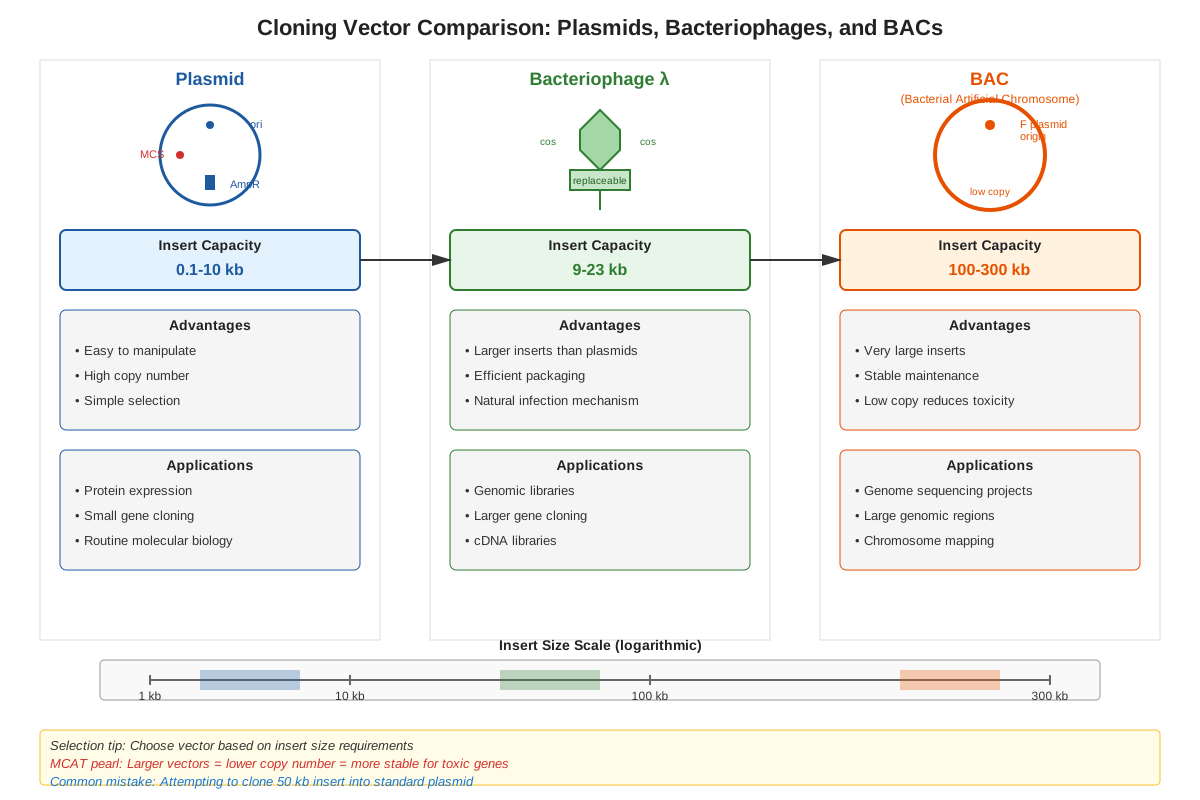
| Vector Type | Size Capacity | Applications | Key Features |
|---|---|---|---|
| Plasmids | Up to 10 kb | Gene cloning, protein expression | Easy to manipulate, high copy number |
| Bacteriophages (λ phage) | 15-20 kb | cDNA libraries, genomic libraries | Efficient packaging, natural infection |
| Cosmids | 35-45 kb | Large genomic fragments | Combine plasmid and phage features |
| Bacterial Artificial Chromosomes (BACs) | 100-300 kb | Genome sequencing projects | Stable maintenance of large inserts |
| Yeast Artificial Chromosomes (YACs) | 100-1000 kb | Human genome project | Accommodate very large fragments |
Plasmids are the most commonly used vectors for routine cloning. These circular, double-stranded DNA molecules exist naturally in bacteria and replicate independently of chromosomal DNA. The pUC series and pBR322 are classic examples containing ampicillin resistance genes and multiple cloning sites. Expression vectors contain additional elements like promoters, ribosome binding sites, and terminators that enable transcription and translation of the inserted gene in the host organism.
Transformation and Selection
Transformation is the process by which bacteria take up foreign DNA from their environment. Natural transformation is rare, so molecular biologists use techniques to make cells competent (capable of DNA uptake):
Heat shock method: Cells are treated with calcium chloride, which neutralizes negative charges on the cell membrane and DNA, then briefly exposed to 42°C. The temperature shock creates transient pores in the membrane through which DNA enters.
Electroporation: Brief electrical pulses create temporary pores in the cell membrane, allowing DNA entry. This method is more efficient but requires specialized equipment.
After transformation, selection identifies cells that successfully incorporated the recombinant plasmid. Antibiotic selection is the primary method: only cells containing the plasmid (with its antibiotic resistance gene) survive on media containing that antibiotic. For example, if the vector carries ampicillin resistance (amp^R), plating transformed cells on ampicillin-containing agar eliminates all non-transformed cells.
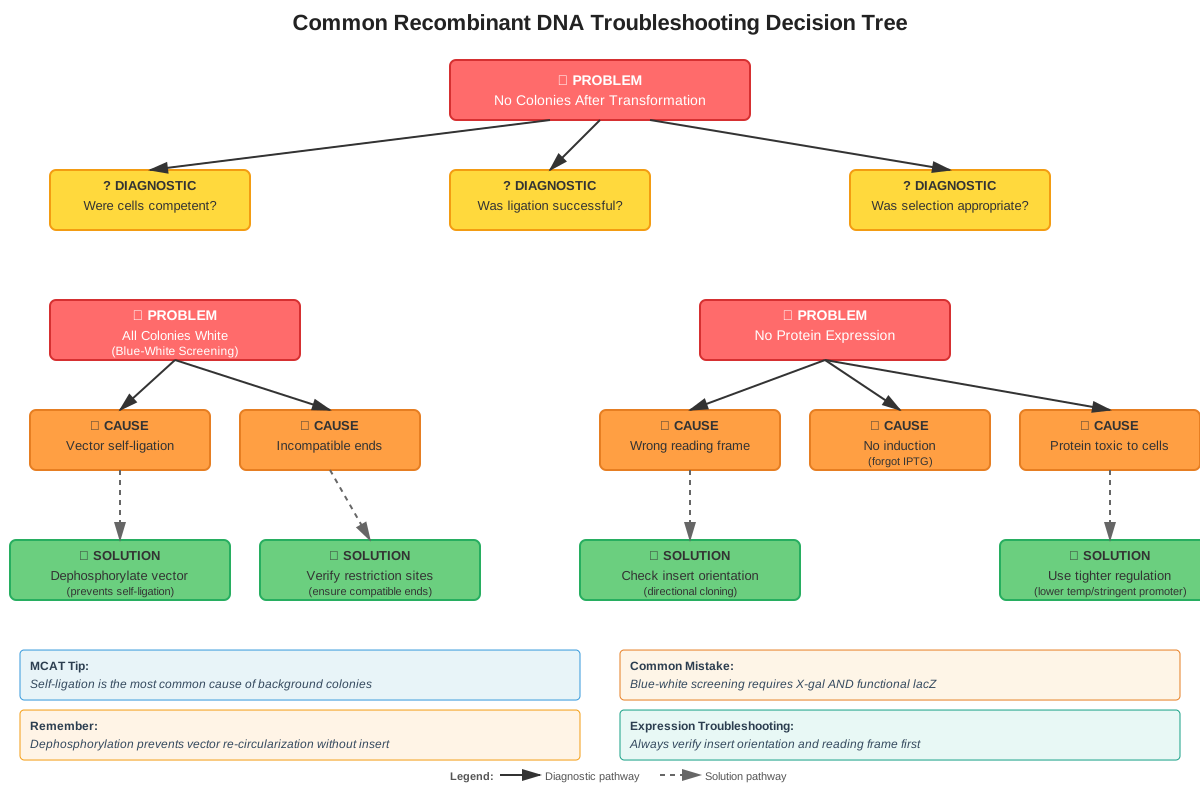
Blue-white screening provides an additional selection layer to distinguish vectors containing inserts from those that self-ligated without inserts. This technique uses the lacZ gene encoding β-galactosidase, which cleaves X-gal (a colorless substrate) into a blue product. The multiple cloning site is positioned within lacZ, so insert integration disrupts the gene. Colonies containing recombinant plasmids (with inserts) appear white because they cannot produce functional β-galactosidase, while colonies with self-ligated vectors appear blue.
Gene Libraries and Screening
Gene libraries are collections of clones containing DNA fragments representing an entire genome (genomic library) or all expressed genes (cDNA library). Creating a genomic library involves:
- Fragmenting genomic DNA with restriction enzymes or physical shearing
- Ligating fragments into vectors
- Transforming host cells
- Storing individual clones representing different genomic regions
cDNA libraries represent only expressed genes and are created by:
- Isolating mRNA from cells or tissues
- Using reverse transcriptase to synthesize complementary DNA (cDNA)
- Creating double-stranded cDNA
- Cloning into vectors
cDNA libraries are particularly valuable because they lack introns and regulatory sequences, containing only coding sequences. This makes them ideal for expressing eukaryotic proteins in bacterial systems, which cannot process introns.
Screening identifies clones containing the gene of interest from among thousands or millions of possibilities. Common screening methods include:
Colony hybridization: Uses labeled DNA or RNA probes complementary to the target sequence. Colonies are transferred to membranes, lysed, and exposed to the probe, which binds only to complementary sequences.
PCR screening: Amplifies the target sequence from colony lysates, providing rapid identification.
Functional screening: Identifies clones based on the activity of the expressed protein, such as antibiotic resistance or enzyme activity.
Polymerase Chain Reaction (PCR) Integration
While PCR is a distinct technique, it complements recombinant DNA technology by amplifying specific sequences for cloning. PCR can add restriction sites to DNA fragments through primer design, enabling directional cloning without the need to find naturally occurring restriction sites. The ability to generate millions of copies of a target sequence in hours has revolutionized cloning efficiency and eliminated the need for large amounts of starting material.
Expression Systems
After cloning, the inserted gene must be expressed to produce the desired protein. Expression vectors contain regulatory elements that control transcription and translation:
- Promoters: Initiate transcription (e.g., lac promoter, T7 promoter)
- Ribosome binding sites (Shine-Dalgarno sequence): Position ribosomes for translation initiation
- Terminators: Signal transcription termination
- Inducible systems: Allow controlled gene expression (e.g., IPTG induction of lac promoter)
Different host organisms offer distinct advantages. E. coli provides rapid growth and high protein yields but cannot perform post-translational modifications like glycosylation. Yeast cells can perform some eukaryotic modifications. Mammalian cell lines produce proteins with authentic modifications but grow slowly and require expensive media.
Concept Relationships
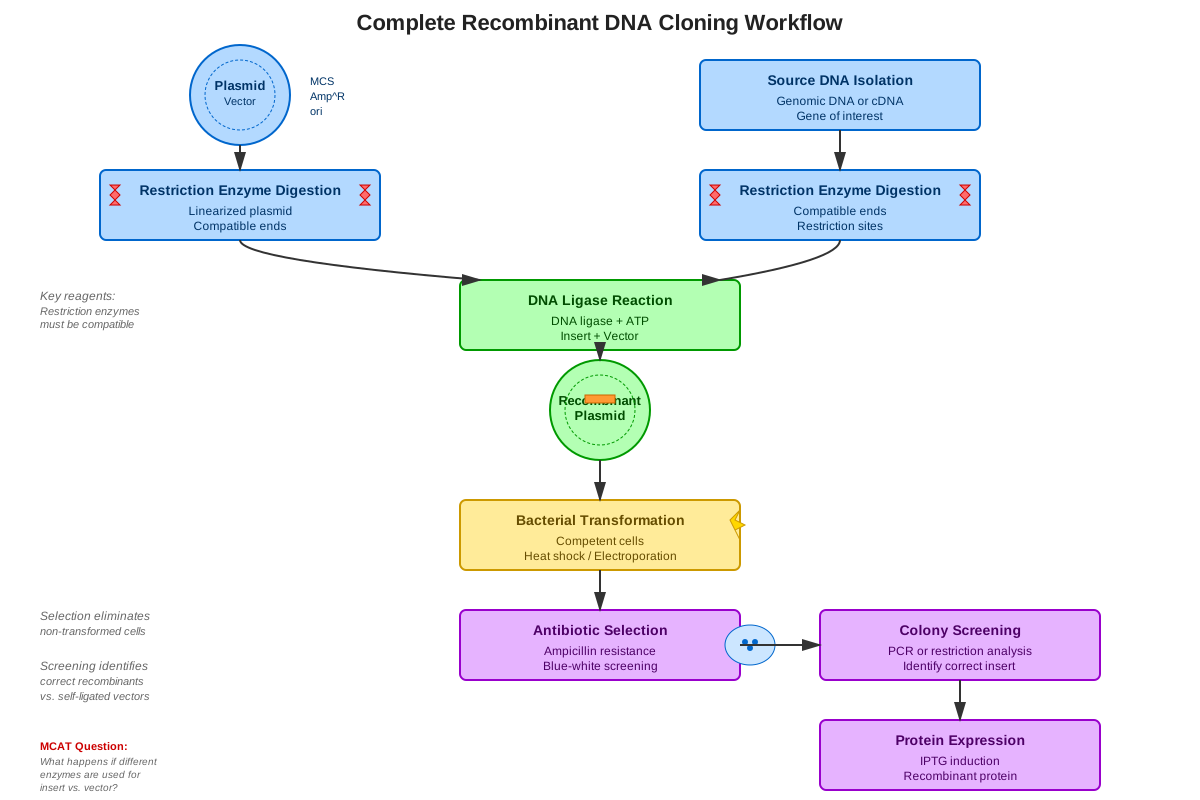
The concepts within Recombinant DNA technology form an integrated workflow where each step depends on previous ones. The process begins with restriction endonucleases cutting both vector and insert DNA at specific recognition sequences → creating compatible ends (sticky or blunt) → DNA ligase joins these ends → forming recombinant plasmids → which undergo transformation into competent bacterial cells → antibiotic selection eliminates non-transformed cells → blue-white screening identifies successful recombinants → creating gene libraries of many clones → screening methods identify clones with the target gene → expression systems produce the desired protein.
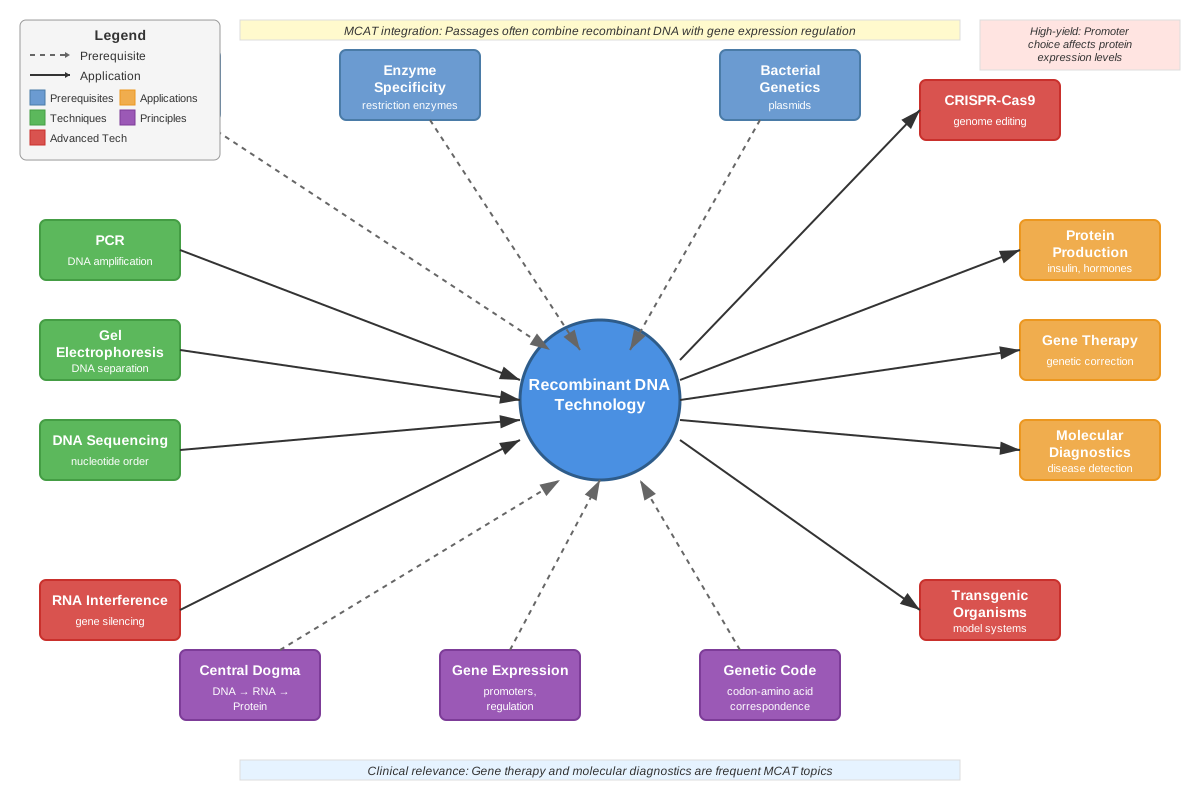
This topic connects extensively to prerequisite knowledge. DNA structure determines how restriction enzymes recognize palindromic sequences and how complementary sticky ends anneal. Enzyme specificity explains why each restriction enzyme cuts only at its recognition sequence. Bacterial genetics underlies transformation mechanisms and antibiotic resistance selection. The central dogma connects cloning to protein production, as the ultimate goal is often expressing a functional protein.
Related topics that build on recombinant DNA technology include: DNA sequencing (Sanger and next-generation methods require cloned DNA templates), site-directed mutagenesis (uses recombinant techniques to introduce specific mutations), gene therapy (delivers recombinant genes to treat genetic diseases), CRISPR-Cas9 (modern genome editing that has largely replaced some traditional recombinant approaches), and molecular diagnostics (uses recombinant antibodies and proteins for disease detection).
The relationship map: DNA Structure → Restriction Enzyme Recognition → Fragment Generation → Ligation → Recombinant Vector → Transformation → Selection → Screening → Gene Expression → Protein Production → Medical/Research Applications.
Quick check — test yourself on Recombinant DNA technology so far.
Try Flashcards →High-Yield Facts
⭐ Restriction enzymes recognize palindromic sequences and cut DNA at specific positions, producing either sticky ends (with overhangs) or blunt ends (no overhangs)
⭐ Sticky ends have higher ligation efficiency than blunt ends because complementary overhangs can base-pair before ligation, holding fragments in position
⭐ Antibiotic selection eliminates non-transformed cells, while blue-white screening distinguishes recombinant plasmids (white colonies) from self-ligated vectors (blue colonies)
⭐ cDNA libraries contain only coding sequences without introns, making them ideal for expressing eukaryotic proteins in bacteria
⭐ Competent cells are required for transformation and are created through calcium chloride treatment or electroporation to make membranes permeable to DNA
- DNA ligase requires ATP or NAD+ as a cofactor and catalyzes phosphodiester bond formation between adjacent nucleotides
- The multiple cloning site (MCS) contains numerous unique restriction sites, allowing flexible cloning strategies
- Plasmids must contain an origin of replication (ori) to replicate autonomously in host cells
- Insert:vector molar ratios of 3:1 to 5:1 optimize ligation efficiency by increasing the probability of insert-vector joining
- Expression vectors contain promoters, ribosome binding sites, and terminators to enable gene transcription and translation
- Genomic libraries represent all DNA sequences in an organism, including introns and regulatory regions
- T4 DNA ligase can join both sticky and blunt ends, making it the most versatile ligase for molecular cloning
- Recognition sequence length inversely correlates with cutting frequency (4-base cutters cut more frequently than 6-base cutters)
- Bacteriophage λ vectors can accommodate larger inserts (15-20 kb) than standard plasmids (up to 10 kb)
- Reverse transcriptase synthesizes cDNA from mRNA templates, enabling cloning of expressed genes without introns
Common Misconceptions
Misconception: All restriction enzymes produce sticky ends that can ligate to any other sticky end.
Correction: Sticky ends must have complementary sequences to base-pair before ligation. EcoRI sticky ends (5'-AATT-3') cannot ligate to BamHI sticky ends (5'-GATC-3') because the sequences are not complementary. Only compatible ends (same enzyme or compatible overhangs) can ligate efficiently.
Misconception: DNA ligase can join any two DNA fragments regardless of their ends.
Correction: DNA ligase can only seal nicks in DNA where a 3'-OH group is adjacent to a 5'-phosphate group. The fragments must be properly aligned, either through complementary sticky end base-pairing or through random collision (blunt ends). Ligase cannot create bonds between non-adjacent nucleotides or incompatible ends.
Misconception: Blue colonies in blue-white screening contain the recombinant plasmid with the insert.
Correction: Blue colonies indicate functional β-galactosidase, meaning the lacZ gene is intact and no insert disrupted it. These colonies contain self-ligated vector without insert. White colonies have disrupted lacZ due to insert integration and represent successful recombinants.
Misconception: Transformation efficiency is the same for all plasmid sizes.
Correction: Transformation efficiency decreases as plasmid size increases because larger DNA molecules have more difficulty crossing the cell membrane. This is why cloning vectors are kept as small as possible while retaining necessary features.
Misconception: Antibiotic selection alone ensures that all surviving colonies contain the desired recombinant plasmid.
Correction: Antibiotic selection only confirms that cells contain a plasmid with the resistance gene. Many colonies may contain self-ligated vector without insert, which is why additional screening (blue-white screening, colony PCR, or restriction digest analysis) is necessary to identify true recombinants.
Misconception: cDNA and genomic DNA are interchangeable for all cloning purposes.
Correction: cDNA lacks introns and regulatory sequences, making it suitable for bacterial expression of eukaryotic proteins but unsuitable for studying gene regulation or splicing. Genomic DNA contains all sequences but requires eukaryotic systems to properly process introns.
Misconception: Higher DNA ligase concentration always improves ligation efficiency.
Correction: Excessive ligase can promote vector self-ligation and insert self-ligation rather than insert-vector joining. Optimal ligase concentration balances efficient ligation with minimal unwanted products.
Worked Examples
Example 1: Restriction Digest Analysis
Question: A researcher wants to clone a 2.5 kb gene into the plasmid pBR322 (4.4 kb). She digests both the gene (isolated by PCR with added restriction sites) and the plasmid with EcoRI, which produces 5'-AATT-3' sticky ends. After ligation and transformation, she performs restriction digest analysis on plasmid DNA from several colonies. Colony A yields a single 6.9 kb band, Colony B yields a 4.4 kb band, and Colony C yields two bands at 4.4 kb and 2.5 kb. Which colony contains the desired recombinant plasmid?
Solution:
Step 1: Determine expected sizes for successful recombinant.
- Vector size: 4.4 kb
- Insert size: 2.5 kb
- Recombinant plasmid size: 4.4 + 2.5 = 6.9 kb
Step 2: Analyze Colony A results.
- Single 6.9 kb band indicates uncut circular plasmid
- This matches the expected recombinant size
- When circular plasmids are cut once with EcoRI, they linearize to their full length
- Colony A likely contains the recombinant plasmid
Step 3: Analyze Colony B results.
- Single 4.4 kb band indicates the original vector size
- This represents self-ligated vector without insert
- Colony B does not contain the recombinant
Step 4: Analyze Colony C results.
- Two bands (4.4 kb and 2.5 kb) suggest the plasmid was cut twice
- This would occur if the insert contained an internal EcoRI site
- After cutting, the vector and insert separate
- Colony C might contain the recombinant, but the insert has an internal EcoRI site
Answer: Colony A contains the desired recombinant plasmid. The single 6.9 kb band represents the linearized recombinant plasmid cut once at the EcoRI site. Colony B contains self-ligated vector, and Colony C contains a recombinant with an internal EcoRI site in the insert.
Learning objective connection: This example demonstrates application of recombinant DNA technology to interpret experimental results and troubleshoot cloning procedures.
Example 2: Blue-White Screening Interpretation
Question: A student performs a cloning experiment using the pUC19 vector with blue-white screening. After transformation and plating on ampicillin + X-gal plates, she observes 200 blue colonies and 50 white colonies. She picks 10 white colonies for further analysis by colony PCR using primers flanking the multiple cloning site. Results show that 6 colonies yield a 2.8 kb product (expected insert size: 2.5 kb, vector contribution: 0.3 kb), 3 colonies yield a 0.3 kb product, and 1 colony yields no product. Explain these results and calculate the actual recombinant frequency.
Solution:
Step 1: Interpret blue colonies.
- Blue color indicates functional β-galactosidase
- lacZ gene is intact (no insert disruption)
- These represent self-ligated vector
- 200 blue colonies = 200 non-recombinants
Step 2: Interpret white colonies.
- White color indicates disrupted lacZ gene
- Should indicate insert integration
- 50 white colonies initially suggest 50 recombinants
- However, PCR analysis reveals more complexity
Step 3: Analyze PCR results from white colonies.
- 6 colonies with 2.8 kb product: True recombinants (insert + vector flanking sequence)
- 3 colonies with 0.3 kb product: Vector-only (no insert between primers)
- 1 colony with no product: Possible contamination or failed PCR
Step 4: Explain false-positive white colonies.
- White colonies without inserts can result from:
- Spontaneous lacZ mutations
- Deletion within lacZ during ligation
- Blunt-end ligation that disrupts lacZ reading frame
- 3 out of 10 white colonies (30%) are false positives
Step 5: Calculate actual recombinant frequency.
- True recombinants among tested white colonies: 6/10 = 60%
- Estimated true recombinants among all white colonies: 50 × 0.6 = 30
- Total colonies: 200 blue + 50 white = 250
- Actual recombinant frequency: 30/250 = 12%
Answer: The actual recombinant frequency is approximately 12%. Blue-white screening alone overestimated recombinant frequency at 20% (50/250) because 30% of white colonies were false positives lacking inserts. This demonstrates why secondary screening (PCR, restriction analysis) is essential to confirm recombinants.
Learning objective connection: This example illustrates common mistakes in interpreting screening results and emphasizes the importance of confirmatory testing in recombinant DNA technology.
Exam Strategy
When approaching Recombinant DNA technology MCAT questions, employ a systematic strategy that maximizes efficiency and accuracy:
Identify the experimental goal first: MCAT passages often describe multi-step procedures. Determine whether the goal is gene cloning, protein expression, library construction, or diagnostic testing. This context helps predict which techniques are relevant and what results to expect.
Trigger words to recognize:
- "Restriction enzyme," "restriction site," "palindromic sequence" → Think about cutting patterns and end compatibility
- "Transformation," "competent cells" → Consider selection methods and efficiency factors
- "Blue-white screening," "X-gal" → Distinguish recombinants from self-ligated vectors
- "Expression vector," "promoter," "IPTG" → Focus on gene expression and regulation
- "cDNA library" → Remember: no introns, represents expressed genes only
- "Genomic library" → Contains all sequences including introns and regulatory regions
Process-of-elimination strategies:
For restriction enzyme questions, eliminate answers that:
- Suggest incompatible sticky ends can ligate
- Ignore palindromic sequence requirements
- Confuse cutting frequency with recognition sequence length
For selection questions, eliminate answers that:
- Claim antibiotic selection identifies recombinants (it only identifies transformed cells)
- Reverse blue-white screening results (blue = no insert, white = insert)
- Suggest selection works without the appropriate selective pressure
For vector questions, eliminate answers that:
- Ignore size limitations of different vector types
- Suggest plasmids can replicate without an origin of replication
- Claim all vectors are suitable for all insert sizes
Time allocation: Recombinant DNA passages typically require 8-10 minutes. Spend 3-4 minutes reading and annotating the passage, identifying key techniques and experimental logic. Allocate 1-1.5 minutes per question. If a question requires complex calculations (ligation ratios, library coverage), flag it and return if time permits.
Common question patterns:
- Predict experimental outcomes: Given a protocol, what results are expected? Focus on the logic of each step.
- Troubleshoot failed experiments: Identify which step went wrong based on unexpected results.
- Design experiments: Choose appropriate enzymes, vectors, or selection methods for a specific goal.
- Interpret data: Analyze gel electrophoresis, colony counts, or expression data to draw conclusions.
Quick decision framework:
- If the question asks about DNA cutting → Focus on restriction enzyme specificity and end types
- If the question asks about joining DNA → Consider ligation efficiency and end compatibility
- If the question asks about identifying successful clones → Think through selection and screening logic
- If the question asks about protein production → Consider expression system requirements and post-translational modifications
Memory Techniques
VECTOR mnemonic for essential plasmid features:
- Very small size (easier transformation)
- Easy replication (origin of replication)
- Cloning site (multiple cloning site/MCS)
- Transformable (can enter host cells)
- Obvious selection (antibiotic resistance)
- Replicates autonomously
"Sticky Situations Need Complementary Solutions" reminds you that sticky ends require complementary sequences to ligate efficiently, unlike blunt ends which can join to any blunt end.
Blue = Boo (no insert) and White = Win (insert present) helps remember blue-white screening results. Blue colonies are disappointing (self-ligated vector), white colonies are successful recombinants.
PALE for palindromic sequences:
- Palindromic
- Antiparallel strands
- Looks the same 5' to 3' on both strands
- Enzyme recognition requirement
Transformation Temperature: "42 is the answer" (Douglas Adams reference) helps remember that heat shock transformation uses 42°C. The calcium chloride treatment comes first (on ice), then the brief 42°C heat shock.
Visualization strategy for restriction digests: Draw the circular plasmid and mark restriction sites. Mentally "cut" at each site and count the resulting fragments. For a circular plasmid, n cuts produce n linear fragments. This prevents errors in predicting gel electrophoresis results.
"cDNA = Coding DNA" emphasizes that cDNA contains only coding sequences without introns, making it suitable for bacterial expression of eukaryotic proteins.
Ligation ratio rhyme: "Three to one, or five to one, insert to vector gets it done" helps remember optimal insert:vector molar ratios (3:1 to 5:1) for efficient ligation.
Summary
Recombinant DNA technology encompasses the methods used to isolate, manipulate, and express specific DNA sequences in host organisms, forming the foundation of modern molecular biology and biotechnology. The core workflow involves using restriction endonucleases to cut DNA at specific palindromic sequences, creating compatible ends that DNA ligase joins to form recombinant molecules. These recombinant plasmids are introduced into competent bacterial cells through transformation, and successful transformants are identified through antibiotic selection and blue-white screening. The technology enables creation of gene libraries (genomic and cDNA), production of recombinant proteins for medical use, and fundamental research into gene function. Understanding the specificity of restriction enzymes, the efficiency factors affecting ligation and transformation, and the logic of selection strategies is essential for interpreting MCAT passages describing molecular biology experiments. Students must be able to predict experimental outcomes, troubleshoot failed procedures, and connect these techniques to broader concepts in biochemistry and molecular biology to succeed on exam questions testing this high-yield topic.
Key Takeaways
- Restriction endonucleases recognize palindromic sequences and produce either sticky ends (higher ligation efficiency) or blunt ends (can join to any blunt end)
- DNA ligase catalyzes phosphodiester bond formation between adjacent nucleotides, requiring ATP or NAD+ and properly aligned DNA ends
- Transformation requires competent cells created through calcium chloride treatment or electroporation; antibiotic selection identifies transformed cells while blue-white screening distinguishes recombinants from self-ligated vectors
- cDNA libraries contain only coding sequences without introns, ideal for bacterial expression of eukaryotic proteins, while genomic libraries contain all DNA sequences including regulatory regions
- Cloning vectors must contain an origin of replication, selectable marker, and multiple cloning site; different vector types accommodate different insert sizes
- Successful recombinant DNA experiments require careful attention to enzyme compatibility, optimal ligation ratios (3:1 to 5:1 insert:vector), and appropriate selection strategies
- MCAT questions emphasize experimental design, troubleshooting, and data interpretation rather than simple recall, requiring integration of multiple concepts
Related Topics
DNA Sequencing (Sanger and Next-Generation): Builds directly on recombinant DNA technology, as sequencing requires cloned DNA templates. Understanding cloning facilitates comprehension of library preparation for sequencing projects.
Polymerase Chain Reaction (PCR): Complements recombinant DNA technology by amplifying specific sequences and can add restriction sites through primer design, enabling efficient cloning strategies.
Gene Expression and Regulation: Recombinant DNA technology provides tools to study gene expression, while understanding promoters, enhancers, and transcription factors is necessary for designing expression vectors.
Protein Purification and Analysis: After expressing recombinant proteins, purification techniques (chromatography, electrophoresis) isolate and characterize the products, connecting molecular cloning to protein biochemistry.
CRISPR-Cas9 and Genome Editing: Modern genome editing techniques that have revolutionized genetic manipulation, building on foundational recombinant DNA principles while offering greater precision and efficiency.
Molecular Diagnostics: Uses recombinant antibodies, proteins, and nucleic acid probes for disease detection, demonstrating clinical applications of recombinant DNA technology.
Practice CTA
Now that you have mastered the core concepts of recombinant DNA technology, challenge yourself with practice questions and flashcards to reinforce your understanding. Focus on passage-based questions that require you to analyze experimental protocols, interpret results, and troubleshoot procedures—these mirror the MCAT's emphasis on scientific reasoning and application. The more you practice integrating these concepts with other biochemistry topics, the more confident and efficient you will become on test day. Remember that recombinant DNA technology questions reward systematic thinking and attention to experimental logic, skills that will serve you well throughout your medical career. You have the knowledge—now apply it!
Sign up free to keep reading
Create a free AnvayaPrep account to finish this MCAT guide on Recombinant DNA technology — plus flashcards and practice questions.