Overview
CRISPR basics represents one of the most revolutionary developments in modern molecular biology and genetics, fundamentally transforming how scientists approach gene editing and genetic manipulation. CRISPR (Clustered Regularly Interspaced Short Palindromic Repeats) is a naturally occurring bacterial immune system that has been adapted into a powerful, precise tool for editing DNA sequences in virtually any organism. For the MCAT, understanding CRISPR basics is essential because it integrates multiple foundational concepts in Molecular Biology and Genetics, including DNA structure, gene expression, bacterial defense mechanisms, and biotechnology applications. Questions involving CRISPR often appear in passages discussing genetic engineering, disease treatment, or experimental design, making this a high-yield topic that bridges basic science with clinical applications.
The CRISPR-Cas9 system, the most commonly used variant, functions as "molecular scissors" that can cut DNA at specific locations determined by a guide RNA sequence. This technology has revolutionized research by making gene editing faster, cheaper, and more accessible than previous methods like zinc finger nucleases or TALENs. The MCAT frequently tests students' understanding of how CRISPR works mechanistically, its applications in research and medicine, and the ethical considerations surrounding its use. Understanding CRISPR requires integrating knowledge of DNA-RNA interactions, protein function, DNA repair mechanisms, and the central dogma of molecular biology.
Beyond its technical applications, CRISPR exemplifies how basic research into bacterial immunity led to transformative biotechnology. This narrative of discovery—from observing unusual DNA sequences in bacteria to developing a gene-editing platform—illustrates the scientific method and the translational potential of fundamental research. For MCAT success, students must grasp both the molecular mechanisms underlying CRISPR function and its broader implications for medicine, agriculture, and bioethics, as these topics frequently appear in passage-based questions that test critical thinking and application of Biology principles.
Learning Objectives
- [ ] Define CRISPR basics using accurate Biology terminology
- [ ] Explain why CRISPR basics matters for the MCAT
- [ ] Apply CRISPR basics to exam-style questions
- [ ] Identify common mistakes related to CRISPR basics
- [ ] Connect CRISPR basics to related Biology concepts
- [ ] Describe the molecular mechanism of CRISPR-Cas9 gene editing, including the roles of guide RNA and Cas9 nuclease
- [ ] Compare CRISPR to other gene-editing technologies and explain its advantages
- [ ] Analyze experimental scenarios involving CRISPR applications and predict outcomes
- [ ] Evaluate ethical considerations and limitations of CRISPR technology in clinical contexts
Prerequisites
- DNA structure and replication: Understanding double-stranded DNA, base pairing rules, and the antiparallel nature of DNA strands is essential for comprehending how CRISPR targets specific sequences
- Central dogma of molecular biology: Knowledge of transcription and translation processes helps explain how guide RNAs are designed and how CRISPR affects gene expression
- Bacterial biology: Familiarity with bacterial defense mechanisms and adaptive immunity provides context for CRISPR's natural function
- DNA repair mechanisms: Understanding non-homologous end joining (NHEJ) and homology-directed repair (HDR) is crucial for predicting CRISPR editing outcomes
- Basic genetics: Concepts of genes, alleles, mutations, and inheritance patterns are necessary for understanding CRISPR applications
Why This Topic Matters
CRISPR basics holds tremendous clinical and real-world significance that extends far beyond the laboratory. The technology has already been used in clinical trials to treat genetic diseases like sickle cell anemia and beta-thalassemia, with patients experiencing remarkable improvements. CRISPR's potential applications span cancer immunotherapy, infectious disease treatment, agricultural improvements, and even de-extinction efforts. The 2020 Nobel Prize in Chemistry was awarded to Jennifer Doudna and Emmanuelle Charpentier for developing CRISPR-Cas9 gene editing, underscoring its transformative impact on science and medicine. Understanding CRISPR prepares future physicians to engage with emerging gene therapies and counsel patients about genetic interventions.
On the MCAT, CRISPR-related content appears with moderate frequency, typically in Biology passages within the Biological and Biochemical Foundations of Living Systems section. Questions may test mechanistic understanding (how CRISPR cuts DNA), experimental design (using CRISPR to create knockout models), or ethical reasoning (evaluating germline versus somatic editing). Approximately 2-4% of MCAT biology questions involve gene-editing technologies, with CRISPR being the most commonly featured. The topic often appears in passages describing research studies where scientists use CRISPR to investigate gene function or develop therapeutic interventions.
Common exam presentations include passages describing experiments where researchers use CRISPR to knock out specific genes in cell lines or model organisms, then measure phenotypic changes. Students may be asked to interpret results, identify controls, or predict outcomes of modified CRISPR protocols. Additionally, CRISPR appears in questions about biotechnology ethics, requiring students to apply reasoning skills to evaluate the appropriateness of different applications. The interdisciplinary nature of CRISPR questions—combining molecular biology, genetics, experimental design, and bioethics—makes this topic particularly valuable for demonstrating integrated scientific thinking.
Core Concepts
What is CRISPR?
CRISPR (Clustered Regularly Interspaced Short Palindromic Repeats) refers to DNA sequences found in bacterial and archaeal genomes that function as an adaptive immune system against viral infections. These sequences consist of short, repetitive DNA segments interspaced with unique "spacer" sequences derived from previous viral invaders. When a bacterium survives a viral attack, it incorporates a small piece of the viral DNA into its CRISPR array, creating a genetic "memory" of the infection. This natural system has been adapted into a powerful gene-editing tool that allows precise modification of DNA sequences in virtually any organism.
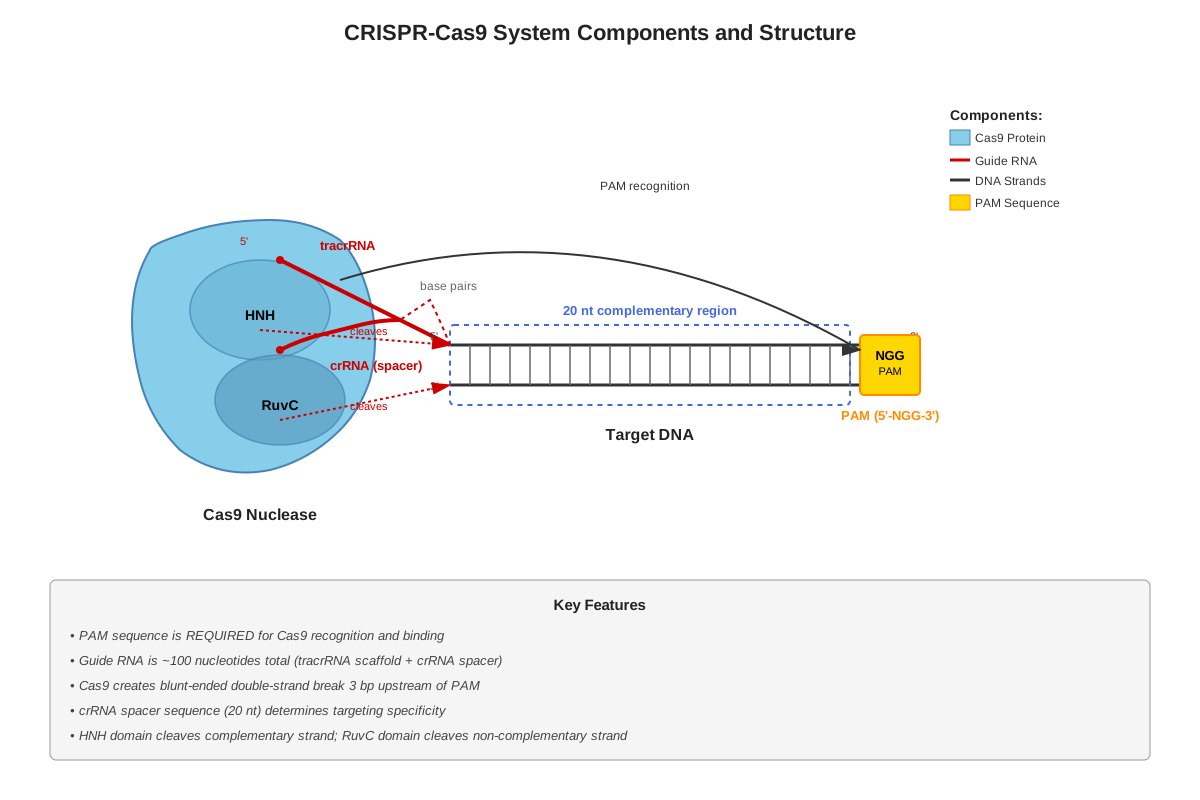
The CRISPR-Cas9 system, the most widely used variant for gene editing, consists of two key components: the Cas9 protein (CRISPR-associated protein 9) and a guide RNA (gRNA). The Cas9 protein functions as molecular scissors—an endonuclease that cuts double-stranded DNA. The guide RNA is a synthetic RNA molecule approximately 20 nucleotides long that is complementary to the target DNA sequence. This guide RNA directs the Cas9 protein to the precise genomic location where cutting should occur, providing the specificity that makes CRISPR so powerful.
Molecular Mechanism of CRISPR-Cas9
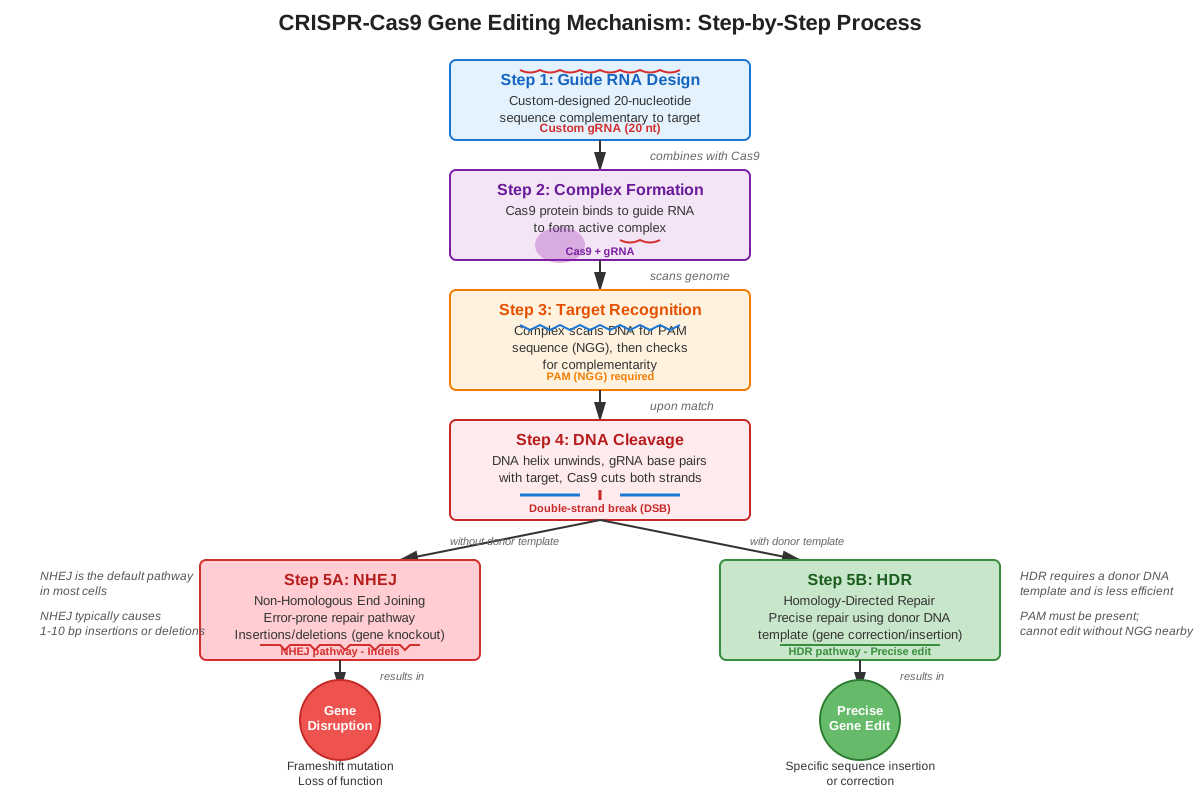
The CRISPR-Cas9 gene-editing process follows a precise sequence of molecular events:
- Design and delivery: Scientists design a guide RNA (gRNA) complementary to the target DNA sequence they wish to edit. This gRNA is typically 20 nucleotides long and must be adjacent to a PAM (Protospacer Adjacent Motif) sequence in the genome.
- Complex formation: The guide RNA associates with the Cas9 protein, forming a ribonucleoprotein complex. The gRNA contains two regions: the spacer sequence (which determines target specificity) and a scaffold sequence (which binds to Cas9).
- Target recognition: The Cas9-gRNA complex scans the genome for sequences matching the guide RNA. The PAM sequence (typically NGG, where N is any nucleotide) must be present immediately downstream of the target site for Cas9 to bind.
- DNA unwinding and binding: Once the correct target is located, Cas9 unwinds the double-stranded DNA. The guide RNA base-pairs with the complementary DNA strand (the target strand), forming an RNA-DNA hybrid.
- DNA cleavage: Cas9 contains two nuclease domains—HNH and RuvC—that each cut one strand of the DNA double helix. This creates a double-strand break (DSB) approximately 3 base pairs upstream of the PAM sequence.
- DNA repair: The cell's natural DNA repair mechanisms respond to the break through one of two pathways:
- Non-homologous end joining (NHEJ): An error-prone pathway that directly ligates the broken ends, often introducing small insertions or deletions (indels) that disrupt gene function
- Homology-directed repair (HDR): A precise pathway that uses a provided DNA template to repair the break, allowing specific sequence insertions or corrections
PAM Sequence Requirement
The PAM (Protospacer Adjacent Motif) sequence is a critical component of CRISPR targeting specificity. For the commonly used Streptococcus pyogenes Cas9, the PAM sequence is NGG (where N represents any nucleotide). This short sequence must be located immediately adjacent to (3' of) the target site for Cas9 to recognize and cut the DNA. The PAM requirement serves two important functions: it helps Cas9 distinguish between self and non-self DNA in bacteria (bacterial CRISPR arrays lack PAMs), and it limits where in the genome CRISPR can cut, as target sites must be followed by the appropriate PAM sequence.
Applications of CRISPR Technology
| Application | Description | Example |
|---|---|---|
| Gene knockout | Disrupting gene function by introducing frameshift mutations | Creating disease models by knocking out tumor suppressor genes |
| Gene correction | Repairing disease-causing mutations | Correcting the sickle cell mutation in hematopoietic stem cells |
| Gene insertion | Adding new genetic sequences | Inserting fluorescent protein genes to track cellular processes |
| Transcriptional regulation | Using modified Cas9 (dCas9) to activate or repress genes without cutting | CRISPRa (activation) or CRISPRi (inhibition) for studying gene function |
| Base editing | Changing individual nucleotides without creating double-strand breaks | Converting C-G to T-A base pairs to correct point mutations |
| Epigenetic modification | Altering DNA methylation or histone modifications | Studying gene regulation without changing DNA sequence |
Advantages Over Previous Gene-Editing Technologies
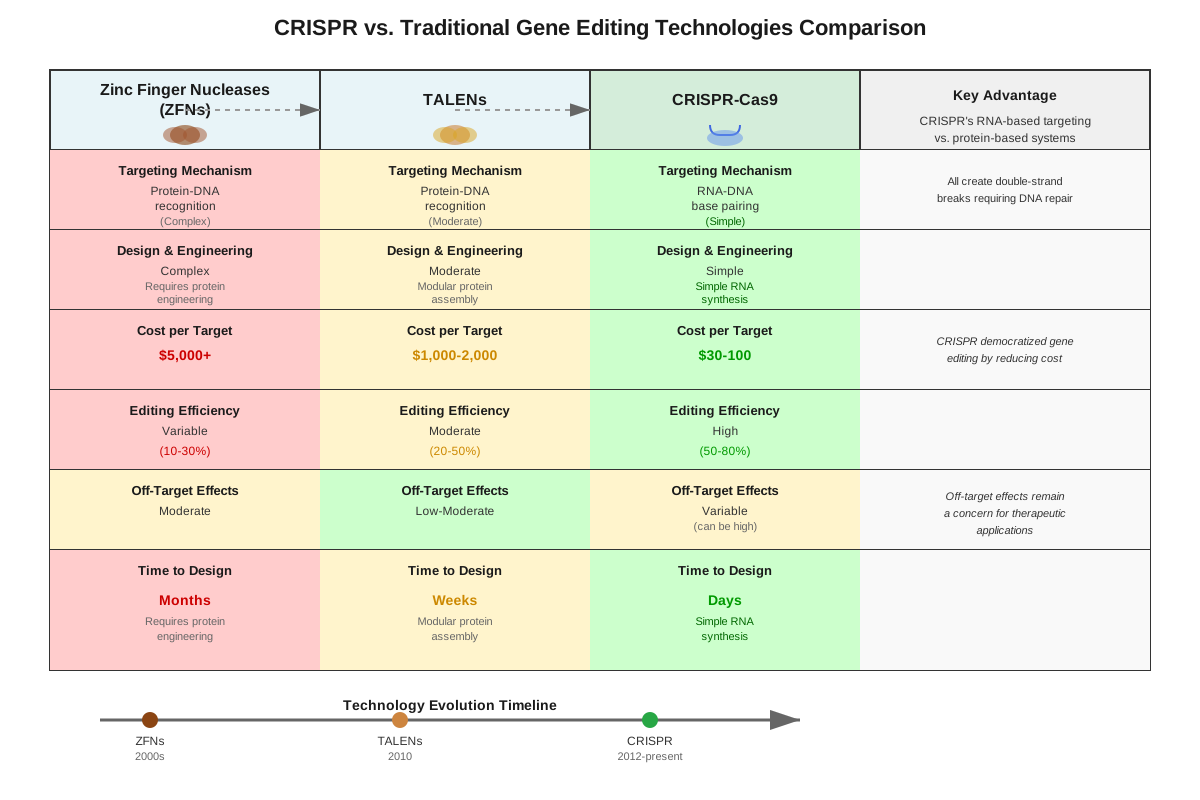
CRISPR-Cas9 represents a significant advancement over earlier gene-editing methods:
- Simplicity: Unlike zinc finger nucleases (ZFNs) or TALENs, which require designing new proteins for each target, CRISPR only requires designing a new 20-nucleotide RNA sequence
- Cost-effectiveness: Guide RNA synthesis is inexpensive compared to custom protein engineering
- Efficiency: CRISPR achieves higher editing rates in many cell types and organisms
- Multiplexing capability: Multiple guide RNAs can be used simultaneously to edit several genes at once
- Versatility: The same Cas9 protein can be used for any target by simply changing the guide RNA
Limitations and Challenges
Despite its power, CRISPR technology faces several important limitations:
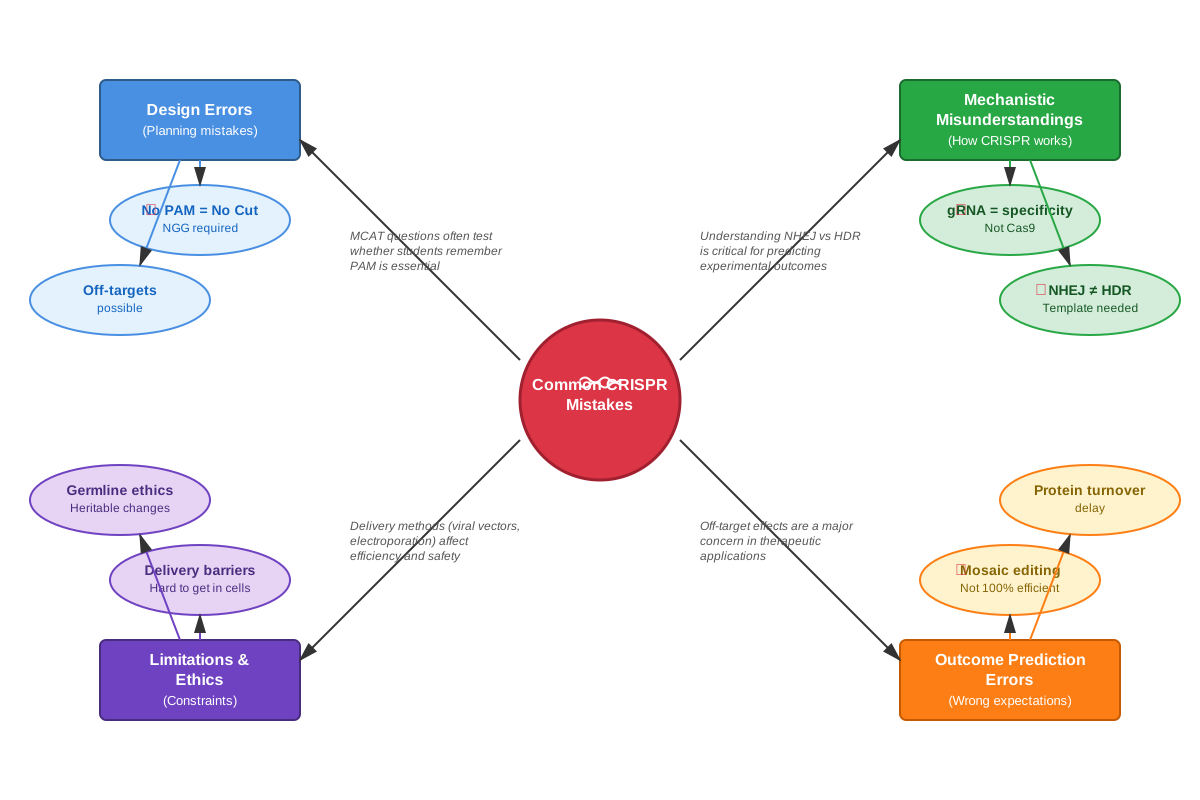
- Off-target effects: Cas9 may cut at unintended sites with similar sequences to the target, potentially causing unwanted mutations
- Delivery challenges: Getting CRISPR components into target cells, especially in living organisms, remains technically difficult
- Mosaicism: Not all cells may be edited, resulting in a mixture of edited and unedited cells
- PAM requirement: Target sites must be adjacent to appropriate PAM sequences, limiting targeting flexibility
- Efficiency variation: Editing success rates vary depending on cell type, target sequence, and delivery method
- Immune responses: The bacterial Cas9 protein may trigger immune reactions in some patients
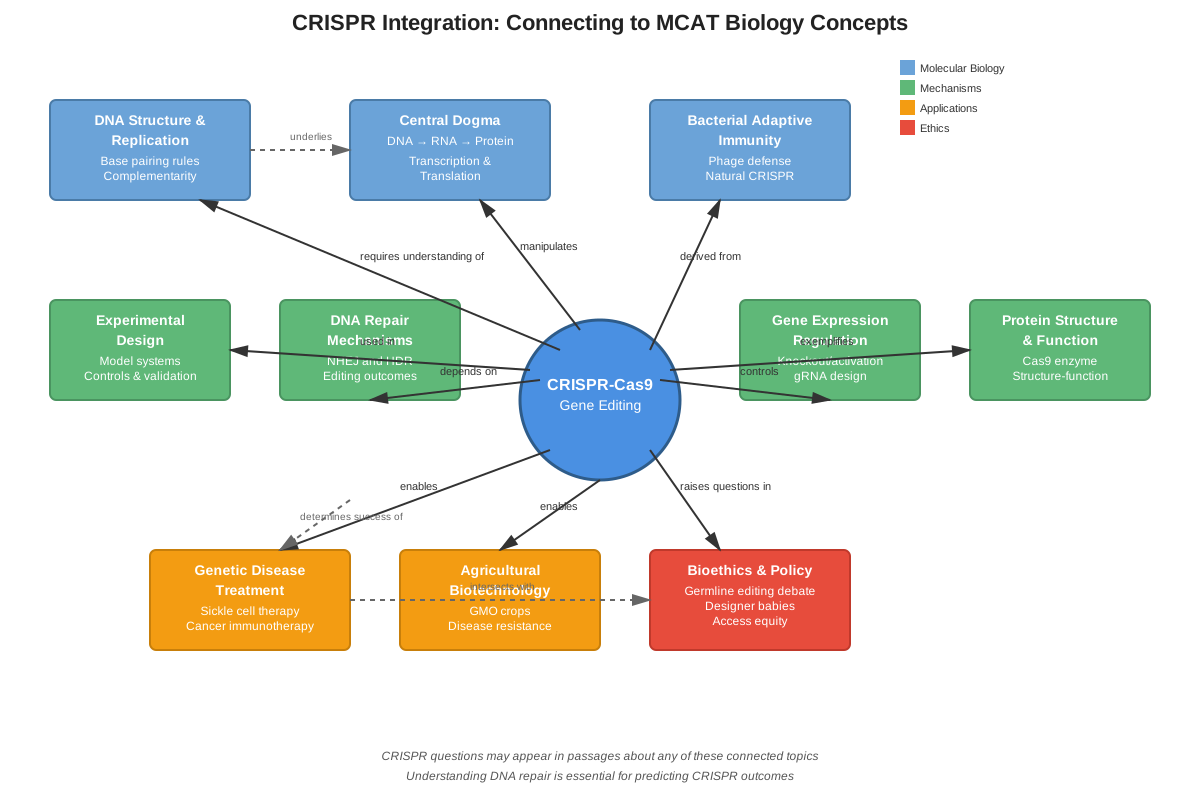
Concept Relationships
The molecular mechanisms underlying CRISPR basics directly build upon fundamental principles of Molecular Biology and Genetics. DNA structure and base-pairing rules (prerequisite knowledge) enable the guide RNA to recognize and bind to complementary target sequences through Watson-Crick base pairing. This sequence-specific recognition → leads to → precise targeting of Cas9 nuclease activity → which creates → double-strand breaks at defined genomic locations.
The double-strand breaks created by CRISPR → activate → cellular DNA repair pathways (NHEJ and HDR), which are themselves fundamental concepts in molecular biology. The choice between these repair pathways → determines → the outcome of CRISPR editing: NHEJ typically causes gene disruption through indels, while HDR enables precise sequence changes when a repair template is provided. Understanding these repair mechanisms is essential for predicting experimental outcomes.
CRISPR technology → connects to → gene expression and the central dogma because editing DNA sequences can alter mRNA production and protein synthesis. Gene knockout experiments using CRISPR → demonstrate → gene function by showing phenotypic changes when specific genes are disrupted. This relationship between genotype and phenotype → illustrates → fundamental genetic principles tested on the MCAT.
The bacterial origins of CRISPR → exemplify → adaptive immunity in prokaryotes, connecting to immunology concepts. The natural CRISPR system → protects → bacteria from viral infection by storing viral DNA sequences and using them to recognize and destroy matching viral genomes upon reinfection. This evolutionary context → provides → insight into why the system evolved with such precision and specificity.
CRISPR applications → extend to → biotechnology, medicine, and bioethics, creating interdisciplinary connections frequently tested on the MCAT. Therapeutic applications → raise → ethical questions about germline versus somatic editing, which → require → critical reasoning skills to evaluate. These connections make CRISPR an ideal topic for integrated, passage-based MCAT questions.
High-Yield Facts
⭐ CRISPR-Cas9 consists of two essential components: a guide RNA (gRNA) that provides targeting specificity and the Cas9 endonuclease protein that cuts DNA
⭐ The PAM sequence (NGG for SpCas9) must be present immediately adjacent to the target site for Cas9 to recognize and cut DNA
⭐ CRISPR creates double-strand breaks that are repaired by either NHEJ (error-prone, causes indels) or HDR (precise, requires template)
⭐ Guide RNA is approximately 20 nucleotides long and determines where in the genome Cas9 will cut through complementary base pairing
⭐ Off-target effects occur when Cas9 cuts at unintended genomic locations with sequences similar to the target site
- CRISPR naturally functions as an adaptive immune system in bacteria and archaea against viral infections
- The Cas9 protein contains two nuclease domains (HNH and RuvC) that each cut one strand of the DNA double helix
- CRISPR can be used for gene knockout, gene correction, gene insertion, and transcriptional regulation (using catalytically dead Cas9)
- Base editors are modified CRISPR systems that change individual nucleotides without creating double-strand breaks
- Germline editing (editing reproductive cells) is more ethically controversial than somatic editing because changes are heritable
- CRISPR is more efficient, cheaper, and easier to use than previous gene-editing technologies like ZFNs and TALENs
- Delivery methods for CRISPR include viral vectors, electroporation, and direct injection of ribonucleoprotein complexes
Quick check — test yourself on CRISPR basics so far.
Try Flashcards →Common Misconceptions
Misconception: CRISPR can edit any DNA sequence anywhere in the genome without restrictions.
Correction: CRISPR can only target sequences that are adjacent to an appropriate PAM sequence (NGG for SpCas9). Without a PAM, Cas9 cannot bind and cut the DNA, limiting which sequences can be targeted. Different Cas variants recognize different PAM sequences, expanding but not eliminating this constraint.
Misconception: CRISPR editing is always 100% accurate and never makes mistakes.
Correction: CRISPR can cause off-target effects, cutting at genomic locations with sequences similar to the intended target. Additionally, the NHEJ repair pathway is error-prone and introduces random insertions or deletions. Scientists must carefully design guide RNAs and validate editing outcomes to minimize unintended changes.
Misconception: The guide RNA cuts the DNA.
Correction: The guide RNA only provides targeting specificity through complementary base pairing with the target DNA sequence. The Cas9 protein is the nuclease that actually cuts both strands of the DNA double helix. The guide RNA directs where Cas9 cuts but does not have catalytic activity itself.
Misconception: CRISPR can only be used to delete genes.
Correction: While gene knockout (disruption) is a common application, CRISPR can also correct mutations, insert new sequences, regulate gene expression without cutting DNA (using dCas9), and modify individual base pairs (using base editors). The versatility of CRISPR extends far beyond simple gene deletion.
Misconception: All cells in an organism will be edited when CRISPR is applied.
Correction: CRISPR editing efficiency varies by cell type and delivery method. Mosaicism (a mixture of edited and unedited cells) is common, especially in whole organisms. Achieving uniform editing across all cells remains a significant technical challenge, particularly for therapeutic applications.
Misconception: CRISPR-edited organisms are the same as genetically modified organisms (GMOs) created through traditional methods.
Correction: While both involve genetic modification, CRISPR can make precise, targeted changes that could theoretically occur naturally through mutation, whereas traditional GMO methods often involve inserting genes from different species. However, regulatory and ethical considerations for CRISPR-edited organisms remain complex and context-dependent.
Worked Examples
Example 1: Designing a CRISPR Experiment to Study Gene Function
Scenario: A researcher wants to use CRISPR-Cas9 to investigate the function of Gene X in human cell culture. Gene X is suspected to play a role in cell cycle regulation. The researcher designs a guide RNA targeting the second exon of Gene X, which contains the start codon and early coding sequence.
Question: After CRISPR treatment and selection of edited cells, the researcher observes that most cells have small insertions or deletions (indels) at the target site, and Western blot analysis shows no detectable Gene X protein. Explain the molecular basis for these results and what they reveal about the experimental approach.
Solution:
Step 1 - Identify the repair pathway: The presence of small indels indicates that the double-strand break created by Cas9 was repaired primarily through non-homologous end joining (NHEJ), the predominant repair pathway in mammalian cells when no repair template is provided. NHEJ is error-prone and typically introduces small insertions or deletions at the break site.
Step 2 - Explain the loss of protein: The indels in the second exon likely caused frameshift mutations. Since the second exon contains the start codon and early coding sequence, even small insertions or deletions (not divisible by 3) would shift the reading frame for all downstream codons. This frameshift would result in either premature stop codons or completely altered amino acid sequences, producing nonfunctional protein that may be degraded or simply not recognized by the antibody used in the Western blot.
Step 3 - Evaluate the experimental design: By targeting the second exon near the start codon, the researcher maximized the likelihood of creating a complete loss-of-function (knockout) mutation. This is a well-designed approach because disrupting the gene early in the coding sequence ensures that even if some protein is produced, it will lack most functional domains.
Step 4 - Interpret biological significance: The absence of Gene X protein allows the researcher to observe phenotypic changes in the cells (such as altered cell cycle progression) and attribute them to loss of Gene X function. This is a classic reverse genetics approach—disrupting a gene to understand its normal function.
Connection to learning objectives: This example demonstrates application of CRISPR basics to experimental design, integration of DNA repair mechanisms, and connection to gene expression concepts.
Example 2: Analyzing CRISPR Therapeutic Application
Scenario: Scientists are developing a CRISPR-based therapy for sickle cell disease, which is caused by a single point mutation (A→T) in the β-globin gene. They plan to use CRISPR-Cas9 with a repair template containing the correct sequence to fix the mutation in patient-derived hematopoietic stem cells ex vivo (outside the body) before transplanting them back into the patient.
Question: The researchers must choose between two approaches: (1) using only Cas9 and guide RNA to create a double-strand break, relying on NHEJ, or (2) using Cas9, guide RNA, and a single-stranded DNA repair template to promote HDR. Which approach is more appropriate for correcting the sickle cell mutation, and why? What are the potential challenges?
Solution:
Step 1 - Evaluate Approach 1 (NHEJ only): NHEJ is error-prone and would introduce random indels at the cut site. While this might disrupt the mutant β-globin gene, it would not restore normal β-globin function. In fact, it would likely create a nonfunctional gene, potentially worsening the patient's condition. This approach is inappropriate for correcting a point mutation where the goal is to restore normal gene function.
Step 2 - Evaluate Approach 2 (HDR with template): Homology-directed repair uses the provided DNA template to precisely repair the double-strand break, allowing correction of the A→T mutation back to the normal sequence. This approach can restore normal β-globin protein production, which is the therapeutic goal. This is the appropriate choice for this application.
Step 3 - Identify challenges:
- HDR is less efficient than NHEJ in most cell types, particularly in non-dividing cells. Hematopoietic stem cells have limited proliferation ex vivo, which may reduce HDR efficiency.
- Some cells will still be repaired via NHEJ, creating a mixed population of corrected, uncorrected, and disrupted alleles.
- Off-target effects could cause unintended mutations elsewhere in the genome.
- Delivery of all three components (Cas9, gRNA, and repair template) into stem cells is technically challenging.
Step 4 - Consider clinical implications: Even if only a fraction of stem cells are successfully corrected, transplanting them back into the patient could provide therapeutic benefit. Patients with sickle cell disease who have even 20-30% normal hemoglobin often show significant clinical improvement. The ex vivo approach also allows for screening and selection of successfully edited cells before transplantation, improving safety.
Connection to learning objectives: This example demonstrates application of CRISPR to clinical scenarios, integration of DNA repair mechanisms, evaluation of experimental approaches, and consideration of practical limitations—all high-yield skills for MCAT passages involving biotechnology applications.
Exam Strategy
When approaching MCAT questions involving CRISPR basics, begin by identifying what aspect of the technology is being tested: mechanism, experimental design, outcomes, or ethical considerations. Passages typically provide context about a research study or therapeutic application, then ask questions requiring you to apply your understanding of how CRISPR works.
Trigger words and phrases to watch for:
- "Guide RNA" or "gRNA" → indicates questions about targeting specificity
- "PAM sequence" → signals questions about targeting limitations or Cas9 recognition
- "Off-target effects" → suggests questions about specificity or experimental controls
- "Knockout" or "gene disruption" → implies NHEJ-mediated editing
- "Gene correction" or "precise editing" → suggests HDR-mediated editing with a template
- "Double-strand break" or "DSB" → indicates questions about DNA repair pathways
- "Germline" versus "somatic" → signals ethical reasoning questions
Process-of-elimination strategies:
- For mechanism questions: Eliminate answers that confuse the roles of guide RNA (targeting) and Cas9 (cutting). Remember that RNA provides specificity, protein provides catalytic activity.
- For outcome prediction questions: Eliminate answers that don't account for the repair pathway. If no template is mentioned, assume NHEJ and expect indels/gene disruption. If a template is provided, HDR may occur but is less efficient.
- For experimental design questions: Eliminate answers that ignore the PAM requirement—CRISPR cannot target sequences lacking an appropriate PAM. Also eliminate answers suggesting 100% editing efficiency, as this is unrealistic.
- For comparison questions: When comparing CRISPR to other technologies, eliminate answers suggesting CRISPR requires designing new proteins for each target (that's ZFNs/TALENs). CRISPR's advantage is that only the guide RNA changes.
Exam Tip: MCAT passages often describe experiments where CRISPR is used to create knockout cell lines or organisms. The passage may then present data showing phenotypic changes. Your task is usually to connect the genetic modification to the observed phenotype through your understanding of gene function and molecular mechanisms.
Time allocation advice: CRISPR questions typically appear in passages with 5-7 questions. Spend approximately 3-4 minutes reading and annotating the passage, focusing on identifying: (1) what gene is being targeted, (2) what method is being used (knockout vs. correction), (3) what outcomes are observed, and (4) what controls are included. Then allocate 1-1.5 minutes per question. If a question asks about mechanism, quickly sketch the CRISPR process (gRNA → Cas9 binding → cutting → repair) to organize your thinking.
Memory Techniques
Mnemonic for CRISPR-Cas9 mechanism - "CRISPR CUTS":
- Complex formation (gRNA + Cas9)
- Recognition of target (PAM sequence required)
- Invasion of DNA (unwinding double helix)
- Spacer binding (gRNA base-pairs with target)
- Protein cuts (Cas9 nuclease domains active)
- Cellular repair (NHEJ or HDR)
- Unwanted effects possible (off-target)
- Targeting specificity (20 nt guide RNA)
- Sequence must have PAM (NGG for SpCas9)
Visualization strategy for DNA repair outcomes:
Picture CRISPR as molecular scissors cutting a rope (DNA). After cutting:
- NHEJ pathway: Imagine tying the rope ends back together quickly but sloppily—the knot (indel) makes the rope lumpy and dysfunctional. This represents gene knockout.
- HDR pathway: Imagine carefully splicing the rope using a perfect template piece—the repair is precise and restores function. This represents gene correction.
Acronym for CRISPR applications - "CRISP":
- Correction (fixing mutations)
- Regulation (controlling gene expression with dCas9)
- Insertion (adding new sequences)
- Silencing (knocking out genes)
- Probing (studying gene function)
Memory aid for PAM sequence: "PAM is the Password for Access to Modification" - just as you need a password to access a computer system, Cas9 needs a PAM sequence to access and cut DNA.
Summary
CRISPR basics encompasses understanding the molecular mechanism, applications, and limitations of the CRISPR-Cas9 gene-editing system, a revolutionary biotechnology tool adapted from bacterial adaptive immunity. The system consists of two essential components: a guide RNA that provides targeting specificity through complementary base pairing with the target DNA sequence, and the Cas9 endonuclease protein that creates double-strand breaks at the specified location. The PAM sequence requirement (NGG for SpCas9) limits where CRISPR can cut, as target sites must be adjacent to this motif. After Cas9 cuts DNA, cellular repair mechanisms—either error-prone NHEJ or precise HDR—determine the editing outcome. NHEJ typically introduces indels that disrupt gene function (knockout), while HDR can correct mutations when a repair template is provided. CRISPR's advantages over previous gene-editing technologies include simplicity, cost-effectiveness, and versatility, though challenges like off-target effects and delivery limitations remain. For the MCAT, students must understand the molecular mechanism, predict experimental outcomes based on repair pathways, and evaluate applications in research and therapeutic contexts, as these topics frequently appear in passage-based questions testing integrated scientific reasoning.
Key Takeaways
- CRISPR-Cas9 gene editing requires two components: guide RNA (targeting specificity) and Cas9 protein (DNA cutting activity)
- The PAM sequence (NGG) must be present adjacent to the target site for Cas9 to recognize and cut DNA
- Double-strand breaks are repaired by NHEJ (error-prone, causes gene knockout) or HDR (precise, requires template)
- CRISPR is simpler, cheaper, and more versatile than previous gene-editing technologies because only the guide RNA needs to be redesigned for different targets
- Off-target effects, delivery challenges, and variable efficiency are important limitations that affect experimental design and therapeutic applications
- CRISPR applications span gene knockout, gene correction, transcriptional regulation, and base editing
- Understanding DNA repair pathways is essential for predicting CRISPR editing outcomes in experimental and clinical scenarios
Related Topics
DNA Repair Mechanisms: Mastering CRISPR basics provides foundation for deeper understanding of NHEJ, HDR, and other DNA repair pathways. These mechanisms are crucial for predicting outcomes of not only CRISPR experiments but also responses to DNA damage from radiation, chemicals, and replication errors.
Gene Expression and Regulation: CRISPR applications extend to transcriptional control using catalytically dead Cas9 (dCas9) fused to activators or repressors. Understanding how CRISPR affects gene expression connects to broader topics of transcription factors, enhancers, and epigenetic regulation.
Biotechnology and Genetic Engineering: CRISPR represents one tool in a larger toolkit of genetic manipulation techniques. Studying related technologies like viral vectors, transgenic organisms, and recombinant DNA technology provides comprehensive understanding of modern molecular biology applications.
Bioethics in Medicine: CRISPR raises important ethical questions about germline editing, enhancement versus therapy, and equitable access to genetic technologies. These considerations connect to broader MCAT topics in medical ethics and social sciences.
Immunology: Understanding CRISPR's origins as a bacterial adaptive immune system connects to broader immunology concepts, including immune memory, self versus non-self recognition, and evolutionary arms races between pathogens and hosts.
Practice CTA
Now that you've mastered the fundamentals of CRISPR basics, it's time to solidify your understanding through active practice. Challenge yourself with MCAT-style practice questions that test your ability to apply these concepts in experimental scenarios and clinical contexts. Work through flashcards focusing on the molecular mechanism, key terminology, and high-yield facts to ensure rapid recall during the exam. Remember, understanding CRISPR demonstrates your grasp of cutting-edge molecular biology while integrating fundamental concepts in genetics, DNA structure, and cellular processes—exactly the kind of integrated thinking the MCAT rewards. Your investment in mastering this topic will pay dividends not only on test day but throughout your medical career as gene-editing technologies continue to transform medicine.
Sign up free to keep reading
Create a free AnvayaPrep account to finish this MCAT guide on CRISPR basics — plus flashcards and practice questions.