Overview
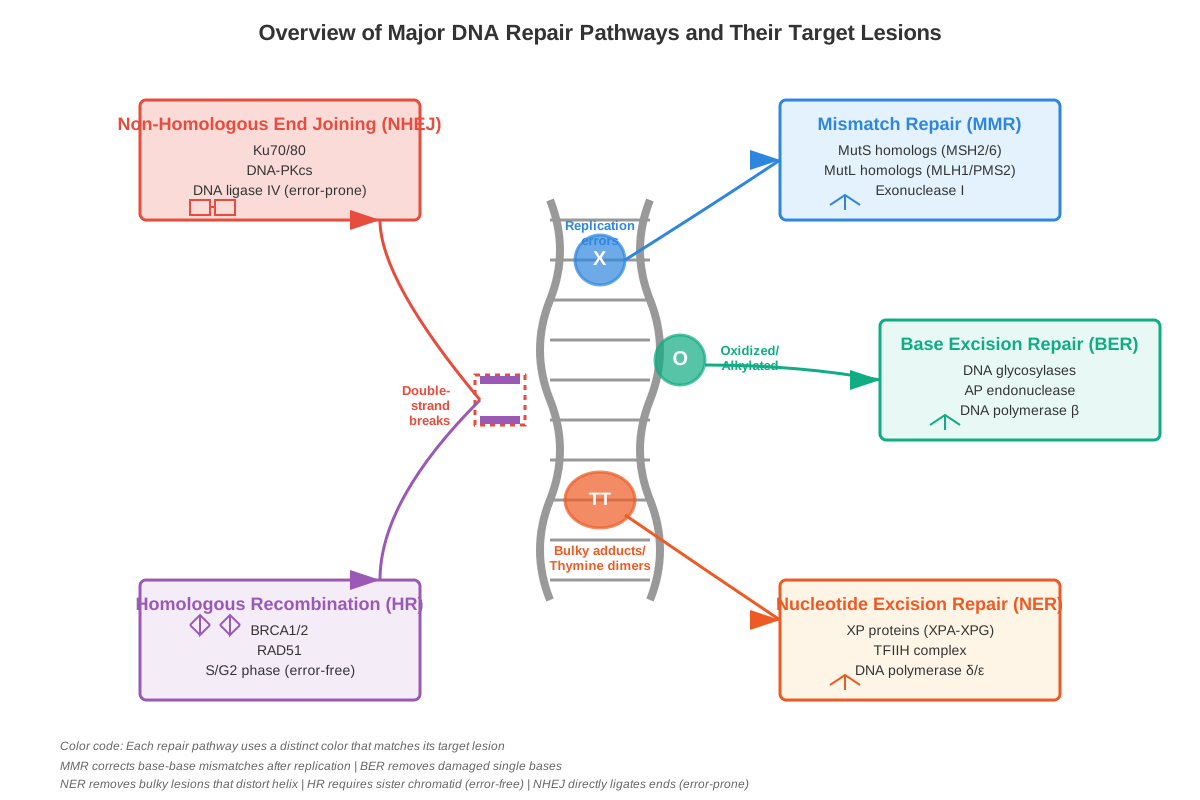
DNA repair mechanisms are essential cellular processes that maintain genomic integrity by correcting errors and damage that occur during DNA replication, exposure to environmental mutagens, and normal metabolic processes. Every cell in the human body experiences thousands of DNA lesions daily from sources including ultraviolet radiation, reactive oxygen species, alkylating agents, and spontaneous chemical reactions. Without efficient repair systems, these lesions would accumulate, leading to mutations, cellular dysfunction, cancer, and premature aging. The cell has evolved multiple sophisticated repair pathways, each specialized to recognize and correct specific types of DNA damage, ensuring that genetic information passes accurately from one generation to the next.
For the MCAT, DNA repair mechanisms Biology represents a high-yield topic that integrates molecular biology, genetics, and cellular processes. Questions frequently test the ability to distinguish between different repair pathways, understand their molecular mechanisms, and predict the consequences of repair deficiencies. The MCAT emphasizes understanding how repair mechanisms relate to cancer biology, hereditary diseases, and evolutionary conservation of genetic fidelity. This topic appears in both passage-based and discrete questions, often requiring students to analyze experimental data, interpret mutations in repair genes, or predict cellular outcomes following DNA damage.
Understanding DNA repair mechanisms MCAT content connects directly to broader themes in Molecular Biology and Genetics, including DNA replication fidelity, cell cycle checkpoints, apoptosis, and carcinogenesis. These repair systems exemplify how cells maintain homeostasis and respond to stress, making them fundamental to comprehending disease mechanisms and therapeutic interventions. Mastery of this topic provides the foundation for understanding why certain genetic syndromes predispose to cancer, how chemotherapy agents work, and why some organisms have different lifespans.
Learning Objectives
- [ ] Define DNA repair mechanisms using accurate Biology terminology
- [ ] Explain why DNA repair mechanisms matter for the MCAT
- [ ] Apply DNA repair mechanisms to exam-style questions
- [ ] Identify common mistakes related to DNA repair mechanisms
- [ ] Connect DNA repair mechanisms to related Biology concepts
- [ ] Compare and contrast the molecular mechanisms of at least five distinct DNA repair pathways
- [ ] Predict the phenotypic consequences of deficiencies in specific repair pathways
- [ ] Analyze experimental scenarios to determine which repair mechanism is functioning or defective
Prerequisites
- DNA structure and base pairing: Understanding Watson-Crick base pairing is essential for recognizing mismatches and damage
- DNA replication: Repair mechanisms often involve resynthesis using the complementary strand as a template
- Enzyme function: DNA repair requires polymerases, ligases, nucleases, and other enzymes with specific catalytic activities
- Cell cycle regulation: Many repair processes are coordinated with cell cycle checkpoints
- Protein structure and function: Repair proteins must recognize specific DNA lesions through structural complementarity
- Basic genetics: Understanding mutations and their consequences provides context for why repair is necessary
Why This Topic Matters
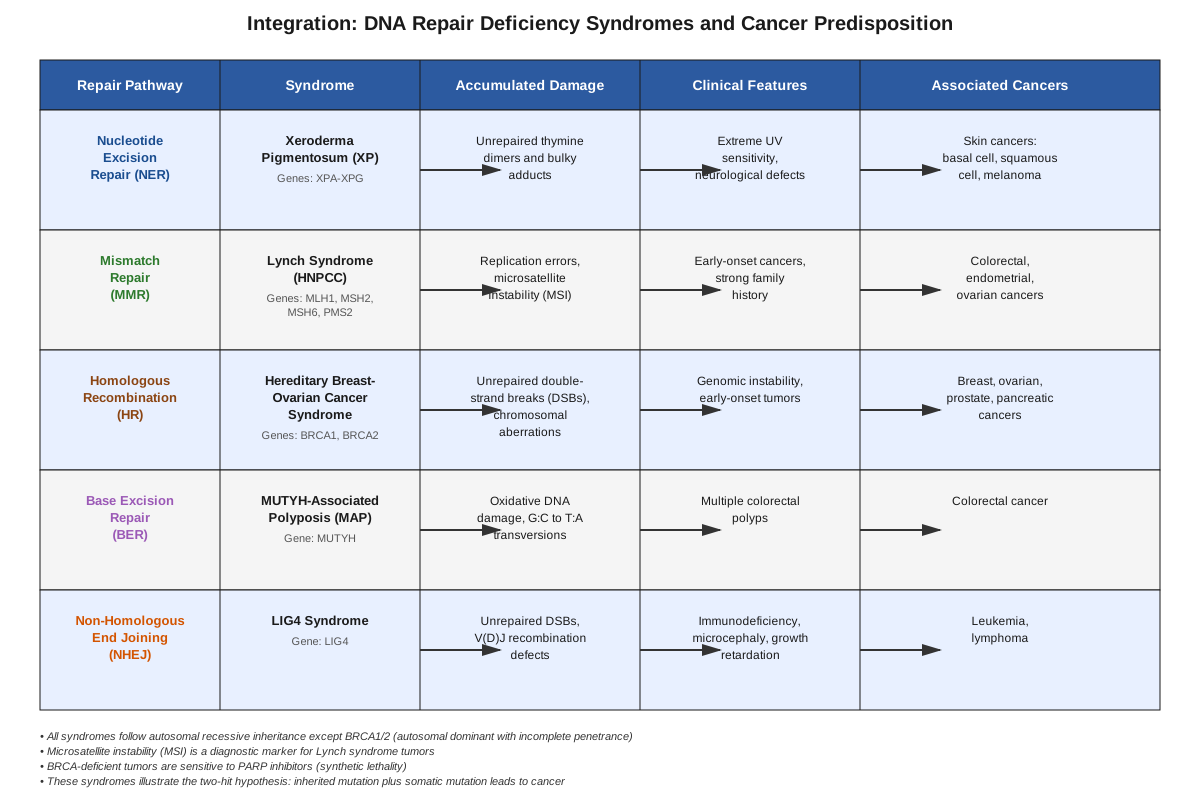
DNA repair mechanisms have profound clinical significance. Hereditary defects in repair pathways cause devastating diseases: xeroderma pigmentosum (XP) patients develop skin cancers from inability to repair UV damage; Lynch syndrome results from mismatch repair defects and causes hereditary colorectal cancer; mutations in BRCA1/2 impair homologous recombination and dramatically increase breast and ovarian cancer risk. Understanding these mechanisms explains why certain populations are cancer-prone and informs genetic counseling and screening strategies.
From an exam perspective, DNA repair appears in approximately 3-5% of MCAT Biology questions, making it a high-yield topic. Questions typically fall into three categories: (1) mechanism-based questions requiring identification of the appropriate repair pathway for a specific lesion type, (2) experimental analysis questions presenting data about repair-deficient mutants, and (3) clinical vignettes describing patients with repair deficiency syndromes. The AAMC frequently tests the ability to distinguish between excision repair pathways and to understand the relationship between repair defects and cancer.
In MCAT passages, DNA repair commonly appears in contexts involving: mutagenesis experiments, cancer biology research, evolutionary studies of mutation rates, aging research, and pharmacology of DNA-damaging chemotherapy agents. Passages may present novel repair proteins or mechanisms, requiring students to apply fundamental principles to unfamiliar situations. The topic integrates well with questions about cell signaling (p53 activation), molecular techniques (detecting mutations), and biochemistry (enzyme mechanisms).
Core Concepts
Types of DNA Damage
DNA molecules constantly face threats from endogenous and exogenous sources. Depurination occurs spontaneously when the glycosidic bond between a purine base and deoxyribose breaks, creating an abasic site (AP site) at a rate of approximately 5,000-10,000 per cell per day. Deamination converts cytosine to uracil or 5-methylcytosine to thymine, creating mismatches with the complementary guanine. Oxidative damage from reactive oxygen species produces modified bases like 8-oxoguanine, which can mispair during replication. Alkylation adds methyl or ethyl groups to bases, distorting DNA structure. UV radiation causes adjacent pyrimidines to form thymine dimers (cyclobutane pyrimidine dimers) or 6-4 photoproducts. Ionizing radiation and certain chemicals cause double-strand breaks (DSBs), the most dangerous lesions. Replication errors introduce mismatched base pairs at a frequency of approximately 1 per 10^7 nucleotides even with proofreading.
Direct Reversal Mechanisms
Some DNA lesions can be directly reversed without removing nucleotides. Photolyase uses light energy to directly reverse thymine dimers by breaking the cyclobutane ring, though humans lack this enzyme. O6-methylguanine-DNA methyltransferase (MGMT) removes alkyl groups from the O6 position of guanine in a single-step reaction. This enzyme acts stoichiometrically—each MGMT protein can repair only one alkylated base because the methyl group transfers to a cysteine residue in the enzyme's active site, permanently inactivating it. This "suicide enzyme" mechanism is clinically relevant because some chemotherapy drugs (temozolomide) work by alkylating DNA, and tumors with high MGMT expression resist these treatments.
Base Excision Repair (BER)
Base excision repair corrects small, non-helix-distorting lesions like oxidized, alkylated, or deaminated bases. The pathway begins when a DNA glycosylase recognizes and removes the damaged base by cleaving the N-glycosidic bond, creating an AP site. Humans have multiple glycosylases with different substrate specificities: uracil-DNA glycosylase removes uracil, 8-oxoguanine glycosylase removes oxidized guanine, and alkyl-adenine DNA glycosylase removes alkylated purines.
After base removal, AP endonuclease (APE1) cleaves the phosphodiester backbone 5' to the AP site. The pathway then diverges into two sub-pathways:
- Short-patch BER (most common): DNA polymerase β removes the deoxyribose phosphate and fills the single-nucleotide gap using the complementary strand as template. DNA ligase III with XRCC1 seals the nick.
- Long-patch BER: DNA polymerases δ/ε synthesize 2-10 nucleotides, displacing the downstream DNA as a "flap." Flap endonuclease 1 (FEN1) removes this flap, and DNA ligase I seals the nick.
BER is particularly important for repairing oxidative damage, making it essential for preventing mutations caused by normal metabolism.
Nucleotide Excision Repair (NER)
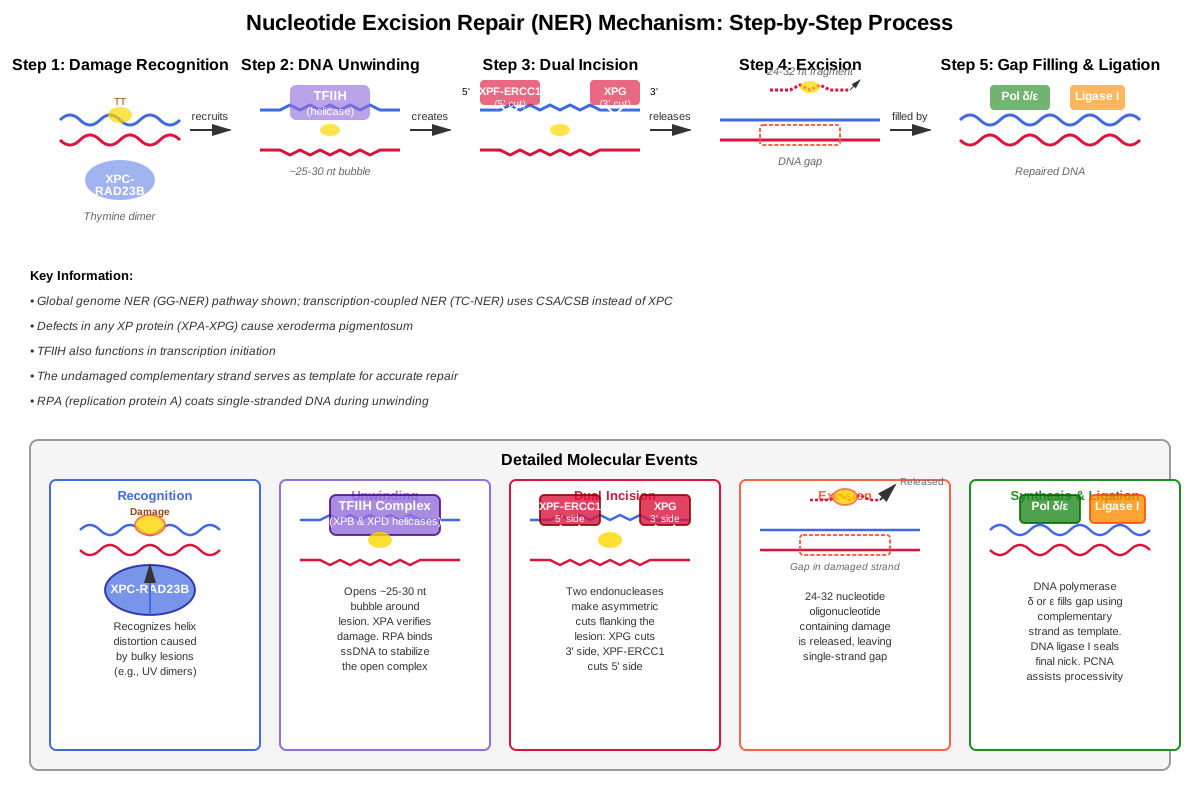
Nucleotide excision repair removes bulky, helix-distorting lesions such as thymine dimers, 6-4 photoproducts, and large chemical adducts. NER operates through two sub-pathways that differ in damage recognition but share the same downstream machinery:
Global genome NER (GG-NER) surveys the entire genome. The XPC-RAD23B complex recognizes helix distortions caused by bulky lesions. Transcription-coupled NER (TC-NER) specifically repairs lesions in actively transcribed genes. When RNA polymerase II stalls at a lesion, CSA and CSB proteins recruit repair machinery, ensuring that expressed genes receive priority repair.
The core NER mechanism involves these steps:
- Recognition: XPC-RAD23B (GG-NER) or stalled RNA pol II with CSA/CSB (TC-NER) identifies damage
- Verification: TFIIH complex (containing XPB and XPD helicases) unwinds DNA around the lesion
- Excision: XPG endonuclease cuts 3' to the lesion; XPF-ERCC1 endonuclease cuts 5' to the lesion, removing a 24-32 nucleotide oligomer containing the damage
- Synthesis: DNA polymerase δ or ε fills the gap using the undamaged strand as template
- Ligation: DNA ligase I seals the nick
Defects in NER genes cause xeroderma pigmentosum (XP), characterized by extreme UV sensitivity and 1000-fold increased skin cancer risk. Seven complementation groups (XP-A through XP-G) correspond to different NER proteins.
Mismatch Repair (MMR)
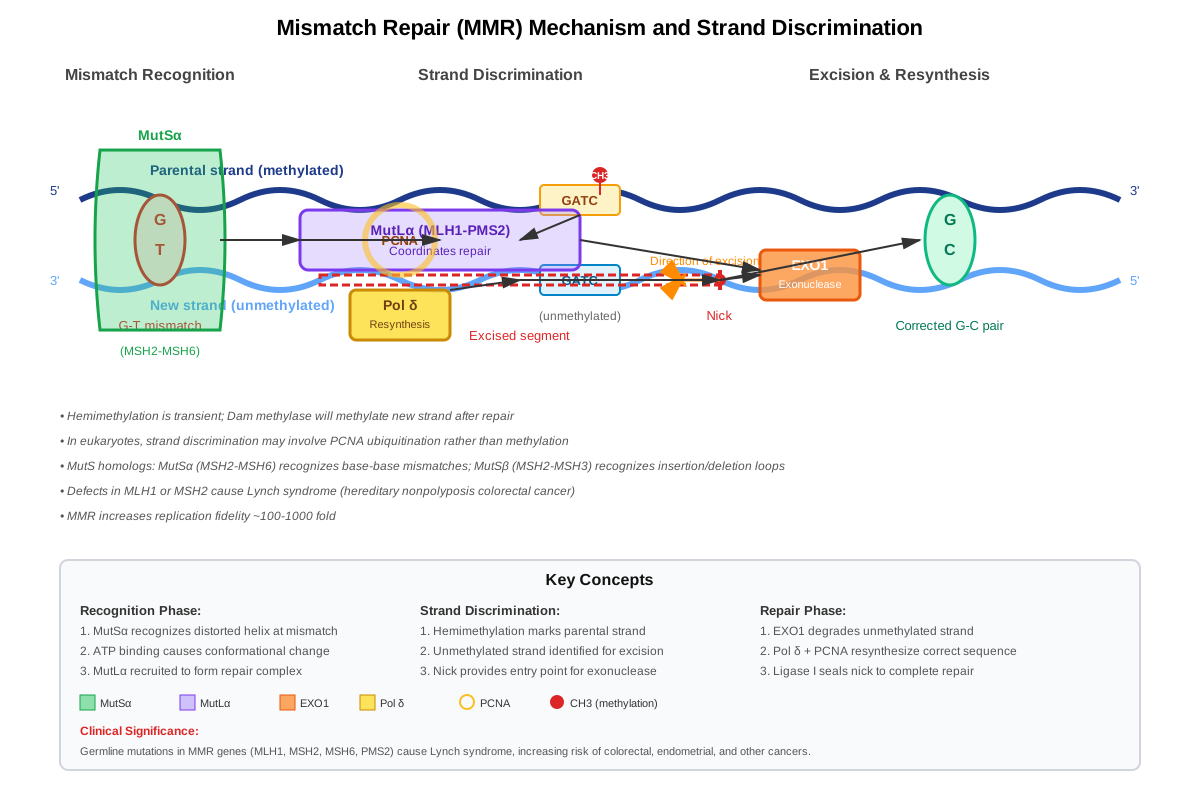
Mismatch repair corrects base-base mismatches and insertion-deletion loops that escape DNA polymerase proofreading during replication. This system improves replication fidelity approximately 100-1000 fold. The key challenge for MMR is distinguishing the newly synthesized strand (containing the error) from the parental template strand (containing the correct sequence).
In bacteria, the parental strand is methylated at GATC sequences by Dam methylase, while the newly synthesized strand remains temporarily unmethylated. MutS recognizes mismatches, MutL coordinates the response, and MutH cleaves the unmethylated strand. In humans, the mechanism differs:
- Recognition: MutSα (MSH2-MSH6 heterodimer) recognizes base-base mismatches and small loops; MutSβ (MSH2-MSH3) recognizes larger loops
- Recruitment: MutLα (MLH1-PMS2 heterodimer) is recruited and activated
- Strand discrimination: The mechanism remains incompletely understood but involves recognizing the 3' terminus of the newly synthesized strand at nearby Okazaki fragment junctions or the replication fork
- Excision: Exonuclease 1 (EXO1) degrades the error-containing strand from a nearby nick toward and past the mismatch
- Resynthesis: DNA polymerase δ fills the gap
- Ligation: DNA ligase seals the nick
Defects in MMR genes (especially MLH1, MSH2, MSH6, PMS2) cause Lynch syndrome (hereditary nonpolyposis colorectal cancer, HNPCC), characterized by microsatellite instability and early-onset colorectal and endometrial cancers. Tumors with MMR deficiency accumulate mutations rapidly, particularly in repetitive sequences.
Homologous Recombination (HR)
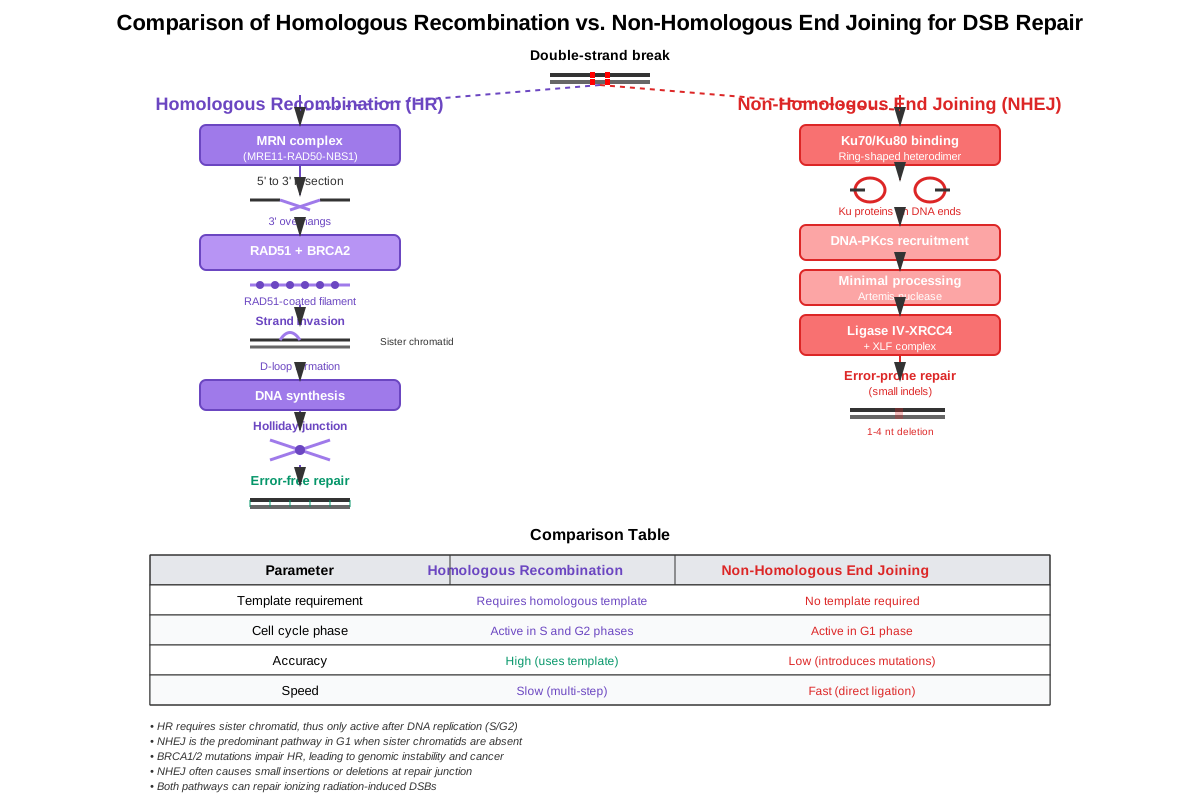
Homologous recombination repairs double-strand breaks using a homologous DNA sequence (usually the sister chromatid) as a template, making it error-free but restricted to S and G2 phases when sister chromatids are available. The pathway involves:
- End resection: MRN complex (MRE11-RAD50-NBS1) with CtIP processes DSB ends, creating 3' single-stranded DNA overhangs
- Strand invasion: RAD51 (with BRCA2 assistance) polymerizes on the ssDNA, forming a nucleoprotein filament that searches for homologous sequences and invades the homologous duplex DNA
- DNA synthesis: The invading strand primes DNA synthesis using the homologous sequence as template
- Resolution: Holliday junctions form and are resolved by resolvases, restoring intact DNA molecules
BRCA1 and BRCA2 proteins play crucial roles in HR. BRCA1 functions in DNA damage signaling and end resection, while BRCA2 loads RAD51 onto ssDNA. Mutations in BRCA1/2 cause hereditary breast and ovarian cancer syndrome, with lifetime breast cancer risks of 45-85%. These tumors are sensitive to PARP inhibitors, which exploit synthetic lethality—cells deficient in both HR and base excision repair cannot survive.
Non-Homologous End Joining (NHEJ)
Non-homologous end joining repairs double-strand breaks without requiring a homologous template, making it available throughout the cell cycle but error-prone because it often causes small insertions or deletions at the repair site. NHEJ is the predominant DSB repair pathway in G1 phase and in non-dividing cells.
The mechanism involves:
- Recognition: Ku70/Ku80 heterodimer rapidly binds DSB ends, protecting them from degradation
- Recruitment: DNA-PKcs (DNA-dependent protein kinase catalytic subunit) is recruited, forming the DNA-PK holoenzyme
- Processing: Artemis nuclease (activated by DNA-PKcs) processes incompatible ends; polymerases may fill gaps
- Ligation: XRCC4-DNA ligase IV complex, with XLF, ligates the ends
NHEJ is essential for V(D)J recombination during lymphocyte development, where programmed DSBs are introduced and rejoined to generate antibody and T-cell receptor diversity. Defects in NHEJ components cause severe combined immunodeficiency (SCID) and radiation sensitivity.
Comparison of Major Repair Pathways
| Repair Pathway | Lesion Type | Template Required | Error-Prone? | Key Proteins | Associated Disease |
|---|---|---|---|---|---|
| Direct Reversal | Alkylation, thymine dimers | No | No | MGMT, photolyase | - |
| Base Excision Repair | Small base modifications | Yes (complementary strand) | No | Glycosylases, APE1, Pol β | - |
| Nucleotide Excision Repair | Bulky helix-distorting lesions | Yes (complementary strand) | No | XPA-XPG, ERCC1 | Xeroderma pigmentosum |
| Mismatch Repair | Base mismatches, small loops | Yes (parental strand) | No | MSH2, MSH6, MLH1, PMS2 | Lynch syndrome |
| Homologous Recombination | Double-strand breaks | Yes (sister chromatid) | No | RAD51, BRCA1, BRCA2 | Hereditary breast/ovarian cancer |
| Non-Homologous End Joining | Double-strand breaks | No | Yes | Ku70/80, DNA-PKcs, Ligase IV | SCID |
Quick check — test yourself on DNA repair mechanisms so far.
Try Flashcards →Concept Relationships
The various DNA repair mechanisms form an integrated network that maintains genomic stability. DNA damage serves as the initiating event that triggers specific repair pathways based on lesion type and cell cycle phase. Base excision repair and nucleotide excision repair both use the complementary strand as a template but differ in lesion recognition and excision scope—BER removes single damaged bases while NER excises oligonucleotide segments containing bulky lesions. Both pathways converge on DNA synthesis and ligation steps.
Mismatch repair functionally extends DNA replication fidelity by correcting polymerase errors, creating a direct connection between replication and repair. The strand discrimination problem in MMR links it mechanistically to replication machinery. Homologous recombination and non-homologous end joining represent alternative solutions to the same problem (DSB repair), with pathway choice determined by cell cycle phase and chromatin context—HR dominates in S/G2 when sister chromatids are available, while NHEJ operates throughout the cell cycle.
These repair pathways connect to broader cellular processes: Cell cycle checkpoints (particularly p53-mediated G1/S and G2/M checkpoints) halt progression when damage is detected, providing time for repair. Apoptosis eliminates cells with irreparable damage, preventing mutation propagation. Cancer development often involves sequential inactivation of repair genes, creating a mutator phenotype that accelerates tumor evolution. Aging may result partly from accumulated unrepaired damage, particularly in non-dividing cells.
The relationship map flows: DNA Damage → Recognition by specific repair pathway → Cell cycle arrest (if needed) → Repair execution → Checkpoint release OR Apoptosis (if repair fails) → Cancer (if apoptosis fails and mutations accumulate).
High-Yield Facts
⭐ Base excision repair uses DNA glycosylases to remove damaged bases, creating AP sites that are processed by AP endonuclease, DNA polymerase β, and DNA ligase III.
⭐ Nucleotide excision repair removes bulky lesions by excising 24-32 nucleotide segments; defects cause xeroderma pigmentosum with extreme UV sensitivity and skin cancer predisposition.
⭐ Mismatch repair corrects replication errors and requires distinguishing the newly synthesized strand from the template strand; defects cause Lynch syndrome with microsatellite instability.
⭐ Homologous recombination uses sister chromatids as templates for error-free DSB repair; BRCA1/2 mutations impair HR and cause hereditary breast/ovarian cancer syndrome.
⭐ Non-homologous end joining repairs DSBs without a template and is error-prone; it's essential for V(D)J recombination in immune system development.
- Thymine dimers are the characteristic UV-induced lesion repaired by nucleotide excision repair (humans lack photolyase for direct reversal).
- MGMT is a "suicide enzyme" that directly reverses O6-methylguanine alkylation through stoichiometric transfer of the methyl group to a cysteine residue.
- Transcription-coupled NER provides preferential repair of actively transcribed genes when RNA polymerase II stalls at lesions.
- The MRN complex (MRE11-RAD50-NBS1) initiates homologous recombination by processing DSB ends to create 3' ssDNA overhangs.
- PARP inhibitors exploit synthetic lethality in BRCA-deficient tumors by blocking base excision repair, creating lethal DSBs that cannot be repaired without functional homologous recombination.
- Depurination creates approximately 5,000-10,000 abasic sites per cell per day, making base excision repair constantly active.
- DNA polymerase β is the primary gap-filling polymerase in base excision repair, while DNA polymerases δ and ε function in nucleotide excision repair and mismatch repair.
Common Misconceptions
Misconception: All DNA repair mechanisms require a template strand.
Correction: Direct reversal mechanisms (MGMT, photolyase) and non-homologous end joining do not require templates. MGMT directly removes alkyl groups, and NHEJ ligates DSB ends without consulting a template, which is why NHEJ is error-prone.
Misconception: Nucleotide excision repair and base excision repair are the same because both involve excision.
Correction: These are distinct pathways with different substrate specificities and mechanisms. BER removes single damaged bases via glycosylases and replaces 1-10 nucleotides, while NER removes bulky helix-distorting lesions by excising 24-32 nucleotide oligomers. BER uses Pol β; NER uses Pol δ/ε.
Misconception: Mismatch repair can distinguish correct from incorrect bases by examining base pairing.
Correction: Mismatched bases form non-Watson-Crick pairs, but MMR cannot determine which base is correct by examining the mismatch itself—both bases are normal DNA bases. Instead, MMR identifies the newly synthesized strand (containing the error) through strand discrimination mechanisms involving nicks or the replication fork.
Misconception: Homologous recombination always uses the homologous chromosome as a template.
Correction: HR preferentially uses the sister chromatid (available in S/G2 phases) rather than the homologous chromosome because sister chromatids are identical and spatially proximate. Using the homologous chromosome could cause loss of heterozygosity if the chromosomes carry different alleles.
Misconception: Cancer results from a single mutation in a DNA repair gene.
Correction: Cancer typically requires multiple mutations following Knudson's two-hit hypothesis. Hereditary cancer syndromes involve germline mutations in one allele of a repair gene, but cancer develops only after somatic mutation of the second allele (loss of heterozygosity), followed by accumulation of additional mutations in oncogenes and tumor suppressors.
Misconception: All double-strand breaks are repaired by the same mechanism.
Correction: Cells use either homologous recombination (error-free, requires sister chromatid, predominates in S/G2) or non-homologous end joining (error-prone, no template required, predominates in G1). Pathway choice depends on cell cycle phase, chromatin context, and extent of end processing.
Worked Examples
Example 1: Identifying the Appropriate Repair Pathway
Question: A researcher treats cultured human cells with a chemical mutagen that adds bulky adducts to guanine bases, causing significant helix distortion. The cells are in G1 phase. Which DNA repair pathway will primarily address this damage, and what would be the consequence of deficiency in this pathway?
Analysis:
- Identify the lesion type: bulky adducts causing helix distortion
- Recall that bulky, helix-distorting lesions are substrates for nucleotide excision repair
- Cell cycle phase (G1) is noted but doesn't affect NER, which operates throughout the cell cycle
- Consider the clinical consequence of NER deficiency
Solution: Nucleotide excision repair will primarily repair these lesions. The pathway will proceed through these steps: (1) XPC-RAD23B recognizes the helix distortion (global genome NER), (2) TFIIH unwinds the DNA, (3) XPG and XPF-ERCC1 endonucleases excise a 24-32 nucleotide segment containing the adduct, (4) DNA polymerase δ or ε fills the gap, and (5) DNA ligase I seals the nick.
If NER is deficient (as in xeroderma pigmentosum), these bulky lesions would persist. During subsequent DNA replication, polymerases would stall or bypass the lesions inaccurately, causing mutations. Clinically, XP patients show extreme sensitivity to UV radiation (which causes bulky thymine dimers), develop skin cancers at 1000-fold increased rates, and may show neurological abnormalities. The researcher would observe increased mutation frequency and potentially reduced cell viability in NER-deficient cells compared to wild-type cells after mutagen treatment.
Connection to Learning Objectives: This example applies DNA repair mechanisms to an exam-style scenario, requires accurate terminology (NER, XPC, TFIIH), and connects to clinical disease (xeroderma pigmentosum).
Example 2: Analyzing a Genetic Syndrome
Question: A 35-year-old woman with a family history of early-onset colorectal cancer undergoes genetic testing, which reveals a mutation in the MSH2 gene. Tumor analysis shows microsatellite instability. Explain the molecular basis of her cancer predisposition and why microsatellite sequences are particularly affected.
Analysis:
- MSH2 is a mismatch repair protein (component of MutSα)
- Microsatellite instability indicates accumulation of mutations in repetitive sequences
- Need to explain why MMR deficiency particularly affects microsatellites
- Connect to Lynch syndrome
Solution: MSH2 forms a heterodimer with MSH6 to create MutSα, which recognizes base-base mismatches and small insertion-deletion loops during mismatch repair. The mutation in MSH2 impairs this recognition function, reducing the cell's ability to correct DNA polymerase errors that escape proofreading.
Microsatellites (short tandem repeats like CACACACA) are particularly vulnerable because DNA polymerase frequently undergoes "slippage" during replication of repetitive sequences, creating insertion-deletion loops. Normally, MMR recognizes and corrects these loops. With deficient MSH2, these errors persist, causing microsatellite instability—changes in the length of microsatellite sequences between normal and tumor tissue.
This patient has Lynch syndrome (hereditary nonpolyposis colorectal cancer). She inherited one mutant MSH2 allele (germline mutation). When the second allele undergoes somatic mutation in a colonic epithelial cell (loss of heterozygosity), that cell loses all MMR function, becoming a "mutator" phenotype that accumulates mutations rapidly. Subsequent mutations in oncogenes (like KRAS) and tumor suppressors (like APC, p53) drive cancer development. Lynch syndrome patients have 50-80% lifetime risk of colorectal cancer, often developing tumors decades earlier than sporadic cases.
Connection to Learning Objectives: This example connects DNA repair mechanisms to clinical disease, explains molecular mechanisms using accurate terminology, and demonstrates how repair deficiency leads to cancer through accumulated mutations.
Exam Strategy
When approaching MCAT questions on DNA repair mechanisms, first identify the type of DNA damage described. The MCAT will provide clues: UV radiation suggests thymine dimers (NER), oxidative stress suggests base modifications (BER), replication errors suggest mismatches (MMR), and radiation or chemotherapy suggests double-strand breaks (HR or NHEJ). Create a mental flowchart: damage type → appropriate repair pathway → key proteins → consequences of deficiency.
Trigger words to watch for include:
- "Bulky lesion," "helix distortion," "thymine dimer," "UV damage" → Nucleotide excision repair
- "Oxidized base," "deamination," "abasic site," "small base modification" → Base excision repair
- "Mismatch," "replication error," "microsatellite instability" → Mismatch repair
- "Double-strand break," "ionizing radiation," "sister chromatid" → Homologous recombination or NHEJ
- "Cell cycle phase" → Determines HR (S/G2) vs. NHEJ (all phases)
For process-of-elimination, remember that each repair pathway has characteristic features. If a question asks about template-independent repair, eliminate BER, NER, MMR, and HR, leaving direct reversal and NHEJ. If the question specifies error-free repair, eliminate NHEJ. If the question mentions specific proteins (XP genes, BRCA1/2, MSH2/MLH1), immediately identify the associated pathway.
Time allocation: Most DNA repair questions require 60-90 seconds. Spend 20 seconds identifying the damage type and pathway, 30 seconds working through the mechanism or analyzing the scenario, and 20 seconds eliminating wrong answers. For passage-based questions, note which repair pathways are mentioned in the passage and predict that questions will test understanding of those specific mechanisms or their deficiencies.
Common question formats include: (1) "Which repair pathway would correct this lesion?" (2) "A mutation in gene X would most likely cause..." (3) "The experimental results suggest a deficiency in which process?" (4) "Which of the following correctly orders the steps in this repair pathway?" Practice identifying these formats and applying the appropriate strategy.
Memory Techniques
Mnemonic for NER proteins: "X-tra Protection Gets Full Excision Repair Completed" (XPG, XPF, ERCC1 are the endonucleases in NER, with XPA-XPG representing the seven XP complementation groups).
Mnemonic for MMR proteins: "My Sister Has Many Little Puppies" (MSH2, MSH6, MLH1, PMS2 are the key MMR proteins mutated in Lynch syndrome).
Visualization for BER: Picture a "base" (baseball base) being "excised" (cut out) by scissors (glycosylase), leaving a hole (AP site) that gets filled by a construction worker (polymerase) and sealed with tape (ligase).
Visualization for NER: Imagine a "bulky" package distorting a zipper (DNA helix). Scissors cut out a large section (24-32 nucleotides) containing the package, then the zipper is repaired with new teeth.
Acronym for DSB repair pathway choice: "Sister Chromatids Help Repair" (Sister Chromatids → Homologous Recombination in S/G2 phase). If no sister chromatid is available (G1), use "No Homolog Exists Just Ligate" (NHEJ).
Memory aid for repair-cancer associations: "X-rays cause Pigment problems" (XP from NER defects), "Lots of Mismatches Make Rectum tumors" (Lynch from MMR defects), "Breast Risk from Chromatid Alignment problems" (BRCA from HR defects).
Summary
DNA repair mechanisms represent essential cellular processes that maintain genomic integrity by correcting diverse types of DNA damage through specialized pathways. Base excision repair removes small base modifications using glycosylases, while nucleotide excision repair excises bulky helix-distorting lesions through coordinated action of XP proteins. Mismatch repair extends replication fidelity by correcting polymerase errors through strand-specific excision and resynthesis. Double-strand breaks, the most dangerous lesions, are repaired either by error-free homologous recombination using sister chromatids as templates or by error-prone non-homologous end joining that ligates ends without templates. Each pathway involves damage recognition, excision or processing, DNA synthesis, and ligation steps, utilizing specific proteins whose deficiencies cause hereditary cancer syndromes. Understanding these mechanisms is essential for MCAT success because questions frequently test pathway identification, mechanistic details, and clinical consequences of repair deficiencies, integrating molecular biology with genetics and disease.
Key Takeaways
- DNA repair mechanisms are specialized pathways that correct specific lesion types: BER for small base modifications, NER for bulky lesions, MMR for replication errors, and HR/NHEJ for double-strand breaks
- Nucleotide excision repair deficiency causes xeroderma pigmentosum with extreme UV sensitivity; mismatch repair deficiency causes Lynch syndrome with microsatellite instability; BRCA1/2 mutations impair homologous recombination and cause hereditary breast/ovarian cancer
- Template-based repair (BER, NER, MMR, HR) is error-free, while non-homologous end joining is error-prone because it operates without a template
- Cell cycle phase determines DSB repair pathway choice: homologous recombination predominates in S/G2 when sister chromatids are available, while NHEJ operates throughout the cell cycle
- Recognition of damage type from question stems (UV→NER, oxidation→BER, mismatch→MMR, DSB→HR/NHEJ) is the critical first step in answering MCAT questions on this topic
- Repair pathway deficiencies create mutator phenotypes that accelerate cancer development through accumulated mutations in oncogenes and tumor suppressors
- Key proteins to memorize include DNA glycosylases and Pol β (BER), XPA-XPG (NER), MSH2/MSH6/MLH1/PMS2 (MMR), BRCA1/2 and RAD51 (HR), and Ku70/80 and DNA-PKcs (NHEJ)
Related Topics
- Cell cycle checkpoints and p53: DNA damage activates checkpoints that halt cell cycle progression, providing time for repair; p53 is the "guardian of the genome" that coordinates damage response
- Carcinogenesis and tumor suppressor genes: Understanding how sequential mutations in repair genes and tumor suppressors drive cancer development
- DNA replication fidelity: Polymerase proofreading and mismatch repair work together to achieve overall replication accuracy of 1 error per 10^9-10^10 nucleotides
- Apoptosis: Cells with irreparable DNA damage undergo programmed cell death to prevent propagation of mutations
- Chemotherapy mechanisms: Many cancer drugs work by damaging DNA; understanding repair mechanisms explains drug resistance and synthetic lethality strategies
- Telomeres and aging: Accumulated DNA damage may contribute to cellular senescence and organismal aging
Practice CTA
Now that you've mastered the core concepts of DNA repair mechanisms, it's time to solidify your understanding through active practice. Attempt the practice questions to test your ability to identify repair pathways, analyze experimental scenarios, and connect repair deficiencies to clinical syndromes. Use the flashcards to memorize key proteins, pathway steps, and disease associations. Remember that DNA repair is a high-yield MCAT topic that integrates molecular biology, genetics, and medicine—investing time in practice now will pay dividends on test day. You've built a strong foundation; now demonstrate your mastery through application!
Sign up free to keep reading
Create a free AnvayaPrep account to finish this MCAT guide on DNA repair mechanisms — plus flashcards and practice questions.