Overview
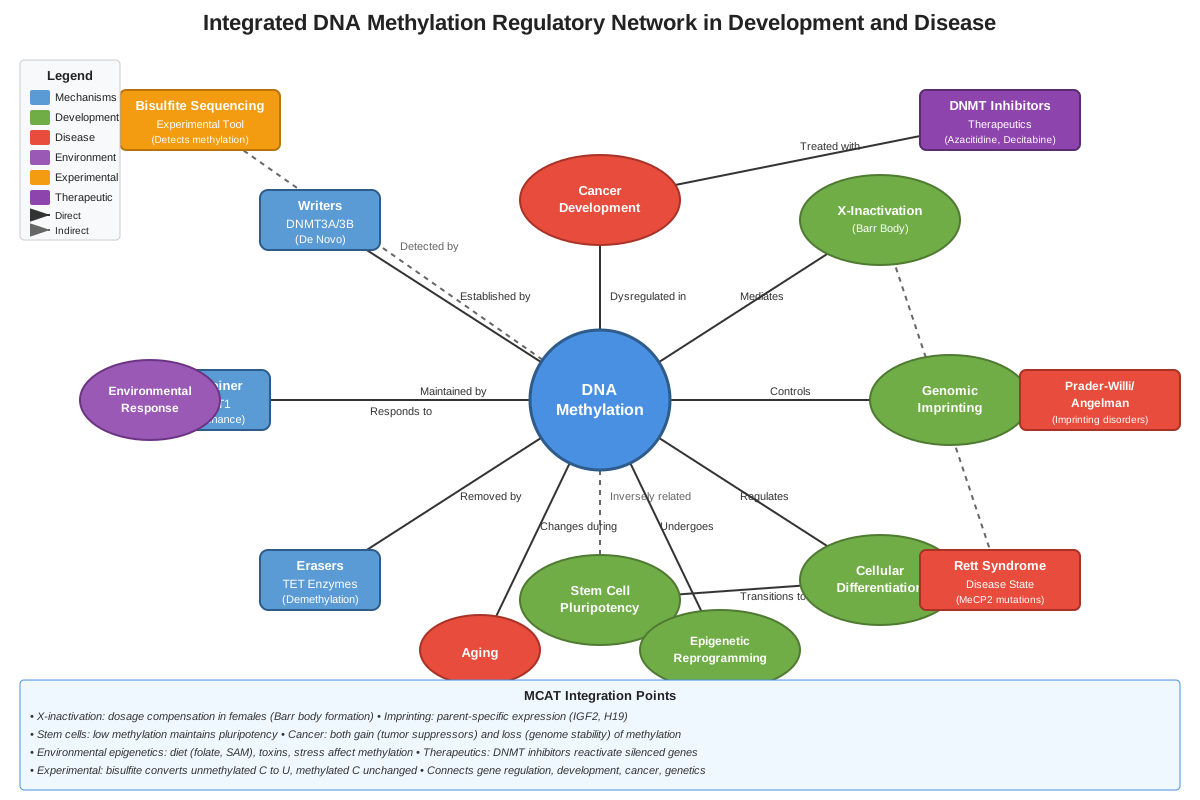
DNA methylation is a fundamental epigenetic modification that plays a critical role in gene regulation without altering the underlying DNA sequence. This biochemical process involves the addition of a methyl group (CH₃) to cytosine bases in DNA, typically at cytosine-guanine dinucleotides called CpG sites. Understanding DNA methylation Biology is essential for MCAT success because it bridges multiple high-yield topics including gene expression regulation, cellular differentiation, cancer biology, and developmental processes. The MCAT frequently tests students' ability to connect molecular mechanisms to broader biological phenomena, making DNA methylation a particularly valuable topic for demonstrating integrated scientific reasoning.
For the MCAT, DNA methylation represents a key mechanism through which cells can "remember" their identity and maintain stable patterns of gene expression across cell divisions without changing the genetic code itself. This concept appears across multiple sections of the exam, particularly in passages discussing cancer development, stem cell biology, genomic imprinting, and X-chromosome inactivation. The topic exemplifies how cells can achieve phenotypic diversity from a single genome—a central theme in Molecular Biology and Genetics that the MCAT tests extensively.
The significance of DNA methylation MCAT questions extends beyond simple recall; students must understand the mechanistic details of how methylation affects transcription, recognize experimental approaches used to study methylation patterns, and apply this knowledge to interpret data in passage-based questions. This topic connects directly to transcriptional regulation, chromatin structure, cell cycle control, and disease processes, making it a high-yield investment of study time that will enhance performance across multiple question types and biological contexts.
Learning Objectives
- [ ] Define DNA methylation using accurate Biology terminology
- [ ] Explain why DNA methylation matters for the MCAT
- [ ] Apply DNA methylation to exam-style questions
- [ ] Identify common mistakes related to DNA methylation
- [ ] Connect DNA methylation to related Biology concepts
- [ ] Describe the enzymatic mechanism by which DNA methyltransferases add methyl groups to cytosine residues
- [ ] Explain how DNA methylation patterns are maintained through cell division and their role in cellular differentiation
- [ ] Analyze experimental data involving methylation patterns and predict effects on gene expression
- [ ] Compare and contrast DNA methylation with other epigenetic modifications in terms of mechanism and biological function
Prerequisites
- DNA structure and base pairing: Understanding the chemical structure of nucleotides is essential for comprehending where and how methyl groups attach to cytosine bases
- Gene expression and transcription: Knowledge of transcriptional regulation provides the context for understanding how methylation affects gene activity
- Chromatin structure: Familiarity with nucleosomes and chromatin organization helps explain how methylation influences DNA accessibility
- Cell division (mitosis and meiosis): Understanding cell division is necessary to grasp how methylation patterns are inherited or erased
- Basic enzyme kinetics: Knowledge of enzyme function helps in understanding DNA methyltransferase activity and mechanism
Why This Topic Matters
DNA methylation has profound clinical significance that makes it a favorite topic for MCAT passage writers. Aberrant methylation patterns are hallmarks of cancer development, where tumor suppressor genes become hypermethylated (silenced) while oncogenes may become hypomethylated (activated). This connection to cancer biology appears frequently in MCAT passages that require students to interpret experimental data or predict outcomes of therapeutic interventions. Additionally, DNA methylation plays crucial roles in genomic imprinting disorders like Prader-Willi and Angelman syndromes, X-chromosome inactivation in females, and age-related changes in gene expression.
From an exam statistics perspective, DNA methylation appears in approximately 8-12% of MCAT Biology passages, particularly in questions testing the Biological and Biochemical Foundations of Living Systems section. Questions typically fall into three categories: mechanism-based questions requiring understanding of how methylation affects transcription, experimental interpretation questions involving methylation-detection techniques, and application questions connecting methylation to disease processes or developmental biology. The topic frequently appears in passages that integrate multiple concepts, requiring students to connect methylation to chromatin remodeling, transcription factor binding, or signal transduction pathways.
Common passage contexts include: cancer research studies examining methylation patterns in tumor versus normal tissue; developmental biology experiments tracking methylation changes during differentiation; evolutionary biology passages discussing methylation as an adaptive mechanism; and biotechnology applications involving epigenetic editing or therapeutic interventions. The interdisciplinary nature of DNA methylation makes it an ideal vehicle for testing critical thinking and data interpretation skills that are central to MCAT success.
Core Concepts
Definition and Chemical Mechanism of DNA Methylation
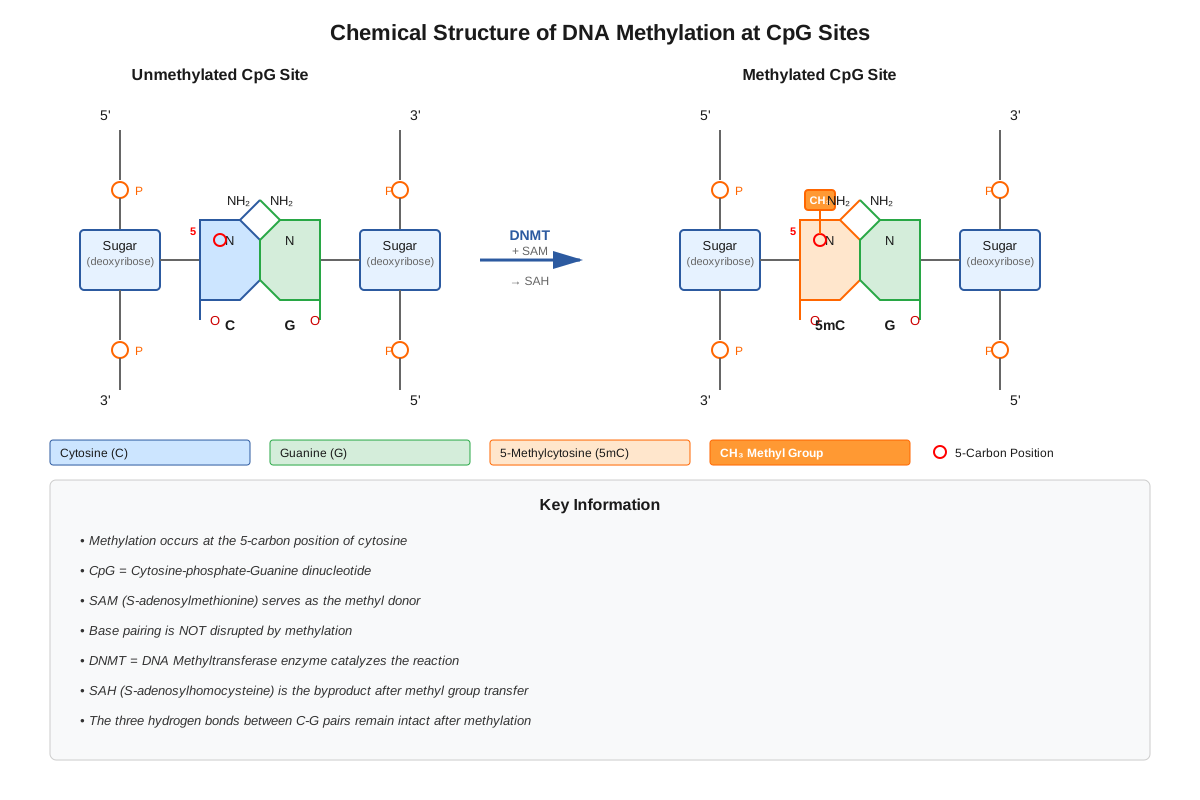
DNA methylation is a covalent chemical modification in which a methyl group (CH₃) is enzymatically added to the 5-carbon position of the cytosine pyrimidine ring, forming 5-methylcytosine. This modification occurs predominantly at CpG sites—dinucleotide sequences where a cytosine nucleotide is followed by a guanine nucleotide in the linear DNA sequence. The "p" in CpG refers to the phosphodiester bond connecting these two bases. In mammalian genomes, approximately 70-80% of CpG sites are methylated, though regions called CpG islands (CG-rich regions often found in gene promoters) typically remain unmethylated in normal cells.
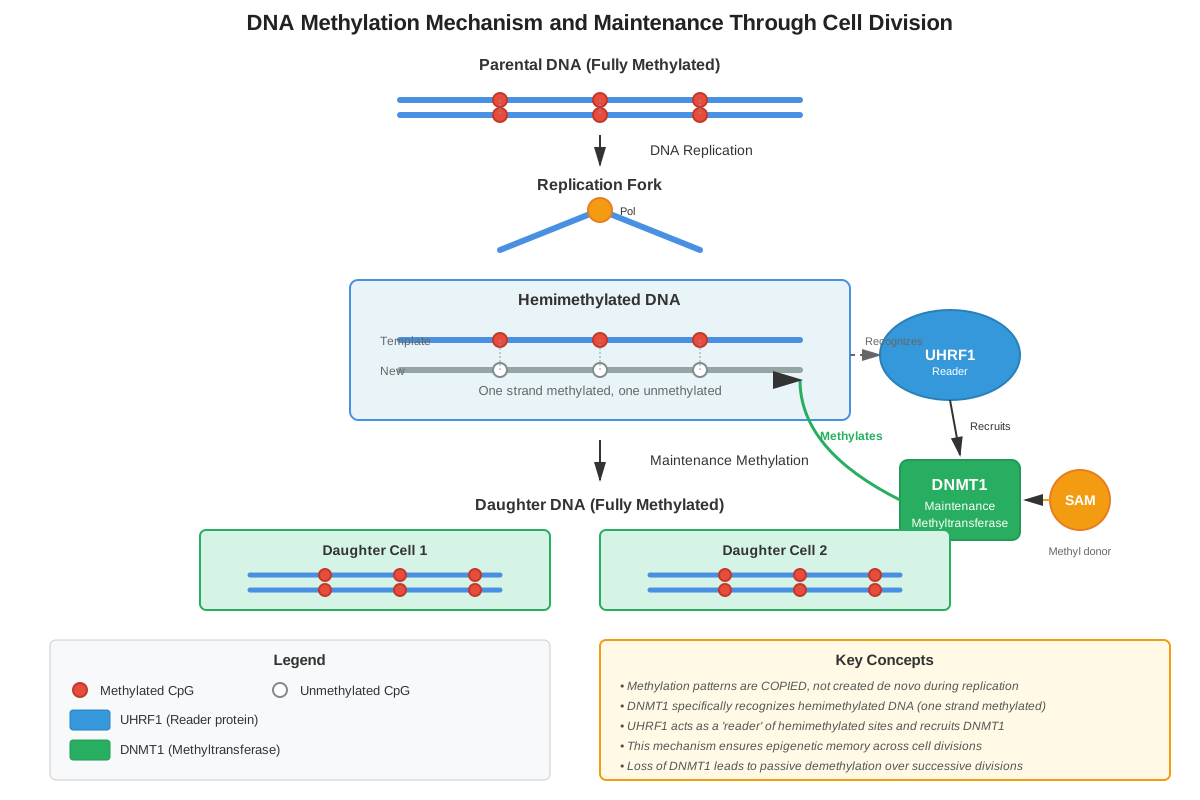
The enzymatic reaction is catalyzed by DNA methyltransferases (DNMTs), which use S-adenosylmethionine (SAM) as the methyl donor. The reaction proceeds through a nucleophilic attack mechanism where the enzyme temporarily forms a covalent intermediate with the cytosine base, facilitating methyl group transfer. Three main DNMTs function in mammals: DNMT1 maintains methylation patterns during DNA replication by recognizing hemimethylated DNA (where only the parental strand is methylated), while DNMT3A and DNMT3B establish new methylation patterns (de novo methylation). This distinction between maintenance and de novo methylation is crucial for understanding how methylation patterns are both preserved through cell divisions and dynamically regulated during development.
Functional Consequences of DNA Methylation
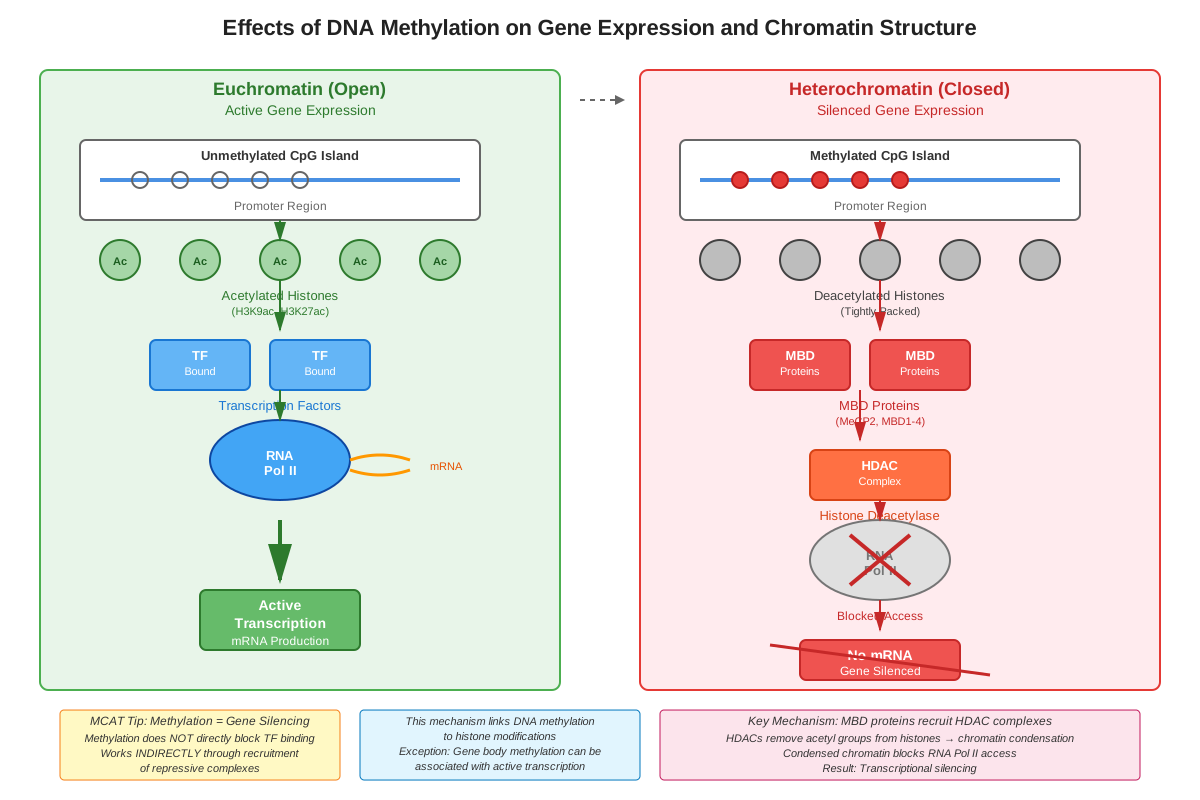
DNA methylation primarily functions as a transcriptional repressor, silencing gene expression through multiple mechanisms. First, methylated cytosines in promoter regions can directly interfere with transcription factor binding by altering the chemical environment of the DNA major groove where many transcription factors make sequence-specific contacts. Second, and more importantly, methylated DNA recruits methyl-binding domain (MBD) proteins that recognize and bind to methylated CpG sites. These MBD proteins serve as platforms for recruiting additional chromatin-modifying complexes, including histone deacetylases (HDACs) and chromatin remodeling factors.
The recruitment of these repressive complexes leads to formation of heterochromatin—a condensed, transcriptionally inactive chromatin state characterized by deacetylated histones and other repressive histone modifications. This creates a self-reinforcing cycle: DNA methylation recruits proteins that modify histones, and certain histone modifications in turn recruit DNMTs, establishing stable patterns of gene silencing. This mechanistic connection between DNA methylation and chromatin structure is frequently tested on the MCAT, particularly in passages requiring students to predict how disrupting one component (e.g., DNMT activity) would affect others (e.g., histone acetylation patterns).
Inheritance and Maintenance of Methylation Patterns
A critical feature of DNA methylation is its heritability through cell divisions, which enables cells to maintain their differentiated state. During DNA replication, the newly synthesized strand initially lacks methylation, creating hemimethylated DNA where the parental strand retains its methylation pattern but the daughter strand does not. DNMT1, in complex with the protein UHRF1, specifically recognizes hemimethylated DNA and rapidly methylates the corresponding cytosines on the daughter strand, thus copying the methylation pattern from parent to daughter strand.
This maintenance mechanism explains how methylation-based gene silencing can be stably inherited through hundreds of cell divisions, allowing differentiated cells to maintain their identity. However, methylation patterns are not immutable. During early embryonic development and in primordial germ cells, genome-wide demethylation occurs, erasing most methylation marks. This erasure involves both passive loss (through replication without maintenance methylation) and active removal by TET (ten-eleven translocation) enzymes that oxidize 5-methylcytosine through several intermediates, ultimately leading to replacement with unmethylated cytosine through base excision repair mechanisms.
DNA Methylation in Development and Differentiation
DNA methylation plays essential roles in normal development, particularly in establishing and maintaining cellular differentiation. As pluripotent stem cells differentiate into specialized cell types, specific genes become methylated and silenced while others remain unmethylated and active, creating cell-type-specific methylation patterns called methylomes. For example, genes encoding pluripotency factors like Oct4 and Nanog become heavily methylated in differentiated cells, preventing their expression and ensuring cells cannot revert to a pluripotent state.
Two specialized developmental processes heavily dependent on DNA methylation are genomic imprinting and X-chromosome inactivation. Genomic imprinting involves parent-of-origin-specific gene expression, where certain genes are expressed only from the maternal or paternal allele while the other allele is silenced by methylation. Imprinted genes often regulate growth and development, and disruption of imprinting through methylation errors causes disorders like Prader-Willi syndrome (loss of paternal gene expression) and Angelman syndrome (loss of maternal gene expression). X-chromosome inactivation in female mammals involves methylation of CpG islands on one X chromosome, silencing most genes to achieve dosage compensation with males who have only one X chromosome.
DNA Methylation in Disease
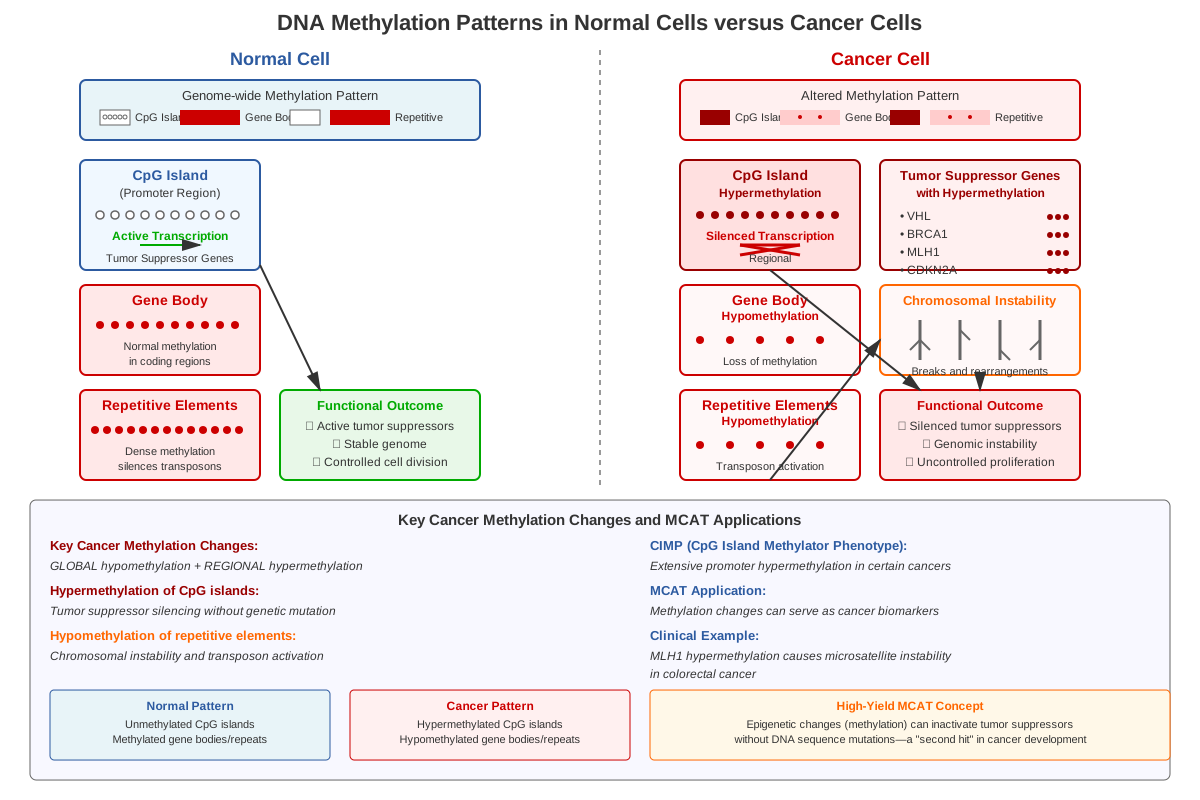
Aberrant DNA methylation patterns are hallmarks of cancer and other diseases, making this a high-yield topic for MCAT passages. In cancer cells, two opposite methylation changes typically occur simultaneously: global hypomethylation (loss of methylation across the genome) and regional hypermethylation (increased methylation at specific CpG islands). Global hypomethylation can lead to chromosomal instability and activation of normally silenced repetitive elements. Regional hypermethylation particularly affects CpG islands in promoters of tumor suppressor genes, silencing these protective genes without requiring genetic mutations—a phenomenon called epigenetic silencing.
The CpG island methylator phenotype (CIMP) describes cancers with particularly extensive CpG island hypermethylation. Classic examples include hypermethylation of the MLH1 DNA repair gene in colorectal cancer (leading to microsatellite instability) and hypermethylation of the VHL tumor suppressor in renal cell carcinoma. Understanding these patterns helps explain how cancer can arise through both genetic (mutation) and epigenetic (methylation) mechanisms—a conceptual distinction frequently tested on the MCAT.
| Feature | Normal Cells | Cancer Cells |
|---|---|---|
| Global methylation | High (70-80% of CpG sites) | Reduced (hypomethylation) |
| CpG island methylation | Low (typically unmethylated) | Increased (hypermethylation) |
| Tumor suppressor expression | Normal | Often silenced by promoter methylation |
| Chromosomal stability | Stable | Often unstable due to hypomethylation |
| Imprinting | Maintained | Often disrupted |
Concept Relationships
DNA methylation sits at the intersection of multiple biological concepts, creating a rich network of relationships that MCAT passages frequently exploit. The primary mechanistic relationship flows from DNA methylation → MBD protein recruitment → histone deacetylation → chromatin condensation → transcriptional repression. This cascade demonstrates how a simple chemical modification (adding a methyl group) propagates through multiple molecular levels to produce a functional outcome (gene silencing).
DNA methylation connects bidirectionally with chromatin structure: methylation promotes heterochromatin formation, while certain histone modifications (particularly H3K9me3) recruit DNMTs to establish methylation. This creates reinforcing feedback loops that stabilize gene expression states. The relationship extends to DNA replication, where DNMT1 couples with the replication machinery to ensure methylation patterns are copied to daughter strands, linking epigenetic inheritance to the cell cycle.
Developmentally, DNA methylation connects to cellular differentiation through progressive restriction of cell fate: as cells differentiate, increasing methylation locks in cell-type-specific gene expression patterns. This connects to stem cell biology, where demethylation of pluripotency genes is required for induced pluripotent stem cell (iPSC) generation. The relationship to disease processes flows through multiple pathways: aberrant methylation → altered gene expression → cancer development; methylation errors → imprinting disorders; age-related methylation changes → cellular senescence.
Experimentally, DNA methylation connects to various molecular techniques: bisulfite sequencing (converts unmethylated cytosines to uracil while methylated cytosines remain unchanged), methylation-specific PCR, and chromatin immunoprecipitation (ChIP) with anti-methylcytosine antibodies. Understanding these techniques helps interpret MCAT passage data.
High-Yield Facts
⭐ DNA methylation in mammals occurs primarily at CpG dinucleotides, converting cytosine to 5-methylcytosine
⭐ Methylation of promoter CpG islands typically silences gene expression by recruiting repressive chromatin-modifying complexes
⭐ DNMT1 maintains methylation patterns during replication by recognizing hemimethylated DNA, while DNMT3A/3B establish new patterns
⭐ Cancer cells typically show global hypomethylation combined with regional hypermethylation of tumor suppressor gene promoters
⭐ Genomic imprinting and X-chromosome inactivation are developmental processes that depend critically on DNA methylation
- CpG islands are CG-rich regions (typically >500 bp with >55% GC content) found in approximately 60% of human gene promoters
- S-adenosylmethionine (SAM) serves as the universal methyl donor for DNA methyltransferase reactions
- TET enzymes catalyze active DNA demethylation by oxidizing 5-methylcytosine through 5-hydroxymethylcytosine intermediates
- Methylation patterns are largely erased and re-established during early embryonic development and germ cell formation
- The CpG island methylator phenotype (CIMP) describes cancers with extensive hypermethylation of multiple CpG islands
- Methyl-binding domain (MBD) proteins recognize methylated DNA and recruit histone deacetylases (HDACs) to silence transcription
- Approximately 70-80% of CpG sites in the mammalian genome are methylated, but CpG islands in active promoters typically remain unmethylated
Quick check — test yourself on DNA methylation so far.
Try Flashcards →Common Misconceptions
Misconception: DNA methylation always occurs at any cytosine base in the genome → Correction: In mammals, methylation occurs predominantly at cytosines within CpG dinucleotides (cytosine followed by guanine). While non-CpG methylation exists in some cell types (particularly neurons and embryonic stem cells), the vast majority of methylation occurs at CpG sites, and MCAT questions focus on CpG methylation.
Misconception: Methylated DNA cannot be transcribed under any circumstances → Correction: While methylation generally represses transcription, the relationship is context-dependent. Methylation within gene bodies (rather than promoters) can actually correlate with active transcription. Additionally, some transcription factors can bind methylated DNA, and the degree of repression depends on methylation density and the specific genomic context.
Misconception: DNA methylation changes the DNA sequence → Correction: DNA methylation is an epigenetic modification that does not alter the nucleotide sequence itself. The base pairing properties of 5-methylcytosine remain identical to cytosine (both pair with guanine), and the genetic information is unchanged. This distinction between genetic (sequence) and epigenetic (modification) changes is crucial for MCAT questions.
Misconception: All CpG sites in the genome have the same methylation status → Correction: Methylation patterns are highly variable across the genome. Most isolated CpG sites are methylated, but CpG islands (clusters of CpG sites in promoters) are typically unmethylated in normal cells. Methylation patterns also vary by cell type, developmental stage, and disease state, creating cell-type-specific methylomes.
Misconception: DNA methylation is permanent and irreversible once established → Correction: DNA methylation is dynamic and reversible through both passive mechanisms (loss during replication without maintenance) and active mechanisms (TET enzyme-mediated oxidation and removal). This reversibility is essential for development, cellular reprogramming, and potential therapeutic interventions targeting aberrant methylation.
Misconception: Hypermethylation and hypomethylation in cancer are mutually exclusive → Correction: Cancer cells simultaneously exhibit both global hypomethylation (loss of methylation across most of the genome) and regional hypermethylation (increased methylation at specific CpG islands in tumor suppressor promoters). These opposite changes occur in different genomic regions and contribute to cancer through different mechanisms.
Worked Examples
Example 1: Interpreting Methylation Data in Cancer Research
Question: Researchers compare DNA methylation patterns between normal colon tissue and colorectal tumor tissue from the same patient. They find that the promoter region of the MLH1 gene (a DNA mismatch repair gene) shows 5% methylation in normal tissue but 85% methylation in tumor tissue. Additionally, they observe that overall genomic methylation levels decrease from 75% in normal tissue to 55% in tumor tissue. Western blot analysis shows no MLH1 protein in tumor tissue despite the gene sequence being intact. What is the most likely explanation for these findings?
Solution:
Step 1: Identify the key observations:
- MLH1 promoter hypermethylation in tumor (5% → 85%)
- Global genomic hypomethylation in tumor (75% → 55%)
- Loss of MLH1 protein despite intact gene sequence
- These changes occur in the same tumor sample
Step 2: Connect methylation to gene expression:
The dramatic increase in MLH1 promoter methylation (from 5% to 85%) indicates epigenetic silencing. Promoter methylation recruits methyl-binding proteins and histone deacetylases, creating repressive chromatin that blocks transcription. This explains the absence of MLH1 protein despite an intact gene sequence—the gene is silenced epigenetically rather than deleted or mutated.
Step 3: Interpret the global methylation pattern:
The simultaneous decrease in overall genomic methylation (global hypomethylation) alongside specific promoter hypermethylation represents the classic dual methylation defect in cancer. Global hypomethylation can lead to chromosomal instability and activation of transposable elements, while regional hypermethylation silences tumor suppressors.
Step 4: Connect to cancer biology:
MLH1 is a DNA mismatch repair gene. Its silencing through promoter hypermethylation leads to defective DNA repair, accumulation of mutations (particularly in repetitive sequences called microsatellites), and cancer progression. This represents the CpG island methylator phenotype (CIMP) common in colorectal cancer.
Answer: The tumor exhibits epigenetic silencing of the MLH1 tumor suppressor gene through promoter hypermethylation, combined with global genomic hypomethylation—a characteristic dual methylation defect in cancer. The promoter hypermethylation explains the loss of MLH1 protein expression without genetic mutation, demonstrating how epigenetic changes can functionally inactivate tumor suppressors and contribute to cancer development.
Example 2: Predicting Experimental Outcomes with DNMT Inhibitors
Question: Researchers treat cancer cells with 5-azacytidine, a drug that inhibits DNA methyltransferases (DNMTs) after being incorporated into DNA during replication. They examine a gene called TSG1 (tumor suppressor gene 1) whose promoter is heavily methylated in these cancer cells. Predict the effects of 5-azacytidine treatment on: (A) TSG1 promoter methylation levels, (B) TSG1 mRNA expression, (C) histone acetylation at the TSG1 promoter, and (D) cancer cell proliferation. Explain the mechanistic basis for each prediction.
Solution:
Step 1: Understand the drug mechanism:
5-azacytidine inhibits DNMTs by incorporating into DNA and forming irreversible covalent complexes with the enzymes, depleting functional DNMT activity. This prevents maintenance methylation during DNA replication.
Step 2: Predict effect on TSG1 promoter methylation (A):
With each cell division, newly synthesized DNA strands will not be methylated due to DNMT inhibition. Through passive demethylation over multiple cell divisions, the TSG1 promoter methylation level will progressively decrease. The methylation won't disappear immediately but will be diluted with each replication cycle.
Prediction A: TSG1 promoter methylation will decrease progressively over multiple cell divisions.
Step 3: Predict effect on TSG1 mRNA expression (B):
As promoter methylation decreases, the repressive chromatin structure will be disrupted. Methyl-binding proteins will dissociate, allowing transcription factors to access the promoter. This will lead to reactivation of TSG1 transcription.
Prediction B: TSG1 mRNA expression will increase as the promoter becomes demethylated and transcriptionally accessible.
Step 4: Predict effect on histone acetylation (C):
Decreased DNA methylation will reduce recruitment of methyl-binding proteins and their associated histone deacetylases (HDACs). With less HDAC activity, histone acetylation will increase, creating a more open, transcriptionally permissive chromatin state.
Prediction C: Histone acetylation at the TSG1 promoter will increase due to reduced HDAC recruitment.
Step 5: Predict effect on cell proliferation (D):
Reactivation of TSG1 (a tumor suppressor) will restore growth-inhibitory signals. Tumor suppressors typically regulate cell cycle checkpoints, apoptosis, or DNA repair. Their reactivation should slow cancer cell proliferation or induce cell death.
Prediction D: Cancer cell proliferation will decrease due to reactivation of tumor suppressor function.
Mechanistic Summary: The cascade flows from DNMT inhibition → loss of maintenance methylation → promoter demethylation → reduced MBD protein binding → decreased HDAC recruitment → increased histone acetylation → chromatin opening → transcriptional reactivation → tumor suppressor expression → growth inhibition. This example demonstrates how understanding the mechanistic connections between DNA methylation, chromatin structure, and gene expression enables prediction of experimental outcomes.
Exam Strategy
When approaching DNA methylation MCAT questions, first identify whether the question focuses on mechanism (how methylation works), function (what methylation does), or application (methylation in disease/development). Mechanism questions typically ask about DNMTs, SAM as methyl donor, or the relationship between methylation and chromatin structure. Function questions focus on gene silencing, inheritance of methylation patterns, or specific biological processes like imprinting. Application questions present experimental data or clinical scenarios requiring you to apply methylation concepts.
Trigger words and phrases to watch for include: "CpG island," "epigenetic," "without changing the DNA sequence," "heritable gene silencing," "tumor suppressor inactivation," "imprinting," "X-inactivation," "DNMT," "5-methylcytosine," "bisulfite sequencing," and "demethylation." When you see "epigenetic" in a passage, immediately consider DNA methylation as a likely mechanism. Phrases like "gene silencing without mutation" or "heritable changes in gene expression" strongly suggest methylation as the answer.
For process-of-elimination, remember these key principles: (1) methylation does NOT change the DNA sequence, so eliminate answers suggesting sequence alterations; (2) promoter methylation typically DECREASES gene expression, so eliminate answers suggesting methylation activates transcription (unless the question specifically addresses gene body methylation or unusual contexts); (3) methylation requires DNMT enzymes and SAM as methyl donor, so eliminate answers suggesting other enzymes or cofactors; (4) in cancer, tumor suppressors are typically HYPERmethylated (silenced), not hypomethylated.
Time allocation: For discrete questions on methylation, spend 60-90 seconds identifying the core concept being tested and eliminating clearly wrong answers. For passage-based questions, invest 3-4 minutes understanding the experimental setup and methylation patterns presented, then 60-90 seconds per question applying that information. If a passage presents methylation data in tables or figures, spend extra time interpreting the patterns before attempting questions—understanding whether methylation increases or decreases, and in which genomic regions, is crucial for answering multiple questions efficiently.
Memory Techniques
Mnemonic for DNMT functions: "1 Maintains, 3 Makes" - DNMT1 maintains existing methylation patterns during replication, while DNMT3A and DNMT3B make new (de novo) methylation patterns.
Mnemonic for methylation consequences: "MARCH" - Methylation → Attracts MBD proteins → Recruits HDACs → Chromatin condensation → Heterochromatin formation. This captures the cascade from methylation to gene silencing.
Visualization strategy for cancer methylation: Picture a genome as a landscape with mountains (CpG islands in promoters) and plains (rest of genome). In normal cells, mountains are white (unmethylated) and plains are dark (methylated). In cancer, this inverts: mountains become dark (hypermethylated tumor suppressors) while plains become lighter (global hypomethylation). This visual helps remember the dual methylation defect.
Acronym for methylation-dependent processes: "IX" - Imprinting and X-inactivation are the two major developmental processes critically dependent on DNA methylation. Both involve parent-of-origin or chromosome-of-origin-specific silencing.
Memory aid for SAM: Think "SAM Methylates" - S-Adenosyl-Methionine is the universal methyl donor. The name literally contains "methyl," making it easy to remember its function.
Conceptual anchor: Remember that methylation is like putting a "Do Not Transcribe" sign on genes. The methyl group doesn't change what the gene says (sequence), but it prevents the gene from being read (transcription). This simple analogy helps distinguish genetic from epigenetic changes.
Summary
DNA methylation is a crucial epigenetic modification involving addition of methyl groups to cytosine bases, primarily at CpG dinucleotides, catalyzed by DNA methyltransferases using SAM as the methyl donor. This modification typically silences gene expression by recruiting methyl-binding proteins and histone deacetylases, creating condensed heterochromatin. Methylation patterns are maintained through cell divisions by DNMT1, which recognizes hemimethylated DNA and copies patterns to daughter strands, enabling stable inheritance of gene expression states during differentiation. DNA methylation plays essential roles in development (genomic imprinting, X-inactivation, cellular differentiation) and disease (cancer shows simultaneous global hypomethylation and regional hypermethylation of tumor suppressor promoters). Understanding the mechanistic connections between methylation, chromatin structure, and gene expression is essential for MCAT success, as questions frequently require integrating these concepts to interpret experimental data or predict biological outcomes. The reversibility of methylation through passive loss and active TET-mediated demethylation provides therapeutic opportunities and explains developmental reprogramming.
Key Takeaways
- DNA methylation adds methyl groups to cytosine at CpG sites, creating 5-methylcytosine without changing the DNA sequence—a key epigenetic modification
- Promoter methylation silences genes by recruiting MBD proteins and HDACs, creating repressive heterochromatin that blocks transcription
- DNMT1 maintains methylation patterns during replication (maintenance methylation), while DNMT3A/3B establish new patterns (de novo methylation)
- Cancer cells exhibit dual methylation defects: global hypomethylation causing instability plus regional hypermethylation silencing tumor suppressors
- Genomic imprinting and X-chromosome inactivation are critical developmental processes that depend on DNA methylation for parent- or chromosome-specific gene silencing
- Methylation patterns are reversible through passive loss (replication without maintenance) and active removal (TET enzyme-mediated oxidation)
- Understanding the mechanistic cascade from methylation → MBD recruitment → HDAC activity → chromatin condensation → transcriptional repression enables prediction of experimental outcomes
Related Topics
Histone Modifications: DNA methylation works in concert with histone modifications (acetylation, methylation, phosphorylation) to regulate chromatin structure and gene expression. Mastering DNA methylation provides the foundation for understanding how multiple epigenetic marks create combinatorial codes that determine transcriptional states.
Chromatin Remodeling Complexes: These ATP-dependent complexes physically reposition nucleosomes and work alongside DNA methylation to control DNA accessibility. Understanding methylation helps explain how chromatin remodelers are recruited to specific genomic regions.
Cancer Biology and Tumor Suppressors: DNA methylation represents a major mechanism of tumor suppressor inactivation in cancer. This topic extends methylation concepts to oncogenesis, therapeutic strategies, and cancer genetics.
Developmental Biology and Cellular Differentiation: DNA methylation is a key mechanism maintaining differentiated cell states. This topic explores how methylation patterns are established during development and maintained through cell divisions.
Genomic Imprinting and Inheritance: This advanced topic examines parent-of-origin-specific gene expression mediated by differential methylation, connecting DNA methylation to genetics and inheritance patterns.
Practice CTA
Now that you've mastered the core concepts of DNA methylation, it's time to reinforce your understanding through active practice. Challenge yourself with MCAT-style practice questions that test your ability to apply these concepts in novel contexts—particularly passage-based questions requiring data interpretation and experimental analysis. Use flashcards to drill high-yield facts like DNMT functions, the methylation-to-silencing cascade, and cancer methylation patterns. Remember, understanding DNA methylation gives you a powerful framework for tackling questions across multiple biological domains, from molecular biology to disease processes. Your investment in mastering this topic will pay dividends across numerous MCAT questions. You've got this!
Sign up free to keep reading
Create a free AnvayaPrep account to finish this MCAT guide on DNA methylation — plus flashcards and practice questions.