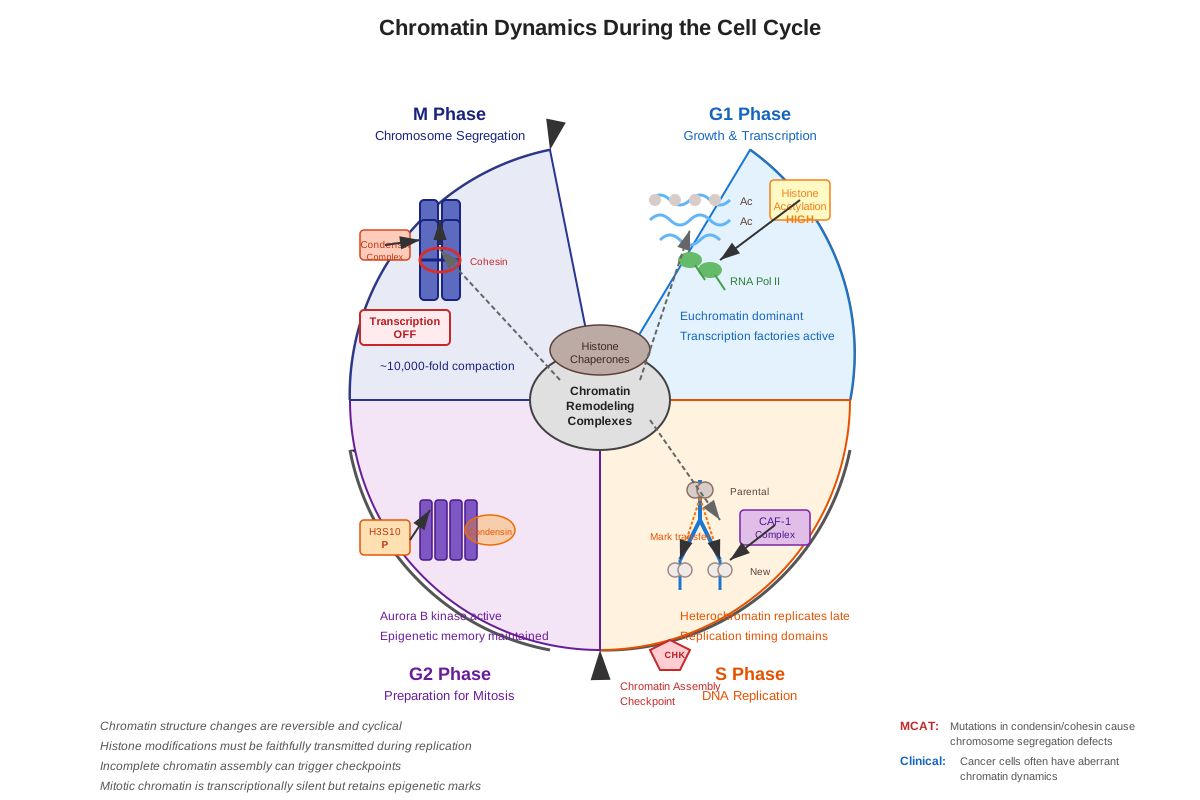
Overview
Chromatin represents one of the most elegant solutions to a fundamental biological problem: how to package approximately two meters of DNA into a nucleus that measures only 5–10 micrometers in diameter. This remarkable feat of molecular organization is not merely about compaction—chromatin structure serves as a dynamic regulatory system that controls gene expression, DNA replication, and DNA repair. Understanding chromatin Biology is essential for mastering the molecular mechanisms that govern cellular function and inheritance.
For the MCAT, chromatin represents a high-yield intersection of molecular biology, genetics, and cell biology. Questions frequently test the relationship between chromatin structure and gene regulation, the role of histone modifications in transcriptional control, and how chromatin remodeling affects cellular processes. The MCAT expects students to understand not just the structural hierarchy of chromatin organization, but also how changes in chromatin state influence biological outcomes—from development to disease.
Chromatin MCAT questions often appear within passages discussing gene expression regulation, epigenetics, cancer biology, or developmental processes. The topic connects directly to DNA replication, transcription, cell cycle regulation, and inheritance patterns. Mastery of chromatin structure and function provides the foundation for understanding how cells control which genes are expressed in different tissues, how mutations in chromatin-modifying enzymes lead to disease, and how environmental factors can influence gene expression without changing DNA sequence. This topic exemplifies the integration of structure and function that characterizes excellence in Molecular Biology and Genetics.
Learning Objectives
- [ ] Define chromatin using accurate Biology terminology
- [ ] Explain why chromatin matters for the MCAT
- [ ] Apply chromatin concepts to exam-style questions
- [ ] Identify common mistakes related to chromatin
- [ ] Connect chromatin to related Biology concepts
- [ ] Distinguish between euchromatin and heterochromatin based on structure and function
- [ ] Describe the hierarchical levels of chromatin organization from nucleosomes to chromosomes
- [ ] Explain how histone modifications and chromatin remodeling regulate gene expression
- [ ] Predict the functional consequences of changes in chromatin structure
Prerequisites
- DNA structure and organization: Understanding the double helix, base pairing, and antiparallel strands is essential because chromatin is fundamentally about DNA packaging
- Protein structure: Knowledge of primary through quaternary structure helps explain histone-DNA interactions and chromatin-modifying enzyme function
- Gene expression basics: Familiarity with transcription and the role of RNA polymerase provides context for understanding how chromatin accessibility affects gene regulation
- Cell cycle fundamentals: Understanding cell division phases is necessary because chromatin undergoes dramatic structural changes during mitosis and meiosis
- Basic genetics: Knowledge of inheritance patterns and gene function establishes why chromatin-based regulation matters for phenotype
Why This Topic Matters
Clinical and Real-World Significance
Chromatin structure and regulation have profound implications for human health and disease. Cancer frequently involves mutations in chromatin-modifying enzymes, leading to aberrant gene expression patterns that promote uncontrolled cell growth. Epigenetic modifications—changes in chromatin structure without altering DNA sequence—can be inherited across generations and explain how environmental exposures (nutrition, toxins, stress) influence disease risk. Developmental disorders often result from defects in chromatin remodeling complexes, highlighting how proper chromatin regulation is essential for normal embryonic development. Understanding chromatin has also revolutionized regenerative medicine, as researchers manipulate chromatin states to reprogram adult cells into pluripotent stem cells.
MCAT Exam Statistics
Chromatin appears in approximately 3–5% of MCAT Biology questions, with particularly high representation in passages involving gene regulation, cancer biology, and developmental processes. Questions typically test at the application and analysis levels rather than simple recall. The MCAT frequently presents experimental scenarios where students must predict how changes in chromatin structure affect gene expression or interpret data from chromatin immunoprecipitation (ChIP) experiments. Chromatin concepts also appear in interdisciplinary passages that connect molecular biology to biochemistry (histone modifications) or psychology (epigenetic effects of stress).
Common Exam Presentation Formats
The MCAT presents chromatin through several characteristic formats: (1) experimental passages describing histone modification patterns and their effects on transcription, (2) clinical vignettes involving cancer drugs that target chromatin-modifying enzymes, (3) developmental biology passages explaining how chromatin remodeling controls cell differentiation, (4) comparative passages contrasting gene expression in different cell types based on chromatin accessibility, and (5) discrete questions testing the structural hierarchy of chromatin organization or the functional differences between euchromatin and heterochromatin.
Core Concepts
Definition and Basic Structure of Chromatin
Chromatin is the complex of DNA and proteins found in eukaryotic cell nuclei that packages DNA into a compact, organized structure while regulating access to genetic information. The term derives from the Greek words for "colored material," reflecting its ability to absorb basic dyes during microscopy. Chromatin consists primarily of DNA wrapped around histone proteins, though it also contains non-histone proteins involved in DNA replication, repair, and transcription. This nucleoprotein complex serves dual functions: compacting the genome to fit within the nucleus and regulating which genes are accessible for expression.
The fundamental repeating unit of chromatin is the nucleosome, which consists of approximately 147 base pairs of DNA wrapped 1.65 turns around an octamer of histone proteins. Each histone octamer contains two copies each of histones H2A, H2B, H3, and H4. These core histones are small, positively charged proteins (rich in lysine and arginine residues) that interact electrostatically with the negatively charged DNA phosphate backbone. The DNA between nucleosomes, called linker DNA, typically spans 20–80 base pairs and is associated with histone H1, which helps stabilize higher-order chromatin structures.
Hierarchical Levels of Chromatin Organization
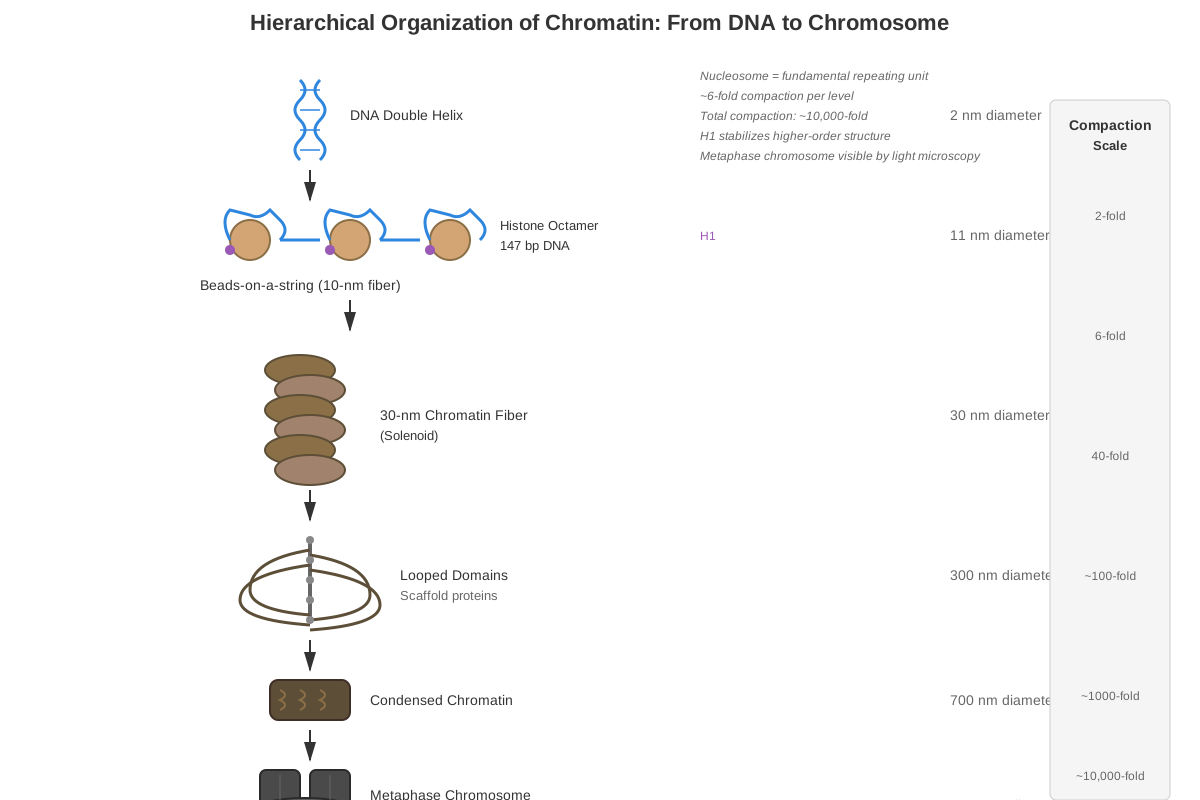
Chromatin organization follows a hierarchical pattern with increasing levels of compaction:
- 10-nm fiber (beads-on-a-string): The most basic level, where nucleosomes are connected by linker DNA, resembling beads on a string when viewed by electron microscopy. This structure achieves approximately 6-fold compaction of DNA.
- 30-nm fiber (solenoid): Nucleosomes coil into a helical structure stabilized by histone H1 and interactions between nucleosomes, achieving approximately 40-fold compaction. The exact structure of the 30-nm fiber remains debated, with evidence for both solenoid and zigzag models.
- Higher-order loops: The 30-nm fiber forms loops attached to a protein scaffold, creating loop domains of 50,000–200,000 base pairs. These loops are anchored at matrix attachment regions (MARs) or scaffold attachment regions (SARs).
- Condensed chromatin: Further compaction produces the structures visible during interphase as distinct territories within the nucleus.
- Metaphase chromosome: The maximally condensed form, achieving approximately 10,000-fold compaction, visible during cell division as distinct X-shaped structures.
Euchromatin versus Heterochromatin
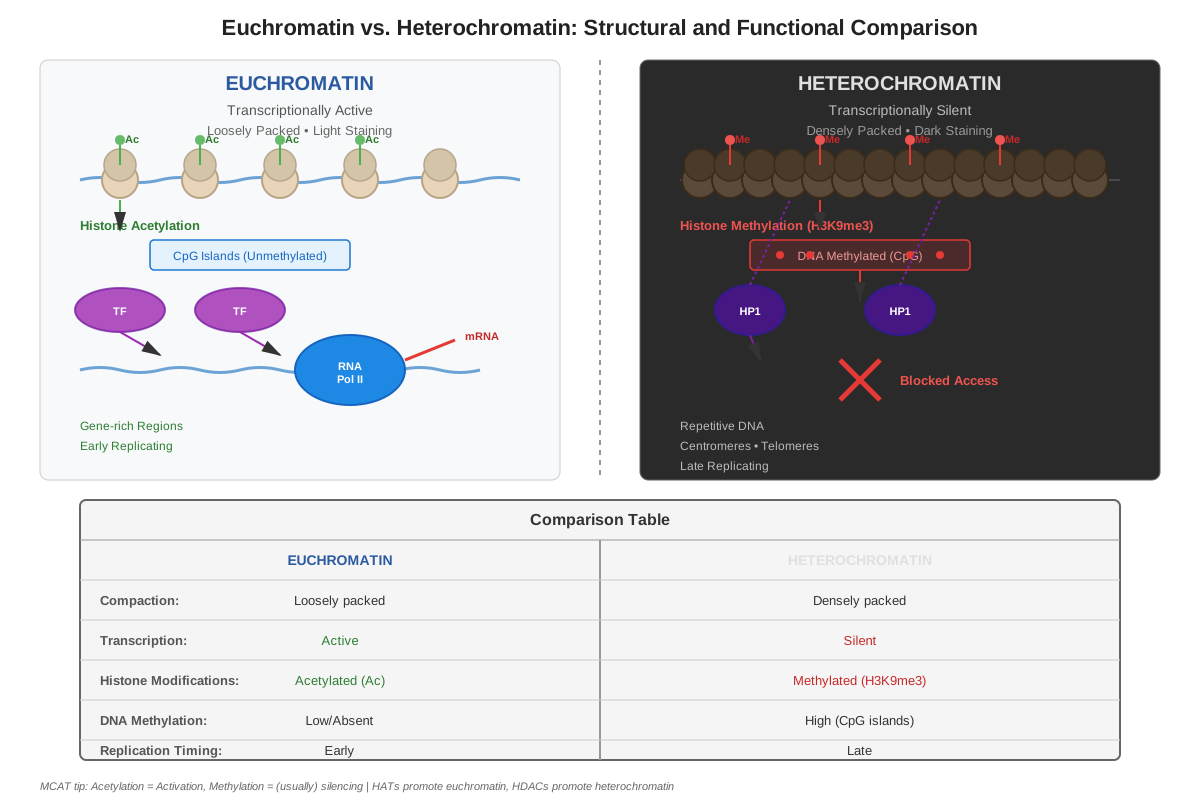
Chromatin exists in two functionally distinct states that differ in compaction level and transcriptional activity:
| Feature | Euchromatin | Heterochromatin |
|---|---|---|
| Compaction | Loosely packed | Tightly packed |
| Transcriptional activity | Transcriptionally active | Transcriptionally silent |
| Staining | Lightly staining | Darkly staining |
| Location | Interior of nucleus | Nuclear periphery and around nucleolus |
| Replication timing | Early S phase | Late S phase |
| Gene density | High | Low |
| Histone modifications | Acetylated histones | Methylated histones (H3K9me3) |
Heterochromatin further divides into two types:
- Constitutive heterochromatin: Permanently condensed regions containing repetitive DNA sequences (centromeres, telomeres) that remain inactive in all cell types
- Facultative heterochromatin: Regions that can switch between heterochromatic and euchromatic states depending on developmental stage or cell type (e.g., the inactive X chromosome in female mammals)
Histone Modifications and the Histone Code
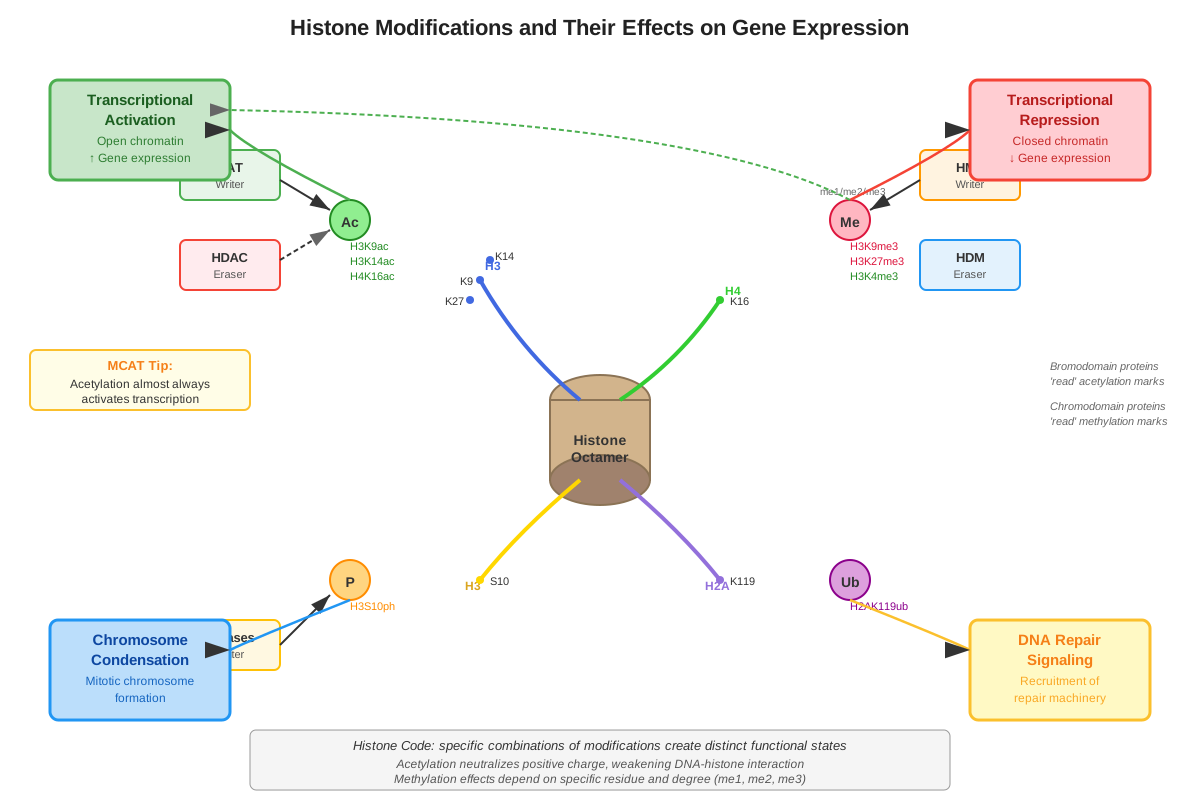
The N-terminal tails of histone proteins extend from the nucleosome core and undergo numerous post-translational modifications that regulate chromatin structure and function. These modifications constitute the histone code—a hypothesis proposing that specific combinations of histone modifications recruit particular proteins to regulate chromatin function.
Key histone modifications include:
- Acetylation: Addition of acetyl groups to lysine residues by histone acetyltransferases (HATs) neutralizes positive charges, weakening histone-DNA interactions and promoting transcription. Histone deacetylases (HDACs) remove acetyl groups, promoting chromatin compaction and transcriptional repression.
- Methylation: Addition of methyl groups to lysine or arginine residues by histone methyltransferases (HMTs) can either activate or repress transcription depending on the specific residue modified. For example, H3K4me3 (trimethylation of lysine 4 on histone H3) marks active promoters, while H3K9me3 marks heterochromatin.
- Phosphorylation: Addition of phosphate groups affects chromatin compaction during cell division and DNA damage responses.
- Ubiquitination: Addition of ubiquitin proteins influences transcription and DNA repair.
These modifications create binding sites for chromatin reader proteins containing specialized domains (bromodomains recognize acetylated lysines; chromodomains recognize methylated lysines) that recruit additional regulatory complexes.
Chromatin Remodeling Complexes
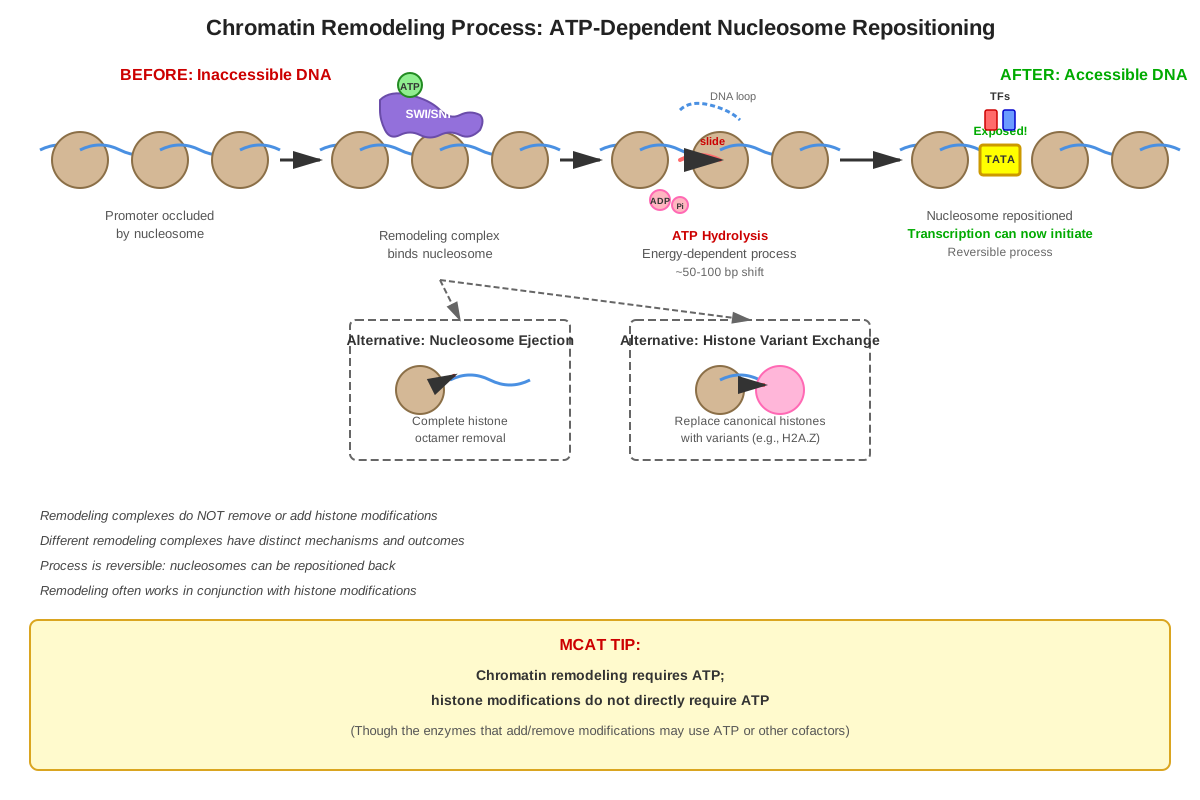
Chromatin remodeling complexes are ATP-dependent enzyme complexes that alter nucleosome positioning, composition, or structure without covalently modifying histones. These complexes use energy from ATP hydrolysis to:
- Slide nucleosomes along DNA to expose or occlude regulatory sequences
- Eject nucleosomes completely from DNA
- Replace canonical histones with histone variants (e.g., H2A.Z, H3.3)
- Restructure nucleosomes by creating DNA loops or changing DNA-histone contacts
Major families of chromatin remodeling complexes include SWI/SNF, ISWI, CHD, and INO80, each with distinct mechanisms and regulatory roles. These complexes are recruited to specific genomic locations by transcription factors and other DNA-binding proteins, allowing targeted regulation of chromatin accessibility.
Chromatin and Gene Regulation
Chromatin structure serves as a primary mechanism for regulating gene expression. Transcriptional activation requires:
- Recruitment of chromatin remodeling complexes to promoter regions
- Histone acetylation by HATs to loosen chromatin structure
- Nucleosome repositioning to expose transcription factor binding sites
- Recruitment of RNA polymerase II and transcriptional machinery
Transcriptional repression involves:
- Recruitment of HDACs to remove acetyl groups
- Histone methylation at repressive marks (H3K9me3, H3K27me3)
- Chromatin compaction into heterochromatin
- Exclusion of transcriptional machinery
This dynamic regulation allows cells to maintain stable gene expression patterns while retaining the flexibility to respond to developmental signals and environmental changes. The same DNA sequence can be expressed or silenced depending on chromatin state, explaining how different cell types with identical genomes exhibit distinct phenotypes.
Epigenetics and Chromatin
Epigenetics refers to heritable changes in gene expression that occur without alterations to DNA sequence. Chromatin modifications represent a major epigenetic mechanism, as histone modification patterns and DNA methylation (which influences chromatin structure) can be maintained through cell divisions. During DNA replication, parental histone modifications are distributed to daughter strands and serve as templates for re-establishing modification patterns. This epigenetic inheritance allows differentiated cells to maintain their identity and explains phenomena like genomic imprinting and X-chromosome inactivation.
Environmental factors can alter chromatin states, creating epigenetic changes that affect phenotype and disease risk. For example, nutritional deficiencies during development can alter DNA methylation patterns that persist into adulthood, affecting metabolic disease susceptibility. Understanding chromatin-based epigenetic mechanisms has revolutionized our understanding of inheritance, development, and disease.
Concept Relationships
The concepts within chromatin biology form an integrated regulatory network. Nucleosomes serve as the structural foundation → enabling hierarchical chromatin organization → which creates distinct euchromatin and heterochromatin domains → that are dynamically regulated by histone modifications and chromatin remodeling complexes → ultimately controlling gene expression → and establishing epigenetic inheritance patterns.
Chromatin connects to prerequisite topics through multiple pathways: DNA structure determines how it wraps around histones; protein structure explains histone-DNA interactions and enzyme function; gene expression mechanisms depend on chromatin accessibility; and cell cycle progression requires dramatic chromatin reorganization during mitosis.
Chromatin also connects forward to advanced topics: understanding chromatin is essential for comprehending transcriptional regulation, developmental biology (how cells differentiate), cancer biology (mutations in chromatin modifiers), stem cell biology (chromatin changes during reprogramming), and evolutionary biology (how chromatin structure affects mutation rates and genome evolution).
The relationship map: DNA structure → Nucleosome formation → Chromatin fiber assembly → Euchromatin/heterochromatin states ↔ Histone modifications ↔ Chromatin remodeling → Gene expression regulation → Cell differentiation → Epigenetic inheritance → Phenotypic variation and disease.
Quick check — test yourself on Chromatin so far.
Try Flashcards →High-Yield Facts
⭐ Nucleosomes consist of 147 base pairs of DNA wrapped around an octamer containing two copies each of histones H2A, H2B, H3, and H4
⭐ Euchromatin is loosely packed and transcriptionally active, while heterochromatin is tightly packed and transcriptionally silent
⭐ Histone acetylation by HATs promotes transcription by loosening chromatin structure; histone deacetylation by HDACs promotes repression
⭐ H3K4me3 marks active promoters, while H3K9me3 and H3K27me3 mark repressed heterochromatin
⭐ Chromatin remodeling complexes use ATP to alter nucleosome positioning without covalently modifying histones
- Histone H1 binds linker DNA and stabilizes higher-order chromatin structures
- The 30-nm fiber represents the second level of chromatin organization, achieving approximately 40-fold DNA compaction
- Constitutive heterochromatin remains permanently condensed (centromeres, telomeres), while facultative heterochromatin can switch states (inactive X chromosome)
- Chromatin modifications can be inherited through cell divisions, representing a major epigenetic mechanism
- Metaphase chromosomes represent maximally condensed chromatin, achieving approximately 10,000-fold compaction
- Bromodomains recognize acetylated lysines, while chromodomains recognize methylated lysines, allowing reader proteins to interpret the histone code
- Matrix attachment regions (MARs) anchor chromatin loops to the nuclear scaffold, organizing the genome into functional domains
Common Misconceptions
Misconception: Chromatin is simply a passive packaging system for DNA.
Correction: Chromatin is a dynamic regulatory system that actively controls gene expression, DNA replication, and DNA repair. Changes in chromatin structure directly influence which genes are expressed and when.
Misconception: All histone methylation represses transcription.
Correction: Histone methylation can either activate or repress transcription depending on which specific residue is modified. H3K4me3 activates transcription, while H3K9me3 and H3K27me3 repress it. The position and degree of methylation determine the functional outcome.
Misconception: Euchromatin and heterochromatin are permanently fixed states.
Correction: While constitutive heterochromatin remains permanently condensed, facultative heterochromatin can transition between condensed and relaxed states in response to developmental signals or environmental changes. Even euchromatin regions can become temporarily more condensed during specific regulatory events.
Misconception: Histone modifications and chromatin remodeling are the same process.
Correction: Histone modifications involve covalent chemical changes to histone proteins (acetylation, methylation, phosphorylation), while chromatin remodeling involves ATP-dependent physical repositioning of nucleosomes. Both processes regulate chromatin accessibility but through distinct mechanisms.
Misconception: Chromatin structure is identical in all cell types since all cells contain the same DNA.
Correction: Different cell types exhibit dramatically different chromatin landscapes. Genes required for liver function are in euchromatin in liver cells but heterochromatin in neurons. These cell-type-specific chromatin patterns explain how identical genomes produce diverse phenotypes.
Misconception: Epigenetic changes are always reversible.
Correction: While some epigenetic modifications can be reversed, others become stably maintained through many cell divisions and can even be transmitted across generations. The stability of epigenetic changes varies depending on the specific modification and cellular context.
Worked Examples
Example 1: Predicting Effects of Histone Modifications
Question: Researchers treat cells with a drug that inhibits histone deacetylases (HDACs). They then measure expression of Gene X, which is normally expressed at low levels. What effect would you predict on Gene X expression, and why?
Solution:
Step 1: Identify what HDACs normally do
HDACs remove acetyl groups from histone tails, which increases positive charge on histones, strengthening histone-DNA interactions and promoting chromatin compaction. This typically leads to transcriptional repression.
Step 2: Determine the effect of HDAC inhibition
If HDACs are inhibited, acetyl groups will remain on histone tails. This maintains reduced positive charge on histones, weakening histone-DNA interactions and keeping chromatin in a more relaxed, open state.
Step 3: Connect chromatin state to transcription
Relaxed, open chromatin (euchromatin) is more accessible to transcription factors and RNA polymerase II, promoting transcription.
Step 4: Predict the outcome
Gene X expression would increase. The HDAC inhibitor prevents removal of acetyl groups, maintaining chromatin in an open, transcriptionally permissive state. This allows increased access of transcriptional machinery to Gene X, resulting in elevated expression.
Connection to learning objectives: This example demonstrates application of chromatin concepts to predict experimental outcomes, connecting histone modifications to gene expression regulation—a common MCAT question format.
Example 2: Analyzing Chromatin States in Development
Question: During embryonic development, a muscle-specific gene (MyoD) transitions from heterochromatin to euchromatin in cells destined to become muscle but remains heterochromatic in cells becoming neurons. A researcher performs chromatin immunoprecipitation (ChIP) using antibodies against H3K9me3 and H3K4me3 at the MyoD promoter in both cell types. Predict the results and explain the mechanism.
Solution:
Step 1: Recall the functional significance of each histone mark
- H3K9me3: A repressive mark associated with heterochromatin and transcriptional silencing
- H3K4me3: An activating mark associated with euchromatin and active promoters
Step 2: Predict results in developing muscle cells
In cells becoming muscle, MyoD must be expressed, so its promoter should be in euchromatin. ChIP would show:
- High enrichment of H3K4me3 (active mark)
- Low or absent H3K9me3 (repressive mark)
Step 3: Predict results in developing neurons
In cells becoming neurons, MyoD should remain silenced in heterochromatin. ChIP would show:
- High enrichment of H3K9me3 (repressive mark)
- Low or absent H3K4me3 (active mark)
Step 4: Explain the mechanism
During development, cell-type-specific transcription factors recruit chromatin-modifying enzymes to specific genes. In muscle precursors, activating factors recruit histone methyltransferases that add H3K4me3 and histone acetyltransferases that acetylate histones, creating open chromatin at MyoD. In neural precursors, repressive factors recruit enzymes that add H3K9me3 and remove acetyl groups, maintaining closed chromatin at MyoD. These chromatin states are then maintained through subsequent cell divisions, ensuring stable cell identity.
Connection to learning objectives: This example integrates multiple chromatin concepts (euchromatin/heterochromatin, histone modifications, gene regulation) and demonstrates how to interpret experimental data—skills frequently tested on the MCAT.
Exam Strategy
Approaching MCAT Chromatin Questions
When encountering chromatin questions, follow this systematic approach:
- Identify the chromatin state: Determine whether the question involves euchromatin (open, active) or heterochromatin (closed, silent)
- Recognize the modification or process: Identify whether the question involves histone modifications, chromatin remodeling, or structural organization
- Predict the functional consequence: Connect the structural change to its effect on gene expression, DNA replication, or other processes
- Consider the cellular context: Remember that chromatin states are cell-type-specific and developmentally regulated
Trigger Words and Phrases
Watch for these high-yield terms that signal chromatin-related questions:
- "Histone acetylation/deacetylation" → Think about HATs/HDACs and transcriptional activation/repression
- "Chromatin remodeling" → Consider ATP-dependent nucleosome repositioning
- "Epigenetic" → Focus on heritable changes in gene expression without DNA sequence changes
- "Heterochromatin/euchromatin" → Distinguish between transcriptionally silent and active regions
- "Nucleosome positioning" → Think about accessibility of DNA to regulatory proteins
- "X-inactivation" or "genomic imprinting" → Examples of facultative heterochromatin and epigenetic regulation
Process-of-Elimination Tips
When evaluating answer choices:
- Eliminate answers that confuse cause and effect: Histone acetylation causes transcriptional activation, not vice versa
- Reject answers that misidentify modification effects: Not all methylation is repressive; check the specific residue
- Eliminate answers that ignore cell-type specificity: Chromatin states vary between cell types even with identical DNA
- Reject answers that treat chromatin as static: Chromatin is dynamic and responds to signals
- Eliminate answers that confuse histone modifications with chromatin remodeling: These are distinct processes with different mechanisms
Time Allocation
For discrete chromatin questions, spend 60–90 seconds identifying the key concept and selecting the answer. For passage-based questions, allocate 2–3 minutes to understand the experimental setup, then 60–90 seconds per question. If a question requires integrating multiple chromatin concepts, invest the extra time—these questions often test higher-order thinking and are worth the investment.
Memory Techniques
Mnemonics
"HATs Are Transcriptionally Active": Remember that Histone Acetyltransferases (HATs) promote transcriptional activation by loosening chromatin structure.
"HDACs Decrease Access to Chromatin": Histone Deacetylases (HDACs) remove acetyl groups, tightening chromatin and decreasing transcriptional access.
"K4 = For transcription": H3K4me3 (lysine 4 methylation) marks active promoters—the "4" reminds you this is "for" transcription.
"K9 = Nein (no)": H3K9me3 (lysine 9 methylation) marks repressed heterochromatin—"9" sounds like "nein" (German for "no"), indicating no transcription.
"Eu = True (expression)": Euchromatin allows true gene expression (loosely packed, transcriptionally active).
"Hetero = Hero (silent)": Heterochromatin is the silent hero that keeps repetitive DNA quiet (tightly packed, transcriptionally silent).
Visualization Strategies
The Beads-on-a-String Model: Visualize nucleosomes as beads (histone octamers) with DNA thread wrapped around them. When acetyl groups are added (acetylation), imagine the beads becoming slippery and loose, allowing the thread to slide more easily. When acetyl groups are removed (deacetylation), the beads grip tightly, restricting movement.
The Chromatin Accessibility Door: Picture euchromatin as an open door that transcription factors can easily walk through, and heterochromatin as a locked door that blocks entry. Histone modifications and chromatin remodeling are the keys that open or lock the door.
The Hierarchical Ladder: Visualize chromatin organization as climbing a ladder: DNA double helix (ground level) → nucleosomes (first rung) → 30-nm fiber (second rung) → looped domains (third rung) → condensed chromatin (fourth rung) → metaphase chromosome (top rung). Each level represents increasing compaction.
Summary
Chromatin represents the dynamic nucleoprotein complex that packages eukaryotic DNA while regulating access to genetic information. The fundamental unit, the nucleosome, consists of DNA wrapped around histone octamers, forming a hierarchical structure from the 10-nm fiber through increasingly condensed states culminating in metaphase chromosomes. Chromatin exists in two functional states: transcriptionally active euchromatin (loosely packed) and transcriptionally silent heterochromatin (tightly packed). Gene expression is regulated through histone modifications—particularly acetylation (activating) and methylation (context-dependent)—and ATP-dependent chromatin remodeling that repositions nucleosomes. These modifications constitute an epigenetic code that can be inherited through cell divisions, explaining how cells with identical genomes exhibit different phenotypes. For the MCAT, understanding chromatin requires integrating structural knowledge with functional consequences, recognizing that chromatin state determines gene expression patterns, and applying these concepts to predict experimental outcomes and interpret clinical scenarios involving development, cancer, and epigenetic inheritance.
Key Takeaways
- Chromatin is a dynamic regulatory system, not merely a passive packaging mechanism, controlling gene expression through structural changes
- Nucleosomes (147 bp DNA around histone octamers) form the basic repeating unit that organizes into hierarchical levels of increasing compaction
- Euchromatin (open, active) and heterochromatin (closed, silent) represent functionally distinct chromatin states with different transcriptional activities
- Histone acetylation by HATs activates transcription by loosening chromatin; deacetylation by HDACs represses transcription by tightening chromatin
- Specific histone modifications (H3K4me3 activating, H3K9me3/H3K27me3 repressing) create a "histone code" that recruits regulatory proteins
- Chromatin remodeling complexes use ATP to physically reposition nucleosomes, altering DNA accessibility without covalent histone modifications
- Chromatin-based epigenetic mechanisms allow heritable changes in gene expression without DNA sequence alterations, explaining cell differentiation and environmental effects on phenotype
Related Topics
DNA Methylation: Chemical modification of cytosine bases that works in concert with chromatin modifications to regulate gene expression; mastering chromatin provides the foundation for understanding how DNA methylation and histone modifications cooperate in epigenetic regulation.
Transcriptional Regulation: The mechanisms controlling gene expression depend fundamentally on chromatin accessibility; understanding chromatin enables deeper comprehension of how transcription factors, enhancers, and promoters function.
Cell Differentiation and Development: The process by which cells with identical genomes acquire distinct phenotypes relies on establishing cell-type-specific chromatin landscapes; chromatin knowledge is essential for understanding developmental biology.
Cancer Biology: Many cancers involve mutations in chromatin-modifying enzymes or aberrant chromatin states; understanding chromatin mechanisms illuminates how cancer develops and how epigenetic therapies work.
X-Chromosome Inactivation: A classic example of facultative heterochromatin formation that demonstrates chromatin-based gene regulation at the chromosomal level; builds directly on chromatin concepts.
Practice CTA
Now that you've mastered the core concepts of chromatin structure and function, it's time to reinforce your understanding through active practice. Challenge yourself with MCAT-style practice questions that test your ability to apply chromatin concepts to experimental scenarios, clinical vignettes, and data interpretation. Use flashcards to drill high-yield facts about histone modifications, chromatin states, and regulatory mechanisms until they become automatic. Remember: understanding chromatin provides a powerful framework for tackling questions across molecular biology, genetics, and cell biology. The investment you make in mastering this topic will pay dividends throughout your MCAT preparation and beyond. You've got this!
Sign up free to keep reading
Create a free AnvayaPrep account to finish this MCAT guide on Chromatin — plus flashcards and practice questions.