Overview
DNA sequencing is a fundamental molecular biology technique that determines the precise order of nucleotides (adenine, guanine, cytosine, and thymine) within a DNA molecule. This technology has revolutionized biological research, medical diagnostics, and personalized medicine, making it an essential topic for MCAT preparation. Understanding DNA sequencing requires integration of knowledge about DNA structure, replication mechanisms, and molecular biology techniques—all high-yield areas for the exam.
For the MCAT, DNA sequencing appears frequently in both passage-based and discrete questions within the Biological and Biochemical Foundations of Living Systems section. Questions may test understanding of sequencing methodology, interpretation of sequencing data, or application of sequencing results to genetic analysis, evolutionary biology, or clinical scenarios. The topic bridges multiple disciplines including Molecular Biology and Genetics, biochemistry, and even analytical reasoning, making it a particularly valuable area for score improvement.
The significance of DNA sequencing extends beyond memorizing a protocol. Students must understand the underlying biochemical principles, recognize how sequencing data connects to gene expression and protein synthesis, and apply this knowledge to experimental design questions. Mastery of this topic provides a foundation for understanding modern genomics, genetic testing, mutation analysis, and evolutionary relationships—all concepts that appear regularly on the MCAT in various contexts.
Learning Objectives
- [ ] Define DNA sequencing using accurate Biology terminology
- [ ] Explain why DNA sequencing matters for the MCAT
- [ ] Apply DNA sequencing to exam-style questions
- [ ] Identify common mistakes related to DNA sequencing
- [ ] Connect DNA sequencing to related Biology concepts
- [ ] Describe the biochemical mechanism of Sanger sequencing in detail
- [ ] Compare and contrast different DNA sequencing methodologies
- [ ] Interpret sequencing chromatograms and identify mutations from sequence data
- [ ] Analyze experimental scenarios involving DNA sequencing applications
Prerequisites
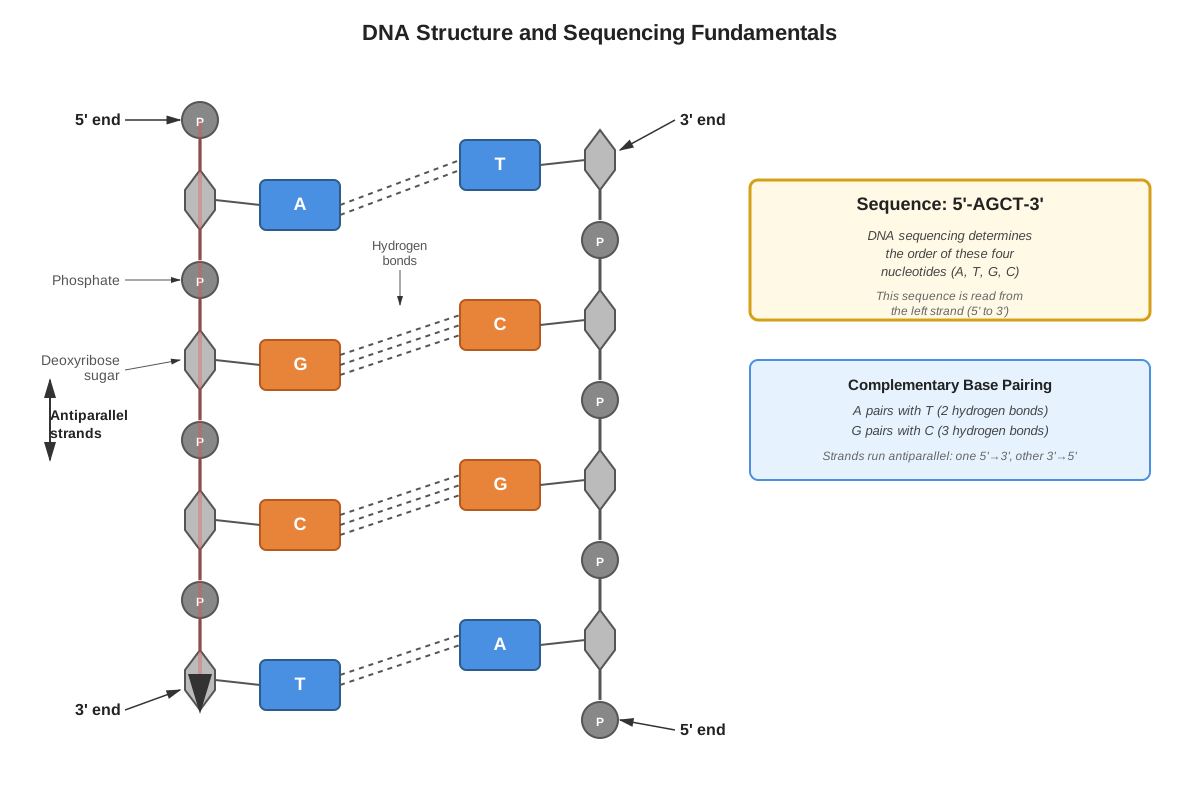
- DNA structure and base pairing rules: Understanding the double helix, complementary base pairing (A-T, G-C), and antiparallel orientation is essential for comprehending how sequencing reads DNA information
- DNA replication mechanisms: Knowledge of DNA polymerase function, primer requirements, and 5' to 3' synthesis direction underlies the biochemical basis of sequencing reactions
- PCR (Polymerase Chain Reaction): Familiarity with amplification techniques is necessary since many sequencing protocols require DNA amplification as a preparatory step
- Basic molecular biology techniques: Understanding gel electrophoresis, fluorescence detection, and fragment separation provides context for how sequencing data is generated and visualized
- Central Dogma: Knowledge of DNA → RNA → Protein flow explains why determining DNA sequence is valuable for predicting gene products and protein function
Why This Topic Matters
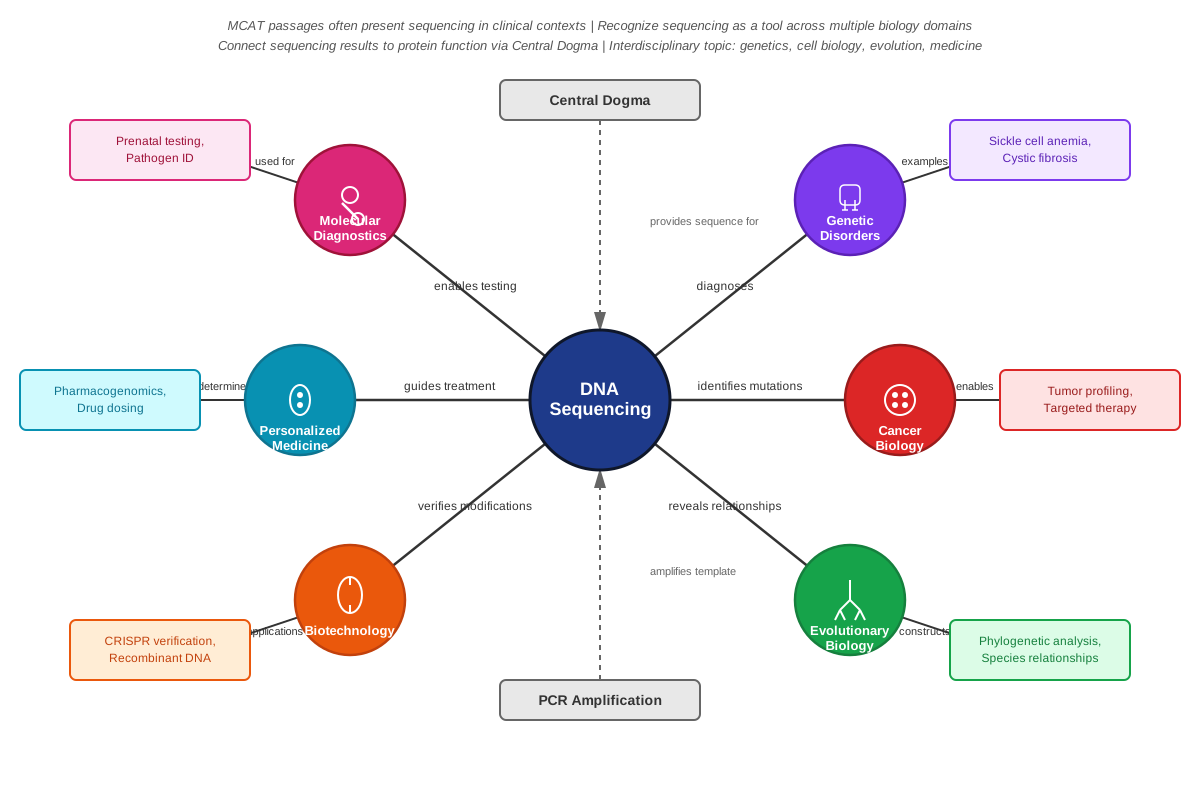
DNA sequencing has transformed medicine and biological research in ways that directly impact clinical practice. Physicians now use sequencing to diagnose genetic disorders, identify cancer mutations for targeted therapy, track infectious disease outbreaks, and provide personalized treatment recommendations based on individual genetic profiles. Prenatal genetic screening, pharmacogenomics (tailoring drug selection to genetic makeup), and identification of inherited disease risk all depend on sequencing technology. The MCAT frequently presents clinical vignettes where sequencing data reveals a mutation causing disease, requiring students to interpret the genetic and biochemical consequences.
From an exam perspective, DNA sequencing MCAT questions appear in approximately 3-5% of Biological Sciences passages, with the topic serving as a foundation for understanding experimental design in molecular biology research. Questions may present sequencing chromatograms requiring interpretation, describe novel sequencing applications, or ask students to predict experimental outcomes. The topic commonly appears in passages about genetic disorders, evolutionary biology, cancer genetics, and biotechnology applications. Understanding sequencing methodology also enables students to critically evaluate research described in passages, a key MCAT skill.
The MCAT particularly favors questions that integrate DNA sequencing with other concepts: comparing wild-type and mutant sequences, using sequencing to confirm PCR products, analyzing restriction fragment patterns, or determining evolutionary relationships through sequence homology. Students who master this topic gain an advantage in passage-based questions requiring experimental analysis and data interpretation—skills that distinguish high-scoring test-takers.
Core Concepts
Definition and Purpose of DNA Sequencing
DNA sequencing is the process of determining the exact nucleotide order in a DNA molecule. This technique reveals the genetic information encoded in DNA, allowing researchers and clinicians to identify genes, detect mutations, compare sequences between organisms, and understand genetic variation. The fundamental goal is to read the sequence of bases (A, T, G, C) from the 5' end to the 3' end of a DNA strand, producing a readable output that represents the genetic code.
Sequencing serves multiple purposes in Biology: identifying disease-causing mutations, determining evolutionary relationships through sequence comparison, confirming the identity of cloned genes, detecting pathogens, and enabling genome-wide association studies that link genetic variants to traits or diseases. For the MCAT, understanding both the technical process and the applications of sequencing is crucial.
Sanger Sequencing (Chain Termination Method)
Sanger sequencing, also called the chain termination method or dideoxy sequencing, was the first widely adopted DNA sequencing technique and remains conceptually important for the MCAT. Developed by Frederick Sanger in 1977, this method uses modified nucleotides to create DNA fragments of varying lengths that terminate at each position in the sequence.
Biochemical Mechanism
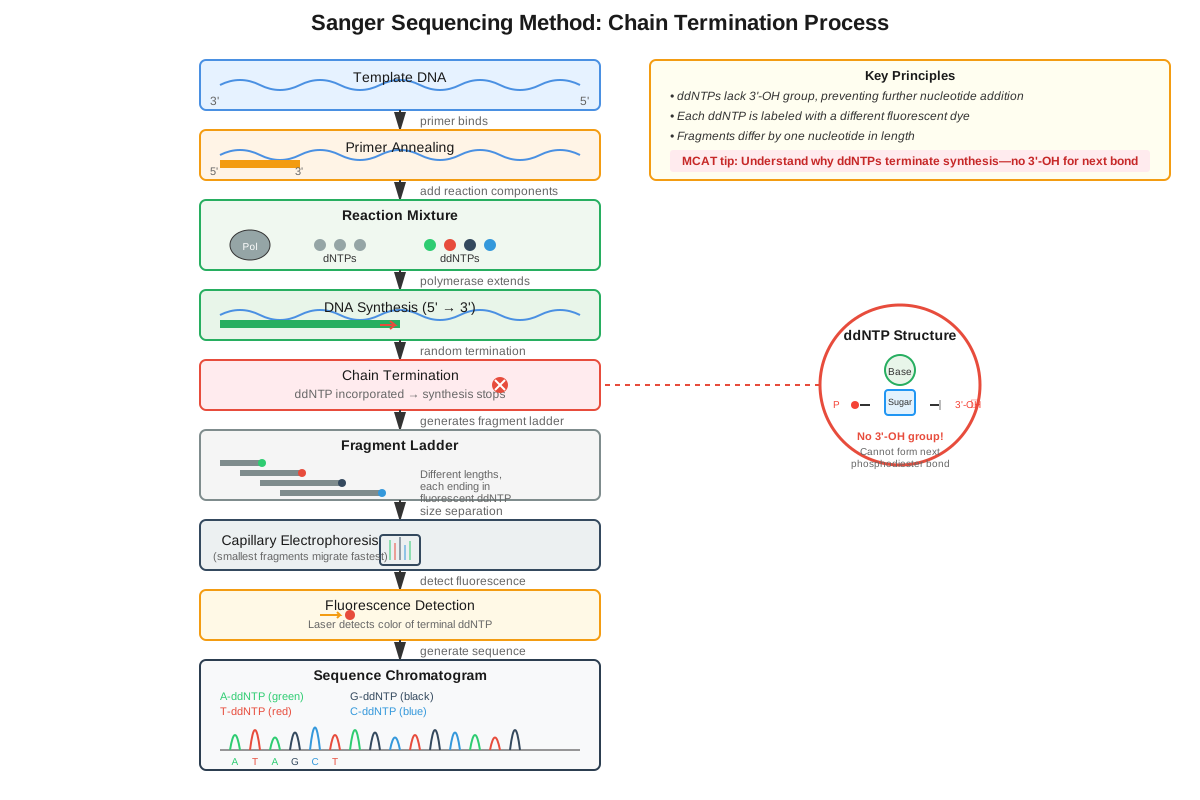
The Sanger method exploits the chemistry of DNA synthesis. The reaction requires:
- Template DNA: The DNA strand to be sequenced
- Primer: A short oligonucleotide that binds to the template and provides a 3'-OH group for DNA polymerase to extend
- DNA polymerase: An enzyme that synthesizes new DNA complementary to the template
- Normal deoxynucleotides (dNTPs): dATP, dTTP, dGTP, dCTP—the building blocks of DNA
- Dideoxynucleotides (ddNTPs): Modified nucleotides (ddATP, ddTTP, ddGTP, ddCTP) that lack a 3'-OH group
The critical innovation is the dideoxynucleotide (ddNTP). These modified nucleotides can be incorporated into growing DNA chains by DNA polymerase, but because they lack the 3'-OH group necessary for forming the next phosphodiester bond, DNA synthesis terminates when a ddNTP is added. By including a small proportion of ddNTPs alongside normal dNTPs in the reaction, DNA synthesis randomly terminates at every position where that particular base occurs.
The Sequencing Reaction Process
In modern Sanger sequencing, all four ddNTPs (each labeled with a different fluorescent dye) are included in a single reaction tube along with normal dNTPs. As DNA polymerase synthesizes new strands complementary to the template, it occasionally incorporates a ddNTP instead of a normal dNTP, causing chain termination. This creates a population of DNA fragments of different lengths, each ending at a specific nucleotide position.
For example, if sequencing the template 3'-TACGAT-5', the complementary strand being synthesized is 5'-ATGCTA-3'. Fragments would terminate at each position:
- A (position 1)
- AT (position 2)
- ATG (position 3)
- ATGC (position 4)
- ATGCT (position 5)
- ATGCTA (position 6)
Fragment Separation and Detection
The mixture of terminated fragments is separated by capillary electrophoresis, which sorts DNA fragments by size with single-nucleotide resolution. Smaller fragments migrate faster than larger ones. As fragments pass a detector, the fluorescent dye on the terminal ddNTP is excited by a laser, and the emitted light identifies which base terminated that fragment. The detector records the sequence of colors (corresponding to A, T, G, or C) as fragments of increasing size pass by, directly revealing the DNA sequence.
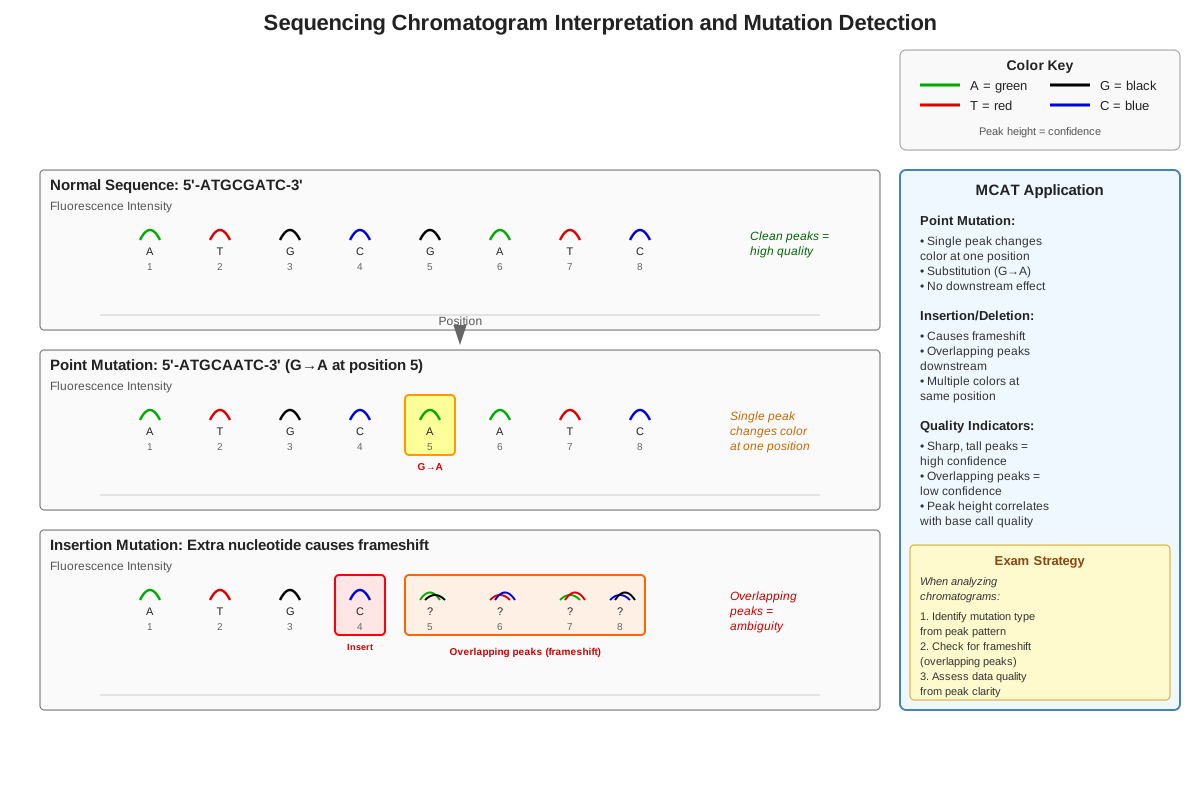
The output is a chromatogram or electropherogram—a graph showing fluorescent peaks of different colors at sequential positions. Each peak represents one nucleotide in the sequence, with peak height indicating signal strength and peak clarity indicating sequencing quality.
Next-Generation Sequencing (NGS)
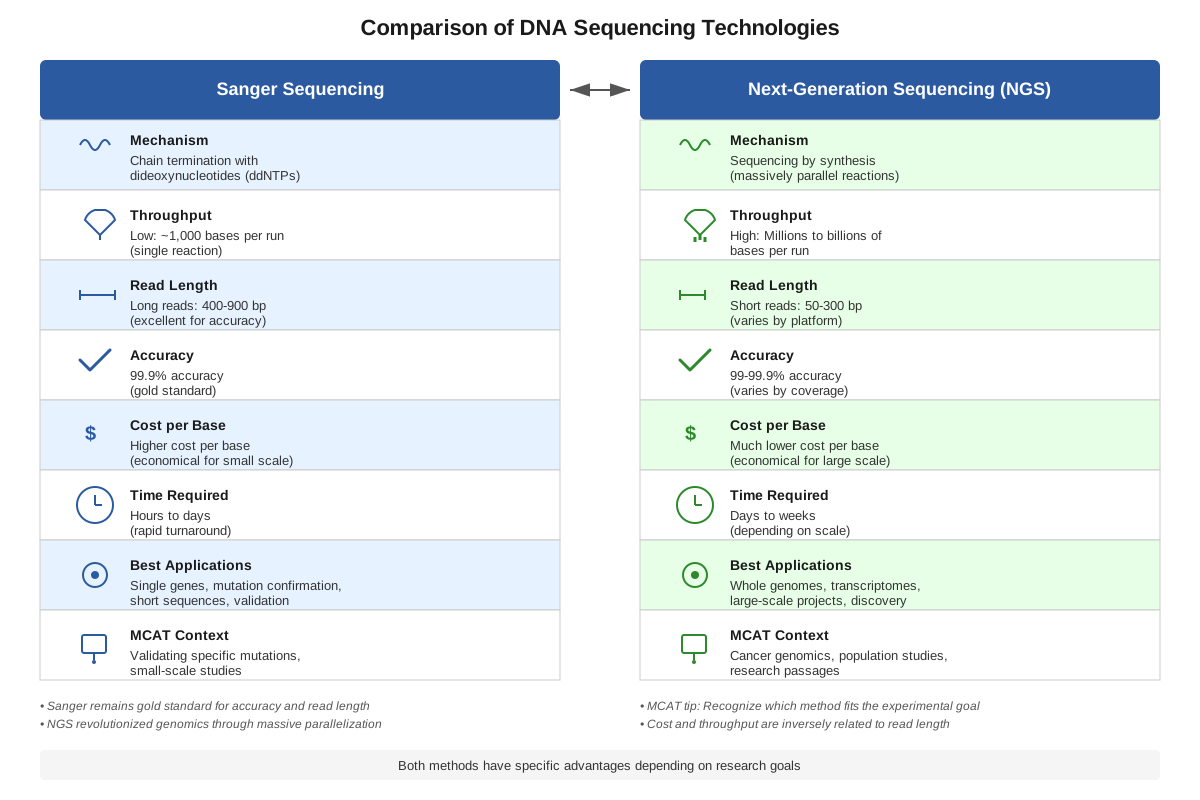
Next-generation sequencing (also called high-throughput sequencing or massively parallel sequencing) represents newer technologies that can sequence millions of DNA fragments simultaneously, dramatically reducing cost and time compared to Sanger sequencing. While the MCAT focuses primarily on Sanger sequencing for detailed mechanism questions, understanding NGS concepts is valuable for passage-based questions about modern genomics research.
NGS methods share common features:
- Library preparation: DNA is fragmented and adapters are attached to fragments
- Amplification: Fragments are amplified (often on a solid surface or in droplets)
- Sequencing by synthesis: Nucleotide incorporation is detected in real-time for millions of fragments simultaneously
- Computational analysis: Massive amounts of sequence data are assembled and analyzed using bioinformatics
The key advantage of NGS is parallelization—sequencing many DNA molecules at once rather than one at a time. This enables whole-genome sequencing, RNA sequencing (transcriptomics), and identification of rare mutations in heterogeneous samples like tumors.
Applications of DNA Sequencing
| Application | Description | MCAT Relevance |
|---|---|---|
| Mutation detection | Identifying changes in DNA sequence that cause genetic diseases | High—frequently appears in clinical vignettes |
| Genetic diagnosis | Confirming suspected genetic disorders through sequence analysis | High—connects to medical genetics |
| Evolutionary analysis | Comparing sequences between species to determine relationships | Medium—appears in evolution passages |
| Gene identification | Determining the sequence of newly discovered genes | Medium—relevant to molecular biology research |
| Pharmacogenomics | Identifying genetic variants affecting drug metabolism | Medium—connects to personalized medicine |
| Cancer genomics | Detecting somatic mutations in tumors to guide treatment | High—increasingly common in MCAT passages |
| Pathogen identification | Sequencing microbial DNA to identify infectious agents | Medium—relevant to microbiology |
Reading and Interpreting Sequence Data
For the MCAT, students must be able to interpret sequencing results presented as:
Chromatograms: Graphs showing overlapping colored peaks representing each nucleotide. Clean, well-separated peaks indicate high-quality sequence data. Overlapping peaks may indicate heterozygosity (two different alleles), contamination, or poor sequencing quality.
Text sequences: Written as strings of letters (e.g., 5'-ATGCGATCG-3'). Students should recognize that:
- Sequences are conventionally written 5' to 3' unless otherwise specified
- The complementary strand runs antiparallel (3' to 5')
- Mutations appear as differences when comparing sequences
Sequence alignments: Comparisons between multiple sequences showing conserved (identical) regions and variable regions. Gaps may be inserted to maximize alignment, representing insertions or deletions (indels).
Types of Mutations Detected by Sequencing
Point mutations (single nucleotide changes):
- Silent mutations: Change the codon but not the amino acid (due to genetic code degeneracy)
- Missense mutations: Change the codon and the amino acid
- Nonsense mutations: Change a codon to a stop codon, truncating the protein
Insertions and deletions (indels): Addition or removal of nucleotides, potentially causing frameshift mutations if not in multiples of three
Copy number variations: Duplications or deletions of larger DNA segments (better detected by specialized sequencing approaches)
Concept Relationships
DNA sequencing builds directly on fundamental concepts of DNA structure and DNA replication. The antiparallel nature of DNA strands and complementary base pairing rules determine how sequencing reactions proceed and how sequence data is interpreted. Understanding that DNA polymerase synthesizes in the 5' to 3' direction and requires a primer explains why sequencing reactions need these components.
The relationship flows: DNA structure → DNA replication mechanisms → DNA sequencing methodology → Applications in genetics and medicine
Sequencing connects to PCR because DNA samples often require amplification before sequencing. The relationship is bidirectional: PCR products can be sequenced to confirm their identity, and sequencing data can inform primer design for PCR experiments.
Molecular Biology and Genetics concepts like mutation types, genetic code, and gene expression all depend on DNA sequence information. Sequencing provides the raw data that enables understanding of how genetic variation affects phenotype: DNA sequence → RNA sequence (through transcription) → Protein sequence (through translation) → Protein function → Phenotype
Sequencing also connects to evolutionary biology through phylogenetic analysis: comparing DNA sequences between organisms reveals evolutionary relationships. Greater sequence similarity indicates more recent common ancestry. This connects to concepts of molecular clocks and speciation.
In clinical contexts, sequencing links to genetic counseling, prenatal diagnosis, and precision medicine. The pathway is: Patient symptoms → Genetic testing/sequencing → Mutation identification → Diagnosis → Treatment decisions or Risk assessment
Quick check — test yourself on DNA sequencing so far.
Try Flashcards →High-Yield Facts
⭐ Sanger sequencing uses dideoxynucleotides (ddNTPs) that lack a 3'-OH group, causing chain termination when incorporated into growing DNA strands
⭐ DNA sequencing reads the sequence in the 5' to 3' direction of the newly synthesized strand, which is complementary and antiparallel to the template strand
⭐ Sequencing requires a primer to initiate DNA synthesis, just like normal DNA replication
⭐ In modern Sanger sequencing, each of the four ddNTPs is labeled with a different fluorescent dye, allowing all four bases to be detected in a single reaction
⭐ Capillary electrophoresis separates DNA fragments by size with single-nucleotide resolution, with smaller fragments migrating faster than larger ones
- DNA polymerase used in sequencing cannot distinguish between dNTPs and ddNTPs during incorporation, leading to random termination events
- The ratio of ddNTPs to dNTPs in the sequencing reaction is kept low (approximately 1:100) to ensure fragments of all possible lengths are generated
- Sequencing chromatograms show peaks corresponding to each nucleotide; overlapping peaks may indicate heterozygosity or sequencing errors
- Next-generation sequencing can sequence millions of DNA fragments simultaneously, enabling whole-genome sequencing at much lower cost than Sanger sequencing
- DNA sequencing is used clinically to diagnose genetic disorders, identify cancer mutations, guide drug selection (pharmacogenomics), and track infectious disease outbreaks
- Comparing DNA sequences between organisms allows construction of phylogenetic trees showing evolutionary relationships
- Mutations detected by sequencing include point mutations (silent, missense, nonsense), insertions, deletions, and larger structural variants
- The genetic code's degeneracy means not all DNA sequence changes result in amino acid changes (silent mutations)
Common Misconceptions
Misconception: DNA sequencing directly reads the template strand sequence → Correction: Sequencing synthesizes a new strand complementary to the template and reads the newly synthesized strand. To determine the template sequence, you must apply base-pairing rules to the complementary strand that was sequenced.
Misconception: Dideoxynucleotides prevent DNA polymerase from binding to DNA → Correction: ddNTPs are incorporated by DNA polymerase just like normal dNTPs. The termination occurs because the incorporated ddNTP lacks a 3'-OH group needed to form the next phosphodiester bond, preventing further extension.
Misconception: All DNA fragments in a sequencing reaction terminate at the same position → Correction: Termination occurs randomly at every position where a particular base appears, creating a nested set of fragments of all possible lengths. This randomness is essential for determining the complete sequence.
Misconception: Larger DNA fragments migrate faster in electrophoresis during sequencing → Correction: Smaller fragments migrate faster through the gel or capillary, reaching the detector first. This is why the sequence is read from smallest to largest fragment, corresponding to positions closest to the primer moving outward.
Misconception: A single peak in a sequencing chromatogram always represents a homozygous genotype → Correction: While a single clean peak typically indicates homozygosity, it could also represent hemizygosity (X-linked genes in males), mitochondrial DNA (which doesn't follow Mendelian inheritance), or sequencing of a PCR product from a single allele.
Misconception: DNA sequencing can only detect point mutations → Correction: While sequencing excels at detecting single nucleotide changes, it can also identify insertions, deletions, and with appropriate analysis methods, larger structural variants. However, some structural changes (like large duplications or inversions) may require specialized techniques.
Misconception: Next-generation sequencing has completely replaced Sanger sequencing → Correction: Sanger sequencing remains the gold standard for confirming specific mutations, sequencing individual genes, and validating NGS results because of its high accuracy for single reads and lower cost for small-scale projects.
Worked Examples
Example 1: Interpreting a Sanger Sequencing Reaction
Question: A researcher performs Sanger sequencing on a DNA template with the sequence 3'-TACGCATG-5'. The primer binds to the left side of the template. What will be the sequence of the shortest and longest DNA fragments generated in the sequencing reaction?
Solution:
Step 1: Identify the template strand orientation and primer binding.
- Template: 3'-TACGCATG-5'
- The primer binds to the 3' end region and provides a starting point for synthesis in the 5' to 3' direction
Step 2: Determine the complementary strand being synthesized.
- DNA polymerase synthesizes complementary to the template
- Template: 3'-TACGCATG-5'
- Synthesized: 5'-ATGCGTAC-3'
Step 3: Identify termination events.
- The shortest fragment terminates after incorporating the first nucleotide: 5'-A-3' (terminated by ddATP)
- The longest fragment terminates after incorporating all nucleotides: 5'-ATGCGTAC-3' (terminated by ddCTP at the final position)
Step 4: Verify the logic.
- Each fragment ends with a ddNTP corresponding to the base at that position
- Fragments of all intermediate lengths would also be generated (AT, ATG, ATGC, ATGCG, ATGCGT, ATGCGTA)
Answer: The shortest fragment is 5'-A-3' and the longest fragment is 5'-ATGCGTAC-3'.
Connection to learning objectives: This example demonstrates understanding of the complementary nature of DNA synthesis, the 5' to 3' directionality, and the mechanism of chain termination in Sanger sequencing.
Example 2: Clinical Application of Sequencing Data
Question: A patient with suspected sickle cell disease undergoes DNA sequencing of the β-globin gene. The normal sequence at codon 6 is 5'-GAG-3' (coding for glutamic acid). The patient's sequence shows 5'-GTG-3' at this position.
(a) What type of mutation is this?
(b) What amino acid does the mutant codon encode?
(c) Is the patient likely homozygous or heterozygous for this mutation based on the sequencing data presented?
(d) How would heterozygosity appear on a sequencing chromatogram?
Solution:
(a) Mutation type identification:
- Original: GAG → Mutant: GTG
- This is a single nucleotide change (A→T in the second position)
- Classification: Point mutation, specifically a missense mutation (because it changes the amino acid)
(b) Amino acid determination:
- Using the genetic code: GTG codes for valine (Val)
- Normal: Glutamic acid (Glu, acidic, hydrophilic)
- Mutant: Valine (Val, nonpolar, hydrophobic)
- This amino acid substitution (Glu6Val) is the molecular basis of sickle cell disease
(c) Genotype inference:
- The question states the sequence "shows 5'-GTG-3'" without mentioning overlapping peaks or mixed signals
- This suggests only one sequence is present, indicating homozygosity for the mutation
- A homozygous individual (HbS/HbS) would have sickle cell disease
- Note: The question asks what is "likely" based on data presented; without seeing the actual chromatogram, we infer from the description
(d) Heterozygous chromatogram appearance:
- A heterozygous individual (HbA/HbS) would have both normal and mutant alleles
- At codon 6, position 2, the chromatogram would show overlapping peaks: both A (from the normal allele) and T (from the mutant allele)
- The chromatogram would show: G (position 1), A+T overlapping (position 2), G (position 3)
- This double peak pattern is diagnostic of heterozygosity
Connection to learning objectives: This example integrates DNA sequencing with genetics (mutation types), molecular biology (genetic code), and clinical medicine (genetic disease diagnosis). It demonstrates how to interpret sequencing data in a medical context and connect genotype to phenotype.
Exam Strategy
When approaching DNA sequencing MCAT questions, follow this systematic strategy:
1. Identify the question type:
- Mechanism questions: Focus on the biochemistry of ddNTPs, DNA polymerase function, and chain termination
- Data interpretation questions: Analyze chromatograms, sequence alignments, or mutation comparisons
- Application questions: Connect sequencing results to clinical or research scenarios
2. Watch for trigger words and phrases:
- "Dideoxynucleotide" or "ddNTP" → Think chain termination, lack of 3'-OH group
- "Chromatogram" or "electropherogram" → Prepare to interpret peak patterns
- "Heterozygous" → Look for overlapping peaks or mixed signals
- "Template strand" vs. "coding strand" → Pay careful attention to which strand is being discussed
- "5' to 3'" → Remember DNA synthesis direction and sequence reading direction
3. Common question formats:
- Experimental design: "Which modification would improve sequencing accuracy?" → Consider primer design, template quality, or reaction conditions
- Troubleshooting: "Why did the sequencing reaction fail?" → Think about missing components (primer, polymerase, ddNTPs) or incorrect conditions
- Data analysis: "What mutation is present based on this chromatogram?" → Compare to reference sequence and identify differences
4. Process of elimination strategies:
- Eliminate answers that violate base-pairing rules (A-T, G-C)
- Eliminate answers that show DNA synthesis in the 3' to 5' direction (impossible)
- Eliminate answers that confuse template and newly synthesized strands
- For mechanism questions, eliminate answers suggesting ddNTPs prevent polymerase binding (they don't—they're incorporated normally)
5. Time allocation:
- For straightforward mechanism questions: 60-90 seconds
- For chromatogram interpretation: 90-120 seconds (take time to carefully compare sequences)
- For passage-based questions integrating sequencing with other concepts: 2-3 minutes
6. Common traps to avoid:
- Forgetting that sequencing reads the newly synthesized strand, not the template
- Confusing the direction of DNA synthesis (always 5' to 3')
- Assuming all sequence changes affect protein function (remember silent mutations)
- Overlooking that heterozygosity produces overlapping signals
Exam Tip: If a question presents a sequencing chromatogram, first identify any positions with overlapping or unusual peaks—these are likely the focus of the question and may indicate mutations or heterozygosity.
Memory Techniques
Mnemonic for Sanger Sequencing Components - "Please Tell Professor Dave DNA"
- Primer
- Template DNA
- Polymerase
- DNTPs (normal deoxynucleotides)
- DdNTPs (dideoxynucleotides)
Visualization for Chain Termination: Picture DNA polymerase as a train adding cars (nucleotides) to a growing train. Normal dNTPs are regular cars with coupling mechanisms on both ends. ddNTPs are cabooses—they can be added to the train but have no coupling mechanism on the back (no 3'-OH), so the train must stop there.
Acronym for ddNTP Function - "NO 3'-OH, NO GO"
- Reminds you that ddNTPs lack the 3'-OH group needed for continued synthesis
Memory aid for Electrophoresis Direction: "Small Sprints, Large Lags"
- Small fragments move quickly (sprint) through the gel
- Large fragments move slowly (lag behind)
- Therefore, sequence is read from smallest to largest = closest to primer to farthest
Mnemonic for Mutation Types: "Silent Mouse Never Speaks"
- Silent: Same amino acid
- Missense: Modified amino acid
- Nonsense: No amino acid (stop codon)
- Speaks: Helps remember these are all point mutations affecting codons
Visualization for Heterozygosity: Imagine two singers singing slightly different notes at the same time—you hear both overlapping. Similarly, heterozygous positions show two overlapping peaks on a chromatogram because both alleles are being sequenced simultaneously.
Summary
DNA sequencing is the process of determining the precise nucleotide order in a DNA molecule, with Sanger sequencing (chain termination method) being the foundational technique tested on the MCAT. This method uses dideoxynucleotides lacking 3'-OH groups to randomly terminate DNA synthesis at every position, creating fragments of varying lengths that are separated by capillary electrophoresis and detected by fluorescent labels. Understanding the biochemical mechanism—including the roles of template DNA, primer, DNA polymerase, normal dNTPs, and ddNTPs—is essential for answering mechanism-based questions. Students must also interpret sequencing data presented as chromatograms or text sequences, identifying mutations and understanding their consequences. DNA sequencing connects to broader concepts in molecular biology and genetics, including DNA replication, the genetic code, mutation types, and clinical applications in genetic diagnosis and personalized medicine. For MCAT success, focus on the mechanism of chain termination, the relationship between fragment size and migration speed, interpretation of chromatograms (especially overlapping peaks indicating heterozygosity), and application of sequencing results to clinical scenarios involving genetic diseases.
Key Takeaways
- Sanger sequencing uses dideoxynucleotides (ddNTPs) that lack 3'-OH groups to cause random chain termination, generating fragments of all possible lengths
- DNA sequencing reads the newly synthesized strand (5' to 3'), which is complementary and antiparallel to the template strand
- Capillary electrophoresis separates DNA fragments by size, with smaller fragments migrating faster and reaching the detector first
- Overlapping peaks in a sequencing chromatogram indicate heterozygosity, contamination, or poor sequence quality
- DNA sequencing enables mutation detection, genetic diagnosis, evolutionary analysis, and personalized medicine applications
- Understanding the connection between DNA sequence, genetic code, and protein function is essential for interpreting the clinical significance of mutations
- Next-generation sequencing allows massively parallel sequencing of millions of fragments simultaneously, enabling whole-genome analysis
Related Topics
PCR (Polymerase Chain Reaction): DNA amplification technique often used to prepare samples for sequencing; understanding PCR enhances comprehension of how sequencing fits into molecular biology workflows
Restriction Fragment Length Polymorphism (RFLP): Earlier method for detecting genetic variation; comparing RFLP to sequencing illustrates the evolution of molecular diagnostic techniques
Gene Expression Analysis: RNA sequencing (RNA-seq) applies sequencing technology to transcriptomics; mastering DNA sequencing provides foundation for understanding how gene expression is measured genome-wide
Genetic Counseling and Prenatal Diagnosis: Clinical applications of sequencing in medical practice; understanding sequencing methodology enables critical evaluation of genetic testing scenarios
Evolutionary Biology and Phylogenetics: Sequence comparison between organisms reveals evolutionary relationships; DNA sequencing provides the raw data for constructing phylogenetic trees
Cancer Genomics: Sequencing tumor DNA to identify somatic mutations guides targeted therapy; this growing field frequently appears in MCAT passages integrating molecular biology with medicine
Practice CTA
Now that you've mastered the core concepts of DNA sequencing, it's time to reinforce your understanding through active practice. Challenge yourself with MCAT-style practice questions that test your ability to interpret sequencing data, analyze experimental designs, and apply sequencing concepts to clinical scenarios. Use flashcards to memorize high-yield facts like the components of Sanger sequencing reactions and the characteristics of different mutation types. Remember: understanding the mechanism is just the first step—applying that knowledge under timed conditions is what leads to MCAT success. You've built a strong foundation in this high-yield topic; now demonstrate your mastery through deliberate practice!
Sign up free to keep reading
Create a free AnvayaPrep account to finish this MCAT guide on DNA sequencing — plus flashcards and practice questions.