Overview
Polymerase Chain Reaction (PCR) stands as one of the most revolutionary molecular biology techniques developed in the 20th century, fundamentally transforming how scientists amplify and study DNA sequences. This powerful method enables researchers and clinicians to generate millions of copies of a specific DNA segment from a minuscule starting sample, making it indispensable in fields ranging from forensic science to medical diagnostics. For the MCAT, understanding PCR is essential because it represents a cornerstone technique in Molecular Biology and Genetics, appearing frequently in both passage-based and discrete questions that test your ability to analyze experimental design, interpret results, and apply molecular principles to novel scenarios.
The significance of PCR Biology extends beyond mere memorization of steps; the MCAT expects students to understand the underlying biochemical principles, recognize variations of the technique, and critically evaluate experimental applications. Questions may present research scenarios where PCR is used to diagnose genetic diseases, identify pathogens, or clone genes, requiring you to integrate knowledge of DNA structure, enzyme function, and thermodynamics. The technique's elegance lies in its simplicity—using temperature cycling and a heat-stable DNA polymerase to repeatedly denature, anneal, and extend DNA strands—yet this simplicity belies the depth of understanding required for MCAT success.
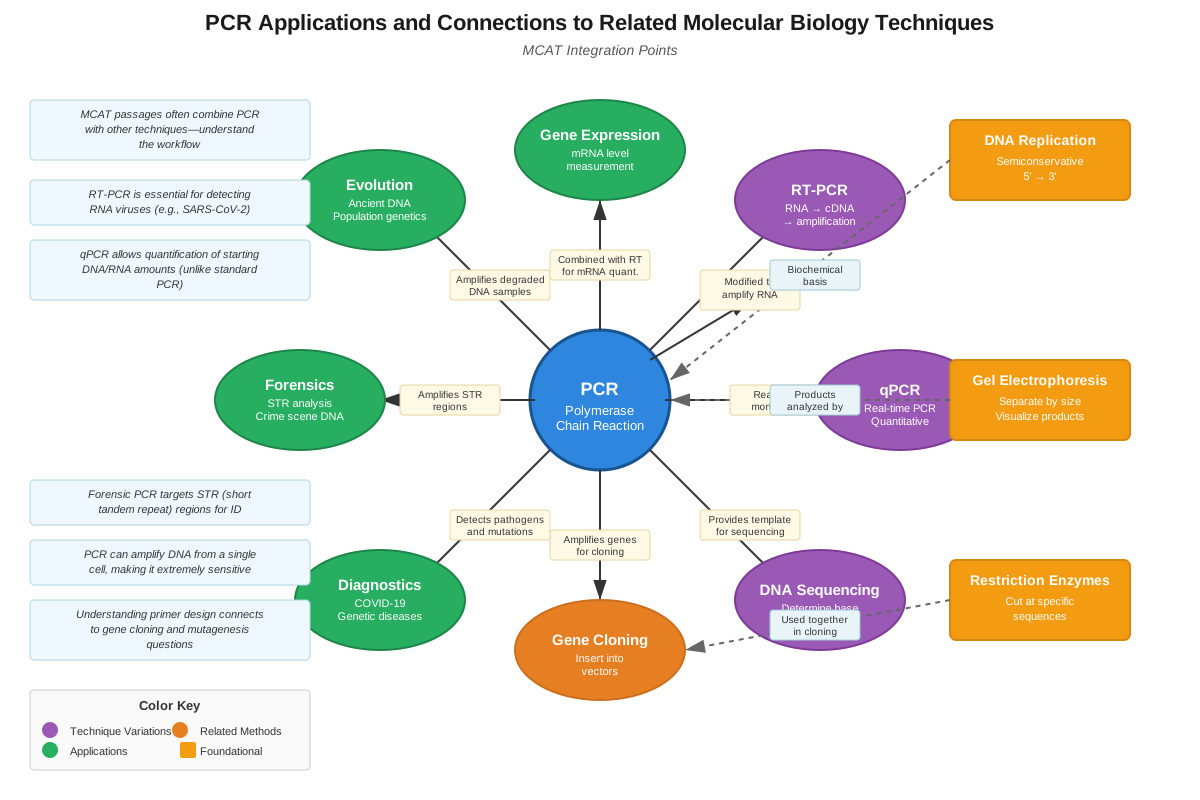
Within the broader context of Biology, PCR connects intimately with DNA replication, protein biochemistry, genetic engineering, and molecular diagnostics. Mastering this topic provides a foundation for understanding more advanced techniques like quantitative PCR (qPCR), reverse transcription PCR (RT-PCR), and DNA sequencing methods. The MCAT frequently integrates PCR into passages about gene expression analysis, evolutionary biology, and biotechnology applications, making it a high-yield topic that rewards thorough understanding with points across multiple question types.
Learning Objectives
- [ ] Define PCR using accurate Biology terminology
- [ ] Explain why PCR matters for the MCAT
- [ ] Apply PCR to exam-style questions
- [ ] Identify common mistakes related to PCR
- [ ] Connect PCR to related Biology concepts
- [ ] Describe the three temperature-dependent steps of each PCR cycle and their molecular basis
- [ ] Explain the role and properties of Taq polymerase and why it is essential for PCR
- [ ] Calculate the theoretical number of DNA copies produced after a given number of PCR cycles
- [ ] Analyze experimental scenarios to determine appropriate primer design and PCR conditions
Prerequisites
- DNA structure and base pairing: Understanding complementary base pairing (A-T, G-C) is fundamental to comprehending how primers anneal to template DNA and how new strands are synthesized
- DNA replication mechanisms: Knowledge of semiconservative replication, 5' to 3' directionality, and the role of DNA polymerase provides the biochemical foundation for understanding PCR
- Enzyme kinetics and temperature effects: Familiarity with how temperature affects protein structure and enzyme activity explains the temperature cycling strategy in PCR
- Basic thermodynamics: Understanding denaturation and hydrogen bonding helps explain why specific temperatures are used for each PCR step
- Primer and nucleotide structure: Knowing that primers are short oligonucleotides and that dNTPs provide building blocks for DNA synthesis is essential for understanding the PCR reaction components
Why This Topic Matters
PCR has revolutionized medical diagnostics, forensic science, and research biology, making it clinically and practically significant beyond the exam room. Physicians use PCR-based tests to diagnose infectious diseases (including COVID-19 via RT-PCR), identify genetic mutations associated with cancer, establish paternity, and detect minimal residual disease in leukemia patients. The technique's ability to amplify trace amounts of DNA has made it indispensable in crime scene investigation, where a single hair or drop of blood can yield sufficient DNA for identification. Understanding PCR enables future physicians to interpret molecular diagnostic results and appreciate the power and limitations of DNA-based testing.
On the MCAT, PCR appears with moderate to high frequency, particularly in Biological and Biochemical Foundations passages. Exam statistics suggest that 2-4 questions per exam directly or indirectly involve PCR concepts, with the technique appearing in approximately 15-20% of molecular biology passages. Questions typically fall into three categories: (1) experimental design questions asking students to predict outcomes or troubleshoot failed reactions, (2) data interpretation questions requiring analysis of gel electrophoresis results showing PCR products, and (3) application questions testing understanding of PCR variations like RT-PCR for RNA analysis or qPCR for quantification.
Common exam presentations include passages describing research studies using PCR to amplify specific genes, diagnostic scenarios employing PCR to detect pathogens or mutations, and evolutionary biology studies using PCR to compare DNA sequences across species. The MCAT particularly favors questions that integrate PCR with other techniques (gel electrophoresis, DNA sequencing, cloning) or that require students to apply PCR principles to novel situations, such as determining why a PCR reaction failed or predicting the size of amplified products based on primer locations.
Core Concepts
Definition and Principle of PCR
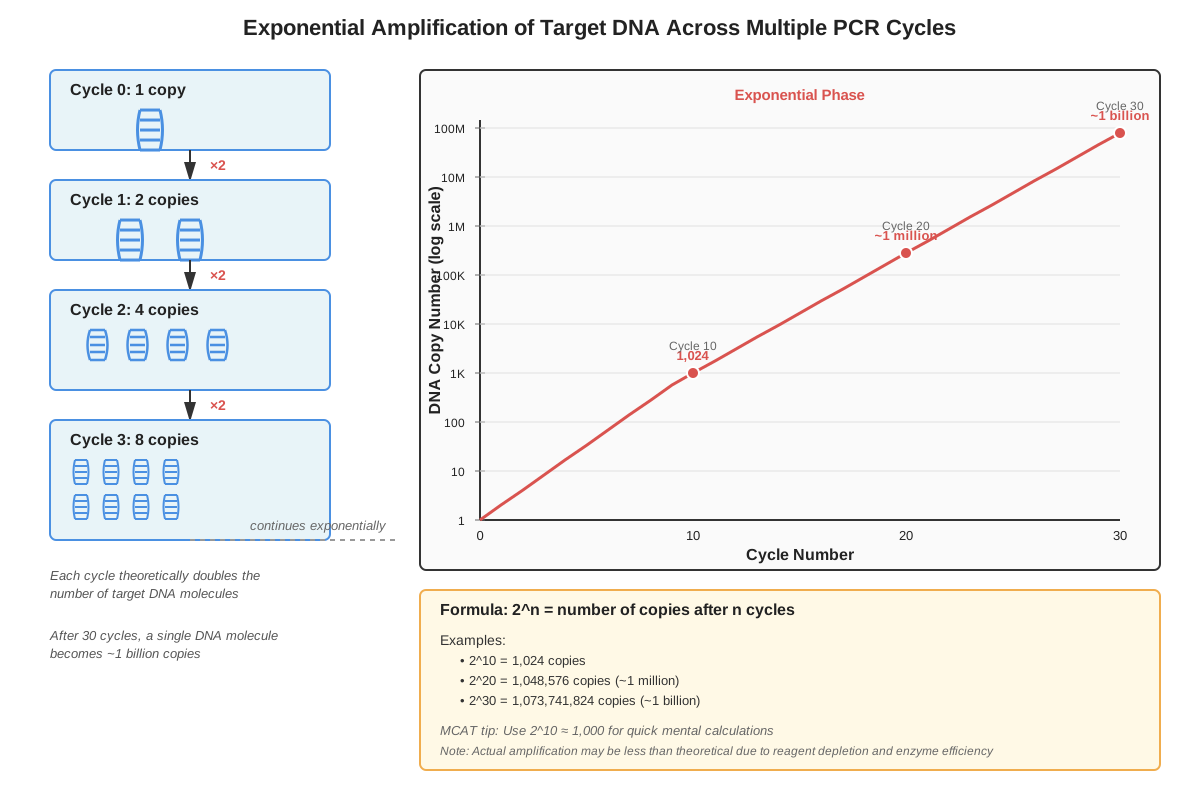
Polymerase Chain Reaction (PCR) is an in vitro molecular biology technique that exponentially amplifies specific DNA sequences through repeated cycles of temperature-dependent enzymatic reactions. The method exploits the natural DNA replication machinery, using a thermostable DNA polymerase to synthesize new DNA strands complementary to a target sequence. Each cycle theoretically doubles the amount of target DNA, resulting in exponential amplification: after n cycles, the theoretical yield is 2^n copies of the original template (though practical efficiency is typically 70-90% per cycle).
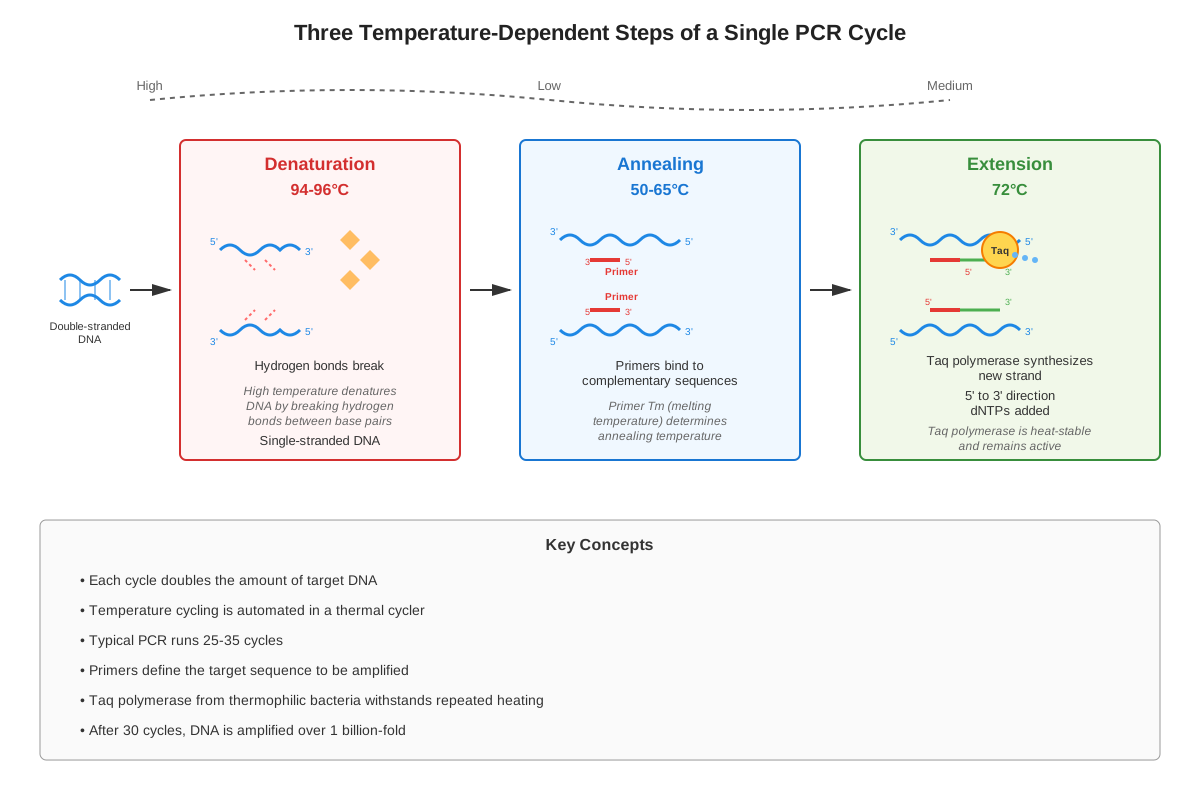
The fundamental principle underlying PCR involves three temperature-dependent steps repeated 25-40 times: denaturation (separating double-stranded DNA into single strands), annealing (binding of primers to complementary sequences on the template), and extension (synthesis of new DNA strands by polymerase). This cyclical process occurs in a thermal cycler, an automated instrument that precisely controls temperature transitions, enabling the reaction to proceed without manual intervention.
Essential Components of PCR
A complete PCR reaction requires six essential components, each serving a specific biochemical function:
- Template DNA: The original DNA sample containing the target sequence to be amplified; can be genomic DNA, plasmid DNA, or cDNA
- Primers: Two short (15-30 nucleotide) single-stranded DNA oligonucleotides that are complementary to sequences flanking the target region—one forward primer binds to the 3' end of one strand, while the reverse primer binds to the 3' end of the complementary strand
- Taq polymerase: A thermostable DNA polymerase originally isolated from Thermus aquaticus, a bacterium living in hot springs; this enzyme remains active at high temperatures and synthesizes new DNA strands in the 5' to 3' direction
- Deoxynucleotide triphosphates (dNTPs): The four building blocks (dATP, dTTP, dGTP, dCTP) that provide both the nucleotides for DNA synthesis and the energy (from phosphate bond hydrolysis) to drive the polymerization reaction
- Buffer solution: Maintains optimal pH and ionic strength for enzyme activity; typically contains MgCl₂, which serves as a cofactor for Taq polymerase
- Thermal cycler: The instrument that automates temperature cycling through the three steps of each PCR cycle
The Three Steps of Each PCR Cycle
Denaturation (94-96°C)
During denaturation, the reaction mixture is heated to 94-96°C for 15-30 seconds, providing sufficient thermal energy to disrupt the hydrogen bonds between complementary base pairs. This high temperature converts double-stranded DNA (dsDNA) into single-stranded DNA (ssDNA), creating the templates necessary for primer binding. The temperature must be high enough to completely separate the strands but is maintained for a brief period to minimize damage to the Taq polymerase enzyme. Initial denaturation before the first cycle often occurs at 95°C for 2-5 minutes to ensure complete separation of the template DNA.
Annealing (50-65°C)
The annealing step involves rapidly cooling the reaction to 50-65°C (the specific temperature depends on primer composition) for 15-60 seconds, allowing the primers to bind to their complementary sequences on the single-stranded template DNA. The annealing temperature is critical: too high and primers won't bind efficiently; too low and primers may bind non-specifically to incorrect sequences, producing unwanted amplification products. The optimal annealing temperature is typically 3-5°C below the primer's melting temperature (Tm), which depends on primer length and GC content (GC base pairs form three hydrogen bonds versus two for AT pairs, making them more stable).
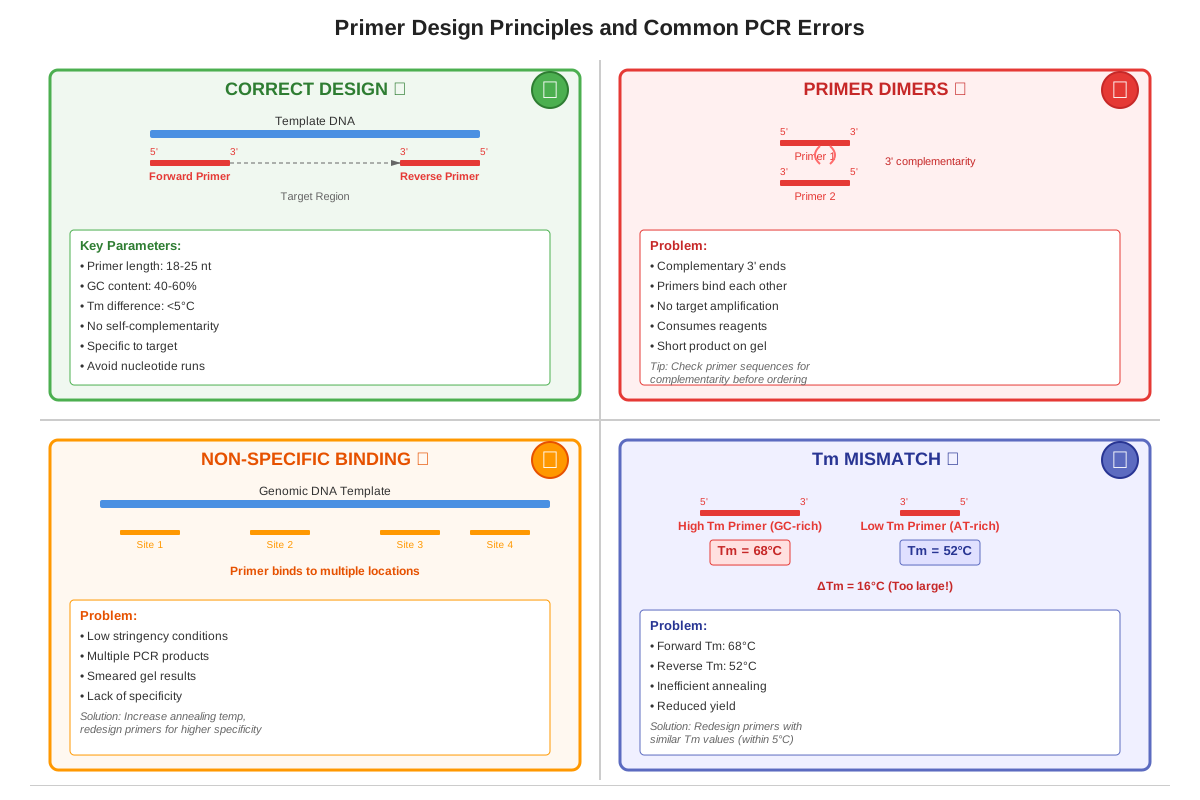
Primers must be designed to be complementary to sequences flanking the target region, with the 3' ends pointing toward each other. This orientation ensures that DNA synthesis proceeds inward, amplifying the region between the primers. The specificity of PCR depends heavily on primer design—primers should be 15-30 nucleotides long, have similar melting temperatures, avoid self-complementarity (which causes primer-dimer formation), and ideally end with a G or C at the 3' end for stronger binding.
Extension (72°C)
During extension, the temperature is raised to 72°C, the optimal working temperature for Taq polymerase. At this temperature, the enzyme synthesizes new DNA strands by adding dNTPs complementary to the template strand, extending from the 3' end of each annealed primer in the 5' to 3' direction. The extension time depends on the length of the target sequence—Taq polymerase synthesizes approximately 1000 base pairs per minute, so a 500 bp target requires about 30 seconds, while a 3000 bp target needs 2-3 minutes.
The extension step produces new double-stranded DNA molecules, each incorporating one original template strand and one newly synthesized strand. After the first cycle, these products serve as templates for subsequent cycles, leading to exponential amplification. A final extension step at 72°C for 5-10 minutes after all cycles ensures complete synthesis of all products.
Exponential Amplification and Cycle Number
The power of PCR lies in its exponential amplification capacity. After the first cycle, 2 copies of the target sequence exist; after the second cycle, 4 copies; after the third, 8 copies. The theoretical formula for the number of copies after n cycles is:
Number of copies = 2^n × (initial template molecules)For example, starting with a single template molecule and performing 30 cycles yields 2^30 = approximately 1 billion copies. However, practical PCR efficiency is typically 70-90% per cycle due to factors like enzyme degradation, substrate depletion, and accumulation of pyrophosphate (a byproduct that inhibits polymerase activity). Most PCR protocols use 25-40 cycles—fewer cycles may not produce sufficient product for detection, while excessive cycles increase non-specific amplification and primer-dimer formation.
Taq Polymerase: The Key Enzyme
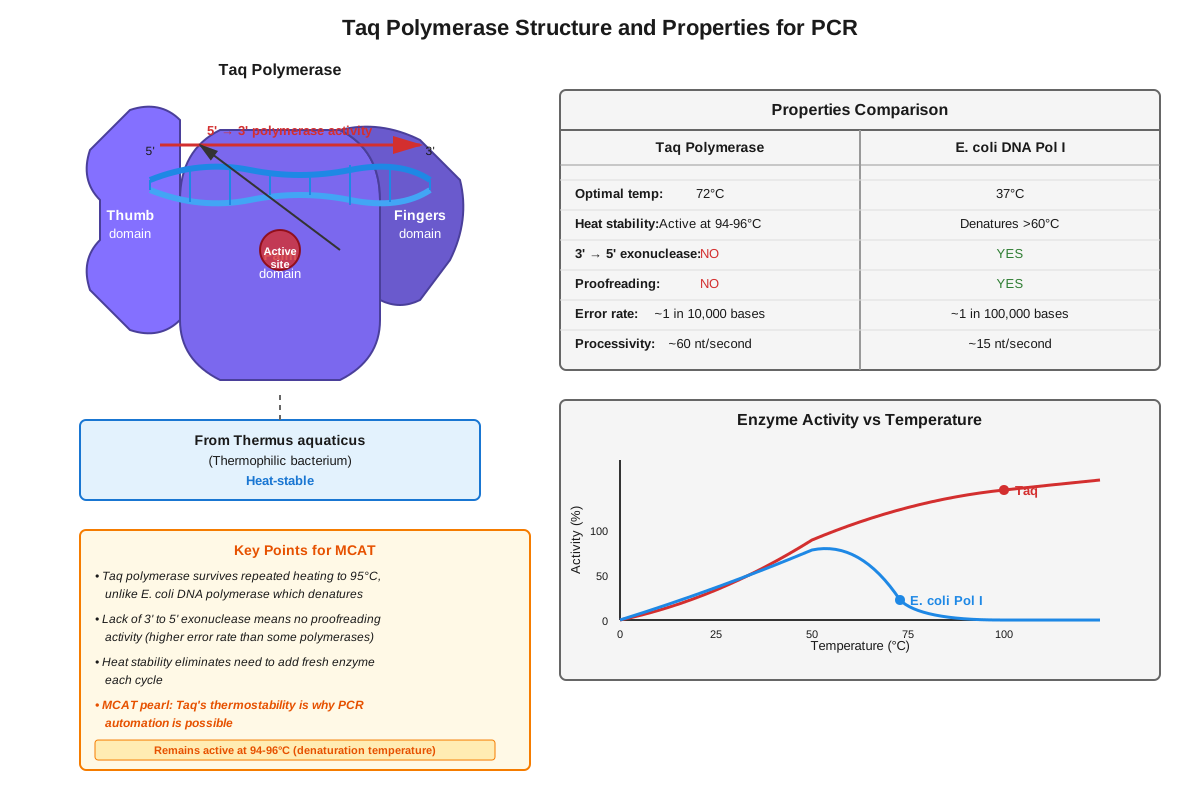
Taq polymerase, isolated from the thermophilic bacterium Thermus aquaticus, revolutionized PCR by eliminating the need to add fresh polymerase after each denaturation step. Before Taq polymerase, researchers used E. coli DNA polymerase, which denatured at high temperatures and required manual addition after each cycle—a laborious and impractical process. Taq polymerase remains stable and active at 95°C, withstanding the repeated high-temperature denaturation steps.
Key properties of Taq polymerase include:
- Thermostability: Retains activity after exposure to 95°C, with a half-life of 40 minutes at 95°C
- Optimal activity at 72°C: Functions most efficiently at the extension temperature
- 5' to 3' polymerase activity: Synthesizes DNA in the standard direction
- Lacks 3' to 5' exonuclease activity: Cannot proofread, resulting in an error rate of approximately 1 mistake per 10,000 nucleotides—higher than proofreading polymerases but acceptable for most applications
- 5' to 3' exonuclease activity: Can degrade DNA ahead of the synthesis point, a property exploited in some PCR variations
For applications requiring high fidelity (accuracy), researchers use proofreading polymerases like Pfu polymerase, which has 3' to 5' exonuclease activity and an error rate 10-fold lower than Taq.
PCR Product Analysis
After amplification, PCR products are typically analyzed using agarose gel electrophoresis, which separates DNA fragments by size. The PCR product appears as a distinct band at a position corresponding to its length in base pairs, determined by comparing to a DNA ladder (molecular weight marker). The expected product size can be calculated from the primer binding sites: if the forward primer binds at position 100 and the reverse primer binds at position 600 (on the opposite strand), the product will be approximately 500 bp.
Successful PCR produces a single, sharp band at the expected size. Multiple bands suggest non-specific amplification, primer-dimer formation (a small band representing primers that annealed to each other), or contamination. Absence of a band indicates PCR failure due to factors like incorrect primer design, insufficient template DNA, suboptimal reaction conditions, or degraded reagents.
Variations and Applications of PCR
| PCR Variation | Purpose | Key Difference from Standard PCR |
|---|---|---|
| Reverse Transcription PCR (RT-PCR) | Amplify RNA sequences | Includes reverse transcriptase enzyme to convert RNA to cDNA before PCR |
| Quantitative PCR (qPCR/Real-time PCR) | Measure initial DNA/RNA quantity | Uses fluorescent reporters to monitor amplification in real-time |
| Nested PCR | Increase specificity | Uses two primer sets in successive reactions |
| Multiplex PCR | Amplify multiple targets simultaneously | Uses multiple primer pairs in one reaction |
| Allele-specific PCR | Detect specific mutations | Primers designed to amplify only specific alleles |
| Long-range PCR | Amplify sequences >5 kb | Uses specialized polymerase mixtures and optimized conditions |
RT-PCR is particularly important for the MCAT, as it enables detection and quantification of RNA (including mRNA for gene expression studies and viral RNA for pathogen detection). The process begins with reverse transcriptase converting RNA to complementary DNA (cDNA), which then serves as the template for standard PCR amplification.
Quick check — test yourself on PCR so far.
Try Flashcards →Concept Relationships
The concepts within PCR form an interconnected system where each component and step depends on others for successful amplification. The relationship begins with template DNA structure → determines → primer design requirements → which influences → annealing temperature selection → affecting → specificity of amplification. Simultaneously, Taq polymerase properties → enable → temperature cycling strategy → which drives → exponential amplification → resulting in → detectable PCR products.
PCR connects to prerequisite topics through multiple pathways. Understanding DNA replication provides the mechanistic foundation for comprehending how Taq polymerase synthesizes new strands, while knowledge of complementary base pairing explains primer annealing specificity. The concept of enzyme thermostability relates to protein structure and denaturation, connecting PCR to biochemistry principles. Hydrogen bonding between base pairs explains why higher temperatures are needed for denaturation and why GC-rich sequences require higher annealing temperatures.
PCR serves as a gateway to advanced molecular biology techniques. Mastering PCR enables understanding of DNA cloning (PCR products can be inserted into vectors), DNA sequencing (which often requires PCR amplification of target regions), site-directed mutagenesis (using PCR to introduce specific mutations), and molecular diagnostics (PCR-based detection of pathogens and genetic variants). The technique also connects to evolutionary biology (comparing DNA sequences across species), forensic science (DNA fingerprinting), and gene expression analysis (via RT-PCR).
The relationship map: DNA structure → Primer design → Annealing specificity → Amplification success → Product detection → Downstream applications (cloning, sequencing, diagnostics). Parallel pathway: Thermostable enzyme → Temperature cycling → Exponential amplification → Sufficient product for analysis.
High-Yield Facts
⭐ PCR amplifies DNA exponentially: After n cycles, the theoretical yield is 2^n copies, so 30 cycles produce approximately 1 billion copies from a single template molecule
⭐ Taq polymerase is thermostable: Isolated from Thermus aquaticus, it remains active at 95°C, eliminating the need to add fresh enzyme after each denaturation step
⭐ Three temperature-dependent steps: Denaturation (94-96°C), annealing (50-65°C), and extension (72°C) occur in each cycle
⭐ Primers determine specificity: Two primers (forward and reverse) complementary to sequences flanking the target region define what gets amplified
⭐ PCR product size: Determined by the distance between primer binding sites; can be calculated and verified by gel electrophoresis
- Taq polymerase lacks 3' to 5' exonuclease activity (no proofreading), resulting in an error rate of ~1 per 10,000 nucleotides
- Optimal annealing temperature is typically 3-5°C below the primer melting temperature (Tm)
- RT-PCR requires reverse transcriptase to convert RNA to cDNA before amplification
- Primer-dimers form when primers anneal to each other instead of the template, appearing as small bands on gels
- MgCl₂ in the buffer serves as an essential cofactor for Taq polymerase activity
- Most PCR protocols use 25-40 cycles; excessive cycles increase non-specific products
- The first cycle produces long products extending beyond the target region; subsequent cycles produce the defined target sequence
- qPCR (quantitative PCR) uses fluorescent reporters to measure DNA quantity in real-time during amplification
- PCR cannot amplify proteins—only DNA (or RNA via RT-PCR)
- Contamination with even trace amounts of DNA can produce false-positive results due to exponential amplification
Common Misconceptions
Misconception: PCR can amplify proteins or any biological molecule
Correction: PCR specifically amplifies DNA sequences. To study RNA, reverse transcription must first convert RNA to cDNA. Proteins cannot be amplified by PCR because the technique relies on complementary base pairing and DNA polymerase activity, which are specific to nucleic acids.
Misconception: Taq polymerase is added fresh after each cycle because it denatures at high temperatures
Correction: The revolutionary feature of Taq polymerase is its thermostability—it remains active throughout all cycles despite repeated exposure to 95°C. This is why Taq polymerase from Thermus aquaticus replaced earlier polymerases that did require addition after each cycle.
Misconception: The annealing temperature should be as high as possible to ensure primers bind tightly
Correction: While higher temperatures increase binding specificity, if the annealing temperature is too high, primers won't bind at all. The optimal temperature is typically 3-5°C below the primer Tm—high enough for specificity but low enough for efficient binding.
Misconception: After one PCR cycle, you get exactly double the amount of DNA
Correction: While the theoretical amplification is 2-fold per cycle, practical efficiency is 70-90% due to incomplete reactions, enzyme degradation, and substrate limitations. Additionally, the first few cycles produce long products extending beyond the target region; only after several cycles do the defined target products predominate.
Misconception: Longer primers are always better because they bind more specifically
Correction: While longer primers generally increase specificity, excessively long primers (>30 nucleotides) can cause problems including secondary structure formation, increased cost, and potential for binding to multiple sites. Optimal primers are typically 15-30 nucleotides, balancing specificity with practical considerations.
Misconception: PCR can amplify any length of DNA equally well
Correction: Standard PCR works best for targets under 3-5 kb. Longer sequences require specialized long-range PCR protocols with modified polymerase mixtures and optimized conditions. Very short targets (<100 bp) can also be problematic due to primer-dimer competition.
Misconception: The extension time doesn't matter as long as you include an extension step
Correction: Extension time must be sufficient for Taq polymerase to synthesize the entire target sequence. Since Taq synthesizes approximately 1000 bp/minute, a 3000 bp target requires at least 3 minutes of extension, while a 500 bp target needs only 30 seconds. Insufficient extension time results in incomplete products.
Worked Examples
Example 1: Calculating PCR Product Yield and Size
Question: A researcher performs PCR using a template containing a gene of interest. The forward primer binds at nucleotide position 450, and the reverse primer binds at position 1200 on the complementary strand. Starting with 100 template molecules and assuming 100% efficiency, how many copies of the target sequence will exist after 25 cycles? What is the expected size of the PCR product?
Solution:
Step 1: Calculate product size
The PCR product extends from where the forward primer binds to where the reverse primer binds on the opposite strand. The size is calculated as:
Product size = 1200 - 450 = 750 base pairs
Step 2: Apply the exponential amplification formula
Number of copies = (Initial template molecules) × 2^n
Where n = number of cycles
Number of copies = 100 × 2^25
2^25 = 33,554,432
Total copies = 100 × 33,554,432 = 3,355,443,200 copies (approximately 3.4 billion)
Step 3: Consider practical efficiency
In reality, PCR efficiency is typically 70-90% per cycle, so the actual yield would be lower—perhaps 500 million to 1 billion copies. However, unless the question specifies efficiency, assume 100% for calculations.
Answer: The expected PCR product is 750 bp, and after 25 cycles, approximately 3.4 billion copies will be produced (assuming 100% efficiency).
Connection to learning objectives: This example demonstrates application of PCR principles to quantitative problems, a common MCAT question type. It requires understanding how primer positions determine product size and how exponential amplification works.
Example 2: Troubleshooting a Failed PCR Reaction
Question: A graduate student attempts to amplify a 2000 bp region from human genomic DNA but sees no band on the agarose gel after PCR. The student used the following conditions: denaturation at 95°C for 30 seconds, annealing at 70°C for 30 seconds, extension at 72°C for 30 seconds, for 30 cycles. The primers were designed to have Tm values of 58°C and 60°C. What are the most likely problems, and how should the protocol be modified?
Solution:
Step 1: Analyze the annealing temperature
The primers have Tm values of 58-60°C, but the annealing temperature used was 70°C. This is significantly higher than the primer Tm values. At 70°C, the primers likely cannot bind stably to the template DNA, preventing amplification.
Problem 1: Annealing temperature too high
Solution: Reduce annealing temperature to 55-57°C (3-5°C below the lower Tm)
Step 2: Evaluate the extension time
The target is 2000 bp, but extension time is only 30 seconds. Taq polymerase synthesizes approximately 1000 bp per minute, so 2000 bp requires about 2 minutes (120 seconds).
Problem 2: Insufficient extension time
Solution: Increase extension time to at least 2 minutes (120 seconds)
Step 3: Consider other possibilities
While not evident from the conditions given, other potential problems could include:
- Degraded template DNA
- Incorrect primer design (primers binding to wrong sequences or forming primer-dimers)
- Insufficient Mg²⁺ concentration
- Degraded or insufficient dNTPs
- Contamination with PCR inhibitors
Modified protocol:
- Denaturation: 95°C for 30 seconds (unchanged)
- Annealing: 55°C for 30 seconds (reduced from 70°C)
- Extension: 72°C for 2 minutes (increased from 30 seconds)
- 30 cycles (unchanged)
Connection to learning objectives: This example requires applying PCR knowledge to troubleshoot experimental problems, identifying common mistakes (incorrect annealing temperature and insufficient extension time), and connecting PCR principles to practical applications—all high-yield skills for MCAT passages involving experimental design.
Exam Strategy
When approaching PCR MCAT questions, begin by identifying what the question is actually asking: Is it testing your understanding of the mechanism, asking you to predict experimental outcomes, or requiring you to troubleshoot a problem? PCR questions often appear in passage-based formats where experimental details are provided, so carefully extract key information like primer sequences, target size, and reaction conditions.
Trigger words and phrases to watch for:
- "Amplify DNA" or "exponential amplification" → signals PCR
- "Thermostable polymerase" or "Taq polymerase" → confirms PCR mechanism
- "Primer design" or "oligonucleotide sequences" → focus on complementarity and specificity
- "Annealing temperature" → consider primer Tm and specificity
- "Gel electrophoresis shows..." → analyze product size and success
- "RT-PCR" or "reverse transcription" → RNA is the starting material
- "Real-time PCR" or "qPCR" → quantification rather than just amplification
Process-of-elimination strategies:
- Eliminate answers suggesting PCR can amplify proteins or that Taq polymerase denatures at high temperatures
- Rule out answers proposing annealing temperatures higher than primer Tm values
- Eliminate options suggesting linear rather than exponential amplification
- Discard answers that confuse the 5' to 3' directionality of DNA synthesis
- Remove choices that incorrectly describe the order of PCR steps
Time allocation advice: PCR questions typically require 60-90 seconds for discrete questions and 90-120 seconds for passage-based questions. If a question asks for calculations (like number of copies after n cycles), quickly apply the 2^n formula rather than manually calculating each cycle. For troubleshooting questions, systematically check each component and condition rather than guessing. If a passage describes a complex PCR application, focus on the fundamental principles—the MCAT rarely requires knowledge of obscure PCR variations beyond RT-PCR and qPCR.
Exam Tip: When a passage describes using PCR to detect a pathogen or mutation, the question often tests whether you understand that PCR amplifies DNA exponentially, making it extremely sensitive but also susceptible to false positives from contamination. This principle appears frequently in diagnostic scenario questions.
Memory Techniques
Mnemonic for PCR steps (DAE): Denise Ate Eggs
- Denise = Denaturation (95°C, separate strands)
- Ate = Annealing (50-65°C, primers bind)
- Eggs = Extension (72°C, synthesis)
Mnemonic for PCR components: Pretty Talented People Don't Break Thermometers
- Primers
- Template DNA
- Polymerase (Taq)
- DNTPs
- Buffer
- Thermal cycler
Temperature visualization: Picture a mountain with three peaks representing the temperature cycle:
- Highest peak (95°C) = Denaturation (DNA strands "climbing apart")
- Valley (50-65°C) = Annealing (primers "settling down" onto template)
- Middle peak (72°C) = Extension (polymerase "building" new strands)
Exponential amplification memory trick: Remember "2 to the power" by visualizing a doubling pattern: 1→2→4→8→16→32. After just 5 cycles, you've gone from 1 to 32 copies. By 10 cycles: ~1,000; by 20 cycles: ~1 million; by 30 cycles: ~1 billion. The pattern "10 cycles = 3 zeros" helps estimate quickly.
Taq polymerase memory aid: Taq from Thermus aquaticus = Thermostable. The triple-T association reinforces that this enzyme survives high temperatures.
Primer orientation visualization: Think of primers as arrows pointing toward each other (→ ←), with their 3' ends (the arrowheads) pointing inward toward the target sequence. DNA synthesis extends from these 3' ends, amplifying the region between them.
Summary
Polymerase Chain Reaction (PCR) represents a fundamental molecular biology technique that exponentially amplifies specific DNA sequences through repeated temperature-dependent cycles of denaturation, annealing, and extension. The method requires six essential components—template DNA, two primers, Taq polymerase, dNTPs, buffer, and a thermal cycler—working in concert to produce millions to billions of copies from minimal starting material. Each cycle involves heating to 94-96°C to separate DNA strands, cooling to 50-65°C to allow primer binding, and warming to 72°C for polymerase-mediated synthesis. The thermostable Taq polymerase, isolated from Thermus aquaticus, remains active throughout repeated high-temperature exposures, enabling automation of the entire process. PCR's exponential amplification (2^n after n cycles) makes it extraordinarily sensitive and powerful for applications ranging from medical diagnostics to forensic analysis. For MCAT success, students must understand not only the mechanism but also how to apply PCR principles to experimental design, troubleshoot failed reactions, calculate product yields and sizes, and recognize variations like RT-PCR for RNA analysis. The technique connects intimately with DNA replication, enzyme biochemistry, and molecular genetics, serving as a gateway to understanding advanced biotechnology applications.
Key Takeaways
- PCR amplifies DNA exponentially through repeated cycles of denaturation (95°C), annealing (50-65°C), and extension (72°C), producing 2^n copies after n cycles
- Taq polymerase's thermostability is essential for PCR automation, remaining active despite repeated exposure to denaturing temperatures
- Primer design determines specificity: two primers complementary to sequences flanking the target region define what gets amplified and determine product size
- Six components are essential: template DNA, forward and reverse primers, Taq polymerase, dNTPs, buffer with Mg²⁺, and a thermal cycler
- RT-PCR enables RNA amplification by first converting RNA to cDNA using reverse transcriptase before standard PCR
- Common problems include incorrect annealing temperature (should be 3-5°C below primer Tm), insufficient extension time (based on target length), and primer-dimer formation
- PCR products are analyzed by gel electrophoresis, producing bands at sizes determined by the distance between primer binding sites
Related Topics
DNA Cloning and Recombinant DNA Technology: PCR products can be inserted into plasmid vectors for cloning, requiring understanding of restriction enzymes, ligation, and transformation. Mastering PCR provides the foundation for understanding how genes are isolated and manipulated.
DNA Sequencing Methods: Modern sequencing techniques often require PCR amplification of target regions before sequencing. Understanding PCR is essential for comprehending next-generation sequencing workflows and Sanger sequencing.
Gene Expression Analysis: RT-PCR and qPCR are primary methods for measuring mRNA levels, connecting PCR to transcription, translation, and gene regulation. This relationship is frequently tested in MCAT passages about cellular responses to stimuli.
Molecular Diagnostics: PCR-based tests detect pathogens, genetic mutations, and chromosomal abnormalities. Understanding PCR enables comprehension of how diseases are diagnosed at the molecular level, a clinically relevant topic for future physicians.
Evolutionary Biology and Phylogenetics: PCR amplification of conserved genes across species enables evolutionary comparisons. This application connects molecular biology to evolution, a common MCAT integration point.
Gel Electrophoresis: Nearly always paired with PCR for product analysis, gel electrophoresis separates DNA fragments by size. Understanding both techniques together is essential for interpreting experimental results.
Practice CTA
Now that you've mastered the core concepts of PCR, it's time to solidify your understanding through active practice. Challenge yourself with MCAT-style practice questions that test your ability to apply PCR principles to novel scenarios, troubleshoot experimental problems, and integrate this knowledge with other molecular biology concepts. Work through the flashcards to reinforce high-yield facts and commit the temperature values, component functions, and common pitfalls to memory. Remember: understanding PCR isn't just about memorizing steps—it's about developing the analytical skills to approach any molecular biology question with confidence. The time you invest in practice now will pay dividends on test day when you encounter PCR in passages and discrete questions. You've got this!
Sign up free to keep reading
Create a free AnvayaPrep account to finish this MCAT guide on PCR — plus flashcards and practice questions.