Overview
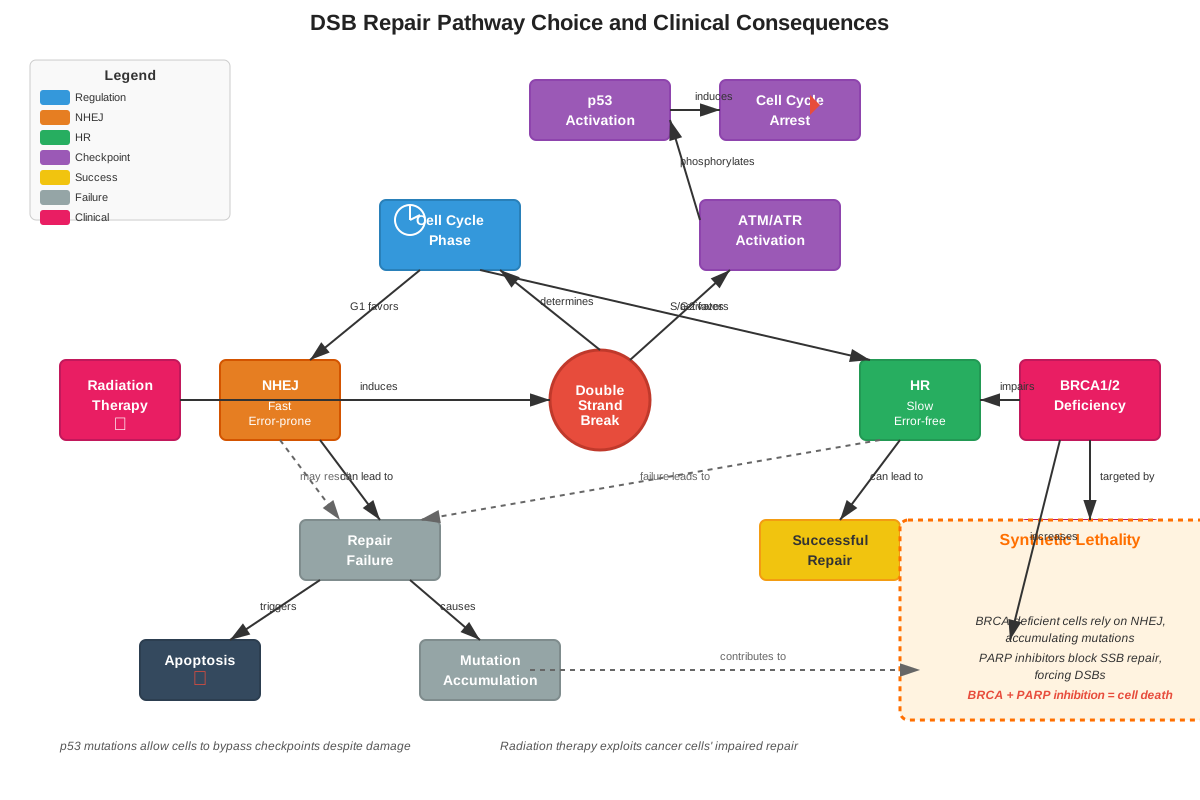
Double strand break repair (DSBR) represents one of the most critical DNA repair mechanisms in cellular biology, addressing the most severe form of DNA damage: breaks that sever both strands of the DNA double helix. Unlike single-strand damage, which can be repaired using the complementary strand as a template, double-strand breaks (DSBs) pose an existential threat to genomic integrity. Without proper repair, DSBs lead to chromosomal rearrangements, loss of genetic information, cell death, or malignant transformation. The cell employs two major pathways to address this damage: non-homologous end joining (NHEJ) and homologous recombination (HR), each with distinct mechanisms, fidelity levels, and cell cycle timing.
For the MCAT, understanding double strand break repair Biology is essential because it integrates multiple high-yield concepts including DNA structure, cell cycle regulation, cancer biology, and evolutionary conservation of repair mechanisms. Questions frequently test the ability to distinguish between repair pathways, predict outcomes of pathway deficiencies, and analyze experimental scenarios involving DNA damage. The topic appears in both passage-based and discrete questions, often integrated with discussions of radiation therapy, genetic disorders like BRCA mutations, or molecular biology techniques.
This topic connects fundamentally to broader themes in Molecular Biology and Genetics, including DNA replication fidelity, mutation accumulation, tumor suppressor function, and the cellular response to stress. Understanding DSBR provides the foundation for comprehending why certain cancer treatments work, how genetic diversity is generated during meiosis, and why some individuals have heightened cancer susceptibility. The mechanisms of double strand break repair MCAT content directly relate to cell cycle checkpoints, apoptosis pathways, and the molecular basis of hereditary cancer syndromes—all high-yield topics for exam success.
Learning Objectives
- [ ] Define Double strand break repair using accurate Biology terminology
- [ ] Explain why Double strand break repair matters for the MCAT
- [ ] Apply Double strand break repair to exam-style questions
- [ ] Identify common mistakes related to Double strand break repair
- [ ] Connect Double strand break repair to related Biology concepts
- [ ] Compare and contrast the mechanisms, timing, and fidelity of NHEJ versus homologous recombination
- [ ] Predict the cellular consequences of defective DSBR pathways in different cell cycle phases
- [ ] Analyze experimental scenarios involving DNA damage and determine which repair pathway would be activated
Prerequisites
- DNA structure and organization: Understanding the double helix, antiparallel strands, and base pairing is essential for comprehending how breaks disrupt genetic information and how templates guide repair
- Cell cycle phases: Knowledge of G1, S, G2, and M phases is necessary because repair pathway choice depends critically on cell cycle stage and sister chromatid availability
- Basic DNA replication mechanisms: Familiarity with DNA polymerase, primers, and semiconservative replication helps understand how homologous recombination uses replication-like processes
- Protein-DNA interactions: Understanding how proteins recognize and bind specific DNA structures enables comprehension of how repair machinery is recruited to damage sites
- Chromosome structure: Knowledge of sister chromatids and homologous chromosomes is required to understand template availability for different repair pathways
Why This Topic Matters
Double strand break repair has profound clinical significance, particularly in oncology and genetic counseling. BRCA1 and BRCA2 mutations, which impair homologous recombination, dramatically increase breast and ovarian cancer risk—a connection frequently tested on the MCAT. Radiation therapy and many chemotherapeutic agents work precisely by inducing DSBs that overwhelm cancer cells' repair capacity. Understanding DSBR mechanisms explains why BRCA-mutant tumors respond particularly well to PARP inhibitors, a concept that bridges molecular biology with clinical reasoning.
On the MCAT, DSBR appears in approximately 2-4% of Biology questions, typically integrated into passages about cancer genetics, DNA damage responses, or molecular biology techniques. Questions may present experimental data showing repair kinetics, describe patients with repair deficiencies, or ask students to predict outcomes of specific mutations. The topic frequently appears alongside discussions of p53, cell cycle checkpoints, and apoptosis—creating opportunities for integrated questions that test multiple concepts simultaneously.
Common exam presentations include: (1) passage-based questions describing experiments with radiation or chemical mutagens, requiring students to identify which repair pathway is active; (2) discrete questions about the consequences of specific gene mutations (BRCA1/2, Ku proteins, RAD51); (3) research-based passages presenting data on repair kinetics in different cell cycle phases; and (4) clinical vignettes describing cancer predisposition syndromes. The topic also appears in questions about V(D)J recombination in immunology, where controlled DSBs generate antibody diversity, and meiotic recombination, where programmed DSBs facilitate genetic exchange.
Core Concepts
Types of Double Strand Breaks
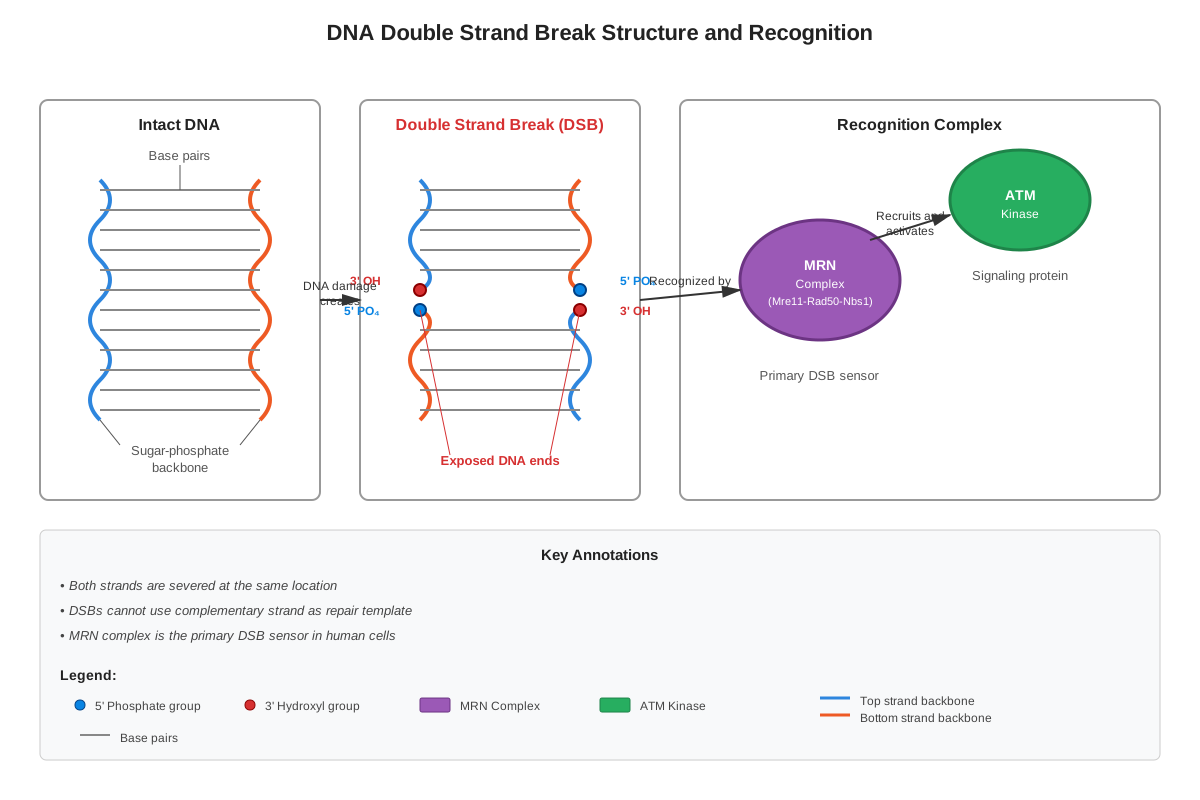
Double strand breaks occur when both strands of the DNA double helix are severed at the same location or in close proximity. These breaks arise from multiple sources: ionizing radiation (X-rays, gamma rays), reactive oxygen species generated during normal metabolism, replication fork collapse when DNA polymerase encounters single-strand breaks, and programmed breaks during V(D)J recombination and meiotic recombination. DSBs represent the most dangerous form of DNA damage because no intact complementary strand remains to serve as a template for accurate repair.
The cellular response to DSBs involves immediate recognition by sensor proteins, particularly the MRN complex (Mre11-Rad50-Nbs1), which binds to broken DNA ends and initiates signaling cascades. This triggers activation of ATM (ataxia telangiectasia mutated) kinase, which phosphorylates hundreds of downstream targets including p53, BRCA1, and histone H2AX. Phosphorylated H2AX (γH2AX) spreads along chromatin flanking the break, creating a visible focus that recruits additional repair factors and serves as a biomarker for DSB presence.
Non-Homologous End Joining (NHEJ)
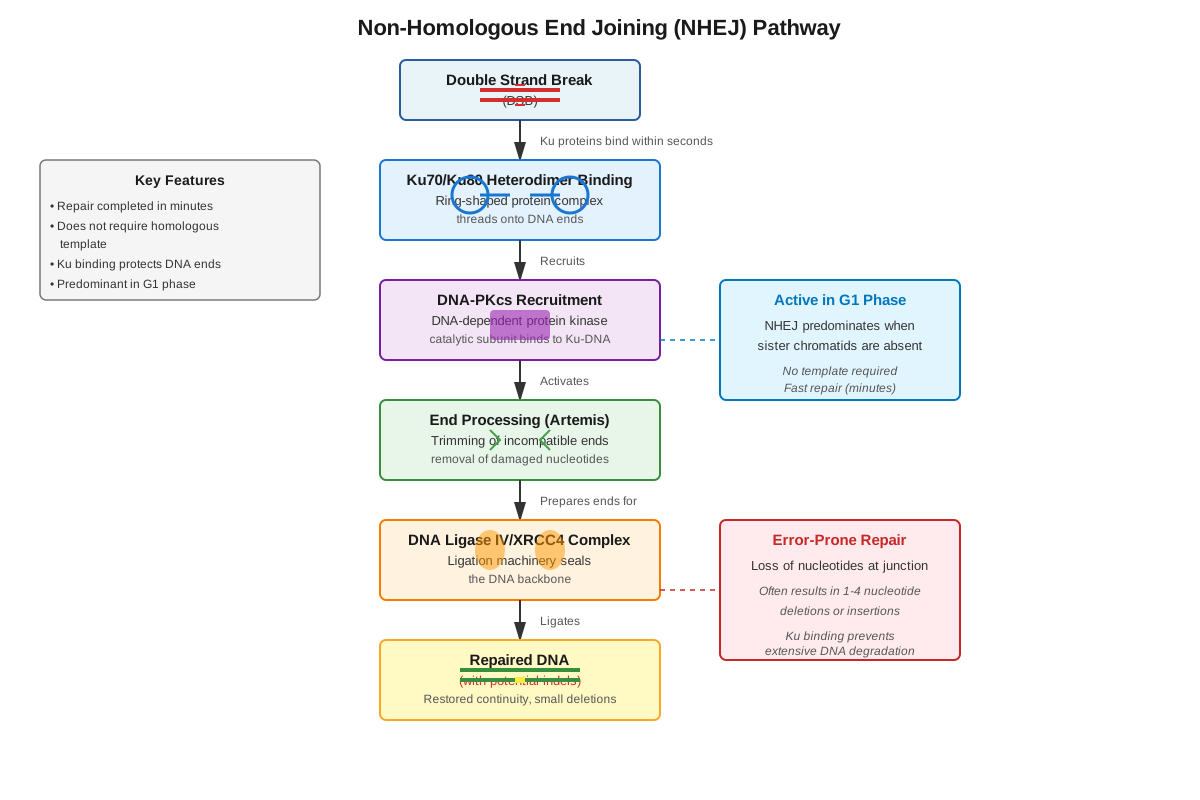
Non-homologous end joining represents the predominant DSB repair pathway in mammalian cells, operating throughout the cell cycle but particularly in G1 phase when sister chromatids are unavailable. NHEJ directly ligates broken DNA ends without requiring a homologous template, making it fast but error-prone. The pathway begins when the Ku70/Ku80 heterodimer rapidly binds to DNA ends, forming a ring-like structure that protects ends from degradation and recruits additional factors.
The NHEJ mechanism proceeds through several steps:
- Recognition and binding: Ku70/Ku80 binds broken DNA ends within seconds of break formation
- Recruitment: Ku proteins recruit DNA-PKcs (DNA-dependent protein kinase catalytic subunit), forming the DNA-PK holoenzyme
- End processing: Artemis nuclease (activated by DNA-PKcs) removes damaged nucleotides and processes incompatible ends
- Gap filling: DNA polymerases μ and λ add nucleotides to create compatible ends
- Ligation: The XRCC4-DNA Ligase IV complex (with XLF/Cernunnos) seals the break
Because NHEJ often requires end processing and gap filling without a template, it frequently introduces small insertions or deletions (indels) at repair sites. This error-prone nature makes NHEJ unsuitable for maintaining perfect sequence fidelity but allows rapid repair that prevents more catastrophic chromosomal rearrangements. The pathway's speed and template-independence make it the default mechanism when homologous templates are unavailable.
Homologous Recombination (HR)
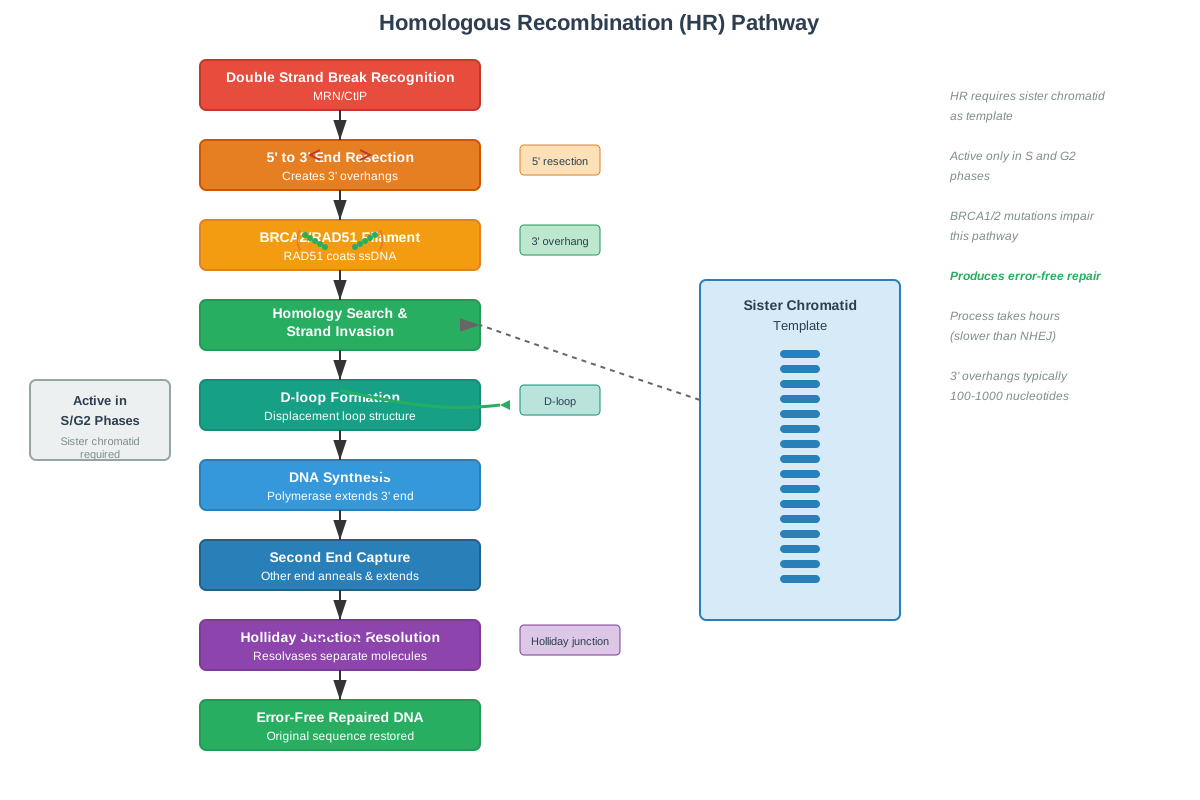
Homologous recombination provides high-fidelity DSB repair by using an intact homologous DNA sequence—typically the sister chromatid—as a template. HR operates primarily during S and G2 phases when sister chromatids are present following DNA replication. This pathway is slower than NHEJ but maintains sequence accuracy, making it critical for preserving genetic information during replication and for generating genetic diversity during meiosis.
The HR mechanism involves these key steps:
- End resection: CtIP and the MRN complex initiate 5' to 3' resection of DNA ends, creating 3' single-stranded overhangs
- Extensive resection: Exo1 and Dna2 nucleases extend resection, generating long 3' overhangs (hundreds to thousands of nucleotides)
- Strand invasion: RAD51 recombinase (human homolog of bacterial RecA) coats single-stranded DNA, forming nucleoprotein filaments that search for homologous sequences
- D-loop formation: RAD51-coated strand invades the homologous duplex DNA, displacing one strand to create a displacement loop (D-loop)
- DNA synthesis: DNA polymerase extends the invading 3' end using the homologous template
- Resolution: Multiple pathways resolve the resulting joint molecules, either through synthesis-dependent strand annealing (SDSA) or double Holliday junction formation and resolution
BRCA1 and BRCA2 proteins play critical roles in HR. BRCA1 promotes end resection and recruits repair factors, while BRCA2 directly loads RAD51 onto single-stranded DNA, overcoming inhibitory effects of RPA protein. Mutations in BRCA1/2 severely compromise HR, forcing cells to rely on error-prone NHEJ and leading to genomic instability and cancer predisposition.
Pathway Choice: NHEJ versus HR
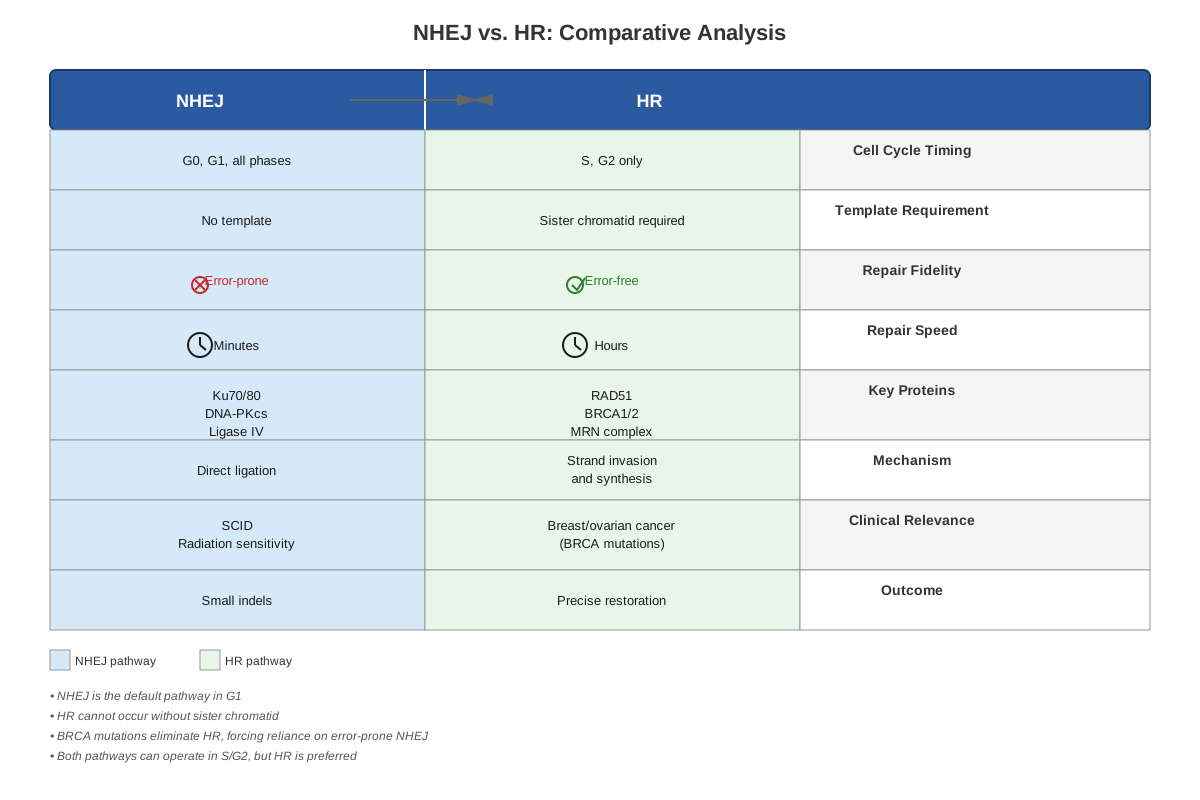
The decision between NHEJ and HR depends primarily on cell cycle phase and the extent of end resection. In G1 phase, sister chromatids are absent, making HR impossible and NHEJ the only option. During S and G2 phases, both pathways compete, with pathway choice regulated by multiple factors.
| Feature | NHEJ | Homologous Recombination |
|---|---|---|
| Template requirement | None | Homologous DNA (sister chromatid) |
| Cell cycle phase | All phases (predominant in G1) | S and G2 phases only |
| Speed | Fast (minutes) | Slow (hours) |
| Fidelity | Error-prone (indels common) | High-fidelity (accurate) |
| Key proteins | Ku70/80, DNA-PKcs, Ligase IV | RAD51, BRCA1/2, MRN complex |
| End processing | Minimal resection | Extensive 5' to 3' resection |
| Outcome | Direct ligation | Template-directed synthesis |
End resection serves as the commitment step for pathway choice. Once extensive resection occurs, NHEJ becomes impossible because Ku proteins cannot bind single-stranded DNA. The protein 53BP1 promotes NHEJ by blocking resection, while BRCA1 antagonizes 53BP1 to promote HR. The balance between these factors, regulated by cell cycle-dependent kinases (CDKs), determines which pathway predominates.
Alternative End Joining
Alternative end joining (alt-EJ), also called microhomology-mediated end joining (MMEJ), represents a backup pathway that operates when classical NHEJ is defective. This pathway uses short regions of sequence homology (2-20 base pairs) to align DNA ends before ligation. Alt-EJ requires limited end resection to expose microhomologies and involves PARP1 (poly-ADP-ribose polymerase 1) and DNA Ligase III rather than classical NHEJ factors.
Alt-EJ is highly mutagenic, typically causing deletions at repair junctions as sequences between microhomologies are lost. This pathway becomes particularly important in cancer cells with defective NHEJ or HR, contributing to genomic instability. The dependence on PARP1 explains why PARP inhibitors are synthetically lethal with BRCA mutations—cells lacking both HR (due to BRCA deficiency) and alt-EJ (due to PARP inhibition) cannot repair DSBs and undergo cell death.
Concept Relationships
The concepts within double strand break repair form an integrated network centered on maintaining genomic stability. DSB recognition by the MRN complex → activates ATM kinase → phosphorylates checkpoint proteins (p53, Chk2) → triggers cell cycle arrest, providing time for repair. Simultaneously, the choice between NHEJ and HR depends on cell cycle phase → determines sister chromatid availability → influences end resection extent → commits to specific pathway.
NHEJ and HR represent alternative solutions to the same problem, with pathway choice regulated by: cell cycle phase → CDK activity → BRCA1/53BP1 balance → resection extent → pathway commitment. When both pathways fail, alternative end joining provides a backup mechanism, though with increased mutagenesis. Defects in any pathway → accumulation of unrepaired breaks → genomic instability → increased mutation rate → cancer predisposition.
These repair mechanisms connect to prerequisite knowledge: DNA structure determines how breaks disrupt genetic information; cell cycle phases regulate pathway availability; DNA replication mechanisms are recapitulated during HR synthesis steps. The topic extends to related concepts: checkpoint activation links to p53 and apoptosis; BRCA mutations connect to cancer genetics; programmed DSBs relate to V(D)J recombination and meiotic crossing over.
The relationship map: DSB formation → MRN recognition → ATM activation → checkpoint signaling → pathway choice (NHEJ vs. HR) → repair completion → checkpoint release → cell cycle progression. Failure at any step → persistent damage → apoptosis or transformation.
Quick check — test yourself on Double strand break repair so far.
Try Flashcards →High-Yield Facts
⭐ NHEJ operates throughout the cell cycle but predominates in G1 phase when sister chromatids are unavailable for homologous recombination
⭐ Homologous recombination requires a homologous template (sister chromatid) and therefore functions only during S and G2 phases
⭐ BRCA1 and BRCA2 mutations impair homologous recombination, forcing reliance on error-prone NHEJ and causing genomic instability
⭐ Ku70/Ku80 heterodimer is the first responder in NHEJ, binding DNA ends within seconds and recruiting DNA-PKcs
⭐ RAD51 is the central recombinase in homologous recombination, forming nucleoprotein filaments that search for homologous sequences
- The MRN complex (Mre11-Rad50-Nbs1) serves as the primary sensor for double-strand breaks and activates ATM kinase
- End resection (5' to 3' degradation creating 3' overhangs) commits cells to homologous recombination and prevents NHEJ
- NHEJ is error-prone, frequently introducing small insertions or deletions at repair junctions
- PARP inhibitors are synthetically lethal with BRCA mutations because they eliminate alternative end joining as a backup pathway
- 53BP1 promotes NHEJ by blocking end resection, while BRCA1 antagonizes 53BP1 to promote HR
- DNA Ligase IV (with XRCC4) performs the final ligation step in NHEJ
- Alternative end joining uses microhomology (2-20 bp) to align DNA ends and is highly mutagenic
- V(D)J recombination in immune cells uses controlled DSBs and NHEJ to generate antibody diversity
- Ionizing radiation causes DSBs directly, making it effective for cancer therapy but also mutagenic
- Defects in DSB repair pathways cause cancer predisposition syndromes (BRCA mutations, ataxia telangiectasia)
Common Misconceptions
Misconception: NHEJ always perfectly restores the original DNA sequence.
Correction: NHEJ is error-prone and frequently introduces small insertions or deletions (indels) because it often requires end processing and gap filling without a template. Only homologous recombination provides high-fidelity repair using a template.
Misconception: Homologous recombination can occur at any point in the cell cycle.
Correction: HR requires a homologous template, typically the sister chromatid, which is only available after DNA replication in S phase and persists through G2. In G1 phase, sister chromatids don't exist, making HR impossible and NHEJ the only option.
Misconception: BRCA proteins directly repair DNA breaks.
Correction: BRCA1 and BRCA2 are regulatory and accessory proteins in homologous recombination. BRCA2 loads RAD51 onto single-stranded DNA, while BRCA1 promotes end resection and recruits repair factors. The actual repair is performed by RAD51, DNA polymerases, and ligases.
Misconception: All double-strand breaks are repaired by the same mechanism.
Correction: Cells use multiple pathways (NHEJ, HR, alt-EJ) depending on cell cycle phase, break complexity, and protein availability. Pathway choice is actively regulated and represents a critical decision point affecting repair fidelity.
Misconception: End resection is reversible and doesn't commit cells to a specific pathway.
Correction: Extensive end resection creates long 3' single-stranded overhangs that cannot be substrates for NHEJ (Ku proteins bind double-stranded DNA ends). Once significant resection occurs, the cell is committed to HR or alternative pathways; NHEJ is no longer possible.
Misconception: PARP inhibitors directly cause DNA breaks.
Correction: PARP inhibitors prevent repair of single-strand breaks, which then convert to double-strand breaks when replication forks encounter them. Additionally, PARP inhibitors block alternative end joining, creating synthetic lethality in cells with defective HR (like BRCA-mutant cells).
Misconception: The MRN complex performs the actual repair of DSBs.
Correction: The MRN complex is a sensor and signaling protein that recognizes DSBs, activates ATM, and initiates end resection. It doesn't perform the final repair steps—those are carried out by ligases (in NHEJ) or RAD51/polymerases (in HR).
Worked Examples
Example 1: Predicting Repair Pathway and Outcomes
Question: A researcher treats cultured human cells with ionizing radiation, creating double-strand breaks. She synchronizes cells in different cell cycle phases before irradiation. In which phase would you expect the most accurate repair, and why? What would happen if these cells had BRCA2 mutations?
Solution:
Step 1: Identify available repair pathways in each phase
- G1 phase: Only NHEJ available (no sister chromatids for HR)
- S and G2 phases: Both NHEJ and HR available (sister chromatids present)
Step 2: Compare pathway fidelity
- NHEJ: Error-prone, introduces indels
- HR: High-fidelity, uses sister chromatid as template
Step 3: Determine most accurate repair
The most accurate repair would occur in S or G2 phases because homologous recombination is available. HR uses the sister chromatid as a template, allowing error-free restoration of the original sequence.
Step 4: Predict effect of BRCA2 mutations
BRCA2 loads RAD51 onto single-stranded DNA during HR. Without functional BRCA2:
- HR would be severely impaired even in S/G2 phases
- Cells would rely on error-prone NHEJ for all repairs
- Increased mutation rate and genomic instability
- Higher sensitivity to radiation (more cell death)
- Increased cancer risk due to accumulated mutations
Key concept: Pathway choice depends on cell cycle phase and protein availability. BRCA2 deficiency eliminates the high-fidelity option, forcing reliance on mutagenic pathways.
Example 2: Analyzing Synthetic Lethality
Question: A clinical trial tests PARP inhibitors in breast cancer patients. The drug shows remarkable efficacy in patients with BRCA1 mutations but minimal effect in patients with wild-type BRCA1. Explain the molecular basis for this selective efficacy.
Solution:
Step 1: Understand PARP function
- PARP1 repairs single-strand breaks (SSBs)
- PARP1 also participates in alternative end joining (alt-EJ)
- PARP inhibition prevents SSB repair and blocks alt-EJ
Step 2: Understand consequences of PARP inhibition
- Unrepaired SSBs → convert to DSBs when replication forks encounter them
- Increased DSB burden
- Alt-EJ pathway unavailable
Step 3: Analyze BRCA1-mutant cells
- BRCA1 required for homologous recombination
- BRCA1 mutations → HR defective
- These cells already rely on NHEJ and alt-EJ for DSB repair
Step 4: Explain synthetic lethality
In BRCA1-mutant cells treated with PARP inhibitors:
- Increased DSBs (from unrepaired SSBs)
- HR unavailable (BRCA1 defect)
- Alt-EJ blocked (PARP inhibition)
- Only NHEJ remains, which becomes overwhelmed
- Accumulation of unrepaired breaks → cell death
In wild-type cells:
- HR remains functional
- Can accurately repair increased DSBs
- Cell survival maintained
Conclusion: PARP inhibitors create synthetic lethality specifically in BRCA-mutant cells by eliminating backup repair pathways, leaving cells unable to manage DSB burden. This explains the selective efficacy in BRCA-mutant tumors.
Key concept: Synthetic lethality occurs when two individually tolerable defects become lethal in combination. Understanding repair pathway redundancy explains targeted therapy mechanisms.
Exam Strategy
When approaching double strand break repair MCAT questions, first identify the cell cycle phase mentioned or implied—this immediately narrows pathway possibilities. Look for keywords: "G1 phase" or "before DNA replication" signals NHEJ; "S phase," "G2," or "sister chromatid" indicates HR is possible. Questions often hinge on recognizing that pathway availability depends on template presence.
Trigger words for NHEJ: Ku proteins, DNA-PKcs, Ligase IV, XRCC4, "direct ligation," "error-prone," "G1 phase," "no template required," "fast repair"
Trigger words for HR: RAD51, BRCA1/2, sister chromatid, "template-directed," "high-fidelity," "S/G2 phase," "end resection," "strand invasion," "accurate repair"
Trigger words for pathway choice: cell cycle phase, end resection, 53BP1, CtIP, "pathway competition"
For process-of-elimination, remember these principles:
- If the question mentions G1 phase, eliminate HR as an option
- If high fidelity is required, eliminate NHEJ
- If BRCA mutations are mentioned, HR is impaired
- If Ku proteins are defective, NHEJ is impaired
- If the question asks about cancer predisposition, think HR defects (BRCA)
Time allocation: Spend 10-15 seconds identifying cell cycle context and available pathways before reading answer choices. This framework prevents confusion and speeds elimination. For passage-based questions, create a quick table noting which pathways are functional in the experimental conditions described.
Common question formats:
- Mechanism questions: "Which protein performs [specific function]?" → Know key players in each pathway
- Prediction questions: "What happens if [protein] is mutated?" → Trace pathway consequences
- Comparison questions: "How does NHEJ differ from HR?" → Use the comparison table
- Clinical questions: "Why are BRCA-mutant patients sensitive to [treatment]?" → Apply synthetic lethality concepts
Memory Techniques
Mnemonic for NHEJ key proteins: "Keep DNA Ligated Xtra fast"
- Ku70/80
- DNA-PKcs
- Ligase IV
- XRCC4
Mnemonic for HR requirements: "Sister Requires Both"
- Sister chromatid (template)
- RAD51 (recombinase)
- BRCA1/2 (regulatory proteins)
Visualization for pathway choice: Picture a fork in the road at a DSB:
- Left path (NHEJ): Quick, direct route with potholes (errors) - available anytime
- Right path (HR): Longer, smooth highway (accurate) - only open when sister chromatid bridge exists (S/G2)
- Resection = burning the left path bridge, forcing right path
Acronym for HR steps: "Really Smart Dogs Solve Riddles"
- Recognition (MRN complex)
- Section (end resection)
- D-loop formation (strand invasion)
- Synthesis (DNA polymerase)
- Resolution (junction processing)
Memory aid for BRCA function: "BRCA = Builds RAD51 Complexes Accurately" - emphasizes their role in loading RAD51 for HR
Conceptual anchor: Think of NHEJ as "emergency duct tape" (fast but imperfect) and HR as "precision welding" (slow but perfect). This metaphor helps remember speed/fidelity trade-offs.
Summary
Double strand break repair encompasses multiple pathways that address the most dangerous form of DNA damage. Non-homologous end joining provides rapid, template-independent repair throughout the cell cycle but introduces errors through direct ligation of processed ends. Homologous recombination offers high-fidelity repair using sister chromatids as templates but operates only during S and G2 phases when homologous DNA is available. Pathway choice depends critically on cell cycle phase, with end resection serving as the commitment step that prevents NHEJ and mandates HR. Key proteins include Ku70/80 and DNA-PKcs for NHEJ, and RAD51 with BRCA1/2 for HR. Defects in these pathways, particularly BRCA mutations, cause genomic instability and cancer predisposition. Understanding these mechanisms explains cancer susceptibility syndromes, targeted therapy strategies like PARP inhibitors, and the molecular basis of radiation sensitivity—all high-yield concepts for MCAT success.
Key Takeaways
- NHEJ is fast and error-prone, operating throughout the cell cycle without requiring a template; HR is slow and accurate, requiring sister chromatids available only in S/G2 phases
- Ku70/80 initiates NHEJ by binding DNA ends and recruiting DNA-PKcs; RAD51 performs strand invasion in HR after BRCA2 loads it onto resected DNA
- End resection commits cells to homologous recombination by creating 3' overhangs that cannot be substrates for NHEJ
- BRCA1/2 mutations impair homologous recombination, forcing reliance on error-prone pathways and causing genomic instability leading to cancer
- PARP inhibitors create synthetic lethality in BRCA-mutant cells by blocking alternative end joining while HR is already defective
- Cell cycle phase determines pathway availability: G1 allows only NHEJ; S/G2 allows both NHEJ and HR with HR preferred for accuracy
- The MRN complex serves as the primary DSB sensor, activating ATM kinase and initiating both checkpoint signaling and repair pathway recruitment
Related Topics
Cell Cycle Checkpoints: Understanding how ATM/ATR kinases activate p53 and halt cell cycle progression in response to DSBs builds directly on DSBR knowledge, explaining how cells coordinate repair with division.
Cancer Genetics and Tumor Suppressors: BRCA1/2 function as tumor suppressors through their roles in HR; mastering DSBR enables deeper understanding of hereditary cancer syndromes and two-hit hypothesis applications.
V(D)J Recombination: This process uses programmed DSBs and NHEJ to generate antibody diversity, applying DSBR concepts to immunology and showing how controlled breaks create beneficial variation.
Meiotic Recombination: Programmed DSBs during meiosis facilitate crossing over between homologous chromosomes, using HR machinery to generate genetic diversity—connecting DSBR to genetics and evolution.
DNA Damage Response Pathways: Broader study of how cells detect and respond to various DNA lesions, including base damage and replication stress, contextualizes DSBR within comprehensive genome maintenance systems.
Practice CTA
Now that you've mastered the core concepts of double strand break repair, challenge yourself with practice questions that test pathway selection, protein function, and clinical applications. Work through MCAT-style passages involving experimental manipulations of repair pathways and clinical vignettes about cancer predisposition. Create flashcards for key proteins and their functions in each pathway. The ability to quickly distinguish NHEJ from HR and predict consequences of pathway defects will serve you well on test day—this topic integrates beautifully with cell cycle, cancer biology, and molecular genetics questions. You've built a strong foundation; now apply it!
Sign up free to keep reading
Create a free AnvayaPrep account to finish this MCAT guide on Double strand break repair — plus flashcards and practice questions.