Overview
Cell cycle checkpoints are critical regulatory mechanisms that ensure the proper progression of cells through the cell cycle, preventing the replication of damaged DNA and the division of improperly prepared cells. These surveillance systems act as quality control gates at specific transition points in the cell cycle, monitoring cellular conditions and halting progression when problems are detected. Understanding cell cycle checkpoints is fundamental to grasping how cells maintain genomic integrity and how failures in these systems contribute to diseases such as cancer.
For the MCAT, cell cycle checkpoints represent a high-yield intersection of molecular biology, genetics, and disease pathology. Questions frequently test students' understanding of checkpoint mechanisms, the consequences of checkpoint failure, and the relationship between checkpoint dysfunction and uncontrolled cell proliferation. The topic appears in both passage-based and discrete questions, often integrated with concepts like tumor suppressor genes (particularly p53), oncogenes, DNA repair mechanisms, and cancer biology. Students must be able to identify which checkpoint is relevant to a given scenario and predict the consequences of checkpoint activation or failure.
Within the broader context of Cell Biology, cell cycle checkpoints connect intimately with DNA replication, mitosis, apoptosis, and signal transduction pathways. They represent the cell's decision-making apparatus, integrating signals about DNA integrity, cellular resources, and environmental conditions to determine whether division should proceed. Mastery of this topic provides the foundation for understanding cancer therapeutics, radiation biology, and the cellular response to stress—all testable concepts on the MCAT.
Learning Objectives
- [ ] Define Cell cycle checkpoints using accurate Biology terminology
- [ ] Explain why Cell cycle checkpoints matters for the MCAT
- [ ] Apply Cell cycle checkpoints to exam-style questions
- [ ] Identify common mistakes related to Cell cycle checkpoints
- [ ] Connect Cell cycle checkpoints to related Biology concepts
- [ ] Describe the molecular mechanisms governing each major checkpoint (G1/S, G2/M, and spindle assembly)
- [ ] Analyze the role of key regulatory proteins (p53, cyclins, CDKs) in checkpoint control
- [ ] Predict the cellular consequences of checkpoint activation versus checkpoint failure
Prerequisites
- Cell cycle phases (G1, S, G2, M, G0): Understanding the sequential stages of the cell cycle is essential because checkpoints occur at specific transitions between these phases
- DNA structure and replication: Checkpoints monitor DNA integrity, requiring knowledge of what constitutes damaged or unreplicated DNA
- Basic protein function and regulation: Checkpoint mechanisms involve protein activation, degradation, and phosphorylation cascades
- Mitosis and chromosome structure: The spindle assembly checkpoint specifically monitors chromosome attachment, necessitating familiarity with mitotic structures
- Gene expression and transcription factors: Checkpoint proteins like p53 function as transcription factors that regulate downstream gene expression
Why This Topic Matters
Clinical and Real-World Significance
Cell cycle checkpoints represent one of the most important tumor suppressor mechanisms in human cells. When checkpoints function properly, they prevent cells with damaged DNA from dividing, either allowing time for repair or triggering programmed cell death (apoptosis). Mutations in checkpoint genes, particularly TP53 (encoding p53, the "guardian of the genome"), are found in over 50% of human cancers. Understanding checkpoint biology explains why cancer cells proliferate uncontrollably despite accumulating genetic damage and why certain cancer therapies (radiation, chemotherapy) specifically target rapidly dividing cells.
Checkpoint dysfunction also underlies hereditary cancer syndromes. For example, Li-Fraumeni syndrome results from inherited p53 mutations, dramatically increasing cancer risk across multiple tissue types. Conversely, some therapeutic strategies aim to exploit checkpoint differences between normal and cancer cells—for instance, inhibiting remaining checkpoints in cancer cells that have already lost p53 function, pushing them toward catastrophic mitotic failure.
MCAT Exam Statistics and Question Types
Cell cycle checkpoints appear in approximately 3-5% of Biology questions on the MCAT, with higher representation in passage-based questions that integrate multiple concepts. Common question formats include:
- Mechanism questions: Identifying which checkpoint would be activated by a specific cellular condition (DNA damage, unreplicated DNA, unattached chromosomes)
- Prediction questions: Determining the consequences of checkpoint protein mutations or deletions
- Experimental interpretation: Analyzing data from cell cycle experiments using checkpoint inhibitors or mutant cell lines
- Cancer biology integration: Connecting checkpoint failure to tumor development and progression
Passages frequently present experimental scenarios involving checkpoint manipulation, requiring students to interpret cell cycle distribution graphs, understand the effects of checkpoint activators/inhibitors, or explain why certain mutations are oncogenic. The topic commonly appears alongside discussions of p53, cyclins, cyclin-dependent kinases (CDKs), and apoptosis.
Core Concepts
Definition and Function of Cell Cycle Checkpoints
Cell cycle checkpoints are regulatory mechanisms that monitor and verify the completion of critical cellular events before allowing progression to the next phase of the cell cycle. These checkpoints function as biochemical surveillance systems that assess cellular readiness for division by evaluating DNA integrity, replication completion, chromosome attachment, and cellular resources. When problems are detected, checkpoints halt cell cycle progression, providing time for repair mechanisms to correct defects or, if damage is irreparable, triggering apoptosis to eliminate the compromised cell.
The checkpoint system operates through signal transduction cascades involving sensor proteins (that detect problems), signal transducers (that amplify and transmit the signal), and effector proteins (that execute the cell cycle arrest). This multi-tiered system ensures robust quality control, preventing the propagation of genetic errors that could lead to genomic instability and cancer.
The Three Major Checkpoints
G1/S Checkpoint (Restriction Point)
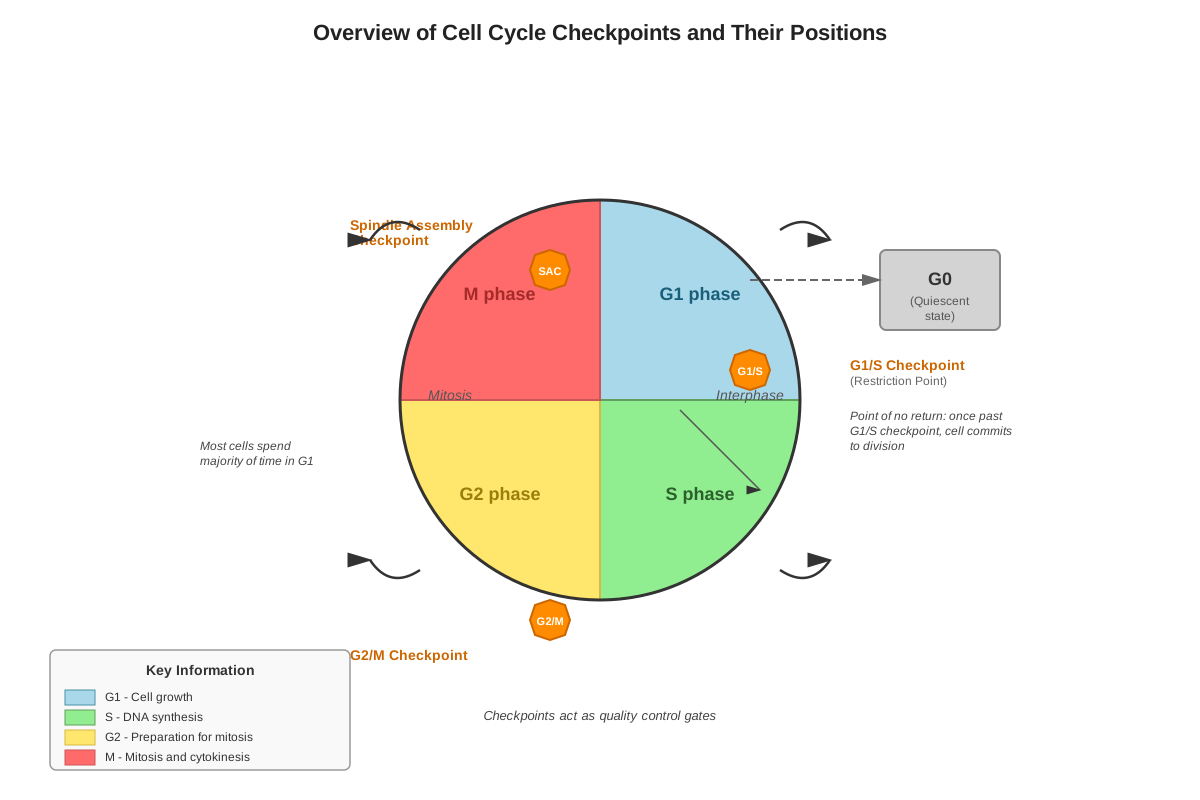
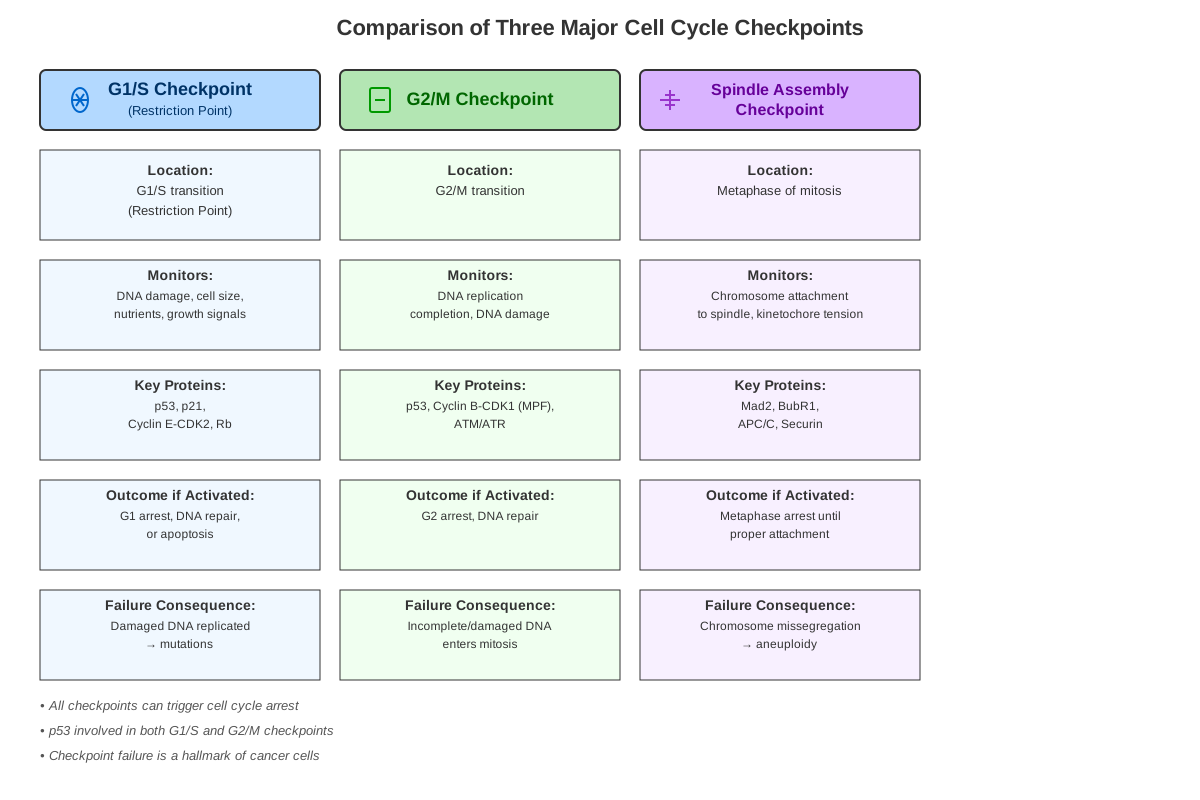
The G1/S checkpoint, also called the restriction point in mammalian cells, represents the primary decision point where cells commit to division. Located at the transition between G1 phase and S phase, this checkpoint assesses:
- DNA integrity: Checking for DNA damage, particularly double-strand breaks
- Cell size and nutrient availability: Ensuring adequate resources for DNA replication
- Growth signals: Confirming the presence of appropriate extracellular growth factors
The molecular machinery of the G1/S checkpoint centers on the tumor suppressor protein p53 and the retinoblastoma protein (Rb). When DNA damage is detected by sensor proteins (such as ATM and ATR kinases), p53 becomes phosphorylated and stabilized, preventing its normal degradation by MDM2. Activated p53 functions as a transcription factor, inducing expression of:
- p21: A cyclin-dependent kinase inhibitor (CKI) that blocks cyclin E-CDK2 complexes, preventing S phase entry
- DNA repair genes: Facilitating correction of DNA damage
- Pro-apoptotic genes (BAX, PUMA): Triggering cell death if damage is irreparable
The Rb protein, when hypophosphorylated, binds and inactivates E2F transcription factors, preventing expression of S phase genes. Growth signals lead to cyclin D-CDK4/6 activation, which phosphorylates Rb, releasing E2F and allowing S phase progression. The G1/S checkpoint can block this process when conditions are unfavorable.
G2/M Checkpoint
The G2/M checkpoint occurs at the transition between G2 phase and mitosis, serving as the final quality control before the cell commits to division. This checkpoint verifies:
- Complete DNA replication: Ensuring all chromosomes have been fully replicated
- DNA damage repair: Confirming that any damage detected during S phase has been corrected
- Adequate cell size: Verifying the cell has grown sufficiently to divide
The molecular control of the G2/M checkpoint involves the cyclin B-CDK1 complex (also called M-phase promoting factor or MPF). Entry into mitosis requires activation of this complex, which is regulated by:
- Phosphorylation status: CDK1 must be phosphorylated on activating sites (Thr161) and dephosphorylated on inhibitory sites (Tyr15, Thr14) by CDC25 phosphatase
- p53 pathway: DNA damage activates p53, which induces p21 and other proteins that inhibit cyclin B-CDK1
- 14-3-3 proteins: Sequester cyclin B-CDK1 in the cytoplasm when checkpoint signals are active
When the G2/M checkpoint is activated due to DNA damage or incomplete replication, cells arrest in G2 phase, preventing the catastrophic consequences of attempting mitosis with damaged or incompletely replicated chromosomes.
Spindle Assembly Checkpoint (Metaphase Checkpoint)
The spindle assembly checkpoint (SAC), also called the M checkpoint or metaphase checkpoint, operates during mitosis to ensure proper chromosome segregation. This checkpoint monitors:
- Kinetochore-microtubule attachment: Verifying that all chromosomes are attached to spindle microtubules
- Bipolar attachment: Ensuring each sister chromatid is attached to opposite spindle poles
- Tension at kinetochores: Confirming proper attachment through mechanical tension
The SAC prevents progression from metaphase to anaphase until all chromosomes are correctly aligned at the metaphase plate with proper bipolar attachment. The molecular mechanism involves:
- MAD and BUB proteins: Checkpoint proteins that localize to unattached kinetochores
- Anaphase-promoting complex/cyclosome (APC/C): An E3 ubiquitin ligase that must be activated for anaphase entry
- Securin and separase: Securin inhibits separase (the protease that cleaves cohesin holding sister chromatids together); APC/C targets securin for degradation
Unattached kinetochores generate a "wait anaphase" signal by recruiting MAD2 and other checkpoint proteins, which inhibit CDC20, a co-activator of APC/C. Only when all kinetochores are properly attached does the inhibitory signal cease, allowing APC/C-CDC20 to ubiquitinate securin and cyclin B, triggering anaphase onset and mitotic exit.
Checkpoint Proteins and Molecular Regulators
| Protein | Function | Checkpoint(s) | Consequence of Loss |
|---|---|---|---|
| p53 | Transcription factor; induces cell cycle arrest and apoptosis | G1/S, G2/M | Increased cancer risk; cells divide despite DNA damage |
| p21 | CDK inhibitor; blocks cyclin-CDK complexes | G1/S, G2/M | Loss of p53-mediated arrest |
| Rb | Binds E2F; prevents S phase gene expression | G1/S | Uncontrolled S phase entry; retinoblastoma |
| ATM/ATR | Kinases that detect DNA damage | G1/S, G2/M | Impaired damage detection; genomic instability |
| CDC25 | Phosphatase that activates CDK1 | G2/M | Constitutive activation prevents G2/M arrest |
| MAD2/BUB1 | Monitor kinetochore attachment | Spindle assembly | Chromosome missegregation; aneuploidy |
| APC/C | E3 ubiquitin ligase; triggers anaphase | Spindle assembly | Metaphase arrest |
Checkpoint Outcomes: Arrest, Repair, or Apoptosis
When a checkpoint is activated, the cell faces three possible outcomes:
- Temporary arrest with successful repair: The cell cycle halts, repair mechanisms correct the problem, and the checkpoint is satisfied, allowing progression. This is the ideal outcome, maintaining genomic integrity while preserving the cell.
- Permanent arrest (senescence): If damage is extensive but not immediately lethal, cells may enter permanent growth arrest, a state called senescence. Senescent cells remain metabolically active but cannot divide, preventing propagation of damaged DNA.
- Apoptosis: When damage is irreparable or checkpoints detect catastrophic problems, programmed cell death is triggered. This eliminates potentially dangerous cells that could become cancerous if allowed to divide.
The decision between these outcomes depends on the extent of damage, the cell type, and the balance of pro-survival versus pro-apoptotic signals. p53 plays a central role in this decision, with low-level activation favoring arrest and repair, while high-level or sustained activation triggers apoptosis.
Concept Relationships
Cell cycle checkpoints integrate multiple biological systems into a coherent quality control mechanism. The relationship map flows as follows:
DNA damage or cellular stress → Sensor proteins (ATM/ATR) → Signal transduction cascade → Checkpoint effectors (p53, Rb) → CDK inhibition → Cell cycle arrest
Simultaneously: p53 activation → Transcription of repair genes → DNA repair → Checkpoint satisfaction → Cell cycle resumption
Or alternatively: Irreparable damage → Sustained p53 activation → Pro-apoptotic gene expression → Apoptosis
The checkpoints connect to prerequisite knowledge of the cell cycle phases by defining the transitions between phases (G1→S, G2→M, metaphase→anaphase) as regulated decision points rather than automatic progressions. DNA replication knowledge is essential because the S phase checkpoint monitors replication completion, while DNA damage detection requires understanding what constitutes abnormal DNA structure.
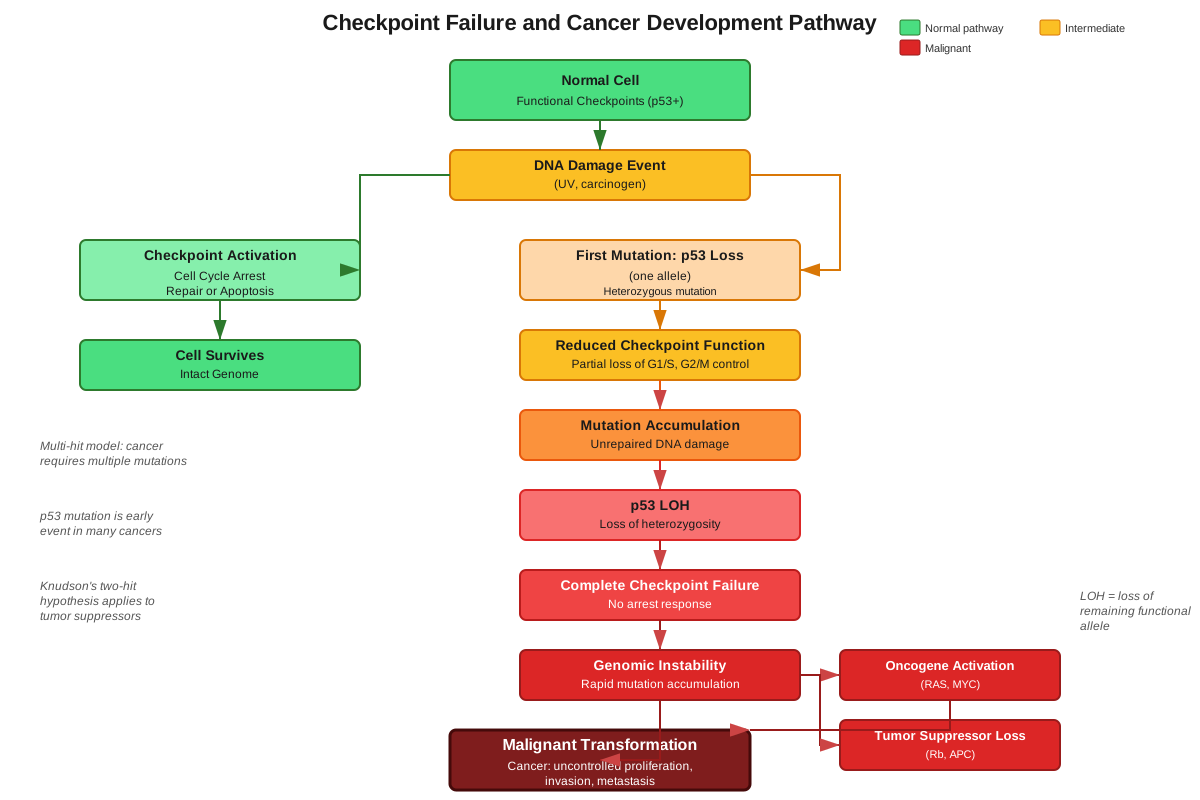
Checkpoint concepts link forward to cancer biology: checkpoint loss (especially p53 mutations) is a hallmark of cancer, explaining how tumor cells accumulate mutations and proliferate despite genomic instability. They also connect to apoptosis mechanisms, as checkpoint activation often triggers the intrinsic apoptotic pathway through p53-mediated expression of pro-apoptotic BCL-2 family members.
The relationship to signal transduction is bidirectional: growth factor signaling (through pathways like RAS/MAPK and PI3K/AKT) promotes checkpoint passage by activating cyclins and CDKs, while checkpoint activation inhibits these same complexes. This creates an integrated system where external signals and internal cellular status jointly determine division decisions.
Quick check — test yourself on Cell cycle checkpoints so far.
Try Flashcards →High-Yield Facts
⭐ The G1/S checkpoint is the primary decision point for cell division; once passed, cells are generally committed to completing the cycle
⭐ p53 is the most commonly mutated gene in human cancers, found in >50% of tumors, because it controls both G1/S and G2/M checkpoints
⭐ The spindle assembly checkpoint prevents anaphase until all chromosomes are properly attached to spindle microtubules with correct bipolar orientation
⭐ p21 is a cyclin-dependent kinase inhibitor induced by p53 that directly blocks cyclin-CDK complexes, causing cell cycle arrest
⭐ Loss of Rb function (as in retinoblastoma) allows uncontrolled E2F activity and constitutive S phase gene expression
- Checkpoint activation can lead to three outcomes: temporary arrest with repair, permanent arrest (senescence), or apoptosis
- ATM and ATR are kinases that detect DNA damage and activate checkpoint pathways by phosphorylating p53 and other targets
- The G2/M checkpoint is controlled by the cyclin B-CDK1 complex, which must be activated for mitosis entry
- Unattached kinetochores generate a "wait anaphase" signal through MAD and BUB proteins that inhibit the APC/C
- CDC25 phosphatase activates CDK1 by removing inhibitory phosphates; checkpoint signals inhibit CDC25
- The restriction point in mammalian cells corresponds to the G1/S checkpoint and represents the point of growth factor dependence
- Securin inhibits separase; APC/C-mediated securin degradation allows separase to cleave cohesin, triggering sister chromatid separation
- MDM2 normally targets p53 for degradation; DNA damage disrupts this interaction, stabilizing p53
- Cyclin levels oscillate during the cell cycle, while CDK levels remain relatively constant; checkpoint activation prevents cyclin accumulation
- Checkpoint failure leads to genomic instability, a hallmark of cancer characterized by aneuploidy and increased mutation rates
Common Misconceptions
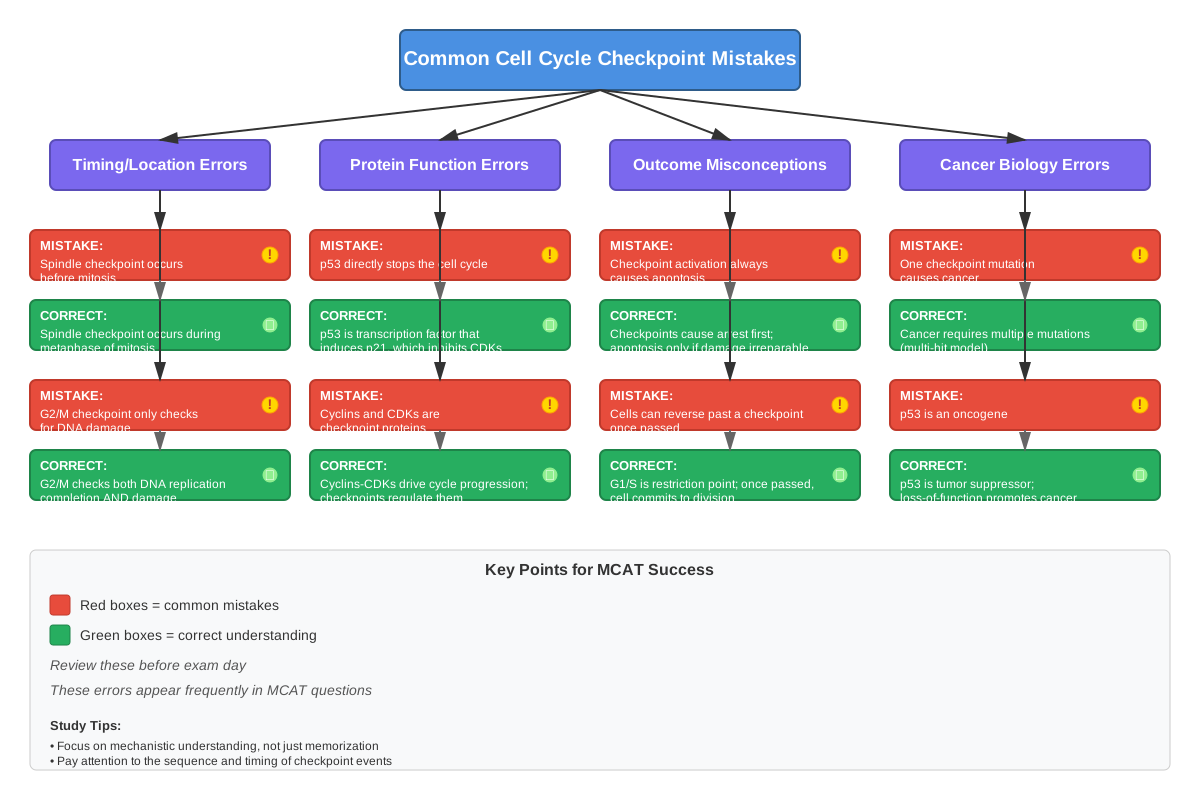
Misconception: Checkpoints only detect DNA damage.
Correction: While DNA damage is a major checkpoint trigger, checkpoints also monitor DNA replication completion, chromosome attachment, cell size, nutrient availability, and growth factor presence. Each checkpoint integrates multiple signals to assess cellular readiness.
Misconception: All cells that activate checkpoints undergo apoptosis.
Correction: Checkpoint activation typically causes temporary arrest, allowing time for repair. Apoptosis is triggered only when damage is irreparable or when checkpoint signals are sustained at high levels. Most checkpoint activations result in successful repair and cell cycle resumption.
Misconception: p53 directly stops the cell cycle.
Correction: p53 is a transcription factor that induces expression of genes like p21, which then inhibits cyclin-CDK complexes to arrest the cell cycle. p53 acts indirectly through transcriptional regulation rather than directly blocking cell cycle machinery.
Misconception: The spindle assembly checkpoint occurs before mitosis begins.
Correction: The spindle assembly checkpoint operates during mitosis, specifically at the metaphase-to-anaphase transition. It monitors events (kinetochore attachment) that occur after mitosis has already started, unlike the G1/S and G2/M checkpoints that control phase transitions.
Misconception: Cancer cells have no functional checkpoints.
Correction: Most cancer cells retain some checkpoint function, though often with defects in specific pathways (commonly p53). Complete checkpoint loss is typically lethal. Cancer cells often have weakened but not absent checkpoints, allowing some quality control while permitting division despite abnormalities.
Misconception: Rb and p53 function in the same pathway.
Correction: While both are tumor suppressors involved in the G1/S checkpoint, they function in parallel pathways. Rb controls E2F-mediated transcription of S phase genes, while p53 responds to DNA damage by inducing CDK inhibitors. Both must be inactivated for full checkpoint loss, which is why many cancers have mutations in both pathways.
Misconception: Checkpoint proteins are only important for preventing cancer.
Correction: Beyond cancer prevention, checkpoints are essential for normal development, tissue homeostasis, and response to environmental stresses. They coordinate cell division with developmental signals, prevent birth defects by eliminating damaged embryonic cells, and maintain tissue architecture by controlling proliferation rates.
Worked Examples
Example 1: DNA Damage Response
Scenario: A cell is exposed to UV radiation during G1 phase, causing thymine dimers in its DNA. Describe the checkpoint response and predict the outcome if the cell has functional p53 versus mutant p53.
Solution:
Step 1 - Identify the relevant checkpoint: UV damage during G1 phase activates the G1/S checkpoint, which monitors DNA integrity before allowing S phase entry.
Step 2 - Trace the molecular mechanism with functional p53:
- UV-induced DNA damage is detected by sensor proteins (ATM/ATR kinases)
- ATM/ATR phosphorylate p53, stabilizing it by preventing MDM2-mediated degradation
- Stabilized p53 accumulates and functions as a transcription factor
- p53 induces expression of p21 (CDK inhibitor) and DNA repair genes
- p21 binds to and inhibits cyclin E-CDK2 complexes
- Cell cycle progression to S phase is blocked
Step 3 - Predict the outcome with functional p53:
The cell arrests in G1 phase. DNA repair mechanisms (nucleotide excision repair for thymine dimers) correct the damage. Once repair is complete, checkpoint signals cease, p53 levels decrease, p21 levels drop, and cyclin E-CDK2 becomes active, allowing S phase entry. The cell survives with intact genomic information.
Step 4 - Predict the outcome with mutant p53:
Without functional p53, the checkpoint cannot be properly activated. The cell fails to induce p21 and arrest in G1. It proceeds into S phase with unrepaired thymine dimers. During DNA replication, these lesions cause replication fork stalling and potential mutations. The cell accumulates genetic damage, increasing cancer risk. Over multiple division cycles, additional mutations accumulate, potentially leading to transformation.
Key concept reinforced: The G1/S checkpoint, mediated by p53, is the primary defense against propagating DNA damage. Loss of p53 function is oncogenic because it allows cells to replicate damaged DNA.
Example 2: Spindle Assembly Checkpoint Failure
Scenario: Researchers treat cells with nocodazole, a drug that depolymerizes microtubules, then add a spindle assembly checkpoint inhibitor. Predict the cellular outcome and explain the mechanism.
Solution:
Step 1 - Analyze the effect of nocodazole alone:
- Nocodazole depolymerizes microtubules, preventing spindle formation
- Chromosomes cannot attach to spindle microtubules
- Unattached kinetochores recruit MAD2 and BUB proteins
- These checkpoint proteins inhibit CDC20, preventing APC/C activation
- Without active APC/C, securin is not degraded
- Separase remains inhibited, sister chromatids stay connected
- Cells arrest in metaphase (cannot progress to anaphase)
Step 2 - Analyze the effect of adding checkpoint inhibitor:
- The checkpoint inhibitor blocks MAD2/BUB function
- Even though kinetochores remain unattached, the "wait anaphase" signal is lost
- CDC20 is no longer inhibited
- APC/C becomes active despite improper chromosome attachment
- APC/C ubiquitinates securin, targeting it for degradation
- Separase is released and cleaves cohesin
- Sister chromatids separate
Step 3 - Predict the catastrophic outcome:
Without proper spindle attachment, separated chromatids are not pulled to opposite poles. Chromosome segregation is random and chaotic. Daughter cells receive incorrect chromosome numbers (aneuploidy). Most cells with severe aneuploidy undergo apoptosis due to imbalanced gene expression. Surviving cells have genomic instability and may become cancerous.
Step 4 - Connect to broader concepts:
This experiment demonstrates that the spindle assembly checkpoint is essential for maintaining chromosome number. Checkpoint override in the presence of spindle defects mimics what occurs in cancer cells with checkpoint mutations, explaining why such cells often show aneuploidy. This also explains why spindle poisons (like taxanes used in chemotherapy) can kill cancer cells—they activate the spindle checkpoint, and cancer cells with weakened checkpoints may undergo catastrophic mitosis.
Key concept reinforced: The spindle assembly checkpoint prevents anaphase until proper chromosome attachment is achieved. Checkpoint failure leads to chromosome missegregation and aneuploidy, a hallmark of cancer cells.
Exam Strategy
Approaching MCAT Questions on Cell Cycle Checkpoints
Step 1 - Identify which checkpoint is relevant: Determine the cell cycle phase or transition point described in the question. Key phrases include:
- "Before DNA replication" or "in response to DNA damage in G1" → G1/S checkpoint
- "After DNA replication" or "before mitosis" → G2/M checkpoint
- "During mitosis" or "chromosome alignment" → Spindle assembly checkpoint
Step 2 - Determine the checkpoint status: Is the checkpoint being activated (cell cycle arrest) or inactivated (allowing progression)? Look for:
- Activation triggers: DNA damage, unreplicated DNA, unattached chromosomes, lack of growth factors
- Inactivation scenarios: Mutations in checkpoint genes (p53, Rb), checkpoint inhibitor drugs, completion of monitored events
Step 3 - Predict the molecular mechanism: Connect the scenario to specific proteins:
- DNA damage → ATM/ATR → p53 → p21 → CDK inhibition
- G1/S control → Rb/E2F system
- G2/M control → Cyclin B-CDK1 regulation
- Spindle checkpoint → MAD/BUB → APC/C inhibition
Step 4 - Determine the outcome: Based on checkpoint status, predict:
- Checkpoint activation → Cell cycle arrest in specific phase
- Successful repair → Checkpoint satisfaction → Progression
- Irreparable damage → Apoptosis
- Checkpoint failure → Progression despite problems → Genomic instability
Trigger Words and Phrases
Watch for these high-yield terms that signal checkpoint questions:
- "DNA damage," "radiation," "mutagenic agent" → Checkpoint activation
- "p53 mutation," "checkpoint deficient" → Checkpoint failure
- "Cell cycle arrest," "G1 arrest," "metaphase arrest" → Checkpoint activation
- "Uncontrolled proliferation," "genomic instability" → Checkpoint loss
- "Kinetochore," "spindle," "chromosome alignment" → Spindle assembly checkpoint
- "Restriction point," "growth factor withdrawal" → G1/S checkpoint
Process of Elimination Tips
When evaluating answer choices:
- Eliminate answers that place checkpoints in the wrong phase: The spindle checkpoint doesn't operate in G1; the G1/S checkpoint doesn't monitor chromosome attachment
- Eliminate answers that reverse cause and effect: Checkpoint activation causes arrest, not the reverse; p53 induces p21, not vice versa
- Eliminate answers that confuse checkpoint activation with failure: Checkpoint activation prevents division; checkpoint failure allows inappropriate division
- Eliminate answers that misidentify checkpoint proteins: p53 is not a kinase; CDKs are not transcription factors; Rb doesn't directly bind DNA
Time Allocation
For discrete questions on checkpoints (1-2 minutes):
- Quickly identify the checkpoint (15 seconds)
- Trace the mechanism (30 seconds)
- Evaluate answer choices (30 seconds)
For passage-based questions (8-10 minutes for passage + questions):
- During passage reading, note any checkpoint manipulations or mutations (2 minutes)
- For each question, refer back to relevant passage information (1-1.5 minutes per question)
- Integrate passage data with checkpoint knowledge to eliminate wrong answers
Memory Techniques
Mnemonic for Checkpoint Functions
"GPS" for the three major checkpoints:
- G1/S checkpoint: Growth and Genome integrity (DNA damage check)
- G2/M checkpoint: Guarantee replication is complete
- Spindle checkpoint: Sister chromatids properly attached
Mnemonic for p53 Functions
"p53 is the GUARD":
- Genome integrity monitor
- Ubiquitination target (by MDM2)
- Apoptosis inducer
- Repair gene activator
- DNA damage responder
Visualization Strategy for Checkpoint Cascade
Visualize checkpoints as traffic lights at intersections:
- Green light (no problems detected): Cell proceeds through intersection (phase transition)
- Yellow light (minor issues): Cell slows, repair mechanisms engage
- Red light (major problems): Cell stops completely, must fix issues before proceeding
- Broken traffic light (checkpoint mutation): Cars crash (genomic instability, cancer)
Acronym for Spindle Checkpoint Components
"MAD BUBbles block CDC":
- MAD proteins (MAD1, MAD2)
- BUB proteins (BUB1, BUB3, BUBR1)
- Block CDC20
- Preventing APC/C activation until all chromosomes are properly attached
Memory Palace for Checkpoint Sequence
Imagine walking through your home:
- Front door (G1/S checkpoint): Security guard (p53) checks ID (DNA integrity) before letting you enter
- Hallway (S phase): DNA replication occurs
- Kitchen door (G2/M checkpoint): Second security check ensures you completed your tasks (replication)
- Kitchen table (Metaphase): Everything must be properly arranged (chromosomes aligned) before the meal (anaphase) begins
- Dining room (Anaphase/Telophase): Division of resources (chromatids) to two locations
Summary
Cell cycle checkpoints are essential quality control mechanisms that monitor cellular readiness for division at three critical transition points: the G1/S checkpoint (verifying DNA integrity and growth signals before replication), the G2/M checkpoint (confirming complete replication and DNA repair before mitosis), and the spindle assembly checkpoint (ensuring proper chromosome attachment before anaphase). These checkpoints operate through molecular cascades involving sensor proteins that detect problems, signal transducers that amplify signals, and effector proteins like p53, Rb, and the APC/C that execute cell cycle arrest. When activated, checkpoints halt progression, allowing time for repair or triggering apoptosis if damage is irreparable. Checkpoint failure, particularly through p53 or Rb mutations, is a hallmark of cancer, allowing cells to divide despite genomic damage and accumulate the mutations necessary for malignant transformation. For the MCAT, students must understand which checkpoint monitors which cellular event, the molecular mechanisms of checkpoint control, and the consequences of checkpoint activation versus failure in both normal and disease contexts.
Key Takeaways
- Cell cycle checkpoints are surveillance mechanisms at G1/S, G2/M, and metaphase-anaphase transitions that prevent division when problems are detected
- The G1/S checkpoint, controlled primarily by p53 and Rb, is the main decision point for cell division and monitors DNA damage and growth signals
- p53 functions as a transcription factor that induces p21 (a CDK inhibitor), DNA repair genes, and pro-apoptotic genes in response to DNA damage
- The spindle assembly checkpoint prevents anaphase until all chromosomes are properly attached to spindle microtubules with bipolar orientation
- Checkpoint failure, especially p53 loss, is found in the majority of human cancers and leads to genomic instability and uncontrolled proliferation
- Checkpoint activation leads to three possible outcomes: temporary arrest with repair, permanent arrest (senescence), or apoptosis
- Understanding checkpoint mechanisms is essential for explaining cancer biology, therapeutic strategies, and cellular responses to DNA damage on the MCAT
Related Topics
p53 and Tumor Suppressor Genes: Deep dive into p53 structure, regulation by MDM2, transcriptional targets, and role in cancer. Mastering checkpoints provides the foundation for understanding why p53 is the most commonly mutated gene in cancer.
Cyclins and Cyclin-Dependent Kinases: Detailed examination of the cyclin-CDK complexes that drive cell cycle progression and how checkpoints regulate their activity through phosphorylation and CDK inhibitors.
Apoptosis Pathways: Exploration of intrinsic and extrinsic apoptotic pathways, including how checkpoint activation (particularly through p53) triggers the intrinsic pathway via BCL-2 family proteins.
DNA Repair Mechanisms: Study of specific repair pathways (base excision repair, nucleotide excision repair, mismatch repair, homologous recombination, non-homologous end joining) that are activated when checkpoints detect DNA damage.
Cancer Biology and Oncogenesis: Comprehensive examination of how checkpoint loss contributes to the hallmarks of cancer, including sustained proliferative signaling, evasion of growth suppressors, and genomic instability.
Cell Signaling and Growth Factor Pathways: Investigation of how external signals (growth factors, cytokines) regulate checkpoint passage through pathways like RAS/MAPK and PI3K/AKT that control cyclin expression.
Practice CTA
Now that you've mastered the core concepts of cell cycle checkpoints, it's time to reinforce your understanding through active practice. Work through the practice questions to apply your knowledge to MCAT-style scenarios, testing your ability to identify checkpoints, predict outcomes of checkpoint mutations, and integrate this topic with related concepts like cancer biology and DNA repair. Use the flashcards to drill high-yield facts and molecular mechanisms until they become automatic. Remember: understanding checkpoints is not just about memorizing p53 and Rb—it's about developing the mechanistic thinking that allows you to predict cellular outcomes in novel scenarios. This skill will serve you throughout the biological sciences sections of the MCAT. You've got this!
Sign up free to keep reading
Create a free AnvayaPrep account to finish this MCAT guide on Cell cycle checkpoints — plus flashcards and practice questions.