Overview
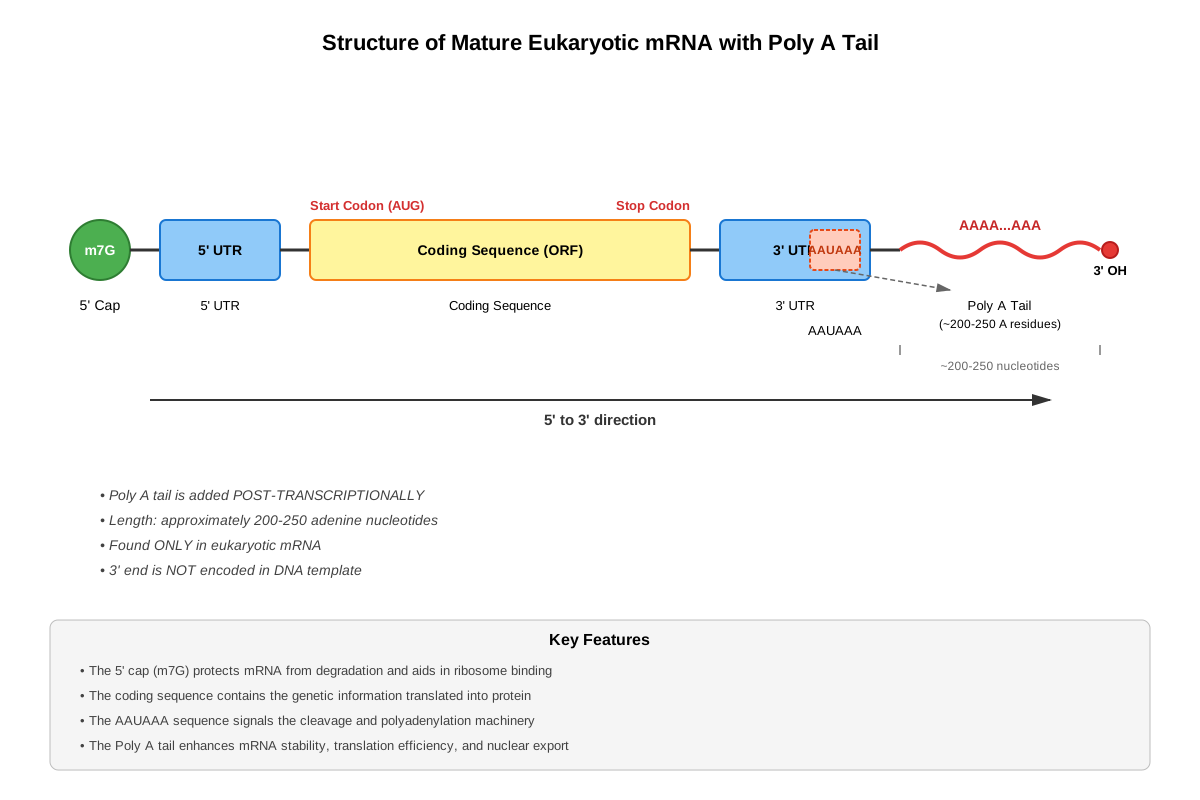
The Poly A tail is a critical post-transcriptional modification found on the 3' end of eukaryotic messenger RNA (mRNA) molecules. This structure consists of approximately 200-250 adenine nucleotides added enzymatically to the nascent mRNA transcript after transcription but before the mRNA exits the nucleus. Understanding the Poly A tail is fundamental to mastering Molecular Biology and Genetics concepts tested on the MCAT, as it represents a key distinction between prokaryotic and eukaryotic gene expression.
For the MCAT, the Poly A tail serves as an essential component of RNA processing questions, frequently appearing in passages about gene regulation, protein synthesis, and cellular differentiation. The Biology section of the MCAT regularly tests students' understanding of how eukaryotic cells modify primary transcripts into mature mRNA molecules ready for translation. Questions may ask students to predict the consequences of defective polyadenylation, identify which RNA molecules possess Poly A tails, or explain how this modification affects mRNA stability and function.
The Poly A tail connects to broader themes in molecular biology, including the central dogma of molecular biology, gene expression regulation, and the evolutionary differences between prokaryotes and eukaryotes. This modification works in concert with other RNA processing events—the 5' methylguanosine cap and splicing—to produce functional mRNA molecules. Together, these modifications protect the mRNA from degradation, facilitate nuclear export, enhance translation efficiency, and provide regulatory control points that cells exploit to fine-tune gene expression in response to developmental and environmental signals.
Learning Objectives
- [ ] Define Poly A tail using accurate Biology terminology
- [ ] Explain why Poly A tail matters for the MCAT
- [ ] Apply Poly A tail to exam-style questions
- [ ] Identify common mistakes related to Poly A tail
- [ ] Connect Poly A tail to related Biology concepts
- [ ] Describe the enzymatic mechanism of polyadenylation and the proteins involved
- [ ] Compare and contrast RNA processing in prokaryotes versus eukaryotes with emphasis on polyadenylation
- [ ] Predict the functional consequences of mutations affecting polyadenylation signals
- [ ] Analyze experimental data involving mRNA stability and Poly A tail length
Prerequisites
- Transcription basics: Understanding how RNA polymerase synthesizes RNA from DNA templates is essential because polyadenylation occurs after transcription initiation
- DNA and RNA structure: Knowledge of nucleotide structure and the 5' to 3' directionality of nucleic acids is necessary to understand where the Poly A tail is added
- Central dogma: Familiarity with the flow of genetic information (DNA → RNA → Protein) provides context for where RNA processing fits in gene expression
- Eukaryotic vs. prokaryotic cell structure: Recognizing that eukaryotes have a nucleus helps explain why RNA processing occurs before translation
- Basic enzyme function: Understanding how enzymes catalyze reactions is needed to comprehend the polyadenylation machinery
Why This Topic Matters
Clinical and Real-World Significance
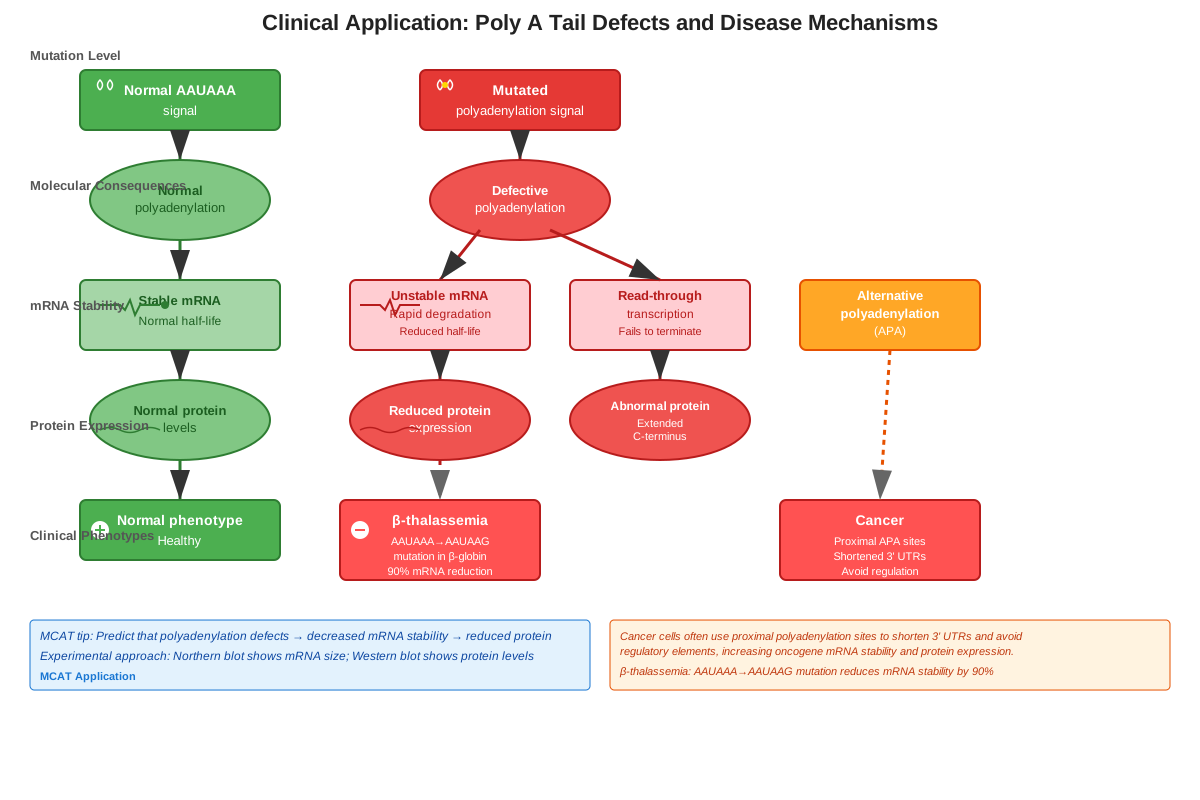
The Poly A tail has profound implications for human health and disease. Mutations in polyadenylation signals or the polyadenylation machinery can cause various genetic disorders, including certain forms of thalassemia (where defective polyadenylation of globin mRNA leads to reduced hemoglobin production). Cancer cells often exhibit altered polyadenylation patterns, with some oncogenes showing extended Poly A tails that increase their stability and expression. Understanding Poly A tail biology is also crucial for biotechnology applications, including mRNA vaccine development—the COVID-19 mRNA vaccines utilize modified Poly A tails to enhance mRNA stability and translation efficiency in recipient cells.
MCAT Exam Statistics
The Poly A tail appears in approximately 5-8% of MCAT Biology passages, particularly in questions testing molecular biology and genetics concepts. This topic most commonly appears in:
- Discrete questions asking about RNA processing steps or differences between prokaryotic and eukaryotic gene expression
- Passage-based questions involving experimental manipulation of gene expression or analysis of mRNA stability
- Research-based passages describing techniques like Northern blotting or RT-PCR that detect polyadenylated mRNA
Common Exam Contexts
MCAT passages featuring Poly A tail concepts often present scenarios involving:
- Comparison of gene expression between prokaryotes and eukaryotes
- Experimental treatments affecting mRNA stability or half-life
- Developmental biology questions about differential gene expression
- Biotechnology applications using poly(A) selection to purify mRNA
- Mutations affecting the polyadenylation signal sequence (AAUAAA)
Core Concepts
Structure and Composition of the Poly A Tail
The Poly A tail is a homopolymeric sequence of approximately 200-250 adenine (A) nucleotides attached to the 3' end of most eukaryotic mRNA molecules. Unlike the coding sequence of mRNA, which is transcribed directly from the DNA template, the Poly A tail is added post-transcriptionally through a template-independent enzymatic process. The tail consists exclusively of adenine residues connected by standard 3'-5' phosphodiester bonds, creating a single-stranded extension at the 3' terminus of the mature mRNA.
The length of the Poly A tail is not fixed and varies depending on the specific mRNA, the cell type, and the developmental stage. Newly synthesized mRNA molecules typically receive tails of 200-250 nucleotides in the nucleus, but this length can be shortened or lengthened in the cytoplasm through regulated deadenylation or cytoplasmic polyadenylation, respectively. The dynamic nature of Poly A tail length serves as a regulatory mechanism controlling mRNA stability and translational efficiency.
The Polyadenylation Process
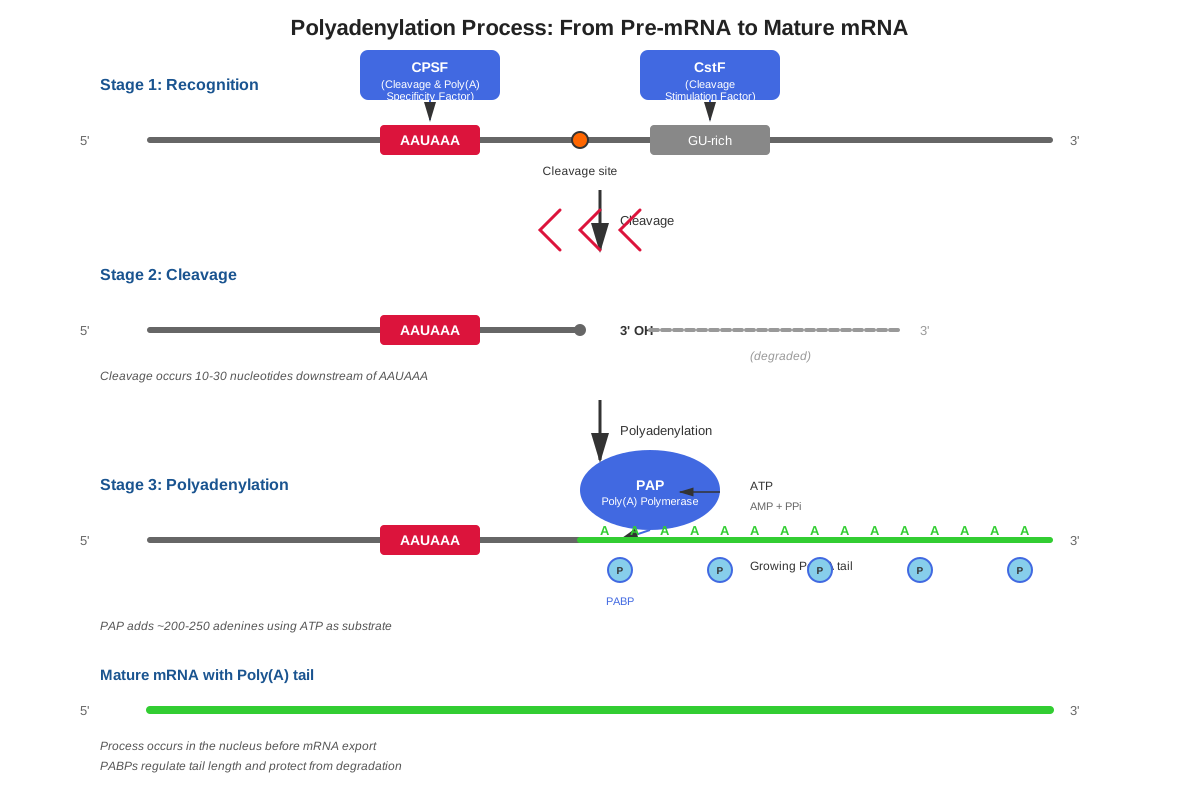
Polyadenylation is the enzymatic addition of the Poly A tail to pre-mRNA, occurring in the nucleus as part of the broader RNA processing pathway. This process involves several key steps and protein complexes:
- Recognition of polyadenylation signals: The pre-mRNA contains specific sequence elements that direct where polyadenylation will occur. The most important is the highly conserved AAUAAA hexanucleotide sequence located 10-30 nucleotides upstream of the cleavage site. A downstream element (DSE), often a U-rich or GU-rich sequence, is located 10-30 nucleotides downstream of the cleavage site.
- Assembly of the polyadenylation complex: Multiple protein factors recognize these signals and assemble at the 3' end of the pre-mRNA. Key components include:
- Cleavage and Polyadenylation Specificity Factor (CPSF): Binds to the AAUAAA sequence
- Cleavage stimulation Factor (CstF): Binds to the downstream element
- Cleavage Factors (CF I and CF II): Additional factors that facilitate the cleavage reaction
- Cleavage: The pre-mRNA is cleaved 10-30 nucleotides downstream of the AAUAAA sequence, generating a new 3' end with a hydroxyl group
- Poly A tail synthesis: Poly(A) polymerase (PAP) adds approximately 200-250 adenine nucleotides to the newly created 3' end without requiring a template. This enzyme is unique in its ability to synthesize RNA without base-pairing to a DNA or RNA template.
- Poly A binding protein association: Poly(A) binding proteins (PABPs) immediately bind to the growing Poly A tail, with one PABP molecule binding approximately every 25 adenine residues. These proteins protect the tail from degradation and facilitate various functions of the mature mRNA.
Functions of the Poly A Tail
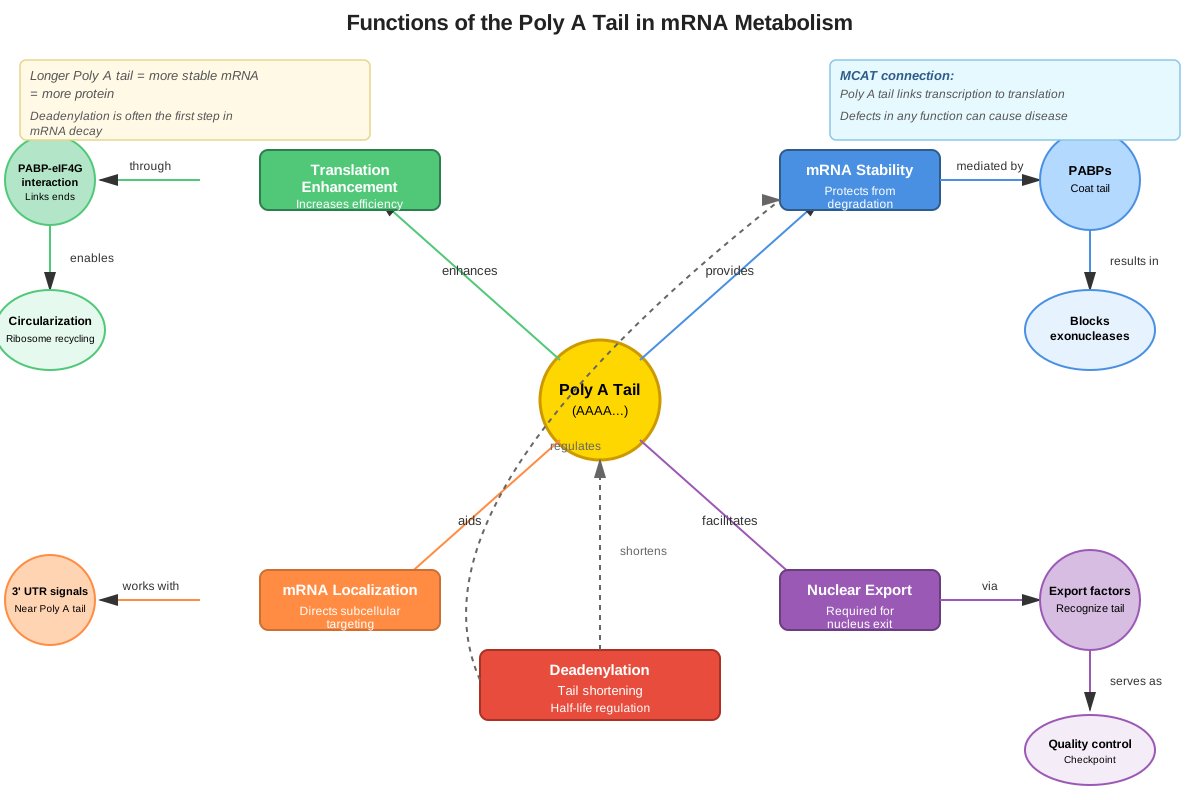
The Poly A tail serves multiple critical functions in eukaryotic gene expression:
| Function | Mechanism | Biological Significance |
|---|---|---|
| mRNA Stability | Protects the 3' end from exonuclease degradation | Increases mRNA half-life, allowing more protein synthesis |
| Nuclear Export | Recognized by export factors that transport mRNA through nuclear pores | Ensures only properly processed mRNA reaches the cytoplasm |
| Translation Enhancement | PABPs interact with translation initiation factors at the 5' cap | Promotes ribosome recruitment and circularization of mRNA |
| mRNA Localization | Serves as a binding site for proteins that direct mRNA to specific cellular locations | Enables localized protein synthesis in specialized cells |
| Gene Expression Regulation | Tail length can be dynamically modified to control translation | Allows rapid responses to cellular signals without new transcription |
The mRNA stability function is particularly important for the MCAT. The Poly A tail acts as a protective buffer against 3' to 5' exonucleases, which are enzymes that degrade RNA from the 3' end. As the tail is gradually shortened through normal cellular processes (deadenylation), the mRNA becomes increasingly susceptible to complete degradation. Once the tail reaches a critical length (typically 10-20 nucleotides), the mRNA is rapidly degraded, effectively ending its functional lifespan.
Poly A Tail and Translation
The Poly A tail enhances translation through a sophisticated mechanism involving mRNA circularization. PABPs bound to the Poly A tail interact with eIF4G, a translation initiation factor that also binds to the 5' methylguanosine cap structure through eIF4E. This interaction brings the 3' and 5' ends of the mRNA into close proximity, forming a circular structure. This circularization:
- Facilitates ribosome recycling: After completing translation, ribosomes can quickly reinitiate at the 5' end without dissociating completely from the mRNA
- Enhances translation initiation: The proximity of the 3' end to the 5' cap promotes recruitment of the small ribosomal subunit
- Provides a quality control mechanism: Only mRNA molecules with both a 5' cap and 3' Poly A tail are efficiently translated
Prokaryotic vs. Eukaryotic Comparison
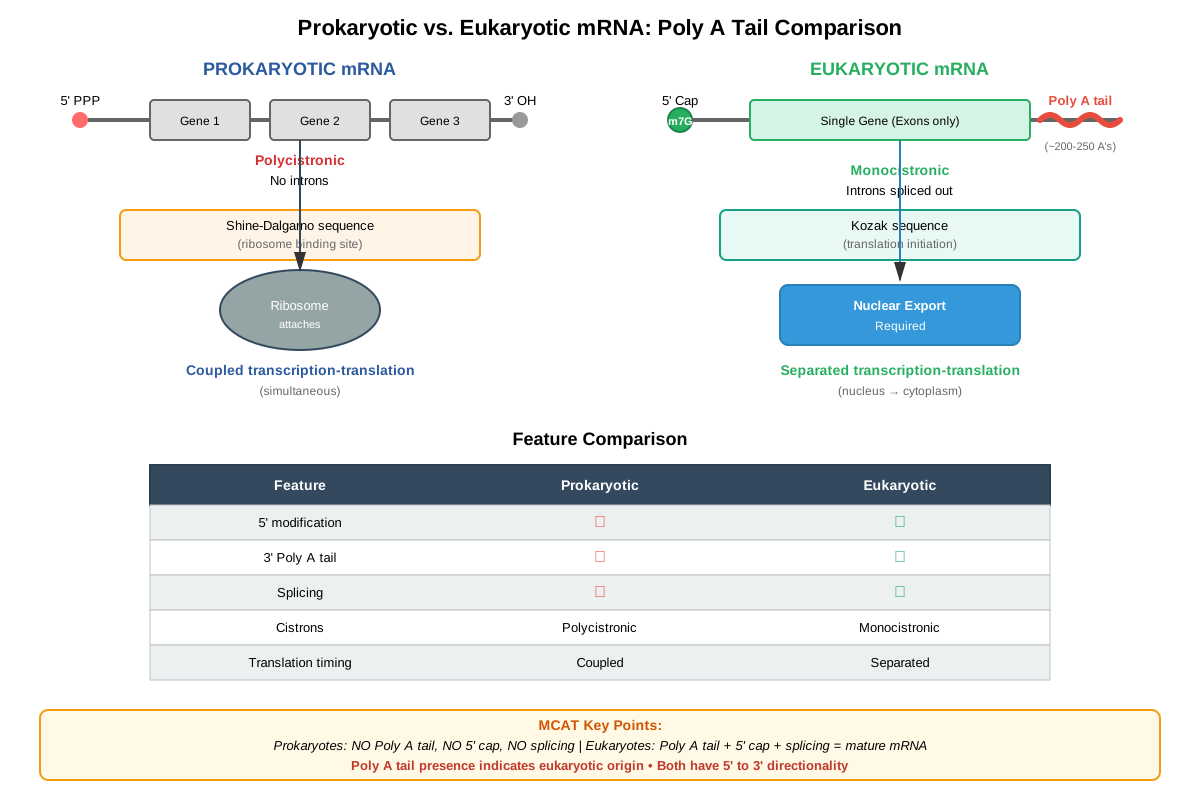
Understanding the differences between prokaryotic and eukaryotic mRNA processing is high-yield for the MCAT:
| Feature | Prokaryotes | Eukaryotes |
|---|---|---|
| Poly A tail | Generally absent (some exceptions) | Present on most mRNA |
| 5' cap | Absent | Present (7-methylguanosine) |
| Splicing | Absent (no introns in most genes) | Present (introns removed) |
| Transcription-translation coupling | Simultaneous | Separated (nuclear vs. cytoplasmic) |
| mRNA stability | Short half-life (minutes) | Longer half-life (hours to days) |
| Processing location | Not applicable | Nuclear |
This comparison frequently appears in MCAT questions asking students to identify which features distinguish eukaryotic from prokaryotic gene expression or to predict the consequences of expressing eukaryotic genes in bacterial systems.
Regulation Through Poly A Tail Dynamics
The length of the Poly A tail is not static but can be dynamically regulated to control gene expression. Two opposing processes govern tail length:
Deadenylation: The gradual shortening of the Poly A tail by deadenylase enzymes. This is typically the rate-limiting step in mRNA decay. Specific sequences in the 3' untranslated region (3' UTR) of mRNA can recruit deadenylases, accelerating mRNA degradation. MicroRNAs often function by promoting deadenylation of their target mRNAs.
Cytoplasmic polyadenylation: The addition of adenine residues to the Poly A tail in the cytoplasm, which can reactivate translationally dormant mRNAs. This mechanism is particularly important during oocyte maturation and early embryonic development, where maternal mRNAs stored with short Poly A tails are activated by cytoplasmic polyadenylation in response to developmental signals.
Concept Relationships
The Poly A tail is intimately connected to multiple aspects of molecular biology, forming a network of interdependent processes. The transcription process produces the primary transcript (pre-mRNA) that serves as the substrate for polyadenylation. This leads to RNA processing, which encompasses three major modifications: 5' capping, splicing, and 3' polyadenylation. These three processes are coordinated and often occur co-transcriptionally, meaning they begin before transcription is complete.
The relationship can be mapped as follows:
Transcription → Pre-mRNA synthesis → RNA processing (5' capping + Splicing + Polyadenylation) → Mature mRNA → Nuclear export → Translation → Protein synthesis
The Poly A tail specifically connects to:
- mRNA stability: Longer tails → increased stability → more protein production
- Translation efficiency: Poly A tail + PABPs → enhanced ribosome recruitment → increased translation
- Gene regulation: Tail length modulation → controlled protein expression without new transcription
- RNA interference: miRNAs promote deadenylation → mRNA degradation → gene silencing
Understanding these relationships helps students recognize that the Poly A tail is not an isolated feature but an integral component of the gene expression regulatory network that cells use to control protein levels precisely.
Quick check — test yourself on Poly A tail so far.
Try Flashcards →High-Yield Facts
⭐ The Poly A tail consists of approximately 200-250 adenine nucleotides added to the 3' end of eukaryotic mRNA post-transcriptionally
⭐ The AAUAAA hexanucleotide sequence is the highly conserved polyadenylation signal located 10-30 nucleotides upstream of the cleavage site
⭐ Poly(A) polymerase (PAP) adds the Poly A tail without requiring a DNA or RNA template
⭐ The Poly A tail enhances mRNA stability by protecting against 3' to 5' exonuclease degradation
⭐ Prokaryotic mRNA generally lacks Poly A tails, making this a key distinction between prokaryotic and eukaryotic gene expression
- Poly(A) binding proteins (PABPs) bind to the Poly A tail and interact with translation initiation factors at the 5' cap to promote translation
- Deadenylation (shortening of the Poly A tail) is typically the rate-limiting step in mRNA degradation
- The Poly A tail facilitates nuclear export of mature mRNA from the nucleus to the cytoplasm
- mRNA circularization occurs when PABPs interact with 5' cap-binding proteins, bringing the ends of the mRNA together
- Histone mRNAs are a notable exception among eukaryotic mRNAs—they lack Poly A tails and instead have a stem-loop structure at their 3' end
- Cytoplasmic polyadenylation can lengthen Poly A tails in the cytoplasm, reactivating translationally dormant mRNAs
- Mutations in the AAUAAA polyadenylation signal can cause disease by preventing proper mRNA processing
Common Misconceptions
Misconception: The Poly A tail is transcribed directly from the DNA template like the rest of the mRNA sequence.
Correction: The Poly A tail is added post-transcriptionally by Poly(A) polymerase in a template-independent manner. There is no corresponding stretch of thymine nucleotides in the DNA that codes for the Poly A tail.
Misconception: All RNA molecules in eukaryotic cells have Poly A tails.
Correction: Only most mRNA molecules have Poly A tails. Ribosomal RNA (rRNA), transfer RNA (tRNA), small nuclear RNA (snRNA), and histone mRNAs typically lack Poly A tails. The Poly A tail is specifically a feature of most, but not all, mRNA molecules.
Misconception: The Poly A tail is located at the 5' end of mRNA.
Correction: The Poly A tail is located at the 3' end of mRNA, while the 5' end has a different modification called the 7-methylguanosine cap. Students must remember that the 5' and 3' designations refer to the carbon atoms in the ribose sugar and indicate directionality.
Misconception: Prokaryotic and eukaryotic mRNA are processed identically.
Correction: Prokaryotic mRNA generally lacks the three major processing events found in eukaryotes: 5' capping, splicing, and 3' polyadenylation. Prokaryotic mRNA can be translated immediately during transcription without processing, while eukaryotic mRNA must be processed in the nucleus before export to the cytoplasm for translation.
Misconception: Once added, the Poly A tail remains the same length throughout the mRNA's lifetime.
Correction: The Poly A tail is dynamic and typically shortens over time through deadenylation. This progressive shortening serves as a molecular timer that determines mRNA half-life. In some cases, the tail can also be lengthened in the cytoplasm through cytoplasmic polyadenylation.
Misconception: The Poly A tail directly codes for a polyalanine sequence in the protein.
Correction: The Poly A tail is part of the 3' untranslated region (3' UTR) and is not translated into amino acids. Translation terminates at the stop codon, which is located upstream of the Poly A tail. The tail serves regulatory and protective functions but does not contribute to the amino acid sequence of the protein.
Worked Examples
Example 1: Predicting Consequences of Polyadenylation Signal Mutation
Question: A researcher identifies a mutation in a human gene that changes the polyadenylation signal from AAUAAA to AAUAUA. What would be the most likely consequence of this mutation on gene expression?
Step 1 - Identify the key concept: The AAUAAA sequence is the highly conserved polyadenylation signal recognized by CPSF during RNA processing. This sequence is critical for proper polyadenylation.
Step 2 - Predict the molecular consequence: A mutation from AAUAAA to AAUAUA would likely prevent or significantly reduce recognition by CPSF, the protein complex that binds to this sequence to initiate polyadenylation.
Step 3 - Trace downstream effects: Without proper recognition of the polyadenylation signal:
- The pre-mRNA would not be cleaved at the correct position
- Poly(A) polymerase would not be recruited efficiently
- The mRNA would either lack a Poly A tail or have an improperly positioned tail
Step 4 - Determine functional consequences: An mRNA lacking a proper Poly A tail would:
- Be unstable and rapidly degraded by exonucleases
- Not be efficiently exported from the nucleus
- Show reduced translation even if it reaches the cytoplasm
- Result in decreased protein production from this gene
Answer: The mutation would most likely result in decreased or absent protein expression due to impaired polyadenylation, leading to mRNA instability and reduced translation. This type of mutation has been identified in certain forms of thalassemia affecting globin genes.
Connection to learning objectives: This example demonstrates application of Poly A tail knowledge to predict molecular consequences of mutations, a common MCAT question type that tests understanding of structure-function relationships.
Example 2: Experimental Analysis of mRNA Stability
Question: Researchers measure the half-life of two mRNA molecules in cultured cells. mRNA-X has a half-life of 8 hours, while mRNA-Y has a half-life of 2 hours. When they treat cells with a deadenylase inhibitor (which prevents Poly A tail shortening), mRNA-Y's half-life increases to 7 hours, while mRNA-X's half-life remains unchanged. What can be concluded about the role of the Poly A tail in regulating these two mRNAs?
Step 1 - Analyze the baseline data: mRNA-X is naturally more stable (8-hour half-life) than mRNA-Y (2-hour half-life), suggesting different regulatory mechanisms control their degradation.
Step 2 - Interpret the experimental manipulation: The deadenylase inhibitor prevents shortening of the Poly A tail, which is typically the rate-limiting step in mRNA degradation.
Step 3 - Analyze the differential response:
- mRNA-Y: Half-life increases dramatically (2 hours → 7 hours) when deadenylation is blocked, indicating that deadenylation is the primary mechanism limiting its stability
- mRNA-X: Half-life unchanged by deadenylase inhibition, indicating that deadenylation is not the rate-limiting step for its degradation
Step 4 - Draw mechanistic conclusions:
- For mRNA-Y, Poly A tail shortening is the critical determinant of mRNA stability
- For mRNA-X, other mechanisms (such as endonucleolytic cleavage, decapping, or protection by RNA-binding proteins) likely control stability independently of Poly A tail length
Answer: The Poly A tail plays a critical role in determining mRNA-Y stability through deadenylation-dependent decay, while mRNA-X stability is regulated primarily through deadenylation-independent mechanisms. This demonstrates that different mRNAs can be regulated through different pathways, even though both possess Poly A tails.
Connection to learning objectives: This example requires students to apply knowledge of Poly A tail function to interpret experimental data, analyze the relationship between tail length and mRNA stability, and recognize that regulatory mechanisms can vary among different mRNAs.
Exam Strategy
Approaching MCAT Questions on Poly A Tail
When encountering questions about the Poly A tail on the MCAT, follow this systematic approach:
- Identify the context: Determine whether the question is asking about structure, function, synthesis, or regulation of the Poly A tail
- Recall the key distinction: Remember that Poly A tails are characteristic of eukaryotic mRNA, not prokaryotic mRNA
- Consider the consequences: If the question involves experimental manipulation or mutation, trace the effects through the pathway: polyadenylation → mRNA stability → translation → protein levels
- Watch for exceptions: Be aware that not all eukaryotic RNAs have Poly A tails (rRNA, tRNA, histone mRNA)
Trigger Words and Phrases
Recognize these high-yield terms that signal Poly A tail concepts:
- "mRNA processing" or "post-transcriptional modification": Likely involves Poly A tail along with capping and splicing
- "mRNA stability" or "mRNA half-life": Often related to Poly A tail length and deadenylation
- "AAUAAA sequence": The polyadenylation signal
- "3' end" or "3' UTR": The location of the Poly A tail
- "eukaryotic vs. prokaryotic": Poly A tail is a key distinguishing feature
- "nuclear export": The Poly A tail is required for efficient mRNA export
- "translation efficiency": The Poly A tail enhances translation through interaction with the 5' cap
Process-of-Elimination Tips
When using process of elimination on Poly A tail questions:
- Eliminate answers that confuse 5' and 3' ends: The Poly A tail is always at the 3' end, never the 5' end
- Eliminate answers that suggest prokaryotes have Poly A tails: With rare exceptions, prokaryotic mRNA lacks Poly A tails
- Eliminate answers that claim the Poly A tail is transcribed from DNA: The tail is added post-transcriptionally
- Eliminate answers that suggest all RNA types have Poly A tails: Only most mRNA molecules have them
- Eliminate answers that place polyadenylation in the cytoplasm: Initial polyadenylation occurs in the nucleus (though cytoplasmic polyadenylation can occur later)
Time Allocation
For discrete questions on Poly A tail: Aim for 60-90 seconds. These typically test straightforward recall of structure, function, or prokaryotic/eukaryotic differences.
For passage-based questions: Allocate 90-120 seconds per question. These often require integration of passage information with Poly A tail knowledge, such as interpreting experimental results or predicting outcomes of genetic manipulations.
Memory Techniques
Mnemonics
"PAP Adds Poly-A Post-transcriptionally": Remember that Poly(A) Polymerase (PAP) adds the Poly A tail after transcription is complete.
"3' Tail Protects the mRNA's Trail": The Poly A tail at the 3' end protects mRNA from degradation, extending its functional "trail" through the cell.
"AAUAAA - All About U Adding A's Afterwards": This mnemonic helps remember the polyadenylation signal sequence and that A's (adenines) are added after this signal.
"CPSF Cuts, PAP Polymerizes, PABP Protects": Remember the three key protein players in polyadenylation and their functions.
Visualization Strategy
Visualize the mRNA as a train:
- The 5' cap is the engine at the front
- The coding sequence is the cargo cars in the middle
- The Poly A tail is the caboose at the back (3' end)
- The caboose (Poly A tail) protects the train from being dismantled from behind (exonuclease degradation)
- The engine and caboose must communicate (5' cap and Poly A tail interaction) for the train to run efficiently (translation)
Acronym for Poly A Tail Functions
SENT:
- Stability (protects from degradation)
- Export (facilitates nuclear export)
- Nuclear processing signal (indicates complete processing)
- Translation enhancement (promotes ribosome recruitment)
Summary
The Poly A tail is a post-transcriptional modification consisting of approximately 200-250 adenine nucleotides added to the 3' end of most eukaryotic mRNA molecules. This structure is synthesized by Poly(A) polymerase in a template-independent manner after recognition of the AAUAAA polyadenylation signal by the CPSF complex. The Poly A tail serves multiple critical functions: it protects mRNA from 3' to 5' exonuclease degradation, facilitates nuclear export, enhances translation efficiency through interaction with the 5' cap, and provides a regulatory mechanism through dynamic tail length modulation. The presence of the Poly A tail is a key distinction between eukaryotic and prokaryotic gene expression, as prokaryotic mRNA generally lacks this modification. Understanding the Poly A tail is essential for MCAT success because it connects to broader themes in molecular biology, including RNA processing, gene regulation, and the central dogma. Students must be able to predict the consequences of defective polyadenylation, recognize the relationship between tail length and mRNA stability, and apply this knowledge to experimental scenarios commonly presented in MCAT passages.
Key Takeaways
- The Poly A tail is a ~200-250 adenine nucleotide sequence added post-transcriptionally to the 3' end of most eukaryotic mRNA by Poly(A) polymerase
- The AAUAAA hexanucleotide sequence serves as the highly conserved polyadenylation signal recognized by CPSF
- The Poly A tail protects mRNA from degradation, facilitates nuclear export, and enhances translation efficiency
- Prokaryotic mRNA generally lacks Poly A tails, making this a key distinction from eukaryotic gene expression
- Poly A tail length is dynamic and regulated through deadenylation and cytoplasmic polyadenylation, providing a mechanism for post-transcriptional gene regulation
- The Poly A tail works in concert with the 5' cap to promote translation through mRNA circularization
- Mutations affecting polyadenylation signals or machinery can cause human diseases and are clinically relevant
Related Topics
5' Methylguanosine Cap: The modification at the 5' end of eukaryotic mRNA that works synergistically with the Poly A tail to enhance translation and mRNA stability. Mastering the Poly A tail provides foundation for understanding how these two modifications coordinate.
RNA Splicing: The removal of introns and joining of exons, another major RNA processing event that occurs coordinately with polyadenylation. Understanding all three processing events (capping, splicing, polyadenylation) together provides a complete picture of mRNA maturation.
mRNA Degradation Pathways: The mechanisms by which cells degrade mRNA, including deadenylation-dependent and deadenylation-independent pathways. The Poly A tail is central to understanding how mRNA stability is regulated.
Translation Initiation: The process by which ribosomes begin protein synthesis, which is enhanced by the Poly A tail through its interaction with translation initiation factors. Understanding polyadenylation enables deeper comprehension of translational control.
Gene Expression Regulation: The broader topic of how cells control protein levels, including transcriptional and post-transcriptional mechanisms. The Poly A tail represents one important post-transcriptional regulatory mechanism.
Prokaryotic vs. Eukaryotic Gene Expression: The comprehensive comparison of how these two domains of life express genetic information. Mastering the Poly A tail is essential for understanding this fundamental distinction.
Practice CTA
Now that you have thoroughly reviewed the Poly A tail, it's time to solidify your understanding through active practice. Attempt the practice questions and flashcards associated with this topic to test your ability to apply these concepts in exam-style scenarios. Focus particularly on questions that ask you to predict experimental outcomes, compare prokaryotic and eukaryotic systems, and analyze the functional consequences of mutations affecting polyadenylation. Remember that mastery comes through repeated application of knowledge, not just passive reading. Challenge yourself to explain these concepts without referring back to the guide—teaching the material to yourself or others is one of the most effective study strategies. You've built a strong foundation in this medium-yield MCAT topic; now demonstrate your mastery through practice!
Sign up free to keep reading
Create a free AnvayaPrep account to finish this MCAT guide on Poly A tail — plus flashcards and practice questions.