Overview
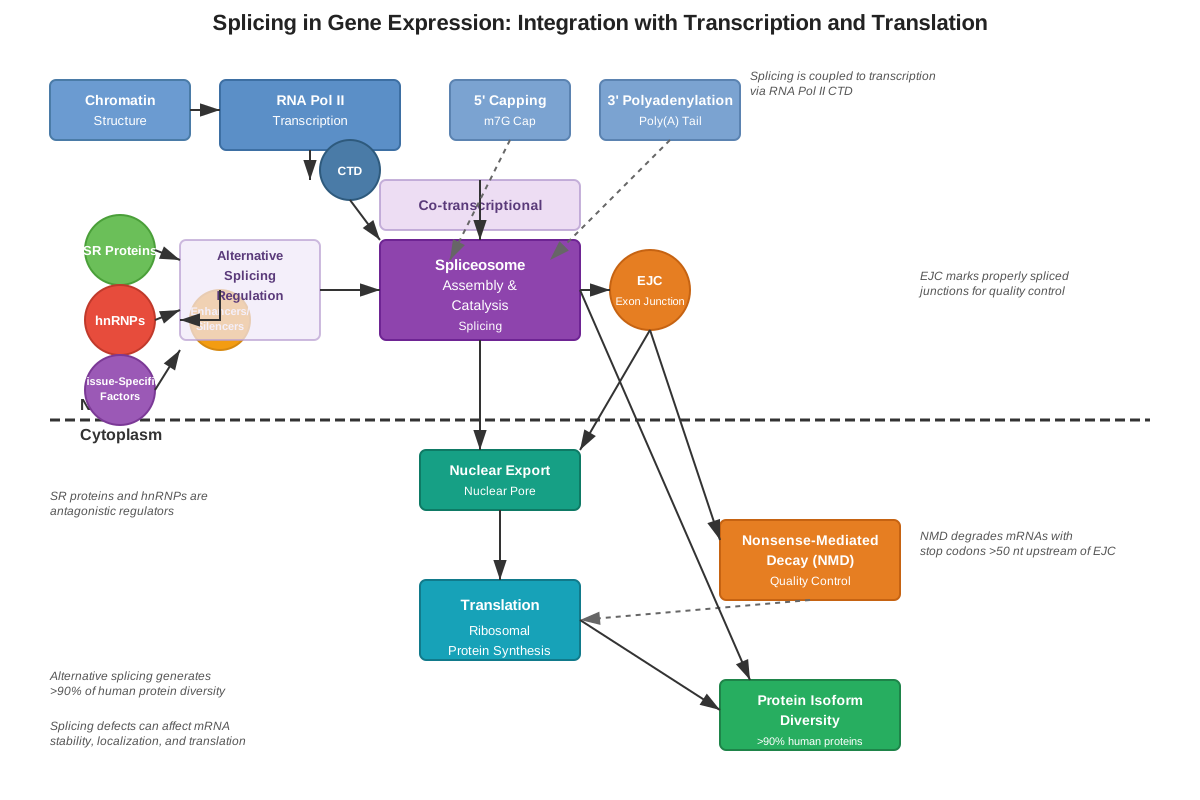
Splicing is a fundamental post-transcriptional modification process in eukaryotic cells that transforms precursor messenger RNA (pre-mRNA) into mature mRNA by removing non-coding sequences and joining coding sequences. This process represents one of the most critical steps in gene expression, occurring in the nucleus after transcription but before translation. Understanding splicing Biology is essential for comprehending how a single gene can produce multiple protein variants, a phenomenon that explains the complexity of eukaryotic organisms despite having relatively modest genome sizes.
For the MCAT, splicing MCAT questions frequently appear in passages dealing with Molecular Biology and Genetics, particularly in contexts involving gene regulation, genetic diseases, and evolutionary biology. The exam tests not only the mechanical understanding of how splicing occurs but also the ability to predict outcomes when splicing goes awry, interpret experimental data involving splice variants, and understand the evolutionary significance of this process. Questions may present clinical scenarios involving splicing mutations, ask students to analyze RNA sequences, or require interpretation of gel electrophoresis results showing different splice variants.
The big-picture relationship of splicing to other Biology concepts is extensive. Splicing connects directly to transcription (as it processes the primary transcript), translation (as it determines which sequences will be translated), gene regulation (through alternative splicing mechanisms), and protein diversity (as one gene can yield multiple proteins). It also relates to evolutionary biology, as the presence of introns and the splicing machinery represents a major distinction between prokaryotes and eukaryotes. Understanding splicing provides insight into how cells achieve remarkable regulatory flexibility and how mutations in non-coding regions can have profound phenotypic effects.
Learning Objectives
- [ ] Define Splicing using accurate Biology terminology
- [ ] Explain why Splicing matters for the MCAT
- [ ] Apply Splicing to exam-style questions
- [ ] Identify common mistakes related to Splicing
- [ ] Connect Splicing to related Biology concepts
- [ ] Describe the molecular mechanism of spliceosome assembly and function
- [ ] Compare and contrast constitutive splicing with alternative splicing mechanisms
- [ ] Predict the consequences of splice site mutations on protein products
- [ ] Analyze experimental data to identify splice variants and their functional significance
Prerequisites
- DNA structure and organization: Understanding of genes, exons, and introns is essential for comprehending what splicing removes and retains
- Transcription process: Knowledge of how pre-mRNA is synthesized from DNA templates provides context for when and where splicing occurs
- RNA structure: Familiarity with RNA nucleotides, base pairing, and secondary structures helps explain splice site recognition
- Central Dogma: Understanding the flow of genetic information (DNA → RNA → Protein) positions splicing in the correct temporal sequence
- Basic protein structure: Knowledge of how amino acid sequences determine protein function explains why alternative splicing creates functional diversity
Why This Topic Matters
Clinical and Real-World Significance
Splicing defects account for approximately 15% of all genetic diseases, making this process clinically significant. Beta-thalassemia, certain forms of cystic fibrosis, spinal muscular atrophy, and many cancers result from mutations affecting splice sites or splicing regulatory elements. The pharmaceutical industry has developed splice-switching oligonucleotides as therapeutic agents, with drugs like nusinersen (Spinraza) approved for treating spinal muscular atrophy by modifying splicing patterns. Understanding splicing is also crucial for interpreting genetic testing results, as mutations in introns—once considered "junk DNA"—can have devastating consequences if they disrupt splicing.
Exam Statistics and Question Types
Splicing appears in approximately 3-5% of MCAT Biology questions, with medium difficulty and medium yield. Questions typically appear in one of three formats: (1) passage-based questions presenting experimental data on splice variants, often including gel electrophoresis or Northern blot results; (2) discrete questions testing mechanistic understanding of the spliceosome or splice site recognition; (3) clinical vignettes describing genetic diseases caused by splicing mutations, requiring students to predict phenotypic outcomes. The MCAT particularly favors questions that integrate splicing with gene regulation, asking students to explain how alternative splicing contributes to tissue-specific protein expression or developmental changes.
Common Exam Passage Contexts
Splicing frequently appears in passages discussing: gene expression regulation in development (e.g., sex determination in Drosophila via alternative splicing); cancer biology (e.g., splice variants of apoptosis regulators); immunology (e.g., antibody diversity through alternative splicing); neurobiology (e.g., neurotransmitter receptor variants); and genetic disease mechanisms. Passages may present experimental manipulations of splicing factors, compare splice variants between tissues, or describe therapeutic approaches targeting splicing.
Core Concepts
Definition and Basic Mechanism of Splicing
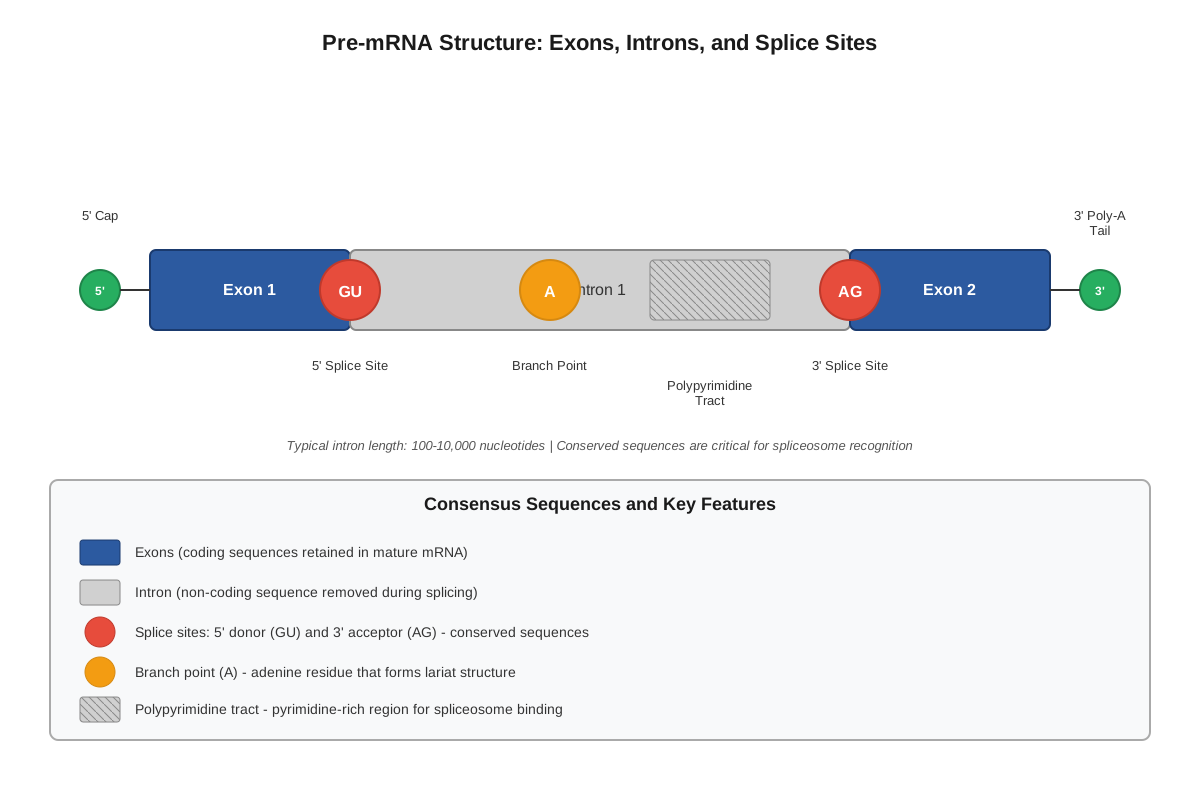
Splicing is the process by which introns (intervening sequences) are removed from pre-mRNA and exons (expressed sequences) are joined together to form mature mRNA. This process occurs in the nucleus of eukaryotic cells and is catalyzed by a large ribonucleoprotein complex called the spliceosome. The pre-mRNA molecule contains both coding sequences (exons) that will be translated into protein and non-coding sequences (introns) that must be removed before translation can occur efficiently.
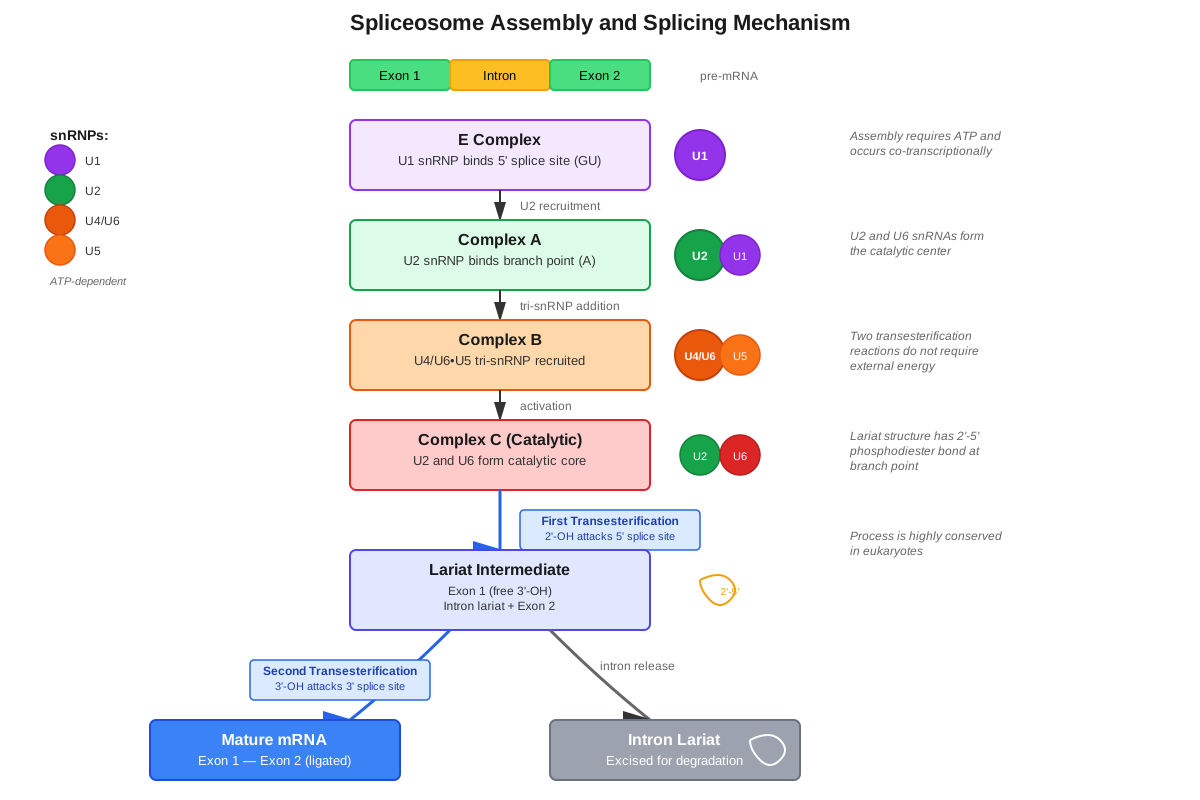
The splicing reaction involves two sequential transesterification reactions. In the first step, the 2'-OH group of a specific adenine residue within the intron (called the branch point) attacks the phosphodiester bond at the 5' splice site, creating a free 3'-OH group on the upstream exon and forming a lariat-shaped intermediate with the intron. In the second step, this free 3'-OH group attacks the phosphodiester bond at the 3' splice site, joining the two exons and releasing the intron as a lariat structure that is subsequently degraded.
Splice Site Recognition and Consensus Sequences
The spliceosome must accurately identify splice sites among thousands of nucleotides in pre-mRNA. This recognition depends on consensus sequences—short, conserved nucleotide sequences found at exon-intron boundaries. The 5' splice site (donor site) typically has the consensus sequence GU (in the intron, immediately following the exon), while the 3' splice site (acceptor site) typically has the consensus sequence AG (in the intron, immediately preceding the exon). Between these sites lies the branch point sequence, usually containing an adenine residue located 20-50 nucleotides upstream of the 3' splice site, with a consensus sequence of YURAY (where Y = pyrimidine, R = purine).
A polypyrimidine tract—a stretch of pyrimidine nucleotides (C and U)—is located between the branch point and the 3' splice site, serving as an additional recognition element. These consensus sequences are not absolutely conserved; they represent statistical preferences, which means that splice site strength varies. Stronger splice sites more closely match the consensus and are recognized more efficiently, while weaker sites deviate from consensus and may be skipped under certain conditions, providing a mechanism for regulation.
The Spliceosome: Structure and Function
The spliceosome is a massive molecular machine composed of five small nuclear RNAs (snRNAs: U1, U2, U4, U5, and U6) and over 150 associated proteins, collectively forming small nuclear ribonucleoproteins (snRNPs, pronounced "snurps"). The spliceosome assembles de novo on each intron through an ordered series of steps, making it distinct from other molecular machines like ribosomes that exist as stable complexes.
The assembly process follows this sequence:
- E complex (early complex): U1 snRNP binds to the 5' splice site through base pairing between U1 snRNA and the splice site sequence
- A complex: U2 snRNP binds to the branch point sequence, with U2 snRNA base-pairing to the branch point region
- B complex: The U4/U6•U5 tri-snRNP complex joins, bringing together all five snRNPs
- B* complex: U1 and U4 snRNPs are released, and conformational changes position the catalytic core
- C complex: The catalytically active spliceosome performs the two transesterification reactions
The catalytic activity resides primarily in the RNA components (U2 and U6 snRNAs), making the spliceosome a ribozyme—an RNA molecule with enzymatic activity. This RNA-based catalysis supports the "RNA world" hypothesis and suggests that splicing may be an ancient mechanism.
Constitutive vs. Alternative Splicing
Constitutive splicing refers to the standard splicing pattern where all exons present in the pre-mRNA are included in the mature mRNA, and all introns are removed. This produces a single, predictable mRNA product from a given gene. In contrast, alternative splicing generates multiple different mRNA variants from a single pre-mRNA molecule by selectively including or excluding certain exons, or by using alternative splice sites within exons or introns.
| Feature | Constitutive Splicing | Alternative Splicing |
|---|---|---|
| Outcome | Single mRNA product | Multiple mRNA variants |
| Exon inclusion | All exons included | Variable exon inclusion |
| Regulation | Minimal | Extensive, tissue-specific |
| Frequency in humans | ~5% of genes | ~95% of multi-exon genes |
| Protein diversity | One protein per gene | Multiple proteins per gene |
Alternative splicing dramatically increases proteomic diversity. Humans have approximately 20,000 protein-coding genes but produce over 100,000 different proteins, largely due to alternative splicing. This mechanism allows for tissue-specific protein expression, developmental stage-specific isoforms, and rapid responses to cellular signals without requiring changes in transcription.
Types of Alternative Splicing
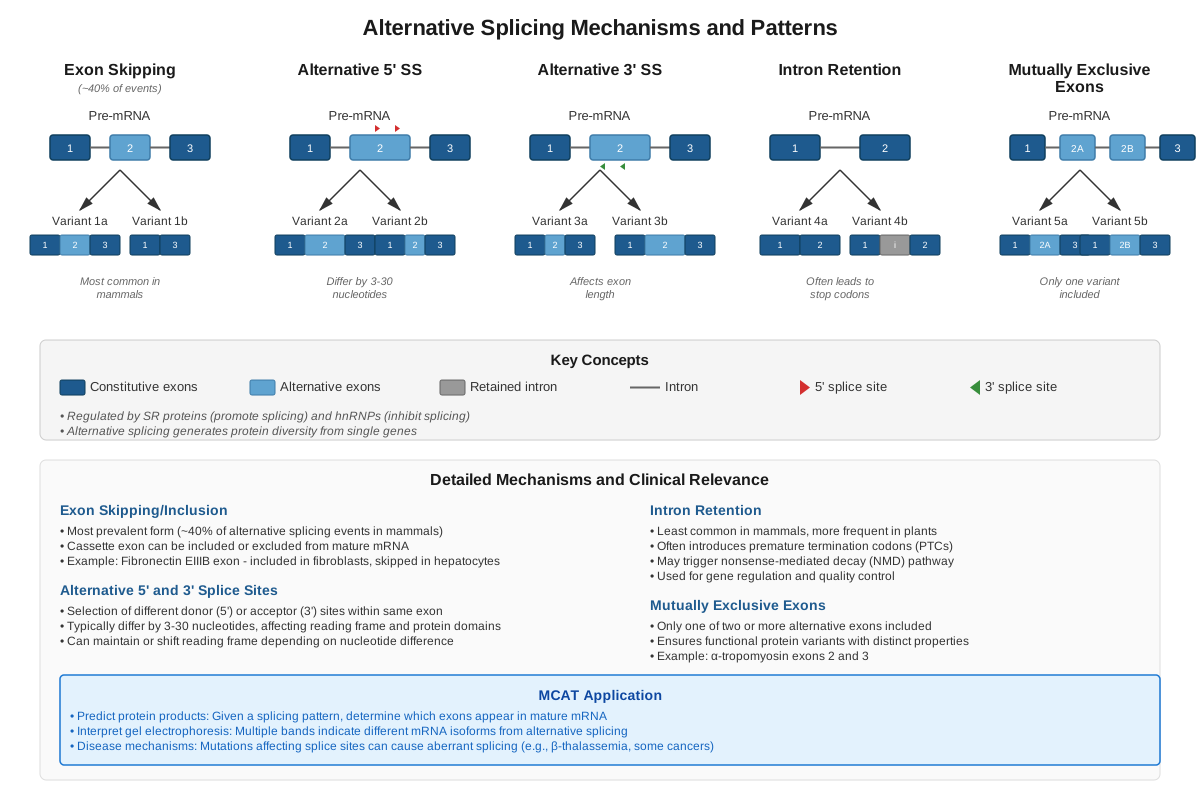
Five major patterns of alternative splicing exist:
- Exon skipping (cassette exons): The most common type, where an exon may be included in or excluded from the final mRNA. The exon is "skipped" in some transcripts but retained in others.
- Alternative 5' splice sites: Two or more 5' splice sites compete for pairing with a single 3' splice site, resulting in exons of different lengths at their 3' ends.
- Alternative 3' splice sites: Two or more 3' splice sites compete for pairing with a single 5' splice site, resulting in exons of different lengths at their 5' ends.
- Intron retention: An intron remains in the mature mRNA rather than being spliced out. This is more common in plants than animals and often leads to premature termination codons.
- Mutually exclusive exons: Only one exon from a cluster of adjacent exons is included in the mature mRNA; the others are skipped.
Regulation of Alternative Splicing
Alternative splicing is regulated by splicing regulatory proteins that bind to specific sequences in pre-mRNA and either enhance or suppress the use of nearby splice sites. SR proteins (serine/arginine-rich proteins) are splicing activators that bind to exonic splicing enhancers (ESEs) or intronic splicing enhancers (ISEs) and promote exon inclusion by recruiting spliceosome components. Conversely, heterogeneous nuclear ribonucleoproteins (hnRNPs) typically function as splicing repressors, binding to exonic splicing silencers (ESSs) or intronic splicing silencers (ISSs) and blocking spliceosome assembly or splice site recognition.
The balance between activating and repressing factors determines splicing outcomes. This balance varies by cell type, developmental stage, and in response to signaling pathways, providing a sophisticated regulatory mechanism. For example, the same pre-mRNA may be spliced differently in neurons versus muscle cells because these cell types express different repertoires of splicing regulatory proteins.
Self-Splicing Introns
While most splicing requires the spliceosome, some introns are self-splicing—they catalyze their own removal without protein enzymes. Two classes exist: Group I introns require an external guanosine cofactor and proceed through a different mechanism than spliceosomal splicing, while Group II introns use a mechanism similar to spliceosomal splicing (forming a lariat intermediate) but are catalyzed by the intron RNA itself. Self-splicing introns are rare in humans but common in mitochondria, chloroplasts, and some bacteria, providing evidence for the catalytic capabilities of RNA and supporting evolutionary theories about ancient RNA-based life.
Concept Relationships
The concepts within splicing form an interconnected network. The basic splicing mechanism (two transesterification reactions) depends on splice site recognition (consensus sequences), which is mediated by spliceosome assembly (snRNPs binding sequentially). This constitutive process serves as the foundation for alternative splicing, which is controlled by splicing regulatory proteins that modulate splice site selection. The relationship flows: DNA sequence → transcription → pre-mRNA with splice sites → spliceosome recognition → splicing reaction → mature mRNA variants → protein diversity.
Splicing connects to prerequisite topics through clear pathways: Transcription produces the pre-mRNA substrate for splicing; the RNA structure determines how snRNAs recognize splice sites through base pairing; the Central Dogma positions splicing between transcription and translation; gene structure (exons and introns) defines what splicing must accomplish. Splicing also connects forward to related topics: Translation uses the mature mRNA product of splicing; gene regulation employs alternative splicing as a control mechanism; protein structure is determined by which exons are included; genetic mutations in splice sites cause disease; evolution is influenced by the flexibility splicing provides.
A textual relationship map: Gene structure (exons/introns) → Transcription produces pre-mRNA → Splice site consensus sequences recognized → Spliceosome assembles → Catalytic splicing reaction occurs → Constitutive splicing produces standard mRNA OR Alternative splicing produces variants → Regulatory proteins modulate splice site choice → Different mature mRNAs → Translation produces protein isoforms → Functional diversity and tissue-specific expression.
High-Yield Facts
⭐ Splicing removes introns and joins exons in pre-mRNA through two sequential transesterification reactions catalyzed by the spliceosome
⭐ The consensus sequences for splice sites are GU at the 5' splice site (donor) and AG at the 3' splice site (acceptor)
⭐ The spliceosome consists of five snRNPs (U1, U2, U4, U5, U6) and is a ribozyme with catalytic activity in its RNA components
⭐ Alternative splicing occurs in approximately 95% of human multi-exon genes, dramatically increasing protein diversity from a limited number of genes
⭐ Exon skipping is the most common type of alternative splicing in mammals
- The branch point adenine attacks the 5' splice site in the first transesterification reaction, forming a lariat structure
- SR proteins bind to splicing enhancers and promote exon inclusion, while hnRNPs bind to splicing silencers and promote exon skipping
- Mutations affecting splice sites or splicing regulatory sequences account for approximately 15% of genetic diseases
- Self-splicing Group II introns use a mechanism similar to spliceosomal splicing but require no protein components
- The polypyrimidine tract between the branch point and 3' splice site is essential for U2 snRNP recruitment
- Splicing occurs co-transcriptionally, meaning it can begin before transcription is complete
- The lariat intron structure is rapidly degraded after splicing, preventing its translation
Quick check — test yourself on Splicing so far.
Try Flashcards →Common Misconceptions
Misconception: Introns are completely useless "junk DNA" with no function.
Correction: While introns are removed from mature mRNA, they serve multiple functions: they contain regulatory elements that control splicing, they allow for alternative splicing to increase protein diversity, they contain sequences for other functional RNAs (like microRNAs), and they provide sites for recombination that can facilitate evolution. Mutations in introns can cause disease by disrupting splicing.
Misconception: Splicing occurs in both prokaryotes and eukaryotes.
Correction: Splicing is almost exclusively a eukaryotic process. Prokaryotic genes generally lack introns and produce mRNA that can be translated immediately without splicing. The few exceptions (some self-splicing introns in bacteria) prove the rule. This distinction is a major difference between prokaryotic and eukaryotic gene expression.
Misconception: All exons in a gene are always included in every mRNA molecule.
Correction: Due to alternative splicing, exons can be selectively included or excluded. Approximately 95% of human multi-exon genes undergo alternative splicing, producing different combinations of exons in different tissues, developmental stages, or conditions. Only constitutive exons are included in all transcripts.
Misconception: The spliceosome is a stable complex like the ribosome.
Correction: Unlike ribosomes, spliceosomes assemble de novo on each intron and disassemble after completing the splicing reaction. The snRNPs exist separately in the nucleus and come together in a specific order to form the functional spliceosome, then dissociate after splicing is complete.
Misconception: Splice sites are always perfectly conserved GU-AG sequences.
Correction: While GU-AG is the most common (representing >99% of splice sites), these are consensus sequences with some variation. Rare non-canonical splice sites exist (like GC-AG or AU-AC), and the strength of splice sites varies based on how closely they match the consensus. This variation allows for regulation of splicing efficiency.
Misconception: Mutations in coding sequences (exons) are always more harmful than mutations in non-coding sequences (introns).
Correction: Mutations in introns can be equally or more harmful if they disrupt splice sites, branch points, or splicing regulatory elements. Such mutations can cause exon skipping, intron retention, or use of cryptic splice sites, often resulting in non-functional proteins. Many genetic diseases result from splice site mutations in introns.
Worked Examples
Example 1: Predicting Splicing Outcomes from Sequence Analysis
Question: A researcher identifies a mutation in a gene that changes the sequence at the exon-intron boundary from "...CAG|GUAAGU..." (where | represents the exon-intron junction) to "...CAG|AUAAGU...". The normal gene produces a protein of 400 amino acids. What is the most likely outcome of this mutation?
Solution:
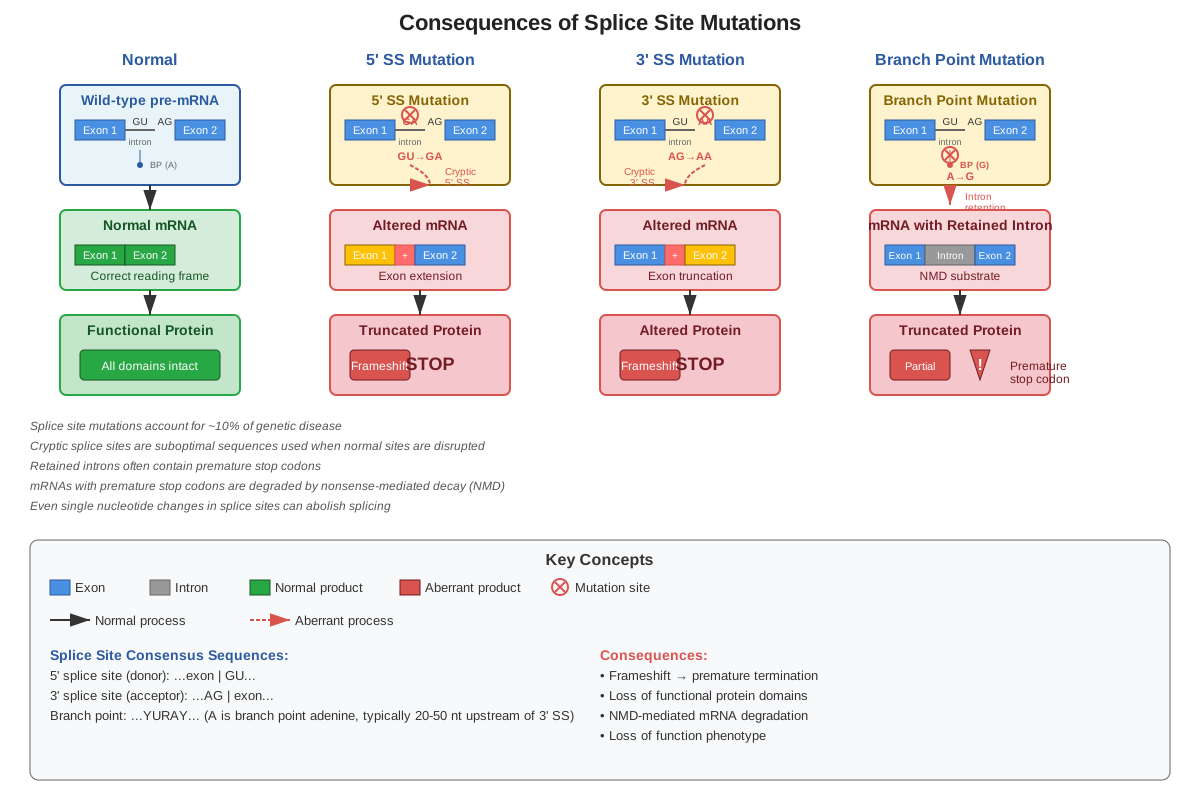
Step 1: Identify what sequence element is affected. The mutation changes the first two nucleotides of the intron from GU to AU. This is the 5' splice site (donor site), which has a strong consensus sequence of GU.
Step 2: Predict the immediate molecular consequence. The mutation disrupts the 5' splice site, preventing the spliceosome from recognizing this as a legitimate splice site. The U1 snRNP will not bind efficiently to this site.
Step 3: Consider possible outcomes when a normal splice site is lost:
- The spliceosome may skip this exon entirely (exon skipping)
- The spliceosome may use a nearby "cryptic" splice site that partially matches the consensus
- The intron may be retained in the mature mRNA
Step 4: Predict the effect on the protein. If the exon is skipped, the reading frame may shift (if the exon length is not a multiple of 3), likely causing a premature stop codon and a truncated protein. If the intron is retained, it will likely introduce premature stop codons, also resulting in a truncated or non-functional protein. If a cryptic splice site is used, the protein will have an altered sequence.
Answer: The most likely outcome is exon skipping or intron retention, both leading to a non-functional protein that is either truncated or has an altered amino acid sequence. This mutation would likely cause a loss-of-function phenotype, potentially resulting in disease if the gene is essential. This demonstrates why mutations in non-coding regions (introns) can be just as harmful as mutations in coding regions (exons).
Connection to learning objectives: This example applies splicing knowledge to predict molecular outcomes (LO: Apply Splicing to exam-style questions) and demonstrates understanding of splice site recognition (LO: Describe the molecular mechanism).
Example 2: Analyzing Alternative Splicing Data
Question: A gene contains four exons (E1, E2, E3, E4). Northern blot analysis of mRNA from three different tissues shows:
- Brain: Two bands at 2.0 kb and 1.7 kb
- Liver: One band at 2.0 kb
- Muscle: One band at 1.4 kb
Exon 2 is 300 nucleotides long, and exon 3 is 600 nucleotides long. Which type of alternative splicing best explains these results, and what is the likely splicing pattern in each tissue?
Solution:
Step 1: Calculate the size differences between mRNA variants.
- Brain has two variants: 2.0 kb and 1.7 kb (difference = 300 nt)
- Liver has one variant: 2.0 kb
- Muscle has one variant: 1.4 kb (600 nt smaller than liver)
Step 2: Match size differences to exon sizes.
- The 300 nt difference in brain matches exon 2 size
- The 600 nt difference between liver and muscle matches exon 3 size
Step 3: Identify the type of alternative splicing. The presence of different-sized transcripts in different tissues, with size differences matching individual exon sizes, indicates exon skipping (cassette exon) alternative splicing. Exons 2 and 3 are cassette exons that can be included or excluded.
Step 4: Determine splicing patterns for each tissue:
- Liver (2.0 kb): This is likely the full-length transcript including all exons: E1-E2-E3-E4
- Brain (2.0 kb and 1.7 kb): The 2.0 kb band is the full-length transcript (E1-E2-E3-E4), while the 1.7 kb band lacks exon 2 (E1-E3-E4)
- Muscle (1.4 kb): This transcript lacks exon 3 (E1-E2-E4), making it 600 nt shorter than the full-length version
Step 5: Biological interpretation. The tissue-specific splicing patterns suggest that exons 2 and 3 encode protein domains with tissue-specific functions. Brain requires both variants (with and without exon 2), liver requires the full protein, and muscle requires a variant lacking exon 3. This demonstrates how alternative splicing creates protein diversity suited to different cellular contexts.
Answer: The data shows exon skipping alternative splicing. Liver expresses the full transcript (E1-E2-E3-E4), brain expresses both full-length and an exon 2-skipped variant (E1-E2-E3-E4 and E1-E3-E4), and muscle expresses an exon 3-skipped variant (E1-E2-E4). This tissue-specific alternative splicing allows one gene to produce functionally distinct proteins optimized for different cellular environments.
Connection to learning objectives: This example demonstrates application of splicing concepts to experimental data interpretation (LO: Apply Splicing to exam-style questions), compares constitutive and alternative splicing (LO: Compare and contrast), and connects splicing to protein diversity (LO: Connect Splicing to related Biology concepts).
Exam Strategy
Approaching MCAT Splicing Questions
When encountering splicing questions on the MCAT, follow this systematic approach:
- Identify the question type: Is it asking about mechanism (how splicing works), regulation (what controls splicing), or consequences (what happens when splicing changes)?
- Look for sequence information: If nucleotide sequences are provided, immediately identify splice sites (GU at 5' end of introns, AG at 3' end), branch points, and any mutations affecting these elements.
- Consider the reading frame: When predicting outcomes of altered splicing, always check whether exon skipping or intron retention will shift the reading frame (exon length not divisible by 3 = frameshift).
- Think tissue-specifically: If the question mentions different tissues or developmental stages, consider alternative splicing as the likely mechanism for differences.
Trigger Words and Phrases
Watch for these high-yield trigger words that signal splicing content:
- "Intron," "exon": Core splicing vocabulary; questions will test understanding of what gets removed vs. retained
- "Mature mRNA": Implies splicing has occurred; compare to "pre-mRNA" or "primary transcript"
- "Isoform," "variant": Strongly suggests alternative splicing
- "Tissue-specific expression": Often explained by alternative splicing rather than transcriptional regulation
- "Non-coding mutation": May affect splicing regulatory elements or splice sites
- "Lariat structure": Refers specifically to the splicing intermediate
- "Spliceosome," "snRNP": Direct references to splicing machinery
Process-of-Elimination Tips
When using POE on splicing questions:
- Eliminate answers that confuse prokaryotes and eukaryotes: If an answer suggests bacteria use splicing for gene regulation, eliminate it
- Eliminate answers that place splicing in the wrong location: Splicing occurs in the nucleus, not cytoplasm; after transcription, not during translation
- Eliminate answers that violate the GU-AG rule: Unless the question specifically mentions rare non-canonical splice sites, standard splice sites follow this rule
- Eliminate answers that ignore alternative splicing: If a question asks how one gene produces multiple proteins, answers focusing only on transcriptional regulation are likely wrong
- Eliminate answers that suggest introns are translated: Introns are removed before translation; they don't contribute to protein sequence
Time Allocation Advice
For discrete splicing questions, allocate 60-90 seconds. These typically test straightforward mechanistic knowledge or require simple predictions. For passage-based questions involving splicing:
- Spend 4-5 minutes on initial passage reading, identifying key experimental details about splice variants, tissues studied, or mutations introduced
- Allocate 90-120 seconds per question, as these often require integrating passage information with splicing knowledge
- If a question asks about gel electrophoresis or Northern blot results showing splice variants, quickly sketch the expected band patterns before looking at answer choices
Exam Tip: If you're stuck between two answers, one involving transcriptional regulation and one involving alternative splicing, and the question mentions tissue-specific protein variants from a single gene, choose alternative splicing. The MCAT frequently tests the concept that alternative splicing, not just transcriptional control, creates protein diversity.
Memory Techniques
Mnemonics for Splice Sites
"GU Go, AG Arrive": The 5' splice site (where splicing begins) is GU, and the 3' splice site (where splicing arrives/ends) is AG.
"Donors Give Up, Acceptors Accept Gifts": The 5' splice site is the donor (GU), and the 3' splice site is the acceptor (AG).
Spliceosome Assembly Sequence
"U1 U2 Before U4 U5 U6": Remember the order of snRNP recruitment: U1 binds first (to 5' splice site), then U2 (to branch point), then the tri-snRNP complex U4/U5/U6 joins.
Alternative mnemonic: "Ugly Unicorns Usually Understand Utterly Unusual Biology" (U1, U2, U4, U5, U6 in order of mention in assembly).
Types of Alternative Splicing
"SEAMI" for the five major types:
- Skipping (exon skipping/cassette exons)
- Exclusive (mutually exclusive exons)
- Alternative 5' splice sites
- Multiple 3' splice sites (alternative 3')
- Intron retention
Visualization Strategy for Splicing Mechanism
Visualize the splicing reaction as a "molecular scissors and tape" process:
- Picture the pre-mRNA as a string with beads: Exons are colored beads (keep these), introns are clear beads (remove these)
- The branch point adenine is a "hook": Visualize it reaching up to grab the 5' splice site, creating a loop (lariat)
- The free exon end is "sticky tape": It reaches forward to attach to the next exon at the 3' splice site
- The lariat falls away: Picture the looped intron dropping off and degrading
Remembering SR Proteins vs. hnRNPs
"SR proteins are Super Recruiters": They enhance splicing by recruiting spliceosome components (activators).
"hnRNPs are Hindering": They block splicing by preventing spliceosome assembly (repressors).
Summary
Splicing is the essential post-transcriptional process that removes introns from pre-mRNA and joins exons to create mature mRNA in eukaryotic cells. The spliceosome, a complex ribozyme composed of five snRNPs (U1, U2, U4, U5, U6) and associated proteins, catalyzes two sequential transesterification reactions that excise introns as lariat structures and ligate exons. Splice sites are recognized through consensus sequences (GU at the 5' donor site, AG at the 3' acceptor site, and a branch point adenine), with the polypyrimidine tract providing additional recognition signals. While constitutive splicing produces a single mRNA product, alternative splicing—occurring in ~95% of human multi-exon genes—generates multiple mRNA variants through mechanisms including exon skipping, alternative splice site usage, intron retention, and mutually exclusive exons. Splicing regulatory proteins (SR proteins as enhancers, hnRNPs as silencers) control alternative splicing in tissue-specific and developmentally regulated patterns, dramatically expanding protein diversity from a limited genome. Understanding splicing is crucial for the MCAT because it explains protein diversity, connects to genetic disease mechanisms, and frequently appears in experimental passages requiring interpretation of splice variant data.
Key Takeaways
- Splicing removes introns and joins exons through spliceosome-catalyzed transesterification reactions, producing mature mRNA from pre-mRNA
- The GU-AG rule defines standard splice sites: GU at the 5' donor site and AG at the 3' acceptor site
- The spliceosome consists of five snRNPs (U1, U2, U4, U5, U6) that assemble sequentially on each intron and function as a ribozyme
- Alternative splicing generates multiple protein variants from single genes, occurring in ~95% of human multi-exon genes and dramatically increasing proteomic diversity
- Exon skipping is the most common type of alternative splicing, while other types include alternative splice sites, intron retention, and mutually exclusive exons
- Splicing regulatory proteins (SR proteins enhance, hnRNPs repress) control tissue-specific and developmental alternative splicing patterns
- Mutations affecting splice sites, branch points, or regulatory elements cause approximately 15% of genetic diseases, demonstrating that non-coding sequences have critical functions
Related Topics
Translation and the Genetic Code: Understanding how mature mRNA (the product of splicing) is decoded by ribosomes to synthesize proteins. Mastering splicing enables comprehension of how alternative splicing creates different proteins that are then translated.
Gene Regulation and Expression: Exploring how cells control which genes are expressed and when. Alternative splicing represents a post-transcriptional regulatory mechanism that complements transcriptional control.
Genetic Mutations and Disease: Studying how changes in DNA sequence cause disease. Understanding splicing is essential for interpreting mutations in non-coding regions that affect splice sites or regulatory elements.
RNA Processing and Modifications: Learning about other pre-mRNA modifications including 5' capping and 3' polyadenylation. These processes occur coordinately with splicing and are interconnected.
Protein Structure and Function: Examining how amino acid sequence determines protein properties. Alternative splicing creates proteins with different domains, directly affecting structure and function.
Evolutionary Biology: Understanding how organisms increase complexity. The evolution of splicing and introns represents a major transition that enabled greater regulatory flexibility and protein diversity in eukaryotes.
Practice CTA
Now that you've mastered the core concepts of splicing, it's time to reinforce your understanding through active practice. Attempt the practice questions and flashcards associated with this topic to test your ability to apply splicing concepts to MCAT-style scenarios. Focus particularly on questions involving experimental data interpretation, splice site mutations, and alternative splicing patterns—these represent the highest-yield question types you'll encounter on test day. Remember, understanding the mechanism is just the first step; the MCAT rewards students who can predict outcomes, analyze data, and connect splicing to broader biological principles. You've built a strong foundation—now strengthen it through deliberate practice!
Sign up free to keep reading
Create a free AnvayaPrep account to finish this MCAT guide on Splicing — plus flashcards and practice questions.