Overview
Telomerase is a specialized ribonucleoprotein enzyme complex that plays a critical role in maintaining chromosomal integrity by adding repetitive nucleotide sequences to the ends of chromosomes, known as telomeres. This enzyme represents a fascinating intersection of Molecular Biology and Genetics, combining concepts of DNA replication, RNA function, and cellular aging. Understanding telomerase is essential for the MCAT because it connects fundamental molecular mechanisms to clinically relevant topics including cancer biology, aging, and stem cell function.
The significance of Telomerase Biology extends beyond basic chromosome maintenance. During normal DNA replication, the lagging strand synthesis creates an inherent problem: DNA polymerase cannot fully replicate the 3' ends of linear chromosomes, leading to progressive telomere shortening with each cell division. This "end-replication problem" would eventually result in loss of critical genetic information if not addressed. Telomerase solves this problem in specific cell types, but its regulation—or dysregulation—has profound implications for human health and disease.
For the MCAT, telomerase serves as an integrative topic that tests understanding of DNA structure, enzyme function, gene regulation, and cellular differentiation. Questions may appear in passage-based formats discussing cancer research, aging studies, or stem cell biology, or as discrete questions testing mechanistic understanding. Mastery of this topic demonstrates comprehension of how molecular mechanisms translate to organismal-level phenomena, a key competency assessed throughout the Biology section of the MCAT.
Learning Objectives
- [ ] Define Telomerase using accurate Biology terminology
- [ ] Explain why Telomerase matters for the MCAT
- [ ] Apply Telomerase to exam-style questions
- [ ] Identify common mistakes related to Telomerase
- [ ] Connect Telomerase to related Biology concepts
- [ ] Describe the molecular mechanism by which telomerase extends telomeres
- [ ] Compare and contrast telomerase activity in different cell types (somatic vs. germ cells vs. cancer cells)
- [ ] Analyze experimental data involving telomerase activity and predict cellular outcomes
Prerequisites
- DNA structure and replication: Understanding of 5' to 3' directionality, leading and lagging strand synthesis, and the role of DNA polymerase is essential for comprehending why telomeres shorten and how telomerase functions
- RNA structure and function: Telomerase contains an RNA component that serves as a template, requiring knowledge of RNA-DNA base pairing and RNA's structural capabilities
- Enzyme mechanisms: Basic understanding of how enzymes catalyze reactions, including substrate binding and product formation, applies directly to telomerase function
- Cell cycle and division: Knowledge of mitosis and the relationship between cell division and DNA replication contextualizes when and why telomere maintenance matters
- Gene expression and regulation: Understanding transcriptional and post-transcriptional control mechanisms helps explain differential telomerase expression across cell types
Why This Topic Matters
Clinical and Real-World Significance
Telomerase dysfunction has direct implications for human disease. In cancer biology, approximately 85-90% of malignant tumors reactivate telomerase, enabling unlimited replicative potential—one of the hallmarks of cancer. This makes telomerase an attractive therapeutic target for cancer treatment. Conversely, premature telomere shortening due to telomerase deficiency causes diseases such as dyskeratosis congenita, characterized by bone marrow failure, and contributes to age-related conditions including cardiovascular disease and pulmonary fibrosis. Understanding telomerase also illuminates the biology of aging at the cellular level, as telomere length serves as a "molecular clock" limiting the replicative lifespan of normal somatic cells.
MCAT Exam Statistics and Question Types
Telomerase appears on the MCAT with moderate frequency, typically integrated into passages about cancer biology (30-40% of appearances), aging and cellular senescence (25-30%), or stem cell research (20-25%). Questions may be discrete, testing direct knowledge of telomerase structure and function, or passage-based, requiring application of telomerase concepts to interpret experimental data or clinical scenarios. The topic frequently appears alongside questions about DNA replication, cell cycle regulation, or tumor biology, making it a high-yield connector concept.
Common Exam Passage Contexts
MCAT passages featuring telomerase often present:
- Research studies comparing telomerase activity in normal versus cancer cells
- Experiments investigating telomere length across different tissues or age groups
- Clinical vignettes describing patients with telomerase-related genetic disorders
- Hypothetical therapeutic interventions targeting telomerase in cancer treatment
- Evolutionary perspectives on telomerase regulation and cellular senescence
Core Concepts
Structure of Telomerase
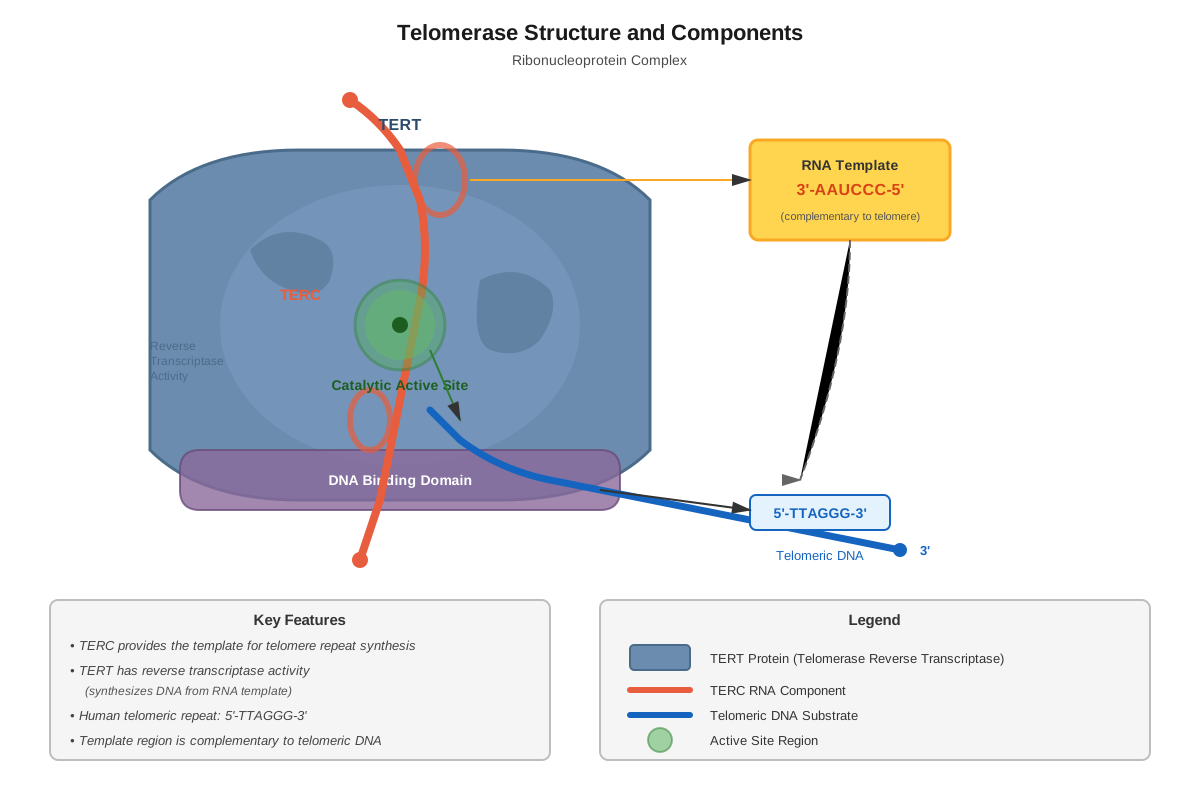
Telomerase is a reverse transcriptase enzyme, meaning it synthesizes DNA from an RNA template—the opposite direction of the central dogma's typical information flow. The enzyme consists of two essential components: a protein catalytic subunit called TERT (telomerase reverse transcriptase) and an RNA component called TERC or TR (telomerase RNA component). The TERT protein possesses the enzymatic activity necessary for nucleotide addition, while TERC contains a short template sequence (typically 3'-AAUCCC-5' in humans) that specifies the repetitive DNA sequence added to telomeres.
The human telomeric repeat sequence is 5'-TTAGGG-3', repeated thousands of times at chromosome ends. This sequence is complementary to the TERC template region. The telomerase complex also includes additional accessory proteins that regulate enzyme activity, processivity, and localization to telomeres, though TERT and TERC represent the minimal functional unit.
Telomere Structure and Function
Telomeres are specialized nucleoprotein structures at the ends of linear eukaryotic chromosomes, consisting of repetitive DNA sequences and associated proteins called shelterin complex proteins. These structures serve multiple critical functions:
- Protection of genetic information: Telomeres prevent the loss of coding sequences during DNA replication
- Prevention of chromosome fusion: They distinguish natural chromosome ends from DNA breaks, preventing inappropriate DNA repair
- Regulation of cellular lifespan: Progressive telomere shortening acts as a mitotic clock, limiting cell divisions
- Chromosome positioning: Telomeres help organize chromosomes within the nucleus
The telomeric DNA forms a unique structure where the 3' single-stranded overhang invades the double-stranded telomeric DNA, creating a protective loop called a t-loop. This configuration, stabilized by shelterin proteins, hides the chromosome end from DNA damage response machinery.
The End-Replication Problem
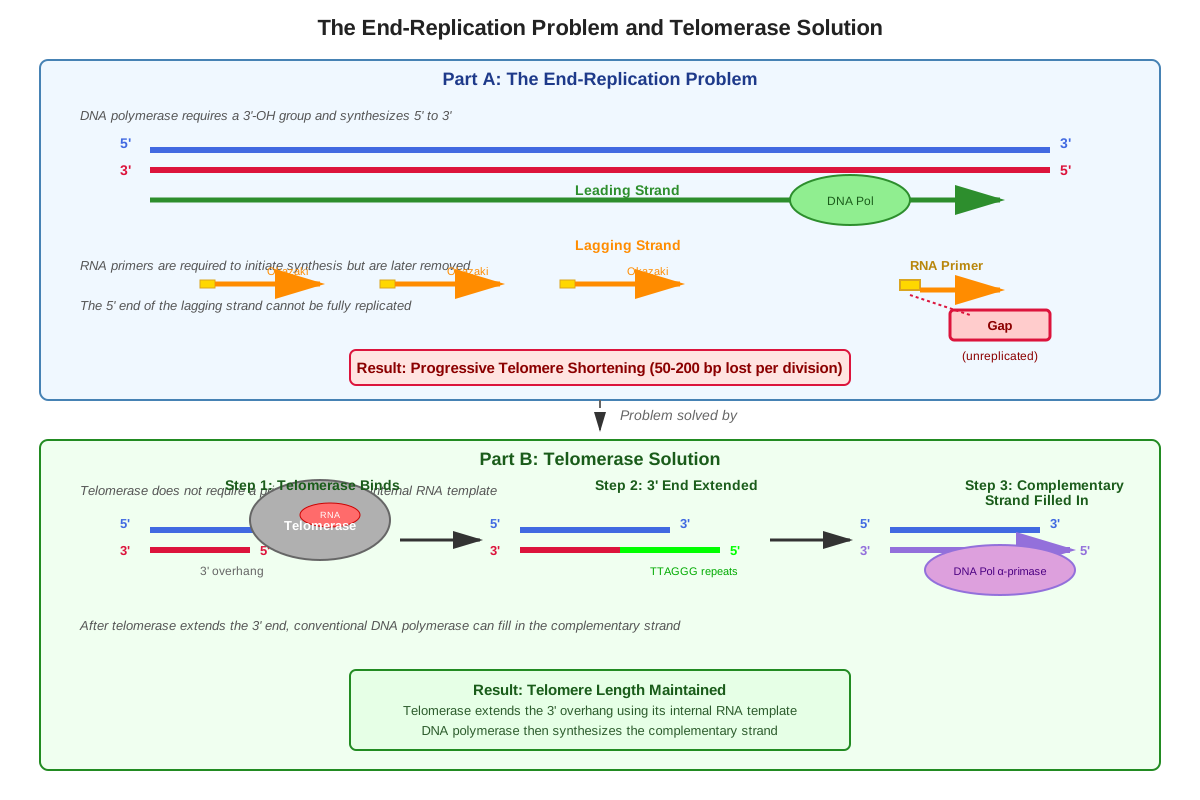
The end-replication problem arises from the inherent limitations of DNA polymerase during lagging strand synthesis. DNA polymerase requires a primer (typically RNA) to initiate synthesis and can only add nucleotides in the 5' to 3' direction. On the lagging strand, after the final RNA primer is removed from the 5' end, DNA polymerase cannot fill this gap because it has no 3'-OH group to extend from. This results in a 3' overhang and progressive shortening of chromosomes with each round of replication.
The mechanism proceeds as follows:
- DNA replication machinery reaches the chromosome end
- Leading strand synthesis proceeds to the terminus
- Lagging strand synthesis requires multiple Okazaki fragments
- The final RNA primer at the 5' end is removed
- No mechanism exists to fill the resulting gap
- The chromosome is shortened by approximately 50-200 base pairs per division
Without telomerase, this progressive shortening would eventually erode into coding sequences, causing genetic instability and cell death.
Mechanism of Telomerase Action
Telomerase extends telomeres through a unique mechanism combining reverse transcription with repetitive template usage:
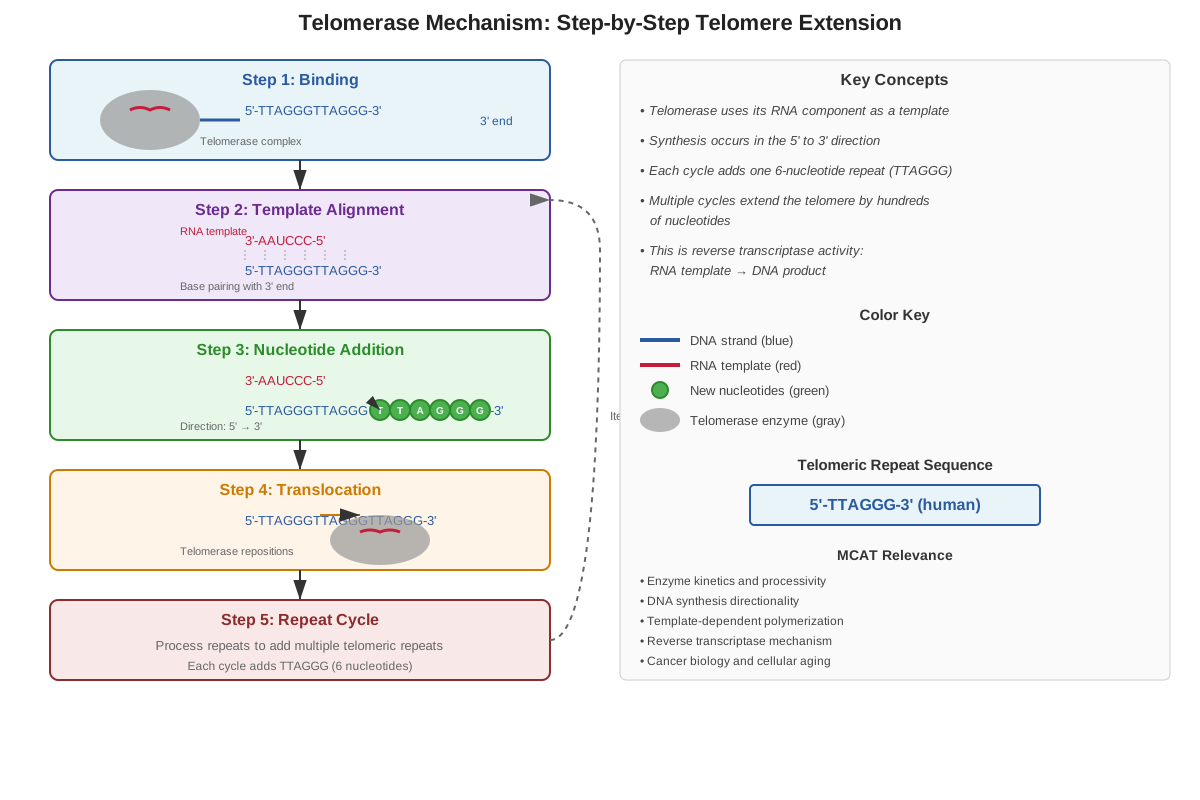
- Recognition and binding: Telomerase recognizes and binds to the 3' single-stranded overhang of telomeric DNA through base pairing between the DNA and the TERC template region
- Nucleotide addition: TERT catalyzes the addition of deoxynucleotides complementary to the TERC template, extending the 3' overhang in the 5' to 3' direction
- Translocation: After adding one complete repeat (6 nucleotides in humans), telomerase translocates along the newly synthesized DNA without dissociating
- Repeat synthesis: The template region realigns with the extended telomere, and the cycle repeats, adding multiple telomeric repeats in a single binding event
- Dissociation and completion: After adding sufficient repeats, telomerase dissociates, and conventional DNA replication machinery (primase, DNA polymerase, ligase) fills in the complementary strand
This processivity—the ability to add multiple repeats without dissociating—distinguishes telomerase from typical DNA polymerases and enables efficient telomere maintenance.
Regulation of Telomerase Expression
Telomerase activity is tightly regulated and varies dramatically across cell types, representing a critical control point for cellular proliferation:
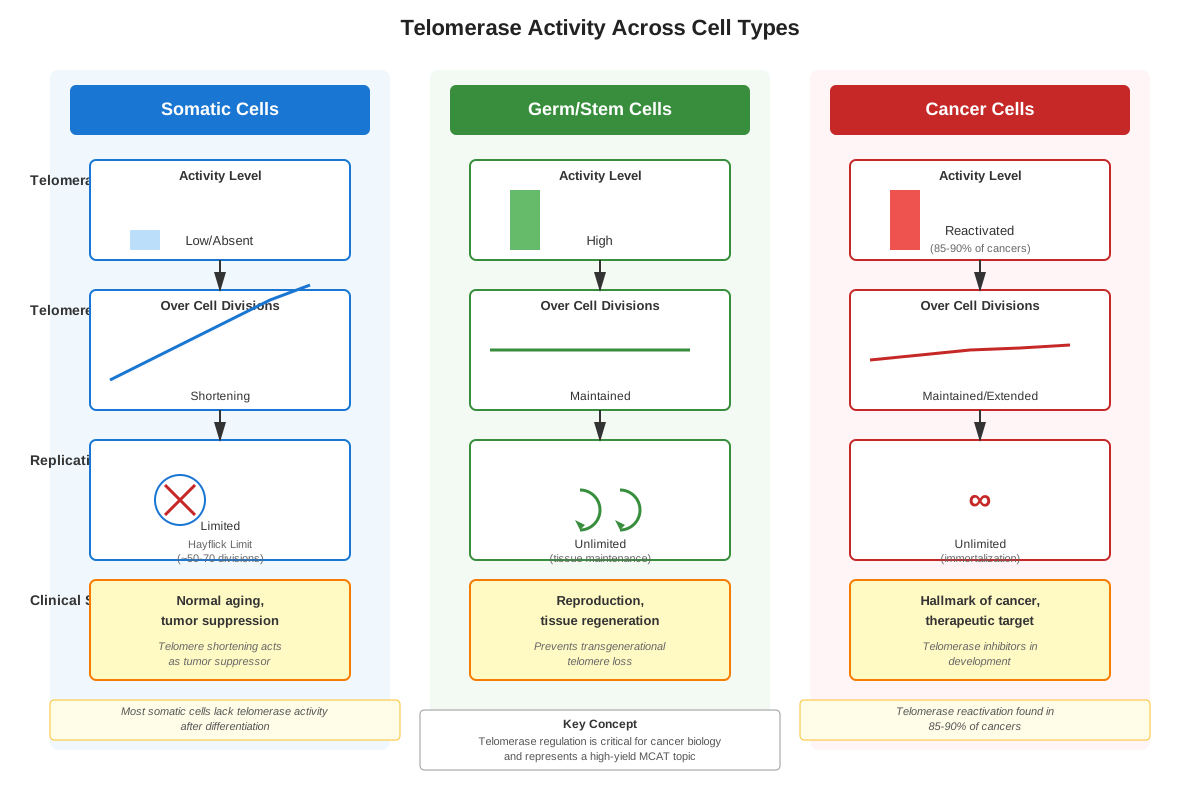
| Cell Type | Telomerase Activity | Biological Significance |
|---|---|---|
| Embryonic stem cells | High | Maintains unlimited proliferative capacity |
| Germ cells | High | Ensures telomere length transmission to offspring |
| Adult stem cells | Low to moderate | Balances self-renewal with controlled proliferation |
| Somatic cells | Absent or very low | Limits replicative lifespan (Hayflick limit) |
| Cancer cells | High (85-90% of tumors) | Enables unlimited replicative potential |
The primary regulatory mechanism involves transcriptional control of the TERT gene. In most somatic cells, TERT transcription is repressed, resulting in absent or negligible telomerase activity. Cancer cells frequently reactivate TERT through various mechanisms including promoter mutations, epigenetic modifications, or altered transcription factor activity. Some cancer cells (10-15%) maintain telomeres through an alternative mechanism called ALT (alternative lengthening of telomeres), which uses homologous recombination rather than telomerase.
Cellular Senescence and the Hayflick Limit
The Hayflick limit refers to the observation that normal human somatic cells undergo a finite number of divisions (typically 40-60) before entering permanent growth arrest called replicative senescence. This phenomenon results directly from progressive telomere shortening in the absence of telomerase activity. When telomeres reach a critically short length, they trigger DNA damage response pathways, activating cell cycle checkpoints (particularly p53 and Rb pathways) that halt cell division.
Senescent cells remain metabolically active but cannot divide, and they often secrete inflammatory factors (the senescence-associated secretory phenotype, or SASP) that affect surrounding tissues. This process serves as a tumor suppressor mechanism, preventing cells with accumulated DNA damage from proliferating indefinitely. However, the accumulation of senescent cells also contributes to aging and age-related diseases.
Telomerase in Cancer Biology
The reactivation of telomerase in cancer cells represents a critical step in tumorigenesis. For a cell to become fully malignant, it must overcome multiple barriers, including the Hayflick limit. By reactivating telomerase (or activating ALT), cancer cells achieve replicative immortality, one of the hallmarks of cancer defined by Hanahan and Weinberg.
Telomerase reactivation in cancer occurs through several mechanisms:
- TERT promoter mutations: Point mutations creating new transcription factor binding sites (most common in melanoma, glioblastoma, bladder cancer)
- Epigenetic changes: Demethylation of the TERT promoter region
- Gene amplification: Increased TERT gene copy number
- Chromosomal rearrangements: Placing TERT under control of active promoters
This makes telomerase an attractive therapeutic target, as inhibiting telomerase might selectively affect cancer cells while sparing normal tissues with low or absent telomerase activity.
Concept Relationships
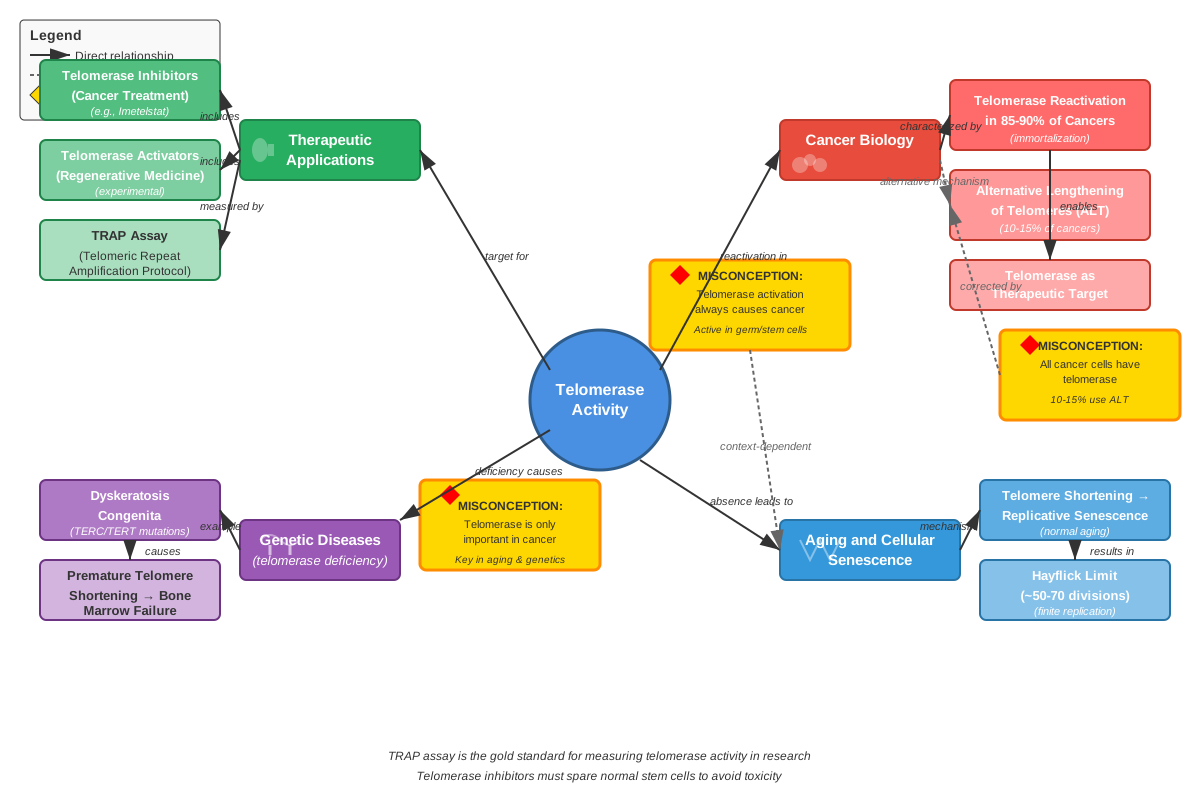
The concepts within Telomerase Biology form an interconnected network centered on the relationship between DNA replication limitations and cellular lifespan. The end-replication problem → creates the need for → telomerase enzyme → which uses its → RNA template (TERC) and catalytic subunit (TERT) → to extend → telomeres → thereby preventing → cellular senescence.
This central pathway connects to broader biological concepts: DNA replication mechanisms explain why the end-replication problem exists, while gene regulation principles explain differential telomerase expression across cell types. The cell cycle and checkpoint mechanisms link telomere length to proliferative capacity, and cancer biology demonstrates the consequences of dysregulated telomerase activity.
Telomerase also connects to evolutionary biology: the regulation of telomerase represents a trade-off between cancer risk (favoring low telomerase activity in somatic cells) and tissue regenerative capacity (requiring some telomerase activity in stem cells). Understanding enzyme kinetics and reverse transcriptase mechanisms from virology (HIV reverse transcriptase) provides analogies for telomerase function. Finally, aging biology integrates telomere shortening as one of several hallmarks of aging, connecting molecular mechanisms to organismal phenotypes.
Quick check — test yourself on Telomerase so far.
Try Flashcards →High-Yield Facts
⭐ Telomerase is a ribonucleoprotein reverse transcriptase consisting of TERT (protein) and TERC (RNA template) components
⭐ The human telomeric repeat sequence is 5'-TTAGGG-3', added to the 3' overhang of chromosomes
⭐ Telomerase is highly active in germ cells, embryonic stem cells, and 85-90% of cancer cells, but absent or very low in most somatic cells
⭐ Progressive telomere shortening in somatic cells leads to replicative senescence (Hayflick limit), typically after 40-60 divisions
⭐ The end-replication problem occurs because DNA polymerase cannot replicate the extreme 5' ends of lagging strands after RNA primer removal
- Telomerase uses its RNA component (TERC) as a template to synthesize telomeric DNA repeats
- The enzyme exhibits processivity, adding multiple telomeric repeats in a single binding event before dissociating
- Telomere shortening serves as a tumor suppressor mechanism by limiting the proliferative capacity of potentially cancerous cells
- Cancer cells reactivate telomerase primarily through TERT promoter mutations, epigenetic changes, or gene amplification
- Alternative lengthening of telomeres (ALT) is a telomerase-independent mechanism used by 10-15% of cancers, involving homologous recombination
- Shelterin complex proteins protect telomeres and regulate telomerase access to chromosome ends
- Critically short telomeres trigger DNA damage responses involving p53 and Rb pathways, leading to cell cycle arrest
- Telomerase inhibition is being investigated as a cancer therapy, potentially offering selectivity for cancer cells over normal tissues
Common Misconceptions
Misconception: Telomerase adds nucleotides to both strands of the telomere simultaneously
→ Correction: Telomerase only extends the 3' overhang of the G-rich strand (5'-TTAGGG-3'). The complementary C-rich strand is subsequently filled in by conventional DNA replication machinery (primase, DNA polymerase, ligase), not by telomerase itself.
Misconception: All cancer cells have high telomerase activity
→ Correction: Approximately 85-90% of cancers reactivate telomerase, but 10-15% use an alternative mechanism called ALT (alternative lengthening of telomeres) that maintains telomeres through homologous recombination. Both mechanisms achieve the same goal of replicative immortality through different molecular pathways.
Misconception: Telomere shortening is the only cause of cellular aging
→ Correction: While telomere shortening contributes to replicative senescence and is one hallmark of aging, cellular and organismal aging is multifactorial, involving oxidative damage, mitochondrial dysfunction, protein aggregation, epigenetic changes, and other mechanisms. Telomere shortening is one component of a complex aging process.
Misconception: Telomerase is a DNA polymerase
→ Correction: Telomerase is a reverse transcriptase, synthesizing DNA from an RNA template. This is fundamentally different from DNA polymerase, which synthesizes DNA from a DNA template. This distinction is critical for understanding telomerase mechanism and its evolutionary relationship to retroviral reverse transcriptases.
Misconception: Activating telomerase in somatic cells would prevent aging without consequences
→ Correction: While telomerase activation might extend cellular lifespan, it would also increase cancer risk by removing a critical tumor suppressor mechanism. The tight regulation of telomerase in somatic cells represents an evolutionary trade-off between tissue maintenance and cancer prevention.
Misconception: Telomeres are only found in human cells
→ Correction: Telomeres are present at the ends of linear chromosomes in all eukaryotes, though the specific repeat sequence varies across species. The end-replication problem is universal to linear chromosome replication, making telomere maintenance mechanisms widespread across eukaryotic life.
Worked Examples
Example 1: Interpreting Telomerase Activity Data
Question: Researchers measure telomerase activity in four cell types: adult neurons, bone marrow stem cells, skin fibroblasts, and melanoma cells. The results show relative telomerase activity levels of 0, 3, 0.5, and 9 (arbitrary units), respectively. A student claims that the melanoma cells show the highest activity because they divide most rapidly. Evaluate this claim and explain the pattern of telomerase activity across these cell types.
Solution:
Step 1: Identify what each cell type represents
- Adult neurons: Terminally differentiated somatic cells (post-mitotic)
- Bone marrow stem cells: Adult stem cells with self-renewal capacity
- Skin fibroblasts: Dividing somatic cells
- Melanoma cells: Cancer cells
Step 2: Recall expected telomerase activity patterns
- Somatic cells (neurons, fibroblasts): Low to absent telomerase
- Adult stem cells: Moderate telomerase to maintain self-renewal
- Cancer cells: High telomerase (85-90% of cancers)
Step 3: Analyze the data
- Neurons (0): Correct—post-mitotic cells don't need telomerase
- Bone marrow stem cells (3): Correct—moderate activity maintains stem cell pool
- Fibroblasts (0.5): Correct—minimal activity, will undergo senescence
- Melanoma (9): Correct—high activity enables unlimited proliferation
Step 4: Evaluate the student's claim
The claim is partially incorrect. While melanoma cells do divide rapidly, the high telomerase activity is not simply because of rapid division rate—bone marrow stem cells also divide but show much lower activity. The key distinction is that melanoma cells have reactivated telomerase as part of malignant transformation to achieve replicative immortality. Normal rapidly dividing cells (like intestinal epithelium) don't necessarily have high telomerase activity and will eventually senesce. The pattern reflects cell type-specific regulation of telomerase expression, not just division rate.
Connection to learning objectives: This example demonstrates application of telomerase concepts to interpret experimental data, distinguishes telomerase activity patterns across cell types, and corrects a common misconception about the relationship between cell division and telomerase activity.
Example 2: Predicting Experimental Outcomes
Question: Scientists develop a drug that specifically inhibits TERT protein function without affecting TERC RNA. They treat three cell populations: (A) rapidly dividing cancer cells with active telomerase, (B) cancer cells using ALT mechanism, and (C) normal fibroblasts. Predict the outcome for each population after 50 cell divisions and explain your reasoning.
Solution:
Step 1: Understand the drug's mechanism
- Inhibits TERT (catalytic protein subunit)
- Does not affect TERC (RNA template)
- Result: Telomerase enzyme is non-functional
Step 2: Analyze Population A (cancer cells with telomerase)
- These cells depend on telomerase for telomere maintenance
- Without functional TERT, telomerase cannot extend telomeres
- Telomeres will shorten with each division (~50-200 bp per division)
- After 50 divisions: Telomeres reach critical length → DNA damage response activated → cell cycle arrest or apoptosis
- Outcome: Population A will undergo senescence or death
Step 3: Analyze Population B (cancer cells using ALT)
- These cells maintain telomeres through homologous recombination
- They don't rely on telomerase activity
- TERT inhibition has no effect on ALT mechanism
- After 50 divisions: Telomeres maintained through ALT
- Outcome: Population B continues proliferating normally
Step 4: Analyze Population C (normal fibroblasts)
- These cells already have minimal or absent telomerase activity
- They're already undergoing progressive telomere shortening
- TERT inhibition doesn't change their existing state
- After 50 divisions: Most cells would have senesced regardless of drug treatment (approaching Hayflick limit)
- Outcome: Population C shows minimal additional effect from drug—cells senesce on normal timeline
Step 5: Therapeutic implications
This example illustrates why telomerase inhibitors show selectivity for telomerase-dependent cancers (Population A) while sparing normal tissues (Population C) and explains why ALT-positive cancers (Population B) would be resistant to this therapeutic approach.
Connection to learning objectives: This example requires applying knowledge of telomerase mechanism, distinguishing telomerase-dependent from telomerase-independent telomere maintenance, predicting cellular outcomes based on telomerase activity, and connecting molecular mechanisms to potential therapeutic applications—all key MCAT competencies.
Exam Strategy
Approaching MCAT Questions on Telomerase
When encountering telomerase questions, first identify the cell type being discussed, as this immediately constrains expected telomerase activity levels. Create a mental framework: germ/stem/cancer cells = high activity; somatic cells = low/absent activity. This single distinction eliminates wrong answers in many questions.
For passage-based questions, map the experimental design to core concepts. Is the passage about cancer? Focus on reactivation mechanisms and replicative immortality. About aging? Focus on telomere shortening and senescence. About stem cells? Focus on self-renewal and controlled telomerase expression. The passage context guides which aspects of telomerase biology are most relevant.
Trigger Words and Phrases
Watch for these high-yield terms that signal telomerase-related content:
- "End-replication problem" → Think about lagging strand synthesis limitations
- "Replicative senescence" or "Hayflick limit" → Connect to telomere shortening in somatic cells
- "Immortalized cells" → Consider telomerase reactivation or ALT
- "Reverse transcriptase" → Remember telomerase synthesizes DNA from RNA template
- "Chromosomal stability" → Link to telomere protective function
- "Unlimited proliferative potential" → Hallmark of cancer requiring telomerase or ALT
Process of Elimination Tips
When evaluating answer choices:
- Eliminate answers confusing DNA polymerase with telomerase—they have different mechanisms and templates
- Reject answers suggesting telomerase acts on both DNA strands simultaneously—it only extends the 3' overhang
- Eliminate answers claiming all cancers have high telomerase—remember 10-15% use ALT
- Reject answers suggesting telomerase adds random sequences—it uses a specific RNA template producing TTAGGG repeats
- Eliminate answers reversing cause and effect—telomere shortening causes senescence, not vice versa
Time Allocation
For discrete questions on telomerase (30-45 seconds): Quickly identify whether the question tests structure, function, regulation, or clinical significance, then apply the relevant core concept directly.
For passage-based questions (60-90 seconds per question): Spend adequate time understanding the experimental setup or clinical scenario in the passage (2-3 minutes), then answer questions efficiently by referring back to specific passage details combined with core telomerase knowledge.
Memory Techniques
Mnemonic for Telomerase Components
"TERT Transcribes, TERC Templates"
- TERT = Telomerase Reverse Transcriptase (the protein enzyme)
- TERC = Telomerase RNA Component (the RNA template)
This reminds you that TERT does the catalytic work while TERC provides the template.
Visualization for Telomere Sequence
Picture "TAGS" at chromosome ends:
- T-T-A-G-G-G (the actual sequence)
- Think of telomeres as "tags" identifying chromosome ends
- The three G's at the end form a "GGG" sound like "go, go, go" for continued replication
Acronym for Telomerase-High Cell Types
"GEM cells" have high telomerase:
- Germ cells
- Embryonic stem cells
- Malignant (cancer) cells
This quickly recalls which cells maintain high telomerase activity.
Memory Palace for End-Replication Problem
Visualize DNA replication as a train track:
- The leading strand train goes smoothly to the end of the track
- The lagging strand train lays track in segments (Okazaki fragments) going backward
- When the last segment's temporary connector (RNA primer) is removed, there's no track left to build from
- The track gets shorter each time trains run (each cell division)
- Telomerase is the special repair crew that extends the track
Summary
Telomerase is a specialized ribonucleoprotein reverse transcriptase enzyme consisting of TERT (catalytic protein) and TERC (RNA template) that solves the end-replication problem by adding repetitive TTAGGG sequences to the 3' ends of chromosomes. This enzyme is highly active in germ cells, embryonic stem cells, and most cancer cells, enabling unlimited replicative potential, but is absent or minimally active in somatic cells, where progressive telomere shortening leads to replicative senescence after 40-60 divisions (Hayflick limit). The differential regulation of telomerase across cell types represents a critical balance between tissue maintenance and tumor suppression. For the MCAT, understanding telomerase requires integrating knowledge of DNA replication mechanisms, enzyme function, gene regulation, and cancer biology, as questions frequently test the ability to apply these concepts to experimental data or clinical scenarios involving aging, cancer, or stem cell biology.
Key Takeaways
- Telomerase is a reverse transcriptase with protein (TERT) and RNA (TERC) components that extends telomeres by adding TTAGGG repeats to chromosome 3' ends
- The end-replication problem arises because DNA polymerase cannot fully replicate lagging strand 5' ends, causing progressive telomere shortening with each cell division
- Telomerase activity is cell-type specific: high in germ cells, embryonic stem cells, and 85-90% of cancers; absent or very low in most somatic cells
- Replicative senescence (Hayflick limit) occurs when telomeres in somatic cells shorten to critical length, triggering cell cycle arrest through p53/Rb pathways
- Cancer cells achieve replicative immortality by reactivating telomerase (most common) or using ALT mechanism (10-15%), making telomerase a therapeutic target
- Telomerase uses its RNA component as a template and exhibits processivity, adding multiple repeats per binding event, distinguishing it from conventional DNA polymerases
- Understanding telomerase requires integration of DNA replication, enzyme mechanisms, gene regulation, cell cycle control, and cancer biology—making it a high-yield connector topic for the MCAT
Related Topics
DNA Replication and Repair: Mastering telomerase builds directly on understanding DNA polymerase mechanisms, Okazaki fragment synthesis, and the directionality constraints of DNA synthesis. Advanced study should explore how telomere-binding proteins coordinate with replication machinery.
Cell Cycle Regulation and Checkpoints: Telomere length monitoring connects to p53 and Rb checkpoint pathways. Further study should examine how DNA damage responses distinguish critically short telomeres from double-strand breaks and how checkpoint activation leads to senescence.
Cancer Biology and Hallmarks of Cancer: Telomerase reactivation represents one of the enabling characteristics of cancer. Deeper exploration should cover additional hallmarks (sustained proliferative signaling, evasion of growth suppressors, etc.) and how they interact with telomerase regulation.
Stem Cell Biology: Understanding how adult stem cells balance self-renewal with controlled proliferation through intermediate telomerase activity connects to tissue homeostasis and regenerative medicine applications.
Aging Biology: Telomere shortening is one of several hallmarks of aging. Related study should explore other aging mechanisms (mitochondrial dysfunction, cellular senescence, epigenetic alterations) and how they interact with telomere biology.
Practice CTA
Now that you've mastered the core concepts of telomerase biology, it's time to reinforce your understanding through active practice. Challenge yourself with MCAT-style practice questions that test your ability to apply these concepts to experimental scenarios, clinical vignettes, and data interpretation. Use flashcards to drill high-yield facts, especially the distinctions between cell types and the mechanistic details of telomerase function. Remember: understanding telomerase isn't just about memorizing facts—it's about building connections between molecular mechanisms and biological outcomes. Your ability to think through these relationships will serve you well not only on telomerase questions but across the entire Biology section of the MCAT. You've got this!
Sign up free to keep reading
Create a free AnvayaPrep account to finish this MCAT guide on Telomerase — plus flashcards and practice questions.