Overview
The cell cycle is a fundamental process in Biology that describes the orderly sequence of events through which a cell duplicates its contents and divides into two daughter cells. This highly regulated process is essential for growth, development, tissue repair, and reproduction in all living organisms. Understanding the cell cycle requires mastery of its distinct phases, the molecular checkpoints that ensure fidelity, and the regulatory proteins that govern progression through each stage.
For the MCAT, the cell cycle represents a medium-yield topic that frequently appears in both passage-based and discrete questions within the Cell Biology section. Questions often test students' ability to identify which phase a cell is in based on chromosomal appearance, predict the consequences of checkpoint failures, or analyze experimental data involving cell cycle inhibitors. The topic bridges multiple disciplines, connecting molecular biology concepts like DNA replication and protein synthesis with clinical applications such as cancer biology and pharmacology.
The cell cycle Biology framework connects intimately with other high-yield MCAT topics including mitosis, meiosis, DNA replication, gene expression, and cancer biology. A solid understanding of cell cycle regulation provides the foundation for comprehending how normal cells maintain genomic stability and how dysregulation leads to uncontrolled proliferation in cancer. This topic also intersects with signal transduction pathways, apoptosis, and cellular differentiation—all testable concepts on the exam.
Learning Objectives
- [ ] Define Cell cycle using accurate Biology terminology
- [ ] Explain why Cell cycle matters for the MCAT
- [ ] Apply Cell cycle to exam-style questions
- [ ] Identify common mistakes related to Cell cycle
- [ ] Connect Cell cycle to related Biology concepts
- [ ] Distinguish between the phases of interphase (G1, S, G2) based on cellular activities and DNA content
- [ ] Analyze the function and consequences of cell cycle checkpoints (G1/S, G2/M, and spindle checkpoints)
- [ ] Predict the effects of cyclins, cyclin-dependent kinases (CDKs), and CDK inhibitors on cell cycle progression
- [ ] Evaluate experimental scenarios involving cell cycle arrest or dysregulation
Prerequisites
- DNA structure and replication: Understanding DNA content changes throughout the cell cycle requires knowledge of semiconservative replication and the distinction between sister chromatids and homologous chromosomes
- Chromosome structure: Recognizing condensed versus decondensed chromatin states helps identify cell cycle phases microscopically
- Basic protein synthesis: Cell cycle progression depends on the synthesis and degradation of regulatory proteins
- Enzyme regulation: Cyclins and CDKs function through phosphorylation cascades, requiring understanding of kinase activity
- Mitosis basics: The M phase represents the culmination of the cell cycle, so familiarity with mitotic stages is essential
Why This Topic Matters
Clinical and Real-World Significance
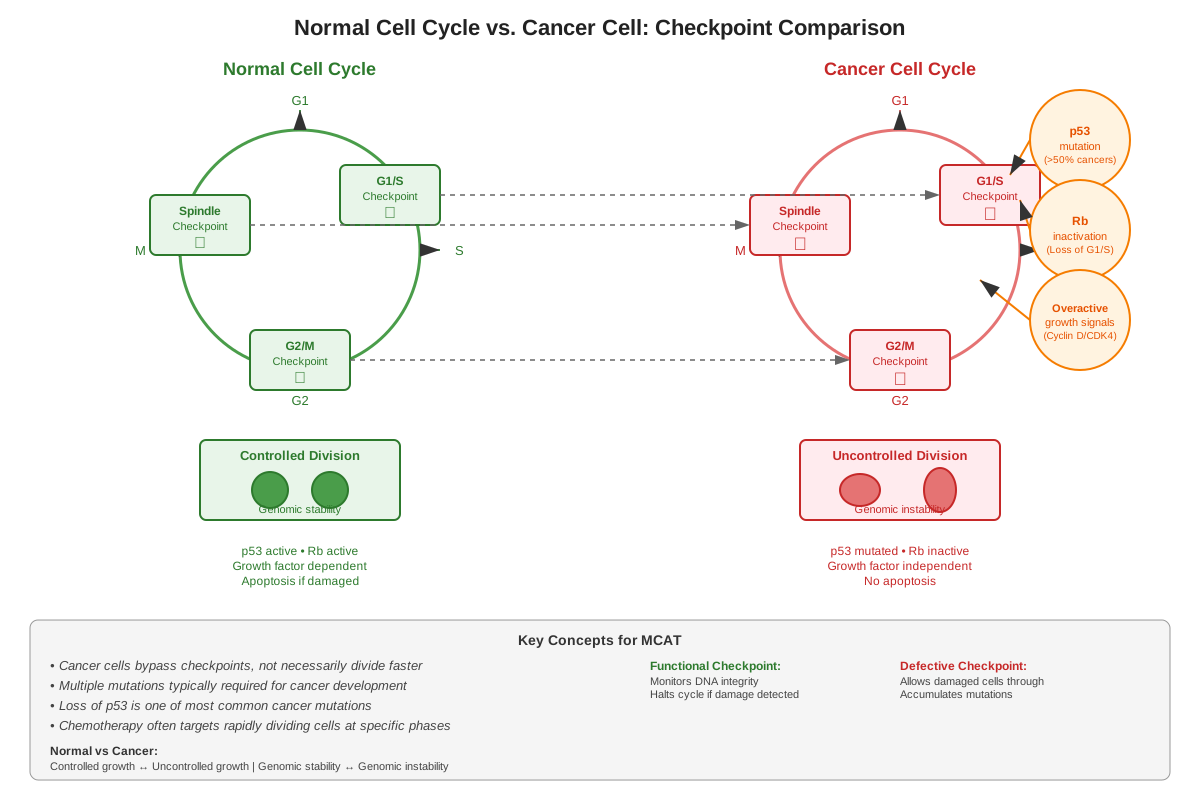
The cell cycle is central to understanding human health and disease. Cancer, one of the leading causes of mortality worldwide, fundamentally results from cell cycle dysregulation. Tumor suppressor genes like p53 and Rb (retinoblastoma protein) normally halt cell cycle progression when DNA damage is detected, but mutations in these genes allow damaged cells to continue dividing. Chemotherapeutic agents specifically target rapidly dividing cells by interfering with various cell cycle phases—for example, taxanes stabilize microtubules during M phase, while antimetabolites disrupt S phase DNA synthesis.
Beyond cancer, cell cycle control is crucial for tissue regeneration, wound healing, and embryonic development. Stem cells must carefully balance proliferation with differentiation, and errors in this balance contribute to developmental disorders. Understanding cell cycle regulation also informs reproductive medicine, as oocytes arrest in specific meiotic phases until hormonal signals trigger progression.
MCAT Exam Statistics
Cell cycle questions appear in approximately 3-5% of MCAT Biology passages and discrete questions. The topic most commonly appears in:
- Passage-based questions analyzing experimental manipulations of cell cycle proteins
- Data interpretation questions involving flow cytometry graphs showing DNA content
- Discrete questions testing knowledge of checkpoint functions and phase characteristics
- Integrated questions connecting cell cycle to cancer biology, signal transduction, or genetics
Questions typically test conceptual understanding rather than rote memorization, requiring students to apply knowledge to novel scenarios. The MCAT frequently presents graphs showing cyclin or CDK levels throughout the cell cycle and asks students to predict effects of inhibitors or mutations.
Core Concepts
Definition and Overview of the Cell Cycle
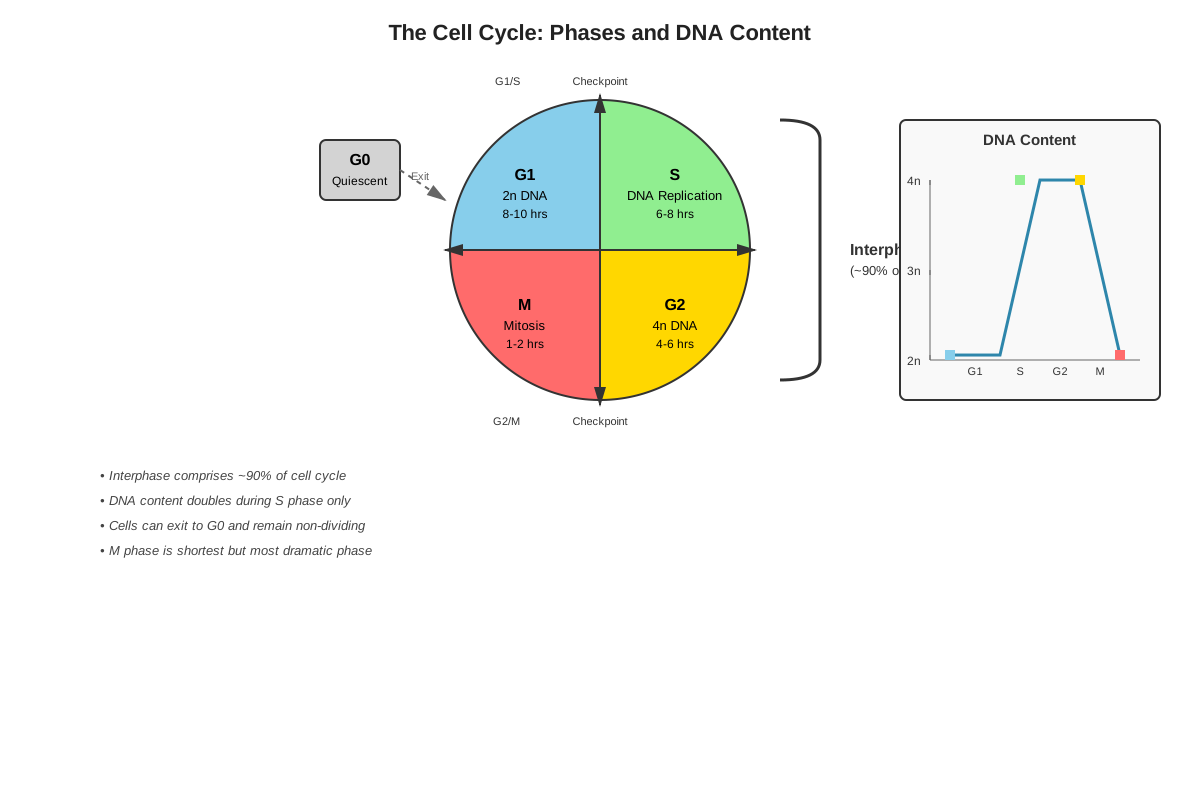
The cell cycle is the ordered series of events that takes place in a cell leading to its division and duplication. It consists of two major periods: interphase (the period of cell growth and DNA replication) and the mitotic phase or M phase (the period of nuclear and cytoplasmic division). The complete cycle ensures that each daughter cell receives an exact copy of the genetic material and approximately half of the cytoplasmic contents.
The duration of the cell cycle varies dramatically among cell types. Rapidly dividing cells like intestinal epithelium or bone marrow cells may complete the cycle in 12-24 hours, while some differentiated cells (neurons, cardiac muscle cells) exit the cycle entirely and enter a quiescent state called G0 phase. The cell cycle's length is primarily determined by the duration of G1 phase, which can range from hours to years depending on cellular conditions and signals.
Interphase: G1, S, and G2 Phases
Interphase comprises approximately 90% of the cell cycle duration and consists of three distinct phases:
G1 Phase (Gap 1): This first growth phase follows cell division and represents the period of most cellular growth and metabolic activity. During G1, the cell:
- Increases in size and volume
- Synthesizes enzymes required for DNA replication
- Produces ribosomes and other organelles
- Accumulates nutrients and energy stores
- Responds to growth signals and assesses environmental conditions
- Contains 2n DNA content (diploid) with unreplicated chromosomes
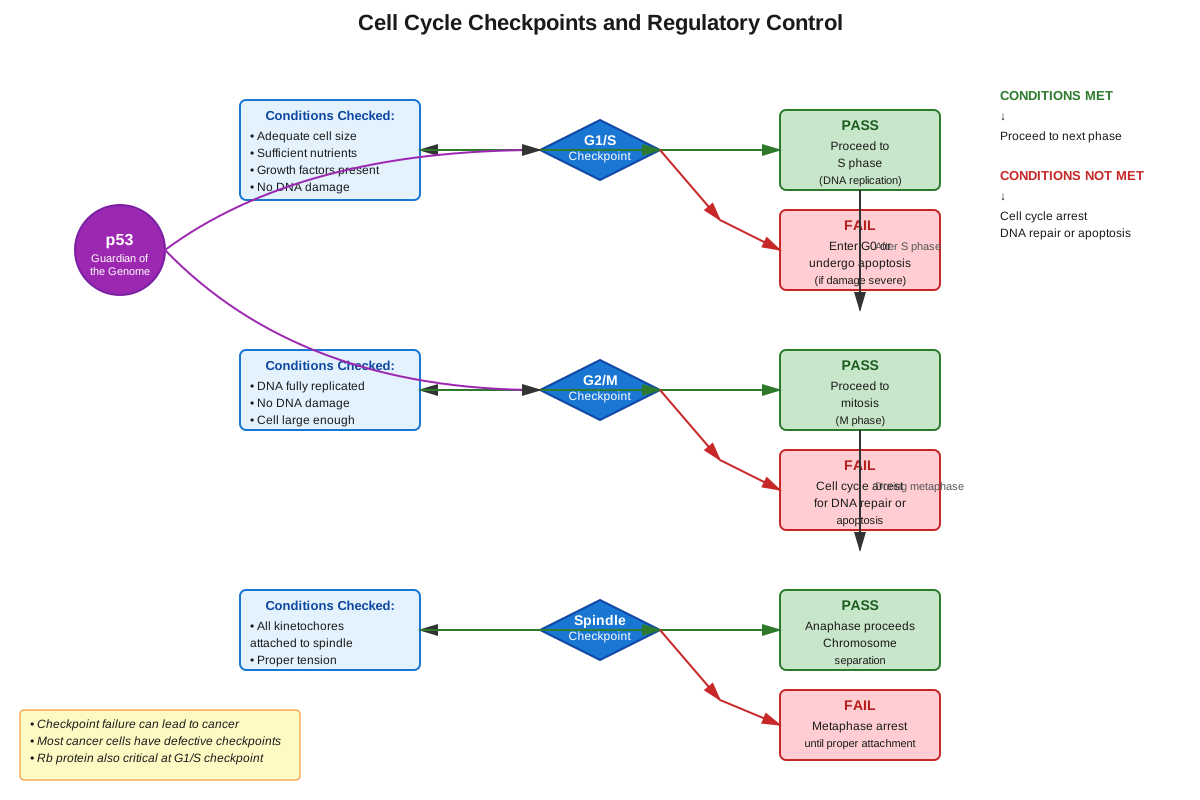
The G1/S checkpoint (also called the restriction point in mammalian cells or "Start" in yeast) occurs at the end of G1. This critical decision point determines whether the cell will commit to division, enter G0 quiescence, or undergo apoptosis. The checkpoint assesses:
- Adequate cell size and nutrient availability
- Presence of growth factors
- DNA integrity (absence of damage)
- Proper extracellular signals
S Phase (Synthesis): During this phase, DNA replication occurs, resulting in the duplication of the entire genome. Key features include:
- DNA content increases from 2n to 4n
- Each chromosome now consists of two identical sister chromatids joined at the centromere
- Histone proteins are synthesized to package newly replicated DNA
- Centrosome duplication occurs
- The cell is committed to completing division
- Duration is relatively constant (typically 6-8 hours in mammalian cells)
Cells in S phase are particularly vulnerable to DNA damage from radiation or chemical mutagens because replication machinery is active and chromatin is accessible.
G2 Phase (Gap 2): This second growth phase prepares the cell for mitosis. During G2:
- Continued cell growth occurs
- Proteins necessary for mitosis are synthesized (tubulins for spindle, condensins for chromosome packaging)
- Organelles are duplicated
- Energy reserves are accumulated
- DNA content remains 4n
- The cell contains duplicated chromosomes (sister chromatids)
The G2/M checkpoint ensures that:
- DNA replication is complete
- DNA is undamaged (or repairs are complete)
- The cell has achieved adequate size
- Proper proteins for mitosis are present
M Phase: Mitosis and Cytokinesis
The M phase encompasses both nuclear division (mitosis) and cytoplasmic division (cytokinesis). While mitosis itself consists of prophase, metaphase, anaphase, and telophase, the cell cycle perspective focuses on M phase as a unified period lasting 1-2 hours. The spindle checkpoint (also called the metaphase checkpoint or M checkpoint) occurs during metaphase and prevents progression to anaphase until all chromosomes are properly attached to spindle microtubules from both poles.
Following mitosis, cytokinesis divides the cytoplasm, creating two daughter cells that enter G1 phase with 2n DNA content.
G0 Phase: Quiescence and Differentiation
G0 phase represents a reversible or permanent exit from the active cell cycle. Cells in G0:
- Are metabolically active but not preparing for division
- Perform specialized functions (neurons conducting signals, muscle cells contracting)
- May re-enter G1 in response to appropriate signals (liver hepatocytes after injury)
- May be permanently post-mitotic (neurons, cardiac myocytes)
The distinction between G0 and G1 is functionally important: G1 cells are actively preparing for S phase, while G0 cells have exited the cycle and require specific signals to re-enter.
Cell Cycle Regulation: Cyclins and CDKs
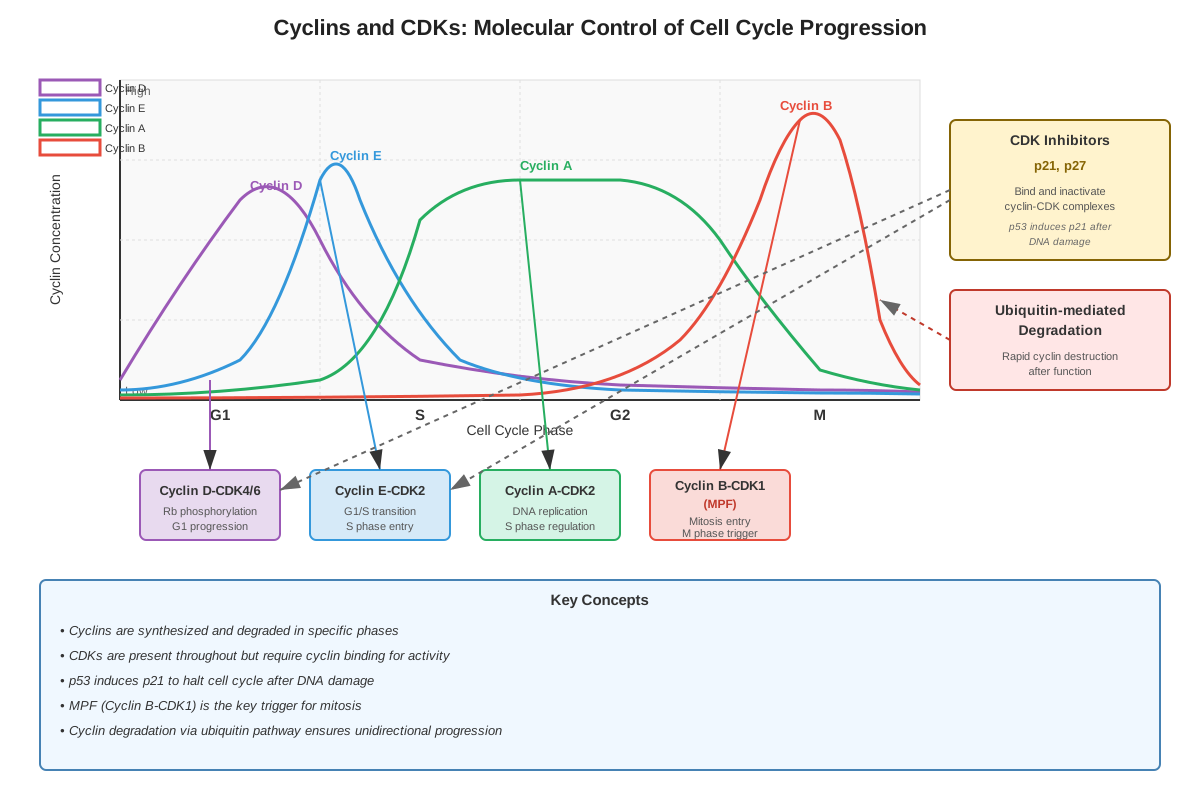
Cell cycle progression is controlled by a family of protein kinases called cyclin-dependent kinases (CDKs). These enzymes are:
- Constitutively present but inactive without their regulatory partners
- Activated by binding to cyclins, regulatory proteins whose levels fluctuate throughout the cycle
- Responsible for phosphorylating target proteins that drive cell cycle events
The cyclin-CDK system operates through several key principles:
| Cell Cycle Phase | Primary Cyclin | Associated CDK | Function |
|---|---|---|---|
| G1 | Cyclin D | CDK4/6 | Promotes G1 progression, phosphorylates Rb |
| G1/S transition | Cyclin E | CDK2 | Commits cell to S phase |
| S phase | Cyclin A | CDK2 | Initiates and maintains DNA replication |
| G2/M | Cyclin B | CDK1 (Cdc2) | Triggers entry into mitosis |
Cyclins are synthesized and degraded in a precisely timed manner:
- Cyclin levels rise gradually through transcription and translation
- Peak cyclin levels activate their partner CDKs
- Cyclins are rapidly degraded by ubiquitin-mediated proteolysis after their function is complete
- This irreversible degradation ensures unidirectional progression through the cycle
CDK activity is regulated at multiple levels:
- Cyclin binding: CDKs are inactive without their cyclin partners
- Phosphorylation: Activating phosphorylation by CAK (CDK-activating kinase) and inhibitory phosphorylation by Wee1 kinase
- Dephosphorylation: Removal of inhibitory phosphates by Cdc25 phosphatase
- CDK inhibitors (CKIs): Proteins like p21, p27, and p16 that bind and inactivate cyclin-CDK complexes
Checkpoint Control and Tumor Suppressors
Cell cycle checkpoints are surveillance mechanisms that halt progression when problems are detected. The major checkpoints involve critical tumor suppressor proteins:
G1/S Checkpoint (Restriction Point):
- p53 ("guardian of the genome") detects DNA damage and activates p21
- p21 is a CKI that inhibits cyclin E-CDK2, preventing S phase entry
- Rb (retinoblastoma protein) in its hypophosphorylated state binds and sequesters E2F transcription factors
- When cyclin D-CDK4/6 phosphorylates Rb, E2F is released and activates genes required for S phase
- If DNA damage is detected, p53 prevents Rb phosphorylation, maintaining cell cycle arrest
G2/M Checkpoint:
- Ensures complete and accurate DNA replication
- p53 can activate arrest if damage is detected
- ATM and ATR kinases sense DNA damage and activate checkpoint responses
- Prevents cells with damaged or incompletely replicated DNA from entering mitosis
Spindle Checkpoint:
- Monitors kinetochore attachment to spindle microtubules
- Prevents anaphase until all chromosomes are properly aligned and attached
- Involves the anaphase-promoting complex (APC/C) and securin degradation
- Ensures equal chromosome segregation to daughter cells
DNA Content Throughout the Cell Cycle
Understanding DNA content changes is crucial for interpreting flow cytometry data on the MCAT:
- G1 phase: 2n DNA content (diploid, unreplicated)
- S phase: Between 2n and 4n (replication in progress)
- G2 phase: 4n DNA content (diploid number of chromosomes, but each consists of two sister chromatids)
- M phase: 4n initially, then segregates to 2n in each daughter cell
- G0 phase: 2n DNA content (same as G1)
A flow cytometry histogram plotting cell number versus DNA content typically shows:
- A large peak at 2n (G1 and G0 cells)
- A smaller peak at 4n (G2 and M phase cells)
- A distribution between peaks (S phase cells actively replicating)
Concept Relationships
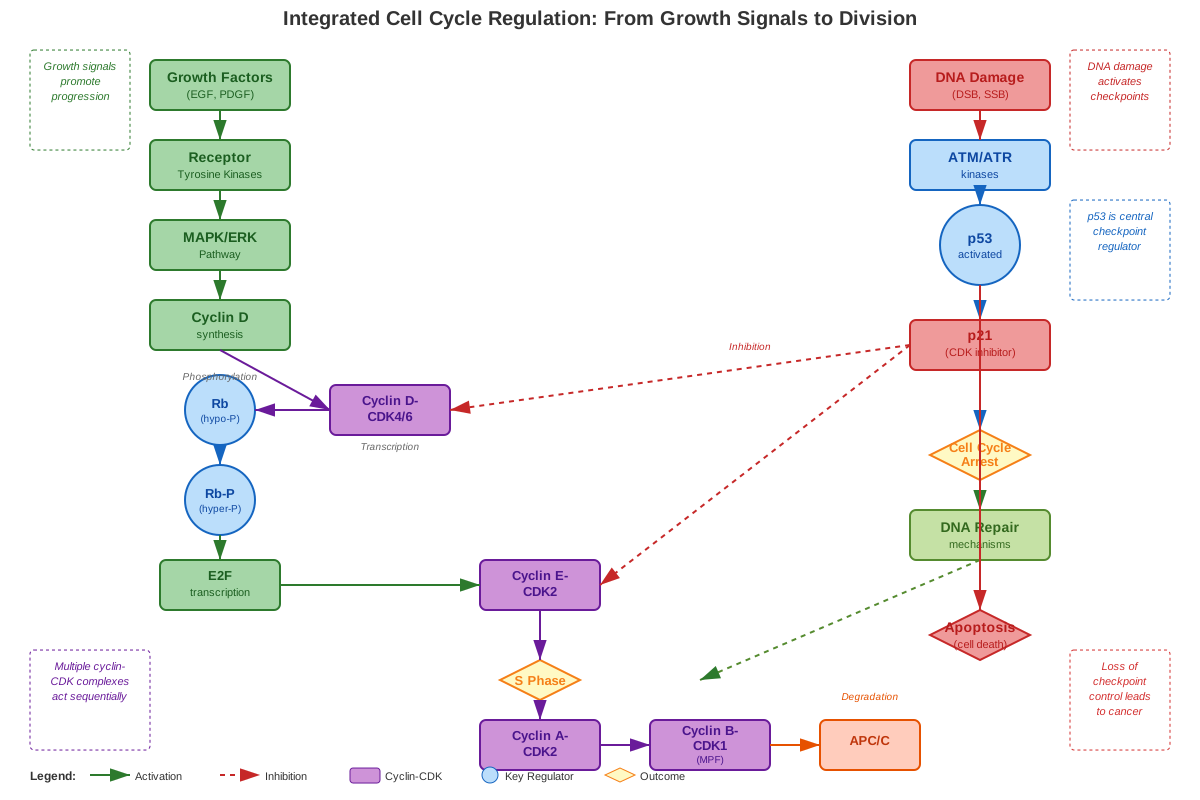
The cell cycle integrates multiple biological processes into a coordinated sequence. DNA replication during S phase depends on the prior synthesis of replication machinery proteins during G1, demonstrating how gene expression and protein synthesis enable cell cycle progression. The checkpoint mechanisms connect to signal transduction pathways, as external growth factors activate receptor tyrosine kinases that ultimately influence cyclin D expression and Rb phosphorylation.
The relationship between cell cycle concepts follows this progression:
Growth signals → Cyclin D synthesis → CDK4/6 activation → Rb phosphorylation → E2F release → S phase gene transcription → Cyclin E-CDK2 activation → S phase entry → DNA replication → Cyclin A-CDK2 activity → G2 phase → Cyclin B-CDK1 activation → M phase entry → Mitosis → Cytokinesis → Return to G1
Checkpoint pathways intersect this progression: DNA damage → ATM/ATR activation → p53 stabilization → p21 expression → CDK inhibition → Cell cycle arrest. If damage is irreparable, p53 can trigger apoptosis, connecting cell cycle control to programmed cell death.
The cell cycle also relates to cancer biology: mutations that inactivate tumor suppressors (p53, Rb) or overactivate oncogenes (cyclin D, CDK4) lead to uncontrolled proliferation. This connects to pharmacology, as chemotherapy agents target specific cell cycle phases. The cell cycle's relationship to meiosis is also important—meiotic cells undergo modified cell cycles with altered checkpoint controls and two division rounds without an intervening S phase.
Quick check — test yourself on Cell cycle so far.
Try Flashcards →High-Yield Facts
⭐ The G1/S checkpoint (restriction point) is the primary decision point where cells commit to division or enter G0 quiescence
⭐ Cyclin levels fluctuate throughout the cell cycle while CDK levels remain relatively constant; CDK activity depends on cyclin binding
⭐ p53 is the master tumor suppressor that detects DNA damage and can trigger cell cycle arrest (via p21) or apoptosis
⭐ Rb protein in its hypophosphorylated state inhibits the cell cycle by sequestering E2F transcription factors; phosphorylation by cyclin D-CDK4/6 releases E2F
⭐ S phase is the only phase where DNA content increases; cells in G2 have 4n DNA content but are still diploid (2n chromosomes, each consisting of two sister chromatids)
- The spindle checkpoint prevents anaphase until all chromosomes are properly attached to spindle microtubules from both poles
- Cyclin B-CDK1 (also called MPF or M-phase promoting factor) triggers entry into mitosis
- p21 is a CDK inhibitor (CKI) induced by p53 that blocks cyclin E-CDK2 and prevents S phase entry
- Flow cytometry measures DNA content: G1 cells show 2n, S phase cells show 2n-4n, and G2/M cells show 4n
- Cancer cells often have mutations in p53 (most common) or Rb, allowing them to bypass checkpoints and proliferate despite DNA damage
Common Misconceptions
Misconception: Cells in G2 phase are tetraploid (4n) with four copies of each chromosome.
Correction: G2 cells are diploid (2n) but have 4n DNA content because each chromosome consists of two sister chromatids joined at the centromere. Ploidy refers to the number of chromosome sets, not DNA content. The cell has the normal diploid number of chromosomes, but each is duplicated.
Misconception: CDKs are synthesized and degraded throughout the cell cycle like cyclins.
Correction: CDK protein levels remain relatively constant throughout the cell cycle. Their activity is regulated by cyclin binding, phosphorylation/dephosphorylation, and CDK inhibitors. Only cyclins undergo dramatic synthesis and degradation cycles.
Misconception: The G1 and G0 phases are identical since both have 2n DNA content.
Correction: While both have 2n DNA content, G1 cells are actively preparing for S phase by synthesizing replication machinery and responding to growth signals, whereas G0 cells have exited the cycle and are performing specialized functions. G0 cells require specific signals to re-enter G1, and some (like neurons) never re-enter.
Misconception: All checkpoints detect DNA damage.
Correction: While the G1/S and G2/M checkpoints can detect DNA damage, the spindle checkpoint (M checkpoint) specifically monitors chromosome attachment to spindle microtubules and proper alignment at the metaphase plate. It ensures accurate chromosome segregation, not DNA integrity.
Misconception: p53 directly stops the cell cycle.
Correction: p53 is a transcription factor that activates expression of p21, a CDK inhibitor. It is p21 that directly inhibits cyclin-CDK complexes (particularly cyclin E-CDK2) to halt cell cycle progression. p53 acts upstream in the regulatory pathway.
Misconception: Cells spend equal time in each phase of the cell cycle.
Correction: The duration of cell cycle phases varies dramatically. G1 is the most variable phase (hours to years), while S phase duration is relatively constant (6-8 hours). M phase is brief (1-2 hours). G2 is intermediate. The total cycle time depends primarily on G1 duration.
Misconception: Phosphorylation of Rb activates it as a tumor suppressor.
Correction: Rb phosphorylation by cyclin D-CDK4/6 inactivates its tumor suppressor function. Hypophosphorylated (unphosphorylated) Rb is the active tumor suppressor that binds and sequesters E2F transcription factors. Phosphorylation releases E2F, allowing cell cycle progression.
Worked Examples
Example 1: Flow Cytometry Analysis
Question: Researchers treat cultured cells with a drug that inhibits DNA polymerase and then perform flow cytometry to measure DNA content. After 24 hours, they observe that most cells have 2n DNA content, with very few cells showing 4n content and almost no cells with intermediate DNA content. Which phase of the cell cycle are most cells arrested in?
Step 1 - Identify what the drug does: DNA polymerase inhibition prevents DNA replication, which occurs specifically during S phase. Cells attempting to enter or progress through S phase will be unable to replicate their DNA.
Step 2 - Analyze the flow cytometry data:
- Most cells at 2n = G1 or G0 cells
- Very few at 4n = G2/M cells
- Almost none between 2n and 4n = very few S phase cells
Step 3 - Determine the arrest point: The absence of cells with intermediate DNA content (between 2n and 4n) indicates that cells are not progressing through S phase. The accumulation at 2n suggests cells are arrested at the G1/S boundary, unable to initiate DNA replication.
Step 4 - Consider checkpoint mechanisms: The G1/S checkpoint would detect the inability to properly initiate DNA replication. Cells that were already in S phase when the drug was added would complete whatever replication they could and arrest, but new cells cannot enter S phase.
Answer: Cells are arrested at the G1/S checkpoint (late G1 phase). The drug prevents S phase entry and progression, causing accumulation of cells with 2n DNA content. Any cells that were in S phase when treatment began would eventually arrest or die, explaining the near absence of cells with intermediate DNA content.
Connection to learning objectives: This example demonstrates application of cell cycle knowledge to experimental data interpretation, a common MCAT question format. It requires understanding DNA content changes, checkpoint function, and the relationship between cell cycle phases.
Example 2: Checkpoint Mutation Analysis
Question: A patient's tumor cells are analyzed and found to have a mutation that inactivates the p53 gene. The cells also show evidence of extensive DNA damage but continue to proliferate. Explain the molecular mechanism connecting the p53 mutation to continued proliferation despite DNA damage, and predict what would happen if these cells were treated with a drug that activates p21.
Step 1 - Understand normal p53 function: In normal cells, DNA damage activates p53, which acts as a transcription factor to induce expression of p21. p21 is a CDK inhibitor that blocks cyclin E-CDK2, preventing progression through the G1/S checkpoint.
Step 2 - Analyze the mutation's effect: With p53 inactivated:
- DNA damage is detected by ATM/ATR kinases
- However, p53 cannot be activated to induce p21 expression
- Without p21, cyclin E-CDK2 remains active
- Rb continues to be phosphorylated
- E2F remains active, promoting S phase gene expression
- Cells bypass the G1/S checkpoint despite DNA damage
Step 3 - Explain continued proliferation: The tumor cells lack functional G1/S checkpoint control. They cannot arrest in response to DNA damage, so they continue dividing and accumulating additional mutations. This is why p53 is called the "guardian of the genome"—its loss allows genomic instability.
Step 4 - Predict drug effect: A drug that directly activates p21 would:
- Bypass the need for functional p53
- Directly inhibit cyclin E-CDK2 complexes
- Arrest cells at the G1/S checkpoint
- Prevent further proliferation even though p53 is mutated
Answer: The p53 mutation prevents induction of p21 in response to DNA damage, eliminating G1/S checkpoint control. Cyclin E-CDK2 remains active, phosphorylating Rb and releasing E2F, which drives S phase entry despite genomic damage. A p21-activating drug would restore checkpoint arrest by directly inhibiting CDKs, independent of p53 status, making it a potential therapeutic strategy for p53-mutant tumors.
Connection to learning objectives: This example integrates cell cycle regulation with cancer biology, demonstrates understanding of checkpoint molecular mechanisms, and applies knowledge to predict therapeutic outcomes—all high-yield MCAT skills.
Exam Strategy
Approaching Cell Cycle Questions
When encountering cell cycle MCAT questions, follow this systematic approach:
- Identify the phase or checkpoint: Look for clues about DNA content (2n vs 4n), cellular activities (DNA replication, mitosis), or regulatory proteins mentioned
- Determine what's being regulated: Is the question about progression, arrest, or checkpoint function?
- Map the regulatory pathway: Trace from signal → cyclin → CDK → target protein → cellular outcome
- Consider the consequences: What happens if this process is disrupted?
Trigger Words and Phrases
Watch for these high-yield terms that signal specific concepts:
- "Restriction point" or "Start" → G1/S checkpoint, Rb/E2F pathway
- "DNA content" or "flow cytometry" → Identify phase based on 2n vs 4n
- "Tumor suppressor" → Think p53, Rb, checkpoint control
- "Uncontrolled proliferation" → Checkpoint failure, cyclin overexpression, or tumor suppressor loss
- "Sister chromatids" → Post-S phase (G2 or M phase)
- "Quiescent" or "non-dividing" → G0 phase
- "Commitment to division" → G1/S checkpoint passage
Process of Elimination Tips
For cell cycle questions, eliminate answers that:
- Confuse ploidy (chromosome number) with DNA content
- Place regulatory proteins in the wrong phase (e.g., cyclin B in G1)
- Reverse cause and effect (e.g., stating that E2F activates Rb rather than Rb inhibiting E2F)
- Claim that CDK levels fluctuate when only cyclin levels change significantly
- Suggest cells can progress through checkpoints with unrepaired DNA damage (in normal cells)
Exam Tip: If a question presents a graph of protein levels throughout the cell cycle, cyclins should show dramatic peaks and valleys, while CDKs should remain relatively constant. Any answer choice suggesting otherwise is likely incorrect.
Time Allocation
Cell cycle questions typically require 60-90 seconds for discrete questions and 90-120 seconds for passage-based questions. If a question involves:
- Simple phase identification: 45-60 seconds
- Checkpoint mechanism: 60-90 seconds
- Data interpretation (flow cytometry, graphs): 90-120 seconds
- Multi-step reasoning (mutations + consequences): 120+ seconds
Don't spend excessive time trying to recall minor details. Focus on the major regulatory mechanisms (cyclin-CDK, checkpoints, p53/Rb) that account for 80% of testable content.
Memory Techniques
Mnemonic for Cell Cycle Phases
"Go Sally, Go Make" = G1, S, G2, M
- Go = G1 (growth and preparation)
- Sally = S (synthesis/DNA replication)
- Go = G2 (growth and preparation for mitosis)
- Make = M (mitosis)
Cyclin-CDK Partnerships
"Don't Ever Say Bye" for the major cyclin-CDK pairs in order:
- Don't = Cyclin D-CDK4/6 (G1)
- Ever = Cyclin E-CDK2 (G1/S)
- Say = Cyclin A-CDK2 (S phase)
- Bye = Cyclin B-CDK1 (G2/M)
Checkpoint Functions
"DNA Damage Doesn't Divide" = The three main checkpoints all prevent division when problems exist:
- G1/S: DNA integrity check
- G2/M: DNA replication completion
- M: Division (chromosome attachment)
p53 Pathway
"Damage Activates p53, p53 Activates p21, p21 Arrests"
Visualize a cascade: DNA damage → p53 ↑ → p21 ↑ → CDK ↓ → Cell cycle arrest
DNA Content Visualization
Create a mental graph with DNA content on the Y-axis and time on the X-axis:
- Flat line at 2n during G1
- Diagonal line rising from 2n to 4n during S
- Flat line at 4n during G2
- Sharp drop from 4n to 2n at the end of M
This visual helps quickly answer flow cytometry questions.
Rb Function
"Rb Restrains, Phosphorylation Releases"
- Hypophosphorylated Rb = Restrains E2F = Cell cycle arrest
- Phosphorylated Rb = Releases E2F = Cell cycle progression
Summary
The cell cycle is the ordered sequence of events through which cells grow, replicate their DNA, and divide into two daughter cells. It consists of interphase (G1, S, and G2 phases) and M phase (mitosis and cytokinesis), with cells potentially exiting to G0 quiescence. Progression through the cycle is driven by cyclin-CDK complexes, whose activity is precisely regulated through cyclin synthesis and degradation, phosphorylation, and CDK inhibitors. Three major checkpoints (G1/S, G2/M, and spindle checkpoint) ensure that cells only progress when conditions are appropriate and DNA is intact. The G1/S checkpoint, controlled by the Rb-E2F pathway and p53-p21 axis, represents the primary commitment point for division. Understanding DNA content changes (2n in G1/G0, 2n-4n in S, 4n in G2/M) is essential for interpreting experimental data. Dysregulation of cell cycle control, particularly through p53 or Rb mutations, leads to uncontrolled proliferation and cancer. For the MCAT, focus on checkpoint mechanisms, cyclin-CDK regulation, DNA content throughout phases, and the molecular basis of tumor suppressor function.
Key Takeaways
- The cell cycle consists of interphase (G1, S, G2) and M phase, with G0 representing quiescence; progression is unidirectional and controlled by cyclin-CDK complexes
- Cyclin levels fluctuate dramatically while CDK levels remain constant; CDK activity depends on cyclin binding, making cyclins the primary regulatory molecules
- The G1/S checkpoint is the restriction point where cells commit to division; it involves Rb-E2F regulation and p53-p21 checkpoint control
- DNA content is 2n in G1/G0, increases to 4n during S phase, remains 4n in G2/M, then returns to 2n after division; this pattern is testable via flow cytometry
- p53 detects DNA damage and induces p21, which inhibits cyclin E-CDK2 to arrest the cell cycle; p53 mutations allow damaged cells to bypass checkpoints
- Rb protein in its hypophosphorylated state sequesters E2F transcription factors; phosphorylation by cyclin D-CDK4/6 releases E2F and permits S phase entry
- The three major checkpoints (G1/S, G2/M, spindle) ensure DNA integrity, complete replication, and proper chromosome segregation before allowing progression
Related Topics
- Mitosis and Meiosis: Understanding the detailed stages of M phase and how meiotic cell cycles differ from mitotic cycles builds directly on cell cycle knowledge
- DNA Replication: The molecular mechanisms of S phase, including replication fork dynamics, leading/lagging strand synthesis, and proofreading
- Cancer Biology: How oncogenes and tumor suppressors dysregulate the cell cycle, and how chemotherapy agents target specific phases
- Signal Transduction: Growth factor pathways (MAPK, PI3K-AKT) that regulate cyclin D expression and cell cycle entry
- Apoptosis: How p53 can trigger programmed cell death when DNA damage is irreparable, connecting cell cycle control to cell death pathways
- Cell Differentiation: How cells exit the cell cycle to G0 and undergo terminal differentiation into specialized cell types
- Stem Cell Biology: How stem cells balance self-renewal (continued cycling) with differentiation (cell cycle exit)
Mastering the cell cycle provides the foundation for understanding these advanced topics, as cell division control is central to development, tissue homeostasis, and disease.
Practice CTA
Now that you've completed this comprehensive guide to the cell cycle, reinforce your understanding by attempting practice questions and reviewing flashcards focused on this topic. Challenge yourself with passage-based questions that require you to interpret experimental data involving flow cytometry, checkpoint mutations, or cyclin-CDK regulation. The cell cycle is a highly testable MCAT topic that rewards deep conceptual understanding over superficial memorization. Focus on understanding the regulatory mechanisms and their consequences, and you'll be well-prepared to tackle any cell cycle question the exam presents. Your investment in mastering this foundational topic will pay dividends not only on test day but throughout your medical education as you encounter cell biology in pathology, pharmacology, and clinical contexts. Keep pushing forward—you're building the knowledge base of a future physician!
Sign up free to keep reading
Create a free AnvayaPrep account to finish this MCAT guide on Cell cycle — plus flashcards and practice questions.