Overview
Telomeres are specialized nucleoprotein structures located at the terminal ends of linear eukaryotic chromosomes. These protective caps consist of repetitive DNA sequences (TTAGGG in humans, repeated thousands of times) and associated proteins that collectively prevent chromosome degradation, end-to-end fusion, and recognition of chromosome ends as DNA breaks. Understanding telomeres is fundamental to grasping how cells maintain genomic stability, regulate cellular aging, and control proliferative capacity—all critical concepts within Molecular Biology and Genetics that appear regularly on the MCAT.
For the MCAT, telomeres represent a high-yield intersection of multiple testable domains: DNA structure and replication, cell cycle regulation, cancer biology, and aging. The MCAT frequently tests telomere biology through passages exploring cellular senescence, the relationship between telomerase activity and cancer, or experimental designs investigating chromosome stability. Questions may require students to predict outcomes of telomerase mutations, explain why most somatic cells have limited replicative capacity, or analyze data showing telomere length changes across different cell types or disease states.
The significance of Telomeres Biology extends beyond isolated molecular mechanisms. This topic connects directly to DNA replication (particularly the end-replication problem), enzyme function (telomerase as a reverse transcriptase), gene regulation, stem cell biology, and oncology. Mastering telomeres provides essential context for understanding why cancer cells must reactivate telomerase to achieve immortalization, why germ cells maintain telomere length across generations, and how cellular aging occurs at the molecular level—all concepts that bridge the biological and biochemical foundations tested on the MCAT.
Learning Objectives
- [ ] Define telomeres using accurate Biology terminology, including their molecular composition and structural organization
- [ ] Explain why telomeres matter for the MCAT, identifying specific question types and passage contexts
- [ ] Apply telomeres concepts to exam-style questions involving experimental design, data interpretation, and mechanism prediction
- [ ] Identify common mistakes related to telomeres, particularly regarding telomerase function and the end-replication problem
- [ ] Connect telomeres to related Biology concepts including DNA replication, cell cycle, cancer biology, and aging
- [ ] Describe the molecular mechanism of the end-replication problem and explain how it leads to telomere shortening
- [ ] Compare and contrast telomerase activity across different cell types (somatic, germ, stem, and cancer cells)
- [ ] Predict the cellular consequences of telomerase mutations or experimental manipulation of telomere length
Prerequisites
- DNA structure and organization: Understanding double-stranded DNA, 5' to 3' directionality, and complementary base pairing is essential for comprehending telomere sequence composition and replication challenges
- DNA replication mechanisms: Knowledge of semiconservative replication, leading and lagging strand synthesis, and the requirement for RNA primers is necessary to understand the end-replication problem
- Enzyme function: Familiarity with DNA polymerase properties (particularly the inability to synthesize DNA in the 3' to 5' direction) explains why telomere shortening occurs
- Cell cycle and division: Understanding mitosis, cell cycle checkpoints, and proliferative capacity provides context for telomere-mediated cellular senescence
- Basic cancer biology: Recognition that cancer requires unlimited replicative potential helps explain the significance of telomerase reactivation in malignancy
Why This Topic Matters
Clinical and Real-World Significance
Telomere biology has profound implications for human health and disease. Shortened telomeres are associated with premature aging syndromes such as dyskeratosis congenita, where patients experience bone marrow failure, skin abnormalities, and increased cancer risk due to mutations in telomerase components. Conversely, approximately 85-95% of human cancers reactivate telomerase to bypass normal cellular senescence, making telomerase a promising therapeutic target. Telomere length also serves as a biomarker for biological aging, with shorter telomeres correlating with increased risk for age-related diseases including cardiovascular disease, diabetes, and neurodegenerative disorders.
MCAT Exam Statistics and Question Types
Telomeres appear on the MCAT with moderate frequency, typically in 1-3 questions per exam. The topic most commonly appears in:
- Passage-based questions (60-70% of telomere questions): Experimental passages describing telomerase knockout studies, telomere length measurements across cell types, or investigations of aging mechanisms
- Discrete questions (30-40%): Standalone questions testing fundamental understanding of the end-replication problem, telomerase function, or differences between somatic and germ cells
- Biological Sciences sections: Primarily in Biology/Biochemistry sections, occasionally integrated with psychology/sociology content when discussing aging
Common Exam Contexts
The MCAT presents telomere biology through several recurring frameworks:
- Comparative studies showing telomerase activity differences between normal somatic cells, stem cells, and cancer cells
- Experimental manipulations where researchers introduce or inhibit telomerase and students must predict cellular outcomes
- Aging research passages requiring students to connect telomere shortening with cellular senescence and the Hayflick limit
- Cancer biology passages where telomerase reactivation is presented as one of the hallmarks of cancer
- Evolutionary biology contexts explaining why telomere-based replicative limits might provide tumor suppression benefits
Core Concepts
Structure and Composition of Telomeres
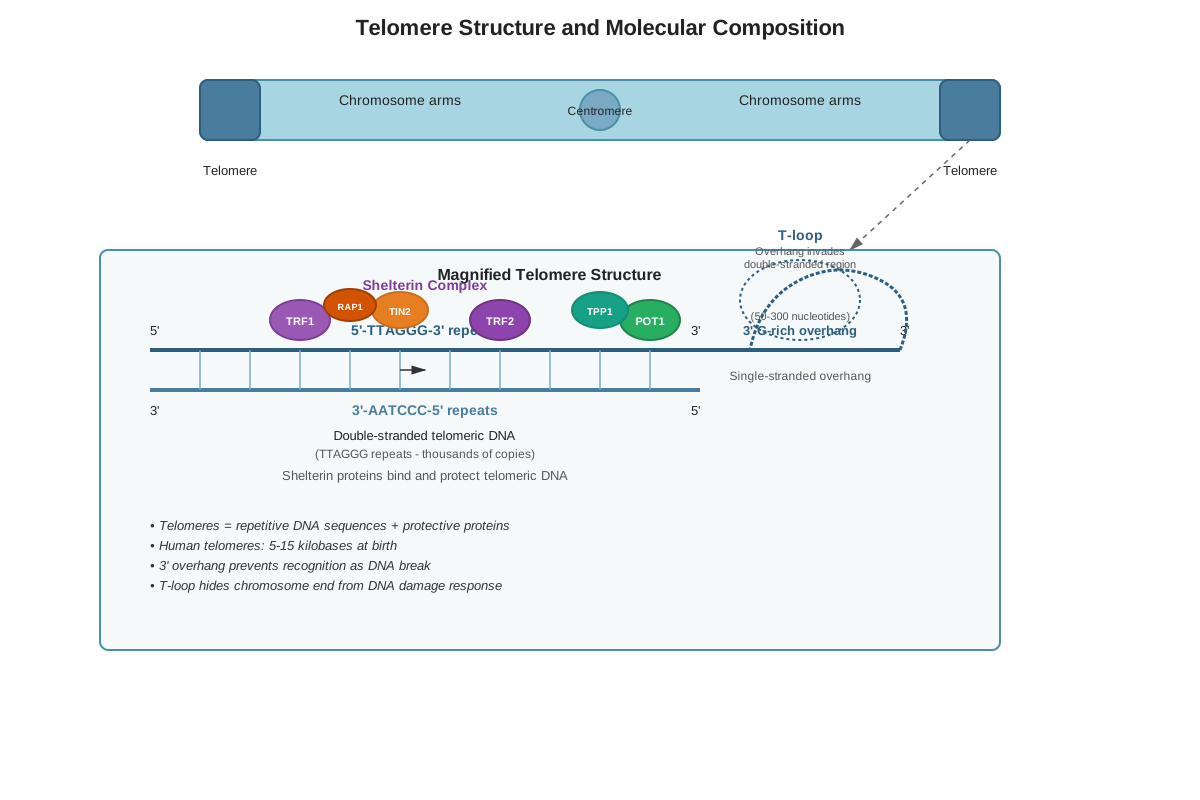
Telomeres are specialized structures at chromosome ends consisting of two primary components: repetitive DNA sequences and associated proteins. In humans and other vertebrates, the telomeric DNA sequence consists of tandem repeats of TTAGGG on the 3' strand (with the complementary AATCCC on the 5' strand), extending for 5,000-15,000 base pairs in length. This sequence is highly conserved across species, though the exact repeat varies (TTGGGG in Tetrahymena, TTAGG in plants).
The terminal 50-300 nucleotides of the 3' strand extend beyond the 5' strand, creating a single-stranded overhang called the G-overhang (G-rich overhang). This overhang can invade the double-stranded telomeric DNA upstream, forming a lariat-like structure called a t-loop (telomeric loop), which protects the chromosome end from being recognized as a DNA double-strand break.
Shelterin complex proteins bind specifically to telomeric DNA and regulate telomere function. The six-protein shelterin complex includes TRF1, TRF2, POT1, TIN2, TPP1, and RAP1. These proteins collectively:
- Protect chromosome ends from degradation by exonucleases
- Prevent activation of DNA damage response pathways
- Regulate telomerase access to telomeres
- Facilitate t-loop formation
The End-Replication Problem
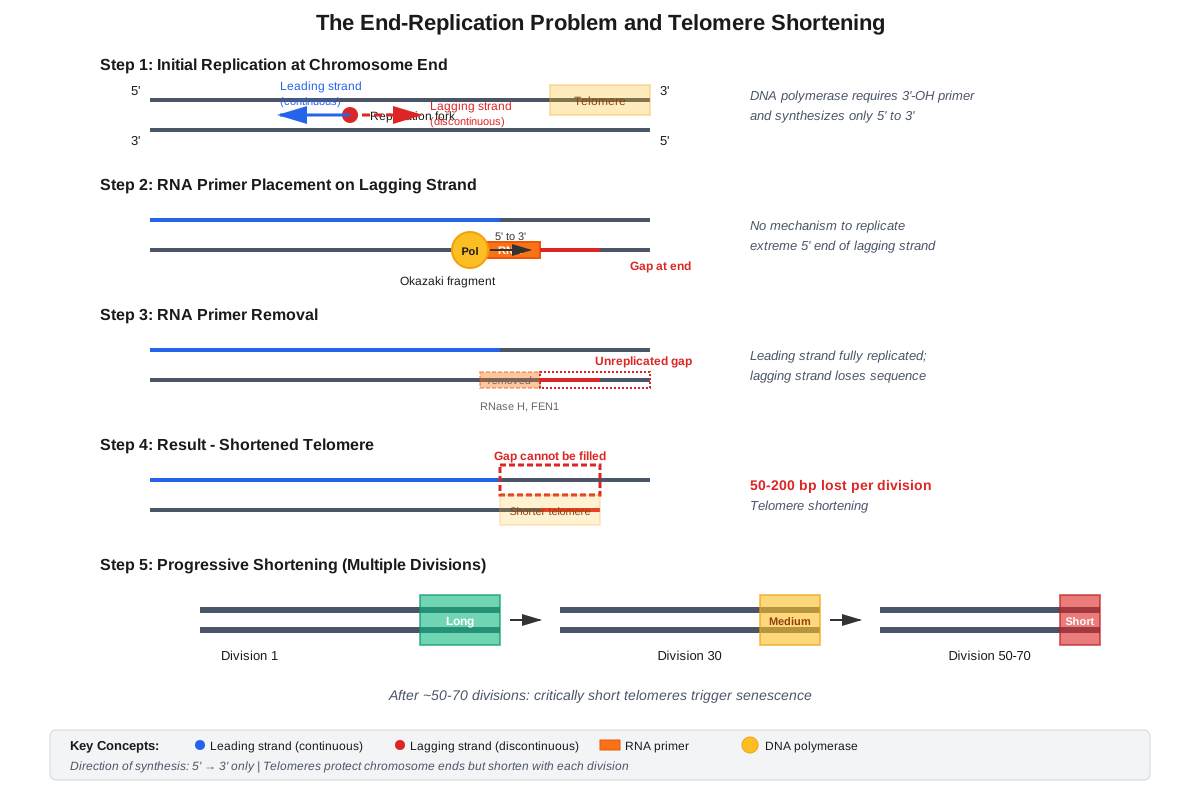
The end-replication problem is the fundamental challenge that causes telomere shortening with each cell division. This problem arises from the biochemical constraints of DNA polymerase:
- DNA polymerase requires a 3'-OH group to add nucleotides and can only synthesize DNA in the 5' to 3' direction
- RNA primers are required to initiate DNA synthesis on both leading and lagging strands
- Lagging strand synthesis occurs discontinuously through Okazaki fragments, each initiated by a separate RNA primer
At the chromosome end, the final RNA primer on the lagging strand (positioned at the very 5' end of the newly synthesized strand) is eventually removed by RNase H. However, DNA polymerase cannot fill this gap because there is no upstream 3'-OH group to extend from. This results in a 5' end gap that shortens the chromosome by approximately 50-200 base pairs with each replication cycle.
Sequence of events leading to telomere shortening:
- DNA replication machinery reaches the chromosome end
- Leading strand synthesis proceeds to the terminus
- Lagging strand synthesis requires multiple RNA primers
- The terminal RNA primer (closest to the 5' end) is removed
- No DNA polymerase can fill the resulting gap
- The newly synthesized strand is shorter than the template strand
- After multiple rounds of replication, telomeres progressively shorten
Telomerase: Structure and Function
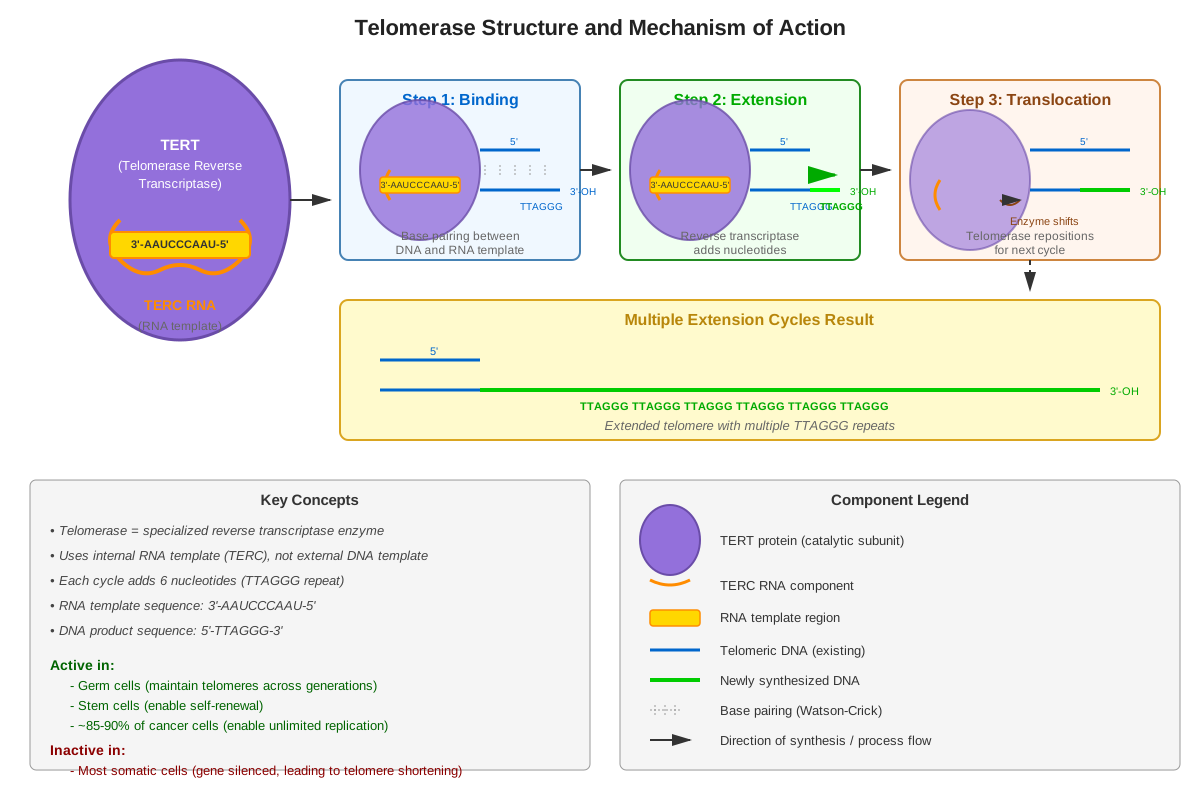
Telomerase is a specialized ribonucleoprotein enzyme that counteracts telomere shortening by adding telomeric repeat sequences to chromosome ends. Telomerase functions as a reverse transcriptase, synthesizing DNA from an RNA template—a unique enzymatic activity that distinguishes it from conventional DNA polymerases.
The telomerase holoenzyme consists of two essential components:
- TERT (Telomerase Reverse Transcriptase): The catalytic protein subunit with reverse transcriptase activity
- TERC/TR (Telomerase RNA Component): The RNA template containing the sequence complementary to the telomeric repeat (in humans, contains AAUCCC that templates TTAGGG synthesis)
Mechanism of telomerase action:
- Telomerase binds to the 3' G-overhang of the telomere
- The TERC RNA template aligns with the existing telomeric DNA
- TERT catalyzes addition of nucleotides to the 3' end, using the RNA template
- After adding one complete repeat (6 nucleotides in humans), telomerase translocates
- The process repeats, extending the 3' strand by multiple TTAGGG repeats
- Conventional DNA replication machinery then fills in the complementary strand
Telomerase Activity Across Cell Types
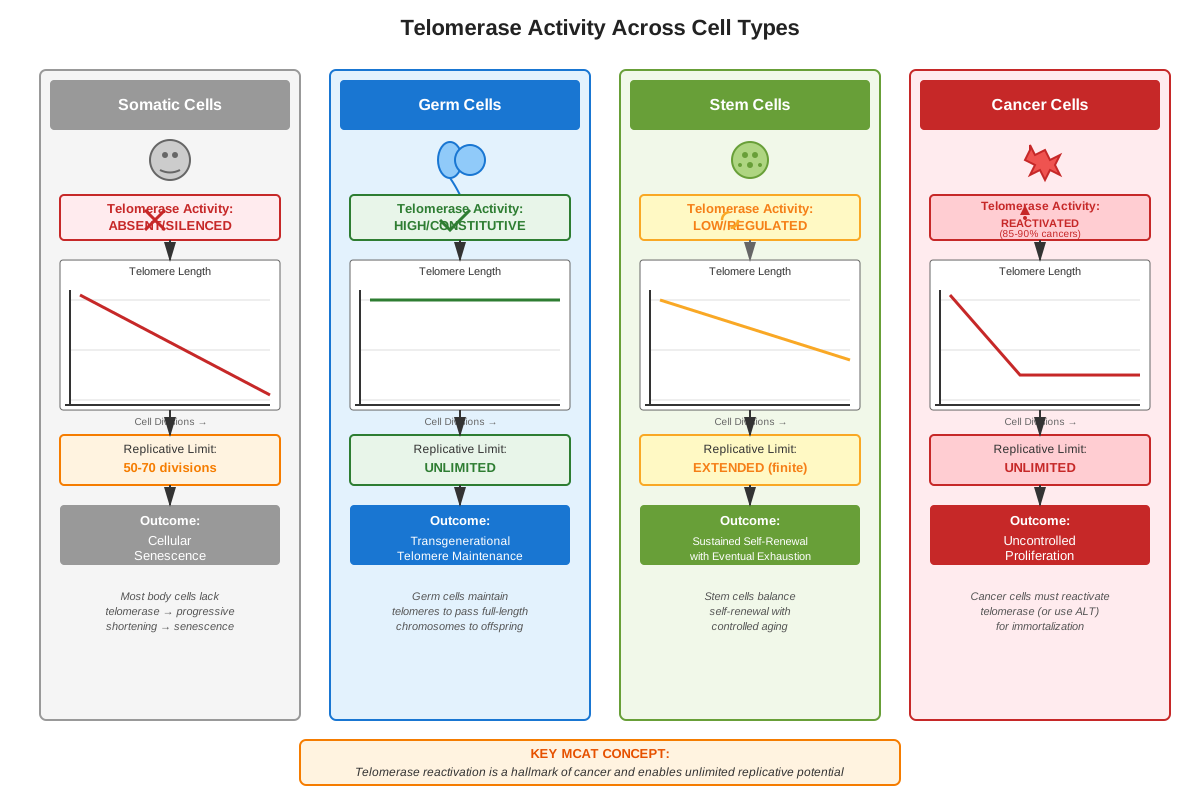
Understanding the differential expression of telomerase across cell types is crucial for MCAT questions:
| Cell Type | Telomerase Activity | Telomere Status | Replicative Capacity | Significance |
|---|---|---|---|---|
| Somatic cells | Absent or very low | Progressively shortens | Limited (Hayflick limit: ~50-70 divisions) | Normal aging mechanism |
| Germ cells | High | Maintained or lengthened | Unlimited | Preserves telomere length across generations |
| Stem cells | Moderate | Maintained | Extended but regulated | Tissue renewal capacity |
| Cancer cells | High (85-95% of cancers) | Maintained or lengthened | Unlimited (immortalized) | Required for tumor progression |
| ALT cells | Absent | Maintained by alternative mechanism | Unlimited | 5-15% of cancers use ALT pathway |
Cellular Senescence and the Hayflick Limit
Cellular senescence is a state of permanent cell cycle arrest triggered by critically short telomeres. Leonard Hayflick discovered that normal human fibroblasts undergo approximately 50-70 population doublings before entering senescence—a phenomenon now called the Hayflick limit.
The molecular mechanism linking telomere shortening to senescence:
- Progressive telomere shortening occurs with each cell division
- When telomeres reach a critical length (~4-6 kb in humans), they lose protective function
- Uncapped telomeres are recognized as DNA double-strand breaks
- DNA damage response pathways activate (ATM/ATR kinases)
- p53 and p21 are upregulated, causing cell cycle arrest
- Cells enter permanent senescence (or undergo apoptosis if damage is severe)
This mechanism serves as a tumor suppressor system, preventing cells with accumulated mutations from dividing indefinitely. Cancer cells must overcome this barrier by reactivating telomerase or activating alternative lengthening mechanisms.
Alternative Lengthening of Telomeres (ALT)
Approximately 5-15% of cancers maintain telomere length without telomerase through Alternative Lengthening of Telomeres (ALT), a recombination-based mechanism. ALT involves:
- Homologous recombination between telomeric sequences
- Formation of specialized nuclear structures called ALT-associated PML bodies
- Highly heterogeneous telomere lengths (some very long, some very short)
- More common in cancers of mesenchymal origin (sarcomas, glioblastomas)
Understanding ALT is important for MCAT passages discussing telomerase-independent mechanisms of cellular immortalization or therapeutic strategies targeting telomere maintenance.
Concept Relationships
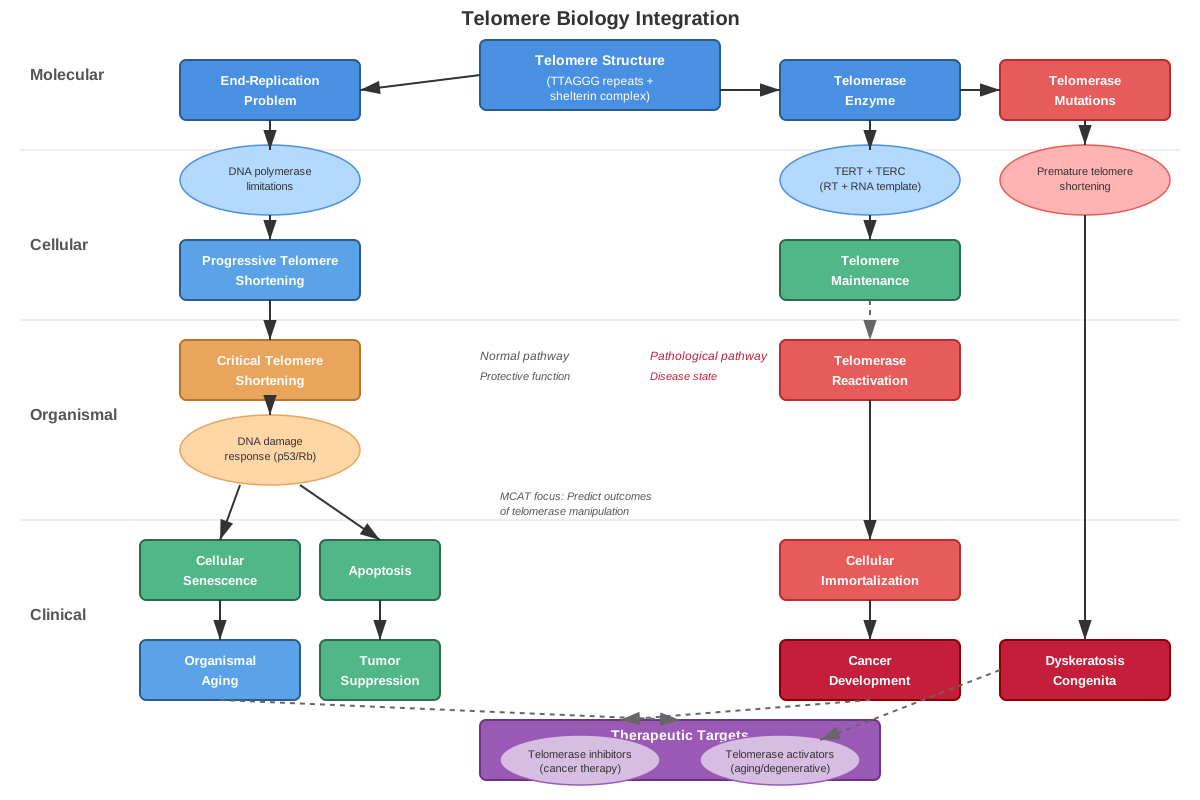
The concepts within telomere biology form an interconnected network centered on chromosome stability and cellular aging. Telomere structure (repetitive sequences and shelterin proteins) → protects against → end-replication problem → leads to → progressive telomere shortening → triggers → cellular senescence when critically short.
This linear progression is modified by telomerase activity, which creates a branching pathway: cells with active telomerase (germ cells, stem cells, cancer cells) maintain telomere length and avoid senescence, while cells without telomerase (most somatic cells) experience limited replicative capacity. The Hayflick limit represents the practical manifestation of telomere-based replicative senescence.
Connections to prerequisite topics include:
- DNA replication provides the mechanistic basis for understanding why the end-replication problem occurs (DNA polymerase directionality and primer requirements)
- Cell cycle regulation explains how critically short telomeres activate checkpoints through p53/p21 pathways
- Enzyme biochemistry underlies telomerase function as a specialized reverse transcriptase
Connections to broader biological concepts:
- Cancer biology: Telomerase reactivation as a hallmark of cancer, representing one of the "six hallmarks" that enable malignant transformation
- Aging: Telomere shortening as a molecular clock contributing to organismal aging
- Stem cell biology: Moderate telomerase activity enabling tissue renewal while preventing uncontrolled proliferation
- Evolution: Telomere-based replicative limits as a tumor suppression mechanism that evolved to protect multicellular organisms
Quick check — test yourself on Telomeres so far.
Try Flashcards →High-Yield Facts
⭐ Telomeres consist of TTAGGG tandem repeats in humans, extending 5,000-15,000 base pairs at chromosome ends with a 3' single-stranded overhang
⭐ The end-replication problem occurs because DNA polymerase cannot replicate the extreme 5' end after the terminal RNA primer is removed, causing 50-200 bp loss per division
⭐ Telomerase is a reverse transcriptase that uses an internal RNA template (TERC) to add telomeric repeats to the 3' end of chromosomes
⭐ Most somatic cells lack telomerase activity, leading to progressive telomere shortening and eventual cellular senescence after ~50-70 divisions (Hayflick limit)
⭐ 85-95% of cancers reactivate telomerase to achieve unlimited replicative potential, making it a near-universal requirement for malignant transformation
- Germ cells and stem cells maintain moderate to high telomerase activity to preserve replicative capacity across generations or for tissue renewal
- The shelterin protein complex protects telomeres from being recognized as DNA damage and regulates telomerase access
- Critically short telomeres trigger DNA damage response pathways involving p53 and p21, leading to cell cycle arrest
- Alternative Lengthening of Telomeres (ALT) is a recombination-based mechanism used by 5-15% of cancers to maintain telomeres without telomerase
- T-loops form when the 3' G-overhang invades upstream double-stranded telomeric DNA, creating a protective structure that hides the chromosome end
- Telomere length serves as a "mitotic clock" that limits the proliferative capacity of normal cells, functioning as a tumor suppressor mechanism
- Dyskeratosis congenita results from mutations in telomerase components, causing premature telomere shortening and associated pathologies
Common Misconceptions
Misconception: Telomeres are only found in human cells or higher eukaryotes.
Correction: Telomeres are present in all eukaryotic organisms with linear chromosomes, though the specific repeat sequence varies (TTAGGG in vertebrates, TTGGGG in Tetrahymena, TTAGG in Arabidopsis). Prokaryotes typically have circular chromosomes and therefore do not require telomeres.
Misconception: The end-replication problem affects both strands equally.
Correction: The end-replication problem specifically affects the lagging strand at each chromosome end. The leading strand can theoretically be synthesized to the terminus, but the lagging strand cannot because the terminal RNA primer leaves an unfillable gap when removed. This asymmetry is fundamental to understanding telomere shortening.
Misconception: Telomerase adds nucleotides to both strands of the telomere simultaneously.
Correction: Telomerase only extends the 3' end of the G-rich strand (the strand with TTAGGG repeats). After telomerase extends this strand, conventional DNA replication machinery (DNA polymerase α-primase) synthesizes the complementary C-rich strand using standard RNA priming and DNA synthesis.
Misconception: All cancer cells have high telomerase activity.
Correction: While 85-95% of cancers reactivate telomerase, 5-15% use Alternative Lengthening of Telomeres (ALT), a recombination-based mechanism. Additionally, some early-stage tumors may not yet have activated either mechanism and remain limited by telomere shortening until they acquire telomere maintenance capability.
Misconception: Telomere shortening directly causes cell death.
Correction: Telomere shortening typically causes cellular senescence (permanent cell cycle arrest), not immediate cell death. Senescent cells remain metabolically active and can persist in tissues, secreting inflammatory factors (senescence-associated secretory phenotype, or SASP). Only under certain conditions (severe DNA damage signals) do critically short telomeres trigger apoptosis.
Misconception: Stem cells have unlimited replicative capacity like cancer cells.
Correction: Stem cells maintain moderate telomerase activity that is sufficient to sustain extended but not unlimited proliferation. This regulated telomerase expression allows tissue renewal while preventing the uncontrolled proliferation characteristic of cancer. Stem cell telomerase activity is tightly regulated and typically lower than in cancer cells.
Worked Examples
Example 1: Experimental Design and Prediction
Question: Researchers create two cell lines from normal human fibroblasts: Line A is unmodified, while Line B is transfected with a vector constitutively expressing high levels of TERT (the catalytic subunit of telomerase). Both lines are cultured for 100 population doublings. Which of the following outcomes is most likely?
A) Both lines will undergo senescence at approximately 50-70 doublings
B) Line A will undergo senescence at 50-70 doublings; Line B will continue proliferating beyond 100 doublings
C) Both lines will continue proliferating indefinitely
D) Line B will undergo senescence earlier than Line A due to telomerase toxicity
Reasoning Process:
- Identify the key manipulation: Line B has constitutive TERT expression, providing telomerase activity
- Recall normal fibroblast behavior: Normal somatic cells lack telomerase and undergo senescence at the Hayflick limit (~50-70 divisions) due to telomere shortening
- Predict Line A outcome: Without telomerase, Line A will experience progressive telomere shortening and enter senescence at 50-70 doublings (normal behavior)
- Predict Line B outcome: TERT expression provides telomerase activity, which should maintain telomere length and prevent telomere-based senescence
- Consider completeness: TERT alone may not be sufficient if TERC (RNA component) is limiting, but the question states "high levels" suggesting functional telomerase
- Evaluate answer choices: Option B correctly predicts differential outcomes based on telomerase activity
Answer: B
Key Concept Connection: This question tests understanding that telomerase activity is both necessary and often sufficient to bypass replicative senescence, a critical concept for understanding cancer cell immortalization and stem cell maintenance.
Example 2: Data Interpretation
Passage Context: Researchers measured telomere length and telomerase activity in four tissue types from the same individual: skin fibroblasts, intestinal crypt cells, peripheral blood lymphocytes, and testicular germ cells. Results showed:
- Skin fibroblasts: Short telomeres, no detectable telomerase activity
- Intestinal crypt cells: Moderate telomeres, low telomerase activity
- Peripheral blood lymphocytes: Variable telomeres, transiently activated telomerase
- Testicular germ cells: Long telomeres, high telomerase activity
Question: A 60-year-old patient and a 30-year-old patient undergo the same analysis. Which tissue would most likely show the greatest difference in telomere length between the two patients?
A) Testicular germ cells
B) Intestinal crypt cells
C) Skin fibroblasts
D) All tissues would show similar differences
Reasoning Process:
- Identify the variable: Age difference (30 years) and its effect on telomere length
- Recall telomere dynamics: Telomere length decreases with age in cells that divide without telomerase
- Analyze each tissue:
- Testicular germ cells: High telomerase maintains telomeres; minimal age-related shortening expected
- Intestinal crypt cells: Low telomerase partially compensates; moderate age-related shortening
- Skin fibroblasts: No telomerase; maximum age-related shortening from cumulative divisions
- Lymphocytes: Transient telomerase complicates prediction; depends on activation history
- Apply logic: Tissues without telomerase accumulate the most telomere shortening over time
- Select answer: Skin fibroblasts, lacking telomerase entirely, should show the greatest age-related difference
Answer: C
Key Concept Connection: This question integrates understanding of tissue-specific telomerase expression patterns with the cumulative effects of the end-replication problem over an organism's lifespan, demonstrating how telomere biology contributes to cellular aging.
Exam Strategy
Approaching MCAT Telomere Questions
Step 1: Identify the question type
- Mechanism questions: Focus on the end-replication problem, telomerase function, or senescence pathways
- Comparative questions: Distinguish between cell types based on telomerase activity
- Experimental questions: Predict outcomes of telomerase manipulation or telomere length changes
- Clinical/application questions: Connect telomere biology to cancer, aging, or genetic diseases
Step 2: Recognize trigger words and phrases
- "Chromosome ends," "terminal sequences" → Think telomeres
- "Replicative capacity," "Hayflick limit," "senescence" → Think telomere shortening
- "Reverse transcriptase," "RNA template" → Think telomerase
- "Immortalization," "unlimited proliferation" → Think telomerase reactivation in cancer
- "Germ cells," "stem cells" → Think maintained telomerase activity
- "End-replication problem," "lagging strand" → Think mechanism of telomere shortening
Step 3: Apply process-of-elimination strategies
- Eliminate answers suggesting telomerase affects both DNA strands equally (it only extends the 3' G-rich strand)
- Eliminate answers suggesting all somatic cells have telomerase (most do not)
- Eliminate answers suggesting telomere shortening immediately causes death (it causes senescence first)
- Eliminate answers confusing telomerase with regular DNA polymerase (telomerase is a reverse transcriptase)
Step 4: Time allocation
- Discrete telomere questions: 60-90 seconds (straightforward recall or simple application)
- Passage-based questions: 90-120 seconds (requires data interpretation or multi-step reasoning)
- Complex experimental design questions: Up to 150 seconds (may require eliminating multiple answer choices systematically)
Exam Tip: When passages present telomere length data across multiple conditions, create a quick mental table organizing cell type, telomerase status, and expected telomere length. This organization prevents confusion when answering multiple questions from the same passage.
Memory Techniques
Mnemonic for Telomerase Components
"TERT Reads TERC"
- TERT: Telomerase Reverse Transcriptase (the enzyme)
- Reads: Uses as a template
- TERC: Telomerase RNA Component (the template)
Visualization for the End-Replication Problem
Picture a train (DNA polymerase) that can only move forward (5' to 3' direction) and needs a platform (RNA primer) to board. At the end of the track (chromosome end), when the last platform is removed, the train cannot reach the final section—creating a gap that shortens the track with each journey.
Acronym for Telomerase Activity Levels
"GSC-High, S-Low"
- Germ cells: High telomerase
- Stem cells: Moderate telomerase
- Cancer cells: High telomerase
- Somatic cells: Low/absent telomerase
Memory Hook for Telomere Sequence
"Two TAGs, Three Gs" = TTAGGG
The human telomeric repeat has two TA pairs, then three Gs
Conceptual Framework
Remember the "Three Ts of Telomeres":
- Terminal location (chromosome ends)
- Tandem repeats (TTAGGG)
- Telomerase (enzyme that extends them)
Summary
Telomeres are protective nucleoprotein structures at chromosome ends consisting of TTAGGG tandem repeats and associated shelterin proteins that prevent chromosome degradation and end-to-end fusion. The end-replication problem—arising from DNA polymerase's inability to replicate the extreme 5' end after terminal RNA primer removal—causes progressive telomere shortening of 50-200 base pairs per cell division in cells lacking telomerase. Telomerase, a reverse transcriptase containing TERT (catalytic subunit) and TERC (RNA template), counteracts this shortening by adding telomeric repeats to the 3' chromosome end. Most somatic cells lack telomerase activity, leading to replicative senescence after approximately 50-70 divisions (Hayflick limit) when critically short telomeres trigger DNA damage responses through p53/p21 pathways. In contrast, germ cells and stem cells maintain telomerase activity to preserve replicative capacity, while 85-95% of cancers reactivate telomerase to achieve the unlimited proliferative potential required for malignancy. Understanding telomere biology is essential for MCAT success, as it integrates DNA replication mechanisms, cell cycle regulation, cancer biology, and aging—appearing frequently in passage-based questions requiring experimental interpretation and mechanism prediction.
Key Takeaways
- Telomeres are TTAGGG tandem repeats at chromosome ends that protect against degradation and prevent recognition as DNA breaks through shelterin protein binding and t-loop formation
- The end-replication problem causes telomere shortening because DNA polymerase cannot fill the gap left after terminal RNA primer removal on the lagging strand
- Telomerase is a reverse transcriptase with TERT (catalytic subunit) and TERC (RNA template) that extends the 3' end of telomeres, counteracting the end-replication problem
- Differential telomerase expression determines replicative capacity: absent in most somatic cells (limited divisions), present in germ/stem cells (maintained capacity), and reactivated in 85-95% of cancers (unlimited divisions)
- Critically short telomeres trigger cellular senescence through DNA damage response pathways (p53/p21), establishing the Hayflick limit of ~50-70 divisions for normal somatic cells
- Telomere biology connects multiple high-yield MCAT topics including DNA replication, enzyme function, cell cycle regulation, cancer biology, and aging mechanisms
- For MCAT success, focus on predicting outcomes of telomerase manipulation, distinguishing telomerase activity across cell types, and explaining the molecular basis of the end-replication problem
Related Topics
DNA Replication Mechanisms: Mastering telomeres provides foundation for understanding specialized replication challenges; further study should include replication fork dynamics, proofreading mechanisms, and coordination of leading/lagging strand synthesis
Cell Cycle Checkpoints: Telomere-induced senescence connects to broader checkpoint mechanisms; explore G1/S and G2/M checkpoints, p53 tumor suppressor pathways, and DNA damage response signaling
Cancer Biology and Hallmarks of Cancer: Telomerase reactivation represents one hallmark; study additional hallmarks including sustained proliferative signaling, evasion of growth suppressors, resistance to apoptosis, and angiogenesis
Stem Cell Biology: Understanding telomerase regulation in stem cells enables deeper exploration of tissue homeostasis, regenerative medicine, and the balance between self-renewal and differentiation
Aging and Senescence: Telomere shortening as one aging mechanism connects to broader gerontology topics including oxidative stress, mitochondrial dysfunction, and cellular senescence consequences (SASP)
Reverse Transcriptases and Retroelements: Telomerase as a reverse transcriptase provides context for studying retroviral replication, retrotransposons, and other reverse transcriptase applications in molecular biology
Practice CTA
Now that you have mastered the core concepts of telomere biology, challenge yourself with practice questions that test your ability to apply this knowledge in MCAT-style contexts. Focus on experimental design questions involving telomerase manipulation, data interpretation questions comparing telomere lengths across cell types, and mechanism questions exploring the end-replication problem. Use flashcards to reinforce the key distinctions between cell types regarding telomerase activity, and practice drawing out the molecular mechanism of telomerase action to solidify your understanding. Remember: telomeres appear in approximately 1-3 questions per MCAT exam, and mastering this topic not only secures those points but also strengthens your understanding of interconnected concepts in molecular biology, cancer biology, and aging. Your investment in understanding telomeres will pay dividends across multiple sections of the exam—keep pushing forward!
Sign up free to keep reading
Create a free AnvayaPrep account to finish this MCAT guide on Telomeres — plus flashcards and practice questions.