Overview
Transcription overview is a foundational concept in Molecular Biology and Genetics that describes the process by which genetic information encoded in DNA is copied into RNA. This process represents the first critical step in gene expression, where a segment of DNA serves as a template to synthesize a complementary RNA molecule. Understanding transcription is essential for comprehending how cells regulate protein production, respond to environmental signals, and maintain cellular function. For the MCAT, transcription appears frequently across multiple sections, particularly in Biology passages that integrate molecular mechanisms with cellular processes, disease states, and experimental techniques.
The significance of transcription overview Biology extends beyond memorizing steps—it requires understanding the molecular machinery involved, the regulatory mechanisms that control when and how genes are expressed, and the differences between prokaryotic and eukaryotic transcription. MCAT questions often test the ability to predict outcomes when transcription is disrupted, interpret experimental data involving transcription factors, or analyze mutations affecting promoter regions. This topic serves as a gateway to understanding more complex processes including translation, gene regulation, and cellular differentiation.
Transcription overview MCAT content connects intimately with numerous other Biology concepts including DNA structure and replication, RNA processing, translation, gene regulation, and cellular signaling pathways. Mastery of transcription enables students to tackle questions about cancer biology (where transcription is dysregulated), developmental biology (where differential gene expression drives cell fate), and biotechnology applications (such as RNA-based therapeutics). The topic appears in approximately 8-12% of MCAT Biology questions, making it a high-yield area that warrants thorough understanding rather than superficial memorization.
Learning Objectives
- [ ] Define transcription overview using accurate Biology terminology
- [ ] Explain why transcription overview matters for the MCAT
- [ ] Apply transcription overview to exam-style questions
- [ ] Identify common mistakes related to transcription overview
- [ ] Connect transcription overview to related Biology concepts
- [ ] Compare and contrast prokaryotic and eukaryotic transcription mechanisms
- [ ] Analyze the role of RNA polymerase and transcription factors in gene expression
- [ ] Predict the consequences of mutations in promoter regions or transcription machinery
- [ ] Interpret experimental data involving transcription inhibition or activation
Prerequisites
- DNA structure and base pairing: Understanding the antiparallel double helix structure and complementary base pairing (A-T, G-C) is essential because transcription uses one DNA strand as a template to synthesize complementary RNA
- Central Dogma of Molecular Biology: Familiarity with the flow of genetic information (DNA → RNA → Protein) provides the conceptual framework for where transcription fits in cellular processes
- Basic enzyme function: Knowledge of how enzymes catalyze reactions, including substrate specificity and active sites, helps understand RNA polymerase function
- Directionality notation (5' to 3'): Understanding nucleic acid directionality is critical because transcription proceeds in a specific direction and produces RNA with defined orientation
- Difference between DNA and RNA: Recognizing that RNA contains ribose (not deoxyribose), uracil (not thymine), and is typically single-stranded enables understanding of the transcription product
Why This Topic Matters
Clinical and Real-World Significance
Transcription is fundamental to virtually every aspect of human health and disease. Many antibiotics (such as rifampin) work by specifically inhibiting bacterial RNA polymerase, exploiting differences between prokaryotic and eukaryotic transcription machinery. Cancer often results from mutations in genes encoding transcription factors or in promoter regions that lead to uncontrolled cell division. Developmental disorders can arise from defects in transcription regulation, affecting how cells differentiate during embryonic development. Understanding transcription is also crucial for modern therapeutic approaches, including antisense oligonucleotides and RNA interference technologies that modulate gene expression.
MCAT Exam Statistics and Question Types
Transcription appears in approximately 8-12% of MCAT Biology/Biochemistry section questions, making it one of the highest-yield topics in molecular biology. Questions typically fall into several categories: (1) mechanism-based questions asking students to identify the correct sequence of events or predict products, (2) experimental analysis questions presenting data from transcription assays or gene expression studies, (3) comparative questions contrasting prokaryotic and eukaryotic transcription, and (4) application questions linking transcription to disease states or drug mechanisms. The topic frequently appears in passages describing research experiments involving reporter genes, transcription factor binding studies, or gene knockout models.
Common Exam Passage Contexts
MCAT passages featuring transcription often present scenarios involving: gene regulation in response to hormones or environmental stress, cancer research examining oncogene expression, developmental biology studies tracking cell differentiation, antibiotic mechanisms targeting bacterial transcription, genetic engineering techniques using promoters to drive gene expression, or evolutionary biology comparing transcription across species. Students must be prepared to integrate transcription knowledge with experimental design, data interpretation, and clinical applications rather than simply recalling isolated facts.
Core Concepts
Definition and Overview of Transcription
Transcription is the process by which genetic information stored in a DNA sequence is copied into a complementary RNA molecule. This process is catalyzed by the enzyme RNA polymerase, which reads the DNA template strand in the 3' to 5' direction and synthesizes RNA in the 5' to 3' direction. The resulting RNA molecule is complementary and antiparallel to the DNA template strand, but identical in sequence (except U replacing T) to the DNA coding strand (also called the non-template or sense strand).
The fundamental purpose of transcription is to produce RNA molecules that can serve various cellular functions. Messenger RNA (mRNA) carries genetic information that will be translated into proteins. Ribosomal RNA (rRNA) forms the structural and catalytic components of ribosomes. Transfer RNA (tRNA) delivers amino acids during translation. Additionally, cells produce various regulatory RNAs including microRNAs and long non-coding RNAs that control gene expression.
The Three Stages of Transcription
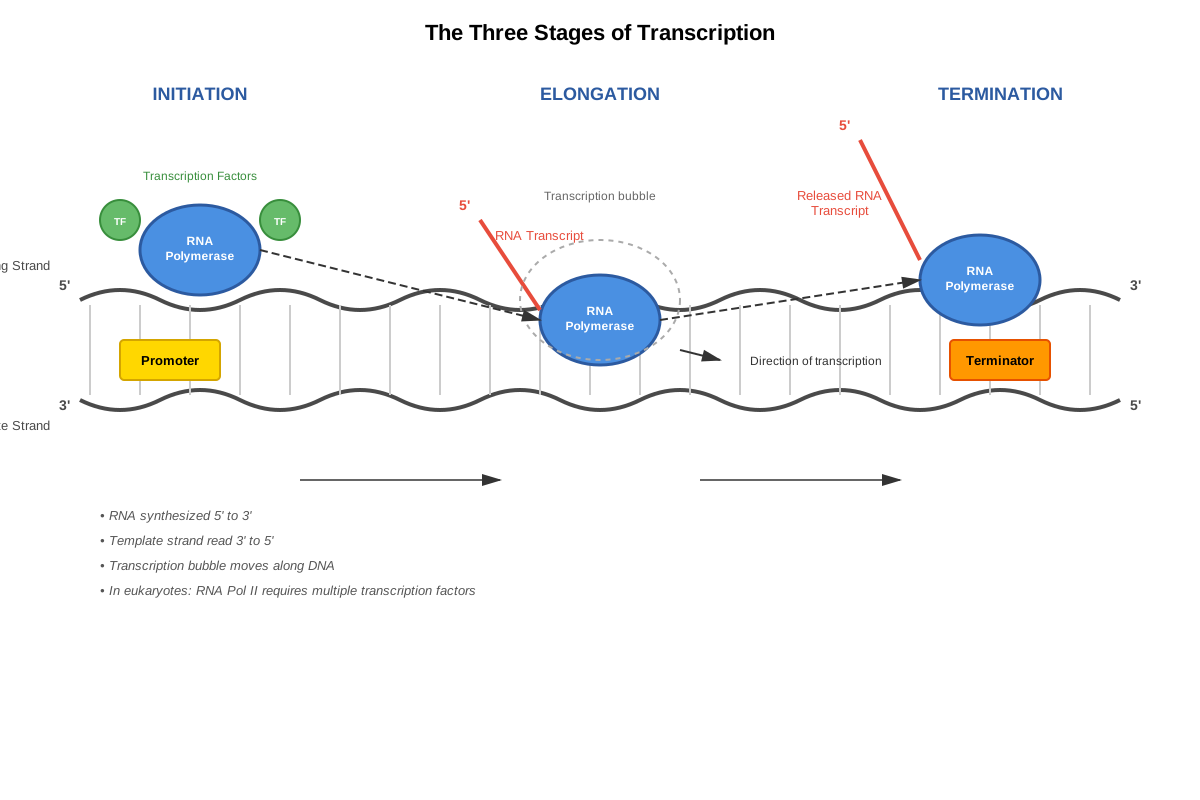
Transcription proceeds through three distinct phases: initiation, elongation, and termination. Each phase involves specific molecular events and regulatory checkpoints.
Initiation
Initiation begins when RNA polymerase recognizes and binds to a specific DNA sequence called the promoter, located upstream (toward the 5' end) of the gene to be transcribed. In prokaryotes, the promoter typically contains two conserved sequences: the -10 box (Pribnow box) with consensus sequence TATAAT, and the -35 box with consensus sequence TTGACA (numbers indicate positions relative to the transcription start site). The sigma factor (σ) subunit of bacterial RNA polymerase recognizes these sequences and facilitates binding.
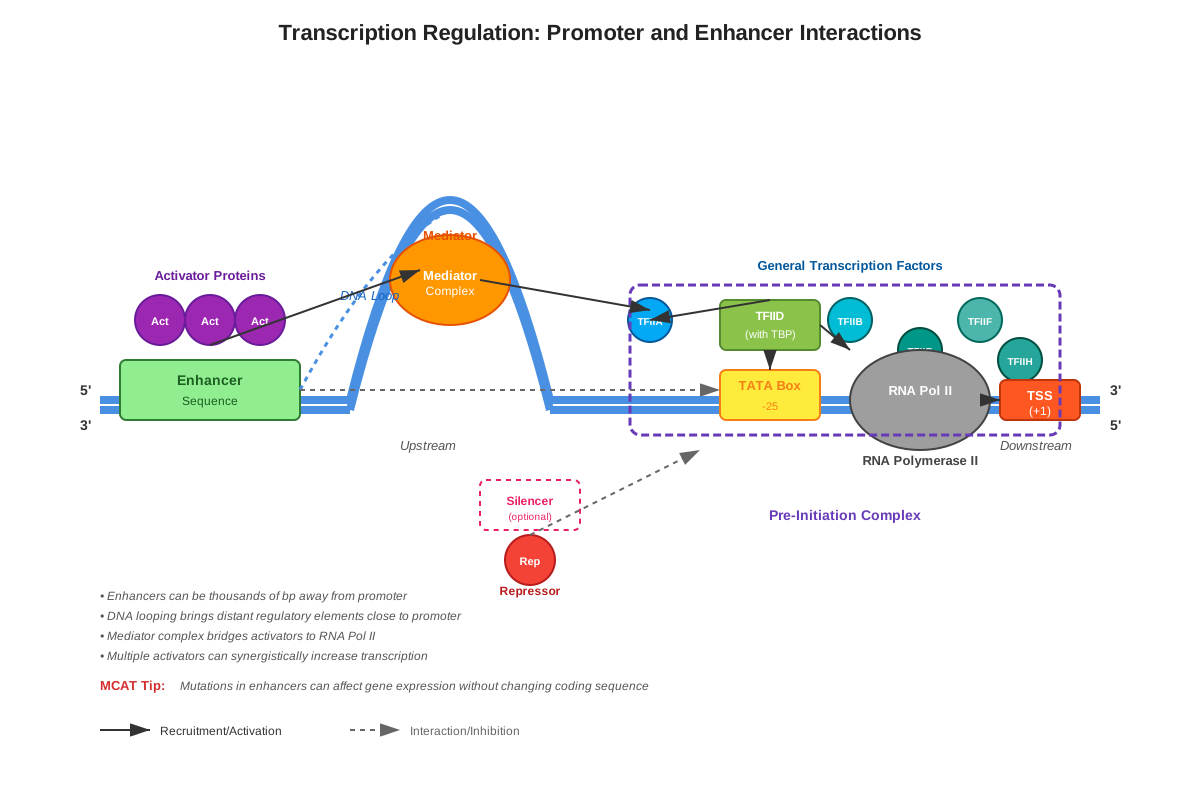
In eukaryotes, initiation is more complex. The core promoter often contains a TATA box (consensus sequence TATAAA) located approximately 25-30 base pairs upstream of the transcription start site. RNA polymerase II (which transcribes mRNA) cannot bind directly to the promoter; instead, it requires multiple transcription factors. TFIID (transcription factor for RNA polymerase II, subunit D) binds first to the TATA box via its TBP (TATA-binding protein) subunit. Additional transcription factors (TFIIA, TFIIB, TFIIE, TFIIF, TFIIH) then assemble sequentially to form the pre-initiation complex. TFIIH possesses helicase activity that unwinds the DNA double helix, creating the transcription bubble where RNA synthesis will occur.
Elongation
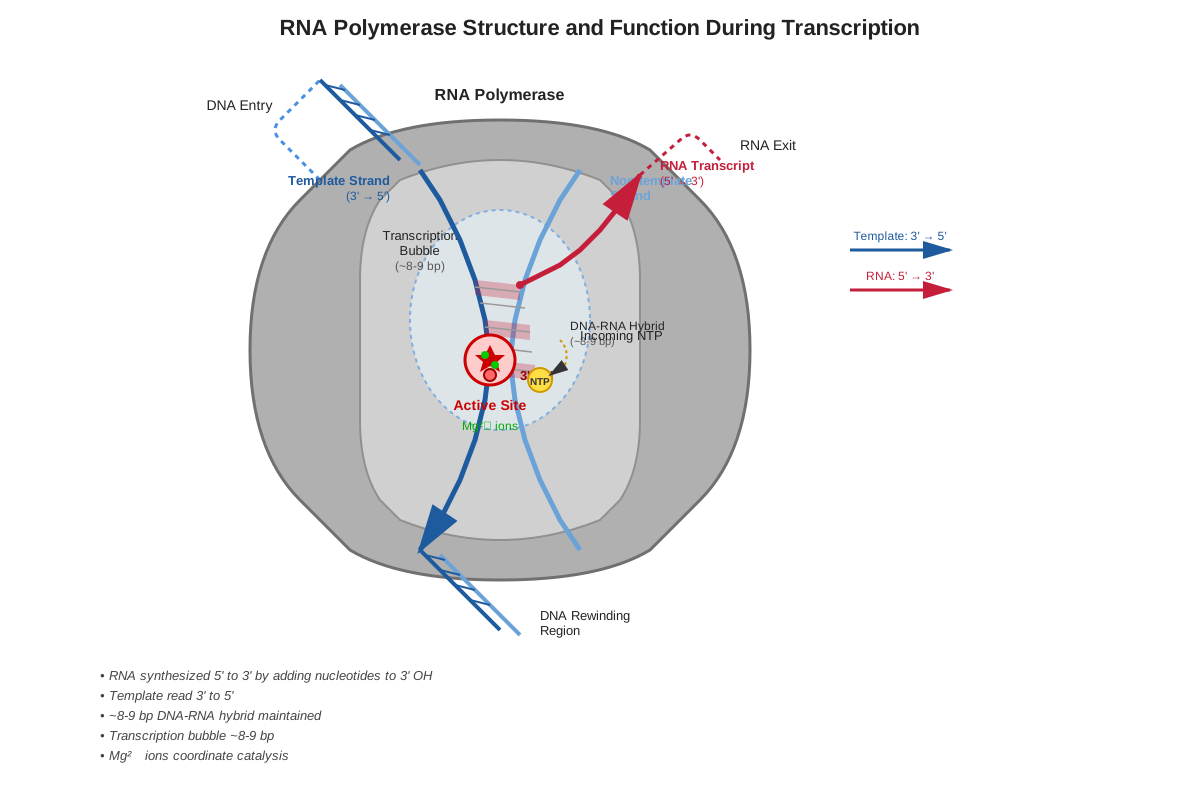
During elongation, RNA polymerase moves along the DNA template strand, catalyzing the formation of phosphodiester bonds between incoming ribonucleoside triphosphates (NTPs). The enzyme maintains a transcription bubble of approximately 8-9 unwound base pairs. As RNA polymerase advances, the DNA double helix unwinds ahead of the enzyme and rewinds behind it. The growing RNA strand temporarily forms a short RNA-DNA hybrid (approximately 8-9 base pairs) within the transcription bubble before being displaced.
In prokaryotes, elongation proceeds at approximately 40-50 nucleotides per second. The bacterial RNA polymerase core enzyme (without sigma factor) is sufficient for elongation. In eukaryotes, elongation is slower (approximately 20-40 nucleotides per second) and involves additional protein factors. The C-terminal domain (CTD) of RNA polymerase II, consisting of multiple repeats of a seven-amino-acid sequence, serves as a landing platform for RNA processing enzymes. This coupling ensures that RNA processing (capping, splicing, polyadenylation) occurs co-transcriptionally.
Termination
Termination occurs when RNA polymerase encounters specific signals that cause it to dissociate from the DNA template and release the completed RNA transcript. The mechanisms differ significantly between prokaryotes and eukaryotes.
In prokaryotes, two termination mechanisms exist: rho-independent (intrinsic) termination and rho-dependent termination. Rho-independent termination involves a DNA sequence that, when transcribed, produces an RNA molecule with a GC-rich palindromic sequence followed by several uracil residues. The palindromic sequence forms a stable hairpin structure through intramolecular base pairing, causing RNA polymerase to pause. The weak rU-dA base pairs in the RNA-DNA hybrid then dissociate, releasing the transcript. Rho-dependent termination requires the Rho protein, a hexameric helicase that binds to specific RNA sequences (rut sites) and uses ATP hydrolysis to unwind the RNA-DNA hybrid, causing release.
In eukaryotes, termination mechanisms are less well-defined and differ among the three RNA polymerases. For RNA polymerase II (mRNA transcription), termination is coupled to 3' end processing. The transcript contains a polyadenylation signal (typically AAUAAA) followed by a downstream element. After RNA polymerase transcribes past these sequences, cleavage factors cut the RNA, and the remaining polymerase-associated RNA is degraded, leading to polymerase release.
Prokaryotic vs. Eukaryotic Transcription
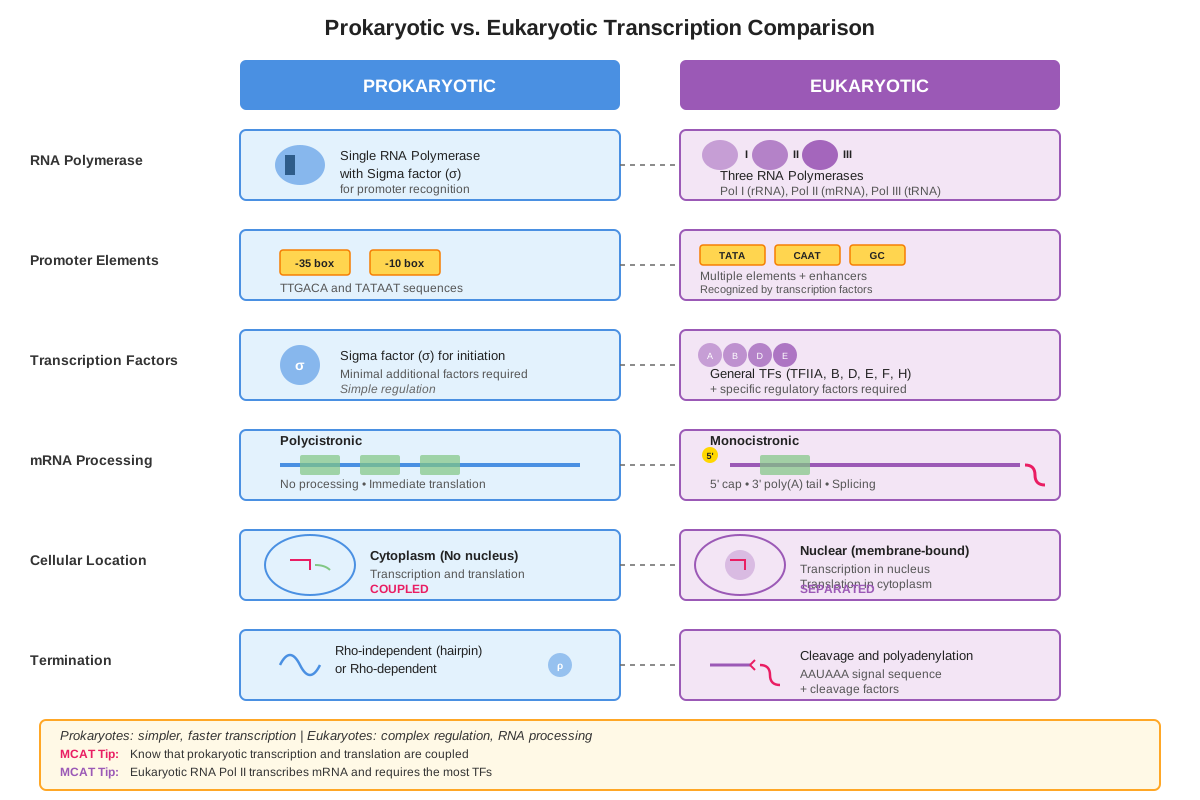
Understanding the differences between prokaryotic and eukaryotic transcription is crucial for MCAT success, as comparative questions frequently appear on the exam.
| Feature | Prokaryotes | Eukaryotes |
|---|---|---|
| Location | Cytoplasm (no nucleus) | Nucleus (separated from translation) |
| RNA Polymerase | Single RNA polymerase | Three RNA polymerases (I, II, III) |
| Promoter Recognition | Sigma factor recognizes promoter | Multiple transcription factors required |
| Promoter Elements | -10 box, -35 box | TATA box, CAAT box, GC box, enhancers |
| Transcription Factors | Sigma factor (part of polymerase) | General and specific transcription factors |
| RNA Processing | None (mRNA used directly) | 5' capping, splicing, 3' polyadenylation |
| Coupling | Transcription and translation coupled | Transcription and translation separated |
| mRNA Structure | Polycistronic (multiple genes) | Monocistronic (single gene) |
| Regulation Complexity | Primarily at initiation (operons) | Multiple levels (chromatin, initiation, processing) |
RNA Polymerase Structure and Function
RNA polymerase is the central enzyme of transcription, catalyzing the synthesis of RNA from a DNA template. In prokaryotes, a single RNA polymerase transcribes all genes. The bacterial RNA polymerase holoenzyme consists of five core subunits (α₂ββ'ω) plus a sigma (σ) factor. The core enzyme possesses catalytic activity but cannot recognize promoters; the sigma factor confers promoter specificity. After initiation, the sigma factor dissociates, and the core enzyme continues elongation.
Eukaryotes possess three distinct RNA polymerases, each transcribing different gene classes:
- RNA polymerase I: Transcribes most ribosomal RNA genes (18S, 5.8S, 28S rRNA)
- RNA polymerase II: Transcribes mRNA, most non-coding RNAs, and microRNAs
- RNA polymerase III: Transcribes transfer RNA, 5S ribosomal RNA, and other small RNAs
RNA polymerase II is the most extensively studied and clinically relevant, as it produces mRNA that will be translated into proteins. This enzyme is sensitive to α-amanitin, a toxin from death cap mushrooms that specifically inhibits RNA polymerase II, leading to liver failure and death.
Transcription Factors and Gene Regulation
Transcription factors are proteins that regulate gene expression by binding to specific DNA sequences and modulating RNA polymerase activity. They fall into two broad categories: general transcription factors (required for basal transcription of all genes transcribed by a particular RNA polymerase) and specific transcription factors (regulate expression of particular genes in response to developmental, environmental, or physiological signals).
General transcription factors (GTFs) for RNA polymerase II include TFIIA, TFIIB, TFIID, TFIIE, TFIIF, and TFIIH. These factors assemble at the core promoter to form the pre-initiation complex, establishing a basal level of transcription.
Specific transcription factors bind to regulatory elements such as enhancers (increase transcription) and silencers (decrease transcription), which can be located thousands of base pairs away from the promoter. DNA looping brings these distant elements into proximity with the promoter, allowing transcription factors bound at enhancers to interact with the pre-initiation complex and modulate transcription rates. This mechanism enables sophisticated gene regulation in response to cellular signals.
The Template and Coding Strands
A critical concept that frequently confuses students involves the two DNA strands and their relationship to the RNA product. The template strand (also called the antisense or non-coding strand) serves as the template for RNA synthesis. RNA polymerase reads this strand in the 3' to 5' direction, producing RNA in the 5' to 3' direction. The resulting RNA is complementary and antiparallel to the template strand.
The coding strand (also called the sense or non-template strand) has the same sequence as the RNA transcript (except T instead of U) and the same 5' to 3' polarity as the RNA. Gene sequences are conventionally written in the 5' to 3' direction of the coding strand, which matches the RNA sequence. Understanding this relationship is essential for predicting RNA sequences from DNA sequences and vice versa.
Concept Relationships
Transcription sits at the center of a network of interconnected molecular biology concepts. The process directly depends on DNA structure, as the double helix must be unwound to expose the template strand, and base-pairing rules determine the RNA sequence produced. Transcription represents the first step in the Central Dogma (DNA → RNA → Protein), converting genetic information from a stable storage form (DNA) into a functional intermediate (RNA).
The relationship flows as follows: DNA replication → ensures genetic information is preserved → Transcription → produces RNA copies of genes → RNA processing (in eukaryotes) → modifies primary transcripts → Translation → converts mRNA into proteins → Protein function → executes cellular activities.
Transcription is intimately connected to gene regulation, as controlling when and how much RNA is produced determines protein levels and cellular phenotypes. Transcription factors respond to cellular signaling pathways, linking external signals to changes in gene expression. Chromatin structure affects transcription accessibility, with histone modifications and DNA methylation influencing whether genes can be transcribed. Mutations in promoters, transcription factors, or RNA polymerase can disrupt transcription, leading to disease states.
The products of transcription feed into multiple downstream processes: mRNA undergoes translation at ribosomes, tRNA and rRNA contribute to the translation machinery, and regulatory RNAs modulate gene expression post-transcriptionally. Understanding transcription is therefore prerequisite to comprehending virtually all aspects of molecular biology and cellular function.
Quick check — test yourself on Transcription overview so far.
Try Flashcards →High-Yield Facts
⭐ RNA polymerase synthesizes RNA in the 5' to 3' direction by reading the DNA template strand in the 3' to 5' direction
⭐ Prokaryotic transcription occurs in the cytoplasm and can be coupled with translation, while eukaryotic transcription occurs in the nucleus and is separated from translation
⭐ The TATA box (TATAAA) is a eukaryotic promoter element located approximately 25-30 base pairs upstream of the transcription start site
⭐ Eukaryotic RNA polymerase II requires multiple general transcription factors (TFIIA, TFIIB, TFIID, TFIIE, TFIIF, TFIIH) to initiate transcription
⭐ Rho-independent termination in prokaryotes involves formation of an RNA hairpin structure followed by a poly-U tail that destabilizes the RNA-DNA hybrid
- The sigma factor in prokaryotes confers promoter specificity to RNA polymerase and dissociates after initiation
- RNA polymerase has intrinsic helicase activity that unwinds DNA ahead of the transcription bubble
- The coding strand has the same sequence as the RNA transcript (except T instead of U), while the template strand is complementary to the RNA
- Enhancers can be located thousands of base pairs away from promoters and function in an orientation-independent manner
- α-amanitin specifically inhibits eukaryotic RNA polymerase II, making it useful for experimental studies and clinically relevant as a toxin
- Prokaryotic mRNA is polycistronic (encodes multiple proteins), while eukaryotic mRNA is monocistronic (encodes one protein)
- The C-terminal domain (CTD) of RNA polymerase II coordinates co-transcriptional RNA processing
- Transcription factors contain DNA-binding domains (such as zinc fingers, helix-turn-helix, or leucine zippers) that recognize specific DNA sequences
Common Misconceptions
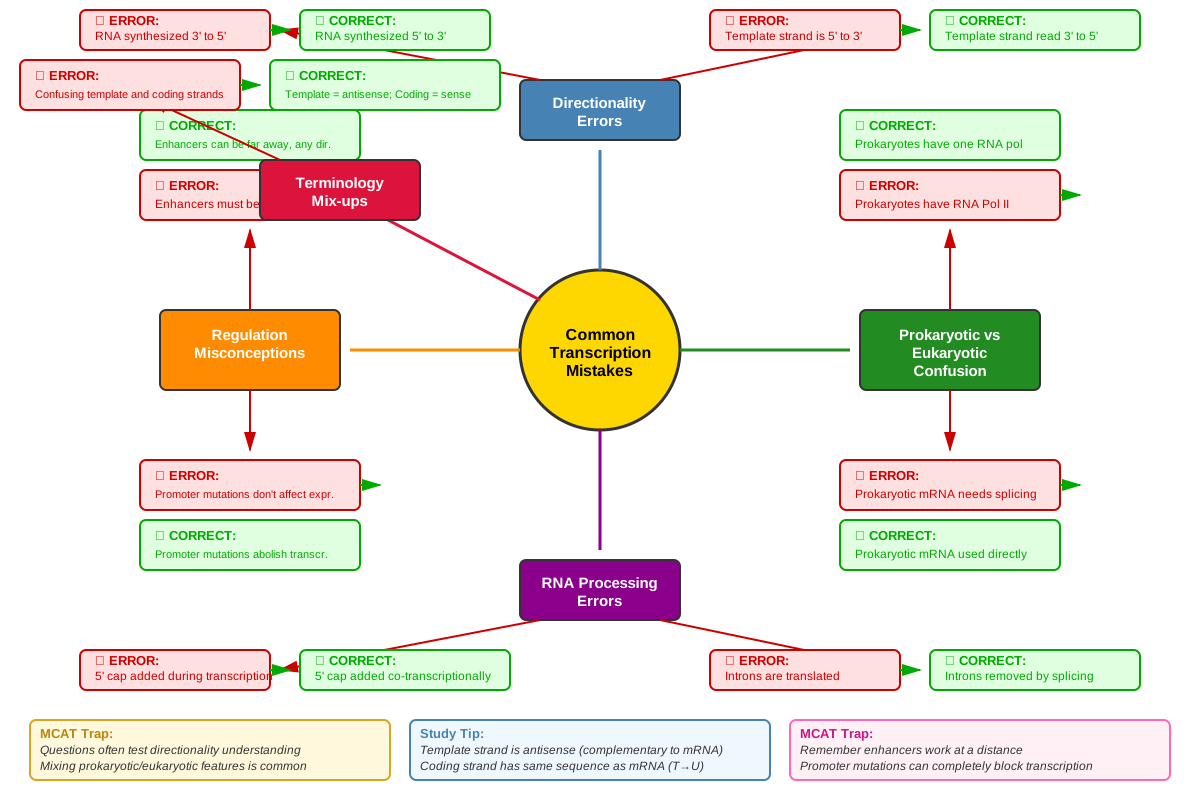
Misconception: RNA polymerase synthesizes RNA in the 3' to 5' direction because it reads the template strand in the 3' to 5' direction.
Correction: RNA polymerase always synthesizes RNA in the 5' to 3' direction (adding nucleotides to the 3'-OH group), regardless of which direction it reads the template. It reads the template 3' to 5' and synthesizes the complementary RNA 5' to 3', making the strands antiparallel.
Misconception: The coding strand is the template for transcription because it has the same sequence as the gene.
Correction: The template strand (antisense strand) serves as the template for RNA synthesis. The coding strand (sense strand) has the same sequence as the RNA product (except T instead of U) but is not used as a template. This naming can be confusing, but remember: template = used for synthesis; coding = matches the RNA code.
Misconception: Transcription and translation occur simultaneously in all organisms.
Correction: Prokaryotes can couple transcription and translation because both occur in the cytoplasm and mRNA requires no processing. Eukaryotes separate these processes: transcription occurs in the nucleus, the primary transcript undergoes processing (capping, splicing, polyadenylation), and only mature mRNA is exported to the cytoplasm for translation.
Misconception: RNA polymerase requires a primer to begin synthesis, just like DNA polymerase.
Correction: Unlike DNA polymerase, RNA polymerase can initiate RNA synthesis de novo (from scratch) without requiring a primer. This is a fundamental difference between replication and transcription enzymes.
Misconception: All eukaryotic genes have a TATA box in their promoter.
Correction: While the TATA box is a common promoter element, many eukaryotic genes (approximately 70-80%) lack a TATA box and instead use alternative core promoter elements such as the initiator element (Inr), downstream promoter element (DPE), or CpG islands. These genes often have broader, less defined transcription start sites.
Misconception: Transcription factors only increase gene expression.
Correction: Transcription factors can be activators (increase transcription) or repressors (decrease transcription). Some transcription factors can function as either activators or repressors depending on cellular context, cofactors present, or post-translational modifications.
Misconception: The entire gene, including introns and exons, is present in the final mRNA.
Correction: In eukaryotes, the primary transcript (pre-mRNA) contains both introns and exons, but introns are removed during splicing. Only exons are present in the mature mRNA that exits the nucleus. This is a processing step that occurs after transcription but before translation.
Worked Examples
Example 1: Predicting RNA Sequence from DNA Template
Question: Given the following DNA sequence, where the top strand is the template strand, what is the sequence of the RNA transcript produced?
Template strand (3' to 5'): 3'-TACGGATCGTTA-5'
Coding strand (5' to 3'): 5'-ATGCCTAGCAAT-3'Solution:
Step 1: Identify which strand serves as the template. The problem states the top strand is the template strand, oriented 3' to 5'.
Step 2: Remember that RNA polymerase reads the template strand 3' to 5' and synthesizes RNA 5' to 3'.
Step 3: Apply base-pairing rules, remembering that RNA contains uracil (U) instead of thymine (T):
- DNA template A → RNA U
- DNA template T → RNA A
- DNA template G → RNA C
- DNA template C → RNA G
Step 4: Write the RNA sequence complementary to the template strand:
Template DNA: 3'-TACGGATCGTTA-5'
RNA product:  5'-AUGCCUAGCAAU-3'
Step 5: Verify by comparing to the coding strand. The RNA sequence should match the coding strand (except U for T):
Coding strand: 5'-ATGCCTAGCAAT-3'
RNA product:   5'-AUGCCUAGCAAU-3' ✓
Key Concept: This example reinforces that the RNA transcript is complementary and antiparallel to the template strand, but identical in sequence (except U for T) to the coding strand. This is a high-yield concept frequently tested on the MCAT.
Example 2: Analyzing a Transcription Experiment
Question: Researchers studying bacterial transcription add rifampin (an antibiotic that inhibits bacterial RNA polymerase) to a culture of actively growing E. coli cells. They observe that:
- Existing RNA molecules remain stable
- Protein synthesis continues for several minutes before declining
- DNA replication is unaffected
Which stage of transcription does rifampin most likely inhibit, and why does protein synthesis continue temporarily?
Solution:
Step 1: Analyze the experimental observations systematically.
Observation 1: Existing RNA molecules remain stable.
- This indicates rifampin does not cause RNA degradation
- The drug specifically affects RNA synthesis, not RNA stability
Observation 2: Protein synthesis continues for several minutes before declining.
- This suggests that mRNA already present in the cell can still be translated
- New mRNA is not being produced, so protein synthesis eventually stops when existing mRNA is depleted or degraded
Observation 3: DNA replication is unaffected.
- Rifampin specifically targets RNA polymerase, not DNA polymerase
- This demonstrates the specificity of the antibiotic
Step 2: Determine which stage of transcription is affected.
Rifampin is known to inhibit the initiation stage of bacterial transcription by binding to the β subunit of RNA polymerase and blocking the path of elongating RNA when it reaches 2-3 nucleotides in length. This prevents RNA polymerase from transitioning from initiation to elongation.
Step 3: Explain the temporary continuation of protein synthesis.
In prokaryotes, transcription and translation are coupled—ribosomes can begin translating mRNA while it is still being transcribed. When rifampin is added:
- RNA polymerases already in the elongation phase can complete their transcripts (they are not affected by rifampin once elongation has begun)
- Existing mRNA molecules continue to be translated
- However, no new transcription initiation occurs
- As existing mRNA is degraded (bacterial mRNA has a short half-life, typically 2-5 minutes), protein synthesis declines
Answer: Rifampin inhibits the initiation stage of transcription by preventing RNA polymerase from transitioning to productive elongation. Protein synthesis continues temporarily because existing mRNA molecules can still be translated, but eventually declines as these mRNA molecules are degraded and no new transcripts are produced.
Key Concept: This example illustrates the importance of understanding: (1) the stages of transcription and where they can be disrupted, (2) the coupling of transcription and translation in prokaryotes, (3) the stability and turnover of mRNA, and (4) how to interpret experimental data involving transcription inhibitors—all high-yield topics for the MCAT.
Exam Strategy
Approaching MCAT Questions on Transcription
When encountering transcription questions on the MCAT, follow this systematic approach:
- Identify the organism type: Determine whether the question involves prokaryotes or eukaryotes, as mechanisms differ significantly. Look for clues like "bacteria," "E. coli" (prokaryotic) or "human cells," "nucleus," "splicing" (eukaryotic).
- Determine the transcription stage: Classify the question as relating to initiation, elongation, or termination. Each stage has distinct molecular players and regulatory mechanisms.
- Track directionality: Always note whether DNA or RNA sequences are written 5' to 3' or 3' to 5'. RNA synthesis always proceeds 5' to 3', and the template strand is read 3' to 5'.
- Distinguish template from coding strand: Remember that the template strand is complementary to RNA, while the coding strand matches RNA sequence (except T for U).
Trigger Words and Phrases
Watch for these high-yield terms that signal specific concepts:
- "Promoter," "TATA box," "-10 box," "-35 box": Indicates initiation and regulation
- "Sigma factor": Prokaryotic initiation
- "Transcription factors," "TFIID," "TBP": Eukaryotic initiation
- "Enhancer," "silencer": Gene regulation at a distance
- "Hairpin structure," "rho protein": Prokaryotic termination
- "RNA polymerase II," "α-amanitin": Eukaryotic mRNA transcription
- "Coupled transcription and translation": Prokaryotic system
- "Primary transcript," "pre-mRNA," "splicing": Eukaryotic RNA processing (post-transcriptional)
Process-of-Elimination Tips
When using process of elimination on transcription questions:
- Eliminate answers that confuse transcription with translation: If an answer mentions ribosomes, tRNA, or amino acids in the context of transcription, it's likely incorrect.
- Eliminate answers that reverse directionality: RNA synthesis is always 5' to 3'; eliminate any answer suggesting 3' to 5' synthesis.
- Eliminate answers that misplace cellular location: Prokaryotic transcription occurs in cytoplasm; eukaryotic transcription occurs in nucleus. Answers that reverse these are incorrect.
- Eliminate answers that apply prokaryotic mechanisms to eukaryotes or vice versa: For example, if a question asks about human transcription and an answer mentions sigma factor, eliminate it.
Time Allocation Advice
Transcription questions typically fall into two categories:
- Discrete questions (not passage-based): These usually test straightforward recall or simple application. Allocate 60-90 seconds. Quickly identify the key concept being tested and select the answer.
- Passage-based questions: These require integrating passage information with transcription knowledge. Allocate 90-120 seconds. Carefully read the relevant passage section, identify the experimental setup or clinical scenario, then apply transcription principles to answer.
For questions involving sequence analysis (predicting RNA from DNA), write out the complementary sequence if time permits—this reduces errors. For complex regulatory questions, sketch a simple diagram showing the promoter, transcription factors, and RNA polymerase to visualize the scenario.
Memory Techniques
Mnemonics for Key Concepts
"TATA Boxes Are Upstream": Remember that the TATA box is located upstream (toward the 5' end) of the gene, approximately 25-30 base pairs before the transcription start site.
"Template is Complementary, Coding is Copy": The template strand is complementary to RNA; the coding strand is a copy of RNA (except T for U).
"Rho Requires ATP": Rho-dependent termination requires ATP hydrolysis, while rho-independent termination does not.
"Sigma Starts, Core Continues": In prokaryotes, the sigma factor is needed to start (initiate) transcription, but the core enzyme continues (elongates) without it.
"I, II, III = rRNA, mRNA, tRNA": Eukaryotic RNA polymerase I transcribes rRNA, II transcribes mRNA, III transcribes tRNA (and other small RNAs).
"ABDEFH Before Transcription": The general transcription factors assemble in order: TFIIA, TFIIB, TFIID, TFIIE, TFIIF, TFIIH (though TFIID actually binds first, this mnemonic helps remember all six factors).
Visualization Strategies
The Transcription Bubble: Visualize RNA polymerase as a molecular machine that creates a bubble of unwound DNA (approximately 8-9 base pairs). As it moves forward, DNA unwinds ahead and rewinds behind, like a zipper opening and closing. The RNA strand temporarily pairs with the template strand inside the bubble before being displaced.
The Assembly Line: Picture eukaryotic transcription initiation as an assembly line where transcription factors arrive sequentially to build the pre-initiation complex at the promoter. TFIID arrives first (like laying the foundation), followed by other factors (building the structure), and finally RNA polymerase II arrives (the worker that will do the job).
The Hairpin Trigger: For rho-independent termination, visualize the RNA transcript folding back on itself to form a hairpin structure (like a bobby pin), which causes RNA polymerase to pause. The weak U-A base pairs then "unzip," releasing the transcript.
Acronyms
PINE: The four stages of gene expression: Promoter recognition, Initiation, Elongation, Termination (though this adds promoter recognition as a distinct step before initiation).
CAP: Remember that eukaryotic mRNA receives a 5' Cap, undergoes splicing to remove introns (Alternative processing), and receives a 3' poly-A tail (though this is technically post-transcriptional processing, it's useful to remember alongside transcription).
Summary
Transcription is the fundamental process by which genetic information encoded in DNA is copied into RNA, representing the first step in gene expression. RNA polymerase catalyzes this process by reading the DNA template strand in the 3' to 5' direction and synthesizing a complementary RNA strand in the 5' to 3' direction. The process proceeds through three stages: initiation (RNA polymerase binds to the promoter), elongation (RNA synthesis proceeds along the template), and termination (RNA polymerase releases the completed transcript). Critical differences exist between prokaryotic and eukaryotic transcription, including cellular location, RNA polymerase complexity, promoter structure, and the requirement for transcription factors. Prokaryotes use a single RNA polymerase with a sigma factor for promoter recognition and can couple transcription with translation in the cytoplasm. Eukaryotes employ three RNA polymerases, require multiple general transcription factors for initiation, and separate transcription (nuclear) from translation (cytoplasmic). Understanding transcription is essential for MCAT success because it connects to numerous other topics including gene regulation, cellular signaling, disease mechanisms, and biotechnology applications. Mastery requires not just memorizing steps, but understanding the molecular mechanisms, regulatory principles, and ability to apply knowledge to experimental scenarios and clinical contexts.
Key Takeaways
- Transcription synthesizes RNA from a DNA template using RNA polymerase, proceeding 5' to 3' by reading the template strand 3' to 5'
- The three stages—initiation, elongation, and termination—each involve distinct molecular mechanisms and regulatory checkpoints
- Prokaryotic transcription uses a single RNA polymerase with sigma factor, occurs in the cytoplasm, and can be coupled with translation
- Eukaryotic transcription requires multiple transcription factors, occurs in the nucleus, and involves three specialized RNA polymerases
- The template strand is complementary to RNA, while the coding strand matches the RNA sequence (except T for U)
- Transcription regulation through promoters, transcription factors, enhancers, and silencers controls gene expression and cellular phenotype
- Understanding transcription is essential for interpreting experimental data, predicting mutation effects, and connecting molecular mechanisms to disease states
Related Topics
RNA Processing: After transcription in eukaryotes, primary transcripts undergo 5' capping, splicing to remove introns, and 3' polyadenylation. Mastering transcription provides the foundation for understanding how these modifications prepare mRNA for translation and regulate gene expression.
Translation: The process by which mRNA is decoded to synthesize proteins at ribosomes. Understanding transcription is prerequisite to comprehending how genetic information flows from DNA to functional proteins.
Gene Regulation: Transcription is the primary control point for gene expression. Advanced topics include transcriptional activators and repressors, chromatin remodeling, epigenetic modifications, and signal transduction pathways that modulate transcription factor activity.
Operons: Prokaryotic gene regulation systems (such as the lac operon and trp operon) that coordinate transcription of multiple genes. These systems illustrate how bacteria efficiently respond to environmental changes by regulating transcription initiation.
DNA Replication: While transcription copies DNA into RNA, replication copies DNA into DNA. Comparing these processes highlights similarities (both use DNA as template, proceed 5' to 3') and differences (replication requires primers, uses DNA polymerase, is semi-conservative).
Molecular Biology Techniques: Many laboratory methods depend on understanding transcription, including Northern blots (detecting RNA), RT-PCR (reverse transcription followed by PCR), RNA-seq (transcriptome analysis), and reporter gene assays (measuring promoter activity).
Practice CTA
Now that you've mastered the core concepts of transcription, it's time to solidify your understanding through active practice. Attempt the practice questions and flashcards associated with this topic to test your ability to apply these concepts in exam-style scenarios. Focus on questions that require you to predict outcomes, interpret experimental data, and compare prokaryotic and eukaryotic mechanisms. Remember that transcription appears frequently on the MCAT, often integrated with other topics, so building strong foundational knowledge here will pay dividends across multiple question types. Challenge yourself to explain concepts aloud, teach them to a study partner, or create your own practice questions—active engagement transforms understanding into mastery. You've got this!
Sign up free to keep reading
Create a free AnvayaPrep account to finish this MCAT guide on Transcription overview — plus flashcards and practice questions.