Overview
The Western blot (also known as immunoblotting) is a fundamental laboratory technique in Molecular Biology and Genetics that allows researchers and clinicians to detect specific proteins within a complex mixture of proteins extracted from cells or tissues. This analytical method combines gel electrophoresis to separate proteins by molecular weight with antibody-based detection to identify target proteins with high specificity. The technique has become indispensable in both research and clinical diagnostics, serving as a confirmatory test for diseases like HIV and Lyme disease, and as a critical tool for studying protein expression, post-translational modifications, and protein-protein interactions.
For the MCAT, understanding the Western blot is essential because it represents a convergence of multiple biological principles: protein structure and function, antibody-antigen interactions, molecular separation techniques, and experimental design. The MCAT frequently tests this technique through passage-based questions that require students to interpret experimental results, identify appropriate controls, troubleshoot methodological problems, or compare Western blotting to related techniques like Southern and Northern blotting. Questions may present data in the form of blot images with bands of varying intensity and position, requiring students to draw conclusions about protein expression levels, molecular weights, or experimental validity.
The Western blot exemplifies how fundamental biochemical principles translate into practical applications. It connects protein chemistry (primary through quaternary structure), immunology (antibody specificity and binding), and analytical chemistry (separation and detection methods). Mastery of this topic strengthens understanding of experimental Biology more broadly and provides a framework for interpreting protein-based experiments that appear throughout MCAT passages in the Biological and Biochemical Foundations section.
Learning Objectives
- [ ] Define Western blot using accurate Biology terminology
- [ ] Explain why Western blot matters for the MCAT
- [ ] Apply Western blot to exam-style questions
- [ ] Identify common mistakes related to Western blot
- [ ] Connect Western blot to related Biology concepts
- [ ] Describe each step of the Western blot procedure and its biochemical rationale
- [ ] Interpret Western blot results including band position, intensity, and molecular weight markers
- [ ] Compare and contrast Western blot with Southern blot, Northern blot, and ELISA techniques
- [ ] Analyze experimental controls and identify sources of error in Western blot experiments
Prerequisites
- Protein structure and function: Western blotting relies on understanding protein properties including size, charge, and three-dimensional structure that determine separation and antibody recognition
- Antibody structure and function: The detection mechanism depends entirely on antibody-antigen interactions and the specificity of immunoglobulin binding
- Gel electrophoresis principles: Students must understand how charged molecules migrate through a gel matrix under an electric field based on size and charge
- Basic laboratory techniques: Familiarity with sample preparation, buffer systems, and general experimental design helps contextualize the procedure
- Enzyme-linked detection systems: Understanding how enzymes like horseradish peroxidase catalyze colorimetric or chemiluminescent reactions aids comprehension of visualization methods
Why This Topic Matters
Western blot serves as a gold standard for protein detection and quantification in both research and clinical settings. In medicine, Western blotting confirms diagnoses when other tests yield ambiguous results—the CDC requires Western blot confirmation for positive HIV ELISA tests due to its superior specificity. The technique enables researchers to study disease mechanisms by comparing protein expression between healthy and diseased tissues, to validate drug targets, and to monitor post-translational modifications like phosphorylation that regulate cellular processes. Cancer researchers use Western blots to assess oncogene and tumor suppressor expression, while neuroscientists employ the technique to track protein aggregation in neurodegenerative diseases.
On the MCAT, Western blot appears with moderate frequency, typically in 1-3 questions per exam administration. Questions most commonly appear in passage-based formats within the Biological and Biochemical Foundations of Living Systems section (approximately 70% of Western blot questions), though they occasionally surface in the Chemical and Physical Foundations section when emphasizing analytical chemistry principles. The MCAT tests Western blotting through several question types: interpreting experimental results from blot images, selecting appropriate controls, troubleshooting unexpected results, comparing techniques, and designing experiments to test specific hypotheses.
Passages featuring Western blots typically present research scenarios investigating protein expression under different conditions (disease states, drug treatments, genetic modifications) or comparing protein levels across tissue types or developmental stages. Students must extract information from band patterns, integrate this data with passage content, and apply reasoning to answer questions about experimental design, data interpretation, or mechanistic conclusions. The technique frequently appears alongside other molecular biology methods, requiring students to understand when Western blotting is the appropriate choice versus alternatives like immunohistochemistry, flow cytometry, or mass spectrometry.
Core Concepts
Definition and Principle
The Western blot is an analytical technique that detects specific proteins in a sample by combining three sequential processes: protein separation by size using gel electrophoresis, transfer of separated proteins to a solid membrane, and immunological detection using antibodies. The method's name derives from its relationship to the Southern blot (named after Edwin Southern, who developed DNA blotting), with "Western" being a playful geographical reference rather than an inventor's name. The technique exploits the exquisite specificity of antibody-antigen interactions, allowing detection of a single target protein even within a complex mixture containing thousands of different proteins.
The fundamental principle underlying Western blotting combines physical separation with biochemical recognition. Proteins are first denatured and coated with the negatively charged detergent sodium dodecyl sulfate (SDS), which imparts a uniform negative charge proportional to the protein's length. This treatment ensures that proteins separate based primarily on molecular weight rather than intrinsic charge during electrophoresis. After separation, proteins are transferred to a membrane where they become immobilized and accessible to antibody probes. The detection system typically employs two antibodies in sequence: a primary antibody that specifically recognizes the target protein, and a secondary antibody conjugated to a detection enzyme that binds to the primary antibody and generates a visible signal.
Step-by-Step Procedure
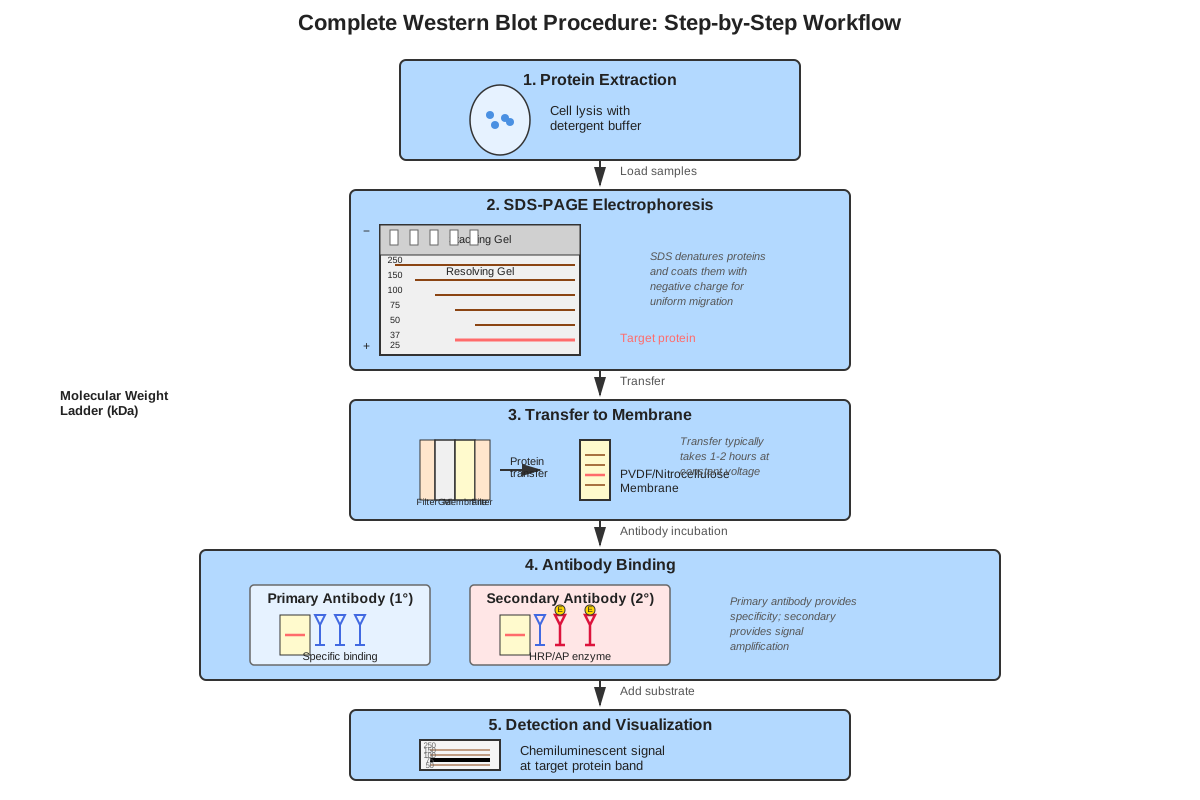
1. Sample Preparation and Protein Extraction
Cells or tissues are lysed using detergent-containing buffers that disrupt membranes and solubilize proteins while preserving protein integrity. Protease inhibitors are added to prevent protein degradation. The protein concentration is measured using assays like Bradford or BCA to ensure equal loading across samples. Samples are then mixed with loading buffer containing SDS (denaturant), β-mercaptoethanol or dithiothreitol (reducing agents that break disulfide bonds), glycerol (increases density for loading), and bromophenol blue (tracking dye). Samples are heated to 95-100°C for 5-10 minutes to complete denaturation, ensuring proteins unfold into linear chains.
2. SDS-PAGE (Sodium Dodecyl Sulfate Polyacrylamide Gel Electrophoresis)
Denatured protein samples are loaded into wells of a polyacrylamide gel, which consists of two layers: a stacking gel (lower acrylamide concentration, pH 6.8) that concentrates proteins into tight bands, and a resolving gel (higher acrylamide concentration, pH 8.8) that separates proteins by molecular weight. When electric current is applied, negatively charged SDS-coated proteins migrate toward the positive electrode (anode). Smaller proteins navigate through the gel matrix pores more easily and migrate farther, while larger proteins move more slowly. A protein ladder (molecular weight markers) is loaded in one lane to enable size determination of unknown proteins. The separation typically requires 1-2 hours at constant voltage (80-150V).
3. Transfer (Blotting)
Separated proteins are transferred from the gel to a solid support membrane—either nitrocellulose or polyvinylidene difluoride (PVDF). The gel is placed against the membrane in a transfer apparatus, and electric current is applied perpendicular to the gel surface, causing proteins to migrate out of the gel and bind to the membrane. PVDF membranes require pre-activation with methanol and offer greater durability and binding capacity, while nitrocellulose membranes provide lower background but are more fragile. Transfer can be performed by wet transfer (gel and membrane submerged in buffer, 1-2 hours), semi-dry transfer (30-60 minutes), or dry transfer (rapid, 7-10 minutes). The membrane now contains an exact replica of the protein separation pattern from the gel.
4. Blocking
The membrane is incubated with a blocking solution containing proteins (typically 5% non-fat dry milk or bovine serum albumin in Tris-buffered saline with Tween-20, TBST) that occupy all remaining protein-binding sites on the membrane. This critical step prevents antibodies from binding non-specifically to the membrane itself, which would create high background signal and obscure specific bands. Blocking typically requires 1 hour at room temperature or overnight at 4°C. The choice between milk and BSA depends on the detection method and target protein—milk is avoided when detecting phosphorylated proteins because milk contains phosphoproteins that can interfere.
5. Primary Antibody Incubation
The membrane is incubated with a primary antibody that specifically recognizes the target protein. This antibody is diluted in blocking buffer (typical dilutions range from 1:500 to 1:10,000 depending on antibody affinity and abundance of target protein). Incubation occurs for 1-2 hours at room temperature or overnight at 4°C with gentle agitation. The primary antibody binds to its epitope (the specific amino acid sequence or structural feature it recognizes) on the target protein. Unbound antibody is removed by washing the membrane multiple times with TBST.
6. Secondary Antibody Incubation
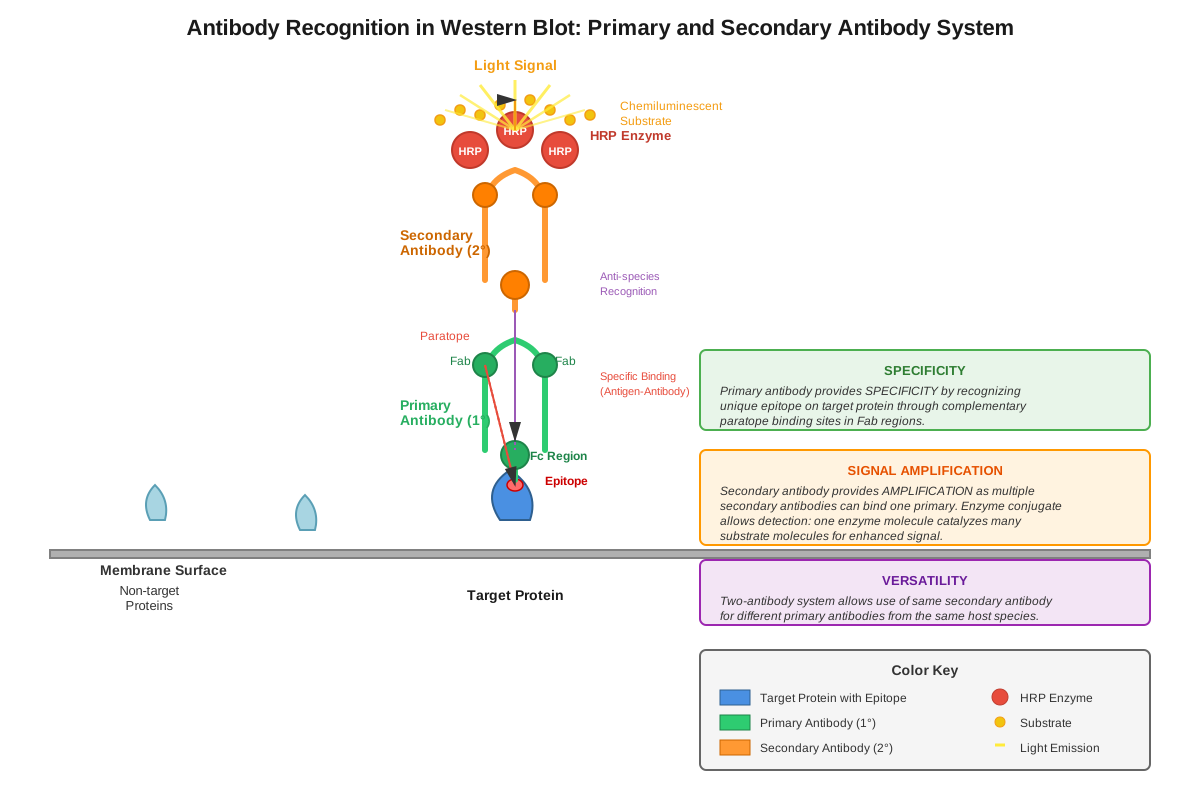
After washing, the membrane is incubated with a secondary antibody that recognizes and binds to the primary antibody. Secondary antibodies are conjugated to a detection enzyme—most commonly horseradish peroxidase (HRP) or alkaline phosphatase (AP). For example, if the primary antibody was raised in rabbits (rabbit anti-human protein X), the secondary antibody would be anti-rabbit IgG conjugated to HRP. This amplification step enhances sensitivity because multiple secondary antibodies can bind to each primary antibody. Incubation typically lasts 1 hour at room temperature, followed by thorough washing to remove unbound secondary antibody.
7. Detection and Visualization
The detection method depends on the enzyme conjugated to the secondary antibody. For HRP, chemiluminescent substrates (luminol-based) are added; HRP catalyzes a reaction that produces light emission, which is captured by exposing the membrane to X-ray film or using a digital imaging system. For AP, chromogenic substrates like BCIP/NBT produce colored precipitates directly on the membrane. Enhanced chemiluminescence (ECL) provides the highest sensitivity and widest dynamic range. The resulting image shows dark bands at positions where the target protein is present, with band intensity correlating with protein abundance.
Interpreting Western Blot Results
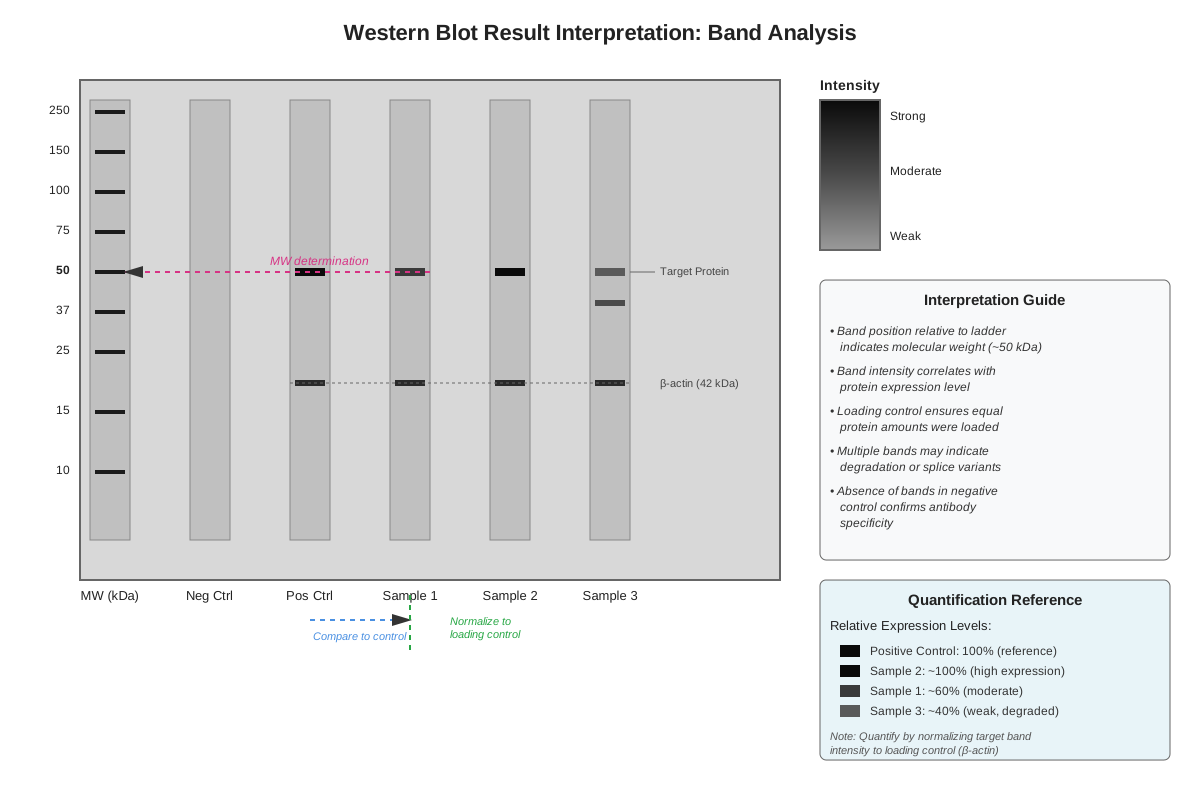
Western blot results are interpreted by analyzing band position (molecular weight), band intensity (relative protein abundance), and band pattern (specificity and potential protein modifications). The molecular weight of detected proteins is determined by comparing band migration distance to the protein ladder. A single sharp band at the expected molecular weight indicates successful detection of the target protein. Band intensity is semi-quantitative—darker/stronger bands indicate higher protein levels, though the relationship is not perfectly linear. Densitometry software can quantify band intensity for statistical comparison between samples.
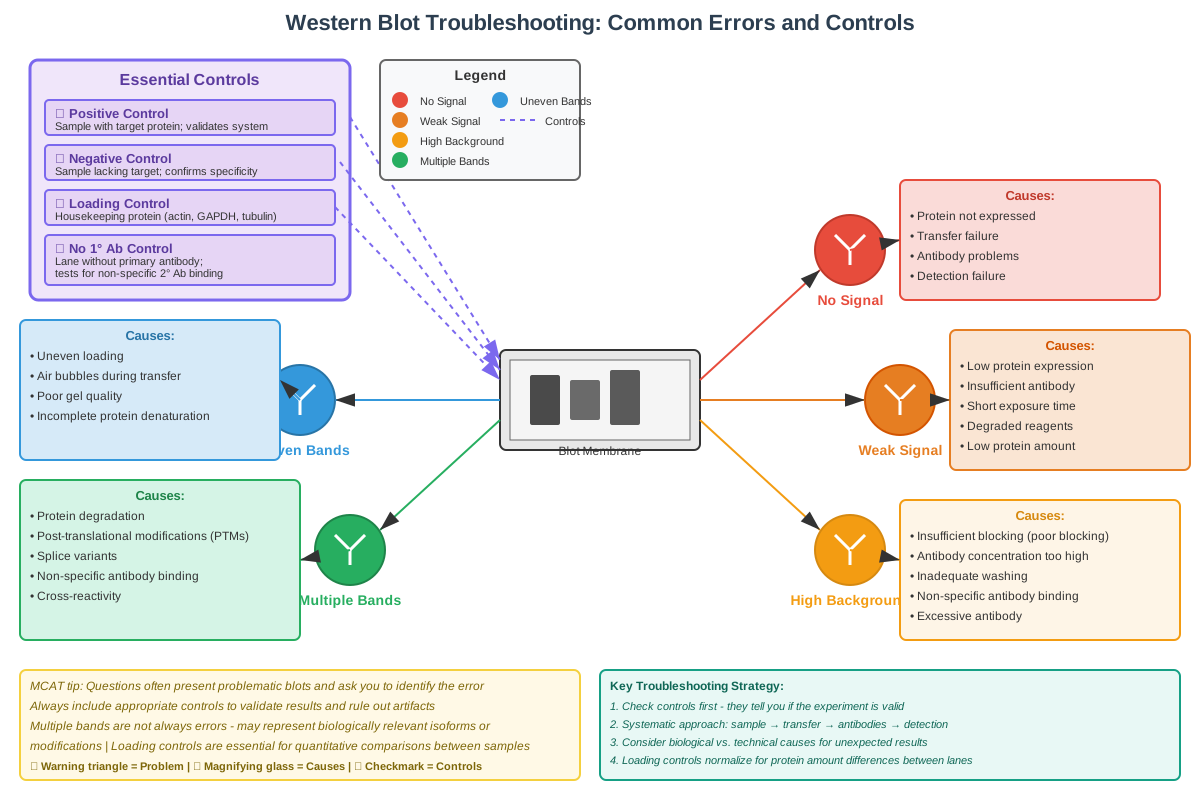
Multiple bands may appear for several reasons: the target protein exists in multiple isoforms with different molecular weights, post-translational modifications (phosphorylation, glycosylation) alter migration, the protein forms stable multimers, or the antibody cross-reacts with related proteins. Absence of bands could indicate: the protein is not expressed in the sample, protein concentration is below detection limits, the antibody failed to bind (wrong conditions, expired reagent), or technical errors occurred during transfer or detection. Smeared bands rather than sharp bands suggest protein degradation, incomplete denaturation, or overloading of protein.
Controls in Western Blotting
Proper experimental controls are essential for valid interpretation. A positive control uses a sample known to express the target protein at detectable levels, confirming that the detection system works. A negative control uses a sample that should not contain the target protein, verifying antibody specificity. A loading control employs antibodies against housekeeping proteins (β-actin, GAPDH, tubulin) that are constitutively expressed at constant levels across samples, allowing normalization of target protein levels to total protein loaded. This controls for variations in sample loading and transfer efficiency.
Comparison with Related Techniques
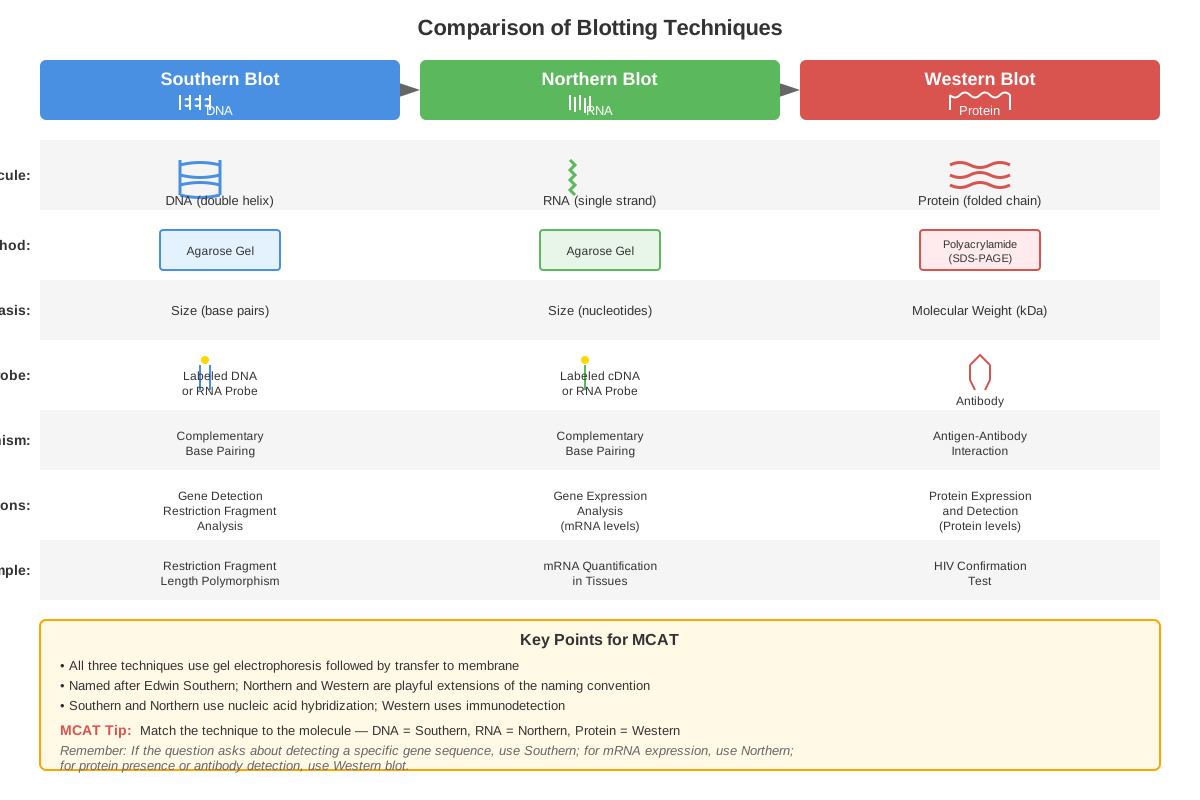
| Technique | Target Molecule | Separation Method | Detection Method | Primary Use |
|---|---|---|---|---|
| Southern Blot | DNA | Gel electrophoresis | Labeled DNA probe | Detect specific DNA sequences |
| Northern Blot | RNA | Gel electrophoresis | Labeled RNA/DNA probe | Measure gene expression (mRNA levels) |
| Western Blot | Protein | SDS-PAGE | Antibodies | Detect and quantify specific proteins |
| ELISA | Protein/antigen | No separation | Antibodies in plate wells | Quantify protein concentration in solution |
The key distinction is the target molecule: Southern blots detect DNA, Northern blots detect RNA, and Western blots detect proteins. All three "blotting" techniques share the principle of transferring molecules to a membrane for detection, but differ in separation and detection methods. ELISA (enzyme-linked immunosorbent assay) also uses antibodies to detect proteins but does not involve electrophoretic separation—instead, samples are added directly to antibody-coated wells, making ELISA better for quantification but unable to provide molecular weight information.
Concept Relationships
The Western blot integrates multiple foundational concepts in Molecular Biology and Genetics and biochemistry. At its core, the technique depends on protein structure—the primary amino acid sequence determines molecular weight and antibody epitopes, while denaturation disrupts secondary, tertiary, and quaternary structures to create linear polypeptides for size-based separation. The SDS-PAGE component relies on principles of electrophoresis: charged molecules migrate through a porous matrix under an electric field, with migration rate inversely proportional to molecular size.
The detection mechanism connects directly to immunology through antibody-antigen interactions. Antibodies recognize specific epitopes with high affinity and specificity, exemplifying the lock-and-key model of molecular recognition. The primary-secondary antibody system demonstrates signal amplification, a common biological strategy where multiple secondary antibodies bind each primary antibody, enhancing detection sensitivity.
Western blotting relates to gene expression analysis by measuring protein levels, which represent the final functional output of gene expression (DNA → RNA → protein). While Northern blots measure mRNA levels, Western blots assess whether mRNA is successfully translated into protein and whether post-translational modifications occur. This connects to central dogma concepts and regulation of gene expression at the translational and post-translational levels.
The technique also illustrates experimental design principles: the importance of controls (positive, negative, loading), replication, and quantification. Understanding Western blots enables interpretation of experiments investigating signal transduction (detecting phosphorylated proteins), cell cycle regulation (cyclins and CDKs), apoptosis (caspase activation), and disease mechanisms (oncogene overexpression, tumor suppressor loss).
Relationship map: Protein extraction → SDS denaturation → Electrophoretic separation by size → Transfer to membrane → Antibody recognition (primary) → Signal amplification (secondary) → Enzymatic detection → Data interpretation → Biological conclusions about protein expression, modification, or function.
Quick check — test yourself on Western blot so far.
Try Flashcards →High-Yield Facts
- ⭐ Western blot detects specific proteins using antibodies after separating proteins by molecular weight through SDS-PAGE
- ⭐ SDS denatures proteins and coats them with negative charge, causing separation based on size rather than intrinsic charge
- ⭐ Smaller proteins migrate farther through the gel than larger proteins during electrophoresis
- ⭐ Primary antibodies bind specifically to the target protein; secondary antibodies (enzyme-conjugated) bind to primary antibodies for detection
- ⭐ Loading controls (β-actin, GAPDH, tubulin) normalize for differences in protein loading and transfer efficiency
- Reducing agents (β-mercaptoethanol, DTT) break disulfide bonds to fully denature proteins before electrophoresis
- Blocking with milk or BSA prevents non-specific antibody binding to the membrane
- PVDF membranes require methanol activation but offer greater durability than nitrocellulose
- Band intensity correlates with protein abundance but is semi-quantitative, not perfectly linear
- Multiple bands can indicate protein isoforms, post-translational modifications, or antibody cross-reactivity
- Absence of bands may result from low protein expression, antibody failure, or technical errors in transfer
- Chemiluminescent detection (HRP-luminol) provides higher sensitivity than chromogenic detection (AP-BCIP/NBT)
- Western blot is used as a confirmatory test for HIV after positive ELISA screening due to higher specificity
- The technique can detect proteins in the picogram range with optimized conditions
Common Misconceptions
Misconception: Western blot directly measures gene expression levels.
Correction: Western blot measures protein levels, which represent the end product of gene expression but do not directly reflect mRNA levels. High mRNA does not always correlate with high protein due to translational regulation, protein stability differences, and post-translational modifications. Northern blots or RT-PCR measure mRNA levels directly.
Misconception: Proteins always migrate according to their actual molecular weight in SDS-PAGE.
Correction: While SDS-PAGE generally separates by molecular weight, post-translational modifications (glycosylation, phosphorylation) can alter migration. Highly glycosylated proteins migrate slower (appear larger) than predicted. Additionally, proteins with unusual amino acid compositions or those that don't fully denature may show aberrant migration.
Misconception: Darker bands always mean more protein is present.
Correction: Band intensity correlates with protein abundance within the linear range of detection, but very high protein concentrations can saturate the detection system, causing signal plateau. Additionally, differences in antibody affinity, transfer efficiency, or detection time can affect band intensity independent of actual protein levels. Proper quantification requires loading controls and densitometry within the linear range.
Misconception: Western blot and ELISA are interchangeable techniques.
Correction: While both use antibodies to detect proteins, Western blot separates proteins by size first, providing molecular weight information and distinguishing between protein isoforms. ELISA measures total protein concentration in solution without size separation. Western blot is better for identifying specific protein forms; ELISA is better for precise quantification of total protein.
Misconception: The primary antibody must be from the same species as the protein being detected.
Correction: Primary antibodies are typically raised in a different species than the protein source. For example, to detect human proteins, researchers use antibodies raised in rabbits, mice, or goats. The secondary antibody then recognizes the primary antibody's species (e.g., anti-rabbit IgG). Using antibodies from the same species as the sample can cause high background from secondary antibody binding to endogenous immunoglobulins.
Misconception: Blocking is optional and only reduces background slightly.
Correction: Blocking is essential for valid results. Without blocking, antibodies bind non-specifically to the membrane, creating high background that can obscure specific bands or produce false positives. The difference between blocked and unblocked membranes is typically dramatic, not subtle.
Misconception: All proteins in the sample will appear on the Western blot.
Correction: Only proteins recognized by the specific primary antibody will be detected. Western blot is not a general protein visualization method (like Coomassie staining of gels) but a specific detection method. If the antibody doesn't recognize a protein, that protein will not appear regardless of its abundance.
Worked Examples
Example 1: Interpreting Western Blot Results in Cancer Research
Scenario: Researchers investigate p53 tumor suppressor protein expression in normal cells versus cancer cells. They perform Western blot using anti-p53 primary antibody and anti-rabbit HRP-conjugated secondary antibody. The protein ladder shows markers at 75, 50, 37, 25, and 15 kDa. Results show: Lane 1 (normal cells): single band at ~53 kDa, moderate intensity; Lane 2 (cancer cells): single band at ~53 kDa, very faint intensity; Lane 3 (positive control): single band at ~53 kDa, strong intensity. A separate blot probing for β-actin (42 kDa) shows equal intensity bands in all three lanes.
Analysis:
The band position at ~53 kDa matches the expected molecular weight of p53 protein, confirming correct protein identification. The positive control (Lane 3) validates that the antibody and detection system work properly. The β-actin loading control shows equal intensity across all lanes, indicating that equal amounts of total protein were loaded and transferred in each lane. This is critical because it allows valid comparison of p53 levels between samples.
The key finding is that cancer cells (Lane 2) show dramatically reduced p53 expression compared to normal cells (Lane 1). This is consistent with p53 loss-of-function in cancer—p53 is frequently mutated or deleted in tumors, removing its growth-suppressive and pro-apoptotic functions. The faint band indicates some p53 remains but at much lower levels than normal.
MCAT-style question: If the β-actin control showed a much stronger band in Lane 1 than Lane 2, how would this affect interpretation?
Answer: This would indicate unequal loading—more total protein was loaded in Lane 1 than Lane 2. The apparent difference in p53 levels might be an artifact of loading differences rather than true biological difference. To correct this, researchers would need to normalize p53 band intensity to β-actin intensity (calculate p53/β-actin ratio) or repeat the experiment with equal loading. This demonstrates why loading controls are essential for valid quantitative comparisons.
Example 2: Troubleshooting Unexpected Results
Scenario: A student attempts to detect GLUT4 glucose transporter (45 kDa) in muscle tissue lysate. After completing the Western blot protocol, the results show: no bands in the experimental lanes, but the protein ladder is clearly visible. The positive control (commercial GLUT4 protein) also shows no band. A parallel blot probing for β-actin shows strong bands in all lanes.
Analysis:
The absence of bands in both experimental and positive control lanes, while the loading control (β-actin) works perfectly, indicates a problem specific to GLUT4 detection, not a general failure of the technique. Several possibilities exist:
- Primary antibody failure: The anti-GLUT4 antibody may be inactive (expired, improperly stored, wrong dilution). This is most likely since even the positive control shows no signal.
- Transfer problem specific to GLUT4: GLUT4 is a membrane protein with hydrophobic transmembrane domains. If the transfer buffer lacked methanol or SDS, hydrophobic proteins might not transfer efficiently from gel to membrane while soluble proteins like β-actin transfer normally.
- Blocking interference: If the blocking solution was incompatible with GLUT4 detection (e.g., using milk when detecting glycosylated proteins), it could mask the epitope.
- Secondary antibody mismatch: If the primary antibody was raised in goat but the secondary antibody was anti-rabbit, no detection would occur.
Troubleshooting steps:
- Verify primary antibody species and ensure secondary antibody matches
- Check antibody expiration dates and storage conditions
- Confirm antibody dilutions are correct
- For membrane proteins, optimize transfer conditions (add SDS to transfer buffer, use PVDF instead of nitrocellulose)
- Try a different primary antibody from another supplier
- Include a positive control for the secondary antibody alone to verify it's working
This example illustrates the importance of systematic troubleshooting and understanding each step's purpose. The working β-actin control narrows the problem to GLUT4-specific detection, not general technique failure.
Exam Strategy
When approaching Western blot questions on the MCAT, first identify what the question is asking: interpretation of results, experimental design, troubleshooting, or technique comparison. For result interpretation questions, systematically analyze band position (molecular weight), intensity (relative abundance), and pattern (number of bands, sharpness). Always check for loading controls—if present, use them to normalize comparisons between lanes.
Trigger words that indicate Western blot questions include: "immunoblot," "protein expression," "antibody detection," "SDS-PAGE followed by transfer," "band intensity," and "molecular weight determination." Phrases like "to confirm protein levels" or "to detect specific proteins" often point to Western blot as the appropriate technique. When passages describe separating proteins by size then using antibodies for detection, Western blot is the method being employed.
For technique comparison questions, remember the key distinctions: Southern (DNA), Northern (RNA), Western (protein). If the question asks about detecting a specific protein isoform or determining molecular weight, Western blot is superior to ELISA. If precise quantification without size information is needed, ELISA is better. When passages present multiple experimental techniques, Western blot typically provides information about protein size and relative abundance but not absolute concentration.
Process of elimination strategies:
- Eliminate answers suggesting Western blot detects DNA or RNA
- Eliminate answers claiming Western blot provides absolute quantification (it's semi-quantitative)
- Eliminate answers that confuse primary and secondary antibodies
- For troubleshooting questions, eliminate answers that don't explain why controls behave differently than experimental samples
Time allocation: Western blot questions typically appear in passages with figures showing blot images. Spend 30-45 seconds examining the figure, identifying lanes, controls, and band patterns before reading questions. Most questions can be answered in 60-90 seconds once the figure is understood. Don't get bogged down trying to memorize every detail—focus on the experimental logic and what each band pattern means biologically.
For questions asking you to design experiments, remember that good Western blot experiments include: positive control (known protein expression), negative control (no target protein), loading control (housekeeping protein), and multiple replicates. The most common correct answer involves adding an appropriate control that's missing from the described experiment.
Memory Techniques
Mnemonic for Western Blot Steps - "Some People Transfer Blocks Properly, Slowly Detecting":
- Sample preparation
- PAGE (electrophoresis)
- Transfer
- Blocking
- Primary antibody
- Secondary antibody
- Detection
Mnemonic for Blotting Techniques - "DNA is Southern, RNA is Northern, Protein is Western": Remember that Southern blot was named after Edwin Southern, so it detects DNA. Northern was named as a geographical joke for RNA. Western continues the pattern for proteins. Think: "DNA → RNA → Protein" corresponds to "South → North → West" (going around a compass).
Visualization for SDS-PAGE separation: Picture a race where all runners (proteins) are forced to wear the same uniform (SDS coating) and run through increasingly thick mud (gel matrix). Smaller runners navigate the mud more easily and finish first (migrate farther), while larger runners get stuck and finish last (migrate less). The finish line positions tell you each runner's size.
Acronym for Essential Controls - "PNL":
- Positive control (confirms detection works)
- Negative control (confirms specificity)
- Loading control (normalizes for equal loading)
Memory aid for antibody order: "Primary antibodies are picky" (they specifically recognize the target protein). "Secondary antibodies are social" (they recognize and bind to primary antibodies, bringing along their enzyme friends for detection). Primary = Picky = Specific. Secondary = Social = Amplification.
Visualization for transfer: Imagine proteins as ink on a stamp (the gel). When you press the stamp against paper (the membrane) and apply pressure (electric current), the ink transfers to the paper, creating a mirror image. The proteins move from gel to membrane just like ink transfers from stamp to paper.
Summary
The Western blot is a cornerstone technique in molecular biology that combines protein separation by molecular weight through SDS-PAGE with antibody-based detection to identify specific proteins within complex mixtures. The procedure involves sequential steps: sample preparation with denaturation, electrophoretic separation, transfer to a membrane, blocking to prevent non-specific binding, incubation with primary antibody (specific for target protein), incubation with enzyme-conjugated secondary antibody (recognizes primary antibody), and enzymatic detection producing visible bands. Band position indicates molecular weight, while intensity reflects relative protein abundance. Proper interpretation requires understanding controls—positive controls validate the detection system, negative controls confirm specificity, and loading controls normalize for equal protein loading. For the MCAT, students must interpret Western blot results from figures, distinguish Western blotting from related techniques (Southern, Northern, ELISA), troubleshoot experimental problems, and understand the biochemical principles underlying each step. The technique exemplifies how protein structure, immunology, and analytical chemistry integrate to answer biological questions about protein expression, modification, and function in research and clinical diagnostics.
Key Takeaways
- Western blot detects specific proteins by combining size-based separation (SDS-PAGE) with antibody-based detection
- SDS denatures proteins and imparts uniform negative charge, causing separation by molecular weight with smaller proteins migrating farther
- The two-antibody system (primary specific for target, secondary enzyme-conjugated) provides specificity and signal amplification
- Loading controls (β-actin, GAPDH) are essential for normalizing protein levels between samples and ensuring valid quantitative comparisons
- Band position indicates molecular weight, band intensity reflects relative abundance, and multiple bands may indicate isoforms or modifications
- Western blot differs from Southern (DNA) and Northern (RNA) blots in target molecule but shares the transfer-and-detect principle
- Common problems include antibody failure, transfer inefficiency, inadequate blocking, and loading differences—systematic troubleshooting uses controls to identify the issue
- The technique is clinically important as a confirmatory test for diseases like HIV and as a research tool for studying protein expression and regulation
Related Topics
Southern and Northern Blotting: These techniques apply similar principles to detect DNA and RNA respectively, using nucleic acid probes instead of antibodies. Mastering Western blot provides a framework for understanding these related methods and recognizing when each is appropriate.
ELISA (Enzyme-Linked Immunosorbent Assay): This antibody-based detection method quantifies proteins in solution without size separation. Understanding the differences between Western blot and ELISA clarifies when each technique is optimal for specific experimental goals.
Immunohistochemistry and Immunofluorescence: These techniques use antibodies to detect proteins in tissue sections or whole cells, preserving spatial information. They complement Western blot by showing protein localization rather than just abundance.
Protein Structure and Post-Translational Modifications: Deeper understanding of protein chemistry explains why proteins migrate at specific positions, how modifications affect migration, and why certain antibodies recognize specific epitopes.
Signal Transduction Pathways: Western blot is frequently used to study phosphorylation cascades and protein activation states in signaling pathways, making it essential for understanding cellular communication.
Gene Expression Regulation: Western blot measures the protein-level output of gene expression, connecting transcriptional and translational control mechanisms to functional protein levels.
Practice CTA
Now that you've mastered the principles and applications of Western blotting, test your understanding with practice questions and flashcards. Focus on interpreting blot images, identifying appropriate controls, and troubleshooting experimental scenarios—these are the most common question types on the MCAT. Remember that Western blot questions often appear in passages combining multiple techniques, so practice integrating this knowledge with other molecular biology methods. Your ability to quickly analyze band patterns and draw biological conclusions will serve you well not only on the MCAT but throughout your medical education. Keep pushing forward—every technique you master brings you closer to your goal!
Sign up free to keep reading
Create a free AnvayaPrep account to finish this MCAT guide on Western blot — plus flashcards and practice questions.