Overview
Acid base regulation by kidney is a fundamental physiological process that maintains blood pH within the narrow range of 7.35–7.45, essential for optimal cellular function and survival. The kidneys serve as the body's long-term pH regulatory system, working in concert with the respiratory system to prevent dangerous shifts toward acidosis or alkalosis. Unlike the lungs, which provide rapid but temporary pH adjustments through CO₂ elimination, the kidneys offer slower but more permanent correction by selectively reabsorbing bicarbonate (HCO₃⁻), secreting hydrogen ions (H⁺), and generating new bicarbonate to replenish buffering capacity. This renal compensation mechanism can take hours to days to reach full effect but provides the definitive solution to acid-base disturbances.
For the MCAT, acid base regulation by kidney Biology represents a high-yield integration point connecting renal physiology, acid-base chemistry, buffer systems, and clinical pathology. Test-makers frequently embed this topic within complex passages involving metabolic disorders, respiratory compensation, or pharmacological interventions. Understanding the cellular mechanisms in the proximal tubule, distal tubule, and collecting duct—including the roles of carbonic anhydrase, H⁺-ATPase pumps, and ammonia buffering systems—is essential for analyzing experimental data and clinical vignettes that appear regularly on the exam.
This topic bridges multiple domains within Physiology and Organ Systems, connecting nephron function to cardiovascular physiology, respiratory gas exchange, and electrolyte homeostasis. Mastery of renal acid-base regulation enables students to predict compensatory responses to primary disturbances, interpret arterial blood gas (ABG) values, and understand how diseases affecting kidney function cascade into systemic metabolic derangements. The integration of chemistry principles (Henderson-Hasselbalch equation, buffer systems) with biological mechanisms makes this an ideal MCAT topic that tests both conceptual understanding and quantitative reasoning.
Learning Objectives
- [ ] Define acid base regulation by kidney using accurate Biology terminology
- [ ] Explain why acid base regulation by kidney matters for the MCAT
- [ ] Apply acid base regulation by kidney to exam-style questions
- [ ] Identify common mistakes related to acid base regulation by kidney
- [ ] Connect acid base regulation by kidney to related Biology concepts
- [ ] Describe the cellular mechanisms of H⁺ secretion and HCO₃⁻ reabsorption in each nephron segment
- [ ] Calculate the net effect of renal compensation on blood pH using the Henderson-Hasselbalch equation
- [ ] Predict renal responses to primary respiratory and metabolic acid-base disturbances
- [ ] Analyze the role of ammonia and phosphate buffer systems in urinary acid excretion
Prerequisites
- Nephron anatomy and function: Understanding the structural organization of the proximal tubule, loop of Henle, distal tubule, and collecting duct is essential because different acid-base regulatory mechanisms operate in specific segments
- Henderson-Hasselbalch equation: The mathematical relationship between pH, pKa, and the ratio of conjugate base to acid (pH = pKa + log[HCO₃⁻]/[CO₂]) provides the quantitative framework for understanding how kidneys shift blood pH
- Buffer systems: Knowledge of bicarbonate, phosphate, and protein buffers establishes the chemical foundation for how kidneys regenerate buffering capacity
- Carbonic anhydrase function: This enzyme catalyzes the reversible conversion of CO₂ and H₂O to H₂CO₃, which dissociates into H⁺ and HCO₃⁻, making it central to renal acid-base mechanisms
- Primary active transport: Understanding ATP-dependent pumps is necessary because H⁺-ATPase and H⁺/K⁺-ATPase drive hydrogen ion secretion against concentration gradients
- Secondary active transport: Sodium-dependent cotransporters and antiporters mediate bicarbonate reabsorption coupled to Na⁺ gradients established by Na⁺/K⁺-ATPase
Why This Topic Matters
Clinical Significance
Renal acid-base regulation is clinically critical because kidney disease represents one of the most common causes of metabolic acidosis, affecting millions of patients worldwide. Chronic kidney disease (CKD) progressively impairs the kidney's ability to excrete acid and regenerate bicarbonate, leading to metabolic acidosis that accelerates bone disease, muscle wasting, and cardiovascular complications. Renal tubular acidosis (RTA), a group of disorders affecting specific transport mechanisms in the nephron, demonstrates how isolated defects in H⁺ secretion or HCO₃⁻ reabsorption produce distinct clinical syndromes. Understanding these mechanisms enables clinicians to diagnose acid-base disorders, predict compensatory responses, and design appropriate interventions including bicarbonate supplementation or treatment of underlying kidney pathology.
MCAT Exam Statistics
Acid base regulation by kidney MCAT questions appear with high frequency across both the Biological and Biochemical Foundations of Living Systems section and the Chemical and Physical Foundations of Biological Systems section. Approximately 8-12% of physiology questions involve renal function, with acid-base regulation representing a substantial subset. These questions typically appear in three formats: (1) passage-based questions presenting experimental data on nephron transport mechanisms or clinical cases of acid-base disorders, (2) discrete questions testing conceptual understanding of compensatory mechanisms, and (3) quantitative problems requiring Henderson-Hasselbalch calculations or interpretation of arterial blood gas values.
Common Exam Presentations
MCAT passages frequently present this topic through research scenarios investigating carbonic anhydrase inhibitors (like acetazolamide), genetic mutations affecting specific transporters, or clinical vignettes describing patients with diabetes (ketoacidosis), diarrhea (bicarbonate loss), or respiratory disorders requiring renal compensation. Questions often require students to predict changes in urine pH, calculate the degree of compensation, or identify which nephron segment is affected by a particular intervention. The integration of graphs showing tubular fluid pH changes along the nephron or tables comparing different types of renal tubular acidosis makes this topic ideal for testing data interpretation skills.
Core Concepts
The Kidney's Role in Acid-Base Homeostasis
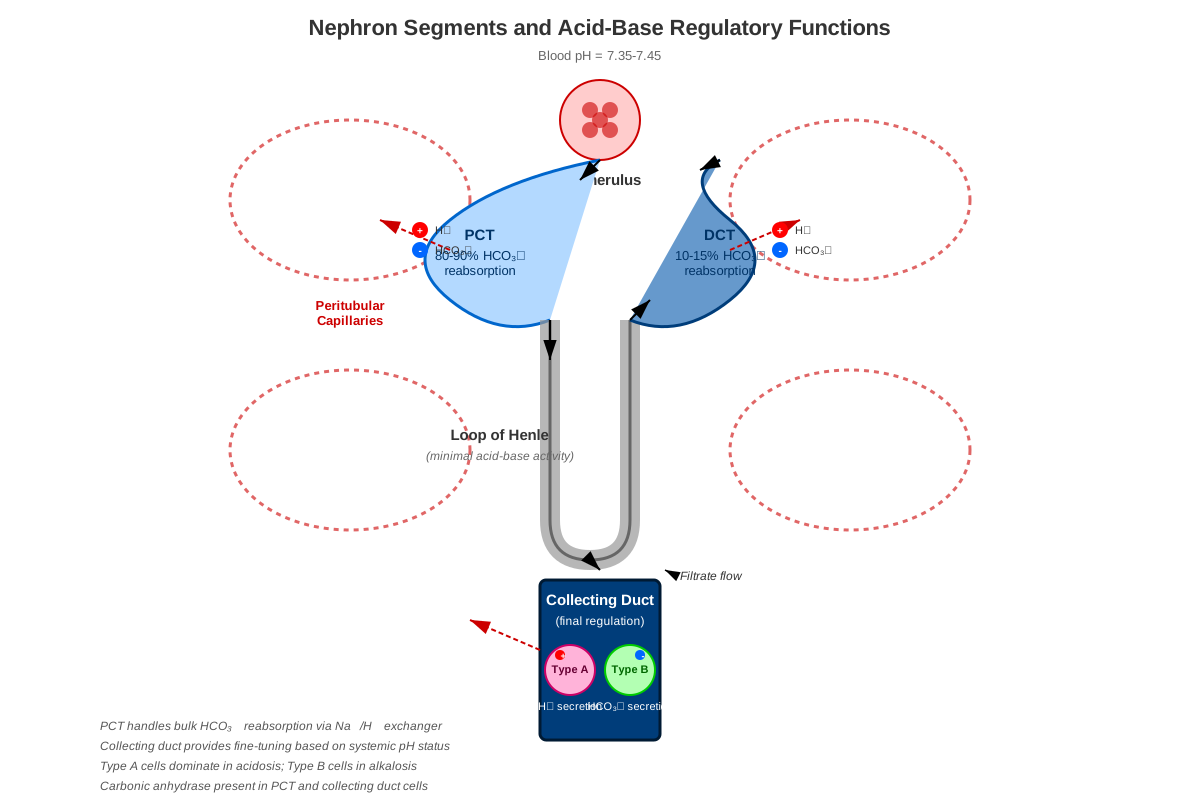
The kidneys maintain acid-base balance through three primary mechanisms: (1) reabsorption of filtered bicarbonate, (2) excretion of fixed acids as titratable acid and ammonium, and (3) generation of new bicarbonate to replace that consumed by buffering metabolic acids. Each day, the kidneys filter approximately 4,320 mEq of bicarbonate (180 L/day × 24 mEq/L), nearly all of which must be reclaimed to prevent catastrophic bicarbonate loss and metabolic acidosis. Simultaneously, normal metabolism produces 50-100 mEq of nonvolatile acid daily from protein catabolism (sulfuric and phosphoric acid) and incomplete oxidation of fats and carbohydrates, which must be excreted to maintain pH balance.
The kidneys' regulatory capacity far exceeds that required for normal homeostasis, capable of increasing acid excretion to 500 mEq/day during severe acidosis or reducing it to near zero during alkalosis. This flexibility contrasts with the respiratory system's limited range of compensation. The time course of renal compensation spans hours to days, with maximal response typically achieved in 3-5 days, making the kidneys the definitive long-term regulator of blood pH.
Bicarbonate Reabsorption in the Proximal Tubule
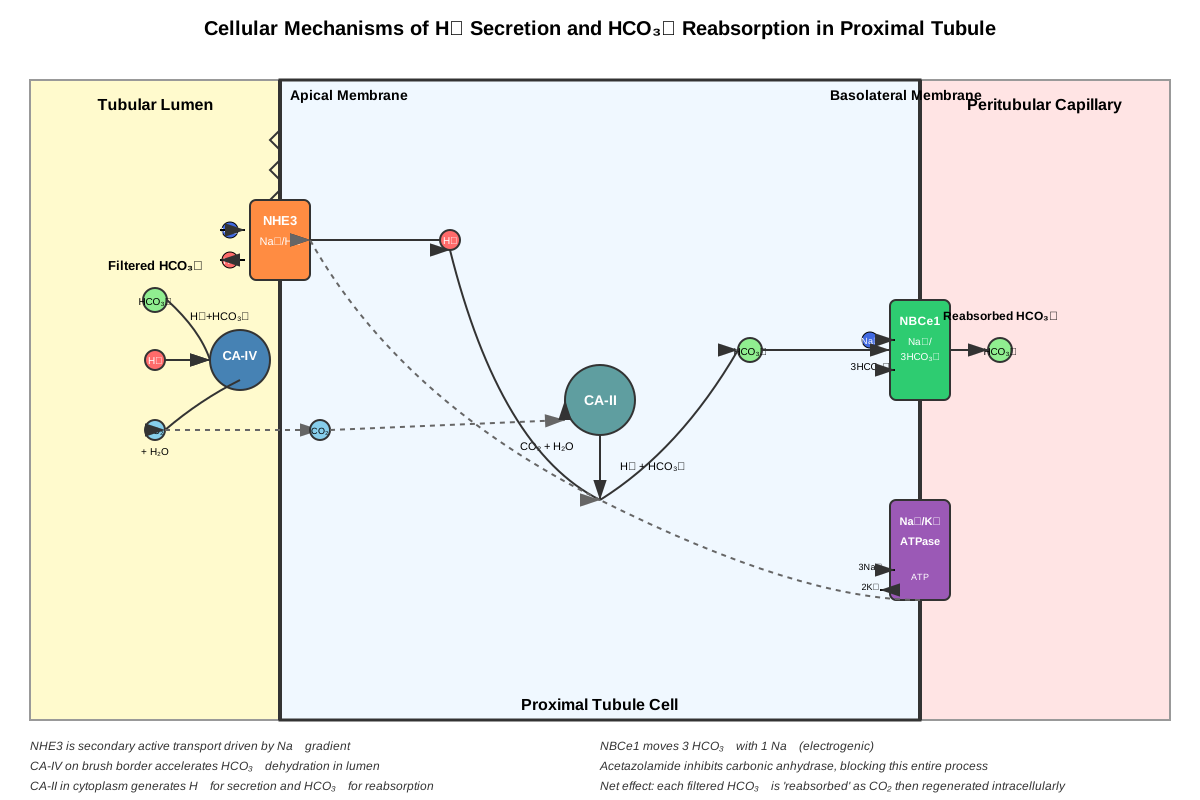
The proximal tubule reclaims approximately 80-85% of filtered bicarbonate through an indirect mechanism involving carbonic anhydrase. Filtered HCO₃⁻ cannot directly cross the apical membrane; instead, H⁺ ions are secreted into the tubular lumen via the Na⁺/H⁺ exchanger (NHE3), which uses the sodium gradient established by basolateral Na⁺/K⁺-ATPase. The secreted H⁺ combines with filtered HCO₃⁻ to form H₂CO₃, which is rapidly converted to CO₂ and H₂O by carbonic anhydrase IV located on the brush border membrane.
CO₂ freely diffuses into the proximal tubule cell, where intracellular carbonic anhydrase II catalyzes the reverse reaction, regenerating H₂CO₃, which dissociates into H⁺ and HCO₃⁻. The H⁺ is recycled back into the lumen via NHE3, while HCO₃⁻ exits the cell across the basolateral membrane through the Na⁺-HCO₃⁻ cotransporter (NBC1), which transports 1 Na⁺ with 3 HCO₃⁻ ions. This process effectively reabsorbs bicarbonate without net H⁺ secretion into the final urine, since the secreted H⁺ is consumed by the reaction with filtered HCO₃⁻.
Bicarbonate Reabsorption in the Distal Nephron
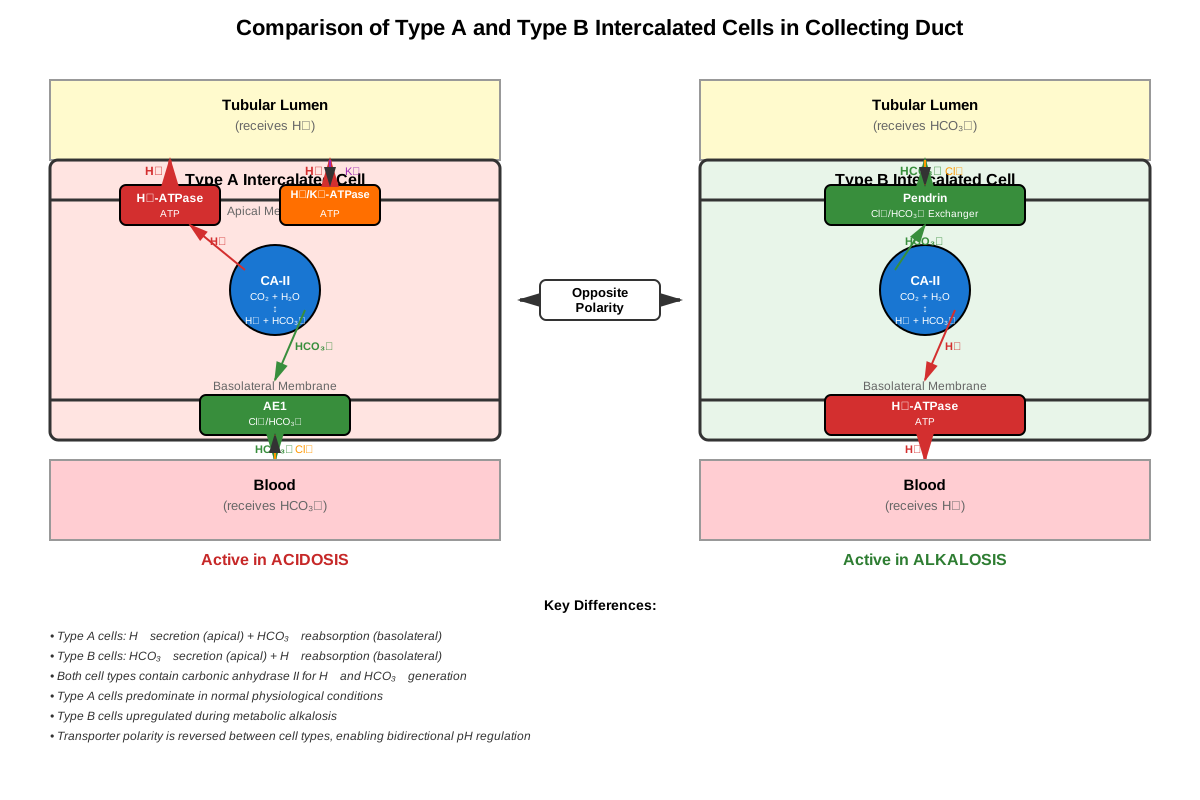
The remaining 15-20% of filtered bicarbonate is reabsorbed in the thick ascending limb, distal convoluted tubule, and collecting duct. In these segments, Type A intercalated cells secrete H⁺ via two mechanisms: the H⁺-ATPase (primary active transport) and the H⁺/K⁺-ATPase (which also mediates potassium reabsorption). These pumps are more powerful than the Na⁺/H⁺ exchanger and can generate steeper H⁺ gradients, allowing the kidneys to acidify urine to pH 4.5-5.0, representing a 1000-fold concentration gradient.
The H⁺ secreted by intercalated cells combines with filtered HCO₃⁻ (if any remains) or with urinary buffers. Intracellular carbonic anhydrase II generates the H⁺ and HCO₃⁻ from CO₂ and H₂O, with HCO₃⁻ exiting via the Cl⁻/HCO₃⁻ exchanger (AE1) on the basolateral membrane. During alkalosis, Type B intercalated cells reverse this process, secreting HCO₃⁻ into the lumen via pendrin and reabsorbing Cl⁻, while H⁺-ATPase moves to the basolateral membrane to secrete H⁺ into blood.
New Bicarbonate Generation and Titratable Acid
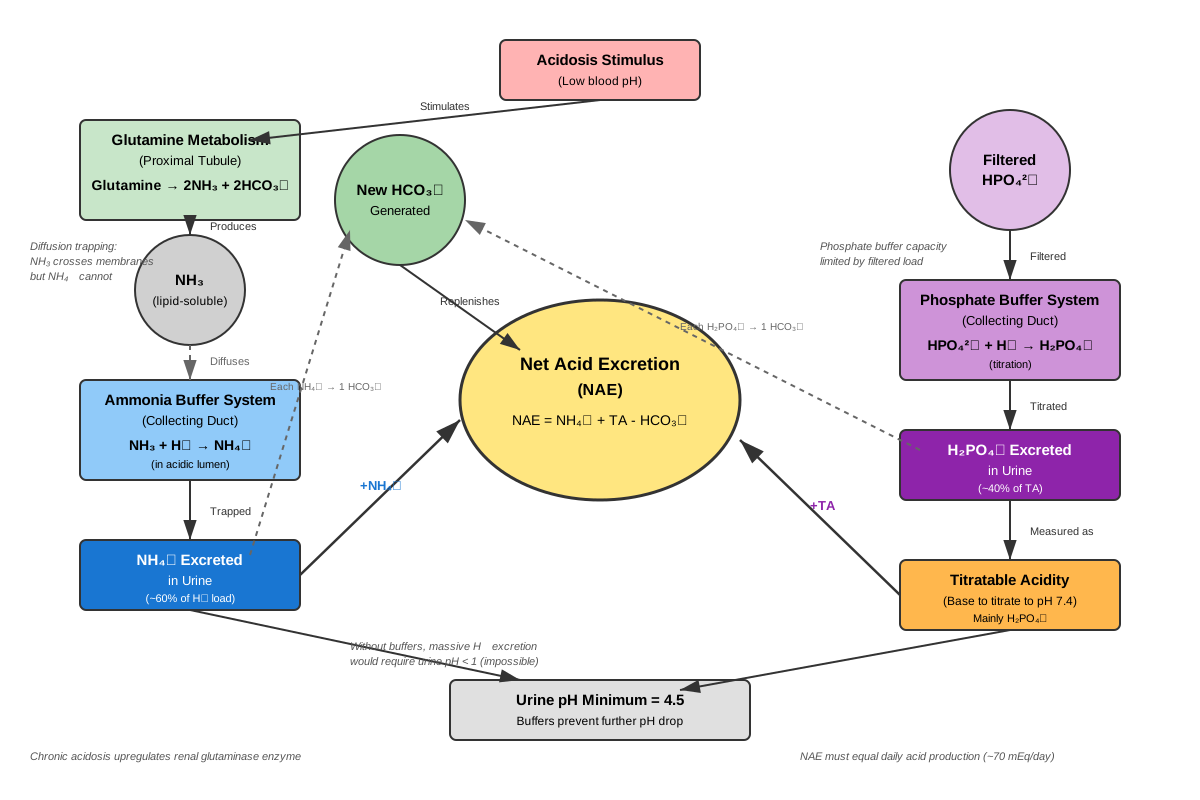
For every H⁺ ion excreted in the final urine (not consumed by HCO₃⁻ reabsorption), one new HCO₃⁻ molecule is generated and added to the blood, replenishing the bicarbonate consumed by buffering metabolic acids. This process occurs through two major urinary buffer systems: phosphate buffers and ammonia buffers.
Titratable acid refers to H⁺ buffered by urinary phosphate, primarily the conversion of HPO₄²⁻ (dibasic phosphate) to H₂PO₄⁻ (monobasic phosphate). The pKa of this buffer system (6.8) makes it effective at urine pH values. Phosphate is freely filtered at the glomerulus, and as H⁺ is secreted into the tubular fluid, it binds to HPO₄²⁻, allowing more H⁺ to be excreted without further lowering urine pH. However, phosphate excretion is limited by dietary intake and filtered load, typically accounting for only 10-40 mEq/day of acid excretion.
Ammonia Buffer System
The ammonia (NH₃/NH₄⁺) buffer system represents the kidneys' most important and adaptable mechanism for acid excretion, accounting for 60-70% of net acid excretion under normal conditions and increasing dramatically during chronic acidosis. Proximal tubule cells metabolize glutamine (via glutaminase and glutamate dehydrogenase) to produce NH₃ and α-ketoglutarate. The α-ketoglutarate is metabolized to generate 2 HCO₃⁻ molecules, which enter the blood, while NH₃ diffuses into the tubular lumen.
In the acidic tubular fluid, NH₃ combines with secreted H⁺ to form NH₄⁺ (ammonium), which is lipid-insoluble and becomes trapped in the lumen (nonionic diffusion trapping). The thick ascending limb reabsorbs NH₄⁺ via the Na⁺/K⁺/2Cl⁻ cotransporter (substituting for K⁺), and NH₃ accumulates in the medullary interstitium. In the collecting duct, NH₃ again diffuses into the lumen, combines with H⁺, and is excreted as NH₄⁺ in the final urine. This countercurrent multiplication of ammonia allows the kidneys to excrete large quantities of acid without producing dangerously low urine pH.
Chronic acidosis upregulates glutaminase expression, increasing ammonia production several-fold over days, representing the kidneys' primary adaptive response to sustained acid loads. This adaptation is crucial for patients with chronic metabolic acidosis from kidney disease or other causes.
Regulation of Renal Acid-Base Function
Several factors regulate the kidneys' acid-base regulatory mechanisms:
- Arterial pH and PCO₂: Acidemia stimulates H⁺ secretion and HCO₃⁻ reabsorption, while alkalemia has the opposite effect. Elevated PCO₂ (respiratory acidosis) increases intracellular H⁺ production, enhancing secretion.
- Plasma HCO₃⁻ concentration: The filtered load of HCO₃⁻ directly affects reabsorption. When plasma HCO₃⁻ exceeds the reabsorptive capacity (typically >28 mEq/L), bicarbonate appears in urine, limiting alkalosis.
- Aldosterone: This mineralocorticoid hormone stimulates H⁺ secretion by Type A intercalated cells (via H⁺-ATPase) and enhances Na⁺ reabsorption in principal cells. The resulting lumen-negative potential drives additional H⁺ secretion. Hyperaldosteronism causes metabolic alkalosis.
- Potassium balance: Hypokalemia stimulates H⁺ secretion (as cells take up H⁺ in exchange for K⁺) and can cause metabolic alkalosis. Hyperkalemia inhibits H⁺ secretion and can contribute to metabolic acidosis.
- Extracellular fluid volume: Volume depletion stimulates proximal tubule Na⁺ and HCO₃⁻ reabsorption, potentially causing contraction alkalosis. Volume expansion has the opposite effect.
Renal Compensation for Acid-Base Disorders
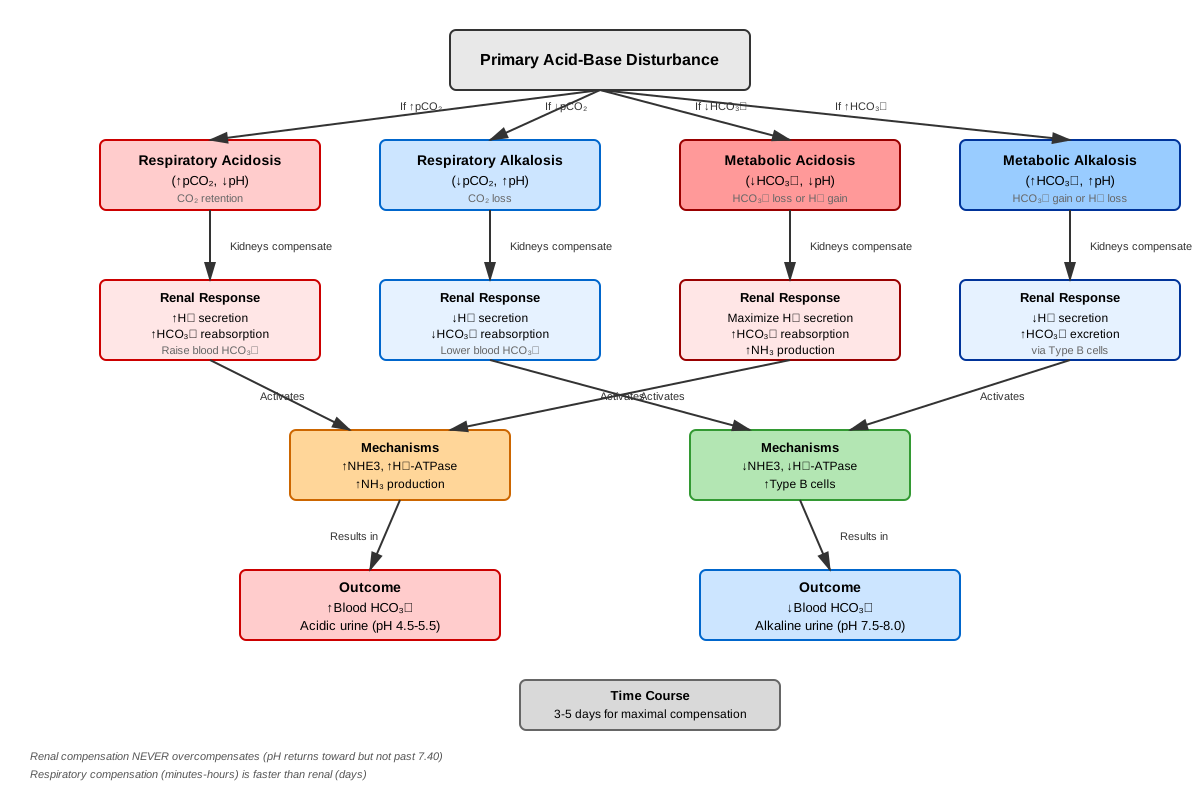
The kidneys compensate for primary respiratory acid-base disorders by adjusting HCO₃⁻ reabsorption and H⁺ excretion:
| Primary Disorder | Primary Change | Renal Compensation | Time Course | Expected Compensation |
|---|---|---|---|---|
| Respiratory acidosis | ↑ PCO₂ | ↑ HCO₃⁻ reabsorption, ↑ H⁺ excretion | 3-5 days | HCO₃⁻ increases 3.5 mEq/L per 10 mmHg ↑ PCO₂ |
| Respiratory alkalosis | ↓ PCO₂ | ↓ HCO₃⁻ reabsorption, ↓ H⁺ excretion | 3-5 days | HCO₃⁻ decreases 5 mEq/L per 10 mmHg ↓ PCO₂ |
| Metabolic acidosis | ↓ HCO₃⁻ | Respiratory: ↑ ventilation (rapid) | Minutes-hours | PCO₂ = 1.5 × [HCO₃⁻] + 8 (±2) |
| Metabolic alkalosis | ↑ HCO₃⁻ | Respiratory: ↓ ventilation (limited) | Minutes-hours | PCO₂ increases 0.7 mmHg per 1 mEq/L ↑ HCO₃⁻ |
For primary metabolic disorders, the kidneys are the problem, not the compensator. The respiratory system provides compensation through ventilatory changes, but the kidneys must correct the underlying disorder by restoring normal HCO₃⁻ levels.
Renal Tubular Acidosis
Renal tubular acidosis (RTA) encompasses disorders where the kidneys cannot properly acidify urine despite normal or near-normal glomerular filtration rate. Three main types exist:
Type 1 (Distal) RTA: Defective H⁺ secretion in the collecting duct (due to H⁺-ATPase or AE1 mutations) prevents urine acidification below pH 5.5. Patients develop hyperchloremic metabolic acidosis with hypokalemia and increased risk of kidney stones (calcium phosphate) due to alkaline urine and hypercalciuria.
Type 2 (Proximal) RTA: Impaired HCO₃⁻ reabsorption in the proximal tubule (often due to carbonic anhydrase II deficiency or generalized proximal tubule dysfunction/Fanconi syndrome) causes bicarbonate wasting. Once plasma HCO₃⁻ falls below the reduced reabsorptive threshold, the kidneys can acidify urine normally, but chronic metabolic acidosis persists at a lower steady-state HCO₃⁻ level.
Type 4 RTA: Aldosterone deficiency or resistance impairs both Na⁺ reabsorption and H⁺/K⁺ secretion in the collecting duct, causing hyperkalemic metabolic acidosis. This is the most common form, often seen in diabetic nephropathy or with medications affecting the renin-angiotensin-aldosterone system.
Concept Relationships
The core concepts of renal acid-base regulation form an integrated system where each component depends on others. Bicarbonate reabsorption in the proximal tubule establishes the foundation by reclaiming 80-85% of filtered HCO₃⁻, preventing massive bicarbonate loss. This process depends on carbonic anhydrase function, which catalyzes the interconversion of CO₂, H₂O, H₂CO₃, H⁺, and HCO₃⁻ in both the tubular lumen and cell interior. The Na⁺/H⁺ exchanger driving proximal H⁺ secretion relies on the Na⁺ gradient established by Na⁺/K⁺-ATPase, connecting acid-base regulation to sodium homeostasis and energy metabolism.
Distal nephron bicarbonate reabsorption → completes the reclamation process and → enables new bicarbonate generation through titratable acid and ammonia excretion. The ammonia buffer system → depends on glutamine metabolism → which is upregulated by chronic acidosis → providing adaptive capacity for sustained acid loads. This adaptation connects renal acid-base regulation to amino acid metabolism and hepatic function (since the liver also metabolizes glutamine).
Hormonal regulation (aldosterone, PTH) → modulates the activity of transporters and enzymes → affecting both acid-base balance and electrolyte homeostasis (K⁺, Ca²⁺). The relationship between potassium and acid-base balance is bidirectional: acid-base disturbances affect K⁺ distribution, and K⁺ disorders influence H⁺ secretion. Volume status → affects proximal tubule reabsorption → influencing bicarbonate handling and potentially causing contraction alkalosis or dilutional acidosis.
These renal mechanisms connect to respiratory acid-base regulation through the Henderson-Hasselbalch equation: pH = 6.1 + log([HCO₃⁻]/[0.03 × PCO₂]). The kidneys control the numerator (HCO₃⁻) while the lungs control the denominator (PCO₂), and both systems work together to maintain the ratio at 20:1, corresponding to pH 7.4. Understanding this relationship enables prediction of compensatory responses to primary disturbances and interpretation of arterial blood gas values.
Quick check — test yourself on Acid base regulation by kidney so far.
Try Flashcards →High-Yield Facts
⭐ The kidneys filter approximately 4,320 mEq of bicarbonate daily, with 80-85% reabsorbed in the proximal tubule and the remainder in the distal nephron
⭐ For every H⁺ ion excreted in final urine (not consumed by HCO₃⁻ reabsorption), one new HCO₃⁻ molecule is generated and added to blood
⭐ The ammonia buffer system accounts for 60-70% of net acid excretion and can increase several-fold during chronic acidosis through upregulation of glutaminase
⭐ Carbonic anhydrase inhibitors (acetazolamide) block proximal tubule HCO₃⁻ reabsorption, causing bicarbonate wasting and metabolic acidosis
⭐ Type A intercalated cells secrete H⁺ (via H⁺-ATPase) and reabsorb HCO₃⁻ (via AE1), while Type B intercalated cells do the opposite during alkalosis
- The proximal tubule uses Na⁺/H⁺ exchanger (NHE3) for H⁺ secretion, while the collecting duct uses H⁺-ATPase and H⁺/K⁺-ATPase, which can generate steeper gradients
- Renal compensation for respiratory acid-base disorders takes 3-5 days to reach maximum effect, compared to minutes for respiratory compensation
- Aldosterone stimulates H⁺ secretion in the collecting duct; hyperaldosteronism causes metabolic alkalosis, while hypoaldosteronism causes Type 4 RTA with hyperkalemic metabolic acidosis
- The kidneys can acidify urine to pH 4.5-5.0, representing a 1000-fold H⁺ concentration gradient from blood (pH 7.4)
- Hypokalemia stimulates H⁺ secretion and can cause metabolic alkalosis, while hyperkalemia inhibits H⁺ secretion and contributes to metabolic acidosis
- Titratable acid (primarily phosphate buffer) accounts for only 10-40 mEq/day of acid excretion due to limited filtered phosphate load
- Type 1 (distal) RTA prevents urine acidification below pH 5.5 and causes hypokalemia and kidney stones, while Type 2 (proximal) RTA causes bicarbonate wasting but can eventually acidify urine once HCO₃⁻ falls below the reduced threshold
Common Misconceptions
Misconception: The kidneys directly reabsorb filtered bicarbonate across the apical membrane of tubule cells.
Correction: Bicarbonate cannot directly cross the apical membrane. Instead, H⁺ is secreted into the lumen, combines with filtered HCO₃⁻ to form CO₂ (via carbonic anhydrase), which then diffuses into the cell where new HCO₃⁻ is generated and exits across the basolateral membrane. This indirect mechanism effectively reabsorbs bicarbonate.
Misconception: Renal compensation for respiratory disorders occurs as rapidly as respiratory compensation for metabolic disorders.
Correction: Renal compensation requires 3-5 days to reach maximum effect because it involves changes in enzyme expression (especially glutaminase), transporter synthesis, and cellular adaptation. Respiratory compensation occurs within minutes to hours through changes in ventilation rate, which immediately affects CO₂ elimination.
Misconception: All H⁺ secreted by the kidneys appears in the final urine, contributing to net acid excretion.
Correction: Most secreted H⁺ (80-85%) is consumed by the reaction with filtered HCO₃⁻ in the process of bicarbonate reabsorption and does not contribute to net acid excretion. Only H⁺ that combines with urinary buffers (phosphate, ammonia) or is excreted as free H⁺ represents net acid excretion and generates new bicarbonate.
Misconception: Carbonic anhydrase inhibitors cause metabolic alkalosis by blocking acid secretion.
Correction: Carbonic anhydrase inhibitors (like acetazolamide) cause metabolic acidosis, not alkalosis. By blocking carbonic anhydrase in the proximal tubule, they prevent the conversion of H₂CO₃ to CO₂ and H₂O in the lumen, impairing bicarbonate reabsorption. The resulting bicarbonate wasting leads to metabolic acidosis. These drugs are used to treat metabolic alkalosis, not cause it.
Misconception: Type 2 (proximal) RTA patients cannot acidify their urine at all.
Correction: Type 2 RTA patients can acidify urine normally once plasma HCO₃⁻ falls below their reduced reabsorptive threshold. The defect is in proximal bicarbonate reabsorption, not distal acidification. At steady state with lower plasma HCO₃⁻, the reduced filtered load matches the impaired reabsorptive capacity, and distal acidification mechanisms function normally.
Misconception: The ammonia buffer system works by secreting NH₄⁺ directly into the tubular lumen.
Correction: NH₃ (ammonia), not NH₄⁺ (ammonium), is the species that diffuses across membranes. Lipid-soluble NH₃ diffuses into the acidic tubular lumen where it combines with H⁺ to form NH₄⁺, which is lipid-insoluble and becomes trapped (nonionic diffusion trapping). This mechanism allows efficient H⁺ excretion without requiring active NH₄⁺ transport across the apical membrane.
Misconception: Aldosterone only affects sodium and potassium balance, not acid-base regulation.
Correction: Aldosterone significantly affects acid-base balance by stimulating H⁺-ATPase in Type A intercalated cells, increasing H⁺ secretion and HCO₃⁻ reabsorption. Hyperaldosteronism causes metabolic alkalosis through both increased H⁺ secretion and volume expansion from Na⁺ retention. Hypoaldosteronism causes Type 4 RTA with metabolic acidosis.
Worked Examples
Example 1: Predicting Renal Response to Chronic Respiratory Acidosis
Clinical Vignette: A patient with severe COPD has chronic respiratory acidosis with arterial blood gas values showing pH 7.32, PCO₂ 65 mmHg, and HCO₃⁻ 32 mEq/L. Explain the renal compensatory mechanisms and calculate whether compensation is appropriate.
Step 1 - Identify the primary disorder: The elevated PCO₂ (normal 40 mmHg) indicates respiratory acidosis. The low pH confirms acidosis. The elevated HCO₃⁻ suggests metabolic compensation.
Step 2 - Determine if compensation is acute or chronic: For chronic respiratory acidosis, the expected compensation is HCO₃⁻ increases by 3.5 mEq/L for every 10 mmHg increase in PCO₂.
Step 3 - Calculate expected compensation:
- PCO₂ increase = 65 - 40 = 25 mmHg
- Expected HCO₃⁻ increase = (25/10) × 3.5 = 8.75 mEq/L
- Expected HCO₃⁻ = 24 + 8.75 = 32.75 mEq/L
Step 4 - Compare actual to expected: The actual HCO₃⁻ (32 mEq/L) matches the expected value (32.75 mEq/L), indicating appropriate chronic renal compensation.
Step 5 - Explain renal mechanisms: Over 3-5 days, the kidneys respond to chronic respiratory acidosis by:
- Increasing H⁺ secretion in both proximal tubule (via NHE3) and collecting duct (via H⁺-ATPase)
- Enhancing bicarbonate reabsorption, reclaiming more of the filtered load
- Upregulating glutaminase expression, increasing ammonia production and excretion
- Generating new bicarbonate through increased titratable acid and ammonia excretion
- The elevated PCO₂ increases intracellular H⁺ production (via carbonic anhydrase), providing substrate for secretion
Connection to learning objectives: This example demonstrates application of renal acid-base regulation to clinical scenarios, integration with the Henderson-Hasselbalch framework, and understanding of time-dependent compensatory mechanisms.
Example 2: Analyzing the Effect of Carbonic Anhydrase Inhibition
Experimental Scenario: Researchers administer acetazolamide (a carbonic anhydrase inhibitor) to healthy subjects and measure changes in urine pH, plasma HCO₃⁻, and arterial pH over 24 hours. Predict the results and explain the mechanisms.
Step 1 - Identify the site of action: Acetazolamide inhibits carbonic anhydrase, which is present in two critical locations: (1) brush border of proximal tubule (CA-IV) and (2) inside proximal tubule cells (CA-II).
Step 2 - Predict effect on bicarbonate reabsorption:
- Luminal CA-IV inhibition prevents conversion of H₂CO₃ to CO₂ and H₂O, so filtered HCO₃⁻ cannot be reabsorbed
- Intracellular CA-II inhibition prevents regeneration of H⁺ and HCO₃⁻ from CO₂ and H₂O, reducing H⁺ available for secretion
- Result: Massive bicarbonate wasting in urine (bicarbonaturia)
Step 3 - Predict urine pH changes:
- Initially: Urine pH increases dramatically (to 7.5-8.0) due to high HCO₃⁻ concentration in tubular fluid
- After 24-48 hours: Urine pH decreases as plasma HCO₃⁻ falls and less HCO₃⁻ is filtered; distal acidification mechanisms (unaffected by the drug) can now acidify urine
Step 4 - Predict plasma changes:
- Plasma HCO₃⁻ decreases (from 24 to 18-20 mEq/L) due to urinary losses
- Arterial pH decreases (from 7.40 to 7.32-7.35), causing metabolic acidosis
- PCO₂ decreases slightly due to respiratory compensation (hyperventilation)
Step 5 - Explain why effect is self-limiting:
As plasma HCO₃⁻ falls, the filtered load of HCO₃⁻ decreases. Eventually, even the impaired proximal tubule can reabsorb the reduced filtered load, and a new steady state is reached at lower plasma HCO₃⁻. This is why acetazolamide causes only mild metabolic acidosis, not severe acidosis.
Clinical application: Acetazolamide is used to treat metabolic alkalosis, altitude sickness (by inducing mild acidosis that stimulates ventilation), and glaucoma (by reducing aqueous humor production). Understanding the mechanism explains both therapeutic uses and side effects.
Connection to learning objectives: This example integrates enzyme function, nephron segment-specific mechanisms, time-dependent changes, and clinical pharmacology, demonstrating comprehensive understanding of renal acid-base regulation.
Exam Strategy
Approaching MCAT Questions on Renal Acid-Base Regulation
Step 1 - Identify the question type: Determine whether the question asks about (a) normal physiology/mechanisms, (b) compensation for acid-base disorders, (c) effects of drugs or disease, or (d) interpretation of experimental data. This guides your approach.
Step 2 - For acid-base disorder questions: Always identify the primary disorder first (respiratory vs. metabolic, acidosis vs. alkalosis) by examining pH and PCO₂/HCO₃⁻. Then determine if compensation is present and whether it's appropriate using the compensation formulas. Remember: compensation never overcorrects, so pH should still indicate the primary disorder.
Step 3 - For mechanism questions: Mentally trace the path of ions and molecules through the nephron segment in question. Draw a simple cell diagram showing apical and basolateral membranes, and map transporters, enzymes, and ion movements. This visualization prevents confusion about directionality.
Step 4 - Watch for trigger words:
- "Carbonic anhydrase inhibitor" → think bicarbonate wasting, metabolic acidosis, alkaline urine (initially)
- "Aldosterone" → think increased H⁺ secretion, metabolic alkalosis (if excess), Type 4 RTA (if deficient)
- "Hypokalemia" → think metabolic alkalosis, increased H⁺ secretion
- "Cannot acidify urine below pH 5.5" → think Type 1 (distal) RTA
- "Bicarbonate wasting" → think Type 2 (proximal) RTA or carbonic anhydrase inhibition
- "Ammonia/glutamine" → think adaptive response to chronic acidosis, major mechanism of net acid excretion
Process of Elimination Tips
Eliminate answers that:
- Confuse the direction of ion movement (e.g., stating HCO₃⁻ is secreted when it's reabsorbed)
- Claim bicarbonate crosses the apical membrane directly (it doesn't—CO₂ does)
- Suggest renal compensation occurs rapidly (it takes days, not minutes)
- State that all secreted H⁺ contributes to net acid excretion (most is consumed by HCO₃⁻ reabsorption)
- Confuse Type 1 and Type 2 RTA characteristics (Type 1 cannot acidify urine; Type 2 wastes bicarbonate but can eventually acidify)
Favor answers that:
- Correctly identify the rate-limiting step or primary mechanism
- Recognize the role of carbonic anhydrase in multiple locations
- Connect acid-base regulation to electrolyte balance (K⁺, Na⁺) and volume status
- Identify the ammonia system as the most important adaptive mechanism
- Recognize that compensation is partial, not complete
Time Allocation
For passage-based questions on renal acid-base regulation, allocate 1.5-2 minutes per question. These questions often require integration of multiple concepts or calculation, justifying slightly more time than average. For discrete questions, aim for 45-60 seconds. If a question requires Henderson-Hasselbalch calculation or compensation formula, don't skip it—these are high-yield and worth the time investment. Practice these calculations until they become automatic.
Exam Tip: If a passage presents experimental data on tubular fluid pH or ion concentrations along the nephron, immediately identify which segment shows the greatest change. The proximal tubule should show the largest decrease in HCO₃⁻ concentration, while the collecting duct should show the lowest pH. Deviations from this pattern indicate a specific defect.
Memory Techniques
Mnemonics
"ACID" for factors that stimulate renal acid excretion:
- Acidemia (low blood pH)
- CO₂ elevation (respiratory acidosis)
- Increased aldosterone
- Decreased potassium (hypokalemia)
"Proximal Pushes, Distal Drives" for H⁺ secretion mechanisms:
- Proximal tubule Pushes H⁺ using Na⁺/H⁺ exchanger (secondary active transport)
- Distal nephron Drives H⁺ using H⁺-ATPase (primary active transport, more powerful)
"Type 1 Can't Pee Acid" for RTA types:
- Type 1 (distal) Can't acidify urine below pH 5.5
- Type 2 (proximal) Pees bicarbonate (wastes HCO₃⁻)
- Type 4 has Aldosterone problems (deficiency/resistance)
Visualization Strategy
The Bicarbonate Reabsorption Cycle: Visualize a circular process in the proximal tubule cell:
- CO₂ enters from blood → 2. Carbonic anhydrase converts to H₂CO₃ → 3. Dissociates to H⁺ + HCO₃⁻ → 4. H⁺ exits apically (via NHE3) → 5. Combines with filtered HCO₃⁻ → 6. Forms H₂CO₃ (via luminal CA) → 7. Converts to CO₂ → 8. CO₂ re-enters cell (completing cycle) → 9. Meanwhile, HCO₃⁻ exits basolaterally (via NBC1)
The Ammonia Shuttle: Picture ammonia as a "taxi" that picks up H⁺ passengers in the tubular lumen (forming NH₄⁺), gets reabsorbed in the thick ascending limb, drops off the H⁺ in the medullary interstitium (reforming NH₃), then picks up new H⁺ passengers in the collecting duct for final excretion. This countercurrent system multiplies ammonia concentration in the medulla.
Acronym for Intercalated Cell Types
"A is Acid out, B is Base out":
- Type A intercalated cells secrete Acid (H⁺) into lumen
- Type B intercalated cells secrete Base (HCO₃⁻) into lumen
Summary
Renal acid-base regulation represents the body's definitive long-term mechanism for maintaining blood pH within the narrow physiological range of 7.35-7.45. The kidneys accomplish this through three integrated processes: reabsorbing filtered bicarbonate (primarily in the proximal tubule via carbonic anhydrase-dependent mechanisms), excreting fixed acids buffered by phosphate and ammonia, and generating new bicarbonate to replenish buffering capacity consumed by metabolic acid production. The proximal tubule reclaims 80-85% of filtered HCO₃⁻ using the Na⁺/H⁺ exchanger and carbonic anhydrase, while the collecting duct completes reabsorption and generates new bicarbonate through H⁺-ATPase-mediated acid secretion. The ammonia buffer system, accounting for 60-70% of net acid excretion and adaptable through glutaminase upregulation during chronic acidosis, represents the kidneys' most important mechanism for eliminating nonvolatile acids. Renal compensation for respiratory acid-base disorders requires 3-5 days to reach maximum effect, contrasting with rapid respiratory compensation for metabolic disorders. Understanding the cellular mechanisms, regulatory factors (aldosterone, K⁺, volume status), and pathophysiology (renal tubular acidosis, carbonic anhydrase inhibition) enables students to predict compensatory responses, interpret arterial blood gas values, and analyze experimental data—skills frequently tested on the MCAT through passage-based questions and clinical vignettes.
Key Takeaways
- The kidneys maintain acid-base balance through bicarbonate reabsorption (reclaiming ~4,320 mEq/day), acid excretion (50-100 mEq/day as titratable acid and ammonium), and new bicarbonate generation (one HCO₃⁻ per H⁺ excreted)
- Carbonic anhydrase is essential for both bicarbonate reabsorption (converting H₂CO₃ to CO₂ in the lumen and regenerating H⁺ + HCO₃⁻ intracellularly) and is the target of diuretics like acetazolamide that cause metabolic acidosis
- The ammonia buffer system is the most important and adaptable mechanism for acid excretion, increasing several-fold during chronic acidosis through upregulation of glutaminase in proximal tubule cells
- Type A intercalated cells in the collecting duct secrete H⁺ (via H⁺-ATPase) and reabsorb HCO₃⁻ (via AE1 exchanger), while Type B cells reverse these processes during alkalosis
- Renal compensation for respiratory disorders takes 3-5 days (chronic) versus minutes for respiratory compensation of metabolic disorders; compensation is always partial, never complete
- Aldosterone stimulates H⁺ secretion and can cause metabolic alkalosis when elevated (hyperaldosteronism) or Type 4 RTA with hyperkalemic metabolic acidosis when deficient
- The three types of renal tubular acidosis have distinct mechanisms: Type 1 (distal) cannot acidify urine below pH 5.5, Type 2 (proximal) wastes bicarbonate, and Type 4 involves aldosterone deficiency/resistance with hyperkalemia
Related Topics
Respiratory Acid-Base Regulation: Understanding how the lungs control PCO₂ through ventilation complements renal mechanisms and is essential for analyzing compensatory responses. The respiratory system provides rapid but temporary pH adjustments, while the kidneys offer slower but permanent correction.
Henderson-Hasselbalch Equation and Buffer Systems: Mastery of the mathematical relationship between pH, pKa, and buffer ratios enables quantitative analysis of acid-base disorders and prediction of compensation. The bicarbonate buffer system connects respiratory and renal regulation.
Electrolyte Disorders: Potassium, sodium, and chloride imbalances directly affect and are affected by acid-base regulation. Understanding these bidirectional relationships is crucial for clinical reasoning about complex metabolic disorders.
Diuretic Pharmacology: Different classes of diuretics affect acid-base balance through distinct mechanisms—carbonic anhydrase inhibitors cause metabolic acidosis, loop diuretics cause metabolic alkalosis, and potassium-sparing diuretics can cause metabolic acidosis.
Aldosterone and the Renin-Angiotensin-Aldosterone System: This hormonal system integrates blood pressure regulation, volume homeostasis, electrolyte balance, and acid-base regulation, making it a high-yield topic for integrated MCAT questions.
Practice CTA
Now that you've mastered the core concepts of renal acid-base regulation, it's time to solidify your understanding through active practice. Work through the practice questions and flashcards to test your ability to apply these mechanisms to clinical scenarios, interpret experimental data, and solve quantitative problems. Focus especially on questions involving carbonic anhydrase inhibitors, renal tubular acidosis, and compensation calculations—these represent the highest-yield applications for the MCAT. Remember that understanding the "why" behind each mechanism is more valuable than memorizing isolated facts. Your ability to trace ion movements through nephron segments, predict compensatory responses, and integrate acid-base regulation with electrolyte balance will distinguish you on test day. You've got this!
Sign up free to keep reading
Create a free AnvayaPrep account to finish this MCAT guide on Acid base regulation by kidney — plus flashcards and practice questions.