Overview
Adaptive immunity represents one of the two major branches of the immune system, distinguished by its remarkable ability to recognize specific pathogens, mount targeted responses, and develop immunological memory. Unlike innate immunity, which provides immediate but non-specific defense, adaptive immunity takes days to weeks to fully develop but offers exquisitely precise recognition of foreign antigens and long-lasting protection against subsequent encounters with the same pathogen. This sophisticated defense system relies on specialized lymphocytes—B cells and T cells—that undergo selection processes to recognize virtually any foreign molecule while avoiding self-reactivity.
For the MCAT, adaptive immunity Biology forms a critical component of the Physiology and Organ Systems content category. Test-makers frequently integrate adaptive immunity concepts into passages involving infectious disease, vaccination, autoimmune disorders, transplant rejection, and cancer immunotherapy. Questions may require students to trace the cellular interactions during an immune response, predict outcomes of immune deficiencies, or analyze experimental data from immunological studies. The topic bridges molecular biology (antibody structure, gene rearrangement), cell biology (lymphocyte activation and differentiation), and physiology (systemic immune responses).
Understanding adaptive immunity MCAT content requires integrating multiple biological scales—from molecular recognition events at antigen-binding sites to organ-level processes in lymph nodes and the spleen. This topic connects intimately with cell signaling, protein structure and function, genetics (particularly gene rearrangement), and homeostasis. Mastery of adaptive immunity enables deeper comprehension of how the body maintains self-tolerance, responds to environmental challenges, and can be therapeutically manipulated through vaccines and immunotherapies—all high-yield concepts for both the Biological and Biochemical Foundations of Living Systems section and the Psychological, Social, and Biological Foundations of Behavior section when considering immune-related diseases.
Learning Objectives
- [ ] Define adaptive immunity using accurate Biology terminology
- [ ] Explain why adaptive immunity matters for the MCAT
- [ ] Apply adaptive immunity to exam-style questions
- [ ] Identify common mistakes related to adaptive immunity
- [ ] Connect adaptive immunity to related Biology concepts
- [ ] Distinguish between humoral and cell-mediated immune responses and predict which would be activated by different pathogen types
- [ ] Trace the sequence of events from antigen presentation through clonal selection to effector cell function
- [ ] Analyze the molecular basis of antibody diversity and specificity
- [ ] Evaluate clinical scenarios involving immune dysfunction, vaccination, or transplantation using adaptive immunity principles
Prerequisites
- Basic cell biology: Understanding of cell membrane structure, receptor-ligand interactions, and cellular communication is essential for comprehending how lymphocytes recognize antigens and receive activation signals
- Protein structure: Knowledge of primary through quaternary structure enables understanding of antibody architecture, antigen-binding specificity, and MHC molecule function
- Gene expression and regulation: Familiarity with transcription and translation provides foundation for understanding how gene rearrangement creates antibody diversity
- Innate immunity: Adaptive responses are initiated by innate immune cells (dendritic cells, macrophages) that serve as antigen-presenting cells
- Basic anatomy: Knowledge of lymphatic system structure (lymph nodes, spleen, thymus) contextualizes where adaptive immune responses occur
Why This Topic Matters
Clinical and Real-World Significance: Adaptive immunity underlies vaccination strategies that have eradicated smallpox and dramatically reduced diseases like polio and measles. Understanding adaptive immunity is essential for comprehending autoimmune diseases (rheumatoid arthritis, type 1 diabetes, multiple sclerosis), immunodeficiencies (HIV/AIDS, severe combined immunodeficiency), allergic reactions, transplant rejection, and emerging cancer immunotherapies. The COVID-19 pandemic highlighted the critical importance of adaptive immunity, particularly how memory B cells and T cells provide long-term protection and how vaccine design leverages adaptive immune mechanisms.
Exam Statistics and Question Types: Adaptive immunity appears in approximately 8-12% of MCAT Biology questions, with medium-to-high difficulty ratings. Questions typically fall into three categories: (1) passage-based questions requiring interpretation of experimental immunology data, such as antibody titer measurements or flow cytometry results; (2) discrete questions testing knowledge of immune cell functions and interactions; and (3) application questions requiring students to predict immune responses to novel pathogens, vaccines, or therapeutic interventions. The AAMC frequently integrates adaptive immunity with other topics like genetics (gene rearrangement), cell signaling (cytokine function), or molecular biology (antibody structure).
Common Exam Contexts: Adaptive immunity appears in passages describing vaccine development studies, autoimmune disease mechanisms, transplant compatibility testing, HIV pathogenesis, cancer immunotherapy trials, and allergic response investigations. Questions may present graphs showing antibody concentration over time during primary versus secondary responses, flow cytometry data distinguishing lymphocyte populations, or experimental manipulations of immune cell function. Recognition of these contexts helps students quickly activate relevant knowledge during the exam.
Core Concepts
Defining Adaptive Immunity
Adaptive immunity (also called acquired or specific immunity) is the component of the immune system characterized by antigen specificity, diversity, immunological memory, and self/non-self recognition. Unlike innate immunity's pattern recognition receptors that identify broad molecular patterns, adaptive immunity employs lymphocyte receptors capable of recognizing specific molecular structures (epitopes) on antigens. This system exhibits four cardinal features: (1) specificity—each lymphocyte recognizes a particular antigen; (2) diversity—the lymphocyte population collectively recognizes millions of different antigens; (3) memory—prior exposure enhances subsequent responses; and (4) self-tolerance—normally does not attack the body's own molecules.
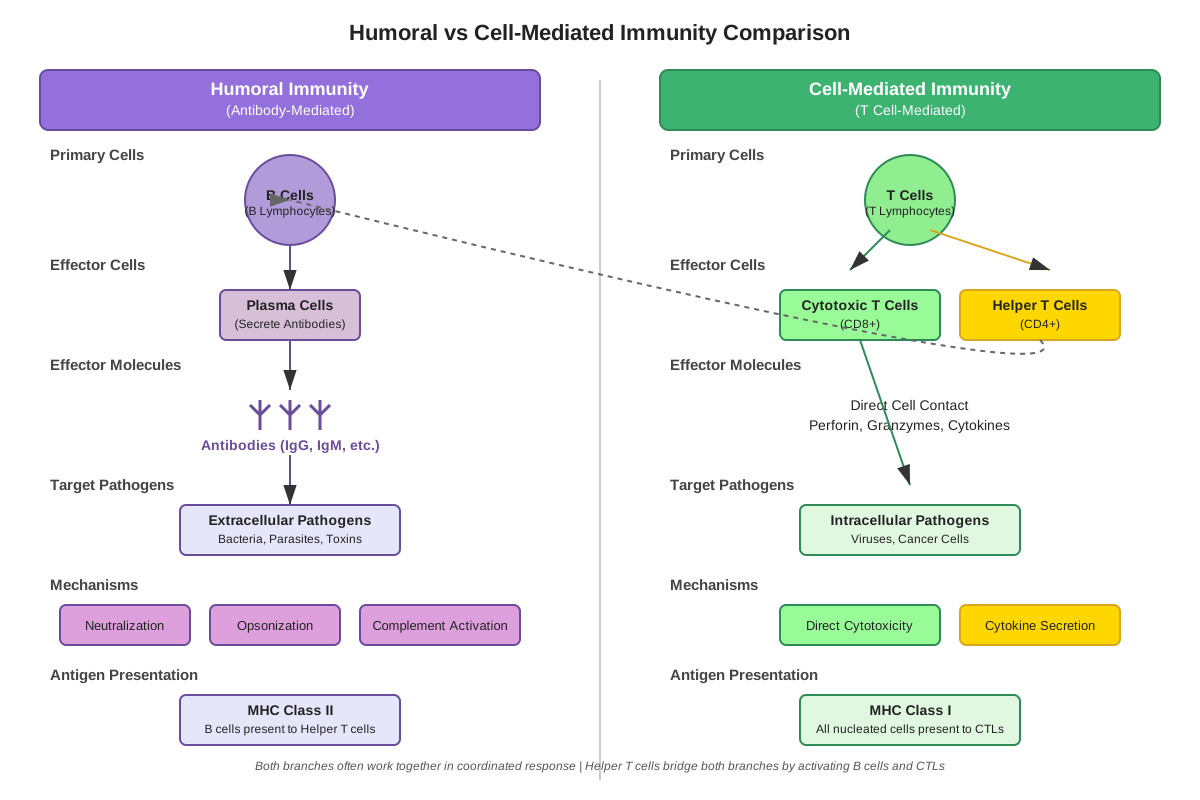
The adaptive immune system comprises two major branches: humoral immunity mediated by B lymphocytes (B cells) that produce antibodies, and cell-mediated immunity executed by T lymphocytes (T cells) that directly kill infected cells or coordinate immune responses. Both cell types originate from hematopoietic stem cells in bone marrow but undergo distinct maturation processes—B cells mature in bone marrow while T cells mature in the thymus.
Antigen Recognition and Lymphocyte Receptors
Antigens are molecules (typically proteins, polysaccharides, lipids, or nucleic acids) that can be recognized by adaptive immune receptors. An epitope (or antigenic determinant) represents the specific molecular region that binds to a lymphocyte receptor. Most antigens contain multiple epitopes, allowing recognition by different lymphocytes.
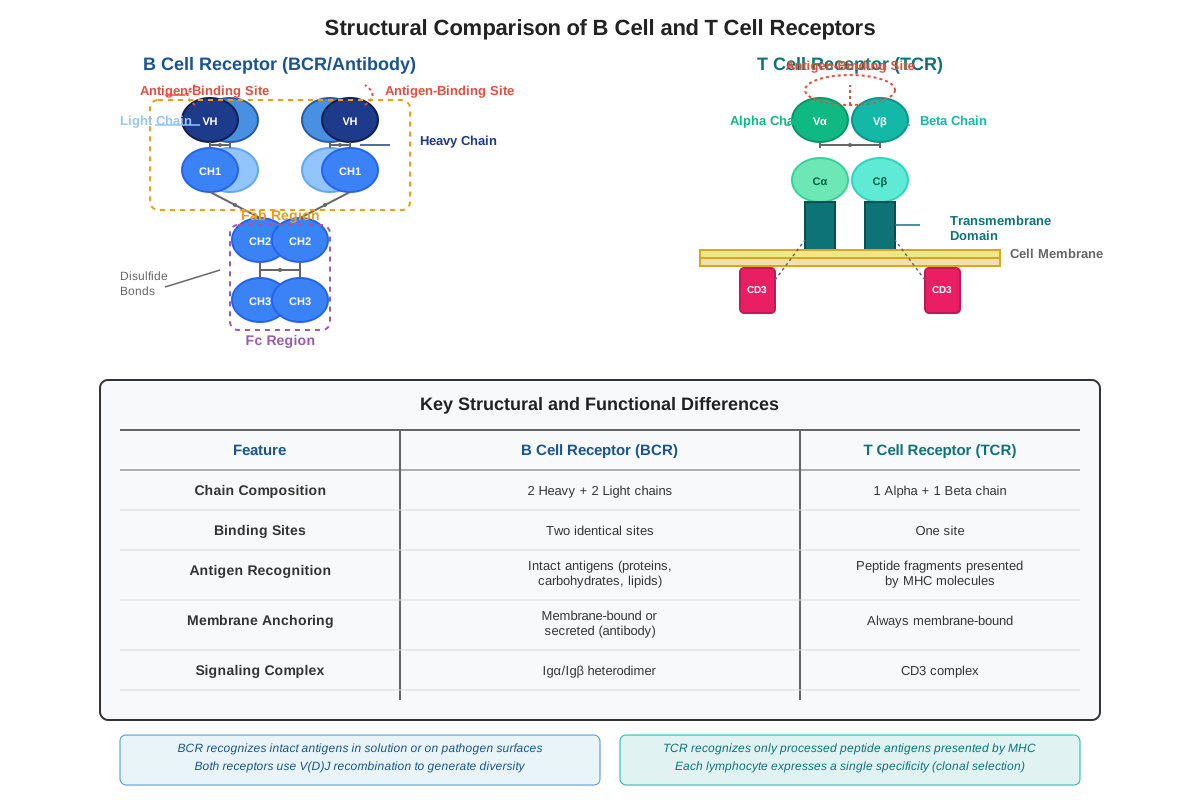
B cells express B cell receptors (BCRs), which are membrane-bound antibodies (immunoglobulins) that directly bind intact antigens in their native three-dimensional conformation. Each B cell expresses approximately 100,000 identical BCR molecules, all recognizing the same epitope. T cells express T cell receptors (TCRs), which differ fundamentally from BCRs in that they only recognize processed antigen fragments (peptides) presented on the surface of other cells by major histocompatibility complex (MHC) molecules. This requirement for antigen presentation is called MHC restriction.
Major Histocompatibility Complex (MHC)
MHC molecules are cell-surface glycoproteins that display peptide fragments for T cell recognition. Humans express two classes with distinct functions:
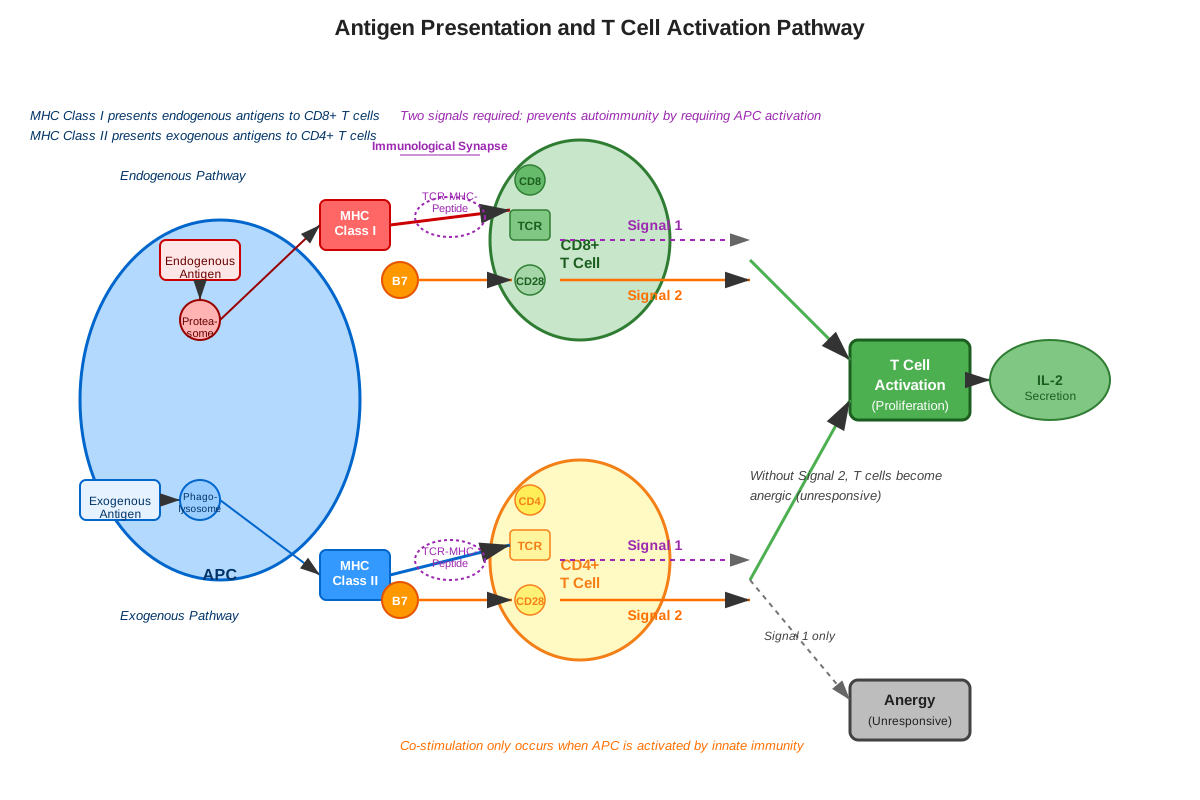
MHC Class I molecules are expressed on all nucleated cells and present intracellular peptides (8-10 amino acids) to CD8+ T cells (cytotoxic T lymphocytes). The peptides displayed typically derive from normal cellular proteins, but during viral infection or malignant transformation, abnormal peptides appear, marking the cell for destruction. The MHC Class I presentation pathway involves: (1) protein degradation by proteasomes in the cytoplasm; (2) peptide transport into the endoplasmic reticulum via TAP transporters; (3) peptide loading onto MHC Class I molecules; and (4) transport to the cell surface.
MHC Class II molecules are expressed only on antigen-presenting cells (APCs)—dendritic cells, macrophages, and B cells—and present extracellular peptides (13-25 amino acids) to CD4+ T cells (helper T cells). The MHC Class II pathway involves: (1) endocytosis of extracellular antigens; (2) fusion of endosomes with lysosomes containing MHC Class II molecules; (3) peptide loading onto MHC Class II in the acidic endosomal compartment; and (4) transport to the cell surface.
| Feature | MHC Class I | MHC Class II |
|---|---|---|
| Expression | All nucleated cells | APCs only (dendritic cells, macrophages, B cells) |
| Peptide source | Intracellular (cytoplasmic proteins) | Extracellular (endocytosed antigens) |
| Peptide length | 8-10 amino acids | 13-25 amino acids |
| Recognized by | CD8+ T cells (cytotoxic) | CD4+ T cells (helper) |
| Function | Display cellular contents for immune surveillance | Present foreign antigens to initiate adaptive responses |
Humoral Immunity and B Cell Activation
Humoral immunity provides defense against extracellular pathogens and toxins through antibody production. The process begins when a naive B cell (one that has never encountered its specific antigen) binds antigen via its BCR. For most antigens (T-dependent antigens), full B cell activation requires two signals:
- Signal 1: BCR cross-linking by antigen, which triggers receptor-mediated endocytosis, antigen processing, and presentation on MHC Class II molecules
- Signal 2: Interaction with an activated helper T cell (Th2) that recognizes the same antigen presented on the B cell's MHC Class II, providing co-stimulatory signals and cytokines (particularly IL-4, IL-5, IL-6)
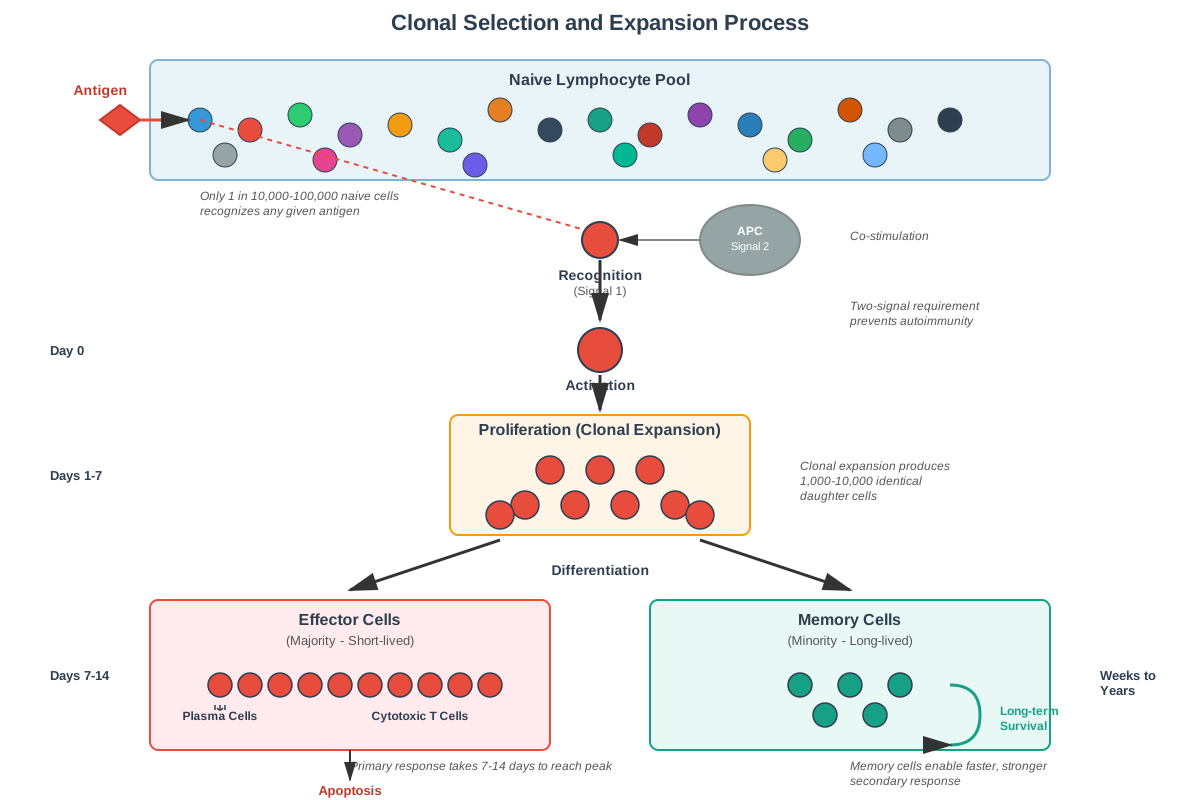
Following activation, B cells undergo clonal expansion—rapid proliferation producing thousands of identical daughter cells. These differentiate into two populations: plasma cells that secrete large quantities of antibodies (up to 2,000 molecules per second), and memory B cells that persist long-term and enable rapid responses upon re-exposure.
During clonal expansion in germinal centers of lymph nodes, activated B cells undergo two critical processes:
Somatic hypermutation introduces point mutations in the variable regions of antibody genes at rates one million times higher than normal mutation rates. B cells producing antibodies with higher antigen affinity receive stronger survival signals—a process called affinity maturation that progressively improves antibody quality.
Class switching (isotype switching) changes the antibody's constant region while preserving antigen specificity, altering the antibody's effector functions. For example, switching from IgM to IgG enhances complement activation and placental transfer, while switching to IgA enables secretion into mucosal surfaces, and switching to IgE mediates allergic responses and anti-parasitic immunity.
Antibody Structure and Function
Antibodies (immunoglobulins) are Y-shaped glycoproteins composed of four polypeptide chains: two identical heavy chains and two identical light chains, connected by disulfide bonds. Each chain contains a variable (V) region responsible for antigen binding and a constant (C) region determining effector functions.
The antibody molecule contains two identical antigen-binding sites (Fab regions) at the tips of the Y, each formed by the variable regions of one heavy and one light chain. This structure allows bivalent binding—simultaneous attachment to two epitopes—which increases binding strength (avidity) and enables cross-linking of antigens. The stem of the Y (Fc region) interacts with immune system components, binding to Fc receptors on phagocytes and activating complement.
Five antibody classes (isotypes) exist, each with distinct functions:
- IgM: First antibody produced during primary responses; pentameric structure provides 10 antigen-binding sites; excellent at complement activation and agglutination; cannot cross placenta
- IgG: Most abundant antibody in blood (75% of total); monomeric; crosses placenta providing passive immunity to fetus; activates complement; enhances phagocytosis (opsonization); neutralizes toxins and viruses
- IgA: Predominant antibody in secretions (tears, saliva, breast milk, mucus); dimeric in secretions; protects mucosal surfaces; resists degradation by digestive enzymes
- IgE: Binds to mast cells and basophils via Fc receptors; triggers degranulation and histamine release during allergic reactions; important for anti-parasitic immunity
- IgD: Functions as BCR on naive B cells; role in B cell activation
Cell-Mediated Immunity and T Cell Activation
Cell-mediated immunity targets intracellular pathogens (viruses, some bacteria, parasites) and abnormal cells (cancer, transplanted tissue). T cell activation requires three signals:
- Signal 1: TCR recognition of peptide-MHC complex on an APC
- Signal 2: Co-stimulatory molecules (B7 on APC binding CD28 on T cell)
- Signal 3: Cytokines that direct differentiation
Dendritic cells serve as the primary APCs initiating T cell responses. After encountering pathogens in peripheral tissues, dendritic cells mature, upregulate MHC and co-stimulatory molecules, and migrate to lymph nodes where they present antigens to naive T cells. This process bridges innate and adaptive immunity.
Activated CD4+ T cells differentiate into several helper T cell subsets, each producing distinct cytokine profiles:
- Th1 cells: Produce IFN-γ and IL-2; activate macrophages and promote cell-mediated immunity against intracellular pathogens
- Th2 cells: Produce IL-4, IL-5, IL-13; promote humoral immunity and defend against extracellular parasites; involved in allergic responses
- Th17 cells: Produce IL-17; recruit neutrophils; defend against extracellular bacteria and fungi
- Regulatory T cells (Tregs): Produce IL-10 and TGF-β; suppress immune responses; maintain self-tolerance; prevent autoimmunity
CD8+ cytotoxic T lymphocytes (CTLs) recognize peptide-MHC Class I complexes on infected or abnormal cells. Upon recognition, CTLs release cytotoxic granules containing perforin (forms pores in target cell membranes) and granzymes (serine proteases that activate apoptosis). CTLs also express Fas ligand, which binds Fas receptors on target cells, triggering the extrinsic apoptosis pathway. This mechanism allows CTLs to kill infected cells while minimizing inflammation and tissue damage.
Clonal Selection Theory
The clonal selection theory explains how adaptive immunity achieves specificity and memory. Key principles include:
- Lymphocyte diversity pre-exists: Before encountering antigen, the body contains millions of lymphocyte clones, each with unique antigen specificity generated through random gene rearrangement
- Antigen selects specific clones: When antigen enters the body, it binds only to lymphocytes with complementary receptors, activating those specific clones
- Clonal expansion amplifies response: Selected lymphocytes proliferate, producing large populations of identical cells
- Differentiation produces effectors and memory cells: Some progeny become effector cells (plasma cells or CTLs) that eliminate the immediate threat, while others become memory cells providing long-term protection
This theory elegantly explains how the immune system can respond to virtually any antigen without requiring genetic information about potential pathogens.
Primary versus Secondary Immune Responses
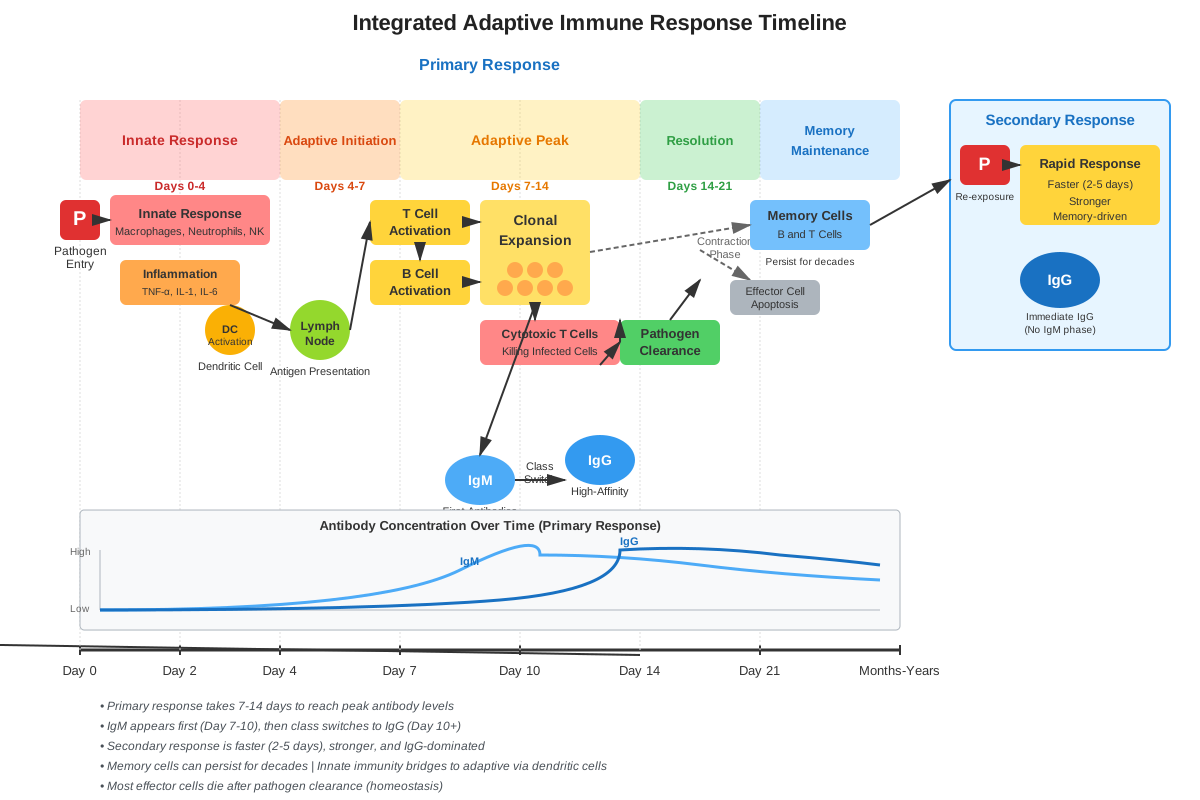
The primary immune response occurs upon first exposure to an antigen. After a lag phase of 5-10 days (time required for clonal selection and expansion), antibody levels gradually rise, peak at 10-14 days, then decline. The initial antibody produced is predominantly IgM, later supplemented by IgG after class switching occurs.
The secondary immune response occurs upon re-exposure to the same antigen. Due to memory cells, this response exhibits: (1) shorter lag phase (1-3 days); (2) higher peak antibody levels (10-100 times greater); (3) longer duration of elevated antibody; (4) predominance of IgG from the start; and (5) higher antibody affinity due to prior affinity maturation. These characteristics explain vaccine effectiveness and lifelong immunity to many childhood diseases.
Immunological Memory
Memory cells (both B and T cells) persist for years to decades after antigen clearance, maintained through occasional cell division stimulated by cytokines and low-level antigen exposure. Memory cells differ from naive cells in several ways: (1) lower activation threshold—require less co-stimulation; (2) faster response kinetics; (3) altered trafficking patterns—circulate through tissues more efficiently; and (4) in the case of memory B cells, higher affinity receptors due to somatic hypermutation.
Memory T cells include central memory T cells (TCM) that reside in lymphoid organs and provide long-term protection, and effector memory T cells (TEM) that circulate through peripheral tissues providing immediate local protection. This distribution ensures both rapid local responses and sustained systemic immunity.
Self-Tolerance and Autoimmunity
Self-tolerance prevents adaptive immunity from attacking the body's own tissues. Two mechanisms establish tolerance:
Central tolerance occurs during lymphocyte development. In the thymus, developing T cells undergo positive selection (survival of cells that can recognize self-MHC) and negative selection (deletion of cells that strongly recognize self-antigens presented on MHC). Similarly, B cells that strongly recognize self-antigens in bone marrow undergo deletion or receptor editing (changing their BCR specificity).
Peripheral tolerance maintains tolerance in mature lymphocytes through several mechanisms: (1) anergy—functional inactivation when lymphocytes encounter antigen without co-stimulation; (2) deletion—activation-induced cell death; (3) ignorance—physical separation of self-antigens from immune system; and (4) suppression—active inhibition by regulatory T cells.
Failure of tolerance mechanisms results in autoimmune diseases where the immune system attacks self-tissues. Examples include type 1 diabetes (T cell attack on pancreatic β cells), rheumatoid arthritis (antibodies against joint tissues), and multiple sclerosis (T cell attack on myelin).
Quick check — test yourself on Adaptive immunity so far.
Try Flashcards →Concept Relationships
The concepts within adaptive immunity form an integrated network of cellular and molecular interactions. Antigen recognition serves as the initiating event, with B cells recognizing intact antigens via BCRs while T cells recognize processed peptides presented by MHC molecules. This fundamental difference determines that humoral immunity (B cell-mediated) targets extracellular pathogens, while cell-mediated immunity (T cell-mediated) addresses intracellular threats.
MHC restriction connects to T cell activation because TCRs must simultaneously recognize both the peptide antigen and the MHC molecule presenting it. This dual recognition ensures T cells only respond to antigens displayed by the body's own cells. The distinction between MHC Class I and Class II creates a functional division: CD8+ T cells → recognize MHC Class I → kill infected cells, while CD4+ T cells → recognize MHC Class II → coordinate immune responses by helping B cells and activating macrophages.
Clonal selection provides the mechanistic basis for both specificity and memory. Antigen selectively activates lymphocytes with complementary receptors → triggers clonal expansion → produces both effector cells (immediate response) and memory cells (future protection). This process explains why primary responses differ from secondary responses: memory cells generated during the primary response enable faster, stronger secondary responses.
Helper T cells serve as central coordinators, linking multiple immune components. Th2 cells → provide Signal 2 for B cell activation → enable antibody production, while Th1 cells → activate macrophages → enhance cell-mediated immunity. Regulatory T cells provide negative regulation, preventing excessive responses and maintaining self-tolerance.
The relationship to prerequisite topics includes: innate immunity → dendritic cells capture antigens → migrate to lymph nodes → present antigens to T cells → initiate adaptive responses. Protein structure determines antibody specificity through complementary shape between antigen-binding sites and epitopes. Gene rearrangement (genetics) generates the diversity of lymphocyte receptors, enabling recognition of millions of potential antigens.
Connections to related topics: Adaptive immunity links to endocrine system through cytokine signaling, to hematology through lymphocyte development from hematopoietic stem cells, and to molecular biology through antibody gene structure and expression. Understanding these relationships enables integrated problem-solving on complex MCAT passages.
High-Yield Facts
⭐ MHC Class I molecules present intracellular antigens to CD8+ T cells; MHC Class II molecules present extracellular antigens to CD4+ T cells
⭐ B cells produce antibodies (humoral immunity) targeting extracellular pathogens; T cells mediate cell-mediated immunity targeting intracellular pathogens
⭐ Secondary immune responses are faster, stronger, and produce predominantly IgG due to memory cells generated during primary responses
⭐ Clonal selection explains how antigen exposure selectively activates and expands specific lymphocyte clones with complementary receptors
⭐ Helper T cells (CD4+) require two signals for activation: TCR-peptide-MHC interaction (Signal 1) and co-stimulation (Signal 2)
- IgM is the first antibody produced during primary responses; IgG is most abundant in blood and provides long-term immunity
- Plasma cells are differentiated B cells specialized for high-rate antibody secretion; memory B cells provide long-term protection
- Cytotoxic T lymphocytes (CTLs) kill infected cells using perforin and granzymes to induce apoptosis
- Somatic hypermutation and affinity maturation improve antibody quality during immune responses
- Central tolerance (thymic selection for T cells, bone marrow selection for B cells) eliminates self-reactive lymphocytes during development
- Regulatory T cells suppress immune responses and maintain self-tolerance, preventing autoimmunity
- Dendritic cells are the most effective antigen-presenting cells, bridging innate and adaptive immunity
- Antibody class switching changes effector functions while maintaining antigen specificity
- Memory T cells include central memory (lymphoid organs) and effector memory (peripheral tissues) subsets
- Vaccines work by generating memory cells without causing disease, enabling rapid secondary responses upon pathogen exposure
Common Misconceptions
Misconception: All immune cells can present antigens to T cells.
Correction: Only specialized antigen-presenting cells (APCs)—dendritic cells, macrophages, and B cells—express MHC Class II molecules required to present antigens to CD4+ T cells. While all nucleated cells express MHC Class I and can present to CD8+ T cells, only professional APCs efficiently initiate adaptive immune responses because they also provide essential co-stimulatory signals.
Misconception: B cells and T cells recognize antigens in the same way.
Correction: B cell receptors (BCRs) bind intact, native antigens in their three-dimensional conformation, while T cell receptors (TCRs) only recognize processed peptide fragments presented on MHC molecules. This fundamental difference means B cells can recognize any molecular structure (proteins, carbohydrates, lipids), while T cells primarily recognize protein-derived peptides.
Misconception: Memory cells are simply long-lived effector cells.
Correction: Memory cells are functionally distinct from effector cells. While effector cells (plasma cells, active CTLs) are short-lived and specialized for immediate pathogen elimination, memory cells are long-lived, quiescent, and require lower activation thresholds. Memory B cells do not secrete antibodies until re-activated; they must differentiate into plasma cells upon antigen re-exposure.
Misconception: The secondary immune response is stronger because the body produces more diverse antibodies.
Correction: The secondary response is stronger because memory cells specific to the antigen rapidly expand and differentiate, producing large quantities of high-affinity antibodies. The response is actually less diverse (more focused) than the primary response because it derives from selected, affinity-matured clones rather than the initial diverse population of naive B cells.
Misconception: CD4 and CD8 molecules are the T cell receptors that recognize antigens.
Correction: CD4 and CD8 are co-receptors that stabilize TCR-MHC interactions but do not directly recognize antigens. The T cell receptor (TCR) itself recognizes the peptide-MHC complex. CD4 binds to MHC Class II molecules (on helper T cells), while CD8 binds to MHC Class I molecules (on cytotoxic T cells), reinforcing the appropriate T cell-APC interactions.
Misconception: Antibodies directly kill pathogens.
Correction: Antibodies do not directly kill pathogens. Instead, they neutralize pathogens (blocking attachment to host cells), opsonize them (marking for phagocytosis), agglutinate them (clumping for easier removal), and activate complement (which can lyse pathogens or enhance phagocytosis). The actual killing is performed by phagocytes, complement proteins, or other immune effectors recruited by antibodies.
Misconception: Autoimmune diseases result from overactive immune responses.
Correction: Autoimmune diseases result from loss of self-tolerance—the immune system inappropriately recognizes self-antigens as foreign. This is qualitatively different from an overactive immune response to foreign antigens. The response intensity may be normal, but it is misdirected against the body's own tissues due to failure of central or peripheral tolerance mechanisms.
Worked Examples
Example 1: Analyzing Immune Response Timeline
Question: A patient receives a vaccine containing inactivated viral proteins. Blood samples are collected at days 0, 7, 14, 21, and 28 post-vaccination. At day 14, predominantly IgM antibodies are detected. At day 28, IgG levels are high while IgM levels have declined. Six months later, the patient is exposed to the live virus. Within 3 days, high levels of IgG antibodies are detected. Explain the immunological basis for these observations.
Solution:
Step 1 - Identify the response type: The initial vaccination triggers a primary adaptive immune response because the patient has no prior exposure to these viral antigens.
Step 2 - Explain day 14 results: The 7-14 day lag before antibody detection reflects the time required for: (1) antigen uptake and processing by APCs; (2) APC migration to lymph nodes; (3) T cell activation; (4) B cell activation by helper T cells; (5) clonal expansion; and (6) differentiation into plasma cells. IgM predominates initially because naive B cells first express IgM, and class switching to IgG requires additional time and signals.
Step 3 - Explain day 28 results: By day 28, class switching has occurred in germinal centers of lymph nodes, driven by cytokines from helper T cells. B cells switch from producing IgM to IgG while maintaining the same antigen specificity. IgM levels decline because IgM-producing plasma cells are short-lived. Simultaneously, memory B cells are generated and persist.
Step 4 - Explain the secondary response: Upon viral exposure six months later, memory B cells rapidly recognize the viral antigens. Because memory cells: (1) require lower activation thresholds; (2) have already undergone class switching; and (3) possess high-affinity receptors from prior affinity maturation, they quickly differentiate into IgG-secreting plasma cells. The 3-day response time (versus 14 days initially) and immediate IgG production (versus initial IgM) are hallmarks of secondary immune responses.
Key Concept Connection: This example demonstrates clonal selection (specific B cells activated by vaccine antigens), class switching (IgM to IgG transition), memory cell generation, and the quantitative and qualitative differences between primary and secondary responses—all core adaptive immunity concepts.
Example 2: Predicting Immune Deficiency Outcomes
Question: A genetic mutation prevents expression of MHC Class II molecules. Predict the specific immune deficiencies this patient would experience and explain which types of infections would pose the greatest risk.
Solution:
Step 1 - Identify affected cell types: MHC Class II molecules are expressed on antigen-presenting cells (dendritic cells, macrophages, B cells) and present extracellular antigens to CD4+ helper T cells. Without MHC Class II, CD4+ T cells cannot be activated because they require recognition of peptide-MHC Class II complexes.
Step 2 - Determine functional consequences: CD4+ helper T cells coordinate both humoral and cell-mediated immunity:
- Humoral immunity impact: B cells require helper T cell signals (particularly from Th2 cells) for full activation, class switching, and affinity maturation. Without helper T cell assistance, B cells can only mount weak responses to T-independent antigens (polysaccharides), producing primarily low-affinity IgM. Responses to protein antigens would be severely impaired.
- Cell-mediated immunity impact: Th1 cells activate macrophages to kill intracellular bacteria. Without Th1 help, macrophages cannot effectively eliminate pathogens they have phagocytosed.
Step 3 - Predict infection susceptibility: The patient would be highly susceptible to:
- Extracellular bacteria requiring antibody responses (Streptococcus, Staphylococcus) due to impaired humoral immunity
- Intracellular bacteria (Mycobacterium, Listeria) due to inability to activate macrophages
- Fungi (Candida, Pneumocystis) due to impaired Th17 responses
- Viruses would pose moderate risk; while CD8+ T cell responses (MHC Class I-dependent) remain intact, the lack of antibody responses would impair viral neutralization
Step 4 - Identify preserved functions: CD8+ cytotoxic T cell responses would remain functional because they recognize MHC Class I (not Class II). However, CD8+ T cell activation is often enhanced by CD4+ T cell help, so even these responses might be suboptimal.
Key Concept Connection: This example requires understanding MHC restriction, the distinct roles of CD4+ versus CD8+ T cells, the requirement for helper T cells in B cell activation, and the relationship between immune cell types and pathogen categories—integrating multiple adaptive immunity concepts to predict clinical outcomes.
Exam Strategy
Approaching Adaptive Immunity Questions:
- Identify the immune component: Determine whether the question involves B cells/antibodies (humoral) or T cells (cell-mediated). Trigger words include "antibody," "immunoglobulin," "plasma cell" (humoral) versus "cytotoxic," "infected cell," "MHC" (cell-mediated).
- Determine the pathogen location: Extracellular pathogens (bacteria in blood, toxins) → humoral immunity; intracellular pathogens (viruses, intracellular bacteria) → cell-mediated immunity. This distinction helps predict which immune components are relevant.
- Recognize timeline clues: "First exposure," "initial response," "day 10-14" → primary response (IgM predominant, slower, lower magnitude); "re-exposure," "previously vaccinated," "day 2-3" → secondary response (IgG predominant, faster, higher magnitude).
- Apply MHC logic: If the question mentions antigen presentation, immediately determine: MHC Class I (all nucleated cells) → CD8+ T cells → kill infected cells; MHC Class II (APCs only) → CD4+ T cells → coordinate responses.
Trigger Words and Phrases:
- "Memory cells," "anamnestic response," "booster" → secondary immune response
- "Opsonization," "complement activation," "neutralization" → antibody functions
- "Perforin," "granzyme," "apoptosis" → cytotoxic T cell mechanisms
- "Germinal center," "somatic hypermutation," "affinity maturation" → B cell development in lymph nodes
- "Thymic selection," "central tolerance" → T cell development and self-tolerance
- "Clonal expansion," "differentiation" → lymphocyte activation process
Process of Elimination Tips:
- Eliminate options confusing B and T cell functions (e.g., "T cells produce antibodies" is always wrong)
- Eliminate options suggesting antibodies directly kill pathogens (they mark or neutralize; other cells kill)
- Eliminate options placing MHC Class I on APCs exclusively (it's on all nucleated cells)
- Eliminate options suggesting primary responses are faster than secondary responses
- Watch for options incorrectly stating that memory cells are actively secreting antibodies (memory B cells are quiescent until re-activated)
Time Allocation: For discrete questions, spend 30-45 seconds identifying the immune component and applying core principles. For passage-based questions, spend 1-2 minutes analyzing experimental data (antibody titers, flow cytometry, cell counts) before attempting questions. If a question requires tracing a multi-step immune response, quickly sketch the sequence (antigen → APC → T cell → B cell → antibody) to avoid missing steps.
Memory Techniques
Mnemonic for Antibody Classes (by abundance in serum): "Good Antibodies Make Excellent Defense"
- Good = IgG (most abundant, 75%)
- Antibodies = IgA (second, 15%)
- Make = IgM (third, 10%)
- Excellent = IgE (trace amounts)
- Defense = IgD (trace amounts)
Mnemonic for MHC Class Distinction: "1 × 8 = 8; 2 × 4 = 8"
- MHC Class 1 presents to CD8+ cells
- MHC Class 2 presents to CD4+ cells
- (Both equal 8, helping you remember the pairing)
Mnemonic for Helper T Cell Subsets: "The 1st helps cells; the 2nd helps antibodies"
- Th1 → cell-mediated immunity (activates macrophages, promotes CTL responses)
- Th2 → humoral immunity (helps B cells make antibodies)
Visualization for Clonal Selection: Picture a lock (antigen) floating through a room full of keys (lymphocytes). Only the matching key fits the lock. When it does, that key makes thousands of copies of itself—some copies immediately open locks (effector cells), while others are stored in a safe for future use (memory cells).
Acronym for B Cell Activation Requirements: "BAC" (like bacteria)
- BCR cross-linking (Signal 1)
- APC presentation to helper T cell
- Co-stimulation and cytokines (Signal 2)
Visualization for Primary vs. Secondary Response: Imagine climbing a mountain (primary response): slow start, gradual climb, moderate peak, tired descent. Now imagine taking a helicopter (secondary response): rapid ascent, higher peak, sustained elevation. The helicopter represents memory cells providing a "shortcut."
Memory Palace for Antibody Functions: Place each antibody class in a room of a house:
- Kitchen (IgA): Protects the "entry points" (mouth, gut) like IgA protects mucosal surfaces
- Living Room (IgG): Most common space (most abundant antibody); family photos (crosses placenta to baby)
- Basement (IgM): First room built (first antibody produced); large pentamer structure like basement storage
- Attic (IgE): Triggers alarm system (allergic reactions); rarely visited (lowest concentration)
- Doorway (IgD): Guards entrance (BCR on naive B cells acting as sentinel)
Summary
Adaptive immunity represents the specific, memory-forming branch of the immune system, mediated by lymphocytes that recognize particular antigens through highly diverse receptors. B cells execute humoral immunity by producing antibodies that neutralize extracellular pathogens, while T cells mediate cell-mediated immunity by killing infected cells (CD8+ CTLs) or coordinating immune responses (CD4+ helper T cells). The system's effectiveness depends on MHC-restricted antigen presentation, with MHC Class I molecules presenting intracellular antigens to CD8+ T cells and MHC Class II molecules presenting extracellular antigens to CD4+ T cells. Clonal selection explains how antigen exposure selectively activates specific lymphocyte clones, producing both short-lived effector cells for immediate defense and long-lived memory cells for enhanced future responses. Primary immune responses develop slowly over 10-14 days and produce predominantly IgM, while secondary responses occur within 2-3 days and generate high levels of IgG due to pre-existing memory cells. Self-tolerance mechanisms, including central tolerance during lymphocyte development and peripheral tolerance in mature cells, normally prevent autoimmunity. For the MCAT, students must understand the cellular interactions underlying adaptive immunity, distinguish between humoral and cell-mediated responses, predict immune outcomes based on pathogen characteristics, and analyze experimental immunology data.
Key Takeaways
- Adaptive immunity provides antigen-specific, memory-forming defense through B cells (humoral immunity) and T cells (cell-mediated immunity)
- MHC Class I presents intracellular antigens to CD8+ T cells; MHC Class II presents extracellular antigens to CD4+ T cells—this distinction determines which T cell subset responds
- Clonal selection explains specificity and memory: antigen selectively activates matching lymphocytes, which proliferate into effector cells (immediate response) and memory cells (long-term protection)
- Secondary immune responses are faster, stronger, and produce predominantly IgG because memory cells generated during primary responses enable rapid reactivation
- B cell activation requires BCR cross-linking plus helper T cell signals; activated B cells differentiate into antibody-secreting plasma cells and memory B cells
- Antibodies do not directly kill pathogens but neutralize them, mark them for phagocytosis (opsonization), activate complement, and prevent pathogen attachment to host cells
- Self-tolerance through central (developmental) and peripheral (mature cell) mechanisms prevents autoimmunity; failure of tolerance causes autoimmune diseases
Related Topics
Innate Immunity: Understanding innate immunity provides essential context for adaptive immunity, as innate immune cells (particularly dendritic cells) initiate adaptive responses through antigen presentation. Mastering both systems enables comprehensive understanding of integrated immune defense.
Immunological Disorders: Building on adaptive immunity foundations, this topic explores autoimmune diseases, immunodeficiencies, hypersensitivity reactions, and transplant rejection—all clinical manifestations of adaptive immune dysfunction.
Hematology and Lymphatic System: Lymphocyte development from hematopoietic stem cells and trafficking through lymphoid organs (thymus, lymph nodes, spleen) provides anatomical and developmental context for adaptive immunity.
Cell Signaling: Cytokines, co-stimulatory molecules, and intracellular signaling cascades mediate lymphocyte activation and differentiation. Understanding these molecular mechanisms deepens comprehension of immune regulation.
Molecular Biology and Genetics: V(D)J recombination generates antibody and TCR diversity through gene rearrangement—a unique genetic mechanism essential for adaptive immunity's vast antigen recognition capacity.
Practice CTA
Now that you've mastered the core concepts of adaptive immunity, reinforce your understanding by attempting practice questions and flashcards. Focus on questions requiring you to distinguish between humoral and cell-mediated responses, predict immune outcomes based on pathogen characteristics, and analyze experimental immunology data. Pay special attention to passage-based questions integrating adaptive immunity with other biological concepts—these mirror actual MCAT questions. Remember, adaptive immunity frequently appears in interdisciplinary contexts, so practice applying these concepts to genetics, cell biology, and physiology scenarios. Your ability to rapidly identify immune components, apply MHC logic, and distinguish primary from secondary responses will significantly enhance your performance on test day. Keep pushing forward—mastery of adaptive immunity opens doors to understanding numerous clinical and experimental scenarios you'll encounter on the MCAT!
Sign up free to keep reading
Create a free AnvayaPrep account to finish this MCAT guide on Adaptive immunity — plus flashcards and practice questions.