Overview
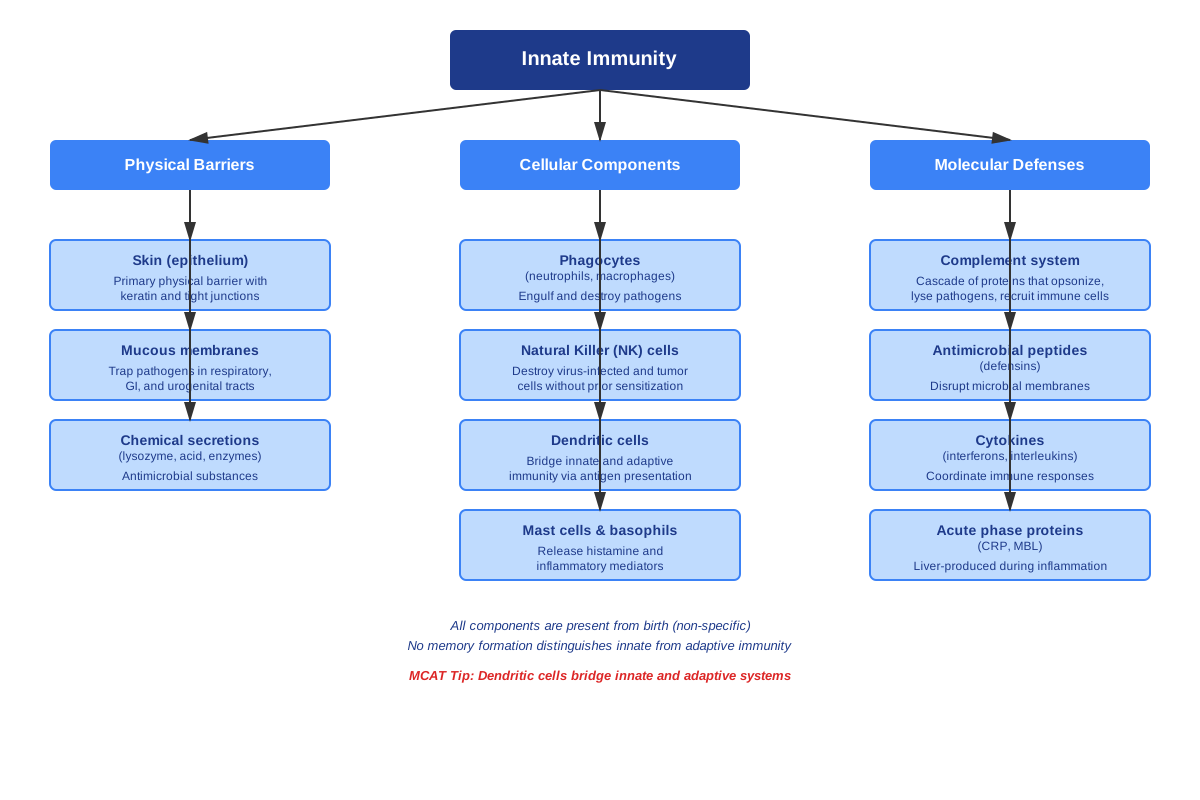
Innate immunity represents the body's first line of defense against pathogens and is a critical component of the immune system that students must master for the MCAT. Unlike adaptive immunity, which develops specific responses to particular pathogens over time, innate immunity provides immediate, non-specific protection that is present from birth. This ancient evolutionary defense mechanism includes physical barriers like skin and mucous membranes, cellular components such as phagocytes and natural killer cells, and molecular defenses including complement proteins and antimicrobial peptides. Understanding innate immunity is essential for comprehending how the body maintains homeostasis and responds to threats in real-time.
For the MCAT, innate immunity Biology appears frequently in passages related to Physiology and Organ Systems, often integrated with questions about inflammation, wound healing, infection response, and the transition to adaptive immunity. The topic bridges multiple disciplines tested on the exam, connecting cellular biology, biochemistry, and organ system physiology. Questions may present clinical vignettes describing patients with immune deficiencies, inflammatory conditions, or infectious diseases, requiring students to apply their understanding of innate immune mechanisms to novel scenarios.
The relationship between innate and adaptive immunity forms a cornerstone of immunology tested on the MCAT. While innate immunity provides rapid, generalized responses, it also serves as the critical bridge that activates and directs adaptive immune responses through antigen presentation and cytokine signaling. Mastering innate immunity MCAT concepts enables students to understand more complex immunological topics, including autoimmune diseases, vaccination mechanisms, and transplant rejection—all high-yield areas for the exam.
Learning Objectives
- [ ] Define innate immunity using accurate Biology terminology
- [ ] Explain why innate immunity matters for the MCAT
- [ ] Apply innate immunity to exam-style questions
- [ ] Identify common mistakes related to innate immunity
- [ ] Connect innate immunity to related Biology concepts
- [ ] Distinguish between the cellular and molecular components of innate immunity
- [ ] Describe the mechanisms of pathogen recognition by pattern recognition receptors
- [ ] Explain the inflammatory response cascade and its physiological consequences
- [ ] Compare and contrast innate immunity with adaptive immunity characteristics
Prerequisites
- Basic cell biology: Understanding of cell membrane structure, receptor-ligand interactions, and cellular organelles is essential for comprehending phagocytosis and intracellular pathogen destruction
- Protein structure and function: Knowledge of protein domains, enzymatic activity, and protein-protein interactions underlies complement cascade mechanisms and cytokine signaling
- Basic microbiology: Familiarity with bacterial, viral, and fungal structures helps students understand how innate immune components recognize and eliminate different pathogen types
- Cardiovascular system fundamentals: Understanding blood composition and circulation is necessary for grasping how immune cells traffic to infection sites
- Basic biochemistry: Knowledge of oxidation-reduction reactions and pH is required to understand mechanisms like the respiratory burst in phagocytes
Why This Topic Matters
Innate immunity represents a fundamental biological concept with profound clinical relevance. Every infection, wound, allergic reaction, and inflammatory disease involves innate immune responses. Clinically, deficiencies in innate immunity components lead to severe, recurrent infections—for example, chronic granulomatous disease results from defective phagocyte oxidative killing mechanisms, while complement deficiencies predispose patients to bacterial infections and autoimmune conditions. Understanding innate immunity is essential for future physicians to comprehend disease pathogenesis, interpret laboratory findings, and predict treatment responses.
On the MCAT, innate immunity appears in approximately 3-5% of Biological and Biochemical Foundations questions, with medium-to-high yield status. Questions typically appear in two formats: discrete questions testing specific mechanisms (such as complement activation pathways or phagocyte function) and passage-based questions presenting experimental data or clinical scenarios requiring application of innate immunity principles. Common passage themes include inflammatory diseases, infection models in animal studies, immune system development, and comparisons between innate and adaptive responses.
The topic frequently appears integrated with other high-yield areas. Passages may combine innate immunity with endocrine signaling (cortisol's anti-inflammatory effects), cardiovascular physiology (vasodilation during inflammation), or molecular biology (Toll-like receptor signaling pathways). The MCAT particularly favors questions requiring students to analyze experimental manipulations of immune components, interpret graphs showing cytokine levels or cell counts during infection, or predict outcomes when specific innate immunity elements are deficient or enhanced.
Core Concepts
Definition and Characteristics of Innate Immunity
Innate immunity constitutes the evolutionarily ancient, non-specific defense system that provides immediate protection against pathogens without requiring prior exposure. This system is characterized by several defining features that distinguish it from adaptive immunity. First, innate responses are rapid, typically activating within minutes to hours of pathogen encounter, compared to the days required for adaptive responses. Second, innate immunity is non-specific, meaning it recognizes broad classes of pathogens rather than specific antigens. Third, it demonstrates no memory—repeated exposures to the same pathogen elicit identical responses without enhancement. Fourth, innate immunity is germline-encoded, meaning all recognition molecules are genetically predetermined rather than generated through somatic recombination.
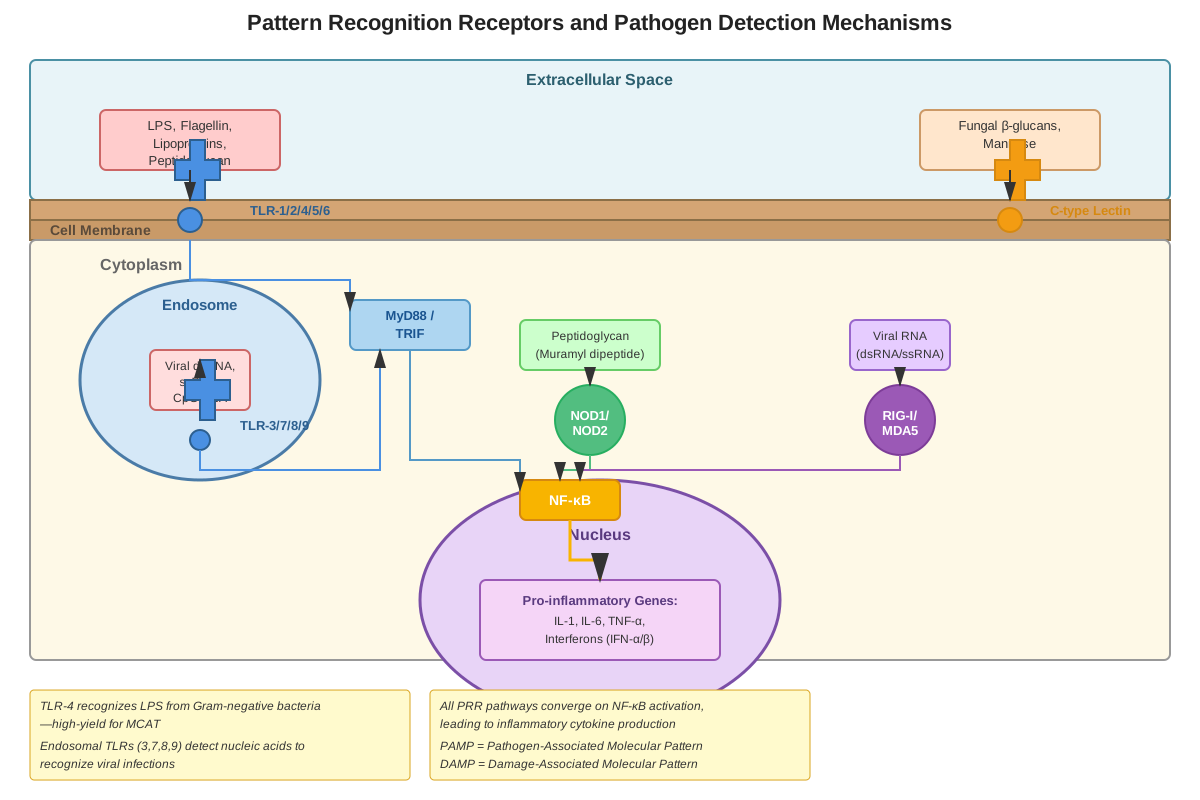
The innate immune system employs pattern recognition receptors (PRRs) that detect conserved molecular structures called pathogen-associated molecular patterns (PAMPs). These PAMPs include bacterial lipopolysaccharide (LPS), peptidoglycan, flagellin, viral double-stranded RNA, and unmethylated CpG DNA sequences. Because these molecular patterns are essential for pathogen survival and are not present in host cells, they serve as reliable danger signals. Additionally, innate immunity recognizes damage-associated molecular patterns (DAMPs)—molecules released from damaged or dying host cells, such as ATP, uric acid, and heat shock proteins—enabling responses to sterile injury.
Physical and Chemical Barriers
The first line of innate defense consists of physical barriers that prevent pathogen entry. The skin provides a keratinized, stratified squamous epithelium that is largely impermeable to microorganisms. The skin's acidic pH (4-6) and secretion of antimicrobial peptides called defensins and cathelicidins create a hostile environment for pathogens. Sebaceous glands produce fatty acids with antimicrobial properties, while the constant shedding of dead skin cells mechanically removes adherent microbes.
Mucous membranes line body cavities exposed to the external environment, including the respiratory, gastrointestinal, and genitourinary tracts. These surfaces secrete mucus, a viscous glycoprotein solution that traps pathogens and facilitates their removal. In the respiratory tract, ciliated epithelial cells create the mucociliary escalator, propelling mucus-trapped particles upward for expulsion through coughing or swallowing. The gastrointestinal tract employs additional chemical defenses: gastric acid (pH 1-3) destroys most ingested pathogens, while pancreatic enzymes and bile salts have antimicrobial properties. The intestinal epithelium secretes antimicrobial peptides and maintains a protective mucus layer that prevents bacterial contact with epithelial cells.
Other barrier mechanisms include lysozyme in tears, saliva, and other secretions, which cleaves peptidoglycan in bacterial cell walls; lactoferrin, which sequesters iron required for bacterial growth; and commensal microbiota that compete with pathogens for nutrients and attachment sites while producing antimicrobial substances.
Cellular Components of Innate Immunity
Phagocytes represent the primary cellular effectors of innate immunity. Neutrophils (polymorphonuclear leukocytes) are the most abundant white blood cells and the first responders to infection sites. These short-lived cells contain granules packed with antimicrobial enzymes and proteins. Neutrophils perform phagocytosis through several steps: (1) chemotaxis toward infection sites guided by chemokines and bacterial products, (2) recognition and binding of opsonized pathogens via complement receptors and Fc receptors, (3) engulfment into a phagosome, (4) fusion with lysosomes to form a phagolysosome, and (5) pathogen destruction through oxidative and non-oxidative mechanisms.
The respiratory burst represents a critical neutrophil killing mechanism. Upon phagocytosis, NADPH oxidase assembles at the phagosome membrane and generates superoxide anion (O₂⁻), which is converted to hydrogen peroxide (H₂O₂) by superoxide dismutase. Myeloperoxidase then converts H₂O₂ and chloride ions into hypochlorous acid (HOCl), a potent antimicrobial agent. Non-oxidative killing employs antimicrobial peptides, lysozyme, proteases, and lactoferrin contained in granules.
Macrophages are long-lived phagocytes derived from blood monocytes that reside in tissues. Unlike neutrophils, macrophages can present antigens to T cells, bridging innate and adaptive immunity. Tissue-specific macrophages include Kupffer cells (liver), alveolar macrophages (lungs), microglia (brain), and osteoclasts (bone). Macrophages secrete numerous cytokines—signaling proteins that coordinate immune responses—including tumor necrosis factor-alpha (TNF-α), interleukin-1 (IL-1), interleukin-6 (IL-6), and interleukin-12 (IL-12).
Natural killer (NK) cells are lymphocytes that destroy virus-infected cells and tumor cells without prior sensitization. NK cells recognize target cells through a balance of activating and inhibitory receptors. Healthy cells express major histocompatibility complex class I (MHC I) molecules that engage inhibitory receptors on NK cells, preventing activation. Virus-infected or transformed cells often downregulate MHC I to evade cytotoxic T cells, but this "missing self" triggers NK cell activation. Activated NK cells release perforin and granzymes, inducing target cell apoptosis, and secrete interferon-gamma (IFN-γ), which activates macrophages and enhances adaptive immunity.
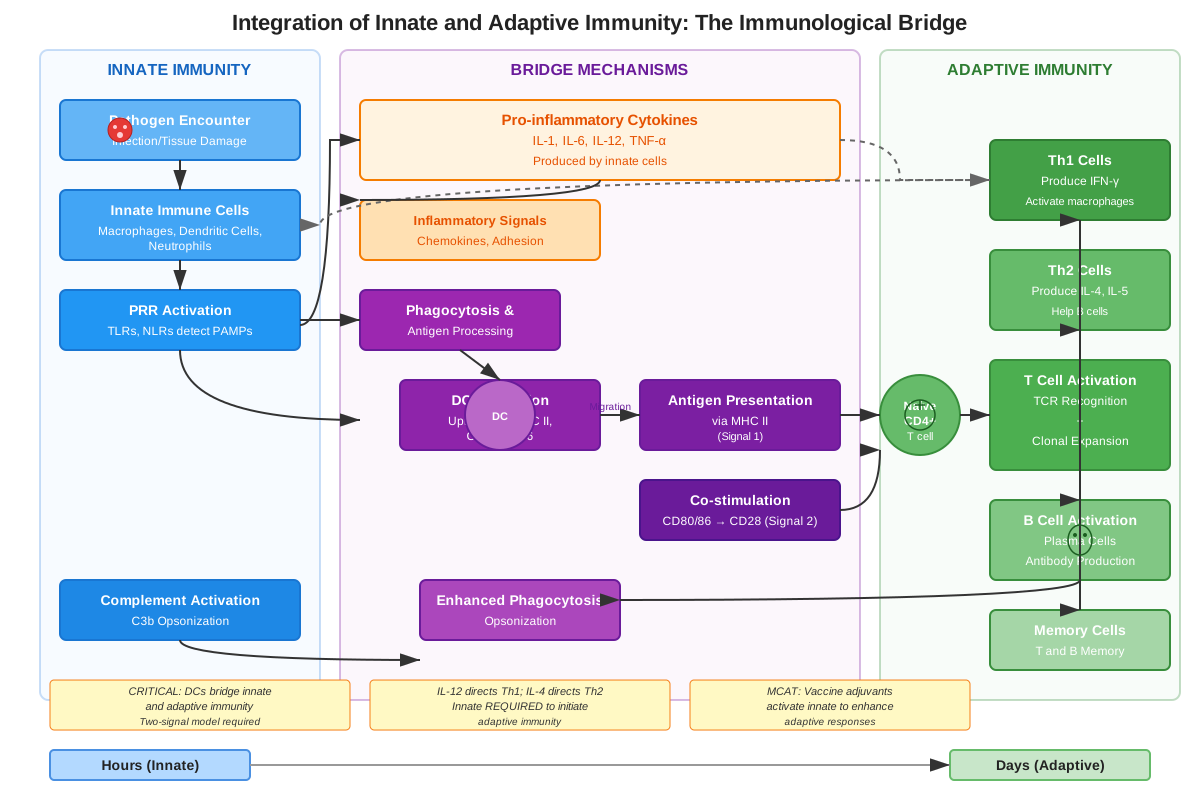
Dendritic cells serve as professional antigen-presenting cells that capture antigens in peripheral tissues, migrate to lymph nodes, and activate T cells. While this antigen presentation function connects to adaptive immunity, dendritic cells also participate in innate responses through PRR-mediated cytokine production and direct antimicrobial activity.
Eosinophils and basophils are granulocytes primarily involved in parasitic infections and allergic responses. Eosinophils release toxic granule proteins that damage large parasites too big for phagocytosis. Basophils and tissue-resident mast cells release histamine and other inflammatory mediators, contributing to acute inflammatory responses.
Molecular Components: The Complement System
The complement system comprises over 30 plasma and membrane-bound proteins that enhance pathogen clearance through three major functions: opsonization, inflammation promotion, and direct pathogen lysis. Three activation pathways converge on a common terminal pathway:
The classical pathway is typically initiated by antibodies bound to pathogen surfaces (connecting innate and adaptive immunity), though it can also be activated by C-reactive protein binding to bacterial surfaces. The pathway begins when C1 complex (C1q, C1r, C1s) binds to antibody-antigen complexes, leading to cleavage of C4 and C2 to form the C3 convertase (C4b2a).
The alternative pathway provides antibody-independent activation through spontaneous hydrolysis of C3 in plasma. Hydrolyzed C3 binds factor B, which is cleaved by factor D to form the alternative pathway C3 convertase (C3bBb). This pathway is amplified on pathogen surfaces but regulated on host cells by complement regulatory proteins.
The lectin pathway is initiated when mannose-binding lectin (MBL) or ficolins recognize carbohydrate patterns on pathogen surfaces. Associated MBL-associated serine proteases (MASPs) then cleave C4 and C2, forming the same C3 convertase as the classical pathway.
All three pathways generate C3 convertases that cleave C3 into C3a and C3b. C3b acts as an opsonin, coating pathogens and enhancing phagocytosis through complement receptors on phagocytes. C3a serves as an anaphylatoxin, recruiting immune cells and promoting inflammation. C3b also combines with C3 convertases to form C5 convertases, which cleave C5 into C5a (another potent anaphylatoxin) and C5b. C5b initiates assembly of the membrane attack complex (MAC), consisting of C5b, C6, C7, C8, and multiple C9 molecules. The MAC forms transmembrane pores that lyse bacteria through osmotic disruption.
| Complement Component | Function | Clinical Significance |
|---|---|---|
| C3b | Opsonization | Deficiency → recurrent bacterial infections |
| C3a, C5a | Anaphylatoxins (inflammation) | Excessive activation → septic shock |
| MAC (C5b-9) | Direct lysis of pathogens | Ineffective against Gram-positive bacteria |
| C1 inhibitor | Regulates classical pathway | Deficiency → hereditary angioedema |
| DAF, CD59 | Protect host cells | Deficiency → paroxysmal nocturnal hemoglobinuria |
Pattern Recognition Receptors and Signaling
Toll-like receptors (TLRs) are the best-characterized PRRs, with at least 10 functional TLRs in humans. These transmembrane receptors recognize specific PAMPs: TLR4 detects bacterial LPS, TLR3 recognizes viral double-stranded RNA, TLR5 binds bacterial flagellin, and TLR9 detects unmethylated CpG DNA. Cell surface TLRs (TLR1, 2, 4, 5, 6) recognize extracellular pathogens, while endosomal TLRs (TLR3, 7, 8, 9) detect internalized pathogens, particularly viruses.
TLR activation triggers signaling cascades through adaptor proteins like MyD88, ultimately activating transcription factors including NF-κB and AP-1. These transcription factors induce expression of inflammatory cytokines (TNF-α, IL-1, IL-6), chemokines, and costimulatory molecules. TLR3 and TLR4 can also activate IRF3, inducing type I interferons (IFN-α and IFN-β) that establish antiviral states in surrounding cells.
NOD-like receptors (NLRs) are cytoplasmic PRRs that detect intracellular pathogens and danger signals. NOD1 and NOD2 recognize bacterial peptidoglycan fragments, activating NF-κB. Some NLRs form multiprotein complexes called inflammasomes that activate caspase-1, which cleaves pro-IL-1β and pro-IL-18 into their active forms. The NLRP3 inflammasome responds to diverse danger signals including ATP, uric acid crystals, and bacterial toxins, making it central to sterile inflammation.
RIG-I-like receptors (RLRs) are cytoplasmic sensors of viral RNA. RIG-I and MDA5 detect viral RNA species and activate signaling through MAVS, leading to type I interferon production and antiviral responses.
The Inflammatory Response
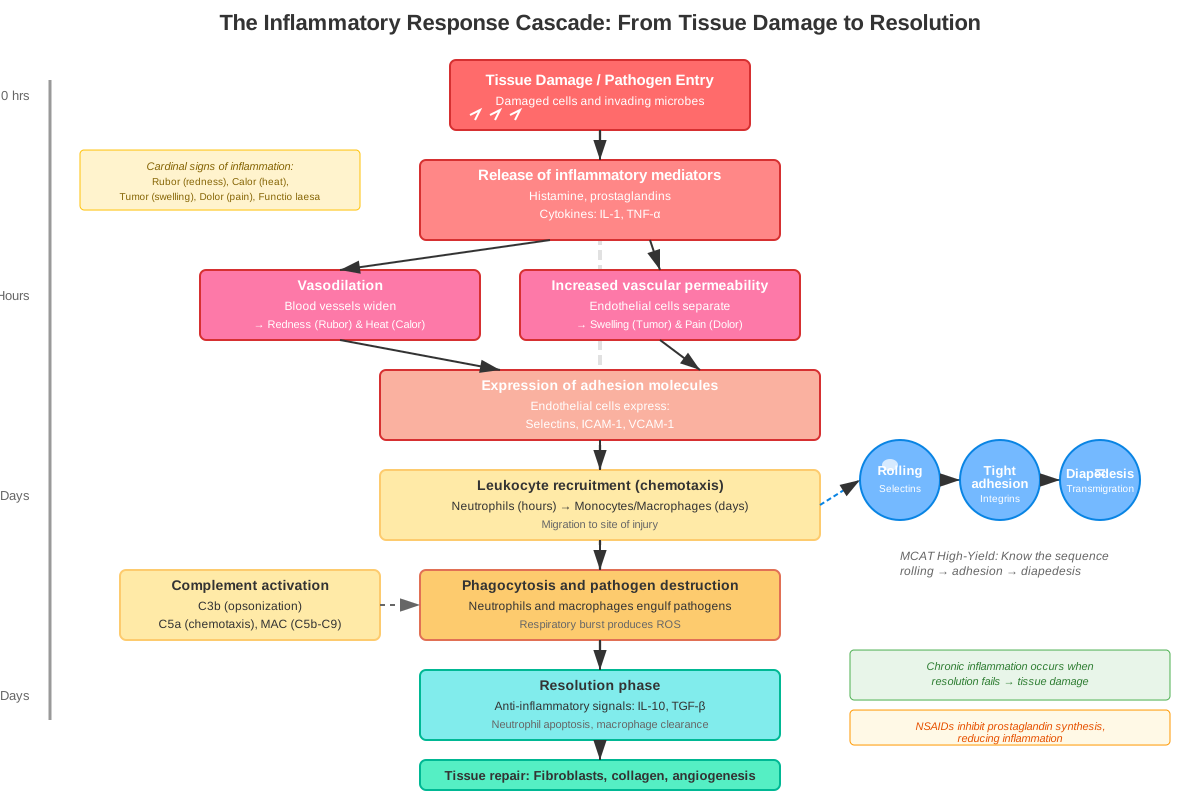
Inflammation is the coordinated innate immune response to infection or tissue damage, characterized by five cardinal signs: rubor (redness), calor (heat), tumor (swelling), dolor (pain), and functio laesa (loss of function). The inflammatory cascade proceeds through overlapping phases:
Initiation occurs when tissue-resident macrophages and mast cells detect PAMPs or DAMPs through PRRs. These cells release inflammatory mediators including histamine, TNF-α, and IL-1. Histamine causes immediate vasodilation and increased vascular permeability by inducing endothelial cell contraction, creating gaps between cells. This increases blood flow (causing redness and heat) and allows plasma proteins to leak into tissues (causing swelling).
Leukocyte recruitment involves a multi-step adhesion cascade. Inflammatory cytokines induce endothelial cells to express selectins (E-selectin and P-selectin), which mediate weak, rolling interactions with leukocytes expressing selectin ligands. Chemokines displayed on the endothelial surface activate integrins on rolling leukocytes, causing firm adhesion. Leukocytes then undergo diapedesis (transmigration) through endothelial junctions, following chemokine gradients to the infection site.
Acute phase response is a systemic reaction coordinated by IL-6, which stimulates hepatocytes to produce acute phase proteins including C-reactive protein (CRP), serum amyloid A, and fibrinogen. CRP opsonizes bacteria and activates complement. The acute phase response also includes fever, induced by IL-1, IL-6, and TNF-α acting on the hypothalamus to elevate the temperature set point. Fever enhances immune cell function and inhibits pathogen replication.
Resolution involves anti-inflammatory mediators like IL-10 and transforming growth factor-beta (TGF-β), production of specialized pro-resolving mediators (lipoxins, resolvins), and clearance of dead cells and debris by macrophages. Failure of resolution leads to chronic inflammation.
Quick check — test yourself on Innate immunity so far.
Try Flashcards →Concept Relationships
The components of innate immunity function as an integrated network rather than isolated elements. Physical and chemical barriers provide the first defense layer, preventing most pathogen encounters from progressing further. When barriers are breached, molecular recognition systems (PRRs detecting PAMPs) immediately activate cellular responses. This recognition → activation → effector sequence forms the core logic of innate immunity.
Pattern recognition by TLRs and other PRRs → triggers intracellular signaling cascades → activates transcription factors (NF-κB, IRF3) → induces cytokine and chemokine production → recruits and activates additional immune cells → amplifies the inflammatory response. This cascade demonstrates how molecular recognition translates into coordinated cellular responses.
The complement system illustrates convergent pathway design: three distinct activation pathways (classical, alternative, lectin) → converge on C3 convertase formation → generate C3b (opsonization) and C3a (inflammation) → proceed to C5 convertase → produce C5a (inflammation) and initiate MAC formation (lysis). This design provides multiple activation triggers while ensuring consistent effector functions.
Cellular components exhibit functional specialization and cooperation. Neutrophils provide rapid, short-term responses with potent antimicrobial mechanisms but limited duration. Macrophages offer sustained responses, tissue repair functions, and the critical bridge to adaptive immunity through antigen presentation. NK cells fill the niche of eliminating infected or transformed cells that evade other innate mechanisms. Dendritic cells connect innate recognition (via PRRs) to adaptive immunity activation (via antigen presentation and costimulation).
The inflammatory response integrates all innate immunity components: barrier breach → PAMP/DAMP release → PRR activation → cytokine production → vascular changes (vasodilation, permeability) → complement activation → leukocyte recruitment → phagocytosis and pathogen clearance → resolution. Each step depends on preceding events while enabling subsequent responses.
Innate immunity connects to adaptive immunity through multiple mechanisms. Dendritic cells activated by innate signals migrate to lymph nodes and present antigens to T cells. Cytokines produced during innate responses (IL-12, type I interferons) shape the type of adaptive response that develops. Complement fragments (C3d) enhance B cell activation. Conversely, antibodies produced by adaptive immunity enhance innate functions through opsonization and complement activation (classical pathway), demonstrating bidirectional integration.
High-Yield Facts
⭐ Innate immunity provides immediate, non-specific defense without memory, while adaptive immunity develops specific responses over days with memory formation
⭐ Pattern recognition receptors (PRRs) like TLRs recognize pathogen-associated molecular patterns (PAMPs) that are conserved across pathogen classes but absent from host cells
⭐ The complement system has three activation pathways (classical, alternative, lectin) that converge on C3 convertase, leading to opsonization (C3b), inflammation (C3a, C5a), and lysis (MAC)
⭐ Neutrophils are the first responders to infection, performing phagocytosis and killing pathogens through the respiratory burst (NADPH oxidase → superoxide → H₂O₂ → HOCl via myeloperoxidase)
⭐ Natural killer cells destroy virus-infected and tumor cells that downregulate MHC I ("missing self" recognition) using perforin and granzymes
- Physical barriers (skin, mucous membranes) and chemical defenses (low pH, antimicrobial peptides, lysozyme) prevent most pathogen entry
- Macrophages are long-lived phagocytes that secrete cytokines (TNF-α, IL-1, IL-6, IL-12) and present antigens to T cells, bridging innate and adaptive immunity
- The inflammatory response involves vasodilation, increased vascular permeability, and leukocyte recruitment through selectin-mediated rolling and integrin-mediated firm adhesion
- Acute phase proteins (CRP, serum amyloid A) are produced by the liver in response to IL-6 during systemic inflammation
- TLR4 recognizes bacterial LPS and signals through MyD88 to activate NF-κB, inducing inflammatory cytokine expression
- Inflammasomes (particularly NLRP3) are cytoplasmic complexes that activate caspase-1, which processes pro-IL-1β into active IL-1β
- Type I interferons (IFN-α, IFN-β) are produced in response to viral infection and establish antiviral states in neighboring cells
- Chronic granulomatous disease results from defective NADPH oxidase, causing recurrent bacterial and fungal infections due to impaired respiratory burst
- Complement regulatory proteins (DAF, CD59, C1 inhibitor) prevent excessive complement activation on host cells; deficiencies cause diseases like paroxysmal nocturnal hemoglobinuria and hereditary angioedema
Common Misconceptions
Misconception: Innate immunity is primitive and less important than adaptive immunity.
Correction: Innate immunity is essential for survival and provides the immediate defense that prevents most infections from establishing. It also directs and enhances adaptive responses through cytokine production and antigen presentation. Many organisms rely exclusively on innate immunity and survive successfully.
Misconception: All complement activation requires antibodies.
Correction: Only the classical pathway typically requires antibodies (though C-reactive protein can also activate it). The alternative pathway activates spontaneously on pathogen surfaces, and the lectin pathway is triggered by mannose-binding lectin recognizing carbohydrate patterns—both are antibody-independent and represent true innate mechanisms.
Misconception: Inflammation is always harmful and should be suppressed.
Correction: Acute inflammation is a beneficial, protective response essential for pathogen clearance and tissue repair. The cardinal signs (redness, heat, swelling, pain) reflect functional processes: increased blood flow delivers immune cells, vascular permeability allows antibodies and complement to enter tissues, and pain prevents further injury. Only chronic or excessive inflammation becomes pathological.
Misconception: Natural killer cells are part of adaptive immunity because they're lymphocytes.
Correction: Despite being lymphocytes, NK cells function as innate immune cells. They lack antigen-specific receptors generated through somatic recombination, respond immediately without prior sensitization, and show no memory. Their classification as innate effectors is based on function, not cell lineage.
Misconception: Phagocytes kill all pathogens equally effectively.
Correction: Many pathogens have evolved mechanisms to evade or survive phagocytosis. Mycobacterium tuberculosis prevents phagosome-lysosome fusion, remaining viable inside macrophages. Some bacteria produce capsules that resist phagocytosis unless opsonized. Certain pathogens produce catalase, neutralizing the respiratory burst. Understanding these evasion strategies is important for comprehending persistent infections.
Misconception: The membrane attack complex (MAC) is the most important complement function.
Correction: While MAC-mediated lysis is dramatic, opsonization by C3b is generally more important for pathogen clearance. MAC is effective primarily against Gram-negative bacteria; Gram-positive bacteria resist MAC due to thick peptidoglycan layers. Patients with terminal complement deficiencies (C5-C9) have relatively mild phenotypes compared to C3 deficiency, which causes severe, recurrent infections.
Misconception: Fever is caused directly by pathogens and should always be reduced.
Correction: Fever results from cytokines (IL-1, IL-6, TNF-α) acting on the hypothalamus to raise the temperature set point—it's a host response, not a direct pathogen effect. Moderate fever enhances immune function by increasing enzyme activity in immune cells and inhibiting pathogen replication. Aggressive fever reduction may prolong illness, though very high fevers (>104°F/40°C) require treatment to prevent damage.
Worked Examples
Example 1: Complement Pathway Analysis
Clinical Vignette: A 6-year-old boy presents with recurrent Neisseria meningitidis infections. Laboratory studies reveal normal C3 levels but absent C5-C9 (terminal complement components). His older sister has normal complement levels and no history of unusual infections.
Question: Which complement functions remain intact in this patient, and why is he specifically susceptible to Neisseria infections?
Step 1 - Identify the deficiency: The patient lacks terminal complement components (C5-C9) required for membrane attack complex (MAC) formation but has normal C3, indicating intact early complement pathways.
Step 2 - Determine preserved functions: With normal C3, the patient retains:
- Opsonization via C3b coating pathogens
- Inflammatory recruitment via C3a and C5a anaphylatoxins (though C5a may be reduced)
- All three activation pathways (classical, alternative, lectin) up to C3 convertase
Step 3 - Explain pathogen-specific susceptibility: Neisseria species are Gram-negative bacteria with thin peptidoglycan layers and outer membranes, making them particularly susceptible to MAC-mediated lysis. Most other bacteria are cleared effectively through opsonization and phagocytosis, which remain functional in this patient. The specific vulnerability to Neisseria (and also Neisseria gonorrhoeae) is a classic presentation of terminal complement deficiencies.
Step 4 - Connect to broader concepts: This case illustrates that different complement functions have varying importance against different pathogens. While MAC is often emphasized, opsonization is generally more critical for most bacterial clearance. The patient's sister having normal complement demonstrates this is likely an inherited deficiency (autosomal recessive pattern for most complement deficiencies).
Answer: The patient retains opsonization and inflammatory functions but lacks MAC-mediated lysis. Neisseria species are uniquely dependent on MAC for clearance because they're Gram-negative bacteria susceptible to membrane disruption, unlike most bacteria that are cleared primarily through opsonization-enhanced phagocytosis.
Example 2: Phagocyte Function and Disease
Experimental Scenario: Researchers isolate neutrophils from healthy donors and patients with chronic granulomatous disease (CGD). They expose both cell populations to Staphylococcus aureus bacteria and measure: (1) bacterial uptake into phagosomes, (2) superoxide production, (3) bacterial killing, and (4) cytokine release.
Question: Predict the results for each measurement in CGD neutrophils compared to healthy controls, and explain the molecular basis.
Step 1 - Identify the molecular defect: CGD results from mutations in NADPH oxidase components, preventing the respiratory burst. This specifically impairs oxidative killing mechanisms while leaving other neutrophil functions intact.
Step 2 - Analyze bacterial uptake: CGD neutrophils have normal receptors for opsonins (complement receptors, Fc receptors) and intact cytoskeletal machinery for phagocytosis.
Prediction: Bacterial uptake will be NORMAL in CGD neutrophils—the defect is in killing, not recognition or engulfment.
Step 3 - Analyze superoxide production: NADPH oxidase catalyzes the reaction: NADPH + 2O₂ → NADP⁺ + 2O₂⁻ + H⁺. This is the rate-limiting step in generating superoxide, hydrogen peroxide, and downstream reactive oxygen species.
Prediction: Superoxide production will be ABSENT or severely REDUCED in CGD neutrophils—this is the primary defect. The nitroblue tetrazolium (NBT) test, which detects superoxide production, is diagnostic for CGD.
Step 4 - Analyze bacterial killing: Without the respiratory burst, CGD neutrophils lack HOCl and other reactive oxygen species. However, they retain non-oxidative killing mechanisms (antimicrobial peptides, proteases, lysozyme). S. aureus produces catalase, which neutralizes H₂O₂, making it particularly dependent on oxidative killing.
Prediction: Bacterial killing will be significantly IMPAIRED but not completely absent. Catalase-positive organisms like S. aureus and Aspergillus species are particularly problematic in CGD.
Step 5 - Analyze cytokine release: Cytokine production by neutrophils occurs through PRR signaling (TLRs recognizing bacterial components) and is independent of NADPH oxidase function.
Prediction: Cytokine release will be NORMAL in CGD neutrophils—inflammatory signaling pathways remain intact.
Step 6 - Clinical correlation: This explains why CGD patients suffer recurrent infections with catalase-positive organisms but can handle catalase-negative bacteria (which generate H₂O₂ that neutrophils can use via myeloperoxidase). The retained non-oxidative mechanisms and normal inflammatory responses prevent even more severe disease.
Answer Summary:
- Bacterial uptake: Normal (intact phagocytosis machinery)
- Superoxide production: Absent/severely reduced (NADPH oxidase defect)
- Bacterial killing: Significantly impaired (loss of respiratory burst, especially against catalase-positive organisms)
- Cytokine release: Normal (independent of oxidative mechanisms)
Exam Strategy
When approaching innate immunity MCAT questions, first determine whether the question focuses on mechanisms (how innate immunity works) or comparisons (innate versus adaptive immunity). Mechanism questions typically require understanding specific pathways—complement cascades, phagocytosis steps, or inflammatory mediator sequences. Comparison questions test the defining characteristics: specificity, speed, memory, and receptor diversity.
Trigger words that signal innate immunity include: "immediate response," "non-specific," "pattern recognition," "first line of defense," "no prior exposure required," and "germline-encoded." When passages describe experimental manipulations of TLRs, complement components, or phagocytes, innate immunity concepts are being tested. Clinical vignettes mentioning recurrent bacterial infections often point to complement or phagocyte deficiencies.
For process-of-elimination, remember these key distinctions:
- If an answer choice mentions "memory" or "specific antigen recognition," it describes adaptive immunity—eliminate it for innate immunity questions
- If a choice describes responses taking "days to weeks," it's likely adaptive immunity
- Answers mentioning antibodies (except as opsonins enhancing innate function) typically describe adaptive responses
- Choices involving T cell or B cell activation describe adaptive immunity
When analyzing complement questions, draw out the pathway convergence: all three pathways → C3 convertase → C3a + C3b → C5 convertase → C5a + C5b → MAC. This visual approach prevents confusion about which components belong to which pathway. Remember that C3b is the major opsonin, C3a and C5a are anaphylatoxins, and MAC causes lysis—knowing these functions allows you to predict consequences of specific deficiencies.
For inflammatory response questions, think chronologically: initiation (resident cells detect danger) → vascular changes (vasodilation, permeability) → recruitment (selectins, integrins, diapedesis) → effector phase (phagocytosis, killing) → resolution. Questions often present this sequence out of order or ask you to identify which step is disrupted in a disease state.
Time allocation: Discrete innate immunity questions should take 60-90 seconds—they typically test straightforward recall of mechanisms or characteristics. Passage-based questions require 90-120 seconds, as you must integrate passage information with background knowledge. Don't spend excessive time trying to recall obscure details; the MCAT tests high-yield concepts and application rather than minutiae.
When passages present experimental data (graphs, tables), look for patterns indicating immune activation: increased cytokine levels, elevated acute phase proteins, enhanced phagocytosis, or complement consumption. The MCAT often asks you to predict outcomes of genetic knockouts or pharmacological inhibitors—systematically trace through the pathway to determine downstream effects.
Memory Techniques
Complement Cascade Mnemonic: "Classical Antibodies, Alternative Always, Lectin Loves Mannose" reminds you that the Classical pathway needs antibodies, the Alternative pathway is always active (spontaneous), and the Lectin pathway binds mannose.
Complement Functions - "OIL": Opsonization (C3b), Inflammation (C3a, C5a), Lysis (MAC). This captures the three major effector functions in order of general importance.
Phagocytosis Steps - "CREEP": Chemotaxis, Recognition, Engulfment, Elimination (killing), Presentation (for macrophages). This sequence covers the complete phagocytic process.
Cardinal Signs of Inflammation - "RCTPL" (pronounced "rect-pull"): Rubor (redness), Calor (heat), Tumor (swelling), Pain (dolor), Loss of function (functio laesa). Alternatively, remember the Latin phrase "Red, Hot, Swollen, Painful, Lame" for the English equivalents.
Leukocyte Adhesion Cascade - "SURF": Selectins (rolling), Upregulation of integrins, Receptor binding (firm adhesion), Followed by diapedesis. This captures the multi-step recruitment process.
Visualization for NK Cell Function: Picture a cell as a house displaying an "MHC I" sign. NK cells are security guards who check for this sign. Healthy houses (cells) display the sign and are left alone (inhibitory signal). Virus-infected or tumor houses hide their signs (downregulate MHC I), so NK cells recognize "missing self" and destroy them. This mental image makes the concept memorable.
TLR Locations - "Surface Sees Bacteria, Inside Sees Viruses": Cell surface TLRs (1, 2, 4, 5, 6) primarily detect bacterial components (LPS, peptidoglycan, flagellin), while endosomal TLRs (3, 7, 8, 9) detect nucleic acids, particularly viral RNA and DNA. This generalization helps predict which TLR responds to which pathogen.
Acute Phase Proteins - "CALF": CRP, Amyloid A, Lipopolysaccharide-binding protein, Fibrinogen. These are the major acute phase proteins produced during systemic inflammation.
Summary
Innate immunity represents the immediate, non-specific defense system that protects against pathogens without requiring prior exposure or generating memory. This evolutionarily ancient system employs multiple integrated components: physical and chemical barriers prevent pathogen entry; pattern recognition receptors detect conserved pathogen-associated molecular patterns; cellular effectors including neutrophils, macrophages, and natural killer cells eliminate threats through phagocytosis, respiratory burst, and cytotoxicity; and the complement system provides opsonization, inflammatory amplification, and direct lysis. The inflammatory response coordinates these elements through cytokine signaling, vascular changes, and leukocyte recruitment. Unlike adaptive immunity, innate responses activate within minutes to hours, recognize broad pathogen classes rather than specific antigens, and respond identically upon repeated exposure. However, innate immunity is not independent—it bridges to adaptive immunity through antigen presentation, costimulation, and cytokine-mediated response shaping. Understanding innate immunity mechanisms, particularly complement pathways, phagocyte function, and pattern recognition, is essential for MCAT success and provides the foundation for comprehending immune system disorders, inflammation, and host-pathogen interactions.
Key Takeaways
- Innate immunity provides immediate, non-specific defense characterized by rapid activation, pattern recognition, no memory, and germline-encoded receptors—fundamentally distinct from adaptive immunity
- Pattern recognition receptors (TLRs, NLRs, RLRs) detect conserved PAMPs and DAMPs, translating molecular recognition into cellular activation through signaling cascades that induce cytokine production
- The complement system's three activation pathways converge on C3 convertase, generating C3b (opsonization), C3a/C5a (inflammation), and MAC (lysis)—with opsonization being most critical for bacterial clearance
- Neutrophils perform phagocytosis and kill pathogens through the respiratory burst (NADPH oxidase → reactive oxygen species) and non-oxidative mechanisms; defects cause chronic granulomatous disease
- The inflammatory response involves coordinated vascular changes (vasodilation, permeability), leukocyte recruitment (selectin-mediated rolling, integrin-mediated adhesion), and systemic acute phase responses
- Natural killer cells destroy virus-infected and tumor cells through "missing self" recognition (absent MHC I) using perforin and granzymes, functioning as innate lymphocytes without antigen specificity
- Innate immunity bridges to adaptive immunity through macrophage and dendritic cell antigen presentation, cytokine-mediated response shaping, and antibody-enhanced innate functions (opsonization, classical complement activation)
Related Topics
Adaptive Immunity: Understanding innate immunity provides the essential foundation for adaptive immunity, which develops specific responses through T cell and B cell activation. Mastering how dendritic cells present antigens and how cytokines shape T helper cell differentiation requires solid innate immunity knowledge.
Immunological Disorders: Innate immunity defects cause primary immunodeficiencies (chronic granulomatous disease, complement deficiencies), while excessive innate activation underlies autoinflammatory diseases. Understanding normal innate function is prerequisite to comprehending these pathologies.
Microbiology and Infectious Disease: Pathogen-specific immune evasion strategies (capsule formation, intracellular survival, complement inhibition) make sense only with thorough understanding of innate immune mechanisms. This integration is high-yield for MCAT passages.
Pharmacology of Immunomodulation: Anti-inflammatory drugs (NSAIDs, corticosteroids), biologics targeting cytokines (anti-TNF agents), and complement inhibitors all modulate innate immunity. Understanding drug mechanisms requires knowing the underlying immune pathways.
Wound Healing and Tissue Repair: The inflammatory response initiates wound healing, with macrophages transitioning from pro-inflammatory to pro-repair phenotypes. This connects innate immunity to tissue physiology and regeneration.
Practice CTA
Now that you've mastered the core concepts of innate immunity, it's time to solidify your understanding through active practice. Work through MCAT-style practice questions focusing on complement pathways, phagocyte mechanisms, and innate versus adaptive immunity comparisons. Use flashcards to memorize high-yield facts like TLR specificities, complement component functions, and inflammatory mediators. Challenge yourself with passage-based questions that require applying innate immunity principles to experimental scenarios or clinical vignettes—this application skill is what separates good MCAT scores from great ones. Remember, understanding the "why" behind each mechanism will serve you better than rote memorization. You've built a strong foundation; now reinforce it through deliberate practice, and you'll be fully prepared to tackle any innate immunity question the MCAT presents!
Sign up free to keep reading
Create a free AnvayaPrep account to finish this MCAT guide on Innate immunity — plus flashcards and practice questions.