Overview
B cells are a critical component of the adaptive immune system, serving as the primary mediators of humoral immunity through their ability to produce antibodies. These specialized lymphocytes originate and mature in the bone marrow, where they undergo a complex developmental process that equips them with unique antigen receptors. Understanding B cell biology is fundamental to comprehending how the immune system recognizes foreign pathogens, generates immunological memory, and protects the body from repeated infections.
For the MCAT, B cells represent a high-yield topic that bridges multiple disciplines within Biology, particularly immunology, cell biology, and Physiology and Organ Systems. Questions frequently test the distinction between humoral and cell-mediated immunity, the process of clonal selection, antibody structure and function, and the differences between primary and secondary immune responses. B cells also appear in passage-based questions involving vaccination, autoimmune disorders, immunodeficiency diseases, and cancer immunotherapy.
The study of B cells Biology connects to broader concepts including lymphocyte development, antigen presentation, cytokine signaling, and the coordination between innate and adaptive immunity. Mastery of B cell function enables students to understand how the immune system maintains specificity and memory—two hallmarks that distinguish adaptive immunity from innate responses. This topic frequently integrates with T cell biology, complement system function, and the molecular basis of antibody diversity, making it a central node in the interconnected network of immunological concepts tested on the MCAT.
Learning Objectives
- [ ] Define B cells using accurate Biology terminology
- [ ] Explain why B cells matters for the MCAT
- [ ] Apply B cells to exam-style questions
- [ ] Identify common mistakes related to B cells
- [ ] Connect B cells to related Biology concepts
- [ ] Describe the process of B cell activation and differentiation into plasma cells and memory B cells
- [ ] Compare and contrast the roles of B cells and T cells in adaptive immunity
- [ ] Explain the molecular mechanisms underlying antibody class switching and affinity maturation
- [ ] Analyze how B cell dysfunction contributes to immunodeficiency and autoimmune diseases
Prerequisites
- Basic cell biology: Understanding of cell membrane receptors, signal transduction, and protein synthesis is essential for comprehending B cell receptor (BCR) function and antibody production
- Innate immunity fundamentals: Knowledge of phagocytes, complement, and pattern recognition provides context for how B cells integrate with first-line defenses
- Protein structure: Familiarity with primary through quaternary structure is necessary to understand antibody architecture and antigen-binding specificity
- Gene expression and regulation: Background in transcription and translation helps explain how a single B cell can produce thousands of identical antibody molecules
- Lymphatic system anatomy: Basic understanding of lymph nodes, spleen, and lymphatic circulation contextualizes where B cell activation occurs
Why This Topic Matters
B cells represent a cornerstone of immunology that appears consistently across MCAT administrations. Clinically, B cell dysfunction underlies numerous pathological conditions including X-linked agammaglobulinemia (absence of mature B cells), multiple myeloma (malignant plasma cell proliferation), and autoimmune diseases where B cells produce antibodies against self-antigens. Understanding B cell biology is essential for comprehending how vaccines work—a topic of immense public health significance and frequent MCAT relevance.
From an exam statistics perspective, immunology questions constitute approximately 5-8% of the Biological and Biochemical Foundations section, with B cells featuring prominently in both discrete questions and passage-based scenarios. Questions typically assess understanding of antibody structure-function relationships, the distinction between primary and secondary immune responses, and the cellular interactions required for B cell activation. The MCAT frequently presents experimental passages describing novel immunotherapies, monoclonal antibody treatments, or vaccine development studies that require solid B cell knowledge for interpretation.
Common exam presentations include: passages describing patients with recurrent bacterial infections (suggesting B cell or antibody deficiency), graphs showing antibody titer changes over time following vaccination, experimental data on hybridoma technology for monoclonal antibody production, and clinical vignettes requiring differentiation between humoral and cell-mediated immune defects. The ability to quickly identify whether a scenario involves B cells versus T cells, and to predict the consequences of B cell activation or dysfunction, represents a high-yield skill for test day success.
Core Concepts
Definition and Origin of B Cells
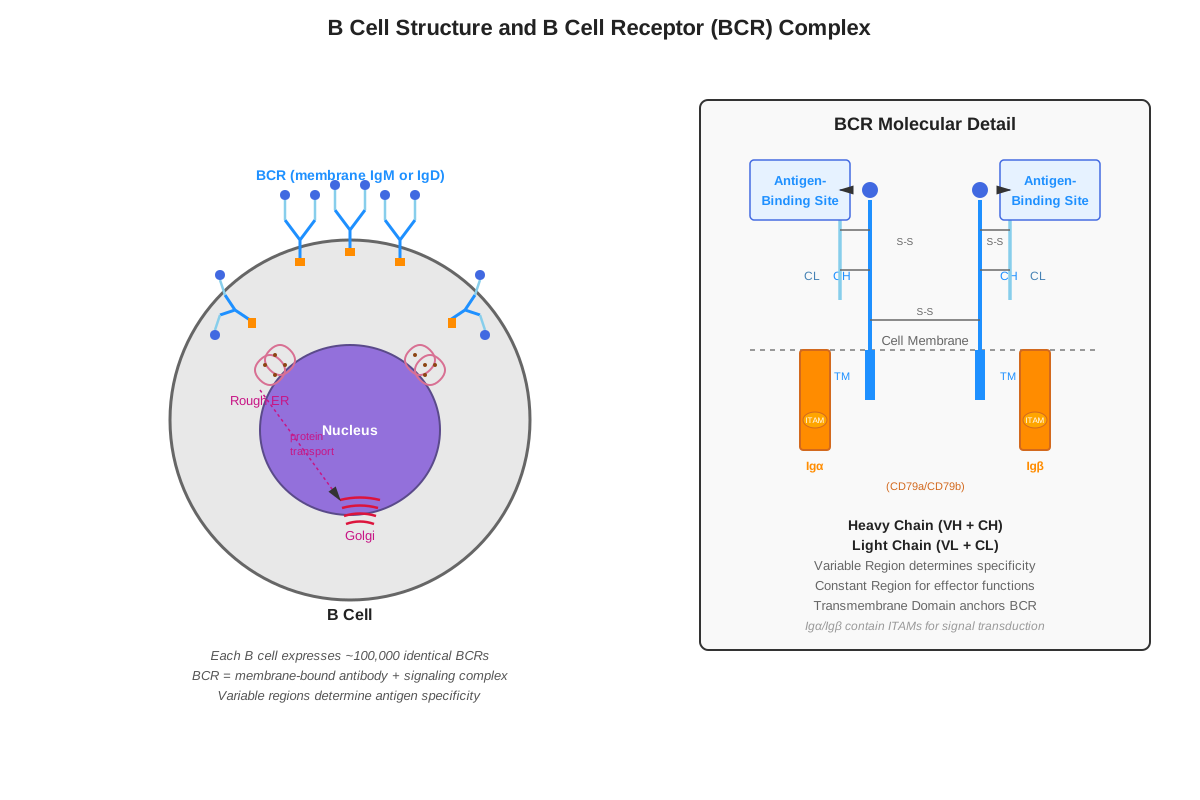
B cells (B lymphocytes) are white blood cells that develop from hematopoietic stem cells in the bone marrow and constitute the primary effectors of humoral immunity. The "B" designation originally referred to the Bursa of Fabricius in birds (where these cells were first characterized), but in mammals, B cells both originate and mature in the bone marrow. Each B cell expresses a unique B cell receptor (BCR) on its surface, which is essentially a membrane-bound antibody molecule capable of recognizing a specific antigen.
During development, B cells undergo V(D)J recombination, a genetic rearrangement process that generates enormous antibody diversity from a limited number of gene segments. This somatic recombination randomly combines Variable (V), Diversity (D), and Joining (J) gene segments to create unique antigen-binding sites. The result is a repertoire of approximately 10^11 different B cell specificities, ensuring that the immune system can recognize virtually any foreign antigen.
B Cell Activation and Clonal Selection
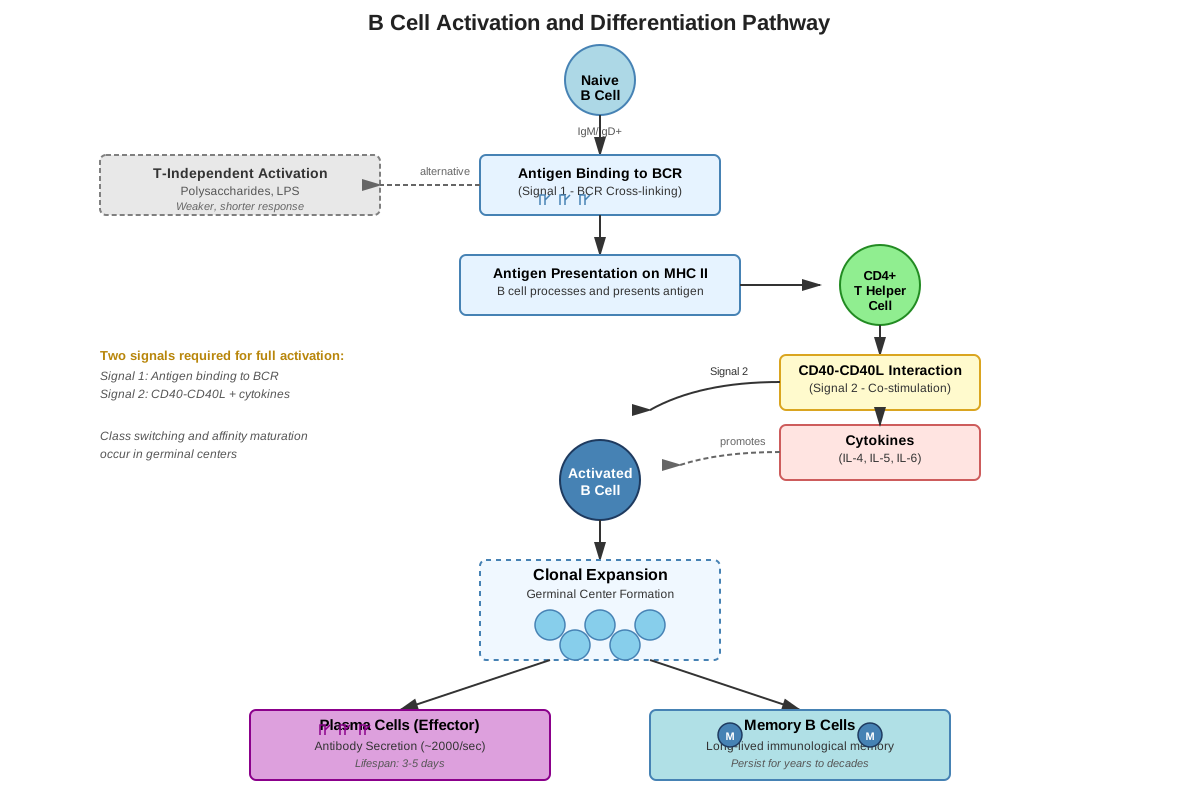
B cell activation typically requires two signals. The first signal occurs when the BCR binds to its specific antigen, either in soluble form or displayed on the surface of antigen-presenting cells. This binding triggers receptor clustering and intracellular signaling cascades involving tyrosine kinases. However, for most antigens (particularly protein antigens), B cells require a second signal from helper T cells (specifically CD4+ T helper cells) to become fully activated—a process called T cell-dependent activation.
The process unfolds as follows:
- Antigen recognition: The BCR binds to its specific epitope on an antigen
- Antigen processing: The B cell internalizes the antigen-BCR complex via receptor-mediated endocytosis
- Antigen presentation: The B cell processes the antigen and presents peptide fragments on MHC class II molecules
- T cell help: An activated helper T cell with a TCR specific for the presented peptide recognizes the MHC-peptide complex
- Costimulation: The T cell provides costimulatory signals through CD40L-CD40 interactions and secretes cytokines (particularly IL-4, IL-5, and IL-6)
- B cell proliferation: The activated B cell undergoes rapid clonal expansion, producing many identical daughter cells
- Differentiation: Daughter cells differentiate into either antibody-secreting plasma cells or long-lived memory B cells
T cell-independent activation can occur with certain antigens (like bacterial polysaccharides) that have repetitive epitopes capable of extensive BCR cross-linking, providing sufficient signal without T cell help. However, this pathway generates weaker responses with limited memory formation.
Plasma Cells and Antibody Secretion
Plasma cells are the terminally differentiated effector B cells specialized for massive antibody production. These cells undergo dramatic morphological changes, developing extensive rough endoplasmic reticulum and Golgi apparatus to support the synthesis and secretion of approximately 2,000 antibody molecules per second. Plasma cells typically survive for several days to weeks, continuously secreting antibodies that circulate in blood and lymph to neutralize pathogens and mark them for destruction.
The antibodies (immunoglobulins) secreted by plasma cells are structurally identical to the BCR that initially recognized the antigen, but they lack the transmembrane domain that anchors BCRs to the cell surface. These soluble antibodies perform multiple effector functions including neutralization (blocking pathogen binding to host cells), opsonization (marking pathogens for phagocytosis), complement activation, and antibody-dependent cell-mediated cytotoxicity (ADCC).
Memory B Cells and Secondary Responses
Memory B cells represent the cellular basis of immunological memory. These long-lived cells persist for years or decades after initial antigen exposure, circulating through blood and lymphoid tissues in a quiescent state. Memory B cells express high-affinity BCRs (due to affinity maturation during the primary response) and can be rapidly reactivated upon subsequent encounters with the same antigen.
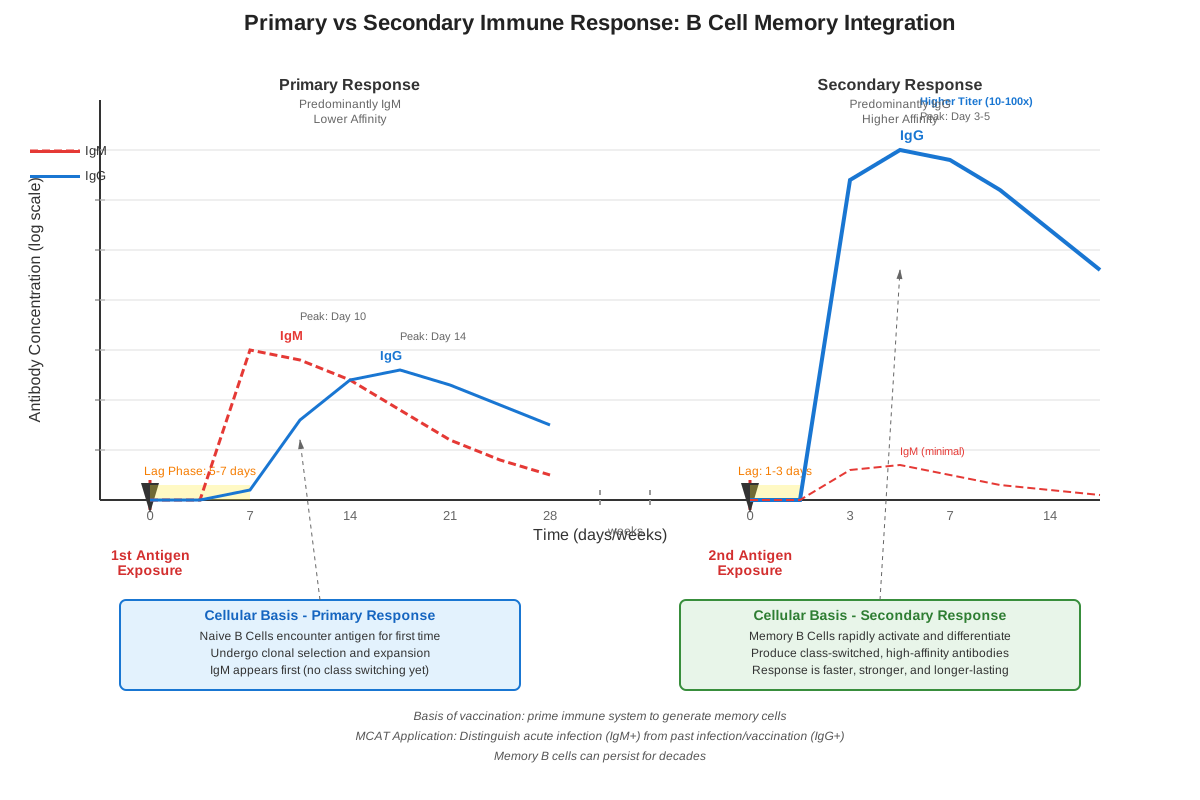
The secondary immune response mediated by memory B cells differs dramatically from the primary response:
| Feature | Primary Response | Secondary Response |
|---|---|---|
| Lag time | 5-10 days | 1-3 days |
| Peak antibody level | Lower | 10-100× higher |
| Antibody affinity | Lower | Higher (due to affinity maturation) |
| Predominant isotype | IgM initially, then IgG | IgG, IgA, or IgE (class-switched) |
| Duration | Weeks to months | Months to years |
| Response to antigen dose | Requires higher dose | Responds to lower dose |
This enhanced secondary response explains why vaccination provides long-lasting protection and why second infections with the same pathogen are typically milder or prevented entirely.
Antibody Class Switching
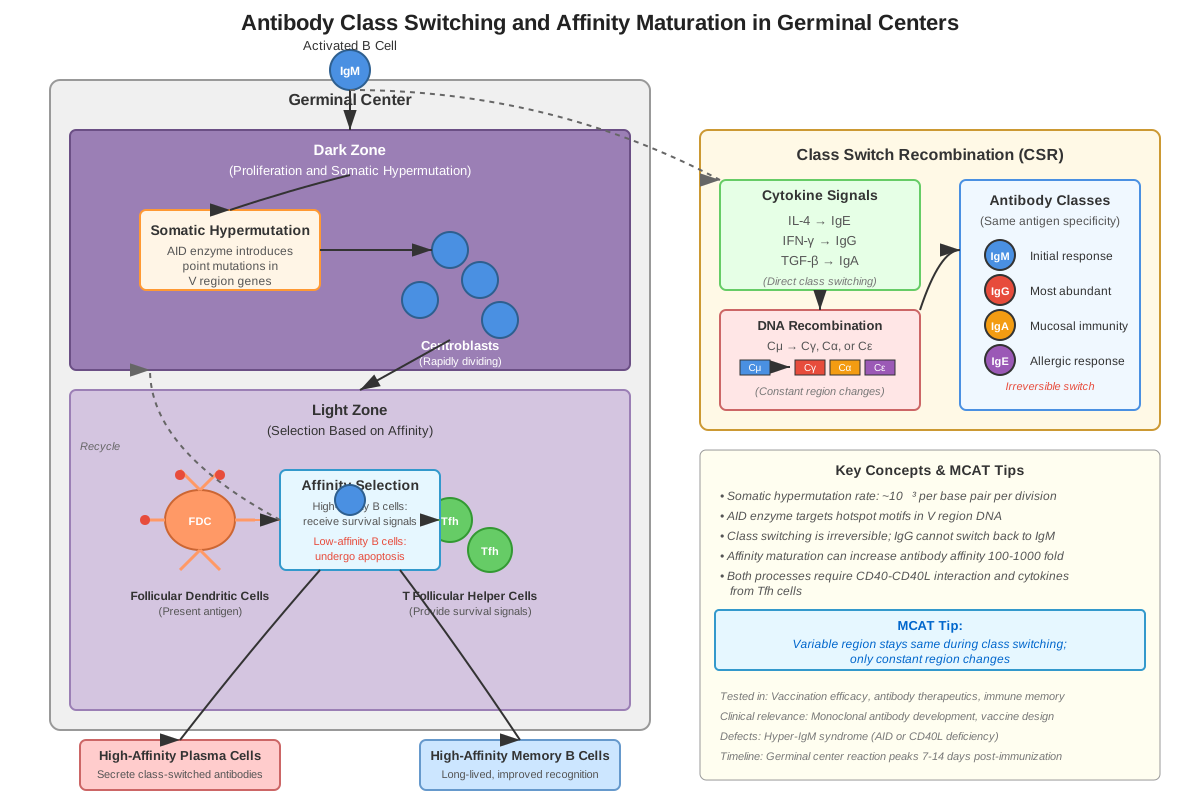
Class switching (isotype switching) is a genetic recombination process that changes the constant region of the antibody heavy chain while preserving the antigen-binding variable region. This allows a single B cell clone to produce antibodies with identical specificity but different effector functions. Class switching is mediated by activation-induced cytidine deaminase (AID) and is directed by cytokines from helper T cells.
The five antibody classes have distinct properties:
- IgM: First antibody produced; pentameric structure provides high avidity; excellent complement activator; indicates acute infection
- IgG: Most abundant in serum (75%); crosses placenta; provides passive immunity to fetus; long half-life; effective opsonin
- IgA: Predominant in mucosal secretions (saliva, tears, breast milk, intestinal fluid); dimeric form with secretory component; protects mucosal surfaces
- IgE: Binds to mast cells and basophils via Fc receptors; mediates allergic reactions and antiparasitic responses; lowest serum concentration
- IgD: Functions primarily as BCR; role in B cell activation; minimal presence in serum
Affinity Maturation and Somatic Hypermutation
Affinity maturation is the process by which antibody affinity for antigen increases during an immune response. This occurs through somatic hypermutation, where point mutations are introduced into the variable regions of immunoglobulin genes at rates approximately one million times higher than normal mutation rates. This process occurs in specialized structures called germinal centers within secondary lymphoid organs.
B cells with mutations that increase antigen-binding affinity receive stronger survival signals when competing for limited antigen displayed on follicular dendritic cells. These high-affinity B cells are preferentially selected to survive and differentiate into plasma cells or memory cells, while B cells with decreased affinity undergo apoptosis. This Darwinian selection process progressively increases the average antibody affinity over the course of an immune response.
Concept Relationships
B cell biology integrates multiple immunological concepts into a cohesive framework. The process begins with hematopoiesis in bone marrow, where pluripotent stem cells differentiate into lymphoid progenitors that commit to the B cell lineage. V(D)J recombination during B cell development creates the diverse BCR repertoire, connecting to molecular biology concepts of DNA recombination and gene regulation.
B cell activation links to antigen presentation and T cell biology, as most B cell responses require helper T cell costimulation. This T-B cell interaction occurs in secondary lymphoid organs (lymph nodes, spleen), connecting to lymphatic system anatomy and the trafficking patterns of immune cells. The cytokines produced during T-B cell interactions (IL-4, IL-5, IL-6, IL-21) connect to cell signaling and determine the fate of activated B cells.
The relationship map flows as follows:
Bone marrow hematopoiesis → B cell development with V(D)J recombination → Naive B cells expressing unique BCRs → Antigen recognition in secondary lymphoid organs → Antigen processing and presentation on MHC II → T cell help via CD40L and cytokines → Clonal expansion → Differentiation into plasma cells (immediate antibody production) OR memory B cells (long-term protection) → Germinal center reactions with somatic hypermutation and affinity maturation → Class switching directed by cytokine signals → High-affinity antibodies providing enhanced protection
This process connects to complement system function (antibodies activate complement), phagocyte biology (antibodies opsonize pathogens for enhanced phagocytosis), and inflammation (immune complexes can trigger inflammatory responses). Dysfunction at any step leads to immunodeficiency or autoimmunity, connecting B cell biology to pathophysiology.
High-Yield Facts
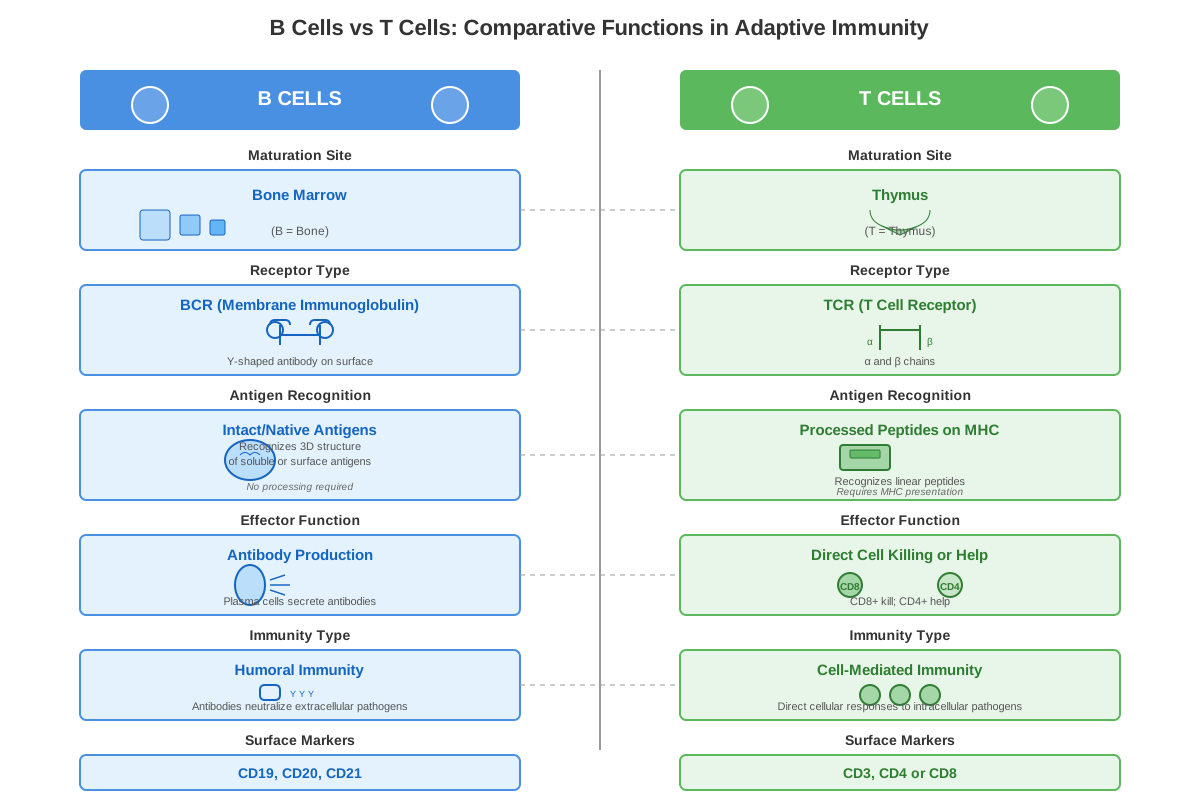
⭐ B cells are responsible for humoral immunity through antibody production, while T cells mediate cell-mediated immunity
⭐ B cell activation typically requires two signals: BCR binding to antigen AND costimulation from helper T cells (T-dependent activation)
⭐ Plasma cells are terminally differentiated B cells that secrete approximately 2,000 antibody molecules per second but have short lifespans (days to weeks)
⭐ Memory B cells provide the basis for immunological memory and generate faster, stronger secondary immune responses upon re-exposure to antigen
⭐ IgM is the first antibody produced in a primary immune response; IgG predominates in secondary responses and is the only antibody that crosses the placenta
- V(D)J recombination during B cell development generates approximately 10^11 different BCR specificities from limited gene segments
- Class switching changes antibody effector function while maintaining antigen specificity; it is mediated by activation-induced cytidine deaminase (AID)
- Affinity maturation occurs through somatic hypermutation in germinal centers, progressively increasing antibody affinity for antigen
- T-independent antigens (like bacterial polysaccharides) can activate B cells without T cell help but generate weaker responses with limited memory
- IgA is the predominant antibody in mucosal secretions and provides protection at body surfaces exposed to pathogens
- The secondary immune response is faster (1-3 days vs 5-10 days), stronger (10-100× higher antibody levels), and produces higher-affinity antibodies than the primary response
- B cell deficiencies result in increased susceptibility to bacterial infections, particularly encapsulated bacteria like Streptococcus pneumoniae and Haemophilus influenzae
Quick check — test yourself on B cells so far.
Try Flashcards →Common Misconceptions
Misconception: B cells directly kill infected cells like T cells do.
Correction: B cells do not directly kill infected cells. Instead, they produce antibodies that neutralize pathogens, opsonize them for phagocytosis, activate complement, or mark infected cells for antibody-dependent cell-mediated cytotoxicity by NK cells. Direct killing of infected host cells is the function of cytotoxic CD8+ T cells.
Misconception: All B cell activation requires T cell help.
Correction: While most protein antigens require T cell-dependent B cell activation, certain antigens with repetitive structures (T-independent antigens like bacterial polysaccharides) can activate B cells through extensive BCR cross-linking without T cell help. However, T-independent responses generate weaker immunity with minimal memory formation and no class switching beyond IgM.
Misconception: Memory B cells continuously secrete antibodies to maintain protection.
Correction: Memory B cells are quiescent and do not actively secrete antibodies. Long-lived plasma cells residing in bone marrow provide continuous low-level antibody secretion. Memory B cells remain dormant until re-exposure to their specific antigen triggers rapid reactivation and differentiation into new plasma cells.
Misconception: The variable region of antibodies changes during class switching.
Correction: Class switching (isotype switching) only changes the constant region of the heavy chain, which determines effector function. The variable region, which determines antigen specificity, remains unchanged. This allows the same B cell clone to produce antibodies with identical specificity but different functional properties (IgM, IgG, IgA, or IgE).
Misconception: IgG is always the most effective antibody class.
Correction: While IgG is the most abundant serum antibody and has important functions (opsonization, complement activation, placental transfer), other classes are more effective in specific contexts. IgA is superior for mucosal immunity, IgM is more effective at complement activation due to its pentameric structure, and IgE is essential for antiparasitic immunity despite causing allergic reactions.
Misconception: B cells only function in adaptive immunity and have no role in innate responses.
Correction: While B cells are primarily adaptive immune cells, they can contribute to innate immunity through natural antibodies (produced without prior antigen exposure), cytokine secretion that influences other immune cells, and antigen presentation to T cells. Some B cell subsets (B-1 cells) bridge innate and adaptive immunity.
Worked Examples
Example 1: Interpreting Antibody Titer Graphs
Question: A researcher immunizes mice with a novel protein antigen on Day 0 and measures serum antibody levels over 60 days. A second immunization with the same antigen occurs on Day 30. The graph shows IgM levels peak at Day 7 after the first immunization then decline, while IgG levels rise slowly, peaking at Day 14. After the second immunization, IgM shows a small increase while IgG levels rise rapidly and dramatically, reaching levels 50-fold higher than after the first immunization. Explain these observations using B cell biology principles.
Solution:
Step 1 - Identify the response type: The first immunization (Days 0-30) represents a primary immune response, while the period after Day 30 represents a secondary immune response.
Step 2 - Explain IgM kinetics in primary response: IgM appears first because naive B cells initially produce IgM antibodies before undergoing class switching. The IgM peak at Day 7 reflects the time required for B cell activation, clonal expansion, and differentiation into plasma cells. IgM levels decline as plasma cells die and as B cells undergo class switching to IgG.
Step 3 - Explain IgG kinetics in primary response: IgG appears later (peaking Day 14) because it requires class switching, which takes additional time and depends on cytokine signals from helper T cells. The slower rise reflects this additional developmental step.
Step 4 - Explain secondary response characteristics: The rapid, dramatic IgG response after the second immunization reflects memory B cell activation. Memory B cells generated during the primary response are already class-switched to IgG, express high-affinity BCRs (due to affinity maturation), and require less time to differentiate into plasma cells. This explains the faster kinetics and higher magnitude.
Step 5 - Explain minimal IgM in secondary response: The small IgM increase reflects that most memory B cells have already undergone class switching to IgG. Some IgM-expressing memory cells may exist, but they represent a minority of the memory pool.
Connection to learning objectives: This example demonstrates application of B cell biology to data interpretation, a common MCAT question format. It integrates concepts of primary vs. secondary responses, class switching, memory B cell function, and antibody kinetics.
Example 2: Clinical Vignette Analysis
Question: A 3-year-old boy presents with his fifth episode of pneumonia in 18 months. Laboratory studies reveal very low serum IgG, IgA, and IgE levels, but normal IgM levels. Flow cytometry shows normal numbers of B cells in circulation, but these B cells express only IgM and IgD on their surface, with no IgG or IgA expression. T cell numbers and function are normal. Which molecular process is most likely defective in this patient?
Solution:
Step 1 - Analyze the clinical presentation: Recurrent bacterial infections (particularly pneumonia) suggest an antibody deficiency affecting humoral immunity. The patient's age and infection pattern are consistent with waning maternal IgG (which crosses the placenta) and failure to produce his own protective antibodies.
Step 2 - Interpret laboratory findings: Normal IgM but very low IgG, IgA, and IgE indicates a selective inability to produce class-switched antibodies. The presence of normal B cell numbers rules out defects in B cell development or survival.
Step 3 - Analyze flow cytometry data: B cells expressing only IgM and IgD (the two isotypes expressed by naive B cells) but lacking IgG and IgA surface expression confirms that B cells cannot undergo class switching.
Step 4 - Identify the defective process: The inability to class switch despite normal B cell numbers and normal T cell help points to a defect in the class switch recombination machinery. This clinical picture is consistent with Hyper-IgM syndrome, most commonly caused by defects in CD40L (on T cells) or CD40 (on B cells), or less commonly by deficiency of activation-induced cytidine deaminase (AID), the enzyme that mediates class switch recombination.
Step 5 - Explain the mechanism: Class switching requires signals through CD40 (on B cells) binding to CD40L (on activated helper T cells), which induces expression of AID. AID introduces DNA breaks in switch regions upstream of constant region genes, allowing recombination that replaces the Cμ constant region with Cγ, Cα, or Cε. Without functional class switching, B cells can only produce IgM and IgD.
Connection to learning objectives: This example demonstrates clinical application of B cell biology, integration with T cell function, understanding of antibody class switching mechanisms, and recognition of how B cell defects manifest as disease. It represents a high-yield MCAT scenario connecting molecular mechanisms to clinical phenotypes.
Exam Strategy
When approaching B cells MCAT questions, first determine whether the question focuses on B cell development, activation, effector function, or dysfunction. Trigger words help identify the relevant concept: "antibody," "humoral immunity," and "plasma cells" indicate B cell involvement, while "cell-mediated immunity" and "cytotoxic" typically indicate T cells.
For passage-based questions, quickly identify the experimental system or clinical scenario. Vaccination studies, antibody titer measurements, and hybridoma technology passages all center on B cell biology. Look for graphs showing antibody levels over time—these almost always test understanding of primary versus secondary responses. Pay attention to which antibody class is measured (IgM vs. IgG) as this provides timing information.
Exam Tip: When a question asks about immune deficiency, determine whether infections are bacterial (suggests B cell/antibody defect) or viral/fungal/intracellular (suggests T cell defect). Encapsulated bacteria specifically indicate antibody deficiency.
Process-of-elimination strategies for B cell questions:
- Eliminate answers confusing B cells with T cells: If an answer choice describes direct killing of infected cells or MHC I restriction, eliminate it—these are T cell functions
- Watch for class switching errors: Answers stating that class switching changes antigen specificity are incorrect
- Identify timing inconsistencies: Answers suggesting IgG appears before IgM in primary responses are wrong
- Recognize memory cell misconceptions: Eliminate choices stating memory cells actively secrete antibodies
Time allocation: Discrete B cell questions typically require 60-90 seconds. Spend 10-15 seconds identifying the core concept being tested, 30-45 seconds analyzing answer choices, and 15-30 seconds confirming your selection. For passage-based questions, allocate 1.5-2 minutes per question, spending adequate time understanding experimental design or clinical presentation before attempting questions.
Common question stems and approaches:
- "Which antibody class would predominate...?" → Consider timing (IgM first, IgG later) and location (IgA in mucosa)
- "A patient with recurrent bacterial infections most likely has a defect in...?" → Think B cells/antibodies
- "The secondary immune response differs from the primary response in that...?" → Focus on speed, magnitude, and antibody class
- "Class switching allows B cells to...?" → Remember: same specificity, different effector function
Memory Techniques
Mnemonic for antibody classes by abundance: "Good Answers Make Definite Exam success" (IgG > IgA > IgM > IgD > IgE in serum concentration)
Mnemonic for IgG functions: "CNOP" - Complement activation, Neutralizes toxins, Opsonization, Placental transfer
Mnemonic for antibody locations: "MAGED" - Membrane (IgM and IgD as BCRs), All over/serum (IgG), Gut/secretions (IgA), Eosinophils/mast cells (IgE)
Visualization for primary vs. secondary response: Picture a "slow climb up a small hill" (primary response - takes 5-10 days, modest peak) versus "rocket launch" (secondary response - rapid ascent in 1-3 days, reaches much higher peak). The rocket was "pre-built" by memory cells, explaining the speed.
Acronym for B cell activation requirements: "TAB" - T cell help, Antigen recognition, B cell receptor signaling (the two-signal model)
Memory aid for class switching: Think "SAME specificity, DIFFERENT function" - the variable region (specificity) stays the same, only the constant region (function) changes
Conceptual framework: Remember B cells as "antibody factories" - they recognize antigens, get activated, and either become plasma cells (the factory workers producing antibodies) or memory cells (the blueprint for future factories). This simple framework helps organize all B cell functions.
Summary
B cells constitute the cellular foundation of humoral immunity, developing in bone marrow through V(D)J recombination that generates enormous BCR diversity. Upon encountering their specific antigen, B cells typically require two signals for activation: BCR engagement and costimulation from helper T cells through CD40-CD40L interactions and cytokines. Activated B cells undergo clonal expansion and differentiate into either short-lived plasma cells that secrete massive quantities of antibodies or long-lived memory B cells that provide immunological memory. The primary immune response is characterized by initial IgM production followed by class switching to IgG, IgA, or IgE, with antibody levels peaking after 1-2 weeks. Secondary responses mediated by memory B cells are faster, stronger, and produce higher-affinity antibodies due to affinity maturation through somatic hypermutation in germinal centers. Understanding B cell biology is essential for interpreting vaccination responses, diagnosing immunodeficiencies, and distinguishing humoral from cell-mediated immunity on the MCAT.
Key Takeaways
- B cells mediate humoral immunity through antibody production, requiring BCR-antigen binding plus T cell help for full activation in most cases
- Plasma cells are antibody-secreting factories with short lifespans, while memory B cells provide long-term immunological memory
- Primary responses produce IgM first then IgG; secondary responses are faster, stronger, and predominantly IgG due to memory B cell activation
- Class switching changes antibody effector function (constant region) while maintaining antigen specificity (variable region)
- Affinity maturation through somatic hypermutation in germinal centers progressively increases antibody affinity during immune responses
- IgG is most abundant in serum and crosses the placenta; IgA predominates in mucosal secretions; IgM is the first antibody produced
- B cell deficiencies manifest as recurrent bacterial infections, particularly with encapsulated organisms
Related Topics
T Cell Biology: Understanding T cells is essential for comprehending T-dependent B cell activation, as helper T cells provide critical costimulatory signals and cytokines that direct B cell differentiation and class switching. Mastering B cells enables deeper understanding of T-B cell collaboration.
Antibody Structure and Function: Detailed study of immunoglobulin molecular architecture, including heavy and light chains, variable and constant regions, and the structural basis for antigen recognition builds directly on B cell biology fundamentals.
Complement System: The complement cascade is activated by antibodies (particularly IgM and IgG), representing a critical effector mechanism of humoral immunity. Understanding B cell function provides context for how antibodies trigger complement activation.
Immunological Disorders: Autoimmune diseases (where B cells produce autoantibodies), immunodeficiencies (B cell developmental or functional defects), and hypersensitivity reactions (particularly Type II and III involving antibodies) all require solid B cell knowledge as foundation.
Vaccination and Immunotherapy: Modern vaccine design and monoclonal antibody therapies directly exploit B cell biology principles, making this topic essential for understanding contemporary medical interventions frequently tested on the MCAT.
Practice CTA
Now that you've mastered the core concepts of B cell biology, reinforce your understanding by attempting practice questions and flashcards focused on this topic. Challenge yourself with questions that integrate B cells with T cell function, antibody structure, and clinical scenarios involving immune dysfunction. The more you apply these concepts to MCAT-style questions, the more automatic your recognition of B cell-related content will become on test day. Remember: immunology questions often integrate multiple concepts, so strong B cell knowledge serves as a foundation for tackling complex, multi-step reasoning problems. You've built the framework—now strengthen it through deliberate practice!
Sign up free to keep reading
Create a free AnvayaPrep account to finish this MCAT guide on B cells — plus flashcards and practice questions.