Overview
Vaccination represents one of the most significant public health achievements in modern medicine and is a critical topic within Physiology and Organ Systems for the MCAT. At its core, vaccination involves the deliberate exposure of the immune system to antigens—typically in the form of weakened, killed, or fragmented pathogens—to stimulate adaptive immunity without causing disease. This process creates immunological memory, enabling rapid and robust responses upon subsequent exposure to the actual pathogen. Understanding vaccination requires integration of multiple biological concepts including innate and adaptive immunity, antibody production, cell-mediated responses, and the principles of immunological memory.
For MCAT preparation, vaccination serves as an excellent framework for testing knowledge of immune system function, particularly the distinction between primary and secondary immune responses, the roles of B cells and T cells, and the mechanisms underlying long-term immunity. Questions frequently appear in passages discussing public health interventions, epidemiological data, or experimental immunology studies. The topic bridges molecular biology (antigen recognition, antibody structure), cellular biology (lymphocyte activation and differentiation), and systems physiology (coordinated immune responses across organ systems).
The broader significance of vaccination in Biology extends to evolutionary concepts (pathogen-host coevolution, herd immunity as population-level selection pressure), genetics (antibody diversity through V(D)J recombination), and biochemistry (antigen-antibody binding kinetics). Mastery of vaccination concepts enables students to tackle complex MCAT passages that integrate immunology with other biological disciplines, making it an essential component of comprehensive exam preparation.
Learning Objectives
- [ ] Define Vaccination using accurate Biology terminology
- [ ] Explain why Vaccination matters for the MCAT
- [ ] Apply Vaccination to exam-style questions
- [ ] Identify common mistakes related to Vaccination
- [ ] Connect Vaccination to related Biology concepts
- [ ] Distinguish between active and passive immunity with specific examples
- [ ] Describe the cellular and molecular mechanisms underlying vaccine-induced immunity
- [ ] Analyze the differences between primary and secondary immune responses in the context of vaccination
- [ ] Evaluate different vaccine types and their mechanisms of action
Prerequisites
- Innate and Adaptive Immunity: Understanding the two-tiered immune system is essential because vaccination specifically targets adaptive immunity while relying on innate responses for initial antigen presentation
- B Cell and T Cell Function: Knowledge of lymphocyte activation, differentiation, and effector functions is necessary to comprehend how vaccines generate lasting immunity
- Antibody Structure and Function: Familiarity with immunoglobulin classes and their roles enables understanding of humoral immune responses to vaccines
- Antigen Presentation: Understanding MHC molecules and antigen-presenting cells is critical for grasping how vaccine antigens activate T cells
- Clonal Selection Theory: This foundational concept explains how specific lymphocyte populations expand in response to vaccination
Why This Topic Matters
Vaccination holds profound clinical and public health significance, having eradicated smallpox globally and dramatically reduced the burden of diseases like polio, measles, and diphtheria. The COVID-19 pandemic highlighted the critical role of vaccine development in controlling infectious disease outbreaks, making this topic increasingly relevant to contemporary medical practice. Understanding vaccination principles is essential for future physicians who will counsel patients, interpret epidemiological data, and participate in public health initiatives.
On the MCAT, vaccination appears with moderate frequency across multiple question formats. Approximately 3-5% of Biology questions directly or indirectly assess vaccination concepts, typically within passages discussing immune system function, experimental immunology, or public health interventions. The topic most commonly appears in:
- Passage-based questions analyzing experimental vaccine trials or immunological assays measuring vaccine efficacy
- Discrete questions testing understanding of immune response mechanisms and immunological memory
- Data interpretation questions requiring analysis of antibody titer graphs, epidemiological curves, or vaccine efficacy statistics
- Interdisciplinary passages connecting immunology with genetics (vaccine development), biochemistry (antigen-antibody interactions), or sociology (vaccine hesitancy and public health)
The MCAT frequently uses vaccination as a context for testing deeper understanding of immune system principles rather than simply asking students to recall vaccine types. Questions may present novel vaccine strategies and ask students to predict outcomes based on immunological principles, making conceptual mastery more important than memorization.
Core Concepts
Definition and Fundamental Principles
Vaccination is the administration of antigenic material (a vaccine) to stimulate an individual's immune system to develop adaptive immunity to a pathogen without causing disease. The term derives from "vacca" (Latin for cow), referencing Edward Jenner's pioneering use of cowpox material to protect against smallpox in 1796. Modern Vaccination Biology encompasses the immunological mechanisms, vaccine design principles, and population-level effects of immunization programs.
The fundamental principle underlying vaccination is immunological memory—the ability of the adaptive immune system to mount faster, stronger responses upon re-exposure to previously encountered antigens. This occurs through the generation of memory B cells and memory T cells during the primary immune response to vaccine antigens. These long-lived cells persist in lymphoid tissues and circulation, ready to rapidly differentiate into effector cells upon subsequent antigen exposure.
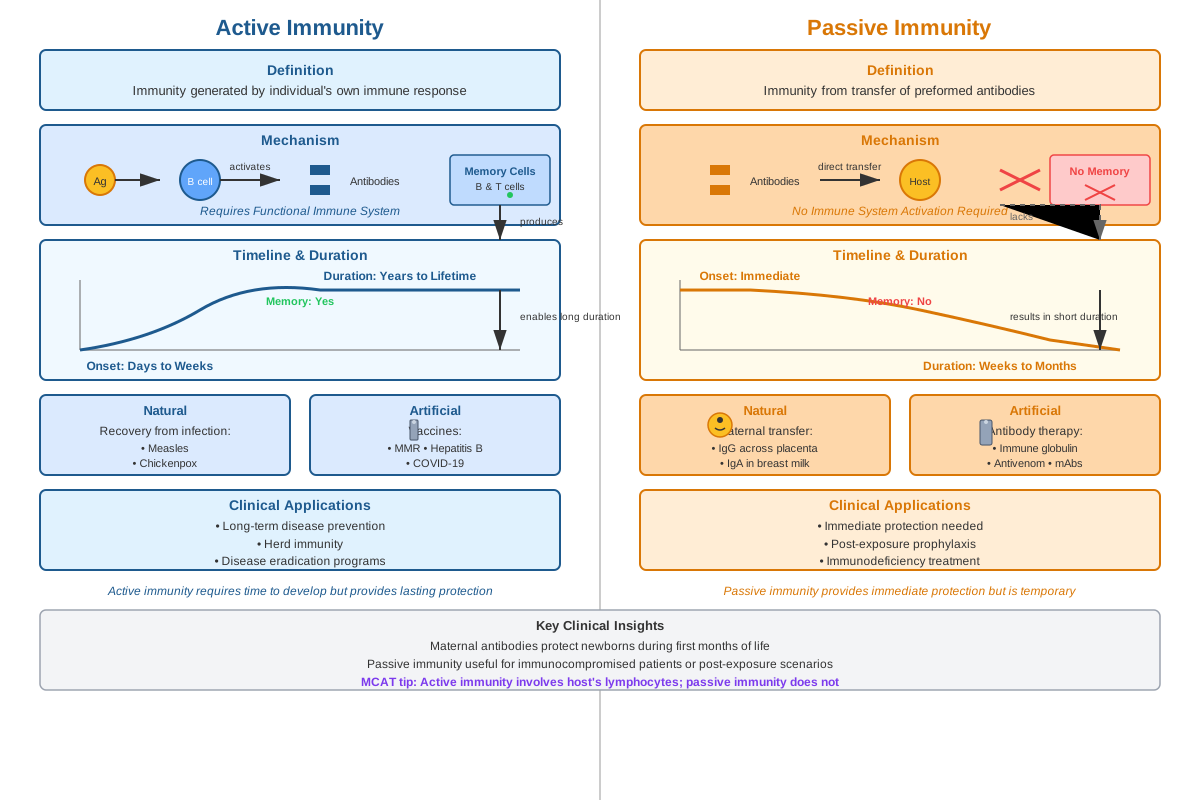
Types of Immunity
Understanding vaccination requires distinguishing between different immunity classifications:
| Immunity Type | Acquisition Method | Duration | Examples |
|---|---|---|---|
| Active Natural | Infection with pathogen | Long-lasting to lifelong | Recovery from chickenpox |
| Active Artificial | Vaccination | Years to lifelong (may require boosters) | MMR vaccine, tetanus toxoid |
| Passive Natural | Maternal antibodies via placenta/breast milk | Temporary (weeks to months) | Newborn immunity to measles |
| Passive Artificial | Injection of pre-formed antibodies | Temporary (weeks to months) | Rabies immunoglobulin, antivenom |
Active immunity involves the recipient's own immune system generating a response, producing both antibodies and memory cells. Passive immunity provides immediate but temporary protection through transfer of pre-formed antibodies without activating the recipient's adaptive immune system.
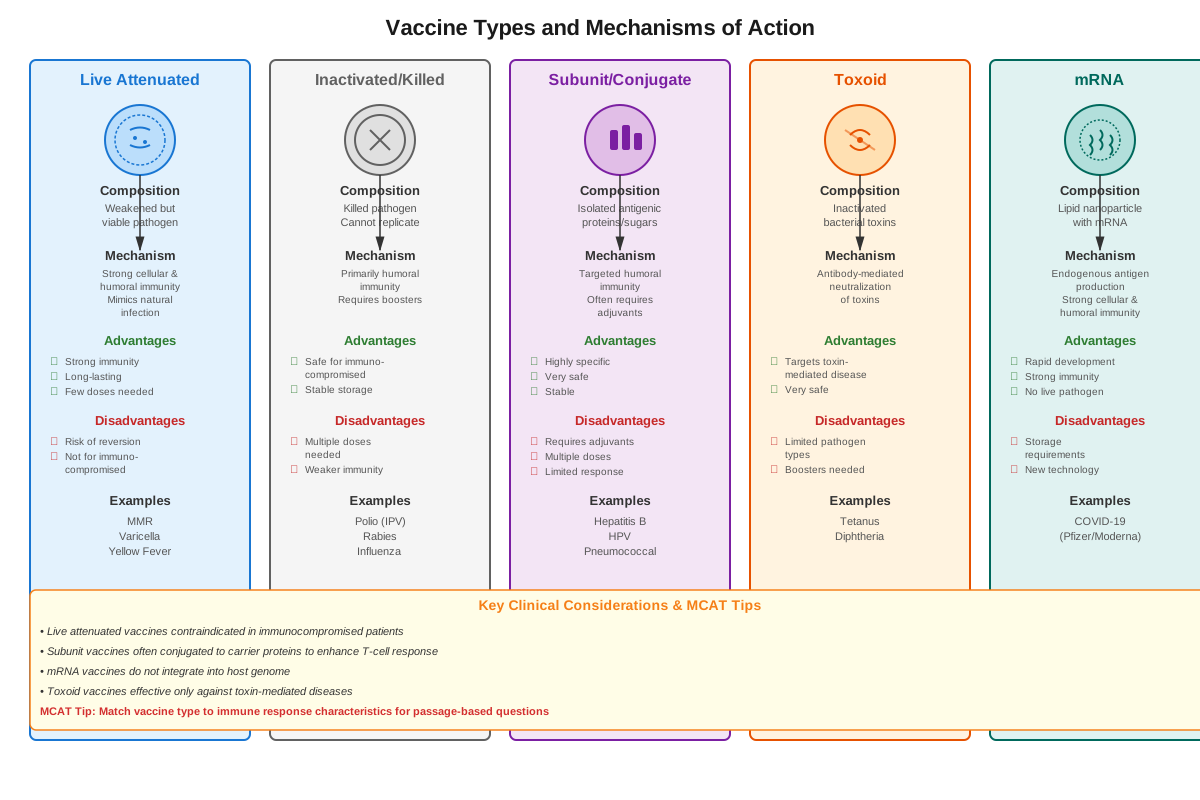
Vaccine Types and Mechanisms
Different vaccine formulations exploit various immunological principles:
Live Attenuated Vaccines
These contain weakened forms of pathogens that can replicate but cause minimal or no disease. Attenuation typically occurs through serial passage in non-human cells or genetic modification. Live attenuated vaccines:
- Stimulate strong cell-mediated immunity (CD8+ T cell responses) because intracellular replication allows antigen presentation via MHC Class I
- Generate robust humoral immunity (antibody production) through B cell activation
- Often require only single doses for long-lasting immunity
- Cannot be used in immunocompromised individuals due to reversion risk
Examples include MMR (measles, mumps, rubella), varicella (chickenpox), and oral polio vaccines.
Inactivated/Killed Vaccines
These contain pathogens killed by heat, chemicals, or radiation, eliminating replication capacity while preserving antigenic structures. Inactivated vaccines:
- Primarily stimulate humoral immunity with limited cell-mediated responses (no MHC Class I presentation)
- Require multiple doses and boosters to maintain immunity
- Are safer for immunocompromised individuals
- Often require adjuvants to enhance immunogenicity
Examples include injectable polio vaccine (IPV), hepatitis A, and influenza (some formulations).
Subunit, Recombinant, and Conjugate Vaccines
These contain specific pathogen components rather than whole organisms:
- Subunit vaccines use purified antigenic proteins (e.g., hepatitis B surface antigen)
- Recombinant vaccines employ genetically engineered antigens produced in host cells
- Conjugate vaccines link polysaccharide antigens to protein carriers, converting T-independent antigens into T-dependent antigens that generate memory responses (e.g., Haemophilus influenzae type b)
Toxoid Vaccines
Toxoids are inactivated bacterial toxins that stimulate antibody production against the toxin rather than the bacterium itself. Examples include tetanus and diphtheria vaccines, which generate neutralizing antibodies that bind and inactivate toxins.
mRNA and Viral Vector Vaccines
Modern vaccine platforms include:
- mRNA vaccines deliver genetic instructions for cells to produce pathogen antigens, stimulating immune responses (e.g., COVID-19 mRNA vaccines)
- Viral vector vaccines use harmless viruses to deliver pathogen genes into cells (e.g., adenovirus-vectored COVID-19 vaccines)
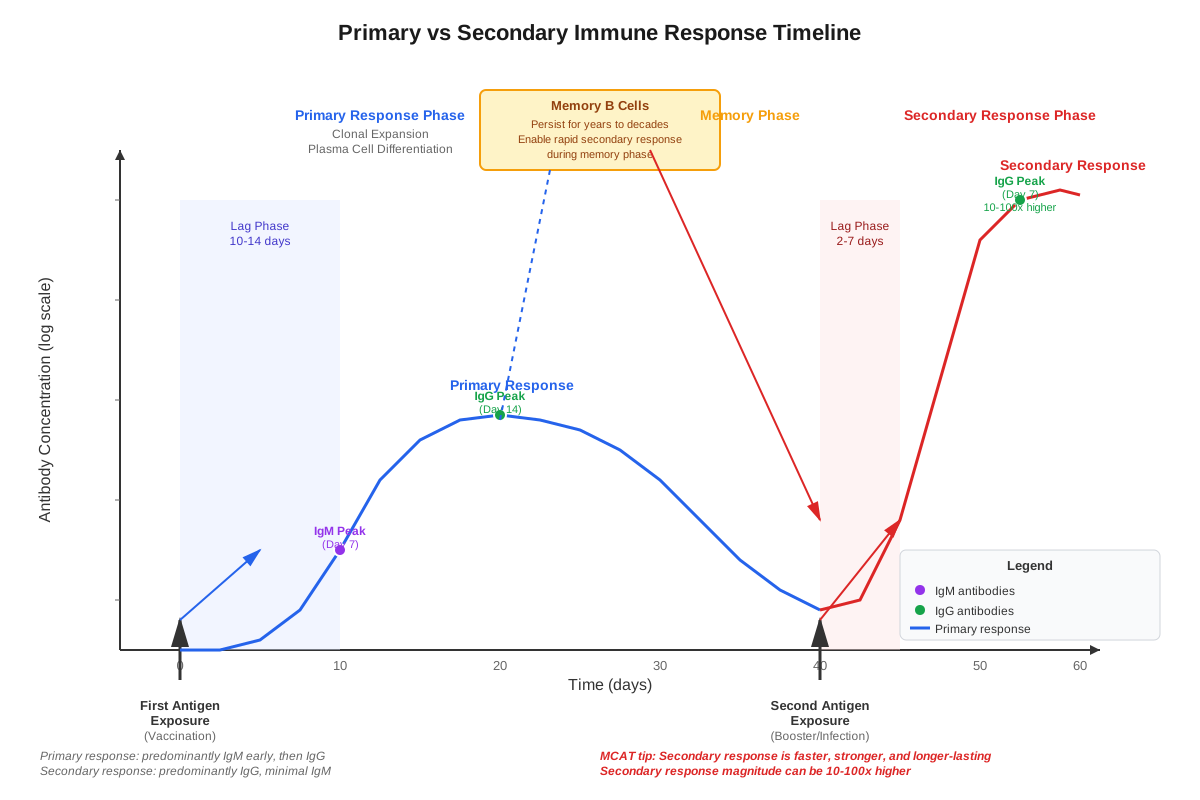
Primary vs. Secondary Immune Responses
The distinction between primary and secondary immune responses is central to Vaccination MCAT questions:
Primary Response (first antigen exposure):
- Lag phase (4-7 days): Antigen recognition, lymphocyte activation, clonal expansion
- Log phase: Exponential increase in antibody-secreting plasma cells
- Plateau phase: Peak antibody levels (predominantly IgM initially, then IgG)
- Decline phase: Antibody levels decrease as plasma cells die
Secondary Response (subsequent antigen exposure):
- Shorter lag phase (1-3 days): Memory cells respond faster than naive cells
- Higher peak antibody levels: More plasma cells generated from expanded memory pool
- Predominantly IgG: Class switching already occurred during primary response
- Longer persistence: More durable antibody production
This difference explains why booster shots enhance immunity—they convert a waning primary response into a robust secondary response.
Herd Immunity
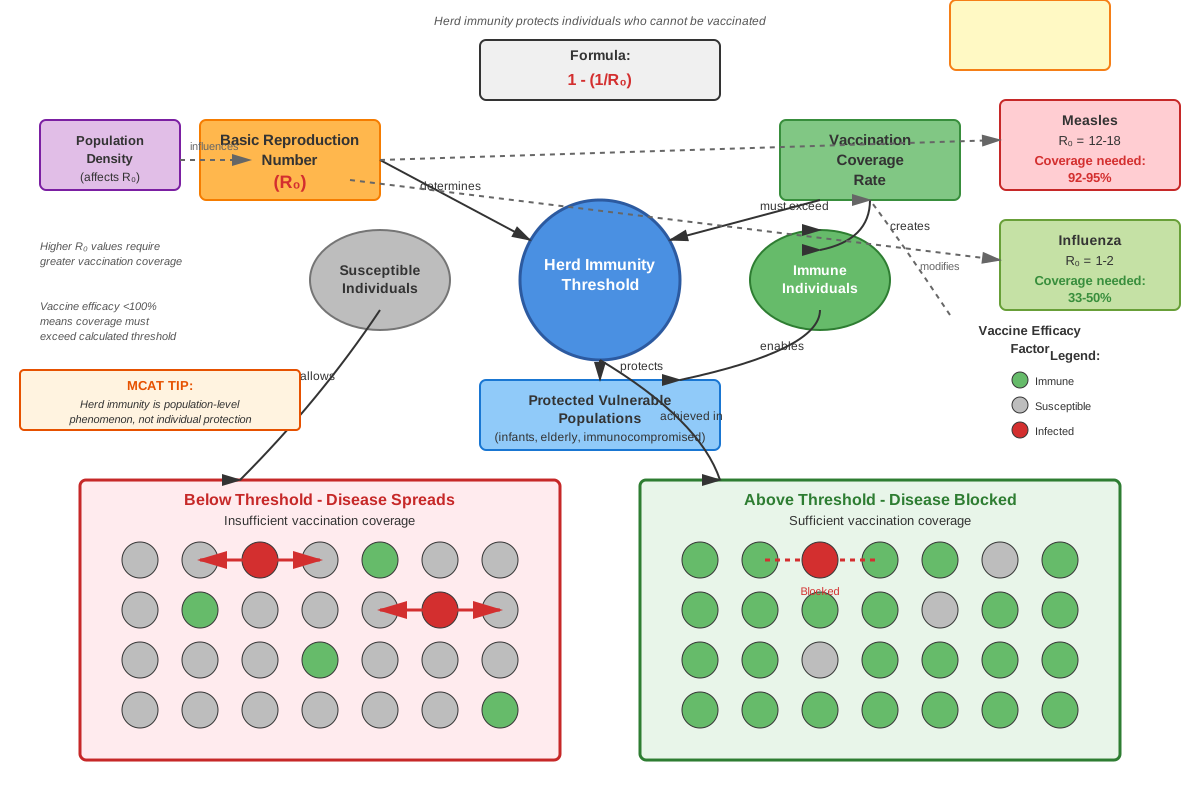
Herd immunity (community immunity) occurs when sufficient population vaccination reduces pathogen transmission, indirectly protecting unvaccinated individuals. The threshold vaccination coverage required depends on the pathogen's basic reproduction number (R₀)—the average number of secondary infections from one infected individual in a susceptible population.
The herd immunity threshold is calculated as: 1 - (1/R₀)
For highly contagious diseases like measles (R₀ ≈ 15), approximately 93-95% vaccination coverage is needed. This concept frequently appears in MCAT passages discussing public health interventions and epidemiology.
Adjuvants and Immune Enhancement
Adjuvants are substances added to vaccines to enhance immunogenicity by:
- Creating antigen depots for sustained release
- Activating innate immune cells (dendritic cells, macrophages)
- Promoting inflammation that recruits immune cells
- Enhancing antigen presentation
Common adjuvants include aluminum salts (alum), oil-in-water emulsions, and Toll-like receptor agonists. Understanding adjuvants connects vaccination to innate immunity concepts tested on the MCAT.
Concept Relationships
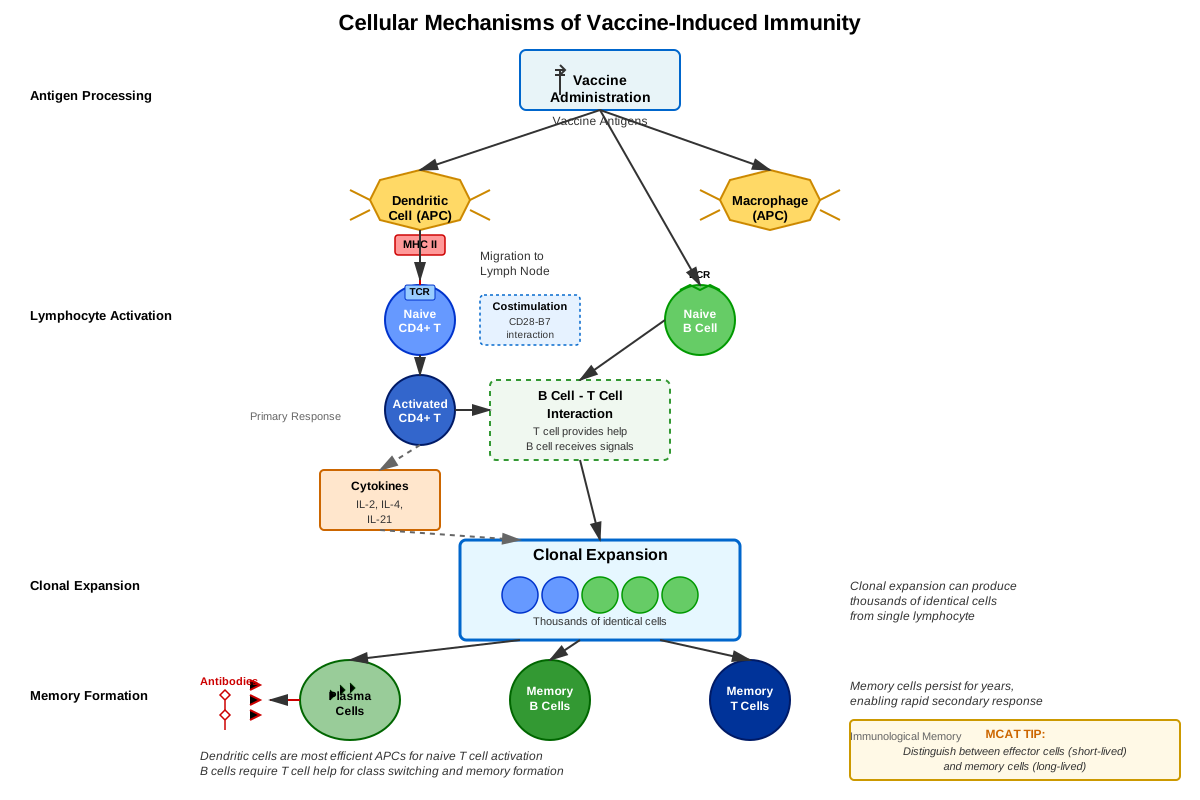
The concepts within vaccination form an interconnected network centered on adaptive immunity. Vaccine administration → antigen presentation by dendritic cells → T cell activation → B cell activation and antibody production → memory cell formation → rapid secondary response upon pathogen exposure. This sequence integrates cellular immunology (lymphocyte activation), molecular biology (antibody production), and systems physiology (coordinated immune responses).
Vaccination connects to prerequisite topics through multiple pathways. Innate immunity provides the initial response to vaccine antigens, with pattern recognition receptors detecting pathogen-associated molecular patterns. This activates antigen-presenting cells that display processed antigens via MHC molecules, bridging to adaptive immunity. The clonal selection theory explains how specific B and T cell clones expand in response to vaccine antigens, while antibody structure determines the specificity and function of vaccine-induced humoral immunity.
Vaccination also relates to broader biological concepts: genetics (V(D)J recombination generating antibody diversity), evolution (pathogen-host coevolution driving immune system complexity), biochemistry (antigen-antibody binding kinetics), and molecular biology (gene expression in plasma cells producing antibodies). Understanding these connections enables students to tackle complex, interdisciplinary MCAT passages.
The relationship between vaccine types and immune responses follows predictable patterns: Live attenuated vaccines → intracellular replication → MHC Class I presentation → CD8+ T cell activation → strong cell-mediated immunity. Conversely, inactivated vaccines → extracellular antigens → MHC Class II presentation → CD4+ T cell help → predominantly humoral immunity. Recognizing these pathways helps predict vaccine efficacy and appropriate use cases.
High-Yield Facts
⭐ Vaccination induces active artificial immunity by stimulating adaptive immune responses without causing disease, generating immunological memory through memory B and T cells
⭐ The secondary immune response is faster (1-3 days vs. 4-7 days), stronger (higher antibody titers), and produces predominantly IgG rather than IgM
⭐ Live attenuated vaccines stimulate both cell-mediated (CD8+ T cell) and humoral (antibody) immunity because intracellular replication allows MHC Class I presentation
⭐ Inactivated vaccines primarily stimulate humoral immunity and require multiple doses/boosters because they cannot replicate and present via MHC Class I
⭐ Herd immunity threshold depends on R₀ and is calculated as 1 - (1/R₀); highly contagious diseases require higher vaccination coverage
- Passive immunity provides immediate but temporary protection through pre-formed antibodies without generating memory cells
- Conjugate vaccines convert T-independent polysaccharide antigens into T-dependent antigens by linking them to protein carriers, enabling memory formation
- Adjuvants enhance vaccine immunogenicity by activating innate immune responses and promoting sustained antigen presentation
- Toxoid vaccines generate neutralizing antibodies against bacterial toxins rather than the bacteria themselves
- Memory B cells can persist for decades in bone marrow and secondary lymphoid organs, enabling rapid antibody production upon re-exposure
- Booster shots convert waning primary responses into robust secondary responses, extending immunity duration
- mRNA vaccines deliver genetic instructions for host cells to produce antigens, stimulating immune responses without introducing live pathogens
Quick check — test yourself on Vaccination so far.
Try Flashcards →Common Misconceptions
Misconception: Vaccination provides immediate protection against disease.
Correction: Vaccines require time (typically 2-4 weeks) to generate protective immunity as the adaptive immune system undergoes clonal expansion and memory cell formation. Passive immunization with pre-formed antibodies provides immediate but temporary protection.
Misconception: All vaccines provide lifelong immunity after a single dose.
Correction: Vaccine-induced immunity duration varies by vaccine type. Live attenuated vaccines often provide long-lasting immunity from single doses, while inactivated vaccines typically require multiple doses and periodic boosters to maintain protective antibody levels.
Misconception: Vaccines only stimulate antibody production (humoral immunity).
Correction: Vaccines stimulate both humoral and cell-mediated immunity, though the balance depends on vaccine type. Live attenuated vaccines particularly excel at generating CD8+ T cell responses through MHC Class I presentation, while inactivated vaccines primarily stimulate antibody production.
Misconception: Natural infection always provides better immunity than vaccination.
Correction: While natural infection often generates robust immunity, it carries disease risks including complications, death, and transmission to others. Vaccines provide immunity without these risks, and some vaccines (like HPV and tetanus toxoid) may generate more consistent protective responses than natural infection.
Misconception: Passive immunity and active immunity are equivalent in duration and mechanism.
Correction: Passive immunity involves transfer of pre-formed antibodies without activating the recipient's adaptive immune system, providing temporary protection (weeks to months) without memory formation. Active immunity involves the recipient's immune system generating responses with memory cell formation, providing longer-lasting protection.
Misconception: Herd immunity only benefits vaccinated individuals.
Correction: Herd immunity protects unvaccinated individuals (including those who cannot be vaccinated due to medical contraindications) by reducing pathogen transmission when vaccination coverage exceeds the threshold determined by the pathogen's R₀ value.
Misconception: Adjuvants are unnecessary additives that increase vaccine side effects.
Correction: Adjuvants are critical components that enhance vaccine immunogenicity, particularly for inactivated and subunit vaccines that would otherwise generate weak responses. They activate innate immunity and promote robust adaptive responses, enabling lower antigen doses and improved efficacy.
Worked Examples
Example 1: Analyzing Vaccine Efficacy Data
Question: A clinical trial tests a new influenza vaccine. Participants receive either the vaccine or placebo, then are monitored for infection. Results show:
- Vaccine group: 50 infections among 5,000 participants (1% infection rate)
- Placebo group: 500 infections among 5,000 participants (10% infection rate)
Blood samples taken 2 weeks and 6 months post-vaccination show:
- Week 2: Mean anti-influenza IgM = 150 units, IgG = 200 units
- Month 6: Mean anti-influenza IgM = 20 units, IgG = 180 units
A) Calculate vaccine efficacy
B) Explain the antibody pattern observed
C) Predict what would happen if participants encountered influenza virus at month 6
Solution:
A) Vaccine efficacy = [(Infection rate in unvaccinated - Infection rate in vaccinated) / Infection rate in unvaccinated] × 100%
= [(10% - 1%) / 10%] × 100% = 90% efficacy
B) The antibody pattern reflects a typical primary immune response:
- Week 2 shows elevated IgM (first antibody class produced) and rising IgG (after class switching)
- Month 6 shows declined IgM (short-lived plasma cells died) but maintained IgG (longer-lived plasma cells and memory cells persist)
- This pattern indicates successful primary response with memory formation
C) At month 6, encountering influenza would trigger a secondary immune response:
- Memory B cells would rapidly differentiate into plasma cells (1-3 day lag vs. 4-7 days for primary)
- IgG levels would increase dramatically (higher peak than primary response)
- Memory T cells would activate quickly, providing cell-mediated immunity
- The individual would likely experience no disease or mild symptoms due to rapid pathogen clearance
Connection to Learning Objectives: This example applies vaccination concepts to exam-style data interpretation, distinguishes primary immune response characteristics, and demonstrates how to analyze vaccine efficacy—all critical skills for Vaccination MCAT questions.
Example 2: Comparing Vaccine Strategies
Question: A research team develops two vaccine candidates against a novel bacterial pathogen:
Vaccine A: Live attenuated bacteria with deleted virulence genes
Vaccine B: Purified bacterial surface proteins with aluminum adjuvant
A) Compare the expected immune responses to each vaccine
B) Which vaccine would be contraindicated in HIV patients with low CD4+ counts?
C) Which vaccine would likely require booster doses?
Solution:
A) Vaccine A (Live Attenuated):
- Intracellular replication → antigen presentation via MHC Class I → CD8+ T cell activation
- Strong cell-mediated immunity (cytotoxic T lymphocytes)
- Extracellular antigens also presented via MHC Class II → CD4+ T cell help → B cell activation
- Robust humoral immunity (antibody production)
- Likely single-dose efficacy due to strong, balanced immune response
Vaccine B (Subunit with Adjuvant):
- Extracellular antigens → presentation via MHC Class II only
- Primarily humoral immunity with limited cell-mediated response
- Adjuvant enhances response by activating innate immunity and promoting inflammation
- Weaker overall response compared to live vaccine
B) Vaccine A would be contraindicated in immunocompromised HIV patients because:
- Live attenuated organisms can revert to virulence or cause disease in individuals with impaired immunity
- Low CD4+ T cell counts indicate compromised adaptive immunity unable to control even weakened pathogens
- Vaccine B (inactivated components) would be safer as it cannot replicate
C) Vaccine B would likely require boosters because:
- Subunit vaccines generate weaker primary responses than live vaccines
- Limited cell-mediated immunity and lower antibody titers
- Memory cell populations may be smaller and less durable
- Vaccine A's robust response from replicating antigen typically provides longer-lasting immunity
Connection to Learning Objectives: This example requires applying vaccination principles to predict outcomes, connecting vaccine types to immune mechanisms, and identifying appropriate vaccine use—demonstrating mastery of Vaccination Biology concepts essential for the MCAT.
Exam Strategy
When approaching Vaccination MCAT questions, employ these strategic approaches:
Identify the vaccine type first: Determine whether the question involves live attenuated, inactivated, subunit, or other vaccine types. This immediately constrains possible immune responses and outcomes. Live vaccines → both humoral and cell-mediated immunity; inactivated vaccines → primarily humoral immunity.
Watch for trigger words:
- "Immunocompromised," "HIV," "chemotherapy" → eliminate live vaccine options
- "Immediate protection" → passive immunity, not vaccination
- "Memory cells," "secondary response" → active immunity from vaccination
- "Booster dose" → suggests inactivated or subunit vaccine requiring multiple exposures
- "Neutralizing antibodies" → toxoid vaccines or antibody-mediated protection
Timeline questions: Pay attention to time frames mentioned. Questions asking about responses "2 weeks after vaccination" test primary response knowledge (IgM then IgG, 4-7 day lag). Questions about "years later" or "upon re-exposure" test secondary response understanding (faster, stronger, predominantly IgG).
Process of elimination for vaccine safety questions:
- Eliminate live vaccines for immunocompromised patients
- Eliminate passive immunity if the question asks about long-term protection
- Eliminate options suggesting immediate immunity from vaccination (requires 2-4 weeks)
- Keep options mentioning memory cells, as these are central to vaccine function
Data interpretation approach:
- Antibody titer graphs: Primary response shows gradual IgM rise then IgG; secondary response shows rapid, high IgG with minimal IgM
- Efficacy calculations: (Unvaccinated rate - Vaccinated rate) / Unvaccinated rate
- Herd immunity: Higher R₀ requires higher vaccination coverage
Time allocation: Vaccination questions typically appear in passages requiring 8-10 minutes total. Spend 4-5 minutes reading and annotating the passage, identifying vaccine type and key experimental details. Allocate 1-1.5 minutes per question, using passage information to eliminate wrong answers before selecting the best option.
Common question formats:
- Experimental design: "Which vaccine would best generate CD8+ T cell responses?" → Live attenuated
- Mechanism: "Why do inactivated vaccines require boosters?" → No MHC Class I presentation, weaker memory formation
- Application: "A patient needs immediate protection against rabies exposure" → Passive immunization, not vaccination
Memory Techniques
Vaccine Type Mnemonic - "LITS":
- Live attenuated: Long-lasting, Lymphocytes (both B and T), Limited use in immunocompromised
- Inactivated: Inferior cell-mediated immunity, Injections (multiple doses)
- Toxoid: Toxin neutralization, Tetanus/diphtheria
- Subunit: Safer, Several doses needed, Specific antigens
Primary vs. Secondary Response - "FLASH":
Faster (1-3 days vs. 4-7 days)
Larger peak (higher antibody titers)
Antibody class (IgG predominates vs. IgM first)
Second exposure (memory cells activated)
Higher affinity (affinity maturation occurred)
Active vs. Passive Immunity - "STAMP":
Self-generated vs. Transferred
Adaptive system activated vs. Memory absent
Permanent (longer) vs. Passing (temporary)
Visualization Strategy: Picture a "training camp" for immune cells. Vaccination is like showing soldiers (lymphocytes) pictures and descriptions of enemies (antigens) without actual combat. Some soldiers become veterans (memory cells) who remember the enemy. When real enemies attack later, veterans quickly mobilize new troops (secondary response) for rapid defense.
Herd Immunity Concept: Visualize a forest fire (disease spread). Vaccinated individuals are firebreaks (cannot transmit). With enough firebreaks strategically placed (high vaccination coverage), fire cannot spread to unprotected areas (unvaccinated individuals), even though some trees remain vulnerable.
Summary
Vaccination represents a cornerstone of immunology and public health, functioning through deliberate stimulation of adaptive immunity to generate immunological memory without causing disease. The fundamental distinction between active and passive immunity, combined with understanding of primary versus secondary immune responses, forms the conceptual foundation for all vaccination questions on the MCAT. Different vaccine types—live attenuated, inactivated, subunit, conjugate, and toxoid—exploit specific immunological mechanisms to generate varying balances of humoral and cell-mediated immunity. Live attenuated vaccines stimulate robust responses through intracellular replication and MHC Class I presentation, while inactivated vaccines primarily generate antibody responses requiring multiple doses and boosters. The secondary immune response, characterized by faster kinetics, higher antibody titers, and IgG predominance, explains vaccine efficacy and the rationale for booster doses. Population-level effects through herd immunity demonstrate how individual vaccination protects communities, with threshold coverage determined by pathogen transmissibility. Mastery of these concepts enables students to analyze experimental data, predict vaccine outcomes, and apply immunological principles to novel scenarios—essential skills for MCAT success.
Key Takeaways
- Vaccination induces active artificial immunity through adaptive immune system stimulation, generating memory B and T cells that enable rapid, robust secondary responses upon pathogen re-exposure
- Live attenuated vaccines produce both cell-mediated and humoral immunity through intracellular replication and MHC Class I presentation, while inactivated vaccines primarily stimulate antibody production
- The secondary immune response is faster (1-3 days), stronger (higher titers), and produces predominantly IgG, explaining why booster doses enhance and extend immunity
- Passive immunity provides immediate but temporary protection through pre-formed antibodies without memory formation, contrasting with vaccination's delayed but durable immunity
- Herd immunity protects unvaccinated individuals when vaccination coverage exceeds the threshold calculated as 1 - (1/R₀), with highly contagious diseases requiring higher coverage
- Vaccine type determines appropriate use: live vaccines are contraindicated in immunocompromised patients, while inactivated vaccines are safer but require multiple doses
- Understanding the relationship between vaccine type, antigen presentation pathway (MHC Class I vs. II), and resulting immune response enables prediction of vaccine efficacy and appropriate applications
Related Topics
Antibody Structure and Function: Deep dive into immunoglobulin classes, antigen-binding sites, and effector functions that determine vaccine-induced antibody efficacy. Mastering vaccination provides context for understanding why different antibody classes serve distinct protective roles.
Cell-Mediated Immunity: Detailed exploration of T cell activation, differentiation, and effector functions. Vaccination concepts establish the foundation for understanding how CD4+ helper T cells coordinate responses and CD8+ cytotoxic T cells eliminate infected cells.
Immunological Memory: Advanced study of memory cell formation, maintenance, and reactivation mechanisms. Vaccination introduces memory concepts that are further developed in understanding long-term immunity and recall responses.
Innate Immunity and Pattern Recognition: Examination of how innate immune responses initiate adaptive immunity. Understanding vaccination's dependence on innate activation through adjuvants and pathogen-associated molecular patterns connects these immune system branches.
Hypersensitivity Reactions: Study of inappropriate or excessive immune responses, including allergic reactions to vaccine components. Vaccination knowledge provides context for understanding when immune responses become pathological.
Immunodeficiency Disorders: Analysis of primary and acquired immune deficiencies affecting vaccine responses. Mastering vaccination enables understanding of why certain patients cannot receive live vaccines and require alternative protection strategies.
Practice CTA
Now that you have mastered the core concepts of vaccination, reinforce your understanding by attempting practice questions and flashcards focused on this topic. Challenge yourself with passage-based questions that integrate vaccination with experimental design, data interpretation, and clinical scenarios. Focus particularly on distinguishing vaccine types, predicting immune responses, and analyzing primary versus secondary response kinetics—these represent the highest-yield applications for MCAT success. Remember that vaccination questions often test conceptual understanding rather than memorization, so practice applying these principles to novel scenarios. Your ability to connect vaccination mechanisms to broader immunological concepts will serve you well across multiple MCAT passages. Stay motivated—mastering vaccination demonstrates your command of adaptive immunity, one of the most complex and clinically relevant topics in biology!
Sign up free to keep reading
Create a free AnvayaPrep account to finish this MCAT guide on Vaccination — plus flashcards and practice questions.