Overview
Bone remodeling is a continuous, dynamic process by which bone tissue is renewed throughout life. This sophisticated mechanism involves the coordinated removal of old or damaged bone by specialized cells called osteoclasts, followed by the deposition of new bone matrix by osteoblasts. Far from being a static structural framework, bone represents a metabolically active tissue that responds to mechanical stress, hormonal signals, and calcium homeostasis demands. Understanding bone remodeling is essential for grasping how the skeletal system maintains its structural integrity, repairs microdamage, and serves as the body's primary calcium reservoir.
For the MCAT, bone remodeling Biology represents a high-yield integration point that connects endocrinology, cell biology, and physiology. Questions frequently test the hormonal regulation of bone remodeling (particularly parathyroid hormone, calcitonin, and vitamin D), the cellular mechanisms underlying bone formation and resorption, and the clinical consequences when this balance is disrupted. The topic appears in both passage-based and discrete questions, often requiring students to apply their understanding of feedback loops, cell signaling, and mineral homeostasis to novel scenarios.
Within the broader context of Physiology and Organ Systems, bone remodeling exemplifies how tissues maintain homeostasis through cellular cooperation and hormonal regulation. This topic connects directly to calcium metabolism, endocrine system function, muscle physiology (since calcium is essential for contraction), and even cardiovascular physiology (calcium's role in cardiac function). Mastering bone remodeling MCAT concepts provides a foundation for understanding osteoporosis, hyperparathyroidism, and other clinically relevant conditions that frequently appear in MCAT passages.
Learning Objectives
- [ ] Define bone remodeling using accurate Biology terminology
- [ ] Explain why bone remodeling matters for the MCAT
- [ ] Apply bone remodeling to exam-style questions
- [ ] Identify common mistakes related to bone remodeling
- [ ] Connect bone remodeling to related Biology concepts
- [ ] Describe the sequential steps of the bone remodeling cycle and the cells involved in each phase
- [ ] Analyze the hormonal regulation of bone remodeling and predict outcomes when hormone levels are altered
- [ ] Compare and contrast the functions of osteoblasts, osteoclasts, and osteocytes in maintaining bone homeostasis
Prerequisites
- Basic cell biology: Understanding cell differentiation and specialized cell functions is necessary to comprehend how osteoblasts and osteoclasts arise from different precursor cells
- Endocrine system fundamentals: Knowledge of hormone signaling, receptors, and feedback mechanisms enables understanding of how PTH, calcitonin, and vitamin D regulate bone remodeling
- Calcium homeostasis: Familiarity with blood calcium regulation provides context for why bone serves as a calcium reservoir
- Tissue types: Recognition of connective tissue structure and extracellular matrix composition helps explain bone's unique properties
- Enzyme function: Understanding how enzymes break down proteins and minerals is essential for grasping osteoclast activity
Why This Topic Matters
Clinical and Real-World Significance
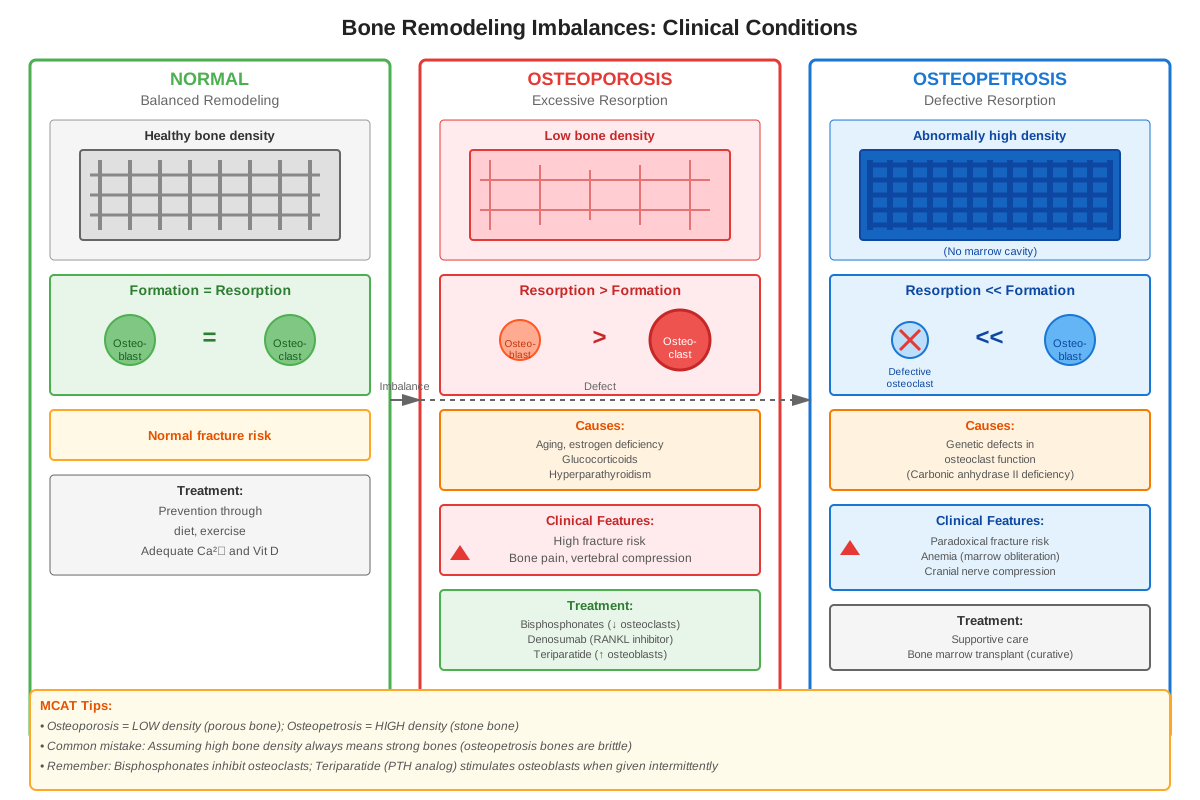
Bone remodeling dysfunction underlies numerous clinically significant conditions. Osteoporosis, affecting millions worldwide, results from an imbalance where bone resorption exceeds formation, leading to fragile bones and increased fracture risk. Paget's disease involves excessive, disorganized bone remodeling. Understanding bone remodeling also explains why astronauts lose bone density in microgravity (reduced mechanical stress decreases bone formation) and why weight-bearing exercise strengthens bones. Pharmaceutical interventions for bone diseases—bisphosphonates, denosumab, and teriparatide—target specific components of the remodeling cycle, making this knowledge directly applicable to pharmacology and clinical medicine.
MCAT Exam Statistics and Question Types
Bone remodeling appears in approximately 3-5% of MCAT Biology questions, with particular emphasis on:
- Passage-based questions presenting experimental data about bone density changes, hormone treatments, or cellular mechanisms
- Discrete questions testing knowledge of specific hormones, cell types, or the remodeling sequence
- Integrated questions requiring students to connect bone remodeling to calcium homeostasis, endocrine disorders, or aging
Questions commonly present scenarios involving hormone imbalances (hyperparathyroidism, vitamin D deficiency), pharmaceutical interventions, or experimental manipulations of bone cells. The MCAT frequently tests whether students can predict outcomes when one component of the system is altered, requiring deep understanding rather than simple memorization.
Common Exam Passage Contexts
- Research studies measuring bone density in different populations (postmenopausal women, athletes, patients with endocrine disorders)
- Experiments manipulating osteoblast or osteoclast activity through drugs or genetic modifications
- Clinical vignettes describing patients with calcium imbalances or bone diseases
- Evolutionary or comparative anatomy passages discussing bone structure across species
Core Concepts
Definition and Overview of Bone Remodeling
Bone remodeling is the lifelong process of bone tissue renewal involving the sequential resorption of old bone by osteoclasts and formation of new bone by osteoblasts. This process occurs continuously at multiple sites throughout the skeleton, with approximately 10% of the adult skeleton being remodeled annually. The remodeling cycle serves three critical functions: (1) maintaining calcium homeostasis by releasing or storing calcium, (2) repairing microdamage from mechanical stress to prevent fracture accumulation, and (3) adapting bone architecture to changing mechanical demands according to Wolff's Law (bone remodels in response to applied stress).
The Bone Remodeling Cycle
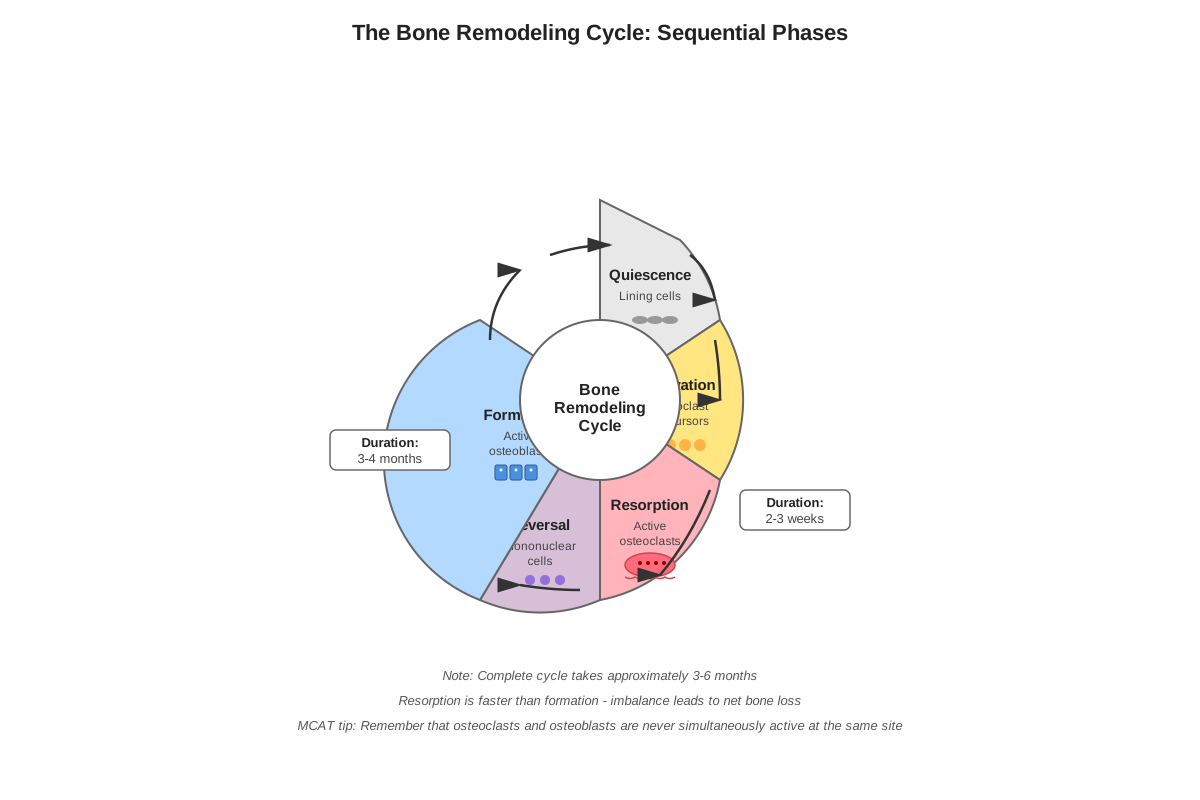
The bone remodeling cycle consists of five distinct phases that occur sequentially at discrete anatomical sites called basic multicellular units (BMUs):
- Activation Phase: Mechanical stress, microdamage, or hormonal signals trigger the recruitment of osteoclast precursors to a specific bone surface. Osteocytes (mature bone cells embedded in the matrix) detect damage and secrete signaling molecules that initiate remodeling.
- Resorption Phase: Multinucleated osteoclasts (derived from hematopoietic stem cells of the monocyte/macrophage lineage) attach to the bone surface and create a sealed microenvironment. They secrete hydrochloric acid (HCl) to dissolve the mineral component (hydroxyapatite crystals) and proteolytic enzymes (particularly cathepsin K and matrix metalloproteinases) to digest the organic matrix (primarily type I collagen). This creates a resorption pit called a Howship's lacuna.
- Reversal Phase: A transitional period where mononuclear cells prepare the resorbed surface for new bone formation by removing remaining debris and depositing signals that attract osteoblasts.
- Formation Phase: Osteoblasts (derived from mesenchymal stem cells) migrate to the resorption site and synthesize new bone matrix called osteoid, composed primarily of type I collagen and other proteins. Osteoblasts secrete alkaline phosphatase, which facilitates mineralization.
- Mineralization Phase: Calcium phosphate crystals (hydroxyapatite) are deposited into the osteoid matrix over several months, hardening the new bone. Some osteoblasts become embedded in the matrix and differentiate into osteocytes, while others undergo apoptosis or become bone-lining cells.
Key Cell Types in Bone Remodeling
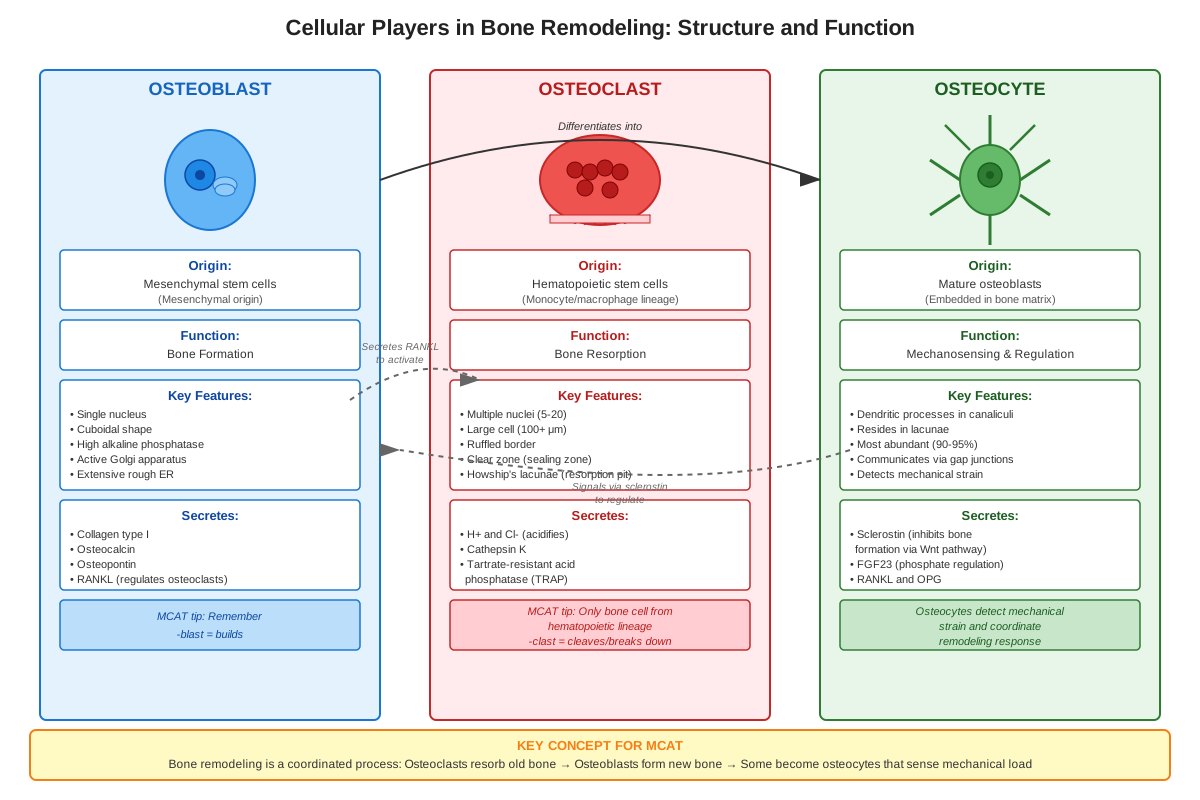
| Cell Type | Origin | Primary Function | Key Markers/Products |
|---|---|---|---|
| Osteoclasts | Hematopoietic stem cells (monocyte lineage) | Bone resorption | RANK receptor, cathepsin K, tartrate-resistant acid phosphatase (TRAP) |
| Osteoblasts | Mesenchymal stem cells | Bone formation | Alkaline phosphatase, osteocalcin, type I collagen, RANKL, OPG |
| Osteocytes | Differentiated osteoblasts | Mechanosensing, orchestrating remodeling | Sclerostin, FGF23, extensive canalicular network |
| Bone-lining cells | Quiescent osteoblasts | Surface protection, calcium exchange | Cover inactive bone surfaces |
Hormonal Regulation of Bone Remodeling
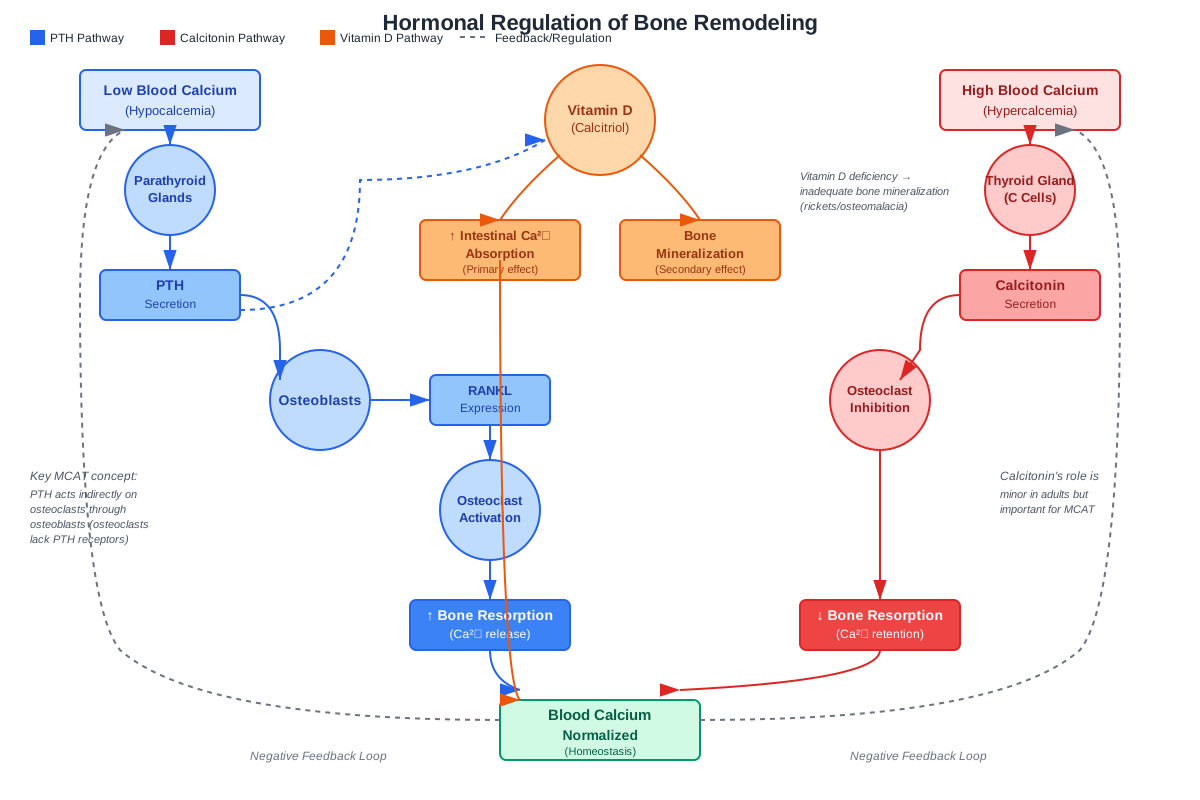
Parathyroid Hormone (PTH): The primary regulator of calcium homeostasis, PTH is secreted by parathyroid glands in response to low blood calcium. PTH has complex effects on bone:
- Indirect effect on osteoclasts: PTH receptors are present on osteoblasts, not osteoclasts. PTH stimulates osteoblasts to increase expression of RANKL (Receptor Activator of Nuclear Factor Kappa-B Ligand) and decrease expression of osteoprotegerin (OPG), a decoy receptor for RANKL
- RANKL-RANK pathway: RANKL binds to RANK receptors on osteoclast precursors, promoting their differentiation, activation, and survival. OPG normally blocks this interaction; decreased OPG allows increased osteoclast activity
- Net effect: Chronic PTH elevation increases bone resorption, releasing calcium into blood. However, intermittent PTH administration (as in teriparatide therapy) paradoxically stimulates bone formation
Calcitonin: Secreted by thyroid parafollicular C cells in response to high blood calcium, calcitonin directly inhibits osteoclast activity by binding to calcitonin receptors on osteoclasts. This decreases bone resorption and lowers blood calcium. Calcitonin's effects are relatively weak in adults compared to PTH.
Vitamin D (Calcitriol): The active form, 1,25-dihydroxyvitamin D₃, primarily increases intestinal calcium absorption. Its effects on bone are complex:
- Promotes osteoblast differentiation and bone matrix synthesis
- Also increases RANKL expression, potentially enhancing resorption
- Net effect depends on calcium availability: with adequate calcium, vitamin D supports bone formation; with deficiency, it mobilizes calcium from bone
Sex Hormones (Estrogen and Testosterone): Both promote bone formation and inhibit resorption by:
- Suppressing osteoclast formation and promoting osteoclast apoptosis
- Stimulating osteoblast activity
- Decreasing production of pro-resorptive cytokines (IL-1, IL-6, TNF-α)
- Estrogen deficiency after menopause is a major cause of osteoporosis
Growth Hormone and IGF-1: Stimulate osteoblast proliferation and bone formation, particularly important during growth and development.
Glucocorticoids: Chronic elevation (Cushing's syndrome or prolonged corticosteroid therapy) inhibits osteoblast function and promotes osteoblast apoptosis, leading to decreased bone formation and osteoporosis.
Mechanical Regulation: Wolff's Law
Bone adapts its structure to the mechanical loads placed upon it—a principle known as Wolff's Law. Osteocytes, interconnected through an extensive network of canaliculi, function as mechanosensors. When mechanical strain deforms the bone matrix, fluid flow through canaliculi creates shear stress on osteocyte cell processes. This mechanical stimulus triggers osteocytes to:
- Decrease secretion of sclerostin, an inhibitor of bone formation
- Increase production of signaling molecules that promote osteoblast activity
- Regulate RANKL/OPG ratio to modulate osteoclast activity
This mechanism explains why weight-bearing exercise increases bone density and why immobilization or microgravity leads to bone loss.
Coupling of Resorption and Formation
Under normal circumstances, bone resorption and formation are tightly coupled, meaning the amount of bone removed equals the amount deposited, maintaining bone mass. This coupling occurs through:
- Local signaling factors: Osteoclasts release growth factors from the bone matrix (TGF-β, IGF-1, BMPs) that attract and activate osteoblasts
- Direct cell-cell communication: Physical and chemical signals between osteoclasts and osteoblasts coordinate their activities
- Systemic hormones: Hormones like PTH and estrogen affect both cell types to maintain balance
Uncoupling occurs when resorption and formation become imbalanced, leading to net bone loss (osteoporosis) or gain (osteopetrosis).
Concept Relationships
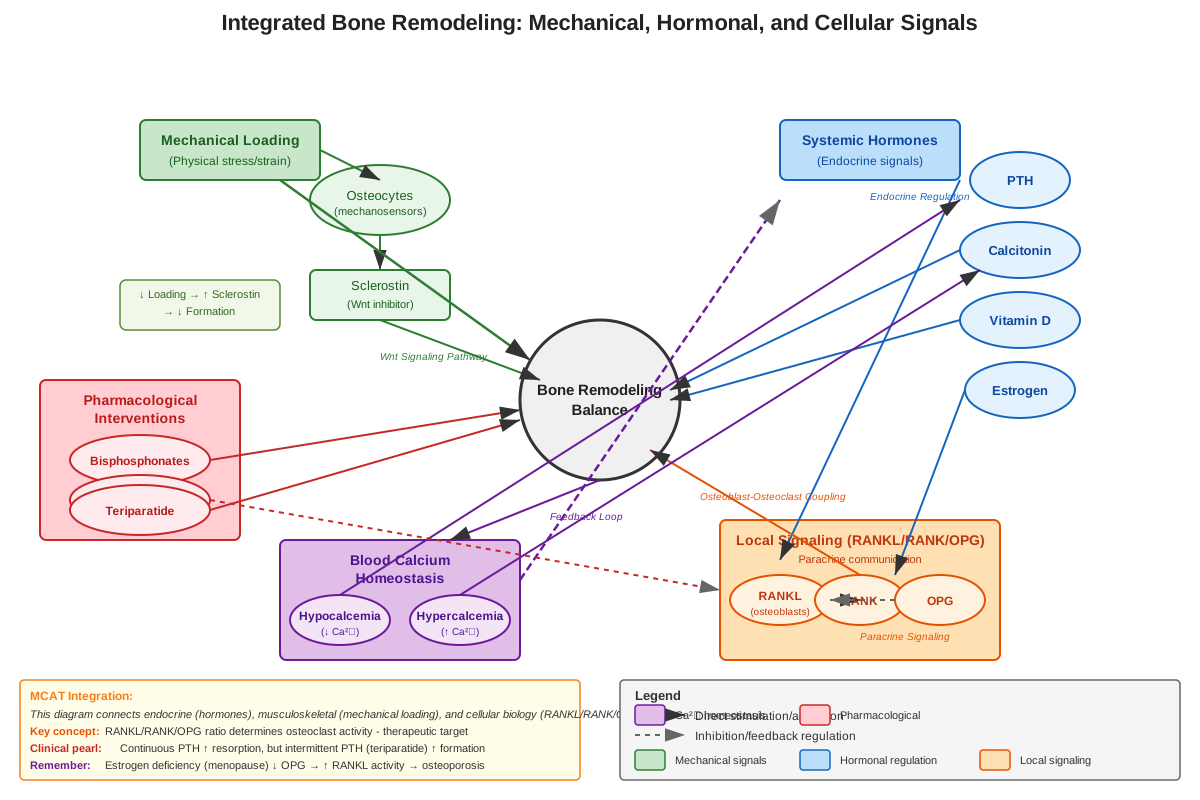
The bone remodeling process represents an integration of multiple biological systems. At the cellular level, osteoclast differentiation depends on the RANKL-RANK-OPG axis, which is controlled by osteoblasts responding to systemic hormones (PTH, calcitonin, vitamin D, sex hormones). This creates a feedback system where bone-forming cells regulate bone-resorbing cells.
The relationship flows: Mechanical stress or low blood calcium → Osteocyte mechanosensing or PTH secretion → Osteoblast RANKL expression → Osteoclast activation → Bone resorption and calcium release → Osteoblast recruitment → Bone formation → Restoration of bone mass and calcium homeostasis.
This topic connects to prerequisite knowledge of calcium homeostasis (bone serves as the primary calcium reservoir), endocrine signaling (multiple hormones regulate the process), and cell differentiation (osteoclasts and osteoblasts arise from different stem cell lineages). It also links forward to understanding osteoporosis (uncoupled remodeling with excessive resorption), fracture healing (accelerated remodeling), and metabolic bone diseases (disrupted hormonal regulation).
The RANKL-RANK-OPG system exemplifies ligand-receptor interactions and competitive inhibition (OPG competing with RANK for RANKL binding), connecting to biochemistry concepts. The mechanical regulation demonstrates signal transduction from physical stimuli to cellular responses, linking to cell biology principles.
High-Yield Facts
⭐ Osteoclasts are derived from hematopoietic stem cells (monocyte/macrophage lineage), while osteoblasts originate from mesenchymal stem cells—this explains why they respond to different regulatory signals and why certain diseases affect only one cell type.
⭐ PTH does not directly stimulate osteoclasts; it acts on osteoblasts to increase RANKL and decrease OPG expression, indirectly promoting osteoclast activity—a common MCAT question trap.
⭐ The RANKL-RANK-OPG axis is the central regulatory mechanism for osteoclast differentiation and activation—understanding this pathway is essential for predicting outcomes of hormonal changes or pharmaceutical interventions.
⭐ Calcitonin directly inhibits osteoclasts, while PTH indirectly stimulates them—these hormones have opposite effects on bone resorption and blood calcium levels.
⭐ Estrogen deficiency after menopause increases bone resorption by removing inhibition of osteoclasts and increasing pro-inflammatory cytokines—this explains why postmenopausal women are at high risk for osteoporosis.
- Osteocytes are the most abundant bone cells (90-95% of all bone cells) and function as mechanosensors that orchestrate remodeling in response to mechanical stress.
- Bone remodeling occurs at discrete sites called basic multicellular units (BMUs), not uniformly throughout the skeleton—approximately 1-2 million BMUs are active at any time in adults.
- The resorption phase takes 2-4 weeks, while the formation phase requires 4-6 months—this temporal mismatch explains why treatments that rapidly decrease resorption can temporarily increase bone mass.
- Alkaline phosphatase is a marker of osteoblast activity, while tartrate-resistant acid phosphatase (TRAP) indicates osteoclast activity—these biomarkers help diagnose bone diseases.
- Vitamin D deficiency impairs calcium absorption, leading to secondary hyperparathyroidism and increased bone resorption—this cascade demonstrates the interconnection between nutrition, endocrine function, and bone health.
Quick check — test yourself on Bone remodeling so far.
Try Flashcards →Common Misconceptions
Misconception: Osteoclasts and osteoblasts are the same cell type at different stages.
Correction: Osteoclasts and osteoblasts derive from completely different stem cell lineages (hematopoietic vs. mesenchymal) and have opposite functions. They are distinct cell types that work in coordination, not different stages of the same cell.
Misconception: PTH always causes bone loss because it increases osteoclast activity.
Correction: While chronic PTH elevation (as in hyperparathyroidism) does cause net bone loss, intermittent PTH administration actually stimulates bone formation more than resorption. This is why teriparatide (recombinant PTH) is used as an anabolic therapy for osteoporosis. The timing and pattern of PTH exposure determines its net effect.
Misconception: Calcitonin is the primary hormone regulating calcium homeostasis.
Correction: PTH is the primary regulator of calcium homeostasis. Calcitonin plays a relatively minor role in adults, and its absence (after thyroidectomy) does not significantly impair calcium regulation. Calcitonin is more important in children and in species with rapid bone turnover.
Misconception: Bone remodeling only occurs during growth and stops in adulthood.
Correction: Bone remodeling continues throughout life, even after skeletal maturity. While the rate decreases with age, approximately 10% of the adult skeleton is remodeled annually. This continuous process is essential for repairing microdamage and maintaining calcium homeostasis.
Misconception: Osteoclasts have PTH receptors and respond directly to PTH.
Correction: Osteoclasts lack PTH receptors. PTH acts on osteoblasts and osteocytes, which then regulate osteoclast activity through the RANKL-OPG system. This indirect mechanism is a frequent MCAT question topic and explains why osteoblasts are necessary for PTH's effects on bone resorption.
Misconception: Increased bone resorption always means decreased bone formation.
Correction: In normal coupled remodeling, increased resorption is followed by increased formation to maintain balance. Pathological conditions involve uncoupling, where resorption and formation become imbalanced. High bone turnover states can have both increased resorption and formation, but with resorption exceeding formation.
Worked Examples
Example 1: Hormonal Regulation Analysis
Question: A 65-year-old woman presents with elevated serum calcium and low bone density. Laboratory tests reveal elevated PTH levels. Which of the following best explains the mechanism by which PTH is affecting her bones?
A) PTH directly binds to osteoclast receptors, stimulating bone resorption
B) PTH stimulates osteoblasts to increase OPG production, which activates osteoclasts
C) PTH stimulates osteoblasts to increase RANKL expression, promoting osteoclast differentiation
D) PTH inhibits osteocyte production of sclerostin, increasing bone formation
Worked Solution:
Step 1: Identify what we know about PTH's mechanism of action. PTH does not act directly on osteoclasts because osteoclasts lack PTH receptors. This eliminates option A.
Step 2: Recall the RANKL-RANK-OPG pathway. RANKL promotes osteoclast differentiation and activation by binding to RANK receptors on osteoclast precursors. OPG is a decoy receptor that inhibits this interaction.
Step 3: Determine PTH's effect on this pathway. PTH binds to receptors on osteoblasts and osteocytes, causing them to increase RANKL expression and decrease OPG production. This shifts the balance toward more RANKL-RANK binding.
Step 4: Evaluate option B. This states PTH increases OPG, which is incorrect—PTH decreases OPG. Additionally, OPG inhibits rather than activates osteoclasts. Eliminate option B.
Step 5: Evaluate option C. This correctly states that PTH stimulates osteoblasts to increase RANKL expression, which promotes osteoclast differentiation and activity, leading to increased bone resorption. This matches the mechanism and explains both the elevated calcium (released from bone) and low bone density (from excessive resorption).
Step 6: Evaluate option D. While PTH does affect sclerostin, this option doesn't explain the primary mechanism of bone resorption in hyperparathyroidism. The dominant effect is through increased osteoclast activity via RANKL.
Answer: C
Key Takeaway: Always remember that PTH acts indirectly on osteoclasts through the RANKL-OPG system, with osteoblasts serving as intermediaries. This indirect mechanism is a high-yield MCAT concept.
Example 2: Experimental Design and Prediction
Question: Researchers develop a drug that blocks the RANK receptor on osteoclast precursors. Based on bone remodeling physiology, which of the following outcomes would most likely occur in patients taking this drug?
A) Decreased bone density due to reduced bone formation
B) Increased bone density due to reduced bone resorption
C) No change in bone density because formation and resorption remain coupled
D) Increased bone density initially, followed by decreased density as osteoblasts become inactive
Worked Solution:
Step 1: Understand the drug's mechanism. Blocking RANK receptors prevents RANKL from binding to osteoclast precursors, which is necessary for osteoclast differentiation, activation, and survival.
Step 2: Predict the immediate effect. Without functional RANK signaling, osteoclast activity would decrease dramatically, reducing bone resorption. Less bone would be broken down.
Step 3: Consider the effect on bone density. If resorption decreases but formation continues (at least initially), more bone would be deposited than removed, increasing bone density. This eliminates option A.
Step 4: Evaluate coupling. While resorption and formation are normally coupled, this drug specifically targets only one side of the process (resorption). The coupling occurs through signals released during resorption that stimulate formation. With reduced resorption, there would be fewer signals to stimulate formation, but formation wouldn't immediately stop.
Step 5: Consider long-term effects. Eventually, the reduced resorption would lead to reduced formation signals (uncoupling), but the question asks about the most likely outcome, and the immediate and predominant effect would be increased bone density from reduced resorption. Option B is most accurate.
Step 6: Evaluate option D. While there might be some eventual decrease in formation due to reduced coupling signals, the net effect would still be increased bone density because the decrease in resorption would be more significant than any decrease in formation.
Answer: B
Key Takeaway: This example demonstrates a real drug mechanism (denosumab works this way). Understanding that blocking osteoclast activity reduces resorption more than it affects formation helps predict outcomes of therapeutic interventions. The MCAT often presents novel drugs or experimental manipulations requiring students to apply mechanistic understanding.
Exam Strategy
Approaching MCAT Questions on Bone Remodeling
Step 1: Identify the question type
- Mechanism questions: Focus on the RANKL-RANK-OPG pathway and hormone signaling
- Prediction questions: Determine which cell type is affected and whether resorption or formation is altered
- Clinical correlation questions: Connect hormone imbalances to bone density changes
Step 2: Watch for trigger words
- "Directly" vs. "indirectly": PTH acts indirectly on osteoclasts through osteoblasts
- "Coupled" vs. "uncoupled": Normal remodeling is coupled; pathology involves uncoupling
- "Acute" vs. "chronic": Intermittent PTH has different effects than chronic elevation
- "Resorption" vs. "formation": These are opposite processes; don't confuse them
Step 3: Use the RANKL-RANK-OPG framework
When a question involves osteoclast regulation, immediately think:
- What affects RANKL expression? (PTH increases it, estrogen decreases it)
- What affects OPG expression? (PTH decreases it, estrogen increases it)
- What is the net effect on RANKL/OPG ratio? (Higher ratio = more osteoclast activity)
Step 4: Apply the calcium homeostasis connection
If blood calcium is mentioned:
- Low calcium → PTH release → increased bone resorption → calcium release
- High calcium → calcitonin release → decreased bone resorption → calcium retention in bone
- Always consider the feedback loop
Process of Elimination Tips
Eliminate answers that:
- Suggest PTH directly acts on osteoclasts (it doesn't—no PTH receptors on osteoclasts)
- Confuse the origin of osteoclasts (hematopoietic) and osteoblasts (mesenchymal)
- State that calcitonin is the primary calcium regulator (it's PTH)
- Claim bone remodeling stops in adulthood (it continues throughout life)
- Reverse the effects of RANKL and OPG (RANKL promotes, OPG inhibits osteoclasts)
Favor answers that:
- Describe indirect mechanisms for PTH effects on osteoclasts
- Mention the RANKL-RANK-OPG axis when discussing osteoclast regulation
- Connect mechanical stress to osteocyte signaling
- Explain hormone effects through specific cellular mechanisms
- Recognize that resorption and formation are normally coupled
Time Allocation
For discrete questions on bone remodeling: 60-90 seconds
- Quickly identify the specific concept being tested (hormone mechanism, cell type, or remodeling phase)
- Apply the relevant framework (RANKL-OPG for osteoclast questions, hormone effects for regulation)
For passage-based questions:
- Spend 3-4 minutes on the passage, identifying the experimental manipulation or clinical scenario
- 90-120 seconds per question, connecting passage information to core concepts
- If a question requires detailed mechanism analysis, allocate up to 2 minutes
Memory Techniques
Mnemonics
"RANK Promotes, OPG Opposes": Remember that RANKL promotes osteoclast activity, while OPG opposes it by blocking RANKL-RANK binding.
"PTH Pushes Calcium Up": PTH increases blood calcium by promoting bone resorption (and increasing intestinal absorption and renal reabsorption).
"Calcitonin Calms Calcium": Calcitonin decreases blood calcium by inhibiting osteoclasts.
"Osteoclasts are Hematopoietic, Osteoblasts are Mesenchymal": Use "HO" (Hematopoietic-Osteoclast) and "MO" (Mesenchymal-Osteoblast) to remember their origins.
"ARRFM" for the Remodeling Cycle: Activation → Resorption → Reversal → Formation → Mineralization
Visualization Strategies
The Seesaw Model: Visualize bone remodeling as a seesaw with osteoclasts on one side (resorption) and osteoblasts on the other (formation). In healthy bone, the seesaw is balanced (coupled). PTH tips it toward osteoclasts, estrogen tips it toward osteoblasts, and osteoporosis shows a seesaw stuck on the osteoclast side.
The Gatekeeper Analogy: Think of OPG as a gatekeeper blocking RANKL from reaching the RANK door on osteoclasts. When PTH arrives, it removes some gatekeepers (decreases OPG) and adds more RANKL, allowing more RANKL to get through the door and activate osteoclasts.
The Construction Site: Imagine bone remodeling as a construction site where osteoclasts are the demolition crew (breaking down old bone) and osteoblasts are the construction crew (building new bone). Osteocytes are the site managers who detect when repairs are needed and coordinate the crews.
Acronyms
"RANK" itself: Receptor Activator of Nuclear factor Kappa-B
"OPG": OsteoProteGerin (protects bone by blocking RANKL)
"BMU": Basic Multicellular Unit (the site where remodeling occurs)
Summary
Bone remodeling is a continuous, tightly regulated process involving the coordinated action of osteoclasts (bone resorption) and osteoblasts (bone formation) to maintain skeletal integrity and calcium homeostasis. The process occurs in five sequential phases at discrete sites called basic multicellular units: activation, resorption, reversal, formation, and mineralization. Osteoclasts, derived from hematopoietic stem cells, break down bone matrix using acid and proteolytic enzymes, while osteoblasts, derived from mesenchymal stem cells, synthesize new bone matrix that subsequently mineralizes. The RANKL-RANK-OPG axis serves as the central regulatory mechanism for osteoclast activity, with osteoblasts controlling osteoclast differentiation and activation through RANKL expression. Hormonal regulation involves PTH (indirectly increasing resorption via RANKL), calcitonin (directly inhibiting osteoclasts), vitamin D (supporting calcium availability for bone formation), and sex hormones (promoting formation and inhibiting resorption). Mechanical stress regulates remodeling through osteocyte mechanosensing, exemplifying Wolff's Law. For the MCAT, understanding the indirect mechanism of PTH action, the RANKL-RANK-OPG pathway, and the coupling of resorption and formation is essential for answering both discrete and passage-based questions on bone physiology and calcium homeostasis.
Key Takeaways
- Bone remodeling is a continuous cycle of resorption (by osteoclasts) and formation (by osteoblasts) that maintains bone integrity and regulates calcium homeostasis
- The RANKL-RANK-OPG axis is the master regulator of osteoclast activity: RANKL promotes osteoclast differentiation, while OPG inhibits it by acting as a decoy receptor
- PTH acts indirectly on osteoclasts by stimulating osteoblasts to increase RANKL and decrease OPG expression—osteoclasts lack PTH receptors
- Osteoclasts originate from hematopoietic stem cells (monocyte lineage), while osteoblasts derive from mesenchymal stem cells—this fundamental difference explains their distinct regulation
- Resorption and formation are normally coupled, meaning the amount of bone removed equals the amount deposited; uncoupling leads to pathological bone loss or gain
- Mechanical stress regulates remodeling through osteocyte mechanosensing, which modulates sclerostin production and the RANKL/OPG ratio (Wolff's Law)
- Estrogen deficiency after menopause increases bone resorption by removing inhibition of osteoclasts, explaining the high prevalence of osteoporosis in postmenopausal women
Related Topics
Calcium Homeostasis: Understanding how PTH, calcitonin, and vitamin D regulate blood calcium levels provides essential context for bone remodeling's role as a calcium reservoir. Mastering bone remodeling enables deeper comprehension of hypercalcemia and hypocalcemia.
Endocrine System Disorders: Hyperparathyroidism, hypoparathyroidism, and Cushing's syndrome all affect bone remodeling. Understanding the normal regulation prepares students for clinical scenarios involving these conditions.
Osteoporosis and Metabolic Bone Diseases: These pathological conditions represent uncoupled bone remodeling. Mastery of normal remodeling is prerequisite for understanding disease mechanisms and therapeutic interventions.
Fracture Healing: This process involves accelerated bone remodeling with the same cellular players. Understanding normal remodeling provides the foundation for comprehending repair mechanisms.
Pharmacology of Bone Diseases: Bisphosphonates, denosumab (anti-RANKL antibody), and teriparatide (recombinant PTH) all target specific components of the remodeling cycle. Understanding the mechanisms enables prediction of drug effects.
Vitamin D Metabolism: The synthesis and activation of vitamin D connects nutrition, endocrinology, and bone health. This topic builds on bone remodeling knowledge to explain how vitamin D deficiency causes rickets and osteomalacia.
Practice CTA
Now that you've mastered the core concepts of bone remodeling, it's time to reinforce your understanding through active practice. Attempt the practice questions and flashcards associated with this topic to test your ability to apply these concepts to MCAT-style scenarios. Focus particularly on questions involving the RANKL-RANK-OPG pathway and PTH's indirect mechanism of action, as these are high-yield topics that frequently appear on the exam. Remember, understanding the mechanisms—not just memorizing facts—will enable you to tackle novel questions confidently. Your investment in mastering bone remodeling will pay dividends not only for questions directly about this topic but also for integrated questions involving calcium homeostasis, endocrine disorders, and pharmacology. You've got this!
Sign up free to keep reading
Create a free AnvayaPrep account to finish this MCAT guide on Bone remodeling — plus flashcards and practice questions.