Overview
Homeostasis represents one of the most fundamental principles in Biology and serves as a unifying concept that connects virtually every physiological system tested on the MCAT. At its core, homeostasis describes the dynamic process by which living organisms maintain relatively stable internal conditions despite constant changes in their external environment. This self-regulating mechanism operates through sophisticated feedback loops involving sensors, control centers, and effectors that work in concert to keep critical variables—such as body temperature, blood glucose, pH, osmolarity, and blood pressure—within narrow, optimal ranges. Understanding homeostasis is not merely about memorizing definitions; it requires grasping how multiple organ systems communicate and coordinate their activities to preserve life.
For the MCAT, homeostasis appears across multiple contexts within the Physiology and Organ Systems section and beyond. Test-makers frequently embed homeostatic principles within passages about endocrine regulation, renal function, cardiovascular dynamics, respiratory gas exchange, and metabolic pathways. Questions may ask students to predict physiological responses to perturbations, identify which feedback mechanism is operating in a given scenario, or explain why certain disease states represent homeostatic failures. The concept also bridges into biochemistry (metabolic regulation), psychology (stress responses), and even sociology (how environmental factors challenge physiological stability).
Mastering Homeostasis MCAT content provides the conceptual framework necessary to approach complex, multi-system passages with confidence. Rather than memorizing isolated facts about each organ system, students who understand homeostatic principles can predict physiological responses, identify compensatory mechanisms, and recognize pathological states. This topic connects directly to thermoregulation, osmoregulation, glucose homeostasis, acid-base balance, and hormonal control systems—all high-yield areas that appear regularly on the exam. The ability to think mechanistically about how the body maintains equilibrium distinguishes high-scoring students from those who struggle with integrative physiology questions.
Learning Objectives
- [ ] Define Homeostasis using accurate Biology terminology
- [ ] Explain why Homeostasis matters for the MCAT
- [ ] Apply Homeostasis to exam-style questions
- [ ] Identify common mistakes related to Homeostasis
- [ ] Connect Homeostasis to related Biology concepts
- [ ] Distinguish between negative and positive feedback mechanisms with specific physiological examples
- [ ] Analyze multi-step homeostatic pathways and predict outcomes when components fail
- [ ] Evaluate the role of different organ systems in maintaining specific homeostatic variables
Prerequisites
- Basic cell biology and membrane transport: Understanding how cells regulate their internal environment through selective permeability, active transport, and osmosis is essential because homeostasis ultimately depends on cellular-level regulation.
- Fundamental endocrine system knowledge: Familiarity with hormones as chemical messengers enables comprehension of how distant organs coordinate homeostatic responses.
- Nervous system basics: Recognizing that the nervous system provides rapid communication pathways helps explain immediate homeostatic adjustments.
- Enzyme kinetics and regulation: Homeostatic mechanisms often involve allosteric regulation and feedback inhibition of metabolic enzymes.
- Basic chemistry concepts (pH, concentration, temperature): These variables represent the parameters that homeostatic systems regulate.
Why This Topic Matters
Homeostasis represents a cornerstone concept in medical practice because virtually every disease state involves either a failure of homeostatic mechanisms or an inappropriate homeostatic response. Diabetes mellitus exemplifies failed glucose homeostasis; hypertension reflects dysregulated blood pressure control; chronic kidney disease demonstrates impaired fluid and electrolyte homeostasis. Physicians must understand these regulatory systems to interpret laboratory values, predict disease progression, and design therapeutic interventions that support rather than disrupt the body's self-regulatory mechanisms.
On the MCAT, homeostasis-related content appears in approximately 15-20% of Biology questions, either as the primary focus or as an underlying principle within more complex passages. The exam frequently presents experimental passages describing novel homeostatic systems or clinical vignettes requiring students to identify which feedback loop has been disrupted. Discrete questions often test the distinction between negative and positive feedback or ask students to predict compensatory responses to specific perturbations. Passages may describe research on thermoregulation in extreme environments, hormonal control of metabolism, or renal regulation of blood pressure—all requiring solid homeostatic reasoning.
Common question formats include: (1) identifying the type of feedback mechanism operating in a described system, (2) predicting physiological responses to environmental changes or pharmacological interventions, (3) explaining why certain symptoms arise from homeostatic failure, (4) analyzing graphs showing variables returning to set points, and (5) comparing homeostatic strategies across different organisms. The MCAT particularly favors questions that require integrating multiple organ systems, such as how the kidneys, lungs, and buffer systems work together to maintain pH homeostasis, or how the hypothalamus coordinates both neural and endocrine responses to cold exposure.
Core Concepts
Definition and Components of Homeostasis
Homeostasis derives from Greek roots meaning "similar standing" and refers to the maintenance of relatively constant internal conditions within a living organism despite fluctuations in the external environment. This definition emphasizes several critical features: homeostasis is dynamic (not static), involves active regulation (not passive equilibrium), and maintains conditions within a range (not at a single fixed point). The internal environment—the extracellular fluid bathing cells—must be carefully controlled because cellular enzymes, membrane proteins, and metabolic processes function optimally only within narrow parameter ranges.
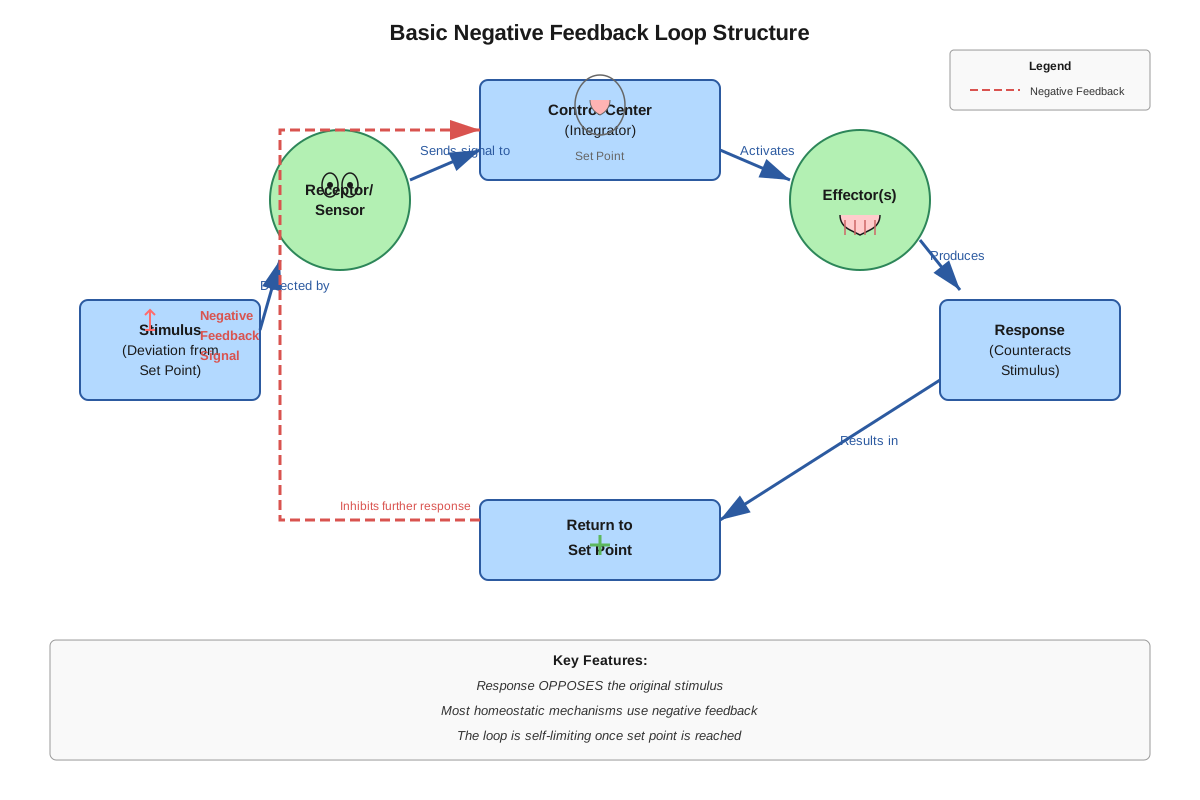
Every homeostatic system contains three essential components working in sequence:
- Sensors (receptors): Specialized cells or structures that detect changes in the regulated variable (the parameter being controlled). Examples include thermoreceptors detecting temperature changes, chemoreceptors monitoring blood pH or glucose levels, and baroreceptors sensing blood pressure.
- Control center (integrator): Processes information from sensors, compares current values to the set point (the ideal value for the variable), and determines the appropriate response. The hypothalamus and medulla oblongata serve as control centers for many physiological variables, while the pancreatic islets function as control centers for glucose homeostasis.
- Effectors: Muscles, glands, or organs that execute the response to restore the variable toward its set point. Effectors produce changes that counteract the initial disturbance.
Negative Feedback Mechanisms
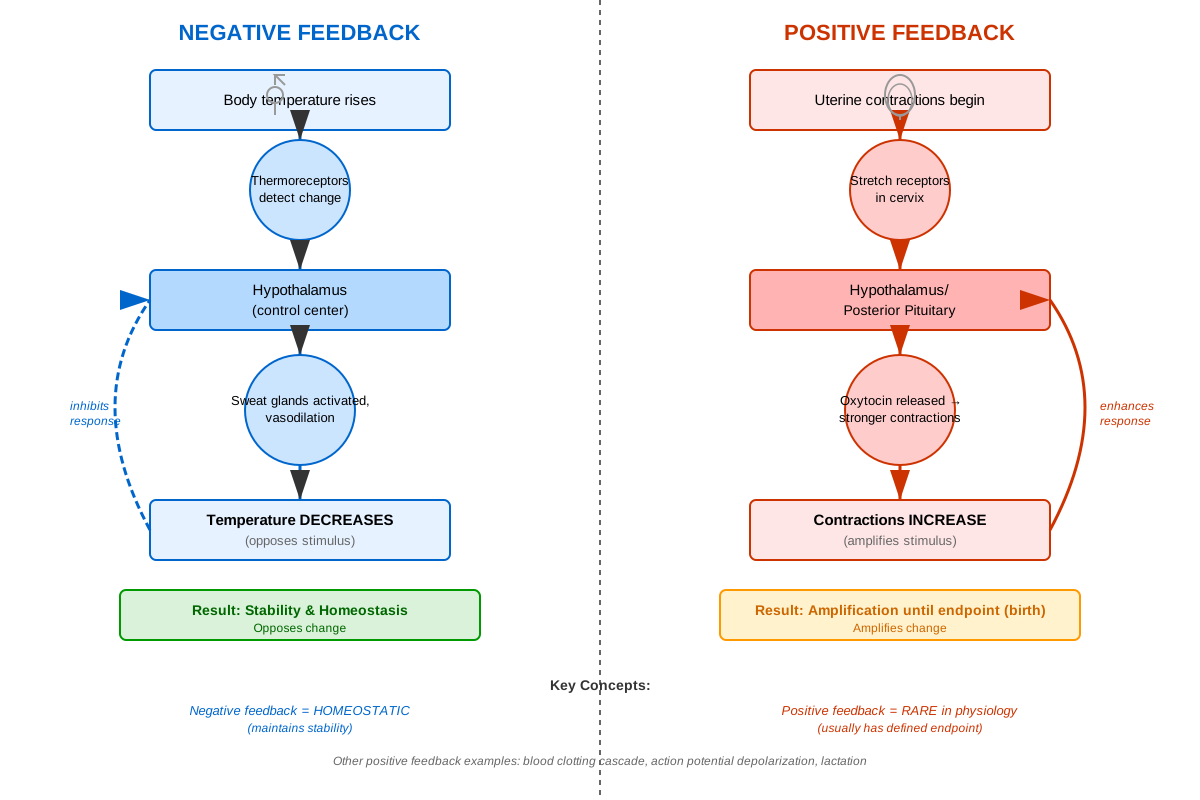
Negative feedback represents the predominant regulatory strategy in biological systems, accounting for over 95% of homeostatic mechanisms. In negative feedback, the response opposes or negates the initial stimulus, thereby reducing the deviation from the set point. This creates a self-limiting cycle that promotes stability. The term "negative" refers to the mathematical relationship (the response has an opposite sign to the stimulus), not to any harmful effect.
The classic example involves thermoregulation: when body temperature rises above 37°C (the set point), thermoreceptors detect this increase and signal the hypothalamus (control center). The hypothalamus activates effectors including sweat glands (increasing evaporative cooling) and cutaneous blood vessels (vasodilation increases heat loss). As body temperature decreases back toward 37°C, the initial stimulus diminishes, reducing the intensity of the cooling response. This creates a stable oscillation around the set point rather than wild swings in temperature.
Other critical negative feedback systems include:
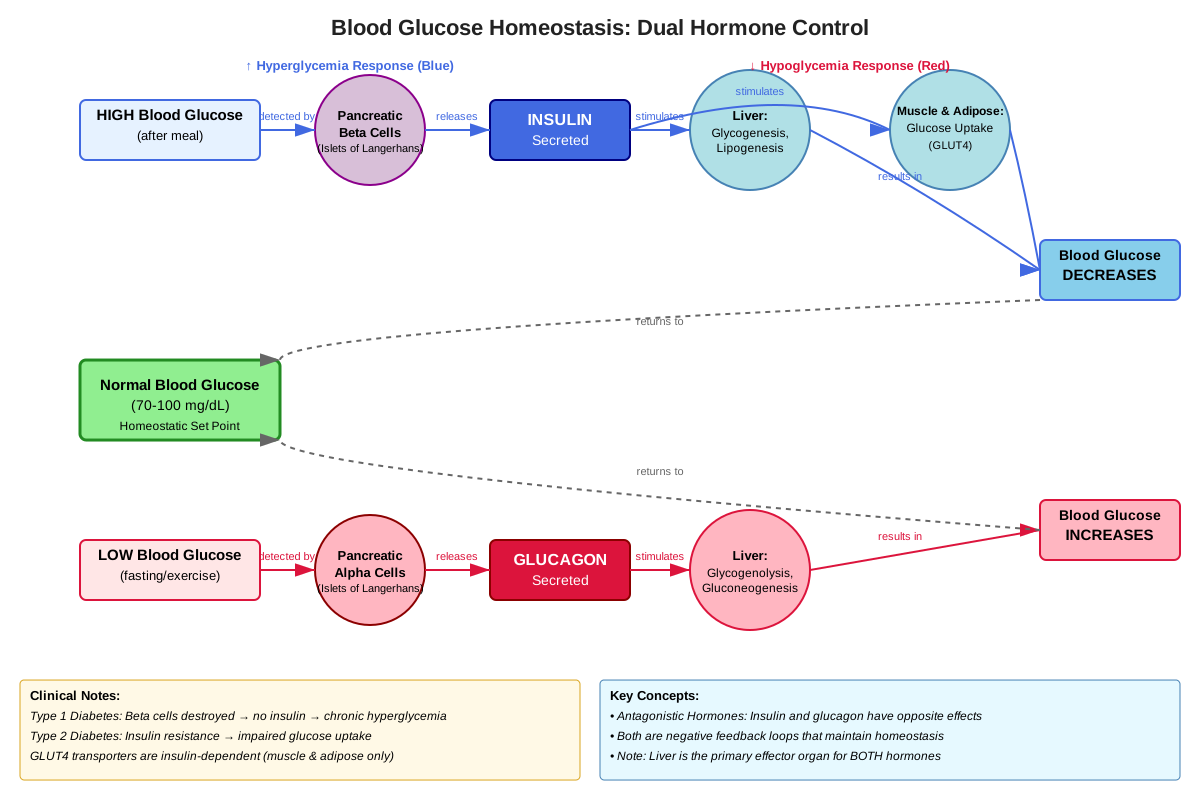
- Blood glucose regulation: Elevated glucose stimulates insulin secretion, which promotes glucose uptake and storage, thereby lowering blood glucose
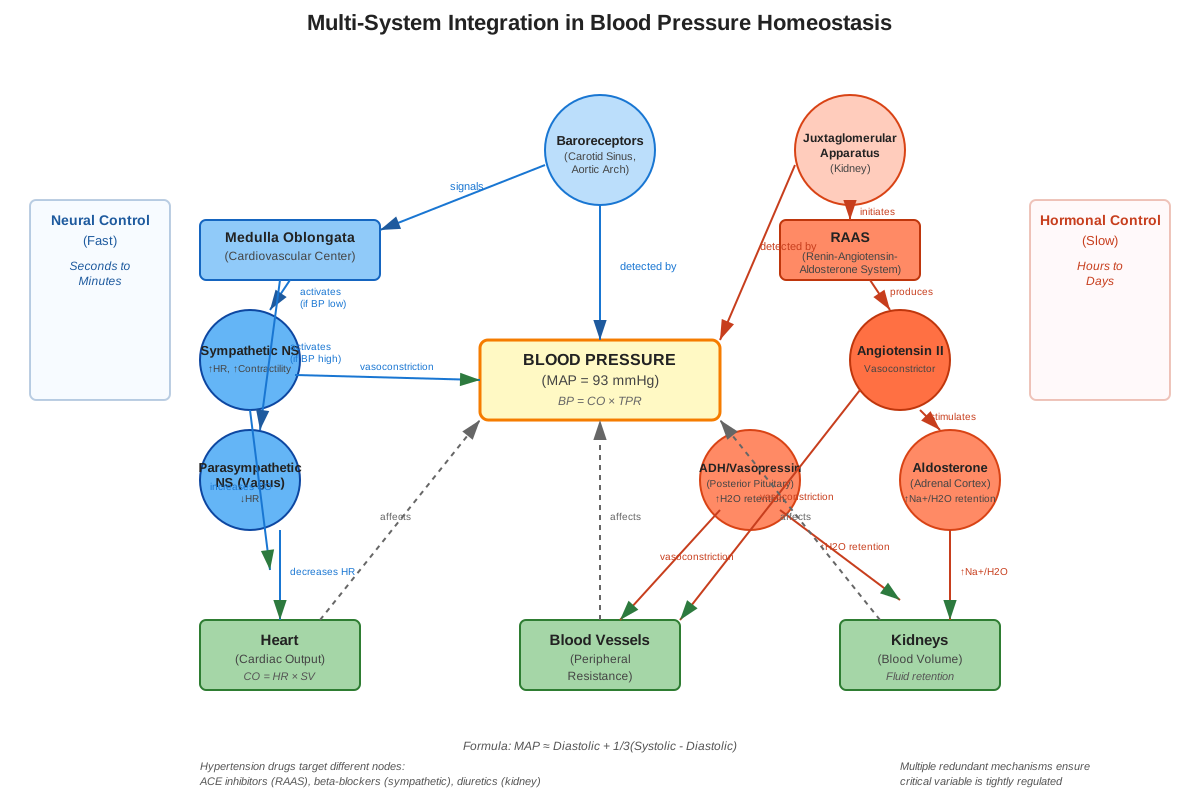
- Blood pressure control: Increased blood pressure activates baroreceptors, triggering decreased heart rate and vasodilation to reduce pressure
- Thyroid hormone regulation: High thyroid hormone levels inhibit TSH and TRH release, reducing further thyroid hormone production
- Calcium homeostasis: Elevated blood calcium inhibits parathyroid hormone release and stimulates calcitonin, both promoting calcium deposition in bone
Positive Feedback Mechanisms
Positive feedback amplifies the initial stimulus, driving the variable further from its starting point in a self-reinforcing cycle. While less common than negative feedback, positive feedback serves crucial functions in processes that require rapid, decisive completion rather than stable maintenance. Positive feedback loops are inherently unstable and must be terminated by an external event or they would continue indefinitely.
The most frequently cited example is childbirth (parturition): uterine contractions push the fetus against the cervix, stimulating stretch receptors that signal the hypothalamus to release oxytocin. Oxytocin intensifies uterine contractions, causing more cervical stretching, which triggers more oxytocin release. This escalating cycle continues until delivery occurs, which removes the stimulus (cervical stretching) and terminates the loop.
Additional positive feedback examples include:
- Blood clotting (coagulation cascade): Activated clotting factors catalyze the activation of additional clotting factors, rapidly amplifying the response until a clot forms and seals the injury
- Action potential depolarization: Sodium influx causes membrane depolarization, which opens more voltage-gated sodium channels, causing more depolarization (until inactivation gates close)
- Ovulation: Rising estrogen levels stimulate increased LH release, which further increases estrogen until the LH surge triggers ovulation
- Lactation: Infant suckling stimulates prolactin and oxytocin release, which increases milk production and ejection, encouraging more suckling
Feedforward Mechanisms
Feedforward control represents an anticipatory regulatory strategy where the system responds to a disturbance before the regulated variable actually changes. This contrasts with feedback mechanisms that respond after detecting a change. Feedforward mechanisms improve response speed and minimize deviations from set points by initiating corrective actions preemptively.
Example: When preparing to exercise, the nervous system increases heart rate and respiratory rate before metabolic demands actually increase. This anticipatory response prevents oxygen debt and maintains homeostasis more effectively than waiting for blood oxygen to drop before responding. Similarly, the sight and smell of food trigger salivation and gastric acid secretion before food enters the digestive tract, preparing the system for efficient digestion.
Set Points and Homeostatic Range
The set point represents the ideal value for a regulated variable, though physiological systems typically maintain variables within an acceptable homeostatic range rather than at a precise fixed value. Set points can be adjusted through acclimatization (gradual physiological adaptation to sustained environmental changes) or circadian rhythms (predictable daily variations). For example, body temperature follows a circadian pattern, with the set point approximately 0.5°C lower during sleep than during waking hours.
Understanding that homeostasis involves dynamic fluctuation within a range, rather than rigid fixation at a single value, helps explain why laboratory reference ranges span a spectrum of normal values and why physiological variables show continuous minor variations even in healthy individuals.
Integration of Multiple Systems
Homeostatic regulation rarely involves a single organ system operating in isolation. Most regulated variables require coordination among multiple systems:
| Regulated Variable | Primary Sensors | Control Centers | Effector Systems |
|---|---|---|---|
| Body Temperature | Peripheral and central thermoreceptors | Hypothalamus (preoptic area) | Sweat glands, skeletal muscles (shivering), blood vessels, thyroid |
| Blood Glucose | Pancreatic alpha and beta cells | Pancreatic islets, hypothalamus | Liver, skeletal muscle, adipose tissue |
| Blood pH | Central and peripheral chemoreceptors | Medulla oblongata, kidneys | Lungs (respiratory compensation), kidneys (metabolic compensation), buffer systems |
| Blood Pressure | Baroreceptors (carotid sinus, aortic arch) | Medulla oblongata (cardiovascular center) | Heart, blood vessels, kidneys (RAAS) |
| Osmolarity | Hypothalamic osmoreceptors | Hypothalamus | Kidneys (ADH-mediated water reabsorption), thirst mechanism |
This multi-system integration explains why MCAT passages often present complex scenarios requiring students to trace homeostatic responses across multiple organ systems.
Concept Relationships
Homeostasis serves as the organizing principle connecting all physiological systems. The concept flows logically from cellular biology (individual cells maintain internal homeostasis through membrane transport) → tissue and organ function (specialized tissues contribute to organism-level homeostasis) → integrated physiology (multiple organ systems coordinate to maintain whole-body homeostasis) → pathophysiology (disease represents homeostatic failure).
Negative feedback → maintains stability → applies to most endocrine axes, thermoregulation, blood pressure, and metabolic regulation. Positive feedback → creates rapid, self-amplifying responses → applies to parturition, coagulation, and ovulation. Both feedback types depend on the same three-component structure (sensor → control center → effector), differing only in whether the response opposes or amplifies the stimulus.
The endocrine system provides the primary communication network for long-term homeostatic regulation, while the nervous system enables rapid homeostatic adjustments. These systems often work synergistically: the hypothalamus integrates neural and endocrine control, exemplified by the hypothalamic-pituitary axes that regulate thyroid function, adrenal function, and reproductive function—all homeostatic systems.
Homeostasis connects directly to metabolism because maintaining constant internal conditions requires continuous energy expenditure. ATP powers active transport pumps that maintain ion gradients, drives muscle contractions for thermoregulation and circulation, and fuels biosynthetic processes that replace degraded molecules. This explains why metabolic rate increases during homeostatic challenges (fever, cold exposure, stress).
The concept also bridges to evolution and comparative physiology: different organisms employ different homeostatic strategies (ectotherms vs. endotherms, osmoconformers vs. osmoregulators), and these strategies represent evolutionary adaptations to specific environmental niches. Understanding homeostatic principles enables prediction of how organisms respond to environmental challenges—a common MCAT passage theme.
Quick check — test yourself on Homeostasis so far.
Try Flashcards →High-Yield Facts
⭐ Negative feedback opposes the initial stimulus and accounts for >95% of homeostatic mechanisms in the human body.
⭐ Positive feedback amplifies the initial stimulus and must be terminated by an external event; examples include childbirth, blood clotting, and action potential depolarization.
⭐ All homeostatic systems contain three components: sensors (detect changes), control centers (process information and determine responses), and effectors (execute responses).
⭐ The hypothalamus serves as the master control center for temperature, osmolarity, hunger, thirst, and circadian rhythms.
⭐ Set points can be adjusted through acclimatization (long-term adaptation) or circadian rhythms (daily variations).
- Feedforward mechanisms initiate responses before the regulated variable changes, improving response speed and minimizing deviations.
- Homeostatic range refers to the acceptable span of values for a regulated variable, not a single fixed point.
- Multiple organ systems typically coordinate to regulate a single variable (e.g., pH regulation involves lungs, kidneys, and buffer systems).
- Homeostatic failure underlies most disease states, including diabetes (glucose homeostasis), hypertension (blood pressure homeostasis), and chronic kidney disease (fluid/electrolyte homeostasis).
- Compensatory mechanisms represent homeostatic responses that attempt to restore normal values when primary regulatory systems fail.
- The renin-angiotensin-aldosterone system (RAAS) exemplifies multi-step negative feedback controlling blood pressure and fluid balance.
- Thermoregulation involves both behavioral (seeking shade, adding clothing) and physiological (sweating, shivering) mechanisms.
Common Misconceptions
Misconception: Homeostasis means maintaining completely constant, unchanging internal conditions. → Correction: Homeostasis involves dynamic regulation within an acceptable range, with continuous minor fluctuations around a set point. Variables oscillate rather than remaining perfectly fixed, and set points themselves can shift (circadian rhythms, acclimatization).
Misconception: Positive feedback is harmful or pathological because it creates instability. → Correction: Positive feedback serves essential physiological functions in processes requiring rapid, decisive completion (childbirth, blood clotting, ovulation). These mechanisms are normal and necessary, though they must be terminated by external events to prevent runaway amplification.
Misconception: The control center and the effector are always the same structure. → Correction: Control centers (typically in the brain or endocrine glands) process information and determine appropriate responses, while effectors (muscles, glands, organs) execute those responses. These are functionally and often anatomically distinct. For example, in thermoregulation, the hypothalamus is the control center, but sweat glands and blood vessels are the effectors.
Misconception: Negative feedback eliminates all deviation from the set point. → Correction: Negative feedback reduces but does not completely eliminate deviations. Small oscillations around the set point persist because the system responds to changes after they occur (feedback, not feedforward). Perfect stability would require infinite response speed and sensitivity.
Misconception: Homeostasis only involves the endocrine system. → Correction: While the endocrine system plays a major role in long-term homeostatic regulation, the nervous system provides rapid homeostatic adjustments, and many mechanisms involve direct local responses (e.g., autoregulation of blood flow). Most homeostatic processes integrate multiple systems including nervous, endocrine, renal, cardiovascular, and respiratory systems.
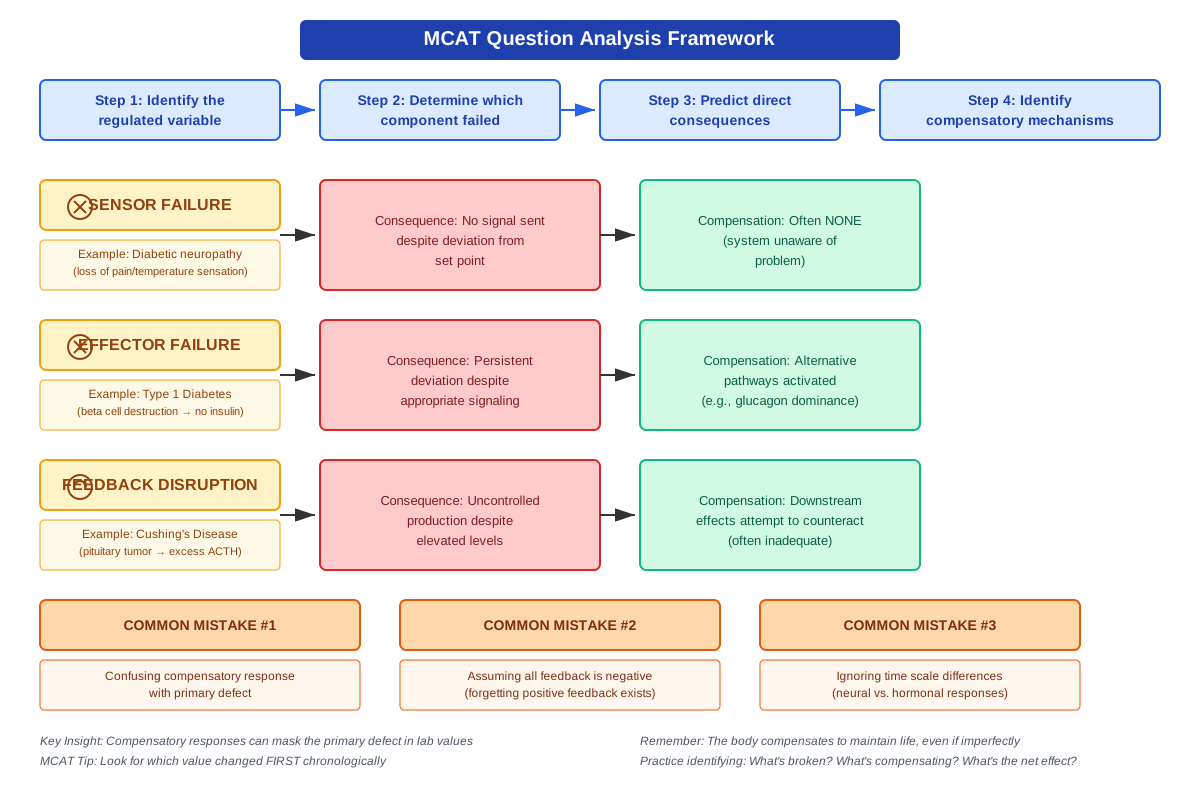
Misconception: All homeostatic responses occur at the same speed. → Correction: Response times vary dramatically: neural responses occur within milliseconds to seconds (e.g., baroreceptor reflex), endocrine responses take minutes to hours (e.g., insulin response to glucose), and renal/metabolic adjustments may require hours to days (e.g., pH compensation by kidneys). The MCAT may test understanding of which systems provide rapid vs. sustained homeostatic control.
Worked Examples
Example 1: Thermoregulation During Exercise
Scenario: A student begins running on a hot day. Core body temperature starts at 37.0°C and begins rising due to increased metabolic heat production. Describe the homeostatic response using the three-component model and identify the feedback mechanism type.
Solution:
Step 1 - Identify the regulated variable and direction of change: Core body temperature is the regulated variable, and it is increasing above the set point (37°C).
Step 2 - Identify sensors: Peripheral thermoreceptors in the skin and central thermoreceptors in the hypothalamus detect the temperature increase.
Step 3 - Identify control center: The preoptic area of the hypothalamus receives sensory input, compares current temperature to the set point, and determines that cooling responses must be activated.
Step 4 - Identify effectors and their responses:
- Sweat glands increase secretion → evaporative cooling
- Cutaneous blood vessels dilate (vasodilation) → increased blood flow to skin surface → increased heat loss via radiation and convection
- Behavioral responses initiated (seeking shade, reducing pace)
Step 5 - Determine feedback type: As body temperature decreases back toward 37°C due to these cooling mechanisms, the initial stimulus (elevated temperature) diminishes. This reduces the intensity of the cooling response. The response opposes the initial change, making this negative feedback.
Step 6 - Predict outcome: Body temperature stabilizes at a slightly elevated level (perhaps 37.5-38°C) representing a new equilibrium where heat production from exercise equals heat loss through activated cooling mechanisms. Temperature does not return precisely to 37°C during exercise because the cooling mechanisms have finite capacity.
Connection to learning objectives: This example demonstrates the three-component homeostatic model, illustrates negative feedback, and shows how to analyze a physiological scenario systematically—all essential MCAT skills.
Example 2: Glucose Homeostasis Disruption
Scenario: A patient with type 1 diabetes fails to take insulin before eating a carbohydrate-rich meal. Blood glucose rises from 90 mg/dL to 250 mg/dL over two hours. Explain why homeostasis fails in this scenario and predict the body's attempted compensatory responses.
Solution:
Step 1 - Identify the normal homeostatic mechanism: Normally, elevated blood glucose stimulates pancreatic beta cells (sensors) to secrete insulin. Insulin acts on liver, muscle, and adipose tissue (effectors) to promote glucose uptake and storage, lowering blood glucose back toward the set point (70-100 mg/dL). This represents negative feedback.
Step 2 - Identify the homeostatic failure: In type 1 diabetes, autoimmune destruction of beta cells eliminates insulin production. Without insulin, the effector response cannot occur—glucose cannot enter cells efficiently, and the liver continues producing glucose via gluconeogenesis. The negative feedback loop is broken at the control center/effector level.
Step 3 - Predict compensatory mechanisms: The body attempts several compensatory responses, though these are inadequate without insulin:
- Increased urinary glucose excretion (glycosuria) once blood glucose exceeds the renal threshold (~180 mg/dL) → provides some glucose elimination but causes osmotic diuresis and dehydration
- Increased thirst (polydipsia) in response to dehydration
- Cellular starvation despite high blood glucose → cells cannot access glucose without insulin → triggers hunger (polyphagia) and breakdown of fat/protein for energy
- Ketone production from fat metabolism → can lead to diabetic ketoacidosis if severe
Step 4 - Explain why compensation is inadequate: These compensatory mechanisms cannot restore normal glucose homeostasis because they don't address the fundamental problem (lack of insulin). Glycosuria provides some glucose elimination but causes additional problems (dehydration, electrolyte imbalances). The homeostatic system requires insulin to function properly.
Connection to learning objectives: This example illustrates how homeostatic failure causes disease, demonstrates the importance of intact feedback loops, and shows how the body attempts compensation even when the primary mechanism fails—concepts frequently tested on the MCAT in clinical vignettes.
Exam Strategy
When approaching MCAT questions on homeostasis, begin by identifying the regulated variable and determining whether it has increased or decreased from its set point. This immediately focuses your analysis. Next, systematically work through the three-component model: What sensors detect this change? What control center processes the information? What effectors will respond? This structured approach prevents overlooking critical components.
Trigger words that signal homeostatic content include: "maintains," "regulates," "set point," "feedback," "compensatory response," "returns to normal," "stabilizes," and "counteracts." When you encounter these terms, immediately activate your homeostatic reasoning framework. Phrases like "in response to" or "as a result of" often indicate the direction of causation in feedback loops.
For questions asking about feedback mechanism type, use this decision tree: Does the response oppose the initial change (negative feedback) or amplify it (positive feedback)? If the passage describes a variable returning toward a set point or stabilizing, it's negative feedback. If it describes an escalating, self-reinforcing process that continues until an external event stops it, it's positive feedback. Be especially careful with positive feedback examples—students often incorrectly identify them as negative feedback because they're less familiar.
Process-of-elimination strategy: When evaluating answer choices, eliminate options that:
- Confuse sensors with effectors or control centers
- Describe responses that would worsen rather than correct the disturbance (unless the question asks about positive feedback)
- Suggest the wrong feedback type
- Propose responses that occur too slowly or quickly for the described scenario
- Involve organ systems that don't participate in regulating the specified variable
Time allocation: Homeostasis questions typically require 60-90 seconds. Discrete questions usually take less time (45-60 seconds) because they test straightforward concept recognition. Passage-based questions take longer (90-120 seconds) because you must extract relevant information from the passage and integrate it with your knowledge. Don't spend excessive time trying to recall every detail of a specific homeostatic pathway—focus on applying the general principles (three-component model, feedback type) to the specific scenario presented.
Graph interpretation: The MCAT frequently presents graphs showing how variables change over time during homeostatic responses. Look for: (1) the initial disturbance (deviation from baseline), (2) the response phase (variable moving back toward set point), and (3) the new equilibrium (which may not exactly match the original baseline). The shape of the curve reveals the feedback type: oscillating return to baseline suggests negative feedback with some overshoot, while exponential increase suggests positive feedback.
Memory Techniques
Mnemonic for homeostatic components - "SEC":
- Sensors detect changes
- Effectors execute responses
- Control centers coordinate
Mnemonic for negative vs. positive feedback - "NOPE":
- Negative feedback Opposes the Perturbation to Establish stability
- If it doesn't oppose (NOPE), it's positive feedback
Visualization for negative feedback: Picture a thermostat controlling room temperature. When the room gets too hot, the thermostat turns off the heater (opposing the heat). When too cold, it turns on the heater (opposing the cold). The response always opposes the change, creating stability.
Visualization for positive feedback: Picture a snowball rolling downhill, gathering more snow and growing larger (amplifying). It continues growing until it hits an obstacle (external termination). This captures the self-amplifying, unstable nature of positive feedback.
Acronym for major homeostatic variables - "GOPT-BP":
- Glucose
- Osmolarity
- PH
- Temperature
- Blood Pressure
These five variables represent the most commonly tested homeostatic systems on the MCAT.
Memory aid for positive feedback examples - "CLOB":
- Childbirth (parturition)
- LH surge (ovulation)
- Oxytocin during lactation
- Blood clotting
This covers the four most frequently tested positive feedback mechanisms.
Summary
Homeostasis represents the fundamental principle by which living organisms maintain stable internal conditions despite environmental fluctuations. All homeostatic systems share a three-component architecture: sensors detect deviations from set points, control centers process this information and determine appropriate responses, and effectors execute corrective actions. Negative feedback, which opposes initial stimuli to promote stability, accounts for the vast majority of homeostatic mechanisms including thermoregulation, glucose regulation, blood pressure control, and pH balance. Positive feedback, which amplifies initial stimuli, serves specialized functions in processes requiring rapid completion such as childbirth, blood clotting, and ovulation. For the MCAT, students must understand not only the definitions and examples of these mechanisms but also how to analyze novel scenarios, predict physiological responses to perturbations, identify which feedback type is operating, and recognize how multiple organ systems integrate to maintain homeostasis. Mastery of homeostatic principles provides the conceptual framework necessary to approach complex physiology passages and predict how the body responds to challenges, making this topic essential for success on integrative biology questions.
Key Takeaways
- Homeostasis maintains dynamic stability within an acceptable range through continuous regulation, not static fixation at a single value
- All homeostatic systems contain three essential components: sensors, control centers, and effectors working in sequence
- Negative feedback opposes initial stimuli and creates stability; it accounts for >95% of physiological regulatory mechanisms
- Positive feedback amplifies initial stimuli and requires external termination; examples include childbirth, blood clotting, and ovulation
- Most regulated variables (temperature, glucose, pH, blood pressure, osmolarity) require coordination among multiple organ systems
- The hypothalamus serves as the master control center for numerous homeostatic functions including temperature, osmolarity, and circadian rhythms
- Homeostatic failure underlies most disease states, and understanding normal regulatory mechanisms enables prediction of pathological consequences
Related Topics
Endocrine System and Hormonal Regulation: Homeostasis depends heavily on hormonal signaling for long-term regulation. Mastering homeostatic principles enables deeper understanding of hypothalamic-pituitary axes, insulin/glucagon regulation, and thyroid function.
Renal Physiology: The kidneys serve as primary effectors for osmolarity, pH, blood pressure, and electrolyte homeostasis. Understanding homeostatic principles clarifies how the nephron's various segments contribute to whole-body regulation.
Cardiovascular Physiology: Blood pressure homeostasis involves baroreceptor reflexes, the RAAS system, and cardiac output regulation—all applications of negative feedback principles.
Thermoregulation: Temperature homeostasis integrates neural, endocrine, and behavioral responses, providing an excellent model system for understanding multi-system coordination.
Acid-Base Balance: pH homeostasis requires coordination among buffer systems, respiratory compensation (rapid), and renal compensation (slow), illustrating how different mechanisms operate on different timescales.
Practice CTA
Now that you've mastered the core principles of homeostasis, it's time to test your understanding with practice questions and flashcards. Focus on questions that require you to analyze novel scenarios and predict homeostatic responses—these best simulate actual MCAT passages. Pay special attention to questions involving multiple organ systems or asking you to identify feedback mechanism types. Remember, homeostasis isn't just about memorizing examples; it's about developing the analytical framework to approach any regulatory system systematically. Your ability to think mechanistically about how the body maintains equilibrium will serve you throughout the MCAT and in medical school. Challenge yourself with increasingly complex scenarios, and you'll find that homeostatic reasoning becomes intuitive. You've got this!
Sign up free to keep reading
Create a free AnvayaPrep account to finish this MCAT guide on Homeostasis — plus flashcards and practice questions.