Overview
Capillaries represent the smallest and most numerous blood vessels in the human body, forming the critical interface between the cardiovascular system and body tissues. These microscopic vessels, typically measuring only 5-10 micrometers in diameter, create an extensive network that enables the fundamental purpose of the circulatory system: the exchange of nutrients, gases, waste products, and signaling molecules between blood and interstitial fluid. Understanding capillary structure, function, and regulation is essential for mastering Physiology and Organ Systems within Biology for the MCAT.
The MCAT frequently tests capillary physiology through questions involving blood pressure regulation, fluid dynamics, gas exchange in tissues, and the integration of multiple organ systems. Questions may appear as standalone items testing Starling forces and fluid movement, or embedded within passages discussing cardiovascular pathology, renal function, or respiratory physiology. The topic bridges multiple disciplines tested on the MCAT, connecting cardiovascular physiology with principles of physics (pressure gradients, fluid dynamics), chemistry (concentration gradients, diffusion), and biochemistry (oxygen transport, metabolic waste removal).
Capillary function represents the culmination of cardiovascular physiology—while the heart pumps blood and arteries distribute it under high pressure, capillaries are where the actual physiological work occurs. This topic connects directly to cardiac output, blood pressure regulation, tissue perfusion, lymphatic system function, and the pathophysiology of edema, shock, and organ failure. Mastering Capillaries Biology provides the foundation for understanding how disruptions in capillary function contribute to disease states frequently tested on the MCAT.
Learning Objectives
- [ ] Define Capillaries using accurate Biology terminology
- [ ] Explain why Capillaries matters for the MCAT
- [ ] Apply Capillaries to exam-style questions
- [ ] Identify common mistakes related to Capillaries
- [ ] Connect Capillaries to related Biology concepts
- [ ] Calculate net filtration pressure using Starling forces
- [ ] Differentiate between the three types of capillaries and their tissue-specific distributions
- [ ] Explain the mechanisms regulating capillary blood flow and tissue perfusion
- [ ] Predict the physiological consequences of altered capillary permeability or pressure
Prerequisites
- Basic cardiovascular anatomy: Understanding the organization of the circulatory system (heart → arteries → arterioles → capillaries → venules → veins) provides context for where capillaries fit within the circulation
- Blood pressure fundamentals: Knowledge of systolic/diastolic pressure and mean arterial pressure is necessary to understand pressure gradients driving capillary exchange
- Diffusion and osmosis: These passive transport mechanisms govern most capillary exchange processes
- Hydrostatic and osmotic pressure: Understanding these pressure types is essential for comprehending Starling forces
- Plasma protein composition: Albumin and other plasma proteins create the colloid osmotic pressure critical to fluid balance
- Basic cell membrane structure: Capillary walls consist of endothelial cells whose properties determine permeability
Why This Topic Matters
Clinical Significance
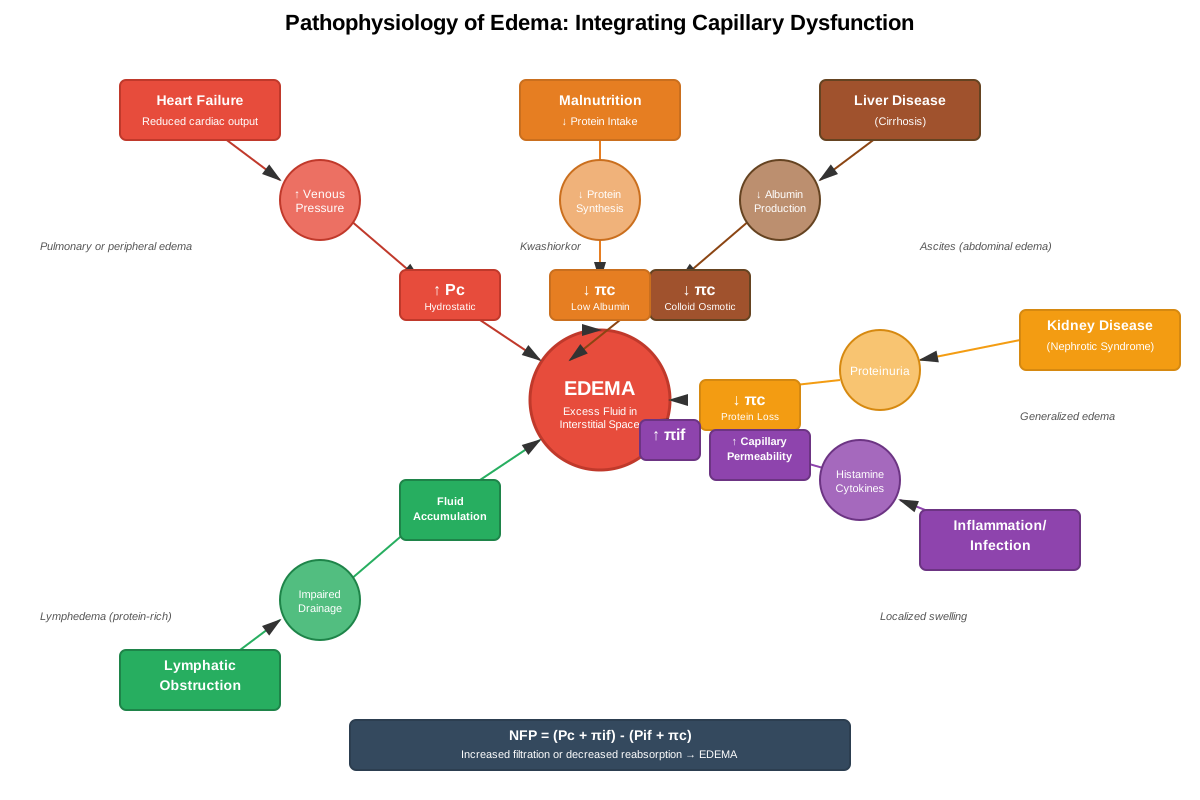
Capillary dysfunction underlies numerous pathological conditions encountered in clinical medicine. Edema (tissue swelling) results from imbalances in Starling forces, whether from heart failure (increased hydrostatic pressure), liver disease (decreased plasma protein production), or kidney disease (protein loss). Diabetic microangiopathy damages capillaries in the retina, kidneys, and peripheral nerves, leading to blindness, renal failure, and neuropathy. Septic shock involves widespread capillary leak, causing life-threatening hypotension and organ failure. Understanding capillary physiology enables clinicians to interpret physical findings, order appropriate tests, and implement targeted therapies.
MCAT Relevance
Capillaries MCAT questions appear with moderate frequency across both the Biological and Biochemical Foundations of Living Systems section and the Chemical and Physical Foundations of Biological Systems section. Approximately 2-4 questions per exam directly or indirectly test capillary physiology. Questions typically fall into several categories:
- Calculation problems: Computing net filtration pressure from given values of hydrostatic and osmotic pressures
- Mechanism questions: Explaining how changes in one variable (e.g., plasma protein concentration) affect fluid movement
- Passage-based applications: Interpreting experimental data about capillary permeability or analyzing clinical scenarios involving edema
- Integration questions: Connecting capillary function to renal physiology, respiratory gas exchange, or cardiovascular regulation
The topic frequently appears in passages discussing cardiovascular disease, kidney function, inflammation, or exercise physiology. The MCAT particularly favors questions requiring students to apply Starling's equation or predict the consequences of pathological changes in capillary dynamics.
Core Concepts
Capillary Structure and Classification
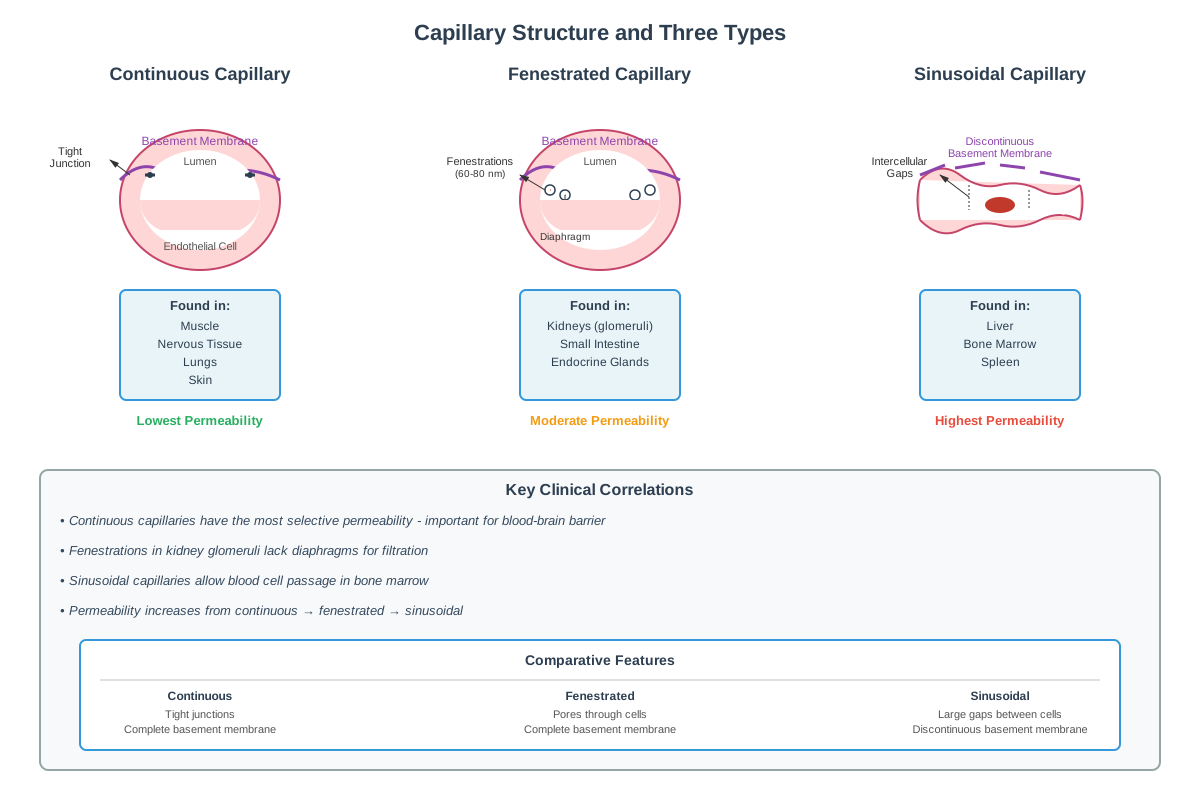
Capillaries are the smallest blood vessels in the body, consisting of a single layer of endothelial cells surrounded by a basement membrane. Unlike larger vessels, capillaries lack smooth muscle layers and adventitia, making their walls extremely thin (approximately 0.5 micrometers) to facilitate exchange. The total cross-sectional area of all capillaries in the body exceeds 2,500 cm², dramatically larger than the aorta's 3-4 cm², which slows blood velocity to approximately 0.03 cm/second and maximizes exchange time.
Three types of capillaries exist, each specialized for specific tissue requirements:
| Capillary Type | Structural Features | Permeability | Location Examples |
|---|---|---|---|
| Continuous | Tight junctions between endothelial cells; complete basement membrane | Lowest; restricts passage of proteins and large molecules | Brain (blood-brain barrier), muscle, skin, lungs |
| Fenestrated | Small pores (fenestrations) 60-80 nm in diameter through endothelial cells | Intermediate; allows passage of small proteins and solutes | Kidneys (glomeruli), intestinal villi, endocrine glands |
| Sinusoidal (Discontinuous) | Large gaps between endothelial cells; incomplete basement membrane | Highest; permits passage of cells and large proteins | Liver, bone marrow, spleen |
The blood-brain barrier, formed by continuous capillaries with especially tight junctions plus astrocyte foot processes, represents an extreme specialization that protects the central nervous system from toxins and pathogens while requiring specific transport mechanisms for glucose and amino acids.
Mechanisms of Capillary Exchange
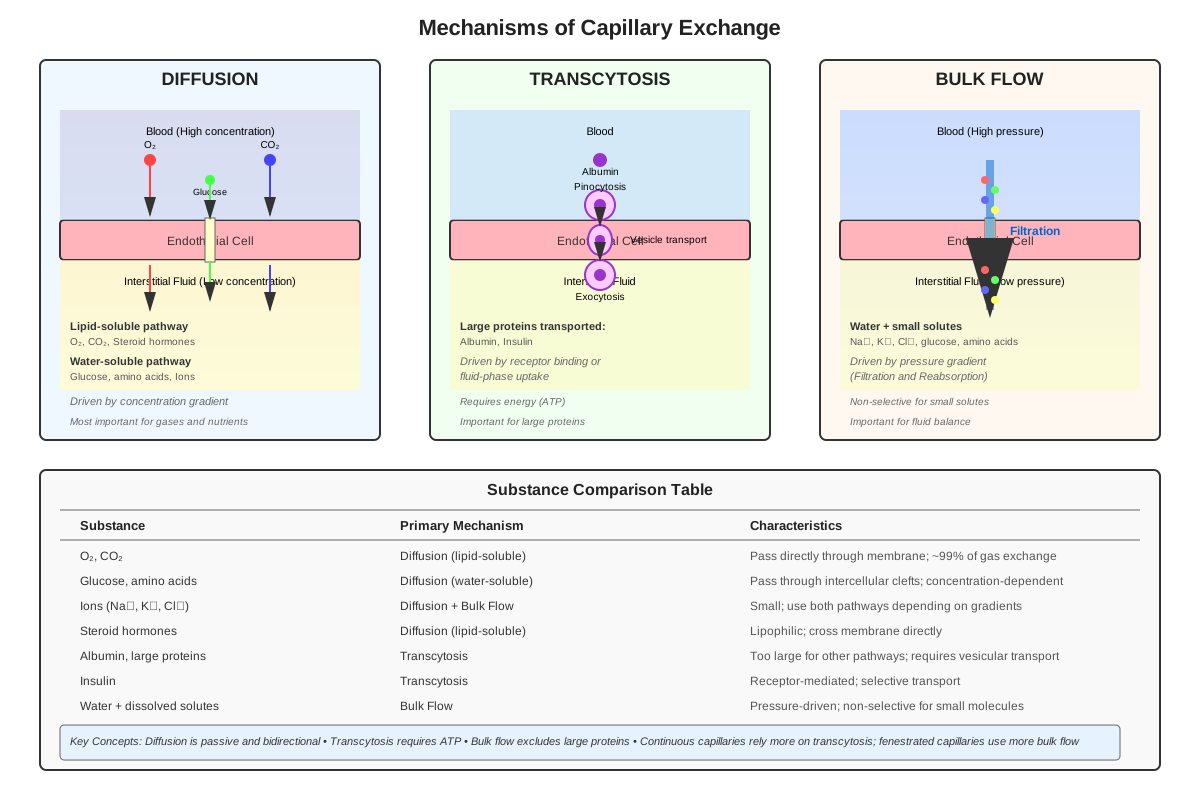
Substances cross capillary walls through four primary mechanisms:
- Diffusion: The dominant mechanism for lipid-soluble substances (O₂, CO₂, steroid hormones) and small lipid-insoluble molecules (glucose, amino acids, ions). Fick's law governs diffusion rate, which depends on concentration gradient, surface area, diffusion distance, and molecular size. Oxygen and carbon dioxide diffuse directly through endothelial cell membranes, while water-soluble substances pass through water-filled pores between cells.
- Filtration and Reabsorption: Bulk flow of water and dissolved solutes driven by pressure gradients (Starling forces). This mechanism moves large volumes of fluid but cannot transport proteins or cells across continuous capillaries.
- Transcytosis: Endothelial cells engulf substances in vesicles (pinocytosis), transport them across the cell, and release them on the opposite side. This mechanism enables transport of some proteins and larger molecules, particularly in continuous capillaries.
- Active Transport: Specific carrier proteins transport certain substances (glucose, amino acids) across endothelial cells, particularly important at the blood-brain barrier.
Starling Forces and Fluid Movement
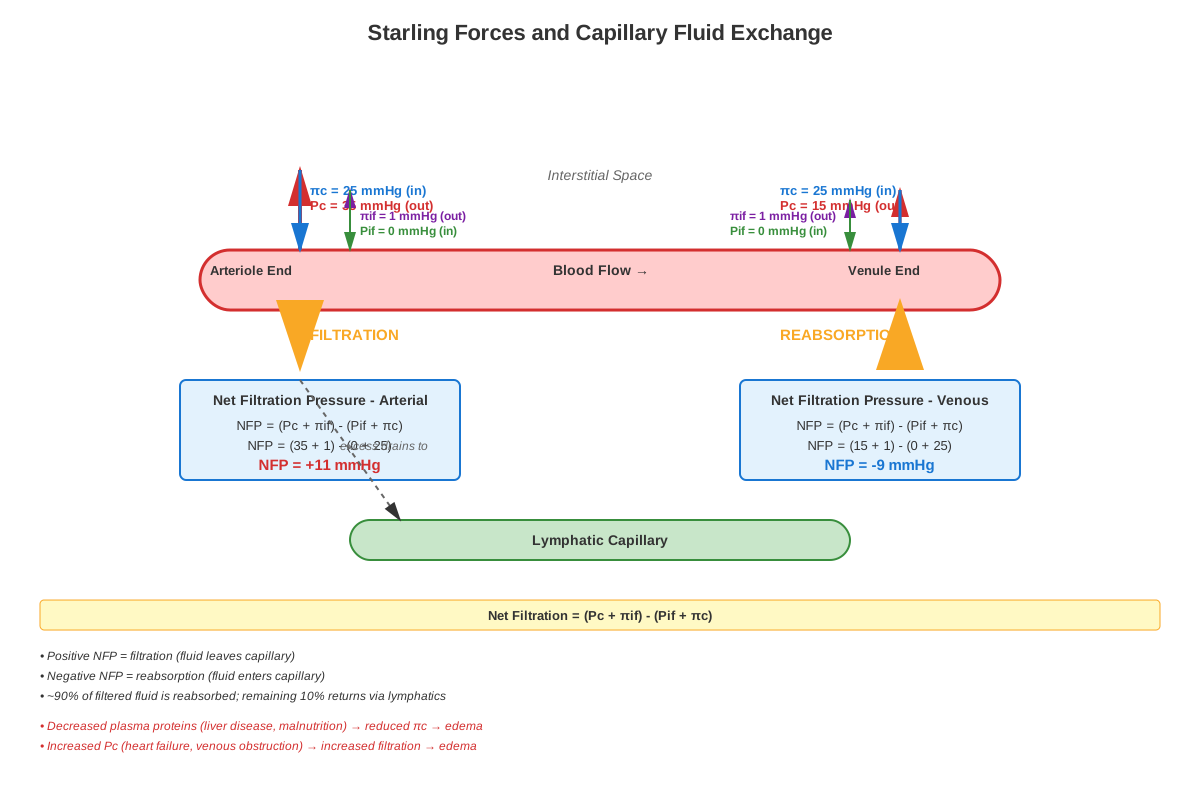
Starling's hypothesis (also called Starling's equation) describes the net fluid movement across capillary walls based on four pressures:
Net Filtration Pressure (NFP) = (Pc + πi) - (Pi + πc)Where:
- Pc = Capillary hydrostatic pressure (forces fluid OUT of capillary)
- πi = Interstitial fluid colloid osmotic pressure (pulls fluid OUT of capillary)
- Pi = Interstitial fluid hydrostatic pressure (opposes filtration)
- πc = Capillary colloid osmotic pressure (pulls fluid INTO capillary)
Typical values (in mmHg):
- Pc (arterial end): 35 mmHg → Pc (venous end): 15 mmHg
- πc: 25 mmHg (relatively constant, determined by plasma proteins, especially albumin)
- Pi: -3 mmHg (slightly negative due to lymphatic drainage)
- πi: 0-5 mmHg (normally very low)
At the arterial end:
NFP = (35 + 0) - (-3 + 25) = 35 - 22 = +13 mmHg (filtration)
At the venous end:
NFP = (15 + 0) - (-3 + 25) = 15 - 22 = -7 mmHg (reabsorption)
Approximately 20 liters of fluid filter out of capillaries daily, with about 17 liters reabsorbed. The remaining 3 liters return to circulation via the lymphatic system, which also recovers any proteins that leak into interstitial space.
Regulation of Capillary Blood Flow
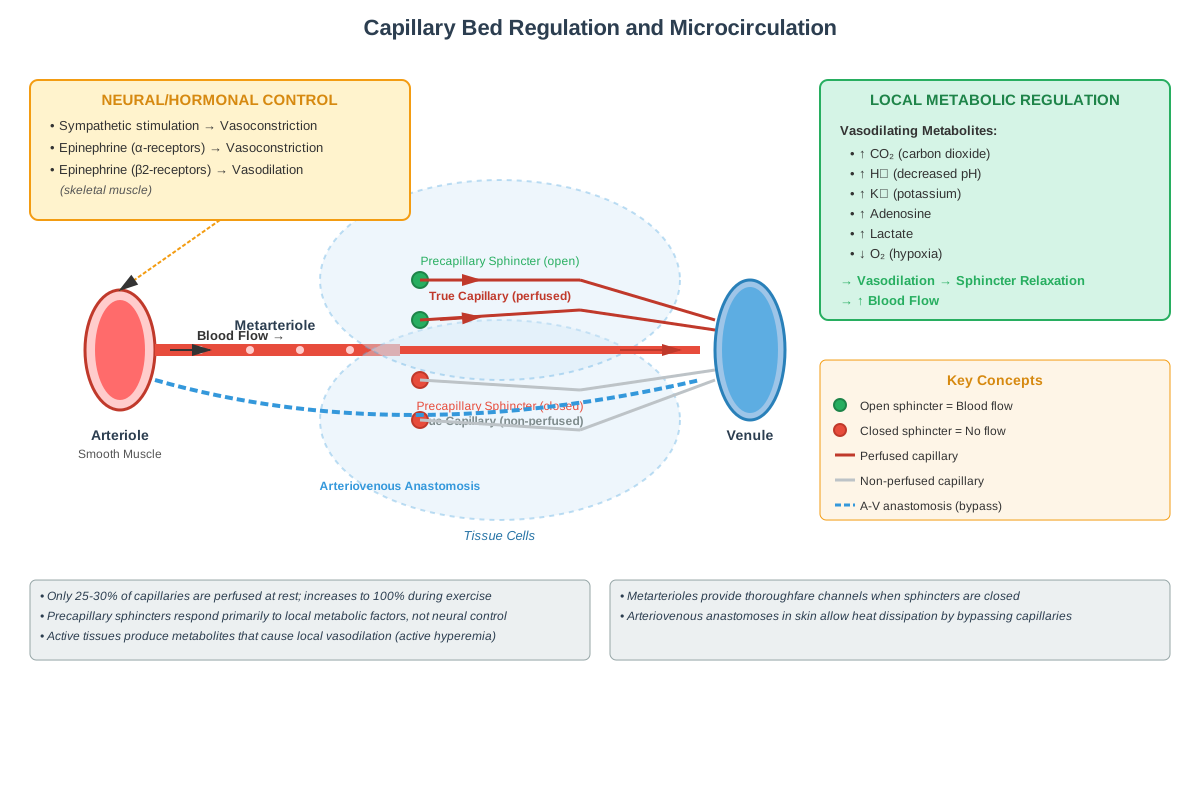
Precapillary sphincters—rings of smooth muscle at the junction between arterioles and capillaries—control blood flow into individual capillary beds. These sphincters respond to:
- Local metabolic factors: Increased CO₂, H⁺, K⁺, adenosine, and decreased O₂ cause vasodilation (active hyperemia)
- Temperature: Heat causes vasodilation; cold causes vasoconstriction
- Myogenic response: Increased pressure causes vasoconstriction (autoregulation)
- Endothelial factors: Nitric oxide (NO) causes vasodilation; endothelin causes vasoconstriction
- Neural control: Sympathetic stimulation generally causes vasoconstriction (except in skeletal muscle during exercise)
- Hormonal factors: Epinephrine, angiotensin II, vasopressin affect arteriolar tone
Autoregulation maintains constant blood flow despite changes in perfusion pressure, particularly important in brain, heart, and kidneys. The metabolic theory suggests that increased tissue metabolism produces vasodilatory metabolites, while the myogenic theory proposes that vascular smooth muscle responds directly to stretch.
Capillary Dynamics in Different Organs
Different organs exhibit specialized capillary characteristics:
Pulmonary capillaries: Very thin walls optimize gas exchange; lower hydrostatic pressure (8-10 mmHg) prevents fluid accumulation in alveoli. Pulmonary edema occurs when left heart failure increases pulmonary capillary pressure above 25 mmHg, overwhelming the colloid osmotic pressure.
Renal glomerular capillaries: Fenestrated with high hydrostatic pressure (60 mmHg) to drive filtration. The glomerular filtration barrier includes endothelial fenestrations, basement membrane, and podocyte foot processes with filtration slits.
Hepatic sinusoids: Highly permeable, allowing exchange of proteins and lipoproteins between blood and hepatocytes. Low pressure system receives blood from both hepatic artery and portal vein.
Skeletal muscle capillaries: Extensive network with high capillary density in oxidative (Type I) muscle fibers. During exercise, recruitment of previously closed capillaries increases exchange surface area.
Concept Relationships
Capillary structure determines capillary function: the single-cell-thick endothelial wall enables rapid diffusion, while variations in tight junction integrity and fenestrations create tissue-specific permeability. Capillary function depends on Starling forces, which integrate hydrostatic pressures (determined by cardiac output, blood volume, and vascular resistance) with osmotic pressures (determined by plasma protein concentration, particularly albumin synthesized by the liver).
The relationship flows as follows:
Cardiac Output → determines Blood Pressure → establishes Capillary Hydrostatic Pressure (Pc) → combines with Colloid Osmotic Pressure (πc) (determined by Plasma Protein Concentration) → produces Net Filtration Pressure → drives Fluid Movement → excess filtered fluid enters Lymphatic System → returns to Venous Circulation
Disruption at any point creates pathology: heart failure increases Pc, liver disease decreases πc, kidney disease causes protein loss (decreasing πc), and lymphatic obstruction prevents fluid return—all causing edema.
Capillary exchange connects to:
- Respiratory physiology: Gas exchange in pulmonary and tissue capillaries
- Renal physiology: Glomerular filtration and peritubular capillary reabsorption
- Cardiovascular regulation: Tissue perfusion and blood pressure control
- Immune function: Capillary permeability changes during inflammation
- Metabolism: Nutrient delivery and waste removal at the cellular level
Quick check — test yourself on Capillaries so far.
Try Flashcards →High-Yield Facts
⭐ Capillaries are the only vessels where exchange occurs due to their thin walls (single endothelial cell layer) and slow blood flow velocity (0.03 cm/s)
⭐ Net filtration pressure = (Pc + πi) - (Pi + πc), with positive values indicating filtration and negative values indicating reabsorption
⭐ Capillary hydrostatic pressure decreases from arterial end (~35 mmHg) to venous end (~15 mmHg), while colloid osmotic pressure remains relatively constant (~25 mmHg)
⭐ Plasma proteins, especially albumin, create colloid osmotic pressure that opposes filtration and promotes reabsorption
⭐ Approximately 20 L/day filters out of capillaries, 17 L reabsorbs, and 3 L returns via lymphatics
- Continuous capillaries have the lowest permeability and form the blood-brain barrier; fenestrated capillaries have intermediate permeability and are found in kidneys and intestines; sinusoidal capillaries have the highest permeability and are found in liver and bone marrow
- Precapillary sphincters regulate blood flow into individual capillary beds in response to local metabolic needs
- Decreased plasma protein concentration (hypoalbuminemia) reduces colloid osmotic pressure and causes edema
- Increased capillary hydrostatic pressure from heart failure, venous obstruction, or increased blood volume causes edema
- Inflammation increases capillary permeability through histamine and other mediators, allowing protein leakage and reducing the effectiveness of colloid osmotic pressure
Common Misconceptions
Misconception: All capillaries are identical in structure and function.
Correction: Three distinct types exist—continuous, fenestrated, and sinusoidal—each with different permeability characteristics matched to tissue-specific needs. The blood-brain barrier represents an extreme specialization of continuous capillaries.
Misconception: Filtration occurs along the entire length of capillaries.
Correction: Filtration predominates at the arterial end where hydrostatic pressure exceeds colloid osmotic pressure, while reabsorption predominates at the venous end where the relationship reverses. The transition point varies with physiological conditions.
Misconception: Osmotic pressure and colloid osmotic pressure are the same thing.
Correction: Colloid osmotic pressure (oncotic pressure) specifically refers to osmotic pressure created by proteins and other large molecules that cannot cross the capillary wall. Total osmotic pressure includes contributions from all solutes, but small ions cross freely and don't contribute to fluid movement between plasma and interstitium.
Misconception: Increased capillary permeability always increases net filtration.
Correction: While increased permeability does increase fluid filtration, it also allows proteins to leak into the interstitium, which increases interstitial colloid osmotic pressure (πi) and further promotes filtration. This creates a positive feedback loop seen in severe inflammation and septic shock.
Misconception: The lymphatic system is optional for fluid balance.
Correction: The lymphatic system is essential—it returns the 3 liters of fluid filtered daily that exceeds reabsorption, and it's the only mechanism for returning leaked proteins to circulation. Lymphatic obstruction inevitably causes edema (lymphedema).
Misconception: Capillary exchange is primarily an active, energy-requiring process.
Correction: Most capillary exchange occurs through passive mechanisms—diffusion (driven by concentration gradients) and bulk flow (driven by pressure gradients). Active transport plays a limited role, primarily at specialized barriers like the blood-brain barrier.
Worked Examples
Example 1: Calculating Net Filtration Pressure
Question: A patient with liver cirrhosis has decreased plasma albumin concentration. Given the following values, calculate the net filtration pressure at the venous end of a capillary and predict the clinical consequence:
- Capillary hydrostatic pressure (venous end): 15 mmHg
- Capillary colloid osmotic pressure: 15 mmHg (decreased from normal 25 mmHg)
- Interstitial fluid hydrostatic pressure: -3 mmHg
- Interstitial fluid colloid osmotic pressure: 3 mmHg
Solution:
Step 1: Identify the Starling equation:
NFP = (Pc + πi) - (Pi + πc)
Step 2: Substitute the given values:
NFP = (15 + 3) - (-3 + 15)
NFP = 18 - 12
NFP = +6 mmHg
Step 3: Interpret the result:
A positive NFP at the venous end indicates continued filtration rather than the normal reabsorption (which would be negative). This means more fluid leaves the capillaries than returns.
Step 4: Predict clinical consequence:
The patient will develop edema because:
- Decreased albumin reduces colloid osmotic pressure from 25 to 15 mmHg
- This reduces the force pulling fluid back into capillaries
- Net filtration exceeds reabsorption throughout the capillary length
- Excess interstitial fluid accumulates faster than lymphatics can drain it
- Clinical presentation: peripheral edema, ascites (abdominal fluid accumulation)
Key Learning Point: Hypoalbuminemia from liver disease, malnutrition, or kidney disease (nephrotic syndrome) reduces colloid osmotic pressure and causes edema by shifting the balance toward filtration.
Example 2: Tissue-Specific Capillary Function
Question: A researcher is studying drug delivery to different tissues. She notes that a large protein-based drug (molecular weight 150 kDa) readily enters liver tissue but cannot cross into brain tissue. Explain this observation using capillary biology principles.
Solution:
Step 1: Identify relevant capillary types:
- Brain: Continuous capillaries with tight junctions (blood-brain barrier)
- Liver: Sinusoidal (discontinuous) capillaries with large gaps
Step 2: Analyze permeability characteristics:
Brain capillaries:
- Endothelial cells connected by extensive tight junctions
- Minimal pinocytosis
- Complete, thick basement membrane
- Astrocyte foot processes provide additional barrier
- Pore size effectively excludes molecules >500 Da
- Result: 150 kDa protein cannot cross
Liver sinusoids:
- Large fenestrations (100-200 nm diameter)
- Discontinuous endothelium with gaps between cells
- Incomplete basement membrane
- Designed to allow exchange of proteins, lipoproteins, and even cells
- Result: 150 kDa protein easily crosses
Step 3: Explain functional significance:
The blood-brain barrier protects the CNS from toxins, pathogens, and fluctuations in blood composition, but this protection complicates drug delivery. The liver's high permeability enables its functions: protein synthesis and secretion, lipoprotein metabolism, and detoxification requiring uptake of various substances.
Step 4: Clinical application:
Drug developers must consider capillary permeability when designing therapeutics. Brain-targeted drugs must be:
- Lipid-soluble to cross membranes directly
- Small enough to use existing transporters
- Conjugated to molecules recognized by brain transporters
- Delivered via methods that temporarily disrupt the blood-brain barrier
Key Learning Point: Capillary structure varies systematically across tissues to match functional requirements, with important implications for drug delivery, disease pathology, and physiological regulation.
Exam Strategy
Approaching Capillary Questions
When encountering Capillaries MCAT questions, follow this systematic approach:
- Identify the question type:
- Calculation (Starling forces): Extract values, apply equation, interpret result
- Mechanism (cause-and-effect): Trace through the physiological pathway
- Comparison (capillary types): Match structure to function and location
- Application (clinical scenario): Connect pathology to underlying capillary dysfunction
- Watch for trigger words:
- "Edema," "swelling," "fluid accumulation" → Think Starling forces imbalance
- "Blood-brain barrier" → Continuous capillaries with tight junctions
- "Filtration," "reabsorption" → Calculate or compare pressures
- "Albumin," "plasma proteins" → Colloid osmotic pressure
- "Heart failure," "liver disease," "kidney disease" → Predict effect on Starling forces
- "Inflammation" → Increased permeability
- Process of elimination strategies:
- Eliminate options that confuse hydrostatic and osmotic pressure
- Eliminate options that reverse the direction of pressure effects (e.g., stating that increased hydrostatic pressure promotes reabsorption)
- Eliminate options that ignore the role of lymphatics in fluid balance
- Eliminate options that claim all capillaries are structurally identical
- Common calculation pitfalls:
- Remember that interstitial hydrostatic pressure is typically negative (-3 mmHg)
- Don't forget to include all four Starling forces
- Positive NFP = filtration (out of capillary); Negative NFP = reabsorption (into capillary)
- Capillary hydrostatic pressure decreases from arterial to venous end
Time Allocation
For standalone questions on capillary physiology, allocate 60-90 seconds. For passage-based questions, spend 30-45 seconds per question after reading the passage. Calculation questions may require the full 90 seconds, while conceptual questions about capillary types or mechanisms should take 60 seconds or less.
Exam Tip: If a question provides values for Starling forces, immediately write down the equation and substitute values—this prevents errors and saves time. If asked about edema causes, systematically consider what could increase Pc or πi, or decrease πc.
Memory Techniques
Starling Forces Mnemonic: "POPI"
Pc - Pushes Out (Capillary hydrostatic pressure)
Oπc - Opposes Outflow (Capillary colloid osmotic pressure - pulls in)
Pi - Pushes In (Interstitial hydrostatic pressure - opposes filtration)
Iπi - Increases Outflow (Interstitial colloid osmotic pressure)
Remember: OUT forces (Pc, πi) minus IN forces (Pi, πc) = Net Filtration Pressure
Capillary Types: "Can Frogs Swim?"
Continuous - CNS, muscle, skin (most restrictive)
Fenestrated - Filtration organs (kidney, intestine, endocrine glands)
Sinusoidal - Storage/processing organs (liver, spleen, bone marrow)
Edema Causes: "HALO"
Hydrostatic pressure increased (heart failure, venous obstruction)
Albumin decreased (liver disease, malnutrition, nephrotic syndrome)
Lymphatic obstruction (infection, surgery, cancer)
Oncotic pressure decreased (same as albumin - alternative way to remember)
Visualization Strategy
Picture a capillary as a leaky garden hose with the following features:
- Water pressure (hydrostatic) pushes water out through tiny holes
- Sponges inside (proteins) create suction pulling water back in
- Arterial end: High water pressure overwhelms sponge suction → water leaks out
- Venous end: Lower water pressure, sponge suction wins → water returns
- Drain system (lymphatics) collects excess water that doesn't return
This concrete visualization helps remember that filtration and reabsorption occur at different locations along the same capillary.
Summary
Capillaries represent the functional endpoint of the cardiovascular system, where the thin walls formed by a single endothelial cell layer enable exchange of gases, nutrients, and waste products between blood and tissues. Three capillary types—continuous, fenestrated, and sinusoidal—exhibit progressively increasing permeability matched to tissue-specific requirements. Fluid movement across capillary walls follows Starling's hypothesis, with net filtration pressure determined by the balance of four forces: capillary hydrostatic pressure and interstitial colloid osmotic pressure promote filtration, while interstitial hydrostatic pressure and capillary colloid osmotic pressure promote reabsorption. Filtration predominates at the arterial end where hydrostatic pressure is high, while reabsorption predominates at the venous end where hydrostatic pressure has decreased. The lymphatic system returns excess filtered fluid and leaked proteins to circulation. Disruptions in Starling forces—from heart failure, liver disease, kidney disease, or lymphatic obstruction—cause edema. Understanding capillary structure, exchange mechanisms, and fluid dynamics is essential for MCAT success and provides the foundation for comprehending cardiovascular, renal, and respiratory physiology.
Key Takeaways
- Capillaries are single-cell-thick vessels where all exchange between blood and tissues occurs, with three structural types (continuous, fenestrated, sinusoidal) exhibiting increasing permeability
- Net filtration pressure = (Pc + πi) - (Pi + πc), with filtration at the arterial end and reabsorption at the venous end of capillaries
- Capillary hydrostatic pressure (Pc) forces fluid out and decreases from arterial (~35 mmHg) to venous (~15 mmHg) end
- Capillary colloid osmotic pressure (πc), created primarily by albumin, pulls fluid in and remains relatively constant (~25 mmHg)
- Edema results from increased hydrostatic pressure, decreased colloid osmotic pressure, increased capillary permeability, or lymphatic obstruction
- The lymphatic system returns approximately 3 liters per day of excess filtered fluid and leaked proteins to circulation
- Precapillary sphincters regulate blood flow into capillary beds in response to local metabolic needs, enabling tissue-specific perfusion control
Related Topics
Cardiovascular Physiology: Understanding cardiac output, blood pressure regulation, and the Frank-Starling mechanism provides context for capillary hydrostatic pressure and tissue perfusion. Mastering capillaries enables deeper comprehension of how the heart's pumping action ultimately serves tissue exchange.
Renal Physiology: Glomerular capillaries exhibit specialized high-pressure filtration, while peritubular capillaries enable reabsorption. Capillary principles directly apply to understanding glomerular filtration rate and tubular reabsorption.
Respiratory Physiology: Pulmonary capillaries surrounding alveoli enable gas exchange through diffusion. Understanding capillary structure and exchange mechanisms is essential for comprehending oxygen and carbon dioxide transport.
Lymphatic System: This parallel circulation collects excess filtered fluid and returns it to the cardiovascular system, making it inseparable from capillary function and fluid balance.
Inflammation and Immunity: Inflammatory mediators increase capillary permeability and blood flow, enabling immune cell extravasation. Understanding normal capillary function provides the baseline for comprehending inflammatory responses.
Pathophysiology of Edema and Shock: Clinical conditions affecting capillary function represent high-yield MCAT topics that integrate cardiovascular, renal, and fluid balance concepts.
Practice CTA
Now that you've mastered the core concepts of capillary structure and function, it's time to reinforce your learning through active practice. Complete the associated practice questions to test your ability to calculate net filtration pressure, predict the consequences of pathological changes in Starling forces, and apply capillary biology principles to clinical scenarios. Use the flashcards to memorize high-yield facts about capillary types, Starling forces, and common causes of edema. Remember: understanding capillaries isn't just about memorizing facts—it's about developing the ability to reason through complex physiological scenarios, a skill that will serve you throughout the MCAT and your medical career. You've got this!
Sign up free to keep reading
Create a free AnvayaPrep account to finish this MCAT guide on Capillaries — plus flashcards and practice questions.