Overview
Carbon dioxide transport is a fundamental physiological process that describes how CO₂, a metabolic waste product, is carried from tissues where it is produced to the lungs where it is expelled from the body. This topic sits at the intersection of respiratory physiology, acid-base balance, and cardiovascular function—making it a high-yield area for MCAT Biology questions. Understanding carbon dioxide transport requires integration of chemical equilibria, enzyme kinetics, and hemoglobin biochemistry, all of which are testable concepts within Physiology and Organ Systems.
The MCAT frequently tests carbon dioxide transport through passage-based questions that integrate respiratory physiology with acid-base homeostasis, or through discrete questions that probe the chemical mechanisms underlying CO₂ carriage in blood. Unlike oxygen transport, which primarily involves simple binding to hemoglobin, carbon dioxide transport Biology encompasses three distinct mechanisms: dissolution in plasma, carbamino compound formation, and conversion to bicarbonate ions. Each mechanism contributes differently to total CO₂ transport, and understanding their relative contributions is essential for answering quantitative and conceptual questions on test day.
Mastery of carbon dioxide transport provides the foundation for understanding respiratory regulation, metabolic acidosis and alkalosis, the Bohr effect, and the Haldane effect—all topics that appear regularly on the MCAT. This topic also connects to renal physiology, buffer systems, and the physiological responses to exercise and altitude, making it a central hub in the broader network of human physiology concepts tested on the exam.
Learning Objectives
- [ ] Define carbon dioxide transport using accurate Biology terminology
- [ ] Explain why carbon dioxide transport matters for the MCAT
- [ ] Apply carbon dioxide transport to exam-style questions
- [ ] Identify common mistakes related to carbon dioxide transport
- [ ] Connect carbon dioxide transport to related Biology concepts
- [ ] Quantify the relative contributions of each CO₂ transport mechanism (dissolved CO₂, carbamino compounds, bicarbonate)
- [ ] Explain the role of carbonic anhydrase in facilitating CO₂ transport and its clinical significance
- [ ] Describe the Haldane effect and its reciprocal relationship with the Bohr effect
- [ ] Predict how changes in ventilation, metabolism, or hemoglobin saturation affect CO₂ transport and blood pH
Prerequisites
- Basic chemistry of acids, bases, and buffers: Carbon dioxide transport involves carbonic acid formation and bicarbonate buffering systems
- Hemoglobin structure and oxygen binding: CO₂ transport mechanisms interact directly with hemoglobin's quaternary structure and oxygen saturation state
- Cardiovascular circulation: Understanding how blood flows from tissues to lungs is necessary to trace CO₂ movement through the body
- Basic enzyme kinetics: Carbonic anhydrase catalyzes a critical reaction in CO₂ transport
- Partial pressure and gas diffusion: CO₂ movement follows concentration gradients expressed as partial pressures
Why This Topic Matters
Clinical and Real-World Significance
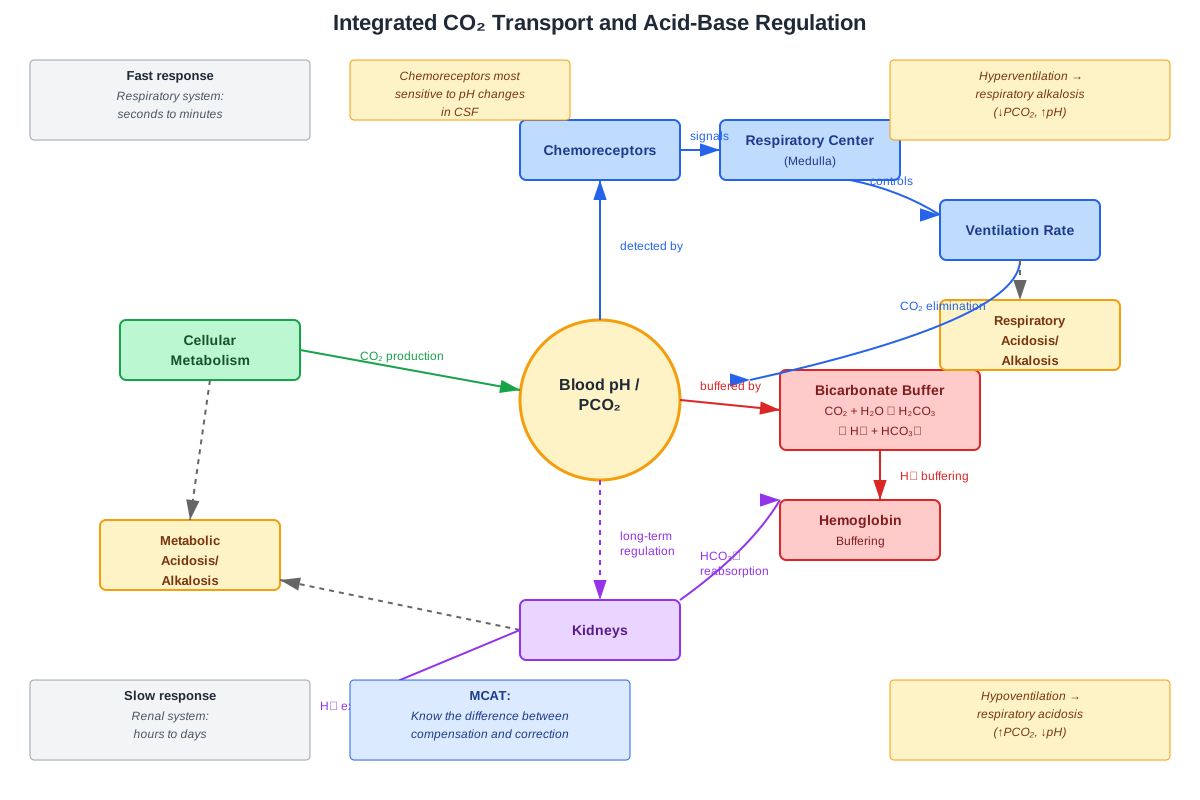
Carbon dioxide transport is clinically relevant in numerous pathological conditions. Chronic obstructive pulmonary disease (COPD), respiratory failure, and metabolic disorders all disrupt normal CO₂ transport, leading to respiratory acidosis or alkalosis. Clinicians monitor arterial blood gases (ABGs) to assess CO₂ levels (PaCO₂) as a key indicator of respiratory function and acid-base status. Understanding the mechanisms of CO₂ transport explains why hyperventilation causes alkalosis (excessive CO₂ removal) and why hypoventilation causes acidosis (CO₂ retention).
MCAT Exam Statistics
Carbon dioxide transport appears in approximately 3-5% of MCAT Biology questions, typically within passages about respiratory physiology, acid-base balance, or comparative physiology. Questions may be presented as:
- Passage-based questions integrating experimental data about ventilation changes and blood pH
- Discrete questions testing the chemical equilibria involved in bicarbonate formation
- Pseudo-discrete questions within passages about exercise physiology or altitude adaptation
- Graph interpretation questions showing CO₂ dissociation curves or the relationship between PaCO₂ and pH
Common Exam Presentations
The MCAT commonly presents carbon dioxide transport in contexts such as:
- Experimental passages measuring blood gas changes during exercise or breath-holding
- Clinical vignettes describing patients with respiratory or metabolic disorders
- Comparative physiology passages contrasting CO₂ transport in different organisms
- Biochemistry passages exploring carbonic anhydrase inhibitors (like acetazolamide)
- Integrated passages connecting the Bohr and Haldane effects
Core Concepts
Three Mechanisms of Carbon Dioxide Transport
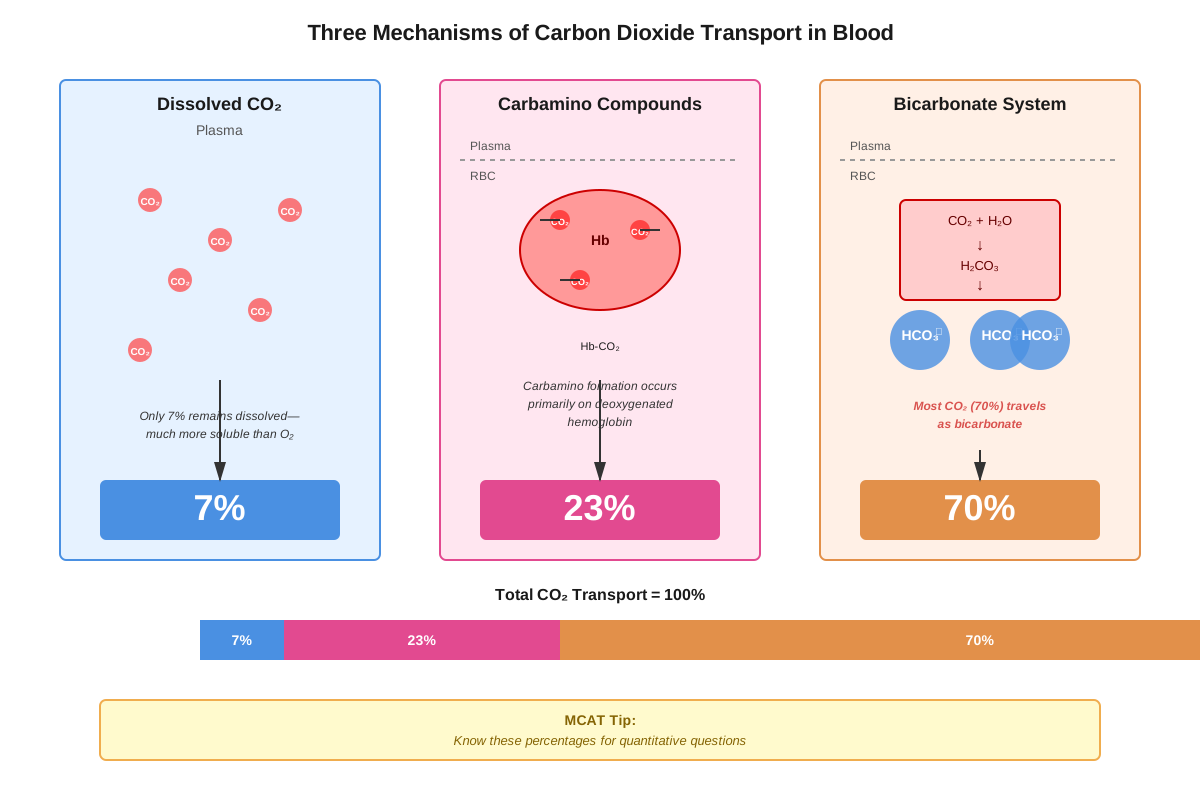
Carbon dioxide transport in blood occurs through three distinct mechanisms, each contributing differently to total CO₂ carriage from tissues to lungs.
1. Dissolved CO₂ in Plasma (5-10%)
Approximately 5-10% of CO₂ is transported as physically dissolved gas in blood plasma. This dissolved CO₂ follows Henry's Law, where the amount dissolved is proportional to the partial pressure of CO₂ (PCO₂). While this represents the smallest contribution to total CO₂ transport, dissolved CO₂ is physiologically critical because:
- It determines the PCO₂ of blood, which is the primary stimulus for respiratory drive
- It establishes the concentration gradient for CO₂ diffusion across alveolar membranes
- It participates in the chemical equilibria that generate bicarbonate
The solubility coefficient of CO₂ in blood is approximately 0.03 mmol/L/mmHg, making CO₂ about 20 times more soluble than oxygen in blood.
2. Carbamino Compounds (5-10%)
Approximately 5-10% of CO₂ binds directly to amino groups on proteins, primarily the terminal amino groups of hemoglobin chains, forming carbamino compounds (also called carbaminohemoglobin). This reaction does not require enzymes:
CO₂ + Hb-NH₂ ⇌ Hb-NH-COO⁻ + H⁺Key features of carbamino compound formation:
- Deoxygenated hemoglobin binds CO₂ more readily than oxygenated hemoglobin (this is the basis of the Haldane effect)
- The reaction is rapid and reversible
- Carbamino formation releases protons (H⁺), contributing to the Bohr effect
- Plasma proteins also form carbamino compounds, but hemoglobin accounts for the majority
3. Bicarbonate Ions (80-90%)
The vast majority (80-90%) of CO₂ is transported as bicarbonate ions (HCO₃⁻) in plasma. This mechanism involves a series of reactions:
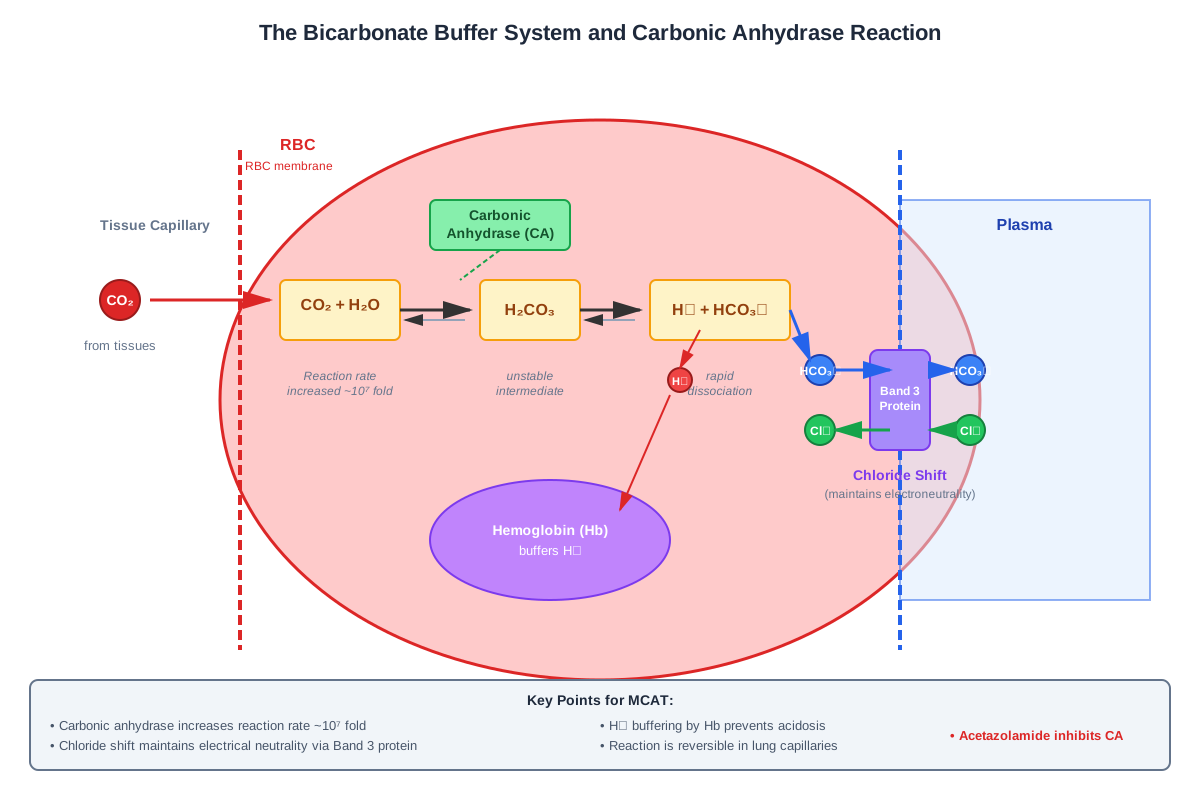
CO₂ + H₂O ⇌ H₂CO₃ ⇌ H⁺ + HCO₃⁻This reaction sequence occurs in two locations with different kinetics:
In Plasma (slow): Without catalysis, the hydration of CO₂ to carbonic acid (H₂CO₃) is too slow to support physiological CO₂ transport.
In Red Blood Cells (fast): The enzyme carbonic anhydrase catalyzes the hydration reaction, increasing its rate by a factor of 10,000. This allows rapid conversion of CO₂ to bicarbonate within the time blood spends in tissue capillaries (approximately 0.75 seconds).
The Chloride Shift (Hamburger Shift)
As bicarbonate accumulates in red blood cells, it must be transported into plasma to maximize CO₂-carrying capacity. However, the red blood cell membrane is relatively impermeable to cations like H⁺. To maintain electrical neutrality, chloride ions (Cl⁻) move from plasma into red blood cells in exchange for bicarbonate moving out—a process called the chloride shift or Hamburger shift.
This exchange is facilitated by the Band 3 protein (anion exchanger 1, AE1), a transmembrane protein that catalyzes the 1:1 exchange of Cl⁻ for HCO₃⁻. The chloride shift:
- Allows red blood cells to serve as "bicarbonate factories" while plasma serves as the bicarbonate reservoir
- Maintains electroneutrality across the red blood cell membrane
- Results in higher chloride concentration in venous red blood cells compared to arterial red blood cells
Role of Carbonic Anhydrase
Carbonic anhydrase is a zinc-containing enzyme found in high concentrations in red blood cells (but not in plasma). It catalyzes the reversible hydration of CO₂:
At tissues (high PCO₂):
CO₂ + H₂O → H₂CO₃ → H⁺ + HCO₃⁻At lungs (low PCO₂):
H⁺ + HCO₃⁻ → H₂CO₃ → CO₂ + H₂OThe enzyme's importance is demonstrated by carbonic anhydrase inhibitors (like acetazolamide), which impair CO₂ transport and cause metabolic acidosis. Carbonic anhydrase is also found in:
- Renal tubular cells (regulating bicarbonate reabsorption)
- Gastric parietal cells (producing HCl)
- Pancreatic cells (producing bicarbonate-rich secretions)
The Haldane Effect
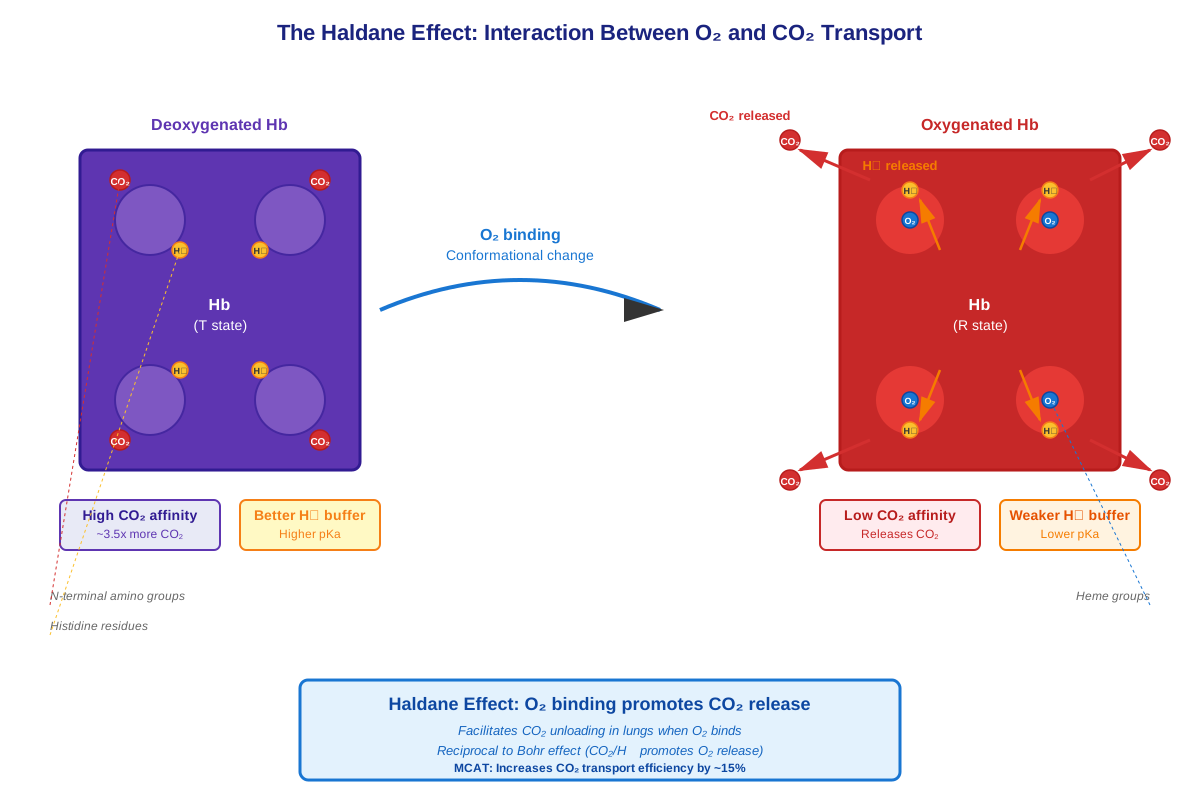
The Haldane effect describes the phenomenon whereby deoxygenated hemoglobin has a greater capacity to carry CO₂ than oxygenated hemoglobin. This effect has two components:
1. Enhanced Carbamino Formation: Deoxygenated hemoglobin has a higher affinity for CO₂ binding to terminal amino groups because deoxyhemoglobin is a weaker acid (higher pKa) than oxyhemoglobin.
2. Enhanced Buffering of H⁺: Deoxygenated hemoglobin is a better buffer for the H⁺ ions produced during bicarbonate formation. By binding H⁺, deoxyhemoglobin shifts the equilibrium toward more bicarbonate production:
CO₂ + H₂O ⇌ H₂CO₃ ⇌ H⁺ + HCO₃⁻
                      ↓
                  Hb + H⁺ ⇌ HbH⁺
Physiological Significance: The Haldane effect enhances CO₂ loading at tissues (where hemoglobin releases O₂ and becomes deoxygenated) and CO₂ unloading at lungs (where hemoglobin binds O₂ and becomes oxygenated). This effect accounts for approximately 50% of the CO₂ released from blood in the lungs.
CO₂ Dissociation Curve
The CO₂ dissociation curve (also called the CO₂ equilibrium curve) plots total CO₂ content in blood against PCO₂. Unlike the sigmoidal oxygen dissociation curve, the CO₂ dissociation curve is nearly linear in the physiological range (PCO₂ 40-46 mmHg). Key features:
| Feature | CO₂ Curve | O₂ Curve |
|---|---|---|
| Shape | Nearly linear | Sigmoidal |
| Steepness | Steep (high CO₂ capacity) | Plateau at high PO₂ |
| Effect of oxygenation | Haldane effect (deoxygenated blood carries more CO₂) | Bohr effect (high CO₂ shifts curve right) |
| Physiological range | 40-46 mmHg (small change) | 40-100 mmHg (large change) |
The steep, linear nature of the CO₂ curve means that small changes in PCO₂ result in large changes in CO₂ content, facilitating efficient CO₂ removal.
Integration: From Tissues to Lungs
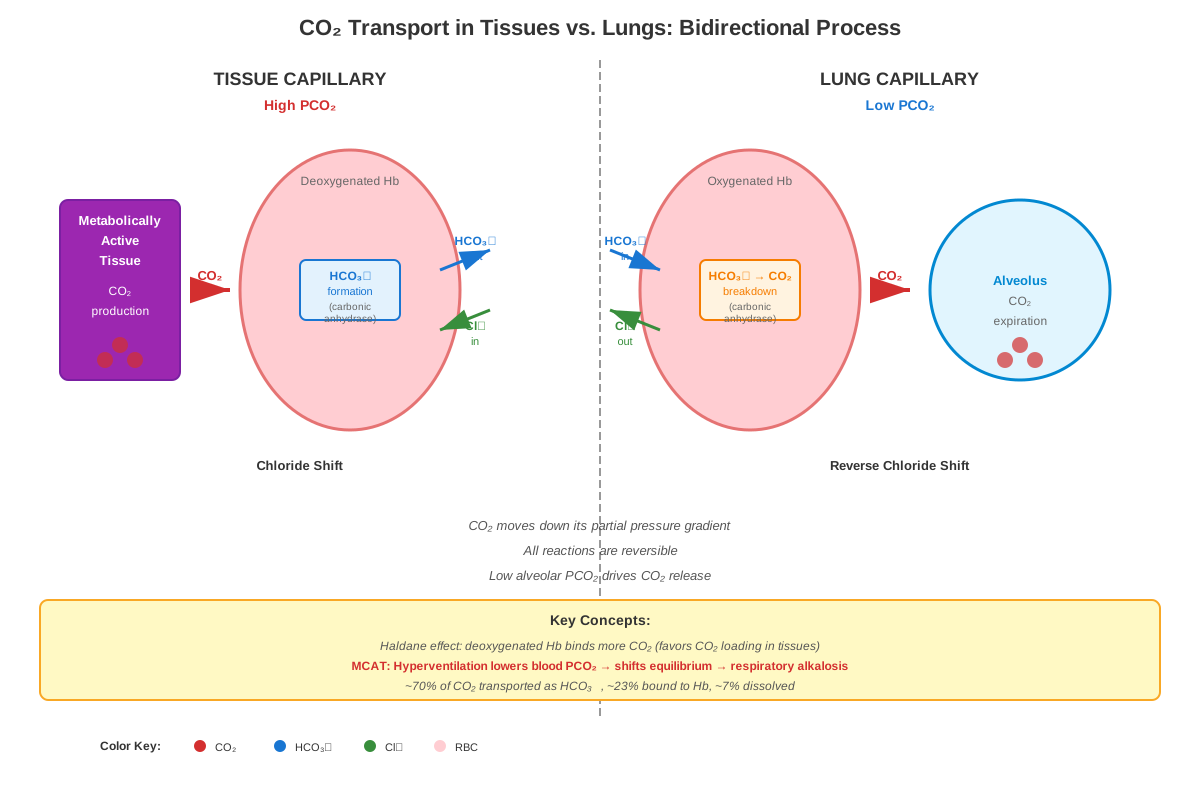
At Systemic Tissues (CO₂ Loading):
- Metabolically active cells produce CO₂, which diffuses into capillary blood
- Some CO₂ dissolves in plasma (~7%)
- Most CO₂ enters red blood cells where:
- Carbonic anhydrase rapidly converts CO₂ to H₂CO₃, which dissociates to H⁺ and HCO₃⁻
- Deoxygenated hemoglobin buffers H⁺ (Haldane effect)
- CO₂ binds to hemoglobin amino groups forming carbamino compounds
- HCO₃⁻ exits red blood cells via the chloride shift
- Blood PCO₂ rises from ~40 mmHg (arterial) to ~46 mmHg (venous)
At Pulmonary Capillaries (CO₂ Unloading):
- Low alveolar PCO₂ (~40 mmHg) creates a gradient for CO₂ diffusion from blood to alveoli
- As dissolved CO₂ leaves plasma, equilibria shift:
- HCO₃⁻ enters red blood cells (reverse chloride shift)
- Carbonic anhydrase converts HCO₃⁻ + H⁺ back to CO₂
- Oxygenated hemoglobin releases H⁺ and CO₂ (reverse Haldane effect)
- CO₂ diffuses into alveoli and is exhaled
- Blood PCO₂ decreases to ~40 mmHg (arterial)
Concept Relationships
The mechanisms of carbon dioxide transport are interconnected through chemical equilibria and hemoglobin biochemistry. Dissolved CO₂ establishes the PCO₂ gradient → drives carbonic anhydrase-catalyzed bicarbonate formation → produces H⁺ ions that are buffered by deoxygenated hemoglobin (Haldane effect) → while CO₂ also binds directly to hemoglobin forming carbamino compounds.
The chloride shift enables the bicarbonate mechanism by allowing red blood cells to export HCO₃⁻ to plasma, maximizing CO₂-carrying capacity. The Haldane effect reciprocally connects to the Bohr effect: as hemoglobin releases O₂ at tissues (Bohr effect driven by high PCO₂ and low pH), it simultaneously increases its CO₂-carrying capacity (Haldane effect). Conversely, at the lungs, O₂ binding to hemoglobin promotes CO₂ release.
Carbon dioxide transport connects to acid-base balance because CO₂ + H₂O ⇌ H₂CO₃ ⇌ H⁺ + HCO₃⁻ is the body's primary buffer system. Changes in ventilation (respiratory component) directly affect PCO₂ and thus blood pH, while metabolic processes affect HCO₃⁻ levels (metabolic component). This topic also connects to renal physiology because kidneys regulate HCO₃⁻ reabsorption and H⁺ secretion, using carbonic anhydrase in tubular cells.
The relationship to oxygen transport is bidirectional: CO₂ affects O₂ binding (Bohr effect), and O₂ saturation affects CO₂ binding (Haldane effect). This reciprocal relationship optimizes gas exchange at both tissues and lungs.
Quick check — test yourself on Carbon dioxide transport so far.
Try Flashcards →High-Yield Facts
⭐ Approximately 80-90% of CO₂ is transported as bicarbonate ions (HCO₃⁻), 5-10% as carbamino compounds, and 5-10% dissolved in plasma
⭐ Carbonic anhydrase in red blood cells (not plasma) catalyzes CO₂ + H₂O ⇌ H₂CO₃, increasing reaction rate by ~10,000-fold
⭐ The Haldane effect states that deoxygenated hemoglobin carries more CO₂ than oxygenated hemoglobin, accounting for ~50% of CO₂ released at lungs
⭐ The chloride shift (Hamburger shift) exchanges Cl⁻ for HCO₃⁻ across the red blood cell membrane via Band 3 protein to maintain electroneutrality
⭐ The CO₂ dissociation curve is nearly linear (not sigmoidal) in the physiological range, allowing efficient CO₂ removal with small PCO₂ changes
- Venous blood has PCO₂ ~46 mmHg while arterial blood has PCO₂ ~40 mmHg (only 6 mmHg difference)
- Deoxygenated hemoglobin is a better buffer for H⁺ than oxygenated hemoglobin because it has a higher pKa
- CO₂ is approximately 20 times more soluble in blood than O₂
- Carbonic anhydrase inhibitors (acetazolamide) cause metabolic acidosis by impairing bicarbonate formation
- The Bohr effect (CO₂ and H⁺ decrease hemoglobin's O₂ affinity) and Haldane effect (O₂ decreases hemoglobin's CO₂ affinity) are reciprocal phenomena
- Hyperventilation decreases PCO₂, causing respiratory alkalosis; hypoventilation increases PCO₂, causing respiratory acidosis
- Red blood cells in venous blood have higher Cl⁻ concentration than in arterial blood due to the chloride shift
Common Misconceptions
Misconception: All CO₂ transport mechanisms contribute equally to total CO₂ carriage.
Correction: Bicarbonate transport accounts for 80-90% of CO₂ carriage, while dissolved CO₂ and carbamino compounds each contribute only 5-10%. However, dissolved CO₂ is disproportionately important because it determines PCO₂, which drives respiratory regulation.
Misconception: Carbonic anhydrase is present in plasma and catalyzes bicarbonate formation there.
Correction: Carbonic anhydrase is found inside red blood cells, not in plasma. The hydration of CO₂ in plasma is uncatalyzed and too slow to support physiological CO₂ transport. This is why red blood cells are essential for efficient CO₂ transport.
Misconception: The Haldane effect and Bohr effect are the same phenomenon.
Correction: These are reciprocal but distinct effects. The Bohr effect describes how CO₂ and H⁺ decrease hemoglobin's affinity for O₂ (affecting oxygen transport). The Haldane effect describes how O₂ binding decreases hemoglobin's affinity for CO₂ and H⁺ (affecting carbon dioxide transport).
Misconception: The chloride shift moves chloride out of red blood cells.
Correction: At tissues, the chloride shift moves Cl⁻ INTO red blood cells in exchange for HCO₃⁻ moving OUT. This is reversed at the lungs. The direction depends on whether CO₂ is being loaded (tissues) or unloaded (lungs).
Misconception: CO₂ transport is independent of hemoglobin saturation.
Correction: Hemoglobin's oxygenation state profoundly affects CO₂ transport through the Haldane effect. Deoxygenated hemoglobin binds more CO₂ (as carbamino compounds) and buffers more H⁺ (promoting bicarbonate formation). This coupling ensures efficient gas exchange.
Misconception: The CO₂ dissociation curve is sigmoidal like the O₂ dissociation curve.
Correction: The CO₂ dissociation curve is nearly linear in the physiological range, not sigmoidal. This linear relationship means CO₂ content changes proportionally with PCO₂, facilitating efficient CO₂ removal even with small pressure gradients.
Misconception: Carbamino compounds form between CO₂ and the heme groups of hemoglobin.
Correction: Carbamino compounds form between CO₂ and amino groups on the globin protein chains (particularly terminal amino groups), not with the heme groups. The heme groups bind O₂, not CO₂.
Worked Examples
Example 1: Quantitative Analysis of CO₂ Transport Mechanisms
Question: A patient's arterial blood contains 48 mL CO₂/dL blood at PCO₂ = 40 mmHg. If 90% is transported as bicarbonate, 7% as carbamino compounds, and 3% dissolved, calculate the volume of CO₂ in each form. If the patient hyperventilates and PCO₂ drops to 30 mmHg, predict the primary change in CO₂ transport.
Solution:
Step 1: Calculate CO₂ volume in each form at baseline:
- Bicarbonate: 48 mL × 0.90 = 43.2 mL/dL
- Carbamino: 48 mL × 0.07 = 3.36 mL/dL
- Dissolved: 48 mL × 0.03 = 1.44 mL/dL
Step 2: Analyze the effect of hyperventilation (PCO₂ 40 → 30 mmHg):
Dissolved CO₂ follows Henry's Law, so it decreases proportionally:
- New dissolved CO₂ = 1.44 mL × (30/40) = 1.08 mL/dL
- Change = -0.36 mL/dL
The bicarbonate equilibrium shifts left as PCO₂ decreases:
CO₂ + H₂O ⇌ H₂CO₃ ⇌ H⁺ + HCO₃⁻Lower PCO₂ drives the reaction toward CO₂ formation, decreasing HCO₃⁻. This is the primary mechanism of CO₂ loss during hyperventilation.
Carbamino compounds also decrease as PCO₂ drops, but this represents a smaller absolute change.
Step 3: Predict pH change:
Hyperventilation removes CO₂, shifting equilibrium to consume H⁺, increasing pH → respiratory alkalosis.
Key Takeaway: While bicarbonate represents the largest pool of CO₂, all three mechanisms respond to PCO₂ changes. The bicarbonate system's large capacity means it accounts for most of the CO₂ removed during hyperventilation, but the dissolved CO₂ determines the PCO₂ that drives respiratory regulation.
Example 2: Clinical Vignette Integrating Haldane Effect
Question: A researcher measures CO₂ content in blood samples at PCO₂ = 46 mmHg. Sample A is fully oxygenated (100% HbO₂), while Sample B is fully deoxygenated (100% deoxyHb). Sample B contains 52 mL CO₂/dL blood, while Sample A contains 48 mL CO₂/dL blood. Explain this difference and identify which sample represents venous blood.
Solution:
Step 1: Identify the phenomenon:
The 4 mL/dL difference in CO₂ content at the same PCO₂ demonstrates the Haldane effect: deoxygenated hemoglobin (Sample B) carries more CO₂ than oxygenated hemoglobin (Sample A).
Step 2: Explain the mechanism:
The Haldane effect operates through two mechanisms:
- Enhanced carbamino formation: DeoxyHb has higher affinity for CO₂ binding to amino groups:
CO₂ + deoxyHb-NH₂ → deoxyHb-NH-COO⁻ + H⁺ (favored)- Enhanced H⁺ buffering: DeoxyHb is a weaker acid (higher pKa ≈ 7.9) than HbO₂ (pKa ≈ 6.6), so it binds H⁺ more readily:
deoxyHb + H⁺ → deoxyHb-H⁺ (favored)By removing H⁺ from solution, deoxyHb shifts the bicarbonate equilibrium right, increasing HCO₃⁻ formation:
CO₂ + H₂O ⇌ H₂CO₃ ⇌ H⁺ + HCO₃⁻Step 3: Identify venous vs. arterial blood:
Sample B (deoxygenated) represents venous blood returning from tissues, where:
- Hemoglobin has released O₂ to tissues
- High CO₂-carrying capacity loads CO₂ from metabolically active tissues
- PCO₂ is elevated (~46 mmHg)
Sample A (oxygenated) represents arterial blood leaving the lungs, where:
- Hemoglobin has bound O₂
- Lower CO₂-carrying capacity facilitates CO₂ unloading to alveoli
- PCO₂ is normal (~40 mmHg)
Key Takeaway: The Haldane effect ensures that blood has maximum CO₂-carrying capacity precisely where it's needed (at tissues where hemoglobin is deoxygenated) and minimum capacity where CO₂ must be released (at lungs where hemoglobin is oxygenated). This reciprocal relationship with oxygen binding optimizes gas exchange efficiency.
Exam Strategy
Approaching MCAT Questions on Carbon Dioxide Transport
1. Identify the question type:
- Mechanism questions: Focus on the three transport mechanisms and their relative contributions
- Equilibrium questions: Apply Le Chatelier's principle to CO₂ + H₂O ⇌ H₂CO₃ ⇌ H⁺ + HCO₃⁻
- Haldane effect questions: Look for scenarios involving changes in hemoglobin oxygenation
- Acid-base questions: Connect PCO₂ changes to pH changes
- Quantitative questions: Use percentages (80-90% bicarbonate, 5-10% each for others)
2. Trigger words and phrases to watch for:
- "Carbonic anhydrase inhibitor" → Think about impaired bicarbonate formation, metabolic acidosis
- "Hyperventilation" or "increased respiratory rate" → Decreased PCO₂, respiratory alkalosis
- "Deoxygenated blood" or "venous blood" → Higher CO₂-carrying capacity (Haldane effect)
- "Chloride shift" or "Band 3 protein" → HCO₃⁻/Cl⁻ exchange maintaining electroneutrality
- "Steep/linear curve" → CO₂ dissociation curve (vs. sigmoidal O₂ curve)
3. Process-of-elimination strategies:
- Eliminate answers that confuse Bohr and Haldane effects (common trap)
- Eliminate answers placing carbonic anhydrase in plasma (it's in RBCs)
- Eliminate answers suggesting equal contributions of all three transport mechanisms
- Eliminate answers that reverse the direction of the chloride shift
- For quantitative questions, eliminate answers outside the 80-90% range for bicarbonate
4. Time allocation:
- Discrete questions on CO₂ transport: 60-90 seconds (straightforward mechanism recall)
- Passage-based questions: 90-120 seconds (require integration with experimental data)
- If a question asks about both O₂ and CO₂ transport, allocate extra time to avoid confusing the Bohr and Haldane effects
Exam Tip: When a passage presents data about blood gases, immediately note whether the blood is arterial (high O₂, low CO₂) or venous (low O₂, high CO₂). This context determines which effects (Bohr, Haldane) are relevant.
Memory Techniques
Mnemonics
"BBC News" - The three mechanisms of CO₂ transport:
- Bicarbonate (80-90%, largest contribution)
- Bound to hemoglobin as carbamino compounds (5-10%)
- Carried dissolved (5-10%)
- News reminds you this is "new" CO₂ being transported from tissues
"HALDANE Helps" - Functions of the Haldane effect:
- Hemoglobin deoxygenated
- Allows more CO₂
- Loading at tissues
- Delivery enhanced
- Acid buffering
- Not at lungs (reversed there)
- Enhances gas exchange
"CA in RBC" - Location of carbonic anhydrase:
- Carbonic Anhydrase
- in (not outside)
- Red Blood Cells
Visualization Strategy
Mental Movie - Tissue to Lung Journey:
Picture a CO₂ molecule produced in a muscle cell:
- Scene 1 (Muscle cell): CO₂ molecule exits cell, crosses capillary wall
- Scene 2 (Plasma): Brief swim in plasma (7% stay here)
- Scene 3 (RBC entry): Most enter red blood cell through membrane
- Scene 4 (Inside RBC): Meet carbonic anhydrase enzyme (visualize as a factory), get converted to HCO₃⁻
- Scene 5 (Chloride shift): HCO₃⁻ exits through revolving door, Cl⁻ enters (Band 3 protein)
- Scene 6 (Venous travel): Ride through venous system as HCO₃⁻ in plasma
- Scene 7 (Lung arrival): Reverse journey—enter RBC, meet carbonic anhydrase again, convert back to CO₂
- Scene 8 (Alveolus): Diffuse into alveolus, exhaled to atmosphere
Acronym for Chloride Shift Direction
"VEIN-IN": In VEINous blood (at tissues), Cl⁻ goes IN to RBCs (and HCO₃⁻ comes out)
"ARTERY-OUT": In ARTERYial blood (at lungs), Cl⁻ goes OUT of RBCs (and HCO₃⁻ goes in)
Summary
Carbon dioxide transport is a multi-mechanism process that efficiently removes metabolic CO₂ from tissues and delivers it to lungs for exhalation. The three mechanisms—dissolved CO₂ (5-10%), carbamino compounds (5-10%), and bicarbonate ions (80-90%)—work synergistically, with bicarbonate representing the dominant pathway. Carbonic anhydrase in red blood cells catalyzes the rapid conversion of CO₂ to bicarbonate, while the chloride shift via Band 3 protein maintains electroneutrality by exchanging HCO₃⁻ for Cl⁻. The Haldane effect optimizes CO₂ transport by increasing CO₂-carrying capacity in deoxygenated blood (at tissues) and decreasing it in oxygenated blood (at lungs), accounting for approximately 50% of CO₂ released at the lungs. The CO₂ dissociation curve's nearly linear shape in the physiological range enables efficient CO₂ removal with small PCO₂ changes. Understanding these mechanisms is essential for analyzing acid-base balance, respiratory regulation, and the reciprocal relationship between oxygen and carbon dioxide transport—all high-yield topics for MCAT success.
Key Takeaways
- 80-90% of CO₂ is transported as bicarbonate (HCO₃⁻), formed by carbonic anhydrase in red blood cells, making this the dominant mechanism
- Carbonic anhydrase is located in RBCs, not plasma, and increases the CO₂ hydration reaction rate by ~10,000-fold
- The Haldane effect states that deoxygenated hemoglobin carries more CO₂ through enhanced carbamino formation and H⁺ buffering
- The chloride shift (HCO₃⁻/Cl⁻ exchange via Band 3 protein) maintains electroneutrality and allows RBCs to export bicarbonate to plasma
- The CO₂ dissociation curve is nearly linear, not sigmoidal, enabling efficient CO₂ removal with small PCO₂ gradients
- CO₂ transport is intimately connected to acid-base balance through the CO₂ + H₂O ⇌ H₂CO₃ ⇌ H⁺ + HCO₃⁻ equilibrium
- The Bohr and Haldane effects are reciprocal: CO₂/H⁺ affects O₂ binding (Bohr), while O₂ affects CO₂/H⁺ binding (Haldane)
Related Topics
Oxygen Transport and Hemoglobin: Understanding O₂ binding to hemoglobin, the sigmoidal O₂ dissociation curve, and cooperative binding provides the foundation for understanding the Bohr effect and how O₂ and CO₂ transport are coupled.
Acid-Base Balance and Buffer Systems: The bicarbonate buffer system (CO₂/HCO₃⁻) is the body's primary buffer, connecting CO₂ transport to pH regulation, respiratory and metabolic acidosis/alkalosis, and compensatory mechanisms.
Respiratory Regulation and Control of Breathing: Central and peripheral chemoreceptors sense PCO₂ and pH changes, adjusting ventilation rate to maintain homeostasis—directly dependent on understanding CO₂ transport mechanisms.
Renal Regulation of Acid-Base Balance: Kidneys regulate HCO₃⁻ reabsorption and H⁺ secretion using carbonic anhydrase in tubular cells, representing the metabolic component of acid-base balance that complements respiratory CO₂ regulation.
Exercise Physiology: During exercise, increased metabolic CO₂ production, enhanced O₂ extraction, and the Bohr/Haldane effects work together to optimize gas exchange—integrating multiple concepts from respiratory and cardiovascular physiology.
Practice CTA
Now that you've mastered the mechanisms of carbon dioxide transport, it's time to solidify your understanding through active practice. Challenge yourself with MCAT-style practice questions that test your ability to apply these concepts in novel contexts—from experimental passages about carbonic anhydrase inhibitors to clinical vignettes about respiratory disorders. Use flashcards to drill the quantitative facts (80-90% bicarbonate, Haldane effect accounts for 50% of CO₂ release) and the key distinctions (Bohr vs. Haldane, dissolved vs. carbamino vs. bicarbonate). Remember: understanding carbon dioxide transport isn't just about memorizing mechanisms—it's about seeing how these mechanisms integrate with oxygen transport, acid-base balance, and respiratory regulation to maintain homeostasis. Your ability to synthesize these connections will set you apart on test day. You've got this!
Sign up free to keep reading
Create a free AnvayaPrep account to finish this MCAT guide on Carbon dioxide transport — plus flashcards and practice questions.