Overview
The collecting duct represents the final segment of the nephron where urine composition is fine-tuned before excretion. This structure plays a pivotal role in maintaining fluid and electrolyte homeostasis by responding to hormonal signals that regulate water reabsorption, sodium balance, and acid-base equilibrium. Understanding collecting duct Biology is essential for MCAT success because it integrates multiple physiological systems—renal physiology, endocrinology, and homeostatic mechanisms—into a single functional unit that appears frequently in both passage-based and discrete questions.
The collecting duct MCAT content bridges fundamental concepts in Physiology and Organ Systems with clinical applications. Questions often test the hormonal regulation of water balance through antidiuretic hormone (ADH), the role of aldosterone in sodium reabsorption, and the mechanisms underlying conditions like diabetes insipidus and syndrome of inappropriate antidiuretic hormone secretion (SIADH). The collecting duct serves as an excellent model for understanding how the body maintains homeostasis through negative feedback loops and receptor-mediated responses.
Mastery of collecting duct physiology provides the foundation for understanding broader renal function, including countercurrent multiplication, osmotic gradients, and the integration of multiple organ systems in maintaining blood pressure, blood volume, and electrolyte balance. This topic connects directly to cardiovascular physiology, endocrine signaling, and cellular transport mechanisms—all high-yield areas for Biology questions on the MCAT.
Learning Objectives
- [ ] Define collecting duct using accurate Biology terminology
- [ ] Explain why collecting duct matters for the MCAT
- [ ] Apply collecting duct concepts to exam-style questions
- [ ] Identify common mistakes related to collecting duct physiology
- [ ] Connect collecting duct function to related Biology concepts
- [ ] Describe the hormonal regulation of collecting duct permeability and function
- [ ] Analyze the cellular mechanisms of water and ion transport in principal and intercalated cells
- [ ] Predict the physiological consequences of collecting duct dysfunction in clinical scenarios
Prerequisites
- Nephron anatomy and basic function: Understanding the sequence of nephron segments (proximal tubule, loop of Henle, distal tubule) provides context for where the collecting duct fits in urine formation
- Cell membrane transport mechanisms: Knowledge of channels, carriers, active transport, and osmosis is essential for understanding how the collecting duct modifies urine composition
- Hormone signaling pathways: Familiarity with receptor-mediated signal transduction explains how ADH and aldosterone exert their effects
- Osmolarity and tonicity concepts: These principles underpin the collecting duct's role in concentrating or diluting urine
- Acid-base chemistry: Understanding pH regulation is necessary for comprehending the collecting duct's role in maintaining acid-base balance
Why This Topic Matters
The collecting duct represents a critical integration point for renal physiology and appears in approximately 3-5% of MCAT Biology questions, either as the primary focus or as part of broader renal physiology passages. Clinical scenarios involving dehydration, hyponatremia, hyperkalemia, and metabolic acidosis frequently test collecting duct function, making this topic essential for both biological sciences passages and critical analysis and reasoning skills sections.
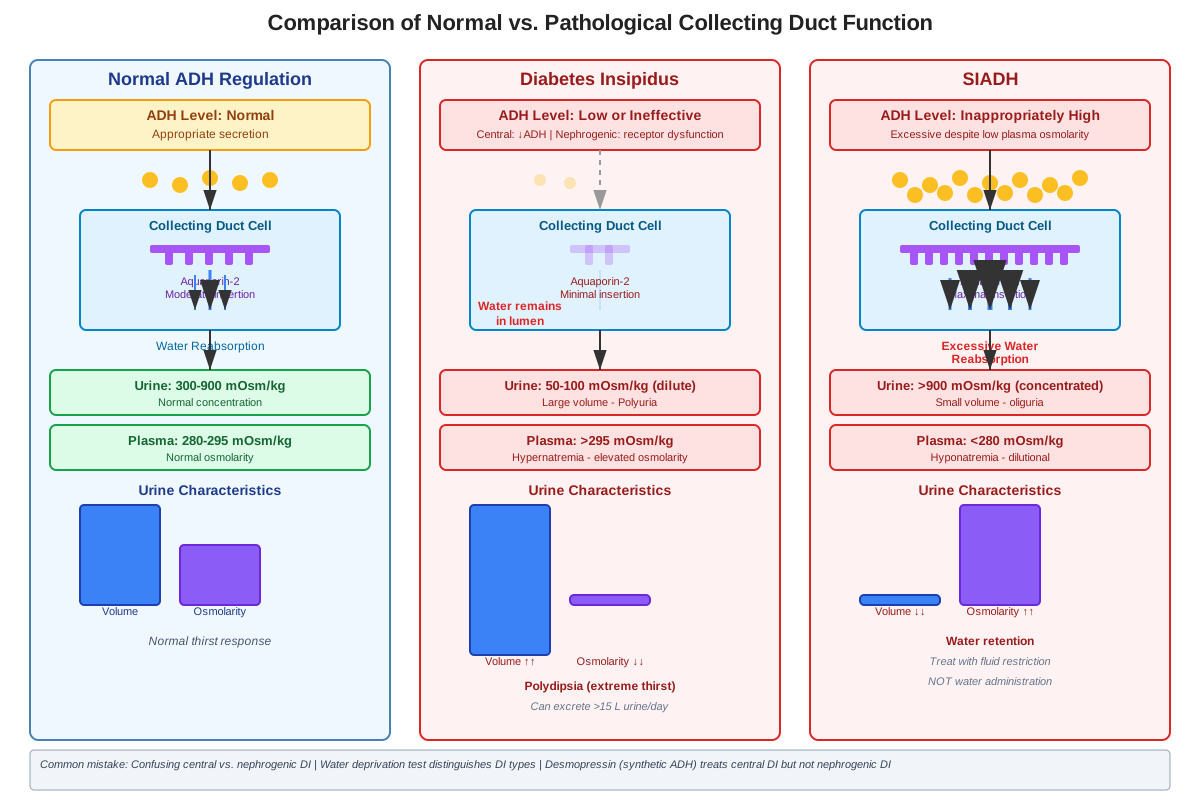
From a clinical perspective, collecting duct dysfunction underlies numerous pathological conditions. Diabetes insipidus results from inadequate ADH signaling at the collecting duct, leading to massive water loss. Conversely, SIADH causes excessive water retention. Medications like lithium can impair collecting duct responsiveness to ADH, while diuretics targeting this segment are commonly prescribed for hypertension and heart failure. Understanding these mechanisms allows students to predict drug effects and disease manifestations—a common MCAT question format.
On the MCAT, collecting duct content typically appears in passages describing experimental manipulations of hormone levels, genetic mutations affecting water channels, or clinical vignettes requiring students to trace the physiological consequences of altered collecting duct function. Questions may present data tables showing urine osmolarity under different conditions or graphs depicting changes in blood pressure following hormone administration. The ability to interpret these presentations and connect them to underlying collecting duct mechanisms distinguishes high-scoring students.
Core Concepts
Anatomical Structure and Location
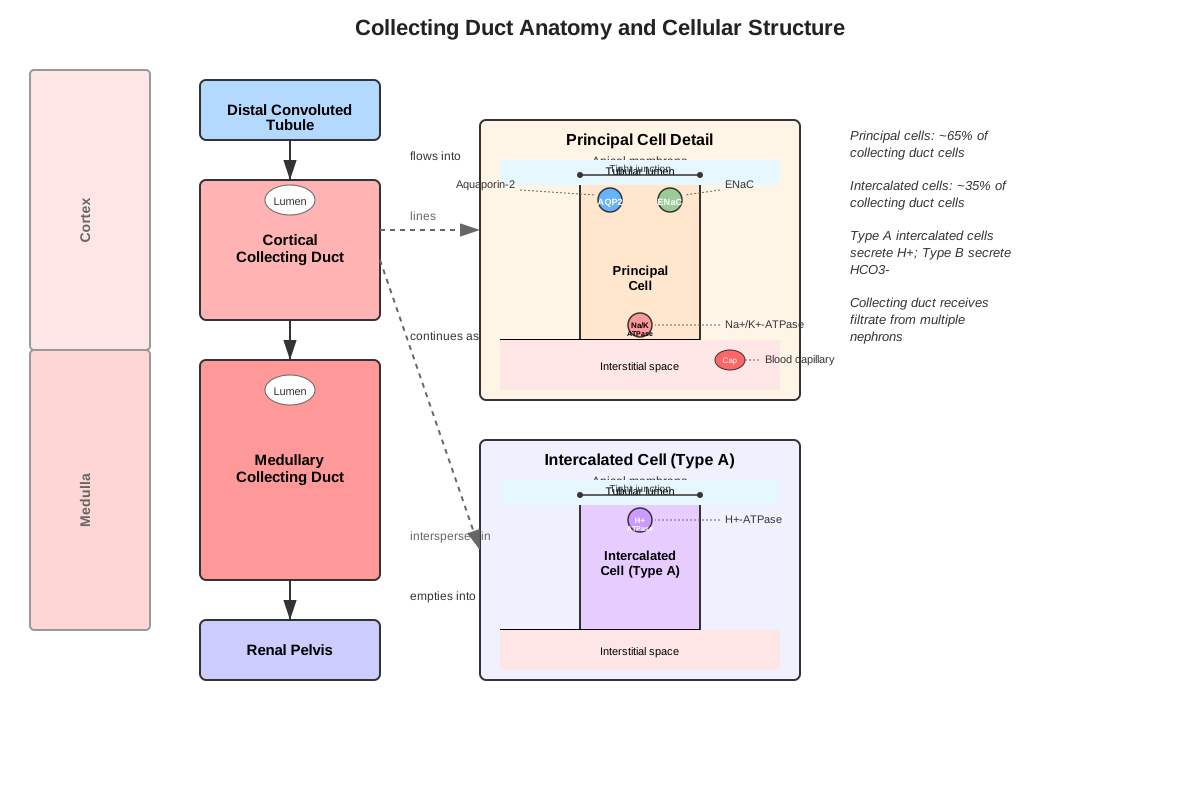
The collecting duct is not technically part of the nephron proper but rather a separate tubular structure that receives filtrate from multiple nephrons. Each collecting duct begins in the renal cortex, where it receives fluid from several distal convoluted tubules, and descends through the medulla toward the renal papilla. The collecting duct system consists of cortical collecting ducts, outer medullary collecting ducts, and inner medullary collecting ducts, with the latter traversing the deepest, most hypertonic regions of the kidney.
The collecting duct's strategic location through the medullary osmotic gradient (ranging from 300 mOsm/L in the cortex to 1200 mOsm/L in the inner medulla) enables it to produce urine of variable concentration depending on the body's hydration status. This anatomical arrangement is crucial for the countercurrent multiplication system that concentrates urine.
Cellular Composition
The collecting duct contains two primary cell types, each with distinct functions:
Principal cells (approximately 65% of collecting duct cells) are responsible for:
- Water reabsorption via aquaporin-2 (AQP2) channels regulated by ADH
- Sodium reabsorption through epithelial sodium channels (ENaC)
- Potassium secretion through apical potassium channels
Intercalated cells (approximately 35% of collecting duct cells) exist in two subtypes:
- Type A intercalated cells secrete H⁺ ions and reabsorb HCO₃⁻ (acid secretion)
- Type B intercalated cells secrete HCO₃⁻ and reabsorb H⁺ (base secretion)
This cellular specialization allows the collecting duct to simultaneously regulate water balance, electrolyte homeostasis, and acid-base status—three critical homeostatic functions frequently tested on the MCAT.
ADH-Mediated Water Reabsorption
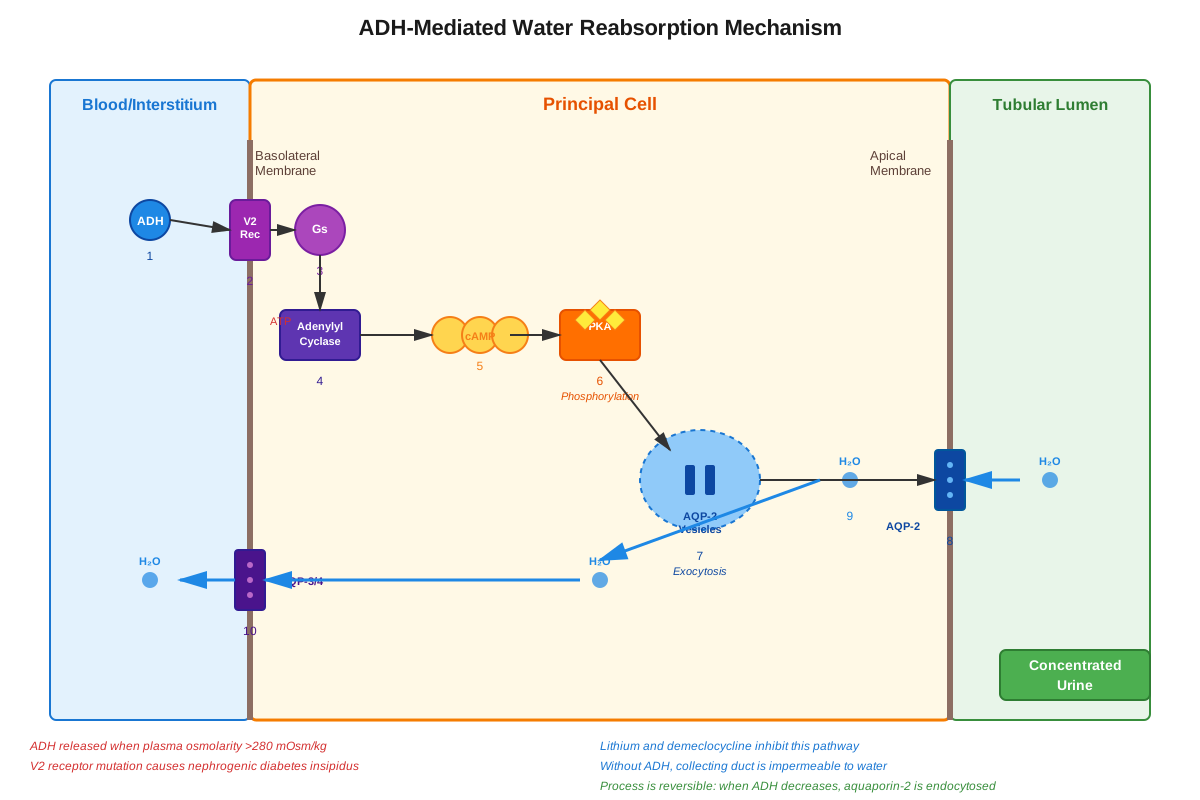
Antidiuretic hormone (ADH, also called vasopressin) represents the primary regulator of collecting duct water permeability. In the absence of ADH, the collecting duct remains impermeable to water, allowing dilute urine production. When ADH is present, it binds to V2 receptors on the basolateral membrane of principal cells, initiating a signaling cascade:
- V2 receptor activation stimulates adenylyl cyclase via Gs protein
- Increased cAMP activates protein kinase A (PKA)
- PKA phosphorylates proteins that promote vesicle fusion
- Vesicles containing aquaporin-2 (AQP2) water channels move to the apical membrane
- AQP2 insertion increases apical membrane water permeability
- Water moves down its osmotic gradient from tubular fluid into hypertonic medullary interstitium
- Water exits cells through constitutively expressed aquaporin-3 and aquaporin-4 on the basolateral membrane
This mechanism allows the collecting duct to reabsorb up to 20% of filtered water, producing concentrated urine (up to 1200 mOsm/L) when ADH levels are high. The MCAT frequently tests this pathway by asking students to predict the effects of receptor mutations, signaling molecule inhibitors, or altered ADH secretion.
Aldosterone-Mediated Sodium and Potassium Regulation
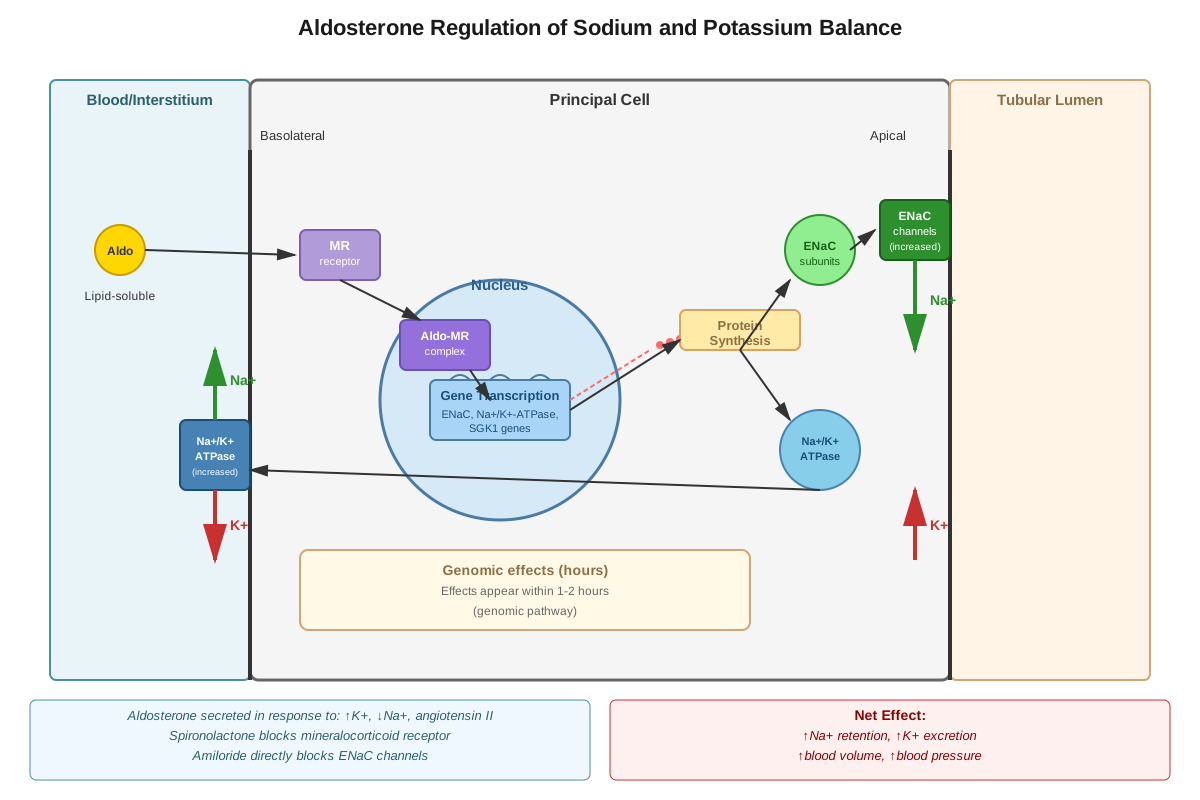
Aldosterone, a mineralocorticoid hormone secreted by the adrenal cortex, regulates sodium reabsorption and potassium secretion in principal cells. Unlike ADH's rapid effects (minutes), aldosterone produces genomic effects over hours:
- Aldosterone diffuses across cell membranes (lipid-soluble steroid)
- Binds to mineralocorticoid receptors (MR) in the cytoplasm
- Hormone-receptor complex translocates to nucleus
- Acts as transcription factor to increase expression of:
- ENaC (epithelial sodium channels) on apical membrane
- Na⁺/K⁺-ATPase pumps on basolateral membrane
- Potassium channels on apical membrane
The net effect increases sodium reabsorption (and water follows osmotically), increases potassium secretion, and contributes to blood pressure regulation. The renin-angiotensin-aldosterone system (RAAS) connects collecting duct function to cardiovascular homeostasis—a common MCAT integration point.
Acid-Base Regulation
Intercalated cells in the collecting duct provide the final adjustment of urine pH, allowing the kidneys to excrete excess acid or base. This function is critical for maintaining blood pH within the narrow physiological range (7.35-7.45).
Type A intercalated cells (predominant in normal conditions) secrete H⁺ ions through:
- H⁺-ATPase pumps on the apical membrane (primary mechanism)
- H⁺/K⁺-ATPase exchangers (also reabsorb potassium)
These cells generate H⁺ ions intracellularly through carbonic anhydrase-catalyzed conversion of CO₂ and H₂O to H₂CO₃, which dissociates into H⁺ and HCO₃⁻. The HCO₃⁻ is reabsorbed into blood via Cl⁻/HCO₃⁻ exchangers on the basolateral membrane, while H⁺ is secreted into urine where it combines with buffers (primarily phosphate and ammonia).
Type B intercalated cells perform the opposite function during metabolic alkalosis, secreting HCO₃⁻ and reabsorbing H⁺. The MCAT may test the ability to predict which cell type predominates under different acid-base disturbances.
Urea Handling and Countercurrent Multiplication
The collecting duct plays an essential role in establishing and maintaining the medullary osmotic gradient through regulated urea permeability. In the inner medullary collecting duct, ADH increases the expression of urea transporters (UT-A1 and UT-A3), allowing urea to diffuse from the tubular fluid into the medullary interstitium. This urea contributes approximately 40-50% of the medullary osmotic gradient, with NaCl contributing the remainder.
The recycling of urea between the collecting duct and loop of Henle amplifies the concentrating ability of the kidney. This mechanism explains why high-protein diets enhance concentrating ability (more urea available) and why protein malnutrition impairs it.
Regulation Summary Table
| Hormone | Target Cells | Primary Effect | Mechanism | Time Course |
|---|---|---|---|---|
| ADH (Vasopressin) | Principal cells | ↑ Water reabsorption | AQP2 insertion via cAMP/PKA | Minutes |
| Aldosterone | Principal cells | ↑ Na⁺ reabsorption, ↑ K⁺ secretion | ↑ ENaC and Na⁺/K⁺-ATPase expression | Hours |
| Atrial Natriuretic Peptide (ANP) | Principal cells | ↓ Na⁺ reabsorption | Inhibits ENaC | Minutes |
| Parathyroid Hormone (PTH) | Intercalated cells | ↑ Ca²⁺ reabsorption | Activates Ca²⁺ channels | Minutes-Hours |
Concept Relationships
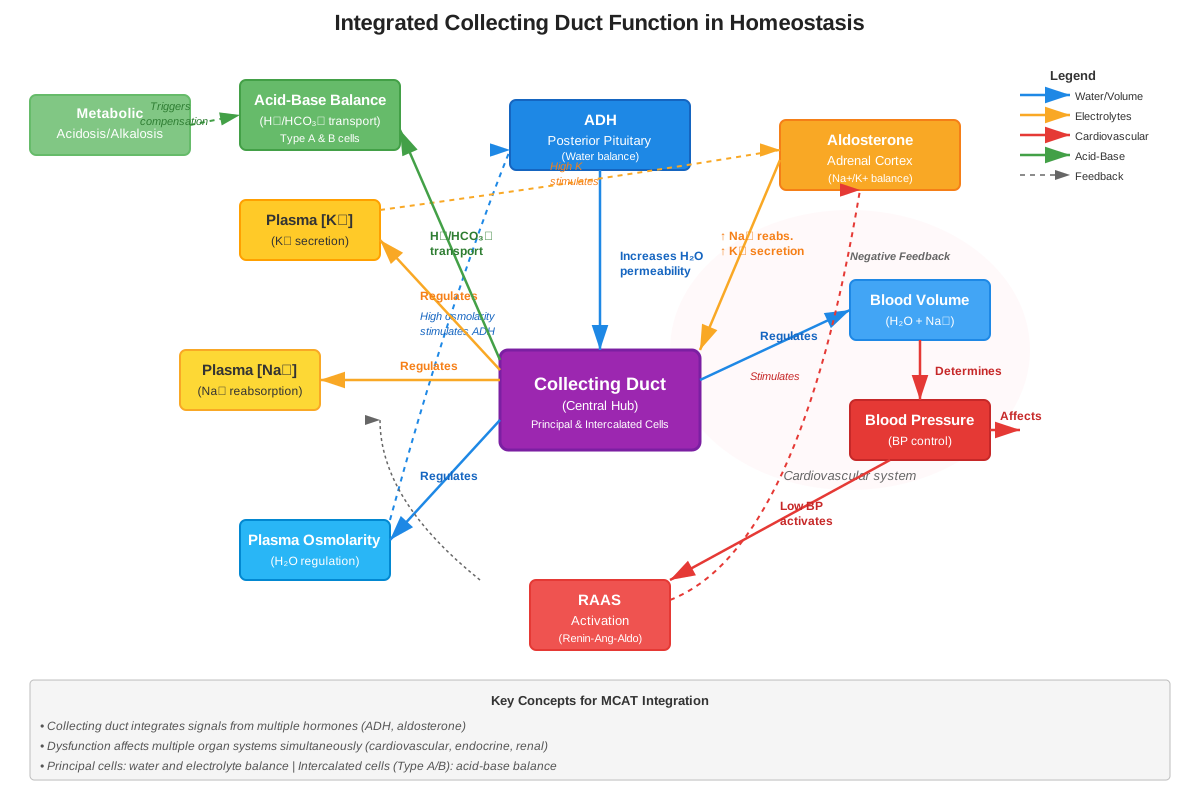
The collecting duct integrates multiple physiological systems through a hierarchical network of relationships. At the cellular level, membrane transport mechanisms (channels, pumps, exchangers) enable the movement of water and solutes. These transport processes are regulated by hormonal signaling pathways (ADH → cAMP → PKA → AQP2 insertion; aldosterone → gene transcription → protein synthesis), connecting endocrine function to renal physiology.
Moving to the organ level, collecting duct function depends on the medullary osmotic gradient established by the loop of Henle through countercurrent multiplication. The collecting duct both utilizes this gradient (for water reabsorption) and contributes to it (through urea recycling). This bidirectional relationship exemplifies how different nephron segments work cooperatively.
At the systems level, collecting duct function connects to cardiovascular regulation through the RAAS: decreased renal perfusion → renin release → angiotensin II formation → aldosterone secretion → increased sodium and water reabsorption in collecting duct → increased blood volume and pressure. This negative feedback loop demonstrates integration between renal and cardiovascular systems.
The relationship map flows as follows: Osmotic gradient (established by loop of Henle) → enables → Water reabsorption (in collecting duct) → regulated by → ADH secretion (from posterior pituitary) → triggered by → Osmoreceptors (detecting plasma osmolarity) → completing → Negative feedback loop. Similarly: Blood pressure/volume changes → detected by → Baroreceptors and juxtaglomerular apparatus → activates → RAAS → produces → Aldosterone → acts on → Collecting duct → increases → Sodium and water retention → restores → Blood pressure/volume.
High-Yield Facts
⭐ The collecting duct is the primary site of ADH action, where ADH increases water permeability by promoting aquaporin-2 insertion into the apical membrane of principal cells.
⭐ Aldosterone increases sodium reabsorption and potassium secretion in the collecting duct through genomic effects that increase ENaC and Na⁺/K⁺-ATPase expression.
⭐ Type A intercalated cells secrete H⁺ and reabsorb HCO₃⁻, while Type B intercalated cells do the opposite, allowing the collecting duct to regulate acid-base balance.
⭐ In the absence of ADH, the collecting duct remains impermeable to water, allowing production of dilute urine (as low as 50 mOsm/L).
⭐ The collecting duct can reabsorb up to 20% of filtered water when ADH levels are maximally elevated, producing concentrated urine up to 1200 mOsm/L.
- The collecting duct receives filtrate from multiple nephrons, distinguishing it from nephron segments that have a 1:1 relationship with glomeruli.
- ADH acts through V2 receptors coupled to Gs proteins and the cAMP/PKA pathway, while V1 receptors (on vascular smooth muscle) use the IP3/Ca²⁺ pathway.
- Aquaporin-3 and aquaporin-4 are constitutively expressed on the basolateral membrane of principal cells, while aquaporin-2 is regulated by ADH on the apical membrane.
- Lithium toxicity can cause nephrogenic diabetes insipidus by interfering with ADH signaling in collecting duct cells.
- The collecting duct contributes to the medullary osmotic gradient through ADH-regulated urea permeability via UT-A1 and UT-A3 transporters.
- Atrial natriuretic peptide (ANP) opposes aldosterone by inhibiting sodium reabsorption in the collecting duct, promoting natriuresis and diuresis.
- The collecting duct is the only nephron segment that traverses from cortex through medulla to papilla, exposing it to the full range of medullary osmolarity.
Quick check — test yourself on Collecting duct so far.
Try Flashcards →Common Misconceptions
Misconception: The collecting duct is part of the nephron.
Correction: The collecting duct is embryologically and functionally distinct from the nephron. While the nephron develops from metanephric mesoderm, the collecting duct system develops from the ureteric bud. Each collecting duct receives filtrate from multiple nephrons, and this distinction is important for understanding kidney development and certain congenital abnormalities.
Misconception: ADH directly opens water channels in the collecting duct membrane.
Correction: ADH does not directly open channels but rather triggers a signaling cascade that causes vesicles containing pre-formed aquaporin-2 channels to fuse with the apical membrane. When ADH levels decrease, these channels are retrieved via endocytosis. This mechanism explains the time delay (minutes) between ADH secretion and maximal water reabsorption.
Misconception: The collecting duct only reabsorbs water and has no role in electrolyte balance.
Correction: The collecting duct actively regulates sodium, potassium, calcium, and hydrogen ion balance in addition to water reabsorption. Principal cells handle sodium and potassium under aldosterone control, while intercalated cells manage acid-base balance. This multifunctional role makes the collecting duct essential for multiple homeostatic processes.
Misconception: All cells in the collecting duct respond to ADH.
Correction: Only principal cells express V2 receptors and respond to ADH by inserting aquaporin-2 channels. Intercalated cells do not participate in ADH-mediated water reabsorption but instead focus on acid-base regulation. This cellular specialization allows simultaneous regulation of different homeostatic parameters.
Misconception: Aldosterone and ADH have the same time course of action.
Correction: ADH produces effects within minutes through second messenger systems (non-genomic), while aldosterone requires hours to exert maximal effects because it works through gene transcription and protein synthesis (genomic). This difference is clinically relevant—ADH can rapidly correct acute dehydration, while aldosterone provides sustained regulation of blood pressure and volume.
Misconception: The collecting duct creates the medullary osmotic gradient.
Correction: The loop of Henle creates the medullary osmotic gradient through countercurrent multiplication. The collecting duct utilizes this pre-existing gradient to reabsorb water and contributes to maintaining it through urea recycling, but does not generate the gradient itself. Understanding this distinction is essential for comprehending integrated nephron function.
Worked Examples
Example 1: ADH Deficiency Analysis
Clinical Vignette: A patient presents with polyuria (excessive urination) and polydipsia (excessive thirst). Laboratory tests reveal:
- Urine osmolarity: 100 mOsm/L (normal: 300-900)
- Plasma osmolarity: 310 mOsm/L (normal: 275-295)
- Urine output: 8 L/day (normal: 1-2 L/day)
After administration of synthetic ADH (desmopressin), urine osmolarity increases to 600 mOsm/L and urine output decreases to 2 L/day.
Question: What is the most likely diagnosis, and what is the underlying collecting duct dysfunction?
Solution:
Step 1: Analyze the initial presentation. High urine output with dilute urine (100 mOsm/L) indicates the kidneys are producing large volumes of hypotonic urine. Elevated plasma osmolarity (310 mOsm/L) suggests the patient is becoming dehydrated despite drinking large amounts of water.
Step 2: Consider collecting duct function. Dilute urine production indicates the collecting duct is impermeable to water, which occurs when ADH is absent or when collecting duct cells cannot respond to ADH.
Step 3: Interpret the desmopressin test. The positive response (increased urine osmolarity and decreased volume) indicates that collecting duct cells can respond to ADH when it is present. This rules out nephrogenic diabetes insipidus (where collecting duct cells are unresponsive to ADH).
Step 4: Reach diagnosis. The patient has central diabetes insipidus—inadequate ADH secretion from the posterior pituitary. Without ADH, principal cells do not insert aquaporin-2 channels into their apical membranes, leaving the collecting duct impermeable to water. Filtrate passes through the collecting duct without water reabsorption, resulting in large volumes of dilute urine.
Key Concept Connection: This example demonstrates how collecting duct function depends on hormonal regulation and illustrates the clinical consequences of ADH deficiency—a high-yield MCAT topic that integrates endocrinology with renal physiology.
Example 2: Aldosterone Excess and Electrolyte Disturbance
Experimental Scenario: Researchers infuse aldosterone continuously into experimental animals and measure the following over 7 days:
| Day | Plasma Na⁺ (mEq/L) | Plasma K⁺ (mEq/L) | Blood Pressure (mmHg) | Urine Na⁺ (mEq/day) |
|---|---|---|---|---|
| 0 | 140 | 4.0 | 120/80 | 150 |
| 1 | 142 | 3.8 | 125/85 | 100 |
| 3 | 143 | 3.5 | 130/88 | 120 |
| 7 | 142 | 3.2 | 132/90 | 145 |
Question: Explain the changes in sodium excretion over time despite continuous aldosterone infusion, and describe the collecting duct mechanisms involved.
Solution:
Step 1: Analyze initial response (Days 0-1). Aldosterone acts on principal cells in the collecting duct to increase ENaC expression and Na⁺/K⁺-ATPase activity. This increases sodium reabsorption, decreasing urinary sodium excretion from 150 to 100 mEq/day. The retained sodium increases plasma sodium slightly (140→142 mEq/L) and expands blood volume, raising blood pressure.
Step 2: Identify the phenomenon (Days 3-7). Despite continued aldosterone infusion, urinary sodium excretion increases back toward baseline (145 mEq/day by day 7). This is called aldosterone escape or mineralocorticoid escape.
Step 3: Explain the mechanism. As blood volume and pressure increase due to initial sodium retention, several compensatory mechanisms activate:
- Increased renal perfusion pressure promotes natriuresis (pressure natriuresis)
- Atrial stretch triggers ANP release, which inhibits ENaC in the collecting duct
- Decreased proximal tubule reabsorption delivers more sodium to the collecting duct, overwhelming its reabsorptive capacity
Step 4: Note what does NOT escape. Potassium secretion continues throughout the experiment (plasma K⁺ progressively decreases from 4.0 to 3.2 mEq/L), causing hypokalemia. This occurs because aldosterone's effect on potassium secretion in the collecting duct does not undergo escape, leading to the clinical presentation of hyperaldosteronism: hypertension with hypokalemia but relatively normal sodium levels.
Key Concept Connection: This example illustrates the complex regulation of collecting duct function, showing how multiple hormones (aldosterone, ANP) and physical factors (renal perfusion pressure) interact. It demonstrates why patients with hyperaldosteronism develop hypokalemia and hypertension but not severe hypernatremia—a common MCAT question format that requires integrating multiple physiological concepts.
Exam Strategy
When approaching MCAT questions about the collecting duct, first identify whether the question focuses on water balance (ADH-related), electrolyte balance (aldosterone-related), or acid-base balance (intercalated cell-related). This categorization immediately narrows the relevant mechanisms and expected outcomes.
Trigger words and phrases to recognize:
- "Concentrated urine" or "high urine osmolarity" → ADH is present and functioning
- "Dilute urine" or "low urine osmolarity" → ADH is absent or ineffective
- "Hypokalemia" or "increased potassium excretion" → aldosterone excess
- "Metabolic acidosis" with "normal anion gap" → Type A intercalated cell dysfunction (renal tubular acidosis)
- "Polyuria and polydipsia" → diabetes insipidus (ADH pathway problem)
- "Hyponatremia with concentrated urine" → SIADH (excessive ADH)
For passage-based questions, pay attention to experimental manipulations:
- Hormone administration or blockade → predict collecting duct response
- Genetic mutations in channels or receptors → trace the signaling pathway
- Changes in plasma osmolarity or blood pressure → predict hormonal responses
Process-of-elimination strategy: When evaluating answer choices about collecting duct function:
- Eliminate options that confuse the collecting duct with other nephron segments (e.g., stating that the collecting duct performs bulk reabsorption like the proximal tubule)
- Eliminate options that reverse the direction of transport (e.g., stating that principal cells secrete sodium rather than reabsorb it)
- Eliminate options that misidentify the cell type (e.g., stating that intercalated cells respond to ADH)
- Eliminate options that confuse genomic vs. non-genomic hormone actions (e.g., stating that ADH works through gene transcription)
Time allocation: Collecting duct questions typically require 60-90 seconds for discrete questions and 90-120 seconds for passage-based questions. If a question requires tracing through multiple steps of a signaling pathway or predicting multiple physiological consequences, allocate the full time rather than rushing. These questions reward systematic thinking.
Exam Tip: When a question presents abnormal lab values (electrolytes, osmolarity, pH), always consider whether collecting duct dysfunction could explain the pattern. The collecting duct is the "final adjuster" of urine composition, so many renal pathologies manifest through altered collecting duct function.
Memory Techniques
Mnemonic for Principal Cell Functions: "PAK"
- Potassium secretion
- Aquaporin-2 (water reabsorption)
- Keeps sodium (sodium reabsorption)
Mnemonic for ADH Signaling Pathway: "VGAP"
- V2 receptor activation
- Gs protein stimulates adenylyl cyclase
- AMP (cAMP) activates PKA
- Phosphorylation promotes AQP2 insertion
Mnemonic for Intercalated Cell Types: "A is Acid out, B is Base out"
- Type A cells secrete Acid (H⁺)
- Type B cells secrete Base (HCO₃⁻)
Visualization Strategy for Water Reabsorption: Picture the collecting duct as a tunnel descending through increasingly salty layers (the medullary gradient). When ADH is present, imagine doors (aquaporins) opening in the tunnel walls, allowing water to escape into the salty environment. Without ADH, the doors remain closed, and water stays in the tunnel and exits as dilute urine.
Acronym for Aldosterone Effects: "SANK"
- Sodium reabsorption increases
- Aldosterone acts on principal cells
- Na⁺/K⁺-ATPase expression increases
- K⁺ secretion increases
Memory Hook for Time Course: "ADH acts in Minutes (non-genomic), Aldosterone takes Hours (genomic)" – both words start with the same letter as their time course.
Summary
The collecting duct serves as the kidney's final regulatory segment, fine-tuning urine composition through hormonally controlled water reabsorption, electrolyte balance, and acid-base regulation. Principal cells respond to ADH by inserting aquaporin-2 channels that enable water reabsorption down the medullary osmotic gradient, allowing urine concentration up to 1200 mOsm/L. These same cells respond to aldosterone through genomic mechanisms that increase sodium reabsorption and potassium secretion, linking renal function to blood pressure regulation via the RAAS. Intercalated cells manage acid-base balance, with Type A cells secreting H⁺ during acidosis and Type B cells secreting HCO₃⁻ during alkalosis. The collecting duct's strategic location through the medullary gradient and its responsiveness to multiple hormonal signals make it essential for maintaining fluid, electrolyte, and acid-base homeostasis. Understanding collecting duct physiology requires integrating knowledge of membrane transport, hormone signaling, nephron function, and systemic homeostasis—making it a high-yield topic that connects multiple MCAT content areas. Clinical conditions like diabetes insipidus, SIADH, and hyperaldosteronism all manifest through altered collecting duct function, providing the basis for common exam questions that test both mechanistic understanding and clinical reasoning.
Key Takeaways
- The collecting duct is the primary site of ADH action, where hormone binding triggers aquaporin-2 insertion into principal cell apical membranes, enabling water reabsorption and urine concentration
- Principal cells handle water and electrolyte balance (responding to ADH and aldosterone), while intercalated cells regulate acid-base balance through H⁺ and HCO₃⁻ secretion
- ADH works through rapid non-genomic mechanisms (minutes via cAMP/PKA), while aldosterone produces slower genomic effects (hours through gene transcription)
- The collecting duct can produce urine ranging from 50 mOsm/L (maximally dilute, no ADH) to 1200 mOsm/L (maximally concentrated, high ADH)
- Aldosterone increases sodium reabsorption and potassium secretion, connecting collecting duct function to blood pressure regulation through the RAAS
- Type A intercalated cells secrete H⁺ and reabsorb HCO₃⁻ (combating acidosis), while Type B cells do the opposite (combating alkalosis)
- Clinical conditions affecting the collecting duct (diabetes insipidus, SIADH, hyperaldosteronism) frequently appear in MCAT passages testing integrated physiological reasoning
Related Topics
Loop of Henle and Countercurrent Multiplication: Understanding how the loop of Henle establishes the medullary osmotic gradient that the collecting duct utilizes for water reabsorption provides essential context for integrated nephron function.
Renin-Angiotensin-Aldosterone System (RAAS): Mastering RAAS connects collecting duct function to cardiovascular regulation, explaining how renal and cardiovascular systems coordinate to maintain blood pressure and volume.
Posterior Pituitary Hormones: Studying ADH synthesis, storage, and release mechanisms in the hypothalamus and posterior pituitary completes the understanding of how the body regulates collecting duct water permeability.
Acid-Base Physiology: Exploring respiratory and metabolic acid-base disturbances shows how the collecting duct's intercalated cells contribute to the renal compensation mechanisms that maintain pH homeostasis.
Diuretic Pharmacology: Learning how different diuretic classes affect various nephron segments, including collecting duct-targeting potassium-sparing diuretics, applies collecting duct physiology to clinical therapeutics.
Practice CTA
Now that you have mastered the core concepts of collecting duct physiology, test your understanding with practice questions that simulate MCAT-style scenarios. Focus on questions that require you to integrate hormonal regulation, predict physiological consequences of dysfunction, and analyze experimental data. Challenge yourself with passage-based questions that present clinical vignettes or research studies, as these best replicate the exam experience. Use flashcards to reinforce high-yield facts, particularly the mechanisms of ADH and aldosterone action, the functions of different cell types, and the clinical presentations of collecting duct disorders. Remember that mastery comes through active application—each practice question you work through strengthens your ability to reason through complex physiological scenarios. You've built a strong foundation; now solidify it through deliberate practice!
Sign up free to keep reading
Create a free AnvayaPrep account to finish this MCAT guide on Collecting duct — plus flashcards and practice questions.