Overview
The digestive system overview is a foundational topic in Biology that appears regularly on the MCAT, particularly within the Physiology and Organ Systems section. Understanding the digestive system requires knowledge of how the body breaks down food into absorbable nutrients, eliminates waste, and maintains homeostasis through coordinated mechanical and chemical processes. This system exemplifies the integration of multiple organ systems working together—incorporating neural control, hormonal regulation, enzymatic catalysis, and membrane transport mechanisms.
For the MCAT, the digestive system serves as a framework for testing interdisciplinary concepts. Questions may integrate biochemistry (enzyme kinetics, macromolecule digestion), physiology (hormonal regulation, neural control), anatomy (structural organization), and even psychology (eating behaviors, stress responses). The digestive system overview Biology content connects directly to metabolism, nutrient absorption, acid-base balance, and immune function, making it a high-yield topic that bridges multiple testable domains.
Mastering the digestive system overview provides the foundation for understanding more complex physiological processes tested on the MCAT. This topic connects to cardiovascular physiology (nutrient distribution), renal function (water balance), endocrine signaling (insulin release, hunger hormones), and cellular respiration (glucose availability). A solid grasp of digestive anatomy, the sequential processing of food, and the regulatory mechanisms controlling digestion will enable students to tackle both discrete questions and passage-based problems that integrate multiple biological concepts.
Learning Objectives
- [ ] Define digestive system overview using accurate Biology terminology
- [ ] Explain why digestive system overview matters for the MCAT
- [ ] Apply digestive system overview to exam-style questions
- [ ] Identify common mistakes related to digestive system overview
- [ ] Connect digestive system overview to related Biology concepts
- [ ] Describe the anatomical pathway of food through the digestive tract and the function of each organ
- [ ] Differentiate between mechanical and chemical digestion at each stage of the digestive process
- [ ] Explain the hormonal and neural regulation of digestive processes
- [ ] Analyze how digestive system dysfunction relates to clinical presentations
Prerequisites
- Basic cell biology and membrane transport: Understanding active transport, facilitated diffusion, and endocytosis is essential for comprehending nutrient absorption mechanisms
- Enzyme structure and function: Knowledge of enzyme kinetics, pH optima, and substrate specificity underlies the chemical digestion processes
- Basic anatomy terminology: Familiarity with directional terms (proximal, distal, anterior, posterior) and tissue types (epithelial, smooth muscle) enables understanding of digestive tract structure
- Macromolecule structure: Recognition of carbohydrates, proteins, lipids, and nucleic acids is necessary to understand their specific digestion pathways
- pH and buffer systems: Acid-base chemistry knowledge is critical for understanding stomach acidity and intestinal neutralization
Why This Topic Matters
The digestive system represents one of the most clinically relevant organ systems tested on the MCAT. Digestive disorders affect millions of people worldwide, from gastroesophageal reflux disease (GERD) to inflammatory bowel disease (IBD), celiac disease, and lactose intolerance. Understanding normal digestive physiology enables medical students to recognize pathological states and their underlying mechanisms. The MCAT frequently presents clinical vignettes describing patients with digestive symptoms, requiring test-takers to apply their knowledge of normal function to identify the disrupted process.
From an exam statistics perspective, digestive system overview MCAT questions appear in approximately 5-8% of the Biological and Biochemical Foundations section. These questions typically test understanding of enzyme function, hormonal regulation, anatomical relationships, and nutrient absorption. The digestive system commonly appears in passage-based questions that integrate experimental data about enzyme activity, drug mechanisms affecting digestion, or nutritional studies examining absorption rates.
The digestive system frequently appears in MCAT passages in several characteristic ways: experimental passages describing enzyme assays or inhibition studies, research passages examining gut microbiome effects on health, clinical vignettes presenting patients with malabsorption syndromes, and information passages explaining novel drug mechanisms targeting digestive processes. Questions may ask students to interpret graphs showing enzyme activity at different pH levels, predict the effects of hormonal dysregulation, or identify which digestive organ is affected based on symptom presentation.
Core Concepts
Anatomical Organization of the Digestive System
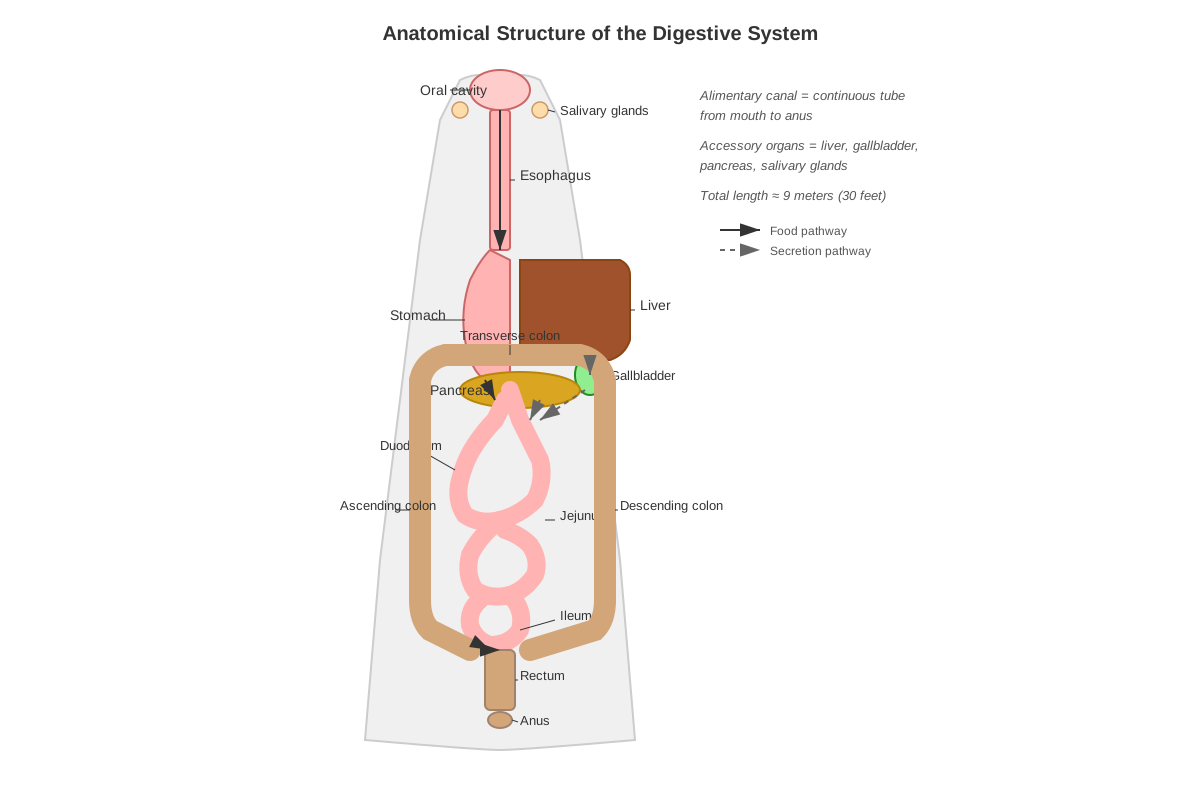
The digestive system consists of the gastrointestinal (GI) tract (also called the alimentary canal) and accessory organs. The GI tract is a continuous tube extending from the mouth to the anus, approximately 9 meters long in adults. The pathway follows this sequence: mouth → pharynx → esophagus → stomach → small intestine (duodenum, jejunum, ileum) → large intestine (cecum, colon, rectum) → anus. The accessory organs—salivary glands, liver, gallbladder, and pancreas—produce secretions that aid digestion but are not part of the continuous tube.
The wall of the GI tract maintains a consistent four-layer structure throughout most of its length:
- Mucosa: The innermost layer containing epithelial cells, connective tissue (lamina propria), and a thin smooth muscle layer (muscularis mucosae)
- Submucosa: Contains blood vessels, lymphatic vessels, and the submucosal nerve plexus (Meissner's plexus)
- Muscularis externa: Two layers of smooth muscle (circular inner layer and longitudinal outer layer) with the myenteric nerve plexus (Auerbach's plexus) between them
- Serosa/Adventitia: The outermost connective tissue layer
This layered structure enables coordinated peristalsis—rhythmic wave-like contractions that propel food through the digestive tract.
Mechanical vs. Chemical Digestion
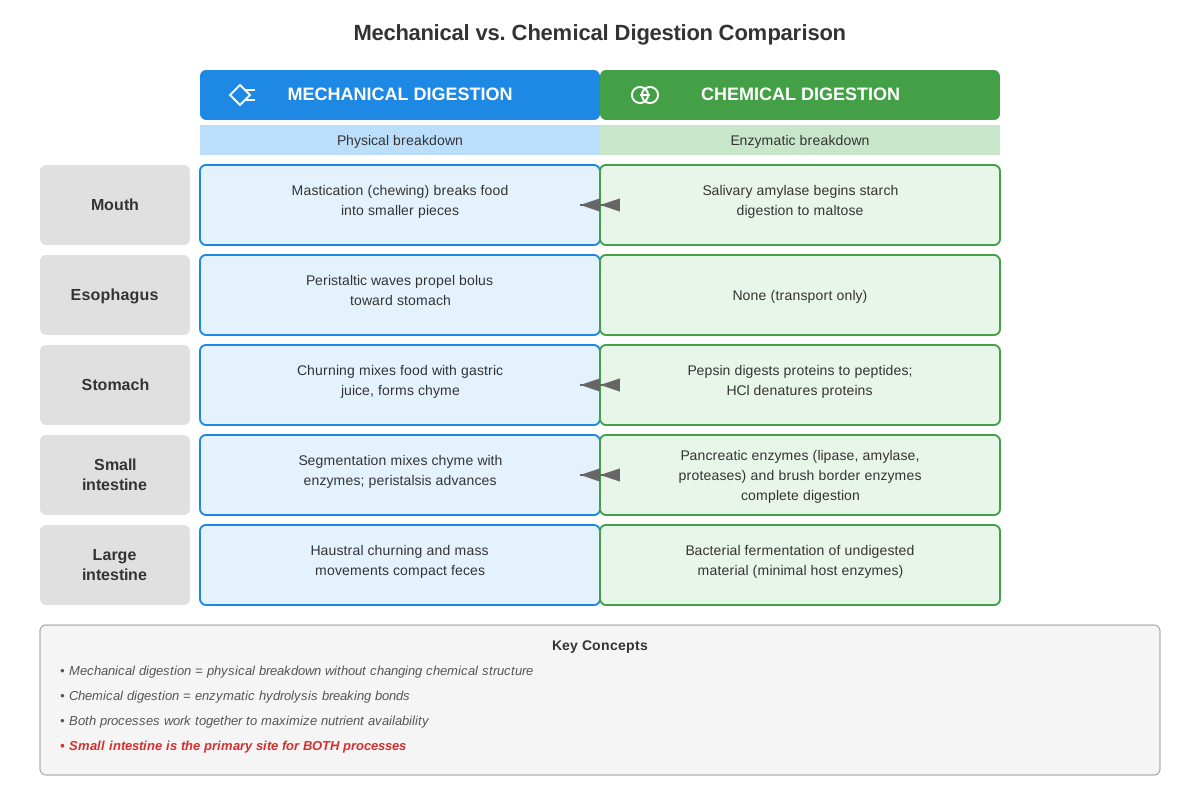
Mechanical digestion involves physical breakdown of food into smaller particles without changing chemical structure. This process begins with mastication (chewing) in the mouth, continues with churning in the stomach, and includes segmentation contractions in the small intestine. Mechanical digestion increases surface area for enzyme action but does not break chemical bonds.
Chemical digestion involves enzymatic hydrolysis reactions that break covalent bonds in macromolecules, converting them into absorbable monomers. This process requires specific enzymes, appropriate pH conditions, and adequate time for reactions to occur. Chemical digestion transforms polymers into their constituent building blocks: polysaccharides → monosaccharides, proteins → amino acids, lipids → fatty acids and glycerol, nucleic acids → nucleotides.
Regional Functions of the Digestive Tract
| Region | Primary Functions | Key Secretions | pH Environment |
|---|---|---|---|
| Mouth | Mechanical breakdown, starch digestion begins | Salivary amylase, lingual lipase, mucus | ~6.5-7.5 (neutral) |
| Esophagus | Transport via peristalsis | Mucus only | ~7.0 (neutral) |
| Stomach | Protein digestion begins, storage, mixing | Pepsinogen/pepsin, HCl, intrinsic factor, mucus | ~1.5-3.5 (highly acidic) |
| Small Intestine | Primary site of chemical digestion and absorption | Pancreatic enzymes, bile, intestinal enzymes | ~6.0-7.5 (neutral to slightly alkaline) |
| Large Intestine | Water/electrolyte absorption, waste formation | Mucus only | ~5.5-7.0 (slightly acidic to neutral) |
Mouth and Salivary Glands: Digestion begins with mechanical breakdown through chewing and chemical digestion via salivary amylase (also called ptyalin), which hydrolyzes α-1,4-glycosidic bonds in starch, producing maltose and dextrins. Saliva also contains lingual lipase (active in the stomach), mucus for lubrication, and lysozyme for antimicrobial protection. The salivary glands (parotid, submandibular, sublingual) produce 1-1.5 liters of saliva daily.
Esophagus: This muscular tube conducts food from pharynx to stomach via peristaltic waves. The upper esophageal sphincter (UES) and lower esophageal sphincter (LES) prevent backflow. The esophagus performs no digestive function but demonstrates the importance of coordinated smooth muscle contraction.
Stomach: This J-shaped organ serves three major functions: storage (can expand to hold 2-4 liters), mechanical digestion (churning mixes food with gastric juice to form chyme), and chemical digestion of proteins. Gastric glands in the stomach lining contain several cell types:
- Chief cells: Secrete pepsinogen (inactive zymogen)
- Parietal cells: Secrete hydrochloric acid (HCl) and intrinsic factor
- G cells: Secrete gastrin hormone
- Mucous cells: Secrete protective mucus and bicarbonate
The acidic environment (pH 1.5-3.5) created by HCl serves multiple purposes: activates pepsinogen to pepsin, denatures proteins, kills most ingested bacteria, and provides optimal pH for pepsin activity. Pepsin cleaves peptide bonds, particularly those adjacent to aromatic amino acids, beginning protein digestion.
Small Intestine: This 6-meter-long organ is the primary site for both chemical digestion and nutrient absorption. It consists of three regions:
- Duodenum (25 cm): Receives chyme from stomach, pancreatic secretions, and bile; neutralizes acid; continues digestion
- Jejunum (2.5 m): Primary site of nutrient absorption
- Ileum (3.5 m): Absorbs remaining nutrients, particularly vitamin B12 and bile salts
The small intestine's absorptive surface area is dramatically increased by circular folds (plicae circulares), finger-like projections (villi), and cellular extensions (microvilli) forming the brush border. This creates approximately 200 square meters of absorptive surface—about the size of a tennis court.
Large Intestine: This 1.5-meter structure absorbs water and electrolytes, compacts waste into feces, and houses trillions of commensal bacteria (the gut microbiome). The large intestine includes the cecum (with appendix), ascending colon, transverse colon, descending colon, sigmoid colon, rectum, and anal canal. No significant digestion occurs here, though bacterial fermentation produces some vitamins (K, B12) and short-chain fatty acids.
Accessory Organs and Their Secretions
Pancreas: This dual-function organ produces both endocrine hormones (insulin, glucagon from islets of Langerhans) and exocrine digestive enzymes. The exocrine pancreas secretes 1.5 liters daily of pancreatic juice containing:
- Pancreatic amylase: Continues starch digestion
- Pancreatic lipase: Digests triglycerides into fatty acids and monoglycerides
- Proteases: Trypsinogen, chymotrypsinogen, procarboxypeptidase (activated in duodenum)
- Nucleases: Digest DNA and RNA
- Bicarbonate: Neutralizes acidic chyme (raises pH to ~7-8)
Liver: The largest internal organ performs over 500 functions, including production of bile—a greenish-yellow fluid containing bile salts, cholesterol, bilirubin, and electrolytes. Bile salts (derived from cholesterol) are amphipathic molecules that emulsify lipids, breaking large fat globules into smaller droplets with increased surface area for lipase action. The liver produces 600-1000 mL of bile daily.
Gallbladder: This small sac stores and concentrates bile between meals. During meals, the hormone cholecystokinin (CCK) stimulates gallbladder contraction, releasing bile into the duodenum via the common bile duct. The gallbladder can concentrate bile 5-20 fold by absorbing water and electrolytes.
Hormonal and Neural Regulation
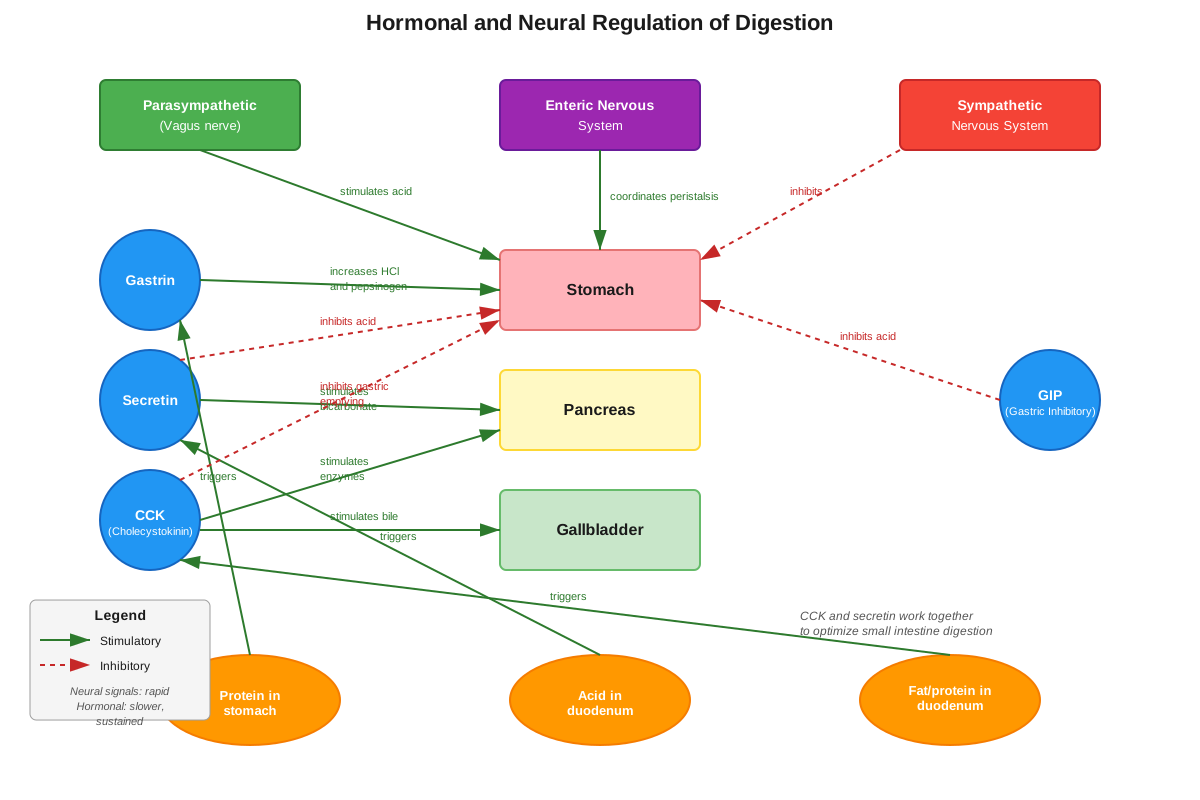
The digestive system demonstrates sophisticated regulation through both endocrine (hormonal) and neural mechanisms, exemplifying the integration of multiple physiological systems.
Key Digestive Hormones:
- Gastrin: Secreted by G cells in stomach; stimulates HCl and pepsinogen secretion; promotes gastric motility
- Secretin: Released by S cells in duodenum in response to acidic chyme; stimulates pancreatic bicarbonate secretion; inhibits gastric acid secretion
- Cholecystokinin (CCK): Released by I cells in duodenum in response to fats and proteins; stimulates pancreatic enzyme secretion and gallbladder contraction; promotes satiety
- Gastric inhibitory peptide (GIP): Inhibits gastric acid secretion; stimulates insulin release
- Motilin: Stimulates gastric and intestinal motility between meals
Neural Control: The enteric nervous system (ENS), sometimes called the "second brain," contains approximately 100 million neurons embedded in the GI tract wall. The ENS can function independently but receives input from the autonomic nervous system:
- Parasympathetic (vagus nerve): "Rest and digest"—stimulates secretion and motility
- Sympathetic: "Fight or flight"—inhibits digestion, redirects blood flow to muscles
The ENS coordinates through two nerve plexuses: the myenteric plexus (controls motility) and the submucosal plexus (controls secretion and blood flow).
Nutrient Absorption Mechanisms
Absorption occurs primarily in the small intestine through various transport mechanisms:
Carbohydrate Absorption: Monosaccharides (glucose, galactose, fructose) are absorbed by enterocytes. Glucose and galactose use secondary active transport via the sodium-glucose cotransporter (SGLT1), while fructose uses facilitated diffusion via GLUT5. All three exit into blood via GLUT2 transporters on the basolateral membrane.
Protein Absorption: Amino acids and small peptides (di- and tripeptides) are absorbed via various transporters. Most amino acids use sodium-dependent cotransport. Small peptides are absorbed intact via PepT1 transporter and hydrolyzed intracellularly.
Lipid Absorption: Fatty acids and monoglycerides diffuse across the apical membrane, are re-esterified into triglycerides in the smooth endoplasmic reticulum, packaged with cholesterol and proteins into chylomicrons, and released via exocytosis into lacteals (lymphatic vessels) rather than blood capillaries.
Vitamin and Mineral Absorption: Water-soluble vitamins generally use specific transporters. Vitamin B12 requires intrinsic factor for absorption in the terminal ileum. Fat-soluble vitamins (A, D, E, K) are incorporated into micelles and absorbed with lipids. Iron absorption is tightly regulated by the protein ferroportin and the hormone hepcidin.
Concept Relationships
The digestive system overview integrates multiple biological concepts in a hierarchical and sequential manner. At the foundational level, enzyme structure and function determines the specificity and efficiency of chemical digestion at each stage. The pH environment of each digestive region directly influences enzyme activity—salivary amylase functions optimally at neutral pH in the mouth but is denatured by stomach acid, while pepsin requires acidic conditions and pancreatic enzymes function in the alkaline environment of the small intestine.
Mechanical digestion → increases surface area → enhances chemical digestion → produces absorbable nutrients → enables cellular metabolism. This sequence demonstrates how physical and chemical processes work synergistically. The hormonal regulation system creates feedback loops: food in the stomach triggers gastrin release → increased acid secretion → acidic chyme enters duodenum → secretin release → pancreatic bicarbonate secretion → neutralization of acid. This exemplifies negative feedback maintaining homeostasis.
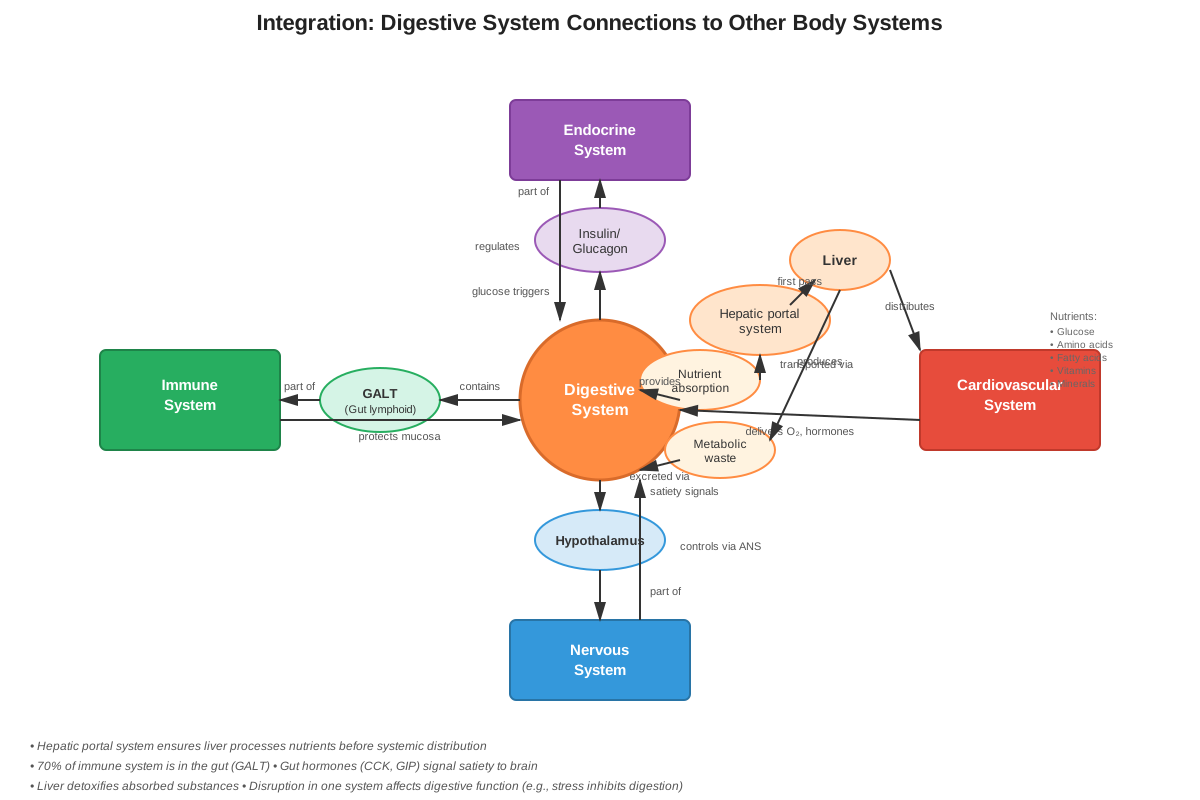
The digestive system connects to cardiovascular physiology through the hepatic portal system, which transports absorbed nutrients directly to the liver for processing before systemic distribution. It links to endocrine function through incretin hormones (GIP, GLP-1) that regulate insulin secretion based on nutrient intake. The immune system connection is evident in gut-associated lymphoid tissue (GALT), which comprises 70% of the body's immune cells. The nervous system integration appears through the enteric nervous system's coordination with the central nervous system via the gut-brain axis.
Understanding the digestive system overview enables progression to more advanced topics: nutrient metabolism (glycolysis, beta-oxidation, protein synthesis), liver function (detoxification, protein synthesis, glucose homeostasis), and pathophysiology (peptic ulcers, inflammatory bowel disease, malabsorption syndromes). The digestive system serves as a model for studying organ system integration, regulatory mechanisms, and the relationship between structure and function.
Quick check — test yourself on Digestive system overview so far.
Try Flashcards →High-Yield Facts
⭐ The small intestine is the primary site of both chemical digestion and nutrient absorption, with the duodenum receiving pancreatic enzymes and bile, while the jejunum and ileum perform most absorption.
⭐ Pepsinogen is converted to active pepsin by HCl in the stomach, demonstrating zymogen activation and the importance of pH in enzyme regulation.
⭐ Bile salts emulsify fats but do not digest them; pancreatic lipase performs the actual hydrolysis of triglycerides into fatty acids and monoglycerides.
⭐ Secretin and CCK are released by the duodenum in response to acidic chyme and fats/proteins respectively, representing key hormonal feedback mechanisms.
⭐ The enteric nervous system can function independently of the central nervous system, containing approximately 100 million neurons that coordinate local digestive processes.
- Salivary amylase begins carbohydrate digestion in the mouth by cleaving α-1,4-glycosidic bonds in starch, producing maltose and dextrins.
- Parietal cells secrete both HCl and intrinsic factor, with intrinsic factor being essential for vitamin B12 absorption in the terminal ileum.
- The liver produces bile continuously, but the gallbladder stores and concentrates it between meals, releasing it in response to CCK during digestion.
- Chylomicrons enter the lymphatic system (lacteals) rather than blood capillaries because they are too large to pass through capillary walls.
- The large intestine absorbs approximately 90% of the water that enters it, concentrating waste from liquid chyme into solid feces.
- Gastrin stimulates gastric acid secretion, while secretin inhibits it, demonstrating antagonistic hormonal regulation.
- The brush border of the small intestine contains membrane-bound enzymes (disaccharidases, peptidases) that complete the final stages of digestion.
- Parasympathetic stimulation (vagus nerve) promotes digestion, while sympathetic stimulation inhibits it, redirecting resources during stress.
- The stomach's mucus-bicarbonate barrier protects the epithelium from the highly acidic environment (pH 1.5-3.5) that would otherwise cause tissue damage.
- Segmentation contractions in the small intestine mix chyme with digestive secretions, while peristaltic waves propel contents forward.
Common Misconceptions
Misconception: The stomach is the primary site of nutrient absorption.
Correction: The stomach performs minimal absorption (only water, alcohol, and some drugs). The small intestine, particularly the jejunum and ileum, is responsible for absorbing nearly all nutrients. The stomach's primary functions are storage, mechanical digestion, and initiating protein digestion.
Misconception: Bile is an enzyme that digests fats.
Correction: Bile contains bile salts that emulsify fats—breaking large lipid droplets into smaller ones—but does not chemically digest them. Pancreatic lipase is the enzyme that hydrolyzes triglycerides into fatty acids and monoglycerides. Emulsification increases surface area for lipase action but is a physical, not chemical, process.
Misconception: All digestive enzymes work at the same pH.
Correction: Digestive enzymes have distinct pH optima corresponding to their location: salivary amylase works at neutral pH (~7), pepsin requires acidic pH (1.5-3.5), and pancreatic enzymes function optimally at slightly alkaline pH (7.5-8.5). This pH specificity ensures enzymes are active only in appropriate regions and prevents premature activation.
Misconception: The large intestine is called "large" because it is longer than the small intestine.
Correction: The large intestine is actually much shorter (~1.5 m) than the small intestine (~6 m). It is called "large" because of its greater diameter (approximately 6 cm versus 2.5 cm for the small intestine). This wider diameter accommodates the compaction of waste material.
Misconception: Digestion is controlled entirely by the brain and spinal cord.
Correction: While the central nervous system influences digestion through the autonomic nervous system, the enteric nervous system (ENS) in the GI tract wall can coordinate many digestive processes independently. The ENS contains its own sensory neurons, interneurons, and motor neurons, enabling local reflexes without CNS input.
Misconception: Enzymes are absorbed and reused after digesting food.
Correction: Most digestive enzymes are not absorbed intact. They are secreted into the lumen, perform their catalytic function, and are eventually degraded by other proteases or eliminated. The body must continuously synthesize new digestive enzymes, representing a significant metabolic investment.
Misconception: The appendix has no function and is purely vestigial.
Correction: While the appendix is not essential for survival, research suggests it serves as a reservoir for beneficial gut bacteria, helping to repopulate the intestine after illness. It also contains significant lymphoid tissue and may play a role in immune function, particularly in early life.
Worked Examples
Example 1: Enzyme Activity and pH
Question: A researcher is studying digestive enzyme activity at various pH levels. She measures the activity of three enzymes: salivary amylase, pepsin, and trypsin at pH values ranging from 2 to 9. Based on normal digestive physiology, which enzyme would show peak activity at pH 2, and why?
Solution:
Step 1: Identify where each enzyme normally functions.
- Salivary amylase: mouth and esophagus (pH ~6.5-7.5)
- Pepsin: stomach (pH ~1.5-3.5)
- Trypsin: small intestine (pH ~7.5-8.5)
Step 2: Match the pH to the enzyme's normal environment.
pH 2 is highly acidic, corresponding to the stomach environment.
Step 3: Determine which enzyme functions in the stomach.
Pepsin is the primary proteolytic enzyme in the stomach.
Step 4: Explain the mechanism.
Pepsin is secreted as the inactive zymogen pepsinogen by chief cells. The highly acidic environment created by HCl from parietal cells serves two purposes: (1) it cleaves pepsinogen to active pepsin, and (2) it provides the optimal pH for pepsin's catalytic activity. Pepsin's active site structure is stabilized at low pH, and its catalytic residues are properly protonated for peptide bond hydrolysis.
Answer: Pepsin would show peak activity at pH 2 because it is specifically adapted to function in the highly acidic stomach environment. Its structure and catalytic mechanism require low pH for optimal activity, unlike salivary amylase (denatured at pH 2) or trypsin (requires alkaline pH).
Connection to Learning Objectives: This example demonstrates the application of digestive system overview to exam-style questions by requiring integration of enzyme function, pH requirements, and anatomical location—all high-yield concepts for the MCAT.
Example 2: Hormonal Regulation Clinical Vignette
Question: A patient presents with chronic diarrhea and is found to have a tumor secreting large amounts of a hormone. Laboratory analysis reveals elevated levels of a peptide hormone that stimulates pancreatic bicarbonate secretion and inhibits gastric acid production. Blood tests show the patient's stomach pH is abnormally high (pH 5-6 instead of 1.5-3.5). Which hormone is most likely being oversecreted, and what would be the expected effect on fat digestion?
Solution:
Step 1: Identify the hormone based on its functions.
The hormone described:
- Stimulates pancreatic bicarbonate secretion
- Inhibits gastric acid production
- Is a peptide hormone
This description matches secretin, which is normally released by S cells in the duodenum in response to acidic chyme.
Step 2: Explain the elevated stomach pH.
Excessive secretin would abnormally inhibit parietal cell HCl secretion, reducing stomach acidity and raising pH from the normal 1.5-3.5 to the observed 5-6.
Step 3: Analyze effects on protein digestion.
The elevated stomach pH would impair pepsin activity (requires pH 1.5-3.5), reducing protein digestion in the stomach. However, pancreatic proteases in the small intestine would compensate.
Step 4: Determine effects on fat digestion.
Fat digestion would likely be enhanced or at least maintained because:
- Excessive secretin would stimulate abundant pancreatic bicarbonate secretion
- The alkaline environment in the duodenum would be optimal for pancreatic lipase
- CCK release (triggered by fats) would still stimulate bile release for emulsification
- The stomach's role in fat digestion is minimal (only lingual lipase)
Step 5: Consider the diarrhea mechanism.
The chronic diarrhea likely results from excessive pancreatic bicarbonate secretion, which draws water into the intestinal lumen osmotically, and from rapid transit due to altered motility patterns.
Answer: The tumor is most likely secreting excessive secretin. Fat digestion would be maintained or potentially enhanced due to optimal alkaline conditions for pancreatic lipase, despite impaired gastric protein digestion. The elevated bicarbonate secretion explains the chronic diarrhea through osmotic effects.
Connection to Learning Objectives: This clinical vignette requires students to connect hormonal regulation, pH effects on enzyme activity, regional digestive functions, and pathophysiology—demonstrating the integrated nature of MCAT questions on digestive system overview.
Exam Strategy
When approaching MCAT questions on digestive system overview, employ these strategic approaches:
Trigger Words and Phrases:
- "Emulsification" → Think bile salts, not enzymatic digestion
- "Zymogen" or "inactive precursor" → Consider activation mechanisms (pepsinogen → pepsin, trypsinogen → trypsin)
- "Acidic chyme enters duodenum" → Expect secretin release and bicarbonate secretion
- "Brush border" → Small intestine, final digestion stages, absorption
- "Intrinsic factor" → Parietal cells, vitamin B12, terminal ileum absorption
- "Lacteals" → Lymphatic vessels, chylomicrons, fat absorption
- "Enteric nervous system" → Independent control, local reflexes
Question Type Recognition:
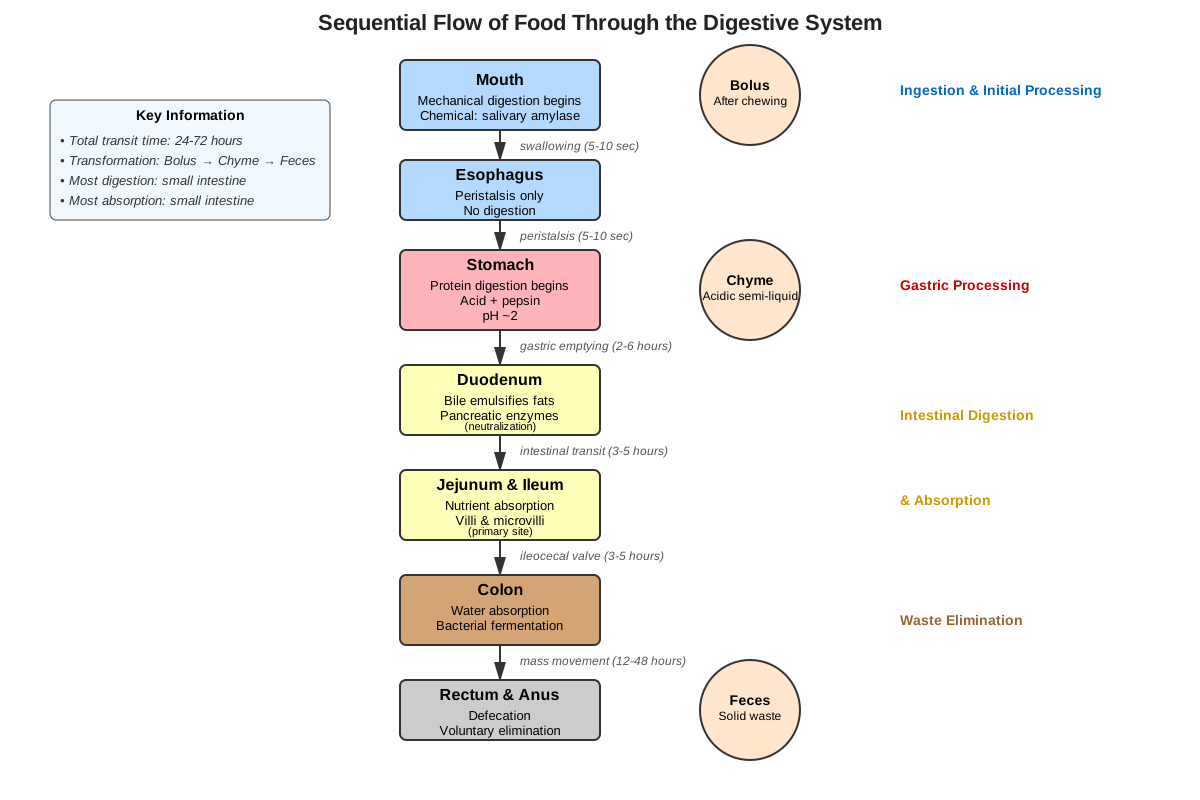
For discrete questions, quickly identify which digestive region or process is being tested. Create a mental flowchart: mouth → esophagus → stomach → small intestine → large intestine, and match the described process to the appropriate location.
For passage-based questions, pay attention to experimental conditions, particularly pH, enzyme concentrations, and substrate availability. Many passages present enzyme kinetics data or drug mechanisms affecting digestion. Always check whether the passage describes normal physiology or a pathological state.
Process of Elimination Tips:
- Eliminate based on location: If a question asks about protein digestion beginning, eliminate any answer mentioning the small intestine—protein digestion starts in the stomach.
- Eliminate based on pH incompatibility: If conditions are acidic (pH < 4), eliminate answers involving pancreatic enzymes, which require alkaline conditions.
- Eliminate based on function: If the question asks about chemical digestion, eliminate answers describing mechanical processes (churning, peristalsis, segmentation).
- Check for hormone-organ mismatches: Gastrin is secreted by the stomach, secretin and CCK by the duodenum. Eliminate answers that misattribute hormone sources.
Time Allocation:
Digestive system questions typically require 60-90 seconds for discrete questions and 90-120 seconds for passage-based questions. If a question requires detailed pathway tracing (e.g., following a nutrient from ingestion to absorption), allocate extra time but use systematic anatomical progression to avoid errors. Don't get bogged down trying to recall minor details—focus on major organs, primary enzymes, and key regulatory hormones.
Common Question Formats:
- Enzyme activity graphs at different pH levels
- Hormonal regulation scenarios (what happens if hormone X is blocked?)
- Nutrient absorption mechanisms (which transporter? active or passive?)
- Clinical presentations requiring identification of affected organ
- Experimental passages testing understanding of digestive enzyme kinetics
Exam Tip: When unsure between two answers, consider which organ is the PRIMARY site for the described function. The MCAT often includes distractors that describe secondary or minor functions. For example, while some protein digestion occurs in the mouth (minimal) and stomach (significant), the small intestine is where digestion is COMPLETED—choose answers reflecting primary functions.
Memory Techniques
Mnemonic for Small Intestine Regions (in order):
"Don't Jump In"
- Duodenum (first 25 cm, receives secretions)
- Jejunum (middle 2.5 m, primary absorption)
- Ileum (final 3.5 m, B12 and bile salt absorption)
Mnemonic for Stomach Cell Types and Secretions:
"Please Give Me Cheeseburgers"
- Parietal cells → HCl and intrinsic factor
- G cells → Gastrin
- Mucous cells → Mucus and bicarbonate
- Chief cells → pepsinogen (and gastric lipase)
Mnemonic for Pancreatic Enzymes:
"Please Try Calling Amy's Lawyer Now"
- Proteases (trypsin, chymotrypsin, carboxypeptidase)
- Trypsinogen → Trypsin (activated by enterokinase)
- Chymotrypsinogen → Chymotrypsin
- Amylase (pancreatic amylase for starch)
- Lipase (pancreatic lipase for fats)
- Nucleases (for DNA/RNA)
Mnemonic for Hormones and Their Primary Actions:
"Gastrin Goes, Secretin Stops, CCK Contracts"
- Gastrin → Go (stimulates acid secretion and motility)
- Secretin → Stops (inhibits gastric acid, stimulates bicarbonate)
- CCK → Contracts (gallbladder contraction, pancreatic enzyme release)
Visualization Strategy for Digestive Pathway:
Imagine following a piece of food on a journey:
- Mouth = "The Grinder" (mechanical + amylase starts)
- Esophagus = "The Slide" (just transport, no digestion)
- Stomach = "The Acid Bath" (churning + pepsin + HCl)
- Small Intestine = "The Processing Plant" (all enzymes, all absorption)
- Large Intestine = "The Compactor" (water absorption, waste formation)
Acronym for GI Tract Wall Layers (inside to outside):
"MSMS" (pronounced "Miss M.S.")
- Mucosa
- Submucosa
- Muscularis externa
- Serosa
Memory Aid for Fat-Soluble Vitamins:
"All Dogs Eat Kibble" = A, D, E, K (absorbed with fats, incorporated into micelles)
Summary
The digestive system overview encompasses the anatomical structures, physiological processes, and regulatory mechanisms that convert ingested food into absorbable nutrients while eliminating waste. The gastrointestinal tract follows a sequential pathway from mouth to anus, with each region performing specialized functions: the mouth initiates mechanical and chemical digestion, the stomach stores food and begins protein digestion in an acidic environment, the small intestine serves as the primary site for both completing chemical digestion and absorbing nutrients, and the large intestine absorbs water and compacts waste. Accessory organs—salivary glands, pancreas, liver, and gallbladder—contribute essential secretions including enzymes, bile, and bicarbonate. The system demonstrates sophisticated regulation through both hormonal mechanisms (gastrin, secretin, CCK) and neural control (enteric nervous system, autonomic input). Understanding the relationship between structure and function, the pH requirements of different enzymes, the distinction between mechanical and chemical digestion, and the integration of multiple regulatory systems is essential for MCAT success. This topic connects to broader biological concepts including enzyme kinetics, membrane transport, homeostatic regulation, and organ system integration, making it a high-yield area that frequently appears in both discrete questions and integrated passages.
Key Takeaways
- The small intestine is the primary site for both chemical digestion completion and nutrient absorption, with specialized structures (villi, microvilli) maximizing surface area to approximately 200 square meters
- Digestive enzymes have specific pH optima corresponding to their functional location: salivary amylase (neutral pH ~7), pepsin (acidic pH 1.5-3.5), pancreatic enzymes (alkaline pH 7.5-8.5)
- Hormonal regulation creates feedback loops: gastrin stimulates acid secretion, secretin inhibits gastric acid while stimulating pancreatic bicarbonate, and CCK triggers enzyme and bile release in response to nutrients
- Bile salts emulsify fats but do not digest them; pancreatic lipase performs the actual enzymatic hydrolysis, demonstrating the distinction between physical and chemical processes
- The enteric nervous system functions semi-independently, containing 100 million neurons that coordinate local digestive reflexes without requiring central nervous system input
- Zymogen activation prevents self-digestion: pepsinogen → pepsin (by HCl), trypsinogen → trypsin (by enterokinase), ensuring enzymes are active only in appropriate locations
- Absorption mechanisms vary by nutrient type: monosaccharides use active transport and facilitated diffusion, amino acids use sodium-dependent cotransport, and lipids form chylomicrons that enter lymphatic lacteals rather than blood capillaries
Related Topics
Carbohydrate Metabolism: Understanding how absorbed monosaccharides enter glycolysis, gluconeogenesis, and glycogen synthesis pathways builds directly on knowledge of carbohydrate digestion and absorption mechanisms covered in digestive system overview.
Protein Metabolism: The amino acids absorbed from the small intestine serve as substrates for protein synthesis, gluconeogenesis, and energy production, connecting digestive processes to cellular metabolism and nitrogen balance.
Lipid Metabolism: Following the absorption of fatty acids and formation of chylomicrons, students must understand beta-oxidation, ketogenesis, and lipid storage, demonstrating how digested nutrients fuel cellular processes.
Liver Function and Hepatic Portal System: The liver's role extends far beyond bile production to include detoxification, protein synthesis, glucose homeostasis, and processing of absorbed nutrients delivered via the hepatic portal vein.
Endocrine System Integration: Digestive hormones (gastrin, secretin, CCK, GIP) exemplify endocrine signaling, while the gut-brain axis demonstrates neuroendocrine integration relevant to appetite regulation and metabolic control.
Gastrointestinal Pathophysiology: Understanding normal digestive function enables comprehension of disease states including peptic ulcers, inflammatory bowel disease, celiac disease, lactose intolerance, and malabsorption syndromes frequently tested on the MCAT.
Practice CTA
Now that you have mastered the digestive system overview, reinforce your understanding by attempting practice questions and reviewing flashcards focused on this topic. Challenge yourself with both discrete questions testing specific facts and passage-based questions requiring integration of multiple concepts. Pay particular attention to questions involving enzyme kinetics, hormonal regulation, and clinical vignettes describing digestive disorders. The digestive system's integration of anatomy, physiology, biochemistry, and regulation makes it an excellent topic for developing the interdisciplinary thinking skills essential for MCAT success. Your solid foundation in digestive system overview will serve as a springboard for mastering related topics in metabolism, endocrinology, and pathophysiology. Keep pushing forward—every concept you master brings you closer to your goal!
Sign up free to keep reading
Create a free AnvayaPrep account to finish this MCAT guide on Digestive system overview — plus flashcards and practice questions.