Overview
The liver is the largest internal organ and gland in the human body, serving as a metabolic powerhouse that performs over 500 distinct biochemical functions. Located in the upper right quadrant of the abdominal cavity, the liver plays critical roles in nutrient metabolism, detoxification, protein synthesis, and digestive processes. For MCAT preparation, understanding liver biology represents a high-yield investment because this organ integrates multiple physiological systems—including digestive, circulatory, endocrine, and excretory functions—making it a frequent subject in both passage-based and discrete questions.
The liver exemplifies the interconnectedness of physiology and organ systems, serving as the primary site for glucose homeostasis, lipid metabolism, protein synthesis (including clotting factors and albumin), and biotransformation of drugs and toxins. Its unique dual blood supply—receiving nutrient-rich blood from the hepatic portal vein and oxygenated blood from the hepatic artery—positions it as the first-pass filter for substances absorbed from the gastrointestinal tract. This anatomical arrangement has profound implications for pharmacology, toxicology, and metabolic regulation, all of which appear regularly on the MCAT.
Understanding liver MCAT content requires integration of biochemistry (metabolic pathways), anatomy (vascular supply and bile drainage), physiology (homeostatic regulation), and pathology (disease states that illustrate normal function). The liver's central role in maintaining metabolic homeostasis connects it to endocrinology (insulin and glucagon signaling), hematology (synthesis of clotting factors), immunology (Kupffer cell function), and nutrition. Mastery of liver function provides a framework for understanding systemic metabolism and prepares students to tackle complex, interdisciplinary MCAT passages.
Learning Objectives
- [ ] Define the liver using accurate biology terminology, including its anatomical location, structural organization, and cellular composition
- [ ] Explain why liver function matters for the MCAT, particularly its integration of multiple organ systems
- [ ] Apply liver physiology concepts to exam-style questions involving metabolism, detoxification, and homeostasis
- [ ] Identify common mistakes related to liver function, blood supply, and metabolic pathways
- [ ] Connect liver function to related biology concepts including digestive physiology, endocrine regulation, and cardiovascular circulation
- [ ] Analyze the hepatic portal system and explain its significance for first-pass metabolism
- [ ] Describe the synthesis and secretion of bile, including its role in lipid digestion and excretion
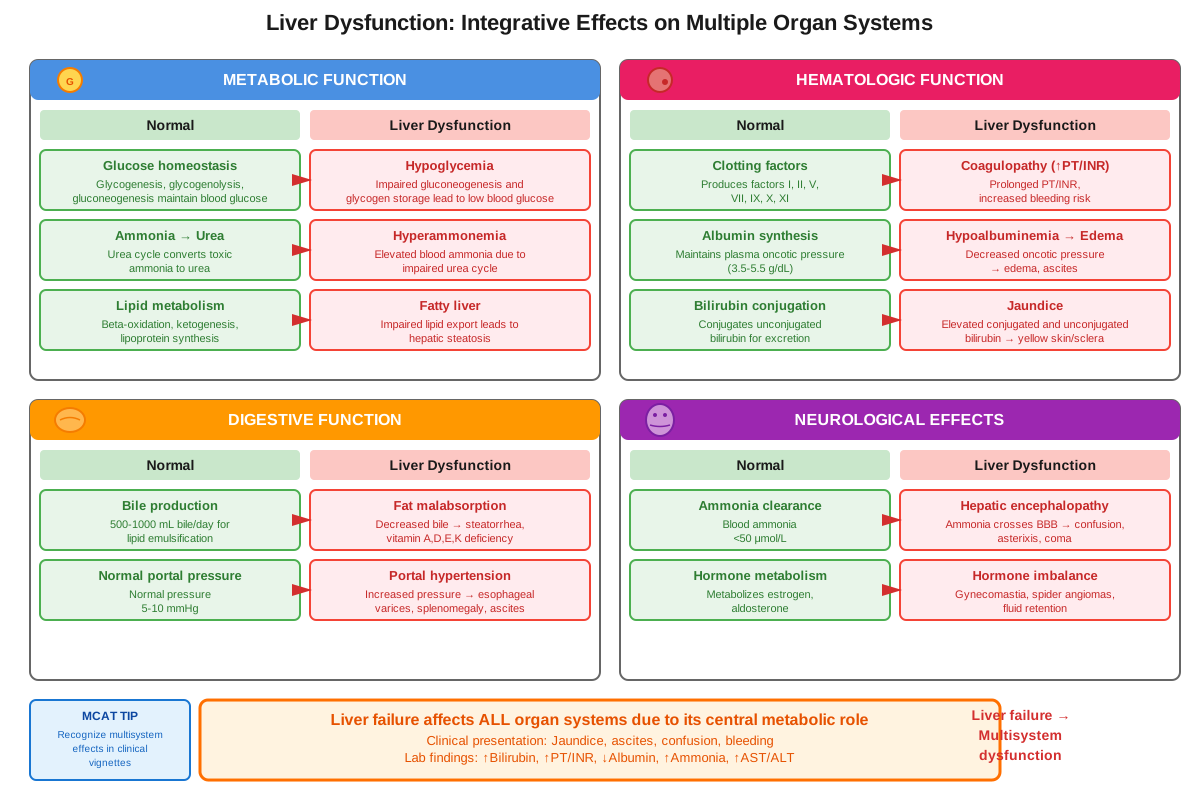
- [ ] Evaluate how liver dysfunction affects multiple physiological systems and manifests in clinical presentations
Prerequisites
- Basic cell biology: Understanding of cellular organelles (especially smooth and rough endoplasmic reticulum) is essential because hepatocytes are metabolically active cells with extensive ER networks for detoxification and protein synthesis
- Digestive system anatomy: Knowledge of the gastrointestinal tract structure provides context for understanding how the liver receives nutrients via the hepatic portal vein
- Cardiovascular circulation: Familiarity with blood flow patterns is necessary to comprehend the liver's unique dual blood supply and its role in systemic circulation
- Basic biochemistry: Understanding of carbohydrate, lipid, and protein metabolism provides the foundation for liver metabolic functions
- Enzyme kinetics: Knowledge of enzyme function is relevant for understanding hepatic biotransformation reactions and drug metabolism
Why This Topic Matters
Clinical and Real-World Significance
The liver's central role in metabolism makes liver disease one of the most consequential categories of medical conditions. Hepatic dysfunction affects virtually every body system: impaired glucose regulation leads to hypoglycemia, reduced protein synthesis causes edema and coagulopathy, inadequate detoxification results in hepatic encephalopathy, and disrupted bile production causes malabsorption and jaundice. Understanding normal liver function provides the foundation for recognizing these pathological states. Additionally, the liver's role in drug metabolism makes it critical for pharmacology—the first-pass effect significantly influences drug bioavailability and dosing strategies.
MCAT Exam Statistics and Question Types
Liver-related content appears in approximately 5-8% of MCAT biology questions, with particular emphasis on metabolic integration and homeostasis. Questions typically appear in three formats: (1) passage-based questions involving experimental data about hepatic metabolism or drug clearance, (2) discrete questions testing knowledge of specific liver functions or anatomical relationships, and (3) interdisciplinary questions connecting liver function to endocrine signaling, cardiovascular physiology, or nutritional biochemistry. The liver frequently appears in passages discussing diabetes, alcohol metabolism, lipid disorders, or vitamin deficiencies.
Common Exam Passage Contexts
MCAT passages featuring the liver often present scenarios involving metabolic disorders (diabetes, glycogen storage diseases), toxicology (alcohol or acetaminophen metabolism), nutritional deficiencies (fat-soluble vitamins), or experimental manipulations of hepatic blood flow. Passages may describe research on hepatocyte cell cultures, animal models with induced liver damage, or clinical cases with laboratory values indicating hepatic dysfunction. Understanding the liver's normal physiology enables students to interpret these experimental contexts and predict outcomes of various interventions.
Core Concepts
Anatomical Structure and Organization
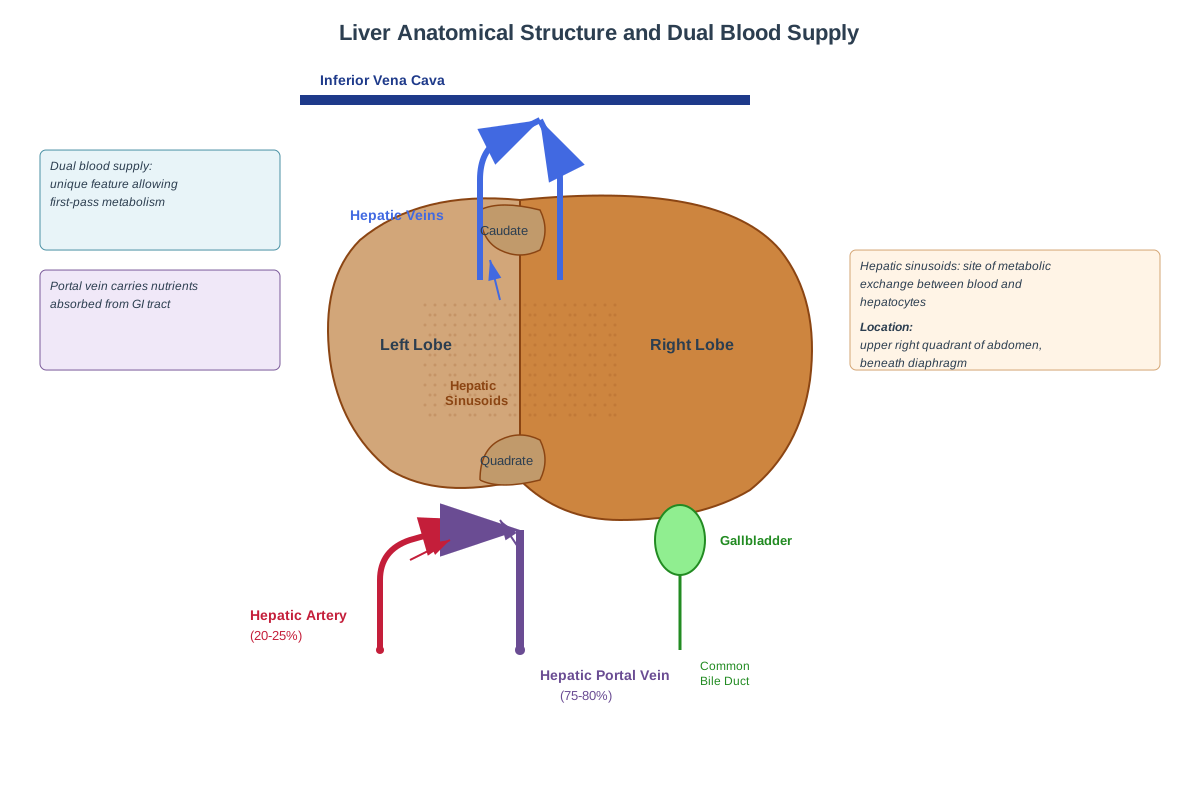
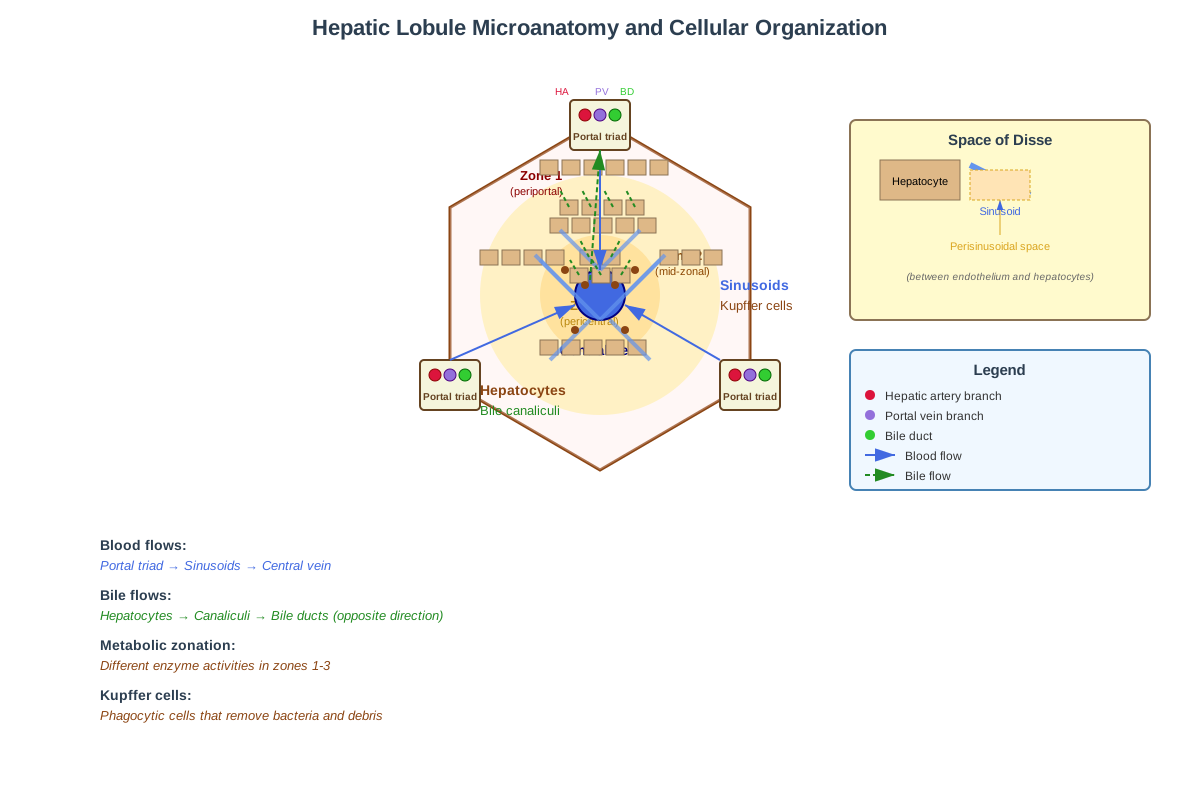
The liver is a wedge-shaped organ weighing approximately 1.5 kg in adults, positioned in the right upper quadrant of the abdomen beneath the diaphragm. It consists of four lobes (right, left, caudate, and quadrate), with the right lobe being significantly larger. The functional unit of the liver is the hepatic lobule, a hexagonal structure approximately 1-2 mm in diameter. At each corner of the hexagon lies a portal triad containing branches of the hepatic artery, hepatic portal vein, and bile duct. Blood flows from the portal triads through sinusoidal capillaries toward the central vein at the lobule's center, creating a radial flow pattern.
Hepatocytes (liver cells) are arranged in plates radiating from the central vein, with sinusoids running between these plates. The sinusoidal endothelium is fenestrated (contains pores), allowing direct contact between blood plasma and hepatocyte surfaces in the space of Disse. This arrangement facilitates efficient exchange of nutrients, metabolites, and proteins between blood and hepatocytes. Specialized Kupffer cells (resident macrophages) line the sinusoids and phagocytose bacteria, aged red blood cells, and other particulate matter, providing an important immune surveillance function.
Dual Blood Supply and Hepatic Circulation
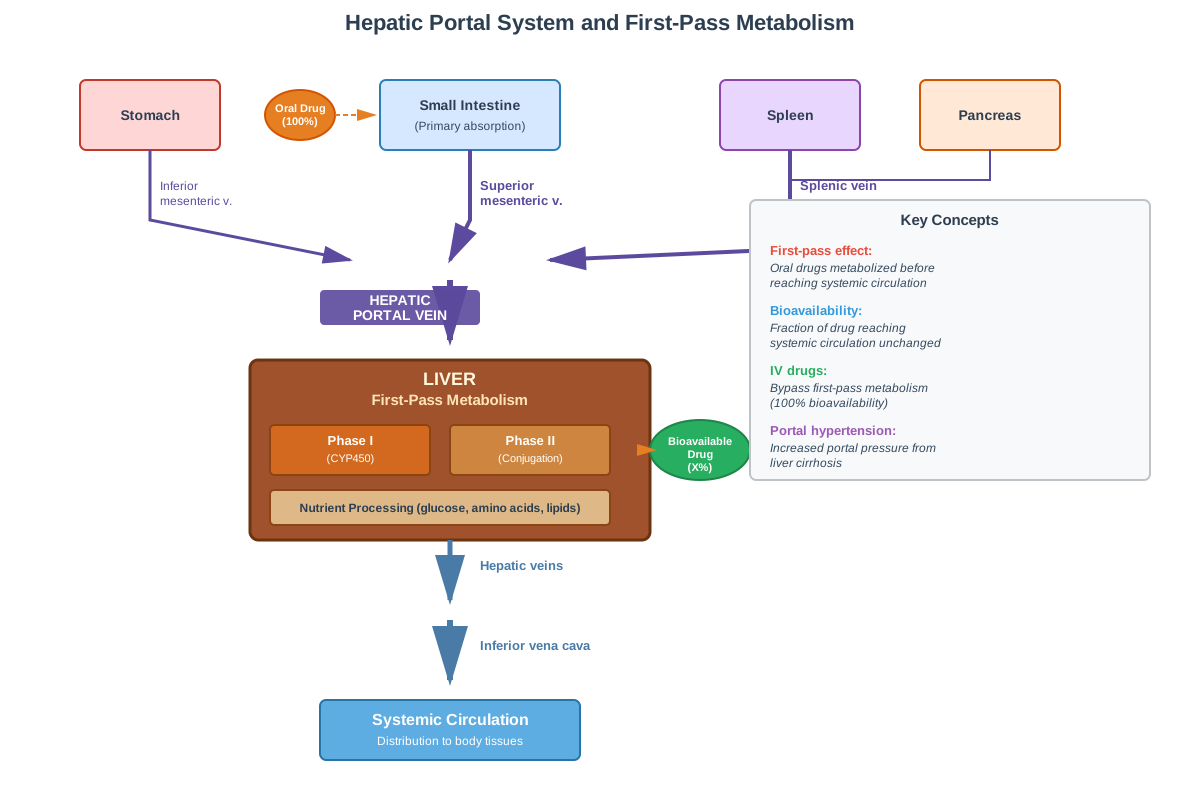
The liver receives approximately 25% of cardiac output through a unique dual blood supply. The hepatic artery (a branch of the celiac trunk) provides 25-30% of hepatic blood flow, delivering oxygenated blood to meet the liver's metabolic oxygen demands. The hepatic portal vein provides 70-75% of hepatic blood flow, carrying nutrient-rich, deoxygenated blood directly from the gastrointestinal tract, spleen, and pancreas. This arrangement ensures that the liver receives "first access" to absorbed nutrients, toxins, and drugs before they enter systemic circulation—a phenomenon called first-pass metabolism.
Blood from both sources mixes in the hepatic sinusoids, flows past hepatocytes for processing, and drains into the central vein of each lobule. Central veins coalesce to form hepatic veins, which empty directly into the inferior vena cava. This vascular architecture creates three functional zones within each lobule based on oxygen and nutrient gradients:
| Zone | Location | Oxygen Level | Primary Functions | Vulnerability |
|---|---|---|---|---|
| Zone 1 (Periportal) | Near portal triad | Highest | Oxidative metabolism, gluconeogenesis, β-oxidation | Viral hepatitis |
| Zone 2 (Midzonal) | Middle region | Intermediate | Mixed metabolic functions | Less specific damage |
| Zone 3 (Centrilobular) | Near central vein | Lowest | Glycolysis, lipogenesis, biotransformation | Ischemia, toxins (acetaminophen) |
Metabolic Functions
Carbohydrate Metabolism
The liver serves as the primary regulator of blood glucose homeostasis. In the fed state (high insulin, low glucagon), hepatocytes take up glucose via GLUT2 transporters and convert it to glucose-6-phosphate through glucokinase. This glucose-6-phosphate can be: (1) stored as glycogen through glycogenesis, (2) converted to fatty acids through lipogenesis, or (3) metabolized through glycolysis. The liver can store approximately 100-120 grams of glycogen, representing about 10% of its mass.
In the fasted state (low insulin, high glucagon), the liver maintains blood glucose through two mechanisms: glycogenolysis (breakdown of stored glycogen) and gluconeogenesis (synthesis of new glucose from non-carbohydrate precursors). Glycogenolysis can sustain blood glucose for approximately 12-18 hours of fasting. Beyond this point, gluconeogenesis becomes essential, using substrates including lactate (from muscle glycolysis), glycerol (from adipose tissue lipolysis), and amino acids (primarily alanine from muscle protein). The liver is one of only two organs capable of gluconeogenesis (the kidney being the other), and it accounts for approximately 90% of endogenous glucose production during fasting.
Lipid Metabolism
The liver is the central organ for lipid metabolism, performing synthesis, modification, storage, and distribution of lipids. Hepatocytes synthesize fatty acids from excess carbohydrates through de novo lipogenesis, primarily when dietary carbohydrate intake exceeds immediate energy needs. These fatty acids are esterified with glycerol to form triglycerides, which can be stored temporarily in hepatocytes or packaged into very low-density lipoproteins (VLDL) for export to peripheral tissues.
The liver also performs β-oxidation of fatty acids to generate acetyl-CoA, which can enter the citric acid cycle for energy production or be converted to ketone bodies (acetoacetate, β-hydroxybutyrate, and acetone) during prolonged fasting or carbohydrate restriction. Ketogenesis occurs exclusively in hepatic mitochondria and provides an alternative fuel source for the brain and other tissues when glucose availability is limited. Importantly, while the liver produces ketone bodies, it cannot utilize them for energy because hepatocytes lack the enzyme necessary to convert acetoacetate back to acetyl-CoA.
Cholesterol metabolism represents another critical hepatic function. The liver synthesizes approximately 800-1000 mg of cholesterol daily through the HMG-CoA reductase pathway (the rate-limiting enzyme targeted by statin drugs). Hepatocytes use cholesterol to synthesize bile acids, which are essential for lipid digestion and absorption. The liver also produces lipoproteins (VLDL, HDL) and takes up LDL cholesterol through receptor-mediated endocytosis, playing a central role in systemic cholesterol homeostasis.
Protein Metabolism and Synthesis
The liver synthesizes the majority of plasma proteins, including albumin (the most abundant plasma protein, responsible for maintaining oncotic pressure), clotting factors (fibrinogen, prothrombin, factors V, VII, IX, X, XI, XII, and XIII), complement proteins, and transport proteins (transferrin, ceruloplasmin, haptoglobin). Albumin synthesis alone accounts for approximately 10-15 grams per day, and its plasma concentration (normally 3.5-5.0 g/dL) is a key indicator of hepatic synthetic function.
The liver also performs amino acid metabolism, including transamination (transfer of amino groups between amino acids and α-keto acids) and deamination (removal of amino groups). The amino groups removed during deamination are converted to ammonia (NH₃), which is highly toxic to the central nervous system. Hepatocytes detoxify ammonia through the urea cycle, converting it to urea—a water-soluble, non-toxic compound that can be safely excreted by the kidneys. The urea cycle occurs exclusively in the liver and represents the primary mechanism for nitrogen disposal in humans.
Detoxification and Biotransformation
The liver's role in detoxification involves two phases of biotransformation reactions that convert lipophilic (fat-soluble) compounds into hydrophilic (water-soluble) metabolites suitable for excretion. Phase I reactions involve oxidation, reduction, or hydrolysis, primarily through the cytochrome P450 enzyme system located in the smooth endoplasmic reticulum of hepatocytes. These reactions typically add or expose functional groups (-OH, -NH₂, -SH) that increase polarity and serve as sites for Phase II conjugation.
Phase II reactions involve conjugation of Phase I metabolites with endogenous compounds (glucuronic acid, sulfate, glutathione, acetyl groups, or amino acids) to further increase water solubility. These conjugated metabolites can be excreted in bile or urine. The cytochrome P450 system metabolizes numerous endogenous compounds (steroids, fatty acids, prostaglandins) and exogenous substances (drugs, alcohol, environmental toxins). Individual P450 enzymes exhibit substrate specificity, and genetic polymorphisms in these enzymes contribute to inter-individual variation in drug metabolism.
Bile Production and Secretion
Hepatocytes continuously produce bile, a yellow-green fluid containing bile salts, phospholipids, cholesterol, bilirubin, electrolytes, and water. Approximately 500-1000 mL of bile is produced daily. Bile serves two primary functions: (1) emulsification and solubilization of dietary lipids to facilitate digestion and absorption, and (2) excretion of waste products including bilirubin, cholesterol, and drug metabolites.
Bile salts (conjugated bile acids) are amphipathic molecules synthesized from cholesterol through a multi-step process involving 7α-hydroxylase (the rate-limiting enzyme). Primary bile acids (cholic acid and chenodeoxycholic acid) are conjugated with glycine or taurine to form bile salts, which are secreted into bile canaliculi—small channels between adjacent hepatocytes. Bile flows from canaliculi into bile ductules, then into larger bile ducts, eventually reaching the common hepatic duct. Between meals, bile is stored and concentrated in the gallbladder; during meals, cholecystokinin (CCK) stimulates gallbladder contraction and sphincter of Oddi relaxation, releasing bile into the duodenum.
Approximately 95% of bile salts are reabsorbed in the terminal ileum and returned to the liver via the hepatic portal vein—a process called enterohepatic circulation. This recycling mechanism is highly efficient, with each bile salt molecule cycling 6-8 times daily before being lost in feces and replaced by hepatic synthesis.
Bilirubin Metabolism
Bilirubin is a yellow pigment produced from the breakdown of heme, primarily from senescent red blood cells. Macrophages in the spleen and liver (Kupffer cells) phagocytose aged erythrocytes and catabolize hemoglobin. The heme portion is converted to biliverdin by heme oxygenase, then to unconjugated bilirubin (indirect bilirubin) by biliverdin reductase. Unconjugated bilirubin is lipophilic and travels in blood bound to albumin.
Hepatocytes take up unconjugated bilirubin and conjugate it with glucuronic acid through the enzyme UDP-glucuronosyltransferase, forming conjugated bilirubin (direct bilirubin), which is water-soluble. Conjugated bilirubin is secreted into bile and eventually reaches the intestine, where bacterial enzymes convert it to urobilinogen. Most urobilinogen is excreted in feces (after oxidation to stercobilin, which gives feces its brown color), while a small amount is reabsorbed and either re-excreted in bile or filtered by the kidneys and excreted in urine (as urobilin, contributing to urine's yellow color).
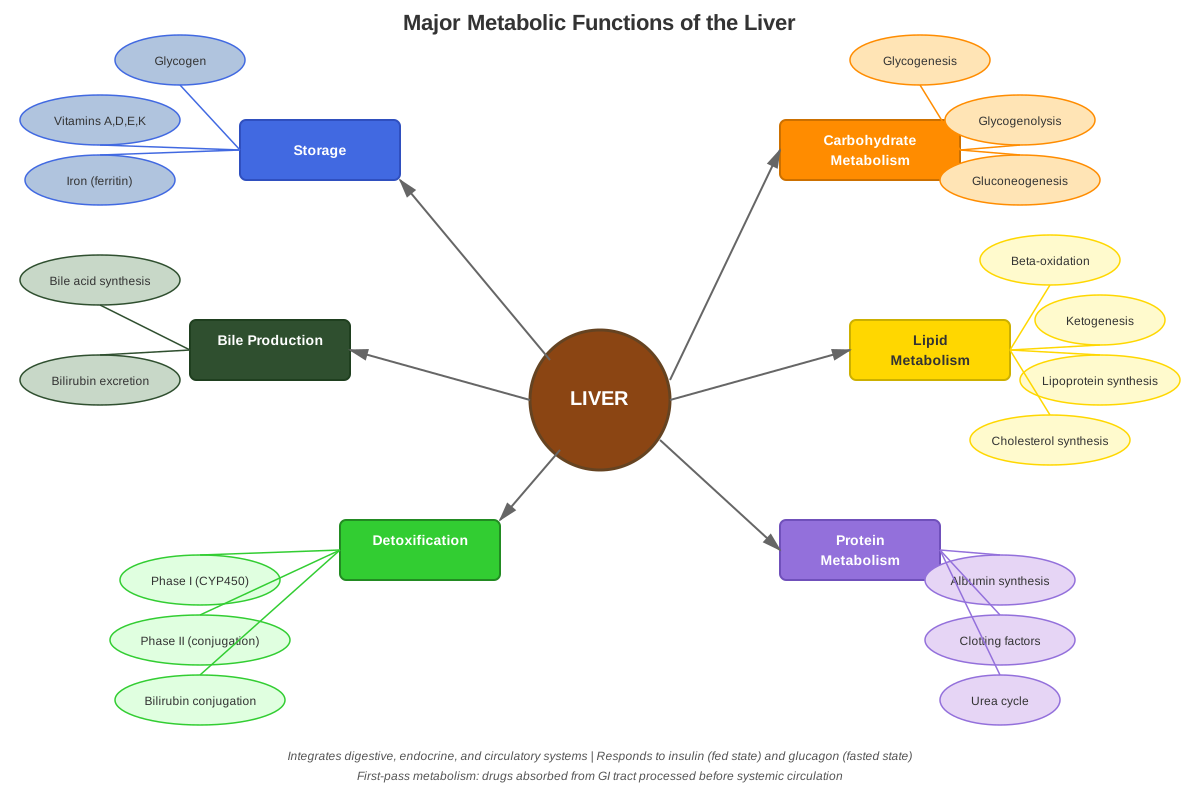
Storage Functions
The liver serves as a storage depot for several essential substances:
- Glycogen: 100-120 grams, providing glucose during fasting
- Fat-soluble vitamins: Vitamins A, D, E, and K (particularly large stores of vitamin A)
- Vitamin B12: Several years' supply stored in the liver
- Iron: Stored as ferritin and hemosiderin, released as needed for erythropoiesis
- Copper: Stored and incorporated into ceruloplasmin for transport
Concept Relationships
The liver's functions are highly interconnected, with metabolic pathways influencing one another through shared substrates and regulatory mechanisms. Carbohydrate metabolism directly influences lipid metabolism: excess glucose drives lipogenesis, while glucose scarcity promotes fatty acid oxidation and ketogenesis. Both pathways are regulated by the insulin-to-glucagon ratio, demonstrating the liver's integration with endocrine signaling.
Protein metabolism connects to carbohydrate metabolism through gluconeogenesis, which uses amino acids as substrates. The urea cycle (protein metabolism) is coupled to the citric acid cycle through shared intermediates (fumarate), linking nitrogen disposal to energy metabolism. Detoxification processes depend on adequate supplies of conjugation substrates (glucuronic acid from glucose, sulfate from amino acids, glutathione from cysteine), connecting biotransformation to nutrient metabolism.
Bile production links cholesterol metabolism, lipid digestion, and waste excretion. The enterohepatic circulation of bile salts connects hepatic function to intestinal absorption and the gut microbiome. Bilirubin metabolism connects hematology (red blood cell turnover) to hepatic conjugation and biliary excretion, with disruptions at any step producing jaundice.
The hepatic portal system anatomically connects the liver to the digestive system, ensuring first-pass metabolism of absorbed nutrients and toxins. This vascular arrangement links liver function to pancreatic endocrine output (insulin and glucagon travel directly to the liver via the portal vein) and intestinal absorption. The liver's synthetic functions (albumin, clotting factors) connect it to cardiovascular physiology (oncotic pressure, hemostasis) and renal function (albumin maintains glomerular filtration).
Relationship map: Nutrient absorption (GI tract) → Hepatic portal vein → First-pass metabolism (liver) → Metabolic processing → Systemic circulation → Peripheral tissue utilization → Metabolic waste products → Hepatic detoxification → Biliary/renal excretion
Quick check — test yourself on Liver so far.
Try Flashcards →High-Yield Facts
⭐ The liver receives a dual blood supply: 75% from the hepatic portal vein (nutrient-rich, deoxygenated) and 25% from the hepatic artery (oxygenated), receiving approximately 25% of total cardiac output.
⭐ The liver is the only organ capable of significant gluconeogenesis (along with minor contributions from the kidney), maintaining blood glucose during fasting states beyond glycogen depletion.
⭐ Hepatocytes synthesize all major plasma proteins except immunoglobulins, including albumin, clotting factors (except factor VIII), and complement proteins.
⭐ The urea cycle occurs exclusively in the liver, converting toxic ammonia to urea for safe excretion; hepatic dysfunction can lead to hyperammonemia and hepatic encephalopathy.
⭐ Bile salts undergo enterohepatic circulation, with 95% reabsorbed in the terminal ileum and recycled 6-8 times daily before fecal loss.
- The liver stores fat-soluble vitamins (A, D, E, K), with particularly large reserves of vitamin A (sufficient for 1-2 years).
- Zone 3 (centrilobular) hepatocytes are most vulnerable to ischemic injury and toxins like acetaminophen due to lowest oxygen tension.
- Unconjugated bilirubin is lipophilic and albumin-bound; conjugated bilirubin is water-soluble and can be excreted in bile and urine.
- The cytochrome P450 system in hepatocyte smooth ER performs Phase I biotransformation reactions (oxidation, reduction, hydrolysis).
- Ketone bodies are synthesized exclusively in hepatic mitochondria but cannot be utilized by the liver for energy (lacks necessary enzyme).
- The liver synthesizes approximately 800-1000 mg of cholesterol daily, with 7α-hydroxylase being the rate-limiting enzyme for bile acid synthesis.
- GLUT2 transporters in hepatocytes are bidirectional and not insulin-dependent, allowing glucose uptake when blood glucose is high and release during gluconeogenesis.
Common Misconceptions
Misconception: The liver only detoxifies harmful substances.
Correction: While detoxification is important, the liver's primary functions involve nutrient metabolism, protein synthesis, and metabolic homeostasis. Detoxification represents only one aspect of hepatic biotransformation, which also processes endogenous compounds like hormones and vitamins.
Misconception: The hepatic portal vein carries oxygenated blood.
Correction: The hepatic portal vein carries deoxygenated, nutrient-rich blood from the GI tract. The hepatic artery provides oxygenated blood. Both sources mix in the sinusoids, with the combined blood eventually draining through hepatic veins into the inferior vena cava.
Misconception: The liver stores glucose.
Correction: The liver stores glycogen, not free glucose. Glucose molecules are phosphorylated to glucose-6-phosphate and polymerized into glycogen for storage. During glycogenolysis, glucose-6-phosphate is dephosphorylated by glucose-6-phosphatase (an enzyme unique to liver and kidney) before glucose release into blood.
Misconception: All bilirubin in blood is abnormal.
Correction: Normal blood contains small amounts of both unconjugated and conjugated bilirubin (total bilirubin typically <1.2 mg/dL). Elevated levels indicate increased production, impaired conjugation, or obstructed excretion, but some bilirubin is always present from normal red blood cell turnover.
Misconception: The liver produces ketone bodies for its own energy use during fasting.
Correction: While the liver synthesizes ketone bodies from fatty acids during fasting, hepatocytes cannot use them for energy because they lack succinyl-CoA:3-ketoacid CoA transferase (thiophorase), the enzyme needed to convert acetoacetate back to acetyl-CoA. Ketone bodies are exported for use by other tissues, particularly the brain.
Misconception: Bile is stored in the liver.
Correction: Bile is produced continuously by hepatocytes but is stored and concentrated in the gallbladder between meals. The liver contains bile ducts that transport bile, but the gallbladder serves as the storage reservoir. Cholecystectomy (gallbladder removal) does not prevent bile production, though it eliminates the storage and concentration function.
Misconception: Phase I metabolism always detoxifies substances.
Correction: Phase I reactions can sometimes create more reactive or toxic metabolites than the parent compound (bioactivation). For example, acetaminophen's Phase I metabolite (NAPQI) is hepatotoxic when glutathione stores are depleted. Phase II conjugation typically completes the detoxification process.
Worked Examples
Example 1: Metabolic Integration During Fasting
Question: A healthy individual begins a 48-hour fast. Describe the sequence of hepatic metabolic adaptations that maintain blood glucose, including the approximate timing of each phase and the hormonal signals involved.
Solution:
Step 1: Identify the metabolic challenge. During fasting, blood glucose tends to decrease as tissues continue consuming glucose while dietary intake ceases. The liver must maintain blood glucose at approximately 70-100 mg/dL to support glucose-dependent tissues (brain, red blood cells).
Step 2: Analyze the hormonal environment. Fasting triggers decreased insulin secretion and increased glucagon secretion from the pancreas. The insulin-to-glucagon ratio decreases dramatically, signaling the liver to switch from glucose storage/utilization to glucose production/release.
Step 3: Sequence the metabolic phases.
Hours 0-4 (Postabsorptive phase): Hepatic glucose output begins through glycogenolysis. Glucagon stimulates glycogen phosphorylase, breaking down stored glycogen to glucose-1-phosphate, which is converted to glucose-6-phosphate, then dephosphorylated by glucose-6-phosphatase to free glucose for release. The liver's ~100-120 grams of glycogen can sustain blood glucose for 12-18 hours.
Hours 4-16 (Early fasting): Glycogenolysis continues as the primary glucose source, but gluconeogenesis begins to increase. Glucagon and decreased insulin activate key gluconeogenic enzymes (PEPCK, fructose-1,6-bisphosphatase, glucose-6-phosphatase) while inhibiting glycolytic enzymes (PFK-1, pyruvate kinase). Substrates include lactate from muscle glycolysis (Cori cycle), glycerol from adipose tissue lipolysis, and amino acids (primarily alanine) from muscle protein breakdown.
Hours 16-48 (Prolonged fasting): Glycogen stores become depleted, and gluconeogenesis becomes the dominant pathway for glucose production. The liver increases fatty acid oxidation to provide ATP and acetyl-CoA for gluconeogenesis. Excess acetyl-CoA is converted to ketone bodies (acetoacetate and β-hydroxybutyrate), which are released for use by peripheral tissues, including the brain. This ketone production spares glucose and reduces the need for muscle protein breakdown.
Step 4: Connect to learning objectives. This example demonstrates the liver's central role in metabolic homeostasis, its response to endocrine signals, and the integration of carbohydrate, lipid, and protein metabolism. The temporal sequence shows how the liver adapts its metabolic strategy based on substrate availability.
Example 2: First-Pass Metabolism and Drug Bioavailability
Question: A patient takes an oral medication that undergoes extensive first-pass metabolism in the liver, with 70% of the absorbed drug being metabolized before reaching systemic circulation. If 100 mg of the drug is absorbed from the intestine, how much reaches systemic circulation? Explain why the same drug given intravenously would have different bioavailability and describe the anatomical basis for first-pass metabolism.
Solution:
Step 1: Calculate the amount reaching systemic circulation. If 70% is metabolized during first-pass, then 30% reaches systemic circulation intact: 100 mg × 0.30 = 30 mg reaches systemic circulation after oral administration.
Step 2: Compare with intravenous administration. When given intravenously, the drug enters systemic circulation directly (typically via a peripheral vein → right heart → lungs → left heart → systemic arteries) without passing through the liver first. Therefore, 100% of the IV dose (100 mg) reaches systemic circulation initially. The drug will eventually be metabolized by the liver, but it has the opportunity to reach target tissues at full concentration first. This demonstrates why oral bioavailability (30%) is lower than IV bioavailability (100%) for drugs with extensive first-pass metabolism.
Step 3: Explain the anatomical basis. The hepatic portal system provides the anatomical foundation for first-pass metabolism. Blood from the stomach, small intestine, large intestine, spleen, and pancreas drains into the hepatic portal vein, which carries this blood directly to the liver before it enters systemic circulation. When a drug is absorbed from the GI tract, it enters mesenteric veins → hepatic portal vein → hepatic sinusoids, where hepatocytes can metabolize it through Phase I (cytochrome P450) and Phase II (conjugation) reactions before the drug reaches the hepatic veins → inferior vena cava → systemic circulation.
Step 4: Clinical implications. Drugs with extensive first-pass metabolism require higher oral doses than IV doses to achieve equivalent therapeutic effects. Some drugs (e.g., nitroglycerin) undergo such extensive first-pass metabolism that oral administration is ineffective, necessitating alternative routes (sublingual, transdermal) that bypass the hepatic portal system. Understanding first-pass metabolism is essential for pharmacokinetics and drug dosing strategies.
Step 5: Connect to MCAT concepts. This example integrates anatomy (hepatic portal system), physiology (blood flow patterns), and biochemistry (drug metabolism), demonstrating the type of interdisciplinary reasoning required for MCAT passages involving pharmacology or toxicology.
Exam Strategy
Approaching Liver Questions
When encountering liver-related MCAT questions, first identify which hepatic function is being tested: metabolic regulation, synthesis, detoxification, or excretion. Many questions will present clinical scenarios or experimental data that require you to work backward from an observed effect to the underlying hepatic mechanism. Always consider the liver's dual blood supply and first-pass metabolism when questions involve drug administration routes or portal-systemic circulation.
Trigger Words and Phrases
Watch for these high-yield terms that signal liver involvement:
- "First-pass metabolism" or "oral bioavailability": indicates hepatic drug metabolism
- "Hepatic portal vein" or "portal circulation": signals questions about nutrient processing or drug absorption
- "Fasting state" or "between meals": expect questions about gluconeogenesis, glycogenolysis, or ketogenesis
- "Ammonia levels" or "nitrogen disposal": points to urea cycle function
- "Jaundice" or "elevated bilirubin": requires understanding of bilirubin metabolism and conjugation
- "Clotting factors" or "coagulopathy": relates to hepatic protein synthesis
- "Fat-soluble vitamins" or "vitamin K deficiency": connects to bile production and lipid absorption
- "Zone 3" or "centrilobular": indicates questions about regional hepatic vulnerability to toxins or ischemia
Process of Elimination Tips
For questions about hepatic blood supply, eliminate options suggesting the portal vein carries oxygenated blood or that the hepatic artery provides the majority of blood flow. For metabolic questions, eliminate options that place gluconeogenesis in tissues other than liver and kidney, or that suggest the liver can use ketone bodies for its own energy. When evaluating protein synthesis questions, remember that immunoglobulins are produced by B cells, not hepatocytes—eliminate options suggesting hepatic antibody production.
For questions about bile and bilirubin, eliminate options confusing conjugated and unconjugated forms: unconjugated bilirubin cannot be excreted in urine (it's lipophilic and albumin-bound), while conjugated bilirubin can appear in urine when biliary obstruction causes regurgitation into blood. When analyzing drug metabolism questions, eliminate options that ignore first-pass effects for orally administered drugs or that suggest IV drugs undergo first-pass metabolism.
Time Allocation
Liver questions often appear in passages requiring integration of multiple concepts. Allocate 1.5-2 minutes per passage-based question, using 30-45 seconds to identify the relevant hepatic function, 45-60 seconds to apply the concept to the specific scenario, and 15-30 seconds to eliminate incorrect options and confirm your answer. For discrete questions, aim for 60-90 seconds, quickly categorizing the question type (anatomical, metabolic, synthetic, or excretory) and recalling the relevant high-yield facts.
Memory Techniques
Mnemonic for Major Liver Functions
"My Liver Produces Bile Daily, Storing Vitamins"
- Metabolism (carbohydrate, lipid, protein)
- Lipid processing
- Protein synthesis
- Bile production
- Detoxification
- Storage (glycogen, vitamins, minerals)
- Vitamin activation (vitamin D hydroxylation)
Mnemonic for Clotting Factors Synthesized by Liver
"The Liver Synthesizes Factors: 1, 2, 5, 7, 9, 10, 11, 12, 13"
All clotting factors except factor VIII (produced by endothelial cells) and von Willebrand factor are synthesized by hepatocytes. Factors II, VII, IX, and X are vitamin K-dependent.
Visualization for Hepatic Lobule Blood Flow
Picture a hexagonal tile with six corners (portal triads) and a central drain (central vein). Blood flows from the corners toward the center, like water flowing toward a drain. As blood flows inward, oxygen decreases (Zone 1 → Zone 2 → Zone 3), making Zone 3 most vulnerable to ischemia. Visualize toxins like acetaminophen preferentially damaging the area around the central drain (Zone 3).
Acronym for Fat-Soluble Vitamins Stored in Liver
"ADEK" - Vitamins A, D, E, and K are fat-soluble and stored in the liver. Remember that bile is required for their absorption, so biliary obstruction can lead to deficiencies of these vitamins.
Mnemonic for Bilirubin Metabolism Sequence
"Hemoglobin → Heme → Biliverdin → Bilirubin → Conjugation → Bile → Gut → Urobilinogen → Stercobilin/Urobilin"
Think: "Happy Hepatocytes Bring Bilirubin, Conjugate Bile, Give Useful Stuff" to remember the sequence from RBC breakdown to excretion.
Summary
The liver is the body's largest internal organ and metabolic hub, performing over 500 functions essential for homeostasis. Its unique dual blood supply—receiving nutrient-rich blood from the hepatic portal vein and oxygenated blood from the hepatic artery—positions it as the first-pass filter for absorbed substances and the primary regulator of blood glucose, lipids, and proteins. Hepatocytes within hepatic lobules perform gluconeogenesis and glycogenolysis to maintain blood glucose, synthesize and oxidize fatty acids, produce ketone bodies during fasting, and metabolize amino acids while converting toxic ammonia to urea. The liver synthesizes virtually all plasma proteins (except immunoglobulins), including albumin and clotting factors, making hepatic synthetic function critical for oncotic pressure and hemostasis. Detoxification occurs through Phase I (cytochrome P450) and Phase II (conjugation) reactions, converting lipophilic compounds to water-soluble metabolites. Bile production enables lipid digestion and serves as an excretory route for bilirubin, cholesterol, and drug metabolites, with bile salts undergoing efficient enterohepatic circulation. Understanding liver function requires integrating anatomy, biochemistry, and physiology—skills essential for MCAT success.
Key Takeaways
- The liver's dual blood supply (75% hepatic portal vein, 25% hepatic artery) enables first-pass metabolism of absorbed substances before they reach systemic circulation
- Hepatocytes maintain blood glucose through glycogenolysis (short-term) and gluconeogenesis (long-term fasting), with the liver being one of only two gluconeogenic organs
- The liver synthesizes all major plasma proteins except immunoglobulins, including albumin (oncotic pressure) and clotting factors (hemostasis)
- The urea cycle occurs exclusively in the liver, converting toxic ammonia from amino acid metabolism to urea for safe renal excretion
- Bile production serves dual functions: lipid emulsification for digestion and excretion of bilirubin, cholesterol, and metabolic waste products
- Biotransformation involves Phase I reactions (cytochrome P450 oxidation) and Phase II reactions (conjugation), converting lipophilic substances to water-soluble metabolites
- Zone 3 (centrilobular) hepatocytes are most vulnerable to ischemic injury and toxins due to lowest oxygen tension and highest concentration of biotransformation enzymes
Related Topics
Pancreatic Endocrine Function: The pancreas secretes insulin and glucagon, which travel via the hepatic portal vein directly to the liver, making hepatocytes the primary target for these hormones. Understanding pancreatic hormone regulation is essential for comprehending hepatic metabolic responses.
Lipid Digestion and Absorption: Bile salts produced by the liver are essential for forming micelles that solubilize lipids in the intestinal lumen. Mastering hepatic bile production connects to understanding fat-soluble vitamin absorption and lipid transport.
Amino Acid Metabolism: The liver performs transamination, deamination, and the urea cycle. Deeper study of amino acid metabolism pathways enhances understanding of nitrogen balance and metabolic integration.
Hemoglobin Catabolism: Bilirubin metabolism begins with heme breakdown from senescent red blood cells. Understanding the complete pathway from hemoglobin to bilirubin excretion connects hematology to hepatic function.
Drug Pharmacokinetics: First-pass metabolism significantly affects oral drug bioavailability. Advanced study of pharmacokinetics builds on hepatic biotransformation concepts and cytochrome P450 enzyme systems.
Practice CTA
Now that you've mastered the core concepts of liver structure and function, it's time to reinforce your understanding through active practice. Complete the associated practice questions to test your ability to apply these concepts to MCAT-style scenarios, and use the flashcards to solidify high-yield facts for rapid recall on test day. Remember, the liver integrates multiple organ systems—mastering this topic strengthens your understanding of metabolism, circulation, and homeostasis across the entire MCAT biology curriculum. Your investment in understanding hepatic physiology will pay dividends in both passage-based and discrete questions. Keep pushing forward—you're building the comprehensive knowledge base that leads to MCAT success!
Sign up free to keep reading
Create a free AnvayaPrep account to finish this MCAT guide on Liver — plus flashcards and practice questions.