Overview
The gallbladder is a small, pear-shaped organ that plays a crucial role in the digestive system by storing and concentrating bile, a substance produced by the liver that aids in the digestion and absorption of dietary fats. Understanding gallbladder anatomy, physiology, and its integration within the broader digestive system is essential for MCAT success, particularly in passages involving Physiology and Organ Systems. The gallbladder exemplifies key physiological principles including hormonal regulation, neural control, and the coordination of multiple organ systems to accomplish digestion. Questions about the gallbladder frequently appear in MCAT passages that integrate biochemistry, physiology, and pathology, making it a medium-yield topic that connects multiple testable concepts.
The gallbladder's function is intimately connected to hepatic (liver) function, pancreatic secretions, and small intestinal physiology. When students master gallbladder biology, they simultaneously reinforce their understanding of lipid digestion, emulsification, cholecystokinin (CCK) signaling, and the enterohepatic circulation. The MCAT often tests the gallbladder within the context of clinical scenarios involving gallstones (cholelithiasis), fat malabsorption, or hormonal regulation of digestion. Understanding the gallbladder also provides insight into how the body coordinates complex physiological responses to dietary intake.
From an MCAT perspective, the gallbladder serves as an excellent model for understanding negative feedback loops, hormone-receptor interactions, and the integration of the nervous and endocrine systems in regulating digestive processes. The topic bridges multiple disciplines tested on the MCAT, including Biology, biochemistry, and even organic chemistry when considering bile acid structure and function. Mastery of this topic enables students to confidently approach passages involving gastrointestinal physiology, lipid metabolism, and clinical pathology.
Learning Objectives
- [ ] Define gallbladder using accurate Biology terminology
- [ ] Explain why gallbladder matters for the MCAT
- [ ] Apply gallbladder concepts to exam-style questions
- [ ] Identify common mistakes related to gallbladder physiology
- [ ] Connect gallbladder function to related Biology concepts
- [ ] Describe the hormonal and neural regulation of gallbladder contraction and bile release
- [ ] Explain the composition of bile and its role in lipid digestion and absorption
- [ ] Analyze clinical scenarios involving gallbladder dysfunction and predict physiological consequences
Prerequisites
- Liver anatomy and function: The liver produces bile, which the gallbladder stores; understanding hepatic bile production is essential for comprehending gallbladder function
- Basic digestive system anatomy: Knowledge of the gastrointestinal tract organization helps contextualize where and how the gallbladder contributes to digestion
- Lipid biochemistry: Understanding triglycerides, fatty acids, and lipid-soluble vitamins is necessary to appreciate why bile is required for fat digestion
- Hormone signaling mechanisms: Familiarity with peptide hormones and G-protein coupled receptors enables understanding of CCK-mediated gallbladder contraction
- Smooth muscle physiology: The gallbladder wall contains smooth muscle that contracts in response to hormonal and neural signals
Why This Topic Matters
The gallbladder represents a clinically significant organ whose dysfunction affects millions of people worldwide. Gallstone disease (cholelithiasis) is one of the most common gastrointestinal disorders, and cholecystectomy (gallbladder removal) is among the most frequently performed surgical procedures. Understanding gallbladder physiology allows students to predict the consequences of its removal or dysfunction, including fat malabsorption and deficiencies in fat-soluble vitamins (A, D, E, K).
On the MCAT, gallbladder-related content appears in approximately 2-4% of Biology questions, typically within passages that integrate multiple organ systems. Questions may present clinical vignettes describing patients with right upper quadrant pain after fatty meals, laboratory findings showing elevated bilirubin, or experimental scenarios investigating hormonal regulation of digestion. The gallbladder frequently appears in passages that test students' ability to integrate anatomy, physiology, and biochemistry—a hallmark of high-quality MCAT questions.
Common MCAT question formats involving the gallbladder include: (1) identifying the hormone responsible for gallbladder contraction, (2) predicting the consequences of bile duct obstruction, (3) explaining why fat-soluble vitamin deficiencies occur in certain conditions, (4) analyzing experimental data about bile composition, and (5) interpreting clinical scenarios involving gallstone formation. The topic also appears in questions about the enterohepatic circulation, bilirubin metabolism, and the coordination of digestive processes. Mastering gallbladder physiology provides a framework for understanding how the body regulates complex, multi-organ physiological responses.
Core Concepts
Gallbladder Anatomy and Structure
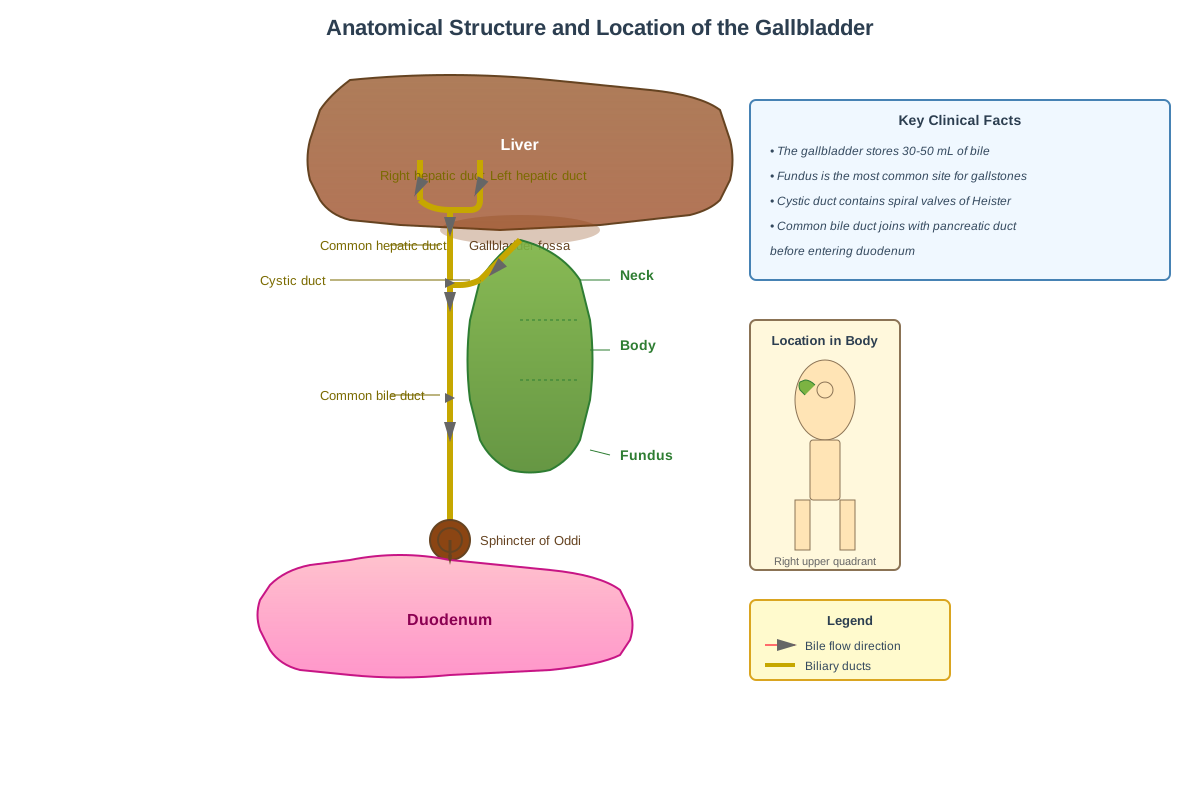
The gallbladder is a hollow, muscular organ approximately 7-10 cm in length, located on the inferior surface of the liver in the right upper quadrant of the abdomen. Its structure can be divided into four anatomical regions: the fundus (rounded, distal end), body (main storage area), infundibulum (tapered region), and neck (narrow portion connecting to the cystic duct). The gallbladder wall consists of three layers: an inner mucosa with a columnar epithelium specialized for water absorption, a middle muscular layer of smooth muscle, and an outer serosal layer.
The cystic duct connects the gallbladder to the common hepatic duct, forming the common bile duct (CBD), which ultimately empties into the duodenum at the ampulla of Vater (hepatopancreatic ampulla). The sphincter of Oddi, a smooth muscle sphincter surrounding the ampulla, regulates bile flow into the duodenum. This anatomical arrangement allows bile produced by the liver to either flow directly into the duodenum or be diverted into the gallbladder for storage and concentration.
Bile Composition and Function
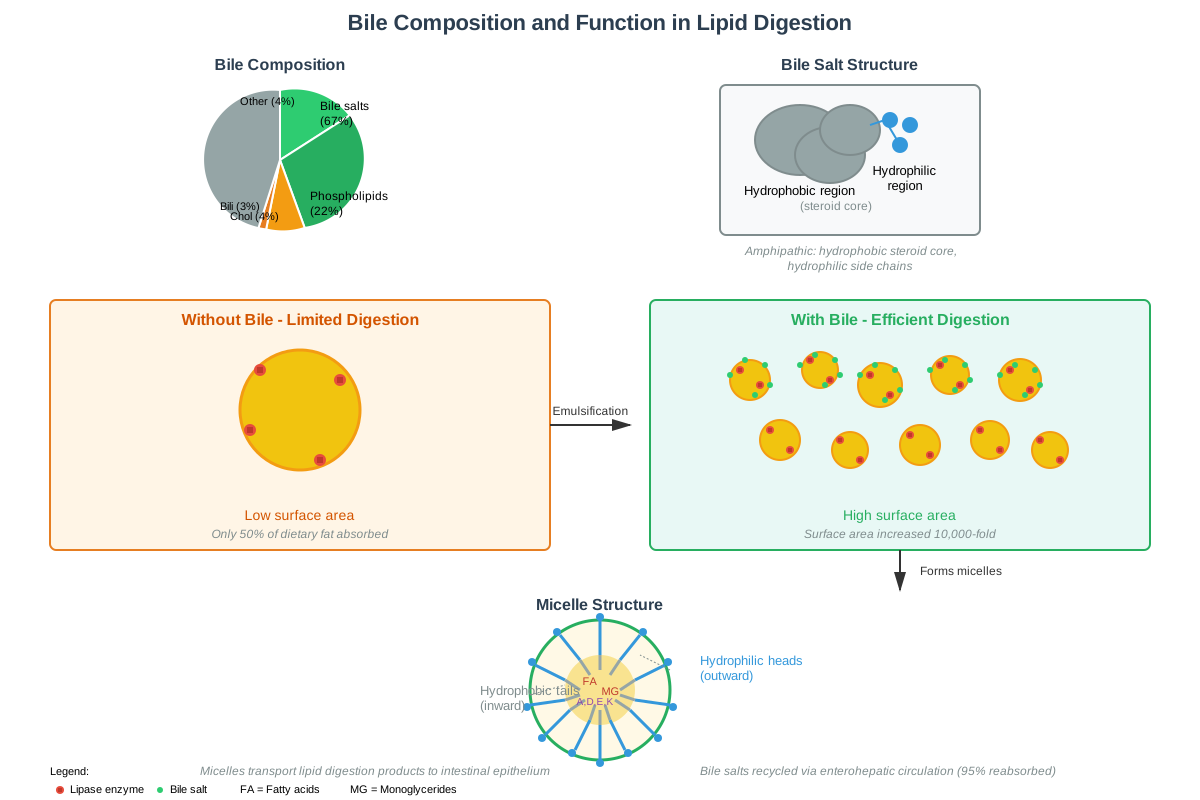
Bile is a yellow-green fluid produced continuously by hepatocytes (liver cells) at a rate of approximately 500-1000 mL per day. Bile contains water (97%), bile salts (bile acids conjugated to glycine or taurine), phospholipids (primarily lecithin), cholesterol, bilirubin (a breakdown product of hemoglobin), and electrolytes. The primary bile acids—cholic acid and chenodeoxycholic acid—are synthesized from cholesterol in the liver and conjugated to increase their solubility.
The gallbladder concentrates bile 5-20 fold by actively absorbing water and electrolytes across its epithelium, transforming hepatic bile into the more concentrated gallbladder bile. This concentration process increases the efficiency of bile storage and ensures that adequate amounts of bile salts are available when needed for digestion.
Bile salts serve as biological detergents that emulsify dietary fats, breaking large lipid droplets into smaller micelles with increased surface area. This emulsification is essential for pancreatic lipase to access and hydrolyze triglycerides into fatty acids and monoglycerides. Bile salts also form mixed micelles with the products of fat digestion, facilitating their transport to the intestinal epithelium for absorption. Without adequate bile salts, fat malabsorption occurs, leading to steatorrhea (fatty stools) and deficiencies in fat-soluble vitamins.
Regulation of Gallbladder Function
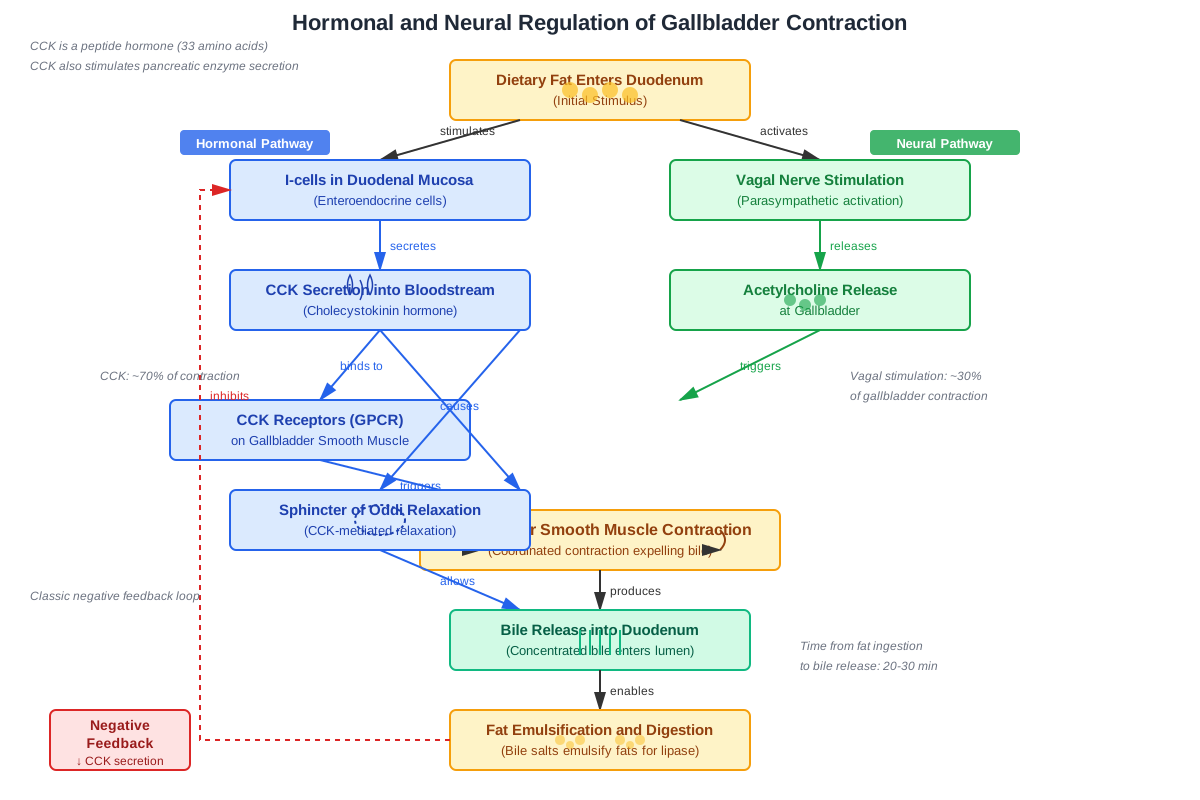
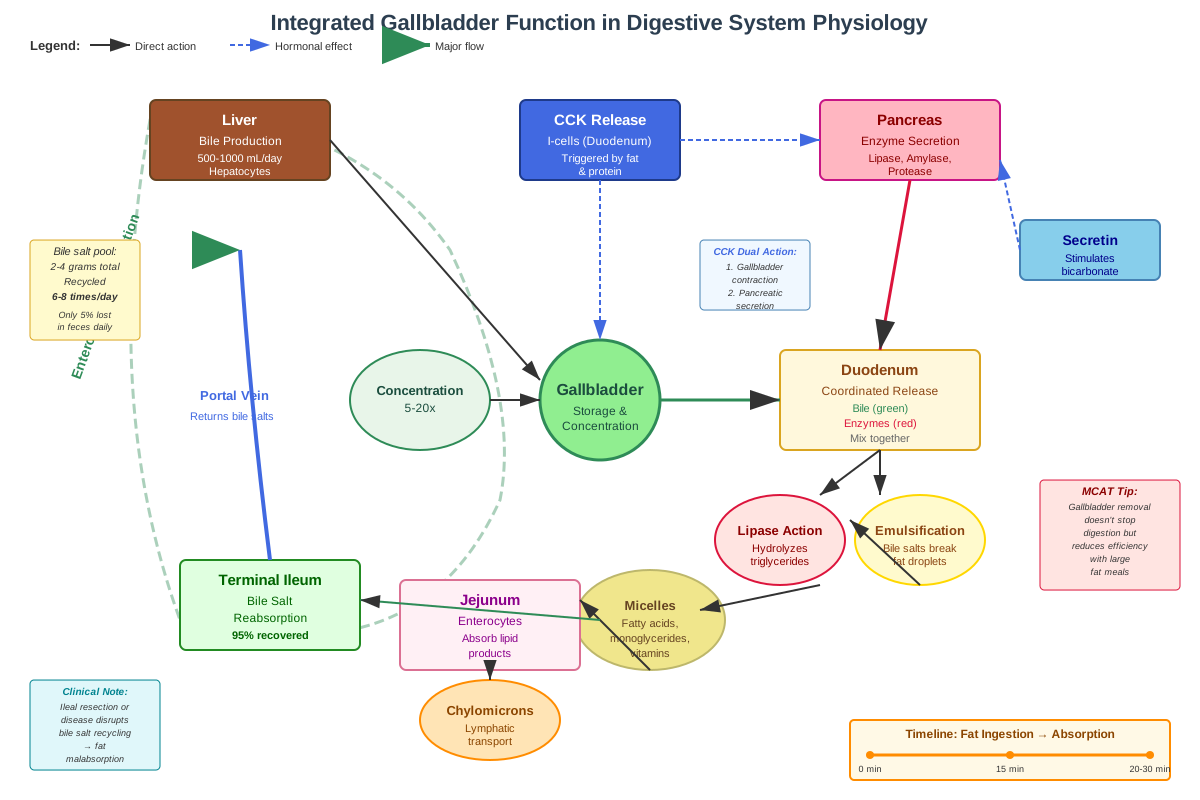
Gallbladder contraction and bile release are regulated by both hormonal and neural mechanisms, with cholecystokinin (CCK) serving as the primary hormonal regulator. CCK is a peptide hormone secreted by I cells (enteroendocrine cells) in the duodenal and jejunal mucosa in response to the presence of fats and proteins in the small intestinal lumen. CCK travels through the bloodstream and binds to CCK-A receptors on gallbladder smooth muscle cells, triggering contraction via a G-protein coupled receptor mechanism that increases intracellular calcium.
Simultaneously, CCK causes relaxation of the sphincter of Oddi, allowing bile to flow from the gallbladder through the common bile duct into the duodenum. This coordinated response ensures that bile is released precisely when dietary fats are present and require emulsification. The strength and duration of gallbladder contraction are proportional to the fat content of the meal, demonstrating elegant physiological feedback.
Vagal stimulation (parasympathetic nervous system) also promotes gallbladder contraction and bile release, particularly during the cephalic and gastric phases of digestion. The sight, smell, and taste of food, as well as gastric distension, trigger vagal efferent signals that prepare the digestive system for incoming nutrients. Conversely, sympathetic stimulation inhibits gallbladder contraction, consistent with the general principle that sympathetic activation diverts resources away from digestion during stress or physical activity.
Between meals, when the sphincter of Oddi is contracted, bile produced by the liver is diverted into the gallbladder for storage. This tonic contraction of the sphincter is maintained by baseline smooth muscle tone and is overcome by CCK-mediated relaxation during digestion.
Enterohepatic Circulation
Approximately 95% of bile salts are reabsorbed in the terminal ileum through active transport mechanisms and returned to the liver via the portal circulation—a process called enterohepatic circulation. This recycling system is highly efficient, allowing the body to maintain an adequate bile salt pool (approximately 2-4 grams) with minimal daily synthesis of new bile acids (approximately 0.5 grams to replace fecal losses).
The enterohepatic circulation involves several steps: (1) bile salts are secreted into the duodenum, (2) they participate in fat digestion and absorption in the small intestine, (3) they are actively reabsorbed by specialized transporters in the terminal ileum, (4) they enter the portal blood and return to the liver, and (5) hepatocytes extract them from portal blood and re-secrete them into bile. This cycle occurs 6-8 times daily.
Disruption of enterohepatic circulation—through ileal disease, surgical resection, or bile acid sequestrants—depletes the bile salt pool and can lead to fat malabsorption. The liver can increase bile acid synthesis to compensate, but this process requires several days to weeks, during which digestive function may be impaired.
Gallstone Formation (Cholelithiasis)
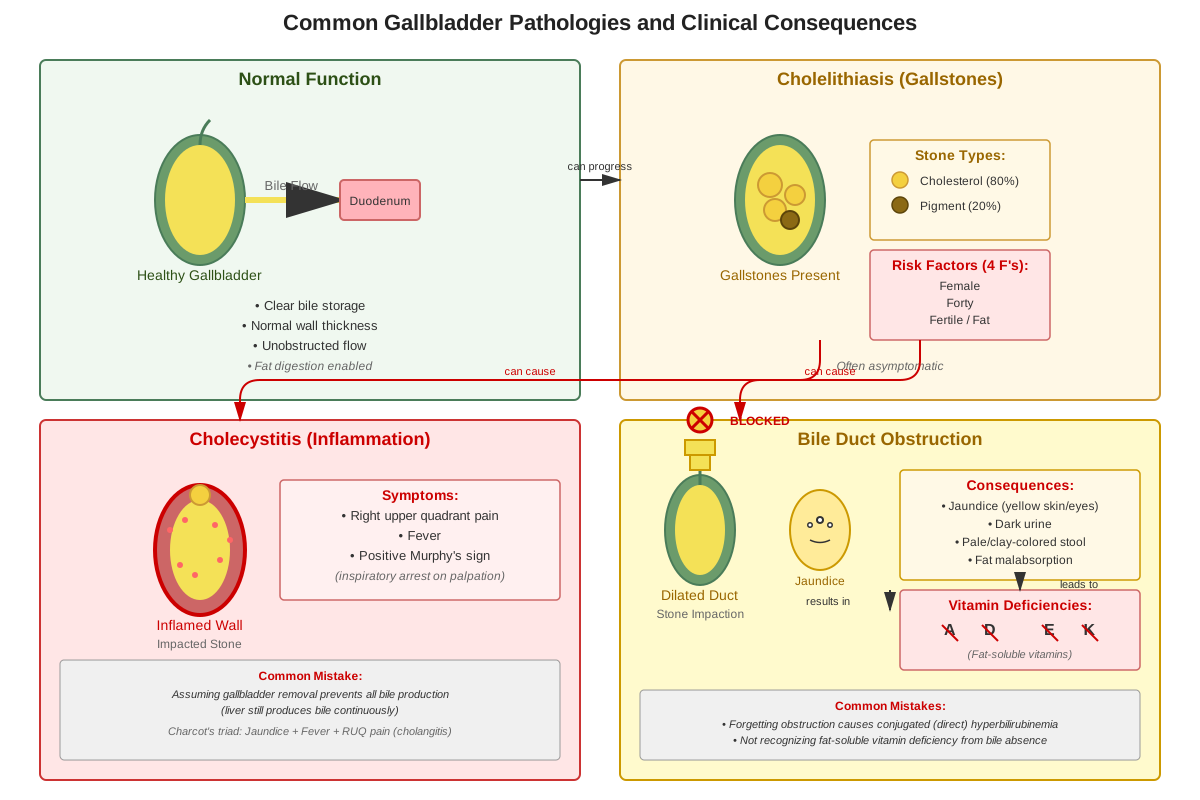
Gallstones form when bile components precipitate and crystallize within the gallbladder. The two main types are cholesterol stones (approximately 80% of cases in Western populations) and pigment stones (composed primarily of bilirubin). Cholesterol stones form when bile becomes supersaturated with cholesterol relative to bile salts and phospholipids, disrupting the normal solubilization of cholesterol in mixed micelles.
Risk factors for cholesterol gallstone formation can be remembered by the "4 Fs": Female, Forty, Fertile (multiparity), and Fat (obesity). Additional risk factors include rapid weight loss, certain medications, and genetic factors. Pigment stones are associated with hemolytic anemias (which increase bilirubin production) and biliary infections.
Gallstones may remain asymptomatic or cause complications including biliary colic (pain from gallbladder contraction against an obstructed cystic duct), cholecystitis (gallbladder inflammation), choledocholithiasis (stones in the common bile duct), and pancreatitis (if a stone obstructs the ampulla of Vater, blocking pancreatic duct drainage).
Clinical Consequences of Gallbladder Dysfunction
Understanding the consequences of gallbladder removal (cholecystectomy) or dysfunction is important for MCAT passages. After cholecystectomy, patients can still digest fats because bile continues to be produced by the liver and flows directly into the duodenum. However, the absence of gallbladder storage means that bile is released in a more continuous, less concentrated manner rather than in large boluses in response to meals.
Most patients adapt well to cholecystectomy, though some experience temporary diarrhea or difficulty digesting large fatty meals. The body compensates by slightly increasing the bile salt pool and adjusting the timing of bile secretion. This demonstrates the gallbladder's role as a storage and concentration organ rather than an essential organ for survival.
Obstruction of the common bile duct (by gallstones, tumors, or strictures) prevents bile from reaching the duodenum, resulting in several consequences: (1) obstructive jaundice (yellowing of skin and sclera due to bilirubin accumulation in blood), (2) clay-colored stools (absence of bilirubin-derived pigments in feces), (3) dark urine (conjugated bilirubin is water-soluble and excreted by kidneys), and (4) fat malabsorption with steatorrhea.
Concept Relationships
The gallbladder functions as an integral component of the hepatobiliary system, which includes the liver, bile ducts, and gallbladder working in concert to facilitate lipid digestion. Liver function → produces bile continuously → gallbladder stores and concentrates bile → CCK release (triggered by dietary fat) → gallbladder contraction and sphincter of Oddi relaxation → bile enters duodenum → bile salts emulsify fats → pancreatic lipase digests triglycerides → fatty acids and monoglycerides absorbed → bile salts reabsorbed in terminal ileum → enterohepatic circulation returns bile salts to liver.
This topic connects to lipid biochemistry through the role of bile in fat digestion and absorption, to endocrinology through CCK signaling, to cardiovascular physiology through portal circulation, and to hematology through bilirubin metabolism. Understanding gallbladder physiology reinforces concepts of negative feedback (bile salt synthesis is regulated by bile salt return to the liver), receptor-mediated signaling (CCK-A receptors), and organ system integration.
The gallbladder also relates to vitamin metabolism, as fat-soluble vitamins (A, D, E, K) require bile salts for absorption. Gallbladder or bile duct dysfunction can lead to deficiencies in these vitamins, with clinical consequences including night blindness (vitamin A), rickets or osteomalacia (vitamin D), neurological problems (vitamin E), and coagulopathy (vitamin K). This connection frequently appears in MCAT passages that integrate nutrition, biochemistry, and physiology.
Quick check — test yourself on Gallbladder so far.
Try Flashcards →High-Yield Facts
⭐ Cholecystokinin (CCK) is the primary hormone that stimulates gallbladder contraction and is released by I cells in the duodenum in response to fats and proteins.
⭐ Bile salts emulsify dietary fats, increasing surface area for pancreatic lipase action; they do not directly digest fats themselves.
⭐ The gallbladder concentrates bile 5-20 fold by absorbing water and electrolytes, making stored bile much more concentrated than hepatic bile.
⭐ Approximately 95% of bile salts are reabsorbed in the terminal ileum and recycled via enterohepatic circulation, making this system highly efficient.
⭐ Cholesterol gallstones form when bile becomes supersaturated with cholesterol relative to bile salts and phospholipids.
- The sphincter of Oddi controls bile flow into the duodenum and relaxes in response to CCK.
- Bile contains bile salts, phospholipids, cholesterol, bilirubin, and electrolytes but does NOT contain digestive enzymes.
- The cystic duct connects the gallbladder to the common hepatic duct, forming the common bile duct.
- Obstruction of the common bile duct causes obstructive jaundice, clay-colored stools, dark urine, and fat malabsorption.
- After cholecystectomy, patients can still digest fats because the liver continues to produce bile that flows directly into the duodenum.
- Vagal (parasympathetic) stimulation promotes gallbladder contraction, while sympathetic stimulation inhibits it.
- Fat-soluble vitamins (A, D, E, K) require bile salts for absorption; bile duct obstruction can cause deficiencies.
- The ampulla of Vater (hepatopancreatic ampulla) is where both the common bile duct and pancreatic duct empty into the duodenum.
- Bilirubin in bile is a breakdown product of hemoglobin from senescent red blood cells.
- Bile acid sequestrants (medications that bind bile acids in the intestine) disrupt enterohepatic circulation and lower cholesterol by forcing increased hepatic bile acid synthesis from cholesterol.
Common Misconceptions
Misconception: The gallbladder produces bile.
Correction: The gallbladder stores and concentrates bile but does NOT produce it. Bile is synthesized exclusively by hepatocytes in the liver. The gallbladder's role is to concentrate bile (by absorbing water) and release it in response to hormonal signals.
Misconception: Bile salts directly digest fats like enzymes do.
Correction: Bile salts are detergents that emulsify fats, breaking large droplets into smaller ones with increased surface area. The actual enzymatic digestion of triglycerides is performed by pancreatic lipase. Bile salts facilitate digestion by making fats accessible to lipase, not by catalyzing chemical reactions.
Misconception: People cannot digest fats after gallbladder removal.
Correction: After cholecystectomy, the liver continues to produce bile that flows directly into the duodenum. While the concentrated, bolus release of bile in response to meals is lost, continuous bile secretion allows most patients to digest fats adequately, though large fatty meals may be less well tolerated initially.
Misconception: CCK is produced by the gallbladder.
Correction: CCK is secreted by I cells (enteroendocrine cells) in the duodenal and jejunal mucosa, NOT by the gallbladder. The gallbladder is the target organ that responds to CCK by contracting, but it does not produce this hormone.
Misconception: All gallstones are made of cholesterol.
Correction: While approximately 80% of gallstones in Western populations are cholesterol stones, about 20% are pigment stones composed primarily of bilirubin. Pigment stones are more common in patients with hemolytic anemias or biliary infections. The composition affects treatment options and underlying risk factors.
Misconception: Bile duct obstruction causes unconjugated hyperbilirubinemia.
Correction: Bile duct obstruction causes conjugated (direct) hyperbilirubinemia because conjugated bilirubin cannot be excreted into the intestine and backs up into the blood. Conjugated bilirubin is water-soluble and appears in urine (causing dark urine), whereas unconjugated bilirubin is bound to albumin and does not appear in urine.
Worked Examples
Example 1: Hormonal Regulation of Digestion
Question: A patient consumes a meal high in fat. Which of the following sequences correctly describes the physiological response?
A) Gastrin release → gallbladder contraction → bile enters duodenum
B) Secretin release → sphincter of Oddi contraction → bile storage increases
C) CCK release → gallbladder contraction → sphincter of Oddi relaxation → bile enters duodenum
D) Insulin release → bile salt synthesis → fat absorption
Analysis: This question tests understanding of the hormonal regulation of gallbladder function and the appropriate physiological response to dietary fat.
Step 1: Identify the stimulus. A high-fat meal enters the duodenum, where it contacts the intestinal mucosa.
Step 2: Determine which hormone responds to fat. CCK is released by I cells in the duodenal mucosa specifically in response to fats and proteins (not carbohydrates).
Step 3: Identify CCK's effects. CCK causes two coordinated responses: (1) gallbladder smooth muscle contraction and (2) sphincter of Oddi relaxation. These must occur together to allow bile flow into the duodenum.
Step 4: Evaluate the options. Option A is incorrect because gastrin primarily stimulates gastric acid secretion, not gallbladder contraction. Option B is incorrect because secretin primarily stimulates pancreatic bicarbonate secretion and would not cause sphincter contraction. Option D is incorrect because insulin regulates glucose metabolism, not bile function.
Answer: C is correct. This sequence accurately describes the CCK-mediated response to dietary fat: CCK release → gallbladder contraction → sphincter of Oddi relaxation → bile enters duodenum to emulsify fats.
Connection to Learning Objectives: This example demonstrates application of gallbladder physiology to exam-style questions and reinforces the hormonal regulation of digestive processes.
Example 2: Clinical Vignette on Bile Duct Obstruction
Question: A 55-year-old woman presents with yellowing of the skin and eyes, dark urine, and clay-colored stools. Laboratory tests show elevated conjugated bilirubin and alkaline phosphatase. Imaging reveals a stone obstructing the common bile duct. Which of the following best explains her clay-colored stools?
A) Decreased hemoglobin breakdown reduces bilirubin production
B) Bilirubin cannot reach the intestine to be converted to stercobilin
C) Increased bile salt reabsorption depletes intestinal pigments
D) Malabsorption of fat-soluble vitamins alters stool color
Analysis: This question integrates gallbladder anatomy, bile composition, and bilirubin metabolism.
Step 1: Understand normal stool color. Brown stool color results from stercobilin, a pigment derived from bilirubin that reaches the intestine in bile. Bacteria in the colon convert bilirubin to urobilinogen, which is then oxidized to stercobilin.
Step 2: Identify the pathophysiology. The common bile duct obstruction prevents bile (containing conjugated bilirubin) from reaching the duodenum. Without bilirubin reaching the intestine, no stercobilin is produced.
Step 3: Explain the other findings. Conjugated bilirubin backs up into the bloodstream (causing jaundice and elevated serum levels) and is excreted by the kidneys (causing dark urine, since conjugated bilirubin is water-soluble). Alkaline phosphatase is elevated due to biliary obstruction.
Step 4: Evaluate the options. Option A is incorrect because hemoglobin breakdown continues normally; the problem is excretion, not production. Option C is incorrect because bile salt reabsorption occurs in the ileum and doesn't affect stool color. Option D is incorrect because vitamin malabsorption doesn't directly cause clay-colored stools.
Answer: B is correct. The obstruction prevents bilirubin from reaching the intestine, eliminating the substrate for stercobilin production and resulting in clay-colored (acholic) stools.
Connection to Learning Objectives: This example demonstrates application of gallbladder anatomy and bile physiology to clinical scenarios, a common MCAT question format. It also illustrates the importance of understanding the pathway of bilirubin from production to excretion.
Exam Strategy
When approaching MCAT questions about the gallbladder, first identify whether the question focuses on anatomy, hormonal regulation, bile composition, or clinical consequences. Trigger words to watch for include: "fatty meal" (think CCK), "emulsification" (think bile salts, not digestion), "fat-soluble vitamins" (think bile requirement for absorption), "jaundice" (think bilirubin and bile duct obstruction), and "terminal ileum" (think bile salt reabsorption and enterohepatic circulation).
For questions about hormonal regulation, remember that CCK is the primary hormone for gallbladder contraction and is released in response to fats and proteins. If a question describes a meal composition, identify the macronutrient content to predict hormonal responses. Be careful not to confuse CCK with other gastrointestinal hormones like gastrin (stimulates acid secretion) or secretin (stimulates bicarbonate secretion).
When analyzing clinical vignettes, use the pattern of symptoms to identify the underlying problem. The triad of jaundice, dark urine, and clay-colored stools strongly suggests bile duct obstruction. If fat malabsorption is mentioned (steatorrhea, vitamin deficiencies), consider whether bile is reaching the intestine. Process of elimination is particularly effective for these questions: eliminate options that confuse bile production (liver) with bile storage (gallbladder), or that incorrectly attribute enzymatic activity to bile salts.
For questions involving experimental data or graphs, pay attention to what is being measured (bile salt concentration, gallbladder volume, hormone levels) and the experimental manipulation (meal composition, hormone administration, surgical interventions). MCAT passages often present data showing gallbladder contraction in response to CCK or changes in bile composition under different conditions.
Time management tip: Gallbladder questions are typically straightforward if you know the core concepts. Don't overthink them. If you can identify the hormone (CCK), the function (storage and concentration), and the product (bile for fat emulsification), you can answer most questions within 60-90 seconds.
Memory Techniques
Mnemonic for CCK effects: "Contract Cholecyst (gallbladder), Kill (relax) sphincter" - CCK causes gallbladder contraction and sphincter of Oddi relaxation.
Mnemonic for bile components: "Bile Salts Phospholipids Cholesterol Bilirubin" (BSPCB) - the main organic components of bile.
Mnemonic for cholesterol gallstone risk factors: "4 Fs" - Female, Forty, Fertile (multiparity), Fat (obesity).
Mnemonic for obstructive jaundice triad: "Dark urine, Clay stools, Jaundice" (DCJ) - the classic presentation of common bile duct obstruction.
Visualization strategy: Picture the gallbladder as a "storage tank" that concentrates bile like evaporating water from juice concentrate. When fat arrives in the duodenum, CCK acts like a "squeeze signal" that contracts the gallbladder and opens the valve (sphincter of Oddi), releasing concentrated bile into the intestine.
Acronym for fat-soluble vitamins: "ADEK" (A, D, E, K) - these vitamins require bile salts for absorption and may be deficient in bile duct obstruction or gallbladder disease.
Conceptual anchor: Think of bile salts as "dish soap for fats" - they break up large grease droplets into smaller ones, just as dish soap emulsifies grease on dishes. This makes the fats accessible to lipase, just as soap makes grease accessible to water for rinsing.
Summary
The gallbladder is a storage organ that concentrates bile produced by the liver and releases it into the duodenum in response to dietary fat. Bile salts, the primary functional component of bile, emulsify fats to facilitate enzymatic digestion by pancreatic lipase and enable absorption of fatty acids and fat-soluble vitamins. The hormone cholecystokinin (CCK), released by duodenal I cells in response to fats and proteins, coordinates gallbladder contraction and sphincter of Oddi relaxation to deliver bile precisely when needed. Approximately 95% of bile salts are reabsorbed in the terminal ileum and recycled via enterohepatic circulation, making this system highly efficient. Gallbladder dysfunction or bile duct obstruction can cause fat malabsorption, vitamin deficiencies, and obstructive jaundice characterized by elevated conjugated bilirubin, dark urine, and clay-colored stools. Understanding gallbladder physiology requires integrating concepts from anatomy, endocrinology, biochemistry, and clinical medicine—skills essential for MCAT success.
Key Takeaways
- The gallbladder stores and concentrates bile (produced by the liver) but does not produce bile or digestive enzymes
- CCK is the primary hormone that stimulates gallbladder contraction and sphincter of Oddi relaxation in response to dietary fats and proteins
- Bile salts emulsify fats (increase surface area) but do not enzymatically digest them; pancreatic lipase performs the actual digestion
- Enterohepatic circulation recycles approximately 95% of bile salts from the terminal ileum back to the liver via portal blood
- Bile duct obstruction causes the triad of jaundice (elevated conjugated bilirubin), dark urine (water-soluble conjugated bilirubin excreted by kidneys), and clay-colored stools (no bilirubin reaching intestine to form stercobilin)
- Fat-soluble vitamins (A, D, E, K) require bile salts for absorption and may be deficient in gallbladder or bile duct disease
- Cholesterol gallstones form when bile becomes supersaturated with cholesterol relative to bile salts and phospholipids; risk factors include the "4 Fs" (Female, Forty, Fertile, Fat)
Related Topics
Liver Anatomy and Function: The liver produces bile continuously and performs numerous metabolic functions including bilirubin conjugation, protein synthesis, and detoxification. Mastering gallbladder physiology provides a foundation for understanding hepatic bile production and secretion.
Pancreatic Function: The pancreas secretes digestive enzymes (including lipase) and bicarbonate into the duodenum through the same ampulla as bile. Understanding the coordination between bile and pancreatic secretions is essential for comprehending integrated digestive physiology.
Lipid Digestion and Absorption: Bile salts enable the digestion and absorption of dietary fats, fat-soluble vitamins, and cholesterol. This topic builds directly on gallbladder physiology and connects to biochemistry and nutrition.
Bilirubin Metabolism: Understanding how bilirubin is produced from hemoglobin breakdown, conjugated in the liver, excreted in bile, and metabolized in the intestine provides context for interpreting jaundice and liver function tests.
Gastrointestinal Hormones: CCK is one of several hormones (including gastrin, secretin, and GIP) that regulate digestive processes. Comparing and contrasting these hormones reinforces understanding of integrated digestive physiology.
Practice CTA
Now that you've mastered the core concepts of gallbladder anatomy and physiology, it's time to reinforce your learning through active practice. Challenge yourself with MCAT-style practice questions that integrate gallbladder function with other organ systems, hormonal regulation, and clinical scenarios. Use flashcards to memorize high-yield facts like CCK's effects, bile composition, and the enterohepatic circulation pathway. The more you apply these concepts to varied question formats, the more confident and prepared you'll be on test day. Remember: understanding the "why" behind gallbladder physiology will serve you far better than memorizing isolated facts. You've got this—keep pushing forward!
Sign up free to keep reading
Create a free AnvayaPrep account to finish this MCAT guide on Gallbladder — plus flashcards and practice questions.