Overview
Gas exchange is the fundamental physiological process by which organisms acquire oxygen (O₂) from their environment and eliminate carbon dioxide (CO₂) produced during cellular respiration. In humans and other mammals, this process occurs primarily in the lungs at the alveolar-capillary interface, where oxygen diffuses from the air into the bloodstream while carbon dioxide moves in the opposite direction. Understanding gas exchange Biology requires mastery of diffusion principles, partial pressure gradients, respiratory anatomy, and the factors that optimize this critical exchange process.
For the MCAT, gas exchange MCAT questions frequently appear in both the Biological and Biochemical Foundations of Living Systems section and occasionally in passages involving exercise physiology, altitude adaptation, or respiratory pathology. This topic integrates concepts from general chemistry (partial pressures, Henry's Law), physics (diffusion, Fick's Law), and biology (membrane transport, circulatory system function). Questions may present clinical scenarios involving respiratory diseases, ask students to interpret oxygen-hemoglobin dissociation curves, or require calculations involving partial pressures and gas solubility.
The broader significance of gas exchange extends throughout Physiology and Organ Systems, connecting intimately with cardiovascular function, acid-base balance, metabolic regulation, and homeostasis. Mastery of this topic provides the foundation for understanding how the body maintains adequate tissue oxygenation, regulates blood pH through respiratory compensation, and responds to physiological challenges such as exercise, high altitude, or disease states. This knowledge is essential not only for MCAT success but also for understanding the integrated nature of human physiology that appears throughout medical education.
Learning Objectives
- [ ] Define gas exchange using accurate Biology terminology
- [ ] Explain why gas exchange matters for the MCAT
- [ ] Apply gas exchange to exam-style questions
- [ ] Identify common mistakes related to gas exchange
- [ ] Connect gas exchange to related Biology concepts
- [ ] Calculate partial pressures of gases in different compartments using Dalton's Law
- [ ] Analyze factors that affect the rate of gas diffusion across respiratory membranes
- [ ] Predict how changes in ventilation, perfusion, or hemoglobin affect oxygen delivery to tissues
- [ ] Interpret oxygen-hemoglobin dissociation curves under various physiological conditions
Prerequisites
- Diffusion and passive transport: Gas exchange relies entirely on passive diffusion down concentration (partial pressure) gradients without requiring cellular energy
- Partial pressure and Dalton's Law: Understanding that each gas in a mixture exerts its own pressure proportional to its concentration is fundamental to calculating driving forces for gas movement
- Basic respiratory anatomy: Knowledge of the trachea, bronchi, bronchioles, alveoli, and pulmonary circulation provides the structural context for where gas exchange occurs
- Hemoglobin structure and function: Since most oxygen transport occurs bound to hemoglobin rather than dissolved in plasma, understanding this protein's cooperative binding is essential
- Cellular respiration: Recognizing that tissues consume oxygen and produce carbon dioxide establishes why gas exchange must occur continuously
- Acid-base chemistry: Carbon dioxide's conversion to carbonic acid links gas exchange to blood pH regulation
Why This Topic Matters
Gas exchange represents one of the most clinically relevant topics in human physiology. Respiratory failure, chronic obstructive pulmonary disease (COPD), pneumonia, pulmonary embolism, and altitude sickness all involve impaired gas exchange. Understanding the principles of gas exchange allows medical professionals to interpret arterial blood gases, adjust mechanical ventilation settings, and recognize when supplemental oxygen is necessary. The topic also connects to cardiovascular physiology, as adequate gas exchange depends on proper matching of ventilation (airflow) with perfusion (blood flow).
On the MCAT, gas exchange appears in approximately 3-5% of Biological and Biochemical Foundations questions, making it a medium-yield topic that nonetheless appears consistently across test administrations. Questions typically fall into several categories: (1) passage-based questions presenting respiratory pathology or experimental manipulations of gas exchange, (2) discrete questions testing understanding of partial pressure gradients or factors affecting diffusion rate, (3) graph interpretation questions involving oxygen-hemoglobin dissociation curves, and (4) calculation questions requiring application of gas laws or Fick's Law of diffusion.
Common passage contexts include: exercise physiology studies examining oxygen consumption and carbon dioxide production; altitude adaptation research exploring physiological responses to reduced atmospheric pressure; clinical vignettes describing patients with respiratory or cardiovascular disease; and comparative physiology passages contrasting gas exchange mechanisms across different organisms. Recognizing these patterns helps students quickly identify the relevant principles being tested and apply their knowledge efficiently under timed conditions.
Core Concepts
Definition and Fundamental Principles
Gas exchange is the bidirectional diffusion of respiratory gases (oxygen and carbon dioxide) across a biological membrane separating two compartments with different gas concentrations. In humans, the primary site of gas exchange is the alveolar-capillary membrane in the lungs, where oxygen moves from alveolar air into pulmonary capillary blood while carbon dioxide moves from blood into alveolar air. This process occurs entirely through passive diffusion driven by partial pressure gradients—no active transport or cellular energy expenditure is required.
The driving force for gas movement is the difference in partial pressure (P) between compartments. According to Dalton's Law of Partial Pressures, each gas in a mixture exerts a pressure proportional to its fractional concentration. At sea level, atmospheric pressure is approximately 760 mmHg, and since oxygen comprises about 21% of air, the partial pressure of oxygen (PO₂) in dry atmospheric air is approximately 160 mmHg (0.21 × 760 mmHg). However, inspired air becomes humidified in the respiratory tract, reducing the effective PO₂ to about 150 mmHg by the time it reaches the alveoli.
Fick's Law of Diffusion
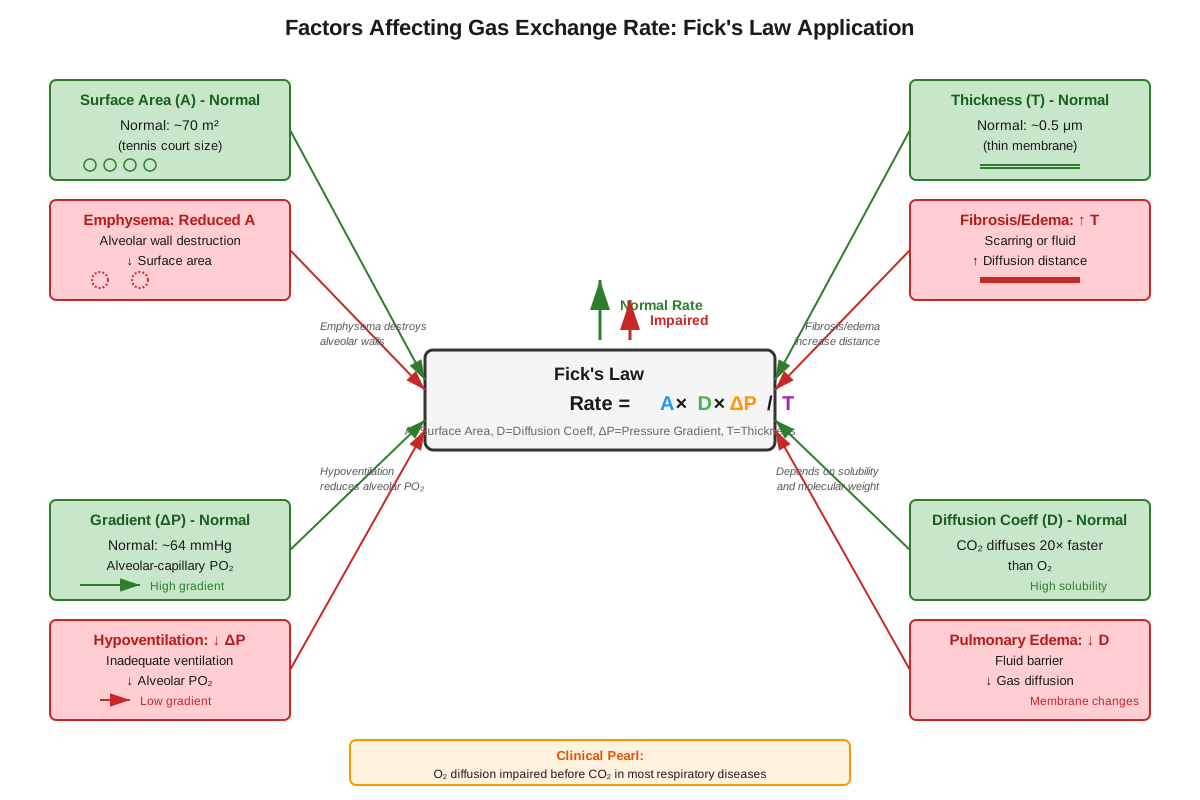
The rate of gas diffusion across the respiratory membrane is governed by Fick's Law, which states:
Rate of diffusion = (A × D × ΔP) / TWhere:
- A = surface area available for diffusion
- D = diffusion coefficient (solubility/√molecular weight)
- ΔP = partial pressure gradient
- T = thickness of the membrane
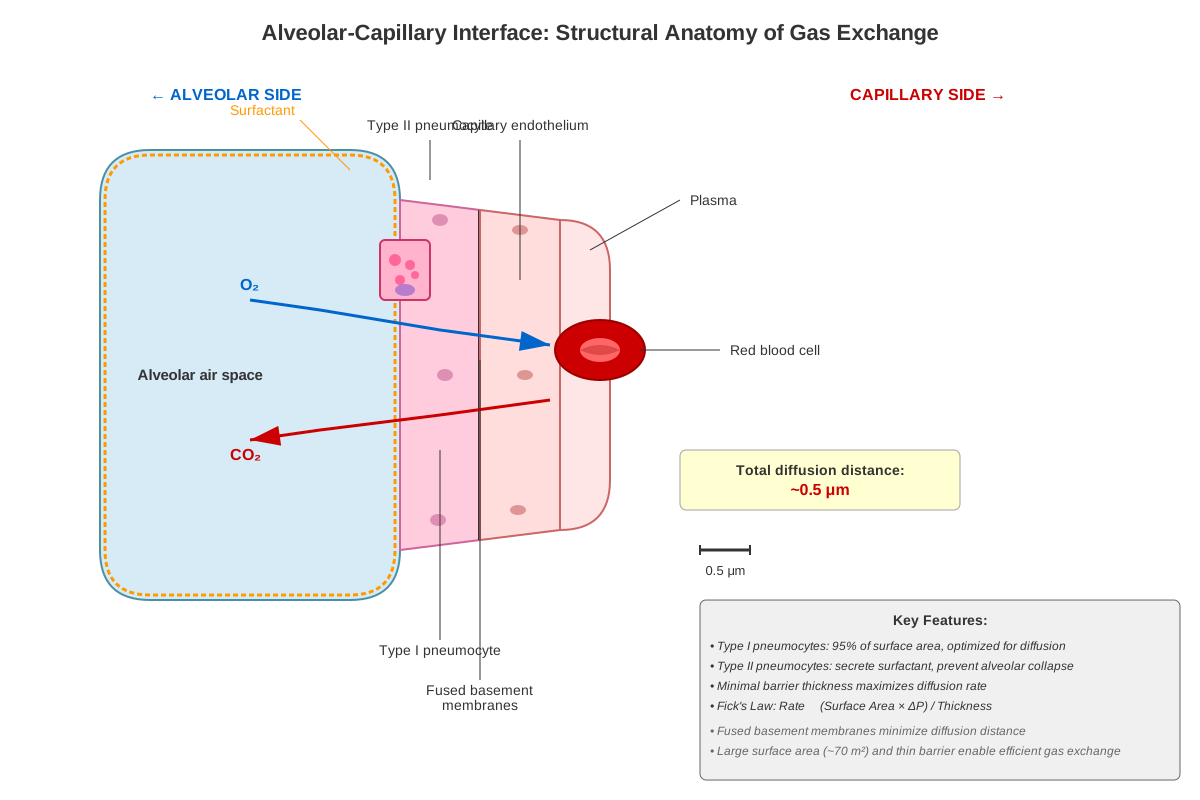
This relationship reveals the key factors that optimize gas exchange in healthy lungs and explains why certain pathological conditions impair it. The lungs maximize surface area through approximately 300 million alveoli, providing roughly 70 m² of gas exchange surface. The alveolar-capillary membrane is extremely thin (0.5 micrometers), minimizing diffusion distance. The large partial pressure gradients between alveolar air and venous blood ensure rapid diffusion.
Partial Pressure Gradients in Gas Exchange
Understanding the specific partial pressures in different compartments is essential for MCAT questions:
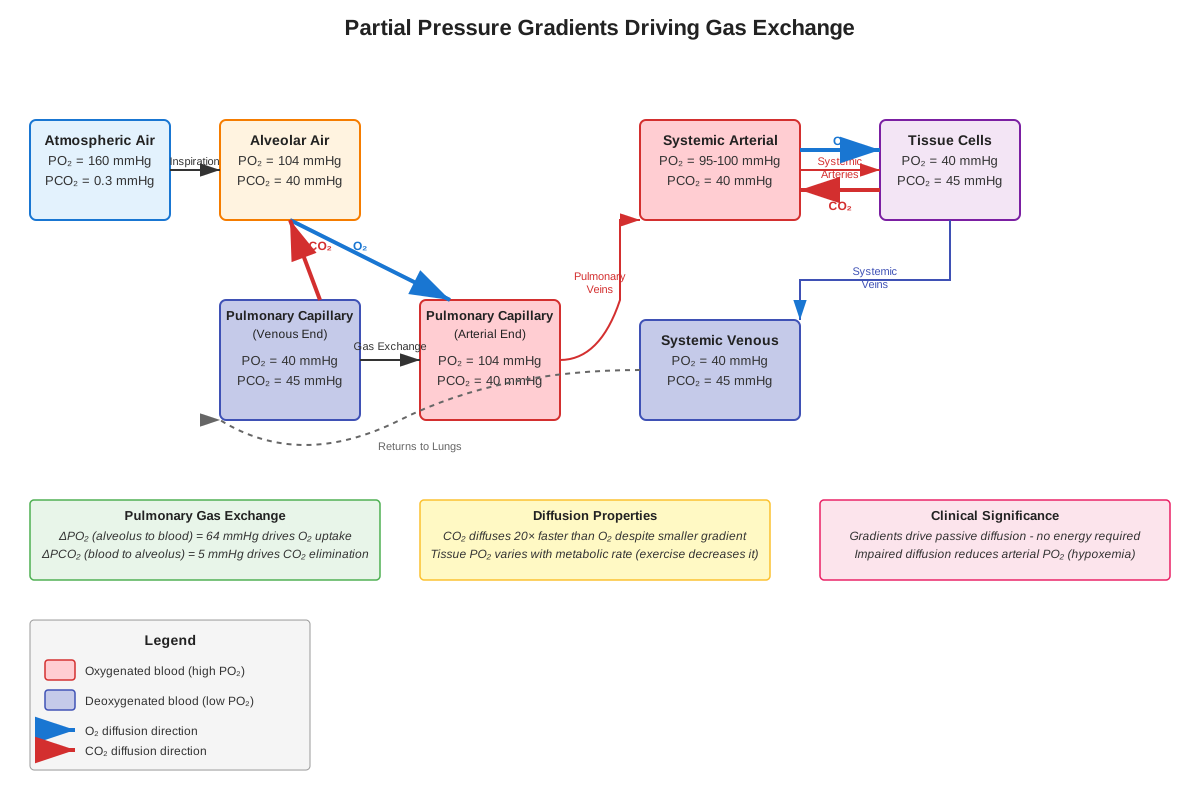
| Location | PO₂ (mmHg) | PCO₂ (mmHg) |
|---|---|---|
| Atmospheric air (dry) | 160 | 0.3 |
| Alveolar air | 100 | 40 |
| Deoxygenated blood (entering lungs) | 40 | 46 |
| Oxygenated blood (leaving lungs) | 100 | 40 |
| Systemic arterial blood | 95 | 40 |
| Tissue/cells | <40 | >46 |
| Systemic venous blood | 40 | 46 |
At the pulmonary gas exchange interface, oxygen diffuses from alveoli (PO₂ = 100 mmHg) into deoxygenated blood (PO₂ = 40 mmHg), creating a gradient of 60 mmHg. Simultaneously, carbon dioxide diffuses from blood (PCO₂ = 46 mmHg) into alveoli (PCO₂ = 40 mmHg), driven by a smaller gradient of only 6 mmHg. Despite the smaller gradient, CO₂ diffuses adequately because it is approximately 20 times more soluble in biological membranes than O₂, giving it a much higher diffusion coefficient.
At the tissue level, oxygen diffuses from arterial blood (PO₂ = 95 mmHg) into metabolically active cells (PO₂ < 40 mmHg), while carbon dioxide produced by cellular respiration diffuses from tissues (PCO₂ > 46 mmHg) into venous blood (PCO₂ = 46 mmHg). The exact tissue PO₂ varies depending on metabolic rate—highly active tissues like exercising muscle have much lower PO₂ values, creating steeper gradients that enhance oxygen delivery.
Structural Adaptations for Efficient Gas Exchange
The respiratory membrane consists of several layers that gases must traverse:
- Alveolar epithelium (type I pneumocytes)
- Basement membrane of alveolar epithelium
- Interstitial space (minimal in healthy lungs)
- Basement membrane of capillary endothelium
- Capillary endothelium
Despite these multiple layers, the total thickness is only about 0.5 micrometers in healthy lungs. Type II pneumocytes produce surfactant, a phospholipid mixture that reduces surface tension in alveoli, preventing collapse and maintaining the large surface area necessary for efficient gas exchange. Without surfactant, smaller alveoli would collapse into larger ones according to the Law of Laplace, dramatically reducing surface area.
The pulmonary capillaries are uniquely adapted for gas exchange. Each capillary is barely wider than a red blood cell, forcing erythrocytes to pass through in single file and maximizing their contact time with the alveolar membrane. Blood typically spends about 0.75 seconds in the pulmonary capillaries at rest, which is sufficient for complete equilibration of oxygen and carbon dioxide. Even during intense exercise, when cardiac output increases and transit time decreases to about 0.25 seconds, equilibration still occurs in healthy individuals.
Ventilation-Perfusion Matching
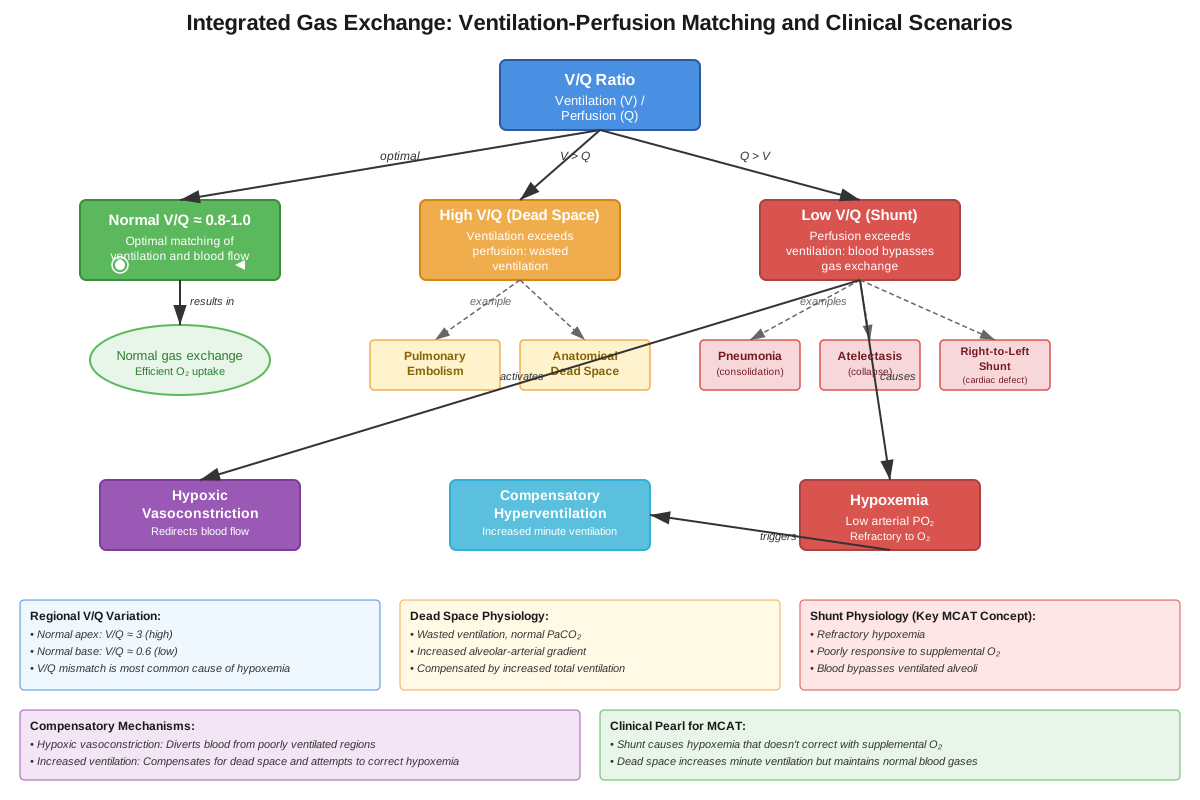
Efficient gas exchange requires proper matching of ventilation (airflow to alveoli) with perfusion (blood flow through pulmonary capillaries). The ventilation-perfusion ratio (V/Q ratio) describes this relationship. In an ideal lung, V/Q = 1.0, meaning ventilation and perfusion are perfectly matched. However, even in healthy lungs, V/Q ratios vary by region due to gravity's effects.
In upright individuals, the lung bases receive more blood flow (higher perfusion) because gravity increases hydrostatic pressure in lower regions. However, ventilation is also greater at the bases due to greater compliance of lower lung regions. The net effect is that V/Q ratios are lower at the bases (approximately 0.6) and higher at the apices (approximately 3.0), with an overall average of about 0.8.
V/Q mismatch impairs gas exchange:
- High V/Q (>1): Ventilation exceeds perfusion (dead space). Alveoli are well-ventilated but poorly perfused, wasting ventilation effort. Extreme example: pulmonary embolism blocking blood flow.
- Low V/Q (<1): Perfusion exceeds ventilation (shunt). Blood passes through poorly ventilated regions without adequate oxygenation. Extreme example: pneumonia filling alveoli with fluid.
The body compensates for V/Q mismatch through local regulatory mechanisms. Hypoxic pulmonary vasoconstriction redirects blood away from poorly ventilated regions by constricting arterioles in areas with low alveolar PO₂. Conversely, bronchioles dilate in response to increased PCO₂, directing more airflow to well-perfused regions.
Oxygen Transport in Blood
While gas exchange occurs by diffusion, understanding oxygen transport is essential for interpreting how effectively gas exchange serves tissue needs. Oxygen exists in blood in two forms:
- Dissolved oxygen (1.5%): Follows Henry's Law, with concentration proportional to PO₂. Contributes minimally to total oxygen content but determines PO₂, which drives diffusion.
- Hemoglobin-bound oxygen (98.5%): Each hemoglobin molecule can bind four oxygen molecules. At normal arterial PO₂ (95 mmHg), hemoglobin is approximately 97% saturated.
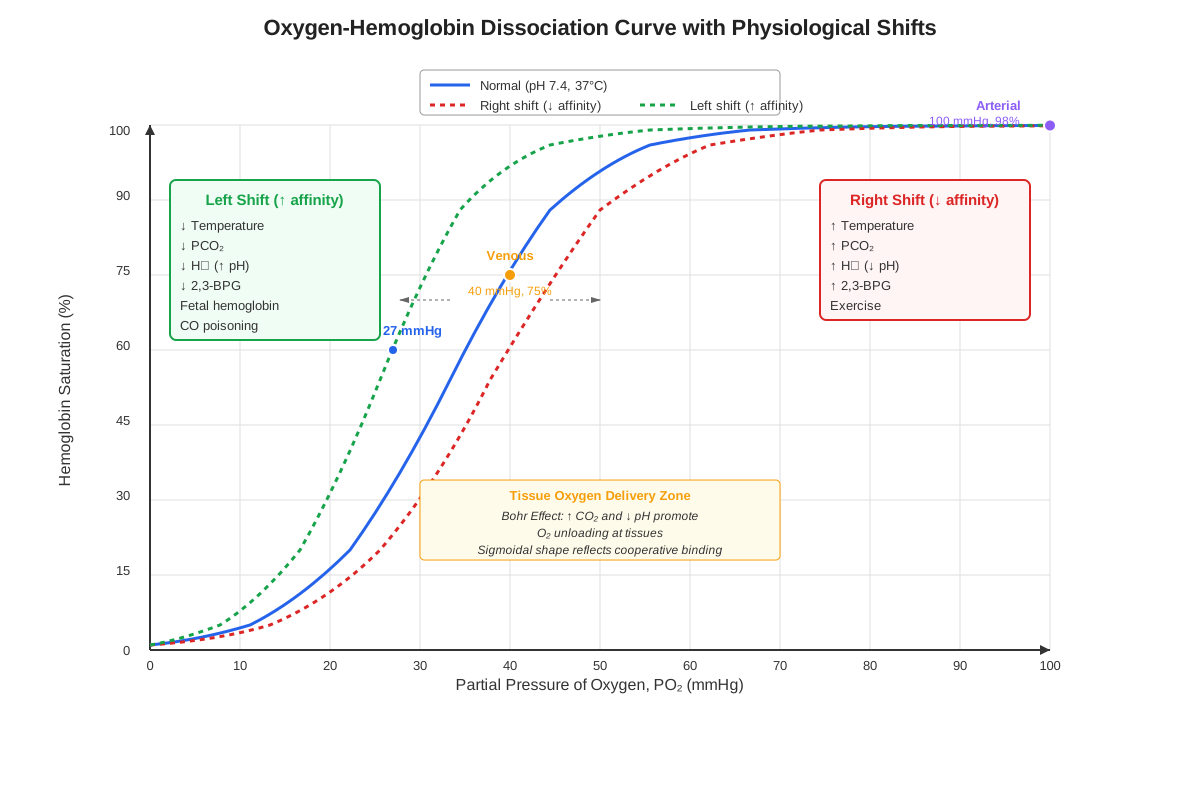
The oxygen-hemoglobin dissociation curve is a sigmoid (S-shaped) curve reflecting hemoglobin's cooperative binding. As the first oxygen binds, conformational changes make subsequent binding easier, creating the steep middle portion of the curve. This shape has important physiological implications:
- Plateau region (PO₂ > 60 mmHg): Hemoglobin remains highly saturated even if PO₂ drops moderately, providing a safety margin at altitude or in mild lung disease.
- Steep region (PO₂ 20-60 mmHg): Small decreases in PO₂ cause large amounts of oxygen release, facilitating oxygen delivery to tissues.
Factors Affecting Oxygen-Hemoglobin Binding
The oxygen-hemoglobin dissociation curve shifts in response to physiological conditions:
Right shift (decreased oxygen affinity, enhanced oxygen unloading at tissues):
- Increased temperature (fever, exercising muscle)
- Decreased pH (acidosis, Bohr effect)
- Increased PCO₂ (Bohr effect)
- Increased 2,3-BPG (chronic hypoxia, altitude adaptation)
Left shift (increased oxygen affinity, impaired oxygen unloading):
- Decreased temperature (hypothermia)
- Increased pH (alkalosis)
- Decreased PCO₂
- Decreased 2,3-BPG
- Fetal hemoglobin (higher oxygen affinity than adult hemoglobin)
- Carbon monoxide binding (also reduces total oxygen-carrying capacity)
The Bohr effect is particularly important for MCAT questions. In metabolically active tissues, increased CO₂ production and lactic acid formation decrease local pH, shifting the curve rightward and promoting oxygen release exactly where it's needed. Conversely, in the lungs where CO₂ is eliminated and pH rises slightly, the leftward shift facilitates oxygen loading.
Carbon Dioxide Transport
Carbon dioxide is transported in blood through three mechanisms:
- Dissolved CO₂ (7%): Like oxygen, some CO₂ dissolves directly in plasma. However, CO₂ is much more soluble than O₂.
- Carbaminohemoglobin (23%): CO₂ binds directly to amino groups on hemoglobin (different binding sites than oxygen). Deoxygenated hemoglobin binds CO₂ more readily than oxygenated hemoglobin (Haldane effect).
- Bicarbonate ion (70%): The majority of CO₂ is converted to bicarbonate through the following reaction:
CO₂ + H₂O ⇌ H₂CO₃ ⇌ H⁺ + HCO₃⁻This reaction occurs slowly in plasma but rapidly inside red blood cells due to the enzyme carbonic anhydrase. The bicarbonate ions are then transported out of red blood cells in exchange for chloride ions (chloride shift or Hamburger phenomenon), while hydrogen ions are buffered by hemoglobin.
In the lungs, these processes reverse: bicarbonate re-enters red blood cells, combines with hydrogen ions to form carbonic acid, which dissociates into CO₂ and water. The CO₂ then diffuses into alveoli for exhalation.
Concept Relationships
Gas exchange integrates multiple physiological systems and concepts in a hierarchical and interdependent manner. At the foundation, diffusion principles and partial pressure gradients determine the direction and rate of gas movement. These physical principles are optimized by anatomical adaptations (thin membranes, large surface area, extensive capillary networks) that maximize the parameters in Fick's Law.
Ventilation (breathing mechanics) → maintains alveolar gas composition → establishes partial pressure gradients → drives gas diffusion across the respiratory membrane. Simultaneously, perfusion (cardiac output and pulmonary blood flow) → delivers deoxygenated blood and removes oxygenated blood → maintains blood gas gradients → sustains continuous diffusion. The integration of ventilation and perfusion through V/Q matching ensures efficient gas exchange across all lung regions.
Hemoglobin serves as the critical link between pulmonary gas exchange and tissue oxygen delivery. The oxygen-hemoglobin dissociation curve translates partial pressures into oxygen content, while the Bohr effect and Haldane effect couple oxygen and carbon dioxide transport, ensuring that oxygen delivery and CO₂ removal are enhanced in metabolically active tissues.
Gas exchange connects to acid-base balance through the bicarbonate buffer system. Changes in ventilation alter CO₂ elimination, providing respiratory compensation for metabolic acid-base disturbances. This links gas exchange to renal physiology (metabolic compensation) and cellular metabolism (acid production).
The topic also connects to cardiovascular physiology through the requirement for adequate cardiac output to maintain perfusion, nervous system control through chemoreceptors that regulate ventilation rate, and endocrine function through hormones like erythropoietin that increase oxygen-carrying capacity in response to chronic hypoxia.
Quick check — test yourself on Gas exchange so far.
Try Flashcards →High-Yield Facts
⭐ Gas exchange occurs entirely by passive diffusion down partial pressure gradients; no active transport is involved.
⭐ The rate of diffusion is directly proportional to surface area, diffusion coefficient, and partial pressure gradient, and inversely proportional to membrane thickness (Fick's Law).
⭐ Normal alveolar PO₂ is approximately 100 mmHg and PCO₂ is 40 mmHg; deoxygenated blood entering the lungs has PO₂ of 40 mmHg and PCO₂ of 46 mmHg.
⭐ CO₂ diffuses adequately despite a smaller partial pressure gradient (6 mmHg vs. 60 mmHg for O₂) because it is approximately 20 times more soluble in biological membranes.
⭐ The oxygen-hemoglobin dissociation curve shifts right (decreased affinity, enhanced unloading) with increased temperature, decreased pH, increased PCO₂, and increased 2,3-BPG.
- Surfactant produced by type II pneumocytes reduces surface tension, preventing alveolar collapse and maintaining surface area for gas exchange.
- The ventilation-perfusion ratio (V/Q) averages 0.8 in healthy lungs; V/Q mismatch impairs gas exchange efficiency.
- Hypoxic pulmonary vasoconstriction redirects blood flow away from poorly ventilated lung regions, partially compensating for V/Q mismatch.
- The Bohr effect describes how decreased pH and increased PCO₂ in tissues promote oxygen unloading from hemoglobin.
- The Haldane effect describes how deoxygenated hemoglobin binds CO₂ more readily than oxygenated hemoglobin, facilitating CO₂ loading in tissues.
- Approximately 70% of CO₂ is transported as bicarbonate ions, 23% as carbaminohemoglobin, and 7% dissolved in plasma.
- Carbon monoxide has approximately 200 times greater affinity for hemoglobin than oxygen, causing both reduced oxygen-carrying capacity and a left shift of the dissociation curve.
- Fetal hemoglobin has higher oxygen affinity than maternal hemoglobin, facilitating oxygen transfer across the placenta.
- At high altitude, decreased atmospheric pressure reduces alveolar PO₂, stimulating increased ventilation and erythropoietin production.
- The chloride shift (Hamburger phenomenon) involves exchange of bicarbonate and chloride ions across red blood cell membranes to maintain electrical neutrality during CO₂ transport.
Common Misconceptions
Misconception: Gas exchange requires energy expenditure by cells.
Correction: Gas exchange occurs entirely through passive diffusion down partial pressure gradients. While breathing (ventilation) requires muscular work, the actual movement of gases across membranes is passive and requires no cellular ATP expenditure.
Misconception: Oxygen and carbon dioxide compete for the same binding sites on hemoglobin.
Correction: Oxygen binds to the iron atoms in heme groups, while carbon dioxide binds to amino groups on the globin protein chains. These are distinct binding sites. However, the binding of one gas does affect the affinity for the other (Bohr and Haldane effects) through conformational changes.
Misconception: Most oxygen in blood is dissolved in plasma.
Correction: Only about 1.5% of oxygen is dissolved in plasma; approximately 98.5% is bound to hemoglobin. However, the dissolved oxygen determines the PO₂, which drives diffusion and determines hemoglobin saturation.
Misconception: A right shift of the oxygen-hemoglobin dissociation curve is always pathological.
Correction: Right shifts are often adaptive responses that enhance oxygen delivery to tissues. For example, exercising muscle produces heat, CO₂, and lactic acid, all of which shift the curve rightward, facilitating oxygen unloading exactly where metabolic demand is highest.
Misconception: Carbon dioxide diffuses more slowly than oxygen because it has a larger molecular weight.
Correction: Although CO₂ has a larger molecular weight (44 vs. 32 for O₂), it diffuses more rapidly across biological membranes because it is much more soluble in lipids. The diffusion coefficient depends on solubility/√molecular weight, and CO₂'s high solubility more than compensates for its larger size.
Misconception: Ventilation and perfusion are always perfectly matched throughout the lungs.
Correction: Even in healthy lungs, V/Q ratios vary by region due to gravitational effects. The lung bases have lower V/Q ratios (approximately 0.6) while apices have higher ratios (approximately 3.0). The body compensates through local regulatory mechanisms like hypoxic pulmonary vasoconstriction.
Misconception: Hemoglobin saturation and PO₂ are directly proportional.
Correction: The oxygen-hemoglobin dissociation curve is sigmoid (S-shaped), not linear, due to cooperative binding. This means that in the plateau region (PO₂ > 60 mmHg), large changes in PO₂ cause small changes in saturation, while in the steep region (PO₂ 20-60 mmHg), small changes in PO₂ cause large changes in saturation.
Misconception: Increasing alveolar surface area is the only way to improve gas exchange.
Correction: According to Fick's Law, gas exchange can be improved by increasing surface area, increasing the partial pressure gradient, decreasing membrane thickness, or increasing the diffusion coefficient (which depends on gas solubility). Therapeutic interventions may target any of these parameters.
Worked Examples
Example 1: Calculating Partial Pressures and Predicting Diffusion
Question: A patient is breathing air with the following composition at sea level (760 mmHg total pressure): 18% O₂, 3% CO₂, 79% N₂. After humidification in the respiratory tract (water vapor pressure = 47 mmHg), what are the partial pressures of O₂ and CO₂ in the inspired air? If alveolar PO₂ is 100 mmHg and PCO₂ is 40 mmHg, in which direction will each gas diffuse?
Solution:
Step 1: Calculate the pressure of dry gases after accounting for water vapor.
- Total pressure = 760 mmHg
- Water vapor pressure = 47 mmHg
- Pressure of dry gases = 760 - 47 = 713 mmHg
Step 2: Apply Dalton's Law to find partial pressures.
- PO₂ = 0.18 × 713 = 128.3 mmHg
- PCO₂ = 0.03 × 713 = 21.4 mmHg
Step 3: Compare inspired gas partial pressures to alveolar partial pressures.
- For O₂: Inspired PO₂ (128.3 mmHg) > Alveolar PO₂ (100 mmHg)
- Oxygen will diffuse from inspired air into alveoli
- For CO₂: Inspired PCO₂ (21.4 mmHg) < Alveolar PCO₂ (40 mmHg)
- Carbon dioxide will diffuse from alveoli into inspired air (will be exhaled)
Key Concept: This example demonstrates application of Dalton's Law and the principle that gases diffuse down their partial pressure gradients. The unusual inspired gas composition (3% CO₂) would actually cause CO₂ to diffuse from alveoli into inspired air, but less efficiently than normal because the gradient is reduced (40 - 21.4 = 18.6 mmHg instead of the normal 40 mmHg).
Example 2: Interpreting Oxygen-Hemoglobin Dissociation Curve Shifts
Question: A researcher measures oxygen-hemoglobin saturation curves for blood samples under three conditions:
- Sample A: pH 7.4, temperature 37°C, normal 2,3-BPG
- Sample B: pH 7.2, temperature 37°C, normal 2,3-BPG
- Sample C: pH 7.4, temperature 39°C, normal 2,3-BPG
At a PO₂ of 30 mmHg (typical of metabolically active tissue), rank the samples from highest to lowest hemoglobin saturation. Explain the physiological significance.
Solution:
Step 1: Identify the factors affecting each sample.
- Sample A: Normal conditions (baseline)
- Sample B: Decreased pH (acidosis) → right shift
- Sample C: Increased temperature → right shift
Step 2: Understand what a right shift means.
- Right shift = decreased oxygen affinity = lower saturation at any given PO₂
- Right shift = enhanced oxygen unloading to tissues
Step 3: Rank the samples at PO₂ = 30 mmHg.
- Sample A (normal): Intermediate saturation
- Sample B (low pH): Right shift → lowest saturation (most oxygen released)
- Sample C (high temp): Right shift → low saturation (more oxygen released than A, but effect is less pronounced than pH change)
Ranking from highest to lowest saturation: A > C > B
Step 4: Explain physiological significance.
Both decreased pH and increased temperature occur in metabolically active tissues (e.g., exercising muscle). These tissues produce CO₂ and lactic acid (decreasing pH) and generate heat. The right shifts caused by these conditions are adaptive—they enhance oxygen unloading precisely where oxygen demand is highest. This is an example of the Bohr effect (pH and CO₂ effects on oxygen binding).
Key Concept: This example demonstrates understanding of factors that shift the oxygen-hemoglobin dissociation curve and the ability to predict their effects on oxygen delivery. MCAT questions often present graphs or data tables requiring interpretation of these shifts in physiological or pathological contexts.
Exam Strategy
When approaching MCAT questions on gas exchange, begin by identifying the specific aspect being tested: partial pressure gradients, factors affecting diffusion rate (Fick's Law), V/Q relationships, oxygen-hemoglobin binding, or CO₂ transport mechanisms. Many questions provide clinical vignettes or experimental scenarios—extract the key variables that affect gas exchange before attempting to answer.
Trigger words and phrases to recognize:
- "Partial pressure gradient" → Think about direction and driving force for diffusion
- "Diffusion rate" or "efficiency of gas exchange" → Consider Fick's Law parameters (surface area, thickness, diffusion coefficient, gradient)
- "Oxygen saturation" or "hemoglobin saturation" → Visualize the oxygen-hemoglobin dissociation curve
- "Shift to the right/left" → Identify factors affecting oxygen-hemoglobin affinity
- "Ventilation-perfusion" or "V/Q ratio" → Consider matching of airflow and blood flow
- "Alveolar" vs. "arterial" → Recognize these should be nearly equal in healthy lungs
- "Exercise," "altitude," "fever" → Think about physiological adaptations in gas exchange
Process-of-elimination strategies:
- Eliminate answer choices that violate the passive nature of gas exchange (any option suggesting active transport is wrong)
- Eliminate options that reverse the direction of partial pressure gradients (O₂ always moves from high to low PO₂)
- For oxygen-hemoglobin curve questions, eliminate shifts in the wrong direction (remember: right shift = decreased affinity = enhanced unloading)
- For V/Q questions, eliminate options that would worsen rather than improve gas exchange efficiency
Time allocation: Most gas exchange questions can be answered in 60-90 seconds. Discrete questions testing basic concepts (partial pressures, direction of diffusion) should take 30-45 seconds. Passage-based questions requiring integration of multiple concepts or graph interpretation may take 90-120 seconds. If a question requires complex calculations, ensure you're not overthinking—MCAT calculations are typically straightforward applications of given formulas.
Common question formats:
- Calculation questions: Apply Dalton's Law or Fick's Law with provided values
- Graph interpretation: Analyze oxygen-hemoglobin dissociation curves or V/Q relationships
- Cause-and-effect: Predict how a change in one variable affects gas exchange
- Comparison questions: Contrast gas exchange under different conditions (rest vs. exercise, sea level vs. altitude)
- Clinical application: Interpret how disease states impair gas exchange
Exam Tip: When a question asks about factors that "improve" or "impair" gas exchange, systematically consider all parameters in Fick's Law: surface area, membrane thickness, partial pressure gradient, and diffusion coefficient. The correct answer will affect at least one of these parameters.
Memory Techniques
Mnemonic for factors causing RIGHT shift of oxygen-hemoglobin curve (decreased affinity, enhanced unloading):
"CADET, face RIGHT!"
- CO₂ increased
- Acid increased (decreased pH)
- DPG (2,3-BPG) increased
- Exercise
- Temperature increased
Mnemonic for Fick's Law parameters:
"SAD T" determines diffusion rate
- Surface area (directly proportional)
- Area coefficient (diffusion coefficient, directly proportional)
- Difference in partial pressure (directly proportional)
- Thickness (inversely proportional)
Visualization for V/Q relationships:
Picture a lung divided into three zones:
- Top (apex): Imagine a well-ventilated room with few people → High V/Q (lots of air, little blood)
- Middle: Balanced → Normal V/Q ≈ 1
- Bottom (base): Imagine a crowded room with limited ventilation → Low V/Q (lots of blood, relatively less air)
Acronym for CO₂ transport:
"DBC" - the three forms of CO₂ in blood
- Dissolved (7%)
- Bound to hemoglobin as carbaminohemoglobin (23%)
- Converted to bicarbonate (70%)
Memory aid for Bohr vs. Haldane effects:
- Bohr effect: Blood conditions affect Oxygen binding (CO₂ and H⁺ affect O₂ affinity)
- Haldane effect: Hemoglobin oxygenation affects CO₂ binding (O₂ binding affects CO₂ affinity)
Numerical memory aids:
- "100-40-40": Normal alveolar values (PO₂ = 100, PCO₂ = 40) and deoxygenated blood PO₂ = 40
- "60-20": CO₂ is 20 times more soluble than O₂; O₂ gradient is 60 mmHg (100-40)
- "70-23-7": CO₂ transport percentages (bicarbonate-carbamino-dissolved)
Summary
Gas exchange is the passive diffusion of oxygen and carbon dioxide across the alveolar-capillary membrane, driven by partial pressure gradients and governed by Fick's Law of diffusion. The lungs optimize this process through extensive surface area (approximately 70 m²), minimal membrane thickness (0.5 micrometers), and rich capillary networks that maintain steep concentration gradients. Normal alveolar PO₂ is approximately 100 mmHg and PCO₂ is 40 mmHg, creating gradients of 60 mmHg for oxygen and 6 mmHg for carbon dioxide relative to deoxygenated blood. Despite the smaller gradient, CO₂ diffuses adequately due to its much higher solubility in biological membranes. Efficient gas exchange requires proper ventilation-perfusion matching, with the body employing mechanisms like hypoxic pulmonary vasoconstriction to compensate for regional V/Q mismatches. Oxygen transport depends primarily on hemoglobin binding, with the sigmoid oxygen-hemoglobin dissociation curve reflecting cooperative binding and shifting in response to pH, temperature, PCO₂, and 2,3-BPG levels—adaptations that enhance oxygen delivery to metabolically active tissues. Carbon dioxide is transported mainly as bicarbonate ions (70%), with smaller contributions from carbaminohemoglobin (23%) and dissolved CO₂ (7%). Understanding these principles enables prediction of how physiological changes, pathological conditions, and environmental factors affect gas exchange efficiency and tissue oxygenation.
Key Takeaways
- Gas exchange occurs by passive diffusion down partial pressure gradients; the rate depends on surface area, membrane thickness, partial pressure difference, and gas solubility (Fick's Law)
- Normal alveolar PO₂ is 100 mmHg and PCO₂ is 40 mmHg; deoxygenated blood has PO₂ of 40 mmHg and PCO₂ of 46 mmHg, creating the driving forces for diffusion
- The oxygen-hemoglobin dissociation curve is sigmoid due to cooperative binding; right shifts (caused by increased temperature, decreased pH, increased PCO₂, or increased 2,3-BPG) decrease oxygen affinity and enhance tissue oxygen delivery
- CO₂ diffuses adequately despite a smaller partial pressure gradient because it is approximately 20 times more soluble than O₂ in biological membranes
- Efficient gas exchange requires proper ventilation-perfusion matching (V/Q ≈ 0.8); mismatches impair oxygenation and are partially compensated by hypoxic pulmonary vasoconstriction
- The Bohr effect (CO₂ and H⁺ decrease oxygen affinity) and Haldane effect (deoxygenated hemoglobin binds CO₂ more readily) couple oxygen and carbon dioxide transport, optimizing gas exchange in both lungs and tissues
- Most CO₂ is transported as bicarbonate ions (70%) formed by carbonic anhydrase in red blood cells, linking gas exchange to acid-base balance
Related Topics
Respiratory Mechanics and Ventilation: Understanding how breathing generates the pressure changes that move air into and out of alveoli provides the context for maintaining alveolar gas composition. Mastery of gas exchange enables deeper understanding of how ventilation rate affects blood gases and pH.
Cardiovascular Physiology and Hemodynamics: Cardiac output and blood pressure determine pulmonary perfusion, which is essential for gas exchange. Understanding gas exchange clarifies why adequate circulation is necessary for tissue oxygenation.
Acid-Base Balance: The bicarbonate buffer system directly links CO₂ levels to blood pH. Mastering gas exchange provides the foundation for understanding respiratory compensation in acid-base disorders.
Cellular Respiration and Metabolism: Gas exchange supplies the oxygen required for oxidative phosphorylation and removes the CO₂ produced by the citric acid cycle. Understanding tissue gas exchange connects to cellular energy production.
Comparative Physiology: Different organisms use various gas exchange mechanisms (gills, tracheal systems, skin). Understanding human pulmonary gas exchange enables comparison with other respiratory systems.
High-Altitude Physiology and Adaptation: Chronic hypoxia triggers compensatory mechanisms including increased ventilation, erythropoietin production, and 2,3-BPG synthesis. Gas exchange principles explain these adaptations.
Practice CTA
Now that you've mastered the core concepts of gas exchange, it's time to reinforce your understanding through active practice. Work through the practice questions to apply these principles to MCAT-style scenarios, and use the flashcards to solidify high-yield facts and numerical values. Remember that gas exchange integrates concepts from chemistry, physics, and biology—making it an excellent topic for developing the interdisciplinary thinking skills essential for MCAT success. Focus particularly on interpreting oxygen-hemoglobin dissociation curves and predicting how physiological changes affect gas exchange efficiency, as these are frequently tested concepts. Your ability to quickly identify the relevant principles and apply them systematically will serve you well not only on gas exchange questions but throughout the Biological and Biochemical Foundations section. Keep pushing forward—mastery of foundational physiology topics like this one builds the confidence and competence you need for test day success!
Sign up free to keep reading
Create a free AnvayaPrep account to finish this MCAT guide on Gas exchange — plus flashcards and practice questions.