Overview
Ventilation is the mechanical process of moving air into and out of the lungs, establishing the foundation for gas exchange that sustains cellular respiration throughout the body. This fundamental physiological mechanism involves coordinated muscular contractions, pressure gradients, and airway dynamics that enable oxygen delivery to alveoli and carbon dioxide removal from the bloodstream. Understanding ventilation requires integrating concepts from Physiology and Organ Systems, including respiratory mechanics, neural control, and the physical principles governing gas flow.
For the MCAT, Ventilation Biology represents a high-yield topic that frequently appears in both passage-based and discrete questions within the Biological and Biochemical Foundations of Living Systems section. Questions commonly test the relationship between pressure changes and airflow, the roles of respiratory muscles, lung volumes and capacities, and how ventilation adapts to metabolic demands. The MCAT expects students to apply physical principles—particularly Boyle's Law and pressure-volume relationships—to biological contexts, making ventilation an excellent integration point between physics and biology content.
Ventilation MCAT questions often connect to broader physiological concepts including gas exchange, acid-base balance, cardiovascular function, and metabolic regulation. Mastery of ventilation mechanics enables understanding of pathophysiological states such as obstructive and restrictive lung diseases, altitude adaptation, and exercise physiology—all topics that appear in clinical vignettes and experimental passages on the exam. The topic serves as a gateway to understanding how the respiratory system maintains homeostasis and responds to physiological challenges.
Learning Objectives
- [ ] Define Ventilation using accurate Biology terminology
- [ ] Explain why Ventilation matters for the MCAT
- [ ] Apply Ventilation to exam-style questions
- [ ] Identify common mistakes related to Ventilation
- [ ] Connect Ventilation to related Biology concepts
- [ ] Calculate and interpret lung volumes and capacities from spirometry data
- [ ] Predict the effects of pressure changes on airflow direction and rate
- [ ] Analyze how neural and chemical factors regulate ventilation rate and depth
- [ ] Distinguish between anatomical and physiological dead space and their clinical significance
Prerequisites
- Basic anatomy of the respiratory system: Understanding the structural organization of airways, lungs, and thoracic cavity is essential for comprehending how mechanical forces generate ventilation
- Boyle's Law and gas laws: The inverse relationship between pressure and volume directly explains the pressure gradients that drive airflow
- Muscle physiology: Knowledge of skeletal muscle contraction mechanisms is necessary to understand how respiratory muscles generate the forces that change thoracic volume
- Nervous system organization: Familiarity with autonomic and somatic nervous system divisions helps explain ventilation control mechanisms
- Partial pressure and gas diffusion: Understanding how gases behave and move down concentration gradients connects ventilation to gas exchange
Why This Topic Matters
Ventilation represents a critical life-sustaining process that the MCAT tests extensively because it integrates multiple scientific disciplines. Clinically, ventilation abnormalities underlie numerous pathological conditions including asthma, chronic obstructive pulmonary disease (COPD), pneumothorax, and respiratory failure. Healthcare providers must understand ventilation mechanics to interpret pulmonary function tests, manage mechanical ventilation, and recognize respiratory distress—making this knowledge essential for future physicians.
On the MCAT, ventilation appears in approximately 3-5% of Biology questions, with particular emphasis on experimental passages involving respiratory physiology research or clinical vignettes describing patients with breathing difficulties. Questions typically test the ability to interpret spirometry data, predict physiological responses to altered conditions (high altitude, exercise, disease states), and apply physical principles to biological systems. The topic frequently appears alongside cardiovascular physiology, creating integrated passages that test multiple organ systems simultaneously.
Common MCAT question formats include: (1) data interpretation from spirometry graphs showing lung volumes, (2) experimental scenarios manipulating respiratory variables and asking students to predict outcomes, (3) clinical vignettes describing symptoms and requiring identification of the underlying ventilation defect, and (4) conceptual questions about pressure gradients, muscle function, or neural control. The interdisciplinary nature of ventilation makes it an ideal topic for testing scientific reasoning and problem-solving skills that are central to the MCAT's mission.
Core Concepts
Definition and Mechanism of Ventilation
Ventilation is defined as the bulk flow of air into and out of the lungs through the conducting airways, driven by cyclic pressure gradients between the atmosphere and alveoli. This process differs from respiration (the entire process of gas exchange including cellular metabolism) and from gas exchange (diffusion of oxygen and carbon dioxide across the alveolar-capillary membrane). Ventilation specifically refers to the mechanical movement of air masses.
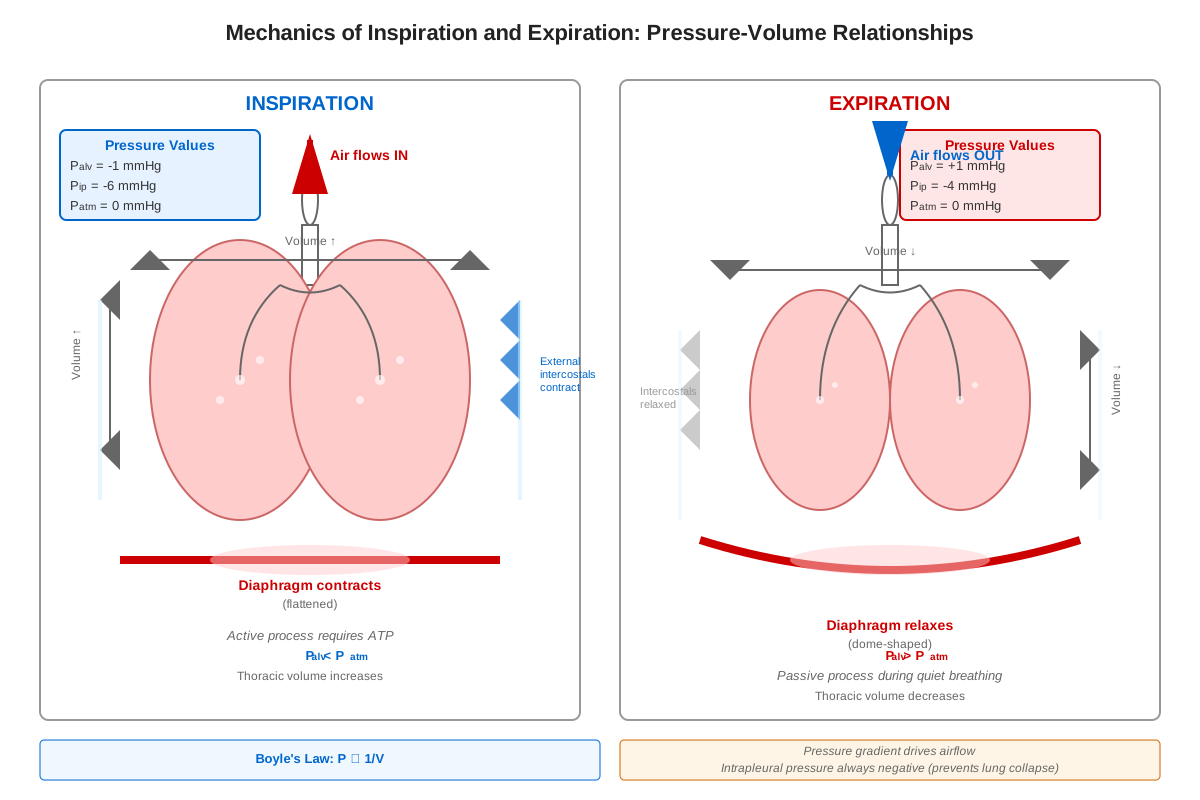
The fundamental principle governing ventilation is that air flows from regions of higher pressure to regions of lower pressure. During inspiration, respiratory muscles expand the thoracic cavity, increasing lung volume and decreasing alveolar pressure below atmospheric pressure (typically to -1 mmHg relative to atmosphere). This pressure gradient drives air into the lungs. During expiration, the process reverses: thoracic volume decreases, alveolar pressure rises above atmospheric pressure (+1 mmHg), and air flows out.
Respiratory Muscles and Mechanics
Inspiration is an active process requiring muscular contraction. The diaphragm, a dome-shaped skeletal muscle separating the thoracic and abdominal cavities, serves as the primary inspiratory muscle. When the diaphragm contracts, it flattens and descends, increasing the vertical dimension of the thoracic cavity. This action accounts for approximately 75% of the volume change during quiet breathing. The external intercostal muscles serve as accessory inspiratory muscles, elevating the ribs and sternum to increase the anteroposterior and lateral dimensions of the thorax.
During forced or deep inspiration, additional accessory muscles activate, including the sternocleidomastoid, scalenes, and pectoralis minor. These muscles further elevate the rib cage, enabling greater thoracic expansion and larger tidal volumes.
Expiration during quiet breathing is typically a passive process driven by elastic recoil of the lungs and chest wall. The lungs contain elastic fibers and surface tension forces that naturally resist expansion; when inspiratory muscles relax, these elastic forces return the system to its resting volume, expelling air. During forced expiration (coughing, exercise, playing wind instruments), the internal intercostal muscles and abdominal muscles (rectus abdominis, external and internal obliques, transversus abdominis) actively contract to decrease thoracic volume and increase alveolar pressure.
Pressure Relationships in Ventilation
Understanding ventilation requires distinguishing among several pressure measurements:
| Pressure Type | Definition | Typical Values | Clinical Significance |
|---|---|---|---|
| Atmospheric pressure (P_atm) | Pressure of ambient air | 760 mmHg at sea level | Reference point; set to 0 for relative measurements |
| Alveolar pressure (P_alv) | Pressure inside alveoli | Oscillates between -1 and +1 mmHg relative to atmosphere | Drives airflow; equals atmospheric pressure when no flow occurs |
| Intrapleural pressure (P_ip) | Pressure in pleural space between visceral and parietal pleura | -4 mmHg at rest; -8 mmHg during inspiration | Always negative (subatmospheric); maintains lung inflation |
| Transpulmonary pressure (P_tp) | Difference between alveolar and intrapleural pressure | P_alv - P_ip; typically +4 mmHg at rest | Represents distending pressure keeping lungs inflated |
The intrapleural pressure remains negative (below atmospheric) throughout the breathing cycle due to opposing elastic recoils of the lungs (which tend to collapse inward) and chest wall (which tends to spring outward). This negative pressure creates suction that keeps the lungs adhered to the chest wall. If the pleural space is breached (pneumothorax), air enters, intrapleural pressure equalizes with atmospheric pressure, and the lung collapses.
Lung Volumes and Capacities
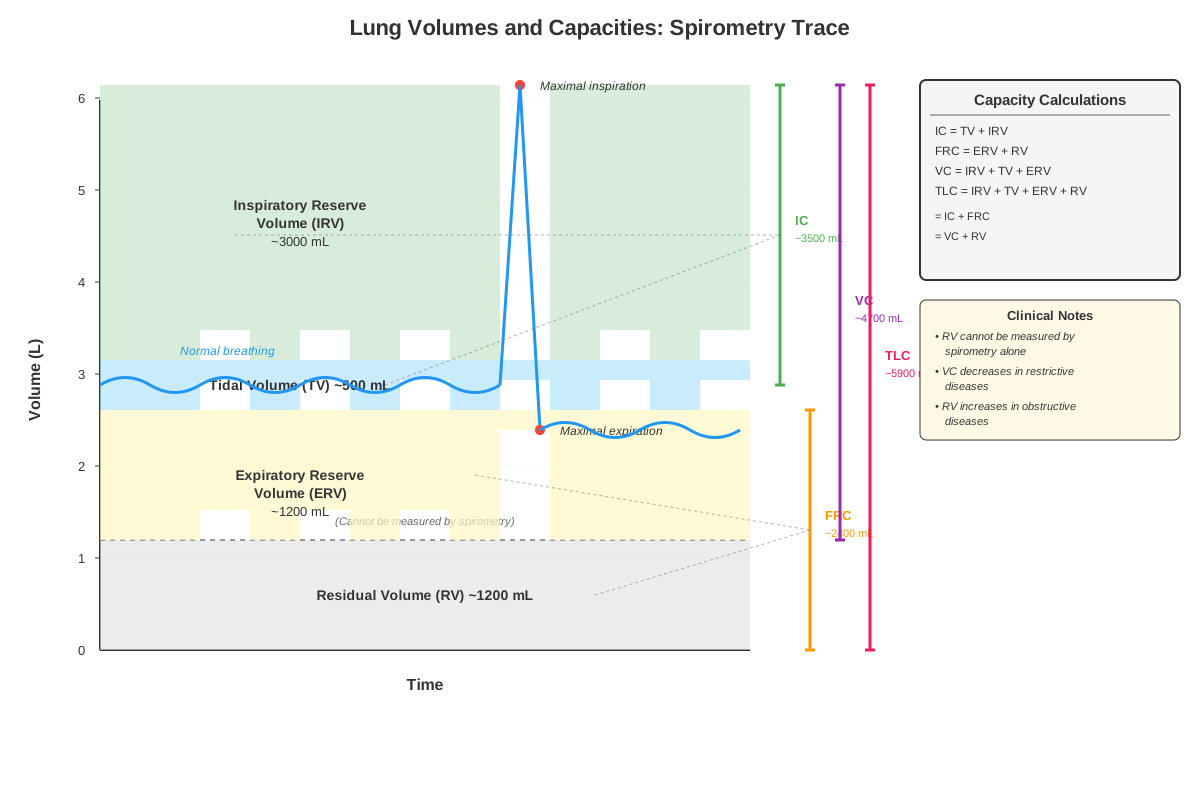
Spirometry measures various lung volumes and capacities that characterize ventilatory function:
Lung Volumes (non-overlapping):
- Tidal volume (TV): Volume of air moved during normal quiet breathing (~500 mL)
- Inspiratory reserve volume (IRV): Additional air that can be inhaled beyond tidal inspiration (~3000 mL)
- Expiratory reserve volume (ERV): Additional air that can be exhaled beyond tidal expiration (~1200 mL)
- Residual volume (RV): Air remaining in lungs after maximal expiration (~1200 mL); cannot be measured by spirometry alone
Lung Capacities (combinations of two or more volumes):
- Inspiratory capacity (IC): TV + IRV (~3500 mL); maximum air inhaled from resting expiratory level
- Functional residual capacity (FRC): ERV + RV (~2400 mL); air in lungs at resting expiratory level
- Vital capacity (VC): TV + IRV + ERV (~4700 mL); maximum air that can be exhaled after maximum inspiration
- Total lung capacity (TLC): TV + IRV + ERV + RV (~5900 mL); total air in lungs after maximum inspiration
These values vary with body size, sex, age, and fitness level. The MCAT frequently presents spirometry data and asks students to calculate capacities from volumes or interpret abnormal patterns.
Minute Ventilation and Alveolar Ventilation
Minute ventilation (V̇E) represents the total volume of air moved per minute:
Minute Ventilation = Tidal Volume × Respiratory Rate
V̇E = TV × RR
For example, with TV = 500 mL and RR = 12 breaths/min, minute ventilation = 6000 mL/min or 6 L/min.
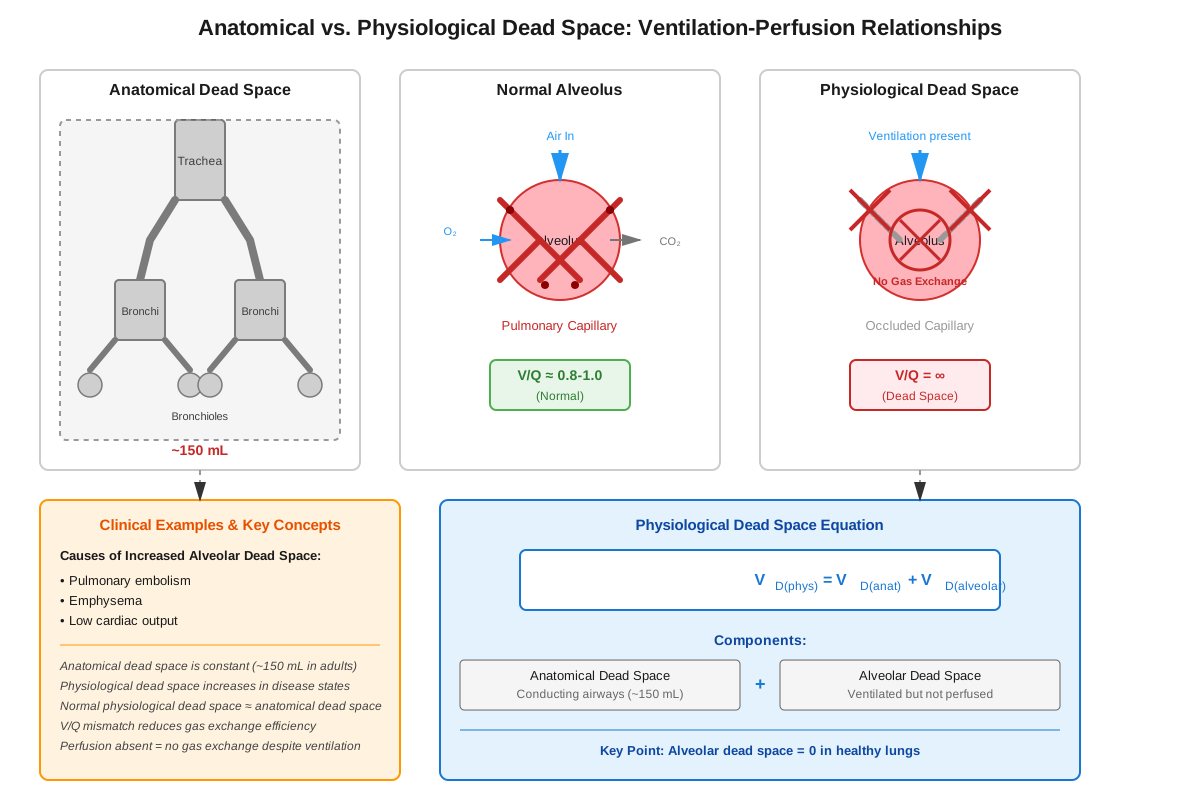
However, not all inspired air participates in gas exchange. The conducting airways (trachea, bronchi, bronchioles) do not contain alveoli and constitute anatomical dead space (~150 mL in adults). Air in this space does not contact pulmonary capillaries and therefore does not contribute to gas exchange.
Alveolar ventilation (V̇A) represents the volume of fresh air reaching the alveoli per minute:
Alveolar Ventilation = (Tidal Volume - Dead Space) × Respiratory Rate
V̇A = (TV - VD) × RR
Using the previous example: V̇A = (500 - 150) × 12 = 4200 mL/min or 4.2 L/min.
This distinction is clinically crucial: shallow, rapid breathing (small TV, high RR) may maintain normal minute ventilation but reduce alveolar ventilation because a larger proportion of each breath fills dead space. Conversely, deep, slow breathing (large TV, low RR) with the same minute ventilation delivers more fresh air to alveoli.
Physiological dead space includes anatomical dead space plus any alveoli that are ventilated but not perfused (ventilation-perfusion mismatch). In healthy individuals, physiological dead space approximately equals anatomical dead space, but disease states can dramatically increase physiological dead space.
Control of Ventilation
Ventilation is regulated by neural control centers in the brainstem that integrate multiple sensory inputs to adjust breathing rate and depth according to metabolic demands.
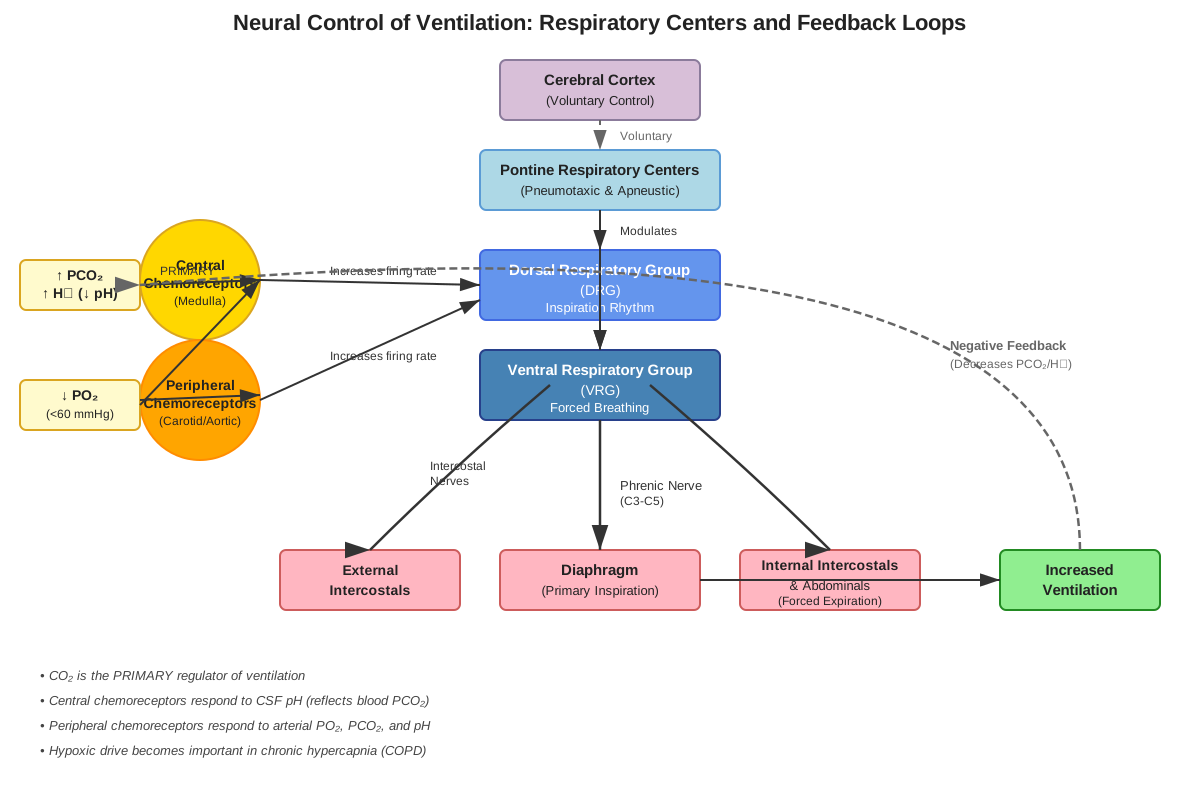
The medullary respiratory centers contain the dorsal respiratory group (DRG), which primarily controls inspiration, and the ventral respiratory group (VRG), which controls both inspiration and active expiration. These centers generate the basic rhythm of breathing. The pontine respiratory centers (pneumotaxic and apneustic centers) modulate the medullary rhythm, fine-tuning the transition between inspiration and expiration.
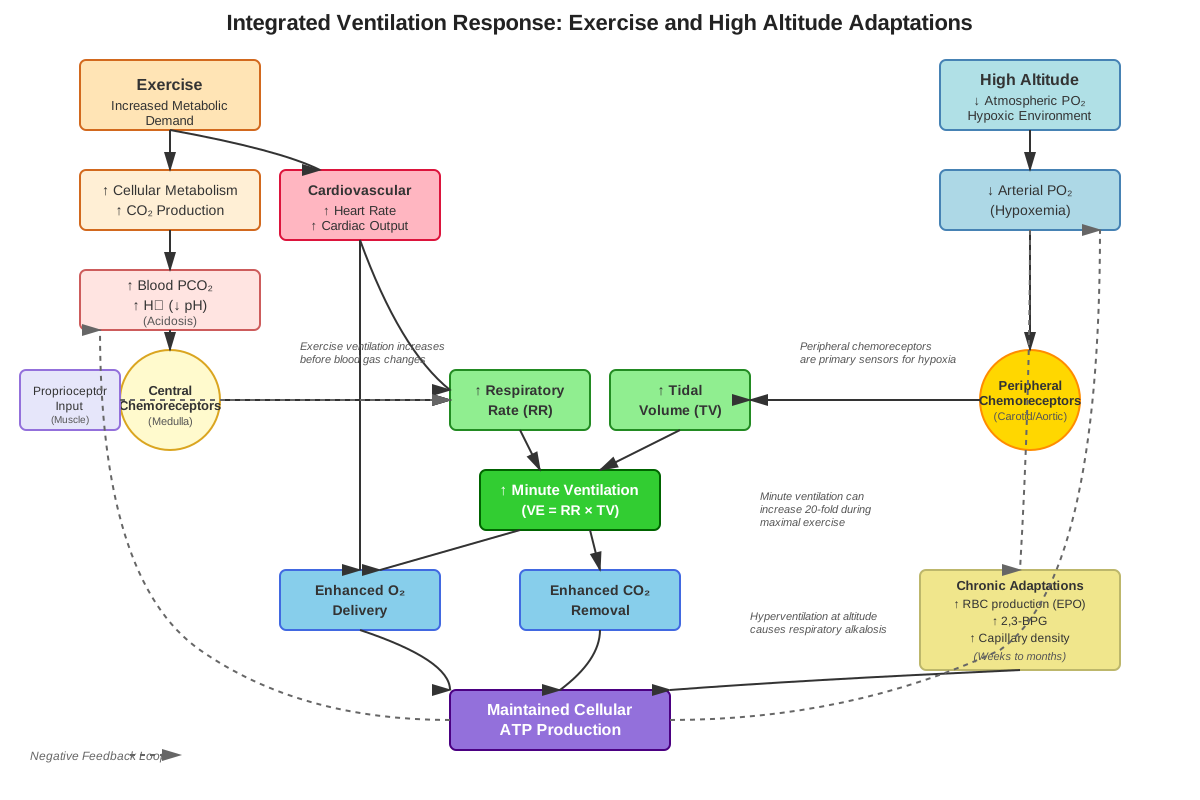
Central chemoreceptors in the medulla are the primary regulators of ventilation under normal conditions. These receptors respond to changes in cerebrospinal fluid (CSF) pH, which reflects arterial CO₂ levels. CO₂ diffuses across the blood-brain barrier, combines with water to form carbonic acid, and dissociates to release H⁺ ions that decrease CSF pH. Increased CO₂ (hypercapnia) therefore decreases pH, stimulating central chemoreceptors to increase ventilation rate and depth. This negative feedback loop maintains arterial PCO₂ near 40 mmHg.
Peripheral chemoreceptors in the carotid bodies (at carotid artery bifurcation) and aortic bodies (in aortic arch) respond to decreased arterial PO₂ (hypoxemia), increased PCO₂, and decreased pH. These receptors provide the primary ventilatory response to hypoxemia, particularly when PO₂ falls below 60 mmHg. Peripheral chemoreceptors respond more rapidly than central chemoreceptors but contribute less to baseline ventilation control.
Mechanoreceptors in the lungs and airways provide additional feedback. Pulmonary stretch receptors activate during lung inflation and trigger the Hering-Breuer reflex, which inhibits further inspiration and prevents overinflation. Irritant receptors respond to noxious stimuli (smoke, dust, chemicals) by triggering coughing, bronchoconstriction, and increased ventilation.
Voluntary control from the cerebral cortex can override automatic control temporarily, allowing breath-holding, hyperventilation, or speech. However, chemical drive eventually overrides voluntary control—one cannot voluntarily hold breath until loss of consciousness under normal conditions because rising CO₂ triggers overwhelming ventilatory drive.
Compliance and Resistance
Lung compliance measures the ease of lung expansion, defined as the change in lung volume per unit change in transpulmonary pressure:
Compliance = ΔVolume / ΔPressureHigh compliance means lungs expand easily with small pressure changes (emphysema); low compliance means lungs are stiff and require large pressure changes for expansion (pulmonary fibrosis). Compliance depends on elastic tissue properties and surface tension in alveoli.
Surfactant, a phospholipid-protein complex secreted by type II alveolar cells, reduces surface tension in alveoli. According to the Law of Laplace, smaller alveoli would require higher pressure to remain inflated and would tend to collapse into larger alveoli. Surfactant reduces surface tension more in smaller alveoli, stabilizing alveoli of different sizes and preventing collapse. Surfactant deficiency (respiratory distress syndrome in premature infants) causes decreased compliance and difficulty breathing.
Airway resistance opposes airflow through the conducting airways. According to Poiseuille's Law, resistance is inversely proportional to the fourth power of airway radius—small decreases in radius dramatically increase resistance. Airway radius is regulated by:
- Bronchial smooth muscle tone (parasympathetic stimulation causes bronchoconstriction; sympathetic stimulation via β₂-receptors causes bronchodilation)
- Lung volume (higher volumes stretch airways open, decreasing resistance)
- Mucus and inflammation (increase resistance)
Diseases like asthma increase airway resistance through bronchoconstriction, inflammation, and mucus production, requiring greater pressure gradients to achieve adequate airflow.
Concept Relationships
The core concepts of ventilation form an integrated physiological system. Respiratory muscle contraction → increases thoracic volume → decreases intrapleural pressure → decreases alveolar pressure below atmospheric → creates pressure gradient → drives airflow into lungs (inspiration). The reverse sequence produces expiration.
Lung compliance and airway resistance determine how effectively pressure changes translate into volume changes and airflow. Low compliance requires greater muscular effort to achieve the same volume change, while high resistance requires greater pressure gradients to achieve the same flow rate. These mechanical properties connect to lung volumes and capacities, which quantify the functional limits of the ventilatory system.
Minute ventilation and alveolar ventilation link the mechanical process of moving air to the physiological goal of gas exchange. The concept of dead space bridges these two measures, explaining why breathing pattern (not just total ventilation) affects gas exchange efficiency.
Neural control mechanisms integrate sensory information about blood gas levels (from chemoreceptors) and lung mechanics (from mechanoreceptors) to adjust respiratory muscle activity, completing a negative feedback loop that maintains homeostasis. This control system connects ventilation to broader concepts of acid-base balance (CO₂ regulation affects pH), cardiovascular function (ventilation and perfusion must match), and metabolic demands (exercise increases ventilation to meet increased O₂ consumption and CO₂ production).
The relationship between intrapleural pressure and transpulmonary pressure explains why lungs remain inflated and how pneumothorax causes lung collapse, connecting mechanical principles to clinical pathology. Similarly, understanding surfactant function connects molecular biology (phospholipid properties) to tissue-level mechanics (compliance) to clinical disease (respiratory distress syndrome).
Quick check — test yourself on Ventilation so far.
Try Flashcards →High-Yield Facts
⭐ Ventilation is driven by pressure gradients: Air flows from high to low pressure; alveolar pressure must fall below atmospheric for inspiration and rise above atmospheric for expiration
⭐ Intrapleural pressure remains negative throughout the breathing cycle: Typically -4 mmHg at rest, becoming more negative (-8 mmHg) during inspiration; pneumothorax eliminates this negative pressure and causes lung collapse
⭐ The diaphragm is the primary muscle of inspiration: Accounts for ~75% of volume change during quiet breathing; contraction increases vertical thoracic dimension
⭐ Alveolar ventilation = (Tidal Volume - Dead Space) × Respiratory Rate: Only the portion of each breath that reaches alveoli contributes to gas exchange; anatomical dead space is ~150 mL
⭐ Central chemoreceptors respond to CO₂/pH changes and provide primary ventilatory drive: Increased CO₂ crosses blood-brain barrier, decreases CSF pH, and stimulates increased ventilation
- Quiet expiration is passive, driven by elastic recoil; forced expiration requires active muscle contraction (internal intercostals, abdominal muscles)
- Surfactant reduces surface tension in alveoli, increases compliance, and prevents alveolar collapse; deficiency causes respiratory distress syndrome
- Peripheral chemoreceptors in carotid and aortic bodies respond to decreased PO₂ (especially below 60 mmHg), providing hypoxic ventilatory drive
- Compliance measures ease of lung expansion (ΔV/ΔP); decreased in fibrosis (stiff lungs), increased in emphysema (floppy lungs)
- Airway resistance is inversely proportional to radius to the fourth power; small decreases in airway diameter dramatically increase resistance (asthma, COPD)
- Vital capacity (VC) = TV + IRV + ERV; represents maximum air that can be exhaled after maximum inspiration (~4700 mL)
- Functional residual capacity (FRC) = ERV + RV; represents air in lungs at resting expiratory level (~2400 mL); cannot be measured by spirometry alone
- Transpulmonary pressure (P_alv - P_ip) represents the distending pressure keeping lungs inflated; always positive in healthy individuals
Common Misconceptions
Misconception: Oxygen levels are the primary regulator of ventilation under normal conditions.
Correction: CO₂ levels (detected as pH changes by central chemoreceptors) provide the primary ventilatory drive under normal conditions. Oxygen levels only become a significant ventilatory stimulus when PO₂ falls below ~60 mmHg, which occurs in hypoxemic conditions but not during normal breathing. This is why patients with chronic hypercapnia (chronically elevated CO₂) may rely on hypoxic drive—their central chemoreceptors have adapted to high CO₂, and low O₂ becomes their primary stimulus to breathe.
Misconception: Intrapleural pressure becomes positive during normal inspiration.
Correction: Intrapleural pressure becomes MORE negative during inspiration (from -4 to -8 mmHg), not positive. It remains subatmospheric throughout the normal breathing cycle. Intrapleural pressure only becomes positive during forced expiration (coughing, Valsalva maneuver) or in pathological conditions like pneumothorax.
Misconception: Residual volume can be measured using standard spirometry.
Correction: Residual volume (RV) is the air remaining in lungs after maximal expiration and cannot be exhaled, so spirometry cannot measure it directly. RV must be measured using specialized techniques such as helium dilution, nitrogen washout, or body plethysmography. Any lung capacity that includes RV (FRC, TLC) also cannot be measured by spirometry alone.
Misconception: Increasing respiratory rate always increases alveolar ventilation proportionally.
Correction: Increasing respiratory rate while decreasing tidal volume (shallow, rapid breathing) may maintain or even increase minute ventilation but can actually decrease alveolar ventilation. This occurs because dead space volume remains constant (~150 mL), so a larger fraction of each small breath fills dead space rather than reaching alveoli. For example, breathing 500 mL × 12/min gives alveolar ventilation of (500-150) × 12 = 4200 mL/min, while breathing 250 mL × 24/min gives only (250-150) × 24 = 2400 mL/min despite the same minute ventilation (6 L/min).
Misconception: The lungs actively expand during inspiration by contracting their own muscles.
Correction: Lungs are passive elastic structures without skeletal muscle. They expand during inspiration because respiratory muscles (diaphragm, external intercostals) expand the thoracic cavity, creating negative intrapleural pressure that pulls the lungs outward. The lungs follow the chest wall expansion due to the pressure gradient and pleural adhesion, not through active lung tissue contraction.
Misconception: Surfactant increases surface tension in alveoli.
Correction: Surfactant DECREASES surface tension in alveoli. Without surfactant, water molecules at the air-liquid interface in alveoli create high surface tension that would cause alveoli to collapse (especially smaller ones, according to the Law of Laplace). Surfactant disrupts these water-water interactions, reducing surface tension and stabilizing alveoli at different sizes.
Misconception: Expiration always requires active muscle contraction.
Correction: Quiet, resting expiration is a passive process requiring no muscle contraction. Elastic recoil of the lungs and chest wall, which were stretched during inspiration, provides the force to decrease lung volume and expel air. Only forced expiration (during exercise, coughing, or playing wind instruments) requires active contraction of expiratory muscles (internal intercostals and abdominal muscles).
Worked Examples
Example 1: Calculating Alveolar Ventilation and Predicting Effects of Breathing Pattern Changes
Clinical Scenario: A patient in the emergency department is breathing rapidly and shallowly due to anxiety. Her respiratory rate is 30 breaths/min with a tidal volume of 250 mL. A medical student suggests that because her minute ventilation is normal (7.5 L/min), her ventilation is adequate. Assume anatomical dead space is 150 mL.
Question: Calculate the patient's alveolar ventilation and compare it to normal. Explain why the medical student's reasoning is incorrect.
Solution:
Step 1: Calculate the patient's minute ventilation
Minute Ventilation = TV × RR = 250 mL × 30 breaths/min = 7500 mL/min = 7.5 L/minStep 2: Calculate the patient's alveolar ventilation
Alveolar Ventilation = (TV - Dead Space) × RR
V̇A = (250 - 150) × 30 = 100 × 30 = 3000 mL/min = 3.0 L/min
Step 3: Calculate normal alveolar ventilation for comparison
Normal breathing: TV = 500 mL, RR = 12 breaths/min
Normal V̇A = (500 - 150) × 12 = 350 × 12 = 4200 mL/min = 4.2 L/minStep 4: Compare and interpret
The patient's alveolar ventilation (3.0 L/min) is approximately 29% lower than normal (4.2 L/min), despite normal minute ventilation. This represents hypoventilation at the alveolar level.
Explanation: The medical student's error was focusing on minute ventilation rather than alveolar ventilation. While total air movement appears normal, the shallow breathing pattern means that a much larger proportion of each breath fills dead space (150/250 = 60% vs. normal 150/500 = 30%). Less fresh air reaches the alveoli per breath, reducing gas exchange efficiency. This patient would likely develop hypercapnia (elevated CO₂) and hypoxemia (low O₂) despite moving a normal total volume of air. Treatment should focus on decreasing respiratory rate and increasing tidal volume (deeper, slower breathing) to improve alveolar ventilation.
MCAT Connection: This example demonstrates the critical distinction between minute and alveolar ventilation (Learning Objective: Apply Ventilation to exam-style questions). MCAT questions frequently present scenarios requiring calculation of ventilation parameters and prediction of physiological consequences.
Example 2: Analyzing Pressure Changes During the Breathing Cycle
Experimental Scenario: Researchers measure pressures at different points during the breathing cycle in a healthy subject:
| Time Point | Alveolar Pressure (relative to atmosphere) | Intrapleural Pressure (relative to atmosphere) | Airflow |
|---|---|---|---|
| A | 0 mmHg | -4 mmHg | None |
| B | -1 mmHg | -6 mmHg | Into lungs |
| C | 0 mmHg | -8 mmHg | None |
| D | +1 mmHg | -4 mmHg | Out of lungs |
Question: Identify which time point corresponds to: (1) end of inspiration, (2) mid-inspiration, (3) end of expiration, and (4) mid-expiration. Calculate transpulmonary pressure at each point and explain its significance.
Solution:
Step 1: Analyze airflow patterns
- Airflow into lungs occurs when alveolar pressure < atmospheric (Point B)
- Airflow out of lungs occurs when alveolar pressure > atmospheric (Point D)
- No airflow occurs when alveolar pressure = atmospheric (Points A and C)
Step 2: Identify breathing cycle phases
- Point A: End of expiration (no flow, intrapleural pressure at resting value of -4 mmHg)
- Point B: Mid-inspiration (air flowing in, intrapleural pressure becoming more negative)
- Point C: End of inspiration (no flow, intrapleural pressure most negative at -8 mmHg, lungs maximally inflated)
- Point D: Mid-expiration (air flowing out, intrapleural pressure returning toward resting value)
Step 3: Calculate transpulmonary pressure (P_tp = P_alv - P_ip)
- Point A: 0 - (-4) = +4 mmHg
- Point B: -1 - (-6) = +5 mmHg
- Point C: 0 - (-8) = +8 mmHg
- Point D: +1 - (-4) = +5 mmHg
Step 4: Interpret transpulmonary pressure
Transpulmonary pressure represents the distending pressure keeping lungs inflated—the pressure difference between the inside of alveoli and the pleural space. This pressure is always positive in healthy individuals, meaning alveolar pressure always exceeds intrapleural pressure, preventing lung collapse.
At end-inspiration (Point C), transpulmonary pressure is highest (+8 mmHg) because lungs are maximally stretched. The increased elastic recoil at this point drives passive expiration. At end-expiration (Point A), transpulmonary pressure is lowest (+4 mmHg) but still positive, maintaining baseline lung inflation.
MCAT Connection: This example integrates pressure relationships, the breathing cycle, and mechanical principles (Learning Objectives: Define Ventilation, Apply to exam-style questions). MCAT passages frequently present experimental data requiring interpretation of pressure changes and their physiological consequences. Understanding that transpulmonary pressure must remain positive and that intrapleural pressure becomes MORE negative during inspiration are high-yield concepts.
Exam Strategy
When approaching MCAT questions on ventilation, begin by identifying what the question is actually asking: Is it testing pressure relationships, lung volumes, control mechanisms, or mechanical properties? Many students lose points by solving for the wrong variable or misidentifying the phase of the breathing cycle.
Trigger words and phrases to recognize:
- "Inspiration" or "inhalation" → expect discussion of diaphragm contraction, negative alveolar pressure, inward airflow
- "Expiration" or "exhalation" → distinguish between passive (quiet) and active (forced) expiration
- "Spirometry" or "pulmonary function test" → prepare to interpret graphs or calculate volumes/capacities
- "Dead space" → remember to subtract from tidal volume when calculating alveolar ventilation
- "Compliance" → think about ease of expansion; decreased in fibrosis, increased in emphysema
- "Resistance" → think about airway diameter; dramatically increased when radius decreases (asthma)
- "Chemoreceptors" → central respond to CO₂/pH (primary drive), peripheral respond to O₂ (hypoxic drive)
Process-of-elimination strategies:
- Eliminate answer choices that violate fundamental principles: intrapleural pressure cannot be positive during normal breathing; air cannot flow without a pressure gradient; residual volume cannot be exhaled
- For pressure questions, draw a quick diagram showing atmospheric, alveolar, and intrapleural pressures with their relationships
- For calculation questions, write out the formula first, then substitute values—this prevents unit errors and helps identify missing information
- For mechanism questions, trace the causal chain: muscle contraction → volume change → pressure change → airflow
Time allocation advice: Ventilation questions typically require 60-90 seconds. Calculation questions may take slightly longer but should not exceed 2 minutes. If a question requires multiple calculations (e.g., calculating both minute and alveolar ventilation, then comparing to normal), budget 2 minutes. If you cannot identify the correct approach within 30 seconds, flag the question and return to it—ventilation questions often become clearer after answering related questions in the same passage.
Common question formats:
- Data interpretation: Given spirometry values, calculate a capacity or identify a disease pattern
- Experimental manipulation: Predict how changing one variable (altitude, exercise, disease) affects others
- Mechanism tracing: Explain the sequence of events from stimulus to response
- Clinical application: Identify the ventilation defect underlying described symptoms
Always connect back to the fundamental principle: ventilation moves air by creating pressure gradients through volume changes generated by respiratory muscles. Most questions, regardless of complexity, ultimately test understanding of this core concept.
Memory Techniques
Mnemonic for lung volumes (from smallest to largest functional categories):
"TV RV ERV IRV" → "The Really Exciting Inspiratory Volumes"
- Tidal Volume (normal breath)
- Residual Volume (can't exhale this)
- Expiratory Reserve Volume (extra you can exhale)
- Inspiratory Reserve Volume (extra you can inhale)
Mnemonic for capacities:
"I Function Vitally Through Life"
- Inspiratory Capacity (IC = TV + IRV)
- Functional residual Capacity (FRC = ERV + RV)
- Vital Capacity (VC = TV + IRV + ERV)
- Total Lung Capacity (TLC = all four volumes)
Visualization for pressure relationships:
Picture a balloon (lung) inside a jar (thorax) with a vacuum pump attached to the space between them (pleural space). The vacuum (negative intrapleural pressure) keeps the balloon pressed against the jar walls. If the jar cracks (pneumothorax), air rushes into the space, the vacuum is lost, and the balloon collapses inward. This mental image helps remember why intrapleural pressure must remain negative and what happens in pneumothorax.
Acronym for respiratory muscle function:
"DEIS" for inspiration: Diaphragm, External intercostals, Inspiratory accessory muscles, Sternocleidomastoid
"IAI" for forced expiration: Internal intercostals, Abdominal muscles, Increased effort
Memory aid for chemoreceptor locations and functions:
"Central CO₂, Carotid O₂" (alliteration helps)
- Central chemoreceptors in medulla respond primarily to CO₂/pH
- Carotid (and aortic) bodies respond to O₂ (and CO₂ and pH, but O₂ is their unique contribution)
Conceptual anchor for dead space:
Remember that anatomical dead space is approximately 1 mL per pound of ideal body weight (or 2.2 mL/kg). For a 150-pound person, dead space ≈ 150 mL. This provides a quick reference for calculations and helps estimate whether given values are reasonable.
Summary
Ventilation is the mechanical process of moving air into and out of the lungs through pressure gradients created by respiratory muscle contraction and relaxation. The diaphragm serves as the primary inspiratory muscle, contracting to increase thoracic volume, decrease intrapleural and alveolar pressures, and drive airflow into the lungs. Quiet expiration is passive, driven by elastic recoil, while forced expiration requires active muscle contraction. Intrapleural pressure remains negative throughout normal breathing, maintaining lung inflation through positive transpulmonary pressure. Lung volumes (TV, IRV, ERV, RV) and capacities (IC, FRC, VC, TLC) quantify ventilatory function and can be measured by spirometry, except for RV and RV-containing capacities. Alveolar ventilation, not minute ventilation, determines gas exchange efficiency because anatomical dead space does not participate in gas exchange. Ventilation is primarily regulated by central chemoreceptors responding to CO₂/pH changes, with peripheral chemoreceptors providing hypoxic drive. Compliance (ease of expansion) and resistance (opposition to airflow) determine the mechanical efficiency of ventilation. Understanding these integrated concepts enables prediction of physiological responses to exercise, altitude, and disease states—all high-yield topics for MCAT success.
Key Takeaways
- Ventilation is driven by pressure gradients: alveolar pressure must fall below atmospheric for inspiration and rise above atmospheric for expiration, created by respiratory muscle-induced volume changes
- Intrapleural pressure remains negative throughout normal breathing (-4 mmHg at rest, -8 mmHg during inspiration), maintaining lung inflation; pneumothorax eliminates this negative pressure and causes collapse
- The diaphragm is the primary inspiratory muscle (75% of volume change); quiet expiration is passive (elastic recoil), while forced expiration requires active muscle contraction
- Alveolar ventilation = (TV - Dead Space) × RR determines gas exchange efficiency; breathing pattern (not just total ventilation) affects alveolar ventilation due to constant dead space volume
- Central chemoreceptors responding to CO₂/pH provide primary ventilatory drive under normal conditions; peripheral chemoreceptors respond to low O₂ (hypoxic drive below ~60 mmHg)
- Lung compliance (ΔV/ΔP) measures ease of expansion; surfactant increases compliance by reducing alveolar surface tension and preventing collapse
- Spirometry measures lung volumes and capacities except residual volume and RV-containing capacities (FRC, TLC), which require specialized techniques
Related Topics
Gas Exchange and Transport: Ventilation delivers oxygen to alveoli and removes carbon dioxide, but understanding how these gases diffuse across the alveolar-capillary membrane and are transported in blood completes the respiratory picture. Mastering ventilation provides the foundation for understanding partial pressures, diffusion gradients, and hemoglobin-oxygen binding curves.
Acid-Base Balance: CO₂ regulation through ventilation directly affects blood pH via the bicarbonate buffer system. Understanding ventilatory control mechanisms enables comprehension of respiratory compensation for metabolic acidosis/alkalosis and primary respiratory acid-base disorders.
Cardiovascular Physiology: Ventilation and perfusion must be matched for efficient gas exchange. The ventilation-perfusion ratio (V/Q) connects respiratory and cardiovascular systems, explaining how blood flow distribution affects gas exchange efficiency and how diseases create V/Q mismatches.
Exercise Physiology: Exercise dramatically increases metabolic demands, requiring integrated cardiovascular and respiratory responses. Understanding how ventilation increases during exercise (through both neural and chemical mechanisms) and how this matches increased oxygen consumption demonstrates physiological integration.
Respiratory Pathophysiology: Obstructive diseases (asthma, COPD, emphysema) and restrictive diseases (pulmonary fibrosis, respiratory distress syndrome) alter ventilation mechanics in characteristic ways. Mastering normal ventilation enables understanding of how diseases affect compliance, resistance, lung volumes, and gas exchange.
Practice CTA
Now that you have mastered the core concepts of ventilation, test your understanding with practice questions and flashcards. Focus on applying pressure relationships to predict airflow direction, calculating alveolar ventilation from given parameters, and interpreting spirometry data to identify disease patterns. The integration of physics principles with biological systems makes ventilation an excellent topic for developing the analytical reasoning skills that distinguish high-scoring MCAT students. Challenge yourself with timed practice to build both accuracy and speed—your investment in mastering ventilation will pay dividends across multiple sections of the exam. You've got this!
Sign up free to keep reading
Create a free AnvayaPrep account to finish this MCAT guide on Ventilation — plus flashcards and practice questions.